

- Details
- Written by: Halna du Fretay
- Category: 2024
- Hits: 4622










Saab has received an order from the Swedish Defence Materiel Administration (FMV) for its Giraffe 1X surface radar, intended for one of Sweden's Ground-Based Air Defence (GBAD) solutions. This contract, valued at approximately SEK 700 million, spans from 2024 to 2027 and includes the full integration of the Giraffe 1X radar into Sweden's command and control systems. The radar will be installed on a Sisu GTP armored vehicle, thereby enhancing the country’s ground-based air defense capabilities.
Follow Army Recognition on Google News at this link
The Giraffe 1X is a lightweight, high-performance 3D multi-mission radar developed by Saab, primarily designed for ground-based air defense applications (Picture source: Saab)
The Giraffe 1X is a lightweight, high-performance 3D multi-mission radar developed by Saab, primarily designed for ground-based air defense applications. Entering production in the early 2020s, the Giraffe 1X quickly gained recognition for its versatility and compact design, allowing it to be integrated into various mobile, deployable, or fixed platforms.
Weighing less than 150 kg, this radar system provides continuous air surveillance, capable of detecting a wide range of threats, including low, slow, and small (LSS) targets, drones, and counter-artillery, rocket, and mortar (C-RAM) threats. Its ability to cover the entire search volume every second makes it an essential component for short-range air defense and a complement to larger GBAD systems.
In terms of capabilities, the Giraffe 1X offers multifunctional protection with simultaneous air surveillance, GBAD target acquisition, and C-RAM warning capabilities without performance degradation. The radar is particularly effective in detecting and tracking small drones, distinguishing them from birds with minimal false alarms.
This makes it suitable for applications ranging from military force protection to security at civil events. While the exact number of units in service varies by operator, the Giraffe 1X is actively used by several military forces and has become a crucial asset in enhancing situational awareness and air defense capabilities.
Carl-Johan Bergholm, head of Saab's Surveillance division, expressed his satisfaction with the integration of the Giraffe 1X into Sweden's air defense, highlighting its importance in strengthening the protection of Swedish forces.
This radar is a key component of Sweden's defense strategy, offering advanced detection and threat identification capabilities on the battlefield. The contract between Saab and FMV underscores Sweden's commitment to modernizing and enhancing its air defense capabilities, relying on cutting-edge technologies suited to current and future battlefield requirements.
Read more: Sweden Chooses Saab's Giraffe 1X Radar Mounted on SISU GTP Armored Vehicle

- Details
- Written by: Triffaux
- Category: 2024
- Hits: 6401
The Ghanaian Army acquired several APC 79 SFIGHTER-2 armored vehicles, designed by the Jordanian company Shield Armored Vehicles. The official unveiling of these vehicles took place on Monday, August 26 2024, at the Burma military camp, led by Lieutenant General Thomas Oppong-Peprah, Chief of the Defence Staff.
Follow Army Recognition on Google News at this link
Jordanian company Shield APC 79 SFIGHTER-2 Armored Vehicles (Picture source: Ghana MoD)
Built on the chassis of the Toyota Land Cruiser 79, these armored vehicles are equipped with a 4.5L V8 Turbo diesel engine and manual transmission. They provide protection against small arms fire up to level B6 and have seating for eight, including spaces for the driver and commander.
It provides fast and secure transportation of up to 8 persons. Designed to transport personnel and equipments.
This acquisition is part of a broader program aimed at enhancing the transportation and protection capabilities of the Ghanaian army. In February of the previous year, the army acquired 245 vehicles, including 70 Kamaz trucks, 20 BTR-70 APCs, 20 Navistar Defence Husky tactical support vehicles, and 65 Toyota utility vehicles.
In October 2023, the European Union donated over 100 armored military vehicles to Ghana. This donation included BATT UMGs, Toyota Land Cruisers, Chevrolet trucks, and GMC trucks, all intercepted during an operation to enforce the UN arms embargo on Libya.
Earlier this year, China also contributed to Ghana's arsenal by donating rocket artillery and armored vehicles through Poly Technologies.
In parallel, on April 4, 2022, Vice President Mahamudu Bawumia inaugurated several joint venture companies under the Defence Industries Holding Company (DIHOC), aimed at producing ammunition, electronic gadgets, and military attire, among other equipment. This project is intended to establish a self-sufficient military industrial complex for Ghana.
The Ghanaian Army is equipped with an impressive array of reconnaissance and combat vehicles to enhance its operational capabilities. Among these assets, there are three EE-9 Cascavel reconnaissance vehicles. For infantry transport and support, the arsenal includes 48 infantry fighting vehicles, divided among 24 Ratel-90s, 15 Ratel-20s, 4 Piranha 25mm, and more than 5 Type-05P 25mm.
Regarding armored personnel carriers (APCs), the army has 105 units. Additionally, it possesses more than 55 weapon-equipped APCs (APC W), including 46 Piranhas and more than 9 Type-05Ps. Finally, for operations requiring multipurpose protected vehicles, the army uses 50 Streit Typhoons. These vehicles play a crucial role in supporting ground operations and protecting engaged forces.
According to Military Balance 2023, the Ghanaian armed forces are among the most capable in the region, thanks to a long-term development plan. The ability to control its Exclusive Economic Zone (EEZ) is becoming increasingly important, which underpins the navy’s expansion plans, including the opening of a new forward-operating base. Internal and maritime security are central military tasks, including disaster response and peacekeeping missions abroad. The US provides training and support, and there is also significant and long-standing defense engagement with the UK. Air force training, close air support, and airlift capabilities have developed in recent years. Plans are in place to boost training and exercises, as well as to improve military infrastructure. The army is a regular contributor to UN peacekeeping operations. Ghanaian professional military education institutions regularly train personnel from regional states. The development of forward-operating bases continues, with the principal objective of protecting energy resources. The defense industrial base is limited, including maintenance, ammunition manufacturing, and, more recently, armored vehicle production. The Defence Industries Holding Company was created in 2019 to enhance defense industrial capacity.
- Details
- Written by: Halna du Fretay
- Category: 2024
- Hits: 3982
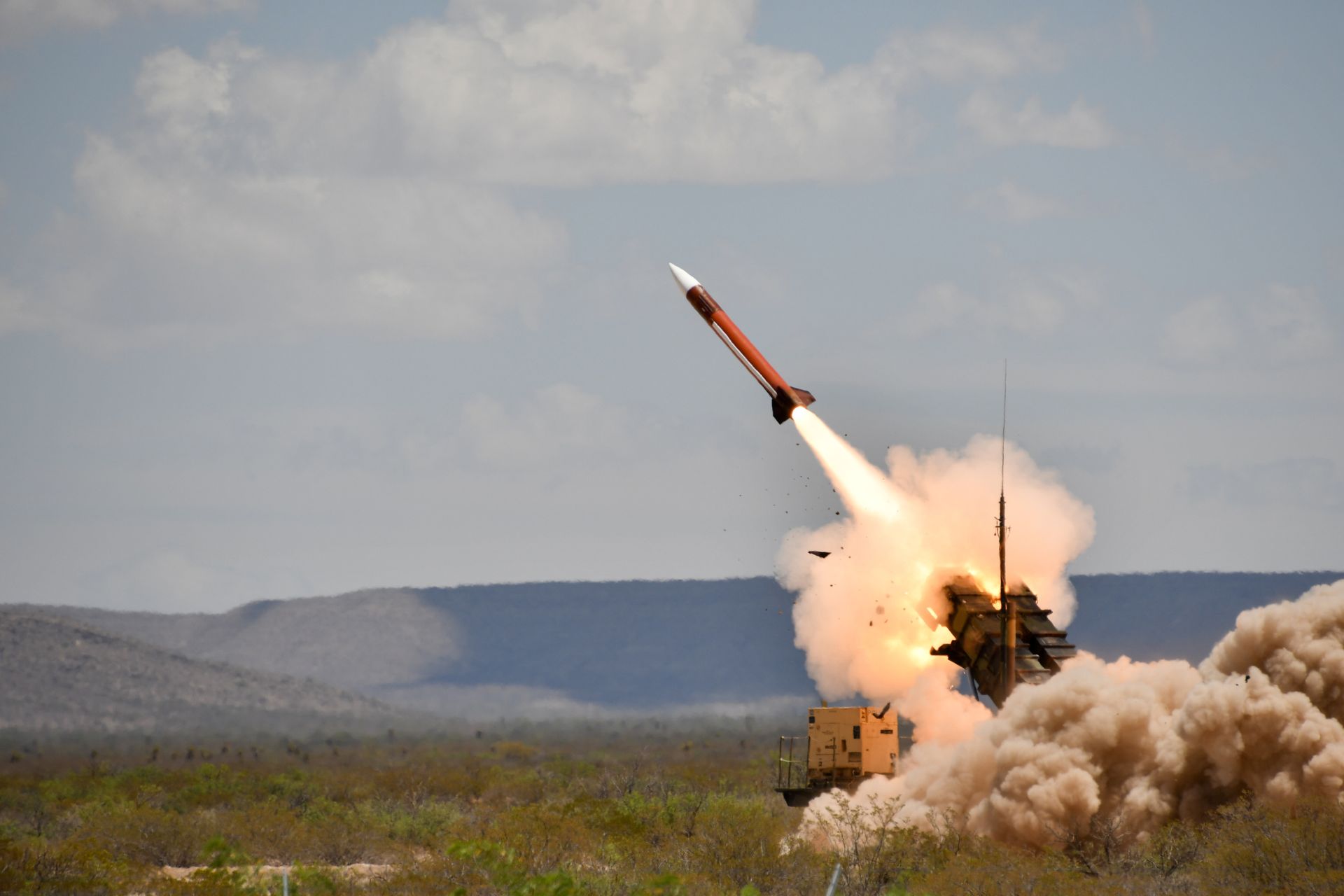
On August 29, 2024, in Washington, the U.S. State Department approved a potential foreign military sale to the Dutch government for the purchase of PATRIOT M903 launch systems and related upgrades, with an estimated cost of $224 million. This decision, aimed at enhancing the Netherlands' air defense capabilities, marks a significant step in military cooperation between the United States and this key NATO member.
Follow Army Recognition on Google News at this link
A MIM-104 Patriot Surface-to-Air Missile System as part of a live-fire exercise with military members assigned to the Royal Netherlands Ground-based Air Defense Command at McGregor Range, N.M., May 11, 2024 (Picture source: US DoD)
The Patriot M903 launch system is the latest and most advanced in the Patriot series, designed to provide increased flexibility in air and missile defense. Production began in the early 2010s, and it was developed in response to the growing need for protection against a variety of threats, including ballistic and cruise missiles. The M903 is compatible with several types of interceptor missiles, such as PAC-2 GEM, PAC-3 CRI, and PAC-3 MSE, enabling adaptable defense against diverse targets. This launch system is designed to maximize the effectiveness of Patriot systems, with the capacity to carry up to 16 PAC-3 CRI missiles or 12 PAC-3 MSE missiles, making it an extremely versatile platform for defense.
The Patriot M903 is currently in service with several U.S. allied countries, including NATO members, contributing to collective defense and regional stability. While the exact number of units in service is not publicly available, the M903 is a cornerstone of modern missile defense, used to protect critical infrastructure against sophisticated aerial threats. Produced by U.S. companies such as Lockheed Martin, the M903 is also deployed by U.S. armed forces in international operations, underscoring its strategic importance in global defense.
The Netherlands has requested the acquisition of two new PATRIOT M903 launch systems, along with equipment and services to upgrade existing M901 launch systems to the M903 configuration. In addition to these purchases, the request includes modification kits for the launchers, conversion kits for PATRIOT Advanced Capability-3 (PAC-3) Missile Segment Enhancement (MSE) missiles, heater controllers for the launch systems, shorting plug kits, automated PATRIOT logistics systems, spare parts, as well as a range of technical, logistical, and support services provided by the U.S. government and private contractors.
The approval of this sale by the U.S. State Department reflects the foreign policy and national security objectives of the United States, which aim to strengthen the security of NATO allies.
The Netherlands initially received four Patriot missile batteries in 1987. Since then, these systems have been upgraded to include the most recent versions, such as the Patriot Advanced Capability-2 (PAC-2) and Patriot Advanced Capability-3 (PAC-3). These batteries continue to play a crucial role in the country's air defense, particularly within the framework of NATO's collective security. In response to the ongoing conflict in Ukraine, the Netherlands has also contributed to international efforts by delivering some of its Patriot systems to Ukraine to bolster the country's air defense against Russian missile and aerial threats. The exact number of launchers or missiles from the Dutch contribution specifically has not been publicly disclosed, but this deployment represents a significant effort to support Ukraine's defense against aerial threats.
The Netherlands' missile defense capabilities will enable the country to address current and future threats, strengthen homeland defense, deter regional threats, and directly support coalition and security cooperation efforts.
The contract specifies that the principal suppliers will be Lockheed Martin Missiles and Fire Control, based in Grand Prairie, Texas, and RTX Corporation, located in Arlington, Virginia. While the purchaser typically requests offsets, any offset agreement will be defined during negotiations between the purchaser and the contractors.
Read more: US Approves Sale of PATRIOT M903 Launch Systems to Netherlands to Strengthen Air Defense

- Details
- Written by: Administrator
- Category: 2024
- Hits: 5703
The U.S. Army has awarded the Javelin Joint Venture (JJV) a follow-on production contract for fiscal year 2024. The contract covers the production of Javelin missiles and related equipment and services, with a total value of $1.3 billion. The contract also includes more than 4,000 Javelins to replenish missiles sent to Ukraine.
Follow Army Recognition on Google News at this link
A U.S. soldier demonstrates to Ukrainian soldiers how to use the Javelin anti-tank missile system.(Picture source: U.S. DoD)
This contract, covering the fiscal year 2024, underscores the U.S. commitment to maintaining its advanced weaponry inventory while supporting Ukraine amid ongoing regional conflicts. The contract encompasses the production of Javelin missiles and associated equipment and services crucial for their deployment and operational effectiveness. One key component of the agreement is the inclusion of over 4,000 Javelin missiles specifically earmarked to replenish stockpiles that have been sent to Ukraine over the past year.
This contract facilitates the procurement of Javelin weapon systems and provides production support for the U.S. Army. Last year, the Javelin Joint Venture (JJV) initiated efforts to scale up production, aiming to increase the annual output of Javelin All Up Rounds (AUR) to 3,960 units by late 2026.
The Javelin missile system stands out for its exceptional armor-destruction capabilities, making it a top-tier anti-tank weapon in modern arsenals. Its tandem-charge warhead, with a precursor charge to neutralize reactive armor and a main charge to penetrate base armor, allows it to defeat even the most advanced armor systems on modern main battle tanks, including those with Explosive Reactive Armor (ERA).
One of the Javelin's most significant features is its top-attack flight profile, which allows the missile to strike the target from above, where the armor is typically thinner and less reinforced. Upon impact, the warhead can penetrate up to 800 millimeters of rolled homogeneous armor (RHA), effectively neutralizing heavily armored vehicles. The combination of these features—tandem-charge warhead, top-attack capability, and high penetration power—makes the Javelin exceptionally lethal against a wide range of armored threats on the battlefield.
The Javelin missile system boasts a maximum effective range of up to 4.75 km (approximately 2.95 miles), although it is typically used within a range of 2.5 km (about 1.6 miles) for optimal accuracy and effectiveness. This extended range capability empowers infantry units to engage armored targets from a safe distance, well beyond the reach of most enemy weapons, providing a significant tactical advantage in various combat scenarios.
As of the most recent reports, the United States has delivered over 10,000 Javelin missiles and several hundred launchers to Ukraine since the beginning of the conflict in February 2022. These deliveries have been part of a broader military aid package aimed at bolstering Ukraine's defenses against Russian aggression. The exact number of launchers is less frequently reported, but it is known that the U.S. has provided a sufficient quantity to support the extensive use of the Javelin missiles by Ukrainian forces on the front lines. The Javelin systems have played a crucial role in Ukraine's ability to counter Russian armored vehicles, contributing significantly to their defensive operations.
The Javelin missile system has proven to be highly effective in combat during the conflict in Ukraine, particularly in countering Russian armored vehicles. Ukrainian forces have used the Javelin extensively against Russian tanks and other armored units, with notable success. The missile's top-attack capability, which strikes tanks where their armor is weakest, has been particularly effective against Russian main battle tanks, including the T-72, T-80, and T-90 models.
Reports from the battlefield indicate that the Javelin has contributed to the destruction of hundreds of Russian tanks, often in situations where Ukrainian forces were outnumbered. Its fire-and-forget technology allows Ukrainian soldiers to engage targets from a distance and then quickly relocate, minimizing their exposure to counterattacks.
Read more: US Army Secures $1.3 Billion Contract for Javelin Missiles Including 4,000 for Ukraine

- Details
- Written by: V.Saint
- Category: 2024
- Hits: 4716
Russian authorities are creating new voluntary territorial defense units in response to the ongoing Ukrainian offensive in the Kursk region, suggesting Vladimir Putin's reluctance to counter the offensive more broadly, including through a general mobilization, fearing public discontent or a large-scale redeployment of troops due to potential disruptions to Russia's offensive efforts in Eastern Ukraine. This is according to the think tank Institute for the Study of War (ISW).
Follow Army Recognition on Google News at this link
Servicemen of the 810th Separate Guards Naval Infantry Brigade of the Black Sea Fleet of the Russian Federation with a trophy Roshnel Senator, Kursk oblast (Picture source: Russian Fighters)
The latest report from ISW analysts notes that on August 29, the governor of the Kursk region, Alexei Smirnov, publicly announced the creation of the volunteer unit "BARS-Kursk" (BARS stands for the combat reserve of the Russian army), stating that its main function will be to "ensure security" in the Kursk region and the resettlement of border villages in the future.
The detachment would cooperate with the Russian army and the operational headquarters for counter-terrorism - which oversees the ongoing Russian response in the Kursk Oblast - and would also provide humanitarian aid to the inhabitants of the border villages.
The volunteers would sign six-month contracts, undergo training, and receive all the "necessary" weapons to carry out their tasks. Kursk Oblast officials posted a recruitment announcement for the detachment on August 24.
The spokesperson for the Ukrainian forces in Kharkiv, Colonel Vitaly Sarantsev, indicated that the Russian authorities were also forming "BARS-Bryansk" and "BARS-Belgorod" detachments, and that the three detachments would support the Russian Northern forces group. Sarantsev estimated that the three detachments would include a total of 4,921 volunteers.
The formation of these new volunteer BARS (Russian army combat reserve) detachments is consistent with the Kremlin's apparent strategy of avoiding redeploying experienced or combat-effective units engaged in fighting in the directions of Pokrovsk or Toretsk to the Kursk Oblast due to concerns about slowing the pace of Russian offensive operations in these more priority directions.
ISW notes that Putin has consistently resorted to voluntary and irregular formations to alleviate Russia's manpower constraints during the war and has avoided decreeing a general mobilization or another round of partial mobilization, both of which would be incredibly unpopular within Russian society.
Putin remains almost certainly extremely reluctant to declare a general mobilization and will likely continue to rely on irregular formations to address the ongoing Ukrainian incursion into the Kursk Oblast until Russian offensive operations peak in Eastern Ukraine - at which point, Putin might consider redeploying more combat-effective Russian forces from these directions to repel Ukrainian units across the border," the analysts wrote in the review.
As previously reported by several international media outlets, the American CIA estimates that Russia will launch a counter-offensive to attempt to retake territory in the Kursk region that is currently under Ukrainian control, noting that this would be a difficult task for the Russians.
Read more: Russia is forming territorial defense units to support the capture of the Kursk region.

- Details
- Written by: Triffaux
- Category: 2024
- Hits: 6230
On 21 August 2024, the Indian Army launched a major tender for the procurement of advanced lightweight artillery cannons, with a total budget of 848.5 million USD. This tender is part of a wider initiative to modernize India's military capabilities by replacing outdated artillery systems with modern, lighter equipment that incorporates advanced technologies. The initial goal is to acquire 400 cannons, with the potential to expand this number to over 1,200 units to the army's operational capacity.
Indian Army launched a Major Tender for the Procurement of Advanced Lightweight Artillery Howitzer (Picture source: Wikimedia)
One of the key aspects of this tender is its alignment with the government's "Make in India" initiative. The contract mandates that over 50% of the components of the new systems must be manufactured locally. This requirement aims to boost domestic production, reduce dependency on imports, and promote India's technological self-sufficiency in the defense sector.
Several major Indian defense companies have shown interest in this project. Larsen & Toubro (L&T), for example, is already collaborating with Hanwha Defense from South Korea to produce the K9 Vajra-T, a 155mm/52 caliber self-propelled howitzer, and has also partnered with Nexter, a French company, to propose the towed cannon TRAJAN. Bharat Forge is presenting the BHARAT 52, a 155mm/52 caliber towed howitzer, as well as an ultra-light howitzer named Mountain Artillery Gun-Extended Range (MAG-ER), designed for operations in mountainous terrain. Tata Advanced Systems Ltd (TASL) might, in turn, submit a lightened version of the Advanced Towed Artillery Gun System (ATAGS), developed in collaboration with the DRDO, and already lauded for its exceptional range and accuracy.
Other contenders such as Adani Defence and Aerospace are also in the running. Adani is proposing a towed version of the ATMOS, a truck-mounted howitzer known for its modularity and robustness. Lastly, AWEIL, a public enterprise, plans to participate with a towed cannon based on the Dhanush, an improved version of the Bofors FH77B, which has already proven its reliability in various trials.
Advanced Towed Artillery Gun System (ATAGS)
The ATAGS is a 155mm/52 caliber towed howitzer developed by the DRDO in collaboration with Tata Advanced Systems and Bharat Forge. It can fire at a maximum range of 45 km with Extended Range Full Bore (ERFB) shells, and up to 78 km with ramjet-propelled shells currently under development. The system can fire three shots in 30 seconds and 42 shots in an hour in sustained mode. The ATAGS has also been designed to operate in extreme conditions, including high altitudes, making it a crucial asset for mountainous terrains such as those along the Indo-Chinese borders.

Tata Advanced Systems and Bharat Forge Advanced Towed Artillery Gun System 155mm/52 caliber (Picture source: Wikimedia)
Bharat-52
The Bharat-52 is another 155mm/52 caliber towed howitzer, developed by Bharat Forge, a subsidiary of the Kalyani Group. This cannon, designed to be operational in all weather conditions and terrains, has an effective firing range of 41 km. It is distinguished by its ability to fire three shots in 30 seconds and 42 shots in an hour in sustained mode. The Bharat-52 has been designed to offer exceptional maneuverability and high mobility on the battlefield, making it ideal for use in varied environments, including mountainous border areas.

Bharat Forge Bharat-52 155mm/52 Caliber Towed Howitzer (Picture source : Army Recognition)
Trajan 155mm/52 caliber
The Trajan, developed by Nexter Systems in France, is a 155mm/52 caliber towed artillery system, designed to be extremely precise and powerful. It can be positioned for firing in less than 1 minute and 30 seconds, thanks to advanced automation that facilitates firing and movement operations. The system is derived from the Caesar, a truck-mounted howitzer that has proven itself in combat conditions in Afghanistan. The Trajan is particularly valued for its effectiveness in supporting mechanized and armored units.
As a reminder, the Trajan was in the past involved in competitive evaluations but was not ultimately chosen as the preferred system. Instead, the Indian Army has shown a greater inclination towards indigenously developed artillery systems like the Advanced Towed Artillery Gun System (ATAGS). We will see through this new tender whether the Trajan might regain interest from the Indian government following the proven effectiveness of the Caesar cannon in Ukraine, from which this cannon is partly derived.

Larsen & Toubro Trajan 155mm/52 caliber (Picture source: Nexter Larsen & Toubro)
ATMOS 155mm/52 caliber
The ATMOS is a truck-mounted artillery system developed by Elbit Systems, offered in a towed version by Adani Defence and Aerospace. Known for its modularity and ease of deployment, the ATMOS is designed for high mobility, making it particularly suited for operations in difficult terrains. Although specific details on the towed version are not fully disclosed, the truck-mounted system has a maximum range of about 41 km with a high rate of fire, similar to other 155mm/52 caliber systems.

Adani Defence and Aerospace ATMOS 155mm/52 caliber (Picture source: Elbit Systems)
The Indian Army is expected to make a decision on awarding this contract in the coming months, with an obligation for the selected bidder to provide logistical and maintenance support for a ten-year period. This acquisition is crucial for the modernization of Indian artillery, thereby strengthening its operational capabilities and supporting the national defense industry. International collaborations, particularly with European partners, are also essential to ensure that new technologies meet global standards and strengthen India's strategic position in the region.
The use of Indian artillery cannons along the country's borders is primarily dictated by geostrategic contexts and historical conflicts with its neighbors, mainly Pakistan and China. These border areas, often located in difficult terrains and hostile environments, are critical for national security, and artillery plays a key role in defending these regions.
The Line of Control (LoC) is the de facto border that separates India from Pakistan in the disputed region of Jammu and Kashmir. This region has been the site of numerous conflicts since the partition of India in 1947, including the Indo-Pakistani wars of 1947-1948, 1965, and 1971, as well as the Kargil conflict in 1999.
Artillery is frequently used along the LoC to respond to ceasefire violations and support defense operations. Artillery guns, such as the Bofors FH-77B and newer systems like the K9 Vajra-T, are deployed for their ability to fire at long range, thus targeting enemy positions across mountainous terrain. The acquisition of new artillery systems aims to enhance these capabilities, particularly with lighter and more mobile guns, suited for mountainous conditions.
The Actual Line of Control (LAC) separates India and China along the Himalayan border, another contested area. Tensions between India and China have been particularly heightened since the Sino-Indian War of 1962, and more recently, by clashes in the Ladakh region in 2020.
Conditions in these regions are extremely challenging, with high altitudes and freezing temperatures, making the mobility and performance of artillery systems critical. Guns like the M777 ultra-light, which can be airlifted by helicopter, and the K9 Vajra-T, which has been specially adapted for high-altitude conditions, are essential for defending the LAC. These systems allow the Indian Army to respond quickly to any incursion and maintain a deterrent posture against Chinese forces.
According to Military Balance 2023, India currently employs the following towed howitzers: approximately 1,350 units of 105mm howitzers, including over 600 Indian Field Guns (IFG) Mk1/Mk2/Mk3 and up to 700 Light Field Guns (LFG), along with 50 Soltam M-56 guns. For 122mm howitzers, India has 520 D-30 guns. In the 130mm category, around 600 M-46 guns are in service, with 500 of them in storage. Finally, for 155mm howitzers, India possesses around 625 units, including approximately 300 FH-77B guns, around 200 modified M-46 guns, and 125 M777A2 guns.
Conflicts with Pakistan originate from the 1947 partition, which led to the creation of Pakistan as a separate nation and the dispute over sovereignty in the Jammu and Kashmir region. Both countries have since been involved in several wars and lower-intensity confrontations. The Kashmir region remains a major point of tension, fueled by religious, political, and territorial factors.
The conflict with China is primarily due to unresolved border disputes along the LAC. The 1962 war marked the beginning of open tensions, exacerbated by differing perceptions of historical borders and Chinese claims on Arunachal Pradesh, a region China considers part of Tibet. Recent tensions have been fueled by increased military infrastructure on both sides and reciprocal incursions into contested territories.
Read more: India Launches Major Call for Tender to Acquire Advanced Lightweight Artillery Guns
- Details
- Written by: Halna du Fretay
- Category: 2024
- Hits: 3133
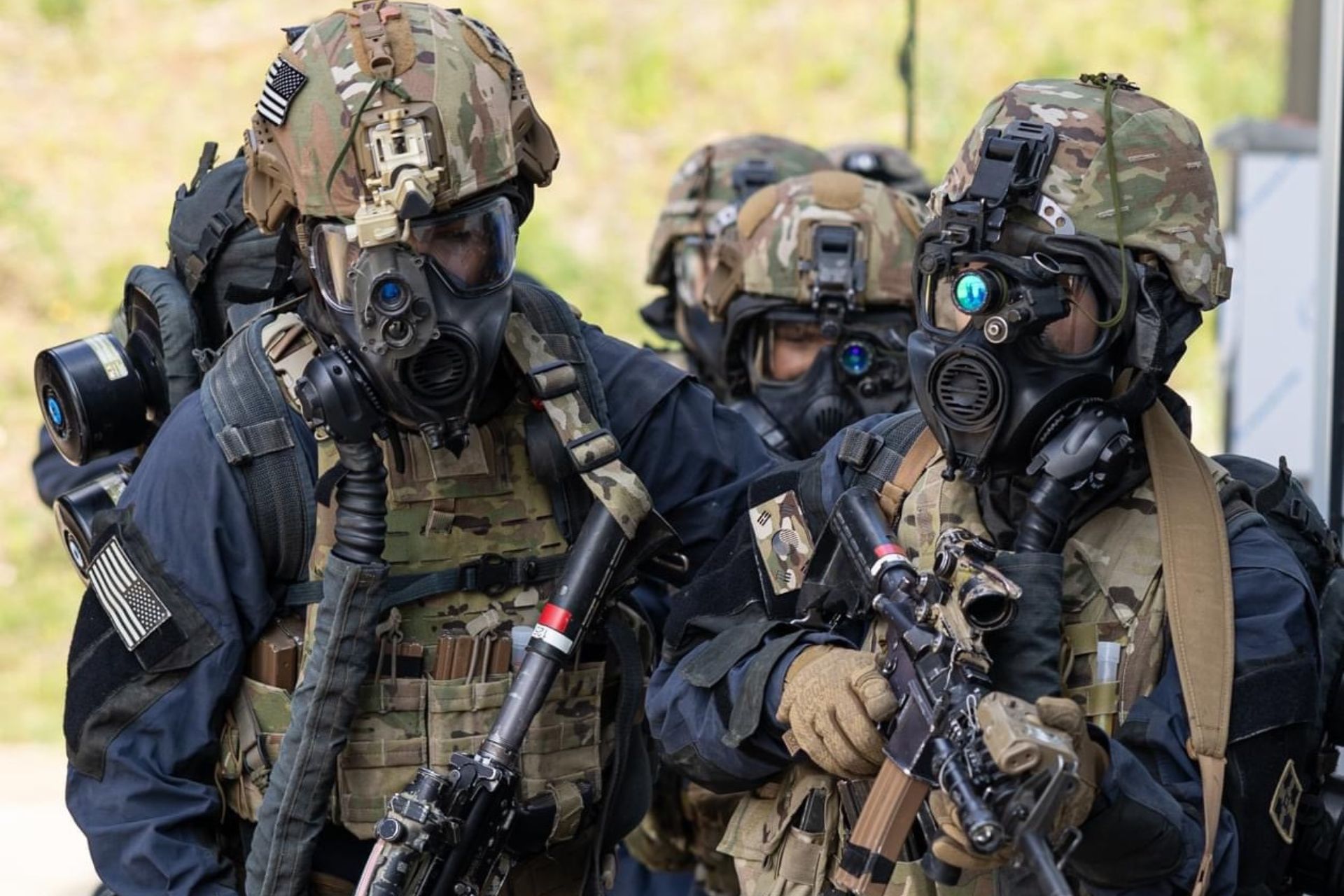
From August 19 to 29, 2024, the U.S. Army's deployable and multifunctional Chemical, Biological, Radiological, Nuclear, Explosives (CBRNE) Command participated in the Ulchi Freedom Shield (UFS) 24 exercise in South Korea. While the holding of such exercises is routine, this iteration carries particular significance given North Korea's ongoing ballistic missile tests and its continued development of weapons capabilities, directly threatening South Korea.
Follow Army Recognition on Google News at this link
American Soldiers from the 59th Chemical, Biological, Radiological, Nuclear (CBRN) Company (Hazardous Response) "Mountain Dragons" are bolstering the Republic of Korea-U.S. Alliance combined defense posture during a rotational deployment near the Korean Demilitarized Zone (Picture source: US DoD)
Ulchi Freedom Shield 24 is a routine defense exercise designed to strengthen the alliance between the Republic of Korea and the United States, ensuring stability on the Korean Peninsula and in Northeast Asia. This annual exercise integrates live training and constructive simulations involving South Korean, American, and multinational forces. The training focuses on multi-domain operations, leveraging land, sea, air, cyber, and space resources, as well as non-kinetic effects.
The 20th CBRNE Command, which houses the majority of the U.S. Army's active-duty CBRN specialists and Explosive Ordnance Disposal (EOD) technicians, also includes the 1st Area Medical Laboratory, CBRNE Analytical and Remediation Activity, Weapons of Mass Destruction Coordination Teams (WCT), and Nuclear Disablement Teams. These specialized units play a critical role in confronting and neutralizing the world's most dangerous threats, supporting joint, interagency, and multinational operations.
During the exercise, one of the 20th CBRNE Command's Weapons of Mass Destruction Coordination Teams provided specialized CBRNE personnel and technical expertise to combatant commanders and key federal agencies. Conducting joint exercises between South Korea and the United States, especially in the CBRNE domain, is crucial for addressing specific threats posed by North Korea. The immediate proximity of South Korea to North Korea, which possesses nuclear and chemical weapons, makes the Korean Peninsula a high-risk area.
In the event of a conflict, North Korea could potentially use weapons of mass destruction, such as nuclear-tipped ballistic missiles or chemical and biological agents, against South Korean targets. These exercises enable U.S. and South Korean forces to prepare for scenarios requiring rapid detection, decontamination, and neutralization of such threats. The collaboration within these exercises also enhances the ability of both nations to coordinate their efforts in real-time, thereby minimizing potential casualties and improving resilience against a CBRNE attack.
Major Steven M. Modugno, the public affairs director for the 20th CBRNE Command, emphasized the importance of this exercise, highlighting the strong partnership between U.S. and South Korean forces. He noted that American troops have maintained a constant presence on the Korean Peninsula for over 70 years, working closely with their South Korean allies to ensure regional security.

- Details
- Written by: V.Saint
- Category: 2024
- Hits: 2620
As part of the "Combat Ground Army" transformation and to strengthen the excellence of the French Army, particularly the 27th Mountain Infantry Brigade, in mountain and extreme cold operations, since August 1st, the High Mountain Military School has expanded by integrating the Mountain Conditioning Group (GAM) of Modane.
Follow Army Recognition on Google News at this link
Reservists from the 2nd Foreign Engineer Regiment, at the Rochilles camp in Valloire from December 15 to 16, 2022.(Picture source: French MoD)
Conditioning consists of a set of processes that contribute to improving the operational aptitude of men and women by confronting them with physical and psychological difficulties imposed by the execution of missions in extreme and hostile environments.
Belonging to the 27th Mountain Infantry Brigade (27th BIM) and based in Chamonix since 1932, the High Mountain Military School, EMHM, is the mountain and extreme cold expertise center of the Armed Forces. It trains all specialist officers (27th BIM, special forces, land and joint support) in techniques of movement (mountaineering, skiing, paragliding) and crossing, stationing, combat, risk management in environments, up to expeditions on all continents. Furthermore, as a pioneer in this training delegation, the EMHM trains the young non-commissioned officers of the 27th Mountain Infantry Brigade. Since August 1, 2024, the EMHM has been expanded with a 4th unit by integrating the Mountain Conditioning Group of Modane and its 35 soldiers, alongside the mountain and extreme cold training, tactical training, and high mountain military group divisions.
The integration of the GAM within the EMHM, a culmination of work initiated several years ago, perfectly fits into the transformation of the Ground Army. By bringing its capabilities and skills on the conditioning of non-specialist units in the environment, on survival and motorized mobility in the mountains and extreme cold, the GAM broadens the missions of the EMHM and reinforces its legitimacy as a unique military expertise center of global reference.
Motorized mobility in the mountains and extreme cold represents all the materials (High Mobility Vehicle (VHM), HT270, snowmobile, quad with or without tracks) and associated specialized skills.
The 27th Mountain Infantry Brigade (27th BIM) is subordinate to the 1st Division and constitutes the Mountain Emergency Brigade of the Ground Army, the 27th Mountain Infantry Brigade (27th BIM) is subordinate to the 1st Division. Its particularity is to be able to carry out all its missions in steep and/or mountainous terrain and in extreme weather conditions. Created in 1888 to defend the Alps border, the mountain troops have been from the beginning a specialized inter-arms force in mountain warfare. Pioneers in the collective practice of mountaineering, they largely contributed to the introduction of skiing in France. The particularity of the 27th Mountain Infantry Brigade is to be able to carry out all its missions in steep and/or mountainous terrain and in extreme weather conditions. The "mountain specificity" is defined as the set of moral, physical, technical, and tactical skills, whether individual or collective, to live, move, and fight in an environment characterized by high or rugged terrain and in extreme weather conditions. Mastery of the environment implies three particular capacities: the ability to move and overcome natural obstacles, the ability to live over time, and the ability to command and fight.
The 27th Mountain Infantry Brigade is present in all recent engagements of the French Army such as Mali, Lebanon, Djibouti, Chad, Central African Republic, Senegal, Ivory Coast, Kosovo, Bosnia-Herzegovina, Macedonia, and Afghanistan every winter since 2008 in the province of Kapisa.
Read more: Elevating Expertise: French High Mountain Military School Expands with New Unit
- Details
- Written by: Halna du Fretay
- Category: 2024
- Hits: 3048
ASELSAN, Türkiye’s leading defense company, is preparing for a significant presence at the upcoming Egypt International Airshow 2024, scheduled from September 3 to 5 in El Alamain, Egypt. As the company continues to expand its influence in the global defense and aviation sectors, ASELSAN will present a wide range of advanced products and solutions designed to meet the complex demands of modern military and civilian air platforms. Follow Army Recognition on Google News at this link
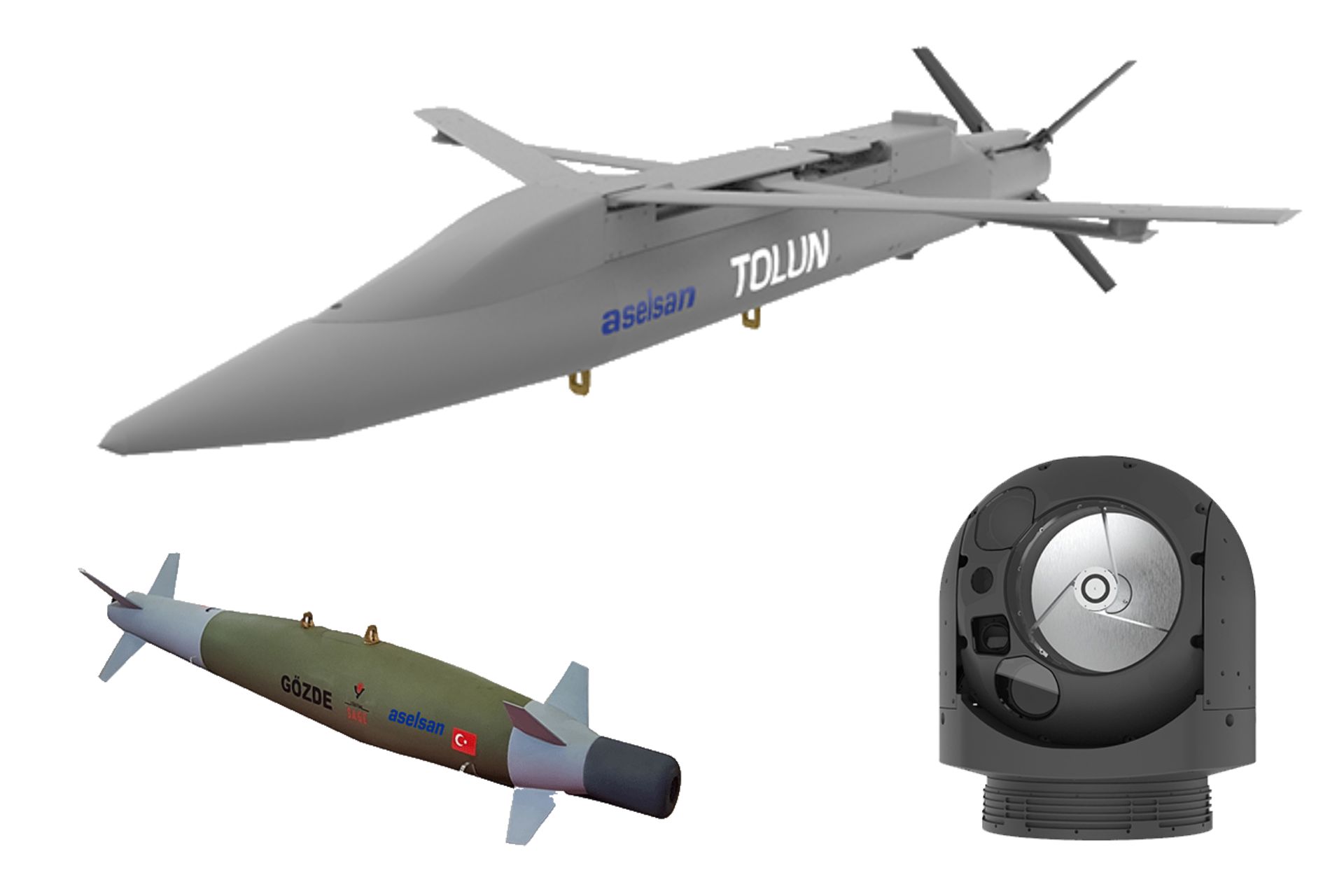
ASELSAN will showcase the TOLUN Guided Munition, GÖZDE Guidance Kit, ASELFLIR 500, and key components of Türkiye’s "Steel Dome" defense system at Egypt International Airshow 2024 (Picture source: Aselsan)
Founded in 1975, ASELSAN has nearly fifty years of experience and has established itself as a key player in the defense industry, both in Türkiye and internationally. The company specializes in advanced electronic systems for military and industrial clients, offering innovative solutions across various fields such as radar systems, electronic warfare, microelectronics, electro-optics, information and communication technologies, and defense systems. ASELSAN’s capabilities also extend to civilian industries, providing solutions in transportation, security, energy, automation, and healthcare.
At the Egypt International Airshow, ASELSAN will make its first appearance, marking an important step in its strategic efforts to strengthen its presence in the aviation sector. The company will showcase a variety of its cutting-edge products and systems at Booth No. F35, including electro-optical reconnaissance, surveillance, and targeting systems, airborne radars, guided munitions, integrated avionics systems, communication radios, and electronic warfare systems.
Highlighted technologies include the TOLUN Guided Munition, the GÖZDE Guidance Kit, and the ASELFLIR 500, an electro-optical system designed for reconnaissance, surveillance, and targeting. Additionally, critical systems related to Türkiye’s new "Steel Dome" defense initiative will be presented, reflecting ASELSAN’s commitment to advancing military technologies to meet the needs of both domestic and international clients.
The TOLUN Guided Munition is a precision bomb developed by ASELSAN to improve the accuracy and effectiveness of airstrikes. It is equipped with advanced guidance systems, including inertial and GPS navigation, allowing it to hit targets with high precision. TOLUN entered production in the early 2020s, with operational deployment following shortly after. It is part of ASELSAN’s broader efforts to provide modern and reliable munitions for national and international air forces.
The GÖZDE Guidance Kit is a modular system designed to convert standard, unguided bombs into precision-guided munitions. It integrates advanced navigation technologies, such as laser guidance, to significantly improve the accuracy of aerial bombardments. Developed as part of Türkiye’s ongoing efforts to strengthen its indigenous defense capabilities, the kit entered service in the early 2020s, with an increasing number of units integrated into the Turkish Air Force’s arsenal.
The ASELFLIR 500 is an electro-optical reconnaissance, surveillance, and targeting system developed by ASELSAN. Designed to provide high-quality imaging and targeting capabilities for various military platforms, including drones, helicopters, and fixed-wing aircraft, the system offers high-resolution imaging and advanced tracking capabilities, operating effectively in various environmental conditions. The ASELFLIR 500 has been in production since the mid-2010s, with multiple units currently in service, particularly within the Turkish Armed Forces.
The "Steel Dome" is a missile defense system developed by ASELSAN for Türkiye, designed to protect strategic infrastructure against aerial threats, including ballistic missiles, rockets, and drones. Composed of several advanced subsystems, it integrates detection and tracking radars, command and control systems, and interceptor missiles capable of neutralizing threats before they reach their target.
Ahmet Akyol, President and CEO of ASELSAN, emphasized the company’s commitment to providing reliable solutions to armed forces worldwide, particularly in the Middle East and Africa. "With our advanced technologies, we are ready to welcome leaders, pioneers, and customers from around the globe here in Egypt. As a trusted partner for the region's armed forces, we challenge our engineering teams every day to foster revolutionary technologies," he stated.
ASELSAN's participation in the Egypt International Airshow reflects its broader ambition to strengthen its position in global defense and avionics markets while continuing to innovate and provide cutting-edge solutions for critical missions worldwide.
Read more: ASELSAN to Showcase Its Latest Technologies at Egypt International Airshow 2024
- Details
- Written by: Halna du Fretay
- Category: 2024
- Hits: 9621
The Bundeswehr has once again opted to equip its forces with weapons from Heckler & Koch. The manufacturer, based in Oberndorf am Neckar, won the contract to supply the G210 rifle, a model derived from the MR308A6, which was specifically designed to meet the needs of the German army's special forces. The contract was signed in the presence of Jens Bodo Koch, CEO of Heckler & Koch, Arno Trebbin, a representative of the Federal Office of Bundeswehr Equipment, Information Technology, and In-Service Support (BaAINBw), and Marco Geißinger, the company's commercial director.
Follow Army Recognition on Google News at this link
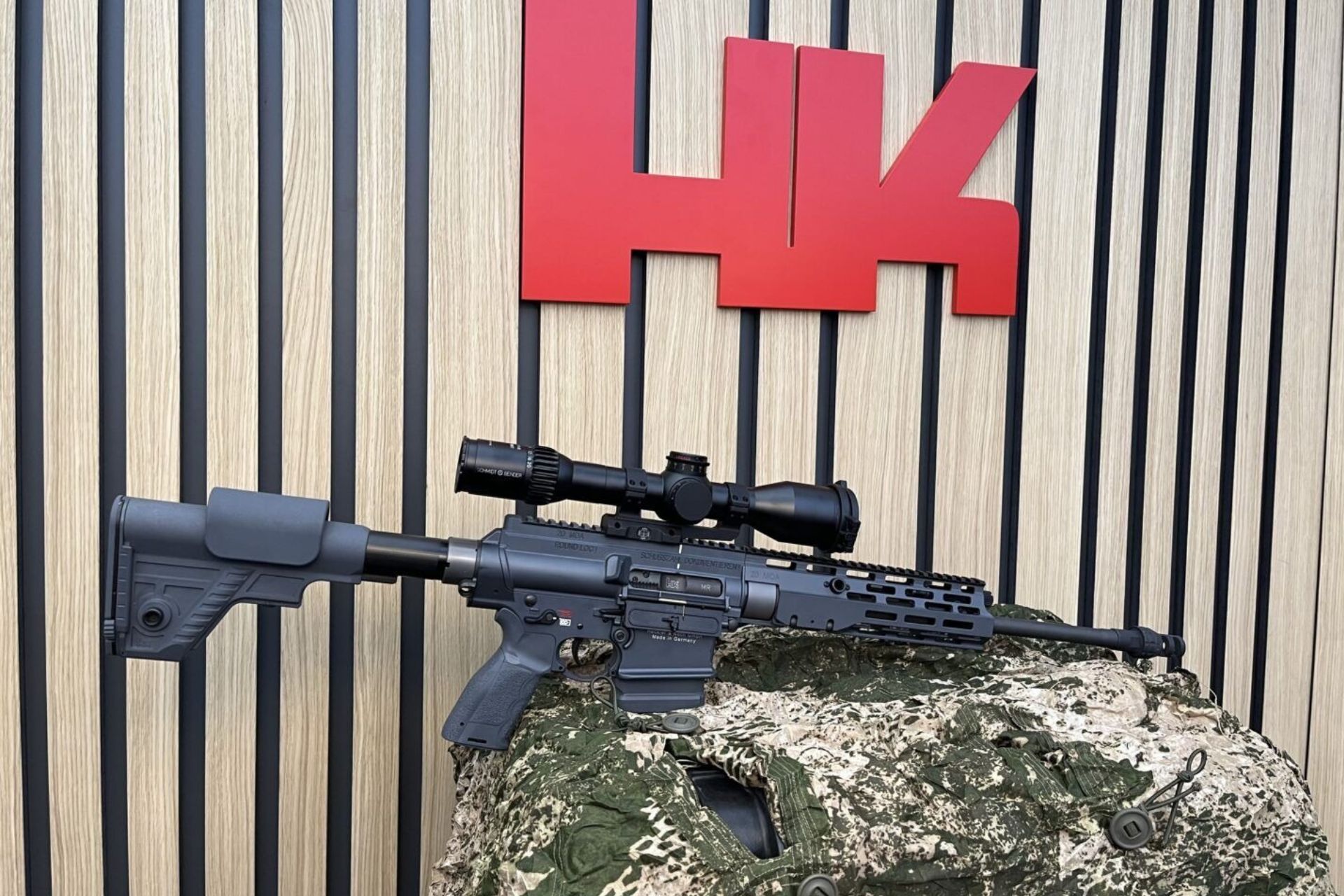
The G210 is a precision rifle intended for short-range engagements, using the proven 7.62 mm x 51 caliber cartridge (Picture source: Heckler&Koch)
The G210 is a precision rifle intended for short-range engagements, using the proven 7.62 mm x 51 caliber cartridge. Up to 500 units of this weapon are scheduled for delivery in 2025. This contract further strengthens the collaboration between Heckler & Koch and the German armed forces, particularly the elite units.
The MR308A6 model, which forms the basis of the G210, was developed specifically for this tender. This semi-automatic rifle, unveiled to the public for the first time at the EnforceTac exhibition in February 2024, includes a precision cartridge in the 7.62 mm x 51 caliber. Weighing approximately 4.4 kg without its magazine, the weapon features a lateral reloading mechanism that enhances user comfort.
The G210 is intended to replace the G28, another precision weapon from Heckler & Koch previously used by the special forces. The G28, also chambered in 7.62 mm x 51, served as the standard precision rifle for medium-range engagements. The G210 is designed to offer better ergonomics, increased accuracy, and improved handling comfort, thanks to features like the lateral reloading mechanism.
Heckler & Koch has been supplying various models of weapons to the Bundeswehr for a long time. These weapons are used across several branches of the military, from infantry to special units, and play a crucial role in German military equipment.
One of the most iconic Heckler & Koch weapons used by the Bundeswehr is the G36, an assault rifle introduced in the 1990s. Designed to replace the G3, the G36 became the standard rifle for the German infantry. It is valued for its lightness and modularity but has also faced criticism for its accuracy during prolonged use in extreme conditions, such as high temperatures. Due to these concerns, the Bundeswehr began exploring alternatives to replace the G36.

The G210 is designed to offer better ergonomics, increased accuracy, and improved handling comfort, thanks to features like the lateral reloading mechanism (Picture source: Heckler&Koch)
To address these needs, Heckler & Koch also proposed the HK416, a modern assault rifle adopted by several special forces and other units under the designation G38 in some configurations. This model, developed based on the American M4, offers better reliability and accuracy in various environments. The HK416 is recognized for its robustness and ability to function effectively even in difficult conditions, making it a popular choice among special forces.
In addition to these assault rifles, the Bundeswehr also uses the MP7, a personal defense weapon designed by Heckler & Koch. The MP7 is particularly used by special units and security forces. This submachine gun is valued for its ability to penetrate modern body armor while remaining compact and easy to handle, making it ideal for close combat.
More recently, Heckler & Koch supplied the Bundeswehr with the HK437, a variant of the HK416 specially designed to meet the needs of the German special forces. This model, designated as the G39 SD, is optimized for silent use thanks to an integrated sound attenuation system, making it a weapon of choice for stealth operations.
The delivery of these rifles is expected in 2025, marking a new stage in Heckler & Koch's technological support for the Bundeswehr's elite units.
Read more: Heckler & Koch to Supply New G210 Semi-Sniper Rifle to German Army

- Details
- Written by: Halna du Fretay
- Category: 2024
- Hits: 5732
Indonesia and Cambodia have strengthened their bilateral relations in the field of defense, with Cambodia expressing new interest in acquiring military equipment manufactured in Indonesia. This development was discussed during a bilateral meeting led by Indonesian Foreign Minister Retno Marsudi and Cambodian Deputy Prime Minister Sok Chenda Sophea at the Joint Commission for Bilateral Cooperation (JCBC) in Phnom Penh on August 21, 2024.
Follow Army Recognition on Google News at this link
Cambodia expressed interest in purchasing Indonesian military equipment, specifically helicopters and light weapons, produced by companies such as PT PINDAD and PT Dirgantara Indonesia. (Picture source: Wikimedia)
During the meeting, the two countries addressed several key topics, including political, economic, and socio-cultural cooperation, as well as security and defense issues. On the subject of defense, Retno Marsudi advocated for strengthening the longstanding partnership between the two nations through dialogue, joint exercises, and capacity building.
Cambodia expressed interest in purchasing Indonesian military equipment, specifically helicopters and light weapons, produced by companies such as PT PINDAD and PT Dirgantara Indonesia. This interest highlights the growing influence of Indonesia's defense industry in the region and Cambodia's intention to modernize its military capabilities. Retno Marsudi also invited Cambodia to visit Indonesian defense industry facilities and to participate in the Indo Defense Expo & Forum, scheduled for November 6-9, 2024.
In parallel, the discussions between the two countries also touched on crucial issues such as combating human trafficking, particularly the increasing problem of online fraud involving Indonesian citizens. The Indonesian Embassy in Phnom Penh has handled 842 cases of online fraud, reflecting the scale of this issue in the region.
Economic topics were also discussed, including the interest of several Indonesian companies in investing in Cambodia's food and infrastructure sectors. Retno Marsudi encouraged the finalization of a cultural cooperation agreement between the two countries and proposed joint studies for the establishment of direct shipping routes and flights between Indonesia and Cambodia.
Finally, the ministers agreed to enhance the trade value between their two countries and discussed several regional and global issues, including the situation in Myanmar and the ongoing attacks on Gaza by Israel. This meeting reflects the shared commitment of Indonesia and Cambodia to strengthening their partnership, not only in defense but also in political, economic, and cultural areas, while jointly addressing regional and international challenges.
Read more: Cambodia Seeks Indonesian Military Equipment as Defense Ties Strengthen

- Details
- Written by: V.Saint
- Category: 2024
- Hits: 3816
Gabon Military has acquired a number of Chinese-made WNA-301 armoured vehicles, joining a growing number of users of the vehicle in Africa.The Chinese-made WMA301 fire support vehicles of the Gabonese military was displayed during the country’s Independence day parade on 17 August 2024, in Libreville.
Follow Army Recognition on Google News at this link
Chinese-made WMA301 fire support vehicles of the Gabonese military during Independence day parade. August 17th 2024, Libreville. (Picture source:Gabonese TV broadcast)
The parade featured alongside new Chinese Norinco WMA301 and WZ551 armoured vehicles, Emirati Inkas Titan S vehicles, and four of the Russian-made Spartak armoured vehicles (AMN-590951).The armoured fleet will be used by both the army and the influential Republican Guard, which is led by Gabon’s junta leader General Brice Clotaire Oligui Nguema in person.
The WMA301 Assault Gun is a Chinese-manufactured wheeled armored vehicle, primarily intended for export. It features a formidable 105mm rifled gun mounted on the chassis of the Type 92 (WZ551) 6×6 armored personnel carrier. This design strikes a balance between firepower, mobility, and armor protection, making it versatile for various combat roles such as infantry support, reconnaissance, and light tank operations.
The 105mm gun is capable of firing multiple types of ammunition, including high-explosive anti-tank (HEAT) and armor-piercing fin-stabilized discarding sabot (APFSDS) rounds, enabling it to engage a wide range of targets from armored vehicles to fortified positions.
Additionally, the WMA301 is equipped with advanced fire control systems, including a laser rangefinder and a ballistic computer, which enhance its accuracy and combat effectiveness. Its wheeled design, based on the adaptable Type 92 chassis, provides superior speed and maneuverability compared to tracked vehicles, making it ideal for rapid response and operations in diverse terrains. The WMA301’s success in the export market underscores its adaptability and the increasing demand for versatile, mobile fire support vehicles in global military markets.
China’s defense industry has significantly expanded its presence across the African continent through strategic arms sales, military cooperation, and infrastructure development. Chinese military equipment, including armored vehicles, helicopters, and anti-tank missiles, has been supplied to several African nations, increasing their military capabilities.The WMA 301 has enjoyed large export success in Africa. It has been supplied to Angola, Senegal, Djibouti, Zimbabwe, Cameroon, Chad, Burkina Faso, and Mauritania.
Gabon has acquired a number of other vehicles which includes; Norinco VN1 8×8 infantry fighting vehicles (IFVs), Norinco VP11 mine-resistant ambush-protected (MRAP) Furthermore, last year, the Republican Guard of Gabon received a significant reinforcement to its fleet with the delivery of four AML-90 armored reconnaissance vehicles from France. The acquisition, in 2023 of these AML-90 armored reconnaissance vehicles comes at a critical juncture, just one month before the country’s presidential elections. Reports from Gabonese media indicate that the order for these vehicles was placed back in 2020. However, delays in delivery arose due to payment challenges faced by the Gabonese government.
Furthermore, concerns were raised by an inter-ministerial commission in France responsible for overseeing the export of military weapons, as they feared these vehicles could potentially be used to suppress protests during the upcoming general elections.
Read more: Gabon operating Chinese WMA-301 armoured vehicles
- $500 GPS-free drone from US startup Theseus catches Ukraine's interest
- Russia Seeks to Accelerate Su-57 Fighter Jet Production Despite Sanctions and Technical Challenges
- Denmark to Integrate Rheinmetall Skyranger 30 Mobile Air Defense System onto GDELS Piranha V 8x8 Armored Vehicles
- NATO launches military base in Latvia for new multinational brigade