

- Details
- Written by: Halna du Fretay
- Category: 2024
- Hits: 2371










On July 29, 2024, the Department of Defense (DoD) unveiled new security assistance measures to address Ukraine's critical security and defense needs. This includes a Presidential Drawdown Authority (PDA) package valued at up to $200 million, which will provide Ukraine with essential capabilities such as air defense interceptors, munitions for rocket systems and artillery, and anti-tank weapons.
Follow Army Recognition on Google News at this link
The NASAMS is designed to protect against various aerial threats, including aircraft, drones, and missiles, using AIM-120 AMRAAM missiles (Picture source: Raytheon)
In addition to the PDA package, the DoD announced a substantial support package using approximately $1.5 billion from the Ukraine Security Assistance Initiative (USAI) funds. This package aims to enhance Ukraine's air defenses, firepower, and anti-tank capabilities and provide funding to sustain equipment previously committed by the United States.
The new assistance includes munitions for National Advanced Surface-to-Air Missile Systems (NASAMS), short- and medium-range air defense munitions, RIM-7 missiles for air defense, and electronic warfare equipment. Additionally, it comprises ammunition for High Mobility Artillery Rocket Systems (HIMARS), 155mm and 105mm artillery rounds, 120mm mortar rounds, precision aerial munitions, and Tube-Launched, Optically-Tracked, Wire-Guided (TOW) missiles. Anti-armor systems such as Javelin and AT-4, small arms, explosives, demolitions equipment, and secure communications systems are also included. Furthermore, the package provides commercial satellite imagery services, spare parts, maintenance and sustainment support, and other ancillary equipment.
The National Advanced Surface-to-Air Missile System (NASAMS) is a highly adaptable medium-range air defense system developed by Kongsberg Defence & Aerospace and Raytheon Technologies. The system was first introduced in the mid-1990s, with Norway being the first country to deploy it in 1998. NASAMS is designed to protect against various aerial threats, including aircraft, drones, and missiles, using AIM-120 AMRAAM missiles. The system integrates advanced radar and fire control solutions, providing a robust and flexible air defense capability. Several countries, including Norway, the United States, Spain, and the Netherlands, currently have NASAMS in service, with varying numbers of units.
NASAMS offers significant capabilities such as network-centric operations, allowing integration with other defense systems and command structures. It can engage multiple targets simultaneously at ranges up to 25 kilometers and altitudes up to 16 kilometers. The system's mobility and modularity enable rapid deployment and adaptation to different threat environments, making it a valuable asset for modern air defense.
This marks the Biden Administration's twentieth USAI package and the sixty-second tranche of equipment provided from DoD inventories for Ukraine since August 2021. The United States continues to collaborate with approximately 50 allies and partners to ensure that Ukraine's defenders receive the critical capabilities necessary to combat Russian aggression.
Ukraine faces numerous difficulties in its war against Russia, particularly regarding the supply of artillery munitions and the establishment of sufficient air defenses. Ukrainian forces, engaged in intense combat, struggle to maintain a steady flow of munitions necessary for their artillery systems, a crucial element for resisting Russian offensives and supporting their own military operations. This shortage is exacerbated by limited logistical infrastructure and insufficient local production capacities to meet demand.
Additionally, Ukraine battles to bolster its air defenses to counter Russian missiles and bombings. The current systems, though effective, are often insufficient in number and require constant technological updates to keep pace with the increasing sophistication of Russian aerial attacks. This situation exposes strategic and civilian areas to heightened risks, further complicating the country's overall defense efforts.
- Details
- Written by: Halna du Fretay
- Category: 2024
- Hits: 8521
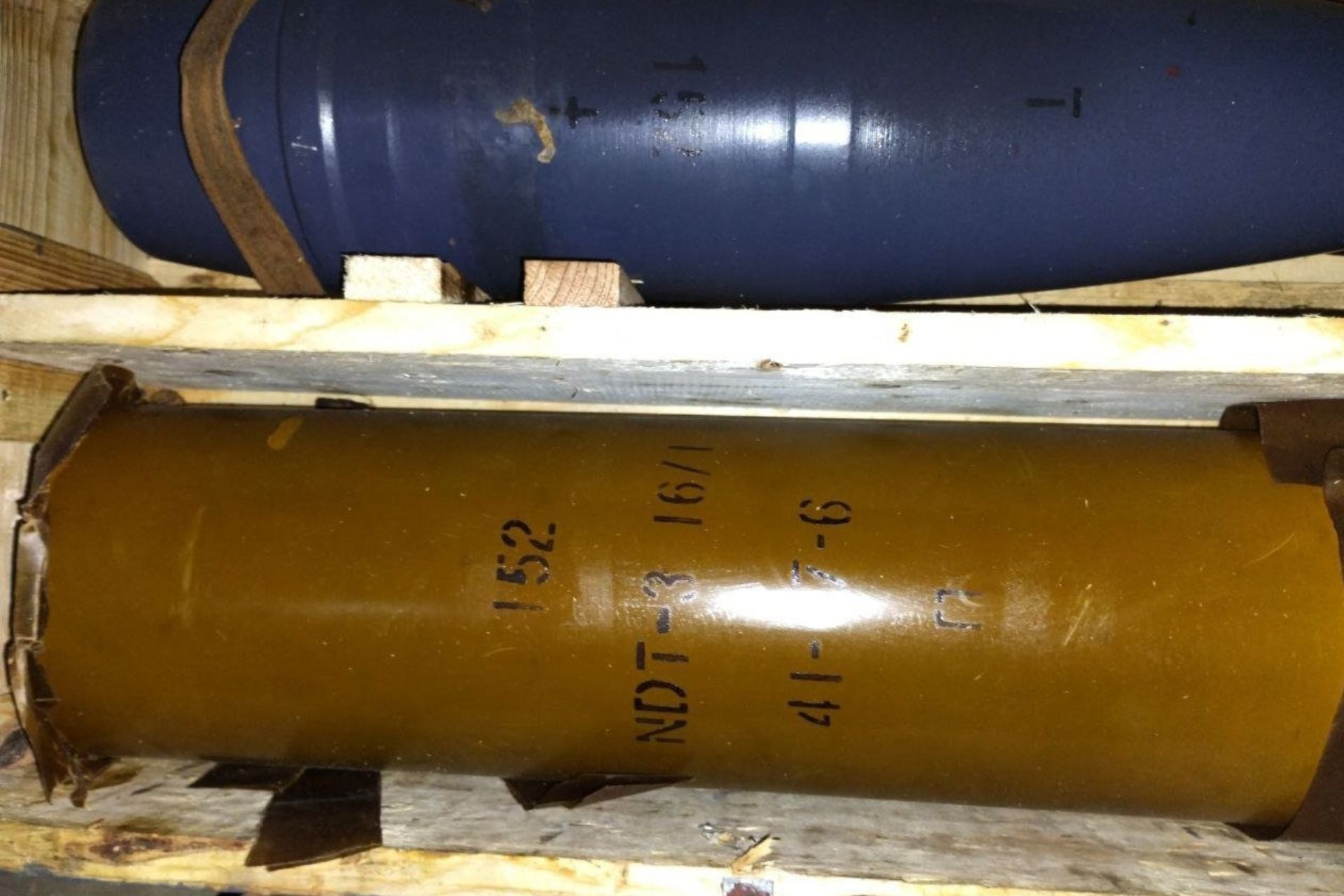
North Korea has recently intensified the production of 152-millimeter artillery shells, according to officials who spoke to Radio Free Asia. Despite this increase in manufacturing, there remains uncertainty about the final destination of these munitions, particularly whether they are intended to support the conflict in Ukraine.
Follow Army Recognition on Google News at this link
North Korean 152 mm artillery shell with NDT-3 propellant charge in service with the Russian army (Picture source: Ukraine Weapons Tracker)
A factory official in the northern province of Ryanggang, who requested anonymity for security reasons, indicated that key personnel at the factory are unaware of the final destination of the shells. However, the official noted that the urgent adjustments to the production process coincided with Kim Jong Un's visit to Russia, suggesting that the shells might be intended to support Russia.
South Korean Minister of Defense Shin Won-sik confirmed in an interview with Japan’s Yomiuri News on July 24 that the arms trade between North Korea and Russia began in earnest following Kim Jong Un’s visit to Russia in September of the previous year. Shin also revealed that as of July 15, containers transported from North Korea to Russia included 5.2 million rounds of 152-millimeter artillery shells and dozens of short-range ballistic missiles. Nonetheless, some Russian Telegram channels criticized the quality of North Korean munitions, noting that poor quality affects the range and the quality and quantity of the powder used.
The export of munitions by North Korea would violate international sanctions aimed at preventing Pyongyang from diverting resources to its nuclear and missile programs. Despite this, the South Korean Ministry of Defense believes these activities have already started.
Following Kim's trip, several North Korean factories, which usually produced other types of ammunition, were converted to manufacture 152-millimeter artillery shells. A second official from Ryanggang reported that the forestry machinery branch factory in Wangdok, Komsan-dong, Hyesan City has been producing these shells since the beginning of the year. The factory's goal is to produce 6,000 shells per month, though this target has not yet been met due to irregular raw material supplies.
The conversion of the production process at the forestry machinery branch factory was swift, with the new 152-millimeter shell production line installed in the basement previously used for mortar shell production. This transformation was completed in less than two months, with successful test production occurring at the end of December last year.
Although the factory shares the same electrical grid as the city of Samjiyon, which experiences frequent blackouts, it continues to receive a stable power supply. However, the factory has struggled to meet production targets due to inconsistent supplies of raw materials, reportedly from China. The method by which these materials, including special alloys necessary for shell production, are obtained remains unclear.
The first official also confirmed that another factory in Ryanggang province has altered its production to manufacture 152-millimeter artillery shells. In addition to the Hyesan Forestry Machinery Branch Factory, the 915 Factory has been producing these shells since the beginning of the year. The artillery shells produced in Ryanggang are then sent to an agricultural machinery factory in North Hamgyong province for final assembly.
As North Korea continues to enhance its artillery production capabilities, the international community remains vigilant, monitoring potential sanctions violations and the implications for global security dynamics.
Read more: North Korea Increases 152mm Artillery Output Potentially Supporting Russian War Efforts

- Details
- Written by: Vandenbosch
- Category: 2024
- Hits: 2952
On July 29, 2024, Germany announced a new series of military aid for Ukraine, further strengthening its commitment alongside Kyiv in the face of the Russian invasion. This update of military equipment deliveries includes a diverse set of materials aimed at enhancing the defensive and operational capabilities of the Ukrainian armed forces, notably including the delivery of eight Leopard 1A5 Main Battle Tanks.
Follow Army Recognition on Google News at this link
The Leopard 1A5 Main Battle Tank. (Picture source: German MoD)
Germany has delivered eight Leopard 1A5 main battle tanks. Although these tanks are older than the Leopard 2, they remain effective due to their mobility and firepower, offering Ukraine enhanced capabilities for its ground operations. Two Bergepanzer 2 armored recovery vehicles have also been included in this aid. These vehicles are essential for the repair and recovery of damaged armored vehicles on the battlefield, thus ensuring better resilience of the Ukrainian forces.
Ten Sonobot 5 unmanned surface vehicles (USVs) have been delivered. These autonomous systems are used for maritime surveillance, mine detection, and reconnaissance, thereby enhancing Ukraine's naval surveillance capabilities. Ten Ground Observer 12 ground surveillance radars have also been provided. These advanced radars improve Ukraine's ability to detect and track enemy troop and vehicle movements, increasing their vigilance and responsiveness.
Germany has also delivered 21,000 35mm armor-piercing discarding sabot-tracer (APDS-T) rounds for the Gepard/Cheetah anti-aircraft artillery systems. These munitions enhance Ukraine's air defense capabilities, crucial for countering Russian aerial threats.
To protect Ukrainian soldiers, 24,810 M92 combat helmets have been provided. These modern helmets offer increased protection against shrapnel and projectiles, thereby reducing the risk of injuries on the battlefield. Finally, Germany has delivered a first-level advanced surgical team system (already known). These mobile medical units are crucial for providing immediate care to the wounded, thereby increasing the survival chances of soldiers on the field.
The Leopard 1A5 tanks can become a major asset for the Ukrainian army as they are widely available in Western arsenals. The Leopard 1A5 is a main battle tank designed and produced by Germany, in service since 1987. Manned by a crew of four, it can maneuver and fight effectively thanks to its turret offering a full 360-degree rotation and its weaponry capable of elevating from +20 degrees to -9 degrees, allowing it to adapt to various terrains and targets.
Measuring 7.09 meters in length, 3.37 meters in width, and 2.76 meters in height, the Leopard 1A5 has an imposing yet compact silhouette for a tank of its category. Its combat weight reaches 40,000 kg, providing a good combination of protection and mobility on the battlefield.
Initially designed and manufactured in Germany, the Leopard 1A5 has been adopted by several countries, including Brazil, Greece, and recently Ukraine. These countries appreciate its proven capabilities, reliability, and versatility in various combat conditions.
This new German military aid demonstrates Berlin's determination to support Ukraine in its fight for sovereignty and freedom. The delivered equipment covers a wide range of military needs, from individual protection to advanced surveillance capabilities, as well as armored vehicles and munitions. This reinforced assistance comes at a critical time, as fighting continues to rage in eastern Ukraine, and should significantly contribute to strengthening Ukraine's defensive capabilities against Russian aggression.
Read more: New German Military Aid for Ukraine Including Leopard 1A5 Tanks

- Details
- Written by: Halna du Fretay
- Category: 2024
- Hits: 5274
On July 29, 2024, the Malaysian Army announced the signing of a contract with the Norwegian-Finnish joint venture Nammo for the supply of 800 units of the M72 LAW-EC (Light Anti-Tank Weapon - Enhanced Capacity) to replace aging Russian-made RPG-7 systems. This contract marks a significant step in Malaysia's efforts to modernize its anti-tank arsenal. Although the total value of the transaction has not been disclosed, the average unit price of the M72 LAW-EC is estimated at $1,200. Follow Army Recognition on Google News at this link
The M72 LAW-EC has an effective range of 200 meters and weighs only 2.5 kg (Picture source: Nammo)
The M72 LAW-EC is a modern version of the M72, first introduced in the early 1960s. Known for its lightweight and portable design as well as its armor-penetrating capabilities, the M72 LAW-EC has an effective range of 200 meters and weighs only 2.5 kg.
It is widely used around the world, with 35 countries, including the Turkish Army, having adopted it. In Malaysia, the M72 LAW-EC will replace the RPG-7 in the inventory of the 10th Para Brigade, thereby enhancing the operational capabilities of the country's airborne forces.
The M72 LAW-EC is among the most widely used anti-tank systems and is produced locally in several countries, including Norway and the United States. Nammo has made several improvements to the original design, including modifications to the launcher, warheads, and fuses.
Additionally, Nammo has recently supported the U.S. qualification of a new "fire-from-enclosure" (FFE) solution, allowing troops to fire the M72 from rooms, bunkers, or enclosed spaces without revealing themselves to enemy combatants. This variant, known as the M72 Anti-Armor (A8) and M72 Anti-Structure Munition (A10) in U.S. military service, ensures soldier safety during firing.
Malaysia currently uses a variety of anti-tank systems, including the Carl Gustav 84 mm, the Instalaza C90, and the Saab Bofors AT4, primarily employed by special forces units such as the Grup Gerak Khas (GGK). The M72 LAW-EC will complement these systems by providing a versatile option for engaging lightly armored vehicles, fortified positions, and other hard targets.
This acquisition underscores Malaysia's commitment to modernizing its defense capabilities and ensuring that its forces are equipped with state-of-the-art technology to address contemporary threats.
The contract with Nammo is part of a broader effort to strengthen Malaysia's military capabilities. In addition to its advanced technical features, the M72 LAW-EC is valued for its ease of use and lightweight, making it particularly suitable for the quick-strike, high-mobility missions typical of airborne and special forces operations. The tender for this acquisition will close at the end of July 2024, with the selection process focusing on the weapon's performance, ease of use, and suitability for the challenging conditions faced by Malaysian forces.
Read more: Nammo to Supply 800 M72 Anti-Tank Weapons to Malaysian Army

- Details
- Written by: Administrator
- Category: 2024
- Hits: 4575
The Japan Ground Self-Defense Force (JGSDF) has announced plans to construct its first missile range on Minamitori Island, located in the northwest Pacific Ocean, approximately 1,800 kilometers from Tokyo. The facility is projected to be operational by 2026.
Follow Army Recognition on Google News at this link
Japan plans to build a new missile firing range facility test center on Minamitori Island, located in the northwest Pacific Ocean, approximately 1,800 kilometers from Tokyo (Picture source: Google)
According to Japanese media sources, the primary purpose of this missile range will be to test and fire the Type 12 anti-ship missiles, which boast an impressive range of up to 1,000 kilometers. This initiative aligns with Tokyo's broader strategic objectives outlined in its National Defense Strategy, which emphasizes the modernization and enhancement of Japan's military forces.
The establishment of the missile range on Minamitori Island underscores Japan's commitment to strengthening its anti-strike missile capabilities. This development comes in response to escalating security threats posed by regional powers, namely China, North Korea, and Russia. By extending the reach and efficacy of its missile systems, Japan aims to fortify its defensive perimeter and ensure greater regional stability.
This strategic initiative is part of a larger trend within Japan's defense policy, which has seen an acceleration in the deployment of advanced military technology. Notably, the deployment timeline for the upgraded Type 12 anti-ship missile has been expedited from its original 2026 deadline to 2025, reflecting Tokyo's urgency in enhancing its military preparedness.
The Japanese Type 12 anti-ship missile, developed by Mitsubishi Heavy Industries, is an advanced surface-to-ship missile system designed to enhance Japan's coastal defense capabilities. Development of the Type 12 began in the early 2000s as an upgrade to the Type 88 missile system, incorporating advanced guidance systems, including GPS and inertial navigation, for precise targeting. It entered service in 2012 and features an extended range of up to 1,000 kilometers. The Type 12 missile is part of Japan's broader effort to modernize its military under the National Defense Strategy, focusing on countering potential threats from regional adversaries such as China, North Korea, and Russia.
Minamitori Island, also known as Marcus Island, is a strategically significant location due to its remote position in the Pacific Ocean. The island's location will provide an expansive and secure environment for missile testing and training exercises, away from densely populated areas. This strategic choice of location highlights Japan's careful planning to ensure both the effectiveness and safety of its defense operations.
The construction of the missile range on Minamitori Island clearly indicates Japan's proactive approach to national security amidst a complex and evolving geopolitical landscape. As the country continues to face challenges from neighboring nations, enhancing its missile capabilities serves as a critical component of its defense strategy.
With the facility expected to become operational after 2026, Japan is poised to take a significant step forward in its defense modernization efforts. Given its implications for regional security dynamics in the Asia-Pacific region, this development is likely to be closely monitored by international observers.
The Japan Ground Self-Defense Force's plan to build a missile range on Minamitori Island represents a pivotal move in Japan's ongoing efforts to fortify its national defense. As Tokyo accelerates its military modernization under the National Defense Strategy, the island facility will play a crucial role in enhancing Japan's anti-strike missile capabilities, thereby contributing to the country's broader security objectives.

The Type 12 anti-ship missile, developed by Mitsubishi Heavy Industries, is a Japanese surface-to-ship missile with advanced GPS and inertial navigation systems capable of a range of up to 1,000 km. (Picture source Wikimedia)
- Details
- Written by: Jérôme Brahy
- Category: 2024
- Hits: 4436
On July 26, 2024, Thales announced it had been awarded a contract by KNDS to supply High-Power Solid-State Power Distribution Boards (SSPDB) for the Leopard 2A8 platform. The SSPDBs developed by Thales are designed to provide overcurrent and short-circuit protection, along with smart electrical power management for armored vehicles.
Follow Army Recognition on Google News at this link
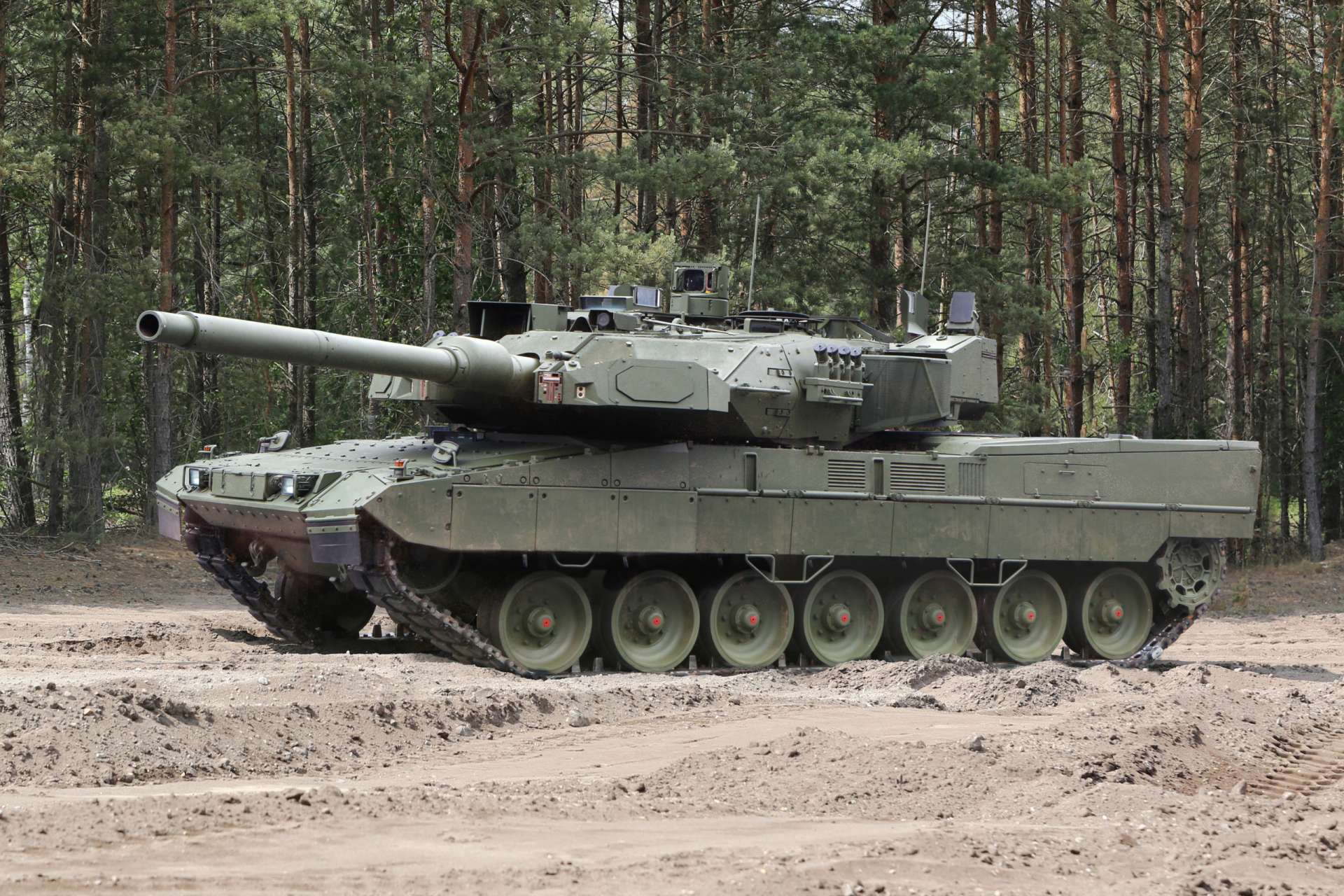
Thales and KNDS will collaborate to enhance the Leopard 2A8's power management, focusing on Size, Weight, and Power (SWaP) performance. (Picture source: KNDS)
The collaboration between KNDS and Thales focuses on addressing the power management needs of the Leopard 2A8. Thales will emphasize key performance areas such as Size, Weight, and Power (SWaP) to meet the required power specifications. Rated up to 160A per channel and equipped with integrated current, temperature, and voltage sensing, these multi-channel SSPDBs are intended to protect against overcurrent and short circuits. They also offer the capability to use pre-programmed operating profiles or real-time selections, enabling intelligent power management in various mission scenarios.
The initial delivery of SSPDBs is scheduled for Q3 2024, with several hundred units to be delivered by 2027. This partnership highlights the rapid adaptation of Thales' SSPDB solution to the Leopard 2 A8’s requirements. Under the contract, Thales will produce hundreds of SSPDBs by 2027, utilizing existing customization, manufacturing, and testing processes from its Power Systems product line.
Martin Bernhardsgrütter, Country Director at Thales, noted Thales' experience of over 20 years in the development and manufacture of Power Systems for protected vehicles. He expressed confidence in the strong partnership with KNDS and its future continuation.

Protection features of the Leopard 2A8 include multi-layered armor combining steel, tungsten, composite filler, and ceramic components, along with the EuroTrophy Active Protection System (APS) for 360-degree coverage against projectiles. (Picture source: Army Recognition)
The Leopard 2A8, revealed at Eurosatory 2024 in its production model, is the latest variant in the Leopard 2 series developed by Krauss-Maffei Wegmann (KMW) and Rheinmetall. This main battle tank (MBT), based on the Leopard 2A7+, incorporates upgrades in armor, firepower, and systems integration. Features include an omnidirectional observation system, upgraded suspension, additional engine cooling systems, an optional laser beam radiation warning system, and a remotely controlled weapon system with a machine gun.
The Leopard 2A8's primary armament is an improved 120 mm/L55 A1 smoothbore gun, providing higher muzzle velocities and improved accuracy. It supports various munitions, including DM11 programmable ammunition, effective against different targets. Secondary armaments include a coaxial MG 7.62 mm and a 76 mm grenade launcher. The tank is powered by a 1,500 hp engine, enabling speeds up to 65 km/h and an operational range of approximately 400 kilometers.
Protection features of the Leopard 2A8 include multi-layered armor combining steel, tungsten, composite filler, and ceramic components, along with the EuroTrophy Active Protection System (APS) for 360-degree coverage against projectiles. The design features enhanced armor on the turret and hull, mine protection, and an APS to counter anti-tank guided weapons and rocket-propelled grenades. The tank accommodates a four-man crew and includes advanced optics and fire control systems, third-generation thermal imaging, and a fire control system with a laser rangefinder and ballistic computer for precise targeting.
Several countries have committed to acquiring the Leopard 2A8, indicating significant interest in modernizing armored forces across Europe. Germany's Federal Acquisition Office, Norway, Italy, and the Czech Republic have all placed orders, with deliveries expected between 2026 and 2031. This procurement activity highlights the Leopard 2A8’s role in enhancing armored warfare capabilities in Europe.
Read more: Thales and KNDS join forces to modernize Leopard 2A8 power systems

- Details
- Written by: Jérôme Brahy
- Category: 2024
- Hits: 5012
As reported by A-129 Mangusta on July 27, 2024, Germany has lifted the restrictions regarding the transit and shipment by sea of the first two Italian Centauro II anti-tank vehicles destined for the Brazilian Army. The second vehicle remains in Italy but will soon be sent to Germany for delivery. This decision aims to accelerate the delivery process, addressing the lack of available Italian ships for transport. Additionally, the second vehicle is expected to be routed through Antwerp in Belgium.
Follow Army Recognition on Google News at this link
These Centauro II anti-tank vehicles were in Germany primarily for final assembly and integration processes, due to collaborative production efforts between Italian defense manufacturers and German companies. (Picture source: Twitter/A-129 Mangusta)
These Centauro II anti-tank vehicles were in Germany primarily for final assembly and integration processes, due to collaborative production efforts between Italian defense manufacturers and German companies. Germany's role includes producing and integrating key components and subsystems, such as electronics, communication systems, and possibly aspects of the drivetrain and armament. The vehicles undergo final assembly and testing in Germany to meet the highest European and international military standards before export.
Germany's position in the European defense supply chain facilitates the production and assembly of the Centauro II. Components are manufactured in various countries and then assembled in Germany, which offers advanced quality assurance and testing capabilities. This process, however, subjects the entire project to German export control laws. Any involvement of German technology or facilities necessitates compliance with German arms export regulations, one of the strictest arms export control systems in the world.
Germany aims to maintain its international reputation as a responsible arms exporter and requires that all potential arms exports undergo a thorough evaluation to ensure that the recipient country’s human rights record is satisfactory. In this case, Germany has expressed concerns about Brazil's human rights situation, particularly the potential for the Centauro II vehicles to be used in ways that could contribute to internal repression or human rights abuses. Germany has previously blocked or restricted arms exports to countries where there is a high risk of misuse or where the geopolitical context raises significant concerns, such as the 28 Guarani 6x6 APCs purchased by the Philippines.
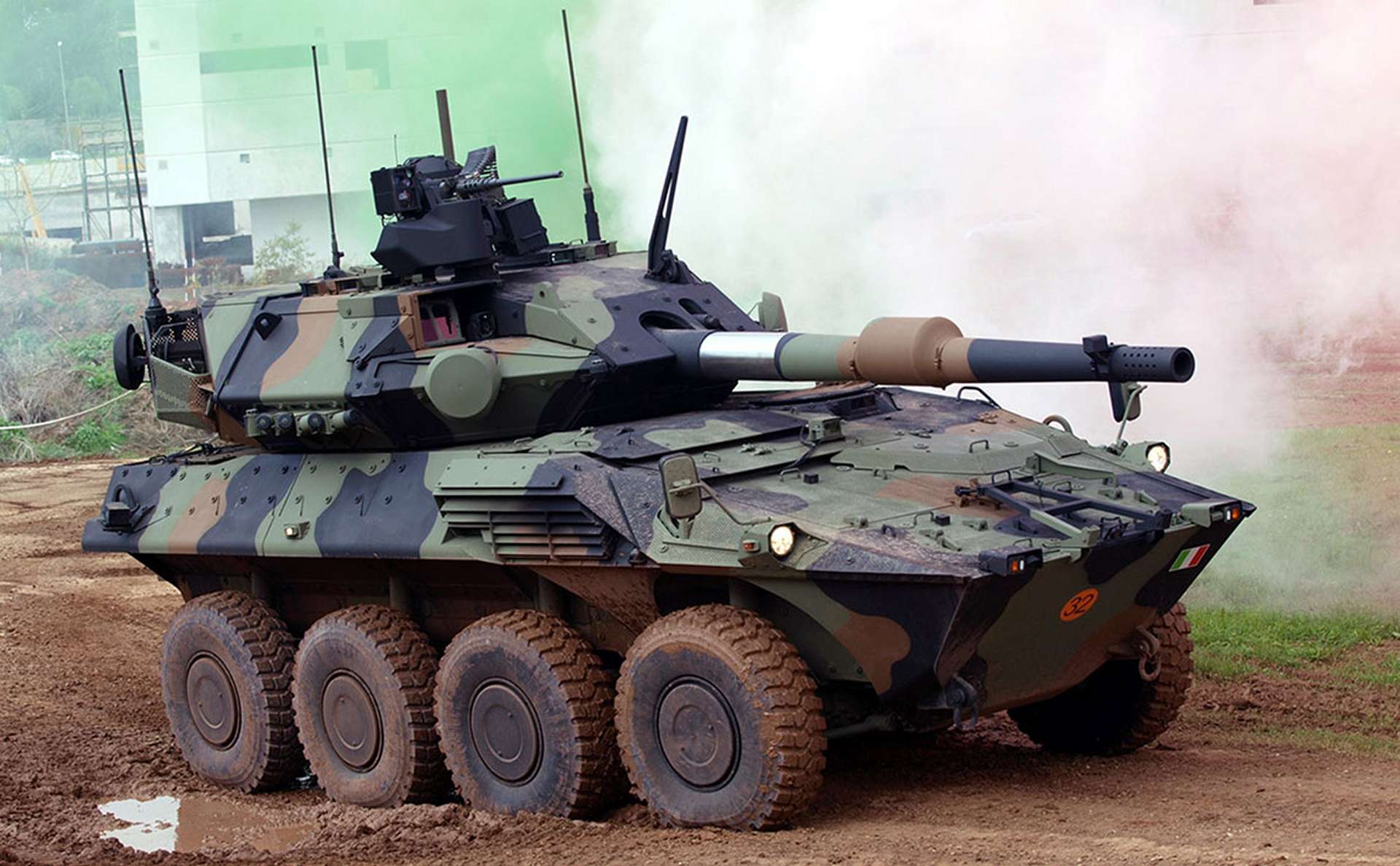
If these two Centauro II vehicles meet the required standards, Brazil plans to purchase an additional seven vehicles for doctrinal experimentation. The long-term goal includes procuring 89 more vehicles by 2037, totaling 96 vehicles at a cost of BRL 3.3 billion (approximately $582,390,600). (Picture source: CIO)
Brazil's plan to modernize its armored cavalry brigades involves acquiring Centauro II 8×8 wheeled fire support armored vehicles. The Brazilian Army, with its current inventory of 2,244 armored vehicles, aims to enhance its capabilities through this modernization. The initial two Centauro II vehicles were produced in 2023 and are scheduled to arrive in Brazil in mid-2024 for final technical and operational evaluations.
If these vehicles meet the required standards, Brazil plans to purchase an additional seven vehicles for doctrinal experimentation. The long-term goal includes procuring 89 more vehicles by 2037, totaling 96 vehicles at a cost of BRL 3.3 billion (approximately $582,390,600). This effort is part of a broader strategic program to develop Brazil’s defense technological and industrial base.
The Brazilian contract for Centauro II anti-tank vehicles was finalized following a selection process in 2022, where the Centauro II was chosen over competitors from General Dynamics Land Systems-Canada and NORINCO. The initial contract with the Iveco-Oto Melara Consortium includes the production of two vehicles, with further contracts depending on the successful evaluation of these initial units. This contract reflects Brazil’s commitment to modernizing its armored vehicle fleet.
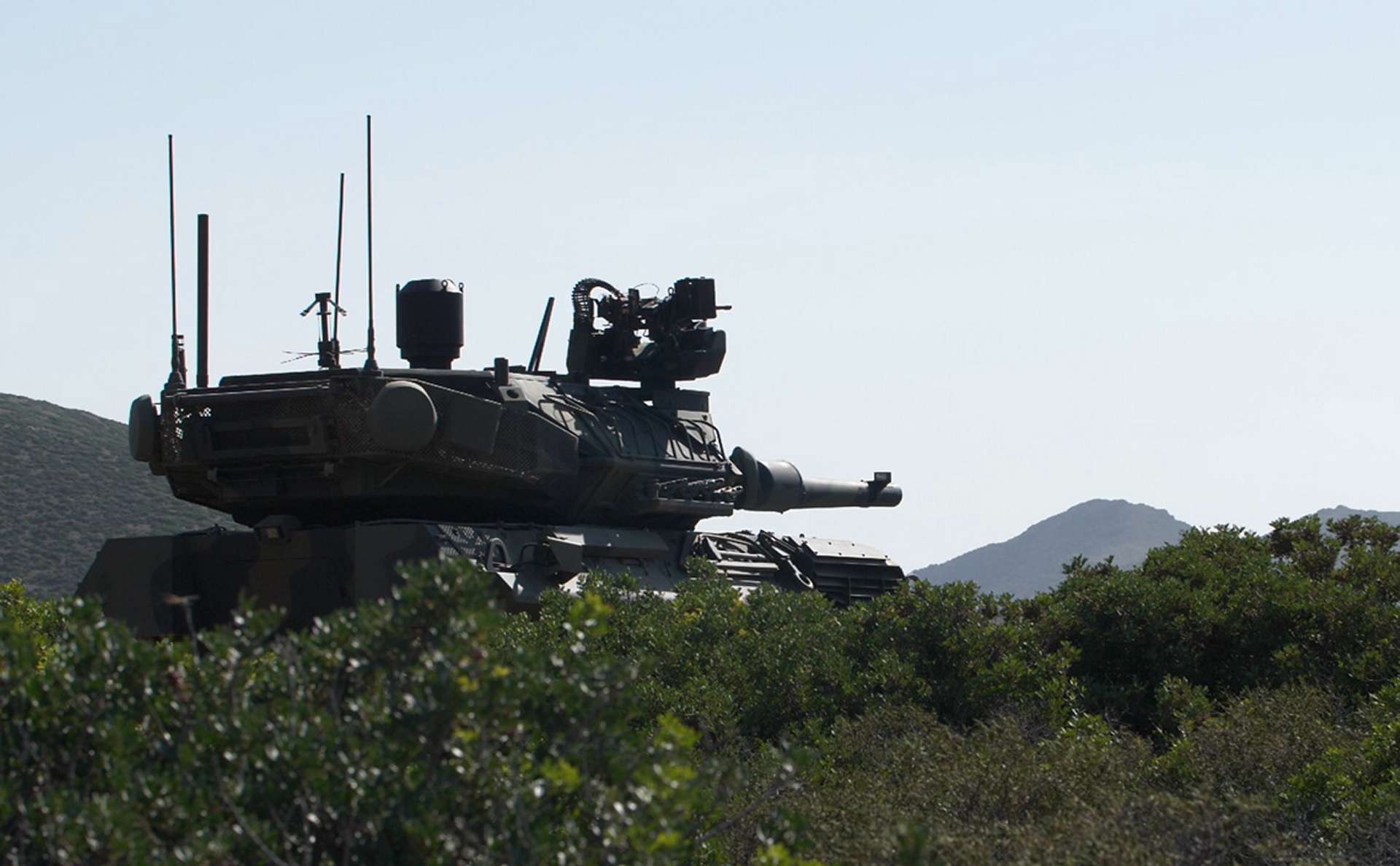
The Centauro II, a modernized version of the Centauro I anti-tank vehicle, is armed with a 120/45 mm gun, with an option to interchange it with a 105/52 mm gun. (Picture source: CIO)
Brazilian Army personnel are currently training in Italy to ensure proper operation and maintenance of the new vehicles. The first two vehicles will feature a pintle mount instead of a remote weapon station, with discussions about adding the Brazilian REMAX 4 remote weapon station in future tranches armed with either a 7.62 mm or 12.7 mm machine gun. The strategy includes comprehensive training and logistical support to maximize the vehicles' effectiveness.
The Brazilian configuration of the Centauro II, a modernized version of the Centauro I, includes a stabilized 120/45 mm low-recoil smoothbore high-pressure gun, a coaxial FN MAG58 7.62 mm machine gun, a second FN MAG 58 mounted on a pintle weapon mount, and eight 76 mm smoke grenade dischargers. The vehicle features advanced situational awareness systems, including day and thermal cameras, and a command and control package comprising the L3Harris Falcon III VHF radio set, a Thales SOTAS M3 intercom, and an SGB battle management system (BMS) to enhance reconnaissance and combat capabilities.
The Centauro II for Brazil has a crew of four and is manually loaded, with an autoloader option available. The vehicle is powered by an Iveco Vector V8 EURO III-compliant engine developing 720 hp, coupled with a 7HP902 automatic gearbox with seven forward and one reverse gear. The Centauro II is equipped with independent hydro-pneumatic suspension and a digital tire pressure control system (CTIS) for operation across various terrains.
In terms of protection, the Centauro II includes ballistic armor with a high-hardness monocoque steel hull and modular armor capable of defending against various threats. Crew safety is enhanced by improved ammunition storage partitioning and modern NBC protection systems. The vehicle's combat equipment includes a radio system, digital intercom, integrated Battle Management System, and anti-RC-IED capabilities.
Read more: Germany lifts embargo on Italian Centauro II anti-tank vehicles for Brazil

- Details
- Written by: Halna du Fretay
- Category: 2024
- Hits: 3712
Israeli company Elbit Systems Ltd. announced on July 29, 2024, that it had secured a contract worth approximately $190 million to supply its laser and GPS-guided Iron Sting mortar munitions to the Israeli Ministry of Defense. This contract, to be executed over the next two years, represents a significant advancement in the precision and effectiveness of Israel’s military capabilities.
Follow Army Recognition on Google News at this link
The Iron Sting is an advanced precision-guided mortar munition designed for launch from a 120mm mortar system (Picture source: Elbit Systems)
The Iron Sting is an advanced precision-guided mortar munition designed for launch from a 120mm mortar system. This cutting-edge munition uses both GPS and laser guidance technologies to accurately target and destroy objectives up to 10 kilometers away. It is equipped with a multi-mode fuze that operates in Point Detonation (PD), Point Detonation Delay (PDD), and Proximity Sensor (PRX) modes.
The efficient loading time of approximately 15 seconds makes the Iron Sting highly effective in combat situations. It can be mounted on vehicles such as the M113 and Humvee, seamlessly integrating with their systems to quickly deploy and engage targets using GPS and laser guidance.
Yehuda (Udi) Vered, General Manager of Elbit Systems Land, emphasized the importance of this contract, noting that the combat experience gained with the Iron Sting has solidified Elbit Systems' position as a leader in precision solutions. Vered highlighted the growing need for precise technologies that minimize collateral damage, particularly with the rise of military conflicts in urban environments. The advanced guidance system of the Iron Sting allows for precise targeting, significantly reducing the risk of collateral damage in densely populated areas.
The deployment of Iron Sting is particularly relevant as modern military operations often take place in urban settings where minimizing civilian casualties and infrastructure damage is crucial. In recent operations, the Iron Sting has been effectively used by IDF special forces and other units, notably in the Khan Younis region of Gaza, to target Hamas rocket launchers and weapons storage facilities. Its rapid deployment and precision capabilities have proven valuable in the urban combat scenarios typical of the conflict.
Read more: Elbit Systems Secures $190 Million Contract for 120mm Guided Mortar Munition
- Details
- Written by: Triffaux
- Category: 2024
- Hits: 3229
On July 22, 2024, at the Farnborough International Airshow, Boeing, the American aerospace giant, announced the signing of a memorandum of understanding with Antonov, the renowned Ukrainian aircraft manufacturer. This agreement marks the beginning of a new era of cooperation between the two former Cold War adversaries, primarily aimed at strengthening Ukraine's defense capabilities.
Follow Army Recognition on Google News at this link
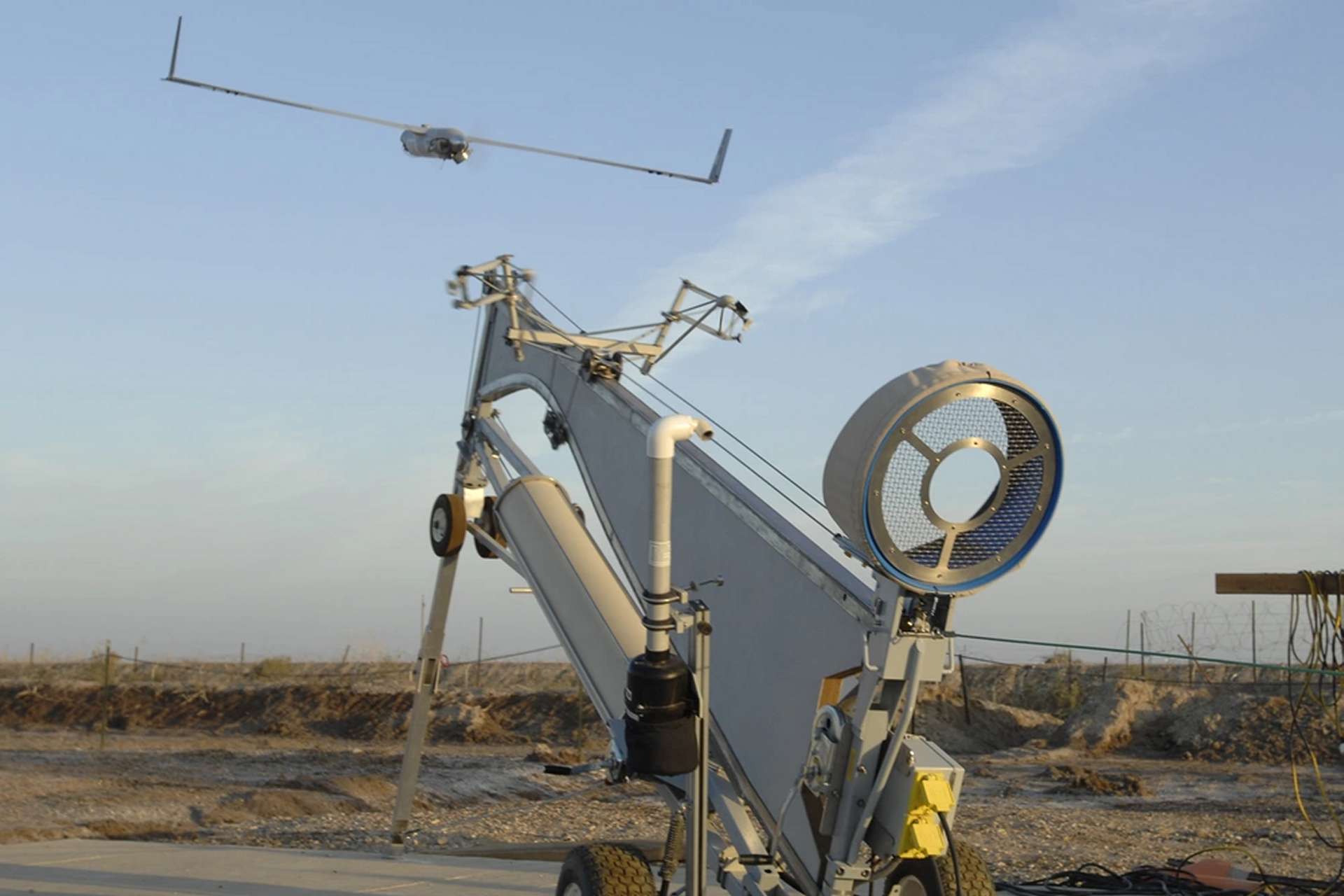
Boeing Scan eagle is a low cost, long endurance UAV capable of surveillance of ground activities. (Picture source: US DOD)
Ted Colbert, president and CEO of Boeing Defense, Space & Security, expressed his enthusiasm for this collaboration: "This agreement illustrates our commitment to the Ukrainian industry." This commitment had already been reinforced earlier in the year by the signing of the Pact with the Ukrainian defense industry, demonstrating Boeing's desire to further enhance Ukraine's capabilities.
The partnership between Boeing and Antonov will focus on supporting unmanned aerial systems, such as the ScanEagle already in service in Ukraine, and also envisages technical support from Antonov to Boeing, which promises to significantly strengthen their strategic collaboration.
Ievhen Gavrylov, CEO of Antonov, hailed the agreement as "a completely new level of opportunities to implement advanced and effective solutions in aerospace and defense." He emphasized the critical importance of a robust and innovative defense industry for sustainable economic development and national security of Ukraine.
The cooperation between Boeing and Antonov extends beyond mere military collaboration; it also represents a powerful symbol of international cooperation. Antonov, established in 1946 in the Soviet Union and famous for its cargo planes, including the An-225—the largest aircraft in the world until its destruction in 2022 during the Russian invasion—joins Boeing to write a new chapter in the history of global aviation.
This partnership demonstrates the ability of defense industries to overcome old divisions to jointly address current security challenges. As the Farnborough Airshow continues to attract international attention, this agreement is seen as a model for industrial collaboration, offering a promising perspective for strengthening global defense capabilities.
The ScanEagle is an unmanned aerial vehicle (UAV) specialized in surveillance and reconnaissance, designed for long-duration, low-altitude missions. Developed by Insitu, a subsidiary of Boeing, this drone originated from the SeaScan, another UAV by Insitu initially intended for detecting fish schools for commercial fishermen.
The ScanEagle stands out for its impressive autonomy and its ability to be deployed without a runway. It is launched using a pneumatic system, the "SuperWedge" launcher, and is recovered through the "Skyhook" system, which uses a hook at the end of the wing to catch a rope suspended from a pole. This system allows for effective recovery without the need for large infrastructure.
In technical terms, the ScanEagle has a wingspan of 3.1 meters and a length of 1.4 meters, with a mass of 20 kg. It can reach a maximum speed of 150 km/h and has an endurance of over 20 hours, thanks to its ability to carry both electro-optical and infrared cameras stabilized on a lightweight turret.
Over the years, the ScanEagle has received several improvements, such as the integration of synthetic aperture radars for high-quality ground imaging and night vision systems for post-sunset operations. These innovations have expanded the capabilities of the ScanEagle in various environments and mission types, reinforcing its key role in modern surveillance operations.
The ScanEagle has proven to be a crucial tool for the Ukrainian forces, offering indispensable surveillance and reconnaissance capabilities in the context of regional conflicts and tensions. Thanks to its ability to fly discreetly at low altitudes for extended periods, the ScanEagle provides real-time intelligence that is essential for tactical decision-making and operation planning.
On the ground, the ScanEagle has enabled Ukrainian forces to monitor enemy movements, locate enemy positions, and track troop and equipment movements without endangering human lives. This capability of gathering intelligence without direct risk to operators is particularly valuable in high-tension areas where every piece of information can play a critical role in the outcome of conflicts.
Feedback on the use of the ScanEagle in combat has generally been positive. Operators value its reliability and ease of use, particularly its ability to be launched and recovered in confined environments thanks to the SuperWedge and Skyhook systems. These features make it ideal for rapid and effective deployments in various operational contexts.
Furthermore, the enhancements made to the system over the years, such as the introduction of infrared sensors for night operations and synthetic aperture radar for surveillance through cloud cover or other obscurants, have increased its operational effectiveness. These advanced technologies have allowed the ScanEagle to provide clear and precise images, crucial for the success of reconnaissance and surveillance missions.
- Details
- Written by: Halna du Fretay
- Category: 2024
- Hits: 5383
The U.S. Army's Joint Counter-Small Unmanned Systems Office (JCO) recently conducted its most challenging counter-small unmanned aircraft systems (C-sUAS) test to date, paving the way for future capabilities to counter small drone attacks. Held at Yuma Proving Ground from June 3 to 28, 2024, the fifth C-sUAS demonstration involved launching over 40 UAS targets converging on a defended area in each session. These rigorous tests allowed the JCO to evaluate the command-and-control capabilities of nine C-sUAS systems, analyzing how each system detected and identified different types of UAS threats.
Follow Army Recognition on Google News at this link
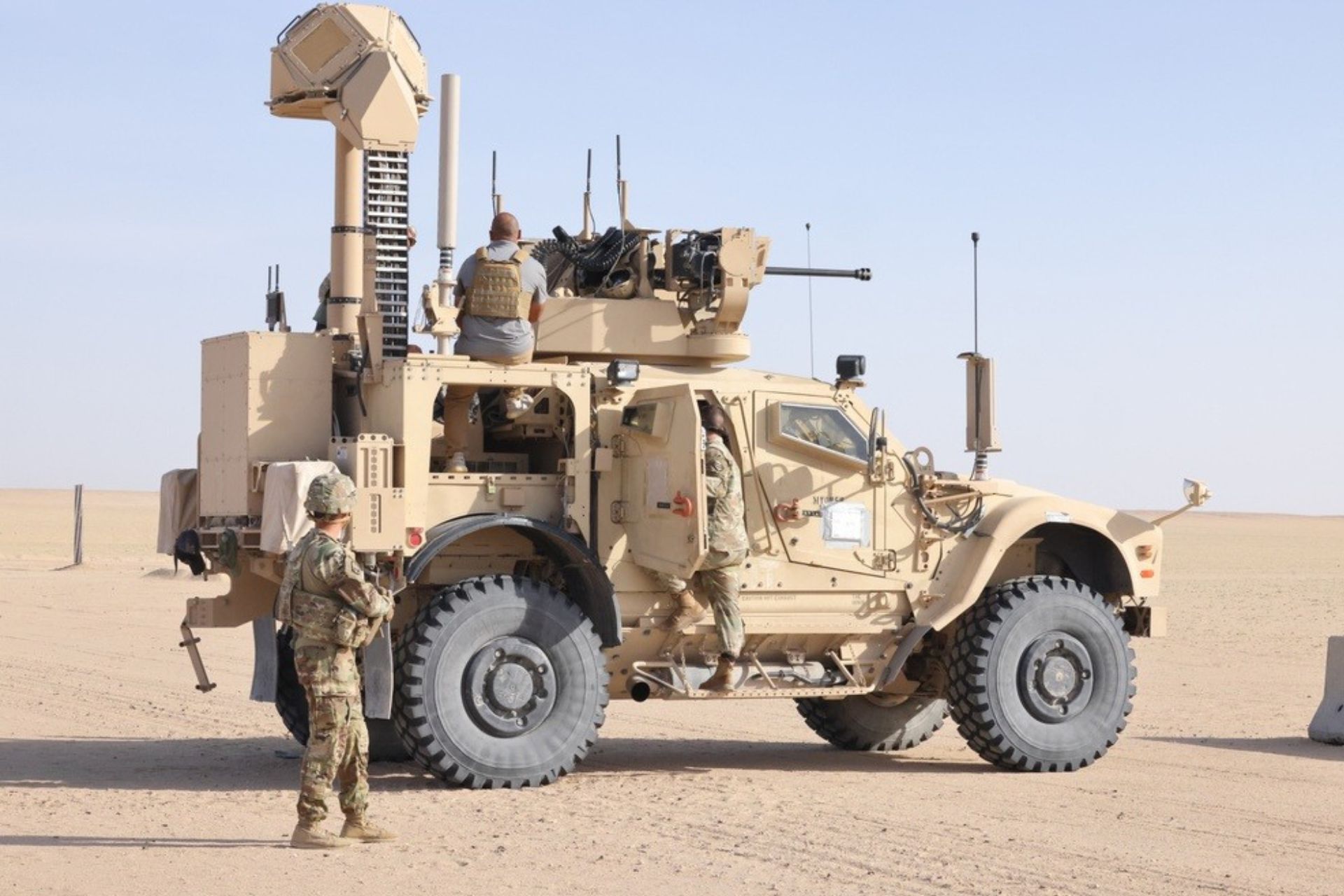
Soldiers test the Mobile-Low, slow, small-unmanned aircraft Integrated Defeat System and its 30mm anti-drone turret, Udairi Range, Kuwait, Jul. 30, 2023 (Picture source: US DoD)
Colonel Michael Parent, chief of the JCO Acquisition Division, highlighted the success of the demonstration in informing U.S. forces and allies about existing capabilities to manage complex UAS threat profiles. He emphasized the importance of differentiating and prioritizing the most promising threats among an incoming swarm of UAS targets.
The demonstration presented a wide range of threats, attacking the C-sUAS systems in mass and in waves, and included both kinetic and non-kinetic defeat solutions. The experiments tested various capabilities such as guided rockets, kinetic interceptor drones, electro-optical/infrared cameras, radio frequency scanners, and radio frequency jammers. The threat profiles included rotary wing, fixed wing, slow-moving, and propeller-powered UAS threats.
Small unmanned aircraft systems pose a significant threat to Army and U.S. military operations, as well as to regions like Ukraine and parts of Israel. These drones provide a low-cost means to transport ammunition for targeted attacks and gather reconnaissance for enemy forces. To address this threat, former Defense Secretary Mark Esper designated the Army as the executive agent for C-sUAS defense in 2019.
Parent indicated that the JCO plans to begin prototyping specific C-sUAS proposals in 2025, based on the capabilities and needs of combatant commanders. The next C-sUAS demonstration is scheduled for the second and third quarters of fiscal year 2025. Compared to previous demonstrations held between 2021 and 2023, the latest test showed significant improvements in speed and threat recognition by the vendors' systems.
This test, marking the first demonstration in nearly 12 months, revealed the necessity of a full system-of-systems approach to counter a large and varied profile of UAS threats. As the JCO evaluates the test results, Parent refrained from commenting on the effectiveness of each system or specific performance data. However, it was noted that the JCO selected two proposals from Maryland-based ELTA North America, including a vehicle-mounted solution and a platoon transport solution.
The results of the tests will be compiled and sent to U.S. combatant commands and vendors by the end of July. Additionally, the JCO will collaborate with joint partners to identify priority areas for UAS systems.
Read more: US Army Conducts Successful Counter Drone-Swarm Demonstration
- Details
- Written by: Halna du Fretay
- Category: 2024
- Hits: 5084
The U.S. Army's Terminal High Altitude Area Defense (THAAD) system, assigned to Bravo Battery, 62nd Air Defense Artillery Regiment, participated in a comprehensive training exercise at Fort Cavazos, Texas, on July 24, 2024. This exercise is part of an ongoing effort to prepare the unit for real-world scenarios and ensure they can effectively support and defend U.S. troops and allies worldwide.
Follow Army Recognition on Google News at this link
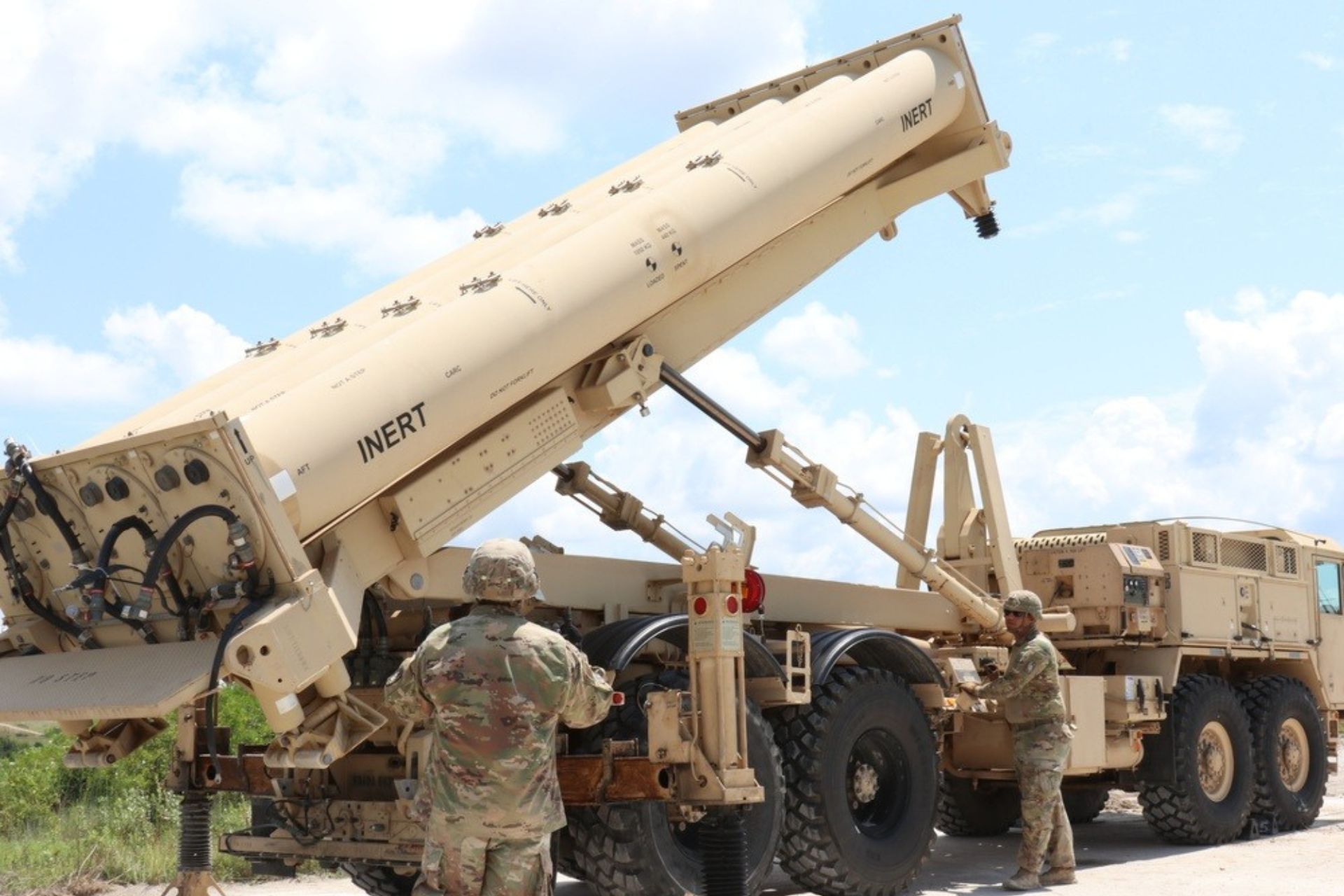
U.S. Army Soldiers, assigned to Bravo Battery 62nd Air Defense Artillery Regiment, conduct preventive measures checks and service on a missile system during a training exercise at Fort Cavazos, Texas, July 24, 2024. (Picture source: US DoD)
THAAD is a highly mobile, rapidly deployable system designed to intercept and destroy short, medium, and intermediate-range ballistic missiles during their terminal phase. The training at Fort Cavazos allowed the Army to refine its tactics, techniques, and procedures, demonstrating the system's mobility by swiftly deploying across various terrains and engaging simulated targets. These exercises are crucial for maintaining the operational capabilities and high standards required for deployment.
The THAAD system is a cornerstone of U.S. missile defense strategy, providing a critical layer of protection against missile threats. The system uses interceptor missiles with "hit-to-kill" technology to destroy incoming missiles, capable of hitting targets at distances of 150 to 200 kilometers. THAAD complements other missile defense systems, such as the Patriot, the Navy’s AEGIS Missile Defense System, and the Ground-based Midcourse Defense System.
A THAAD battery consists of 95 soldiers, six truck-mounted launchers, 48 interceptors, an AN/TPY-2 radar (Army/Navy Transportable Radar Surveillance and Control Mode 2), and a tactical fire control and communications component. This setup offers combatant commanders a rapidly deployable capability against a range of ballistic missile threats during their terminal phase of flight.
The exercise at Fort Cavazos underscores the strategic importance of maintaining a constant state of readiness. As global threats evolve, the U.S. Army continues to adapt and enhance its defensive measures. THAAD, developed by Lockheed Martin Corporation and manufactured in Troy, Alabama, has undergone extensive testing and deployment since its inception in 1992. Despite initial test failures, the system was redesigned and has since seen numerous successful intercept tests.
The U.S. Army currently deploys seven THAAD batteries, with plans to activate an eighth battery by 2025. These batteries are deployed in strategic locations, including Fort Bliss, Texas, Fort Cavazos, Texas, South Korea, and Guam. The deployment of THAAD units abroad highlights its critical role in U.S. defense strategy, providing protection against potential missile threats from adversaries.
During the deployment in South Korea, China expressed concerns about the THAAD deployment, particularly regarding the system's surveillance capabilities rather than the interceptors themselves. Beijing fears that the radar system associated with THAAD could provide the United States with enhanced early warning and tracking capabilities for Chinese intercontinental ballistic missiles (ICBMs). This could potentially shift the strategic balance by giving the U.S. a slight advantage in monitoring and responding to missile launches, thus marginally affecting China’s nuclear deterrence.
THAAD's deployment history includes responses to potential threats in Guam, South Korea, Romania, Saudi Arabia, and other locations. The system's ability to provide continuous deterrence and protection is a testament to its effectiveness and reliability.
Continuous training and readiness exercises, such as the one conducted at Fort Cavazos, are essential to ensuring that THAAD units remain capable of meeting current and future challenges. As the U.S. Army and the Missile Defense Agency (MDA) work together to maintain and improve the THAAD system, these efforts reinforce the U.S. commitment to maintaining a robust missile defense posture.
Read more: Strategic THAAD Missile Defense Drills Held by US Army in Texas
- Details
- Written by: Vandenbosch
- Category: 2024
- Hits: 4044
The soldiers of the 225th Separate Assault Battalion have recently been equipped with German Marder 1A3 infantry fighting vehicles. This update was announced on the unit’s official page. It is estimated that the unit received a batch of 20 vehicles, transferred by Germany in July this year.
Follow Army Recognition on Google News at this link
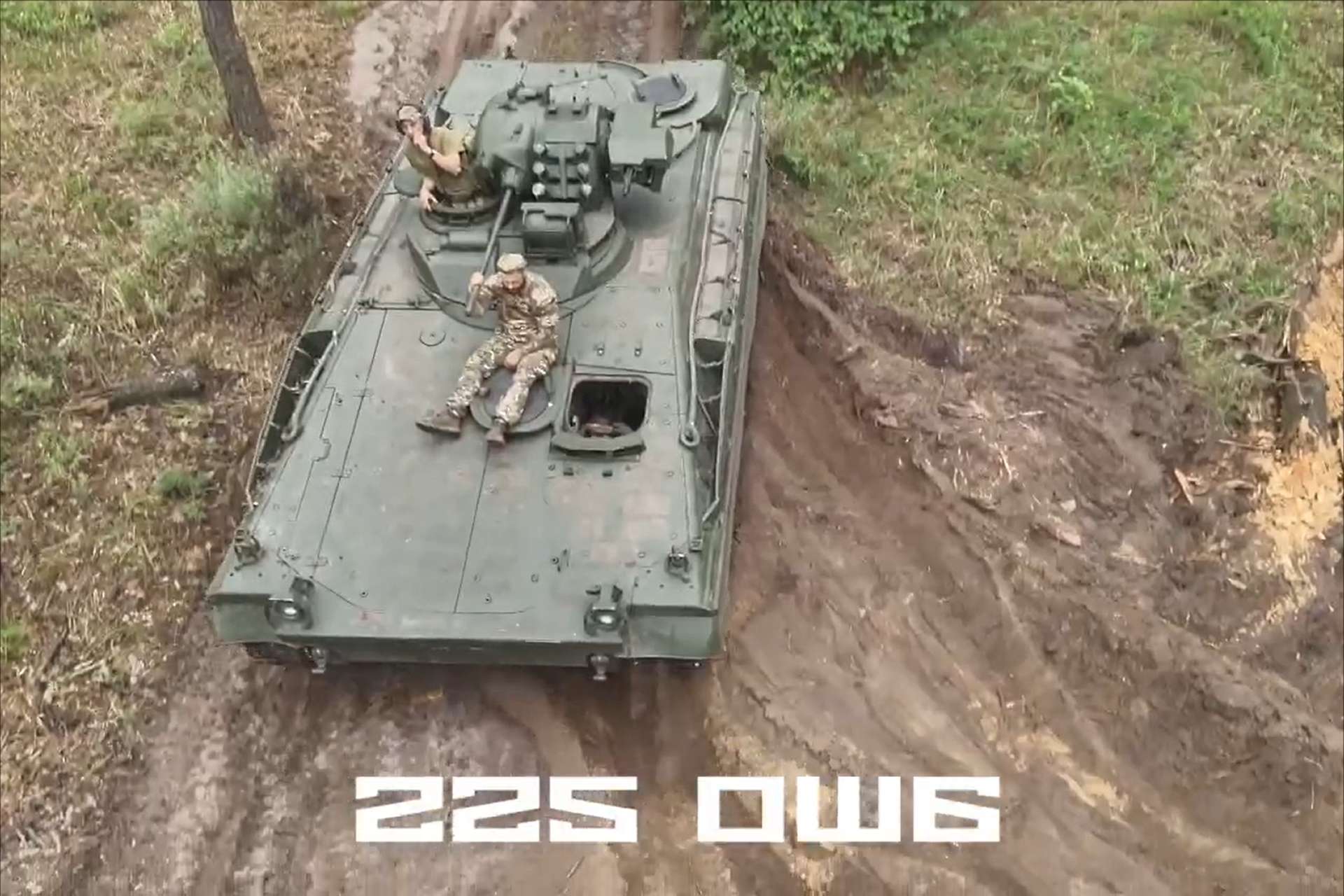
German Marder 1A3 infantry fighting vehicles. (Picture source: 225th Separate Assault Battalion)
With this acquisition, the 225th Separate Assault Battalion becomes the fourth unit of the Ukrainian Armed Forces to be equipped with these infantry fighting vehicles. The Marder 1A3 is already in use by the 25th Airborne Brigade, the 82nd Air Assault Brigade, and, more recently, the 100th Mechanized Brigade of the Armed Forces.
According to public estimates from the Oryx project, Germany, along with Denmark, has transferred a total of 120 Marder combat vehicles to Ukraine and is preparing to send an additional 20 units. Before shipment, these used German infantry fighting vehicles undergo major repairs and modernization at Rheinmetall’s facilities in Unterluss and Kassel.
Last month, Rheinmetall established a repair and maintenance process for these vehicles in Ukraine at local facilities. This initiative aims to significantly reduce logistical challenges and simplify the process of repairing damaged equipment.
The Marder 1A3 is an infantry fighting vehicle designed and manufactured in Germany. It is armed with a 20mm MK 20 Rh202 automatic cannon, a 7.62mm MG3 coaxial machine gun, and a MILAN anti-tank guided missile launcher. In terms of protection, this vehicle offers standard protection against small arms fire of 7.62mm caliber and shell splinters. With the new armor package of the Marder 1A3, it can also withstand 30mm cannon ammunition.
Used by countries such as Chile, Germany, Greece, Indonesia, Jordan, and recently Ukraine, the Marder 1A3 weighs 33,500 kg. The vehicle can reach a speed of 65 km/h and has a range of 500 km. In terms of technology, it is equipped with day periscopes, passive night vision devices, thermal sights, an air conditioning system, and an NBC (nuclear, biological, and chemical) protection system.
The Marder 1A3 can accommodate a crew of three people plus six infantrymen. Its dimensions are 6.88 meters in length, 3.38 meters in width, and 3.015 meters in height, making it an imposing and robust vehicle on the battlefield.
In April of this year, the 225th Separate Assault Battalion was reinforced with armored vehicles manufactured in Ukraine. The soldiers received 15 Kozak-2M1 MRAP vehicles and 25 Kozak-5 armored vehicles manufactured by Practika.
In May, the soldiers of the 225th Brigade captured a Russian T-90M Proryv main battle tank. The tank was immobilized due to damage in the engine and transmission compartment, rendering it immobile. Over the next eight months, various brigades of the Ukrainian Armed Forces made 12 attempts to pull the tank to the rear, managing to move it but not fully evacuate it. Due to the impossibility of repair, the damaged tank was eventually transferred to the 10th Department of the Defence Intelligence of Ukraine for examination.

The Marder 1A3 is an infantry fighting vehicle designed and manufactured in Germany. (Picture source: 225th Separate Assault Battalion)
Read more: Ukrainian Assault Battalion Equipped with Marder 1A3 Infantry Fighting Vehicles