

- Details
- Written by: Administrator
- Category: 2024
- Hits: 5607










The British Ministry of Defence (MoD) announced on July 24, 2024, a major procurement of Lightweight Multirole Missiles (LMM), also named Martlet, from Thales UK, valued at £176 million. This acquisition aims to bolster the UK Armed Forces' short-range air defense capabilities, ensuring versatile and precise defensive solutions against a variety of threats.
Follow Army Recognition on Google News at this link
British 815NAS's wildcat helicopter conducting its first martlet firing in the Bay of Bangal. HMS Defender's’s Wildcat Helicopter fired the first operational Martlet missile in the Bay of Bengal as part of the Carrier Strike Group 21 Deployment. (Picture source: UK MoD)
The LMM (Lightweight Multirole Missile) or Martlet missile, also known as the Lightweight Multirole Missile (LMM), is a versatile precision-guided weapon developed by Thales UK. It weighs approximately 13 kilograms (29 lbs) and measures 1.3 meters (4 ft 3 in) in length with a diameter of 76 millimeters (3.0 in). The missile is guided using a Semi-Automatic Command to Line Of Sight (SACLOS) system, with additional seeker options proposed by Thales, including semi-active laser, terminal infrared, and GPS/INS systems.
Martlet can be deployed from a variety of platforms. It has been integrated onto the Royal Navy's AgustaWestland AW159 Wildcat helicopters, which can carry up to 20 missiles across two weapon wings and four weapon stations. Alternatively, a mixed load of 10 Martlets and 2 Sea Venoms can be carried, or one weapon wing can be removed to accommodate a mounted gun on one side.
The British Army has also integrated the LMM into their current armoured (Stormer) and light role Starstreak ground-based air defence batteries of the 12 Regiment Royal Artillery and 106th (Yeomanry) Regiment Royal Artillery to supplement the Starstreak system.
The missile uses a two-stage solid propellant and has an operational range of up to 8 kilometers (5 miles), with a maximum speed exceeding Mach 1.5 (510 m/s; 1,670 ft/s). The guidance system options for Martlet include SAL (semi-active laser) and LBR (laser beam riding) for mode A, IR (infrared) terminal homing for mode B, IIR (imaging infrared) terminal homing for mode C, and INS (inertial navigation system) and GPS (global positioning system) for mode D.
In addition to the AW159 Wildcat, Martlet can be launched from various platforms, including the Schiebel Camcopter S-100, BAE Fury, Thales Watchkeeper WK450, and Jackal Drone, making it a highly adaptable missile for multiple operational scenarios.
Defence Equipment & Support (DE&S), the MoD's procurement arm, facilitated the contract with Thales UK. The deal not only strengthens national security but also supports economic growth in the region. The production of these missiles at Thales' Belfast site will sustain 135 jobs and benefit the local supply chain, including small and medium enterprises.
In addition to bolstering domestic defence, the UK has also demonstrated international solidarity by gifting hundreds of LMMs to Ukraine. These missiles have been instrumental in Ukraine's efforts to resist the illegal Russian invasion that began in February 2022.
The LMM system achieved its initial operational capability during the Royal Navy’s Carrier Strike Group deployment in the Bay of Bengal in 2021, where it was first fired from a Wildcat helicopter. Since then, the Martlet missile system has been deployed in various operations, including Operation Prosperity Guardian, aimed at protecting commercial vessels from Houthi rebel attacks in the Red Sea.
British Defence Minister Ben Wallace commented on the procurement, stating, "This significant investment underscores our commitment to ensuring the UK Armed Forces are equipped with the latest technology to protect our nation and support our allies. The Lightweight Multirole Missiles from Thales UK will provide a critical enhancement to our defensive capabilities."
Read more: UK Orders Thales Martlet Lightweight Multirole Missiles for British Armed Forces

- Details
- Written by: Jérôme Brahy
- Category: 2024
- Hits: 2881
The 32nd International Defence Industry Exhibition MSPO is scheduled to take place in Targi Kielce from 3 to 6 September 2024. This event is considered one of Europe's key defence industry exhibitions, featuring nearly 600 companies from 32 countries, covering an area of 30,000 square meters. The Ministry of National Defence has extended invitations to 38 countries, and the event is held under the auspices of the President of the Republic of Poland, Andrzej Duda. The Polish Armaments Group acts as the Strategic Partner for the exhibition.
Follow Army Recognition on Google News at this link
MSPO is ranked as the third-largest European arms fair, following Eurosatory in Paris and the Defence and Security Equipment International (DSEI) in London. (Picture source: Targi Kielce)
The International Defence Industry Exhibition (MSPO) was founded in 1993 and is held annually at Targi Kielce in Kielce, Poland. The exhibition has expanded to become one of the largest trade fairs for military equipment in Central and Eastern Europe, attracting over 600 exhibitors from more than 30 countries and approximately 19,000 visitors each year. The MSPO presents the latest military technologies, armaments, and army products, drawing professionals from the Polish Army, the police, the Ministry of National Defence, and other government entities. It is ranked as the third-largest European arms fair, following Eurosatory in Paris and the Defence and Security Equipment International (DSEI) in London.
The Targi Kielce International Defence Industry Exhibition regularly attracts a global audience of exhibitors and visitors. It serves as a venue for sharing experiences, showcasing new technologies, and forming international business connections. The trade show enables defence companies to present their latest products and services and develop strategic partnerships. Andrzej Mochoń, PhD, President of the Targi Kielce Management Board, mentioned that the current geopolitical situation, particularly Russia's actions against Ukraine, requires increased defence spending.
The Polish government has dedicated 4% of GDP to this purpose, reflecting agreement among the public, economic sectors, and political circles. Mochoń noted that the demand for equipment and supplies is likely to persist, maintaining interest in MSPO, even if the conflict in Ukraine concludes. He also forecasted continued tensions between major powers and political blocs, indicating a period of heightened defence spending.

A notable feature of this year's exhibition is the Armed Forces Exhibition jubilee, aimed to highlight Poland's NATO membership and its contributions to national and international security since joining the alliance on March 12, 1999. (Picture source: Targi Kielce)
This year's MSPO will bring together leading military equipment producers and suppliers, along with experts and decision-makers, to discuss the future of defence, safety, and security. The event's schedule includes discussion panels, technology presentations, and numerous business meetings aimed at sharing knowledge and experiences. MSPO is Poland's largest defence industry exhibition and an important platform for global knowledge and experience exchange within the defence, safety, and security communities. The event emphasizes Targi Kielce's role in fostering global business relationships and promoting technological solutions.
A notable feature of this year's exhibition is the Armed Forces Exhibition jubilee, themed "Poland: 25 years in NATO, safe and secure for 25 years." This exhibition aims to highlight Poland's NATO membership and its contributions to national and international security since joining the alliance on March 12, 1999. This event will display the advancements in Poland's military capabilities and infrastructure developed over the past 25 years. The exhibition will feature over 300 units of various equipment, including a mission town, a patrol boat, and a snowmobile, with participation from over 1,000 Polish soldiers.

This year's exhibit will include the new generation "Rak" turret system with a 120 mm mortar by Huta Stalowa Wola. (Picture source: Polish MoD)
MSPO also facilitates significant contracts and agreements impacting the Polish defence industry. Last year's event saw key transactions, such as contracts for modern defence systems, partnerships with international collaborators, and agreements for modernizing existing military equipment. Notable agreements included cooperation between MESKO and the Armament Agency for ammunition supply and collaborations between PCO SA and VIGO SA on cooled IR matrices production and marketing.
Over the years, MSPO has hosted numerous premieres and important unveilings. Each year, it features different countries' military trends through National Exhibitions. This year's exhibit will include the new generation "Rak" turret system with a 120 mm mortar by Huta Stalowa Wola. The exhibition often coincides with the signing of crucial defence contracts and agreements. This year, the exhibition will feature the signing of significant contracts, including an agreement for the supply of South Korean K2 Black Panther tanks to enhance the combat capabilities of the Polish armed forces. This contract includes the delivery of new units and technology transfer, contributing to the development of the Polish arms industry. These agreements illustrate MSPO's role as a platform for negotiating and finalizing important transactions in the defence sector.
The MSPO Open Day on 7 September 2024 will allow the public to view the latest military equipment used by the Armed Forces of the Republic of Poland. This event provides military enthusiasts, families, and interested individuals an opportunity to learn about modern defence technologies and view the equipment of the Polish army closely.

MSPO 2024 will include a new agreement for the supply of South Korean K2 Black Panther tanks to enhance the combat capabilities of the Polish armed forces. (Picture source: Polish MoD)
Read more: MSPO 2024 to honour 25 years of NATO membership for Poland

- Details
- Written by: Jérôme Brahy
- Category: 2024
- Hits: 8834
On July 23, 2024, Bill Blair, the Canadian Minister of National Defence, announced a $35.8 million investment to equip Canadian Army personnel in Latvia with 90 new Light Tactical Vehicles (LTVs) based on GM Defense's Infantry Squad Vehicle. The growing Canadian military presence in Europe, including Latvia, aims to strengthen NATO's defensive capabilities, with Canada expected to have more than 2,200 soldiers deployed by 2026 as the NATO Multinational Battle Group Latvia transitions to NATO Multinational Brigade Latvia.
Follow Army Recognition on Google News at this link
GM Defense Canada will deliver 36 cargo variants, accommodating two to four soldiers and large loads, and 54 personnel variants, designed to transport teams of up to nine soldiers, with an option for an additional 18 vehicles. (Picture source: Army Recognition)
The new LTVs will enhance the Canadian Army's operational effectiveness, allowing them to navigate complex terrain and isolated locations that are inaccessible to larger vehicles. These vehicles will also assist in transporting combat equipment, reducing the physical burden on individual soldiers. GM Defense Canada has been awarded the contract to deliver 36 cargo and 54 personnel variants of the LTVs, with an option for up to an additional 18 vehicles. The personnel variant is designed to transport teams of up to nine soldiers, while the cargo variant can accommodate two to four soldiers and larger loads. This configuration will enable Light Forces to carry weapons, personal effects, and combat supplies sufficient for 72 hours of self-sufficient operation.
The contract includes training, logistics support, technical manuals, additional vehicle content sourced from Canadian companies, and up to two years of spare parts for the LTV fleet. Based on the Infantry Squad Vehicle (ISV) platform to ensure quick delivery, the first five Light Tactical Vehicles (LTVs) are expected to arrive in Canada later this month for training purposes. The Canadian Army plans to begin Initial Cadre Training in late August 2024, with the remaining vehicles anticipated to be delivered to Latvia by early October 2024.
This procurement marks the first phase of the Light Forces Enhancement (LFE) Project, which aims to provide a specialized wheeled off-road vehicle capability to the Canadian Armed Forces' Light Forces. Phase 2 of the LFE Project will involve the delivery of up to 222 Tactical Mobility Platforms and up to 23 light trailers to the Canadian Army’s Regular and Reserve Forces. Each phase will have a separate competitive bidding process, which could result in different vehicles being procured.
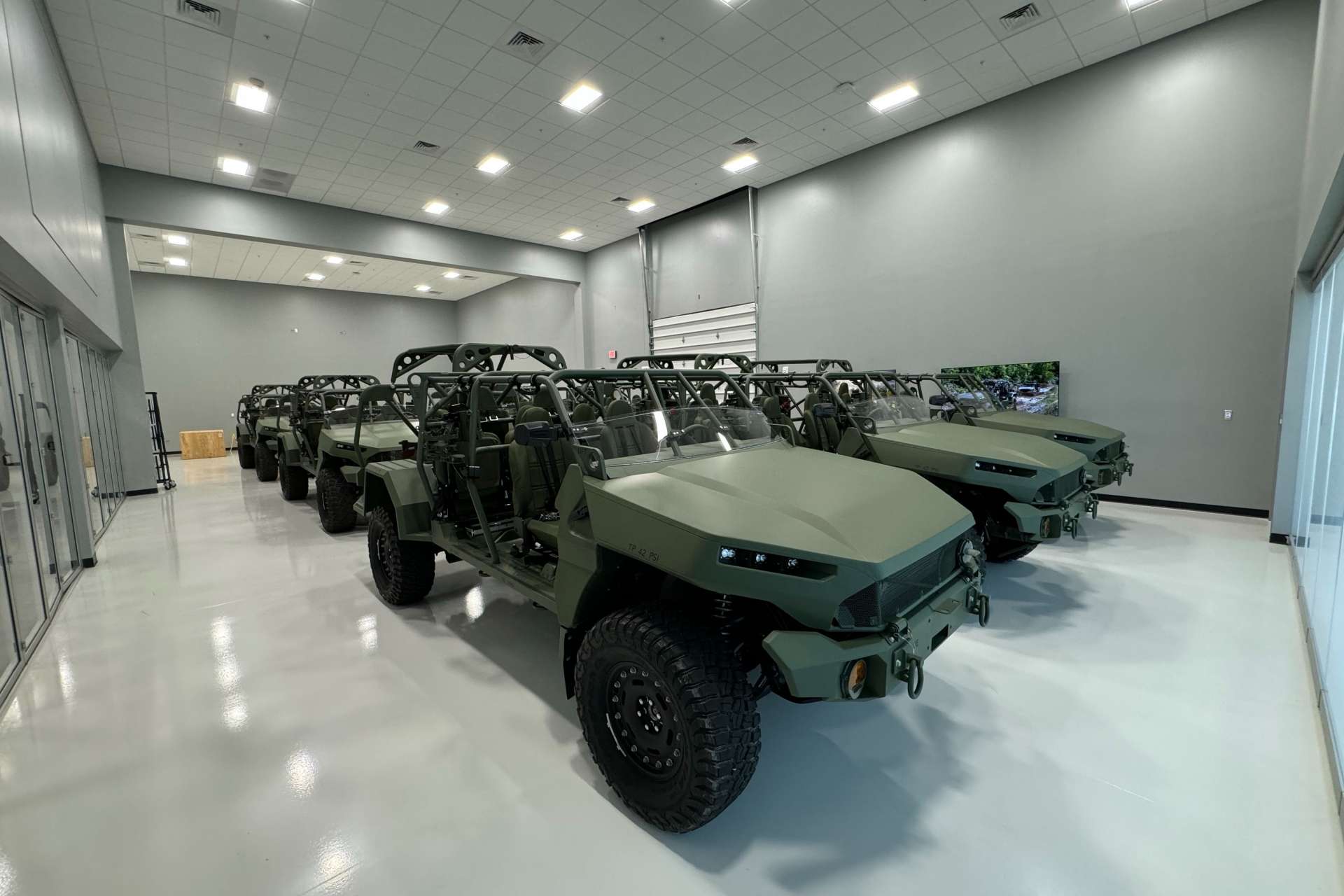
This procurement marks the first phase of the Light Forces Enhancement (LFE) Project, while Phase 2 will involve the delivery of up to 222 Tactical Mobility Platforms to the Canadian Army’s Regular and Reserve Forces. (Picture source: Commander of the Canadian Army)
Lieutenant-General Michael Wright, Commander of the Canadian Army, highlighted the significance of this investment in revitalizing the Army’s Light Forces. He indicated that the new LTVs will enhance the Army's range and response times both domestically and internationally. Positioned on NATO's eastern border, these vehicles will enable the rapid deployment of a light infantry battle group to reinforce the Forward Land Forces Brigade in Latvia, as the Canadian Army’s Light Force infantry soldiers will be the primary users of the LTVs and Tactical Mobility Platforms.
The LTVs are based on GM Defense's Infantry Squad Vehicle (ISV), developed in autumn 2019 after an 18-week development period. In 2020, the United States Army selected the ISV to transport nine infantrymen and for its adaptability to air transport by military aircraft such as the C-17, C-130, and A-400M. The US Army awarded a contract in June 2020 for the production of 649 ISVs, with the goal of fielding these vehicles across 11 Infantry Brigade Combat Teams by 2025. By April 2023, 300 vehicles had been delivered, moving to full-rate production.
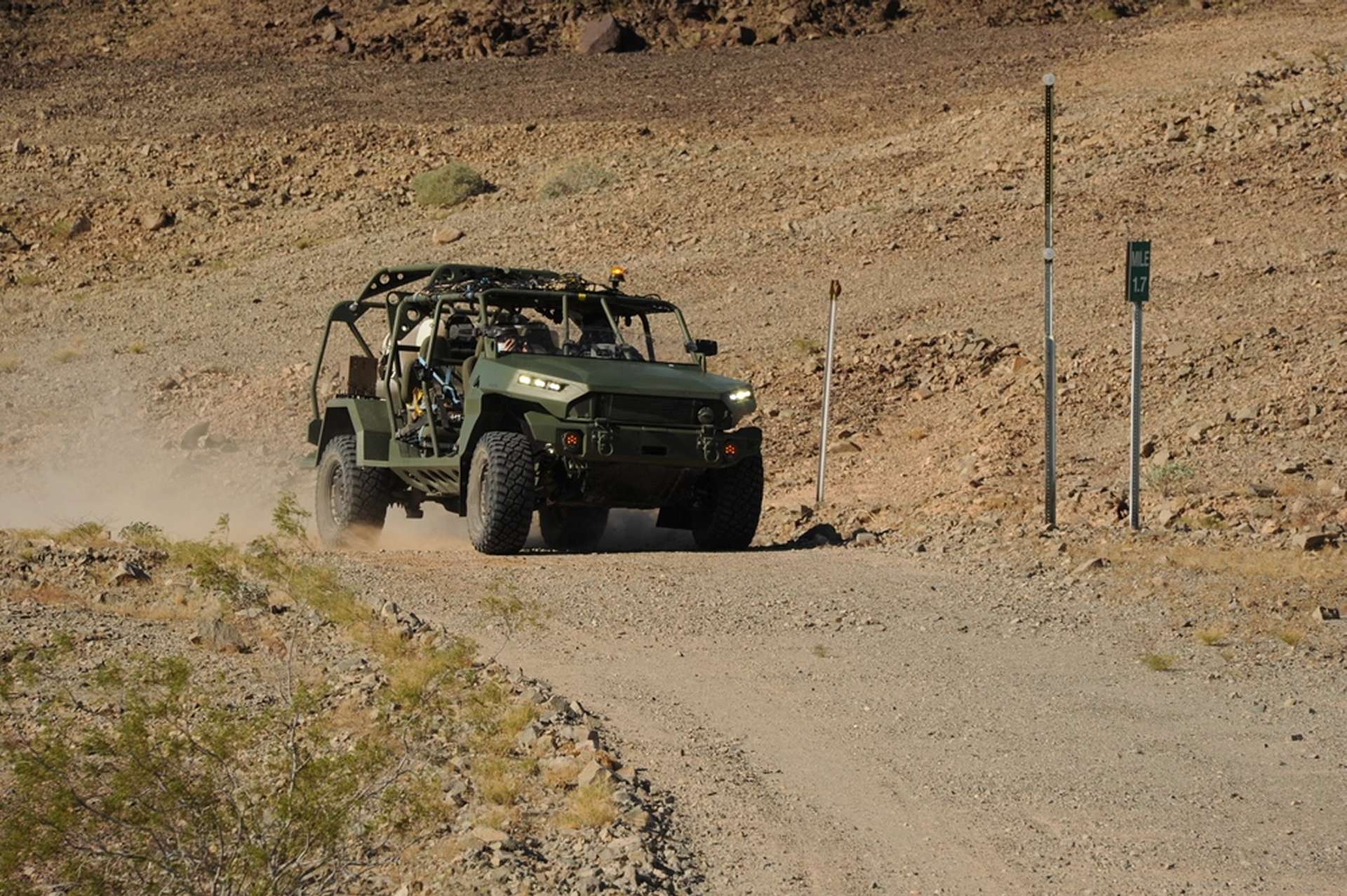
The US Army awarded a contract in June 2020 for the production of 649 ISVs, with the goal of fielding these vehicles across 11 Infantry Brigade Combat Teams by 2025. (Picture source: US DoD)
The vehicle recently completed the 2023 UAE Armed Forces Summer Trials, which involved nearly 2,000 kilometers of testing on highways, sand dunes, soft sand tracks, and rocky walls. These trials assessed the ISV’s endurance and capabilities under extreme conditions, including its ability to carry maximum payloads. The vehicle also underwent Maintenance Trials to evaluate its sustainability and ease of repair. Following these trials, the ISV received certification, and GM Defense signed a cooperative agreement with the Tawazun Council to support military, security, and government operations in the UAE and the broader region.
On May 20, 2024, GM Defense and Mistral Inc. announced a partnership to integrate UVision's Hero-120 loitering munition with GM Defense’s Infantry Squad Vehicle (ISV). This new variant of the ISV, equipped with four launch tubes for the Hero-120, is designed to enhance tactical capabilities by combining mobility and lethality. The Hero-120 drone, developed by UVision Air and supplied by Mistral Inc., serves multiple purposes, including reconnaissance, electronic warfare, and loitering munitions, and meets the US Marine Corps' requirements for the Organic Precision Fires-Mounted (OPF-M) system.
The Infantry Squad Vehicle (ISV), designated M1301 by the US Army, is developed in standard and all-electric variants, including a variant equipped with a .50 caliber gun. It features a fully welded aluminum armor body for protection against small arms fire and IEDs. The vehicle utilizes a GM Duramax 2.8L turbo diesel engine, producing 186 horsepower, paired with a GM Hydro-Matic 6L50 six-speed transmission and a GM AutoTrac two-speed transfer case. It incorporates Dana M190 and M220 axles with electronic locking differentials and includes a Roll Over Protection System (ROPS) to ensure durability and safety in various operational environments.
Read more: GM Defense Canada To Deliver 90 Light Tactical Vehicles for Canadian Army
- Details
- Written by: Vandenbosch
- Category: 2024
- Hits: 4833
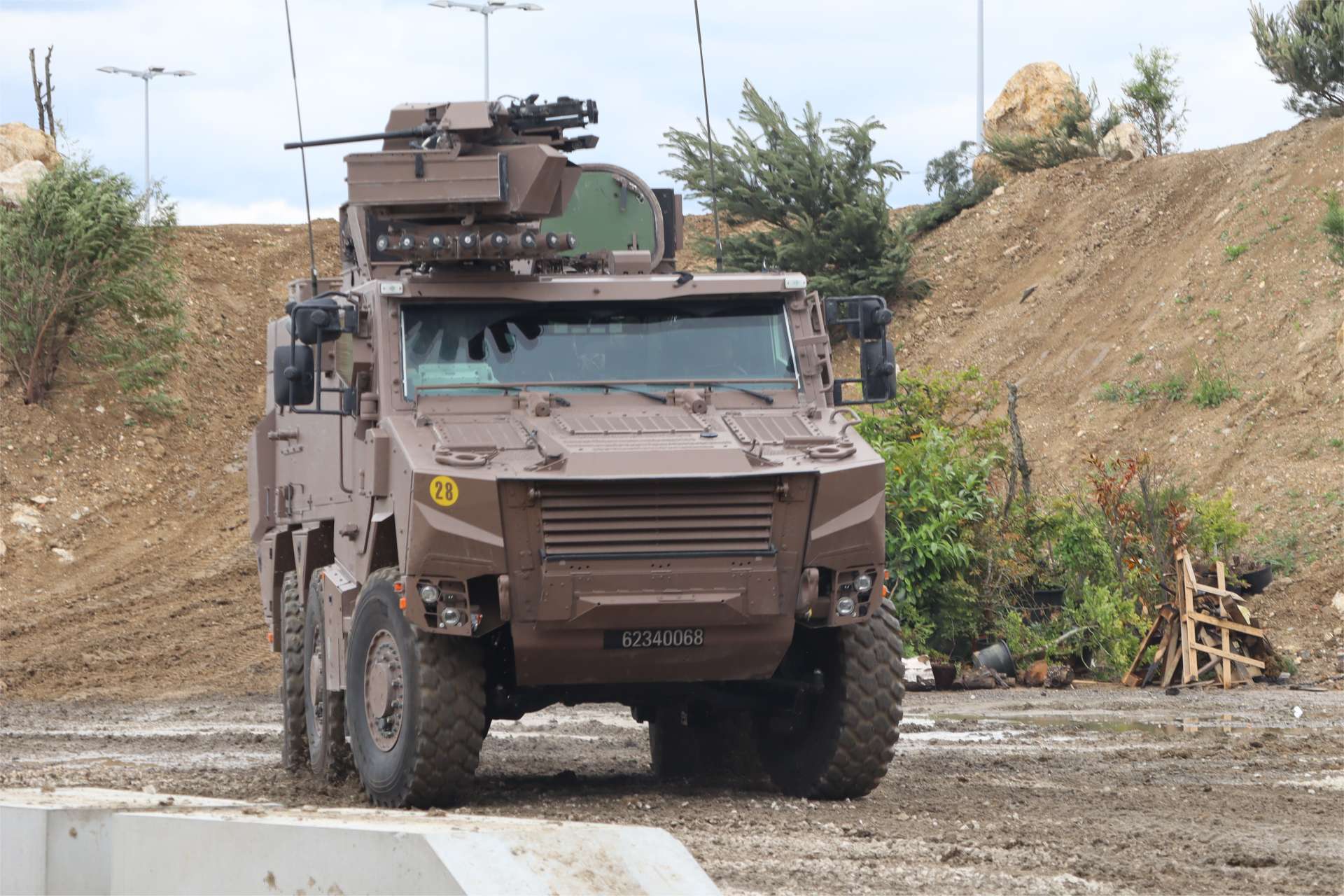
According to a company statement dated July 17, 2024, 725 Griffon vehicles and 95 Jaguar vehicles are expected to be produced by the end of 2024. Additionally, the first Griffon vehicles equipped with the 120 mm MEPAC mortar will be delivered in 2024.
Follow Army Recognition on Google News at this link
KNDS France has announced ambitious plans to speed up the production of its latest armored vehicles, the Jaguar and Griffon. (Picture source: Army Recognition)
KNDS France has announced ambitious plans to speed up the production of its latest armored vehicles, the Jaguar and Griffon. These vehicles are crucial for the SCORPION program, overseen by the Directorate General of Armaments (DGA). This initiative aims to transform the combat capabilities of the French Army by integrating advanced technologies and innovative features that enhance real-time communication and battlefield digitization.
The Jaguar is an armored reconnaissance and combat vehicle designed by France in collaboration with Nexter, Renault Trucks Defense (RTD), and Thales. Weighing 25,000 kg, this vehicle is equipped with a powerful arsenal including a 40 mm cannon, a 7.62 mm machine gun, and medium-range anti-tank missiles. Its design offers effective protection against small arms fire and shell splinters, following NATO STANAG 4569 Level 4 standards.
The Jaguar can reach a maximum speed of 90 km/h and has a range of 800 km. It is also equipped with multiple accessories that enhance its operational capabilities. These include day/night vision, nuclear, biological, and chemical (NBC) protection through internal overpressure and air conditioning, a laser warning system, an enemy missile detection system, and radio and infrared jamming systems.
The vehicle is designed to accommodate a crew of three. Its dimensions are 7.3 meters in length, 3 meters in width, and 2.6 meters in height. Currently used by France, the Jaguar also attracts interest from Belgium, highlighting its effectiveness and versatility on the modern battlefield.

Jaguar French reconnaissance and combat 6x6 armored vehicle. (Picture source: Army Recognition)
The Griffon is a versatile armored vehicle designed in France, weighing 24,500 kg, and capable of reaching a maximum speed of 110 km/h. It is primarily used by the French Army. This vehicle is armed with a 7.62 mm or 12.7 mm machine gun, or a 40 mm automatic grenade launcher, offering flexible firepower according to operational needs. The Griffon is also protected against small arms fire and shell splinters, in line with NATO STANAG 4569 Level 4 standards, ensuring considerable robustness on the battlefield.
The vehicle is equipped with various advanced technologies to enhance its capabilities. It features day/night vision, NBC protection with internal overpressure and air conditioning, ensuring crew safety under all circumstances. The Griffon can transport a crew of three along with eight additional soldiers, making it a very effective means of transport for rapid deployment and support missions.
With a range of 800 km, the Griffon can cover long distances without requiring frequent refueling, thereby increasing its operational efficiency. Its dimensions are 7 meters in length, 2.5 meters in width, and 3 meters in height, allowing great flexibility in various combat situations. The Griffon represents a significant advancement in the modernization of the French Armed Forces, combining mobility, protection, and firepower in a single vehicle.
The SCORPION program represents a leap in modernizing the French Army’s combat systems. By integrating state-of-the-art technology and fostering collaborative combat environments, the program aims to improve the French Army’s efficiency and effectiveness in modern warfare.
As part of the ongoing SCORPION program, the delivery and deployment of these advanced armored vehicles are expected to significantly bolster the capabilities of the French Army.

Griffon French wheeled multi-role armored vehicle. (Picture source: Army Recognition)
Read more: France Accelerates Production of Jaguar and Griffon Armored Vehicles

- Details
- Written by: Jérôme Brahy
- Category: 2024
- Hits: 7398
On July 23, 2024, during the 2024 Han Kuang Exercise, the Taiwanese Army's 586th Brigade deployed its newly acquired M1167 TOW missile carriers equipped with Improved Target Acquisition System (ITAS) launchers capable of launching TOW 2B (BGM-71F-3-RF) missiles. The brigade conducted tactical maneuvers in central Taiwan with these newly received vehicles and ITAS launchers, marking their first appearance in any exercise.
Follow Army Recognition on Google News at this link
The 586th Brigade conducted tactical maneuvers in central Taiwan with these newly received M1167 TOW missile carriers, marking their first appearance in any exercise. (Picture source: UDN/hojiyi)
The 2024 Han Kuang military exercise, Taiwan's major annual defense drill, began on July 22 and will last for five days. This year's exercise emphasizes a more realistic approach by forgoing pre-rehearsals and adopting unscripted scenarios to better simulate actual combat conditions. The drills involve various military assets, including F-16s, CM32, CM33, and CM34 armored vehicles, M60A3 tanks, and C130 transport aircraft, deployed to different bases across Taiwan. Notably, live-fire exercises are conducted only on the outer islands of Kinmen, Matsu, and Penghu, while exercises on Taiwan's main island exclude live ammunition, focusing on force preservation, critical infrastructure protection, and decentralized command operations.
The exercise includes night-time drills and tests the military's response capabilities under conditions of lost communication with central command. This adjustment reflects Taiwan's response to the increasing frequency of Chinese military activities near its borders, such as air and naval operations. The drills aim to improve the military's ability to conduct multi-point simultaneous defenses and ensure troops can operate independently if an invasion occurs. Concurrently, Taiwan is conducting air raid exercises to enhance civil defense preparedness, emphasizing missile and rocket attack alerts and the establishment of wartime disaster relief stations.

The 2024 Han Kuang military exercise includes night-time drills and tests the military's response capabilities under conditions of lost communication with central command. (Picture source: Taiwanese MoD)
As reported by Army Recognition on May 24, 2024, this deployment of newly-acquired M1167 HMMWV TOW missile carriers aligns with increased military activity by China around Taiwan, including extensive drills simulating strikes on key Taiwanese targets. This increase in military pressure follows Taiwanese President Tsai Ing-wen's visit to the United States, which Beijing viewed as provocative. In response, Taiwan has heightened its military alertness, deploying assets to monitor and counter these activities.
As of July 2024, the military situation between Taiwan and China is marked by increased Chinese military exercises around Taiwan, involving the navy, air force, and rocket force. These drills simulate various scenarios, including blockades and potential invasions, indicating a heightened level of preparedness and pressure on Taiwan. The Chinese Coast Guard has also intensified its presence around Taiwan’s outlying islands, conducting joint patrols and rapid reaction exercises near strategically important areas. These activities underscore China's ability to project power and maintain a continuous military presence in the Taiwan Strait.
Politically, the relationship between Taiwan and China remains strained, particularly following the re-election of Taiwan’s Democratic Progressive Party (DPP), which favors maintaining Taiwan's current autonomous status. China perceives this stance as a step towards formal independence, leading to increased diplomatic and military pressures from Beijing. China aims to diplomatically isolate Taiwan and reduce its international space, while Taiwan continues to strengthen its defense capabilities with support from allies, notably the United States. This dynamic creates a complex and tense political landscape, with both sides preparing for various contingencies while navigating a delicate balance in cross-strait relations.
To address these Chinese threats, Taiwan concluded several military sales with the United States, addressing a backlog of military equipment deliveries valued at $14.2 billion. This includes F-16 fighter jets, Patriot missile upgrades, Stinger missiles, and M1A2 Abrams tanks, which will replace older tank models. By the end of the year, Taiwan is expected to receive a total of 1,700 TOW 2B anti-tank missiles and 100 launchers, following delays due to the Covid-19 pandemic and initial testing failures. This acquisition is part of Taiwan's broader defense strategy in response to increasing Chinese military activities, which also includes a new 105mm 8x8 tank destroyer based on the future Clouded Leopard II vehicle.

Introduced in the 1990s, the TOW 2B can be launched from various platforms, including ground vehicles, helicopters, and portable launchers, with a maximum effective range of 3.75 kilometers, extendable to 4.5 kilometers in the TOW 2B Aero variant. (Picture source: US DoD)
The BGM-71F TOW 2B is an anti-tank guided missile developed by Hughes Aircraft, now Raytheon, for the U.S. military. The TOW system, which first entered service in the 1970s, has seen several upgrades, with the TOW 2B introduced in the 1990s. This version uses a "fly-over, shoot-down" method to target the top sections of armored vehicles with dual explosively formed penetrator (EFP) warheads, which detonate above the target to direct explosive force downward. The missile is 1.5 meters long, weighs 21.5 kilograms, and has a maximum effective range of 3.75 kilometers, extendable to 4.5 kilometers in the TOW 2B Aero variant.
The TOW 2B employs a guidance system that combines a laser profilometer and a magnetic sensor, along with an advanced thermal imaging sight and integrated optical system for target acquisition. It can be launched from various platforms, including ground vehicles, helicopters, and portable launchers, making it adaptable to different combat scenarios. The TOW 2B remains in service with several armed forces worldwide and has been used in multiple conflicts. Its guidance system allows operation in both day and night conditions, providing flexibility in deployment.
The M1167 is a variant of the High Mobility Multipurpose Wheeled Vehicle (HMMWV) designed for TOW missile deployment. It is used by the U.S. military for mobility and versatility in carrying and launching anti-tank missiles. The vehicle includes an Integrated Armor Package (IAP) for crew protection and features the M41 Improved Target Acquisition System (ITAS) for accurate missile targeting and launching. It weighs about 13,100 pounds (5,942 kg) and operates with a turbocharged diesel engine suitable for various terrains. Additionally, the M1167 has a secondary weapons mount for close-range defense, supporting weapons like machine guns on a 360-degree ring, and is utilized in various tactical situations for anti-armor functions and ground troop support.

- Details
- Written by: Administrator
- Category: 2024
- Hits: 5073
MBDA, the renowned European developer and manufacturer of missiles and missile systems, has unveiled its latest innovation in air defense technology at the Farnborough Air Show: the new Man Portable Air Defence System (MANPADS) VSHORAD (Very Short Range Air Defence). This advanced system is currently under development for the Italian Army and is poised for marketing to international customers.
Follow Army Recognition on Google News at this link
MBDA unveils its new supersonic VSHORAD MANPADS surface-to-air missile at the Farnborough Air Show, designed for targeting fighters, helicopters, and small drones. (Picture source: MBDA)
The new VSHORAD missile stands out as a supersonic, fire-and-forget interceptor equipped with a state-of-the-art seeker featuring image processing capabilities. Designed for all-day operation, the missile is capable of targeting a wide range of aerial threats, including fighters, helicopters, and small drones. Its versatile design allows for seamless integration with both current and future military vehicles. At the MBDA stand, the missile was showcased mounted on the VTLM2 by IDV, equipped with a Leonardo turret, highlighting its compatibility with modern automated turret systems.
The portability of this VSHORAD solution makes it particularly suitable for paratroops and amphibious forces, providing them with a significant tactical advantage. Additionally, when mounted on military vehicles, the system enhances the mobility and responsiveness of ground forces. This adaptability ensures that the VSHORAD system is a valuable asset in various combat scenarios.
One of the standout features of the new VSHORAD missile is its planned integration into MBDA's Sky Warden system. Sky Warden is MBDA's modular, scalable, and evolvable flagship system designed to counter unmanned aerial systems (C-UAS). The inclusion of the VSHORAD missile within Sky Warden's framework will bolster its capabilities, providing a comprehensive solution to modern aerial threats.
The development of this new VSHORAD system was initiated in response to an operational requirement from the Italian Army, expressed last year. The system's characteristics and performance are fully compliant with NATO standards, ensuring interoperability and effectiveness within allied defense frameworks.
By leveraging its extensive experience in air defense system design and development, MBDA aims to reinforce its position as a leader in European multi-layer air defense capabilities. The introduction of this new missile is a significant step towards achieving a comprehensive defense system that ranges from very short to the future Anti-Ballistic-Hypersonic Defence.
The unveiling of the new VSHORAD missile at the Farnborough Air Show marks a significant milestone for MBDA and the European defense industry. With its advanced capabilities and versatile applications, this missile system is set to enhance the defensive capabilities of the Italian Army and potential international customers, contributing to a stronger, more integrated European air defense network.
Read more: MBDA Unveils Cutting-Edge MANPADS VSHORAD Air Defense Missile System
- Details
- Written by: Vandenbosch
- Category: 2024
- Hits: 3923
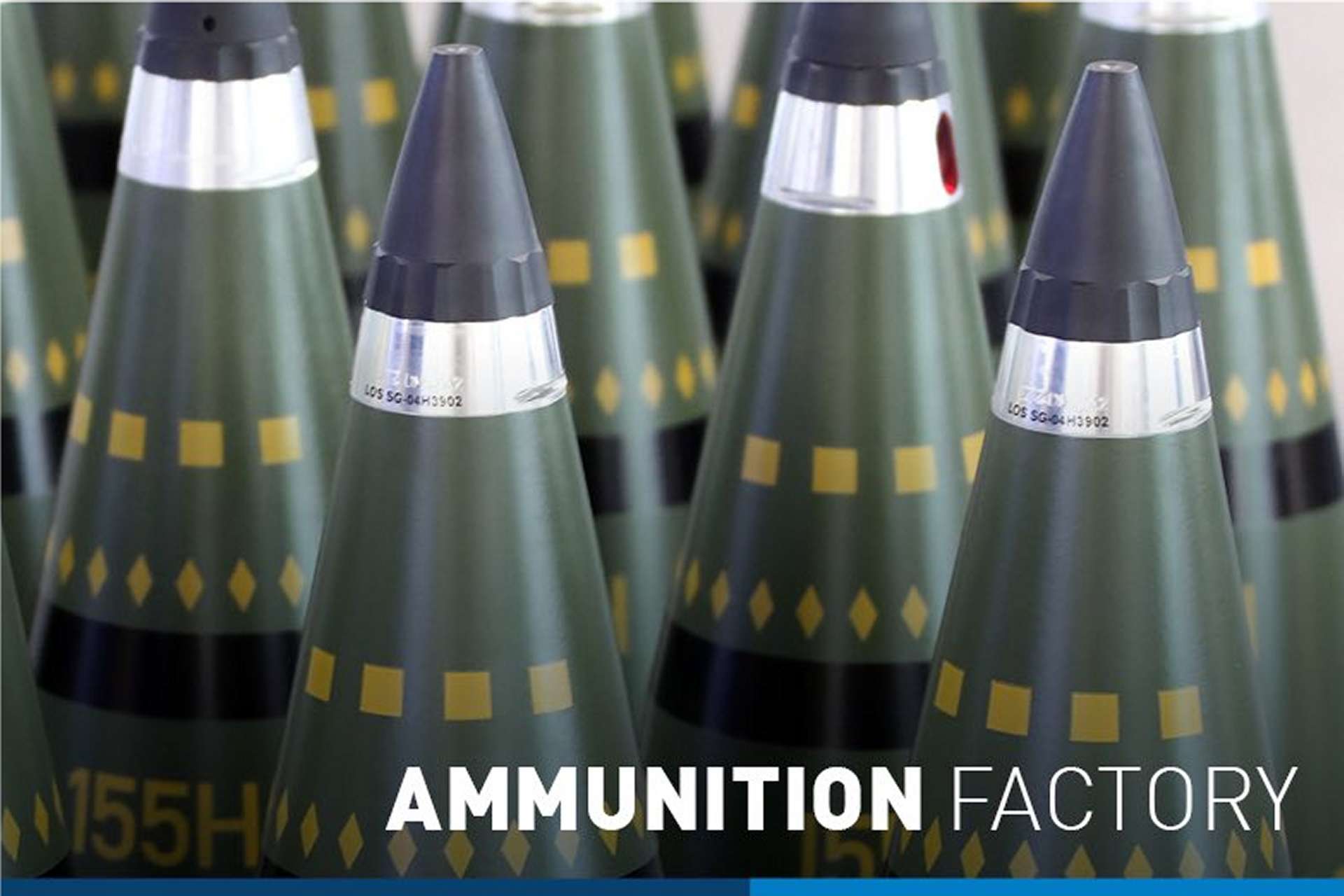
Rheinmetall, the Düsseldorf-based technology group, has secured a significant order from the Ukrainian government for the construction of an ammunition factory. Announced in February 2024, this project marks the beginning of a major collaboration between Rheinmetall and Ukraine. The order includes all the necessary technical equipment for the factory, which will be operational within 24 months. The total value of the order is in the low hundreds of millions of euros and will be recorded as an incoming order at the beginning of the third quarter of 2024. The project is expected to start shortly and be completed within a few years. Rheinmetall, in partnership with its Ukrainian joint venture, will also manage the factory's operations.
Follow Army Recognition on Google News at this link
Rheinmetall also announced its intention to open several factories in Ukraine, including facilities for the production of tanks, ammunition, and air defense systems. (Picture source: Rheinmetall)
Armin Papperger, CEO of Rheinmetall AG, stated, "We are putting our words into action and, together with our partner, we will create a Ukrainian competence center for ammunition. This order underlines the confidence in Rheinmetall's expertise and production capabilities. We are grateful to support the country in its reindustrialization and the strengthening of its defense capability."
Preparations for the necessary infrastructure in Ukraine are underway. A joint venture between Rheinmetall and a Ukrainian state-owned company is being established to operate the ammunition plant. This initiative was first revealed during a side discussion at the Munich Security Conference in February 2024.
In June 2024, Armin Papperger and the Ukrainian Minister of Strategic Industries, Oleksandr Kamyshin, signed an agreement to strengthen strategic cooperation at the "Ukraine Recovery Conference" in Berlin. A few days earlier, they had inaugurated an armaments plant in western Ukraine, managed by the joint venture Rheinmetall Ukrainian Defense Industry LLC. The first Lynx infantry fighting vehicle from Rheinmetall is expected to be delivered to the Ukrainian armed forces by the end of this year, with local production planned to start quickly.
Rheinmetall also announced its intention to open several factories in Ukraine, including facilities for the production of tanks, ammunition, and air defense systems. This initiative is part of a broader strategy to increase production capacity to meet the growing demand for ammunition, exacerbated by the war in Ukraine and the rearmament needs of European countries. In 2023, Rheinmetall recorded orders worth 38.3 billion euros, up 44% from the previous year, and plans to increase its annual production capacity of shells to about 1.5 million by 2026.
Rheinmetall's support for Ukraine extends beyond the supply of ammunition. The company actively participates in programs for the maintenance and repair of combat vehicles and is involved in military equipment exchanges with partner countries to strengthen Ukraine's defense capabilities. In collaboration with the Dutch and Danish governments, Rheinmetall also supplies Leopard main battle tanks for the training of Ukrainian armed forces.
These initiatives demonstrate Rheinmetall's ongoing commitment to supporting Ukraine in its defense and reindustrialization efforts, by establishing critical infrastructure and enhancing local defense production capabilities.
Read more: Rheinmetall Supplies Equipment for a New Ammunition Factory in Ukraine

- Details
- Written by: Vandenbosch
- Category: 2024
- Hits: 2976
Rostec announced on July 24, 2024, that it had delivered the first series of TM-140 tracked all-terrain vehicles to Russia's Ministry of Emergency Situations (MChS). These vehicles are designed to operate in the Extreme North, particularly in the Chukotka Autonomous Okrug, and were manufactured by Kurganmashzavod.
Follow Army Recognition on Google News at this link
The TM-140 is designed for off-road conditions, such as snow and swamps. (Picture source: Rostec)
The TM-140 is designed for off-road conditions, such as snow and swamps. It offers high maneuverability, can traverse rugged terrain with slopes and inclines up to 30 degrees, and can also float at a speed of 4 km/h. These characteristics significantly enhance the capabilities of rescue teams operating in remote areas.
"Kurganmashzavod's snow and swamp vehicles embody the traditional and characteristic traits of Russian engineering – reliability and simplicity. These vehicles have proven their worth in real-world conditions. For instance, the TM-140 all-terrain vehicles have undergone controlled operation in the Extreme North, confirming their high passability and reliable performance at low temperatures. Today, under the contract with MChS Russia, the first vehicles have been delivered. By the end of the year, the enterprise plans to deliver several more series of these all-terrain vehicles," said a Rostec representative.
The TM-140 has a payload capacity of up to four tons and a range of 550 km. Another key feature of the TM-140 is its modular design. The vehicle is equipped with a universal cargo platform that can accommodate various modules and technological equipment, such as a residential block, a repair workshop, or a crane manipulator. This allows for rapid adaptation of the vehicle for specific tasks.
The TM-140 is a tracked all-terrain vehicle designed in Russia and primarily used by this country. This vehicle, built to operate in extreme conditions such as those of the Extreme North, can accommodate a crew of seven. It has a payload capacity of up to 11,200 kg, making it a robust tool for various missions.
The TM-140 is also equipped with an option for a remote weapon station armed with a machine gun, providing additional protection and offensive capability if necessary. In terms of protection, it can be fitted with add-on armor to defend against small arms fire, increasing the safety of its crew in hostile environments.
This vehicle impresses with its performance, with a maximum speed of 45 km/h on the road, allowing it to traverse various types of terrain and obstacles. Its range of 550 km makes it particularly suitable for prolonged operations without frequent resupply.
In terms of dimensions, the TM-140 measures 2.71 meters in length, 2.65 meters in width, and 2.19 meters in height, proportions that allow it to navigate relatively confined spaces while safely transporting its crew and equipment. These characteristics make the TM-140 an essential vehicle for rescue and transport operations in hard-to-reach areas.
Specialized equipment like the TM-140 is already used by dozens of Russian customers, including oil and gas companies, geological exploration enterprises, and municipal services in remote areas of the Extreme North. This spring, these vehicles were crucial in aiding residents of the Trans-Ural region affected by flooding. The TM-140s delivered water and food to villages in the Kurgan region and were ready to evacuate people if necessary.
Read more: Rostec Delivers First Series of TM-140 All-Terrain Vehicles to Russia
- Details
- Written by: Administrator
- Category: 2024
- Hits: 7312
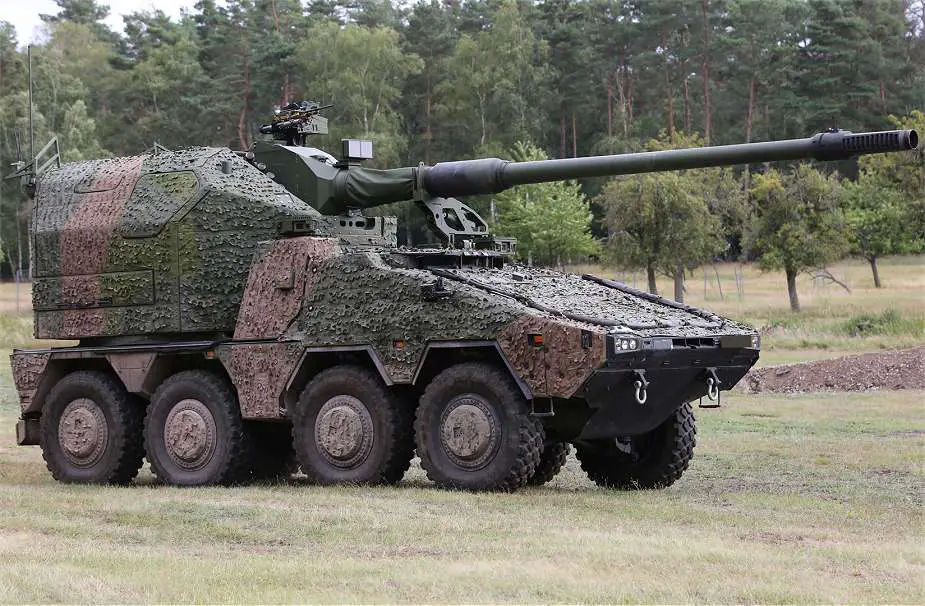
Germany has placed an order for 80 Boxer-based self-propelled 155mm howitzers, known as RCH 155, from the European defense contractor KNDS. This development, first reported by the German news outlet Der Spiegel, marks a substantial enhancement of Germany's artillery power and underscores the nation's commitment to modernizing its armed forces.
Follow Army Recognition on Google News at this link
The RCH 155 is a Boxer-based 155mm self-propelled howitzer fully designed and manufactured by the German-French Company KNDS. (Picture source: KNDS)
The Boxer 8x8 armored vehicle platform, known for its modularity and versatility, serves as an ideal base for the RCH 155. It allows for rapid deployment and flexibility in various combat scenarios. The RCH 155's self-propelled nature provides significant tactical advantages, enabling quick repositioning and sustained fire support on the battlefield.
The RCH 155 (Remote Controlled Howitzer 155) is an advanced artillery system developed by the German company Krauss-Maffei Wegmann (KMW), now part of the KNDS joint venture with French company Nexter. The system is mounted on the versatile Boxer 8×8 vehicle chassis, providing high mobility and flexibility. The RCH 155 features a 155mm L/52 gun capable of firing up to nine rounds per minute, with a range of 40 km using standard ammunition and up to 54 km with extended-range munitions (Defence Industry Europe).
The RCH 155 integrates an automated Artillery Gun Module (AGM) that significantly reduces crew workload and allows for quick deployment and operation. The system's advanced capabilities include fire-on-the-move, multiple rounds simultaneous impact (MRSI), and direct-fire mode for close-range engagements. Its autonomous command, navigation, and fire control systems enable new application options such as targeting moving threats and camp protection (Global Defense Corp) (The Defense Post).
KNDS, a joint venture between German company Krauss-Maffei Wegmann (KMW) and French company Nexter, has been at the forefront of European defense technology. The RCH 155 exemplifies their innovative approach, integrating cutting-edge fire control systems and automation to enhance operational efficiency and reduce crew workload.
Several countries have placed orders for the RCH 155 howitzers, including Ukraine and the United Kingdom.
Ukraine has been a significant recipient of the RCH 155 howitzers, with the German government initially funding the purchase of 18 units at the end of 2022. In February 2024, Germany announced an additional transfer of 18 RCH 155 howitzers to Ukraine, bringing the total to 36 units as part of military aid packages. Further, KNDS has confirmed that Ukraine will receive a total of 54 RCH 155 howitzers by 2027.
The British Army has selected the RCH 155 as part of its Mobile Fires Platform (MFP) program, aiming to replace its aging AS90 155mm tracked self-propelled howitzers. This decision was made after considering several contenders, including other advanced artillery systems. The British Ministry of Defence plans to integrate the RCH 155 systems into service within the current decade, significantly enhancing the British Army’s artillery capabilities.
Read more: Germany Orders 80 RCH 155 Boxer-Based Self-Propelled 155mm Howitzers from KNDS

- Details
- Written by: Vandenbosch
- Category: 2024
- Hits: 2302
A Ukrainian drone attack targeted an oil refinery in Tuapse, located in the Krasnodar region of Russia. According to reports from Russian Telegram channels, the attack aimed to disrupt vital energy infrastructure. This information was widely disseminated on July 22, 2024.
Follow Army Recognition on Google News at this link
The Luna NG is a sophisticated drone with a wingspan of 530 cm and a maximum takeoff weight of 110 kg. (Picture source: Russian social media)
The Russian Ministry of Defense quickly responded, announcing that "all drones were shot down" before causing significant damage. A video released by the ministry showcased the "successful work" of Russian air defense systems, highlighting their effectiveness in intercepting and neutralizing aerial threats. This video, intended to reassure the public and demonstrate Russian military prowess, did not have the intended effect as a drone can be seen hitting the refinery.
Chuck Pfarrer, a notable defense analyst and former Navy SEAL, shared information about the attack via his Twitter account, @ChuckPfarrer. He referenced a video posted by Anton Gerashchenko (@Gerashchenko_en), an advisor to the Ukrainian Ministry of Internal Affairs, which provides a closer look at the strike. According to Pfarrer, the drone used in this operation appears to be an adaptation of the long-range reconnaissance drone Luna NG, capable of sustaining flight for eight hours. This suggests an advancement in Ukrainian drone technology, enabling deeper and more precise strikes into Russian territory.
The Luna NG is a sophisticated drone with a wingspan of 530 cm and a maximum takeoff weight of 110 kg. Designed for long endurance, it can stay airborne for up to 12 hours depending on the payload. It is launched using a catapult, while landing can be executed by parachute or net with autonomous landing capability. The flight path of the Luna NG is programmed before departure, but can also be modified during the mission from the ground station.
A Luna NG/B system includes five unmanned aerial vehicles equipped with electro-optical and infrared sensors, two ground control stations, communication means integrated into protected functional containers, two telemetry antennas mounted on trailers, workshop equipment integrated into a protected container, as well as a set of spare parts. The standard configuration of such a system also includes two launch and landing devices, technical documentation, and necessary training materials.
The Luna NG can reach speeds between 80 and 150 km/h and operate at a service ceiling above 18,000 feet (approximately 5,486 meters). Its range exceeds 150 km, making it a valuable tool for long-distance reconnaissance and surveillance missions. With its combination of long endurance, flight flexibility, and advanced surveillance capabilities, the Luna NG is particularly suited for sophisticated military and security missions.
Reactions to the attack are mixed. Pro-Russian channels emphasize the successful defense against the incursion, while Ukrainian sources highlight the ability to penetrate deep into enemy territory. The drone attack on the Tuapse oil refinery strikingly underscores the evolving nature of warfare. As technology advances, so do the methods of conflict.

Infographic of the Luna NG drone. ( Picture source: Chuck Pfarrer)
Read more: Ukrainian Drone Strikes Russian Territory and an Oil Refinery

- Details
- Written by: Administrator
- Category: 2024
- Hits: 9990
From July 8 to 11, 2024, the 1st Tank (MASIKAN) Battalion of the Philippine Armed Forces, led by LTC Ian Kristin D. Hamlag ARM (GSC) PA, conducted intensive gunnery training and live firing exercises with the Sabrah 105mm Light Tanks at Camp Ernesto Ravina Air Base (CERAB). This event, highlighted on the battalion's official Facebook page, was integral to maintaining the unit's combat readiness and operational efficiency.
Follow Army Recognition on Google News at this link
The Sabrah is a new generation of light tank equipped with a 105mm cannon which is now in service with the Philippine army. (Picture source: Facebook 1st Tank (MASIKAN) Battalion PA)
The training provided both seasoned soldiers and new trainees with invaluable hands-on experience, involving a series of realistic combat scenarios designed to test and enhance the accuracy, reliability, and firepower of the Sabrah 105mm Light Tanks. The rigorous sessions were overseen by Major General Pedro C. Balisi Jr. PA, Commander of the Armor Pambato Division, who emphasized the importance of these exercises in ensuring the highest standards of military effectiveness and preparedness.
The Sabrah Light Tank, manufactured by the Israeli Company Elbit Systems, is a versatile and advanced armored vehicle equipped with a 105mm cannon. This tank is designed for rapid deployment and superior firepower, featuring state-of-the-art fire control systems, enhanced armor protection, and advanced target acquisition capabilities. The Sabrah's technical features include a 105mm cannon capable of firing a variety of munitions, providing high lethality against armored threats. It is equipped with an advanced fire control system for improved accuracy and efficiency, and enhanced composite armor for superior protection against a wide range of battlefield threats. The tank is designed for rapid deployment with excellent off-road capabilities and high-speed maneuverability, accommodating a crew of three, including the commander, gunner, and driver, with an ergonomic design for optimal operational efficiency.
Israeli Company Elbit Systems, the manufacturer, is renowned for its cutting-edge defense technologies and has a global reputation for producing advanced military equipment. The Sabrah Light Tank is a testament to their expertise in delivering high-performance armored vehicles tailored for modern warfare. The acquisition of the Sabrah light tank by the Philippines was signed in October 2020, marking a significant step in enhancing the country's armored capabilities. The Philippines has acquired a total of 18 Sabrah Light Tanks. The first delivery of these tanks was completed in December 2022, further bolstering the Philippine military's operational readiness.
The success of the training exercises at CERAB underscores the Philippine Armed Forces' commitment to maintaining a robust and capable defense force, ready to respond to any threat with precision and effectiveness.
In a country like the Philippines, the advantages of light tanks compared to heavy tanks are particularly pronounced due to the unique geographical and operational conditions.
Firstly, the terrain in the Philippines, characterized by dense forests, mountainous regions, and numerous islands, favors the use of light tanks. Light tanks are more agile and maneuverable than heavy tanks, making them better suited for operations in rough, uneven, and confined environments. Their lighter weight allows them to navigate difficult terrains, such as narrow roads, jungle paths, and steep inclines, more effectively than heavier, bulkier tanks.
Secondly, the logistical flexibility of light tanks provides a significant advantage. The Philippines' archipelagic nature means that military units often need to be transported across water. Light tanks are easier to transport via air, sea, and land due to their lower weight and size. They can be quickly deployed to various islands and remote areas where infrastructure may be limited or unsuitable for heavy tanks.
Additionally, the cost-effectiveness of light tanks is a crucial factor. Light tanks are generally less expensive to produce, maintain, and operate than heavy tanks. For a country like the Philippines, which must balance a range of defense priorities within its budget, the lower operational costs of light tanks make them an attractive option.
Operational versatility is another key advantage. Light tanks can perform a wide range of roles, including reconnaissance, infantry support, and rapid response to emerging threats. Their ability to be quickly deployed and repositioned makes them ideal for counterinsurgency operations and fast-paced combat scenarios that are common in the Philippines' security environment.
Moreover, light tanks are equipped with advanced technology that enhances their combat effectiveness. Modern light tanks like the Sabrah are fitted with sophisticated fire control systems, powerful weaponry, and robust armor, providing a balance of firepower, protection, and mobility. This makes them capable of engaging various threats effectively while maintaining the agility needed for the diverse and challenging terrains of the Philippines.
In summary, light tanks offer several advantages over heavy tanks in the Philippines, including better maneuverability in difficult terrain, logistical flexibility, cost-effectiveness, operational versatility, and advanced technological features. These benefits make light tanks a more suitable and strategic choice for the Philippine Armed Forces in addressing their defense needs and ensuring national security.

- Details
- Written by: Triffaux
- Category: 2024
- Hits: 3494
On July 23, 2024, the Spanish newspaper Info Defensa announced that the defense and aerospace company Mac Jee distinguished itself by winning the call for proposals from the Brazilian Agency for Project Financing (Finep) to develop a revolutionary hypersonic vehicle. This ambitious project, dubbed 14-X, will propel the Brazilian aerospace industry into a new era of innovation and growth.
Follow Army Recognition on Google News at this link
Mc Jee Launch Rocket for 14-X Hypersonic Propulsion Vehicle Program (Picture source: Brazil MoD)
Since the mid-1990s, the Brazilian Air Force (FAB), through the Institute of Advanced Studies (IEAv), a military techno-scientific organization belonging to the Department of Aerospace Science and Technology (DCTA) based in São José dos Campos (SP), has been actively researching aspirated hypersonic technologies.
In 2008, to coordinate and strengthen these efforts, the hypersonic propulsion project 14-X, known as PropHiper, was established. Its mission is to develop a demonstration platform for two critical technologies in the field of aspirated hypersonics: the scramjet engine and the waverider aerodynamic surface. Consequently, the integrated scramjet-waverider vehicle will be capable of reaching ten times the speed of sound, approximately 12,000 kilometers per hour, at an altitude of 30 kilometers. This advancement places Brazil alongside countries such as the United States, Japan, Australia, Russia, France, and China, which are also leading in research and development in this field.
The 14-X project aims to develop a launch system capable of propelling the Brazilian Air Force's (FAB) hypersonic aircraft into optimal flight conditions, safely and controllably. Mac Jee, with its engineering expertise and manufacturing capabilities, plays a crucial role in the realization of this project, thereby contributing to the development of critical technologies for national defense.
The Strategic Hypersonic Propulsion Program 14-X (PropHiper) aims to demonstrate autonomous hypersonic flight capabilities with aspirated propulsion. The project is divided into four major objectives: flight tests of the technological demonstrators 14-X S and 14-X SP, which will respectively explore supersonic combustion and aspirated hypersonic propulsion; 14-X W, which will test the guidance, navigation, and control (GNC) systems in flight without propulsion; and WP 14-X, aiming to demonstrate autonomous flight with active aspirated hypersonic propulsion.
These crucial tests focus on the use of a scramjet engine, a supersonic combustion engine that operates with hydrogen and atmospheric air, and is tested in captive ballistic flight at strategic altitudes between 30 and 40 kilometers, and speeds reaching Mach 7.
The subsequent phases of the project will focus on the use of aspirated hypersonic propulsion for short-duration autonomous flights. The 14-X W and 14-X WP aim to demonstrate the effectiveness of the GNC subsystems and advanced materials under flight conditions, and to test propulsion based on the conical shock wave effect generated in hypersonic flight.
The success of these demonstrators will depend on the development of a larger capacity accelerator vehicle, which Mac Jee is currently tasked with developing. This project represents not only a significant milestone for Mac Jee but also a major step forward for the Brazilian aerospace sector as a whole, marking the country as an influential player on the global technological stage.
Read more: Mac Jee to Develop Launch Rocket for 14-X Hypersonic Propulsion Vehicle Program
- Rostec Delivers New Batch of Mobile Mortars 2S12A Sani to Russian Forces in Ukraine
- British Army's vehicle-mounted High-Energy Laser Weapon hits one-kilometer targets in first test
- US Updates Arctic Strategy in Response to Sino-Russian Cooperation
- FUSHYB: A New Hybrid Precision Rifle Developed by a French Marine Commando