
- Details
- Written by: Vandenbosch
- Category: 2024
- Hits: 23141




Breaking news






On Monday 3 June 2024, Italy announced its intention to replace its fleet of Dardo infantry fighting vehicles (IFVs) with a new tracked armoured vehicle in a programme estimated to cost 5 billion euros. Italian companies Leonardo and Iveco Defence Vehicles (united in the CIO joint venture) are tasked with finding European partners who can offer expertise and platforms to accelerate the programme, without having to start from scratch.
Follow Army Recognition on Google News at this link
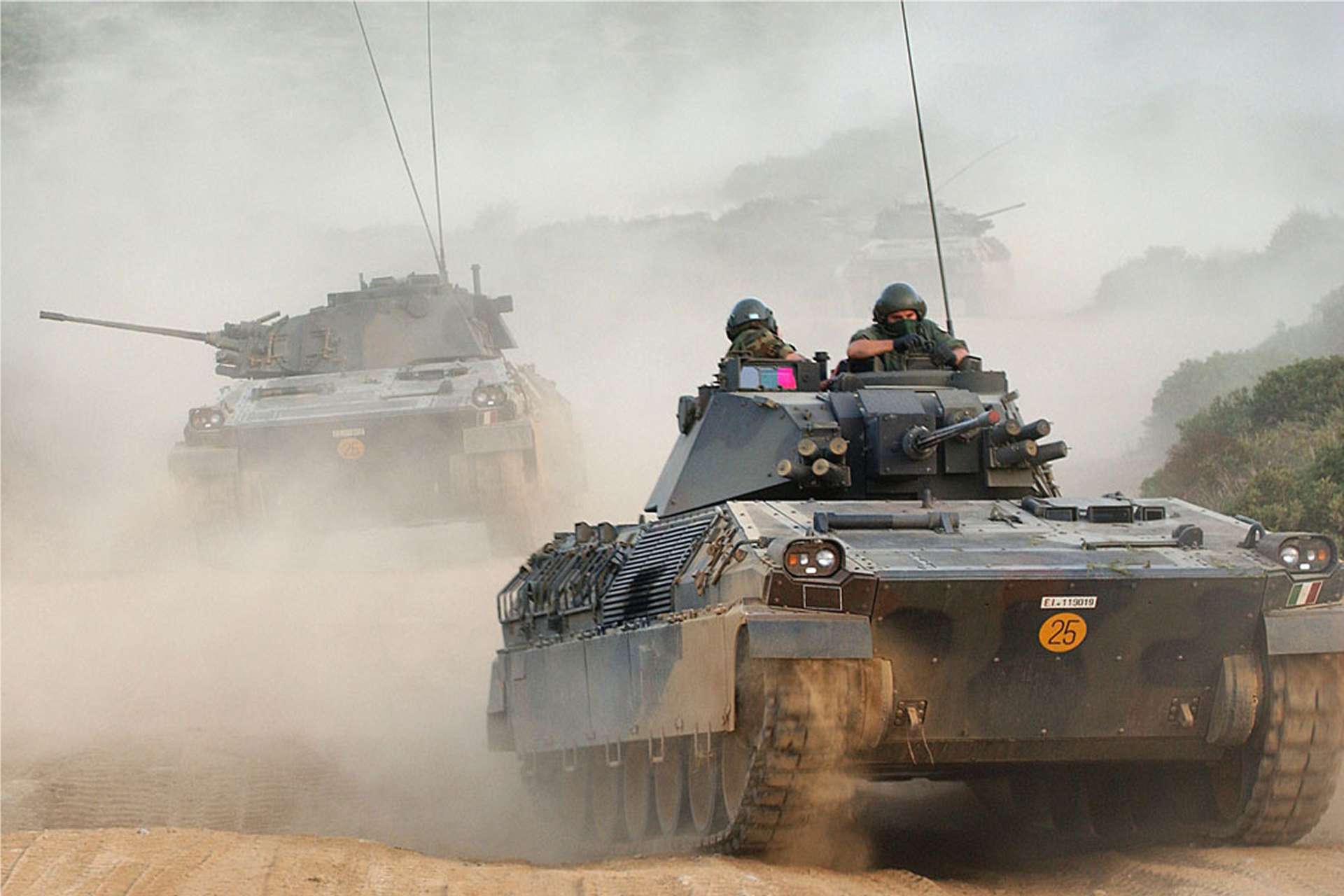
Italy wants to replace its old Dardo vehicles with 1,000 new armoured vehicles. (Picture source: Italian MoD)
Italy is looking to replace its Dardo infantry fighting vehicles with the involvement of a European company such as KNDS, Rheinmetall or BAE Systems Hägglunds.
According to information gathered by the US magazine Defense News, the plan is to have a finalised design by the end of this year. The specific objective of this programme, known as A2CS, is to manufacture 1,050 tracked armoured vehicles to replace the Dardo fleet, introduced at the end of the 20th century to replace the old M113s of American origin.
This is the largest land-based military programme currently underway in Europe and, given the sought-after involvement of companies from other European countries, it could help to strengthen the European defence sector, notes the North American publication. Potential candidates for involvement include KNDS (formed by the merger of Germany's KMW and France's Nexter), which has the Boxer vehicle as the basis for the new design; Germany's Rheinmetall, manufacturer of the Lynx; and BAE Systems' Swedish subsidiary, BAE Systems Hägglunds, producer of the CV90.
The planned timetable is for the new Italian vehicles to be delivered between 2029 and 2041, with around 20 prototypes of a platform to be produced between 2027 and 2028, from which 16 different configurations should be acquired.
In addition to the A2CS programme, Italy also has an ongoing programme for the procurement and national production of Leopard battle tanks from German manufacturer KNDS, with whom it has also signed an agreement on possible future collaboration on the Franco-German Main Ground Combat System (MGCS).
The Dardo is the Italian armed forces' main infantry fighting vehicle (IFV). Designed and produced by the Iveco Fiat Oto Melara joint venture, it was brought into service at the end of the 20th century to replace the old American M113 vehicles in the Italian army.
Weighing in at 23,000 kg, the Dardo is armoured with an aluminium and steel alloy welded and bolted to the hull and turret, offering added protection for crew and passengers. Its weapons are particularly formidable, including a 25 mm Oerlikon Contraves cannon, a 7.62 mm machine gun, two TOW anti-tank missile launchers and eight 40 mm grenade launchers. This array of weapons makes the Dardo a versatile vehicle, capable of effective engagement against ground and air targets.
In terms of mobility, the Dardo offers impressive performance, with a maximum speed of 70 km/h and a range of 500 km, thanks in particular to its centrally inflated tyres. This mobility, combined with its protection and armament, makes the Dardo an asset for Italian land forces in combat operations.
Since its introduction, the Dardo has been constantly modernised and improved to meet the demands of the modern battlefield. Today, it is the Italian army's main ICV and plays an essential role in the defence of national territory and peacekeeping abroad, but the vehicle dates from the last century and is reaching a certain limit in its modernisation.
The Dardo is a vehicle that is beginning to look dated, so its replacement by the Italian army comes as no surprise. However, the number of vehicles included in the programme is impressive - a contract that will undoubtedly attract the attention and appetite of European industry.

The Dardo is the Italian armed forces' main infantry fighting vehicle (IFV). ( Picture Source: Italian MoD)

- Details
- Written by: Triffaux
- Category: 2024
- Hits: 4540
Breaking news
According to the Spanish Newspaper Infodefensa, Spain will take command of NATO's multinational brigade in Slovakia positioning itself as a leading force in one of the alliance's key strategic locations. The Spanish contingent, made up of approximately 750 troops, will be equipped with advanced French Mistral 3 anti-aircraft missiles to provide anti-aircraft cover for the contingent.
Follow Army Recognition on Google News at this link

MBDA Mistral 3 Man-Portable Air-Defense System (Picture source: Spain MoD)
The Galicia Brigade (Brilat), which leads the first rotation, is already equipped with more than 250 ground vehicles, mainly Vamtac armored units in various configurations. A notable addition to the brigade's capabilities will be the deployment of the Mistral 3 advanced anti-aircraft missile systems. These systems have been in service with the Spanish Armed Forces since 2022 and represent the most sophisticated version of the missile to date.
The deployment marks an important step in NATO's air defense capabilities in the region. The Spanish Ministry of Defense had previously acquired the first batch of 91 Mistral 3 missiles from French military stocks, which were prepared by MBDA. At the end of 2023, an agreement was reached with the European missile manufacturer to purchase an additional batch of more than 500 missiles, which also includes updates to the firing positions. This expanded arsenal is expected to begin delivery in 2026.
In addition to anti-aircraft defenses, the Spanish Defense Ministry is evaluating the deployment of other assets in Slovakia, including Tiger attack helicopters and NH90 transport helicopters of the Army Air Mobile Forces (Famet).
The mission, labeled SVK JTF, began on January 20, 2024, with the phased deployment of personnel and capabilities. By June 30, Spain will officially lead a combat group permanently stationed in Lest, taking over from a unit led by the Czech Republic. Since April, almost the entire Spanish contingent has been stationed in Slovakia, alongside a significant portion of the resources allocated to this allied operation.
The effort will also see the participation of other nations, enhancing the battle group's deterrence and defense capabilities. Notably, Portuguese armored units will contribute with their Leopard tanks, alongside mechanized units from the Czech Republic, further strengthening the multinational nature of the force and its readiness to respond to regional threats.
The Mistral 3 missile is the latest iteration of MBDA's Mistral series. It boasts a claimed success rate of 96% in neutralizing aerial threats. The missile is designed to be effective against a variety of threats, including aircraft, helicopters, and unmanned aerial vehicles. It features a "fire and forget" launch system and is resistant to countermeasures. The missile has a high probability of destroying its target on the first shot. It also has exceptional maneuverability and can reach supersonic speeds. The Mistral 3 has a lifespan of 20 years and does not require maintenance during this period. In terms of technical specifications, the missile has a length of 1.88 meters and weighs less than 20 kg, with a warhead weighing 3 kg. It has a diameter of approximately 92 mm and can reach speeds of 930 m/s. The missile has a range of 500 m to 8000 m and can intercept targets at altitudes up to 6000 m.
The Mistral missile systems have attracted international interest. Several countries have announced plans for the joint purchase of these systems. In June, France, Belgium, Estonia, Hungary, and Cyprus revealed their intentions to acquire Mistral anti-aircraft missile systems. Romania also expressed interest in joining this project in September. Mistral systems are also deployed by the Ukrainian armed forces to fight against the Russian invasion.
The Mistral 3 missile, designed by MBDA, represents a very short-range air-to-ground missile (VSHORAD) technology advancement. This weapon system is distinguished by its "fire-and-forget" capability, meaning once launched, the missile automatically pursues its target without needing further guidance.
The Mistral 3 has been designed for a 20-year lifespan without needing maintenance, making it a cost-effective and reliable long-term weapon system. It is also qualified for use in extreme conditions, ranging from -40°C to +71°C, demonstrating its robustness and reliability in various operational environments.
Read more: Spain to deploy French Mistral 3 MANPADS in Slovakia
- Details
- Written by: Vandenbosch
- Category: 2024
- Hits: 4626
Breaking news
Italy will dispatch a second SAMP/T air defense system to Ukraine, responding to Kyiv's urgent appeals for enhanced protection against Russian missile strikes, Foreign Minister Antonio Tajani announced in a radio interview on June 3, 2024.
Follow Army Recognition on Google News at this link
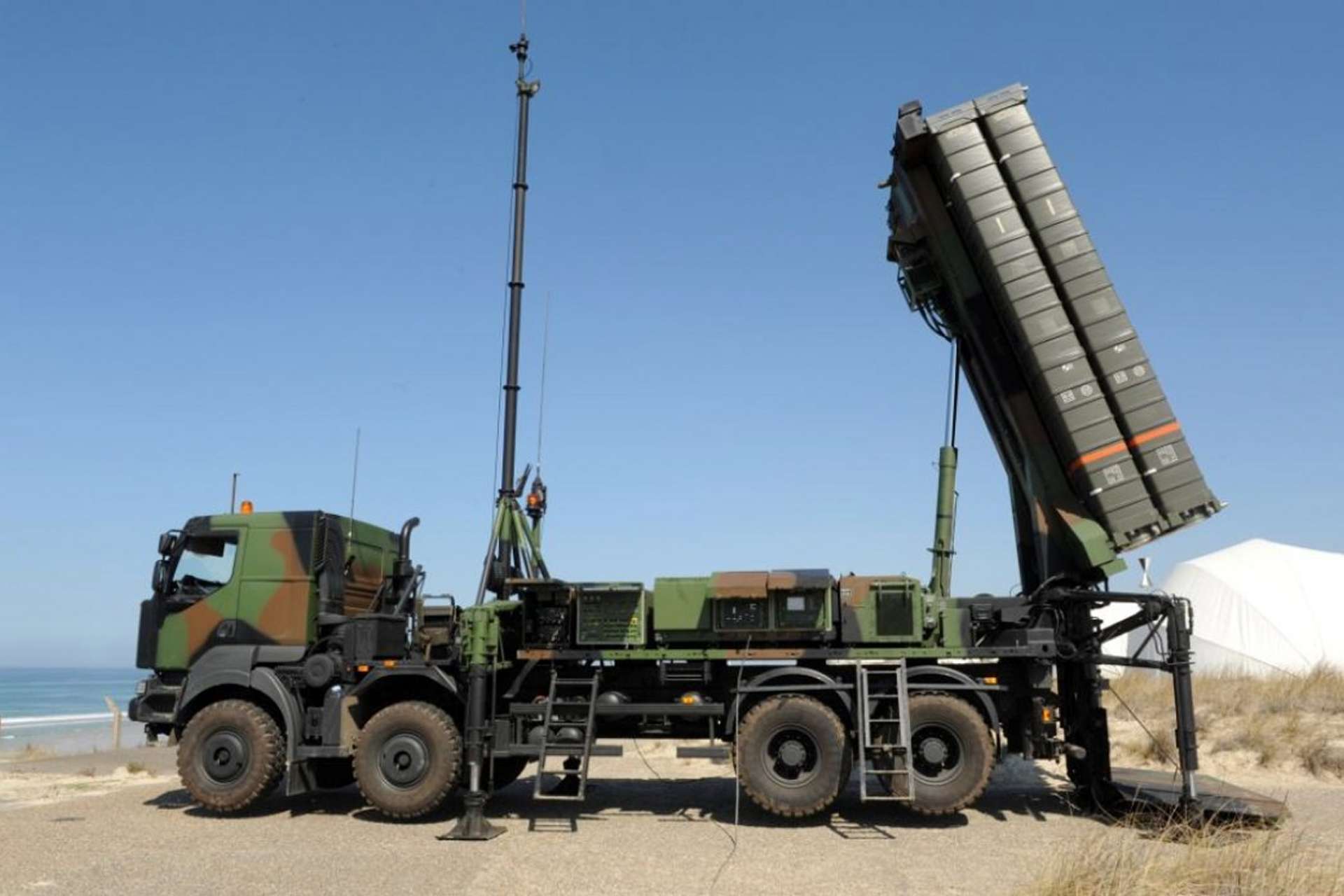
The SAMP/T (Surface-to-Air Missile Platform/Terrain), also known as MAMBA, is a long-range surface-to-air missile system. (Picture source: MBDA)
In 2023, Rome and Paris jointly delivered the first SAMP/T system to Ukraine. Ukraine has since persistently requested additional air defense support in the face of escalating missile attacks targeting its cities and energy infrastructure.
"It is confirmed that we will send the SAMP/T, an air defense instrument requested by Ukraine," Tajani told the state broadcaster Rai, confirming earlier media reports.
The SAMP/T will be included in a ninth package currently in preparation, although Tajani did not specify a delivery timeline. All previous shipments have been kept under official secrecy, with the government not disclosing the exact list of weapons sent to Ukraine.
On June 3, 2024, the Corriere della Sera newspaper also reported that the Italian government might approve the new supplies following the Group of Seven (G7) summit, which Italy will host from June 13 to 15.
The SAMP/T (Surface-to-Air Missile Platform/Terrain), also known as MAMBA, is a long-range surface-to-air missile system used by France, Italy, Singapore, and more recently Ukraine. Each Aster 30 missile, which forms the primary armament of the SAMP/T, has a launch weight of 450 kg and a length of 4.9 meters.
The system can intercept targets at a maximum distance of 100 km. The missiles are equipped with a highly explosive and fragmenting warhead, with an explosive load of 15 kg. To ensure maximum precision, the Aster 30 missiles use inertial guidance.
The SAMP/T uses the Arabel radar, which is essential for surveillance, target tracking, and missile guidance. This radar allows the system to track multiple targets and guide the missiles to their objectives with great precision, making the SAMP/T a key element of modern air defense.
In April, the G7 foreign ministers, during a meeting in Capri hosted by Italy, pledged to provide more air defense support to Ukraine, emphasizing their commitment to saving lives and protecting critical infrastructure.
The delivery of a new SAMP/T system is excellent news for Ukrainian forces, who are in dire need of air defense systems capable of intercepting Russian missiles. While the Patriot system is often mentioned, other systems like the SAMP/T can provide similar quality air defense. However, a single SAMP/T system will not be sufficient to bring about a major change in the ongoing conflict's dynamics; multiple air defense systems would be needed to create a Ukrainian "Iron Dome."
Read more: Italy to Send a Second SAMP/T Air Defense System to Ukraine
- Details
- Written by: Triffaux
- Category: 2024
- Hits: 9210
Breaking news
According to a recent Defense24 publication dated June 3, 2024, two major contracts for Rosomak carriers equipped with ZSSW-30 turrets are planned for this year. The first contract, which should be signed in the coming weeks, concerns 58 Rosomak transporters in standard version. A second contract, scheduled for the fourth quarter of 2024, concerns the purchase of 174 KTO Rosomak-L type vehicles with an extended hull. All these vehicles will be equipped with the new, more powerful Scania DC13 engine, developed in Sweden. These developments underline the Polish Army's continued commitment to modernizing and strengthening its land defense capabilities.
Follow Army Recognition on Google News at this link
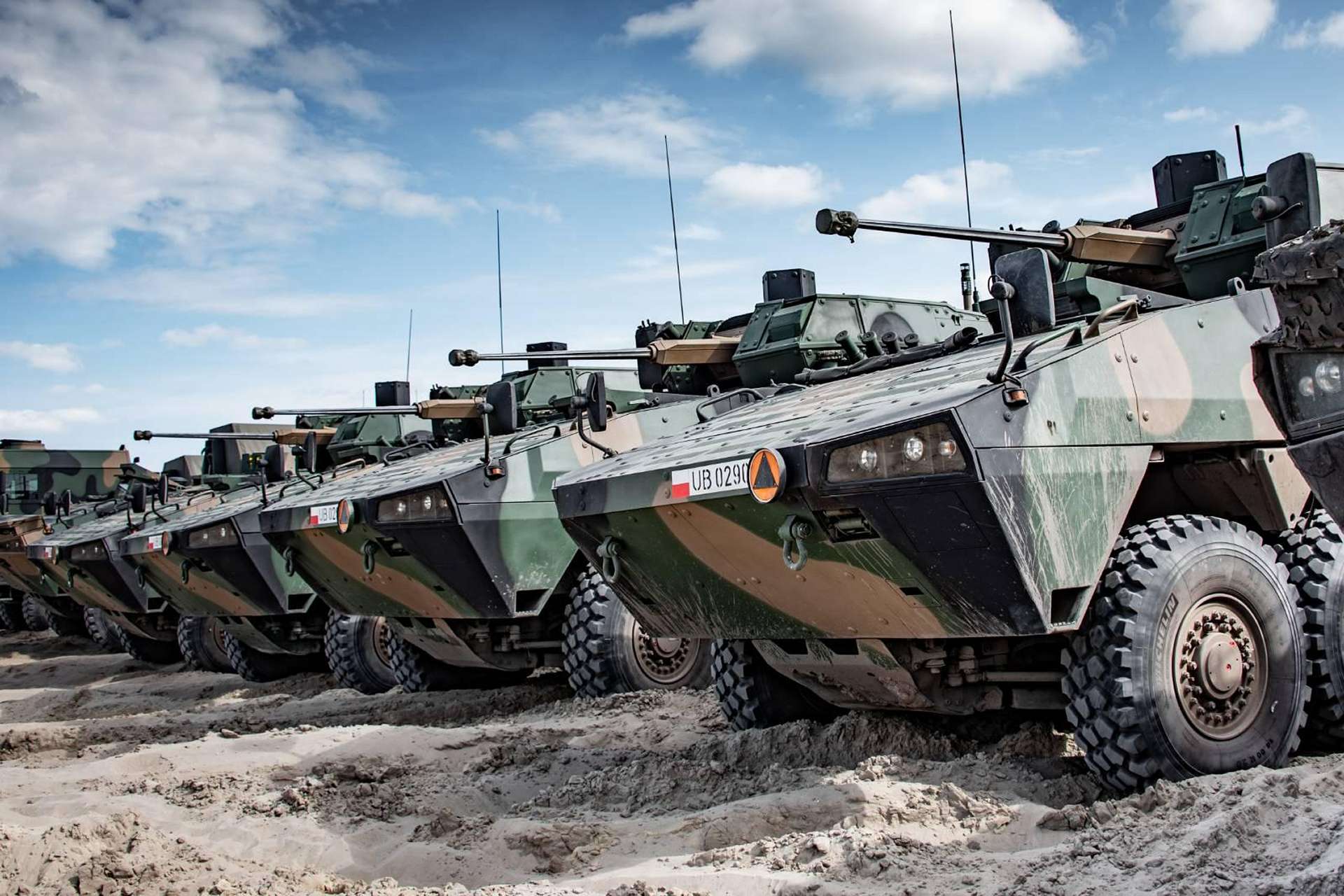
Polish Rosomak APCs fitted with Huta Stalowa Wola ZSSW-30 turrets (Picture source: Polish MoD)
The ZSSW-30, a high-tech remotely operated weapon station, is a product of the Polish company Huta Stalowa Wola (HSW), developed in partnership with WB Electronics between 2013 and 2021. Designed to match the protection level of the vehicle's hull, this turret is armed with a versatile 30mm ATK-44 chain gun, and a coaxial UKM-2000C machine gun, a 7.62x51 NATO caliber weapon that replaces the Soviet-era PKT. It also features two launchers equipped with Spike-LR Anti-Tank Guided Missiles (ATGMs). For enhanced accuracy and operational capability, the ZSSW-30 is equipped with a sophisticated computerized fire control system and a laser range finder. This advanced turret system, which includes the capability to upgrade to a 40mm x 180 caliber with programmable ammunition, also incorporates a hunter-killer/killer-killer principle-based fire control system developed in Poland, with optoelectronic heads by PCO. The turret is already operational on the Borsuk Infantry Fighting Vehicle (IFV) and is expected to be deployed on the forthcoming Heavy Infantry Fighting Vehicle (CBWP), highlighting its critical role in modernizing armored combat vehicles.
The recently acquired Wolverines will feature the new Scania DC13 engine, replacing the older Scania DI12 model which is no longer in production. At the same time, the Polish army began receiving the first Rosomak carriers with ZSSW-30 turrets, integrating these existing vehicles with sophisticated new towers.
Following the successful completion of qualification tests at the end of 2021, a contract was signed in 2022 for the supply of 70 carriers, with a deadline scheduled for 2027. The first examples have already been deployed within the 21st Podhale Rifle Brigade. It is important to note that although the Rosomak carrier equipped with the ZSSW-30 turret was tested for buoyancy, the results indicated that the reserve buoyancy was considered insufficient by the military, leading to the exclusion of this capacity of final requirements.
As a reminder, the intention to conclude a contract for a new Rosomak armored personnel carrier (APC) equipped with the ZSSW-30 turret has been structured in two distinct phases, likely aimed at speeding up deliveries. According to Lieutenant Colonel Polak, the first delivery of vehicles under this contract is expected in 2026, while the delivery of more advanced versions of the carriers is planned for the period 2027-2029. The framework contract envisages the acquisition of 341 carriers equipped with the ZSSW system, with the majority planned after the finalization of the mentioned agreements. Deliveries of APCs to the Polish army are particularly crucial, especially since several dozen carriers, equipped with Hitfist turrets, have already been sent to Ukraine, in addition to a large number of BWP-1s. In the future, these Rosomaks will be replaced by a new model of wheeled armored personnel carrier, the development of which was initiated last year.
The WB Group explored potential advancements for the ZSSW-30 turret, particularly the integration of artificial intelligence into the fire control system, expanding its capabilities. This turret is also capable of adapting to various types of anti-tank guided missiles. In December 2023, the Armaments Agency expressed its intention to equip Rosomak vehicles with anti-tank missiles. Currently, two initiatives are underway for the additional delivery of Rosomak APC carriers equipped with the ZSSW-30 with anti-tank missile launchers. This includes the acquisition of 58 ROSOMAK KTOs equipped with the ZSSW-30 with SPIKE-LR ATGM missiles and another 174 KTOs planned to integrate systems from various suppliers. These suppliers include those of SPIKE and JAVELIN ATGM missiles, with the final decision on the choice of ATGMs being conditioned by the results of ongoing procedures and negotiations on technology transfer with foreign partners for the Polish defense industry.
Regarding protection, the Rosomak boasts modular armor that can be upgraded according to mission requirements. Its basic armor provides protection against small arms fire and artillery shell splinters. In contrast, additional armor modules can offer enhanced protection against heavier threats, including improvised explosive devices (IEDs) and anti-tank mines. Onboard combat equipment includes advanced communication systems, a battlefield management system (BMS), and modern fire control systems, ensuring effective coordination and engagement during operations.

Polish Rosomak APCs fitted with Huta Stalowa Wola ZSSW-30 turrets (Picture source: Huta Stalowa Wola)
Read more: Poland to sign major contracts for Rosomak APC fitted with new ZSSW-30 turret
- Details
- Written by: Vandenbosch
- Category: 2024
- Hits: 9633
Breaking news
The Hungarian Defence Forces (HDF) have taken another step towards modernising their armoured capabilities with the addition of two Leopard 2A7HU main battle tanks to the HDF's 1st Armoured Brigade on 3 June 2024. The Minister of Defence, Kristóf Szalay-Bobrovniczky, announced the arrival, underlining Hungary's continued strengthening of its military power.
Follow Army Recognition on Google News at this link
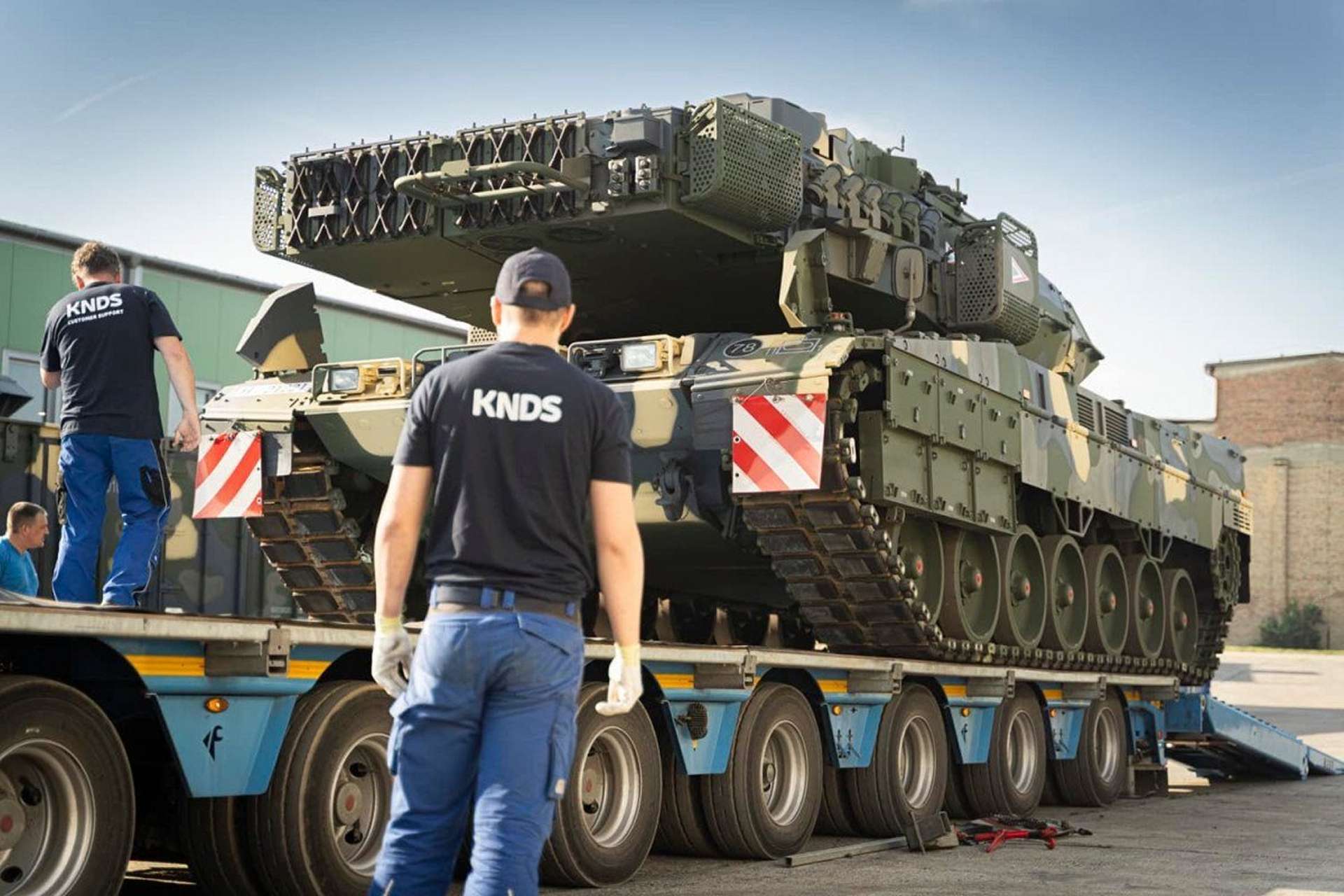
The Hungarian Defence Forces (HDF) added two Leopard 2A7HU main battle tanks to the HDF's 1st Armoured Brigade. (Picture source: Hungarian MoD)
These new Leopard 2A7 tanks, including a driver training tank, will facilitate the advanced training of armoured officers and non-commissioned officers in Tata, Hungary. The Minister of Defence stressed that this professional training course lasting several months is designed to ensure that personnel acquire comprehensive knowledge and expertise in the use of this new military equipment.
The Hungarian Ministry of Defence had signed a contract with German defence company Krauss-Maffei Wegmann (KMW) for the purchase of Leopard 2A7 main battle tanks. The contract, signed on 19 December 2018, was part of Hungary's ‘Zrínyi 2026’ defence and military development programme. The contract was valued at more than $565 million and included the delivery of 44 new Leopard 2A7 main battle tanks, 24 PzH 2000 self-propelled howitzers and 12 used Leopard 2A4 tanks for training purposes. The acquisition and entry into service of the two Leopard 2A7s is part of this programme to modernise the Hungarian armed forces.
With this latest delivery, the 11th Tank Battalion ‘vitéz Tarczay Ervin’ now has a fleet of 13 main battle tanks adapted to the specific needs of Hungarian defence. Minister Szalay-Bobrovniczky indicated that this is part of a wider initiative, with 48 high-tech Leopard 2A7HU tanks due to be delivered to Hungary by 2028, although deliveries have already begun.
The Leopard 2A7 tank was designed in Germany, and the first 2A7 was delivered to Germany in December 2014. It has a 120 mm cannon, the L55 smoothbore cannon, which is 55 calibres long (6.6 metres) and has a range of 8 km. Several countries, including Denmark, Norway, Germany and, of course, Hungary, have acquired Leopard 2A7s.
The German tank is equipped with a whole range of accessories to improve its effectiveness on the battlefield, such as a CBRN system, a fuel pre-heater, a heater for the crew compartment, a fire extinguishing system, a thermal imaging system, an auxiliary power unit and a whole host of other equipment.
The Leopard 2A7 has a crew of 4, including commander, gunner, driver and loader. The tank can reach a top speed of 70 km/h despite weighing 64,500 kg. It has an operational range of 450 km. The Leopard 2A7 is fully protected against modern ATGW anti-tank-guided weapons and RPG rocket-propelled munitions.
The continued acquisition and integration of the Leopard 2A7HU tanks marks an improvement in the Hungarian Army's operational capabilities, reflecting Hungary's commitment to maintaining a modern and formidable defence force. The Leopard 2A7 is a tremendous addition to the Hungarian Armed Forces as it represents the latest iteration in the Leopard tank series, while the Leopard 2A8 is still under development. However, 2028 is still a long way off and not all Hungarian forces are equipped with state-of-the-art battle tanks, so we must be patient before receiving the full Leopard 2A7.

These new Leopard 2A7 tanks, including a driver training tank, will facilitate the advanced training of armoured officers and non-commissioned officers. ( Picture Source: Hungarian MoD)
Read more: Hungary adds German Leopard 2A7 Main Battle Tanks to its Armed Forces
- Details
- Written by: V.Saint
- Category: 2024
- Hits: 86409
Breaking news
Colt Canada – a subsidiary of Colt CZ Group – presented a new variant of the C8 carbine at the CANSEC 2024 exhibition. The C8A4 is considered as a potential future assault rifle configuration for the Canadian Armed Forces as part of the Canadian Modular Assault Rifle (CMAR) project.
Follow Army Recognition on Google News at this link
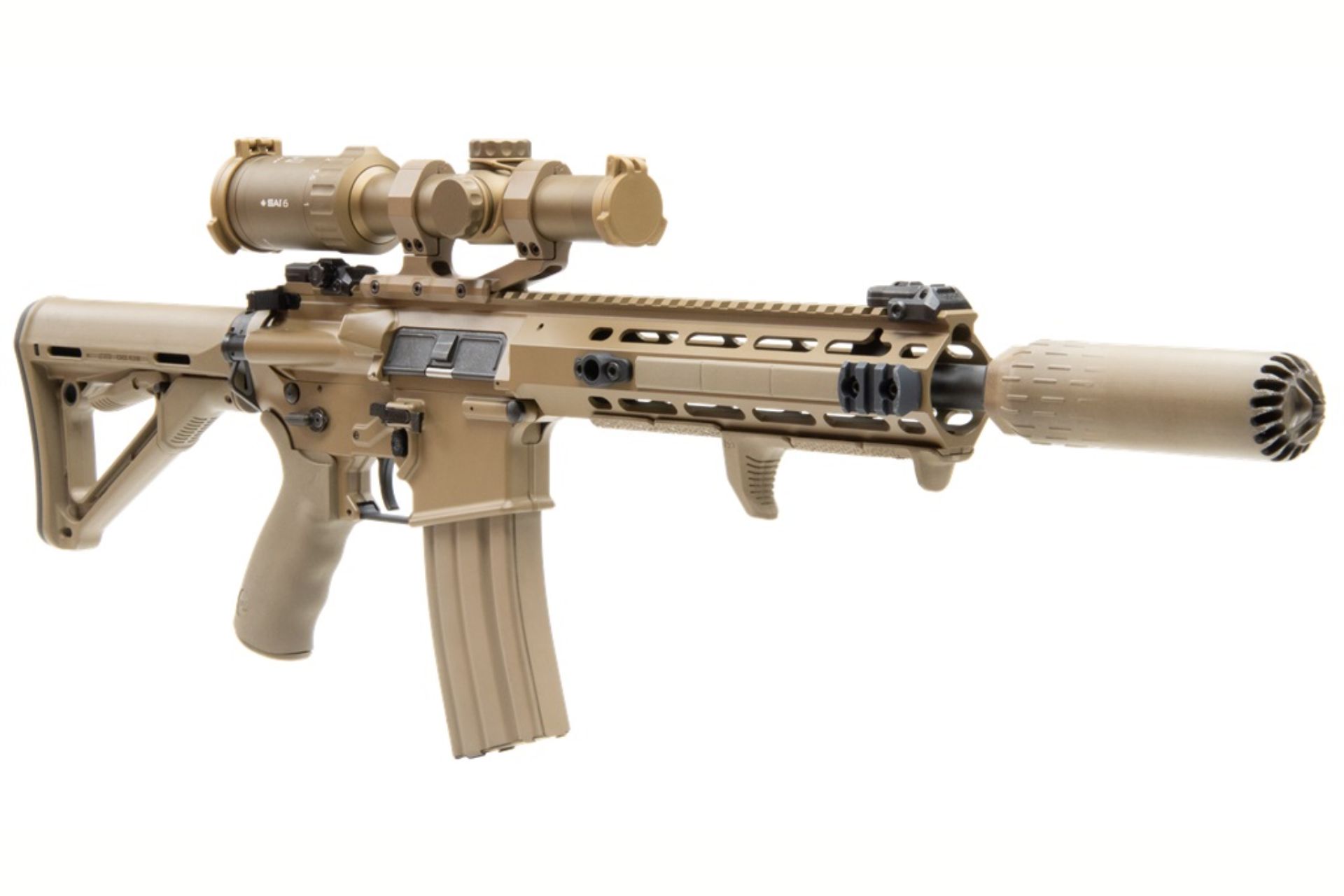
Colt C8A4 with Magpul buttstock, low design foregrip, and variable optics, as presented at CANSEC 2024 (Picture source: Colt Canada)
The compact C8A4 assault rifle is Colt Canada's Modular Rail Rifle (MRR). This AR-15 architecture in 5.56mm x 45 caliber combines the internal components of the field-proven C8 carbine with the M-Lok rail system. The MRR operates as a direct gas impingement system with an enhanced gas block. The weapon features a single-stage non-adjustable combat trigger. Thanks to a long STANAG 4694 rail on the top and M-Lok side interfaces with five mounting slots, the robust monolithic upper casing allows for economical attachment of various optics and other accessories while ensuring better weight distribution.
The cold-hammer forged chrome-lined barrel, 295 mm in length and free-floating, contributes to a longer lifespan. The MRR features an ambidextrous safety lever. The AR-15 compatible magazines hold 30 cartridges as standard. Unloaded, the weapon weighs approximately 2900 grams. In the C8A4 variant, the aluminum casing is coated with a sand-colored Cerakote finish. The Magpul MOE grip and the adjustable Magpul CTR stock are also in this color. In the configuration shown, the C8A4 carbine carries a SAI Optics SAI 6 patrol scope and a Huxwrx suppressor. With this equipment, the C8A4 follows a concept similar to the British alternative individual weapon L403A1.
Weighing 2.8 kilograms unloaded and 3.4 kilograms loaded, it combines lightness with functional robustness. This firearm extends to a length of 0.84 meters with the buttstock extended and retracts to 0.76 meters with the buttstock collapsed, thus meeting various operational needs. Its 368 millimeter barrel is designed for precision and durability. With an adjustable rate of fire from 700 to 940 rounds per minute, the C8A4 offers adaptability in various combat scenarios. Its impressive initial velocity of 900 meters per second maximizes ballistic efficiency over distances up to 400 meters for individual fire.
Read more: Colt Canada unveils at CANSEC 2024 new C8A4 to equip Canadian Army

- Details
- Written by: V.Saint
- Category: 2024
- Hits: 5987
Breaking news
A significant milestone has been reached in the industrial and defense relations between Indonesia and France with the signing of a joint venture agreement between PT Len Industri (Persero) and Thales on Wednesday in Jakarta. The event took place in the presence of Kartika Wirjoatmodjo, Deputy Minister of State-Owned Enterprises (BUMN), Pascale Sourisse, President and CEO of Thales International, and Fabien Penone, French Ambassador to Indonesia.
Follow Army Recognition on Google News at this link
Signing day between French and Indonesian authorities (Picture source: Thales)
PT Len Industri (Persero) plays a crucial role in Indonesia's defense industry, acting as a key player in the development and production of advanced technologies for national security. This public company is particularly noted for designing and manufacturing electronic and communication systems for the armed forces, including radars, secure communication systems, and command and control equipment. In collaboration with international partners, PT Len Industri aims to strengthen Indonesia's defense capabilities while supporting the country’s goals of sovereignty and technological autonomy.
This agreement, signed by Bobby Rasyidin, President Director of PT Len Industri (Persero) Holding DEFEND ID, and Nicolas Bouverot, Vice President of Thales Asia, marks the creation of a unique center of excellence. Initially, this center will cater to the needs of the Indonesian Air Force, particularly in air operations, air surveillance radars, and Command and Control (C2) systems.
The collaboration between the two entities will focus on the transfer of radar technology skills, as well as the joint development of a National Air Operations Center. Associated Maintenance, Repair, and Overhaul (MRO) activities will also be handled at PT Len’s facility in Subang.
The signing of this agreement represents a further step for Thales in strengthening its local industrial footprint. By offering localized engineering and maintenance services with maximum operational availability, the joint venture aims to accelerate the response to end-user requirements while enhancing proximity to the Indonesian forces. This partnership also aligns with the Indonesian government's long-term "Made-in-Indonesia" strategy, which aims to enhance the country's sovereign capabilities.
Furthermore, this agreement supports DEFEND ID's goal to increase the use of locally manufactured components within the industry, enabling Indonesia to export its capabilities globally.
Read more: Thales sign agreement with PT Len to Strengthen Indonesian defence
- Details
- Written by: Vandenbosch
- Category: 2024
- Hits: 7935
Breaking news
An Ekaterinburg-based company has announced the development of the "Stalker" light drone, presented as an alternative to the widely used DJI Mavic drones, purportedly resistant to electronic warfare (EW). This new drone is set to be tested in Ukraine before entering mass production. The company claims that the "Stalker" can operate without being jammed or intercepted by conventional EW systems, a significant advantage on the modern battlefield.
Follow Army Recognition on Google News at this link
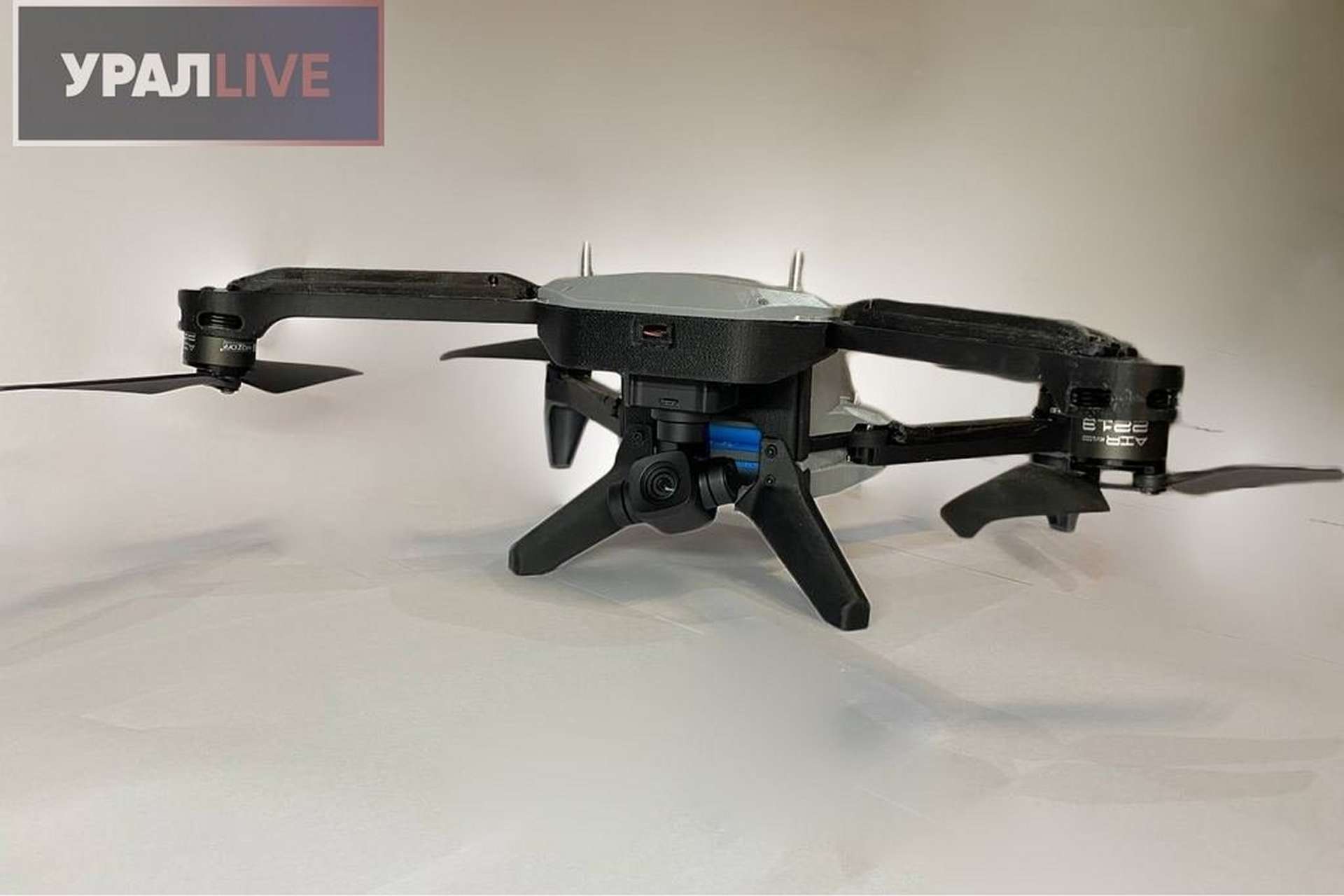
The "Stalker" drone represents a new attempt by Russian companies to produce a viable alternative to the DJI Mavic. (Picture source: Russian Company)
The "Stalker" drone represents a new attempt by Russian companies to produce a viable alternative to the DJI Mavic. Previous attempts by major Russian defense companies in 2022 and 2023 to create a similar substitute did not meet expectations. Despite these efforts, Russian soldiers, bloggers, and volunteers have expressed skepticism, noting that there is no real substitute for the DJI Mavic, which remains the preferred choice due to its reliability and advanced features.
The development of the "Stalker" comes amidst an intense electronic warfare environment in Ukraine, described as one of the most contested in modern warfare. Both Ukrainian and Russian forces extensively use EW systems to disrupt each other's drone operations. This environment has proven challenging for all types of drones, including commercial models like the DJI Mavic, which are vulnerable to jamming and other EW tactics.
Ukraine has been actively developing and deploying its own EW systems to counter Russian drones. For example, the Piranha AVD 360 system has been designed to protect against drone attacks by jamming their signals and intercepting communications. These systems are part of a broader effort to maintain control over the electromagnetic spectrum, a critical aspect of modern military operations.
Russian defense companies have previously claimed to develop DJI Mavic alternatives, but these efforts did not result in practical, field-ready solutions. The ongoing use of DJI Mavic drones by Russian forces underscores the difficulty in matching their performance and reliability. Despite the high hopes placed on the "Stalker" drone, the general sentiment among Russian military personnel and analysts is that replacing the DJI Mavic remains a significant challenge.
The upcoming tests of the "Stalker" drone in Ukraine will be crucial in determining whether it can live up to its claims of being EW-proof and provide a viable alternative to the DJI Mavic. If successful, it could represent a significant advancement in drone technology and electronic warfare resilience.
In summary, while the "Stalker" drone is a promising development, the history of failed attempts to replace the DJI Mavic suggests cautious optimism is warranted. The real test will be its performance in the highly contested electronic warfare environment of Ukraine.

The "Stalker" is a light drone, purportedly resistant to electronic warfare (EW). ( Picture Source: Russian Company)
Read more: Russia Could Replace DJI Mavic with Electronic Warfare-Resistant Stalker Drone
- Details
- Written by: Jérôme Brahy
- Category: 2024
- Hits: 26757
Breaking news
On May 16, the Chinese CCTV-7 channel, which primarily focuses on activities linked to the People's Liberation Army, tested the Type 625E short-range air defense system, which was unveiled in 2022. Developed by China South Industries Group Corporation (CSGC) and China North Industries Group Corporation (Norinco), this system aims to address short-range air defense (SHORAD) gaps in China's multi-layered air defense strategy.
Follow Army Recognition on Google News at this link
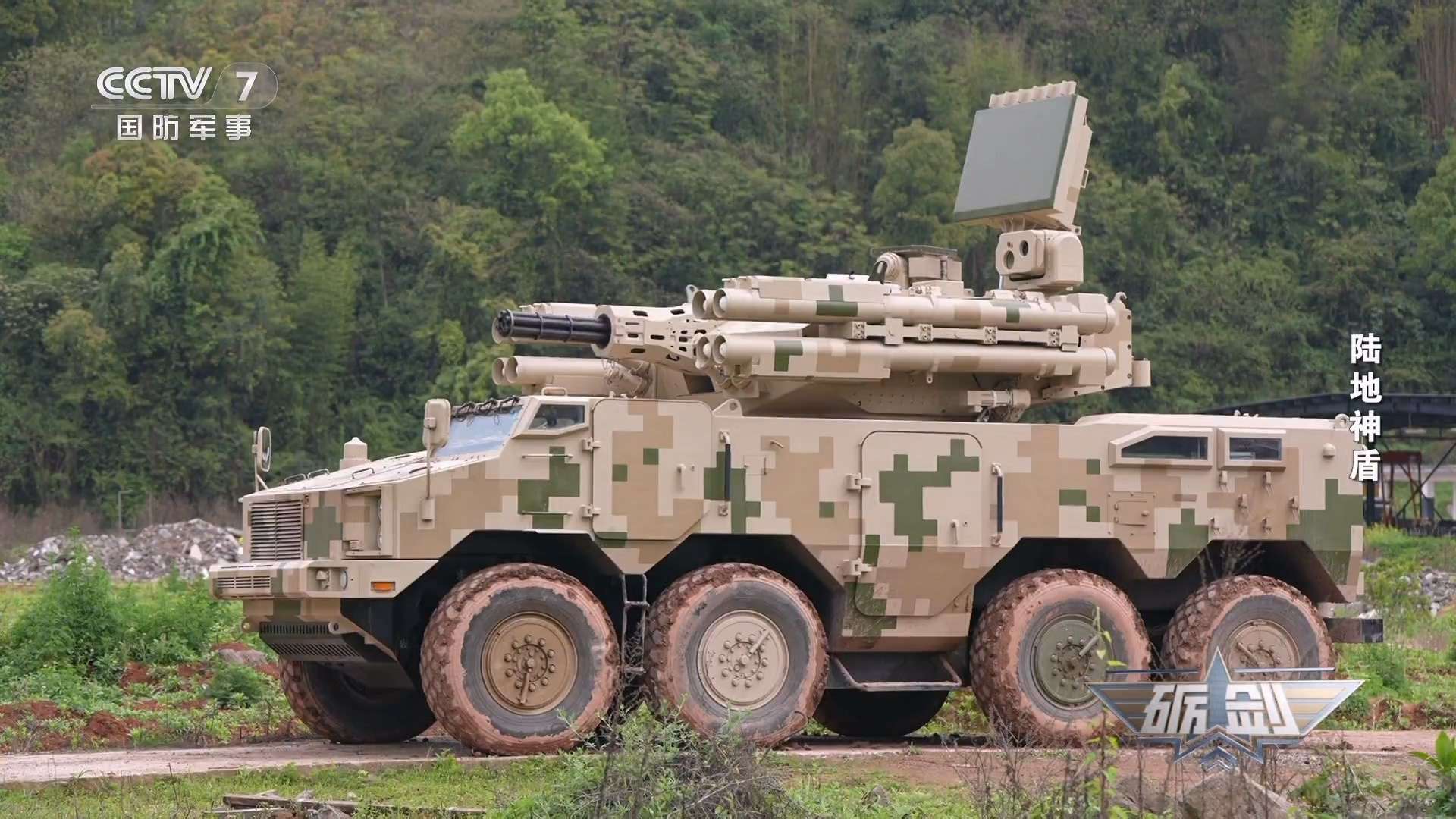
The Chinese Type 625E is often compared to the Russian Pantsir system, but the most common Pantsir-S1 and the latest Pantsir-SM variants offer extended range and advanced radar capabilities compared to its Chinese counterpart. (Picture source: CCTV-7)
Officially known as the Type 625E Anti-Aircraft Gun Missile Integrated Weapon System, the Type 625E includes a six-barrel 25mm Gatling gun, with an effective range of up to 2.5 kilometers and an altitude ceiling of 2 kilometers. This gun is capable of engaging a variety of aerial threats, including aircraft, helicopters, cruise missiles, loitering munitions, and low-flying UAVs, while also serving a secondary role in ground combat against light armored vehicles and buildings. The missile system component consists of two blocks of four FN-16 air-defense missiles with a maximum range of 6 kilometers. These missiles are designed to intercept low-altitude and ultra-low-altitude targets with high maneuverability, capable of performing 18 g turns. However, in some configurations, the system can carry FB-10 missiles, which have a longer engagement range of up to 10 km and can target threats at altitudes from 15 to 5,000 meters.
The system is mounted on an eight-wheeled high-mobility chassis, similar to the ZBL-08 wheeled infantry fighting vehicle, providing high mobility across various terrains, allowing for rapid deployment and repositioning in response to battlefield needs. Visually, the Type 625E features a front-engine layout with a large control room next to the cabin, and the central part houses the combat module with the integrated weapon systems.
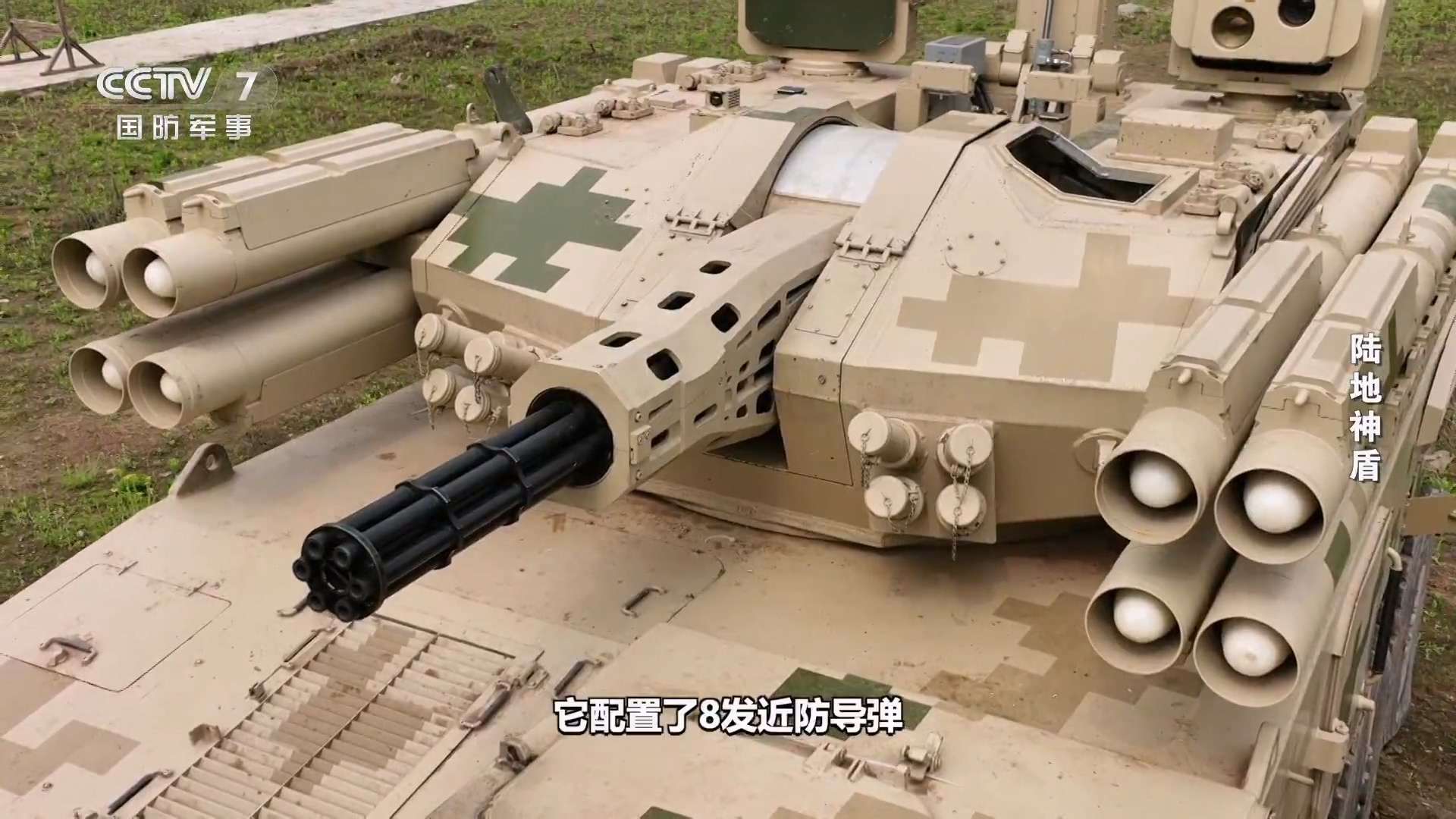
The weaponry of the Type 625E includes a six-barrel 25mm Gatling gun, and eight FN-16 or FB-10 air defense missiles. (Picture source: CCTV-7)
For targeting and detection, the Type 625E combines a search radar, a tracking radar, and an optoelectronic tracking system, rendering it capable of detecting and tracking low-flying aircraft, drones, helicopters, and cruise missiles. Upon detecting high-speed incoming targets, the search radar provides target indication information, directing the tracking radar and optoelectronic systems to the target's position. These systems then intercept and track the target, with the tracking and stabilization controller performing real-time calculations to ensure stable tracking. This allows the Type 625E to reliably search for and track targets while on the move, measure distances accurately, stabilize the artillery, and automatically adjust shooting parameters. During engagement, the onboard fire control system continuously tracks the target, calculates its trajectory, and determines the best interception position, controlling the artillery aiming accordingly. Additionally, the system is equipped with infrared optical sensors, allowing it to engage multiple targets simultaneously through an infrared camera feed.
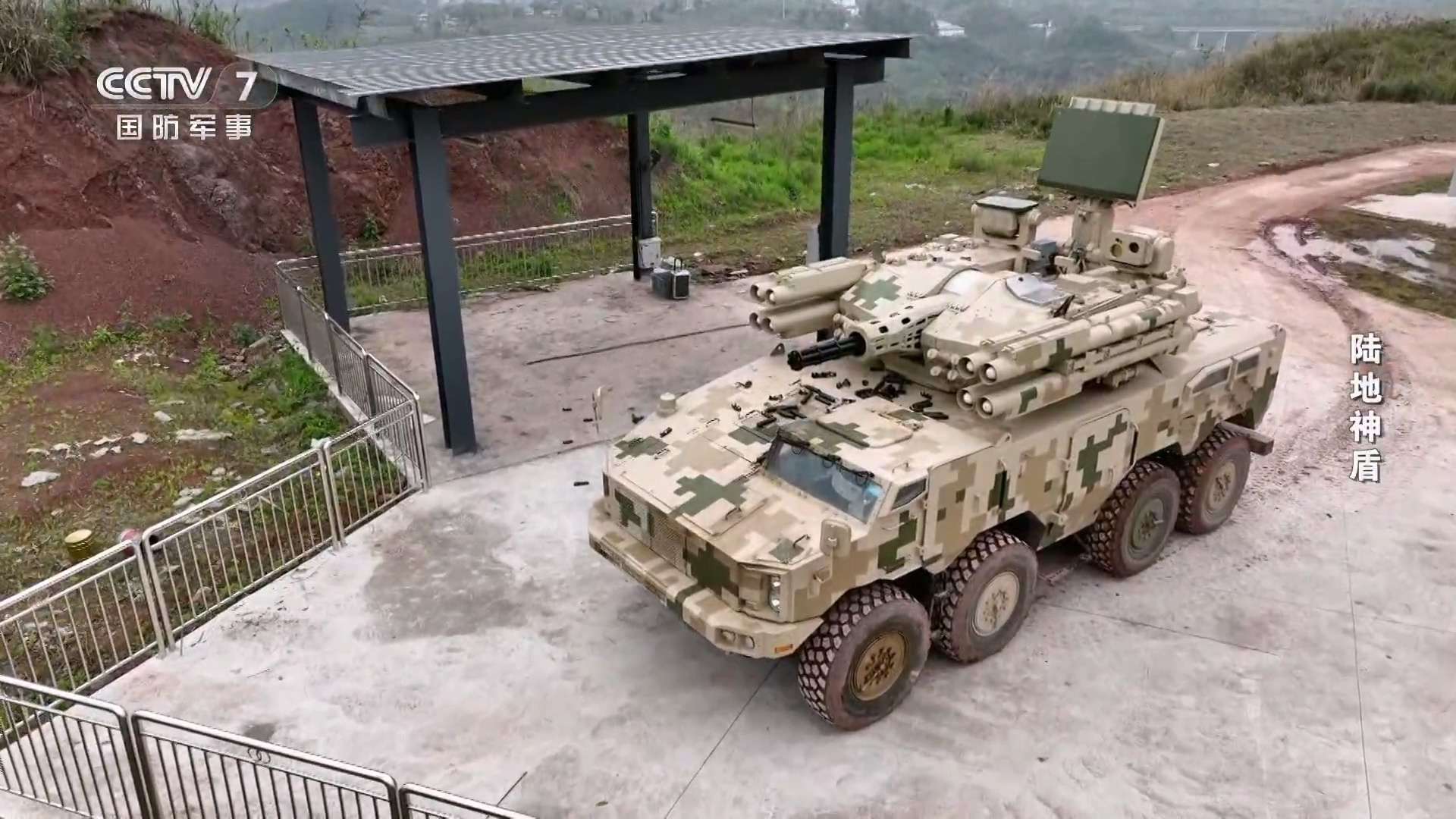
An advanced radar system is part of the setup, extending from behind the missile launchers. This radar enhances the Type 625E's ability to detect and track low-flying aircraft, drones, helicopters, and cruise missiles. (Picture source: CCTV-7)
Operationally, the Type 625E has been demonstrated during live-firing exercises with the PLA's 77th Group Army, showcasing its capabilities in real-world conditions. It was also displayed at the Zhuhai Air Show, a major defense industry expo in China, where its capabilities were highlighted to international audiences.
This system is often compared to the Russian Pantsir system, but the most common Pantsir-S1 and the latest Pantsir-SM variants offer extended range and advanced radar capabilities compared to the Type 625E. The Pantsir-S1 integrates 30mm dual autocannons and 57E6-E missiles with an engagement range of up to 20 km, while the Pantsir-SM further extends this capability with 57E6M-E missiles, offering a range of up to 30 km and improved radar detection up to 75 km, specifically designed to address modern drone threats and precision-guided munitions. In comparison, the Type 625E features a smaller 25mm Gatling gun, offering six cannons instead of four, but this advantage is nullified by the FN-16 or FB-10 missiles with a smaller maximum range of 10 km, making the Russian Pantsir systems more suitable for broader engagement scenarios.
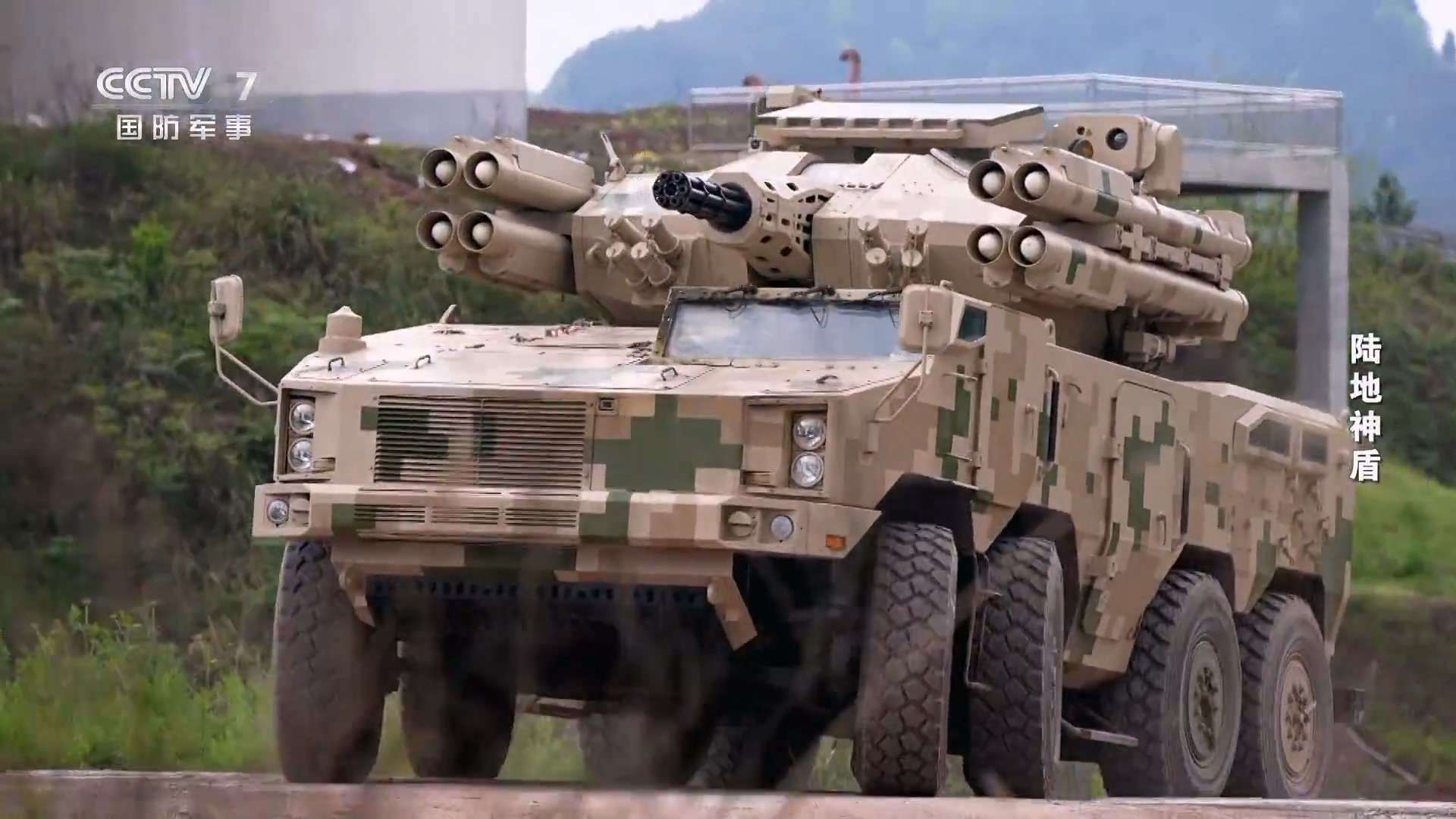
The system is mounted on an eight-wheeled high-mobility chassis, similar to the ZBL-08 wheeled infantry fighting vehicle, providing high mobility across various terrains, allowing for rapid deployment and repositioning in response to battlefield needs. (Picture source: CCTV-7)
Read more: China tests Type 625E short-range air defense system to challenge Russian Pantsir systems

- Details
- Written by: V.Saint
- Category: 2024
- Hits: 4200
Breaking news
For the first time, Estonian reservists have improved their skills with the newly acquired PIORUN short-range air defense system. These MANPADS, manufactured in Poland, can reach targets up to 6 km away, day or night.
Follow Army Recognition on Google News at this link
Estonian Armed Forces reservists training with PIORUN MANPADS (Picture source: X/ MoD Estonia )
The Piorun missile is a MANPADS-type portable surface-to-air missile. Weighing about 16.5 kg with the launcher and measuring 1.6 m in length, it can achieve a maximum range of 6 km and an engagement altitude of 4 km. Propelled at a speed of approximately 600 m/s, the Piorun is equipped with an infrared seeker head that tracks the target's thermal signature, and it uses a fragmentation warhead to destroy aerial targets. Its design allows for high mobility, being easily transportable and usable by a single soldier.
The Piorun portable anti-aircraft missile system is produced by the company Mesko and was created following the modernization of the GROM system carried out between 2010 and 2015. The modernization significantly improved the seeker head's effectiveness by increasing detection sensitivity, which extended the range at which the missile can target and hit the target. Increased resistance to interference was achieved, a proximity fuze was used, an access authorization system was implemented, and the firing set was adapted for nighttime use.
In 2016, the Ministry of National Defense signed a contract to purchase 420 launchers (launch mechanisms) and 1,300 rockets for the Polish Armed Forces, with deliveries scheduled between 2017 and 2020. Due to delays caused by technical problems related to the propulsion system, delivery of the rockets and launch devices began in 2019 after successful tests. In 2020, Piorun missiles were fired from the Poprad self-propelled anti-aircraft missile systems. The missiles are used not only by Poprad but also by the PSR-A Pilica anti-aircraft missile and artillery system. Since 2022, Poland has been supplying Piorun systems to Ukraine.
It is interesting to see the difference in use and training among various military reserves in Europe. The Estonian reserve is seen as a truly deployable action force, meaning this force is equipped and meets the country's military standards. Often, these young recruits are reservists in transition; having joined paramilitary training groups sometimes called Cossacks in their youth, they serve in the reserve while studying and then sign a commitment. This is why the reserves are at a level similar to active forces, especially since the Estonian army is small due to a low population density.
In France, for example, the military reserve does not have this image; it is not intended to be deployed alongside active troops but rather to handle so-called second-tier missions, relieving military units. As a result, there are fewer opportunities, less equipment, and especially less combat readiness in Western European military reserves.
Estonia feels directly threatened by the Russian presence, like the Baltic countries. Russia has strategic installations nearby, such as Baltic ports and the city of Saint Petersburg. Russia feels particularly threatened, especially since previously neutral states have recently joined the North Atlantic Alliance, exacerbating existing tensions.
Read more: Estonia prepares reservist to use modern weapons against Russia

- Details
- Written by: Administrator
- Category: 2024
- Hits: 8766
Breaking news
June 3, 2024 — Recent social media posts have revealed that North Korea's defense industry is developing a new 8x8 fire support armored vehicle, drawing significant attention due to its striking similarity to modern Western combat wheeled armored vehicles. The new vehicle is built on the M2020 8x8 armored chassis, first unveiled during the 75th Anniversary of the Workers’ Party of Korea on November 10, 2020.
Follow Army Recognition on Google News at this link
During a recent visit to the Academy of Defense Sciences, North Korean leader Kim Jong-un examined an array of newly developed weapons systems, including a cutting-edge wheeled tank destroyer, highlighting advancements in the country's defense capabilities. (Picture source: KCNA)
During the military parade in November 2020, the M2020 was showcased in configurations such as an Anti-Tank Guided Missile (ATGM) carrier and a Mobile Gun System (MGS). Observers have noted that the M2020 8x8 wheeled armored vehicle bears a strong resemblance to the American Stryker wheeled armored vehicle, suggesting a possible effort by North Korea to emulate advanced Western military technology.
The newly developed tank destroyer variant based on the M2020 chassis stands out with its formidable arsenal. It is armed with a 105 mm rifled cannon, a significant firepower against armored targets. What's more, it boasts a 12.7mm twin machine gun and a 7.62mm machine gun, both mounted in a remotely controlled turret, enhancing its versatility and operational effectiveness.
This development marks a significant step forward in North Korea's military capabilities, indicating ongoing efforts to modernize its armed forces. The resemblance to Western designs, particularly the Stryker, may raise concerns among international observers regarding the proliferation of advanced military technology. As North Korea continues to advance its military hardware, the international community will be closely monitoring these developments, assessing their potential implications for regional security and stability.
North Korea's recent advancements in military equipment have garnered significant global attention, particularly with the unveiling of their new 8x8 fire support armored vehicle. This vehicle, based on the M2020 8x8 chassis, is a testament to North Korea's ongoing efforts to enhance its military capabilities with modern and formidable hardware. The M2020 chassis, initially presented during the 75th Anniversary of the Workers’ Party of Korea, has been adapted into a tank destroyer equipped with a 105 mm rifled cannon, a 12.7mm twin machine gun, and a 7.62mm machine gun in a remotely controlled turret.
This development underscores Pyongyang's commitment to modernizing its military forces and demonstrates a significant leap in defense technology. The striking resemblance of North Korea's new armored vehicle to Western designs, particularly the American Stryker, has raised eyebrows among international military analysts. This similarity suggests a potential strategy by North Korea to replicate advanced Western military technology to bolster its capabilities. The global community is watching these developments closely, as the proliferation of such advanced military equipment could have significant implications for regional security dynamics. North Korea's progress in military technology not only signals its determination to strengthen its defense posture but also poses new challenges for international arms control and stability in the region.
Read more: North Korea Unveils New 8x8 Fire Support Armored Vehicle Resembling Western Designs

- Details
- Written by: Vandenbosch
- Category: 2024
- Hits: 5591
Breaking news
Reports published in early June 2024 indicate that China's People's Liberation Army (PLA) is integrating advanced technology into its military arsenal, including the mass production of "combat dog drones." These quadrupedal unmanned ground vehicles (Q-UGVs) are equipped with various weapons, such as machine guns, and are deployed via drones. However, the reliability of some claims requires careful verification. The images shared by China show an American flamethrower-equipped robot dog, not a Chinese one. Therefore, these pieces of information should be taken with a grain of salt.
Follow Army Recognition on Google News at this link
China is said to be producing large quantities of robot dogs. (Picture source: Chinese social media)
Videos circulating on social media show a medium-sized drone deploying a robot dog, which then unfolds to patrol its environment with a Chinese QBB-97 light machine gun mounted on its back. These videos, shared by the Weibo account "Kestrel Defense Blood-Wing," illustrate the capability of these drones to drop robot dogs onto rooftops or behind enemy lines for surprise attacks. This approach highlights a strategic shift towards hybrid warfare, integrating manned and unmanned systems for coordinated assaults, particularly in urban settings.
Although the videos and reports confirm the use of machine guns on these robotic platforms, other claims about the weaponry should be treated with skepticism. Notably, there have been false assertions regarding the inclusion of flamethrowers on these Chinese dog drones. This misinformation likely stems from confusion with the American "Thermonator," a robot dog equipped with a flamethrower produced by Throwflame. Therefore, it is important to debunk this specific claim as inaccurate for the Chinese models. You can learn more about the Thermonator on Army Recognition.
Despite the impressive demonstrations, some experts warn that these robotic systems are still in an experimental stage. They may face challenges in real combat scenarios due to their vulnerability to physical and electronic interference. Additionally, technical details about the specific systems used in these demonstrations are scarce, making it difficult to assess their true combat readiness and effectiveness.
Furthermore, if some of the images are 100% fake, we can start to doubt the veracity of other images shared widely on Chinese social media. However, even if it turns out that all these images are fake, it shows China's interest in such systems, which are still very rare for now. Perhaps these images will attract the attention of other international actors.
The development and deployment of combat robot dogs by the Chinese PLA represent a technological advancement in military operations, particularly for urban warfare. However, while the use of machine guns has been confirmed as part of their armament, other claims about weapons, such as flamethrowers, are inaccurate and need to be corrected. As this technology evolves, its practical applications and combat effectiveness will become clearer, but for now, much remains in the realm of experimental innovation, so this is a matter to follow closely.

Image of the Thermonator produced by Throwflame, a US company, not a Chinese one. ( Picture Source: Throwflame)
- With high conditions Ukraine is allowed to use Scalp/Storm shadow on Belgorod Airfield
- Kongsberg Secures Major Contract to Supply Joint Strike Missiles to US Air Force
- US Inaugurates Universal Artillery Ammunition Production Facility
- Will Rheinmetall's Leopard 2A4-KF51 Panther hybrid tank be the star of Eurosatory 2024?