

- Details
- Written by: Jérôme Brahy
- Category: 2024
- Hits: 3004










On November 14, 2024, AKM Group - CZ announced the signing of a one-year contract with the American armaments manufacturer ZRODelta for the supply of products to Europe. The contract, valued at tens of millions of dollars, involves the entire annual production capacity of ZRODelta. This agreement is an extension of the collaboration between the two companies and follows a prior contract for ammunition supplies.
Follow Army Recognition on Google News at this link
This new contract follows a previous agreement between the two companies, under which AKM Group - CZ successfully supplied ammunition from ZRODelta. (Picture source: AKM Group CZ)
ZRODelta, based in Connelly Springs, North Carolina, specializes in developing and manufacturing firearms, ammunition, and associated products. Its portfolio includes the Modulus Modular Handgun, Venator Precision Rifle, the Ready Series line of Modern Sporting Rifles (MSR), as well as mounting solutions and other firearm components. The Czech company AKM Group - CZ, founded in 2001, focuses on the supply of military and dual-use goods. Its product range includes armored vehicles, artillery systems, small arms, and ammunition. The company has contracts with manufacturers such as Cadex Defence, AGM Global Vision, and ZRODelta.
This new contract follows a previous agreement between the two companies, under which AKM Group - CZ successfully supplied ammunition from ZRODelta. That earlier agreement resulted in a six-fold increase in the scale of the current partnership. According to AKM Group - CZ, several consignments have already been shipped as part of the new deal.
The shipments have been delivered in a notably short timeframe of 24 days, covering a route that spans an ocean, two seas, and Europe. This delivery time is significantly faster than the 45 days typically required for similar shipments. The company attributes this efficiency to an organized workflow, experienced personnel, and a stable logistics chain.
AKM Group - CZ has implemented detailed quality control measures for the goods supplied under this contract. Specialists conduct inspections of each batch of products to ensure compliance with the agreed specifications. The process involves selecting samples, conducting tests, and verifying the results. According to the company, this procedure ensures that all delivered products meet the required standards of quality, reliability, and efficiency before they are handed over to the end user.
The company stated that such measures are a standard part of its operations to ensure compliance with the contractual requirements. It emphasized that thorough inspections are conducted by arms experts to verify product quality. Furthermore, the partnership between AKM Group - CZ and ZRODelta continues to strengthen through this expanded agreement, which reflects a growing cooperation between the companies for the supply of military and dual-use goods across intercontinental markets.

- Details
- Written by: Tkuhn
- Category: 2024
- Hits: 3558
At the recent Journées Nationales de l’Infanterie (JNI), Soframe captivated the defense community with the introduction of its HE441, a high-performance 4x4 tactical vehicle designed to meet the evolving demands of modern military operations. Displayed in a dynamic presentation, the HE441 highlighted its agility, modular design, and adaptability, showcasing its potential as a platform for a variety of missions. A key feature of this demonstration was the integration of the HELMA-P, a powerful anti-drone laser weapon system from Cilas, which underscored the vehicle’s role as a mobile counter-drone defense asset.
Follow Army Recognition on Google News at this link
Soframe's HE441 tactical 4x4 vehicle, equipped with Cilas' HELMA-P laser weapon system, demonstrated its advanced anti-drone capabilities at the 2023 Journées Nationales de l’Infanterie. (Picture source: Soframe)
The HE441 is built to perform across diverse and challenging terrains, featuring a lightweight yet rugged structure that allows it to navigate rough, off-road landscapes at high speeds. This mobility, paired with its open-cabin design, allows the vehicle to function as a multi-mission platform, ready for rapid deployment in high-stakes combat scenarios. The open-cabin layout offers flexibility, enabling operators to customize the vehicle with mission-specific equipment, including weapon systems, communication suites, or sensor arrays. By allowing for such modular upgrades, the HE441 can be tailored to meet a broad range of mission requirements, from reconnaissance and troop transport to convoy protection and direct support roles.
A significant aspect of the HE441’s JNI showcase was its integration with the HELMA-P laser weapon system, a cutting-edge anti-drone technology developed by Cilas. This laser-based counter-drone solution reflects the increasing need for advanced countermeasures against the use of drones for surveillance, reconnaissance, and even offensive attacks. With the HELMA-P system, the HE441 is capable of delivering precise, non-kinetic interdiction of enemy drones, using high-energy laser beams to disable or destroy critical drone components. This allows ground forces to respond swiftly to aerial threats without the need for conventional ammunition, making the system both cost-effective and sustainable for extended operations.
The HELMA-P system transforms the HE441 into a mobile, on-the-move defense asset. This mobility is crucial, as it allows infantry units to bring a layer of counter-drone protection with them wherever they go, rather than relying on fixed or stationary air defense systems. Traditional anti-air measures can be limited against small, fast-moving drones, but the HELMA-P’s rapid laser targeting addresses this gap by neutralizing drones silently and with minimal collateral damage. This silent engagement capability is especially valuable for infantry and reconnaissance teams operating in sensitive areas, where maintaining stealth is essential.
Together, the HE441 and HELMA-P system represent a significant advance in modern battlefield readiness. Their combination offers an adaptable solution to the fast-evolving threats that military forces face, especially as drones become more common in adversarial arsenals. For infantry units, the ability to move with a mobile counter-drone solution enhances both security and operational flexibility, as they can respond to hostile drones in real time without the delays or limitations of traditional, stationary defenses.
This combination is also notable for its cost efficiency. Unlike projectile-based anti-drone solutions, which can incur significant expenses through ammunition consumption, the laser-based HELMA-P can neutralize multiple drone threats with minimal resource expenditure.
This system is not only built to address current battlefield needs but also to adapt to the rapidly changing requirements of modern warfare.
Read more: New Soframe HE441 Tactical Vehicle with HELMA-P Anti-Drone Laser Unveiled

Exclusive: China Debuts CM-98 Stealth Cruise Missile to Challenge US JASSM and European Storm Shadow
- Details
- Written by: Administrator
- Category: 2024
- Hits: 8266
At the 15th Airshow China, currently underway in Zhuhai, Guangdong Province, China Aerospace Science and Industry Corporation Limited (CASIC) unveiled its CM-98 Stealth Multi-purpose Missile Weapon System. The CM-98 represents China’s latest development in air-launched, standoff stealth cruise missile technology and marks a significant addition to CASIC’s lineup, which also includes supersonic and hybrid (subsonic/supersonic) cruise missiles.
Follow Army Recognition on Google News at this link
The CM-98 stealth cruise missile, unveiled by China Aerospace Science and Industry Corporation (CASIC) at AirShow China 2024, showcases advanced standoff capabilities designed to rival Western missiles like the U.S. JASSM and European Storm Shadow. (Picture source: China Social Network)
The CM-98, designed to fulfill international market demand, showcases advanced stealth technology to enhance the missile’s ability to penetrate enemy defenses. The system is developed for standoff engagements, meaning it can strike targets from a distance that keeps the launch platform—likely an aircraft—well outside enemy air defenses.
According to information from CASIC, the CM-98 is intended for high-value land and maritime targets, including airport runways, aircraft aprons, weapons storage sites, command centers, and large surface ships. The missile’s key features include high stealth penetration to reduce radar detectability, anti-jamming technology to withstand electronic warfare, a wide flight envelope for flexible flight paths, and high-performance destruction with a warhead weighing at least 385 kg. With a maximum range of 298 km, the CM-98 allows aircraft to engage targets from a standoff distance, reducing the risk to the launch platform and enabling strikes outside immediate defense zones.
The CM-98 has been developed for round-the-clock, all-weather operations, ensuring mission capability in diverse environmental conditions. CASIC emphasized the missile’s ease of maintenance and support, emphasizing operational efficiency and sustainability, which is essential for domestic and export markets.
In terms of capabilities, the CM-98 can be compared to Western standoff cruise missiles such as the U.S. AGM-158 Joint Air-to-Surface Standoff Missile (JASSM) and the European Storm Shadow/SCALP missile, developed jointly by MBDA for the UK and France. Like Western systems, the CM-98 prioritizes stealth, standoff range, and precision targeting for strategic strikes. While the U.S. JASSM has a range exceeding 370 km and the European Storm Shadow can reach approximately 560 km, the CM-98’s range of 298 km is relatively shorter. However, CASIC may be aiming at a different operational profile or adhering to range limitations to comply with international regulations on missile export.
Both the JASSM and Storm Shadow feature advanced guidance systems for low radar observability, and the CM-98 appears designed to match these capabilities with anti-jamming features and high stealth penetration. This reflects China’s progress in developing high-tech missile systems competitive with Western designs.
CASIC has positioned the CM-98 for international markets, indicating China’s intent to expand its presence in the global defense industry. The missile’s versatility, coupled with its advanced stealth features, make it an attractive option for countries seeking an affordable yet effective solution for standoff land-attack capabilities. With a variety of platforms potentially capable of launching the CM-98, CASIC is poised to attract buyers interested in upgrading their long-range strike options.
The CM-98’s debut underscores China’s ongoing investments in sophisticated missile technology and its ambition to become a leading global supplier of high-tech defense equipment. By offering competitive alternatives to Western systems, China seeks to capture a share of the international missile market, particularly in regions where cost and export restrictions make Western options less feasible.
The unveiling of the CM-98 at Airshow China 2024 marks a significant step in China’s defense capabilities and highlights CASIC’s commitment to advanced missile development. With features that rival some of the best Western standoff missiles, the CM-98 stands as a testament to China’s increasing technological sophistication in stealth and standoff weaponry. As it enters the market, the CM-98 could shift the landscape of available options for standoff strike capabilities, offering countries an alternative to established Western missile systems.
- Details
- Written by: Halna du Fretay
- Category: 2024
- Hits: 3603
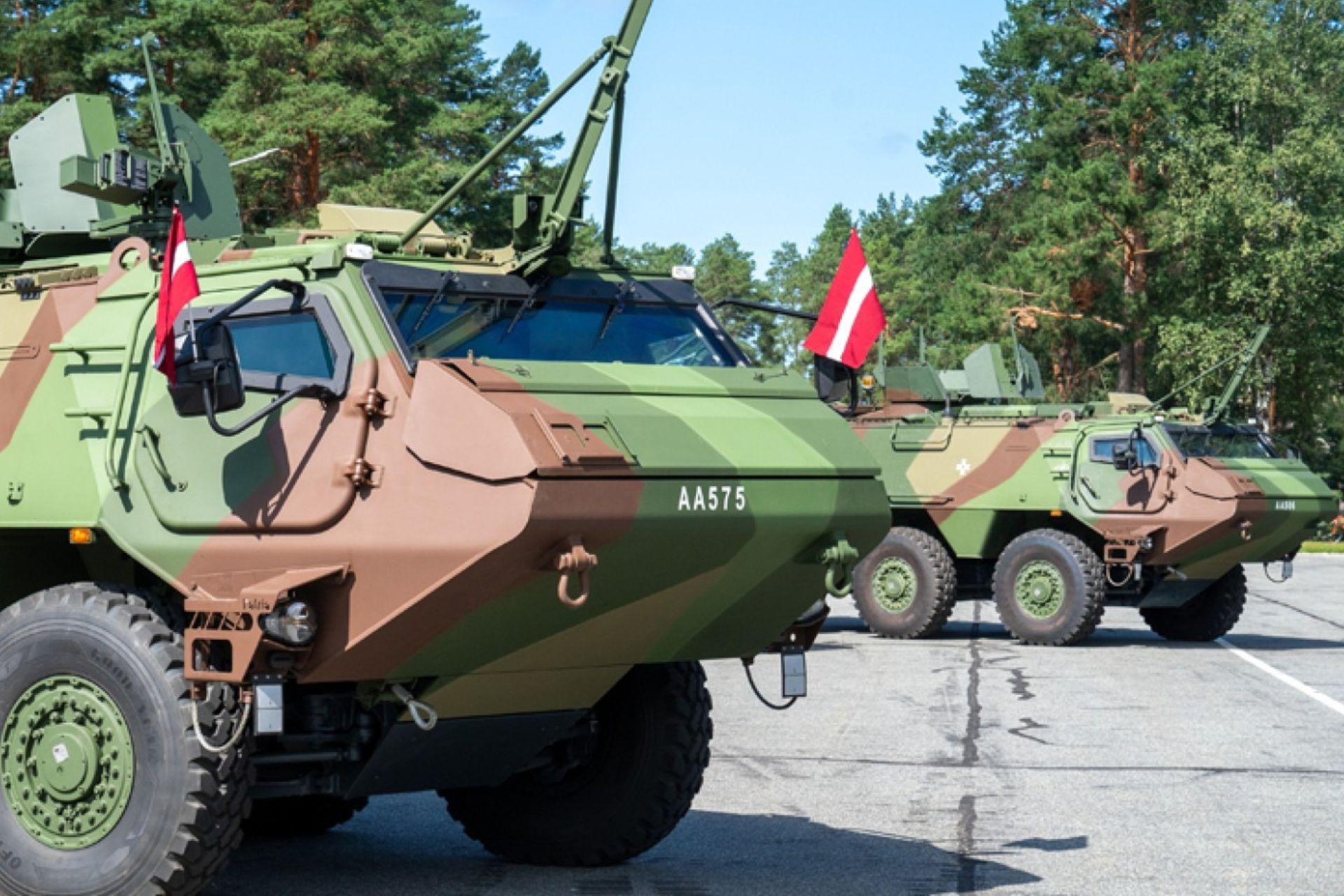
Under the Common Armored Vehicle System (CAVS) program, the Latvian Ministry of Defense and Patria have formalized an agreement for the production and delivery of 56 Patria 6x6 armored vehicles, configured specifically for command and control (C2) operations. This new contract adds to the ongoing deliveries, with production drawing on local industrial resources in Latvia, notably at Patria’s armored vehicle production facility in Valmiera, inaugurated in May 2024. The initial deliveries are scheduled to start this year, with continued deliveries planned through 2029, totaling over 60 million euros.
The Patria 6x6 is built with a modular protection system against ballistic threats, mines, and improvised explosive devices (IEDs), adaptable to specific client needs (Picture source: Patria)
The Patria 6x6 is a versatile armored vehicle developed as part of the multinational CAVS program, which includes Finland, Sweden, Latvia, and Germany. Measuring 7.6 meters in length (extendable to 8.2 meters), 2.5 meters in height, and 2.9 meters in width, this vehicle is designed to meet the demanding requirements of modern operations. Powered by a 5-cylinder Scania diesel engine, producing 294 kW (upgradable to 325 kW) with a peak torque of 1910 Nm, the Patria 6x6 is equipped with a ZF automatic transmission with 7 speeds and optimized all-wheel drive. Enhanced with run-flat tires and a central tire inflation system (CTIS), its independent suspension system with hydropneumatic elements ensures adaptability and driving comfort across diverse terrains. With a payload capacity of 8,500 kg and a combat weight of 24,000 kg, the vehicle reaches speeds over 100 km/h, tackles 60% slopes, and can ford up to 1.5 meters of water, offering valuable mobility for armed forces.
The Patria 6x6 is built with a modular protection system against ballistic threats, mines, and improvised explosive devices (IEDs), adaptable to specific client needs. It can transport up to 10 fully equipped soldiers and can integrate a variety of weapon and communication systems, enhancing operational versatility. An optional flotation feature enables water speeds of 6 to 8 km/h, supporting deployment in varied combat environments. Its design incorporates advanced technology, including maintenance-free LED lights and hydraulically assisted steering. Under the CAVS program, Patria plans to produce around 30 vehicles per year, with Latvia expecting delivery of 25 units this year.
These new command and control vehicles are anticipated to significantly boost the operational capabilities of Latvia’s armed forces, while strengthening the national defense industry. Andris Sprūds, Latvia’s Minister of Defense, emphasized the importance of this acquisition, noting that the new command and control Patria 6x6 vehicles will enhance operational capabilities and contribute to Latvia's military industry. This ongoing collaboration between the defense sector and industry has proven successful.
Patria expressed satisfaction with the expansion of the CAVS program with this new armored vehicle variant and Latvia as the first customer for this specific configuration. Mats Warstedt, Senior Vice President for the Nordics at Patria, highlighted the benefits of close cooperation between Patria, Latvia, and other CAVS member nations, citing efficient and cost-effective research and development processes that enable swift manufacturing and delivery.
The international CAVS program, which currently includes Finland, Latvia, Sweden, and Germany, launched with a research and development agreement in late 2020. Deliveries to Latvia, Finland, and Sweden have commenced within the first three years of the program. The CAVS remains open to other European nations with similar equipment needs, subject to approval by existing member states. Latvia’s defense industry is strengthened through close collaboration with Patria, which manages the development of the 6x6 armored vehicle systems with over 40 years of expertise in armored troop transport and system integration.
Most of the vehicles within the program are produced using local industrial capabilities of the member nations, ensuring supply chain security across the partnership. To date, Patria has received orders for over 750 Patria 6x6 vehicles, confirming the success of this collaborative program.
Patria is an international provider of support services, technology solutions, and training for the defense, security, and aviation sectors. Patria ensures the availability and performance of equipment for its aerospace and military clients, offering continuous performance development as well as management, surveillance, and intelligence system solutions. Patria’s mission is to instill confidence in all conditions, with the vision of being the primary partner for critical operations on land, sea, and air. Employing over 3,000 professionals, Patria has locations in several countries, including Finland, Sweden, Norway, Belgium, the Netherlands, Estonia, Latvia, and Spain. Patria is owned by the Finnish State (50.1%) and Norwegian Kongsberg Defence & Aerospace AS (49.9%), and also holds a 50% stake in Nammo, forming a leading Nordic defense partnership.
- Details
- Written by: Vandenbosch
- Category: 2024
- Hits: 3786
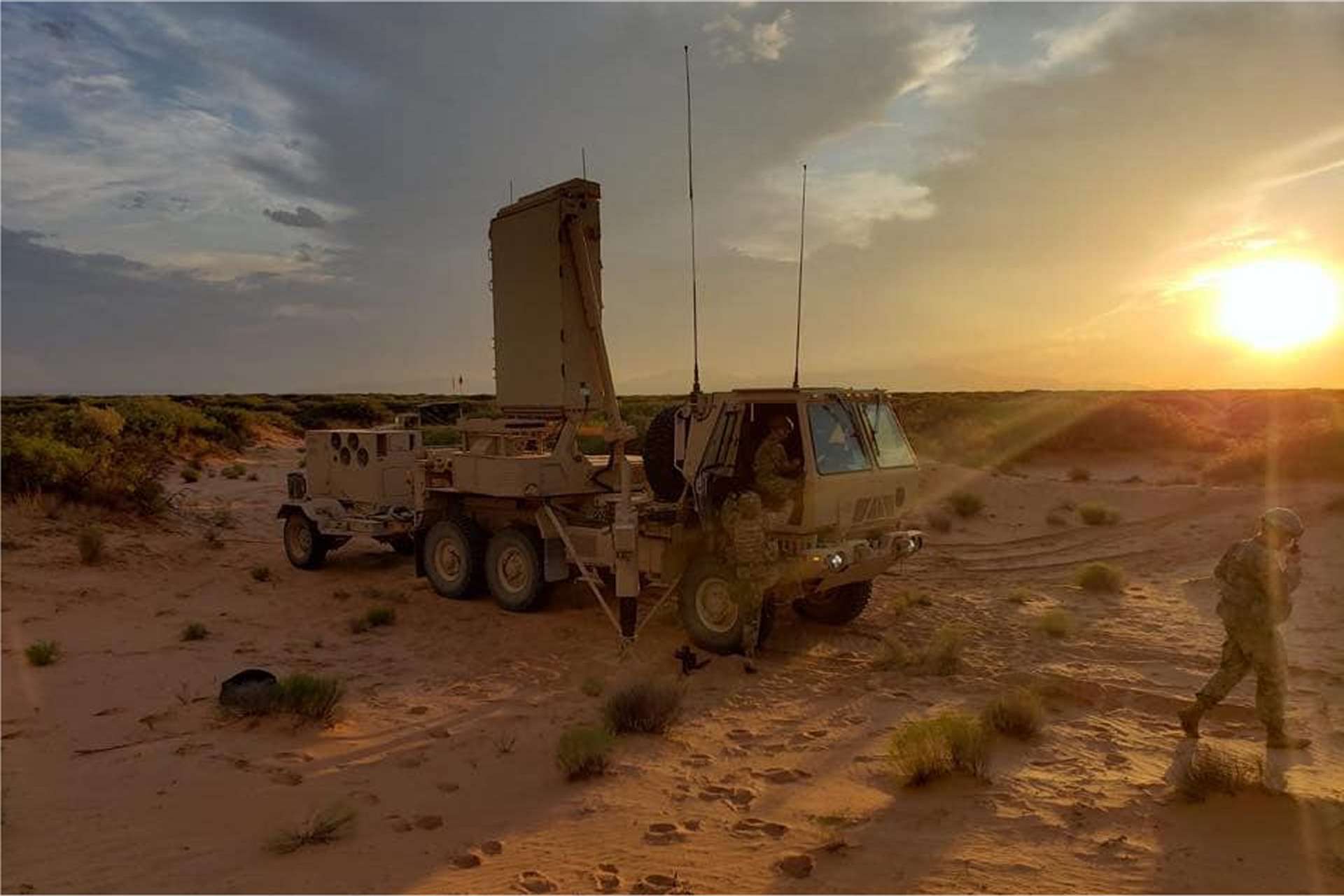
In a recent exercise held at Fort Drum, New York, Lockheed Martin, in collaboration with Anduril Industries, demonstrated an advanced drone detection solution by integrating the Q-53 Multi-Mission Radar (MMR) with Anduril’s Lattice Command and Control (C2) platform. This integration was part of the U.S. Central Command’s (CENTCOM) Desert Guardian exercise, an initiative aimed at enhancing drone threat detection and tracking capabilities in challenging environments.
The Q-53 has proven experience detecting mortars, rockets, and artillery and is responsible for keeping troops protected. (Picture source: Lockheed Martin)
Lockheed Martin’s Q-53 MMR, a radar system recognized for its flexibility in air and missile defense missions, was swiftly linked with Anduril’s Lattice C2, a platform designed to consolidate and manage sensor data. This connection, achieved during the Desert Guardian exercise, demonstrated the ability to create a comprehensive real-time aerial picture, significantly enhancing situational awareness for decision-makers. This development highlights the growing importance of command and control solutions that seamlessly integrate various sensor systems to improve operational responses to aerial threats, particularly in regions where rapid detection and response are critical.
David Kenneweg, Director of Multi-Mission Air Defense Radars at Lockheed Martin, emphasized the value of this integration: “The successful collaboration with Anduril through Desert Guardian underscores our commitment to meeting our customers' evolving needs by providing adaptable, technology-driven solutions. The Q-53 and Lattice integration offers operators improved situational awareness, allowing them to make more informed decisions at critical moments.”
Desert Guardian is part of a series of exercises conducted by CENTCOM to identify and fill gaps in air defense, particularly concerning unmanned aerial systems. Data from the Q-53 MMR was efficiently transmitted via Lattice to create a unified air picture, showcasing the capacity of advanced radar systems and command and control platforms to operate in synergy. This integration not only supported immediate operational needs but also demonstrated the scalability of the system, reinforcing its potential applicability in various military scenarios.
Lockheed Martin plans to build on the lessons learned from Desert Guardian by preparing for a follow-up exercise at a Middle Eastern base, coordinated by CENTCOM. This upcoming test will further assess the operational effectiveness of the integrated radar and C2 system in a high-stakes environment. Leveraging its multi-domain expertise, Lockheed Martin aims to enable smoother integration of sensors and command systems within a unified interface, supporting real-time operational capabilities on the ground.
Through these developments, Lockheed Martin and Anduril continue to strengthen their roles as key contributors to the U.S. Department of Defense’s efforts for comprehensive, adaptable, and effective drone defense solutions in the face of rapidly evolving aerial threats.

- Details
- Written by: Triffaux
- Category: 2024
- Hits: 3928
On November 12, 2024, NATO’s Allied Rapid Reaction Corps announced that Finnish artillery units, Maavoimat, had welcomed units from the Multi-National Artillery Brigade (MN-FAB) as part of the Dynamic Front exercise, with Swiss observers invited by France. This multinational training, gathering forces from several allied nations, is taking place in Finland's arctic forests and other regions in Europe, illustrating NATO’s commitment to cooperation and interoperability across varied and extreme environments.
Finland's K9 Self-Propelled Howitzer (Picture source: NATO)
The Multi-National Artillery Brigade (MN-FAB) functions as a distinct unit within NATO's force structure, yet it has unique characteristics that differentiate it from traditional brigades. As a multinational unit, the MN-FAB is composed of artillery sub-units from various NATO member states, granting it a flexible and scalable structure. Unlike a permanent brigade with fixed personnel and equipment, it operates as an ad hoc formation, mobilizing national contingents for specific exercises or in response to crises.
Finland, a recent NATO member, is currently hosting NATO troops in joint exercises aimed at strengthening interoperability in northern climates. Equipped with K9 Thunder self-propelled howitzers, Finnish forces contribute advanced artillery support, enhancing the combined force’s firepower and adaptability in diverse combat scenarios. This exercise includes a range of NATO units, each bringing specialized skills and expertise to improve synergy and coordination in simulated operations. As a strategic reserve for NATO’s Supreme Allied Commander Europe (SACEUR), the NATO Allied Rapid Reaction Corps oversees these maneuvers, ensuring a high level of operational readiness across all participating units.
Finnish Maavoimat units, essential to Finland's land defense, are joined by other European contingents, including a French artillery tactical group led by the 93rd Mountain Artillery Regiment (CDC 93e RAM). The French deployed their CAESAR artillery systems, 155 mm truck-mounted self-propelled guns renowned for their mobility and precision. The involvement of these French and Finnish units aligns with NATO's broader goal of enhancing integrated defense capabilities within the Alliance.
The U.S. Army, through its 56th Artillery Command, plays a central role in leading the exercise. This command is tasked with integrating allied artillery units, showcasing NATO’s capability to coordinate fire missions over a vast geographic area. U.S. forces are employing HIMARS multiple-launch rocket systems and 155 mm M777 howitzers, both noted for their precision and range, enabling long-distance strikes and increased operational mobility.
Additionally, although Switzerland is not a NATO member, it is participating in Dynamic Front 25. Six Swiss military personnel were invited by France to observe and participate in the maneuvers in Finland, adding a unique perspective through their expertise in fire support and logistics. Switzerland has previously joined multinational military exercises similar to Dynamic Front. For instance, in 2021, the Swiss Federal Council approved the Swiss Army's participation in 15 international exercises, including 13 abroad. These exercises aimed at fostering knowledge exchange, particularly in areas such as special forces, pilot rescue, infantry, and artillery, enabling the Swiss Army to refine and enhance its own capabilities and processes.
While Switzerland has not deployed equipment for this exercise, it operates approximately 133 M109 self-propelled howitzers, which form the backbone of its heavy artillery. These howitzers, adapted to the specific needs of national defense, have been modernized to improve their range, precision, and efficiency, particularly in mountainous terrain where rapid deployment is critical. The M109s provide essential flexibility, allowing the Swiss Army to ensure effective defense despite the country’s geographical constraints.
In line with Swiss legislation based on a policy of strict neutrality, the Swiss Army only participates in international exercises as an observer or in limited training roles, without deploying combat equipment. This approach reflects Switzerland’s commitment to prioritizing territorial defense without active military engagement abroad.
Dynamic Front, running from November 4 to November 24, 2024, takes place not only in Finland but also in Estonia, Germany, Poland, and Romania. Since its launch in 2016, this multinational exercise aims to test and strengthen the interoperability of allied forces over a broad geographic area, from the Arctic to the Black Sea. It reflects NATO’s commitment to ensuring robust collective defense in strategic regions adapted to diverse terrain conditions. The exercise brings together over 1,800 U.S. troops and 3,700 allied and partner forces from 28 countries. The maneuvers include live fire exercises and coordination drills to enhance joint capabilities across an extensive geographic front. This collective effort improves the readiness and interoperability of NATO forces, underscoring the importance of a rapid and cohesive defense in the current geopolitical climate, where stability in the Euro-Atlantic region remains a strategic priority for allied forces.
The maneuvers include live fire and support mission simulations, enabling allied units to refine joint tactics and procedures. Training alongside the U.S. Army in Europe and Africa (USArmyEURAF), allied forces gain enhanced preparation and a rapid response capability, essential for addressing potential crises.
Dynamic Front aims to mitigate the challenges posed by the diversity of military equipment within European and NATO forces. This variety, stemming from the acquisition and development choices specific to each nation, poses several operational challenges that can hinder allied effectiveness.
First, this equipment diversity limits interoperability. NATO forces use different communication systems, weapon calibers, and protocols, complicating effective coordination in the field. A unit equipped with a certain type of equipment may face technical incompatibilities when operating alongside allied units, impeding the cohesion of joint efforts.
Moreover, logistical management and maintenance become more complex and costly. Supply chains must be extended to provide specific spare parts for various types of equipment, increasing intervention times and costs. This logistical complexity can impact rapid deployment and the Alliance's responsiveness.
Additionally, the diversity in equipment necessitates specific training for each type of equipment. Each piece requires distinct technical skills and operating protocols, requiring specialized training for operators and maintenance personnel, which reduces troop flexibility and complicates joint operations.
The Dynamic Front exercise enables NATO to overcome these challenges by creating common procedures and doctrines, thereby enhancing coordination among allied forces despite material diversity. By developing interoperable communication systems and conducting joint training, forces can optimize their real-time communication and information-sharing capabilities. Furthermore, the exercise promotes best practice exchange, allowing military personnel to learn to maximize their own equipment while understanding the capabilities and limitations of their allies’ systems.
Thus, while material diversity represents a significant challenge, exercises like Dynamic Front are essential for strengthening NATO forces' cohesion and operational effectiveness. This commitment underscores the importance of collective preparedness to meet current security demands in the Euro-Atlantic region.

- Details
- Written by: Halna du Fretay
- Category: 2024
- Hits: 5228
On October 13, 2024, American and Polish officials inaugurated a NATO Aegis Ashore missile defense base in Poland, marking a significant step forward in security for both the region and NATO as a whole, amid the ongoing war in neighboring Ukraine. Located in Redzikowo in northern Poland, the base was originally conceived under the George W. Bush administration to counter potential ballistic threats from Iran. For Poland, however, this installation primarily serves as a strategic shield against Russia—a priority that has intensified following Russia’s invasion of Ukraine. Equipped with the advanced Aegis Ashore system from the U.S. Navy, the base is designed to detect, track, and intercept ballistic missiles in flight, enhancing NATO's airspace security in Europe.
Redzikowo now becomes the second ground-based installation in Europe to feature the Aegis Ashore system, complementing the site in Deveselu, Romania, which has been operational since 2016 (Picture source: NATO)
The Aegis Ashore system, central to Redzikowo's defense capabilities, relies on the AN/SPY-1 radar, a multifunctional radar with electronic scanning that can simultaneously detect and track numerous airborne and surface targets, providing continuous 360-degree surveillance. The SM-3 interceptors are anti-ballistic missiles specifically designed to destroy enemy missiles in their mid-flight phase, intercepting them while still in the exo-atmospheric layer. These interceptors use direct-impact technology to collide with the target at high speed, effectively neutralizing potential threats. Together, these elements provide Redzikowo with a robust defense against ballistic missile threats, reinforcing the security of Poland and NATO overall.
Polish leaders, along with the U.S. ambassador and senior officials, have described the inauguration as a historic moment, viewing it as an increased U.S. commitment to European security. Polish President Andrzej Duda, present at Redzikowo, emphasized that the base demonstrates Poland’s departure from the Russian sphere of influence, declaring that "the entire world will clearly see that this is no longer within Russia’s sphere of interest." Defense Minister Władysław Kosiniak-Kamysz further described the base as a "remarkable" milestone for the security of Poland, the United States, and NATO, also noting the current conflicts in Ukraine and the Middle East that underscore the importance of modern air defense systems.
Redzikowo now becomes the second ground-based installation in Europe to feature the Aegis Ashore system, complementing the site in Deveselu, Romania, which has been operational since 2016. This missile shield is part of a broader defense network that includes U.S. Navy destroyers stationed in Rota, Spain, also equipped with similar Aegis defense capabilities, as well as an advanced radar in Kurecik, Turkey. Together, these installations enhance NATO's capacity to intercept short- to medium-range ballistic missiles, providing an additional layer of protection for European populations, territories, and allied forces.
On the Russian side, this new installation has not been well received. Kremlin spokesman Dmitry Peskov denounced the facility, asserting that it challenges Russia’s security. He accused the United States of using the “ephemeral” threat from Iran as a cover for its true purpose, suggesting that the base actually aims to contain Russia militarily. According to Moscow, advancing American military infrastructure closer to Russian borders is an attempt to curb its strategic capabilities, prompting Russia to consider "parity" measures to restore balance.
Despite NATO’s assurances that this is a purely defensive installation, military sources indicated that the system in Poland is currently calibrated to counter missiles from the Middle East. To intercept Russian missiles, a reconfiguration of the radar would be required—a complex operation that would also entail a defense policy revision. Polish Defense Minister Kosiniak-Kamysz has expressed interest in expanding the shield’s operational scope, a subject that will be discussed with NATO and the United States to better address current security needs in Eastern Europe. In this context, NATO Secretary General Mark Rutte is scheduled to meet with President Duda and Prime Minister Donald Tusk in Warsaw to further strengthen security cooperation among member states.
Ultimately, the Redzikowo base stands as a powerful symbol of military cooperation between Poland and the United States—a partnership Poland considers essential to its national defense amid recent political uncertainties. It not only bolsters Poland’s security but also contributes to the broader security of Europe, adding a strategic layer of deterrence amid ongoing tensions with Russia and underscoring NATO’s commitment to regional stability.
Read more: Poland and US Inaugurate New NATO Missile Defense Base Previously Criticized by Russia
- Details
- Written by: Jérôme Brahy
- Category: 2024
- Hits: 9784
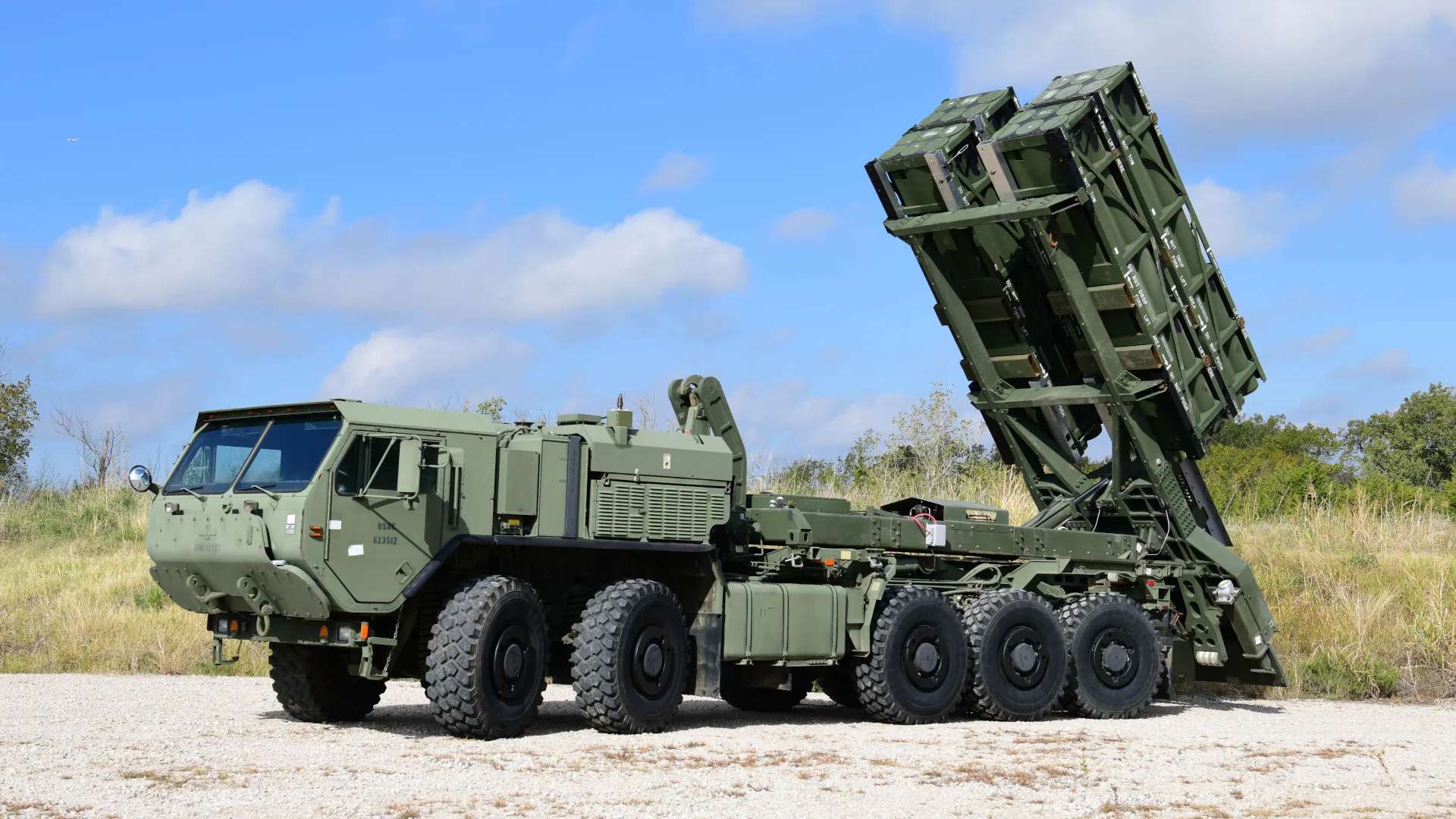
During the US Army’s Human-Machine Integration Summit IV, held at Texas A&M University, Lockheed Martin recently introduced a mobile launcher concept. This new launcher, capable of carrying up to 24 227mm guided artillery rockets, is designed for integration on a 10×10 Marine Corps LVSR truck, potentially supporting various munitions. Among the compatible systems could be surface-to-air interceptors, ATACMS short-range ballistic missiles, and PrSM missiles. If implemented, this launcher may provide both offensive and defensive capabilities through a mobile logistics platform.
Follow Army Recognition on Google News at this link
Lockheed Martin displayed the launcher on a Marine Corps MKR18 LVSR truck, structurally similar to the Army’s M1075 Palletized Load System (PLS), both produced by Oshkosh Defense. (Picture source: Lockheed Martin via The War Zone)
The prototype displayed uses the Marine Corps MKR18 LVSR truck, a vehicle similar in structure to the Army’s M1075 Palletized Load System (PLS), with both vehicles produced by Oshkosh Defense. There are suggestions of a potential connection to the earlier Palletized Field Artillery Launcher (PFAL) program, aimed at enhancing logistical vehicles with artillery functions. The launcher’s expanded capacity, potentially carrying up to 24 rockets, quadruples the payload of current HIMARS systems. This modular design could support munitions from the MLRS Family of Munitions (MFOM), such as GMLRS, ATACMS, and PrSM missiles. Initial configurations may allow for six GMLRS rockets, two PrSMs, or one ATACMS per module, with potential expansion to PrSM variants, including those with ranges up to 1,000 kilometers and options for anti-ship targeting.
The U.S. Army Futures Command (AFC) has ongoing modernization projects that could align with this launcher’s capabilities. Among these are the Extended Range Cannon Artillery (ERCA) initiative, targeting a range increase from the existing 30 kilometers to over 70 kilometers, and the Precision Strike Missile (PrSM), operational since 2023, intended as a replacement for the ATACMS. The PrSM program may evolve to include the capability for engaging moving targets. AFC is also working on the Long-Range Hypersonic Weapon (LRHW), which aims to engage distant, high-value targets. Another AFC project, the Autonomous Multi-Domain Launcher (AML), involves an unmanned HIMARS variant designed to improve operational flexibility while minimizing personnel exposure.
The launcher’s configuration allows for potential integration of various interceptors, indicating a dual capability for both artillery and air defense. Compatible interceptors may include those from the PAC-3 family, AIM-9X, and Tamir interceptors used in Iron Dome systems. The LVSR platform has previously demonstrated capacity for large payloads, such as serving as a launcher for DARPA’s OpFires hypersonic missile project. If integrated as projected, this launcher would connect with the Army’s Integrated Battle Command System (IBCS), facilitating coordination with radar and sensor networks to provide a comprehensive defense against aerial and missile threats. However, its larger structure might reduce mobility in comparison to the HIMARS system, which is optimized for deployment via C-130 transport.
The U.S. Army Futures Command is actively focused on advancing MLRS capabilities to enhance range, precision, and adaptability. The ERCA system aims to extend artillery reach beyond 70 kilometers, a significant increase from current systems’ ranges. The PrSM, compatible with both the M270 MLRS and M142 HIMARS, is designed to double the missile capacity per launcher while providing improved accuracy. With operational capability achieved in 2023, the PrSM may be adapted in the future for engaging moving targets. The LRHW program, a collaborative project across military branches, is focused on developing a ground-launched hypersonic missile system for engaging high-value targets over extended ranges. Finally, the AML initiative involves developing unmanned, remote-controlled HIMARS variants to improve operational flexibility and reduce personnel risks in artillery missions.
Read more: Lockheed Martin Develops New Rocket Launcher to Modernize US Army Artillery Capabilities

- Details
- Written by: Tkuhn
- Category: 2024
- Hits: 3048
According to a PR published by Teledyne FLIR Defense on November 12, 2024, the subsidiary of Teledyne Technologies Incorporated, has secured a substantial $168.3 million Indefinite Delivery Indefinite Quantity (IDIQ) contract with the U.S. Army for the modernization of the Nuclear, Biological, and Chemical Reconnaissance Vehicle (NBCRV) Sensor Suite on the M1135 Stryker platform.
Follow Army Recognition on Google News at this link
The NBCRV sensor suite includes the FLIR Defense R80D SkyRaider UAV integrated with FLIR's MUVE B330 biological detection payload, designed for small unmanned aerial systems. (Picture source: US Army)
The initial delivery order under this contract, valued at $7.5 million, paves the way for low-rate initial production of the upgraded NBCRV Sensor Suite, with work scheduled to continue through 2029. The modernization program aims to provide autonomous detection capabilities, significantly improving the effectiveness and speed of identifying and mitigating hazardous substances in operational environments.
Teledyne FLIR Defense is at the forefront as the lead integrator for these sensor upgrades, introducing advanced CBRN sensors with enhanced automation features to ease the cognitive load on military personnel and improve decision-making. Prior to this contract, Teledyne FLIR had delivered prototype sensor suites for government testing, which produced successful outcomes, leading to this substantial production contract.
A standout feature of the upgraded NBCRV system is its integration of the FLIR Defense R80D SkyRaider™ drone, equipped with the MUVE™ B330 biological detection payload. This configuration enables a robust small unmanned aerial system (sUAS) platform designed for remote biological detection, enhancing the mobility and reach of the NBCRV’s CBRN capabilities.
A comprehensive command and control system developed by FLIR will centralize and streamline the operation of all sensors and devices on the NBCRV platform. This system employs sensor fusion and automation to improve situational awareness, reduce operational strain on troops, and accelerate response times.
This modernization of the NBCRV Sensor Suite will serve as a critical line of defense for U.S. military personnel, enhancing mission safety and operational efficacy in hazardous and complex environments.
In the context of the battlefield, NRBC threats—covering nuclear, radiological, biological, and chemical dangers—pose significant and complex challenges to military operations. These threats require a comprehensive approach to ensure the safety and effectiveness of military personnel under high-risk conditions.
Nuclear and radiological threats involve both the devastating explosive power of nuclear devices and the contamination hazards associated with dispersed radioactive materials, creating long-term risks to health and environment. Such hazards can severely impact military logistics and limit troop movement in affected areas, as the long-lasting contamination zones disrupt both operational strategy and area security. Biological threats, by contrast, use infectious agents to disable or kill through disease outbreaks, often with a stealthy onset that complicates early detection. These pathogens can spread quickly, endangering troops and civilians alike, necessitating rapid medical response and quarantine measures.
Chemical threats, using toxins to cause immediate physical harm, challenge forces to act under restrictive conditions where protective suits, masks, and decontamination protocols are essential but often burdensome. Protective measures, while effective, can slow operations and increase fatigue, requiring well-practiced protocols and resilience from personnel. Modern militaries thus invest heavily in detection systems, training, and simulation exercises to help soldiers operate effectively under NRBC threat conditions. From advanced sensors to simulate real-time exposure in exercises, these preparations ensure that forces can detect, protect against, and respond to NRBC hazards efficiently, sustaining both operational capability and personnel safety on the battlefield.

- Details
- Written by: Vandenbosch
- Category: 2024
- Hits: 2576
The Kalashnikov Group recently completed the delivery of 9V871-9 (KPM) test vehicles under a state contract to test anti-tank guided missile systems (ATGM). This delivery, completed ahead of schedule, marks a step milestone in achieving its 2024 production objectives.
The 9V871-9 KPM test vehicles are essential assets for ensuring the efficiency and reliability of ATGM systems. (Picture source: Kalashnikov)
As the exclusive supplier of the 9V871-9 KPM model in Russia, Kalashnikov is critical in supporting the development, testing, and maintenance of advanced anti-tank-guided missile systems. These vehicles are specifically designed to facilitate rigorous testing processes for ATGMs and are equipped with advanced control and testing systems. This equipment includes standardized radio measurement devices, supplied by industrial partners such as the Kirov "Mayak" Plant and TsNIITochMash, both integrated within the Kalashnikov Group.
The 9V871-9 KPM test vehicles are essential assets for ensuring the efficiency and reliability of ATGM systems. Kalashnikov's expertise in producing testing and maintenance platforms has developed over the decades, with a legacy dating back to 1969. At that time, the Izhevsk Machine-Building Plant, now Kalashnikov Concern, was appointed by the Soviet Ministry of Defense Industry as the primary facility for developing maintenance and repair equipment (MRE) for anti-tank, tank, and short-range anti-aircraft missile systems.
Kalashnikov's contributions to the Soviet and Russian defense sectors include the creation of over 40 types of maintenance equipment and extensive research and development efforts. During the 1980s, the company produced up to 160 verification and inspection units annually to meet the demands of the Soviet Army. This long-standing expertise highlights Kalashnikov's strategic importance in strengthening Russia’s defense capabilities through innovative testing solutions for advanced weapon systems.
In addition to its achievements, Kalashnikov Concern continues to innovate in the field of guided missile systems. The company recently announced the start of mass production of the compact AM-17 rifle in 2025, following design updates based on combat zone testing.
Furthermore, Kalashnikov has expanded its production capabilities by opening a new division dedicated to unmanned aerial vehicles (UAVs). This division will not only produce UAVs but also ground-based launch vehicles, mobile control centers, and support installations for specialized vehicles.
These recent developments illustrate Kalashnikov's ability to adapt to the changing needs of the defense sector while maintaining its central role in supplying essential equipment to the Russian armed forces.
Read more: Kalashnikov Delivers 9V871-9 KPM Test Vehicles for Russian Anti-Tank Missile Systems

- Details
- Written by: Tkuhn
- Category: 2024
- Hits: 2582
China is set to play a pivotal role at the upcoming World Defense Show (WDS) 2026, scheduled to be held in Riyadh, Saudi Arabia, from February 8-12. With over 100 Chinese defense companies confirmed to participate, the event underscores the remarkable international interest in showcasing the future of defense technologies. The announcement, made at Airshow China in Zhuhai, signifies a broader trend of defense sector globalization, with Chinese companies eager to engage in the third edition of this increasingly influential event.
Follow Army Recognition on Google News at this link
HE Ahmad Abdulaziz Al-Ohali Governor of GAMI and Mansour Al-Babtain VP Commercial Partnerships & Liaison WDS at Zhuhai Air Show. (Picture source: World Defense Show)
WDS 2026 has witnessed substantial growth since its inception, with exhibition space expanding by an impressive 54 percent compared to its 2022 edition, more than doubling in size. The show has rapidly become one of the defense industry’s most anticipated platforms, drawing participation from leading global companies. More than half of the exhibition space for WDS 2026 has already been reserved, signaling the strong international demand. China’s engagement is particularly notable, with its pavilion filling 88 percent of its allocated space, making it the second-largest national presence after the host country, Saudi Arabia.
The strategic involvement of Chinese defense companies was highlighted at the 15th Airshow China, where WDS representatives engaged with prospective exhibitors. The rapid booking of exhibition space illustrates WDS’s growing stature as a key event for global defense companies. The enthusiasm shown by Chinese companies, particularly following their significant footprint at WDS 2024—where they accounted for 9 percent of total attendance—demonstrates the industry’s keen interest in penetrating new markets and showcasing advanced capabilities.
China’s expanded participation will introduce a wide range of cutting-edge defense technologies, reinforcing its position as a leader in the industry. WDS 2026 is expected to highlight numerous breakthroughs in defense innovation, offering a collaborative platform for industry leaders, decision-makers, and innovators from around the world. As the global defense landscape continues to evolve, WDS serves as a vital arena for showcasing the latest advancements and fostering international partnerships.

- Details
- Written by: Halna du Fretay
- Category: 2024
- Hits: 2502
Saab Australia (Saab) has signed a contract with the Commonwealth of Australia to provide in-country operational support for the Carl-Gustaf M4 weapon system. This initial four-year contract, with two options for two-year extensions, covers maintenance, repair, and supply of spare parts for the 84mm Carl-Gustaf M4 recoilless rifle, along with specific training for Australian Army operators and maintainers.
Adopted by numerous armed forces worldwide, including the United States, Sweden, and Australia, the Carl-Gustaf M4 provides tactical flexibility by enabling soldiers to respond to diverse battlefield threats while minimizing equipment weight. (Picture source: Saab)
The Carl-Gustaf M4, developed by Swedish company Saab, is the latest generation of versatile anti-tank rocket launchers designed for modern infantry units. This lightweight 84mm system weighs under 7 kg, making it easier to handle in the field. Its compact design, with titanium and carbon fiber components, enhances portability for soldiers, allowing them to engage a wide range of targets, from tanks and armored vehicles to bunkers and buildings. Compatible with various advanced sighting systems, the M4 provides increased accuracy day or night and can fire multiple types of munitions, including anti-armor and anti-structure rounds, with a maximum range of up to 1,000 meters depending on the ammunition type.
Adopted by numerous armed forces worldwide, including the United States, Sweden, and Australia, the Carl-Gustaf M4 provides tactical flexibility by enabling soldiers to respond to diverse battlefield threats while minimizing equipment weight. Operated by a two-person crew (gunner and loader), it ensures effective firepower with the capability to penetrate up to 500mm of armor, even when protected by reactive layers.
This partnership, part of the Short Range Anti-Armour Weapon System (SRAAW) support contract, will enable Saab to provide agile and timely operational support for the Carl-Gustaf M4, incorporating updates within the product roadmap and setting a foundation for potential future acquisitions. The program aims to deliver ongoing capability improvements to meet the requirements of modern battlefields.
Valued by Australian troops over decades, the Carl-Gustaf M4 is now in service in more than 40 countries. This adaptable and portable system equips dismounted soldiers with versatile firepower suited to a range of threats. Saab Australia’s Managing Director, Andy Keough CSC, emphasized the Carl-Gustaf system’s proven effectiveness on the battlefield, calling it a vital capability for ensuring operational effectiveness.
Saab, as a sovereign provider with a solid track record supporting Australia’s land defense sector, leverages a skilled local workforce, rapid response capabilities, and unrestricted product access. This allows Saab to deliver solutions swiftly, meeting the Australian Defence Force’s requirements.
Beyond advanced weapon systems, Saab’s support for the Australian Army includes expertise in ground-based air defense, land force camouflage, combat management systems, and deployable health infrastructure. Through this comprehensive approach, Saab reinforces its commitment to providing solutions aligned with the Australian Army’s strategic needs.
Read more: Saab Australia Secures Carl-Gustaf M4 Support Contract for Australian Army
- Poland Develops Interceptor Missile to Counter Russian-Used Shahed-Class Drones
- A Preview of WDS 2026 Insights Expansion and Exciting New Developments in Global Defense
- Poland Receives New Batch of K9 Self-Propelled Howitzers from South Korea
- Allison Transmission Expands Market Share in Wheeled Defense Vehicles Beyond North America