

- Details
- Written by: Vandenbosch
- Category: 2024
- Hits: 3072










The Finnish Ministry of Defense has confirmed the acquisition of Northrop Grumman's advanced AGM-88G Anti-Radiation Guided Missiles - Extended Range (AARGM-ER) to equip its future F-35 fighter fleet as of October 24, 2024. This acquisition, finalized a year after U.S. approval, marks an important step forward in Finland’s defense capabilities, especially in countering advanced ground-based air defense threats.
The Finnish F-35 will therefore be equipped with AARGM-ER missiles in the future. (Picture source: US Air Force)
The contract, valued at approximately $500 million, includes up to 150 AARGM-ER missiles. This advanced missile system is part of a broader package that includes inert training missiles (DATM), storage containers, essential software, training, support equipment, spare parts, and publications and technical documentation. The agreement also provides logistical support, with engineering teams from the U.S. government and partner companies facilitating integration and deployment.
The Finnish Ministry of Defense stated that AARGM-ER systems would be delivered per the operational schedule for the Finnish Air Force's F-35A. The first deliveries are expected between 2026 and 2030, ensuring compatibility with Finland's introduction of the F-35.
The Advanced Anti-Radiation Guided Missile - Extended Range (AARGM-ER), AGM-88G, is an advanced air-to-ground missile developed by Northrop Grumman to target and neutralize enemy air defenses. Based on the AGM-88E AARGM model, AARGM-ER features an optimized airframe, a larger rocket motor, and advanced electronics, providing a significantly enhanced range and speed essential for countering modern long-range surface-to-air missile systems.
AARGM-ER’s operational profile focuses on neutralizing radar-based threats through an enhanced guidance system. This system combines passive homing sensors to detect radar emissions with an active millimeter-wave radar for terminal guidance, enabling precise targeting even if enemy radars attempt shutdown to avoid detection. This dual guidance capability makes the missile particularly effective against mobile air defense systems, enhancing its ability in Suppression and Destruction of Enemy Air Defense (SEAD/DEAD) missions.
Designed to fit within the internal weapons bay of the F-35, the AARGM-ER offers compatibility with multiple platforms, including the U.S. Navy’s F/A-18 Super Hornet and EA-18G Growler. This adaptability allows for deployment across U.S. Navy, Air Force, and Marine Corps fleets. Initial tests began in 2021, demonstrating AARGM-ER’s capability to engage both mobile and stationary targets over long distances. The missile is now in low-rate initial production, with operational fielding expected soon.
This decision follows a recent U.S. authorization to sell up to 100 AARGM-ER missiles to the Royal Australian Air Force for its EA-18G Growler aircraft, reflecting growing interest from U.S. allies in this missile system to bolster their capabilities in suppressing enemy air defenses.

- Details
- Written by: Halna du Fretay
- Category: 2024
- Hits: 4383
South Korea’s Defense Acquisition Program Administration (DAPA) announced on October 29, 2024, that it has approved a plan to advance the deployment schedule of the country's Low Altitude Missile Defense (LAMD) system by two years, setting its operational timeframe between 2029 and 2033. This decision, disclosed during a National Defense Ministry committee meeting, reflects South Korea’s response to rising tensions on the Korean Peninsula as North Korea intensifies its provocations, compelling Seoul to enhance protection against potential attacks.
Engineered to shield critical areas, particularly the capital Seoul, the LAMD system is anticipated to rival, and potentially surpass, Israel’s Iron Dome, according to DAPA (Picture source: Rafael)
The LAMD system, launched in 2022 with development expected to continue through 2033, is designed to strengthen South Korea's air defense capabilities against artillery fire and missile threats from the North. Engineered to shield critical areas, particularly the capital Seoul, the LAMD system is anticipated to rival, and potentially surpass, Israel’s Iron Dome, according to DAPA. This system comprises radar, an engagement control center, launchers, and interceptor missiles to mitigate the impact of long-range artillery strikes from North Korea.
DAPA has also approved the second phase of upgrades to its Patriot defense system, including the acquisition of the Patriot Advanced Capability-3 (PAC-3) system. This advanced system employs more agile and precise hit-to-kill interceptors rather than fragmentation warheads, as in previous versions. The PAC-3 system supports up to sixteen missiles per launcher compared to four with PAC-2, offering increased range and improved radar and tracking capabilities.
These defense systems will operate alongside existing assets, including Patriot systems and the Terminal High Altitude Area Defense (THAAD) system provided by the United States, which targets missiles in their terminal phase upon reentry. THAAD’s initial deployment in South Korea in 2017 prompted objections from China due to the system’s powerful radar, capable of monitoring regional military activities. In response, China imposed economic and cultural sanctions, including restrictions on group travel to South Korea, leading former President Moon Jae-in to pledge not to increase THAAD deployments on South Korean soil.
Tensions have escalated further with recent provocations from North Korea, including debris-laden balloons launched towards Seoul as retaliation against propaganda balloons sent by South Korean activists. Seoul, located just 55 kilometers from the Demilitarized Zone (DMZ) and vulnerable to artillery strikes, remains particularly concerned about the thousands of artillery systems stationed by North Korea near the border.
In parallel, South Korea is progressing with the development of its Long-range Surface-to-Air Missile (L-SAM) system, designed to intercept missiles at altitudes of 50 to 60 kilometers. This component of the Korean Air and Missile Defense (KAMD) system integrates with the PAC-3 and Cheongung II, enabling a multi-layered defense against North Korean missile threats.
In addition to air defense initiatives, the South Korean government has approved a significant update to the K2 Black Panther main battle tank project. To reduce reliance on foreign equipment, the next 150 K2 tanks for the South Korean army will be outfitted with domestically developed transmissions by SNT Dynamics, alongside locally manufactured engines. This transmission system will also be exported to Turkey for use in the Altay battle tanks.
Since the onset of Russia’s invasion of Ukraine, South Korea has strengthened its position as a major supplier of military equipment, particularly to European nations where defense demand has significantly increased. By consolidating its capabilities and enhancing self-reliance in defense, South Korea aims to establish itself as a prominent player on the international military stage.
Read more: South Korea Moves Up Deployment of Its Iron Dome in Response to North Korean Threats
- Details
- Written by: Halna du Fretay
- Category: 2024
- Hits: 7212
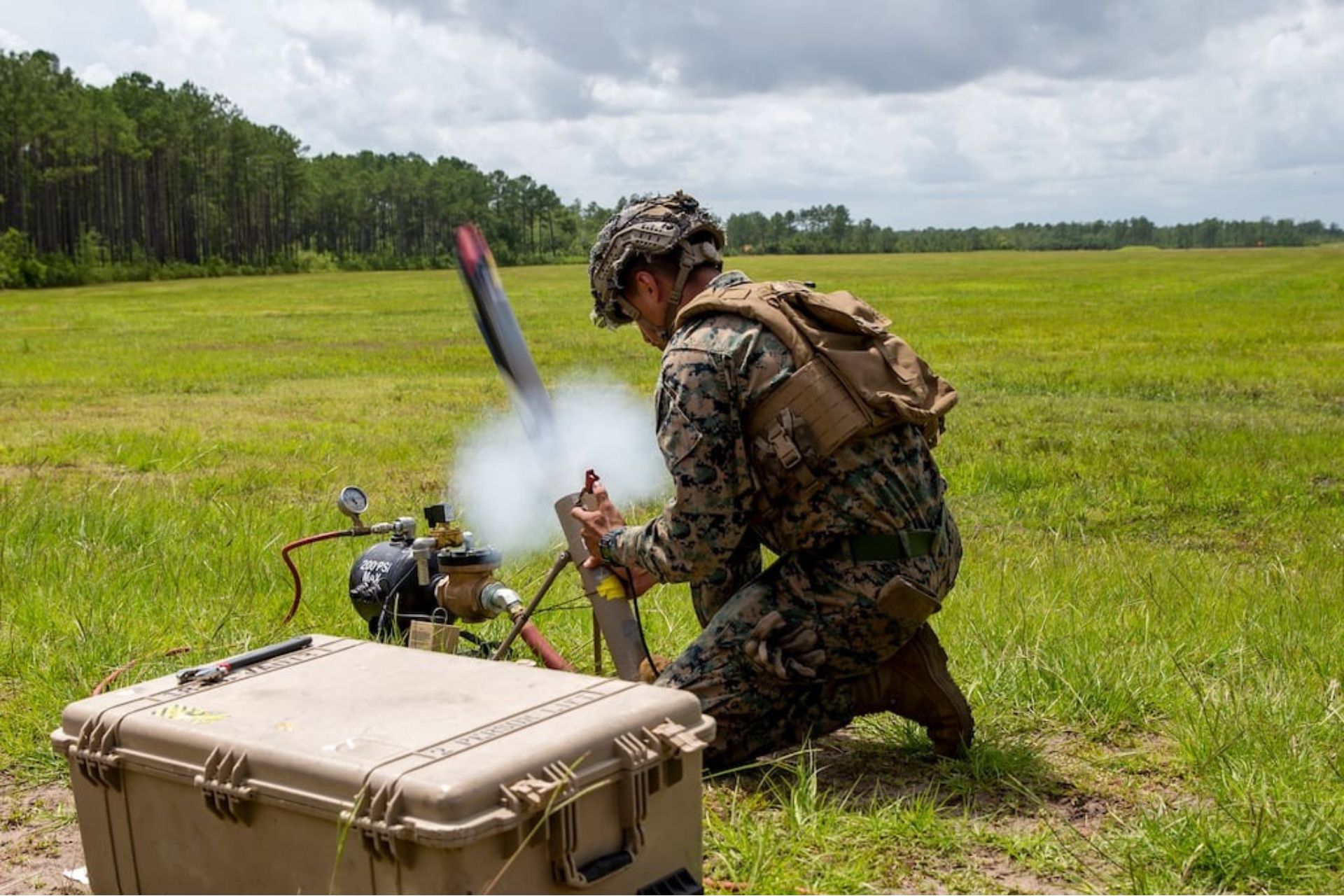
Taiwan’s Ministry of Defense has recently formalized an agreement with the U.S. government to purchase 1,000 attack drones, marking a significant step in the island’s defense strategy amid rising concerns over a potential military threat from China. Bloomberg reported on October 29, 2024, that this agreement was solidified with the signing of a "letter of offer and acceptance" at the end of September, which precedes the final contracts specifying exact quantities, financial terms, and delivery timelines.
US Army Exercise with a Switchblade Drone in July 2021 (Picture source: US DoD)
While the final contracts have yet to be signed, they are expected to be formalized in the coming weeks, according to informed industry sources who remain anonymous due to the unannounced nature of the transaction. A U.S. Department of State spokesperson declined to comment on ongoing sales to Taiwan.
Attack drones have become increasingly central in modern warfare. In Ukraine, both Russian and Ukrainian forces have ramped up their use of drones for reconnaissance and attacks, underscoring their effectiveness in active combat scenarios. Unmanned aerial vehicles were also deployed in an Iranian attack on Israel in April, reinforcing these systems as critical elements in contemporary military operations.
According to Rear Admiral Mark Montgomery, Senior Director at the Foundation for Defense of Democracies, this type of acquisition by Taiwan demonstrates "that both Taiwan and the United States are applying key lessons from the conflict in Ukraine and translating those lessons into future procurement decisions." Montgomery, who has visited Taiwan to assess its defense needs, views this agreement as a strategic move for the island as it seeks greater self-sufficiency in its deterrence capabilities.
In June, the U.S. Department of State had notified Congress of its approval for an advanced drone sale to Taiwanese authorities. This arrangement included 291 Anduril Altius 600M-V systems, valued at approximately $300 million, and 720 AeroVironment Switchblade 300 drones, “B” model, with an estimated value of $60 million.
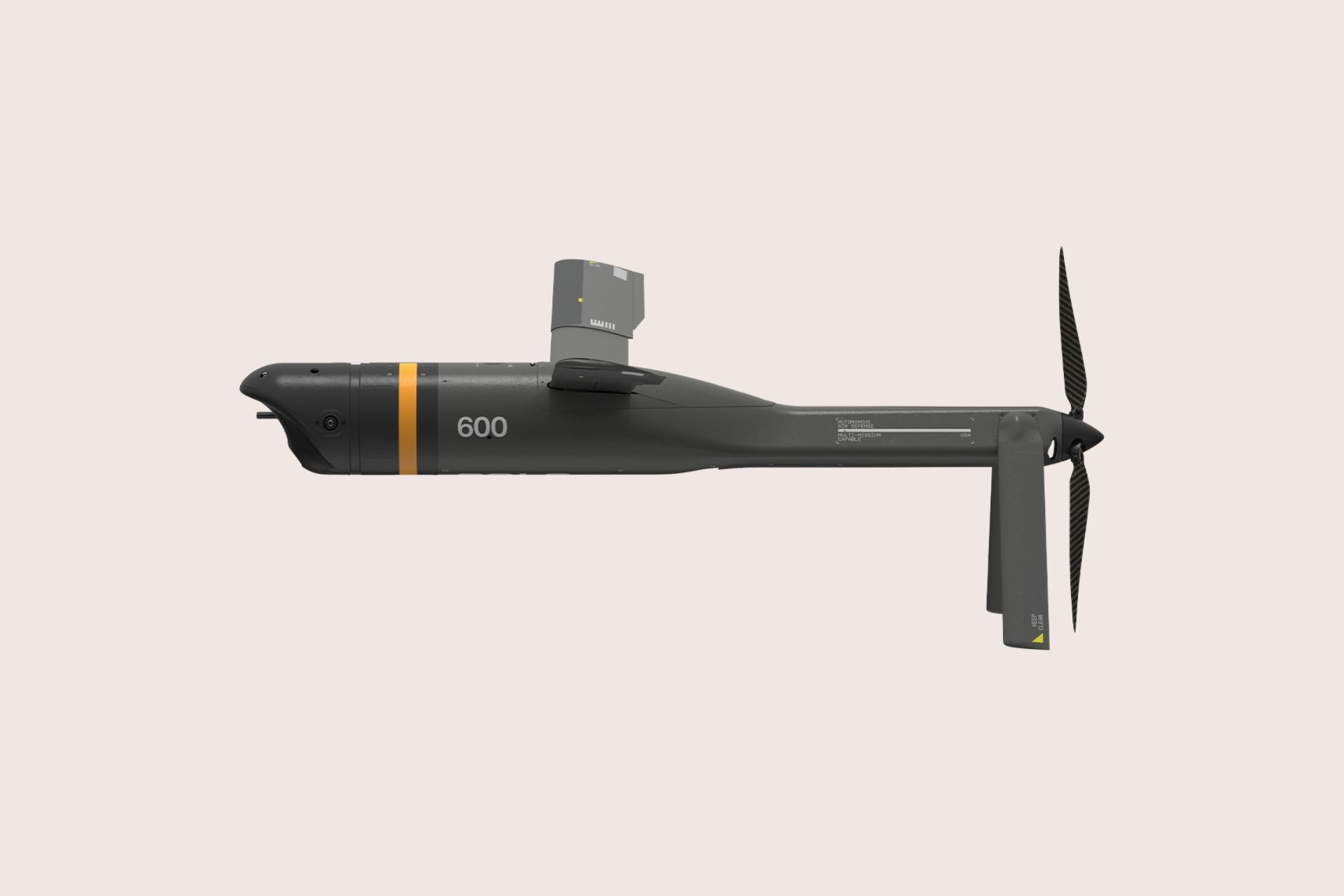
Anduril’s Altius 600M-V is a multi-mission aerial vehicle capable of conducting various operations with a single control unit. (Picture source: Anduril)
Anduril’s Altius 600M-V is a multi-mission aerial vehicle capable of conducting various operations with a single control unit. With a flight time of nearly two hours and a range of 160 km, the system allows an operator to command multiple drones simultaneously, making it particularly well-suited for large-scale operations requiring precise and coordinated control.
The AeroVironment Switchblade 300 model weighs 1.8 kg and is specifically designed for targeting missions, capable of hovering over a target for up to 20 minutes. It is equipped with a specialized anti-armor warhead and has a range of 30 km, making it ideal for precise, targeted strikes.
Neither Taiwan’s office in Washington nor the U.S.-Taiwan Business Council commented on this acquisition, which for Taiwan, aligns with an ongoing commitment to bolster its defenses amid increasing regional tensions. These recent agreements between Taiwan and the United States highlight the strategic importance placed on attack drones as the landscape of warfare evolves rapidly, with geopolitical factors heavily influencing defense procurement decisions.
Read more: Taiwan Secures US Deal for 1,000 Attack Drones Amid Rising PLA Drills

- Details
- Written by: Halna du Fretay
- Category: 2024
- Hits: 5049
On October 28, 2024, Croatia and Germany took a step in strengthening their defense capabilities by signing a letter of intent in Berlin. This document marks the beginning of negotiations for Croatia's acquisition of 50 Leopard 2A8 main battle tanks, one of the latest and most technologically advanced models in the renowned Leopard series. The agreement, brokered by Croatian Defense Minister Ivan Anušić and German Defense Minister Boris Pistorius, paves the way for a major modernization of the Croatian military’s armored fleet.
Under the proposed agreement, Germany will compensate Croatia for the M-84 and M-80 vehicles, thus reducing the overall cost of the Leopard 2A8s (Picture source: German MoD)
The Leopard 2A8 is a modern main battle tank developed in Germany, known for its combination of firepower, advanced protection, and mobility on the battlefield. It is armed with a 120 mm L55 smoothbore gun capable of engaging a variety of targets at long range with precision, while a 7.62 mm coaxial machine gun adds defensive capability against light threats. To improve survivability in hostile environments, the tank is equipped with the Trophy active protection system, which intercepts incoming anti-tank missiles and rockets.
Featuring a new-generation armor system that combines active and passive defenses, the Leopard 2A8 can withstand contemporary threats such as Anti-Tank Guided Missiles (ATGMs) and Rocket-Propelled Grenades (RPGs). Weighing between 65 and 67 tons, it maintains agility with a top speed of 70 km/h and a range of 450 km. It also includes advanced features for extreme conditions, such as NBC (nuclear, radiological, biological, and chemical) protection, enhanced thermal imaging, and an auxiliary power unit for extended operations. Primarily used by Germany and the Czech Republic, the Leopard 2A8 is a key asset for modern militaries, combining firepower, protection, and versatility for contemporary combat requirements.
The acquisition plan forms part of a joint procurement program led by Germany, inviting Croatia to participate. According to available information, a comprehensive model for the transaction has been developed. Part of the cost will be offset by the sale of 30 M-84 tanks and 30 M-80 infantry fighting vehicles from the Croatian Army’s inventory. Once this sale is completed, the vehicles will be transferred to Ukraine by Germany as part of ongoing military assistance.
Under the proposed agreement, Germany will compensate Croatia for the M-84 and M-80 vehicles, thus reducing the overall cost of the Leopard 2A8s. This innovative approach aims to optimize available resources while contributing to international support efforts for Ukraine. For Croatia, the deal represents a significant step in modernizing its armored forces, replacing older equipment with cutting-edge technology.
Currently, Croatia operates approximately 70 M-84 tanks, which form the backbone of its armored fleet. While these tanks are considered well-maintained, they do not match the capabilities of the latest-generation Leopard 2A8s, which offer significant enhancements in protection, firepower, and advanced electronic systems. The Leopard 2A8 features upgraded modular armor and sophisticated battlefield management systems, providing improved efficiency in modern combat scenarios.
The exact financial details of the acquisition and the delivery schedule for the Leopard 2A8 tanks have not yet been disclosed. However, the project is a strategic priority for Croatia, aiming to strengthen its position within NATO and align with the latest defense technology standards. The signing of the letter of intent marks the start of formal negotiations with the manufacturer, and discussions on specific terms are expected to continue in the coming months.
The sale of the M-84 and M-80 vehicles to Germany, followed by their donation to Ukraine, aligns with the increased support from Western nations for the Ukrainian military, which continues to face Russian aggression. This transfer aims to bolster Ukraine's defense capabilities by providing battlefield-proven equipment while allowing Croatia to transition to a more modern armored vehicle fleet, potentially including specialized training for crews and maintenance personnel to adapt to new technologies.
Read more: Croatia and Germany Sign Letter of Intent for Acquisition of 50 Leopard 2A8 Tanks
- Details
- Written by: Tkuhn
- Category: 2024
- Hits: 3238
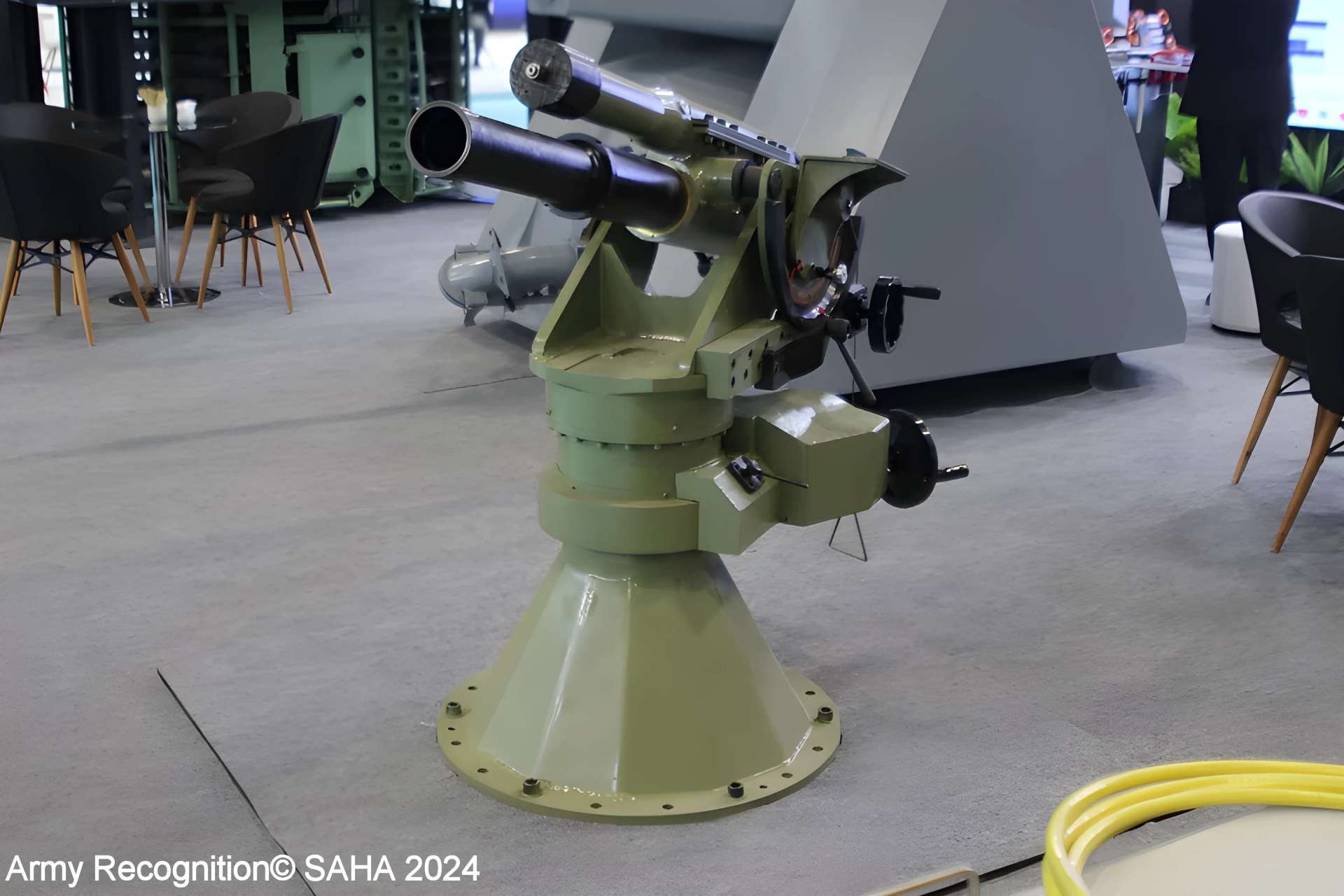
ERMAKSAN has introduced the SM-81 KESKİN 81 mm mortar and its advanced Fire Control System, a highly adaptable and efficient solution with over 90% domestic production. Designed to excel in a range of tactical scenarios, the KESKİN system offers seamless functionality across diverse deployment environments, including permanent posts, temporary bases, mobile vehicle setups, armored vehicle towers, and elevated watchtowers.
Follow Army Recognition on Google News at this link
ERMAKSAN SM-81 KESKİN 81 mm mortar offers unparalleled adaptability, capable of mounting on vehicles, watchtowers, and bases alike, delivering versatile firepower for diverse mission environments. (Picture source: Army Recognition)
This adaptability ensures that the system can be swiftly integrated into any field setup, allowing for rapid response based on mission needs and environmental conditions.
The SM-81 KESKİN mortar is compatible with 81 mm ammunition already in inventory and stands out for its advanced recoil and breech-loading mechanism, which brings added operational flexibility.
Its unique direct-fire capability provides distinct advantages for close-combat scenarios and point-target engagement, facilitating precise action in situations that demand rapid, decisive response. Complementing this is a comprehensive, in-house-developed Fire Control System by ERMAKSAN/SAVER, incorporating intuitive software and hardware to streamline targeting and firing procedures. This simplicity allows for quick deployment and minimal training.
Another notable feature of the KESKİN system is its 360-degree firing capability, allowing continuous coverage from a single setup without the need for constant realignment. This feature is particularly valuable in dynamic combat environments, where immediate adaptability and extensive field coverage are essential. Furthermore, its design minimizes recalibration needs between shots, enabling continuous operation with minimal adjustment, a key advantage in rapid-response missions where time is critical.
Built with durable, low-maintenance components, the KESKİN mortar is well-suited for use in challenging terrains and harsh climates, requiring minimal technical support. This resilience extends the system’s operational reliability and longevity, a crucial factor when frequent maintenance may not be feasible. The mortar also enables straightforward, direct-target aiming with fixed powder charges, eliminating complex calculations and making it ideal for urgent situations such as outpost defense or watchtower deployment.
Read more: Turkish Ermaksan introduces 81 mm KESKIN Mortar for varied deployment scenarios

- Details
- Written by: Halna du Fretay
- Category: 2024
- Hits: 2082
Saab has announced a £20 million amendment to the Instrumented Live Training (ILT-D) contract signed in April 2024 with the UK Ministry of Defence. This amendment includes the provision of equipment and support services for British Army training exercises in Oman, with deliveries scheduled between 2024 and 2025. This development represents a further step in the collaboration between Saab and the British armed forces, aimed at enhancing combat training capabilities while promoting international interoperability.
The agreement features Saab’s latest innovations in simulation and training, including a high-fidelity system that accurately replicates training engagements (Picture source: Saab UK)
The agreement features Saab’s latest innovations in simulation and training, including a high-fidelity system that accurately replicates training engagements. This system allows for a precise assessment of training activities, enabling thorough analysis of performance and areas for improvement. The solution will be integrated into the Ministry of Defence’s existing Tactical Engagement Simulation (TES) capabilities, ensuring continuity in training processes.
In addition to providing equipment, Saab will offer ongoing support services throughout the training cycle to ensure optimal availability and performance. The Swedish company will also manage the Exercise Control (ExCon) environment, where collected data will be used to objectively measure training outcomes. This integrated approach aims to maximize training efficiency and support the forces' operational readiness goals.
The renewed agreement between the British Army, the Royal Army of Oman, and Saab strengthens an existing partnership, reflecting a shared commitment to delivering high-quality training in line with evolving warfare methods and the requirements of the Collective Training Transformation Programme. The British Army’s live training capabilities, utilizing Saab’s simulation systems, can be deployed globally, providing the flexibility to support exercises beyond Oman. Saab's live simulation equipment is designed to integrate with other systems meeting NATO standards, ensuring compatibility and enhanced interoperability with international allies.
The amendment to the ILT-D contract with Saab enhances the British Army's training capabilities by providing advanced simulation technology and support for live training exercises in Oman, while also fostering collaboration with the Royal Army of Oman. This development improves the realism and accuracy of training, allowing for precise performance assessment and optimization. The integration with existing systems and adherence to NATO standards ensures compatibility with international allies, promoting greater interoperability. Ultimately, this initiative strengthens operational readiness and adaptability in response to evolving military demands and complex global security challenges.
Read more: Saab Expands Its Partnership with British Army to Support Live Training in Oman

- Details
- Written by: Halna du Fretay
- Category: 2024
- Hits: 10543
As Belgium prepares to enhance its air defense capabilities, the choice appears to be leaning towards the SAMP/T, a missile defense system developed by the European group MBDA, as reported by La Lettre on October 28, 2024. This decision marks a significant step in Brussels' ongoing efforts to modernize its military equipment while strengthening strategic partnerships with European neighbors, particularly France. Notably, this will be the first time Belgium equips itself with a medium-range air defense system, addressing a longstanding gap in its military capabilities. The contract, under discussion since the summer, could be announced in the coming weeks, once a new coalition government is formed in Belgium.
The SAMP/T NG, equipped with the ASTER 30 Block 1NT missile featuring Ka-band guidance, enhances interception capabilities against hypersonic threats up to 1,000 km away (Picture source: French MoD)
The SAMP/T, also known as MAMBA in the French military, is a surface-to-air missile defense system designed to protect strategic locations and deployed forces from a wide range of airborne threats, including cruise missiles, tactical ballistic missiles, and both manned and unmanned aircraft. Developed by Eurosam, a joint venture between MBDA and Thales, the SAMP/T is capable of countering threats within a 600 km range class and is designed to operate effectively in environments with high electronic clutter and countermeasures. The system features the Aster 30 missile, which employs a tandem booster and advanced guidance technology for precise interception, and the Arabel radar, which provides multi-function detection and tracking capabilities.
The SAMP/T NG (New Generation) variant incorporates significant upgrades, including the Aster Block 1 NT missile with an enhanced seeker and a new command and control module. The system’s rotating AESA radar ensures 360-degree coverage, while the eight vertical launchers, each carrying ready-to-fire Aster 30 missiles, allow rapid response and high firepower, with the ability to simultaneously engage multiple targets. The system is highly mobile, with components mounted on military trucks, making it suitable for rapid deployment and integration into broader NATO air defense architectures.
The decision is part of broader defense cooperation between Belgium and France, as the two countries aim to harmonize efforts and optimize resources to meet Europe's growing security needs. By choosing the SAMP/T over the American Patriot, Belgium favors a European solution that, in addition to its technical advantages, could strengthen the continent's strategic sovereignty. The contract is expected to be worth several hundred million euros, although the exact number of systems to be acquired has yet to be determined. A complete SAMP/T battery is estimated at around $500 million, compared to roughly $1 billion for a Patriot battery.
In return for this investment, Belgium aims to secure "fair return" industrial compensations, which could also extend to other ongoing programs in the land domain.
MBDA, with its experience in missile system development and a key role in Europe's defense architecture, is well-positioned to meet Belgium's needs. The company has already demonstrated its commitment to addressing European missile defense challenges through projects like TWISTER, a multi-role interceptor initiative designed to counter threats ranging from maneuvering ballistic missiles to hypersonic gliders. Supported by the European Defense Fund, this project aligns with efforts to strengthen Europe's strategic autonomy and address current capability gaps.
Belgium is also preparing to finalize an agreement with France for FN Herstal to supply small-caliber ammunition to the French armed forces, in collaboration with a French-based industrial partner. Additionally, FN Herstal will begin producing its ultra-light Evolys machine gun for the French Land Army next year, with deliveries scheduled for late 2025. Regarding the Camo program, Belgium's counterpart to France's Scorpion program, the first Griffon vehicles are expected in 2025, followed by the Jaguar in 2026 and Caesar in 2027. In the naval sector, an agreement is being prepared between the Belgian and French Ministries of Defense on the specifications of mine-hunting vessels, jointly designed with Paris and The Hague, and produced by Naval Group.
Belgium's decision to engage with MBDA comes amid heightened security concerns in Europe, prompting national military capability enhancements and increased collaboration among EU member states. By opting for the SAMP/T, Brussels joins a group of European countries already using the system, including France and Italy, which will facilitate system integration and resource sharing across the continent.
Since January 2016, Belgium has shown a growing interest in acquiring ballistic missile defense capabilities, a priority highlighted by Defense Minister Steven Vandeput. This objective is part of the 2030 strategic plan to modernize the Belgian armed forces and contribute to NATO's Ballistic Missile Defense initiative, launched in 2010. In February 2016, Vandeput discussed with the defense committee the opportunity to equip the Land Component with a BMD system, considering two options: a radar system costing 50 million euros or a full missile battery, dubbed "full Monty," costing 600 million euros. At the time, potential systems included the American Patriot, Eurosam's SAMP/T, and Lockheed Martin's MEADS.
Currently, Belgium mainly relies on the Mistral short-range air defense system, used to protect airbases and other sensitive sites. This infrared-guided missile system is designed to counter low-altitude threats such as helicopters and slow-moving aircraft.
In addition, the Belgian armed forces employ anti-aircraft guns, though these aging systems no longer meet modern air defense standards against threats like ballistic missiles or drones. The lack of medium- or long-range surface-to-air defense systems underscores Belgium's interest in acquiring MBDA's SAMP/T to modernize and strengthen its air defense capabilities.
Read more: Breaking News: Belgium Set to Choose MBDA's SAMP/T Over US Patriot for its Air Defense

- Details
- Written by: Jérôme Brahy
- Category: 2024
- Hits: 9539
On October 26, 2024, the Swedish Army presented the CV9035 Mk.IIIC at the P7 South Scanian Regiment in Sweden. The country plans to acquire 50 of these units as replacements for the CV9040C models, which were recently donated to Ukraine. This vehicle, part of the CV90 family developed by BAE Systems Hägglunds, was showcased without the additional armor that will be included in the final version. Similar presentations have occurred in Denmark, the Czech Republic, and Slovakia.
Follow Army Recognition on Google News at this link
One of the most significant changes is in the weapon system, where the 40 mm Bofors cannon used on earlier models has been replaced by a 35 mm Bushmaster cannon. (Picture source: Swedish MoD)
The decision to replace the CV9040C units comes as part of Sweden’s effort to replenish its fleet after donating over 50 vehicles to Ukraine. The replacement, designated CV9035 internationally and Stridsfordon 9035 in Sweden, combines a CV90 Mk III chassis with a turret from the Mk IV version. One of the most significant changes is in the weapon system, where the 40 mm Bofors cannon used on earlier models has been replaced by a 35 mm Bushmaster cannon. This cannon upgrade is expected to maintain effectiveness through the use of programmable ammunition. In addition, the CV9035 Mk.IIIC is equipped with two Rbs 58 missiles, a modified version of the Akeron MP anti-tank system, enhancing its ability to engage enemy armored vehicles, including tanks.
The CV9035 Mk.IIIC focuses on improved protection. Weighing approximately 35 tons, much of its weight is due to added armor. It is equipped with sensors and countermeasures intended to detect and respond to threats such as anti-tank missiles, including a system that can deploy a defensive projectile to intercept an incoming missile. The vehicle also features rubber tracks, replacing the steel tracks of older models, and a rear ramp instead of the traditional hatch. It retains a troop capacity of six to seven personnel in the passenger compartment.
A 360-degree camera system has been added to improve crew situational awareness. The version shown in Sweden matches the model being purchased by the Netherlands, though the Swedish version will feature added armor in the final configuration.
In May 2024, the Swedish Defence Materiel Administration (FMV) signed a contract with BAE Systems Hägglunds for the acquisition of new CV9035 Mk.IIIC vehicles, along with integrated logistic support. Although the exact number of vehicles and the contract value were not disclosed, it is estimated that around 50 units were ordered, potentially valued at up to $360 million. Deliveries are expected between 2025 and 2027. The CV9035 Mk.IIIC is built to the standards set in the Netherlands' mid-life upgrade program, which includes a redesigned turret with ergonomic adjustments.
This contract represents part of Sweden’s effort to modernize its armored vehicle fleet and replace the CV9040 models that were sent to Ukraine. In addition to the Swedish order, the contract includes provisions for the production of more CV90 vehicles to support Ukraine’s defense needs. This acquisition highlights Sweden’s ongoing attempts to maintain its operational capacity and to support its defense partnerships with other nations.
The CV90 family, which has been in service since the 1990s, includes a wide range of variants adapted to different operational needs. These vehicles have been ordered in large quantities, with over 1,700 units serving in various roles such as air defense, reconnaissance, and armored recovery. The CV90 platform continues to be operated by several countries, including Norway, Finland, Switzerland, the Netherlands, and Slovakia, which have adopted it for their respective defense forces. As Sweden looks to modernize its fleet, the CV9035 Mk.IIIC is expected to play a key role in fulfilling the country’s military requirements in the coming years.
The agreement with BAE Systems Hägglunds to supply the new vehicles was finalized by Tommy Gustafsson-Rask, Managing Director of BAE Systems Hägglunds, and Brigadier General Jonas Lotsne, Director of Land Systems at the Swedish Defense Materiel Administration (FMV). This contract follows Sweden’s donation of 50 CV90 40C vehicles to Ukraine, after which the country initiated this replacement program to maintain the strength of its armored units. The new CV9035 Mk.IIIC vehicles are designed to meet the Swedish Army’s updated specifications, incorporating advanced systems to support future upgrades and operational needs.
- Details
- Written by: Vandenbosch
- Category: 2024
- Hits: 11090
The Ghanaian Armed Forces have strengthened their combat capabilities with the recent acquisition of VN-22 armored vehicles from China, as reported by Military Africa. At least 20 units arrived at the port of Tema on October 26, 2024, marking an enhancement of the country's defense capabilities. The newly acquired vehicles are equipped with 30 mm autocannons, providing increased firepower for various combat scenarios.
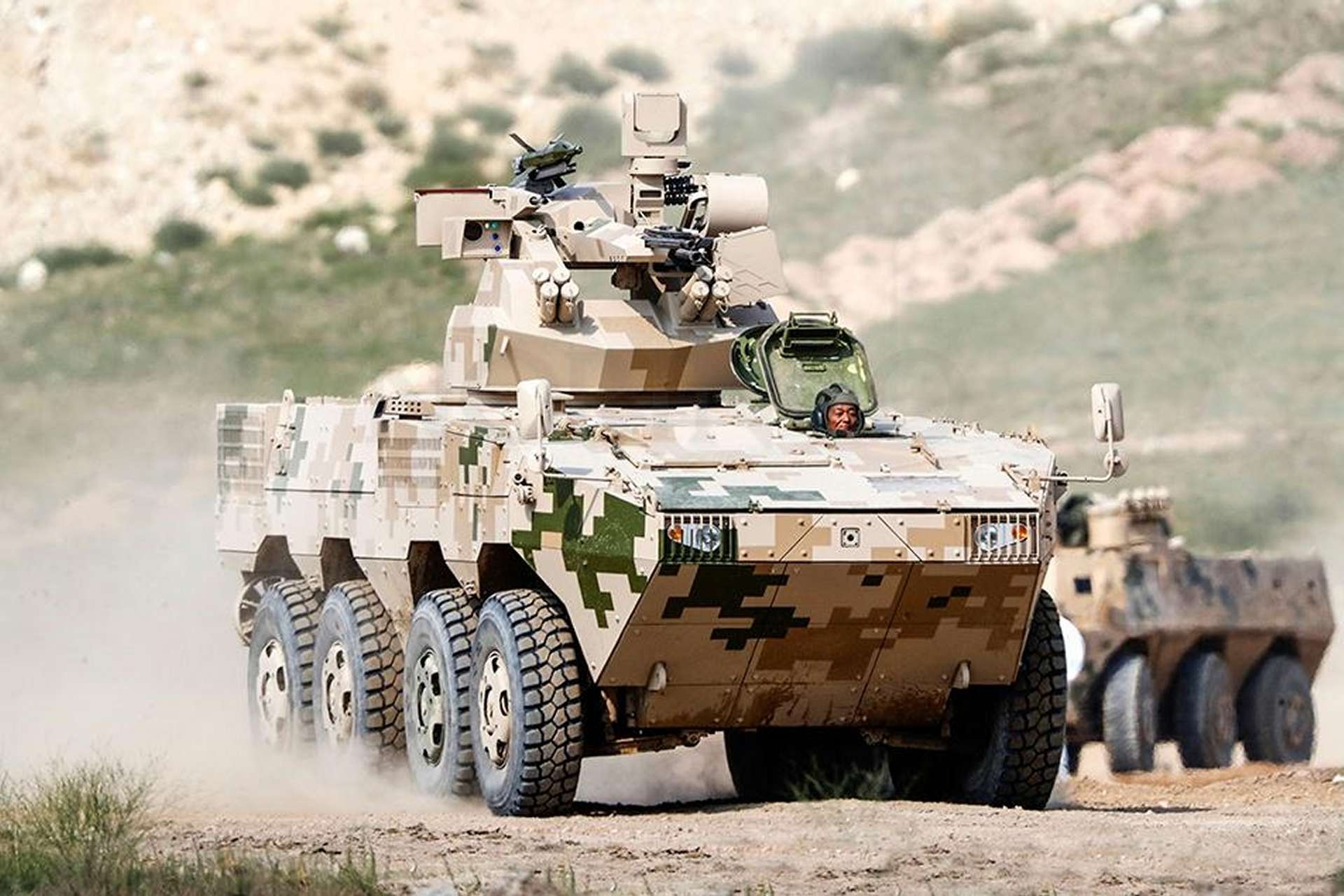
The VN-22 is a modern armored fighting vehicle developed and produced by the Chinese defense company Norinco. (Picture source: Norinco)
The VN-22 is a family of 6x6 wheeled armored vehicles developed by the Chinese defense manufacturer Norinco, primarily aimed at the export market. The platform was first unveiled at the 13th China International Aviation & Aerospace Exhibition in 2021, where its modular design and ability to adapt to different combat roles garnered attention.
The modular configuration of the VN-22 allows for various turret options, accommodating different weapon systems to meet specific operational requirements. The vehicle family includes variants designed for armored personnel carrier (APC) and infantry fighting vehicle (IFV) roles, with both manned and unmanned turret configurations. Armament options range from machine guns to more powerful 30 mm cannons, as seen with the Ghanaian vehicles, offering flexibility depending on the mission.
Designed for enhanced protection, the VN-22 features additional armor plating covering most of its structure, enabling it to withstand armor-piercing rounds up to 14.5 mm caliber, equivalent to NATO STANAG 4569 Level 4 protection, from all directions. The vehicle also incorporates a V-shaped hull to mitigate the effects of landmines and improvised explosive devices (IEDs), providing additional safety for its occupants.
The acquisition of the VN-22 is part of a broader regional trend, with countries such as Ivory Coast, Senegal, and more recently Burkina Faso incorporating the vehicle into their military inventories. A recent video on social media showed a delivery of these vehicles to Burkina Faso. This purchase will significantly improve the Ghanaian Army's mobility, firepower, and survivability in various operational environments, marking an advance in the modernization of its armored vehicle fleet.
The VN-22 is a modern armored fighting vehicle developed and produced by the Chinese defense company Norinco. Entering production in 2021, it has been in service since 2023 and offers a versatile and robust solution for military forces requiring a highly adaptable combat platform. The VN-22 is a 6x6 wheeled armored vehicle designed to fulfill multiple battlefield roles, with a modular design allowing for different configurations and weapon systems.
The vehicle can accommodate a crew of three while providing space for up to eight passengers, making it suitable for transporting troops under armored protection. It features a protection level that meets STANAG 4569 Level 4 standards, meaning it can withstand hits from armor-piercing rounds up to 14.5 mm caliber, offering substantial security against direct fire and explosive threats.
The VN-22’s primary armament consists of a 30 mm autocannon, effective against infantry, light armored vehicles, and low-flying aircraft. Additionally, the VN22B variant is equipped with a 105 mm cannon, providing increased firepower for engaging heavier targets. The vehicle also includes secondary armament options, such as two HJ-12 anti-tank guided missiles, a QJC-88 12.7 mm heavy machine gun, and a Type 86 7.62 mm coaxial machine gun on the VN22B variant, enhancing its versatility on the battlefield.
The arrival of these vehicles underscores Ghana's commitment to strengthening its defense capabilities in the face of evolving security challenges. As regional military dynamics continue to shift, the deployment of the VN-22 will provide the Ghanaian Armed Forces with a versatile and robust platform to address both conventional and asymmetric threats.
Read more: Ghana Modernizes Its Armed Forces By Acquiring VN-22 Armored Vehicles From China

- Details
- Written by: Administrator
- Category: 2024
- Hits: 5805
Recently, Chuck Pfarrer, a former U.S. Navy SEAL, shared a detailed graphic on his X account explaining Sky Dragon, a new Ukrainian weapon system using multi-rotor drones to deploy thermite incendiary devices against Russian forces. This approach, which involves bundling thermite grenades and dropping them over Russian-occupied tree lines, has proven highly effective. By leveraging drones for precise delivery, the Sky Dragon system enables Ukrainian forces to target fortified Russian positions in difficult-to-reach areas, especially in densely forested terrain, causing significant damage to enemy equipment and personnel.
Follow Army Recognition on Google News at this link
An aerial view captures the devastating impact of Ukraine's Sky Dragon incendiary thermite weapon as a drone drops the fiery payload onto its target. The intense white-hot thermite reaction engulfs the area in flames, melting through metal and creating thick smoke plumes, showcasing this drone-deployed weapon's destructive power in the ongoing conflict. (Picture source: Social network and X account Chuck Pfarrer)
The use of incendiary thermite weapons in Ukraine has been reported during the ongoing conflict, with instances of classic incendiary munitions being employed by both Ukrainian and Russian forces. Thermite is used primarily to destroy equipment, fortifications, or infrastructure due to its ability to generate extremely high temperatures, melt metal, and start fires. The first publicized reports of thermite being used in Ukraine emerged in 2014, during the initial stages of the conflict in eastern Ukraine, when Russian-backed separatists were accused of using incendiary munitions, including thermite-based weapons, to target Ukrainian military positions.
Recently, there have been renewed reports of thermite weapons being used in the ongoing Ukraine-Russia conflict, particularly in the context of intense battles in eastern Ukraine. These reports suggest that both sides may be employing incendiary munitions, including thermite-based weapons, to destroy military equipment, fortifications, and infrastructure. In late 2022 and throughout 2023, videos and eyewitness accounts surfaced showing the use of incendiary shells, which may contain thermite, in areas like Bakhmut and Mariupol, where fierce urban fighting took place.
Sky Dragon uses commercially available multi-rotor drones, such as quadcopters or octocopters, to carry bundles of thermite grenades and drop them over enemy positions. Thermite, a pyrotechnic composition of metal powder and metal oxides, burns at extremely high temperatures when ignited, making it ideal for destroying military equipment, bunkers, and fortifications. The drones deliver these thermite devices in a precise and targeted manner, allowing Ukrainian forces to strike deep within Russian-controlled zones, including fortified positions concealed under tree canopies and within dug-in trenches.
The Sky Dragon system operates through a combination of advanced drone technology and destructive incendiary devices. It uses multi-rotor drones, such as quadcopters or octocopters, which are capable of carrying heavy payloads and modified for military use. These drones fly over Russian positions, allowing for the precise delivery of their incendiary payloads.
The core of the system consists of bundled thermite grenades strapped together with metal bands. These grenades are equipped with a Nonel instantaneous fuse system, commonly used in demolition, ensuring that all grenades ignite simultaneously once they reach the target. This synchronization maximizes the thermite's destructive power.
To protect the drone from the extreme heat generated by the thermite, a heat shield is employed along with a tow line that holds the grenades at a safe distance during flight. Once released, the grenades ignite mid-air, raining down molten thermite on the target, making it nearly impossible for enemy infantry or equipment to withstand the intense heat, which can exceed 2,000°C.
Sky Dragon is proving to be highly effective against entrenched Russian positions, especially in forested areas. Traditional artillery and mortar systems struggle to penetrate tree lines where Russian forces are often dug in. However, drones can navigate these complex environments, hovering over specific positions and deploying incendiary grenades with pinpoint accuracy. When ignited, thermite creates temperatures exceeding 2,000°C (3,600°F), capable of burning through metal and concrete, making it particularly useful for destroying ammunition depots, bunkers, armored vehicles, and other critical military infrastructure.

Graphic by Chuck Pfarrer illustrating Ukraine's Sky Dragon, a drone-deployed incendiary thermite weapon used to target Russian forces. (Picture source X account Chuck Pfarrer )
Additionally, the drones are difficult to detect and intercept due to their small size and low altitude. This makes them ideal tools for engaging targets in areas where Russian air defense systems are concentrated, as drones can maneuver around obstacles and deliver their payloads without risking large aircraft or manned vehicles.
The introduction of Sky Dragon highlights Ukraine's ability to adapt to the realities of modern warfare, leveraging low-cost commercial drones in innovative ways to inflict significant damage on Russian forces. The use of incendiary devices like thermite further underscores Ukraine's intent to target key Russian positions where traditional weapons might fail or struggle to reach.
As the conflict drags on, the emergence of these new tactics could force Russian troops to adapt their defensive strategies, potentially making their positions more vulnerable to other forms of attack. Sky Dragon adds yet another dimension to the drone warfare that has come to define much of the conflict, where both sides increasingly rely on unmanned systems to deliver destructive payloads with minimal risk to personnel.
Sky Dragon represents a significant development in Ukraine's drone warfare capabilities, offering a cost-effective and highly destructive solution to the challenge of entrenched Russian forces. As the war continues, innovations like Sky Dragon will likely play a crucial role in shaping the dynamics on the battlefield, demonstrating how modern technology and creative problem-solving can shift the balance of power in asymmetrical warfare.

- Details
- Written by: Halna du Fretay
- Category: 2024
- Hits: 2722
Elbit Systems Ltd., an Israeli company specializing in defense and security technologies, announced today that it has secured a contract worth approximately $200 million from the Israeli Ministry of Defense (IMOD). This contract covers the supply of high-power laser systems for the Iron Beam air defense system. It also includes ongoing support services to ensure the equipment's maintenance and updates throughout the project’s duration.
This laser system, designed to counter various threats like rockets, drones, and other airborne objects, is distinguished by its ability to intercept them mid-air, complementing traditional missile-based defense systems. (Picture source: IDF)
The Iron Beam project represents a significant advancement in Israel's air defense capabilities. Designed to counter a wide range of threats, including rockets, drones, and other airborne objects, this laser system is notable for its ability to neutralize these threats in mid-air, providing a complementary solution to conventional missile-based defense systems. The development of this technology marks a shift in defense strategies, aiming to enhance the protection capabilities of the State of Israel amid rising regional threats.
The announcement of this contract is part of a close collaboration between Elbit Systems and the Israeli Ministry of Defense. As Israel's National Laser Center, Elbit Systems plays a key role in the design and deployment of advanced laser solutions for defense. The company's CEO, Bezhalel (Butzi) Machlis, highlighted this new phase of the Iron Beam project, emphasizing the importance of the capabilities developed by Elbit Systems, which he described as a "technological leap forward" in air defense.
The recently awarded contract includes not only the delivery of high-power laser systems but also accompanying services to ensure these systems remain operationally ready. This support encompasses technical assistance, personnel training, and system updates in line with technological advancements and strategic needs. These measures will ensure that the Iron Beam capabilities stay at the forefront of innovation, enabling Israel to maintain a technological edge in air defense.
The development of the Iron Beam system reflects the rapid evolution of defense technologies, where laser-based solutions are increasingly seen as viable alternatives to traditional missile interceptors. The ability to destroy a target using directed energy offers reduced operational costs, improved efficiency, and an immediate response to multiple and simultaneous threats. This technology, in development for several years, benefits from recent advancements in laser power and precision, making large-scale operational deployment possible.
Recent tensions between Israel and Iran underscore Israel's need for a versatile and effective air defense system. Over the past few weeks, hostilities have escalated, with Israel conducting strikes on Iranian missile installations and receiving threatening responses from Tehran. Meanwhile, Iran-backed groups like Hezbollah and Hamas have increased their attacks from Lebanon and Gaza, employing rockets and drones. These heightened threats call for an air defense capability that can quickly respond to multiple simultaneous attacks.
In this context, the Iron Beam, an advanced laser interception system, becomes crucial for Israel. The system would complement existing defenses such as the Iron Dome by providing a solution capable of destroying aerial threats like drones and missiles at a lower operational cost than traditional interceptor systems. This approach is vital in the face of Iran's evolving military capabilities, which include the development of armed drones and precision missiles, often deployed through proxies like Hezbollah in Lebanon and other Iran-supported militant groups in the region.

- Details
- Written by: Jérôme Brahy
- Category: 2024
- Hits: 11437
According to Nicholas Drummond on October 27, 2024, the US Army’s future XM30 Mechanized Infantry Combat Vehicle is set to redefine the infantry fighting vehicle (IFV) category when it enters service in 2027, replacing the aging M2 Bradley. The US Army has awarded General Dynamics and Rheinmetall $800 million each to develop prototypes for this vehicle as part of the Optionally Manned Fighting Vehicle (OMFV) program. The total value of the program is estimated at $45 billion, with the Army planning to purchase approximately 3,800 units.
Follow Army Recognition on Google News at this link
The XM30 program is a continuation of the US Army’s efforts to replace the M2 Bradley infantry fighting vehicle, which has been in service since the 1980s. (Picture source: Army Recognition)
The XM30 is expected to bring significant changes to the infantry fighting vehicle (IFV) category, featuring a 50x228 mm cannon in a remote-controlled turret, twin Anti-Tank Guided Missiles (ATGMs), an AI-enabled fire control system, and a hybrid drivetrain. The XM30 will have a crew of two (a driver and a commander) and will carry six infantry personnel. The vehicle’s size and capacity have been designed to maintain a balance between firepower and mobility while preventing it from becoming too large or heavy, as seen with some past IFV designs. It will be designed to work alongside future versions of the M1 Abrams and is expected to include protection against Unmanned Aerial Systems (UAS).
Digital engineering has been central to the development of the XM30. In the early phases of the program, five contractors were given approximately $60 million each to create digital designs based on draft requirements from the Army. Through this process that facilitated its design, development, and potential future upgrades, the US Army refined the vehicle's requirements and ensured they were achievable, avoiding issues that led to the cancellation of earlier programs. For instance, by using 3D models and simulations early in the design phase, the Army ensures that all requirements and subsystems, including sensors and fire control mechanisms, are aligned before physical prototypes are constructed. This approach minimizes development costs and helps contractors and the Army quickly address any design issues that arise during the process.
The modular design of the XM30 supports future technological updates, enabling the integration of new systems with minimal changes to the vehicle's core architecture. Equipped with a hybrid-electric drivetrain and a variety of weapon systems, including a 50mm cannon and anti-tank guided missiles, the XM30 is configured to meet current operational requirements while maintaining flexibility for future needs. The vehicle's reduced crew size and its capacity to transport infantry are aimed at improving operational efficiency without increasing size or complexity.
The XM30 program is a continuation of the US Army’s efforts to replace the M2 Bradley, which has been in service since the 1980s. Despite several earlier attempts, including the Ground Combat Vehicle and Future Combat System programs, previous initiatives were not successful, often due to issues with aligning requirements, funding, technology, and schedule. Colonel Jeffery Jurand, the project manager for the XM30, has emphasized that the current program is aligned in these areas, supported by the use of digital engineering. This approach allows for the design and testing of the vehicle through digital models, avoiding some of the challenges faced by earlier programs.
Both General Dynamics and Rheinmetall were selected to move forward in the competition, with the Army currently in phase three of a five-phase schedule. These contractors will deliver prototypes by late 2026, with the Army conducting critical design reviews by the first half of fiscal year 2025. The final selection of a single vendor for production will take place around the first quarter of fiscal year 2028, after testing and evaluation of the prototypes.
The program is also supported by the "digital trinity" approach, which includes models-based systems engineering, digital engineering, and development, security, and operations (DevSecOps). This digital approach has allowed for improved traceability and communication between contractors and the Army, with errors being identified and addressed earlier in the design process. The open architecture of the XM30 design has been highlighted as a way to accommodate future upgrades and reduce costs.
The XM30 is one of six pathfinder programs identified by the Army to demonstrate the benefits of digital engineering. The Army's use of digital engineering for this project is intended to improve design efficiency, reduce costs, and ensure the vehicle's modularity and adaptability for future needs. The program has drawn confidence from senior Army leaders, who have expressed support for its goals and its potential to provide long-term benefits, including cost savings through its open architecture.
As the program moves forward, the remaining phases will focus on prototype development, testing, and evaluation. The Army is scheduled to begin testing the prototypes in 2026, with a final decision on production expected in 2028.
- Satellite Images Reveal Rise of Chinese Forces with 59 New DF-26 Missile Launchers
- Portugal Upgrades Its Air Defense System by Replacing Its Chaparral with French RapidRanger
- Canada delivers LAV Armored Vehicles to Ukraine to aid battlefield casualty evacuations
- Philippine Marine Corps Plans Arrival of New Turkish MFR56 Machine Guns by April 2025