
- Details
- Written by: Halna du Fretay
- Category: 2024
- Hits: 2677










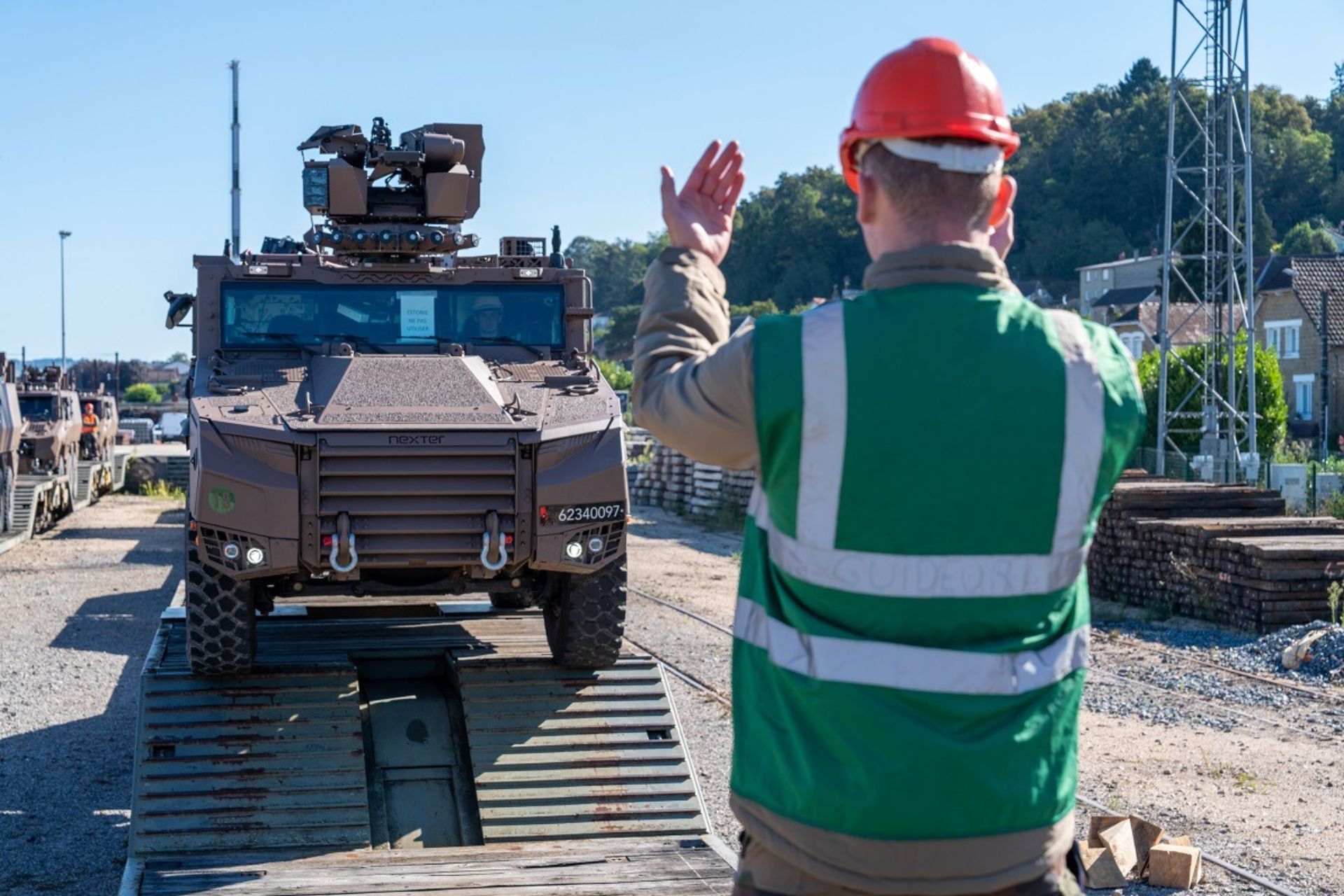
The French Army has recently deployed the multi-role armored vehicle (VBMR) Serval for the first time in an external theater of operations. These vehicles have arrived in Estonia, marking their engagement in the Lynx mission, a few days behind the originally planned schedule. This deployment aligns with France's ongoing efforts to strengthen strategic solidarity with its allies, as emphasized by General Pierre Schill, the Chief of Staff of the French Army.
Follow Army Recognition on Google News at this link
Armed with a remotely operated turret with a 12.7 mm machine gun and threat detectors, the Serval can transport eight soldiers equipped with the FELIN (Integrated Dismounted Soldier) system, in addition to its two crew members (Picture source: French MoD)
Unlike the VBMR Griffon and the Jaguar Armored Reconnaissance and Combat Vehicle (EBRC), the Serval had not been tested in the harsh climate of the Sahel, as its delivery to the army coincided with France's withdrawal from the Sahel-Saharan strip. However, the military quickly sought to test the Serval in other operational conditions. The 1st Foreign Cavalry Regiment (REC) had previously deployed several Jaguar vehicles to Estonia in May as part of the same Lynx mission.
In January, Colonel Patrick Ponzoni, then head of the French detachment in Estonia, announced that the Serval would be involved in the Lynx mission from August. Despite a slight delay, the recent arrival of the Serval in Estonia marks a significant step for the French Army in deploying its newest equipment.
The first four Serval vehicles were delivered to the Combat Support Center (CAPCIA) - 51st Infantry Regiment in Mourmelon, Marne. A year later, the 3rd Marine Infantry Parachute Regiment (RPIMa) became the first operational unit to be equipped with the Serval.
Designed to equip the rapid reaction force for national emergency response, the Serval is a 4x4 armored vehicle weighing between 15 and 17 tons, produced by KNDS France (formerly Nexter) in collaboration with Texelis. It shares several systems with other vehicles in the SCORPION program, such as vetronics and command information systems.
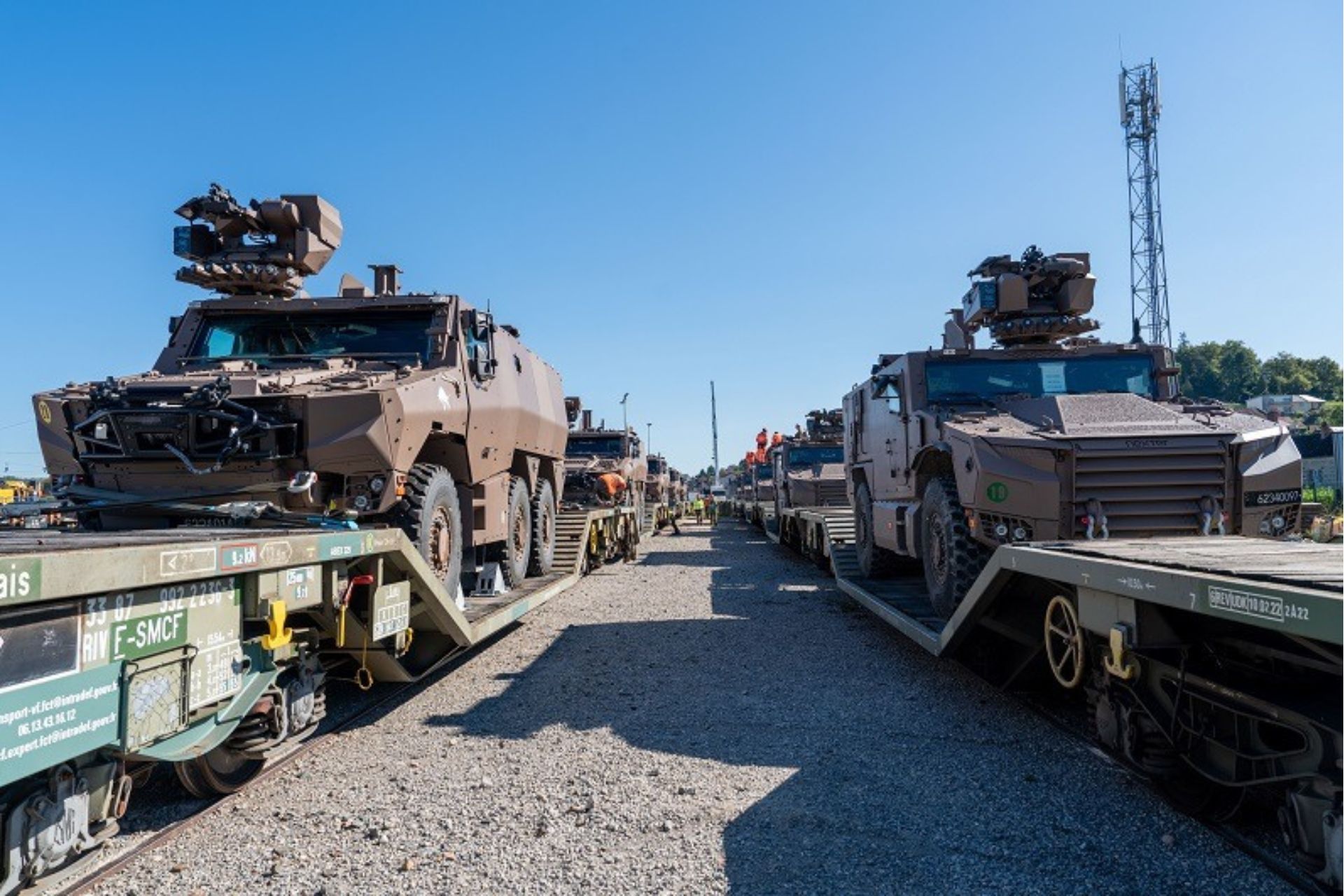
The operational projection in Estonia of this equipment is a major new capability milestone and marks an important step in the SCORPION modernization of the French Army (Picture source: French MoD)
Armed with a remotely operated turret with a 12.7 mm machine gun and threat detectors, the Serval can transport eight soldiers equipped with the FELIN (Integrated Dismounted Soldier) system, in addition to its two crew members. The vehicle has a range of 600 km and a maximum speed of 90 km/h.
The VBMR-L Serval was developed as part of the SCORPION program to meet the French Army's needs. Production began following a contract awarded in February 2018. The French Ministry of Defense plans to acquire more than 2,000 of these vehicles by 2030, with 978 expected to be in service by that date. The initial batch of 364 Servals was ordered in December 2020, with deliveries starting in 2022.
This deployment of the Serval in Estonia showcases its collaborative combat capabilities, along with its tactical and strategic mobility, which sets it apart from the Armored Forward Vehicle (VAB) it is meant to replace. According to the Technical Section of the French Army (STAT), these features enhance the versatility of the Serval in various operational environments.

- Details
- Written by: Triffaux
- Category: 2024
- Hits: 1754
On September 18, 2024, NP Aerospace, a specialist in vehicle integration and armor manufacturing, announced securing a wheeled vehicle support contract worth £71 million. Named the "Conventional Vehicle Systems Spares and Post Design Services" (CVSSP), this contract was awarded by the Defence Equipment and Support (DE&S) agency of the UK Ministry of Defence (MoD) following a competitive tendering process.
Follow Army Recognition on Google News at this link
British Army Light Tactical Vehicles (Picture source: NP Aerospace)
The initial four-year CVSSP contract, with an option to extend for two additional years, will enable NP Aerospace to provide post-design management services, design authority, and spare parts supply for over 15,000 basic MoD vehicles, including the entire fleets of 4X4 Land Rover tactical vehicle, 6X6 Pinzgauer trucks, and 6X6 Mastiff armored vehicles, as well as various protected vehicles and light trailers. This new contract aims to centralize services to improve obsolescence management and ensure optimal vehicle availability to meet operational and training needs.
In 2019, NP Aerospace was previously selected for the "Protected Mobility Engineering & Technical Support" (PMETS) contract, supporting over 2,000 protected mobility vehicles. Building on this success, the company is well-positioned to integrate this new contract, benefiting from already proven and MoD-recognized procedures.
The UK Minister for Defence Procurement, Maria Eagle, highlighted the strategic importance of this contract: “This new contract will ensure that our soldiers are equipped with modern combat vehicles, providing cutting-edge firepower, protection, and mobility, while also promoting British economic growth.”
Brigadier Matt Wilkinson from the Vehicle Support Team at Defence Equipment and Support expressed his satisfaction with the continuation of the partnership with NP Aerospace, aligned with MoD’s future Land Industrial Strategy initiatives.
James Kempston, CEO of NP Aerospace, expressed his enthusiasm for this recognition: “Winning this major contract demonstrates the MoD's confidence in our capabilities and competitiveness. It strengthens our position to support future MoD initiatives such as the Land Industrial Strategy and the Land Integrated Operating Services program.”
This contract marks a significant milestone for NP Aerospace in strengthening its collaboration with the MoD, thus consolidating its role as a strategic partner in the British defense industry.

- Details
- Written by: Triffaux
- Category: 2024
- Hits: 4127
On September 17, 2024, KNDS Deutschland GmbH & Co. KG sealed a major agreement with the Canadian government for the maintenance of the Leopard 2 main battle tanks and their derivatives, marking a renewed commitment to the Canadian Armed Forces. This comprehensive contract, orchestrated by Public Services and Procurement Canada on behalf of the Department of National Defence, covers the management, maintenance, and technical support of the vehicles until March 2031, with an option to extend for an additional five years. The total contract value amounts to $2 billion, highlighting the scale and importance of this commitment.
Follow Army Recognition on Google News at this link
Canada's Leopard 2A4 Main Battle Tank (Picture source: Canada MoD)
As part of the strategic initiative "Strong, Secure, Engaged," which aims to strengthen Canada's defense, particularly in the Arctic, a $2 billion contract has been awarded for an initial period of six years and seven months, with the possibility of four extensions that could extend support until March 2036. This contract includes not only standard maintenance services but also the establishment of a regional maintenance center near Edmonton, Alberta. This measure is in line with Canada's Industrial and Technological Benefits Policy, aiming to stimulate the local economy by maintaining 295 jobs annually and contributing $32.5 million annually to the Canadian GDP throughout the duration of the contract.
The "Strong, Secure, Engaged" initiative is a Canadian defense strategy focused on strengthening military presence and infrastructure in the Arctic. This policy responds to the increased geopolitical interest in the region, exacerbated by climate change that is making the Arctic more accessible. It aims to deter potential threats and reinforce Canadian sovereignty by enhancing surveillance, improving rapid response capabilities, and modernizing military facilities to support extended operations in extreme conditions.
Beyond security aspects, this initiative also promotes economic development and international cooperation. Canada is committed to working with other Arctic nations and allies to maintain regional stability while stimulating technological innovation and economic growth through investments in the defense and technology sectors. This program is not limited to defense; it also aims to integrate local communities into security strategies, thereby promoting sustainable social and economic development in Canada’s northern region.
The implementation of the contract will be led by KNDS Canada Inc., a subsidiary specially established in Ottawa, highlighting the strategic importance of Canada in KNDS's operations. This strengthened partnership reflects nearly two decades of fruitful collaboration between KNDS and the Canadian forces.
The Canadian Armed Forces currently possess, according to Canadian authorities, 103 Leopard 2 tanks, 74 of which are primarily allocated for combat roles. According to the Military Balance 2023, the fleet includes 42 Leopard 2A4s used for training, 20 Leopard 2A4Ms offering enhanced mine protection and equipped with advanced digital technologies, and 20 Leopard 2A6Ms, characterized by an improved gun and increased overall protection. The support component of the fleet comprises 12 Büffel Armored Recovery Vehicles and 23 engineering vehicles, including 18 Wisent 2s, capable of conducting recovery and engineering support missions.
Markus Schmidt, Senior Vice President of Customer Support at KNDS, expressed pride and recognition for the trust placed by Canada: “It is an honor to continue supporting the operational capabilities of the 74 Leopard 2 tanks and associated vehicles. This contract strengthens our commitment to ensuring the long-term security and efficiency of critical equipment.”

Canada's Leopard 2A4 Main Battle Tank (Picture source: Canada MoD)

- Details
- Written by: Jérôme Brahy
- Category: 2024
- Hits: 2744
Alcon Components Ltd, a UK-based brake and clutch manufacturer, has launched a new brake upgrade kit specifically designed for the Ineos Grenadier. The announcement coincides with the DVD exhibition at Millbrook Proving Ground on 18-19 September 2024. This new kit addresses the demand from armorers and coachbuilders who modify the Grenadier for heavier armored configurations and high-performance models, enhancing the vehicle's braking capacity to handle increased weight and maintain safety standards.
Follow Army Recognition on Google News at this link
This new kit addresses the demand from armorers and coachbuilders who modify the Grenadier for heavier armored configurations and high-performance models (Picture source: Alcon and Buzz Special Vehicles)
The Ineos Grenadier, introduced in October 2022, has gained acceptance in Europe and North America, particularly among those involved in vehicle modifications. Alcon’s new brake upgrade kit provides a pre-engineered solution that improves the braking system's performance to accommodate the additional weight from modifications. The kit is designed to integrate with the Grenadier’s existing brake actuation and control systems and is compatible with the vehicle's standard wheels. It features a caliper from Alcon's opposed-piston CIR54 family, coupled with a 350mm two-piece ventilated disc, which increases brake torque and enhances the system's thermal capacity.
The installation of the brake upgrade kit is intended to increase brake torque, reduce brake fade and fluid vaporization, extend service intervals, and decrease overall maintenance costs. The kit will be available in both acid zinc-nickel plating for a discreet appearance and painted versions, providing multiple options to meet different customer preferences.
Alcon also offers brake kits for a range of other armored and specialist SUVs, including models based on Ford's F550, F350, F150 Raptor, and Ranger; Chevrolet's Suburban and Suburban HD; GM's GMT K2 platforms such as the Tahoe and Escalade; Toyota's LC300, LC200, LC78-79, and Hilux; Mercedes’ Sprinter; and Volkswagen’s Amarok and Crafter. These products demonstrate Alcon's capacity to supply braking solutions across a variety of vehicle types used in specialist applications.

Alcon also offers brake kits for a range of other armored and specialist SUVs, including models based on Toyota's Land Cruiser 300, Land Cruiser 200, Land Cruiser 78-79, and Hilux. (Picture source; Alcon)
With more than 25 years of experience in engineering brakes and clutches for specialist vehicles, Alcon develops braking systems for applications ranging from motorsport vehicles, such as those used in Formula 1 and World Rally, to military armored vehicles exceeding 30 tonnes. The company’s off-the-shelf brake kits are designed to help both original equipment manufacturers (OEMs) and vehicle modification companies manage the challenges associated with up-armoring vehicles for defense, security, and other specialist purposes. These kits are compatible with standard OEM actuation systems and are designed for straightforward installation while maintaining durability and minimizing weight.
Mike Jones, Chief Engineer at Alcon, noted that the launch of the new brake upgrade kit is aimed at providing a suitable option for armorers and customers interested in upgrading the Grenadier. He highlighted that this development is part of Alcon’s broader efforts to supply off-the-shelf solutions that meet the specifications of OEMs and vehicle modification firms. Jones stated, "The continuing strength of our worldwide sales confirms that Alcon brake kits meet the necessarily demanding requirements of the defense and security armored vehicle sector, as well as other specialist users."
The Ineos Grenadier was developed as a modern off-road vehicle inspired by the original Land Rover Defender, filling a perceived gap left by the latter's discontinuation. The project began in 2017 under the direction of Ineos Automotive, founded by Sir Jim Ratcliffe, who aimed to create a functional and dependable utility vehicle. The Grenadier's design drew from a range of existing off-road vehicles, including the Ford Bronco, Toyota Land Cruiser, and Mercedes G-Wagen, blending elements from various models to achieve a balance between rugged capability and modern engineering standards. The initial public unveiling occurred in 2020, and the vehicle has since undergone extensive testing under diverse environmental conditions to ensure its reliability.

The Ineos Grenadier was developed as a modern off-road vehicle inspired by the original Land Rover Defender, filling a perceived gap left by the latter's discontinuation. (Picture source: Ineos)
Ineos Automotive offers multiple versions of the Grenadier, including the standard SUV model and the Grenadier Quartermaster, a pickup truck variant with an extended wheelbase to accommodate a larger bed. Concept versions have also been showcased, such as a vehicle equipped with portal axles for enhanced ground clearance, a V8-powered station wagon, and a short-bed pickup version. Additional variants, like an eight-seater Safari model and a rally-spec build, highlight the platform's adaptability. Ineos also plans to introduce an electric version of the Grenadier by 2026, in collaboration with Magna International.
The Grenadier is powered by BMW's six-cylinder engines, specifically a 3.0-liter B58 petrol engine producing 282 hp and 450 Nm of torque, and a 3.0-liter B57 diesel engine delivering 245 hp and 550 Nm of torque. Both engines are mated to an eight-speed automatic transmission and feature a two-speed transfer case to enhance off-road performance. The vehicle's construction is based on a box-section ladder frame chassis, with heavy-duty beam axles and a five-link coil suspension system designed for challenging terrains. Key specifications include a wading depth of up to 1,050 mm, multiple locking differentials, and a towing capacity of 3,500 kg.

The Grenadier is powered by BMW's six-cylinder engines, specifically a 3.0-liter B58 petrol engine producing 282 hp and 450 Nm of torque, and a 3.0-liter B57 diesel engine delivering 245 hp and 550 Nm of torque. (Picture source: Ineos)
Read more: Alcon reinforces Ineos Grenadier’s braking for armored and performance builds

- Details
- Written by: Triffaux
- Category: 2024
- Hits: 2704
On September 17, 2024, Elbit Systems UK (ESUK) announced the successful completion of the Critical Design Review (CDR) for the Dismounted Joint Fires Integrator (D-JFI) programme, an innovative system aimed at enhancing the British Armed Forces' ability to acquire and engage targets more effectively. This milestone marks a significant step in the deployment of this advanced system, which will be used by the Army’s Fire Support Teams (FST) and Joint Terminal Attack Controllers (JTAC).
Follow Army Recognition on Google News at this link
British Army's D-JFI Programme (Picture source: Elbit Systems UK)
The D-JFI is designed to provide an integrated target acquisition solution, combining advanced sensors and an intuitive application to allow operators to identify targets with high precision. The information collected can then be transmitted to support elements, whether air, maritime, or ground-based, enabling rapid and accurate target engagement. This technology, developed and integrated by ESUK's team of engineers, aligns with the British Armed Forces' modernization strategy.
The D-JFI system offers a unique "sensor-to-shooter" capability, ensuring soldiers can detect and identify targets quickly while minimizing their exposure. Using world-class sensors and specialized software on a tablet, operators can digitally transmit target coordinates to an artillery system or aircraft, all while remaining concealed. The system employs both active and passive detection methods, allowing operators to mask their signature in combat situations, thereby increasing their safety and effectiveness on the battlefield.
Following the completion of the CDR, ESUK is now set to begin system acceptance testing in the coming months. The first deliveries of the D-JFI to the UK Ministry of Defence are scheduled for 2025. The JTAC solution is expected to enter service the same year, while the FST variant should become operational in 2026. This timeline demonstrates ESUK's commitment to providing innovative solutions that meet the modernization needs of the British Armed Forces.
This system is part of an increased digitization of the armed forces, and its imminent delivery reflects the strength of the UK-based supply chain. The D-JFI programme not only supports the armed forces but also benefits the UK economy, involving five local subcontractors and maintaining hundreds of jobs across the country.
The D-JFI integrates several of Elbit Systems UK's advanced technologies, including the TORCH-X FIRES targeting application, the AION-C multi-spectral electro-optic payload, the RATTLER XR and RATTLER H target designators, and the Hattorix mounting system for fast and accurate target identification and location. The Smart-Hub, a power and data distribution device, along with a tactical router for C4I dismounted systems components, also form part of the D-JFI's technological arsenal.
Fully integrated with the British Armed Forces’ tactical communication systems and ground-to-air networks, the D-JFI ensures the smooth and secure transmission of targeting data, thereby increasing the responsiveness of forces in the field.
Martin Fausset, CEO of ESUK, emphasized the importance of this programme: “The D-JFI system is an innovative, state-of-the-art solution that allows users to assess and designate targets for fire support. In an increasingly complex environment, the Elbit Systems UK D-JFI system will provide an operational advantage to the British Armed Forces, and we will continue to work closely with them to field the system to front-line units next year.”
The deployment of the D-JFI is part of the broader modernization and digitization efforts of the British Armed Forces. With this new capability, front-line units will have a significant tactical advantage, allowing them to respond quickly and effectively in complex and changing combat situations. The D-JFI's ability to integrate seamlessly into the digital environment of the British Armed Forces makes it an essential tool for strengthening the UK's operational superiority.
Read more: Elbit Systems UK Completes Critical Design Review for British Army's D-JFI Programme

- Details
- Written by: Halna du Fretay
- Category: 2024
- Hits: 2661
On September 17, 2024, Lebanon was shaken by a wave of nearly simultaneous explosions affecting hundreds of Hezbollah members, the Iran-linked Shiite militia. These explosions originated from pagers, which the organization used to avoid electronic surveillance and cyberattacks. According to several sources contacted by Reuters, the pagers had been intercepted by Israel after their purchase in Taiwan, allowing small explosive charges to be installed within them.
Follow Army Recognition on Google News at this link
The pagers that exploded were Gold Apollo AR-924 type made in Taiwan. (Picture source: Gold Apollo)
Hezbollah had adopted these pagers, also known as “beepers,” for security reasons. These devices operate via radiomessaging, using the POCSAG radio transmission protocol, which provides a broader coverage—an important asset in Lebanon. The most commonly used model was the Rugged Pager AR924, produced by Taiwanese company Apollo Gold.
This robust device offers a battery life of up to 85 days, thanks to its lithium battery. Despite these precautions, the pager explosions have exposed vulnerabilities within Hezbollah’s security apparatus.
The explosions quickly sparked speculation. The Lebanese Ministry of Health advised pager holders to distance themselves from these devices immediately, and hospitals were placed on high alert to handle the influx of casualties. According to Lebanese security sources, Israel is suspected to be behind this incident. It is alleged that the pagers used by Hezbollah had been modified during production by the Mossad, Israel’s intelligence agency. Explosives were reportedly concealed in the devices and remotely activated by a code. This operation is believed to have been planned over several months, indicating a deep infiltration of Hezbollah’s security network.
Reuters reported that the 5,000 pagers imported by Hezbollah originated from the Taiwanese company Gold Apollo. However, the company clarified that these pagers were not its direct products but were manufactured by a European firm called BAC, which holds a license to use its brand. Lebanese security sources claim that the Mossad inserted a small explosive circuit into the pagers, undetectable by standard inspection methods. Approximately 3,000 of these devices exploded simultaneously, causing serious injuries to their users.

Lebanese security sources claim that the Mossad inserted a small explosive circuit into the pagers, undetectable by standard inspection methods (Picture source: X Channel Jason Brodsky)
Hezbollah described this incident as "the greatest security breach" it has faced in recent years. Lebanese authorities immediately accused Israel of being responsible for this "criminal aggression," which resulted in numerous casualties, including civilians. In a statement, Hezbollah vowed retaliation while reiterating its support for the Palestinian cause, particularly in Gaza.
This operation has highlighted Israel's ability to infiltrate Hezbollah, marking one of the most significant counterintelligence failures for the Shiite militia in decades. Already high tensions between Israel and Hezbollah have been further exacerbated, with regular exchanges of fire occurring along the Israeli-Lebanese border since the start of the Gaza conflict. However, experts believe these explosions do not necessarily signal an imminent Israeli ground offensive, but they do underline the extent of Israel's infiltration and intelligence capabilities.
This incident underscores a new reality in modern cyber warfare, where everyday electronic devices with wireless connectivity can potentially become deadly weapons. It also highlights the vulnerabilities of hardware supply chains, a recurring issue in international security.
Read more: Explosive Pagers Reveal Major Security Breach Within Hezbollah
- Details
- Written by: Vandenbosch
- Category: 2024
- Hits: 3533
The Kalashnikov Group, the main supplier of military equipment to the Russian Armed Forces, has announced the integration of the Karakurt drone into the third-generation Legionnaire combat equipment, which is currently under development. This drone is currently undergoing testing in Ukraine.
Follow Army Recognition on Google News at this link
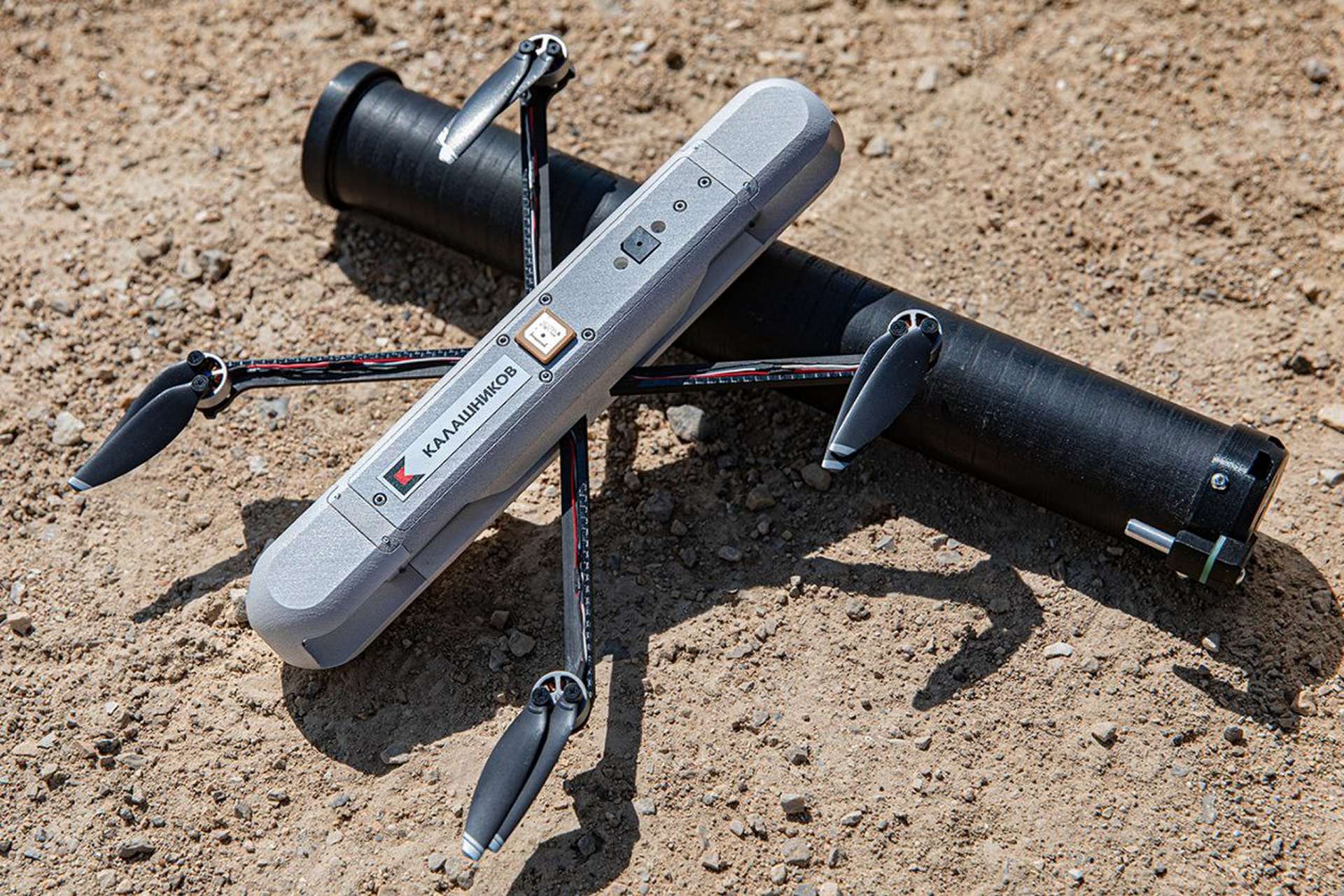
The Karakurt is a mini reconnaissance drone designed in Russia for aerial surveillance. (Picture source: Rostec)
Feedback from operators indicates that the tactical and technical characteristics of the Karakurt drone significantly enhance situational awareness on the battlefield, enabling rapid decision-making in combat scenarios, including in Ukraine.
The Karakurt is a mini reconnaissance drone designed for aerial surveillance, capable of transmitting data in real time. One of its most remarkable features is its maneuverability and ability to be launched from confined spaces using a compact transport and launch container (tube).
"Our primary goal is to protect the soldier's life and simplify their work on the front line," said Alan Lushnikov, president of JSC Concern Kalashnikov. "The integration of this lightweight mini-drone, which can be launched by hand, will facilitate reconnaissance operations for the military and provide them with additional protection during combat."
The Karakurt is a micro-reconnaissance drone developed by the Kalashnikov Group, mainly intended for real-time aerial surveillance. It was designed for easy use in confined spaces thanks to its compact launch container. This feature makes the Karakurt particularly useful for field operations, where speed and maneuverability are crucial.
In addition to its real-time reconnaissance capability, the Karakurt offers great launch flexibility and compatibility with existing communication systems. Its role is to provide increased situational awareness on the battlefield, allowing military units to make quicker decisions. According to the operators who have tested the drone, its performance and maneuverability meet the current needs of the Russian defense sector, especially in demanding combat situations.
For now, little more is known about this drone, but following the test feedback from Ukraine, the company may communicate more about the capabilities of this new drone.
In addition to the drone, Kalashnikov also presented another element of the Legionnaire equipment at the Army-2024 forum: an individual first aid kit (AFK).
Read more: Russia Integrates Karakurt Reconnaissance Drone Into Legionnaire Equipment

- Details
- Written by: Vandenbosch
- Category: 2024
- Hits: 3429
The High-Precision Systems holding of the Russian state-owned company Rostec has announced a 50% increase in the production of engines for infantry fighting vehicles (BMP) during the first seven months of 2024 compared to the same period in 2023. This growth was made possible through a modernization program at the Barnaultransmash plant, carried out with the support of the Ministry of Industry and Trade of the Russian Federation and Rostec.
Follow Army Recognition on Google News at this link
BMP Engine Production in a Russian factory. (Picture source: Rostec)
To achieve this increase in production, the company implemented new equipment and expanded its workforce by nearly 1.5 times. The program also allowed for enhanced social support for employees and a substantial 60% increase in the wage fund.
"Rostec produces a wide range of armored vehicles, including advanced infantry fighting vehicles such as the BMP-3 equipped with additional protection kits and the modernized BMP-2 with the Berezhok combat module. These vehicles have proven highly effective in combat situations. The modernization of our production facilities allows us to meet the growing demand from the armed forces and fulfill the requirements of the national defense order," stated Rostec.
As part of the production expansion, the company has introduced additional training and professional development courses for its personnel. New and young employees benefit from individualized career paths, while experienced specialists participate in rotation programs between the company's various divisions, thereby enhancing their skills and the quality of the products.
The BMPs (Boyevaya Mashina Pekhoty, in Russian) are infantry fighting vehicles (IFVs) developed by the Soviet Union in the 1960s and used by numerous armies worldwide, especially those in the former Eastern Bloc. They were designed to transport infantry troops onto the battlefield while providing direct fire support. The concept of the BMP is based on the idea of an armored vehicle capable of keeping pace with combat tanks, protecting its crew from light weapons and shell fragments, and delivering sufficient firepower to engage infantry and enemy light vehicles.
The first model, the BMP-1, was introduced in the 1960s and was revolutionary for its time. It combined high mobility, armored protection, and powerful armament, including a 73 mm cannon and anti-tank missiles. It could transport a full squad of soldiers while offering them the ability to fire through openings in the vehicle's armor. The BMP-2, an improved version, was developed in the 1980s, featuring a turret equipped with a 30 mm cannon, enhancing its ability to engage a wider range of targets. Since then, the concept has been further developed into numerous models, including the BMP-3, equipped with even more powerful armament, notably a 100 mm cannon coupled with a 30 mm automatic cannon, significantly strengthening its battlefield capabilities.
BMPs are designed to actively participate in combat alongside tanks, offering not only a secure means of transport for infantry but also crucial fire support. Their role has evolved over time, especially in modern conflicts where asymmetric threats and urban warfare have introduced new requirements for protection and mobility. Many countries, including Russia, continue to upgrade existing BMPs, reinforcing their armor, weapon systems, and mobility to adapt them to the current needs of the armed forces.
"In the current labor market, it is essential to retain professional expertise and develop young talent. We focus on creating comfortable workplaces, supporting employees' health and fitness, improving housing conditions, and providing opportunities for additional qualifications and specialized training. We also ensure that young employees have the chance to demonstrate their skills, supported by mentors and experts," stated Tatyana Malyutina, Director of the Human Resources Department at JSC Barnaultransmash.

- Details
- Written by: Administrator
- Category: 2024
- Hits: 1948
Army Recognition, online defense and security magazine, announced that its editorial team will cover the upcoming Defence Vehicle Dynamics (DVD) event, scheduled for September 18-19, 2024**, at Millbrook Proving Ground in the United Kingdom. The team is set to deliver in-depth news articles and exclusive video reports, providing detailed insights into the latest developments in military technology showcased at the event.
Follow Army Recognition on Google News at this link
Defence Vehicle Dynamics (DVD) at Millbrook is a premier UK military event showcasing the latest land equipment and support services for the British Army.
The DVD event is one of the UK's premier military exhibitions, focusing on equipment and support for the British Army and international defense organizations. It serves as a crucial platform for industry leaders, military personnel, and stakeholders to engage with the newest innovations in land equipment and support services.
*Army Recognition*'s coverage will include analyses of new military vehicles, equipment demonstrations, and interviews with key industry figures. Readers can expect timely updates and expert commentary on the advancements presented during the event.
"Our mission is to keep our global audience informed about cutting-edge technologies shaping the future of defense," said a spokesperson for *Army Recognition*. "Covering the DVD event allows us to showcase innovations critical to military operations worldwide."
The news and video reports will be accessible on *Army Recognition*'s website and social media channels throughout the event. Subscribers and readers can stay updated by following their live coverage and exclusive content.

- Details
- Written by: Jérôme Brahy
- Category: 2024
- Hits: 4413
As reported by The Dead District on September 16, 2024, U.S. intelligence personnel from the 203rd Military Intelligence Battalion (Technical Intelligence) recently conducted a training exercise at Camp Grayling, Michigan, using a prototype of a Ukrainian T-72AG tank. This tank was employed as part of OPFOR (Opposing Force) training for U.S. troops, simulating adversary equipment and tactics. The exercise was part of Northern Strike 24, a multi-disciplinary event aimed at enhancing proficiency for large-scale combat operations.
Follow Army Recognition on Google News at this link
The T-72AG prototype used in the U.S. training exercise at Camp Grayling lacks certain components found in some other variants, including radiation detection indicators, OTSHU-1-7 searchlights, and turret modulator systems. (Picture source: US DoD)
The T-72AG prototype used in the U.S. training exercise at Camp Grayling differs from other upgraded models, such as the T-72AMG. It lacks certain components, including radiation detection indicators, OTSHU-1-7 searchlights, and turret modulator systems found in some other variants. The version at Camp Grayling retains the open-type commander's cupola, similar to the original T-72, rather than the upgraded turret of the T-80UD, which includes the "Agat" sight and stabilization system.
Developed as a cost-effective option for operators with limited budgets needing to improve their existing tank fleets, the T-72AG is a modernized version of the T-72M tank, which was widely exported and license-built by several countries. It was created by the Kharkiv Morozov Machine Building Design Bureau (KMDB) in Ukraine and first presented in 1997 at the IDEX exhibition in Abu Dhabi, United Arab Emirates. Despite efforts to market the T-72AG, it did not receive any international orders.
After failing to achieve commercial success, the T-72AG was integrated into the Ukrainian armed forces. It was deployed in the Donbass region in 2014 to support Ukrainian units during intense fighting. In February 2022, during the Russian assault on the Gostomel airfield, the tank was captured by Russian airborne forces. This capture was reported by various media outlets, highlighting its rarity within the Ukrainian military inventory. In 2024, the T-72AG was displayed at the Exhibition of Special Military Operation Trophies at Victory Park in Moscow.

The T-72AG is a modernized version of the T-72M tank, which was widely exported and license-built by several countries. (Picture source: Russian social media)
Weighing 45.5 tons, the T-72AG is heavier than the original T-72, which weighs 41.5 tons. It includes enhancements such as a new 6TD-series diesel engine, replacing the original engine, which had performance limitations in high-temperature conditions. The 6TD engine series, developed for the T-80UD and Oplot main battle tanks, comes in two versions: the 6TD-1, which provides 1,000 horsepower, and the 6TD-2, which offers 1,200 horsepower. These engines are designed to operate effectively in desert conditions at ambient temperatures of up to 55 degrees Celsius. Additional mobility enhancements include a transmission that increases reverse speed and allows for on-the-spot pivoting, enabling the tank to reach a maximum road speed of 65 km/h, or 75 km/h with a high-speed gearbox.
The T-72AG retains the original 125 mm 2A46 smoothbore gun but can be upgraded to the Ukrainian KBA1 gun, which improves accuracy and reliability. The tank also features a remote-controlled 12.7 mm anti-aircraft machine gun mounted on the commander's cupola, allowing targets to be engaged without exposing the crew. The fire control system has been modernized, replacing the TPD-K1 sight with the 1G46 sight, stabilized on two axes, and incorporating a laser rangefinder and missile guidance capability. A ballistic computer with associated sensors further enhances firing accuracy, whether the tank is moving or stationary.

After failing to achieve commercial success, the T-72AG was deployed by the Ukrainian armed forces in the Donbass region in 2014 to support Ukrainian units during intense fighting. (Picture source: Militarnyi)
For night operations, the T-72AG can be fitted with the TPN-4E system or an optional thermal camera, enabling effective operation in total darkness, smoke, or fog. The tank's protection has been augmented with additional armor modules and "Nozh" explosive reactive armor (ERA), which strengthens its resistance against shaped charges and armor-piercing projectiles.
Additional modifications to the T-72AG include tactical mobility enhancements such as a satellite navigation system and an upgraded transmission designed to provide increased reverse speed and pivoting movement. The tank's protection is further improved with additional armor modules, reactive armor on the hull and turret, side screens with reactive armor on the front part of the hull, and a collective protection system designed to shield the crew from weapons of mass destruction. An optional "Varta" optoelectronic countermeasure system may also be installed.
Read more: US Army deploys rare Ukrainian T-72AG tank in Northern Strike 24 exercise
- Details
- Written by: Triffaux
- Category: 2024
- Hits: 5453
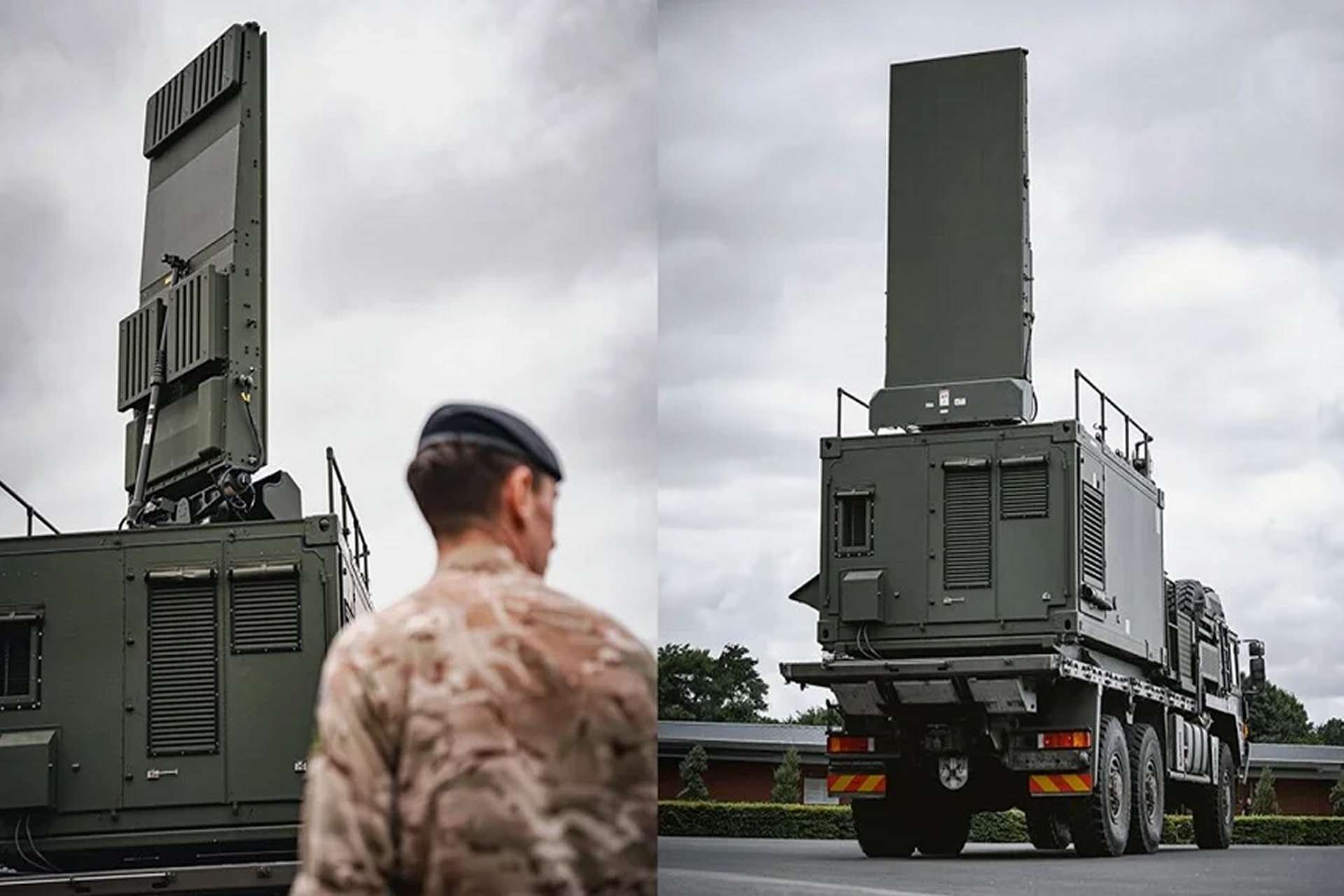
On September 17, 2024, Saab announced the successful delivery and acceptance of five next-generation Arthur systems, named TAIPAN by the British Army. These state-of-the-art artillery locating radars provide enhanced detection and threat location capabilities, strengthening the UK's counter-battery capacity for the future.
Follow Army Recognition on Google News at this link
SAAB TAIPAN Artillery Hunting Radar (Picture source: SAAB)
The TAIPAN systems replace the MAMBA radars, the previous generation of Arthur radars, and are now in service with the 5th Regiment Royal Artillery. Developed by Saab, these new radars offer the British Army rapid deployment and redeployment capabilities, increased operational mobility, and formidable accuracy in counter-battery operations.
Leveraging Saab's digital antenna technology, TAIPAN radars can detect and locate an increased number of targets over greater distances while minimizing electronic signatures. This capability is crucial for survival in increasingly complex electronic warfare environments. Officially accepted by the Royal Artillery during a ceremony at Larkhill Camp on June 28, the TAIPAN radars mark a new milestone in the modernization of British defense systems.
Andy Fraser, Managing Director of Saab UK, expressed his pride at the delivery: "We are immensely proud to support the British Army with our state-of-the-art TAIPAN systems. Our relationship with the Army and the Arthur system builds on years of experience, extending back through service in Iraq and Afghanistan. The Saab team looks forward to continuing this support for the UK, which has become the first user of both the current and next-generation Arthur systems."
Lieutenant General Sir Andrew Gregory KBE CB, Master Gunner St James’s Park, also praised Saab's work: "Saab is our key partner for both MAMBA and now TAIPAN. What this company has provided and continues to deliver to our Armed Forces is impressive. MAMBA has more than proved its worth, and TAIPAN represents a real change in capability."
ARTHUR, an acronym for Artillery Hunting Radar, is a mobile weapon-locating radar system developed by Saab Bofors Dynamics and Ericsson Microwave Systems in Sweden. This radar is designed to detect and track incoming artillery and rocket fire, allowing for the determination of their point of origin for counter-battery operations.
Operating in the 5.4-5.9 GHz frequency band (C band, typically used for long-distance radio telecommunications), the ARTHUR system can locate guns, mortars, and rocket launchers at a distance of up to 50 km. It has a circular error probable (CEP) of only 0.35% of the range, ensuring exceptional accuracy.
The radar uses an active electronically scanned array (AESA) to locate projectiles in three dimensions, enabling it to operate in a "track and scan" mode. It can simultaneously handle more than 100 targets and also provides air surveillance information to support air defense units.
The ARTHUR system has been adopted by several armies around the world, including those of Sweden, Norway, the UK, Italy, and Canada. Radars of this type are particularly valuable in modern asymmetric warfare scenarios, where detecting and rapidly responding to enemy artillery fire is crucial.
As part of its strategy to expand its global industrial base outside Sweden, Saab plans to support the maintenance and additional work for the TAIPAN radars from its Radar Centre of Excellence in Fareham, UK. Beyond the UK, the ARTHUR system is already in service in 12 other countries, including six NATO members, as well as South Korea.
With the introduction of the TAIPAN systems, Saab significantly strengthens the British Army's ability to detect and respond to artillery threats, while consolidating its position as a leading provider of advanced radar systems worldwide.
- Details
- Written by: Halna du Fretay
- Category: 2024
- Hits: 2539
Sweden has announced its intention to take on the role of framework nation in NATO’s enhanced forward presence in Finland. This decision, welcomed by Finland’s Minister of Defence, Antti Häkkänen, marks a new phase in strengthening defense relations between the Nordic countries. Finland joined NATO in 2023, followed by Sweden in 2024, amid heightened tensions caused by Russia’s invasion of Ukraine.
Follow Army Recognition on Google News at this link
This initiative significantly enhances the defense relationship between Finland and Sweden, now both NATO allies (Picture source: UK MoD)
The Nordic region, particularly areas bordering Russia, is becoming a focal point of defense strategy, as Russia’s Northern Fleet continues to rearm on the Kola Peninsula and the Leningrad Military District aims to establish new brigades in Karelia, near Finland’s border.
On September 16, the prime ministers and defense ministers of Sweden and Finland met in Stockholm, where security was a key topic of discussion. During the meeting, Sweden confirmed its commitment to lead NATO’s upcoming presence in Finland. Although the exact location of the headquarters is yet to be determined, the Lapland region is considered a likely site for this new structure. The aim is not to permanently station NATO troops in northern Finland but to establish a command structure to prepare for potential troop deployment in case of conflict.
This initiative significantly enhances the defense relationship between Finland and Sweden, now both NATO allies. Together, these countries contribute to strengthening NATO's collective deterrence and defense capabilities. Finnish Defence Minister Antti Häkkänen emphasized the importance of this new partnership for the Alliance: “Finland and Sweden are now allies. Together, we strengthen NATO and make an important contribution to the development of NATO’s collective deterrence and defense.”
In the context of this cooperation, the Finnish government recently allocated an additional €67 million to address needs arising from NATO membership. Moreover, Finland and Sweden emphasized in a joint declaration the necessity of securing communications and transport infrastructure in the northern regions connecting Norway, Sweden, and Finland to ensure supply, trade, and security. Although Norway is not part of this particular initiative, Sweden and Finland plan to promote military mobility within the European Union.
The joint declaration specifies that interregional EU funding will be used to improve east-west communication links. The port of Narvik, located on the coast of the Norwegian Sea, holds special significance. It serves as the starting point for Europe’s northernmost cross-border railway, which connects Kiruna, Luleå, and Haparanda in northern Sweden, facilitating the transport of goods into northern Finland via the recently reopened railway line to Tornio.
Meanwhile, regional cooperation in the Nordic areas is undergoing changes. The joint declaration by the two countries highlights the role of the Council of the Baltic Sea States. However, Barents cooperation, which aimed to facilitate the integration of Russia's northern regions into international exchanges, is notably absent.
Finland's Foreign Minister, Elina Valtonen, hinted earlier this summer at a possible end to this multilateral cooperation, a development that now seems increasingly likely.
In summary, this new step in cooperation between Sweden and Finland reflects the Nordic countries' commitment to enhancing their presence and coordination within NATO, in a geopolitical context that is increasingly tense in Northern Europe.
- Lockheed Martin Presents JASSM XR: An Extreme Range Cruise Missile
- US Army Awards Oshkosh Defense Contract for FMTV A2 Medium Tactical Vehicles
- US Navy SEAL Team 6 Special Forces Prepares to Support Taiwan Amid Escalating China Tensions
- MEGA-Army: Enhancing Military Equipment Identification For Smarter Battlefield Decisions