

- Details
- Written by: Halna du Fretay
- Category: 2024
- Hits: 2907










On December 9, 2024, the NATO Support and Procurement Agency (NSPA) awarded a contract to ISTEC Services Limited for the development and supply of advanced smoke discharger systems (SDS) for the British Army's M270 Multiple Launch Rocket System (MLRS) A2. This initiative reflects NATO's commitment to equipping allied forces with advanced technology to maintain a strategic advantage on the battlefield.
By the end of the decade, the British Army is set to more than double its fleet of M270 MLRS platforms (Picture source: British MoD)
The M270 MLRS A2, a core asset of the British Army's artillery, will gain significant capability from these SDS, which are designed to rapidly deploy smoke screens that obstruct enemy observation and targeting systems. The smoke, effective in both visual and infrared spectrums, disrupts line-of-sight and guidance mechanisms, enabling vehicles to reposition under fire while reducing the risk of detection and targeting. This enhanced protection is critical for ensuring operational flexibility and survivability during high-intensity combat scenarios.
The M270A2, an upgraded version of the M270, enhances long-range precision fire capabilities. Key improvements include a new 600-horsepower engine, advanced transmission, and upgraded launcher modules, increasing its reliability and mobility. The integration of the Common Fire Control System (CFCS) enables the M270A2 to fire next-generation munitions, such as the Extended-Range Guided MLRS (ER GMLRS) rockets and the Precision Strike Missile (PrSM), significantly expanding its operational range. An improved armored cab further bolsters crew protection against ballistic threats and improvised explosive devices, ensuring safety in diverse operational environments.
The British Army has embarked on an ambitious modernization program to upgrade its MLRS fleet to the M270A2 standard. Announced in 2021, the initiative aims to extend the platform's service life until 2050. By September 2023, the UK had unveiled its newly upgraded M270A2 launchers at the DSEI defense exhibition in London, highlighting progress in strengthening its artillery capabilities. Before modernization began, the Royal Artillery operated around 40 MLRS units. Current plans aim to double this number, with approximately 80 launchers expected in service by 2026.
ISTEC Services Limited, a UK-based defense company, secured the contract thanks to its expertise in tailoring solutions to military vehicle requirements. The company’s longstanding collaboration with NSPA and experience with the MLRS platform position it as a trusted partner for delivering these enhancements. Adrian Webster, ISTEC's Operations Manager, emphasized the importance of providing the British Army with an advanced defensive suite designed to meet the demands of modern combat.
This development is part of a broader UK initiative to modernize its artillery. Since 2022, the program has focused on integrating advanced technologies, refurbishing existing platforms, and revitalizing stockpiled units to ensure an adaptable and capable artillery force. By May 2024, the UK Ministry of Defence had announced plans to upgrade up to 85 MLRS platforms by 2030, complemented by investments in tactical simulators and additional weapon systems.
Greg Sherwood, MLRS Senior Operations Manager for Defence, Equipment and Support, underlined the strategic value of this contract, noting that it equips troops with essential tools for maintaining operational effectiveness. The advanced smoke dischargers augment the M270A2’s capabilities, ensuring readiness for evolving combat scenarios.
This collaboration between NATO, ISTEC, and the UK Ministry of Defence demonstrates the importance of international partnerships in enhancing defense capabilities. The deployment of these advanced SDS systems on the M270A2 platform strengthens the British Army's operational effectiveness while aligning with NATO's broader objectives to provide allied forces with reliable, innovative solutions.
As the British Army progresses with its MLRS modernization, integrating systems like ISTEC's SDS showcases a forward-thinking approach to equipping forces with tools designed to ensure success in complex and dynamic combat environments.
- Details
- Written by: Halna du Fretay
- Category: 2024
- Hits: 4458
Amid heightened international tensions fueled by the conflict in Ukraine, Belarusian President Alexander Lukashenko announced that his country is hosting dozens of Russian tactical nuclear weapons and is preparing to deploy the new Oreshnik hypersonic ballistic missile. Reported by AP News on December 10, 2024, this statement, made during discussions on strengthened security guarantees between Minsk and Moscow, highlights an increasingly strategic partnership between the two allies in their stance against the West.
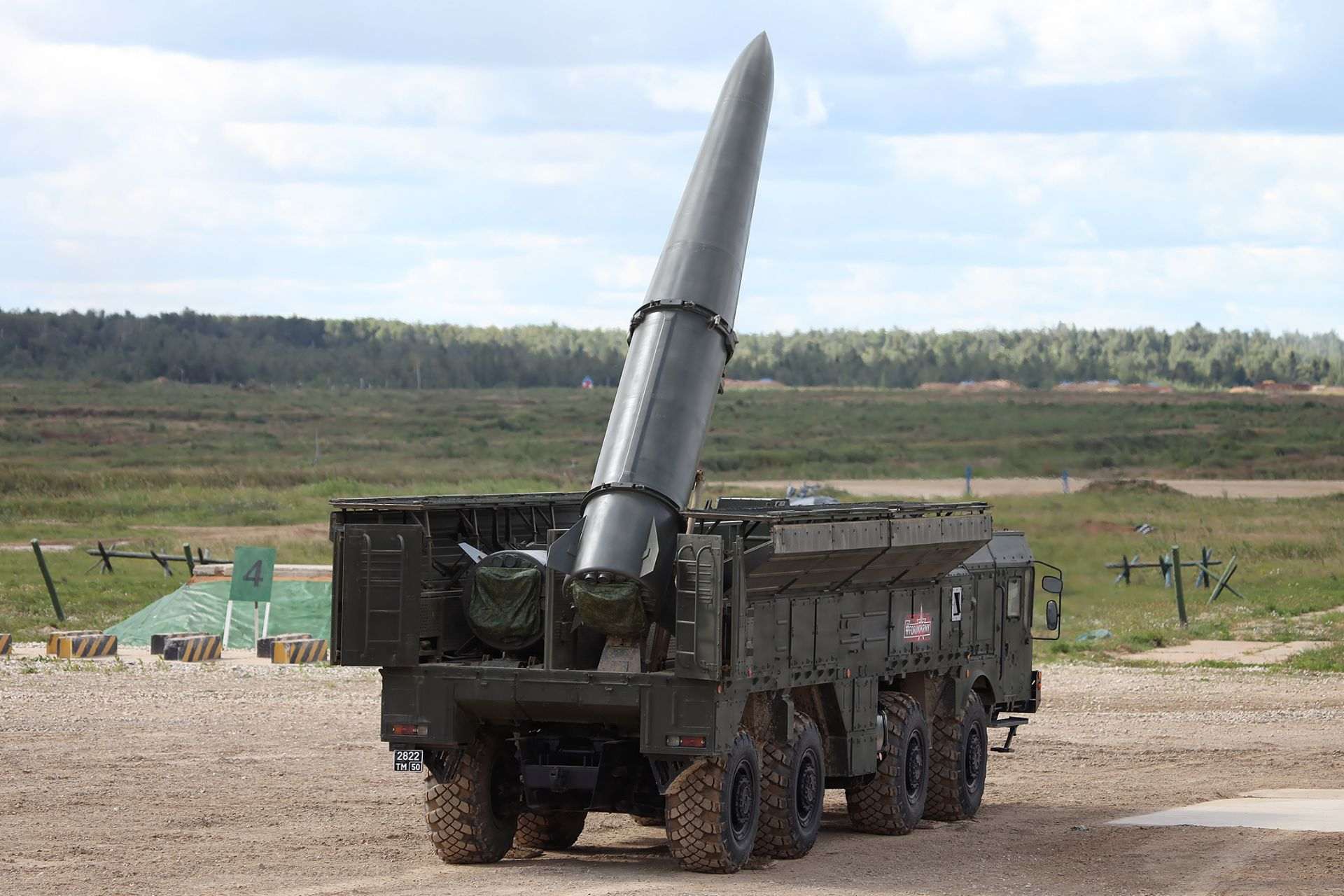
Belarus notably possesses Russian Iskander-M launchers and missiles capable of being equipped with nuclear warheads (Picture source: Vitaly V. Kuzmin)
This nuclear deployment aligns with a significant revision of Russia’s nuclear doctrine, which now explicitly includes Belarus under Moscow’s "nuclear umbrella." This marks a historical shift for Minsk, which relinquished its nuclear arsenal following the dissolution of the Soviet Union in 1991. At that time, Belarus transferred its nuclear weapons to Russia and joined the Treaty on the Non-Proliferation of Nuclear Weapons (NPT) as a non-nuclear state. However, recent events, including a 2022 constitutional referendum that removed Belarus’ nuclear-free status, have paved the way for this return to hosting nuclear capabilities.
President Lukashenko stated that these weapons were transferred discreetly, avoiding detection by Western intelligence agencies. He emphasized their defensive role against potential threats, particularly from Belarus’ borders. This strategy relies on Iskander ballistic missiles, capable of carrying nuclear warheads, as well as fighter jets equipped with nuclear bombs. These systems enable rapid targeting of potential positions in Ukraine or NATO member states, enhancing the deterrence capabilities of the Russo-Belarusian alliance.
In addition, Lukashenko revealed preparations are underway for the deployment of the Oreshnik hypersonic ballistic missile in 2025. Capable of carrying multiple warheads and reaching speeds exceeding Mach 10, this system is designed to evade missile defense systems, offering Russia an unparalleled strategic advantage. Russian President Vladimir Putin has highlighted the conventional power of the Oreshnik, stating its destructive capability rivals that of nuclear strikes. While control of these weapons will remain with Moscow, Minsk will be involved in selecting targets, further integrating the military strategies of the two nations.
The Oreshnik missile represents a notable development in Russia's strategic arsenal. With hypersonic capabilities and an estimated range of 1,000 to 5,500 kilometers, it can strike critical infrastructure across Europe and parts of Asia. Equipped with multiple independently targetable reentry vehicles (MIRVs), it can deliver conventional or nuclear warheads to several targets simultaneously with precision. First used operationally in November 2024 during the conflict in Ukraine, the missile demonstrated its strategic potential in a strike against an industrial facility. Although the warheads used were inert, the kinetic energy generated by the hypersonic speed caused significant damage, showcasing its effectiveness as both a tactical weapon and a tool of strategic deterrence.
Lukashenko also noted that Belarus has retained dozens of Soviet-era sites suitable for deploying such systems. These facilities, combined with local production of transport vehicles for ballistic missiles, underline Minsk’s commitment to strengthening its role within its strategic partnership with Moscow. This alliance, formalized through a recently signed mutual security treaty, aims to deter any external aggression, particularly from NATO.
The deployment of these systems, however, raises international concerns about regional stability and the risk of military escalation. While Moscow and Minsk assert that the measures are purely defensive, they represent a substantial increase in strategic pressure on Eastern Europe. Additionally, the recent lowering of Russia’s threshold for nuclear weapon use amplifies fears of potential conflict involving weapons of mass destruction.
The hosting of Russian nuclear weapons in Belarus and the planned deployment of Oreshnik missiles mark a significant evolution in regional security dynamics. For Minsk, these developments strengthen its strategic position alongside Moscow but also pose questions about its long-term sovereignty and security. As Belarus becomes an integral part of Russia’s nuclear strategy, these actions underscore growing tensions among major powers, signaling considerable challenges for international stability and security.
Belarus’ interest in hosting advanced missile systems such as the Oreshnik lies in its strategic value. By accommodating these advanced systems, Belarus enhances its military alliance with Russia, securing stronger defense guarantees amid growing tensions with NATO and Western nations. These weapons provide Minsk with a deterrent against potential foreign intervention and bolster its geopolitical leverage in international negotiations.
For European nations and NATO, the deployment of Oreshnik missiles in Belarus represents a significant escalation of threats near their eastern borders. These missiles, with their ability to carry nuclear warheads and strike at intermediate ranges, pose a risk to critical European infrastructure, altering the regional strategic balance. This development compels NATO to reassess its defense mechanisms and bolster its deterrent capabilities to counter this emerging threat. Furthermore, it could intensify an arms race in the region, increasing the potential for misunderstandings and unintended confrontations.

- Details
- Written by: Administrator
- Category: 2024
- Hits: 3208
Lithuania is poised to take a significant step in its defense modernization efforts by acquiring German-made Leopard 2A8 Main Battle Tanks (MBTs). On December 16, 2024, Lithuania's Minister of National Defence, Dovilė Šakalienė, will visit Germany to formalize the agreement. Šakalienė will meet with German Federal Minister of Defence Boris Pistorius and representatives from Germany’s security and defense industry during her visit.
Follow Army Recognition on Google News at this link
The Leopard 2A8 Main Battle Tank on display at Eurosatory 2024, showcasing advanced technologies such as the Trophy Active Protection System and enhanced situational awareness systems. (Picture source: Army Recognition Group)
The signing of the agreement marks a historic milestone for Lithuania, as the country currently has no main battle tanks in its military inventory. The addition of these tanks will substantially strengthen the Lithuanian Armed Forces and enhance its defensive capabilities.
This procurement decision reflects Lithuania’s ongoing efforts to modernize its armed forces and address the evolving security challenges in the region. Located on NATO's eastern flank, Lithuania faces heightened security concerns, particularly due to the persistent threat posed by Russia. By acquiring advanced tanks, Lithuania aims to bolster its national defense, act as a credible deterrent, and improve its ability to respond to potential threats. Tanks, combined with firepower, mobility, and protection, are a critical component in high-intensity conflicts and essential for ensuring territorial defense.
The Leopard 2A8 MBT (Main Battle Tank), the latest and most advanced variant of the renowned Leopard 2 series, was selected after extensive evaluation to meet Lithuania’s operational requirements. The tank features cutting-edge technology, including the Trophy Active Protection System (APS), which offers enhanced defense against modern anti-tank weapons, and an all-round situational awareness system that improves battlefield effectiveness. These tanks will significantly upgrade Lithuania's military capabilities, complementing existing equipment like the Boxer infantry fighting vehicles (IFVs).
Introducing main battle tanks will transform Lithuania’s military structure, enabling it to conduct more effective defensive and counter-offensive operations. These capabilities are particularly relevant in the open and forested terrain of the Baltic region, where the strategic use of heavy armor is crucial. Furthermore, the Leopard 2A8’s widespread use among NATO members ensures interoperability in multinational operations, strengthening Lithuania’s ability to coordinate with allies, particularly Germany.
In addition to enhancing Lithuania’s national defense, the acquisition underscores the country’s commitment to NATO and its role in regional security. The ongoing war in Ukraine has further highlighted the importance of robust conventional military capabilities, making this procurement even more urgent. Lithuania’s partnership with Germany, a leading NATO ally, has been instrumental in this acquisition. Speaking ahead of her visit, Šakalienė emphasized the importance of the alliance, stating: “We value Germany’s leadership in ensuring security and defense of our region. Germany is Lithuania’s strategic ally; cooperation commitments and priorities remain the same.”
This acquisition is part of a broader modernization effort by Lithuania, which has also initiated the procurement of Swedish CV-90 infantry fighting vehicles. These investments signal the country’s dedication to developing a robust and modern military force that addresses contemporary challenges.
The Leopard 2A8 tanks will significantly enhance Lithuania’s ability to participate in NATO operations and contribute to the alliance's collective defense posture. As Lithuania prepares to integrate these tanks into its arsenal, it takes a decisive step toward strengthening its military and solidifying its position as a key NATO member in the Baltic region.
- Details
- Written by: Administrator
- Category: 2024
- Hits: 4067
During a press conference on December 11, 2024, Deputy Pentagon Press Secretary Sabrina Singh announced that Russian President Vladimir Putin had publicly stated plans to conduct another test launch of the Oreshnik ballistic missile against Ukraine. While specific details of the test remain unclear, Singh indicated that the launch could take place "in the coming days," though no precise date has been provided by Russian officials.
Follow Army Recognition on Google News at this link
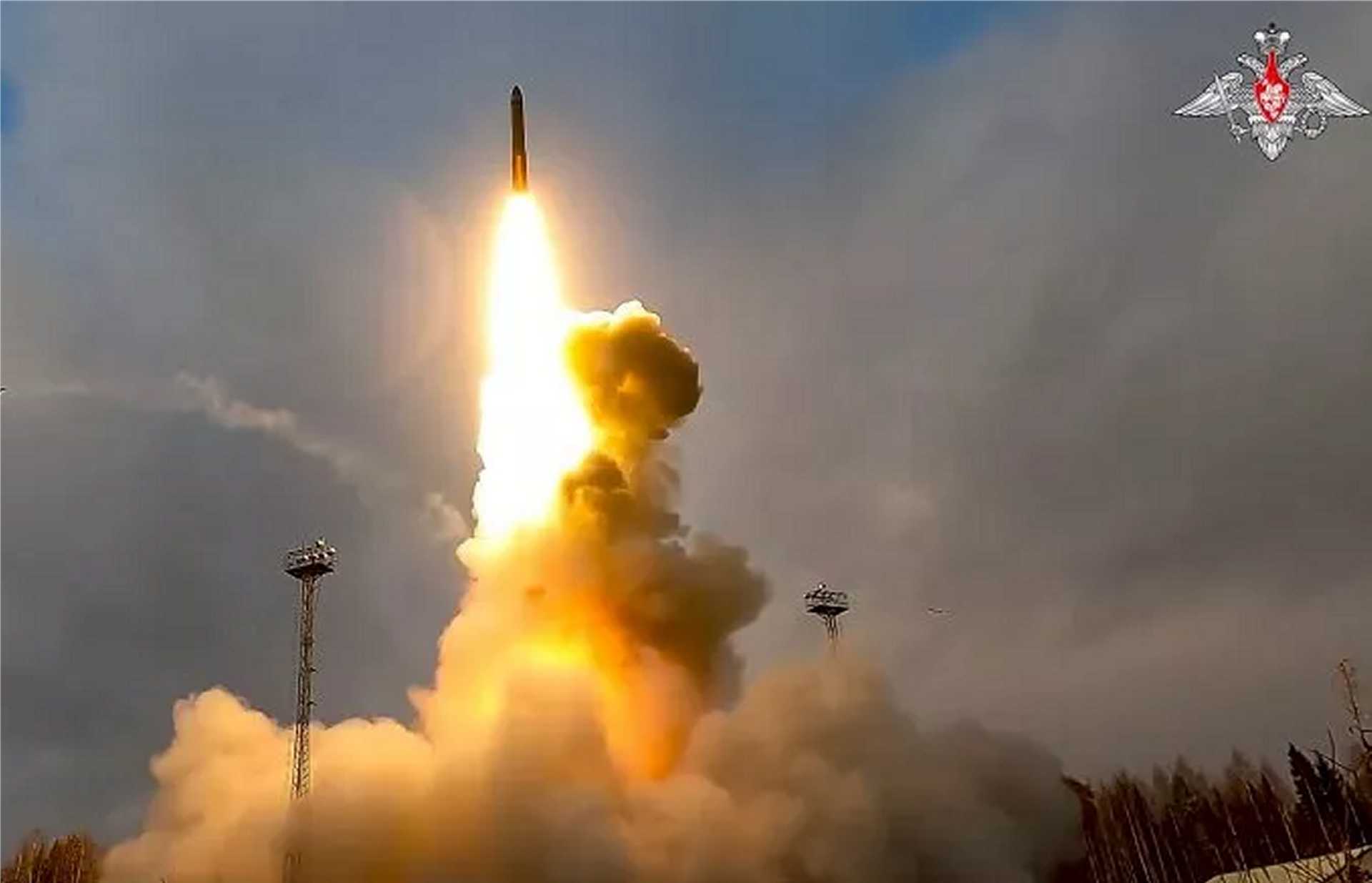
The Oreshnik ballistic missile is a next-generation Russian weapon believed to feature hypersonic capabilities, precision guidance, and the ability to carry multiple independently targetable reentry vehicles (MIRVs), making it a significant threat to both air defenses and strategic targets. (Picture source: Russian MoD)
The Oreshnik ballistic missile, an experimental weapon in Russia’s arsenal, has garnered significant attention within the global defense community. First introduced publicly as part of Russia’s advanced missile development programs, the Oreshnik is believed to be a precision-guided, hypersonic intermediate-range ballistic missile (IRBM) designed to enhance strike capabilities. It reportedly travels at speeds exceeding Mach 10, making it highly challenging to intercept with current defense systems. The missile is equipped with multiple independently targetable reentry vehicles (MIRVs), allowing it to carry several warheads—either conventional or nuclear—capable of striking multiple targets simultaneously. Its range is estimated to be between 1,000 and 5,500 kilometers, enabling it to reach targets across Europe and parts of Asia.
The Oreshnik saw its first confirmed operational use on November 21, 2024, during the Russo-Ukrainian War. The missile was employed in an attack on Ukraine's PA Pivdenmash facility in Dnipro. Initially, Ukrainian reports speculated that the attack involved an intercontinental ballistic missile; however, subsequent assessments identified the Oreshnik as the weapon used. The missile was launched from Astrakhan Oblast, likely the Kapustin Yar training ground. It reportedly carried a MIRV payload, as suggested by unverified footage. Later analyses indicated the strike may not have involved explosives and was potentially intended as a political demonstration.
According to senior Ukrainian officials, the missile was equipped with "dummy" warheads that lacked explosives, prompting U.S. experts to describe the method as an "expensive way to deliver not that much destruction." Despite that, a director at the Center for Strategic and International Studies said that Oreshnik's warheads, even inert, can cause "a lot of damage" because of the kinetic energy created by their hypersonic speed. The launch appears to have been conducted with a lofted trajectory. Eyewitness accounts described prolonged explosions lasting up to three hours.
Deputy Press Secretary Singh sought to temper speculation about the missile’s potential impact, emphasizing that it would not constitute a decisive shift in the ongoing conflict in Ukraine. "Should Russia choose to launch this type of missile, it’s not going to be a game changer on the battlefield," Singh said. "They’re trying to use every weapon in their arsenal to intimidate Ukraine. But Ukraine, with the United States and other partners around the world, continues to have our support as they fight every single day on the battlefield."
The United States and its allies have been steadfast in their military and economic support for Ukraine, supplying advanced weaponry, intelligence, and financial assistance to bolster Ukraine’s defense capabilities. Despite Russia’s efforts to escalate tensions through demonstrations of military power, Singh reaffirmed the commitment of Ukraine’s international partners to ensure its resilience and sovereignty.
The potential use of Oreshnik missiles poses significant threats to both Ukraine and Europe. For Ukraine, the missile’s high speed, precision, and ability to carry multiple warheads amplify the risks to critical infrastructure and civilian populations. Russia’s ability to conduct long-range strikes with near impunity challenges Ukraine’s air defense systems and could complicate ongoing counteroffensives. Beyond Ukraine, the missile’s range places much of Europe within reach, raising concerns about the broader security of NATO member states and the potential for escalations in the region. Additionally, the threat of Russia pairing hypersonic delivery systems with nuclear warheads heightens the strategic risk, forcing European nations to reassess their missile defense capabilities.
In conclusion, while the Oreshnik missile’s tactical value on the battlefield may be limited, its potential as a strategic weapon of intimidation underscores the need for continued vigilance and cooperation among Ukraine’s allies. The missile serves as a reminder of the evolving nature of modern warfare and the importance of maintaining robust defenses against emerging threats.
Read more: US says Russia plans Oreshnik ballistic missile test against Ukraine soon
- Details
- Written by: Administrator
- Category: 2024
- Hits: 10944
According to a statement published by the U.S. Department of Defense on December 12, 2024, the U.S. Army's Rapid Capabilities and Critical Technologies Office (RCCTO), in collaboration with the U.S. Navy Strategic Systems Programs (SSP), successfully conducted a critical end-to-end flight test of the "Dark Eagle" hypersonic missile at Cape Canaveral Space Force Station, Florida. This groundbreaking event highlights significant advancements in hypersonic technology, marking a major step toward operational deployment of a cutting-edge weapon system designed to reshape the battlefield.
Follow Army Recognition on Google News at this link
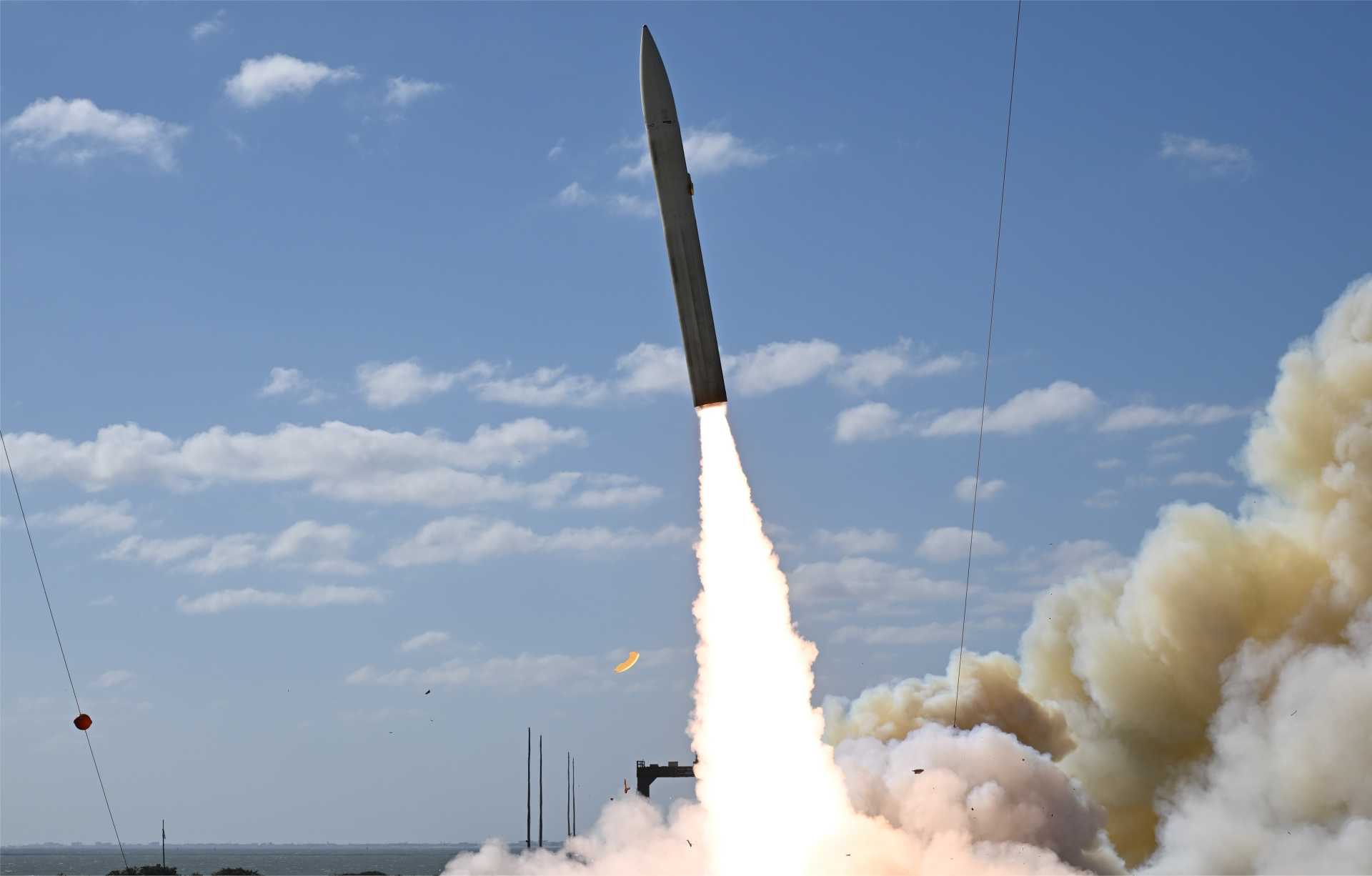
The U.S. Army, in partnership with the Navy's Strategic Systems Programs, successfully conducted a hypersonic missile test at Cape Canaveral Space Force Station, Florida, demonstrating advanced strike capabilities. (Picture source: U.S. DoD)
The test demonstrated the Common Hypersonic Glide Body (C-HGB), achieving hypersonic speeds exceeding Mach 5. With a reported operational range of over 2,775 kilometers (1,724 miles), the "Dark Eagle" missile offers the longest reach of any land-based strike system currently in the U.S. inventory. The weapon’s warhead is engineered to deliver immense destructive power, capable of neutralizing heavily fortified military installations, command centers, and critical infrastructure with pinpoint precision. This makes the missile a decisive asset in scenarios requiring rapid engagement of high-value, time-critical targets.
The hypersonic glide body also provides exceptional maneuverability and survivability. Its ability to evade advanced air defenses while maintaining precision targeting ensures its effectiveness in contested environments, such as anti-access/area denial (A2/AD) zones, where traditional strike capabilities face significant limitations.
This flight test marked the first live-fire event of the Long-Range Hypersonic Weapon (LRHW) system, integrating the Army's Battery Operations Center and a Transporter Erector Launcher. It also represents the second successful end-to-end flight test of the All Up Round (AUR) this year, further validating the readiness of this advanced weapon system for deployment. The collaboration between the U.S. Army and Navy underscores the importance of joint efforts in advancing hypersonic technology. Vice Adm. Johnny R. Wolfe Jr., Director of the Navy's Strategic Systems Programs, emphasized the significance of this partnership, stating, “This test is a demonstration of the successful Navy and Army partnership... to develop a transformational hypersonic weapon system that will deliver unmatched capability to meet joint warfighting needs.”
The missile’s shared design for both land and sea-based platforms is key to streamlining production and reducing costs. The Army’s "Dark Eagle" variant is set to deploy soon, while the Navy continues to integrate the Conventional Prompt Strike (CPS) system into surface and subsurface platforms, ensuring that both branches maintain a decisive edge against emerging threats.
Hypersonic systems such as the "Dark Eagle" are vital to the U.S. National Defense Strategy, offering a unique combination of speed, range, and precision that surpasses traditional weapon systems. Secretary of the Army Christine Wormuth noted, “This test builds on several flight tests... and demonstrates that we can put this capability in the hands of the warfighter.” Secretary of the Navy Carlos Del Toro highlighted the broader impact of hypersonic weapons, stating, “This test marks an important milestone... to integrate Conventional Prompt Strike into our Navy surface and subsurface ships to help ensure we remain the world's preeminent fighting force.”
The data gathered from this test will support the Army’s first operational deployment of the common hypersonic AUR in the near future, as well as the Navy’s sea-based fielding. This dual-service approach, leveraging joint test opportunities and shared systems, accelerates deployment timelines and ensures the weapon system is ready to counter rapidly evolving threats. The "Dark Eagle" hypersonic missile is poised to redefine modern warfare with its unmatched speed, precision, and adaptability. As a key component of the U.S. military’s strategic deterrence, it ensures the United States and its allies remain prepared to meet the challenges of the future battlefield while maintaining dominance over adversaries.
Globally, hypersonic weapons development has become a top priority for major military powers due to their game-changing capabilities. Russia and China have made significant advancements in this area, viewing hypersonic missiles as essential tools for offsetting the strategic advantages of the U.S. and NATO. Russia has already operationalized hypersonic systems such as the Avangard glide vehicle and the Kinzhal air-launched missile. These weapons are designed to counter U.S. missile defenses and give Moscow strategic and tactical leverage.
China, meanwhile, has focused on hypersonic systems like the DF-17 and other classified programs. The People's Liberation Army views hypersonic technology as critical to countering U.S. influence in the Indo-Pacific region, particularly in areas like Taiwan and the South China Sea. Chinese hypersonic missiles are seen as tools to deny U.S. forces access and ensure regional dominance.
Other nations, including India, Japan, and France, are also investing in hypersonic technology to ensure their militaries remain competitive. India’s collaboration with Russia on the BrahMos-II missile and its indigenous HSTDV program reflect its focus on enhancing strategic strike capabilities. Japan and France are pursuing hypersonic weapons primarily as deterrents against growing regional threats.
The global race for hypersonic technology is driven by the need for weapons capable of bypassing modern air and missile defenses, ensuring survivability and effectiveness in high-stakes conflicts. As these systems mature, they are expected to play an increasingly central role in shaping military strategies worldwide, making them a focal point in the evolving dynamics of global security.

- Details
- Written by: Administrator
- Category: 2024
- Hits: 5760
On December 6, 2024, the U.S. Army achieved a significant milestone in the evolution of its air and missile defense capabilities by conducting successful operational assessments of missile flight tests. The U.S. Army 3-43 Air Defense Artillery Battalion, working alongside the Army Test and Evaluation Command and the Program Executive Office Missiles and Space, tested the integration of the Lower Tier Air and Missile Defense Sensor (LTAMDS) with Patriot Advanced Capability-3 (PAC-3) interceptors.
Follow Army Recognition on Google News at this link
The LTAMDS Next-Generation Radar of the U.S. Army Will Replace the Old Patriot System to Offer Hypersonic and Ballistic Missile Interception. (Picture source: U.S. DoD)
LTAMDS (Lower Tier Air and Missile Defense Sensor ) successfully detected, tracked, and classified Short-Range Ballistic Missile (SRBM) and Low-Altitude Cruise Missile threat surrogates during the tests. Integrated with the Integrated Air and Missile Defense Battle Command System (IBCS), the sensor enabled precise engagement solutions, allowing the Patriot PAC-3 surface-to-air missiles to neutralize the threats successfully. The engagements utilized LTAMDS’ primary array data in 360-degree surveillance mode, demonstrating the system's advanced detection and tracking capabilities.
Integrating LTAMDS with PAC-3 represents a major technical leap compared to the legacy Patriot radar system. LTAMDS provides 360-degree radar coverage, addressing the Patriot radar’s forward-facing field of view limitations. This expanded coverage is achieved through its primary front-facing radar array and two rear-facing secondary arrays, enabling seamless threat detection from any direction. This capability is particularly critical against multi-axis attacks, where adversaries launch simultaneous threats from multiple directions, including low-altitude, terrain-following cruise missiles and hypersonic glide vehicles that exploit radar blind spots.
Regarding engagement capabilities, LTAMDS enhances the performance of the PAC-3 missile system in several key ways. One of the primary advancements is its increased detection range, which allows earlier threat identification. The PAC-3 interceptor benefits from this extended range by having more time to calculate optimal intercept trajectories, particularly against fast-moving threats like short-range ballistic missiles (SRBMs). The LTAMDS radar also provides higher-resolution tracking data, enabling the PAC-3 to target threats with pinpoint accuracy, even when engaging small, high-speed projectiles.
Another critical feature of LTAMDS is its ability to handle multi-target engagements simultaneously. Its advanced radar architecture enables this capability to track and prioritize multiple threats in real time. When integrated with IBCS, the system can allocate PAC-3 interceptors efficiently, ensuring the highest-priority threats are neutralized. This is a significant improvement over the legacy Patriot system, which has more limited multi-target tracking and engagement capacity.
The PAC-3 air defense missile system is highly advanced for precision engagements against ballistic and cruise missiles. When paired with LTAMDS, it gains even greater efficiency. For example, LTAMDS’ superior data fusion capabilities enable the PAC-3 to adjust its trajectory mid-flight based on real-time updates. This capability, known as midcourse guidance updates, ensures the interceptor remains on target even if the threat changes direction or speed. Additionally, LTAMDS improves the interceptor's ability to counter maneuverable targets, such as hypersonic weapons, by providing continuous tracking and predictive analysis of the target's path.
In terms of fire control, LTAMDS’ ability to operate in 360-degree surveillance and engagement mode allows for flexible placement of air defense units. The legacy Patriot radar required careful alignment to face anticipated threat directions, whereas LTAMDS reduces this limitation, allowing the system to remain effective even if threats originate from unexpected angles. This enhances the operational resilience of air defense units in dynamic battlefield environments.
Moreover, LTAMDS supports dispersed operations through its integration with IBCS. By networking multiple sensors across a wider area, LTAMDS enables the PAC-3 interceptors to engage threats using data from geographically distant sensors. This increases the engagement envelope of the PAC-3 system, allowing it to protect larger areas and multiple critical assets simultaneously.
In terms of protection for the U.S. Army, this enhanced engagement capability translates into several significant advantages. With LTAMDS, air defense units can now intercept a broader range of threats at greater distances, providing better layered defense for troops, infrastructure, and civilian populations. The ability to track and engage hypersonic weapons, a critical challenge for traditional systems, ensures the Army remains equipped to address the next generation of missile threats. Additionally, the combination of LTAMDS’ advanced radar capabilities with the PAC-3’s high precision and maneuverability ensures higher interception success rates, even in saturated attack scenarios involving multiple and simultaneous incoming threats.
This technical integration marks a transformative step in modernizing the U.S. Army's air and missile defense architecture. By replacing the aging Patriot radar with LTAMDS, the U.S. Army gains a sensor system that provides superior detection and tracking capabilities and the ability to engage the most advanced threats of today and the future. The successful operational assessment tests underscore LTAMDS’ critical role in enhancing the Patriot PAC-3 air defense missile system, positioning the U.S. Army as a leader in cutting-edge air and missile defense technology.

- Details
- Written by: Administrator
- Category: 2024
- Hits: 4983
The British Army has taken a bold step in strengthening the protection of its combat units by successfully testing a mobile High-Energy Laser (HEL) weapon system mounted on the Wolfhound armored vehicle. Conducted at Radnor Range in Wales in October 2024, the trials showcased the effectiveness of this advanced weapon in destroying hovering drones mid-flight. This historic achievement, marking the first time the British Army has fired a laser weapon from an armored platform, highlights the Ministry of Defence's determination to equip its forces with cutting-edge technology for modern warfare.
Follow Army Recognition on Google News at this link
Partially destroyed drones following successful High-Energy Laser weapon trials by the British Army, mounted on a Wolfhound armored vehicle, at Radnor Range, Wales, demonstrating its effectiveness in real combat conditions. (Picture source: British MoD)
The Wolfhound armored vehicle was chosen as the platform for this revolutionary system, emphasizing its operational importance on the modern battlefield. The Wolfhound, a heavily protected troop carrier and logistics vehicle, is known for its durability, mobility, and adaptability in combat environments. By integrating the HEL (High-Energy Weapon) laser weapon system onto this proven platform, the British Army is demonstrating the versatility of the Wolfhound as not just a troop transport but also a multi-role combat vehicle capable of hosting advanced weapons. The vehicle’s ability to provide mobility and stability for the laser system makes it an ideal choice for countering fast-moving aerial threats like drones, especially in dynamic operational scenarios.
Drones have emerged as a critical threat on today’s battlefields, with their use in surveillance, targeting, and even offensive strikes becoming increasingly common. The war in Ukraine has provided stark lessons about the devastating potential of drone swarms, as both sides have deployed these unmanned systems in large numbers to overwhelm defenses and inflict significant damage. The British Army’s HEL system directly addresses this challenge. Its ability to track and destroy drones with precision and at the speed of light offers a decisive edge in countering such threats. Unlike traditional anti-drone weapons that rely on ammunition, the laser weapon system delivers energy to targets, making it cost-effective, sustainable, and logistically advantageous in prolonged engagements.
Integrating the HEL system into the Wolfhound also reflects the growing emphasis on mobility and adaptability in modern conflict. Future battlefields are expected to demand highly effective weapons and systems that can be deployed rapidly and operated in various environments. With its robust design and off-road capabilities, the Wolfhound ensures that the HEL system can be deployed wherever needed, from urban centers to remote terrains. This flexibility is crucial for ensuring that combat units are protected from aerial threats while maintaining their ability to maneuver and sustain operations.
The importance of such technology has been underscored by the lessons learned from the ongoing conflict in Ukraine, where drones have played a pivotal role in shaping the battlespace. Adversaries increasingly employ drones to conduct reconnaissance, direct artillery strikes, and execute kamikaze-style attacks. Countering these threats has proven challenging, particularly for units operating near the front lines. The High-Energy Laser system provides a silent, precise, and effective solution to these threats, ensuring that combat units are shielded from harm and can maintain their operational effectiveness.
The HEL system also addresses a broader strategic need for the British Army to remain at the forefront of military innovation. Directed-energy weapons like the HEL are expected to play a central role in future conflicts, not only for their ability to neutralize drones but also for their potential to counter more advanced threats, such as incoming missiles or mortar rounds. By investing in this technology now, the British Army is preparing its forces for the challenges of tomorrow’s wars while enhancing their survivability in today’s complex operational environments.
The collaborative effort behind the HEL system is another key element of its success. Developed under the Team Hersa initiative, which brings together Defence Equipment & Support (DE&S), the Defence Science and Technology Laboratory (Dstl), and an industry consortium led by Raytheon UK, the project represents a seamless partnership between government and industry. This cooperation ensures that the British Army has access to the best technologies and expertise, enabling rapid development and deployment of innovative solutions like the HEL system.
The trial conducted by soldiers from the 16 Royal Artillery demonstrated the HEL system’s ability to acquire, track, and destroy multiple hovering drones under realistic conditions. These results validate the system’s effectiveness as a critical countermeasure against unmanned aerial systems (UAS), which have become a ubiquitous feature of modern conflicts. Moreover, the choice of a laser weapon underscores the British Army’s commitment to adopting sustainable and scalable solutions. Unlike traditional kinetic weapons, lasers do not rely on finite ammunition supplies, making them both economically and operationally advantageous.
Looking ahead, the HEL system will undergo further testing and refinement to enhance its capabilities and readiness for active deployment. As threats continue to evolve, the British Army’s investment in mobile laser weapon systems signals a forward-thinking approach to protecting combat units and maintaining a technological edge over adversaries. Combining the HEL system’s advanced technology and the Wolfhound’s battlefield-proven performance ensures that the British Army is well-prepared to counter emerging threats while safeguarding its troops in future conflicts.
In an era where drones and other asymmetric threats are reshaping the dynamics of warfare, the successful integration of the High-Energy Laser weapon system onto the Wolfhound represents a crucial step forward. This innovation not only enhances the protection of British combat units but also demonstrates the UK’s leadership in military technology, positioning it as a key player in shaping the future of battlefield defense.

- Details
- Written by: Tkuhn
- Category: 2024
- Hits: 7812
The M2 Bradley Fighting Vehicle, introduced in 1981, continues to showcase its relevance on modern battlefields, with its robust firepower, exceptional survivability, and cross-country mobility earning it high praise, particularly in Ukraine. Despite its age, the Bradley remains a vital asset for mechanized infantry and armored cavalry units, demonstrating its adaptability and resilience in diverse combat scenarios.
Follow Army Recognition on Google News at this link
Praised for its firepower and mobility, the Bradley Fighting Vehicle proves its worth on Ukraine's battlefields, but emerging threats like drones and advanced missiles highlight the need for modernized protection. (Picture source: US DoD)
On the frontlines in Ukraine, the Bradley has become a favored vehicle among Ukrainian infantry soldiers. Its 25mm Bushmaster chaingun, dual TOW anti-tank missile launchers, and 7.62mm machine gun deliver devastating firepower. Ukrainian troops commend its survivability and ability to traverse challenging terrains, providing critical support against Russian forces.
However, the conflict in Ukraine has also highlighted the evolving nature of battlefield threats. Drones, loitering munitions, and advanced anti-tank missiles are increasingly employed by adversaries, posing significant challenges to the Bradley's existing protective capabilities. While the vehicle has been upgraded over the years, these emerging threats underscore the need for additional enhancements to maintain its effectiveness.
The Bradley’s longevity is a testament to its ability to evolve. Over its four decades of service, it has undergone numerous upgrades to address vulnerabilities and incorporate advanced technologies. Features like GPS systems, improved ammunition storage, and redesigned seating have kept the platform relevant.
Despite its success, the U.S. Army recognizes the need for a modern replacement and is developing the XM30 Mechanized Infantry Combat Vehicle. However, recent contracts for upgraded M2A4 variants indicate that the Bradley will continue to play a critical role for years to come. In September, BAE Systems secured a $440 million contract to produce over 200 A4 variants, featuring updated armor, electronics, and weapon systems to meet contemporary demands.
While the Bradley has proven its worth time and again, the Ukrainian conflict highlights areas where its protection needs reinforcement. Drones and loitering munitions have emerged as significant threats, capable of targeting vulnerable points on armored vehicles. Additionally, new-generation anti-tank guided missiles (ATGMs) with enhanced penetration capabilities pose challenges that the Bradley’s current armor may struggle to counter.
To address these threats, future upgrades must prioritize advanced countermeasures, such as active protection systems (APS), improved sensors, and enhanced electronic warfare capabilities. Strengthening the Bradley’s defensive suite is crucial to ensuring its continued effectiveness in high-intensity conflicts.
The Bradley Fighting Vehicle has built a legendary reputation over its 43 years of service. From the deserts of Iraq to the battlefields of Ukraine, it has consistently demonstrated its ability to protect troops and deliver decisive firepower. Despite its age, the vehicle remains a cornerstone of U.S. and allied mechanized forces, complementing the M1 Abrams in combined arms operations.
While the eventual introduction of the XM30 will mark the next chapter in infantry fighting vehicles, the Bradley’s legacy is far from over. With targeted upgrades to address emerging threats, the Bradley will remain a formidable presence on the battlefield, supporting troops and contributing to mission success for years to come.
Read more: Why Bradley Fighting Vehicle Remains a Battlefield Favorite Despite Modern Challenges

- Details
- Written by: Vandenbosch
- Category: 2024
- Hits: 3893
The British Army has successfully deployed a laser weapon system mounted on an armored vehicle, marking the first operational use of such technology in the field. The High Energy Laser (HEL) demonstrator, developed through a collaboration between Defence Equipment & Support (DE&S), the Defence Science and Technology Laboratory (DSTL), and Raytheon UK, was successfully tested in October 2024 at Radnor Range in Wales.
The British Army has successfully deployed a laser weapon system mounted on an armored vehicle, marking the first operational use of such technology in the field. (Picture source: British DoD)
This test, a key step in the development of directed energy weapons, saw the laser mounted on a Wolfhound vehicle, an armored troop-carrying platform used by the British Army. Soldiers from the 16th Royal Artillery Regiment tracked and destroyed a series of drones in flight, demonstrating the HEL system’s effectiveness against unmanned aerial vehicles (UAVs) in real-world conditions. The ability to engage and neutralize aerial threats using a directed energy weapon marks a turning point in the Army’s approach to countering fast-moving and mobile targets like drones.
The test was made possible through collaboration between DSTL, DE&S, and Raytheon UK. Together, they developed the system as part of the UK Ministry of Defence’s efforts to explore advanced, cost-effective, and scalable technological solutions to protect military assets against growing drone threats. This success is part of Project Swinton, a demonstrator for the Directed Energy Weapon (LDEW) system, which showcases the viability of lasers as a future solution for countering uncrewed aerial systems (C-UAS).
The rise of drones during the Ukrainian conflict has marked a turning point in modern warfare, with thousands of drones used by both sides for reconnaissance, attack, and intelligence missions. These devices, often small and inexpensive, have allowed Ukrainian forces to conduct targeted strikes on strategic objectives while bypassing traditional defense systems. At the same time, drones have proven effective tools for harassing and disrupting enemy lines, offering an excellent cost-to-effectiveness ratio compared to larger conventional weapons. In the face of this growing threat, it has become imperative for armies to have access to low-cost, efficient solutions to counter drones, including loitering munitions and surveillance UAVs. Technologies such as directed energy weapons, capable of destroying drones in flight with a much lower cost per shot compared to traditional munitions, have thus become essential for ensuring the protection of armed forces against this new form of asymmetric warfare.
The LDEW system works by directing an intense beam of infrared light in the form of energy toward its target using advanced sensors and tracking systems, which maintain real-time accuracy and lock-on. For security reasons, it has not been revealed how long the beam must stay in contact with the target before it is destroyed.
Stephen Waller, the Directed Energy Weapons Team Leader at DE&S, noted, “This is still an emerging technology, but the world has changed, and we are seeing more drones in the battlespace. This requires a more cost-effective solution to protect our troops.” Indeed, cheaper drone technologies are now available on the market thanks to advancements in the commercial sector. These drones can be used for intelligence, surveillance, and reconnaissance missions, but as inexpensive loitering munitions, they present a significant cost gap compared to the larger armored vehicles they disable.
This is particularly evident in Ukraine, where defense officials have confirmed that Ukrainian forces have deployed over 1.2 million drones in the last 11 months against invading Russian forces. By the end of 2024, they added, another 100,000 units are planned for delivery. In light of this reality, solutions like the LDEW system present a critical potential response to the growing drone threat.
The successful test at Radnor Range is not only a technical victory but also a strong signal of the British Army’s intention to continue investing in advanced defense technologies. By integrating directed energy weapon systems into armored vehicles like the Wolfhound, the Army is preparing for the future of defense vehicles, where the emphasis will be placed on advanced weapons and active defense solutions.
The trials at Radnor Range are part of a larger program aimed at evaluating the effectiveness of these technologies in real combat scenarios. The deployment of laser weapons could indeed revolutionize the way armies around the world respond to emerging aerial threats while reducing the costs and risks associated with traditional defense methods. The British Army, through partnerships such as those between DSTL, DE&S, and Raytheon UK, continues to demonstrate its commitment to staying at the forefront of defense innovation.

- Details
- Written by: Vandenbosch
- Category: 2024
- Hits: 4021
The Czech Republic has reached an agreement with Rheinmetall for the delivery of an additional 14 Leopard 2A4 tanks, as part of a contract valued at approximately €161 million, the company announced on December 11, 2024. The new tanks, primarily sourced from Swiss military stocks, will be refurbished and customized to meet the specific needs of the Czech Armed Forces.
The Czech Republic has reached an agreement with Rheinmetall for the delivery of an additional 14 Leopard 2A4. (Picture source: Rheinmetall)
The contract was signed by Dr. Björn Bernhard, CEO of Rheinmetall Landsysteme GmbH, and Lubor Koudelka, Director General of the Armaments and Acquisition Division of the Czech Ministry of Defence. The agreement includes not only the tanks but also a comprehensive package of ammunition and logistical support. These measures are designed to ensure the long-term operational readiness of the Czech military’s Leopard 2A4 fleet.
This order complements two previous "ring swap" agreements, in which the Czech Republic provided Leopard 2A4 tanks to Ukraine in exchange for older equipment. By the end of 2026, the Czech Armed Forces will have 42 Leopard 2A4 tanks, along with two Büffel 3 armored recovery vehicles.
The Leopard 2A4 is a main battle tank developed in Germany and widely used by numerous countries around the world, including European nations like Austria, Finland, and Poland, as well as countries such as Chile and Ukraine. It is designed to provide a combination of firepower, protection, and mobility on the battlefield. The Leopard 2A4 is armed with a 120mm L55 smoothbore gun, capable of firing a wide range of ammunition, accompanied by a 7.62mm coaxial machine gun and another 7.62mm machine gun mounted on the loader's hatch, primarily used for defense against aerial threats.
In terms of protection, the Leopard 2A4 is equipped with standard-spaced multilayer armor, with enhancements to the front turret for increased resistance to enemy fire. The interior of the turret features spall liners to protect the crew from penetrating projectiles. The tank is also equipped with an infrared night vision system and an NBC (nuclear, biological, and chemical) protection system, ensuring its effectiveness in various environments and combat conditions.
Weighing 62,000 kg in combat conditions, the Leopard 2A4 offers both protection and mobility. It has a maximum road speed of 72 km/h and can cover up to 500 km on a full tank of fuel. The tank is designed to be highly maneuverable while delivering exceptional firepower and protection. With a crew of four, it measures 7.70 meters in length, 3.70 meters in width, and 3.00 meters in height, allowing it to operate efficiently while maintaining a relatively low profile on the battlefield.
The acquisition of these new tanks marks an important step in the modernization of the Czech Republic's armored forces, completing the transition of its 73rd Armored Battalion from Soviet-era tanks to German-made Leopard 2A4s. This ongoing upgrade reflects the Czech military’s commitment to enhancing its defense capabilities and improving interoperability with NATO forces.
The tanks will undergo a complete refurbishment and adaptation to meet the Czech Republic’s specific requirements, ensuring full operational capability by the scheduled delivery date. With this order, the Czech Republic further strengthens its position within NATO’s defense framework, enhancing both its military capabilities and its role in regional security.
Read more: Rheinmetall Confirms Order of Leopard 2A4 Tanks from Czech Republic
- Details
- Written by: Halna du Fretay
- Category: 2024
- Hits: 3093
In a strategic effort to maintain a robust and technologically advanced ground force, the U.S. Army has signed a $656.2 million contract with BAE Systems Land & Armaments L.P., based in York, Pennsylvania. The contract focuses on upgrading Bradley Infantry Fighting Vehicles to the new M2A4 and M7A4 variants. These upgrades are funded through the Ukraine Supplemental Appropriations Act, aimed at replacing equipment transferred to Ukraine while bolstering the capabilities of U.S. forces.
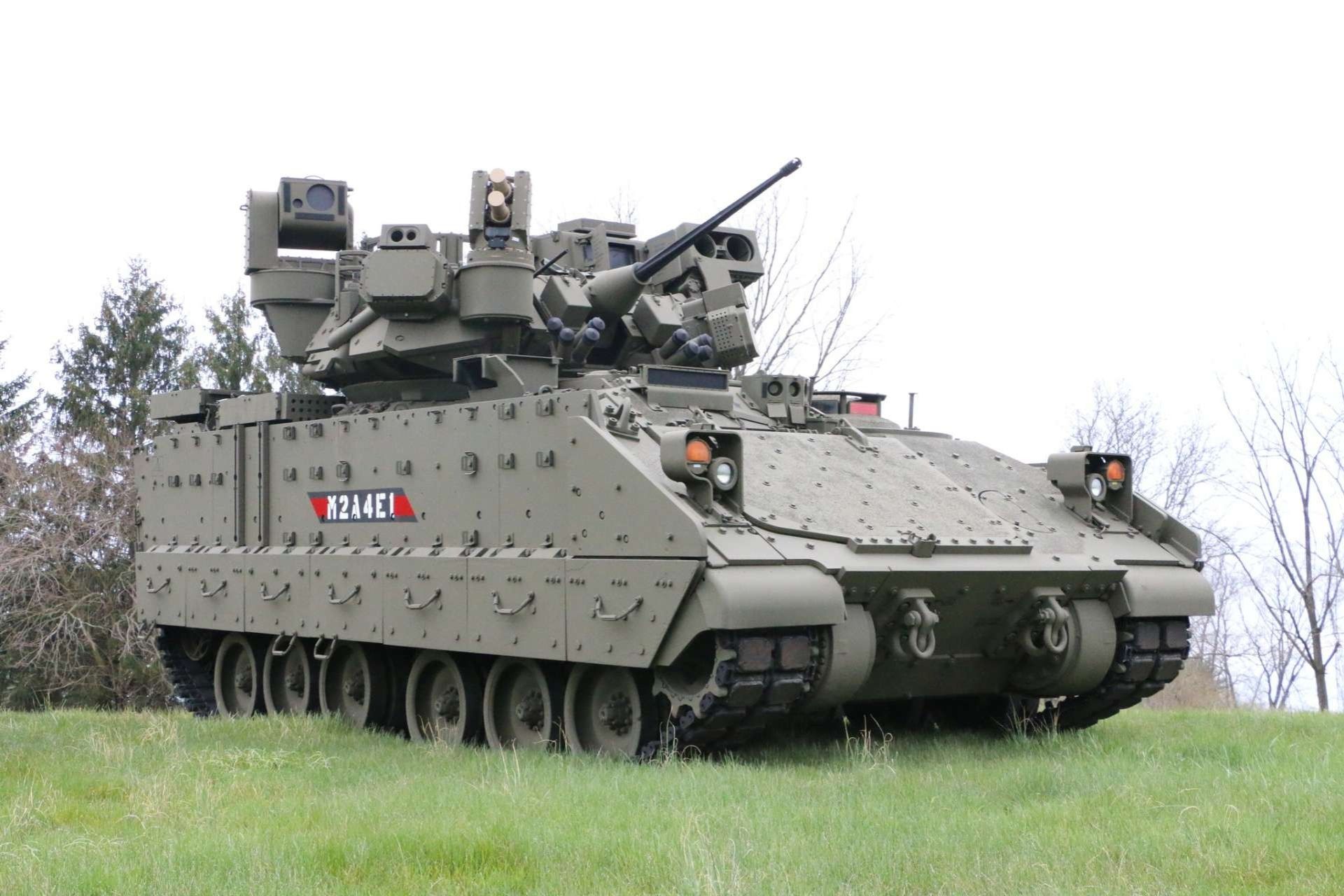
The newly awarded contract does not include direct deliveries to Ukraine but focuses on restoring the U.S. Army's inventory by upgrading existing Bradleys already in service or reserve (Picture source: BAE Systems)
Since the onset of the conflict in Ukraine, the United States has delivered over 300 Bradleys to Kyiv to support its military operations. These vehicles, older variants such as the M2A2 ODS and M2A3 models, have provided Ukraine with critical armored support. However, the transfers have reduced the U.S. Army’s stock. The newly awarded contract does not include direct deliveries to Ukraine but focuses on restoring the U.S. Army's inventory by upgrading existing Bradleys already in service or reserve.
At the center of this modernization effort is the M2A4E1 variant, which incorporates advanced technologies. It is equipped with the Iron Fist active protection system, developed by Elbit Systems and integrated by General Dynamics Ordnance and Tactical Systems. This system detects and neutralizes threats such as anti-tank missiles, rocket-propelled grenades, and drones using AESA radars and infrared cameras to guide explosive countermeasures. This technology enhances vehicle protection against sophisticated threats deployed by state and non-state actors.
Additional upgrades to the M2A4E1 include a proven chassis to enhance crew survivability, improved mobility for navigating complex terrains, and a climate control system designed to reduce heat stress in extreme conditions. Its main armament includes a 25 mm Bushmaster chain gun and a 7.62 mm coaxial machine gun, providing firepower suitable for modern combat requirements. Enhanced sensors, including a high-definition infrared camera and advanced targeting systems, improve situational awareness and operational effectiveness.
The contract, awarded through an online solicitation that received a single bid, ensures progressive deliveries through late November 2027. The U.S. Army Contracting Command at Detroit Arsenal in Michigan is overseeing this initiative, which is critical to maintaining readiness and modernizing ground forces.
This program addresses dual objectives: ensuring the Army's operational capabilities remain intact despite equipment transfers to Ukraine and advancing its technological and tactical capacities. BAE Systems, a longstanding partner of the U.S. Army, is leveraging its expertise to execute this program effectively.
As battlefield threats evolve, integrating advanced technologies like the Iron Fist system and enhanced targeting capabilities in the Bradley M2A4E1 helps the U.S. Army address emerging challenges. This contract underscores the Army's efforts to sustain and modernize its armored vehicle fleet while adapting to current geopolitical realities.
Read more: US Army Selects BAE Systems to Upgrade its Bradleys and Offset Transfers to Ukraine

- Details
- Written by: Jérôme Brahy
- Category: 2024
- Hits: 4822
On December 4, 2024, ARX Robotics, a defense company based in Munich, introduced the ARX Mithra OS, which it describes as the first independent AI-based operating system for military vehicles. The system is designed to modernize existing fleets by converting them into autonomous and interconnected units while ensuring integration with current defense and commercial operations. The platform focuses on enabling armed forces to enhance mission flexibility and adaptability without requiring the replacement of existing equipment.
Follow Army Recognition on Google News at this link
The Mithra OS includes a retrofit feature that equips conventional vehicles with AI-based capabilities, including adaptive navigation, autonomous reconnaissance, and remote operation, reducing the need for human involvement. (Picture source: ARX Robotics)
The Mithra OS includes a Legacy Autonomy Kit, a retrofit feature that equips conventional vehicles with AI-based capabilities. These upgrades include adaptive navigation, autonomous reconnaissance, and remote operation, reducing the need for human involvement. The system supports both manned-unmanned and unmanned-unmanned teaming, allowing for enhanced safety and operational efficiency. Another feature, the Interconnectivity & Swarming Pilot, enables vehicles to exchange data in real-time and conduct synchronized operations, while the Situational Awareness Suite integrates sensors for real-time monitoring and data processing to improve battlefield intelligence.
In manned-unmanned teaming, unmanned units perform tasks such as reconnaissance, casualty evacuation, and intelligence sharing. In unmanned-unmanned teaming, it facilitates the coordination of unmanned ground and aerial vehicles for missions like perimeter security and combined reconnaissance. Additionally, Mithra OS enables autonomous missions, including reconnaissance in high-risk areas and mine-clearing operations, aimed at reducing threats and improving safety for advancing forces. The Mithra OS also has applications in non-military contexts, offering tools to enhance productivity and flexibility in commercial operations. The platform’s modular and scalable design allows for integration into autonomous and connected systems across different sectors.
ARX Robotics highlights that the system is compatible with legacy systems and includes over-the-air update capabilities. This ensures that existing fleets can adapt to new technologies, potentially extending their service life. The modular approach is aimed at enabling operators to upgrade their fleets efficiently, addressing both current operational challenges and future requirements. According to Lieutenant General (Ret.) Frank Leidenberger, CEO of BWI, modernizing legacy equipment is a practical solution for addressing evolving warfare demands within budgetary constraints.
The development of AI-based operating systems for military vehicles reflects a global trend in modernizing armed forces. Germany’s Rheinmetall has partnered with U.S.-based Auterion to create standardized drone software aimed at enhancing interoperability among NATO allies. In the United States, Textron Systems and Kodiak Robotics are working on AI-powered autonomy for military ground vehicles, while Anduril Industries has developed the Lattice operating system to coordinate autonomous assets such as drones. Australia’s BAE Systems has introduced the ATLAS platform to integrate autonomy with existing military systems. China is advancing open-source projects like OpenHarmony, which supports applications in areas including satellite operations. These programs emphasize upgrading existing fleets rather than acquiring new platforms to address cost and operational efficiency considerations.
In recent years, several other systems that convert military vehicles into remotely operated or autonomous units have also been developed. Russia’s Rostec unveiled the Prometheus system in July 2023, which allows various vehicles to be controlled remotely. Milrem Robotics has developed the Intelligent Functions Kit, which provides vehicles with the ability to operate autonomously or via remote control. The U.S. Army has tested the Robotic Combat Vehicle–Light (RCV-L), a semi-autonomous system designed to improve battlefield mobility while reducing risks to personnel.
Russia’s efforts also include testing remote-controlled tanks, such as a modified Ukrainian T-72AMT, referred to as "Vasya," in the Zaporizhzhia region, as well as multiple variants of the T-72B3 Sturm, reportedly to compensate for personnel losses in the conflict. Additionally, Rostec announced plans to develop a robotic version of the Tornado-S 300mm Multiple Launch Rocket System (MLRS). This development builds on the modernization potential of the BM-30 Smerch platform and incorporates lessons from the Russo-Ukrainian war. Bekhan Ozdoev, Rostec’s industrial director, emphasized the role of robotic platforms in the next generation of MLRS technology.
The integration of artificial intelligence (AI) into existing military vehicles represents a significant advancement in defense capabilities, enhancing operational efficiency and adaptability. By retrofitting current assets with AI technologies, armed forces can achieve autonomous functionalities, improved situational awareness, and seamless coordination among units without the substantial costs associated with procuring new equipment. This approach not only extends the service life of existing fleets but also enables rapid adaptation to evolving threats and mission requirements. Global defense sectors are increasingly adopting AI retrofitting strategies, reflecting a broader trend toward cost-effective modernization and the strategic enhancement of military readiness.
- US Supplies Benin with Modern Puma 4x4 MRAPs to Counter Sahel Threats
- France's Uncertainty Amid Challenges for Future Main Ground Combat System
- US Army Increases Air Defense Against Drones and Missiles with New Battle Command System
- Greece Prioritizes M113 Modernization Over US Bradleys and French VBCIs