

- Details
- Written by: Halna du Fretay
- Category: 2024
- Hits: 3210










At a time when military technology is evolving rapidly, it is essential to recognise and understand military equipment. The MEGA-Army application, developed by the Belgian company IDDEA (International Digital Defense Equipment Agency), is an essential tool for recognition, training and improving situational awareness. All users have to do is upload or take a photo of military equipment, and thanks to artificial intelligence, the application instantly identifies and provides information on the different types of land-based military equipment, its capabilities and its origin. MEGA-Army offers three subscription levels to suit different user needs, enabling users to explore the full range of its functionalities. The application is available on the Apple Store and on Google Play.
Follow Army Recognition on Google News at this link
Discover the power of the MEGA-Army APP for 10€/month! Use your mobile to snap pictures of military equipment and instantly receive detailed combat capabilities. (Picture source: IDDEA)
Level 1: Basic Discovery and Identification For only 10€ per month or 100€ per year, users can access basic military equipment identification through AI-powered image recognition. This level allows up to 10 AI requests per day, ideal for occasional users who need to identify equipment such as tanks, armored vehicles, and artillery systems. Information provided includes the name, producing country, user countries, main weapons, mobility features, and onboard combat equipment.
Level 2: Advanced Recognition in Challenging Conditions With a subscription of 50€ per month or 500€ per year, this level is aimed at those who require advanced reconnaissance capabilities. This service can identify images taken in challenging conditions, such as low resolution, partially obscured equipment, or unusual angles. Users receive detailed information about the detected equipment, with a cap of 1,000 AI requests per month.
Level 3: Expert Access with Classified Data The most advanced level of the app is designed for professionals who demand extreme precision, including the identification of classified or rare equipment such as electronic warfare systems or air defense systems. This level uses state-of-the-art AI algorithms and access to classified databases to provide reliable and precise identification under all conditions. Pricing details for this level are not publicly specified and require direct consultation with IDDEA.
Why Choose MEGA-Army? MEGA-Army is not just an identification tool; it is a comprehensive educational resource and a decision support system that significantly enhances military operations and preparedness. Whether you are defense personnel, a military strategist, or an intelligence analyst, MEGA-Army provides the necessary information for quick and informed decision-making.
To discover how MEGA-Army can transform your approach to military equipment, consider trying the first level of subscription. It is an accessible way to understand the potential impact of this advanced technology in your daily or strategic operations.
The Mega-Army application is available on the Apple Store and on Google Play.
- Details
- Written by: Vandenbosch
- Category: 2024
- Hits: 10748
Romania is preparing to strengthen its defense capabilities with the potential acquisition of 300 to 500 K2 Black Panther tanks from South Korea. The South Korean media outlet MBC News suggests that a significant order could be placed with South Korean authorities following the successful testing of the K2 tank in Romania. This development marks a crucial step in military cooperation between the two countries, highlighting the growing importance of South Korean defense technology on the global stage.
Follow Army Recognition on Google News at this link
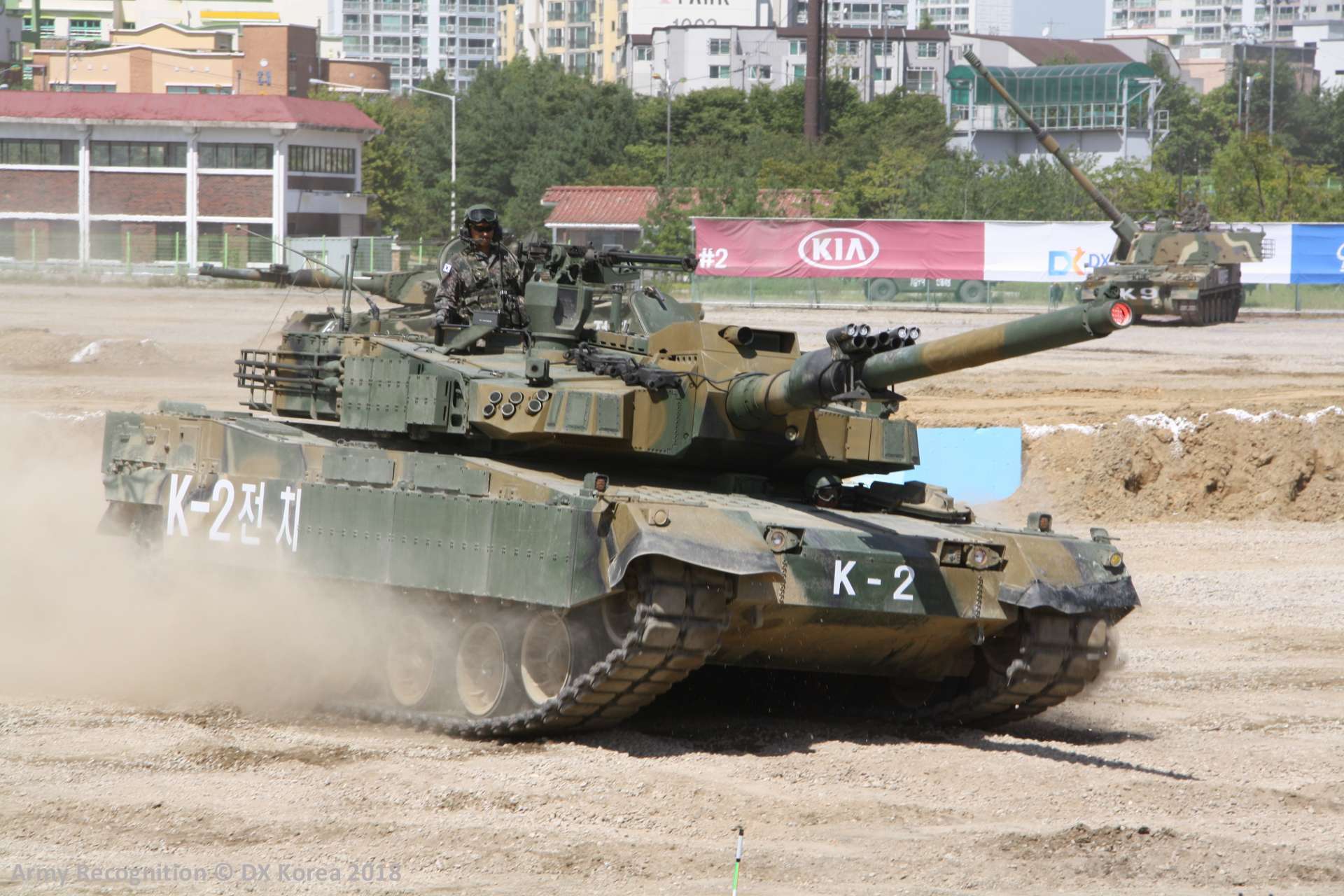
The K2 Black Panther is a South Korean Main Battle Tank. (Picture source: Army Recognition)
In 2022, the Romanian Ministry of Defense signed a defense cooperation agreement with Hyundai Rotem, the manufacturer of the K2 tanks. This agreement paved the way for Romania to potentially acquire these tanks as part of its military modernization efforts. After two years of discussions and preparations, a K2 tank was sent to Romania in March 2024 for live-fire testing, a critical phase before finalizing the agreement.
Live-fire testing is essential to evaluate the performance of the K2 tank under real combat conditions. For Romania, these tests will determine the suitability of the K2 tanks for its defense needs. The results of these tests will directly influence the number of tanks purchased, the total contract value, and the terms of industrial cooperation between the two countries.
Romania is considering the purchase of between 300 and 500 K2 tanks, with an initial batch of approximately 50 units. Unlike other similar agreements financed through loans, Romania plans to purchase these tanks with cash, demonstrating its commitment to quickly modernizing its armed forces. This financial strategy is made possible by the recent increase in Romania's defense budget, which has been multiplied by 2.5 times.
Romania's decision is strongly influenced by Poland's success in acquiring and deploying K2 tanks. Poland has provided a solid reference, boosting Romania's confidence in the performance of the K2 tanks. Additionally, the ongoing conflict in Ukraine and Romania's proximity to this conflict zone have heightened the need to strengthen its defense capabilities to respond to potential threats.
The K2 Black Panther is a cutting-edge combat vehicle designed by South Korea. It is armed with a 120mm main gun, a 7.62mm coaxial machine gun, and a 12.7mm heavy machine gun, allowing it to engage various types of battlefield targets. The K2's protection is ensured by composite armor and ERA (Explosive Reactive Armor) blocks, providing robust defense against various projectiles and explosive threats.
Used by South Korea and Poland, this tank weighs 55,000 kg, reflecting its heavy and well-protected structure. Designed by South Korea, the K2 can reach a maximum speed of 70 km/h, enabling it to move quickly across different terrains. Its operational range is 450 km, granting it significant autonomy during extended missions.
The K2 is equipped with a range of advanced accessories, including a sophisticated fire-control system, an active protection system, NBC (nuclear, biological, chemical) protection, day/night vision systems, thermal vision, an automatic fire suppression system, and a snorkel for underwater operations, enhancing its versatility on the battlefield.
The tank is operated by a crew of three and has dimensions of 10.7 meters in length, 3.6 meters in width, and 2.4 meters in height. These characteristics make the K2 a modern and high-performing tank, capable of meeting the demands of contemporary battlefields.
The potential acquisition of 300 to 500 K2 tanks by Romania represents a significant advancement in its defense strategy. This decision, influenced by Poland's positive experience and regional security challenges, underscores the strategic importance of the K2 tanks. The display of these tanks at the upcoming defense and aerospace exhibition in Bucharest will highlight their central role in Romania's military modernization efforts.
Read more: South Korea Could Export 300 to 500 K2 Tanks to Romania
- Details
- Written by: Halna du Fretay
- Category: 2024
- Hits: 5491
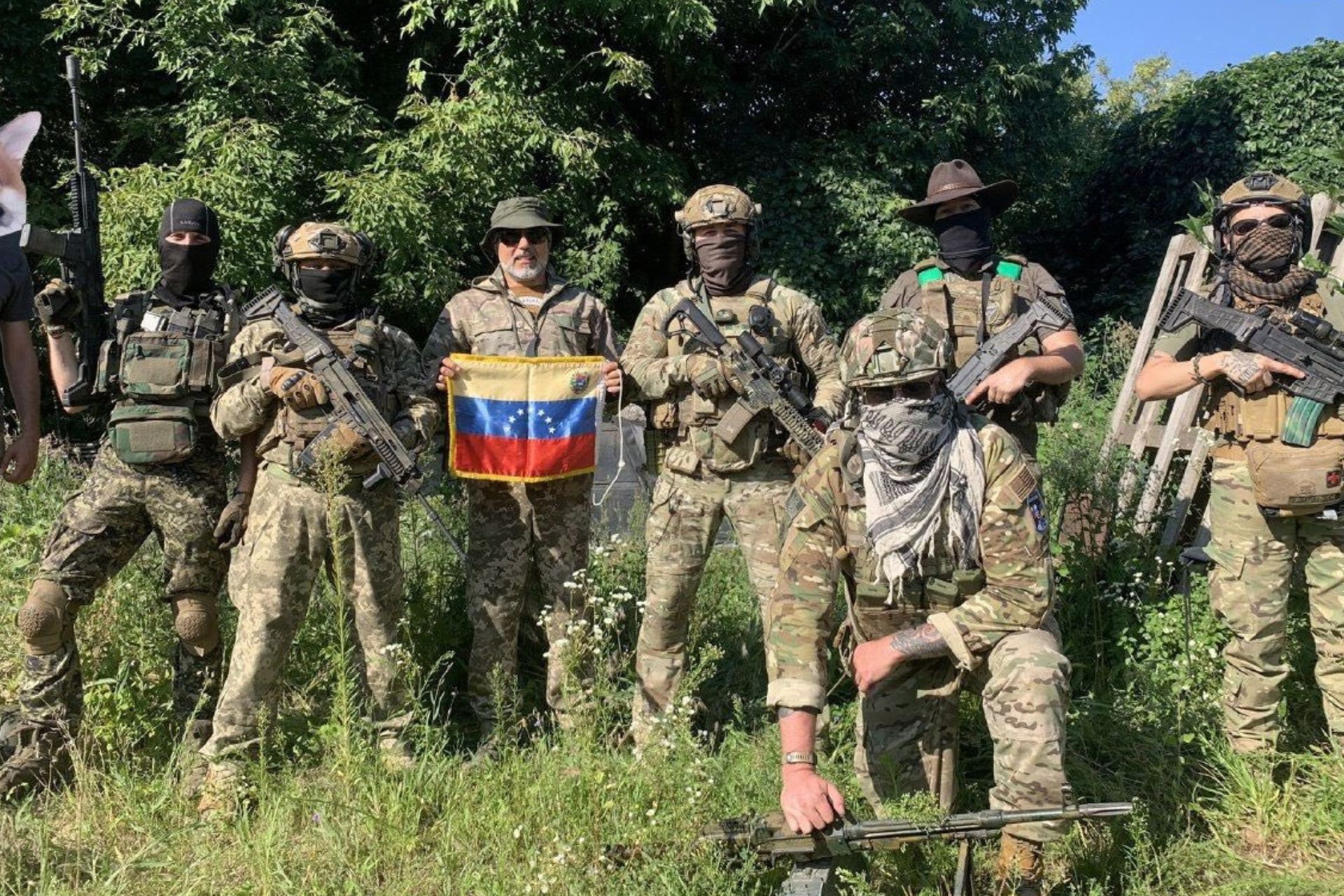
Within the Ukrainian Armed Forces, Colombian veterans are increasingly enlisting not as part of the International Legion but within regular brigades such as the 60th Mechanized Brigade. This influx of seasoned Colombian soldiers into the Ukrainian military framework highlights a unique trend influenced by Colombia's extensive history of militarization, a result of prolonged conflicts with guerrilla groups. Follow Army Recognition on Google News at this link
Colombian volunteers from the Bolivar Battalion, including volunteers from Brazil, Venezuela, and Bolivia, are fighting alongside Ukraine. (Picture source: Battalion Bolivar)
Colombian soldiers have gained considerable combat experience in their prolonged fight against narcotics traffickers, a conflict that has deeply marked the society and armed forces of the country. In often ruthless environments such as dense jungles and isolated mountainous regions, these soldiers have had to develop specific guerrilla, intelligence, and survival skills. These skills include not only close combat tactics but also sophisticated counter-insurgency strategies to dismantle drug trafficking networks.
The complexity of these operations has also required the ability to closely collaborate with other national and international agencies, highlighting the importance of coordination and communication in anti-narcotics efforts. This struggle has also involved psychological and social aspects, with soldiers often needing to secure the trust of local populations to effectively isolate narcotics traffickers. This background makes Colombian veterans valuable assets in conflict zones similar to Ukraine, where their expertise in combat and tactical operations can be directly applied.
According to the defense publication In Factum, the preference of many Colombian veterans to serve in regular units of the Ukrainian forces, rather than in international volunteer legions, underscores their desire to integrate more deeply into the military structure they join. This integration allows them to utilize their combat experience more effectively and contribute significantly to the operational capabilities of the Ukrainian forces.
The Foreign Legion in Ukraine, formally known as the International Legion of Territorial Defense of Ukraine, was established shortly after the Russian invasion of 2022. This unit, composed of international volunteers, was set up to support Ukraine's defense against Russian military aggression. The Ukrainian government has facilitated the integration of these volunteers by providing training and incorporating them into its military command structures.
The trend of Colombian veterans joining the Ukrainian military not only illustrates the global dimensions of the conflict in Ukraine but also reflects the broader implications of how prolonged national conflicts prepare soldiers for roles in international warfare environments. The movement of these veterans to Ukraine is a testament to the complex interplay of global military dynamics and the personal histories of soldiers seeking to continue their careers on foreign soils.
Read more: Colombian Veterans Strengthen Ukrainian Armed Forces in Its War Against Russia

- Details
- Written by: Halna du Fretay
- Category: 2024
- Hits: 5837
In a recent development that underscores the shift from traditional espionage methods to technology-driven intelligence gathering, classified documents pertaining to American military aircraft, including the F-35 Lightning II, F-15 Eagle, and MQ Reaper drones, were reportedly leaked on Telegram. Follow Army Recognition on Google News at this link
An F-35 Lightning II performs a maneuver Sept. 12, 2016 over Luke Air Force Base, Ariz (Picture source: US DoD)
According to a Forbes report dated July 10, 2024, and further confirmed by the South China Morning Post through Chinese military aviation experts, these documents were posted on the Telegram messaging app by an alleged Russian pilot. The leaked files included the engine maintenance manual for the F110 engine used in the Saudi Arabian variant of the F-15, along with various flight and maintenance manuals. Some of the documents were redacted or declassified, yet their availability online highlights how easily sensitive information can be disseminated, undoubtedly catching the attention of America's adversaries.
The incident sheds light on the broader issue of classified military documents being leaked through unconventional channels such as social media and gaming forums. War Thunder, a popular military simulation video game, has experienced several leaks where users posted technical manuals and other sensitive documents to assert points or correct equipment models within the game. Notable leaks have included details about British and American tanks and manuals for modern combat vehicles. These leaks raise serious concerns about national security and the management of classified information, illustrating how seemingly innocuous platforms can become conduits for the disclosure of highly sensitive data.
Telegram has emerged as a pivotal source of military information, especially following Russia’s unprovoked invasion of Ukraine. The app remains widely accessible in Russia and has become the preferred network for pro-Kremlin propagandists. Cybersecurity expert Alexandra Forsyth noted that Telegram is frequently used by threat actors to share data stolen during cyberattacks. The motives behind such data sharing on these platforms can often be driven by financial incentives, although political and ideological agendas are also considered.
The motives behind these leaks of military hardware secrets are also evolving. Traditionally, intelligence agencies used various techniques to recruit individuals to share secrets and engage in espionage activities, typically summarized by the acronym "MICE," which stands for Money, Ideology, Coercion/Compromise, and Ego. According to Tom Jauncey, CEO of Nautilus Marketing, more often than not, these documents are released by individuals looking to demonstrate their expertise or win online debates, particularly on forums like War Thunder.
The democratization of information dissemination in the digital era blurs the lines between whistleblowing and leaking, as suggested by Jason Levin, founder of Cyber Patterns. While ego certainly plays a role, empowering individuals with a perceived cloak of digital anonymity, modern social media platforms also provide a venue for expressing power or dissent, significantly lowering the barriers to sharing sensitive information. This phenomenon suggests a paradigm shift in how sensitive information is managed and perceived in the digital age. Recent incidents may not only reflect personal motivations but also a growing disconnect between the accessibility of digital platforms and traditional information security protocols.

- Details
- Written by: Halna du Fretay
- Category: 2024
- Hits: 2185
China and Russia have commenced joint naval exercises, named Joint Sea-2024, in the waters and airspace near Zhanjiang, a city in the southern Guangdong province. Initiated in early July and set to continue until mid-July, these exercises involve guided missile destroyers, frigates, and support vessels assembled along China’s southern coast, as reported by Chinese state media CGTN.
Follow Army Recognition on Google News at this link
The Chinese Navy’s Shandong carrier task force is seen from the Japanese destroyer Akebono, on July 9, 2024, in the Philippine Sea. (Picture source: Japan’s Joint Staff Office)
Zhang Xiaogang, spokesperson for the Chinese Ministry of Defense, stated that the maneuvers aim to "demonstrate the resolve and capabilities of both parties to jointly address maritime security threats and to preserve regional and global peace and stability." These exercises are part of the ongoing defense collaboration between the two nations and "will further deepen the comprehensive strategic partnership of coordination between China and Russia for the new era," he added.
This announcement comes amid heightened tensions following the NATO summit in Washington, where leaders expressed "profound concern" over the deepening strategic relations between China and Russia and their attempts to "undermine and reshape the rules-based international order." In response, a spokesperson for China's mission to the European Union criticized NATO’s statement as "provocative" and filled with "obvious lies and smears," while accusing the alliance of maintaining a "Cold War mentality and belligerent rhetoric."
Simultaneously, China is also conducting bilateral military exercises with Belarus, a Russian ally, on the border with Poland, which will continue until July 19. These maneuvers, described as anti-terrorist exercises that include various combat simulations, occur in a context of tensions with NATO.
The joint military exercises between China and Russia are regular demonstrations of their deep military cooperation, reflecting a strategic partnership that has strengthened over the years. These maneuvers are often seen as a show of strength and a signal of their strategic alignment against Western influences, particularly those from the United States and NATO.
These exercises span a variety of operations, including aerial, naval, and ground combat simulations, anti-terrorist exercises, disaster relief operations, and more recently, electronic warfare and cyber defense exercises. They are conducted in various regions, ranging from the South China Sea to the North Pacific and occasionally in Eastern Europe, like the periodic Zapad maneuvers organized by Russia.
These developments follow Japan's expression of "grave concerns" on Friday regarding the joint activities of China and Russia near its territory, citing threats to its national security.
Read more: China Engages in Back-to-Back Military Exercises Moving from Belarus to Russia

- Details
- Written by: Jérôme Brahy
- Category: 2024
- Hits: 9349
On June 10, 2024, Saudi Arabia held a military parade in Mecca (officially Makkah al-Mukarramah, commonly shortened to Makkah) to highlight the readiness of its Special Forces for the security of Hajj and Umrah. During this event, Saudi Arabia revealed the purchase of an unspecified number of Turkish-made Cobra II armored personnel carriers (APCs) from the company Otokar.
Follow Army Recognition on Google News at this link
During a military parade in Mecca, Saudi Arabia revealed the purchase of an unspecified number of Turkish-made Cobra II armored personnel carriers (APCs) from the company Otokar. (Picture source: Twitter/ConflictTR)
In 2024, Saudi Arabia increased security measures for the Hajj pilgrimage, which draws around two million pilgrims annually. These measures include advanced surveillance and security systems, such as security aviation and vehicles, along with the participation of female security personnel. Mandatory registration through the Nusk platform and vaccination verification via the Sehaty app are required for all pilgrims to ensure health and safety compliance. Security forces have conducted extensive drills to prepare for various scenarios, emphasizing readiness to handle any disruptions or emergencies.
Health protocols are strictly enforced, requiring vaccinations for COVID-19, influenza, and meningitis. Both international and local pilgrims must comply with these health regulations, using government-approved travel agents to ensure proper arrangements. These measures aim to mitigate the spread of infectious diseases and manage the large influx of international attendees. Security preparations also include the deployment of explosives disposal experts at key entry points to prevent potential threats.
Crowd management is a critical concern during Hajj, which saw over 1.8 million pilgrims last year. Authorities have refined their security strategies based on past experiences and incidents, such as the 2015 stampede in the Jamarat area, which resulted in over 2,400 deaths, and the 1990 tunnel tragedy, where 1,426 pilgrims died due to suffocation and trampling. These incidents have led to ongoing efforts to improve crowd control, emergency response, and overall safety measures to prevent similar occurrences in the future and to improve defense response times and effectiveness.

The Cobra II's modular design allows for the integration of various weapon systems, including remotely controlled weapon stations with 25mm machine guns and grenade launchers. It can also be equipped with low-altitude air defense missile systems. (Picture source: Army Recognition)
The Otokar Cobra II is a 4x4 tactical wheeled armored vehicle designed and produced by the Turkish company Otokar. It builds on the success of its predecessor, the Cobra, by offering enhanced protection, mobility, and payload capacity. The Cobra II features a monocoque hull structure, providing ballistic and mine protection. It can carry up to nine personnel, including the driver and commander, and has a gross vehicle weight of 12 tons. The vehicle is powered by an engine that enables a maximum speed of 110 km/h and a range of 700 km, suitable for various military operations, including urban and off-road missions.
The Cobra II's modular design allows for the integration of various weapon systems, including remotely controlled weapon stations with 25mm machine guns and grenade launchers. It can also be equipped with low-altitude air defense missile systems. The vehicle's protection features include armor that can withstand 7.62mm rounds and artillery shell splinters, as well as a V-shaped hull that deflects blasts from improvised explosive devices (IEDs) and mines. Additionally, the Cobra II offers optional equipment such as a nuclear, biological, and chemical (NBC) filtration system, an automated fire extinguishing system, and navigation aids.
The Otokar Cobra II can be configured in multiple configurations to meet various operational requirements. These configurations include an anti-aircraft missile launching platform, anti-tank vehicle, command and control vehicle, field ambulance/medical evacuation vehicle, internal security vehicle, jammer platform, Mine Resistant Ambush Protected Vehicle (MRAP), mobile Satcom, mortar fire detection radar vehicle, personnel carrier with dual Remote Controlled Weapon Stations (RCWS), personnel carrier with an open cupola, reconnaissance and surveillance vehicle, and a recovery vehicle.
Countries operating the Cobra II include Azerbaijan, Bangladesh, Ecuador, Ghana, Ivory Coast, Kazakhstan, Morocco, Rwanda, Saudi Arabia, Senegal, Tunisia, Turkey, and Ukraine. This broad adoption indicates the vehicle's applicability in various military contexts, making it a strategic asset for Saudi Arabia’s security forces as they work to secure the Hajj pilgrimage.

The Otokar Cobra II can be configured in multiple configurations, including an anti-tank vehicle, command and control vehicle, field ambulance/medical evacuation vehicle, internal security vehicle, jammer platform, reconnaissance and surveillance vehicle, or a recovery vehicle. (Picture source: Army Recognition)

- Details
- Written by: Vandenbosch
- Category: 2024
- Hits: 7753
The Spanish Army has placed an order for 38 new Vamtac (High Mobility Tactical Vehicle) ST5 units from the Galician military vehicle manufacturer Urovesa. This new batch, divided into two contracts, is valued at €23.6 million, including taxes.
Follow Army Recognition on Google News at this link
The Urovesa Vamtac ST5 is a versatile armored vehicle used by the Spanish Army since 1998. (Picture source: Urovesa)
Urovesa and the Spanish Army signed both contracts last week. These new orders are part of a framework agreement signed between the company and the Ministry of Defense in 2020, worth approximately €150 million, to supply up to 700 Vamtac vehicles in various configurations over four years. These vehicles are intended for the Spanish Army and the Air Force, the Marine Corps, and common defense organs.
The first contract involves the purchase of 18 Vamtac units with a BN3 bivalent protection level for €11.2 million. The second contract includes 20 high-protection Vamtac units, without specifying further details, valued at €12.4 million.
In 2023, the Spanish Army received over 150 Vamtac units in different versions and capabilities. According to one of the Army's official publications, these vehicles, manufactured entirely in Spain by Urovesa, are noted for their great versatility. "Their enormous adaptability to various roles and payloads encourages the proliferation of variants based on a common platform, which provides an operational advantage in terms of maintenance within the Army," it states.
The Urovesa Vamtac ST5 is a versatile armored vehicle used by the Spanish Army since 1998. Designed and manufactured by Urovesa, this vehicle has been produced in at least 4,500 units and has several variants, including the Vamtac I3, S3, and ST5.
Measuring between 4.845 meters and 5.55 meters in length, 2.175 meters in width, and 1.9 meters in height, the Vamtac ST5 can accommodate a crew of four people (one driver and three passengers). It is equipped with a Steyr turbocharged diesel engine developing 188 metric horsepower (138 kW), offering a payload capacity ranging from 1,500 to 2,000 kg. The five-speed automatic transmission and the four-wheel independent suspension (double wishbones with coil springs) ensure optimal performance and maneuverability on various terrains.
The Vamtac ST5 has a fuel capacity of 110 liters, providing it with an operational range of over 600 kilometers. With a top speed of 135 kilometers per hour, this vehicle is designed to be fast and efficient, meeting the modern requirements of military missions.
Additionally, the Spanish Army is currently processing contracts for the purchase of spare parts and the maintenance of its Urovesa vehicle fleet. The tender for spare parts, with a budget of nearly €20 million, includes the supply of components for the next three years for more than 60 different versions of Vamtac off-road vehicles and trucks provided by the Galician company in recent years.
The maintenance file includes an allocation of €9 million to service the company's fleet of vehicles.
Read more: Spain Finalizes Purchase of 38 Vamtac Vehicles for €23.6 Million with Urovesa
- Details
- Written by: Halna du Fretay
- Category: 2024
- Hits: 11168
The UK Ministry of Defense intends to purchase VAMTAC Rapid Ranger 4x4 air defense vehicles, as announced on July 11, 2024, at the Ground Based Air Defence (GBAD) Expo held by the British Army at Baker Barracks in Emsworth, southern UK.
Follow Army Recognition on Google News at this link
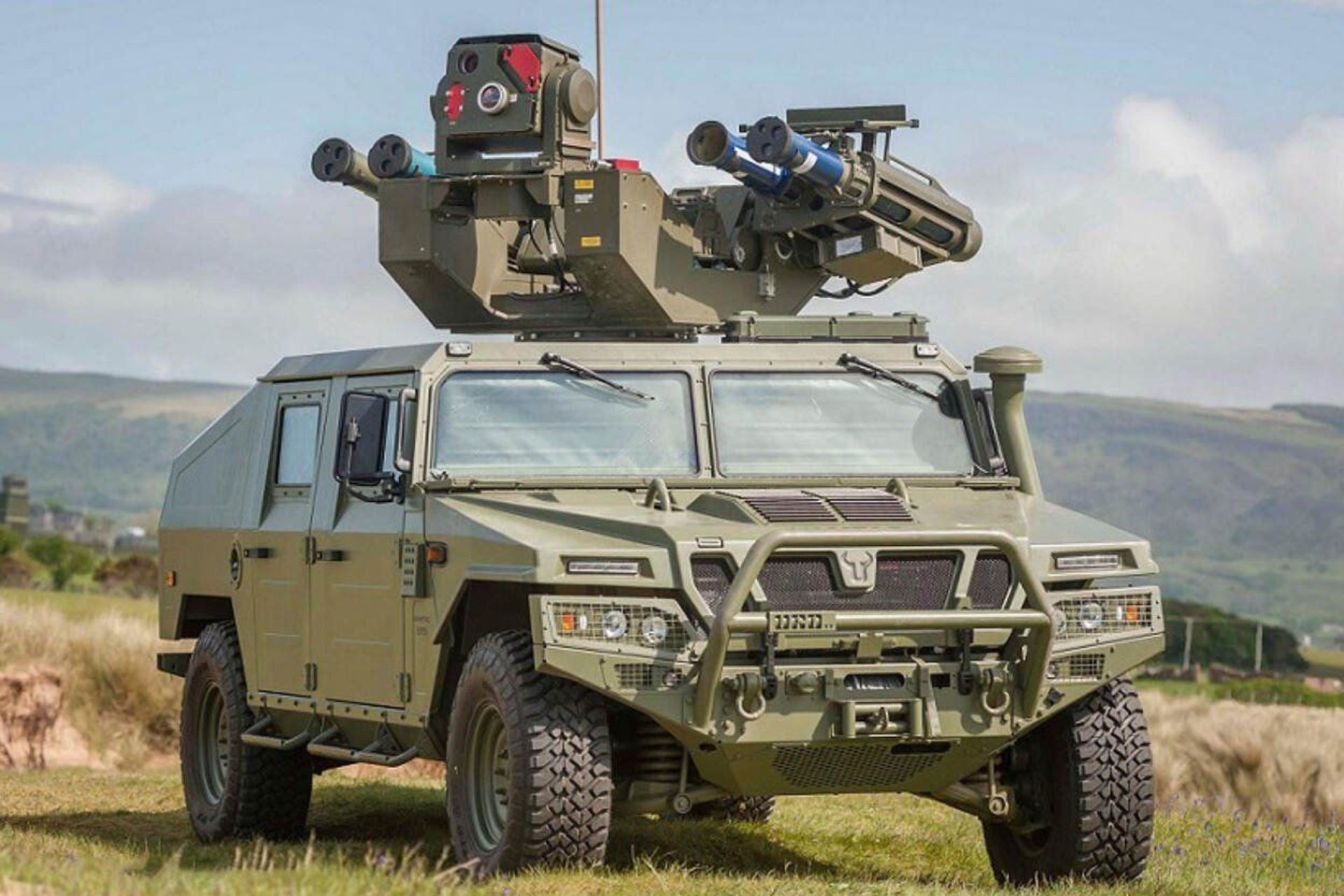
Spanish VAMTAC armored vehicle with a module for Starstreak/Martlet missiles installed (Picture source: MBDA UK)
This procurement must first receive approval from the British Parliament. The new air defense systems are intended to replace six Stormer HVM systems that were transferred to Ukraine in 2023. Furthermore, the Ministry plans to order an additional six units to enhance the existing air defense capabilities of the British Army.
The VAMTAC (Vehículo de Alta Movilidad Táctica) air defense vehicle is an extremely versatile military platform designed and produced by the Spanish company UROVESA. Since its introduction in the late 1990s, the VAMTAC has been comparable in design and function to the American Humvee, offering a 4x4 configuration that ensures tactical mobility across various terrains. The vehicle has undergone various updates and adaptations over the years to meet different operational requirements.
Primarily used for reconnaissance, troop transport, and special operations, the VAMTAC is equipped to carry anti-tank and air-defense systems. Specifically for air defense, the VAMTAC can be fitted with platforms such as the High-Velocity Missile (HVM) system and Lightweight Multirole Missiles (LMM), enabling it to effectively engage aerial targets. This adaptability makes the VAMTAC a suitable choice for modern armies looking for a light, mobile air defense solution.
The new VAMTAC vehicles will not differ significantly in terms of functionality from the Stormer HVM systems. Unlike the track-mounted version, the VAMTAC is equipped with four mounts for Starstreak or Martlet missiles, as well as a launcher and an integrated detection and guidance system. This acquisition is part of the British Army's program to purchase light and mobile air defense systems, considered a temporary solution until a specialized platform is developed.
The focus on updating and strengthening air defense systems by the UK Ministry of Defense is driven by the events in Ukraine and the conclusion that the country’s critical infrastructure must be protected by a sufficient number of systems. In a related development, it has been reported that the UK plans to transfer the first samples of the DragonFire directed-energy weapon to Ukraine. During a visit to the DragonFire laboratory, Defence Secretary Grant Shapps indicated that the laser system was still in the testing phase, but the government was working to accelerate its development.
The Ministry of Defense has expressed its intention to acquire a total of 12 VAMTAC vehicles to replace the Stormers donated to Ukraine and as an interim solution. Thales, which showcased a URO VAMTAC armed with HVMs and Lightweight Multirole Missiles (LMM) at the GBAD Expo, confirmed that the system was ready for procurement and had already been purchased by Indonesia, Malaysia, and Saudi Arabia. For more information on the procurement of short-range air defense systems by the British Army, additional details will be available at IAV 2024.

- Details
- Written by: Administrator
- Category: 2024
- Hits: 2946
American Company Raytheon, a business unit of RTX, has been awarded a $1.2 billion contract to enhance Germany's air defense infrastructure by providing additional Patriot air and missile defense systems. This significant contract will bolster Germany’s existing defenses with state-of-the-art technology and equipment.
Follow Army Recognition on Google News at this link
Germany currently has 12 Patriot batteries in service, which are primarily of the PAC-2 and PAC-3 models. (Picture source: Wikimedia)
The contract includes the supply of the latest Patriot Configuration 3+ radars, launchers, command and control stations, along with associated spares and support. These additions are expected to significantly augment Germany's ability to defend against a range of airborne threats.
Tom Laliberty, president of Land and Air Defense Systems at Raytheon, emphasized the reliability and strategic importance of the Patriot systems, stating, "Patriot remains the tried-and-true stalwart of air and missile defense, relied upon by our global customers to deter aggression and defend their interests. With each additional Patriot system, Germany is enhancing its own air defenses and strengthening NATO's defense posture."
Germany currently has 12 Patriot batteries in service, which are primarily of the PAC-2 and PAC-3 models. The new additions from Raytheon will integrate seamlessly with these existing systems, providing a robust upgrade to Germany’s defensive capabilities.
The Patriot system is globally recognized for its combat-proven capabilities, making it the only ground-based air and missile defense system in the world capable of defeating advanced long-range cruise missiles, tactical ballistic missiles, and a full spectrum of air-breathing threats. Used by 19 countries, including Germany, the U.S., and Ukraine, the Patriot system continues to demonstrate its effectiveness against the most sophisticated and complex threats.
This contract underscores Raytheon's commitment to providing cutting-edge defense solutions and supporting global security efforts through advanced technology and strategic partnerships.

- Details
- Written by: Administrator
- Category: 2024
- Hits: 22129
On July 13, 2024, former U.S. President Donald Trump narrowly escaped an assassination attempt during a campaign rally in Butler, Pennsylvania. This incident, which has since become a major topic of analysis and discussion, involved a shooter who opened fire during the event. The Army Recognition Group has provided a detailed analysis of the weapons used by both the shooter and the U.S. Secret Service during the incident.
Follow Army Recognition on Google News at this link
The U.S. Secret Services used a Mk 13 Sniper Rifle equipped with fitted with a Nightforce ATACR 7-35x56 Scope and a RAPTAR range finder to kill the shooter during the Trump assassination attempt. (Picture source: X Account @EvstPalaiologos)
According to the latest reports, the shooter was armed with a high-powered semi-automatic rifle, specifically an AR-15 variant. This weapon, notorious for its use in various mass shootings due to its high rate of fire and considerable stopping power, was the primary tool of the assailant. The analysis suggests that the shooter had modified the rifle with a bump stock, enhancing its firing capability, which underscores the persistent challenge of controlling such modifications despite regulatory efforts.
The AR-15 is a lightweight, air-cooled, gas-operated, magazine-fed, semi-automatic rifle that has become one of the most popular firearms in the United States. Originally designed by Eugene Stoner in the late 1950s for Armalite, the AR-15 was later sold to Colt, who marketed it to military and civilian markets.
The AR-15 is chambered in .223 Remington or 5.56 NATO, which are relatively small, high-velocity rounds. This rifle features a modular design, allowing users to easily customize and configure it with different stocks, grips, sights, and other accessories. Its versatility and ease of use have made it a favorite among sport shooters, hunters, and law enforcement agencies.
One of the main characteristics of the AR-15 is its direct impingement gas system, where gas from the fired cartridge is funneled back into the action to cycle the weapon. This system contributes to the rifle's light weight and simplicity, although it can also result in the buildup of carbon and fouling within the action, necessitating regular maintenance.
In terms of performance, the AR-15 typically has an effective range of around 500 to 600 m for accurate shooting, depending on the specific configuration and ammunition used. It is known for its accuracy, manageable recoil, and adaptability, which have collectively contributed to its widespread adoption and popularity.
Despite its civilian roots, the AR-15's design has been the foundation for many military rifles, including the M16 and M4 carbines, which have seen extensive use by the U.S. military and other armed forces around the world. The AR-15's adaptability, combined with its high rate of fire in its military variants, has also made it a point of controversy in discussions about gun control, particularly in the context of its use in several high-profile mass shootings.
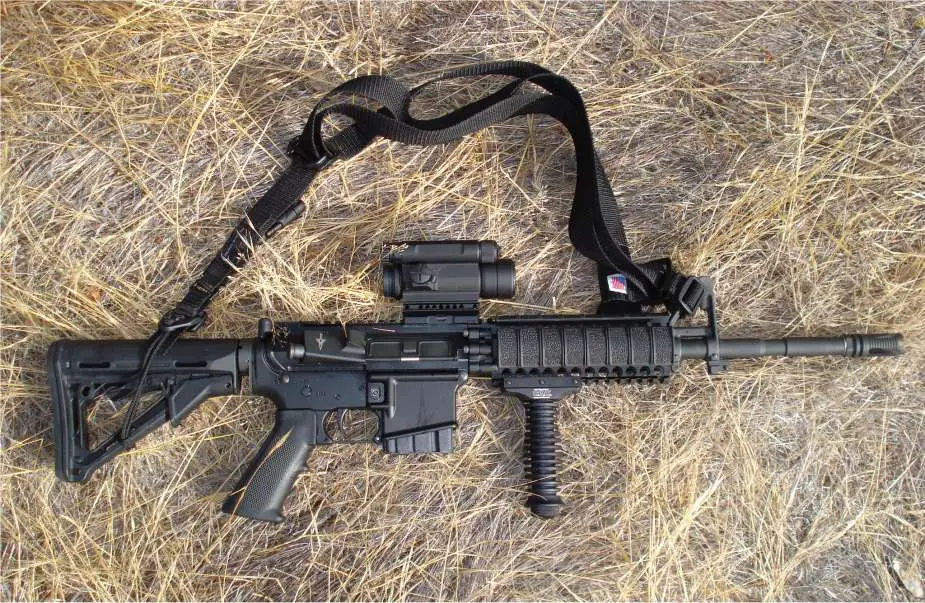
The AR-15 is a lightweight, semi-automatic rifle that is highly customizable and popular for civilian use in the United States. (Picture source Wikimedia)
The U.S. Secret Service, trained for rapid and decisive action in such scenarios, responded promptly. They deployed a sniper team strategically positioned to neutralize threats. In this instance, the sniper used an Mk13 sniper rifle fitted with a Nightforce ATACR 7-35x56 Scope and a RAPTAR range finder.
The Mk13 sniper rifle is a precision long-range weapon used primarily by U.S. military forces, including the Navy SEALs and other special operations units. It is based on the Remington 700 bolt-action rifle, a design renowned for its reliability and accuracy, and has been specifically modified to meet the rigorous demands of military operations.
The Mk13 typically fires the .300 Winchester Magnum (Win Mag) cartridge, which offers superior range and stopping power compared to the standard 7.62mm NATO round. This makes the Mk13 particularly suitable for engagements at extended ranges. The rifle features a heavy, free-floating barrel, which enhances accuracy by minimizing barrel flex during firing. This design choice, along with precision machining, ensures consistent shot placement.
One of the main features of the Mk13 is its advanced optics, which can include night vision and thermal sights, allowing for accurate targeting in various lighting conditions. The rifle is also equipped with a bipod for stability and a suppressor to reduce noise and muzzle flash, making it more effective in covert operations.
The effective range of the Mk13 sniper rifle is typically around 1,100 m (approximately 1,200 yards ), though skilled marksmen can achieve accurate shots at even greater distances. The rifle's design and features make it a formidable tool in the hands of trained military snipers, capable of delivering precise and powerful shots over long distances.
This assassination attempt is not isolated in the context of threats faced by Donald Trump. Historical data shows that Trump has been the target of multiple assassination attempts, both during and after his presidency. These incidents include various unconventional weapons and methods, from a forklift attack in North Dakota to ricin-laced letters mailed to the White House during his term.
The rapid spread of conspiracy theories and false claims about these events, especially through social media platforms and partisan news outlets, has complicated public perception and response. Notably, claims of government-led assassination plots have been leveraged to sow distrust and fuel political divisions, demonstrating the potent combination of misinformation and political violence.
The incident underscores the ongoing and evolving challenges faced by security agencies in protecting high-profile political figures amid a backdrop of increasing political polarization and extremism.

- Details
- Written by: Administrator
- Category: 2024
- Hits: 5583
According to a statement published by the Slovenia Ministry of Defense on July 12, 2024, Slovenia and France signed a letter of intent to procure CAESAR 155mm wheeled self-propelled howitzers and Mistral MANPADS (Man Portable Air Defense Missile Systems).
Follow Army Recognition on Google News at this link
Slovenia would like to acquire French military equipment including CAESAR 155mm howitzers and MISTRAL MANPADS Man Portable Air Defense Missile Systems. (Picture source: Army Recognition Group)
The Slovenian State Secretary at the Ministry of Defence, Dr. Damir Črnčec, and the National Armaments Director at the Ministry of Defence of the French Republic, General Gaël Diaz de Tuesta, signed the Letter of Intent on the European joint procurement of CAESAR howitzers and Mistral air defense missile systems.
The agreement between the Government of the Republic of Slovenia and the Government of the French Republic on defense cooperation also includes collaboration in the design, implementation, and procurement of armaments. Encouraged by the EU for member states to cooperate in defense procurement and to strengthen the European defense technological and industrial base, the Letter of Intent facilitates further discussions on potentially procuring Caesar artillery weapon systems and Mistral air defense systems from French manufacturers. The acquisition of these weapon systems will be under the same conditions as for other countries joining this initiative.
The signing of the Letter of Intent will initiate all necessary procedures at the Slovenian Ministry of Defence for the potential procurement and introduction of new weapon systems into the Slovenian Armed Forces. This will also fulfill the requirement for submitting an application for European funding for the construction of joint military capabilities.
Armenia and Estonia recently signed significant contracts to acquire the CAESAR self-propelled howitzer from France. On June 26, 2024, Armenia entered into an agreement with France for 36 CAESAR howitzers. This acquisition aims to bolster Armenia's artillery capabilities, allowing them to equip two artillery battalions with these advanced systems. This deal underscores the strengthening of military cooperation between Armenia and France.
Similarly, on June 19, 2024, Estonia signed a contract to procure 12 CAESAR 155mm self-propelled howitzers from France. The first batch of howitzers is expected to be delivered by the end of 2024, with the remaining units arriving in 2025. This procurement will enhance Estonia's artillery capabilities, adding to their existing arsenal of South Korean K9 Thunder howitzers. The contract also includes an option for Estonia to purchase an additional six units, potentially expanding their artillery battalion further.
These contracts are part of France's broader strategy to export CAESAR systems, which have demonstrated effectiveness in various conflict environments, including Ukraine, Afghanistan, Iraq, and Mali. The CAESAR howitzer is valued for its mobility, range, and rapid deployment capabilities, making it a crucial asset for modern artillery forces.
The French CAESAR self-propelled howitzer has proven highly effective in Ukraine's defense against Russian forces. Since their deployment, CAESAR howitzers have been instrumental due to their mobility and rapid-fire capabilities. These systems, which can fire six shells per minute and quickly relocate, utilize a "shoot-and-scoot" tactic that has significantly improved their survival rates compared to other artillery systems. Only about 10% of the CAESAR units have been lost, compared to nearly 30% losses for other self-propelled or towed systems in Ukraine.
The CAESAR howitzers have a range of up to 38 kilometers and can effectively strike targets while maintaining a high degree of mobility to avoid counter-battery fire. This has been crucial in the dynamic and often high-threat environment of the Ukrainian battlefield. Their use has provided Ukraine with a strategic advantage, enabling precise and rapid artillery strikes that have been vital in countering Russian advances and protecting Ukrainian positions.
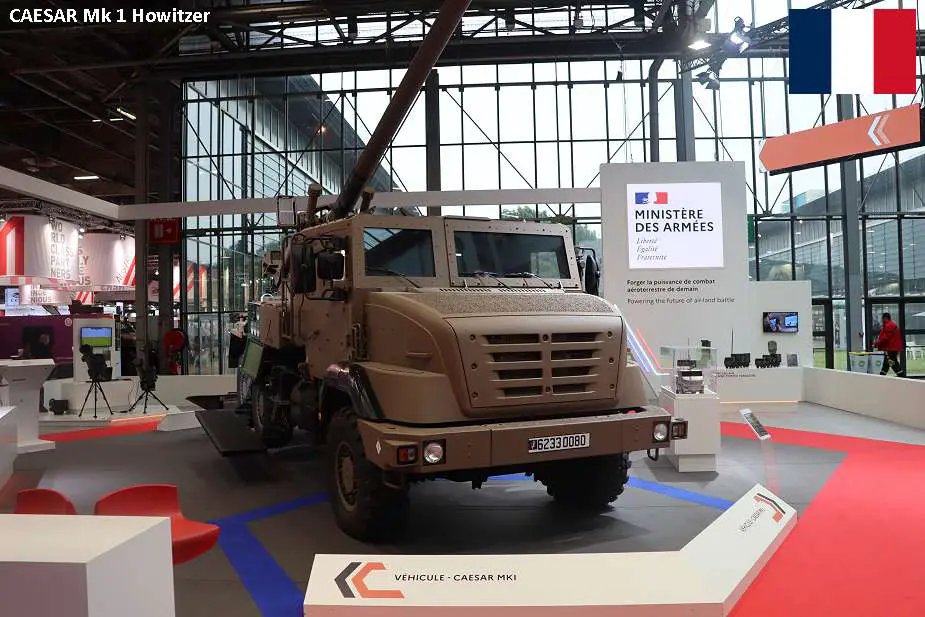
The CAESAR is a French-made 155mm wheeled self-propelled howitzer designed and manufactured by KNDS France. (Picture source Army Recognition)
The Mistral MANPADS (Man-Portable Air-Defense System) is a highly portable and effective surface-to-air missile system designed to target and destroy low-flying aircraft and helicopters. Developed by MBDA, a prominent European defense company, the Mistral missile system began production in 1989 and has since been adopted by over 40 armed forces globally, including those of France, Norway, and Ukraine.
The Mistral system has undergone significant evolution since its initial development by Matra, which later became part of MBDA. The latest version, Mistral 3, features advanced targeting accuracy, extended range, and enhanced resistance to countermeasures. This version is part of a broader family of Mistral systems, including ground-based configurations like the basic MANPADS and the more sophisticated ATLAS and MPCV systems, as well as naval versions such as SIMBAD and SADRAL, and an airborne ATAM version for helicopters.
Technically, the Mistral missile is 1.8 meters in length and weighs 19 kilograms, with a launcher weight of 24 kilograms. It achieves speeds up to Mach 2.6 (approximately 2,762 km/h) and has an effective firing range between 500 and 6,000 meters. It can engage targets at altitudes up to 3,000 meters. The warhead, weighing 3 kilograms, is a fragmentation type with tungsten alloy spherical fragments, designed for maximum damage upon detonation.
The Mistral MANPADS is designed to counter a wide array of aerial threats, including fixed-wing aircraft, helicopters, and unmanned aerial vehicles (UAVs). It employs a passive infrared homing guidance system, which enables it to track and engage targets with high precision. The missile system's portability, rapid deployment capabilities, and high success rate make it a formidable component of modern air defense arsenals.
In recent conflicts, such as the ongoing war in Ukraine, the Mistral MANPADS has proven effective, with Norway donating a significant number of these systems to Ukraine, highlighting their critical role in contemporary military strategy
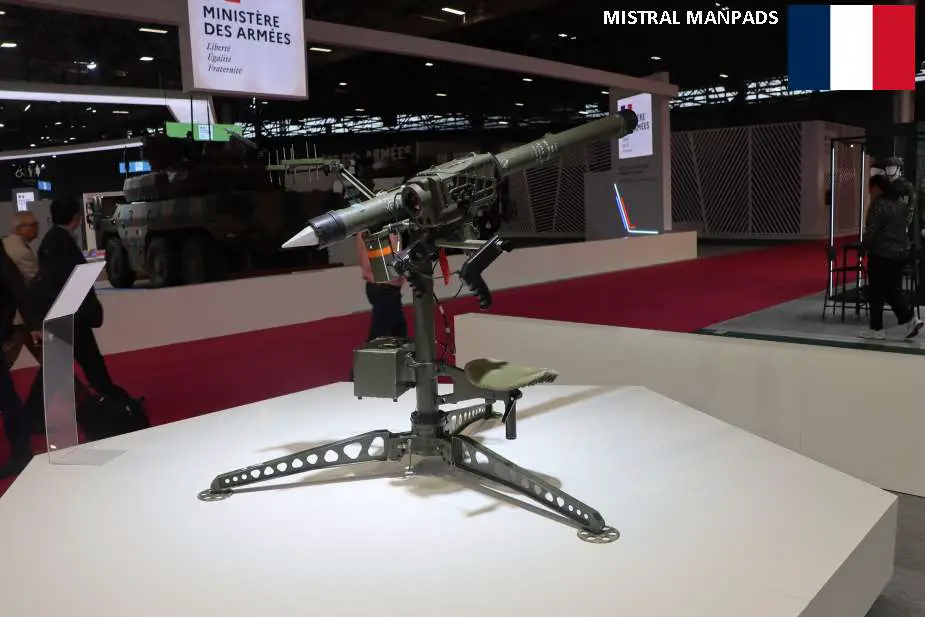
The Mistral MANPADS is a lightweight, portable air defense missile system designed to be operated by ground troops for targeting and destroying low-flying aircraft and helicopters. (Picture source Army Recognition Group)

- Details
- Written by: Administrator
- Category: 2024
- Hits: 5835
German Major General Christian Freuding, head of the German Army Situation Center Ukraine, announced on July 12, 2024, via the ZDFheute, a German television channel, that nearly all of the 100 Patriot missiles promised to Ukraine have been delivered. This development follows the public commitment made by German Minister of Defence Boris Pistorius on June 11, 2024.
Follow Army Recognition on Google News at this link
The PAC-2 GEM-T is an advanced, precision-guided missile designed to enhance the Patriot system's effectiveness against tactical ballistic missiles, aircraft, and cruise missiles. (Picture source: Raytheon)
Major General Freuding, who is also the Head of the Planning and Command Staff and Head of the Situation Centre Ukraine in the German Ministry of Defence, revealed that the final batch of these missiles is being delivered "at these very hours." This swift delivery underscores Germany's strong commitment to supporting Ukraine amidst its ongoing conflict.
The 100 PAC-2 GEM-T missiles, a crucial component of Ukraine's defense strategy, are being procured by Germany as replacements. This acquisition is part of a broader initiative supported by international allies. Norway has contributed €125 million to this effort, while Denmark and the Netherlands have also provided financial assistance, although their exact contributions have not been disclosed.
The PAC-2 GEM-T (Guidance Enhanced Missile-Tactical) is an advanced iteration of the Patriot missile system, engineered to enhance the capabilities of its predecessors. Originating from the PAC-2 missile framework, the GEM-T variant integrates substantial improvements in guidance and targeting systems. These enhancements are focused on increasing the accuracy and reliability of the missile in engaging a variety of threats, including tactical ballistic missiles (TBMs), aircraft, and cruise missiles. By upgrading the seeker and guidance components, the GEM-T offers superior target acquisition and tracking, ensuring that it can effectively intercept and destroy incoming threats with higher precision.
In addition to its improved guidance system, the PAC-2 GEM-T features an upgraded processing unit and refined algorithms within its guidance section. These technological advancements enable the missile to better discriminate between targets, enhancing its overall engagement efficiency. The GEM-T also incorporates an improved fuse, which significantly boosts its lethality against ballistic missiles. Despite these sophisticated upgrades, the missile maintains compatibility with existing Patriot launchers and systems, allowing for seamless integration into current defense infrastructures. This combination of enhanced targeting, refined guidance, and increased compatibility makes the PAC-2 GEM-T a crucial asset in modern air and missile defense strategies.
The delivery of these advanced missiles marks a significant milestone in Germany's military support for Ukraine. The PAC-2 GEM-T (Guidance Enhanced Missile-T) is a critical upgrade to the Patriot system, enhancing Ukraine's capability to defend against aerial threats.
Major General Freuding, a key figure in Germany's military assistance to Ukraine, emphasized the importance of this support. "Our commitment to Ukraine's defense is unwavering," he stated. "The delivery of these missiles demonstrates our resolve to stand with Ukraine in its time of need."
This move comes amid heightened tensions and ongoing conflict in Ukraine, where international support has been crucial. The timely delivery of the Patriot missiles is expected to bolster Ukraine's defense capabilities significantly.
Germany's initiative, supported by its allies, reflects a coordinated effort to strengthen Ukraine's military infrastructure. As the situation in Ukraine continues to evolve, the international community remains vigilant, providing essential support to uphold Ukraine's sovereignty and security.
The successful delivery of the Patriot missiles to Ukraine represents a tangible step in this ongoing support, highlighting the collaborative efforts of Germany, Norway, Denmark, and the Netherlands. As Ukraine receives these crucial defense systems, the international community reaffirms its commitment to peace and stability in the region.
Read more: Germany Completes Delivery of 100 Patriot PAC-2 GEM-T Missiles to Ukraine
- British Ministry of Defense Orders Foxhound LPPV Light Protected Patrol Vehicle Demonstrators
- New Israeli Army ROEM 155mm Wheeled Howitzer Boasts 80 km Firing Range
- German Defense Minister Confirms Order of 105 Additional Leopard 2A8 MBTs for German Army
- US Coast Guard Tests Innovative Uncrewed Ground Vehicle for Future Polar Operations