

- Details
- Written by: Jérôme Brahy
- Category: 2024
- Hits: 13360










As announced by Chief of Staff General Pierre Schill in June 2024, the French Army has decided to acquire the NLAW anti-tank missile. This interim solution is expected to be delivered next year, pending the development of a French short-range anti-tank system (ACCP). Designed by Sweden's Saab and produced in collaboration with Thales, the NLAW will be integrated into the forces by the end of 2025. This move will initiate the replacement of the ERYX missile, whose service life has been extended from 2023 to 2026. The specific quantities of munitions to be acquired have not been disclosed.
Follow Army Recognition on Google News at this link
The Next Generation Light Anti-tank Weapon (NLAW) was developed through a collaboration between Sweden and the United Kingdom to replace older anti-tank systems such as the LAW 80 and ILAW (AT4CS). (Picture source: Swiss MoD)
This new system aims to restore the coherence of the missile-rocket framework, which until now has relied only on the AT4F2 rocket and the AKERON MP missile. By procuring the NLAW off-the-shelf, the French Army quickly adopts a cost-effective interim solution, priced between €60,000 and €100,000, capable of filling the existing capability gap. Lightweight and with an effective range of 800 meters, the NLAW will support dismounted infantry in their anti-tank operations, according to Captain Dimitri, commander of the support company of the 13th Alpine Hunters Battalion.
As explained in the French infantry periodical 'Fantassins,' Pierre Schill included the NLAW, a new short-range anti-tank missile, in the French Army to address modern battlefield challenges and ensure the infantry's effectiveness. Current conflicts, such as those in Ukraine and Gaza, demonstrate the crucial role of infantry in holding positions, guiding strikes, and conquering urban areas. Schill highlighted the need for enhanced support and capabilities within the infantry, including electronic warfare, cyber capabilities, and automated systems like drones and robots. By introducing the NLAW as a successor to the Eryx, he aims to improve the infantry's firepower and operational coherence, ensuring they can meet the demands of future combat scenarios effectively.
The French Directorate for Studies and Concepts Development (DEP) of the Infantry School is tasked with conducting studies on infantry combat units at all levels, from teams to regiments, to improve their effectiveness in combat. During the 2022-2023 cycle, the DEP reviewed the organization of the infantry regiment, resulting in the new “RI 2030” model, which was presented at the National Infantry Days (JNI) in October in Draguignan. Understanding this new model requires placing it in its French and international context. The principles of this transformation become evident, though no model can perfectly fit all infantry regiments, and adaptations are anticipated.
The Russian invasion of Ukraine on February 24, 2022, marked the return of high-intensity warfare in Europe, highlighting the strategic vision of the Army Chief of Staff (CEMAT) presented in April 2020, which emphasized preparing for major engagements. This conflict led to the early development of a new military programming law (2024-2030) to enhance defense capabilities. The infantry's transformation aligns with these changes, focusing on reinforcing human resources in certain operational functions and transferring significant personnel from the infantry to these other functions. This restructuring involves the removal of certain positions and the reorganization of support roles within the infantry regiments.
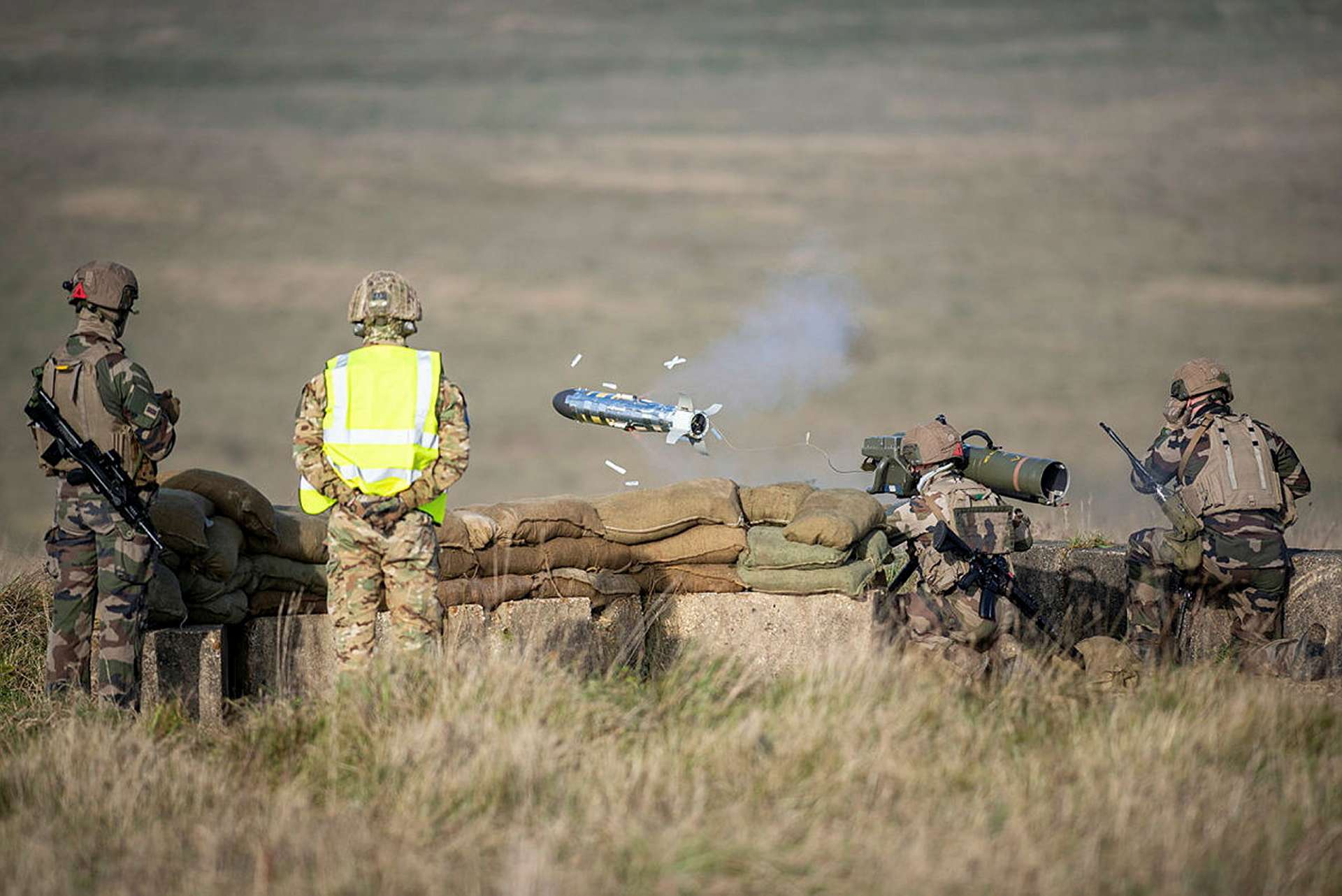
The ERYX, on the other hand, has a shorter effective range of 50 to 600 meters but can penetrate up to 900 millimeters of armor. (Picture source: UK MoD)
Currently, each rifle company of a French infantry regiment includes an anti-tank squad equipped with short-range ERYX systems and 84mm AT4CS rockets to address light armored threats. The rifle companies’ fire support platoon, equipped with mid-range AKERON MP missile systems, can engage targets up to 4,000 meters away. Additionally, the direct fire support platoon within the support company includes specialized squads equipped with AKERON MP systems, ensuring the regiment's anti-tank capabilities and managing the training and operational readiness of missile shooters.
The RI 2030 model includes the NLAW (Next Generation Light Anti-tank Weapon) to enhance the direct fire support capabilities of infantry units. This structure allows for more effective and dispersed anti-tank capabilities and found its inspiration from the Ukrainian conflict, where anti-tank systems played a crucial role in countering Russian armored threats. The NLAW will be part of the anti-tank platoon (SAC) of the Support Company, which will consist of sections equipped with both AKERON MP and NLAW missiles. In combat companies, anti-tank weapons will be distributed among combat sections to increase versatility and flexibility. This distribution aims to create a more robust and adaptable infantry force, capable of meeting modern battlefield demands, and highlights the importance of the NLAW in improving the infantry's combat effectiveness.
The RI 2030 model also emphasizes the recreation of mortar units to strengthen indirect fire support. New 120mm mortar support platoons (SAM 120) are being established within the infantry as additional units, not transfers from artillery. These platoons aim to enhance the indirect fire capability of infantry units, which were previously limited to 81mm mortars. The SAM 120 units will be equipped with Serval vehicles to tow the mortars, while artillery counterparts will use Griffon MEPAC 120mm self-propelled mortar vehicles. Additionally, the 81mm mortar sections will be retained within support platoons to ensure comprehensive indirect fire support at both the regimental and company levels. This reorganization reflects the need for versatile and flexible support systems within the infantry, addressing the challenges of modern high-intensity conflicts.
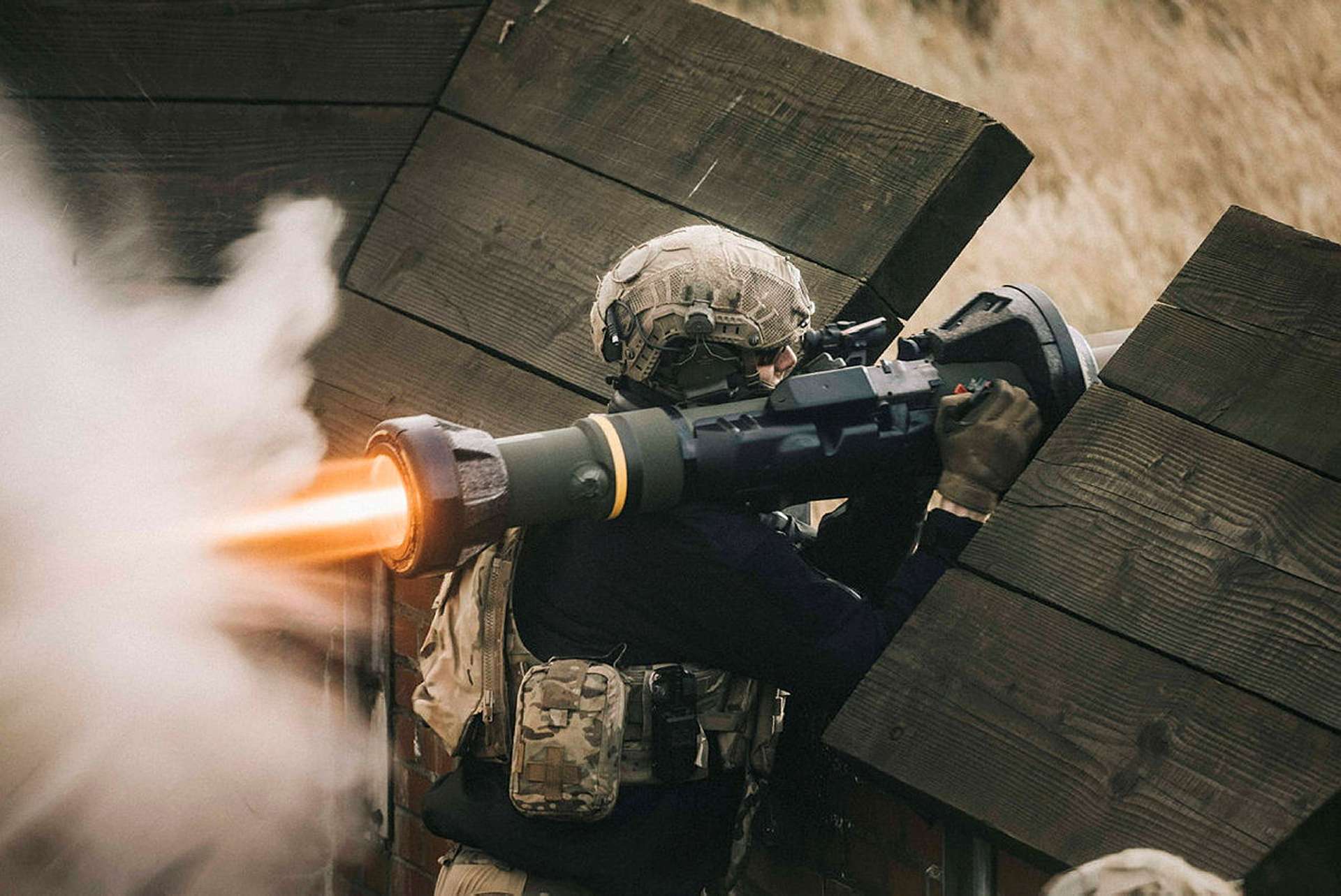
The NLAW fire-and-forget guidance system and soft-launch feature allow for use in confined spaces, making it adaptable to urban combat environments. (Picture source: UK MoD)
The Next Generation Light Anti-tank Weapon (NLAW) was developed through a collaboration between Sweden and the United Kingdom to replace older anti-tank systems such as the LAW 80 and ILAW (AT4CS). Initiated in the early 2000s, the project aimed to create a lightweight, man-portable weapon effective at short to mid-ranges. Saab Bofors Dynamics, chosen in 2002 after a competitive bidding process, spearheaded the development. The NLAW combines elements from previous systems, leveraging Saab's experience with guided missiles and shoulder-fired weapons. Development continued until 2008, with the weapon entering production and service the following year. Since then, the NLAW has been adopted by several countries and has seen significant use in various conflicts, including the recent war in Ukraine.
The NLAW, ERYX, and AT4CS, in active or future service within the French Army, offer different anti-tank capabilities. The NLAW provides a versatile engagement range from 20 to 800 meters with both Overfly Top Attack (OTA) and Direct Attack (DA) modes. Its fire-and-forget guidance system and soft-launch feature allow for use in confined spaces, making it adaptable to urban combat environments. The NLAW can penetrate up to 500 millimeters of armor. The ERYX, on the other hand, has a shorter effective range of 50 to 600 meters but can penetrate up to 900 millimeters of armor. Unlike the NLAW, the ERYX is bulkier and lacks advanced guidance systems. The AT4CS is designed for close-range use with an effective range of 20 to 300 meters, mainly targeting light armor. It is simpler but less effective against modern main battle tanks compared to the NLAW. Overall, the NLAW offers a broader range and better versatility, particularly suitable for diverse and urban combat scenarios.
Read more: French Army to replace French Eryx anti-tank missiles with Swedish NLAW by 2025

- Details
- Written by: Vandenbosch
- Category: 2024
- Hits: 4158
Breaking news
Canada has begun the delivery of the first four armored combat vehicles to Ukraine, as part of a larger shipment of 50 vehicles. These initial units will first be sent to Europe, where Ukrainian military personnel will receive training on their operation. This information was shared on June 13, 2024, via the X account of Bill Blair, Canada’s Minister of National Defence.
Follow Army Recognition on Google News at this link
Ceremony to hand over the first 4 vehicles to Ukraine (Picture source: X account of Bill Blair)
Bill Blair announced that the first four of 50 new armored combat vehicles, built by Canadian workers, are en route to Europe this summer. Ukrainian Armed Forces personnel will undergo training on these vehicles upon their arrival. The initial shipment of 10 vehicles includes ACVS (Armored Combat Support Vehicle) ambulances, which are being transported from London, Ontario, to Europe.
During a visit by Ukrainian President Volodymyr Zelenskyy on September 22, 2023, Canadian Prime Minister Justin Trudeau revealed that Canada is investing CAD 650 million over three years to supply Ukraine with these 50 armored combat vehicles.
These advanced armored combat vehicles are designed for various battlefield roles, such as troop transport, secure command and control, and medical evacuation. Used by the Canadian army, they offer high maneuverability and robust protection for both crew and cargo.
The Armored Combat Support Vehicle (ACSV) is a modern armored vehicle developed by General Dynamics Land Systems-Canada. Based on the Light Armored Vehicle (LAV) 6.0 chassis, it is designed to provide a wide range of tactical supports on the battlefield. The ACSV model includes several variants, each adapted to specific roles, such as troop transport, ambulance, command post, engineering support, vehicle recovery, mobile repair, and electronic warfare.
These vehicles are characterized by high mobility and robust protection, enabling them to operate effectively in high-risk environments. They are equipped with advanced communication systems and state-of-the-art ballistic protection, offering maximum security for the crew and transported equipment. For example, the ambulance variants are equipped with medical equipment to treat a wide range of injuries on the field, ensuring immediate medical care for wounded soldiers.
The troop transport version (TCV) can carry a full section of soldiers while providing protection against ballistic threats and improvised explosive devices. The mobile repair and recovery version is equipped to perform on-field repairs and recover damaged vehicles, ensuring the continuity of military operations.
The ambulance version of the ACVS is equipped with medical equipment and configured to treat a wide range of injuries. The first 10 vehicles will arrive in Ukraine by autumn, enhancing the Ukrainian Armed Forces' capacity to safely evacuate injured personnel from combat zones.
This delivery is part of Canada’s comprehensive CAD 14 billion assistance package to Ukraine since February 2022, with CAD 4 billion specifically allocated for military aid. Previous Canadian support to Ukraine includes Leopard 2 battle tanks, anti-tank weapons, M777 howitzers, artillery ammunition, and winter clothing.
Read more: Canada Delivers First Batch of ACVS Armored Vehicles to Ukraine

- Details
- Written by: Jérôme Brahy
- Category: 2024
- Hits: 8464
Breaking news
On June 17, 2024, at the Eurosatory 2024 exhibition, the German company Rheinmetall and the American company Lockheed Martin jointly unveiled their Global Mobile Artillery Rocket System (GMARS). The GMARS project aims to replace Germany's MARS 2 systems, combining HIMARS technology with Rheinmetall’s HX 8x8 chassis to support NATO interoperability and firepower capabilities.
Follow Army Recognition on Google News at this link
The Global Mobile Artillery Rocket System (GMARS) is a joint development by Lockheed Martin and Rheinmetall, launched in 2023 to replace Germany's aging MARS 2 systems and create a European-based alternative to Lockheed's M142 High Mobility Artillery Rocket System (HIMARS). (Picture source: Army Recognition)
The Global Mobile Artillery Rocket System (GMARS) is a joint development by Lockheed Martin and Rheinmetall, launched in 2023 to replace Germany's aging MARS 2 systems and create a European-based alternative to Lockheed's M142 High Mobility Artillery Rocket System (HIMARS). The GMARS combines the HIMARS technology with Rheinmetall’s larger HX 8x8 chassis, allowing it to carry two rocket pods instead of one. This system is designed to ensure about 80% commonality with HIMARS munitions and logistics, maintaining interoperability within NATO forces, with the first GMARS units expected to be operational by 2025.
The GMARS is a multiple rocket launcher system capable of providing fire support missions up to a range of 400 km, with provisions for future enhancements to achieve even greater ranges. The system is designed to operate in all weather conditions, 24/7, ensuring reliable and precise long-range fires. The integration of the Multiple Launch Rocket System (MLRS) Family of Munitions (MFOM) within the GMARS enables it to achieve long ranges and high precision, enhancing its role in modern artillery units.
This multiple launch rocket system (MLRS) features a "shoot and scoot" capability that allows for rapid movement and quick deployment, allowing it to reposition quickly after firing to avoid counter-battery fire. It is operated by a minimal crew of two, with a cabin capacity of three, ensuring a small operational footprint. The system does not require outriggers for stabilization, enabling faster deployment and repositioning. The system's rapid emplacement capability is facilitated by a boom and hoist system that enables safe and quick reloading in all weather conditions.
The known technical specifications of the GMARS include a length of 9.8 meters, a width of 2.5 meters, and a stowed height of 3.9 meters. It has an empty weight of 31,140 kilograms, which reaches 42,240 kg when fully loaded for combat duty. The system can reach a maximum speed of up to 100 kilometers per hour and has an operational range of up to 700 kilometers under nominal conditions, which surpasses the M142 HIMARS's operational range and speed limits.
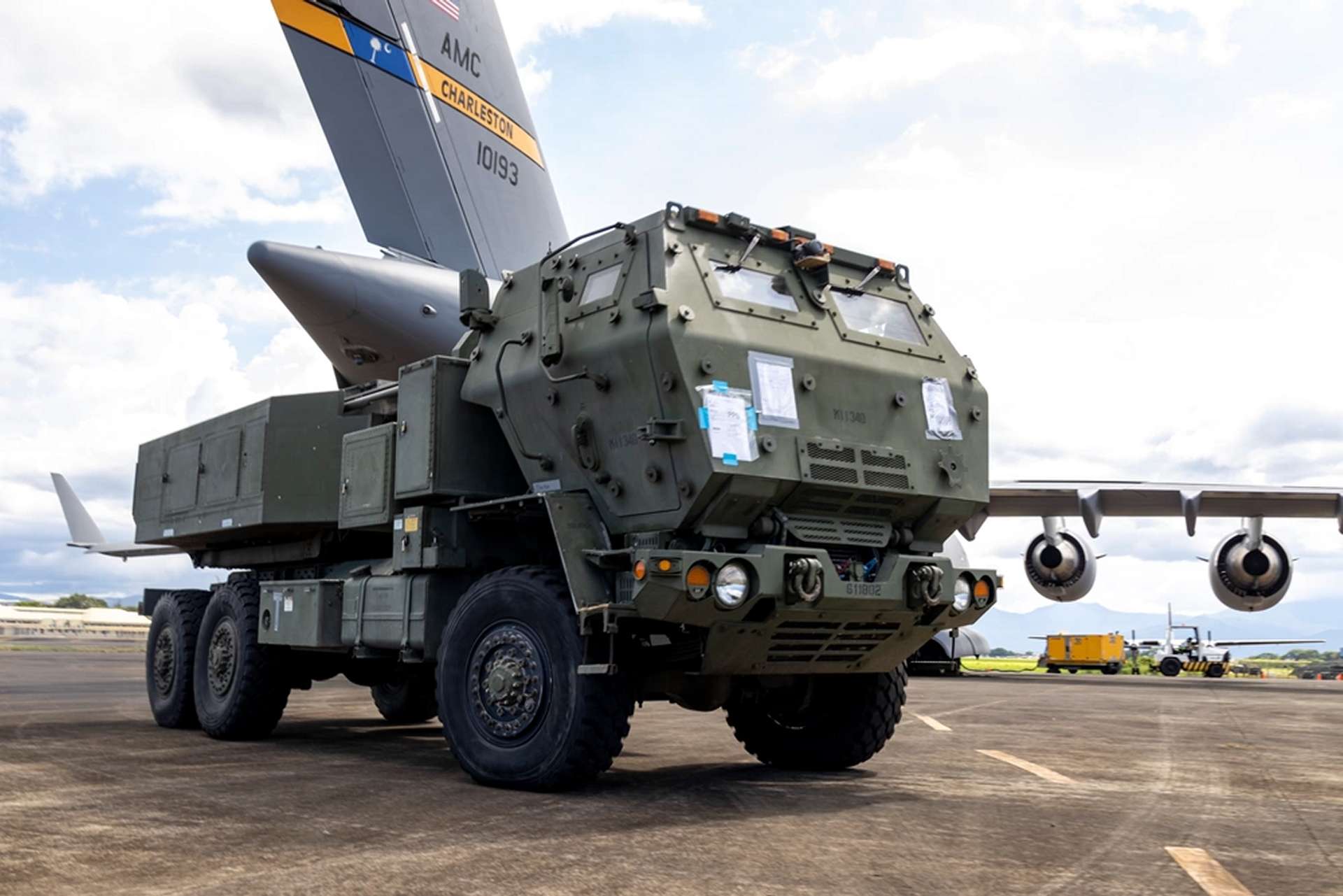
While both the HIMARS and the GMARS systems are designed for mobility and precision, the GMARS features an enhanced two-pod launcher system, allowing for greater payload capacity and a wider variety of munitions. (Picture source: US DoD)
The system is built with the flexibility to address a wide range of operational scenarios, from traditional artillery roles to advanced, multi-domain operations. Equipped with inertial navigation and GPS-aided targeting, providing high precision in both short and long-range engagements, this new system is designed to provide essential support to armed forces by targeting both pre-planned and time-sensitive objectives.
While both the HIMARS and the GMARS systems are designed for mobility and precision, the GMARS features an enhanced two-pod launcher system, like the EuroPULS system, allowing for greater payload capacity and a wider variety of munitions. These include the GMLRS (Guided Multiple Launch Rocket System) rocket with a range of over 70 kilometers, the ER GMLRS (Extended Range GMLRS) with a range of 150 kilometers, and the ATACMS (Army Tactical Missile System) capable of striking targets up to 300 kilometers away. The GMARS could also launch up to four PrSM (Precision Strike Missile), which offers a range of over 400 kilometers, providing deep strike capabilities. Additionally, a surface-launch cruise missile with a range of over 370 kilometers adds strategic targeting capabilities, while a 122 mm rocket provides a shorter-range option with a 22-kilometer reach.
The GMARS is designed for interoperability with NATO forces using M270 MLRS and HIMARS systems. It also features component commonality with the M270/HIMARS and Rheinmetall's HX Series of Mobility Platforms, ensuring logistical efficiency and operational readiness. The system supports pre-planned and time-sensitive targeting, making it suitable for multi-domain operations. Rheinmetall's 8x8 truck, serving as the platform for the GMARS, combines the ability to cover long distances with logistical commonality to the HX family in service with the German Army, including UTF and WLS.

- Details
- Written by: V.Saint
- Category: 2024
- Hits: 3194

- Details
- Written by: Jérôme Brahy
- Category: 2024
- Hits: 2616
Breaking news
Alcon, a UK-based brake and clutch company specializing in defense brake systems, will introduce its latest generation full-service Brake-By-Wire (BBW) technology at Eurosatory 2024. Alcon’s technology, derived from its motorsport products, is applicable to multiple defense vehicle applications. At Eurosatory, Alcon will discuss this and its full range of bespoke and off-the-shelf defense and security-oriented braking solutions in Hall 5A, Stand HJ280.
Follow Army Recognition on Google News at this link
Alcon's Brake-By-Wire (BBW) technology, derived from its motorsport products, is applicable to multiple defense vehicle applications. (Picture source: Alcon)
The defense vehicle technology landscape is evolving, driven by the need to enhance warfighter protection and save lives. This shift is increasing the demand for vehicles capable of partial or full autonomy. A crucial component for OEM manufacturers designing autonomous vehicles is a high-quality, safe, reliable, and effective braking system that can operate with or without a driver. Alcon’s BBW system meets these requirements with fit-for-purpose redundancy and system safety for each application. It offers various benefits across a range of defense and security vehicles, for both autonomous and crewed systems.
Alcon has a history of developing innovative solutions for the motorsport sector. The company began developing its first successful BBW product for Formula E in 2016, earning a nomination for the Most Innovative New Motorsport Product of the Year by the World Motorsport Symposium. Since then, Alcon has continued to advance its lightweight motorsport and autonomous BBW solutions through high-profile programs, resulting in an enhanced product. Alcon has combined years of development, race-track learning, and engineering to produce improved variants. These systems enable Alcon to offer a scalable BBW solution to meet the diverse demands of defense vehicles, such as large vehicle loads or multi-axle configurations (4×4, 8×8, and tracked). Additionally, Alcon’s BBW solutions provide faster braking response, reduced maintenance, improved flexibility and adaptability, and enhanced diagnostics.

Alcon supplies braking components to the defense industry for vehicles including British Army Land Rover Defenders, Supacat Jackal and Coyote armored vehicles, and the Patria AMV XP 8x8. (Picture source: Patria)
As defense vehicle OEMs move towards diesel-electric drives, with or without battery support, EV silent running or stealth modes, and autonomy, the integration of vehicle control systems into the broader vehicle architecture becomes important, reducing mechanical and hydraulic complexity. Alcon’s BBW approach is a development in this area. Leveraging defense engineering experience, the system is designed to be robust, modular, and scalable. Alcon’s BBW solutions offer advanced capabilities, including independent control of each wheel station for redundancy and braked steering, mechanical separation of the brake pedal from the system, simplified installation, autonomous or remote control of the brake function, and seamless integration with conventional hydraulic braking systems. BBW technology is versatile, suitable as a conventional foundation braking system or for blending regenerative and friction braking efficiently. This delivers significant efficiency and performance advantages to any vehicle OEM.
Ollie Jackson, Chief Engineer of Controlled Brakes at Alcon, addresses the complexities OEMs face in delivering autonomous vehicle capability. With nearly a decade of experience in BBW solutions for high-performance motorsport and defense engineering expertise, Alcon’s latest BBW solutions address many of these braking challenges. BBW technology assists Alcon in providing a full-service braking solution that integrates the latest friction braking technology, aligning the defense and security vehicle market with emerging automotive brake engineering technologies. BBW is a versatile technology, applicable in various contexts to maximize vehicle efficiency and enhance the safety of operators in harsh environments.

Alcon also supplies braking components for motorsport teams, including BMW, McLaren, Bentley, Aston Martin, Volkswagen, and Chevrolet. (Picture source: Alcon)
Read more: Alcon presents new Brake-By-Wire system at Eurosatory 2024 to improve vehicle safety

- Details
- Written by: Triffaux
- Category: 2024
- Hits: 2258
Breaking news
Smarter Technologies Group (STG), a British leader in cloud-hosted IoT solutions, is set to present its Orion asset tracking technology at the Eurosatory 2024 defense exhibition in Paris. This innovative system, which has already proven its effectiveness during Operation LINOTYPER 24, is part of the United Kingdom's key contributions to STEADFAST DEFENDER 24 (SD24), a major NATO exercise involving over 90,000 troops across Europe. STG's deployment of Orion has been a significant step towards modernizing military logistics and enhancing operational efficiency on the field.
Follow Army Recognition on Google News at this link
Smarter Technologies Orion Asset-Tracking Technology (Picture source: Smarter Technologies)
The Orion system was tested under challenging field conditions, with the goal of refining the "Recognised Logistics Picture" through reliable and timely management information. This technology allows for real-time tracking of critical equipment and enhances security through its advanced detection and alert capabilities.
Operation LINOTYPER 24, which saw the deployment of more than 16,000 British soldiers, directly benefited from STG's asset tracking expertise. The firm had already demonstrated the advantages of its system during Exercise IRON TITAN 23, and this time extended its collaboration to other units, including the 104th Theatre Support Brigade and the 9th Regiment RLC, thus covering several levels of the logistics chain.
The results were remarkable. Commanders and logistics personnel were able to access configurable and remotely piloted dashboards, significantly increasing situational awareness and troop responsiveness. Additionally, surveillance drones were used to investigate alerts, while rapid reaction forces equipped with quads were able to effectively intervene in security incidents.
Mark Read, CEO of Smarter Technologies, expressed his pride in these advancements: "We are very proud to work with our armed forces to assist in their digital transformation and maximize their operational effectiveness. Operation LINOTYPER proves that our Orion technology is indispensable, not only at home base locations but also in deployed environments."
With such tools at their disposal, British forces not only strengthened their ability to respond quickly and effectively to threats, but they are also paving the way for a complete digital transformation of military logistics operations.

- Details
- Written by: Halna du Fretay
- Category: 2024
- Hits: 2325
Breaking news
On June 13, 2024, Spectra Group announced the successful pre-production trials of its next-generation tactical radio system, GENSS, which will be presented at the Eurosatory 2024 defense exhibition in Paris. This milestone follows the initial launch of the GENSS concept in January 2024 and marks a significant step for the provider of secure voice, data, and satellite communication systems.
Follow Army Recognition on Google News at this link
This innovative system represents a significant advancement in tactical radio communications with a modular framework and software-defined flexibility.(Picture source: GENSS)
GENSS, pronounced "genesis," builds on the foundation established by Spectra Group's award-winning SlingShot system. It embodies the company's vision of creating advanced radio systems that leverage technological advancements, adapt to evolving military operations, and simplify the user experience. The development of GENSS involved collaboration among tactical communication experts, experienced military specialists, and leading British scientists and engineers. This innovative system represents a significant advancement in tactical radio communications with a modular framework and software-defined flexibility.
Since January, Spectra Group has accelerated the development of the GENSS platform using initial working prototypes to validate key concepts. At Eurosatory, the company announced the success of these trials, which included Beyond Line of Sight (BLOS) testing that proved critical initial operating concept capabilities for the planned modes of operation. The trials demonstrated compatibility with standard UHF line-of-sight radios and GENSS devices, achieving LTAC TACSAT communications as a stand-alone radio, and establishing high data rate transmissions over strategic distances using the GENSS Bridge and Inmarsat L-TAC satellite BLOS service.
The successful trials validate the GENSS concept of delivering a single tactical radio capable of meeting the extensive secure data, voice, and application demands of modern military users. GENSS is a modular, hardware-agnostic radio system that provides ultimate interoperability through straightforward software reprogramming, allowing it to adapt quickly and easily to diverse user needs. It operates across HF, VHF, UHF, and satellite bands from 29 MHz to 6 GHz, overcoming BLOS barriers and supporting Communications on the Move (COTM). GENSS offers a robust and agile solution for voice and high-bandwidth data transmission across all domains and platforms, whether on land, sea, or in the air.
Simon Davies, Chief Executive at Spectra Group, emphasized the significance of GENSS, stating that it represents the pinnacle of their development efforts. The system transforms complex communication needs into simple, effective solutions, demonstrating its ability to adapt to evolving military operations and technological advancements. Spectra Group is excited to introduce this transformative tool to the European market at Eurosatory.

- Details
- Written by: Vandenbosch
- Category: 2024
- Hits: 2388
Breaking news
On June 13, 2024, G3 Systems announced the launch of an ongoing refurbishment program aimed at improving the British Army’s Tactical Containerized Dog Accommodation (TCDA). This initiative, commissioned by the Defence Equipment and Support (DE&S) agency of the UK Ministry of Defence, aims to extend the operational lifespan of these crucial units used by the 1st Military Working Dogs (MWD) Regiment, stationed at St George's Barracks in North Luffenham, Rutland.
Follow Army Recognition on Google News at this link
G3 Systems has announced an ongoing refurbishment program to improve the British Army's Tactical Containerized Dog Accommodation (TCDA). (Picture source: G3 Systems)
G3 Systems has announced an ongoing refurbishment program to improve the British Army's Tactical Containerized Dog Accommodation (TCDA), commissioned by the Defence Equipment and Support (DE&S) agency of the UK Ministry of Defence, to extend the operational lifespan of the units used by the 1st Military Working Dogs Regiment.
Initially designed and manufactured by G3 Systems, the TCDA units were first introduced in 2008 as an Urgent Operational Requirement (UOR) to house search dogs operating in the harsh climates of Iraq and Afghanistan. As the demand for Military Working Dogs grew, alongside an increasing threat from improvised explosive devices (IEDs), an additional 12 TCDA systems were swiftly acquired and deployed in 2011. These units remained in Afghanistan until their return to the UK in 2014, where they were refurbished by G3 Systems before being assigned to the 1st MWD Regiment at North Luffenham. Since their return, these units have been in continuous use at their home base and have been readily deployable for various operations.
This year, DE&S has engaged G3 Systems under the Amphora contract to undertake a comprehensive refurbishment and enhancement program for 22 TCDA units. This initiative aims to further extend the functionality and service life of these essential systems. The refurbishment will include basic maintenance and compliance work, as well as the addition of a winterization modification to protect the dogs from severe winter weather conditions. This program underscores the robustness and durability of G3 Systems' design and highlights the high value placed by the MoD on these bespoke solutions.
Nick Rose, Managing Director of G3 Systems, expressed his pride in the company's contribution, stating, “G3 Systems has a long history of providing high-quality, robust, and rapidly deployable containerized solutions to UK Defence, the US DoD, and the UK Met Police. We are very proud that our work supports our troops and their working dogs, proving to be resilient in the harshest environments.”
This refurbishment program not only offers excellent value for taxpayers but also ensures that the facilities used by the British armed forces are maintained to the highest standards, enabling them to operate effectively in extreme conditions.
Read more: G3 Systems Revitalizes British Army’s Containerized Dog Accommodation
- Details
- Written by: Halna du Fretay
- Category: 2024
- Hits: 6999
Breaking news
The United States and Japan may soon initiate joint production of missiles for Patriot anti-missile systems. This potential collaboration was discussed during a series of talks in Tokyo involving defense complex representatives from both countries. These discussions led to an agreement to create working groups aimed at further enhancing cooperation in the defense sector, including weapon production and maintenance.
Follow Army Recognition on Google News at this link
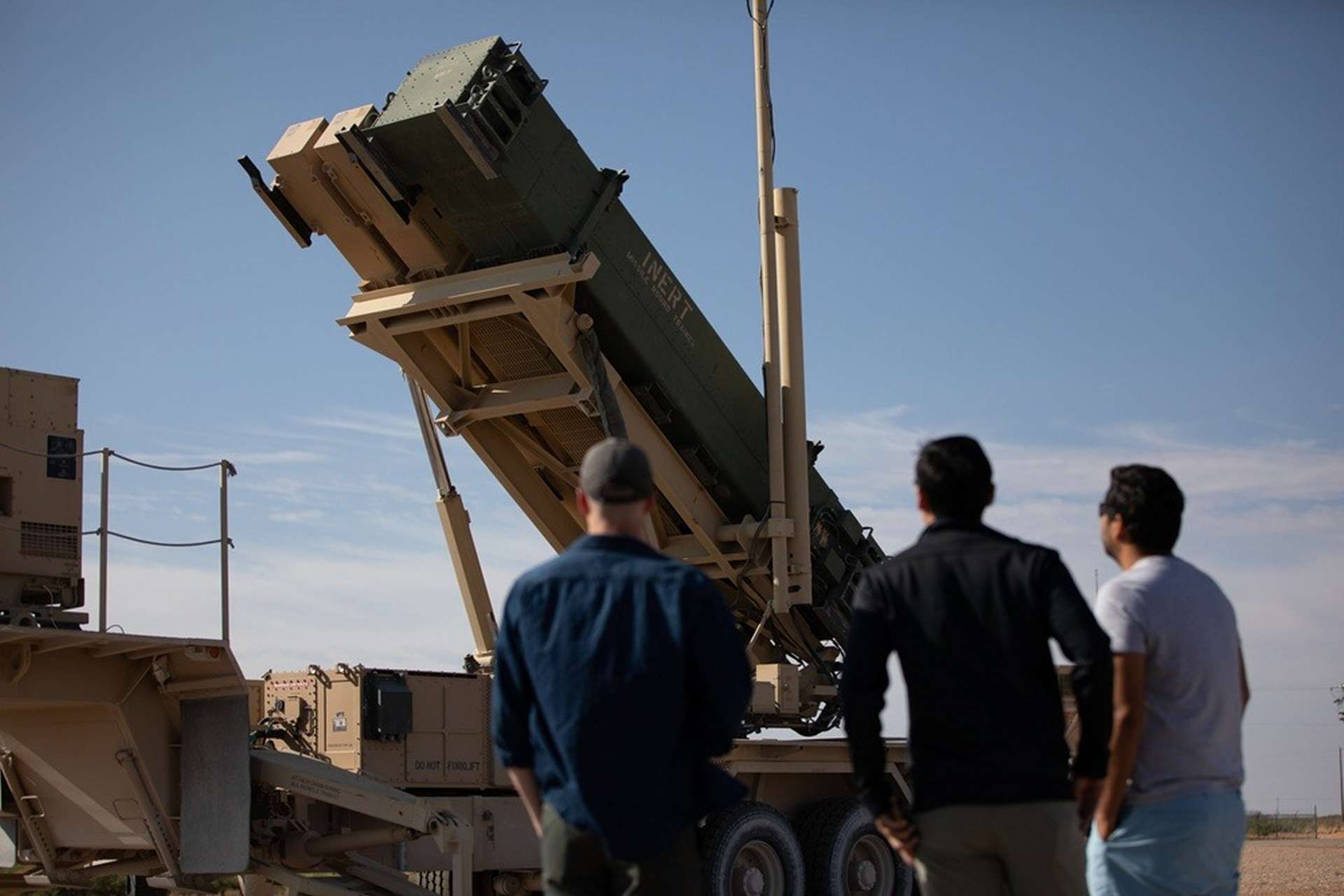
On May 11, 2024, U.S. soldiers and families from the 11th Air Defense Artillery Brigade viewed a static display of the MIM-104 Patriot Surface-to-Air Missile System at McGregor Range, N.M. (Picture source: US DoD)
The co-production proposal, to be implemented in Japan, signifies a significant development in the bilateral defense relations between Tokyo and Washington. It involves not only the manufacture of missiles for existing Patriot systems but also the enhancement of infrastructure for the modernization of American ships and aircraft in Japan.
This commitment to collaboration was formalized during a summit in April 2024, where Japanese Prime Minister Fumio Kishida and U.S. President Joe Biden agreed to initiate negotiations to intensify bilateral defense cooperation. These discussions are now expected to occur regularly at various levels, significantly increasing mutual engagement to strengthen defense capabilities and industrial integration.
The MIM-104 Patriot is a leading surface-to-air missile (SAM) system developed by the United States and produced by Raytheon and Lockheed Martin. Originally designed to counter high-altitude aerial threats such as aircraft and ballistic missiles, the system was first deployed in 1981 and has since been upgraded to address a broader range of threats, including cruise missiles and advanced aircraft.
Japan acquired the Patriot system to enhance its missile defense capabilities against potential regional threats, such as North Korea. The Japanese Self-Defense Forces first deployed the Patriot system in the late 1990s.
Japan currently has about 60 Patriot launchers, primarily in the PAC-3 configuration, which is the most advanced version. This version offers significant improvements in radar and missile technology, providing enhanced defensive coverage and interception capabilities. The PAC-3 system is known for its hit-to-kill technology, which neutralizes threats by physically striking an incoming target with a kinetic warhead, thus playing a critical role in Japan's layered missile defense architecture.
The cooperation extends beyond weapon production to significant efforts aimed at reequipping and modernizing American military equipment stationed or in operation in Japan. This development is part of a broader effort to synchronize the defense and production strategies of the two nations in response to increasing global security challenges, reflecting a major strategic initiative between the two global powers.
In October 2023, Japan announced changes to its arms export regulations, enabling the transfer of Patriot air defense missiles to the United States. These exports then allowed the United States to reallocate its own Patriot missile stockpile to support Ukraine.
In Japan, Patriot missiles are manufactured by Mitsubishi Heavy Industries under a licensing agreement with American defense contractors Lockheed Martin and RTX.
Read more: Japan to Host Manufacturing of Patriot Missiles in Bilateral Agreement with the US
- Details
- Written by: V.Saint
- Category: 2024
- Hits: 2960
Breaking news
In areas where drones have become commonplace, combat tactics have significantly changed. In the vast majority of cases, infantry are forced to move short distances from one shelter to another and to avoid open spaces. Based on public sources, it is known that soldiers on both sides of the front in Ukraine are dying from strikes by kamikaze drones in a field or in a sparse forest belt.
Follow Army Recognition on Google News at this link
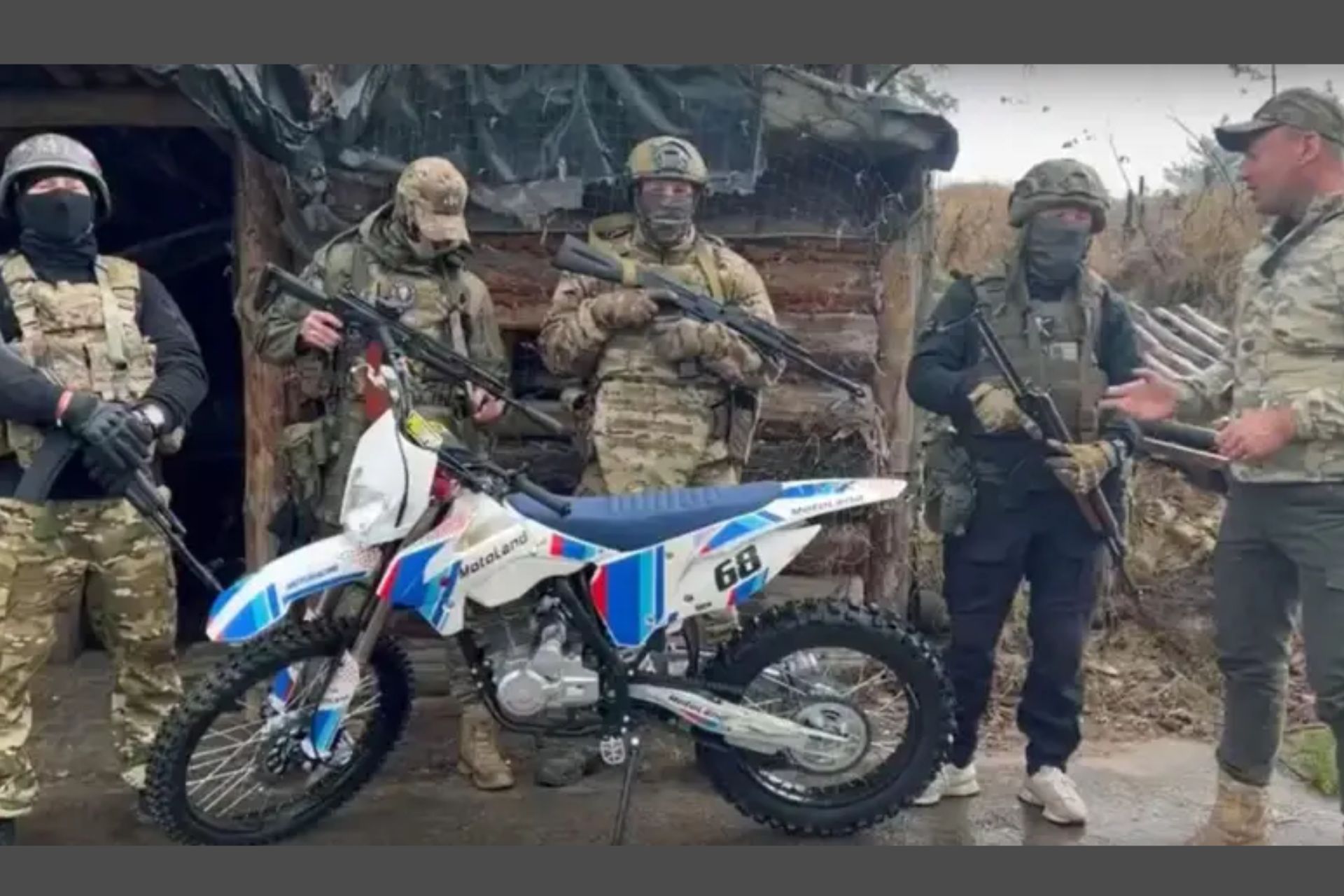
Russian VDV posing with new operational vehicle (Picture source: Russian MoD)
Much less common in urban areas, where it is much easier for a fighter to hide, and where the FPV operator simply doesn't have the time to search for the target. The average operating time of kamikaze drones' batteries does not exceed 15 minutes, which seriously limits the duration of the hunt. A partial solution has been to implement troop movements, but today drones are now equipped with night vision and infrared cameras.
In conditions of total FPV drone dominance, ground forces have very little chance of remaining combat-ready. The saturation of kamikaze drones allows for the use of two or three drones per person, not counting military equipment and vehicles. This massive use of FPVs creates a No Man's Land, where only drones can operate, and the presence of a soldier is highly risky.
One considered solution has been to encase all vehicles, from the simple UAZ (a light transport vehicle) to the T-90 tank, in a kind of cage. This decision is forced and not always justified. On both sides of the front, potential armored vehicles are on the list of priority targets. Neither Russia nor Ukraine will spare even a dozen drones, or more, for tanks and infantry fighting vehicles. If the attackers approach the target correctly, neither grills, electronic warfare, nor additional elements of dynamic defense will help the target.
This has given rise to the idea of completely depriving the vehicle of armor and making it so fast and cheap that the FPV operator will have difficulty maintaining pursuit over a long time.

Desertcross 1000-3 buggies built in China, in service in Russia (Picture source: Aodes)
Motorcycles and buggies as a low-cost solution to drones?
Between 2022-2023, at the beginning of the large-scale invasion, artillery was the main danger to forces, saturating the space with shrapnel that was extremely dangerous to unprotected troops. But today, shells are rarer due to shortages. FPV drones have replaced these shells with new constraints. The FPV, whatever the technology, constitutes a quite unique threat.
On the one hand, a shaped charge is guaranteed to penetrate any armor of any tank in the world, simply because it attacks weaker areas.
This is how motorcycles, ATVs, and Desertcross 1000-3 buggies swept in from China appeared in the Northern Military Region.
The advantages of such equipment are numerous. Their small size can, to a certain extent, hide vehicles from reconnaissance drones and attack drones, and their high speed makes them more difficult to defeat. In some areas of the front, where there is a shortage of FPVs, higher value targets are chosen.
The motorcycle presents another unexpected advantage: it is less likely to hit mines. The wheels are smaller and the tread width is narrower. Surprisingly, light, unarmored vehicles have begun to be widely used to attack Ukrainian positions. It is not infantry fighting vehicles and tanks that lead the assault, but motorcycles and buggies! Specifically, tanks are used, but they operate at a safe distance and only cover attack planes with large-caliber fire.
Speed and maneuverability have become the main guarantee of survival. Armor has become secondary. This even applies to artillery and all other equipment.
At the same time, the Russians are forced to maintain significant armor, as with recent deliveries and authorizations, Ukraine is now able to strike deep into the land with high-velocity and highly explosive ammunition. In no case can the total armoring of the rear equipment of the Russian army be discarded.
Read more: Analysis : Armour is no longer a priority for modern warfare special ops

- Details
- Written by: Triffaux
- Category: 2024
- Hits: 3831
Breaking news
On June 11th, 2024, Estonian Minister of Defense, Hanno Pevkur, announced that Estonia will provide an undisclosed number of Mistral man-portable short-range air defense systems and missiles to Ukraine as part of a new military assistance package.
Follow Army Recognition on Google News at this link
MBDA Mistral 3 MANPADS (Picture source: MBDA)
The Mistral systems, manufactured in France, are designed to target low-altitude aircraft and can be mounted on various platforms, including vehicles, ships, and helicopters. They have a maximum range of 6 kilometers. In announcing the donation, Minister Pevkur stated that Ukraine urgently needed to strengthen its air defenses to counter Russia's ongoing attacks. He emphasized that the aid package was structured to maximize benefits for Ukraine while preserving the operational capabilities of the Estonian Defense Forces. The specific details and scope of the assistance were not disclosed for security reasons.
On June 11, 2018, Estonia signed a 50 million euro contract with European missile manufacturer MBDA for the purchase of short-range Mistral air defense missiles, including training missiles, simulators, and testing and maintenance equipment. The contract was signed in Paris by Colonel Rauno Sirk, Director of the Estonian Centre for Defence Investment (ECDI), and Didier Philippe, Senior Vice President of MBDA for NATO countries. The contract also included an option for purchasing additional missiles up to a total of 100 million euros. The first systems were to be delivered in 2020. The contract was aimed at renewing and augmenting Estonia's Mistral missile arsenal, which the Estonian Defense Forces have been using since 2009, with the latest generation offering enhanced precision and extended lifespan.
The Mistral 3 missile is the latest iteration of MBDA's Mistral series. It boasts a claimed success rate of 96% in neutralizing aerial threats. The missile is designed to be effective against various threats, including aircraft, helicopters, and unmanned aerial vehicles. It features a "fire and forget" launch system and is resistant to countermeasures. The missile has a high probability of destroying its target on the first shot. It also has exceptional maneuverability and can reach supersonic speeds. The Mistral 3 has a lifespan of 20 years and does not require maintenance during this period. In terms of technical specifications, the missile has a length of 1.88 meters and weighs less than 20 kg, with a warhead weighing 3 kg. It has a diameter of approximately 92 mm and can reach speeds of 930 m/s. The missile has a range of 500 m to 8000 m and can intercept targets at altitudes up to 6000 m.
Estonia's security policy is focused on protecting sovereignty and territorial integrity, with particular concern about Russian military activities. Following Russia's large-scale invasion of Ukraine in February 2022, Estonia increased its defense spending and provided Ukraine with military aid, including ammunition, anti-tank systems, and artillery. The Ministry of Defense (MoD) publishes annual medium-term development plans, aligned with the long-term National Defense Development Plan (NDPP) to achieve strategic objectives over a four-year period. The NDPP for 2031, adopted in December 2021, emphasizes improving territorial defense, indirect fire and anti-tank capabilities, as well as enhancing maritime and surveillance systems. Acquisition efforts include rocket artillery systems from the United States and joint procurements of medium-range air defense systems with Latvia and short-range systems with Poland. Additionally, Estonia joined the European Sky Shield initiative in 2022 to strengthen its air defense capabilities. Modernization efforts also focus on improving infrastructure and readiness, including plans to create a supplementary reserve and increase the number of active and conscript personnel.
Estonia's strategic integration with NATO significantly strengthens its defense posture, highlighted by the presence of a UK-led NATO battlegroup since mid-2017 as part of the Enhanced Forward Presence initiative. The Amari air base facilitates a NATO Air Policing detachment, underscoring the country's commitment to regional security. Estonia also contributes to international peacekeeping through participation in EU, NATO, and UN missions, albeit on a limited scale due to its modest organic deployment capabilities. Domestically, Estonia hosts NATO’s Cybersecurity Centre of Excellence and has developed a niche defense-industrial sector, specializing in robotics, ship repair, and digital systems. This multifaceted approach underscores Estonia's proactive stance in bolstering its defense and technological capabilities while closely collaborating with NATO and European partners.
The Estonian military, characterized by its blend of Soviet-era and contemporary Western equipment, has updated its arsenal with advanced technologies from Europe, Israel, South Korea, and the United States. In 2023, the structure of the Estonian Defense Forces (EDF) includes a divisional headquarters, two infantry brigades, an artillery battalion, and additional support units. The Navy is equipped with a mine warfare flotilla, while specialized commands handle cyber defense and special operations. Military conscription, mandatory for men aged 18 to 27, involves service of 8 to 11 months, with variations based on the conscript's educational background and role. Since 2018, women have been eligible to volunteer for any branch, and in 2024, they represent approximately 10% of the professional force. The Defense League also includes a significant Women's Voluntary Defense Organization.
Estonia emphasizes a defense policy that ensures its sovereignty and the protection of its constitutional order, focusing significantly on developing a credible deterrence against external aggression, particularly from Russia. The resurgence of tensions following Russia's invasion of Ukraine in 2022 prompted Estonia to enhance its defense capabilities in air defense, artillery, and surveillance. Estonia's integration into NATO since 2004 has been crucial, hosting a UK-led NATO battlegroup and relying on NATO for air policing via rotations of member states’ fighter aircraft stationed at Ämari Air Base since 2014. Estonia also actively participates in the EU Common Security and Defense Policy and collaborates closely with Baltic neighbors and other allies like Canada and the US, underscoring its strategic position in Northern Europe.
Estonia has previously provided Ukraine with various military equipment, including Javelin anti-tank systems, howitzers, and artillery. A military aid package worth 20 million euros was also announced in March for Ukraine.
Read more: Estonia Strengthens Ukraine's Short-Range Air Defense with French Mistral Systems
- Details
- Written by: Vandenbosch
- Category: 2024
- Hits: 8022
Breaking news
The Czech Republic has approved a plan to acquire up to 77 modern Leopard 2A8 battle tanks from Germany, adding this acquisition to its ongoing strategic defense projects. We mentioned that the Czech Republic was close to finalizing this deal on June 7, 2024, as reported by Army Recognition.
Follow Army Recognition on Google News at this link
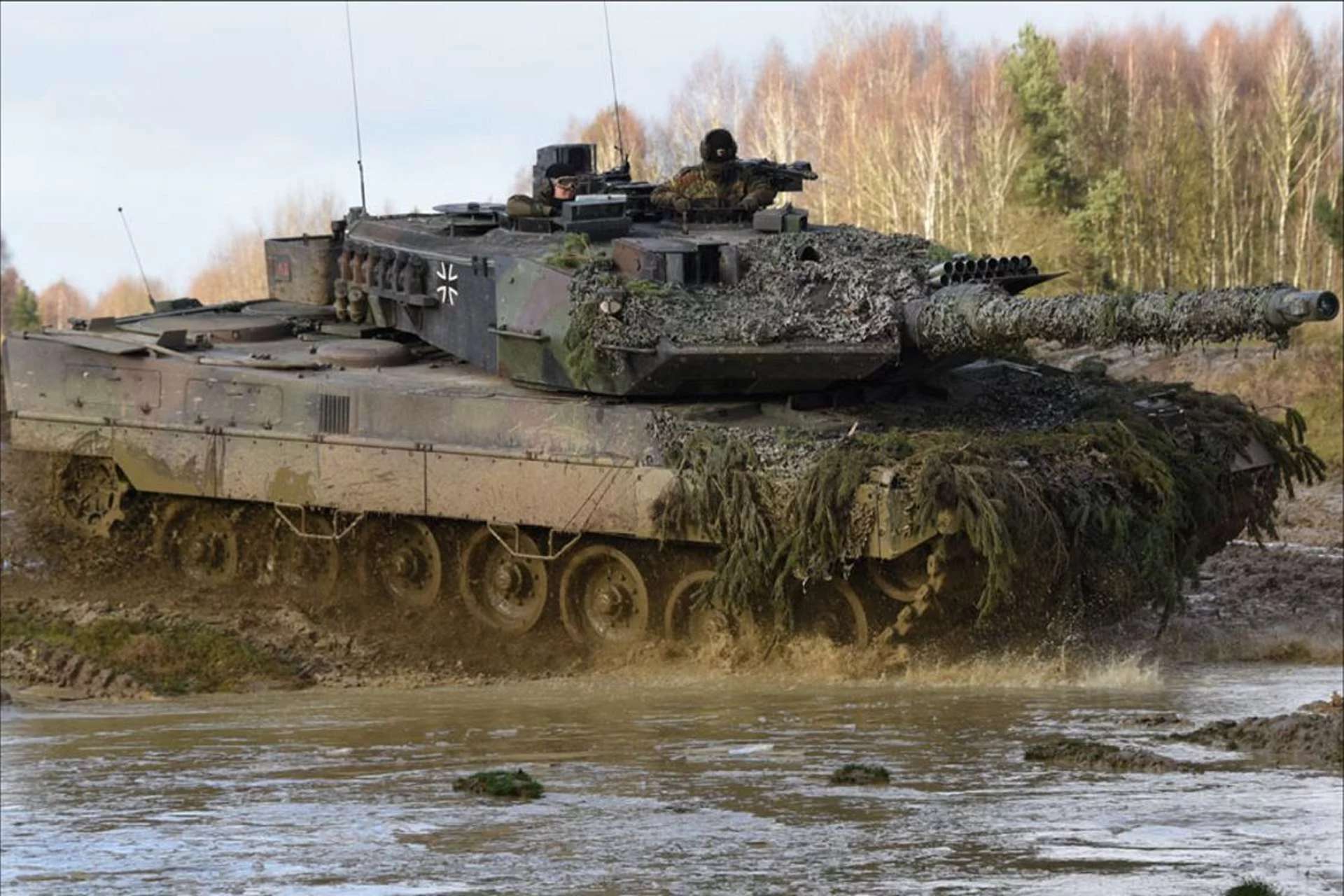
The Leopard 2A8 is a German main battle tank. (Picture source: German MoD)
On June 12, 2024, the Czech Cabinet approved joining a cooperation agreement for joint procurement with Germany, a crucial interim step according to the Czech Ministry of Defense. Final government approval is expected by the end of the year.
"Tanks remain an irreplaceable part of a heavy brigade," said Defense Minister Jana Černochová, emphasizing their high firepower, maneuverability, and resilience. She noted that the fighting in Ukraine has highlighted the importance of these weapon systems.
In May 2023, Germany signed a framework agreement with the manufacturer Krauss-Maffei Wegmann (KMW) to acquire up to 123 Leopard 2A8 tanks, offering partner countries the opportunity to purchase a share of these tanks. The German Bundeswehr is set to receive 18 new battle tanks by 2026.
The Leopard 2A8 is a modern battle tank equipped with a 120 mm/L55 smoothbore cannon, a 7.62 mm coaxial machine gun, and a Trophy APS countermeasure launcher. This armament configuration provides significant firepower and advanced defense capabilities against various threats.
In terms of protection, the Leopard 2A8 features a new generation of active and passive all-around armor, offering enhanced protection against modern Anti-Tank Guided Weapons (ATGW) and Rocket-Propelled Grenades (RPG). This sophisticated armor ensures increased survivability on the battlefield against contemporary threats.
Weighing between 65,000 and 67,000 kg, the Leopard 2A8 is designed in Germany and can reach speeds of up to 70 km/h on the road, allowing it to move quickly across different terrains.
The Leopard 2A8 is equipped with various combat systems, including a collective NRBC (Nuclear, Radiological, Biological, and Chemical) system, a power pack preheating system, a crew compartment heater, a fire extinguishing system, electric bilge pumps, a thermal imaging system, an auxiliary power unit, a crew compartment cooling system, and a panoramic sight for the commander. These features ensure crew comfort and safety while enhancing the tank's operational capabilities.
With a range of 450 km, the Leopard 2A8 allows for extended operations without frequent refueling. It is designed to be operated by a crew of four and measures 7.7 meters in length, 4.0 meters in width, and 3.0 meters in height, providing an imposing presence and the ability to maneuver in various combat environments.
The Czech Republic plans to order 61 Leopard 2A8s in six different versions, including main battle tanks, command vehicles, bridge-laying tanks, and training tanks. The Ministry of Defense in Prague estimates the cost of this order at €1.6 billion ($1.73 billion), with an option for 16 additional vehicles, which could raise the total price to €2.1 billion.
Read more: Czech Republic Purchases Up to 77 Leopard 2A8 Tanks from Germany
- Allen-vanguard and Hyperion to deliver Mixed Reality JTAC Trainer
- Exclusive: German-French Company KNDS Unveils Cutting-Edge Leopard 2A-RC 3.0 Tank with Revolutionary Unmanned Turret
- Netherlands purchases Swedish-made Mjölner 120mm self-propelled mortars for superior fire support
- Rheinmetall Announces Opening of Maintenance and Repair Facility in Ukraine