

- Details
- Written by: Jérôme Brahy
- Category: 2024
- Hits: 6040










On August 22, 2024, the Slovak company KONŠTRUKTA-Defence announced that its modernized EVA M2 6x6 155mm self-propelled howitzer recently underwent its first series of live firing tests, focusing on evaluating the platform's strength and stability. These tests are crucial for ensuring the system's reliability under operational conditions. In addition to the shooting trials, the EVA M2 6×6 also successfully completed non-shooting tests that assessed its performance in vertical grading, trench crossing, and climbing scenarios, demonstrating its capability across various terrains.
Follow Army Recognition on Google News at this link
In addition to the shooting trials, the EVA M2 6×6 also successfully completed non-shooting tests that assessed its performance in vertical grading, trench crossing, and climbing scenarios, demonstrating its capability across various terrains. (Picture source: KONŠTRUKTA-Defence)
Previously known under the name BIA, the EVA M2 6×6 is an advanced version of the EVA 155mm self-propelled howitzer, featuring an automatic ammunition loading mechanism. The earlier model was designed to deliver firepower through both direct and indirect aiming and incorporates assemblies and design solutions tested in Slovakia and other locations. The system is based on the 155mm 52 caliber SpGH, which has undergone extensive testing and tender trials.
The EVA is noted for its mobility, being a lighter version of the Zuzana 2 howitzer, and its ability to protect its crew from infantry weapons. It features rapid preparation and high accuracy of fire, along with the capacity for multiple round simultaneous impact (MRSI) fire. The crew operates from an air-conditioned, lightly armored cabin that offers protection against nuclear, biological, and chemical (NBC) threats, small arms fire, and ammunition fragments.
The system includes a weapon superstructure, platform, and on-board control system, with an automatic loading mechanism capable of handling 12 projectiles and 12 charges. This allows the system to fire five rounds in the first minute and nine rounds in two minutes, all controlled by the commander from within the cabin.
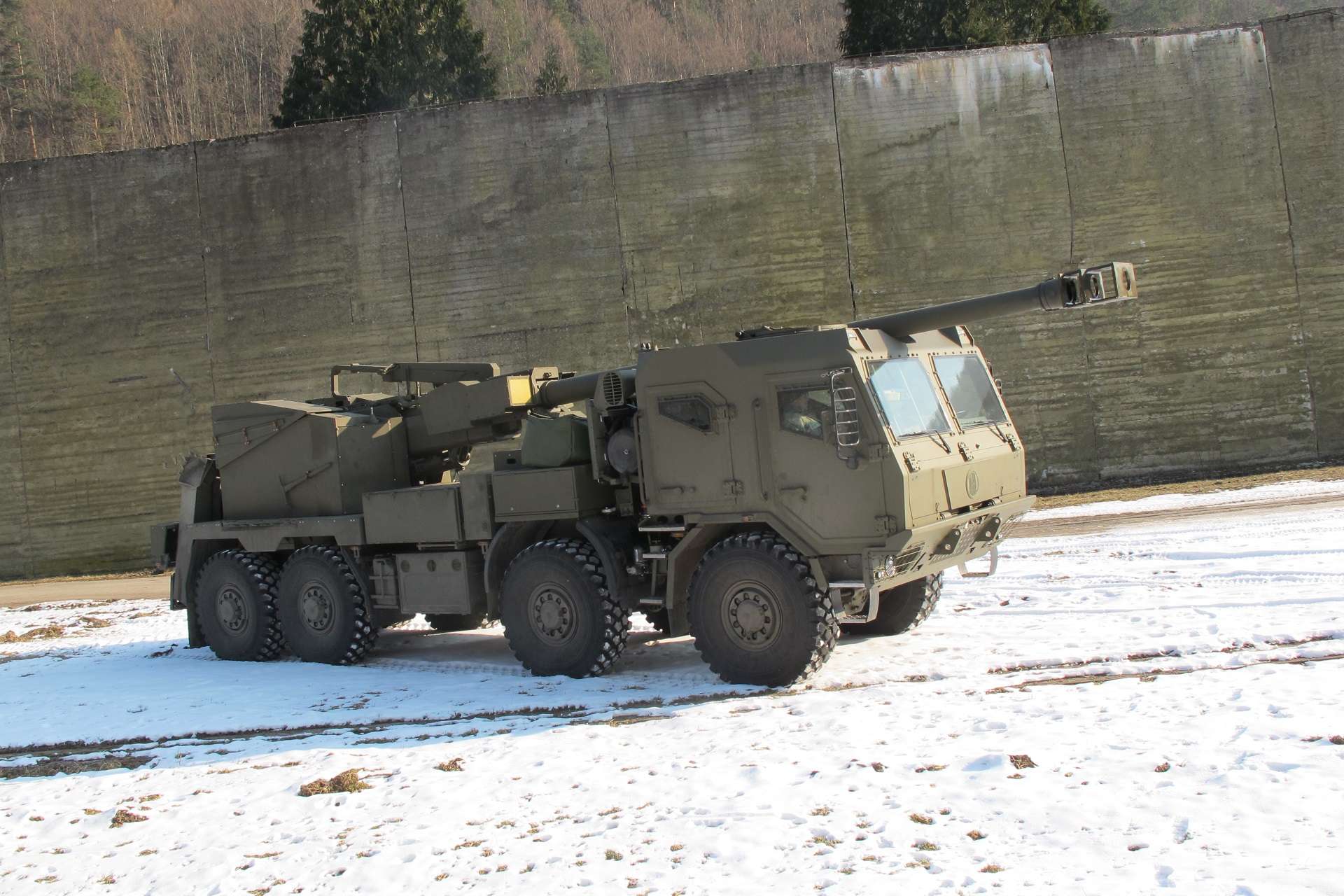
The earlier EVA model was designed to deliver firepower through both direct and indirect aiming and incorporates assemblies and design solutions tested in Slovakia and other locations. (Picture source: KONŠTRUKTA-Defence)
The EVA uses a chassis that can be configured as either an 8×8 or 6×6, based on the TATRA concept. This chassis includes an armored cabin and a central tire inflation/deflation system, enabling it to adapt to different battlefield conditions. The system's automation includes mechanisms for sensing and adjusting the position of the barrel and ammunition conveyors, with a fire control system (FCS) software designed for the central management of technical resources and activity monitoring, including topographic, ballistic, and technical calculations.
The EVA measures 11.5 m in length, 2.55 m in width, and 3.28 m in height at 0° elevation. It has a maximum combat weight of 26,500 kg for the 8×8 configuration and can reach speeds of 90 km/h on roads and 30 km/h off-road. The weapon features a 155mm caliber barrel with a length of 52 calibers, an elevation range of -3.5° to +75°, and a traverse of ±60°. The system's maximum range of fire is 41 km with ERFB-BB shells and over 50 km with VLAP ammunition.
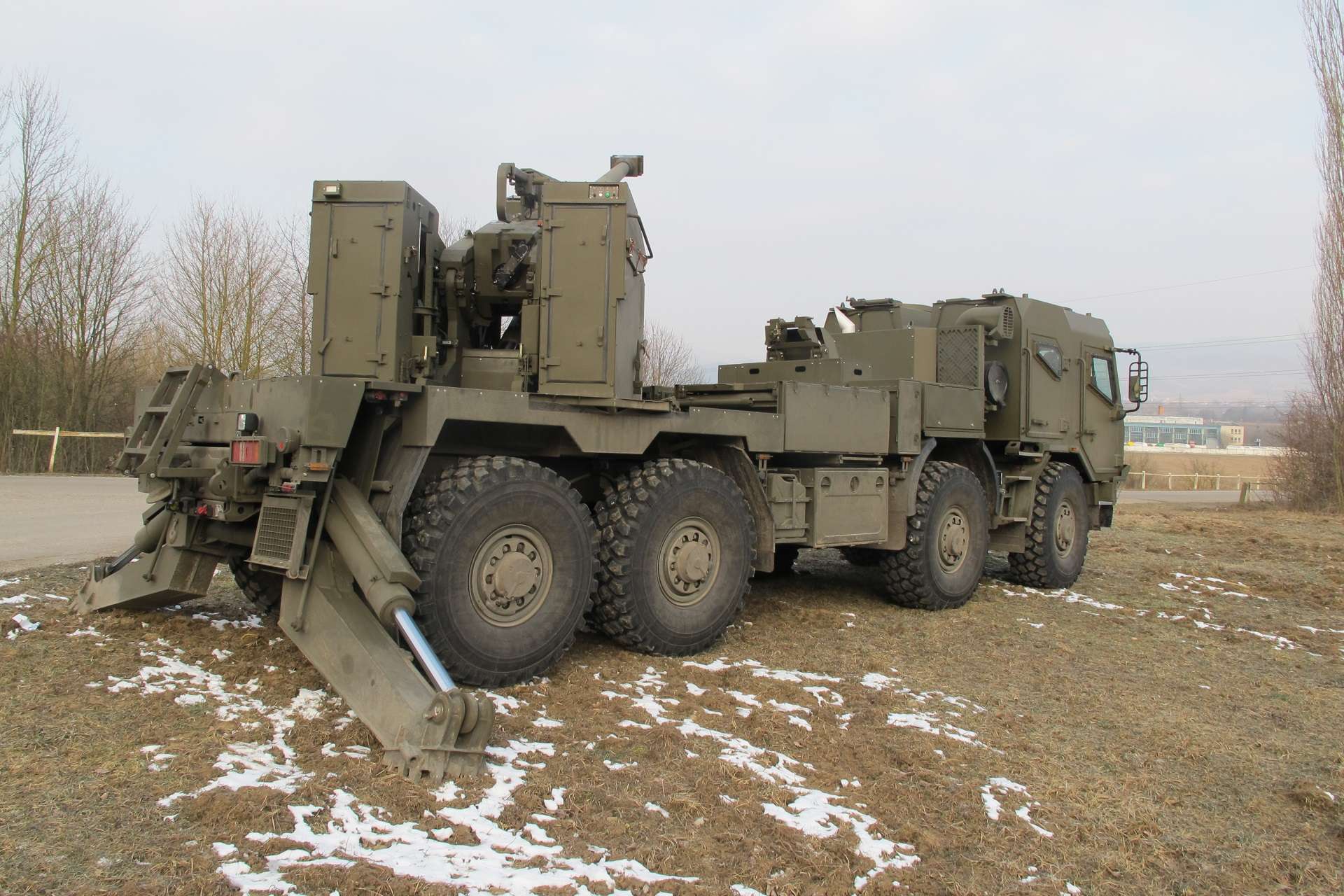
The EVA's maximum range of fire is 41 km with ERFB-BB shells and over 50 km with VLAP ammunition. (Picture source: KONŠTRUKTA-Defence)

- Details
- Written by: Halna du Fretay
- Category: 2024
- Hits: 2665
The U.S. Army is actively pursuing new technologies to reduce the weight of its combat and transport vehicles by incorporating lighter composite materials. This initiative is part of a broader effort to enhance the mobility and payload capacity of its ground fleet. For the fiscal year 2025, the Army has requested nearly $1 billion to support these efforts, reflecting a significant investment in modernizing its ground platforms.
Follow Army Recognition on Google News at this link
The Army's investment in composite materials is part of a broader trend within the defense sector to leverage advanced materials for performance improvement (Picture source: US DoD)
This focus on weight reduction is not limited to new vehicles but also extends to key in-service platforms, including Abrams tanks, Bradley Fighting Vehicles, and the Family of Heavy Tactical Vehicles (FHTV). By reducing the weight of these vehicles, the Army aims to improve their maneuverability on the battlefield and increase their ability to carry additional payloads, which is crucial for operational effectiveness.
Andrew Halonen, a mechanical engineer and president of the U.S.-based company Mayflower Consulting, emphasized the importance of weight reduction in ground platforms. According to Halonen, lighter vehicles not only enhance mobility but also provide greater flexibility in carrying mission-essential equipment, giving troops an operational advantage in various combat scenarios.
The Army's investment in composite materials is part of a broader trend within the defense sector to leverage advanced materials for performance improvement. As the service continues to modernize its fleet, the integration of these technologies will likely play a crucial role in maintaining the Army's readiness and effectiveness in future conflicts.
Composite materials are used to combine the properties of different materials to create a final product with superior advantages compared to its individual components. In the military context, particularly for vehicles like Abrams tanks and Bradley Fighting Vehicles, composites are essential for several key reasons.
Firstly, they allow for a significant reduction in vehicle weight. By replacing heavier materials such as steel with composites, the Army can make its vehicles lighter, which improves mobility, speed, and maneuverability on the battlefield. Secondly, composite materials offer excellent mechanical strength and increased durability, meaning they can withstand heavy loads and extreme conditions without deforming or deteriorating. This is especially important for armored vehicles that must remain operational under enemy fire or in harsh environments.
Additionally, composites can be designed to provide better protection against ballistic threats, as they can absorb and dissipate the energy from impacts more effectively than traditional materials. This enhances the protection of crews inside the vehicles. Finally, composites are also more resistant to corrosion, which extends the lifespan of vehicles in environments where they are exposed to moisture, salt, and other corrosive agents. These characteristics make composite materials a strategic choice for improving the overall performance of military platforms while meeting modern demands for flexibility and efficiency.
Read more: US Army Invests in Composite Materials to Lighten Ground Vehicles
- Details
- Written by: Vandenbosch
- Category: 2024
- Hits: 5420
Russian engineers are planning to modernize BMP-3 infantry fighting vehicles by equipping them with mini-drones, thereby enhancing their tactical capabilities and crew safety on the battlefield. This initiative was announced on August 22 by the press service of the High-Precision Systems holding. The project is currently led by specialists at Kurganmashzavod, who are developing a business plan for integrating these unmanned aerial vehicles (UAVs) into the BMP-3 platform. Once testing is complete, the drones will be integrated into the vehicle's design.
Follow Army Recognition on Google News at this link
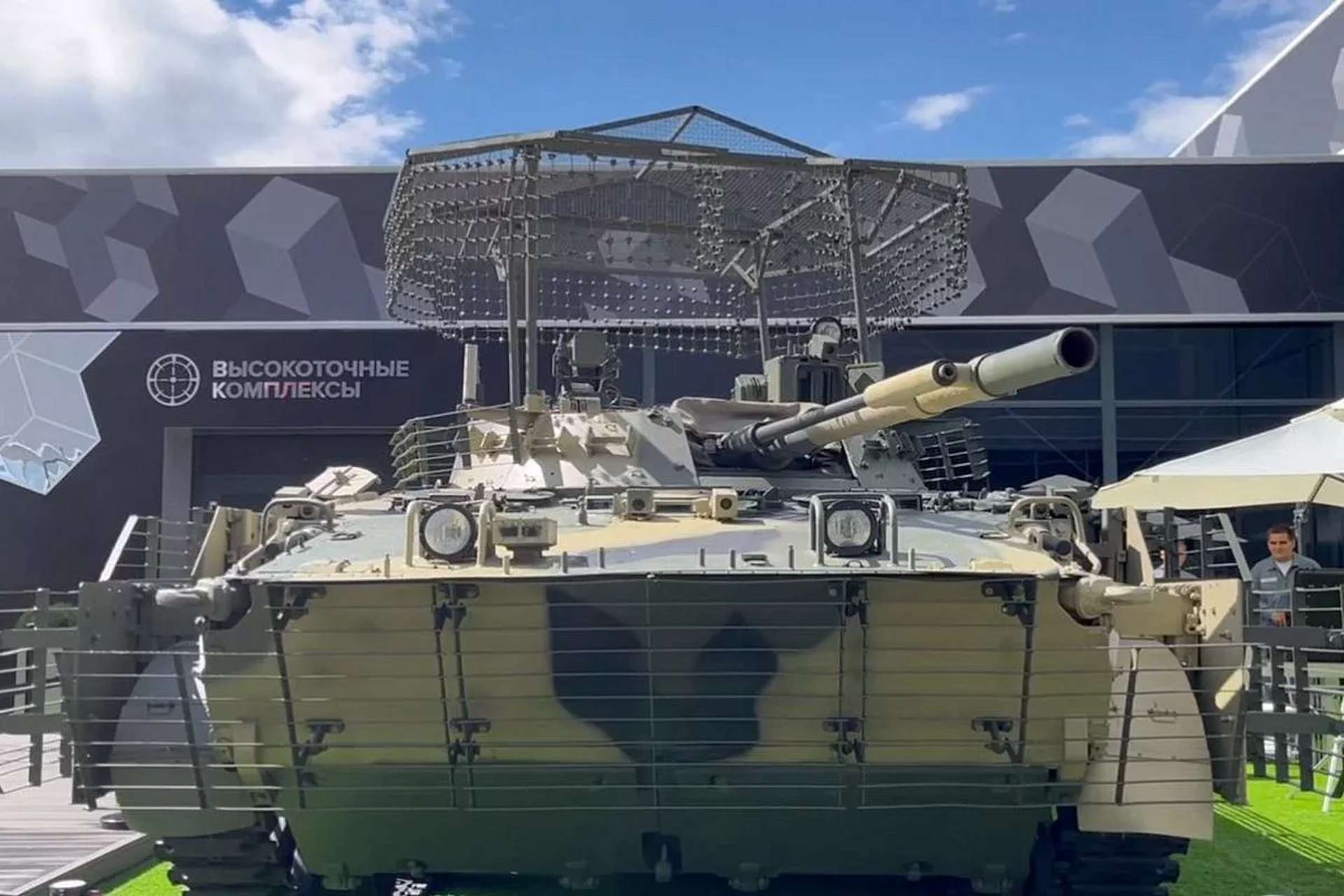
The BMP-3 is an infantry fighting vehicle designed in Russia. (Picture source: Russian Media)
The mini-drones are specifically designed for reconnaissance and surveillance missions. They will provide real-time data to the BMP-3 crew, offering crucial information about battlefield conditions. Equipped with cameras and sensors, these drones will collect and transmit information, thereby improving the tactical capabilities of the combat vehicles and enhancing crew safety.
This innovation is part of Russia's broader efforts to improve the performance of its military vehicles. Previous reports have highlighted how soldiers involved in the conflict in Ukraine have reinforced the armor of combat vehicles using ammunition casings.
The BMP-3 is an infantry fighting vehicle designed in Russia and used by many countries worldwide, including Azerbaijan, Cyprus, Indonesia, Iraq, Kuwait, Libya, Morocco, Nicaragua, Russia, Sri Lanka, South Korea, Turkmenistan, the United Arab Emirates, and Venezuela. This vehicle weighs 18,700 kg and stands out for its combination of firepower and mobility.
The BMP-3 is armed with a 100 mm main gun, a 30 mm cannon, and three 7.62 mm machine guns, providing significant versatility on the battlefield. Its structure is made of welded aluminum alloy, which offers effective protection against small-caliber weapons and shell fragments.
This vehicle is designed to travel at a maximum speed of 70 km/h on roads and 10 km/h on water, allowing it to traverse different types of terrain and operations. It has a range of 600 km, making it capable of covering long distances without the need for frequent refueling.
In terms of equipment, the BMP-3 is equipped with a sophisticated fire control system, night vision, and an NBC (nuclear, biological, chemical) protection system, making it well-suited for modern combat. It can carry a crew of three people along with seven additional infantrymen. Its dimensions measure 7.14 meters in length, 3.23 meters in width, and 2.65 meters in height, making it a formidable vehicle while still meeting the demands of infantry combat.
Thus, the BMP-3 is a robust and well-armed vehicle, considered the most modern infantry fighting vehicle in the Russian army. It will be interesting to see what additional capabilities these mini-drones can bring. This is certainly a development to watch closely.
Read more: Russia Equips Its BMP-3 Infantry Fighting Vehicles with Mini-Drones

- Details
- Written by: Triffaux
- Category: 2024
- Hits: 2527
On August 23, 2024, Hanwha Aerospace announced the completion of its Armoured Vehicle Centre of Excellence (H-ACE) in Geelong, marking a significant advancement in the defense industry and the collaboration between Australia and South Korea. The new site represents the first overseas defense production base for the Korean company.
Follow Army Recognition on Google News at this link
Hanwha Aerospace announced the completion of its Armoured Vehicle Centre in Australia (Picture source: Hanwha)
According to Jae-il Son, CEO and President of Hanwha Aerospace, this center symbolizes the company's long-term commitment to Geelong, Victoria, and Australia. "H-ACE will play a crucial role in our global defense supply network, and we are determined to integrate more Australian companies into our future initiatives," Mr. Son stated during the inauguration.
The opening event was attended by several dignitaries, including Australia's Deputy Prime Minister and Minister of Defense, Richard Marles, South Korea's DAPA Minister, Jong-gun Seok, the Chief of the Australian Army, Lieutenant General Simon Stuart, and the Head of Land Capability, Major General Richard Vagg.
The H-ACE center, covering an area of 150,000 square meters, includes various facilities such as a main building, a production building, an assembly plant, a driving test site, and a shooting range. Located an hour's drive from Melbourne and ten minutes from Avalon Airport, the center offers excellent logistical opportunities.
The initial production projects at H-ACE will include the AS9 Self-Propelled Howitzer and the AS10 Armoured Ammunition Resupply Vehicle, with plans to supply 30 and 15 units, respectively, to the Australian Army. Additionally, the center will manufacture the Redback Infantry Fighting Vehicle, with a contract already in place for 129 units, following the delivery of prototypes scheduled after 2026.
The commissioning of H-ACE represents a key milestone for Hanwha Aerospace, which is looking to strengthen its presence in the AUKUS markets at a time when demand for defense products is increasing in the Indo-Pacific region due to rising geopolitical tensions.
This development promises not only to strengthen Australian national defense but also to boost the local economy through job creation and increased industrial production, marking a significant turning point in the defense sector relations between Australia and South Korea.
Read more: Hanwha Aerospace Unveils New Armored Vehicle Centre in Australia
- Details
- Written by: Halna du Fretay
- Category: 2024
- Hits: 2376
Over the past five years, Taiwan has faced increasing political, diplomatic, and military pressure from China, which views the island as a "rebellious province." During a conference in Hong Kong, a senior official from the Chinese Communist Party, Shi Taifeng, reiterated that reunification with Taiwan would eventually occur, highlighting the persistent ambitions of Beijing. In this tense context, the island is preparing to bolster its defense capabilities.
Follow Army Recognition on Google News at this link
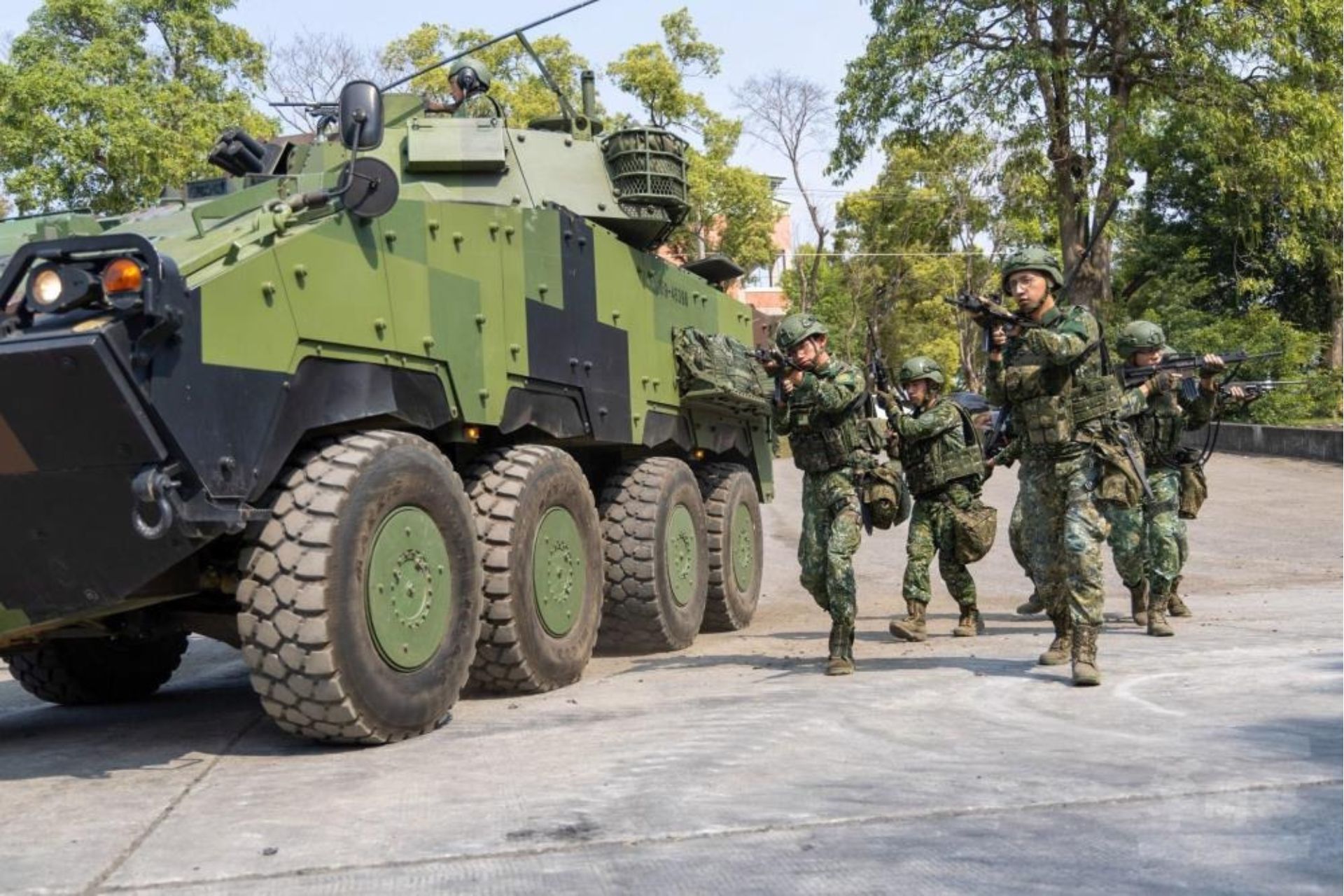
Last year, Taiwan had announced a moderate increase in its military budget, which was expected to reach 606 billion Taiwanese dollars in 2024, equivalent to approximately 17 billion euros (Picture source: Taiwanese MoD)
In 2023, the People's Liberation Army deployed around 1,700 aircraft near Taiwan, escalating the pressure on Taiwanese armed forces. This situation has strained the resources of Taiwan's air force, which relies on combat aircraft such as the Mirage 2000 and F-16. Facing the threat of a potential invasion, Taiwan has adopted a defensive strategy known as the "porcupine" approach, designed to deter potential aggressors by strengthening its defenses. This strategy includes significant military equipment orders, particularly from the United States, as well as increased support for Taiwan's domestic arms industry.
Last year, Taiwan had announced a moderate increase in its military budget, which was expected to reach 606 billion Taiwanese dollars in 2024, equivalent to approximately 17 billion euros. However, on August 22, Taipei announced its intention to further increase military spending by 7.7% year-on-year, raising the budget to 647 billion Taiwanese dollars, representing over 2.45% of the island's GDP. This increase surpasses Taiwan's projected economic growth, which is estimated at 3.26% for 2024.
These additional funds will be used to acquire new fighter jets, likely F-16 Vipers, and to modernize the maritime and aerial defense capabilities of Taiwan's armed forces. The Taiwanese government has specified that investment spending will reach 145.8 billion Taiwanese dollars in 2025, largely due to payments for weapons purchased from the United States.
This budget proposal still needs to be submitted to Parliament but enjoys broad consensus between the ruling majority and the opposition. However, the sustainability of this effort in the long term remains uncertain. The Taiwanese Ministry of Defense is considering the acquisition of seven locally designed submarines of the "Narwhal" or "Hai Kun" class, which could further increase the island's military expenditures.
According to Chieh Chung, an associate professor at the Institute of International Affairs and Strategic Studies at Tamkang University, the recent budget increases have been made possible through a special budget funded by public debt. However, it is unclear whether this mechanism will continue beyond 2026. Chieh Chung believes it may become difficult to maintain current levels of military spending in the future.
Read more: Taiwan: Increased Military Spending in Response to Chinese Pressure

- Details
- Written by: Halna du Fretay
- Category: 2024
- Hits: 3031
The Ministry of Defense of Ukraine has signed new agreements for the procurement of domestic drones, electronic warfare (EW) systems, and communication equipment. These contracts were finalized by the Defense Procurement Agency and involved collaboration with several Ukrainian companies. Although the exact value of these agreements has not been disclosed, they reflect a strategic intent to strengthen Ukraine's defense capabilities through locally produced technologies.
Follow Army Recognition on Google News at this link
Ukrainian company Ukrspecsystems developed the Shark drone, designed for electronic warfare, capable of flying 60 kilometers behind enemy lines and providing battlefield surveillance for artillery targeting (Picture source: Ukrspecsystems Shark)
The signing of these agreements took place during a working visit by Ukrainian President Volodymyr Zelenskyy to the Kirovohrad region. Deputy Defense Minister Dmytro Klimenkov emphasized the importance of focusing on Ukrainian-made products, noting that this approach not only bolsters national security but also supports the Ukrainian economy and job creation. This strategy ensures that the Ukrainian armed forces receive modern, reliable equipment tailored to their operational needs.
During discussions at the signing, representatives of the Ministry of Defense and Ukrainian arms manufacturers discussed the details and scope of the contracts, as well as exploring strategic cooperation for the future aimed at further modernizing the country’s military capabilities. According to Maryna Bezrukova, director of the Defense Procurement Agency, the ministry is building effective relationships with local manufacturers, encouraging them to collect and integrate feedback from military users to quickly turn battlefield demands into procurement contracts.
In addition to these new agreements, the Ministry of Defense continues to expand its collaboration with Ukrainian companies and plans to sign further contracts aimed at modernizing Ukraine’s military capabilities. These efforts reflect Ukraine's ongoing commitment to strengthening its defense infrastructure in the face of current security challenges.
This development follows significant prior contracts, including agreements worth 3.7 billion UAH for ground-based kamikaze drones and ammunition production. Since the beginning of 2024, the Defense Procurement Agency has invested 30 billion UAH in drones and unmanned aerial systems, with over 350,000 drones contracted by mid-August. These continuous efforts underscore the importance of military modernization for Ukraine.
Read more: Ukraine Focuses on Local Drone and EW Production with New Defense Technology Agreements

- Details
- Written by: Halna du Fretay
- Category: 2024
- Hits: 2540
The New Zealand Defense Force (NZDF) has awarded a contract to BAE Systems to upgrade its VBS4 virtual simulator, enhancing military capabilities in mission planning and tactical rehearsals. The VBS4, developed by BAE's subsidiary Bohemia Interactive Australia (BIA), will be upgraded to include an enterprise-wide license and additional services. This platform, known for its whole-earth virtual desktop environment, enables operators to visualize any location on the planet in 3D, improving situational awareness and operational readiness.
Follow Army Recognition on Google News at this link
VBS4 is a crucial tool for military planning, offering functionalities such as VBS Geo mode, which allows operators to update maps with new information in real time (Picture source: BAE Systems)
This upgrade is part of NZDF's broader initiative to integrate VBS4 into its command and control training programs. In June 2024, the NZDF incorporated VBS4 into its training program, which now includes improved AI capabilities, geographic terrain editing, and other advanced features. The latest contract also covers the digital representation of the New Zealand Light Armoured Vehicle and the maintenance of the TerraTools terrain generation software.
VBS4 is a crucial tool for military planning, offering functionalities such as VBS Geo mode, which allows operators to update maps with new information in real time. It enables the creation of virtual representations of operational environments based on the latest data, allowing mission planners to quickly add buildings, roads, and other structures. This feature ensures that mission planning is informed by the most current intelligence, avoiding the use of outdated terrain data.
Additionally, VBS Plan mode allows detailed planning and testing of courses of action (COA), where friendly forces (BLUFOR) and opposing forces (OPFOR) can be simulated in the 3D environment. This tool helps military planners test various strategies, assess risks, and refine their plans before execution. VBS4 Control AI also allows the simulation of these scenarios, ensuring that soldiers follow doctrinal tactics, which helps assess the feasibility of different COAs.
VBS4 also offers the ability to align time and weather conditions with actual forecasts, allowing planners to simulate operations under specific environmental conditions, such as visibility or terrain conditions. After Action Review (AAR) features allow military planners to replay and analyze mission outcomes, ensuring that every aspect of a COA is thoroughly evaluated. By incorporating these advanced simulation tools, NZDF aims to improve its readiness and effectiveness in real operations, making VBS4 an indispensable part of the mission planning and rehearsal process.
With this upgrade, BAE Systems continues to support NZDF’s training programs, reaffirming its commitment to providing cutting-edge simulation technologies for modern military needs.

- Details
- Written by: Jérôme Brahy
- Category: 2024
- Hits: 9168
At the Army 2024 exhibition, Rosoboronexport introduced the OKR Kondor 8x8 recovery vehicle, which is built on the KAMAZ-53958 chassis. This vehicle is specifically designed for the evacuation of military equipment and related hardware with a gross weight of up to 45 tons, employing a maximum pulling force of up to 60 tons. The Kondor is intended for export, distinguishing it from other models like the KET-L1 recovery vehicle, which is based on the KAMAZ-6560 chassis and developed for use by the Russian army.
Follow Army Recognition on Google News at this link
The vehicle's technical features include two winches: a primary winch with a pulling force of up to 24 tons and a secondary winch providing a force of up to 15 tons. An auxiliary winch, with a capacity of 6.1 tons, supports a range of recovery operations. (Picture source: Russian social media)
The Kondor is equipped to perform various logistical tasks, including lifting, installation, dismantling, and loading operations, and is capable of functioning in both daytime and nighttime conditions. It is also designed for evacuating heavy military vehicles, preparing evacuation routes, and transmitting data through communication channels, which supports its role in integrated operational frameworks.
Manufactured by OOO "Chaika-NN," the Kondor measures 11.52 m in length, 2.55 m in width, and 3.84 m in height, with a curb weight of 34,500 kg and a total mass capacity of 45,000 kg. The vehicle is also designed to be air-transportable by the AN-124 cargo aircraft, facilitating its deployment across various operational environments.
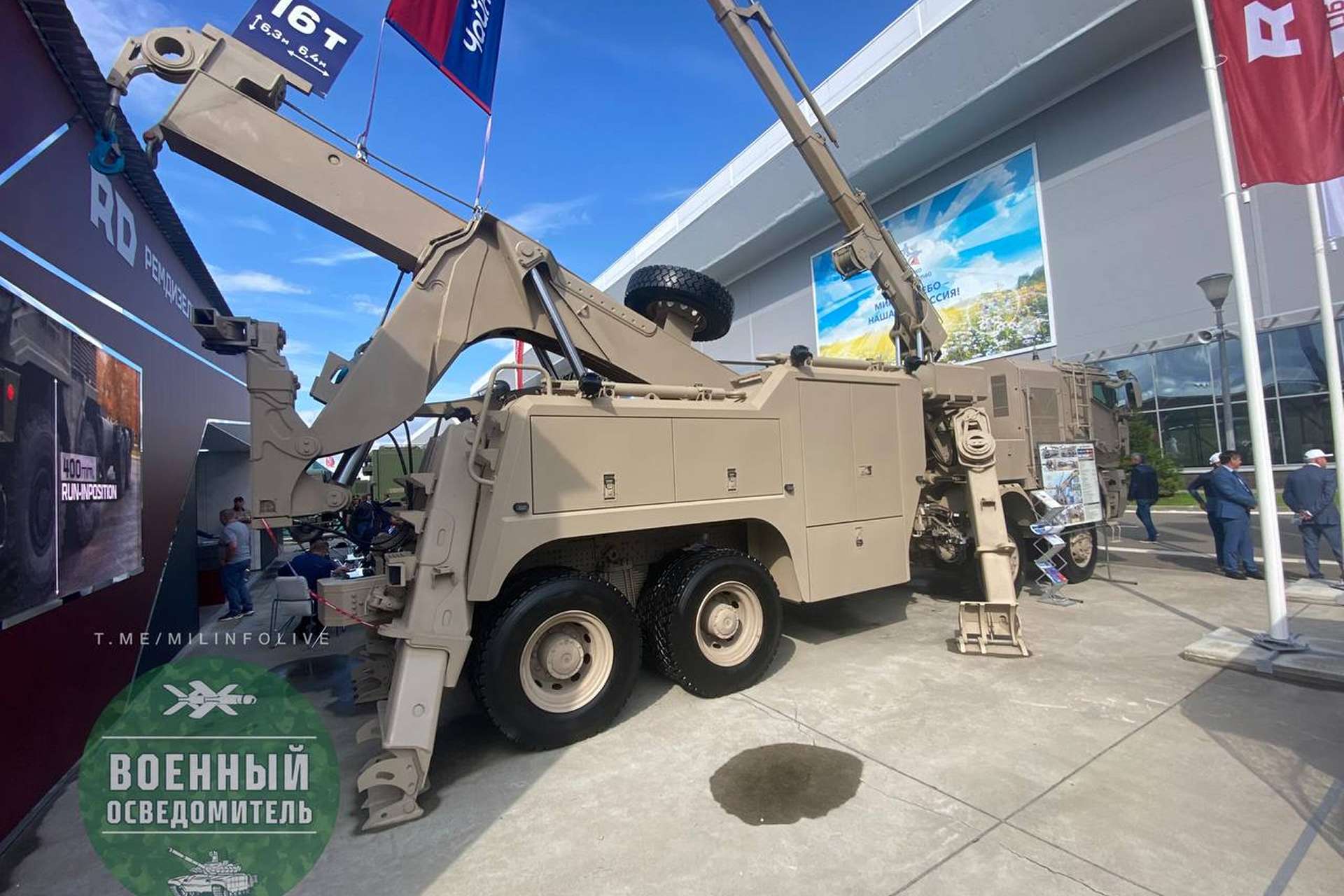
The Kondor also has a hydraulic crane capable of lifting up to 16.3 tons when fully extended vertically, with a maximum outreach of 6.6 meters and a height of 10 meters, allowing it to perform a variety of lifting tasks. (Picture source: Telegram/milinfolive)
The vehicle's technical features include two winches: a primary winch with a pulling force of up to 24 tons and a secondary winch providing a force of up to 15 tons. An auxiliary winch, with a capacity of 6.1 tons, supports a range of recovery operations. The Kondor also has a hydraulic crane capable of lifting up to 16.3 tons when fully extended vertically, with a maximum outreach of 6.6 meters and a height of 10 meters, allowing it to perform a variety of lifting tasks. In addition, the Kondor is equipped to tow artillery, with a towing capacity of up to 8 tons. It also includes systems for securing and transporting gun barrels and associated equipment.
The KamAZ-53958, also referred to as the K-53958 or Tornado, is an 8x8 wheeled chassis developed by the Russian manufacturer KamAZ. It is designed as a versatile platform capable of supporting various military applications, including air defense systems like the Pantsir-SM. The vehicle is powered by a 550 hp KamAZ-910.10 engine and can reach speeds of up to 100 km/h. It features an armored cabin, adapted from the Typhoon-K vehicle, designed to protect its crew. The KamAZ-53958 can carry up to 25 tons of mounted equipment. The vehicle incorporates several imported components, including the Allison transmission and Steyr transfer case, which has raised concerns about dependency on foreign parts amidst efforts to enhance domestic production capabilities.
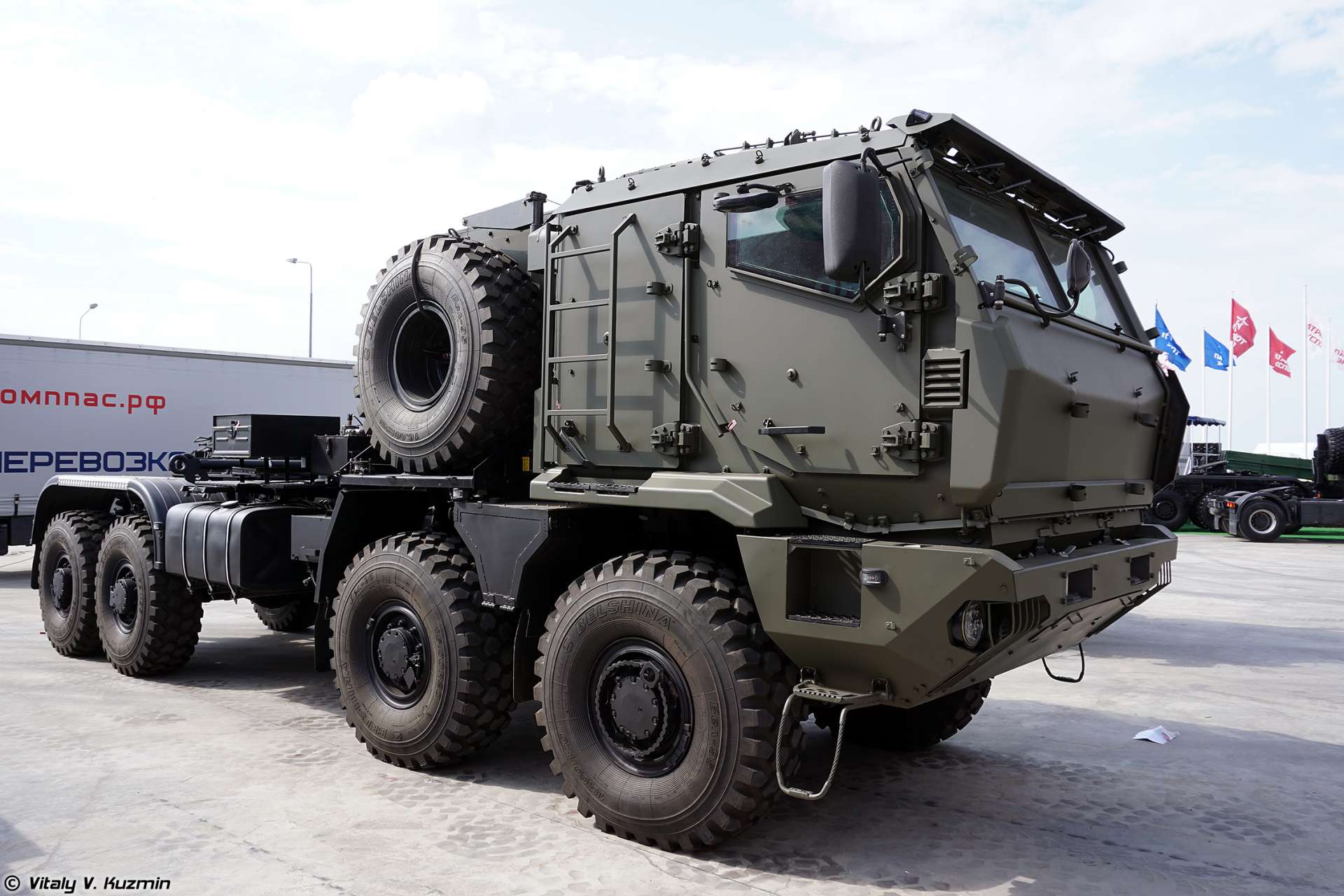
The KamAZ-53958, also referred to as the K-53958 or Tornado, is an 8x8 wheeled chassis developed as a versatile platform capable of supporting various military applications, including air defense systems like the Pantsir-SM. (Picture source: Vitaly Kuzmin)
Read more: Russian Army presents new Kondor 8x8 recovery vehicle for export markets

- Details
- Written by: V.Saint
- Category: 2024
- Hits: 2700
This annual multinational NATO exercise aims to enhance the cooperation and coordination capabilities of NATO special forces. This year, over 1,400 soldiers from 14 member states from the Baltic region's eastern flank participated.
Follow Army Recognition on Google News at this link
US SEALS taking position after an assault landing during Flaming Storm 24 (Picture source: US DoD)
Since the war in Ukraine, NATO special forces have intensified their cooperation on the eastern flank and elsewhere in the world.
Special forces are highly skilled military units trained for demanding and dangerous missions. They can conduct targeted attacks, perform reconnaissance behind enemy lines—gathering intelligence on the enemy—and rescue hostages. Their operations require precise planning and execution.
During the Flaming Sword exercise, operational command was handled by the Bundeswehr, which was in charge of a portion of the air assets. Over 14 countries participated in this exercise, which took place in July-August 2024. American special forces, whose elements were present, stated that Flaming Sword 24 reaffirms NATO's commitment to solidarity, transparency, and regional stability. By improving interoperability and the readiness of allied special operations forces, the exercise serves as a model for future collaborative efforts, ensuring a robust defense posture in the Baltic and Arctic regions.

Mixed SOF operators processing a assault landing on Zodiac during Flaming Storm 24 ( Picture source: US DoD)
Clear objective : martial deterrence
The objective is to demonstrate the alliance's capability to defend the Baltic region, sometimes referred to as the "NATO lake," which has become a real area of tension since the Baltic Sea countries joined the alliance.
Flaming Sword not only served as practical training for soldiers but also focused on strategic planning. The exercise simulated different scenarios: participants had to defend against cyberattacks, secure critical infrastructure, and implement combined operations on land, in the air, and at sea. These immersive scenarios allowed them to test and improve their skills in realistic environments.
The exercise in Estonia, Latvia, and Lithuania particularly focused on cooperation between the various national armed forces. Various support forces were involved, including submarines, other ships, and aircraft. In addition to soldiers, police forces, and other security forces from some participating states were involved.
With special forces from 14 different countries, there is a "very promising pool of innovative solutions," said Flotilla Admiral Stephan Plath, director of special forces within the Bundeswehr's operations command. And for the first time, Flaming Sword "tests and improves new unconventional processes in a potential application domain."

Bundeswehr SOF performing tactical landing from a german Luftwaffe C130J ( Picture source: Luftwaffe )
Coordinated Strategies and Tactics
Another key aspect of the exercise was the integration of modern technology. NATO used Flaming Sword to test new equipment and systems designed to enhance troop effectiveness and safety. This includes modern communication systems, drones, and cyber defense technologies. These innovations are essential in preparing NATO for the challenges of modern warfare.
Soldiers learned to communicate effectively and share information based on the protocols that NATO has coordinated and developed over many years. Common tactics and strategies were also compared. Furthermore, the valuable insights gained from the exercise will be integrated into future training programs.
The Flaming Sword 2024 exercise provided a platform to enhance the tactical and operational capabilities of the participating forces. It demonstrated that NATO special forces are capable of responding flexibly and in a coordinated manner to a wide range of threats. This reinforces the alliance's collective defense readiness and underscores the importance of joint exercises and training.
Read more: Securing NATO Lake: Flaming Sword 24 concludes with a strong message to Moscow

- Details
- Written by: Triffaux
- Category: 2024
- Hits: 2700
On August 22, 2024, the U.S. Army's Program Executive Office for Intelligence, Electronic Warfare, and Sensors (PEO IEW&S) issued a Request for Information (RFI) to conduct market research for its Tactical Intelligence Targeting Access Node (TITAN) project. Led by the Project Manager Intelligence & Analytics (PM IS&A) and the Product Manager for Intelligence Systems (PdM IS), this initiative aims to redefine support mechanisms on modern battlefields through the integration of advanced technologies.
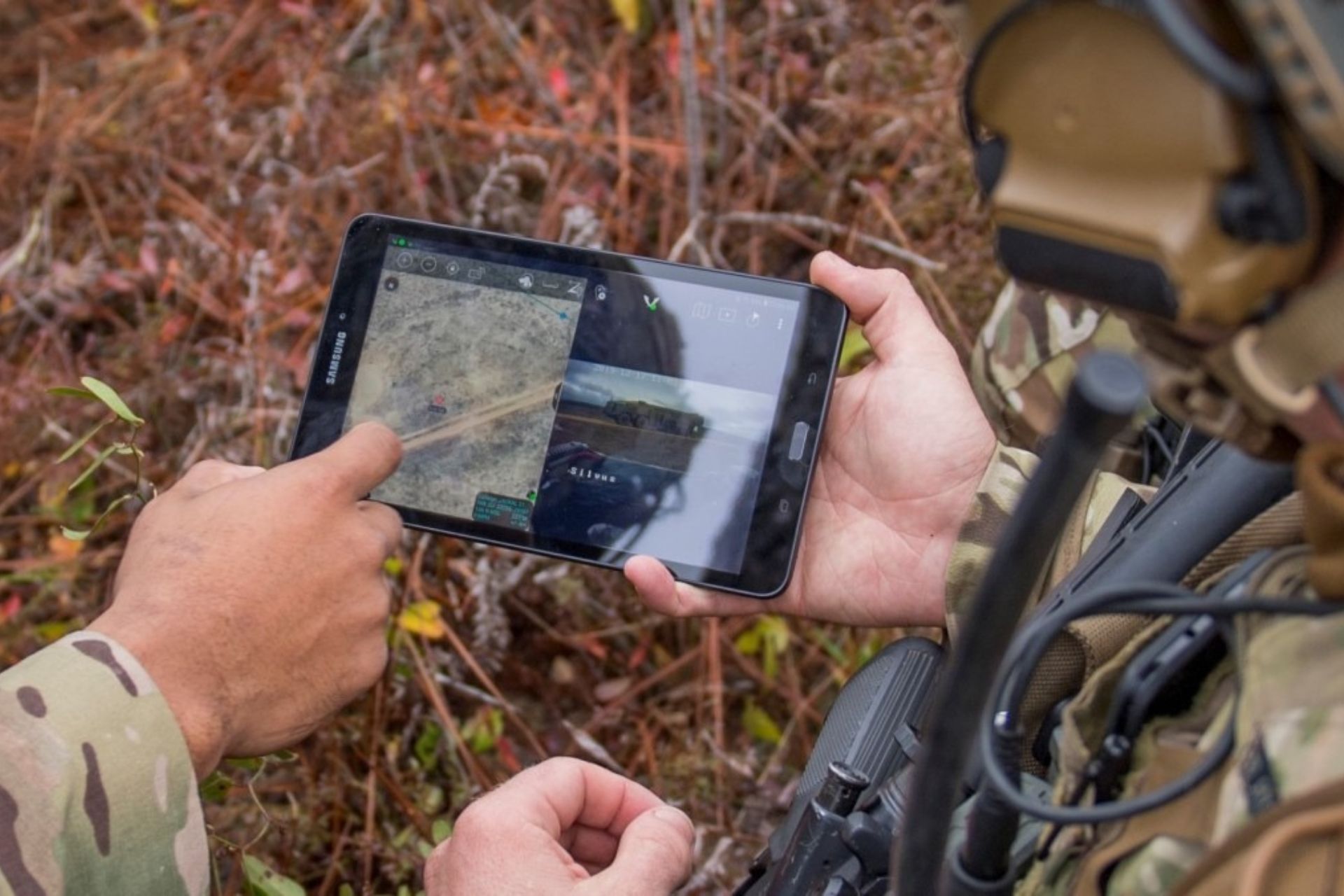
US Army TITAN Intelligence & Surveillance System (Picture source: US DoD)
Designed as a next-generation, AI-enabled mobile ground intelligence station, TITAN will enhance Multi-Domain Operations (MDO), Joint All-Domain Operations (JADO), and Long-Range Precision Fires (LRPF). The system will integrate data from space, high altitude, aerial, and terrestrial sensors to provide actionable intelligence directly to fire control networks and offer multi-disciplinary support for mission command.
The goal is to create a scalable and expeditionary solution that adapts to different levels of military command and can operate across the entire Joint All-Domain Operations (JADO) framework. This ambitious project is currently under a middle-tier acquisition process focused on rapid prototyping, with plans to transition to production slated for fiscal year 2026.
The PEO IEW&S emphasizes that the RFI is a precursor to a more extensive contracting process, with this initial phase being crucial for defining the scope and requirements of TITAN. Interested parties are encouraged to submit their proposals, which should focus on system production, regular updates, and initial support strategies.
As a reminder, in March 2024, the U.S. Army announced a groundbreaking $178 million contract with Denver-based technology firm Palantir for the construction of ten TITAN ground stations. This strategic collaboration highlights the Army's commitment to improving connectivity between data-collecting sensors and field operatives, thereby facilitating advanced targeting capabilities that transcend the constraints of direct line of sight.
Moreover, through the application of advanced analytics, TITAN efficiently delivers actionable intelligence to both lethal and non-lethal networks. This integration significantly reduces the sensor-to-shooter timeframe, thus equipping the Army with the ability to conduct long-range precision fires, aviation operations, and mission command with increased efficiency and precision.
The TITAN pre-prototype, with its focus on space-based intelligence surveillance, positions itself as an indispensable asset within the intelligence and fires community. By acting as a linchpin in the U.S. Army's ISR infrastructure, TITAN not only streamlines the sensor-to-shooter process but also enhances the Army's ability to conduct Multi-Domain Operations.
- Details
- Written by: Halna du Fretay
- Category: 2024
- Hits: 8880
The U.S. Army, through a series of experiments conducted since 2020, has developed an advanced targeting system that could transform how forces operate on the battlefield. This system, known as the Maven Smart System, uses a combination of sensors, artificial intelligence (AI), and machine learning to quickly analyze a combat environment, identify targets, and strike them effectively. Already in use within U.S. Central Command (CENTCOM) and applied to solve logistical issues globally, the system could allow small teams of soldiers to strike up to 1,000 targets per hour. Follow Army Recognition on Google News at this link
With Maven, the number of soldiers needed to manage critical targets has been significantly reduced(Picture source: US Air Force)
The Maven system is the result of a series of experiments conducted by the XVIII Airborne Corps, which includes prestigious units such as the 82nd Airborne Division, the 10th Mountain Division, the 101st Airborne Division, and the 3rd Infantry Division. The initial experiment, dubbed Scarlet Dragon, began in 2020 and has since evolved through more than ten iterations, with more planned in the coming months and years.
During the first Scarlet Dragon experiment, U.S. soldiers, in collaboration with Marines from the II Marine Expeditionary Force, used commercial satellite imagery and an algorithm to identify a dummy target. At that time, the data transmission process to strike the target took more than 12 hours. Today, thanks to continuous improvements, this time has been reduced to under a minute.
Brigadier General John Cogbill, deputy commander of the XVIII Airborne Corps, stated that this system is already operational and can be used immediately on the battlefield. Initially launched under the leadership of General Michael Kurilla, former commander of the XVIII Airborne Corps and current head of CENTCOM, the Maven system is now a central piece of CENTCOM's data-driven command strategy.
The history of Project Maven dates back to 2017, when the U.S. Department of Defense launched the initiative to apply existing computer vision technology to drone footage to automatically identify objects. Early testing revealed challenges such as unreliable data, poor image quality, and slow performance on older military hardware. However, with growing support from both the tech and defense sectors, the project evolved to integrate multiple data streams into a unified interface for battlefield analysis.
According to a report by the Center for Security and Emerging Technology, before the introduction of the Maven system, the targeting process was manual, inefficient, and prone to errors. With Maven, the number of soldiers needed to manage critical targets has been significantly reduced. For example, during Operation Iraqi Freedom in 2003, more than 2,000 soldiers were required to cover a wide range of targets. Now, with the Maven system, a team of 20 soldiers can accomplish the same task.
Beyond targeting, the XVIII Airborne Corps is also exploring how AI and machine learning can help commanders better anticipate logistical needs by providing a global view of supply chains and testing different operational scenarios.
AI's introduction into warfare extends beyond target recognition. Maven also enhances battlefield awareness by analyzing vast data sets to identify troop movements and potential threats. It further assists with logistics and planning by analyzing complex data sets to predict supply needs and optimize troop deployments. However, the increased integration of AI into military operations also raises challenges, including issues of trust, transparency, data manipulation, hacking vulnerabilities, and ethical dilemmas.
The Scarlet Dragon efforts continue, with new experiments planned, and a significant demonstration of the system is scheduled during the Yama Sakura exercise in 2026, a joint maneuver between U.S. and Japanese forces.
As nations compete for technological superiority in the AI race, international dialogue and regulations concerning AI's use in warfare are more crucial than ever. While AI is not foolproof in the current scenario, its integration into warfare appears irreversible. Commanders will need to carefully weigh the advantages of this technology against the risks of battlefield failures.
Read more: US Army Explores an AI System Capable of Targeting 1,000 Objectives per Hour

- Details
- Written by: Triffaux
- Category: 2024
- Hits: 4321
INEOS Automotive, a British manufacturer, began production of its Grenadier 4x4 model at the end of 2022, and the vehicle is now visible on the roads. The latest safety advancement is the launch in August 2024 by INKAS Armored Vehicles of an armored version of this model, capable of withstanding grenade attacks and 7.62 mm caliber bullet fire.
Follow Army Recognition on Google News at this link
INEOS Grenadier 4x4 Light Tactical Vehicle (Picture source: INEOS)
The Grenadier modified by INKAS is equipped with several layers of ballistic glass and a complete 360° perimeter protection system. The vehicle also includes specific armor for the battery, the engine control module (ECM), and the fuel tank. Additional features such as overlapping doors with reinforced hinges are also integrated to enhance security.
The armored Grenadier retains the technical characteristics of the standard model, including its robust chassis, protective plates, and off-road adapted suspension. However, it is now possible to add additional armoring options, such as engine compartment armoring, an engine fire suppression system, protection for the exhaust and radiator, and an emergency exit roof hatch.
Safety features include LED strobe lights, a siren and public address (PA) system, and a night vision camera. These additional elements aim to increase the safety of occupants against potential threats.
INKAS Armored Vehicles emphasizes that these modifications do not compromise the off-road performance of the vehicle, which maintains its cross-country capabilities and all-wheel drive. This armored Grenadier is therefore designed to offer both maximum protection and robust performance in various environments.
Read more: INKAS Launches Armored INEOS Grenadier 4x4 Light Tactical Vehicle with BR6 Protection
- MDA Seeks Industry Information for Future AN/TPY-2 Missile Defense Radar Production
- US Army Awards Oshkosh Defense Major Contract for Next-Gen Heavy Tactical Vehicles
- Australia partners with Kongsberg to produce Naval and Joint Strike Missiles in $850 Million facility
- Russia Launches First Robotic 120mm Self-Propelled Mortar System