
- Details
- Written by: Halna du Fretay
- Category: 2024
- Hits: 6300










During the first International Armaments Congress held from October 21-25 in Krakow, the Wojskowy Instytut Techniczny Uzbrojenia (WITU) unveiled an ambitious new initiative aimed at developing an economical defense solution against enemy drones, as reported by Defence24. At the center of this presentation was a concept for a low-cost anti-drone missile, specifically designed to intercept attack drones like those of the Shahed class, which have become a significant threat due to their extensive use in the Russia-Ukraine conflict. This development represents a step forward for the Polish armed forces, seeking a viable solution to counter drone swarm attacks.
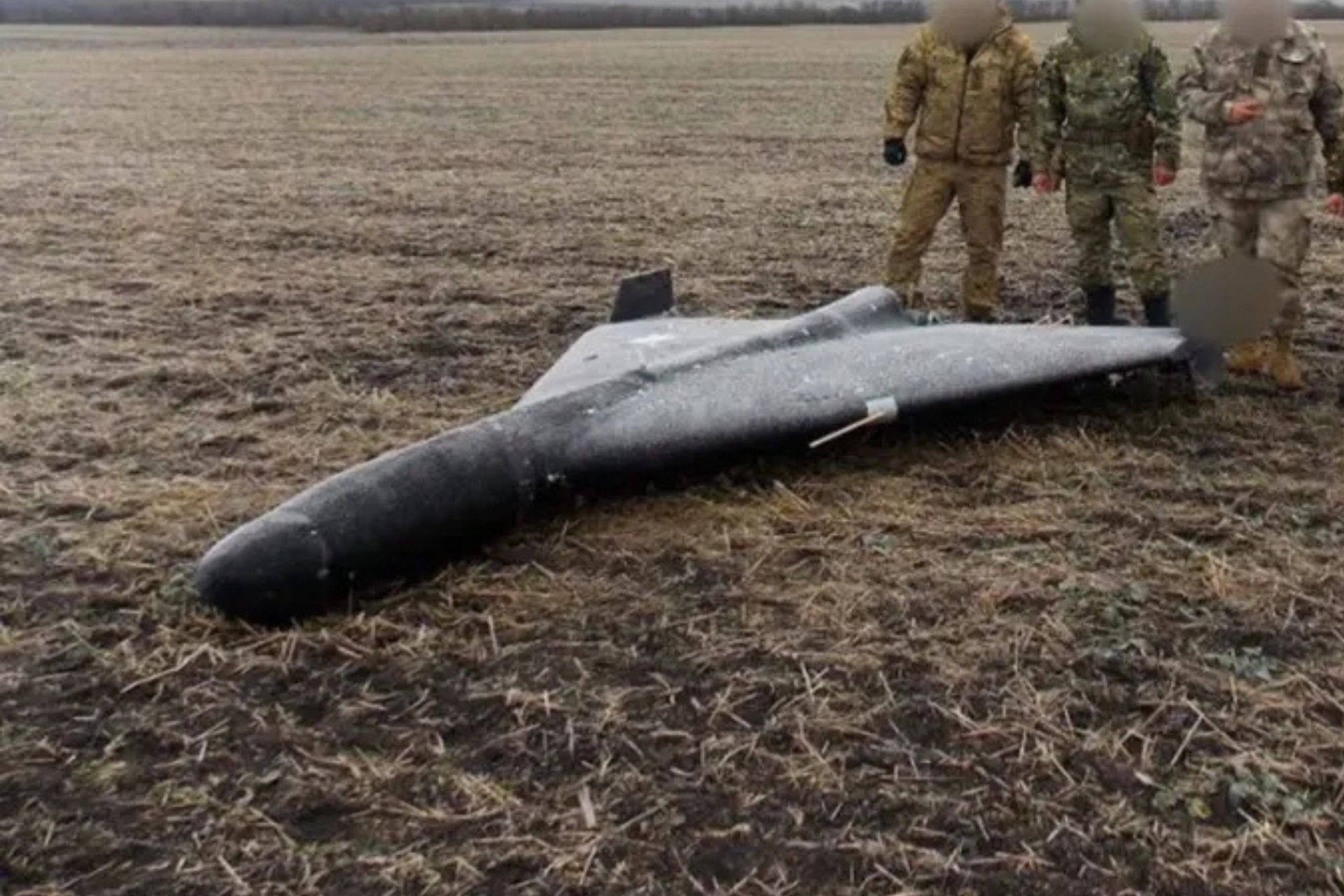
Ukrainian soldiers have discovered an almost completely intact Shahed-136, a kamikaze drone employed by the Russian military to strike critical infrastructure. (Picture source: Ukrainian Army)
The primary focus in designing this anti-drone missile is cost-effectiveness. WITU aims to produce an interceptor with a price comparable to that of Shahed attack drones, which Russia has deployed extensively against Ukraine. These drones are valued at approximately $193,000, a relatively affordable price for weapons of this type. In response, WITU proposes a 105 mm caliber munition, measuring 1800 mm in length with a wingspan of 328 mm. With a launch weight of about 20 kg, including a 4.2 kg warhead, this missile is designed to be lightweight and maneuverable.
Unlike conventional anti-air missiles, this Polish model is uniquely tailored for drone combat. It boasts an average speed of around 200 m/s, peaking at 250 m/s, making it a rapid yet moderately maneuverable interceptor. The missile’s specifications include an interception range of 0.5 to 15 kilometers and a maximum altitude of 1,500 meters, making it well-suited for effectively countering drone attacks within a defined area.
An intriguing aspect of the project is the choice of guidance method, which remains unspecified at this stage. However, it is possible that the missile may utilize reflected laser beam guidance, a technology already used in Polish anti-tank missile systems such as the JACK-S and Pirat complexes. This type of guidance would help keep costs down while ensuring sufficient accuracy for drone interception.
WITU’s initiative aligns with a broader goal of developing an economical and accessible system capable of meeting the growing demand for anti-drone defense. The designers emphasize that this missile is particularly suited for countering swarm attacks, an essential capability as drone swarm tactics continue to evolve. To realize this project, WITU is currently seeking an industrial partner to assist in finalizing and mass-producing the missile, prioritizing the needs of the Polish armed forces.
This project reflects a trend seen in recent years, where low-cost combat drones and interceptor missiles have become strategic assets in modern military arsenals. In 2021, the Ukrainian design bureau "LUCH" launched a project for the RK-10 anti-aircraft missile complex, specifically tailored for combating Shahed-type drones. Poland could thus benefit from a similar solution, optimized for its own strategic needs.
The development of a cost-effective anti-drone interceptor by the Wojskowy Instytut Techniczny Uzbrojenia (WITU) addresses the growing need to counter attack drones, such as those of the Shahed class, which are widely used in modern conflicts. These drones, often deployed in swarms, present significant challenges to traditional defense systems. A low-cost interceptor would allow for efficient neutralization of these threats, avoiding the need to deploy more expensive missiles against relatively low-cost targets. This approach is essential for maintaining sustainable air defense in the face of saturation attacks, where the cost-effectiveness of countermeasures becomes a critical factor.
Moreover, the specific design of this interceptor, with a range of 0.5 to 15 km and a maximum altitude of 1,500 meters, makes it particularly suited for neutralizing drones operating at low and medium altitudes. Its lightweight and maneuverable nature facilitates rapid and flexible deployment, offering a tailored response to emerging threats. Integrating laser-guided technology, already proven in other Polish systems, could ensure increased accuracy while keeping costs manageable. In this way, the interceptor provides a strategic advantage for the Polish armed forces, enhancing their capability to effectively protect national territory from hostile drone incursions.
To address the growing threat posed by Shahed-class drones used in the Russia-Ukraine conflict, Poland is seeking to develop a defense solution. This project meets a strategic need for an economical defense against these aerial threats, which, due to their numbers and low cost, often overwhelm conventional defense systems. With a range of 15 kilometers and potentially laser-based guidance, this missile could offer a sustainable and affordable solution for the Polish armed forces. Poland could also consider supporting Ukraine in protecting its airspace by providing such missiles, even as its Chief of General Staff recently announced that Poland will not shoot down Russian missiles and drones over Ukraine.
Read more: Poland Develops Interceptor Missile to Counter Russian-Used Shahed-Class Drones

- Details
- Written by: Tkuhn
- Category: 2024
- Hits: 2157
As the global defense industry looks toward WDS 2026, excitement builds around the anticipated growth and innovations that promise to make this event a premier showcase for international collaboration and technological advancements. Building on the momentum of WDS 2024, which drew record-breaking attendance, substantial global participation, and SAR 26 billion in deals, the next edition is set to expand even further. With over 50% of exhibitor space already secured, WDS 2026 aims to foster deeper connections, highlight technologies, and emphasize partnerships, particularly with small and medium enterprises (SMEs) and startups. Here, we explore insights from the recent event, China’s growing role, and the ambitious goals that will shape the future of WDS.
Follow Army Recognition on Google News at this link
Chief Executive Officer of the World Defense Show, Andrew Percey. (Picture source: World Defense Show)
Army Recognition: Looking back on WDS 2024, what would you highlight as the standout achievements and defining moments that set this year’s event apart?
WDS: WDS 2024 saw remarkable achievements that set it apart as a defining event in the global defense industry. From record-breaking attendance to extensive exhibitor participation, the second edition highlighted the depth and diversity of innovations across defense sectors. With over SAR 26 billion in deals, 773 exhibitors from over 70 countries, and 106,000 visitors, we overachieved all our goals, reinforcing WDS’s position as a premier platform for global collaboration and a key player in advancing partnerships within the defense industry.
Army Recognition: With an increased presence from China at WDS 2024, how has their involvement influenced the event’s dynamics and its global industry relevance?
WDS: With one of the largest pavilions at WDS 2024, China added a new dimension to the event, enhancing its global relevance and industry reach, while strengthening WDS as an international platform committed to bridging global markets and fostering collaboration within the defense industry.
Army Recognition: Looking ahead to the third edition, what growth targets and key areas of development do you foresee for WDS, especially considering the expanding interest globally?
WDS: WDS 2026 is already meeting our expectations, with over 50% of exhibitor space secured 15 months ahead of the event. Building on this momentum, we have expanded our floor space by 54% since the first edition to accommodate growing global interest. Our focus is twofold: further enhancing our international reach and spotlighting local SMEs and startups, offering them a platform to connect with industry leaders. With comprehensive coverage across all defense domains, WDS 2026 aims to foster a collaborative environment that encourages innovation, partnerships, and meaningful industry engagement. These growth targets reflect our commitment to evolving as a premier global platform in the defense sector.
Army Recognition: As WDS continues to scale, what major expansions or new elements are being considered for WDS 2026 to enhance its position as a premier defense event?
WDS: As WDS continues to scale, we’re excited to introduce new features that will soon be announced, reinforcing our role as a premier defense event. We’re also returning our most successful features, such as the ‘Meet the KSA Government’ program, which offers rare access to Saudi Arabia’s decision-makers and provides valuable insights into investment, procurement, and partnership opportunities. Our live displays, a standout success in 2024, will return to showcase cutting-edge technologies in action. This year, we’re placing even greater emphasis on advanced technologies, particularly in naval, unmanned systems and AI, ensuring WDS 2026 remains at the forefront of defense innovation and global industry engagement.
Army Recognition: With the current demand for exhibitor space at WDS, how are you managing capacity, and are there plans to increase available space to accommodate rising interest?
WDS: We’re thrilled to see such strong demand well ahead of the show—it’s a testament to WDS’s growing reputation on the global stage. In response to this early interest, we’ve expanded our available space once again to accommodate the increasing number of exhibitors. We’re committed to ensuring that every participant has an optimal experience, and we look forward to welcoming even more innovative companies to WDS 2026.
Read more: A Preview of WDS 2026 Insights Expansion and Exciting New Developments in Global Defense

- Details
- Written by: Triffaux
- Category: 2024
- Hits: 5653
On November 13, 2024, photos shared by the official X account @SztabGenWP revealed the arrival in Poland of an additional batch of K9A1 self-propelled howitzers from South Korea. This delivery marks a new milestone in Poland’s ambitious modernization program for its armed forces, aimed at strengthening its defense capabilities in response to growing threats.
Hanwha Defense K9 Self-Propelled Howitzers (Picture source: X account @SztabGenWP)
With this latest delivery, an as-yet-undetermined number of K9A1 howitzers join the ranks of the Polish Armed Forces, bringing the total number of these artillery pieces in service to over 108. This shipment is part of a $2.5 billion contract signed in August 2022 between Poland's Ministry of Defense and Hanwha Aerospace, providing for the acquisition of 212 K9 systems by 2026, including ammunition, spare parts, training, and logistical support. To further enhance its artillery power, Poland signed a second contract in 2023, valued at $2.6 billion, for 152 additional units, including 146 K9PL howitzers specifically adapted to meet Polish requirements.
The K9PL version, designed to meet Poland’s specific needs, is equipped with Polish-made systems, such as the FONET communication system and the TOPAZ fire control system developed by the WB Group, allowing optimal integration with other national forces. These local adaptations also include reinforced armor for enhanced protection against ballistic threats and shrapnel, as well as components manufactured domestically to support Poland’s technological sovereignty. Additionally, the K9PL incorporates an active defense system to counter anti-tank missiles. It also benefits from an upgraded inertial navigation and fire control system for improved targeting accuracy and a semi-automatic loading system, which enhances firing rates during high-tempo operations.
Poland's acquisition of K9 self-propelled howitzers aligns with a broader defense strategy to address regional tensions and rising security risks, particularly from Russia. As a NATO member with an extensive eastern border, Poland views this mobile artillery capability as essential for deterring threats and responding swiftly in case of conflict. Self-propelled artillery like the K9 offers flexible, mobile firepower, enabling rapid deployments in the field—a critical asset in modern warfare, where mobility and rapid response can significantly impact operational outcomes.
Compared to other nations’ armored forces, Poland’s investment in self-propelled artillery stands out as a central component of its modernization effort, alongside substantial investments in aviation and air defense systems. While Poland enhances its aerial capabilities and mechanized infantry, it focuses on autonomous artillery systems like the K9 howitzers to support intensive ground operations and effectively defend its territory. This equipment strategy enables Poland to maintain flexible and mobile forces, complementing its air assets and offering rapid response capabilities across large areas. In bolstering its artillery, Poland adopts a similar approach to countries like South Korea, which invest in strong ground-based artillery to safeguard against regional threats.
On a European scale, Poland is emerging as a leading force, committed to building one of the continent’s largest and most modern artillery forces. By acquiring the K9 self-propelled howitzers, it already surpasses the artillery capacities of several comparable European nations. For example, France operates around 77 CAESAR self-propelled guns, while Germany has approximately 100 Panzerhaubitze 2000s. Both countries are also investing in modernization projects, but Poland, by integrating national subsystems like FONET and TOPAZ, strengthens its technological autonomy and interoperability, whereas many other European countries rely on imported subsystems, especially for command and communication.
In comparison, Poland focuses on systems with extended firing ranges and rapid response capabilities, features highly valued by Eastern European nations due to their proximity to geopolitically unstable regions. With ongoing contracts for the acquisition of over 360 K9 systems by 2027, Poland is set to become one of the largest self-propelled artillery forces in Europe, alongside military powers such as Russia and Turkey. This positioning makes Poland a key player in ground defense within NATO and the European Union.
Read more: Poland Receives New Batch of K9 Self-Propelled Howitzers from South Korea

- Details
- Written by: Halna du Fretay
- Category: 2024
- Hits: 2635
Allison Transmission is steadily advancing its position in the global defense market, securing significant contracts that will bolster the company’s presence in the wheeled defense vehicle segment and drive revenue growth. This progress is anchored by strategic partnerships with vehicle manufacturers to support defense programs worldwide, showcasing a growing interest in Allison’s advanced transmission solutions tailored for military applications.
The U.K. Ministry of Defence has ordered Jackal HMT 400 vehicles (Jackal 3), equipped with the Allison 2500 SP transmission, currently being produced in partnership with Supacat (Picture source: Allison Transmission)
The Allison Specialty Series (SP) automatic transmissions have been selected for a range of wheeled defense vehicles commissioned by various international military forces. A recent noteworthy project includes the Canadian Department of National Defence’s decision to equip its Mercedes-Benz Zetros 8x8 vehicles with Allison’s 4500 SP automatic transmission, as part of its Logistics Vehicle Modernization (LVM) program, in partnership with GDLS-Canada. Production of these vehicles is scheduled to commence in 2025.
Similarly, the ARTEC consortium, comprising KNDS companies Kraus-Maffei-Wegmann and Rheinmetall, has opted for the Allison 4800 SP transmission for the Boxer armored vehicle program of the U.K. Ministry of Defence. Initial transmissions have already been delivered in the U.K. to equip the 8x8 Boxer Mechanized Infantry Vehicles, part of a major order intended for the British Army. The German Bundeswehr also expects to receive Boxer vehicles, with deliveries slated to begin in 2025. To date, over 700 Boxer vehicles have been supplied to various nations, including Australia, Germany, Lithuania, and the Netherlands. Additionally, the U.K. Ministry of Defence has ordered Jackal HMT 400 vehicles (Jackal 3), equipped with the Allison 2500 SP transmission, currently being produced in partnership with Supacat.
In Poland, Allison has entered into a contract with AMZ-Kutno to provide Allison’s 3000 SP transmission for Bóbr-3 light armored reconnaissance carriers, as part of the Kleszcz program, with deliveries expected from 2025 through 2035. Furthermore, in Romania, the Ministry of Defence has renewed its contract with Iveco Defence Vehicles (IDV) to supply logistics platforms, including an Astra 8x8 variant equipped with the Allison 4700 SP transmission.
Allison Transmission’s market positioning leverages its extensive experience in commercial vehicle transmissions, strengthening its foothold within the military wheeled vehicle sector. As noted by Heidi Schutte, Vice President of Sales for EMEA, APAC, and South America, “Allison offers a wide range of propulsion solutions that meet the diverse operational requirements of tactical wheeled vehicles, reflecting decades of proven reliability and durability.”
Allison’s international expansion within the wheeled defense vehicle market highlights its ability to meet the specific demands of armed forces, while adapting its commercial-grade technology to meet rigorous military standards. These collaborations are positioning Allison as a strategic and reliable partner in the defense industry, ensuring the long-term sustainability of its partnerships worldwide.
The company’s influence within the defense sector is further solidified by its longstanding history of supporting military forces globally. For over 70 years, Allison transmissions have equipped essential defense vehicles, establishing a notable presence within U.S. military fleets, where they are widely used in medium and heavy-duty combat vehicles due to their fuel efficiency and operational dependability. This military heritage has positioned Allison as a prominent supplier of automatic transmissions designed to withstand extreme environments and intensive operational cycles, supporting everything from disaster relief to combat missions.
Allison automatic transmissions deliver distinct advantages, including enhanced mission execution with increased mobility on all terrains—such as hills and soft ground—as well as exceptional braking and steering capabilities for tracked vehicles. With no mechanical clutch, maintenance costs are minimized, and service intervals are extended, often limited to routine fluid and filter changes. Additionally, Allison highlights improvements in vehicle handling and driver safety, which reduce fatigue and the risk of accidents, enabling operators to remain focused on their missions.
With a global presence, Allison provides consistent support through an extensive network of authorized distributors and dealers, with approximately 1,400 locations worldwide, ensuring rapid assistance and access to authentic replacement parts. This support network is further bolstered by manufacturing facilities in Hungary and India, enhancing Allison’s capacity to deliver customized solutions for military clients across the globe.

- Details
- Written by: Halna du Fretay
- Category: 2024
- Hits: 3082
Avon Protection, a prominent supplier of personal protective equipment, recently secured three strategic contracts from the U.S. Department of Defense (DoD). These contracts, awarded under the ASPIRE HMI (Advanced System for Protection and Integrated Reduction of Encumbrances Hood/Mask Interface) program managed by the Joint Program Executive Office for Chemical, Biological, Radiological, and Nuclear Defense (JPEO-CBRND), aim to develop solutions that improve the integration between Avon’s M50 and M53A1 CBRN masks and the hoods of existing CBRN protective suits.
Avon Protection’s M50 mask, widely used across the U.S. armed forces, provides advanced respiratory protection for military personnel facing CBRN threats (Picture source: Avon Protection)
The M53A1 mask, developed as part of the U.S. Joint Service General Purpose (JSGPM) program, is designed to meet the specific requirements of Special Mission Units. It provides protection against chemical and biological agents, certain toxic industrial chemicals (TICs), and radioactive particles encountered in modern warfare and CBRN operations. This mask offers operational flexibility, functioning in both positive and negative pressure modes. The M53A1 can be used as an air-purifying respirator (APR), a powered-air purifying respirator (PAPR), a self-contained breathing apparatus (SCBA), and in closed-circuit breathing or combination PAPR/SCBA configurations. It is available in four sizes, with interchangeable silicone nose cups and an electronic communication port for efficient in-field communication, designed to seamlessly integrate with tactical gear.
Similarly, Avon Protection’s M50 mask, widely used across the U.S. armed forces, provides advanced respiratory protection for military personnel facing CBRN threats. Equipped with a flexible panoramic visor, the M50 offers a broad, optically correct field of view and is valued for its comfort, ease of use, and operational efficiency. The mask features curved filters to improve weight distribution and reduce breathing resistance, while also offering protection against toxic industrial agents. An integrated electronic communication port enables communication system integration, and a high-capacity hydration system allows safe fluid intake during operations. Constructed from a chlorobutyl and silicone blend, the M50 mask is available in three sizes, providing a tailored fit to ensure protection and comfort during extended use.
Integrating various protective components, such as masks, hoods, and CBRN suits, is essential to ensuring the effectiveness of CBRN defense systems. The ASPIRE HMI program focuses on reducing the risks associated with mismatched equipment by ensuring each component functions harmoniously with others. Steve Elwell, President of Avon Protection, highlighted this critical integration challenge: “When customers source protective equipment from multiple suppliers, integration issues can arise at the junction points, regardless of individual system advancements. Our approach is to mitigate this risk by designing our equipment to integrate seamlessly, bringing a strong understanding of system interface optimization to this contract.”
Over the years, Avon Protection has supplied millions of M50/M51 and M53/M53A1 masks across the U.S. military, reinforcing its strategic partnership with the DoD in CBRN protective equipment. However, ensuring compatibility among CBRN system components has become increasingly essential in meeting defense requirements. Justin Hine, Product and Strategy Director at Avon Protection, noted that the term “interface” is frequently appearing in procurement documents, underscoring the challenges in achieving seamless cohesion between CBRN protective components. “You can have technologically advanced equipment, but if the connection points are weak, the entire system risks failing to provide adequate protection,” Hine observed.
Through close collaboration with the DoD on the ASPIRE HMI program, Avon Protection is committed to developing solutions that overcome integration challenges, ensuring that CBRN protective equipment meets the safety needs of personnel facing CBRN threats. By enhancing interface efficiency, Avon Protection strengthens not only the integrity of its protective systems but also contributes to the safety and resilience of U.S. military forces in CBRN environments.
This project underscores the importance of ongoing innovation in defense technology to meet evolving operational challenges. The contracts awarded to Avon Protection mark a step forward in enhanced soldier protection by reducing compatibility risks and ensuring a more effective response to chemical, biological, radiological, and nuclear threats. Through its partnership with the DoD and expertise in CBRN protection, Avon Protection continues to advance integrated solutions for safeguarding military personnel against modern threats.
Read more: Avon Protection Commits to Optimizing CBRN Mask and Suit Integration for US Military

- Details
- Written by: Administrator
- Category: 2024
- Hits: 9136
China has made a significant entry into the global light tank military market with its VT8 light tank unveiling at AirShow China 2024. This 105mm-armed light tank, demonstrated live at the event, underscores China’s commitment to developing advanced, mobile armored vehicles explicitly targeted at the export market.
Follow Army Recognition on Google News at this link
China showcases its new VT8 light tank in a live demonstration at AirShow China 2024, highlighting its 105mm main gun and advanced targeting systems designed for export markets (Picture source: China Social Network)
According to representatives at the AirShow China 2024, the VT8 is designed with export in mind, making it an essential option for international customers seeking a robust yet agile light tank suited for challenging terrains, such as mountainous, forested, or urban environments where conventional main battle tanks may be less practical.
The VT8 draws inspiration from China’s VN17 Infantry Fighting Vehicle (IFV), sharing several core components and design features. This similarity offers prospective clients a common platform, streamlining logistics, maintenance, and training efforts, particularly for those already using or considering other vehicles from the VN family.
The VT8’s design centers on a tracked chassis with six road wheels, a front-mounted drive sprocket, and a rear-mounted idler, which enhances its stability and maneuverability across rugged landscapes. The driver’s compartment is located at the front left of the hull, with the engine situated on the right, optimizing balance and crew protection.
For armament, the VT8 is equipped with a powerful 105mm rifled main gun capable of engaging a wide range of armored targets and fortified positions. Although specific ammunition capabilities have not been fully disclosed, the gun may support modern munitions, possibly including anti-tank guided missiles. The main gun is complemented by a 7.62mm coaxial machine gun mounted to its right, designed for targeting infantry and light vehicles. Additionally, a remotely operated weapon station armed with a 7.62mm machine gun is positioned at the front of the commander’s hatch, enhancing fire support options while allowing the crew to operate safely under cover.
The VT8 incorporates a modern computerized fire control system, enabling precise targeting and tracking for maximum effectiveness on the battlefield. Its advanced day and night vision systems, mounted on the turret's roof, ensure operational capability in all lighting conditions, improving the crew’s situational awareness and target engagement both day and night. These systems increase the VT8’s combat readiness and contribute to survivability, allowing quick and efficient target acquisition even in complex environments.
China’s introduction of the VT8 to the light tank market aligns with a growing global demand for lighter, more versatile armored vehicles that balance mobility and firepower. These light tanks are particularly appealing for nations operating in challenging terrain where traditional main battle tanks may face limitations. With a design focused on agility, firepower, and ease of export, the VT8 offers a competitive alternative to Western and Russian light tank models, potentially appealing to defense buyers in Asia, Africa, and Latin America seeking cost-effective armored solutions.
The VT8 light tank represents a significant development for China’s defense industry, signaling its ambition to meet the diverse needs of the international market for lightweight, highly mobile armored vehicles. With its modern armament, advanced fire control systems, and export-ready design, the VT8 is well-positioned to attract interest from nations aiming to enhance their armored capabilities without the extensive logistical demands of main battle tanks. The unveiling of the VT8 at AirShow China 2024 is a testament to China’s ongoing efforts to establish itself as a critical supplier in the global defense sector, potentially paving the way for the broader adoption of Chinese armored vehicles in military forces worldwide.
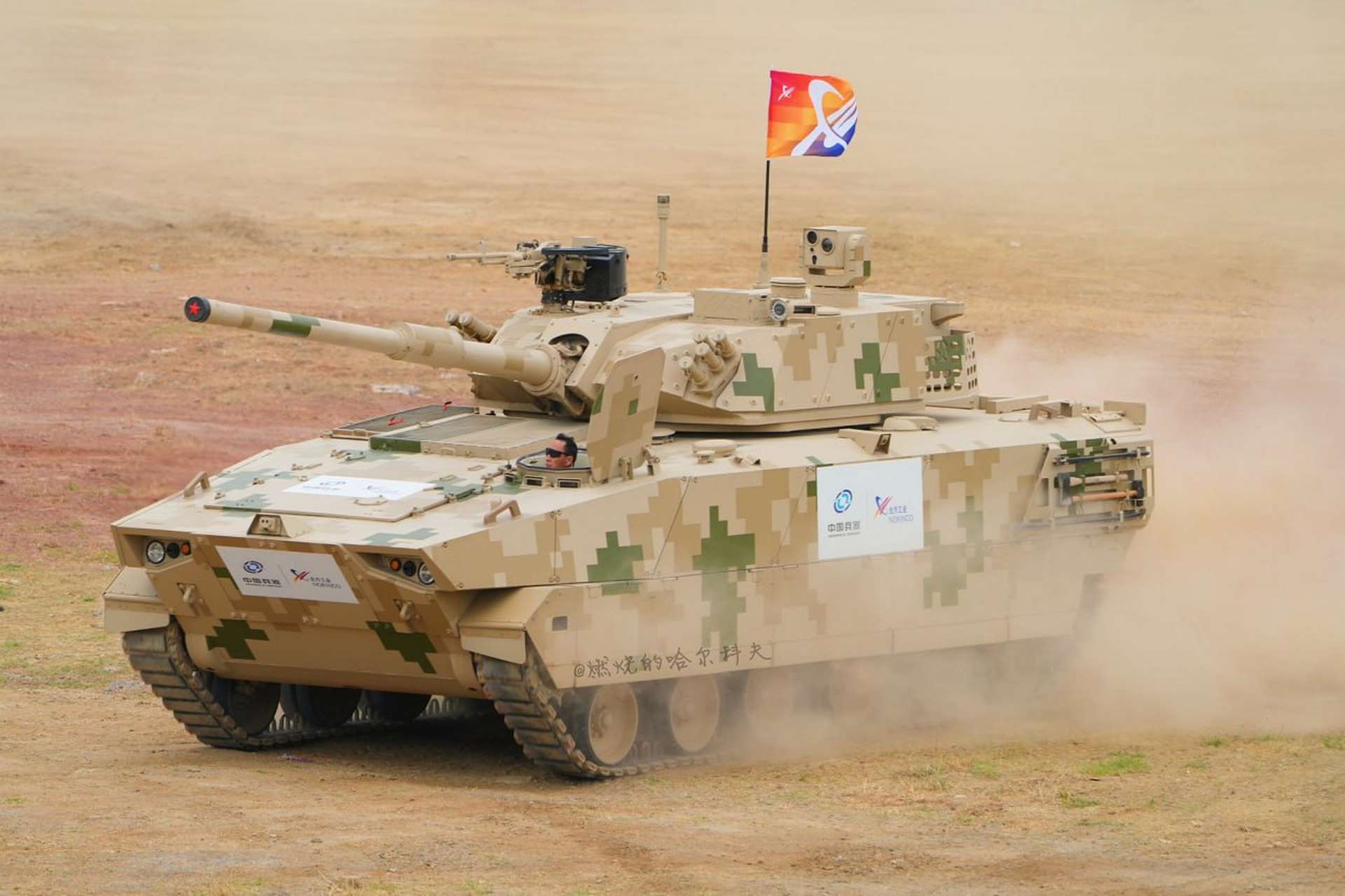
The new Chinese-made VT8 light tank armament includes one 105mm main gun, a 7.62mm coaxial machine gun, and a remotely operated weapon station also armed with a 7.62mm machine gun. (Picture source:China Social Network)
Read more: Breaking News: China Enters Global Light Tank Market with New VT8 at AirShow China 2024

- Details
- Written by: Jérôme Brahy
- Category: 2024
- Hits: 5692
As reported by InfoDefensa on November 11, 2024, the Peruvian government has confirmed a purchase of 30 K808 White Tiger amphibious armored vehicles for the Army, to be managed directly through FAME S.A.C., a state-owned entity within Peru’s defense sector. This acquisition is part of a strategic partnership with South Korean manufacturer Hyundai Rotem, which will oversee the local assembly of these 8×8 wheeled vehicles in Peru. The move reflects an effort to boost Peru's defense autonomy by relying on FAME for the K808’s procurement and future maintenance, rather than using an external supply chain.
Follow Army Recognition on Google News at this link
The recent Peruvian acquisition marks Hyundai Rotem’s first export of the K808 outside of South Korea and introduces the vehicle into the Latin American defense market. (Picture source: Army Recognition)
To facilitate this acquisition, the government excluded it from the General List of Strategic Contracts administered by the Agency of Armed Forces Purchases (Acffaa). The process also circumvents the need for a government-to-government agreement with South Korea, as FAME has been assigned the full responsibility for supply. Consequently, the Ministry of Defense’s authorization for an international agreement was retracted. This project adds to FAME’s existing commitments, including an overdue delivery of 10,000 ARAD 7 rifles to the Army.
These K808 armored vehicles are intended for the Army’s 3rd and 6th Armored Brigades. Their acquisition aligns with the Public Investment Project (PIP) framework, specifically under the “Acquisition of 30 armored vehicles for troop transport” directive. This initiative was previously structured under Supreme Decree No. 007-2023-DE, which authorized government-to-government defense contracts valued at approximately $62.9 million, or 238.8 million Peruvian soles. The current approach, however, consolidates the acquisition under domestic management, thereby reinforcing the defense relationship between Peru and South Korea.
The K808 White Tiger, referred to as Baekho in South Korea, is an armored vehicle developed by Hyundai Rotem primarily for the South Korean Army. First delivered in 2016, the K808 was designed for use in difficult terrains and frontline operations. Its 8×8 configuration enhances maneuverability, with run-flat tires and a central tire inflation system (CTIS) to adjust tire pressure according to the terrain, which is essential for crossing rivers and uneven ground. Built with a modular platform, the K808 can be adapted for different missions and is compatible with various weapons systems, including options for 12.7 mm or 30 mm remote-controlled weapon stations.
In South Korea, over 500 units of the K808 have been delivered to the Army, where the vehicle is used for transport and reconnaissance missions, often in coordination with main battle tanks like the K1A1 and K2. The recent Peruvian acquisition marks Hyundai Rotem’s first export of the K808 outside of South Korea and introduces the vehicle into the Latin American defense market. Demand for similar vehicles in Central and South America is on the rise, attributed to security and counterterrorism requirements, positioning Hyundai Rotem to potentially expand further in the region.
The K808 incorporates components developed by Hyundai Motors, such as a V6 diesel engine based on Hyundai’s commercial models, adapted to military specifications. Its design supports network-based command and control systems, enabling it to serve as a command post in mobile operations. Hyundai Rotem, having previously exported its K2 tank to Poland, continues to enhance its defense product line for broader export markets, with an emphasis on meeting operational standards across varied environments.
Peru and South Korea have significantly strengthened their military relations through various defense agreements and acquisitions in the last months. In April 2024, Hyundai Heavy Industries signed a contract to construct four naval vessels for the Peruvian Navy, including a 3,400-ton frigate modeled after South Korea's Daegu-class, with expected delivery by 2030. In May 2024, Hyundai Rotem was selected to supply K808 White Tiger 8×8 wheeled armored combat vehicles to enhance the Peruvian Army's ground mobility and defense capabilities. Additionally, in July 2024, Peru entered advanced negotiations with Korea Aerospace Industries (KAI) to acquire 20 to 24 FA-50 light combat aircraft to modernize its air force.
Read more: Peru confirms acquisition of 30 South Korean K808 White Tiger amphibious armored vehicles

- Details
- Written by: Halna du Fretay
- Category: 2024
- Hits: 1759
Galvion, a global leader in integrated power and data management solutions and innovative head protection systems, recently delivered its first order of 400 Nerv Centr MAX-8 Mission Adaptive Charging Stations to AeroVironment (AV). AeroVironment, a U.S.-based company specializing in unmanned aircraft systems (UAS), now uses this advanced charging solution for its lightweight drone batteries. This initial batch will be followed by an additional 800 units scheduled for delivery in 2025 and 2026 under a long-term purchasing agreement between the two companies.
The Nerv Centr MAX-8 is a portable charging solution designed to withstand challenging conditions in field operations, where drones play an increasingly critical role (Picture source: Galvion)
AeroVironment, known for its lightweight and reliable aerial systems, focuses on versatile solutions for tactical reconnaissance and surveillance. Galvion’s Nerv Centr MAX-8 provides adaptable, intelligent charging capabilities, replacing AeroVironment’s previous systems. Following close collaboration and extensive testing, Galvion developed a universal adapter to ensure compatibility between the MAX-8 and AeroVironment’s entire range of small unmanned aerial systems (sUAS). Beyond this initial order, the partnership includes plans for further development of charging solutions to meet the evolving requirements of this sector.
The Nerv Centr MAX-8 is a portable charging solution designed to withstand challenging conditions in field operations, where drones play an increasingly critical role. It can draw power from various sources, including AC, solar, and vehicles, and enables simultaneous charging of different types of drone and other equipment batteries without manual adjustments. Key features of the MAX-8 include prioritization of charging needs, automatic evaluation of power sources, and dynamic charge rate adjustments to optimize energy use and reduce charging time.
For AeroVironment, the deployment of the Nerv Centr MAX-8 represents a significant advancement in power management for its UAS fleet. Mike Jorgens, AeroVironment’s product line manager, highlighted that the universal charger offers simplified plug-and-play functionality with universal adapters, facilitating efficient charging for AeroVironment’s current and future batteries, whether for drones or ground control stations.
Todd Stirtzinger, CEO of Galvion, stated that the collaboration with AeroVironment demonstrates Galvion’s commitment to building productive partnerships with industry peers to better support military forces. He emphasized that while AeroVironment focuses on advancing UAS systems, Galvion’s role is to ensure these systems remain operational by maximizing charging efficiency.
With this initial order of 400 MAX-8 stations and a customized adapter, along with an additional 800 units to be delivered, Galvion and AeroVironment aim to drive innovation and respond to defense industry needs. This partnership represents a strategic advancement, aimed at enhancing military operations through increasingly effective and mission-adapted charging solutions.
- Details
- Written by: Vandenbosch
- Category: 2024
- Hits: 4852
DSS, one of the youngest weapons manufacturers on the market and based in Prague, has introduced its latest light machine gun innovation: the PZD Mk24. This launch marks an advancement in DSS’s range, which already includes the widely supplied PZD 556 model used by Ukrainian forces. With the PZD Mk24, DSS seeks to redefine the balance between firepower, portability, and ergonomic design in modern weaponry. This new weapon is reminiscent of the FN Evolys produced by FN Herstal in Belgium; it’s clear that this new Czech light machine gun is designed to compete with the Evolys.
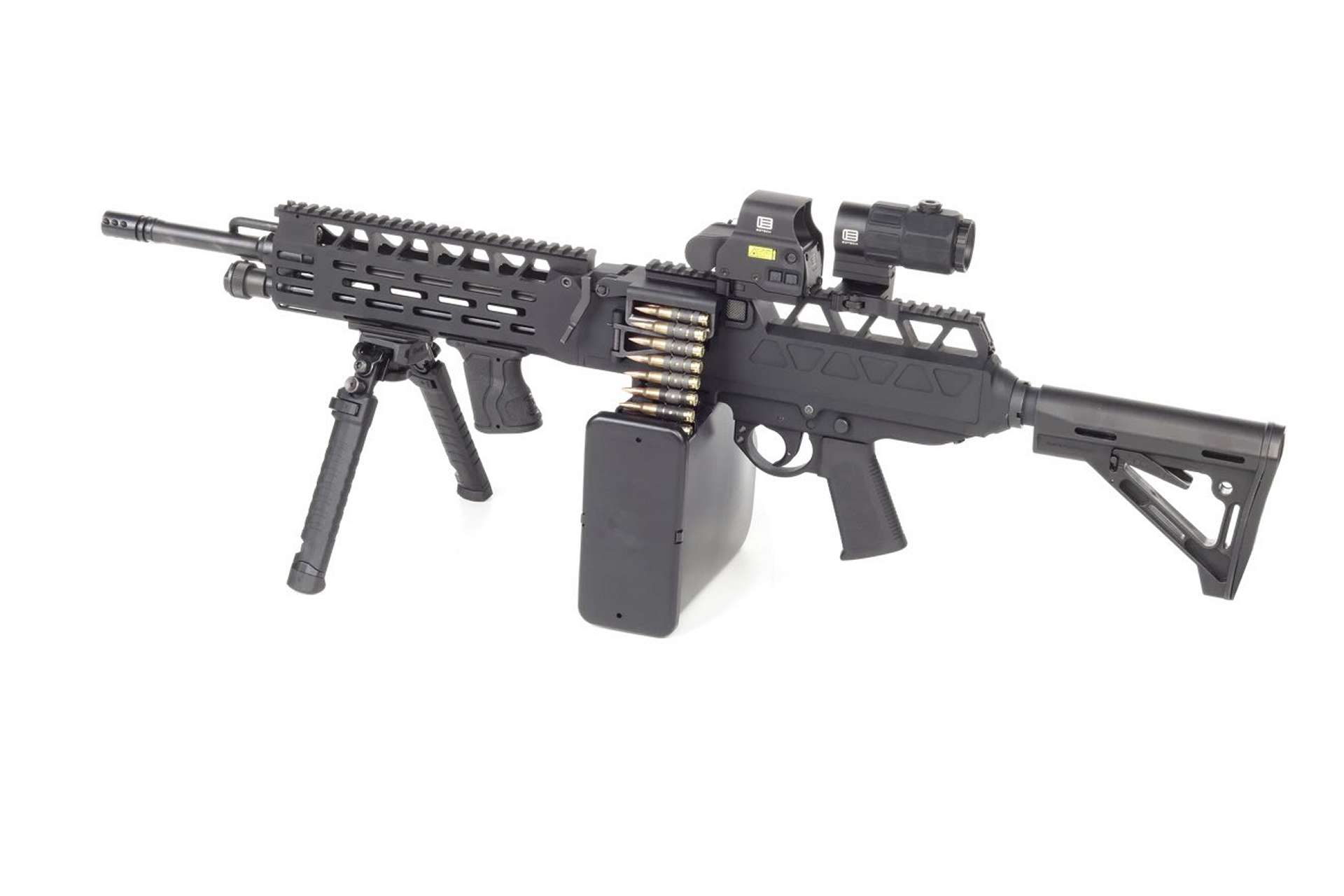
The PZD Mk24 is a light machine gun from Republic Czech. (Picture source: DSS)
The PZD Mk24 combines the essential characteristics of traditional machine guns with the compactness and lightness of an assault rifle, making it a breakthrough in personal defense weaponry. With a lightweight yet robust construction, the PZD Mk24 minimizes recoil, allowing operators to target distant threats with precision and control. It uses the 5.56x45mm NATO caliber and is available with 16-inch or 14-inch barrels, resulting in respective weapon lengths of 919-1001 mm and 868-950 mm. Weighing just 5.2 kilograms, this machine gun reflects DSS’s commitment to portability without sacrificing performance.
One of the PZD Mk24’s main advantages lies in its 30% weight reduction compared to other light machine guns in its category. This lighter build allows soldiers to carry additional ammunition or essential equipment, enhancing their operational endurance and flexibility. Despite its reduced weight, the PZD Mk24 does not compromise on durability or functionality, incorporating a quick-change barrel and a select-fire trigger that allows both single-shot and automatic firing modes.
DSS has also developed a minimalist feed mechanism for the PZD Mk24, ensuring accessories such as optics and other equipment mounted on the Picatinny rail remain securely in place and retain their accuracy even during extended firing. The free-floating Picatinny rail system, combined with the entire receiver, enhances heat dissipation along the barrel, maintaining performance over prolonged engagements.
This machine gun has a four-position adjustable gas regulator based on a long-stroke piston mechanism, allowing operators to adapt to specific operational needs. With a maximum range of 1,200 meters and an effective range of 600 meters, the PZD Mk24 is a versatile weapon capable of meeting the demands of a wide range of engagements.
Finally, the PZD Mk24 includes integrated flip-up sights for rapid and practical use in the field. DSS’s attention to weight reduction, durability, and performance highlights the company’s dedication to innovating in the defense sector, offering a highly effective and maneuverable weapon for soldiers in today’s challenging combat environments.
By introducing the PZD Mk24, DSS reinforces its commitment to advancing firearm technology through innovative design. Addressing critical operational challenges modern soldiers face, such as weight, recoil, and heat management, DSS aims to establish a new standard for light machine guns tailored to contemporary combat scenarios.
Read more: Czech Company DSS Unveils PZD Mk24 Light Machine Gun to Compete with Belgian FN Evolys
- Details
- Written by: Halna du Fretay
- Category: 2024
- Hits: 4325
As tensions intensify across the Taiwan Strait, Taiwan is evaluating a substantial arms procurement from the United States, aiming to solidify its defense capabilities and affirm its commitment to self-defense. According to reports from the Financial Times, Taiwan is considering a $15 billion investment that would include the acquisition of 60 F-35 fighter jets, 400 Patriot missiles, four E-2D Hawkeye early warning aircraft, ten second-hand warships, and the Aegis combat system. This proposed purchase, aside from enhancing Taiwan’s defense, is intended to signal to the U.S., specifically to the incoming Trump administration, Taiwan's willingness to independently fortify its defenses amid growing Chinese military assertiveness.
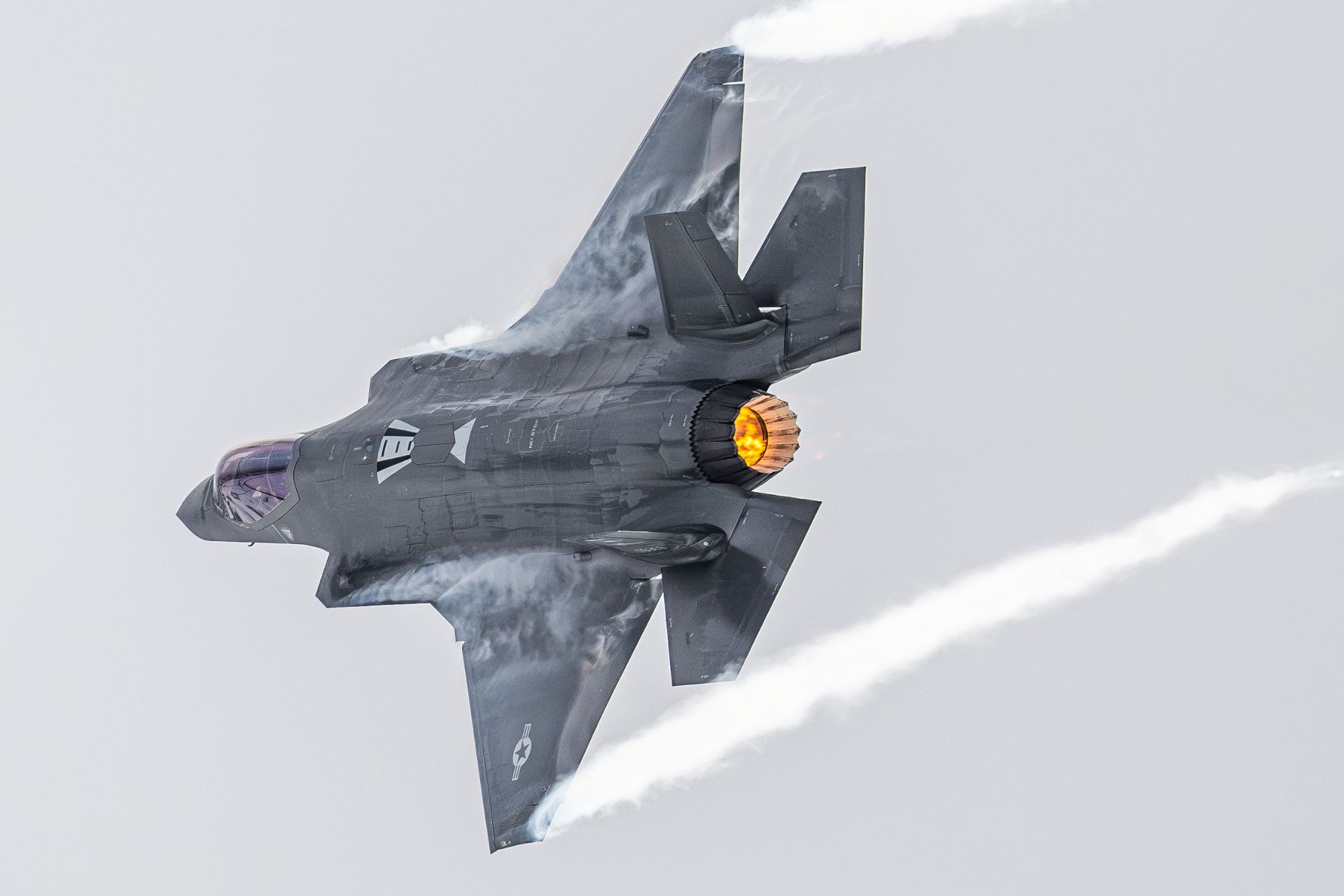
Taiwan is particularly interested in the F-35B model, which can perform short takeoffs and vertical landings (Picture source: US DoD)
The Lockheed Martin F-35 is central to Taiwan's potential purchase, seen as a significant deterrent against Chinese aggression. A fifth-generation stealth fighter, the F-35 is highly capable of air superiority and strike missions, featuring advanced stealth technology, supersonic speed, and superior maneuverability.
The aircraft is equipped with a sophisticated sensor suite, featuring the AN/APG-81 active electronically scanned array (AESA) radar, the Distributed Aperture System (DAS), and the Electro-Optical Targeting System (EOTS), all of which enhance situational awareness and targeting precision. Armament options encompass a variety of air-to-air and air-to-ground munitions, such as the AIM-120 AMRAAM, AIM-9X Sidewinder, and Joint Direct Attack Munitions (JDAM). The F-35's radar systems, particularly the AN/APG-81 AESA radar, provide advanced electronic warfare capabilities, including radar warning, targeting support, and jamming functions.
Among the three F-35 variants, Taiwan is particularly interested in the F-35B model, which can perform short takeoffs and vertical landings (STOVL). The STOVL capability is crucial in Taiwan’s context, as it would enable operations from short runways or emergency airstrips if major airbases were compromised by Chinese missile strikes. However, while the F-35 represents an advanced technological edge, experts are questioning its viability as the best strategic option for Taiwan, primarily due to the high costs involved and the risk of delayed delivery, potentially extending beyond 2027. This timeline is significant as experts estimate a potential Chinese military action around that year, increasing the urgency for Taiwan to evaluate its options carefully.
Alongside the F-35, Taiwan has prioritized upgrading its missile defense systems, particularly the Patriot missiles. The MIM-104 Patriot system, developed by Raytheon, is a mobile surface-to-air missile system that plays a crucial role in air and missile defense for several countries. It is designed to detect, track, and engage various aerial threats, including tactical ballistic missiles and cruise missiles. It uses components such as the AN/MPQ-53 or AN/MPQ-65 radar sets and sophisticated guidance systems. The PAC-3 Missile Segment Enhancement (MSE) variant is especially relevant for Taiwan, providing extended range and improved accuracy, and Taiwan has actively sought to bolster its Patriot system in recent years. A recent U.S. proposal in December 2022 offered Taiwan up to 100 advanced Patriot missiles, valued at $882 million, further underlining Taiwan's commitment to strengthening its missile defense capabilities in response to potential threats.
Despite Taiwan’s intent to modernize its forces, some defense analysts argue that other systems might offer more immediate strategic value at a lower cost. For instance, Taiwan has shown interest in acquiring decommissioned American warships, such as Ticonderoga-class guided-missile cruisers and Perry-class frigates. These naval platforms could serve as effective access-denial (A2/AD) assets in the event of an invasion, providing Taiwan with the capability to disrupt and delay a potential Chinese assault. This kind of deterrent strategy is particularly suited to the unique geographic and military constraints Taiwan faces in the Taiwan Strait. Additionally, other assets, like HIMARS artillery and Harpoon anti-ship missiles, which were included in prior U.S. arms sales, align closely with Taiwan's defensive needs and offer an effective means of resisting amphibious incursions and protecting its coastline.
Under the Trump administration's first term, several large arms packages to Taiwan were approved, totaling over $21 billion, including F-16 Viper fighter jets, M1 Abrams tanks, HIMARS rocket systems, and Harpoon missiles. However, Trump's pragmatic stance on international relations—exemplified by his comments suggesting that Taiwan should "pay the U.S." for its security, likening the relationship to an insurance policy—has raised concerns in Taiwan about the stability and commitment of U.S. support. Despite these arms deals, doubts persist regarding the likelihood of a direct U.S. military intervention in defense of Taiwan, particularly given Trump's comments and recent global shifts in U.S. defense policy.
Compounding these strategic uncertainties, Taiwan’s role in global semiconductor production, especially through Taiwan Semiconductor Manufacturing Company (TSMC), adds another layer of complexity. As the world leader in advanced chip production, TSMC occupies a critical position in the global supply chain, particularly for the United States and its allies, as well as for China. This economic leverage makes Taiwan a focal point in the ongoing U.S.-China rivalry, as Beijing could use Taiwan's semiconductor sector as a pressure point to influence international responses to a Taiwan conflict.
Taiwan's strategic interest in F-35 fighter jets and additional Patriot missile batteries signals a clear commitment to enhancing its defense posture, but uncertainties remain about the efficacy of these acquisitions in meeting Taiwan’s immediate defense needs. Delivery timelines and high costs may limit the F-35's impact in the short term, suggesting that investments in access-denial systems and naval defenses could more effectively serve Taiwan’s security interests. Ultimately, Taiwan’s strategic choices are shaped by a complex interplay of regional tensions, economic considerations, and the evolving U.S.-China dynamic, underscoring the island’s need for a nuanced and adaptable defense strategy.
Read more: Taiwan Eyes F-35 and Patriot Missiles to Show Defense Resolve to Trump in Face of China

- Details
- Written by: Administrator
- Category: 2024
- Hits: 5642
China’s defense industry showcased a significant new addition to its anti-tank capabilities at AirShow China 2024, unveiling a 4x4 armored anti-tank vehicle built on the VN21 platform and armed with locally produced Hongjian-9A (HJ-9A) anti-tank guided missiles. This vehicle, closely resembling the Russian Kornet-D in terms of design, features a retractable turret equipped with two groups of four missile launchers. This turret can be retracted into the vehicle’s hull for protection and stealth during transit, enhancing the vehicle’s survivability and operational flexibility.
Follow Army Recognition on Google News at this link
The new Chinese-made anti-tank vehicle, inspired by Russia's Kornet-D and armed with HJ-9A missiles, makes its debut at AirShow China. (Picture source: Telegram)
The VN21, the base platform for this new anti-tank vehicle, is a 4x4 wheeled Mine Resistant Ambush Protected (MRAP) vehicle designed for high durability and mobility in hostile environments. As an MRAP, the VN21 provides enhanced protection against improvised explosive devices (IEDs), landmines, and ambush tactics, making it ideal for both conventional and asymmetric warfare. It features advanced armor capable of withstanding small arms fire, shell fragments, and explosive blasts. The VN21’s hull design likely includes a V-shaped underbody to deflect blast energy from landmines and roadside bombs away from the vehicle, reducing the impact on personnel. This design allows the vehicle to safely transport troops or operate as a self-contained anti-tank system in contested regions.
Mobility is another strength of the VN21 4x4 armored vehicle, which is powered by a high-performance diesel engine optimized for rugged, off-road environments as well as urban operations. The vehicle’s 4x4 wheel configuration offers a balance of agility and stability, while the MRAP suspension system enables it to cross challenging terrains without compromising speed or maneuverability. This mobility is critical for rapid deployment, allowing the vehicle to quickly position itself, engage enemy armor, and withdraw to safer locations, minimizing exposure to counterattack.
The primary weapon of the vehicle, the Hongjian-9A (HJ-9A) missile, is a domestically developed anti-tank guided missile system designed to engage and neutralize advanced armored threats. The HJ-9A missile uses a tandem-charge warhead capable of penetrating both reactive and composite armor, commonly used on modern main battle tanks (MBTs) and heavily armored vehicles. It is expected to have a range comparable to other advanced anti-tank systems, likely reaching up to 5,500 m, making it effective against both moving and stationary targets at considerable distances. The HJ-9A’s guidance system is reported to rely on semi-automatic command-to-line-of-sight (SACLOS) guidance, which involves an operator tracking the target and guiding the missile until impact. This approach ensures high accuracy and reduces the missile’s susceptibility to countermeasures, making it a reliable weapon for anti-armor operations.
In terms of design, the retractable turret on the VN21 platform mirrors the functionality of the Russian Kornet-D. In road or transport mode, the turret remains within the vehicle’s hull, reducing its profile and protecting the missile launchers from debris and weather. During combat, the turret rises and can position itself at various angles, allowing for optimal targeting and engagement of enemy vehicles from concealed or low-profile positions. The turret’s two groups of four launch tubes allow for rapid successive strikes, a crucial feature when engaging multiple armored threats in quick succession.
This new Chinese anti-tank vehicle development highlights China’s emphasis on advancing indigenous military technology, reducing reliance on foreign designs, and tailoring assets to local operational requirements. By adopting the core concepts of the Kornet-D while integrating Chinese missiles and systems, this vehicle serves as a testament to China’s growing defense manufacturing capabilities and strategic focus on self-reliance in critical defense technologies.
With its highly mobile, protected MRAP platform and advanced HJ-9A anti-tank missile system, this vehicle is well-suited for deployment in regions where rapid response to armored threats is essential. Its tactical flexibility, combining protection, speed, and firepower, makes it a valuable asset for China’s defense forces, especially in areas of strategic importance where armored threats are anticipated. This vehicle embodies China’s continued push to modernize and enhance its land combat capabilities by prioritizing survivability, precision, and operational independence.
Read more: China Unveils Russian Kornet-D Inspired 4x4 Anti-Tank Vehicle with Chinese HJ-9A Missiles
- Details
- Written by: Halna du Fretay
- Category: 2024
- Hits: 7684
Israel and Germany are advancing a strategic partnership with the planned deployment of the Arrow 3 missile defense system in Germany, set for 2025. This defense collaboration, approved by the United States and valued at $3.5 billion, was formalized last year in response to the threat of long-range ballistic missiles. In recent discussions, Israel's Ministry of Defense and Germany's Ministry of Defence, along with key defense contractors, emphasized the strategic importance of this system for bolstering European defenses.
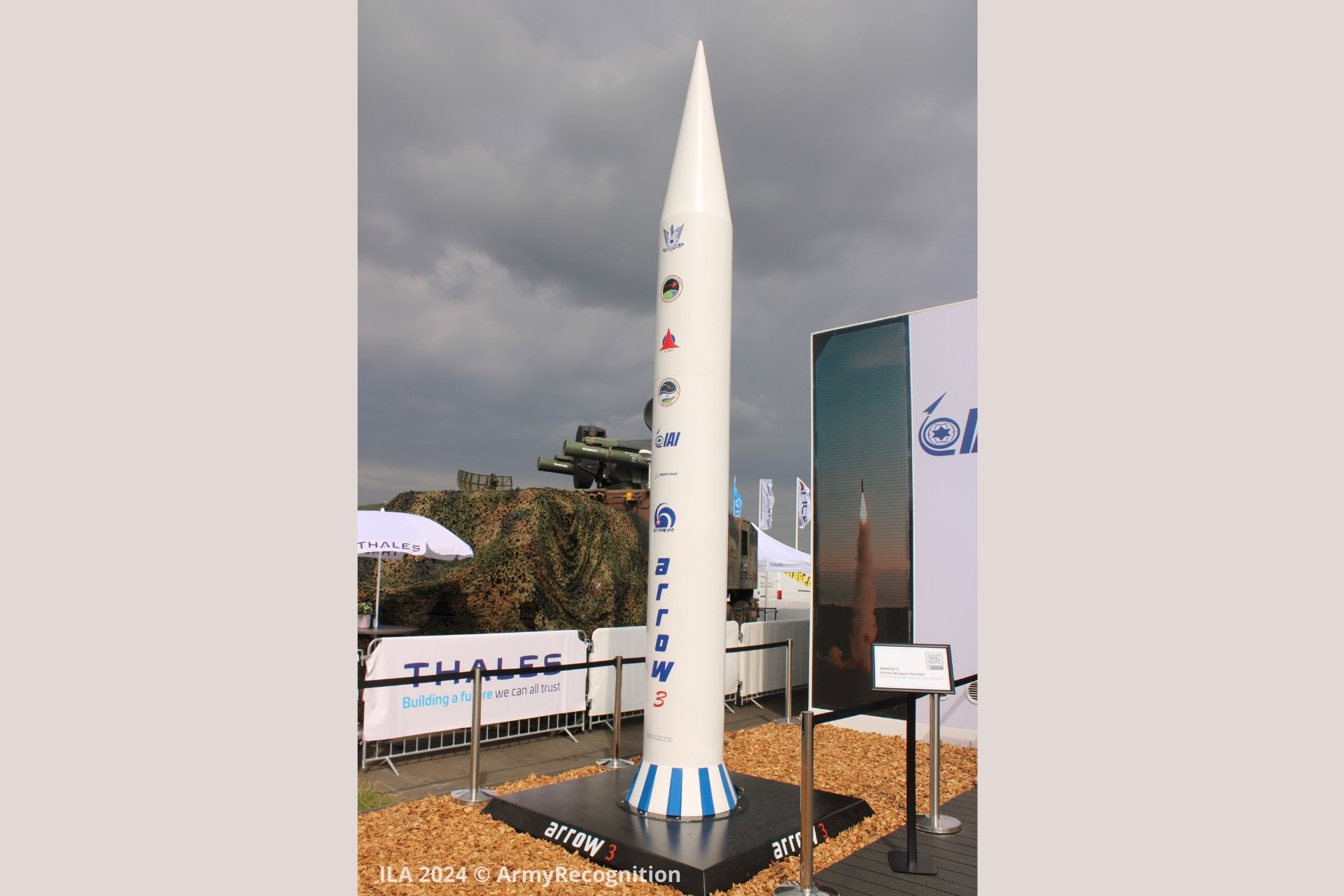
As the top layer of Israel’s multi-layered missile defense, the Arrow 3 offers an extended interception range, aiming to neutralize exoatmospheric threats before they enter protected airspace (Picture source: Army Recognition)
The Arrow 3, jointly developed by Israel and the United States, is designed to intercept and neutralize long-range ballistic missiles outside Earth’s atmosphere. Using "hit-to-kill" technology, it intercepts threats before they reach their targets. The system features two-stage interceptors, the EL/M-2080 "Super Green Pine" radar, the "Golden Citron" battle management center, and the "Brown Hazelnut" launcher control center. These components work cohesively to track, target, and intercept incoming missiles.
In service since 2017, the Arrow 3 is employed by the Israeli Defense Forces (IDF) as the top layer in Israel’s multi-tiered air defense, complementing the Arrow 2, David’s Sling, and Iron Dome systems. It offers protection against intercontinental ballistic threats, including those armed with nuclear, chemical, or biological warheads. Its operational capacity was demonstrated in 2024, when it successfully intercepted Iranian missiles on April 14 and October 1, reinforcing its reputation as an essential element of Israel’s air defense architecture.
Coordination meetings for the German deployment were recently held at Israel Aerospace Industries (IAI), under the direction of Moshe Patel, head of the Israel Missile Defense Organization (IMDO). Over two days, representatives from Israeli defense firms, including IAI’s MLM division, Elta, and Elbit Systems, as well as MBDA Deutschland, reviewed the technical specifications and logistical arrangements for this inaugural deployment in Europe.
As the top layer of Israel’s multi-layered missile defense, the Arrow 3 offers an extended interception range, aiming to neutralize exoatmospheric threats before they enter protected airspace. Sharing infrastructure with Arrow 2, it utilizes common launchers, command-and-control systems, and sensor networks. Recognized for its advanced interception technology, the Arrow 3 is widely viewed as a leading asset in the global missile defense landscape, providing precise countermeasures to emerging ballistic threats.
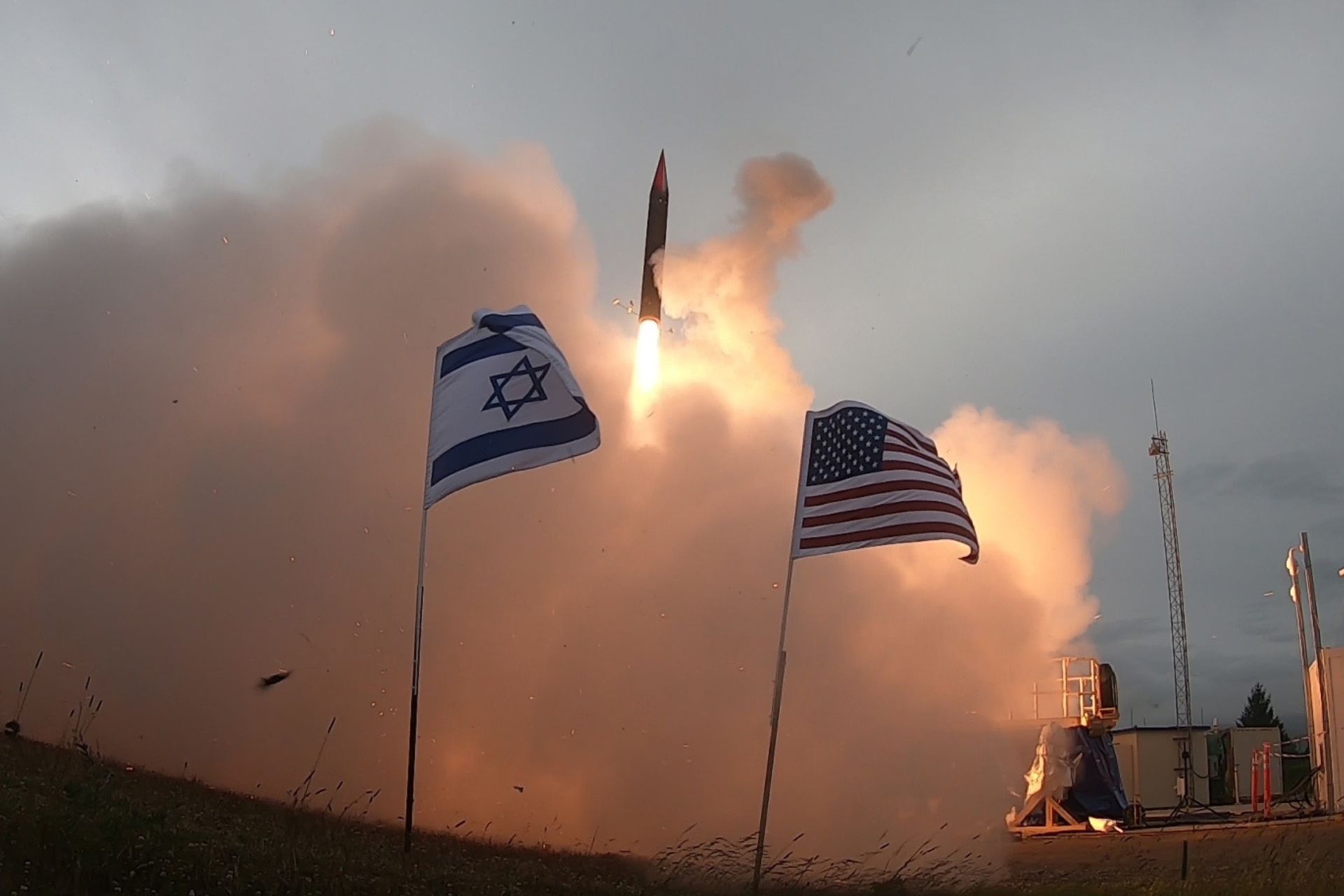
On July 19, 2019, the Israel Missile Defense Organization (IMDO) and the U.S. Missile Defense Agency (MDA) completed a flight test campaign for the Arrow-3 Interceptor missile (Picture source: US DoD)
The effectiveness of the Arrow 3 has been proven in real-world interceptions. In November 2022, the IDF carried out the first operational interception of the Arrow 3, successfully neutralizing a missile from the Red Sea region. This success was followed in 2024 with successful defenses against Iranian missile attacks, illustrating its extended-range interception capability.
The Arrow 3's international appeal is further demonstrated by increasing interest from other countries. In May of this year, multiple nations expressed interest in acquiring missile defense technology, underscoring global confidence in Israel's advancements in air defense. Meanwhile, Germany’s 2022 launch of the European Sky Shield Initiative has encouraged multinational defense cooperation, attracting interest from Switzerland despite its tradition of neutrality. This initiative may pave the way for broader defense collaborations to enhance collective European security.
As the project’s primary contractor, Israel Aerospace Industries (IAI) continues to support Israel's aerial defense capabilities under the DDR&D program, reflecting the country’s commitment to building strategic alliances and expanding the international reach of its defense industry. This partnership with Germany particularly emphasizes Israel's role in contributing to regional and global security efforts.
- India and Russia Sign Agreement for Development of Pantsir Air Defense System Variant
- Breaking News: India Conducts First Flight Test of New Long-Range Land Attack Cruise Missile off Indian Ocean Coast
- China Expands Hypersonic Capabilities with GDF-600 Boost-Glide Vehicle for Missile and Drone Deployment
- Exclusive: China's New CH-9 Drone Boasts 11,500 km Range and Advanced Strike Capabilities