

- Details
- Written by: Halna du Fretay
- Category: 2024
- Hits: 2486










The conflict between Israel and the Lebanese Hezbollah, supported by Iran, has reached a new level with the launch of the "Northern Arrows" operation by the Israeli army on September 23, 2024. As hostilities intensify, this major military operation aims to neutralize the threat posed by Hezbollah on Israel's northern border.
Follow Army Recognition on Google News at this link
Screenshots from video footage of the strikes conducted by Israel on Lebanon on September 23, 2024 (Picture source: X channel @0Informations)
For several months, tensions between Israel and Hezbollah have been increasing, fueled by a series of border incidents and escalating rhetoric on both sides. Hezbollah, a Shiite political-military organization backed by Iran, has intensified its rocket attacks toward northern Israel in support of Hamas in the Gaza Strip. These actions prompted a strong response from the Israeli army, determined to ensure the security of its citizens and neutralize Hezbollah's offensive capabilities.
In recent weeks, exchanges of fire have multiplied. Hezbollah has launched thousands of rockets and drones toward Israeli territory, targeting military installations and civilian areas. Israel, in turn, has conducted targeted airstrikes against Hezbollah positions in Lebanon. The situation reached a critical point on September 23, 2024, when the Israeli army initiated the "Northern Arrows" operation.
This operation, announced by Israeli Chief of Staff Herzi Halevi, aims to significantly weaken Hezbollah's military capabilities. "The situation requires continuous and intense action on all fronts," Halevi stated. The Israeli air forces have struck over 1,300 targets in Lebanon, including missile launchers, military buildings, and weapons depots. These strikes have affected southern Lebanon, the Bekaa Valley, and, for the first time in years, regions further north such as Mount Lebanon.

Image of a Hezbollah rocket allegedly located in a civilian house in Lebanon (Picture source: IDF)
The primary objective of the "Northern Arrows" operation is to destroy Hezbollah's offensive capabilities and secure Israel's northern border. According to Israeli military sources, Hezbollah was preparing a major offensive called "Conquer the Galilee," aiming to infiltrate Israeli territory and carry out attacks against civilians. The elimination of senior Hezbollah figures, including Ibrahim Aqil, the alleged architect of this plan, is a key component of this strategy.
Israel asserts that it is acting based on precise intelligence to target Hezbollah's military infrastructure while minimizing civilian casualties. Warnings have been sent to civilian populations to evacuate certain areas before the strikes. However, reports indicate difficulties for civilians attempting to leave dangerous zones, with Hezbollah accused of preventing evacuations to use inhabitants as human shields.
The operation also seeks to prevent Hezbollah from strengthening its positions by taking advantage of international attention focused on the conflict with Hamas in Gaza. Hezbollah, with its military experience and an arsenal estimated at 150,000 rockets and missiles, represents a threat to Israel's security. Israeli strikes aim to degrade its command and control capabilities and reduce its stockpiles of armaments.
In response, Hezbollah has intensified its rocket fire, targeting Israeli northern cities such as Haifa and Kiryat Shmona. Alerts have sounded in several localities, and material damage has been reported. The current escalation raises concerns about a potential expansion of the conflict, with the risk of more direct involvement by Iran and other regional actors.

Map showing the various strikes conducted by Israel on Lebanon since September 23, 2024 (Picture source: LiveuaMap)
The international community is apprehensive about this volatile situation. United Nations Secretary-General António Guterres has expressed concern over the escalation of violence and has called for restraint. The United States, an ally of Israel, has announced it is working on "concrete ideas" to restore calm, while Russia has warned of the risk of regional destabilization.
The "Northern Arrows" operation marks a turning point in the conflict between Israel and Hezbollah. While Israel had previously favored targeted actions to contain the threat, this large-scale offensive demonstrates its determination to eliminate Hezbollah's offensive capabilities. The extent to which this escalation will continue remains uncertain. A ground invasion of Lebanon by Israel is not ruled out, although such an option carries the risk of a prolonged and costly engagement.
Hezbollah faces a dilemma. Despite its arsenal and experience, it is suffering significant losses and sees its capabilities further reduced, especially following last week's explosion of beepers and walkie-talkies.
In the short term, there is currently no indication that a de-escalation of the conflict is on the horizon, despite international pressure and the growing risks of destruction to Lebanese infrastructure.

- Details
- Written by: Administrator
- Category: 2024
- Hits: 6894
During Exercise SCORPION LONGBOW in July 2024, the 19th Regiment Royal Artillery of the British Army deployed the new ARCHER artillery 8x8 self-propelled howitzer in the field for the first time in the United Kingdom. The exercise involved 5 Battery and 127 (Dragon) Battery operating the modern ARCHER systems, while 28/143 Battery continued using the L118 105 Towed Light Gun.
Follow Army Recognition on Google News at this link
British Army soldiers deploy the new Archer 8x8 howitzer during a field exercise, showcasing the artillery system's advanced mobility, rapid-fire capabilities, and long-range precision. (Picture source: X accountGabriele Molinelli)
The British Army's acquisition of the ARCHER artillery 8x8 self-propelled howitzer from Sweden was finalized in 2023 as a rapid procurement to replace the 32 AS90 tracked self-propelled howitzers that the UK had sent to Ukraine. The deal involved the purchase of 14 ARCHER 6x6 mobile howitzers, which are scheduled to be fully operational by April 2024. The first units arrived in the UK in October 2023. This interim solution aims to bridge the gap in artillery capabilities until the Mobile Fires Platform, a long-term replacement, is delivered later this decade.
The contract was negotiated between the UK's Defence Equipment & Support (DE&S) and the Swedish government. It was secured in just 48 days, marking one of the fastest acquisitions of a complex military system in UK defense history. The total amount of the deal was not publicly specified, but the procurement includes 14 artillery systems along with logistic support, ammunition, and training packages. The ARCHER system, designed by BAE Systems Bofors, boasts a significant range increase over the AS90, firing up to 50 kilometers with extended-range ammunition—double the AS90's range of 25 kilometers.
This acquisition was prompted by the need to quickly replace the AS90 units transferred to Ukraine, ensuring that the British Army maintains its NATO commitments and operational readiness. The ARCHER system's advanced mobility, rapid deployment, and automated capabilities provide enhanced firepower and efficiency, particularly in modern battlefield environments
The ARCHER artillery system is a state-of-the-art self-propelled howitzer equipped with a 155mm L52 gun mounted on a 6x6 all-terrain Volvo chassis. It offers a range of technical advancements, including the ability to strike targets up to 30 kilometers away with conventional rounds, and over 40 kilometers using base bleed ammunition. With precision-guided munitions such as the Excalibur shell, ARCHER can accurately engage targets at distances up to 60 kilometers. It features a fully automated loading system that allows it to fire three rounds in just 15 seconds and sustain a high rate of fire. The system can hold 21 rounds ready to fire without the need for manual reloading.
ARCHER is operated by a minimal crew of three to four personnel inside an armored cabin, providing protection against small arms fire and shrapnel. Its wheeled chassis offers excellent mobility, allowing the system to be quickly redeployed across different terrains. The system's "shoot and scoot" capability enhances its ability to avoid counter-battery fire.
The exercise also highlighted the transition from older artillery platforms. While 5 and 127 Batteries have adopted the ARCHER system, 28/143 Battery continued using the L118 Light Gun, a less advanced but reliable 105mm towed howitzer. The decision to introduce ARCHER was driven by the need to replace AS90 units, some of which were sent to Ukraine due to ongoing geopolitical tensions. ARCHER's enhanced range, precision, and flexibility make it a critical upgrade for the British Army.
The successful deployment of ARCHER strengthens the UK's artillery capabilities and aligns with NATO standards, allowing for better interoperability with allied forces. Exercise SCORPION LONGBOW provided essential training for personnel to adapt to ARCHER’s systems and operational practices. The British Army plans to continue rolling out ARCHER across more units, ensuring that its artillery regiments are equipped with the latest technology.
As global security challenges continue to evolve, the British Army's acquisition of ARCHER represents a forward-looking effort to maintain a capable and responsive military force. These modernization efforts will improve the UK's defense readiness and ensure that the Army can meet both current and future operational demands.
Read more: British Army Deploys New Archer 8x8 Howitzers in the Field for the First Time

- Details
- Written by: Jérôme Brahy
- Category: 2024
- Hits: 7665
At the Asian Defense and Security (ADAS) 2024 exhibition, the South Korean company Hanwha Aerospace is showcasing the K239 Chunmoo Multiple Rocket Launcher System (MRLS) capable of launching an Anti-Ship Ballistic Missile (ASBM). According to the company, this effort focuses on providing comprehensive information to the Philippine Army and other potential clients about the functionalities and applications of these systems.
Follow Army Recognition on Google News at this link
The Chunmoo is capable of firing multiple types of rockets, including 130mm and 239mm calibers, and can switch between different rocket pods to adapt to various mission requirements. (Picture source: Hanwha Aerospace)
The K239 Chunmoo MRLS, operational since 2014, was developed by South Korea's Hanwha Aerospace to meet evolving defense requirements. It is designed with a multi-caliber rocket launching capability, allowing for rapid adaptation to different mission profiles. This flexibility makes it applicable for a variety of scenarios, including neutralizing enemy fire support and targeting high-value objectives in different environments.
The K239 incorporates a GPS/INS hybrid navigation system, which enables a high level of precision, even against moving targets, thereby enhancing accuracy and effectiveness in dynamic situations. Chunmoo's ability to launch both guided and unguided munitions further contributes to its adaptability across a range of tactical roles. The dual-launcher configuration increases firepower, permitting the deployment of more rockets from a single platform, which provides greater operational efficiency and flexibility.
In addition to its current capabilities, Hanwha Aerospace is advancing the Chunmoo MRLS with the development of an Anti-Ship Ballistic Missile (ASBM), which is anticipated to be completed by 2027. The ASBM is being developed to address defense requirements for countries with extensive coastlines, like the Philippines, offering a cost-effective option for coastal defense compared to traditional cruise missiles. This missile aims to enhance maritime defense capabilities, making the system applicable to nations with both land and maritime defense needs.

Poland is acquiring over 200 Chunmoo units, integrating them onto local platforms like the Jelcz 882.57 to develop the Polish variant known as Homar-K. (Picture source: Army Recognition)
The Chunmoo system has been actively used by the South Korean Army and Marine Corps, and it has attracted interest on an international scale. For example, Poland has decided to acquire over 200 units, integrating the launcher onto local platforms, such as the Homar-K, and customizing fire control systems to fit their national defense strategies. Comparatively, the Chunmoo system has been evaluated alongside the American M142 HIMARS (High Mobility Artillery Rocket System).
While both systems offer advanced artillery capabilities, the Chunmoo features a dual-launcher setup that effectively doubles the missile capacity of its counterpart, supported by an 8x8 vehicle chassis, enabling more varied and sustained engagement options. Moreover, the Chunmoo is capable of firing multiple types of rockets, including 130mm and 239mm calibers, and can switch between different rocket pods to adapt to various mission requirements. This flexibility allows it to engage a wide range of targets at varying distances, offering greater operational adaptability.
The Chunmoo MRLS offers several features that may be relevant to the Philippines' defense objectives. Its multi-caliber capability allows for engagement against both stationary and moving targets, addressing various operational requirements. The system’s ability to deploy within 5 minutes enhances responsiveness, a critical factor in dynamic combat scenarios. Furthermore, Hanwha Aerospace provides opportunities for local industries to participate in the production and maintenance of these systems, potentially contributing to self-reliance and capability development within the Philippine defense sector. Additionally, the Chunmoo offers a cost-effective and timely alternative, especially in situations where extended delivery times for other systems are a concern.

The launcher component can handle two pods simultaneously, with a launch coverage of 194 degrees and an elevation range from 0 to 60 degrees. (Picture source: Army Recognition)
The Chunmoo MRLS features a modular design, enabling the launch of various types of rockets and missiles with precision-guided capabilities. It is compatible with a range of C4 systems, providing operational flexibility. The tactical vehicle module has a combat weight of 31 tons, accommodating a crew of three, plus two additional personnel for ammunition handling. The vehicle is powered by a 450-horsepower engine, allowing a maximum speed of 80 km/h, and has a cruising range of up to 480 km. The launcher component can handle two pods simultaneously, with a launch coverage of 194 degrees and an elevation range from 0 to 60 degrees. Its launcher speed is rated at 2.5 seconds, facilitating efficient target engagement.
Based on the same 8x8 chassis, the ammunition carrier of the Chunmoo MRLS features an articulated hydraulic crane and has a loading capacity of 4 pods with a maximum payload of 10 tons, allowing readiness for prolonged engagements. The system incorporates several features to improve its survivability and adaptability, such as ballistic and Nuclear, Biological, and Chemical (NBC) protection, along with a run-flat tire system, a Central Tire Inflation System (CTIS), and an anti-lock brake system (ABS).

The K239 Chunmoo is powered by a 450-horsepower engine, allowing a maximum speed of 80 km/h, and has a cruising range of up to 480 km. (Picture source: Hanwha Aerospace)
The Chunmoo offers three primary ammunition options: the CTM-290, the CTM-MR, and the CGR-80, each equipped with GPS/INS guidance systems to enhance accuracy. The CTM-290, featuring a high-explosive fragmentation warhead with blast/fragmentation propellant, can strike targets within a range of 80 to 290 km, maintaining a Circular Error Probable (CEP) of 9 meters.
The CTM-MR, also featuring a high-explosive fragmentation warhead with composite propellant, offers an operational range of 50 to 160 km, with a similar CEP of 9 meters, and is deployed from a single pod. The CGR-80, with a high-explosive fragmentation warhead, offers an effective range of up to 30~80 km, with the same 15-meter CEP. Each round is launched from a pod containing up to 6 rounds. All three munitions are classified under the United Nations (UN) number 0181 and the NATO Munitions Designation Code (MDC) 1.1E, ensuring consistency with international standards.

The Chunmoo offers three primary ammunition options: the CTM-290, the CTM-MR, and the CGR-80, each equipped with GPS/INS guidance systems to enhance accuracy. (Picture source: Hanwha Aerospace)
- Details
- Written by: Administrator
- Category: 2024
- Hits: 6908
The KNDS Group, a leading European defense company, has unveiled a new wheeled Infantry Fighting Vehicle (IFV) based on the Boxer 8x8 armored platform. This latest development highlights the company's commitment to advancing modern military capabilities and providing versatile solutions for both European and international forces.
Follow Army Recognition on Google News at this link
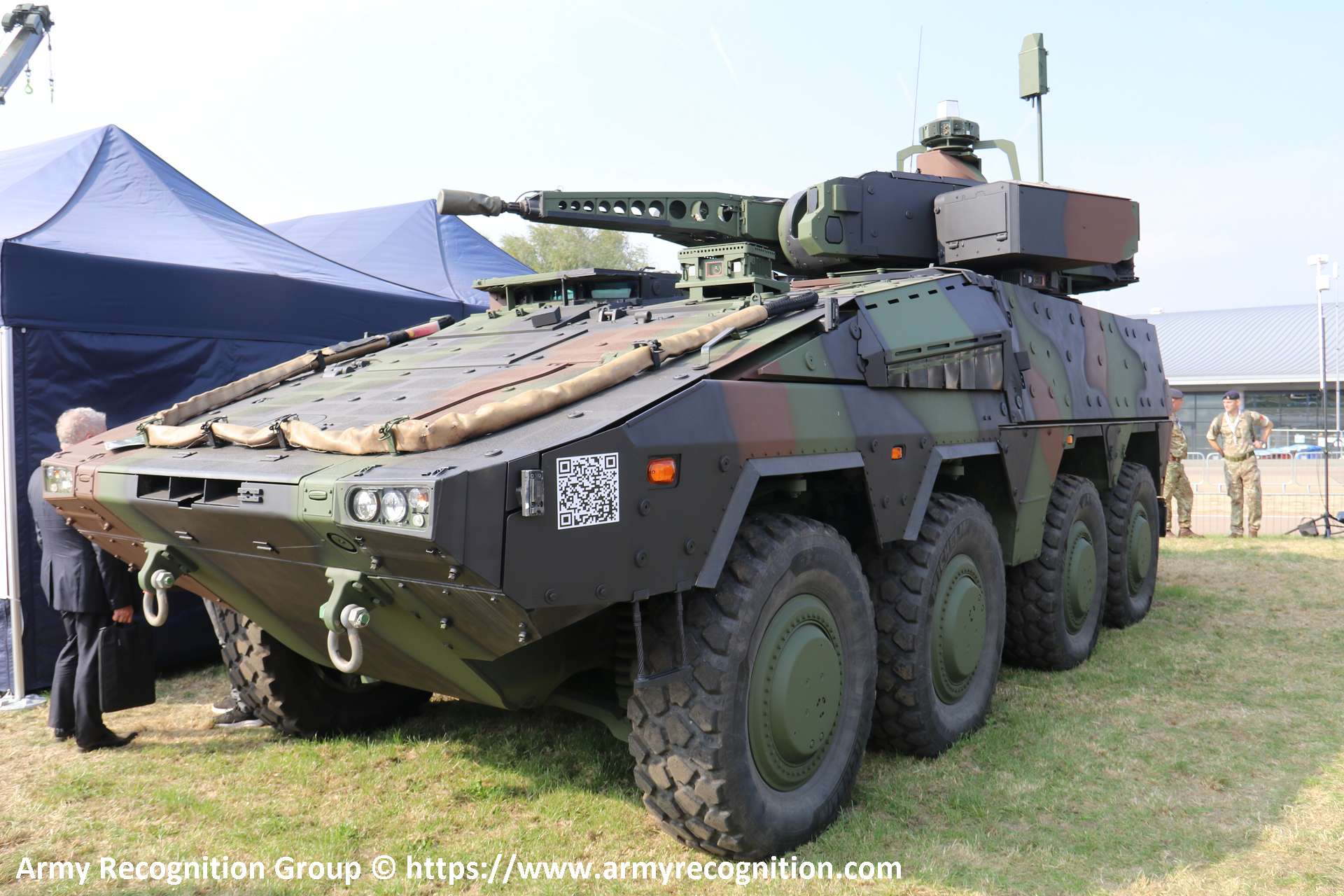
KNDS unveils new wheeled Infantry Fighting Vehicle IFV based on Boxer 8x8 armored vehicle at DVD 2024 in Millbrook , United Kingdom. (Picture source: Army Recognition Group)
The new IFV (Infantry Fighting Vehicle) is equipped with the RCT30 remote-controlled turret, the same advanced system used on the Puma tracked IFV, which is currently in service with the German Army. The RCT30 brings significant firepower to the vehicle, featuring a 30mm MK30-2/ABM automatic cannon capable of firing airburst munitions. This weapon system is designed for a wide range of engagements, including enemy infantry, light armored vehicles, and even low-flying aerial targets such as drones. Additionally, the IFV is fitted with a 7.62mm coaxial machine gun for close-range defense and can be equipped with anti-tank guided missiles (ATGMs) for enhanced anti-armor capabilities.
The IFV is based on the Boxer 8x8 platform, a proven and highly adaptable armored vehicle that has been in service with multiple NATO countries. Known for its modular design, the Boxer can be reconfigured with different mission modules to meet various operational needs. The IFV variant is specifically designed to transport infantry troops while providing them with advanced firepower and protection in high-risk environments. The Boxer’s wheeled 8x8 configuration ensures exceptional mobility over rough terrain, making it ideal for both urban and rural combat operations. Compared to tracked vehicles, the wheeled Boxer offers lower maintenance costs and better fuel efficiency, while still delivering high levels of protection. Its armor provides defense against kinetic energy projectiles, IEDs, and mine blasts, with the vehicle’s V-shaped hull further enhancing survivability by deflecting blast energy.
The unveiling of this new Boxer-based IFV underscores the KNDS Group's strategic efforts to strengthen its position in the global defense market. By using the same RCT30 turret as the Puma IFV, the company ensures operational compatibility with the German Army's existing fleet, which could streamline logistics and training for forces operating both the tracked and wheeled variants. The Boxer-based IFV is also expected to appeal to a broad range of international customers, particularly as military forces continue to prioritize flexible and mobile armored solutions that can be deployed in various combat scenarios.
One notable aspect of this new IFV is its candidacy for a potential defense contract with Qatar, which is seeking to bolster its military capabilities through the acquisition of modern IFVs. The Boxer’s adaptability, advanced firepower, and protective features make it a strong contender for Qatar's requirements. As the defense industry increasingly emphasizes modularity, multi-role capabilities, and battlefield effectiveness, the Boxer-based IFV from KNDS is positioned to be a significant player in the armored vehicle market.
The KNDS Group's new IFV is expected to enter full-scale production in the near future, with export discussions already underway. With its combination of the Boxer platform's mobility and the RCT30 turret’s firepower, this vehicle is poised to play a key role in the future of land combat operations, offering a next-generation solution to military forces around the world.

- Details
- Written by: Vandenbosch
- Category: 2024
- Hits: 2149
The Netherlands is set to deliver three launchers of the Patriot missile defense system to Ukraine soon. The Dutch government had already sent a radar system as part of this military support. Dutch Defense Minister Ruben Brekelmans announced this news in an interview with Delfi. "We have delivered a radar system, and we will soon deliver three launchers. We are also looking to obtain other necessary components to complete the system," said Brekelmans.
Follow Army Recognition on Google News at this link
The Patriot system is a long-range air defense system designed to operate at all altitudes and in all weather conditions. (Picture source: US DoD)
This initiative is part of the project called the "Patriot Puzzle," launched by former Defense Minister Kajsa Ollongren. According to this plan, the Netherlands, along with other partner countries, will provide different components of the Patriot system so that Ukraine can have a complete and operational air defense system.
Brekelmans emphasized that several nations are ready to help Ukraine strengthen its air defense capabilities, though some are facing logistical or technical difficulties that are slowing the delivery of necessary equipment.
"These countries are encountering obstacles that make it difficult to assemble this system. It also depends on the willingness of other nations to disclose information about what they are providing. However, we are not always transparent about this because it is crucial not to inform Russia. Sharing too many operational details could enhance their knowledge, which we want to avoid," Brekelmans added.
At the end of the summer, former Ukrainian Foreign Minister Dmytro Kuleba expressed his frustration with the delays in delivering the Patriot systems, calling on Ukraine's international partners to speed up the process. Ukrainian President Volodymyr Zelensky stated that the military estimates it needs 25 Patriot defense systems to effectively cover the entire Ukrainian territory.
The Patriot system is a long-range air defense system designed to operate at all altitudes and in all weather conditions. Developed in the United States, it is currently used by many countries such as Germany, Israel, Japan, Poland, Qatar, Romania, and more recently, Ukraine. Its design relies on missiles capable of targeting and destroying various aerial threats, such as aircraft and ballistic missiles.
The missile used by the Patriot system, the PAC-3, weighs around 700 kg and measures approximately 5.2 meters in length. Its range varies from 20 to 35 kilometers, offering extensive coverage against enemy threats. Unlike many other systems, the PAC-3 missile does not use an explosive warhead. Its destruction relies on a "hit-to-kill" approach, meaning it destroys its targets through the kinetic energy generated by direct impact. This makes it particularly effective against ballistic missiles, where precision and impact force are crucial.
The PAC-3 is equipped with a sophisticated guidance system, based on an active radar located in the nose of the missile. This radar allows the missile to autonomously track and engage its targets. Additionally, mid-course updates are provided by the ground-based radar, the AN/MPQ-65, complementing the missile's onboard inertial navigation system.
With a maximum speed of Mach 5 (approximately 6,173 km/h), the PAC-3 is capable of responding rapidly to aerial threats. The AN/MPQ-65 radar, in turn, is a key component of the Patriot system, providing critical information on targets and enabling constant monitoring of airspace.
In July, the United States announced a new military aid package that included a Patriot system, while President Zelensky confirmed the arrival of a Patriot system from Germany.
Read more: Netherlands Plans to Supply Ukraine with Three Patriot Launchers Very Soon
- Details
- Written by: Halna du Fretay
- Category: 2024
- Hits: 6919
Rare footage was recently broadcast on September 23 by Chinese television network CCTV-7, showing the launch of the HJ-10 anti-tank missile from a Chinese armored vehicle. These images provide insight into the capabilities of this weapon system, which represents one of the latest additions to China's advanced missile arsenal.
Follow Army Recognition on Google News at this link
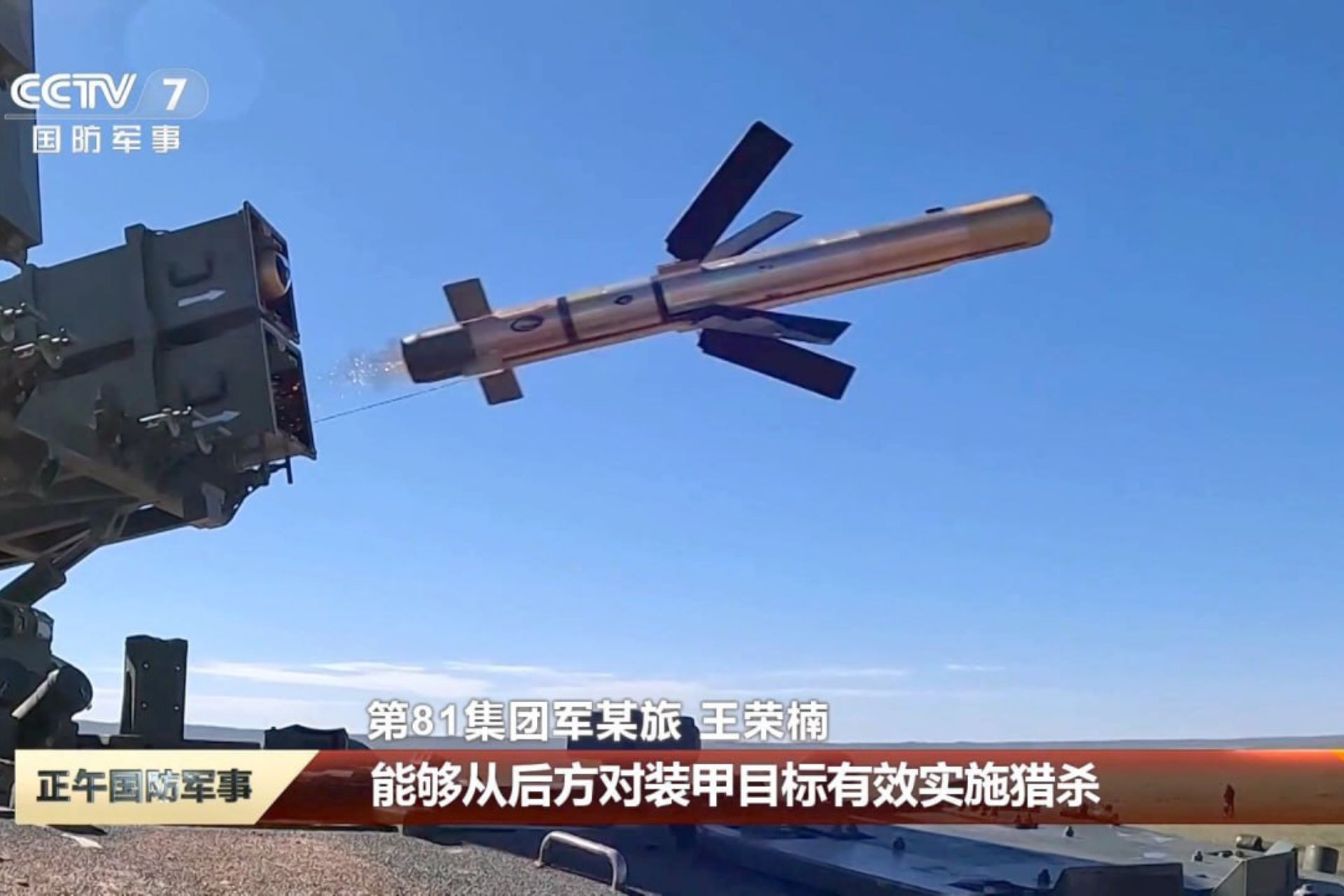
Designed with a standard aerodynamic layout, the missile features X-shaped wings that deploy after launch (Picture source: CCTV-7)
The HJ-10, also known as "Red Arrow 10," is an anti-tank missile developed by China's NORINCO corporation. Equipped with a tandem high-explosive anti-tank (HEAT) warhead, it can penetrate up to 1,400 mm of conventional steel armor, even when protected by explosive reactive armor. Its maximum operational range is 10 km, and it has the ability to lock onto a target either before or after launch.
The missile is characterized by its cylindrical body with a hemispherical nose cap. Designed with a standard aerodynamic layout, it features X-shaped wings that deploy after launch. Powered by solid propellant engines for both launch and cruise, it measures 1,850 mm in length, has a diameter of 165 mm, and weighs 43 kg at launch. Its cruising speed is 150 m/s, accelerating to 230 m/s during the final phase of its trajectory.
A notable feature of the HJ-10 is its advanced guidance system, which combines television or infrared (IIR) imaging, an inertial system, and a two-way fiber-optic data transmission channel. The target image is transmitted to the operator's console, while control commands are sent back to the missile through the same channel. This system enables various applications, including "fire-and-forget," command guidance, post-launch course correction, and target reacquisition. Future upgrades aim to replace the fiber-optic channel with a radio channel.
The HJ-10 can engage targets directly or from above, using different types of warheads. These options include a tandem HEAT warhead, capable of penetrating 1,200 to 1,400 mm of homogeneous armor, and a "penetrating core" warhead designed to strike targets from above.
When paired with the high mobility features of the MV3 launch vehicle, the system offers a combination of speed, agility, and firepower that can significantly impact the battlefield. The vehicle, based on an all-terrain chassis, is designed for rapid deployment and effective operation in various tactical environments, with the ability to engage both ground and aerial targets, including helicopters.
China has developed a diverse range of anti-tank missiles over the years. In addition to the HJ-10, the "Red Arrow" series includes the HJ-8, a second-generation missile, and the HJ-12, a third-generation portable missile with "fire-and-forget" capability. These developments reflect China's continued efforts to modernize its armed forces and adopt advanced military technologies to enhance its ground forces' capabilities.
Progress in the field of anti-tank missiles highlights China's focus on adapting its military capabilities to evolving battlefield threats.
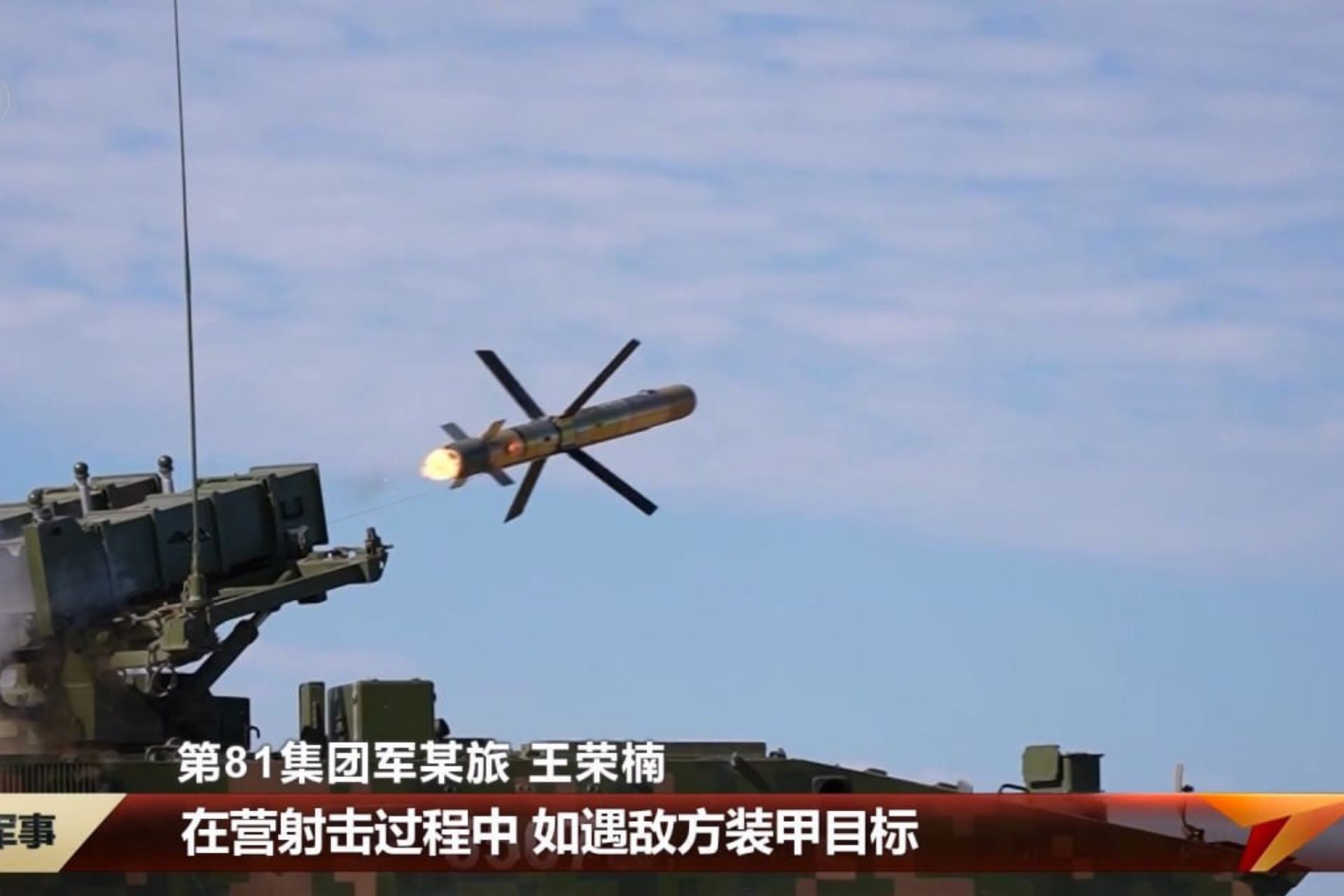
The HJ-10 can engage targets directly or from above, using different types of warheads (Picture source: CCTV-7)
Read more: Rare Images of Launch of HJ-10 Anti-Tank Missile from a Chinese Armored Vehicle
- Details
- Written by: Vandenbosch
- Category: 2024
- Hits: 5148
The modernization program for the Argentine Medium Tank (TAM) has recently gained momentum after more than a decade since its launch. Intending to modernize a total of ten units by the end of the year, the TAM 2C-A2 has become one of the Argentine Army's priority programs, according to Zona Militar.
Follow Army Recognition on Google News at this link
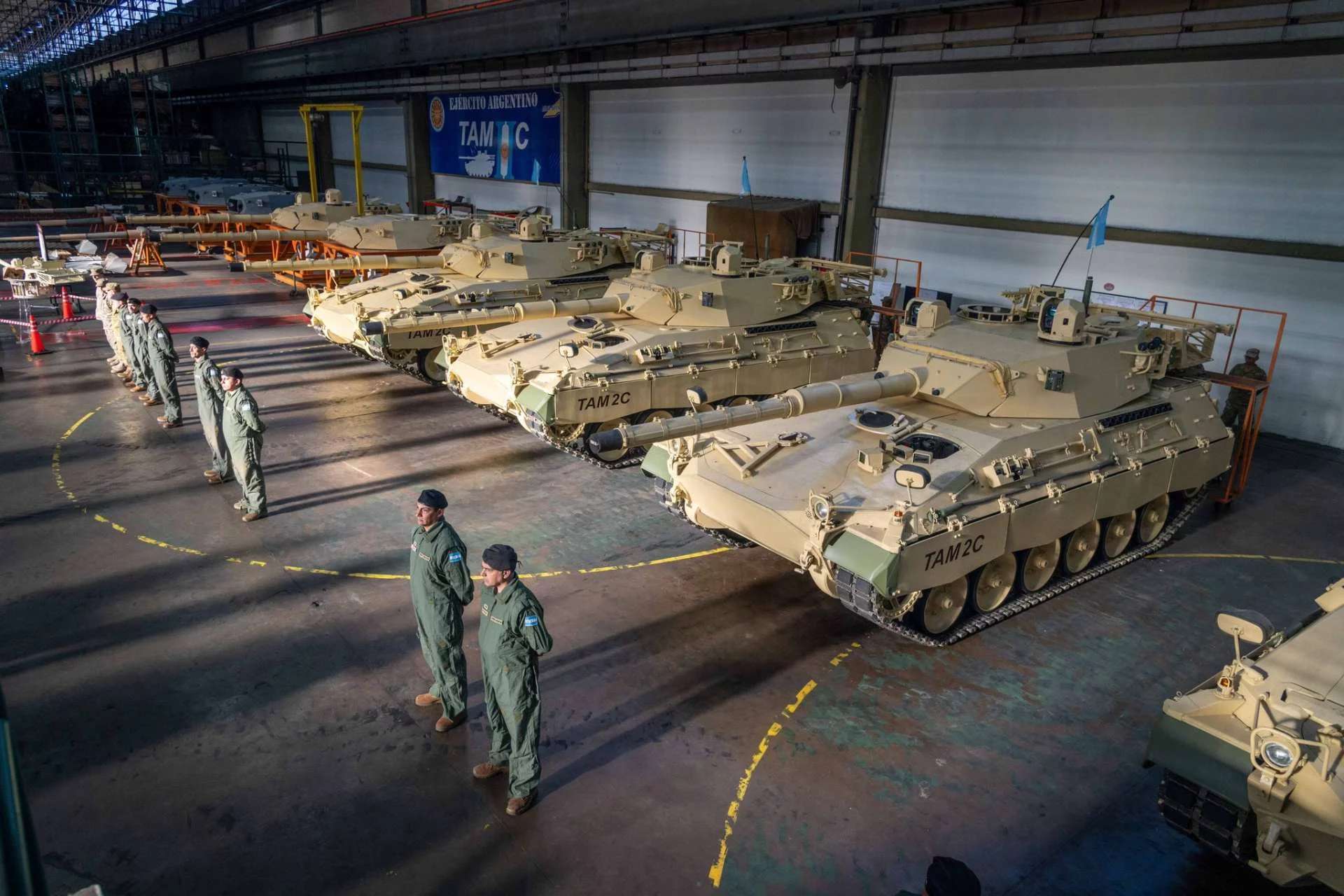
Previous delivery of TAM 2C-A2 Argentine Main Battle Tanks. (Picture source: Argentine MoD)
In an interview with Zona Militar, General Carlos Alberto Presti, Chief of the General Staff of the Argentine Army, stated that the modernization of the TAM 2C-A2 is progressing with their personnel and resources. The Israeli company Elbit Systems is the primary supplier of components, although both national and foreign suppliers are also participating in the project. The progress of the program depends on the timely maintenance of the supply chain, and if deadlines are met, the Argentine Army will have ten modernized units by the end of the year.
General Presti emphasized the importance of the modernization process, describing it as beneficial for national defense, noting that it allows the development of unique skills and knowledge. This program also provides armored units with vehicles equipped with advanced technologies.
The TAM 2C-A2 program has led to proposals for updates to other vehicles in the armored family, such as the VCTP (Personnel Transport Combat Vehicle), the VCPC (Command Post Combat Vehicle), and the VCTM (Mortar Transport Combat Vehicle). These proposals are currently being studied, which could pave the way for future modernizations of the entire family of vehicles.
The TAM 2C-A2 is an emblematic project reflecting the government's commitment to revitalizing national defense. Both the Argentine Army and the Ministry of Defense recognize the strategic importance of this initiative, which symbolizes the country’s industrial capability, with the ambition to consolidate it in the coming years. However, the project will require the necessary political support to reach its full potential, particularly as the TAM approaches its fiftieth anniversary.
The most recent version of the TAM, the TAM 2C-A2, brings improvements compared to its prototype presented eleven years ago. These improvements include an advanced fire control system, night vision capability, better stabilization, enhancements to motor and structural capabilities, and new communication systems.
The program, which aims to modernize 74 units, is the result of collaboration between the Argentine company IMPSA, responsible for machining parts, the Israeli company Elbit Systems, which provides the new systems, and the 602nd Arsenal Battalion "Colonel Ángel Monasterio" located in Boulogne, Buenos Aires. The work plan will extend over seven years, with the final delivery scheduled for 2027.
In addition to the modernization of the TAM 2C-A2, the Argentine Army is considering the acquisition of 8x8 Wheeled Armored Combat Vehicles (VCBR) and the modernization of APC M113 armored transports. These initiatives are part of a broader plan aimed at improving the mobility and protection of troops in the coming decades, significantly transforming the operational capabilities of the Argentine Army.
Read more: Argentine Army Plans to Have Ten Modernized TAM 2C-A2 Tanks by End of 2024
- Details
- Written by: Halna du Fretay
- Category: 2024
- Hits: 16141
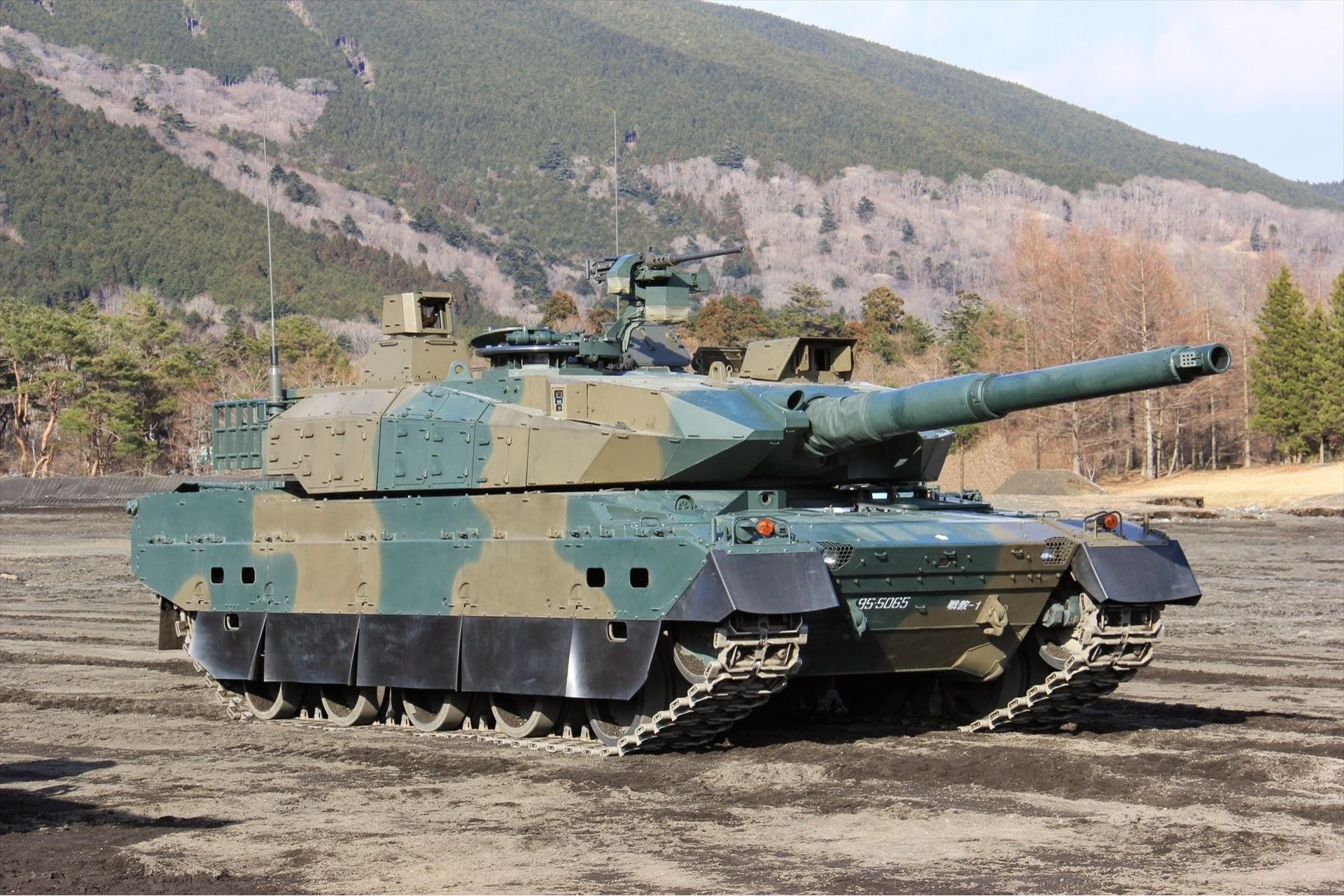
Japan is continuing its efforts to modernize its fleet of Type 10 tanks to address emerging battlefield threats, particularly anti-tank weapons and unmanned aerial systems (UAVs). The Ministry of Defense of Japan recently released a procurement document outlining these upgrades, which include the installation of an active protection system (APS) and a 30mm gun on these vehicles.
Follow Army Recognition on Google News at this link
Although the exact number of tanks to be modernized has not yet been disclosed, Japan plans to acquire approximately 300 RS6 modules, which will be produced domestically at a rate of 10 units per year (Picture source: JGSDF)
The modernization program for the Type 10 tanks, announced on June 28, 2024, aims to enhance the tanks' protection against current threats, such as guided munitions and drones, including FPV drones and ammunition drop systems. The technical goals of this update include improved defense against anti-tank weapons and drones, which are increasingly common in modern combat scenarios.
According to information provided by the Acquisition, Technology, and Logistics Agency (ATLA) of the Ministry of Defense, three active protection systems have been selected for evaluation: Rafael’s Trophy, Rheinmetall’s Strike Shield, and Elbit’s Iron Fist. These systems were chosen based on specific criteria, including protection against threats from the vehicle's upper hemisphere, 360° interception capabilities, and a total weight of less than 1000 kg.
In parallel, the ministry has also decided to conduct tests on the Kongsberg RS6 remote-operated module, equipped with a 30mm gun. This module is expected to be integrated into the active protection system and will feature sensors capable of detecting high-speed objects, particularly drones. The goal is to enhance the Type 10 tanks' ability to counter aerial threats, while providing effective defense against ground-based threats.
Although the exact number of tanks to be modernized has not yet been disclosed, Japan plans to acquire approximately 300 RS6 modules, which will be produced domestically at a rate of 10 units per year. Additionally, Japan continues to manufacture new Type 10 tanks, with 12 additional vehicles set to be ordered in 2025, bringing the total to 148 units. Ultimately, around 300 tanks of this type are expected to be produced.
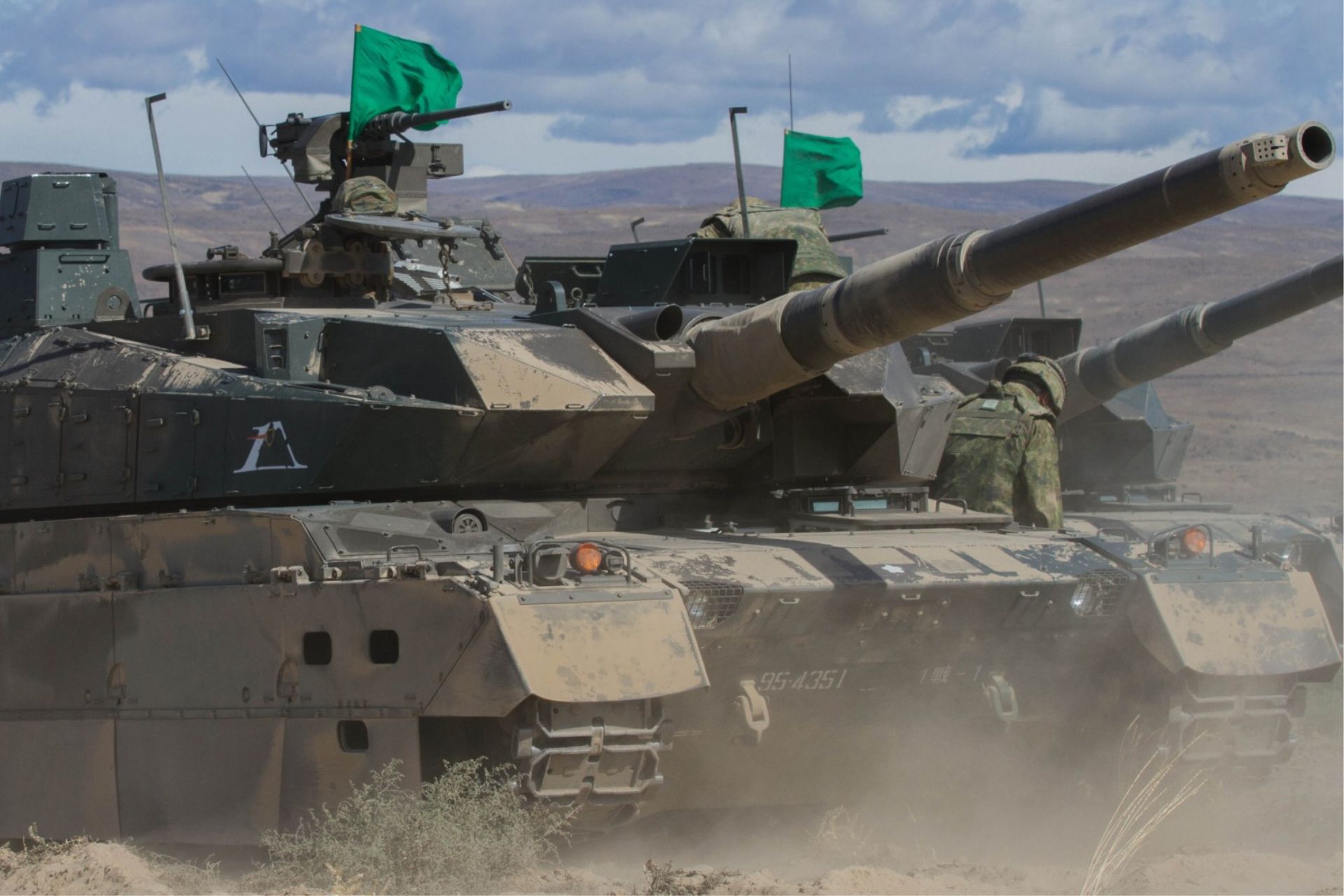
This modernization of the Type 10 tanks is part of a broader strategy to adapt Japan's defense capabilities to contemporary challenges (Picture source: WikiCommons)
The Ministry of Defense is also considering the development of additional protection modules that could be installed on the Type 10 tanks. Designed with modularity in mind, these vehicles can accommodate new systems directly from the factory, facilitating the integration of advanced technologies.
This modernization of the Type 10 tanks is part of a broader strategy to adapt Japan's defense capabilities to contemporary challenges. The production and integration of new equipment, such as the active protection system and remote-operated guns, reflect Japan's commitment to strengthening the protection of its ground forces against the growing threats posed by drones and anti-tank weapons.
In a broader context, Japan continues to enhance its defense capabilities, including the production of new Patria armored personnel carriers for the Japan Ground Self-Defense Forces, manufactured on Hokkaido Island. This initiative underscores the importance Japan places on modernizing its military forces in response to rapidly evolving global threats.

- Details
- Written by: Jérôme Brahy
- Category: 2024
- Hits: 11057
Denel announced at the Africa Aerospace and Defence (AAD) 2024 event (the company's first public exhibition since its recent move to the South African Department of Defence) the integration of its RG41 eight-wheeled combat vehicle with a modified version of the G7 105 mm gun. This combination, which could be referred to as the RG41 GT7, is expected to offer fire support capabilities as a self-propelled artillery system for mechanized or motorized infantry units.
Follow Army Recognition on Google News at this link
The 105 mm gun mounted on this vehicle is based on the G7 105 mm LEO towed howitzer but required technical modifications for vehicle mounting, resulting in the Denel GT7 gun. (Picture source: Army Recognition)
Business Development Manager Isaac Karelse explained that the RG41 platform originated from Project Hoefyster, where it was intended as Denel's alternative to the Finnish Patria eight-wheeled platform, which eventually became the South African Army's Badger 8x8. At that time, the Patria was among the few eight-wheeled infantry fighting vehicles available. The RG41 was designed, tested, and sent to the United Arab Emirates (UAE) for summer trials, where it performed according to expectations. However, changes in the UAE's requirements led to the selection of the RG35 vehicle instead of the RG41.
As delays arose in the manufacturing of the Patria/Badger system, Denel proposed the RG41 as a potential option for Project Hoefyster to complement the Badger across various vehicle types. Karelse described this situation as the RG41 becoming a "future requirement." The vehicle was advertised for Middle Eastern markets, but the process was paused due to the impact of the COVID-19 pandemic.
In the interim, Denel equipped the RG41 with remotely-operated turrets, specifically the Tactical Remote Turret (TRT), tested with both 20 mm and 30 mm cannon variants. During shooting trials at Armscor’s Alkantpan test range with the G6 155 mm self-propelled howitzer and the truck-mounted T5 system, Denel identified the potential to install a 105 mm gun on the RG41. The 105 mm gun is based on the G7 105 mm LEO towed howitzer but required technical modifications for vehicle mounting, resulting in the Denel GT7 gun.

The RG41 originated from Project Hoefyster, where it was developed as Denel's alternative to the Finnish Patria eight-wheeled platform. This latter eventually became the South African Army's Badger 8x8, as depicted here in the Badger-MsIV missile carrier variant. (Picture source: Army Recognition)
Denel then developed the T7 105 mm turret, which weighs 3,750 kg. Karelse noted that, while the turret is currently manned for testing and trials, plans are in place for it to be unmanned in the future. The RG41 GT7 can seat 11 personnel, including one driver, one vehicle commander, one gunner, one section commander, and seven section crew members. A standard infantry section usually comprises ten personnel, but in a mechanized environment, this number can be adjusted based on the vehicle's role. The vehicle is equipped with a safety belt system featuring a 4-point harness.
The protection features of the RG41 include ballistic protection in accordance with STANAG 4569 Level 2, with an option to upgrade to Level 4 or 5. It also provides mine protection meeting STANAG 4569 Level 4A/3B standards, with the possibility of upgrading to Level 4B. The specific level of improvised explosive device (IED) protection has not been disclosed.
Constructed with a V-shaped hull to offer landmine protection, the RG41 has a hardened armored "shell" for the crew's safety. There is a gap between this shell and the external "armor package," ranging from 100 mm to 130 mm, which can be further reinforced with add-on armor. In counter-insurgency operations, wire mesh can be added with a gap to shield the armor from rocket-propelled grenades (RPGs) and other projectiles. Karelse emphasized that the design prioritizes crew survivability, allowing the vehicle to protect its occupants even if damaged.
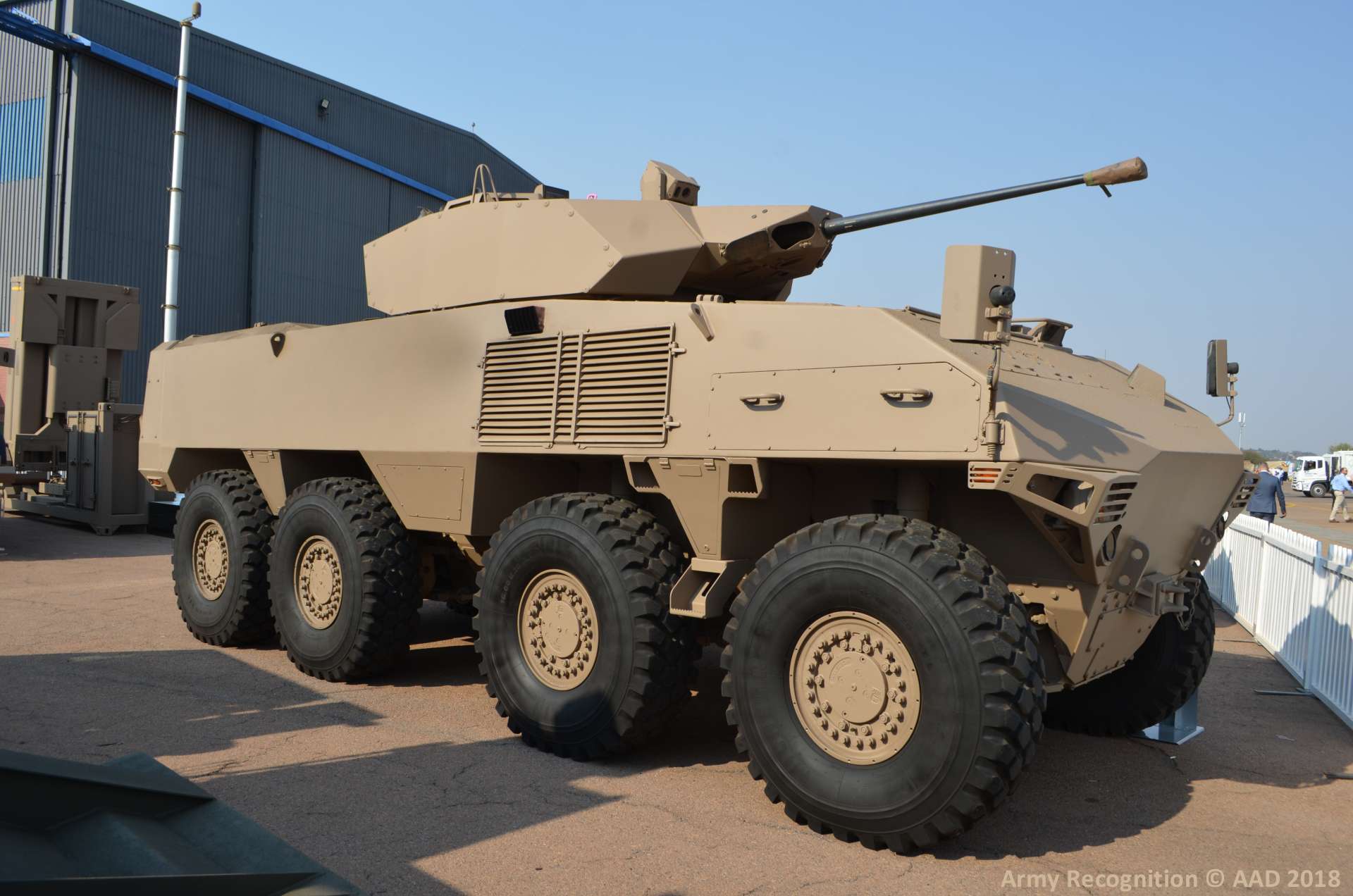
Other variants of the RG41 were also developed in the past, such as an infantry fighting vehicle, a command vehicle, an ambulance, a recovery vehicle, and an engineering vehicle (Picture source: Army Recognition).
The T7/G7 combination remains in the prototype stage and requires further development. It is projected to serve as a mobile self-propelled artillery system within mechanized battalion settings. The G7 gun has a maximum range of 30 km, and its ammunition is designed to offer effects comparable to standard 155 mm high-explosive shells, effectively delivering similar capabilities within a 105 mm framework. Rheinmetall Denel Munition (RDM) developed the ammunition types, which include high explosive, high explosive pre-formed fragmentation, smoke, illuminating, and other variants. The standard projectile range is 24 km with a boat tail and 30 km with base bleed, while the direct fire range extends from 500 to 2,000 meters.
The G7/RG41 system is equipped with an Inertial Navigation Unit (INU) that interfaces with the Gun Control Unit (GCU), allowing for automatic gun laying through hydraulic elevation and traverse drives for rapid target engagement. The ammunition handling system utilizes a positive chain-type rammer controlled from the integrated Loader Control Panel, supporting fully automatic ramming of both the projectile and charge. Manual loading is also possible to ensure redundancy.
In terms of specifications, the RG41 GT7 has a length of 7,780 mm, a hull width of 2,800 mm, and a hull height of 2,380 mm. The wheelbase dimensions are 1,693 mm between the first and second axles, 2,257 mm between the second and third axles, and 1,550 mm between the third and fourth axles. Ground clearance is measured at 440 mm, featuring an angle of approach of 64 degrees and an angle of departure of 54 degrees. The vehicle has a curb weight of 18,200 kg and a payload capacity of 9,800 kg to support the new turret, resulting in a total Gross Vehicle Mass (GVM) of 28,000 kg.
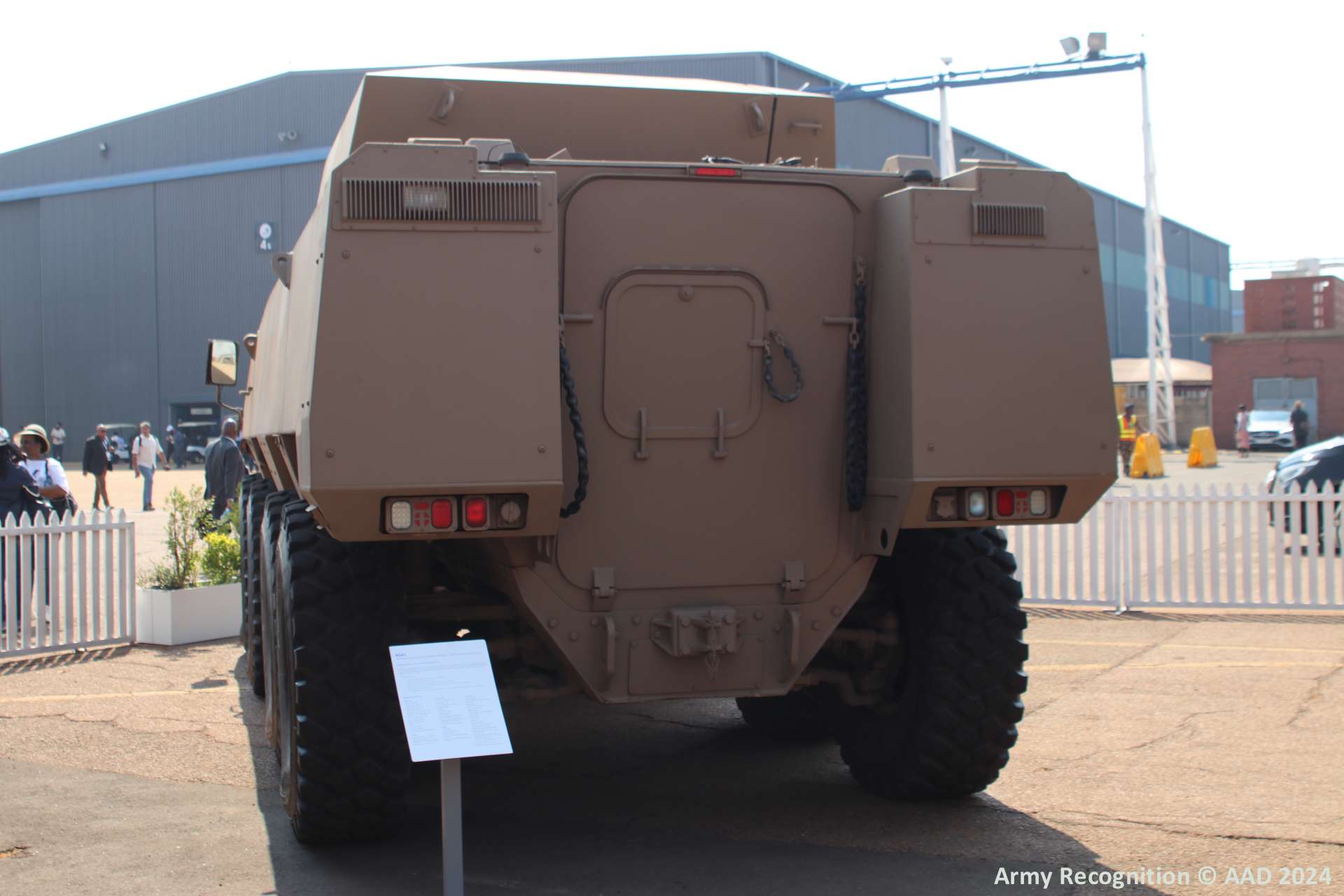
Like many South African-designed vehicles, the RG41 GT7 self-propelled howitzer benefits from a V-shaped armored hull to enhance mine protection. (Picture source: Army Recognition)
The vehicle is powered by a Deutz engine, specifically the Model 2015TCD V6, with a displacement of 12.1 liters. The engine's maximum power output is 390 kW at 2,100 rpm, and it generates a maximum torque of 2,130 Nm at 1,300 rpm. The RG41 uses a ZF5HP902 transmission system, featuring a 5-speed configuration with an integral 2-speed drop-down capability. In terms of performance, the RG41 reaches a maximum speed of 100 km/h and can handle a gradeability of up to 70%.
The transfer box is manufactured by Denel, with the gear ratio categorized under the Type 17,000 series. The steering system is a twin-steer, power-assisted, fully-integral model. The wheel heads are made by AxleTech, and the suspension system is independent, using hydro-pneumatic struts with hydraulic shock absorbers.
The vehicle's braking system includes pneumatic disc brakes with ABS for the main brakes, while the parking brake is activated with air release disc brakes on all four rear wheels. The RG41 uses road wheels and tires with a 10.00R20 aluminum rim type, equipped with 16.00R20 Michelin XZL tires. Additionally, the vehicle is fitted with an RFI system, offering a 100 km range when traveling at a speed of 50 km/h.
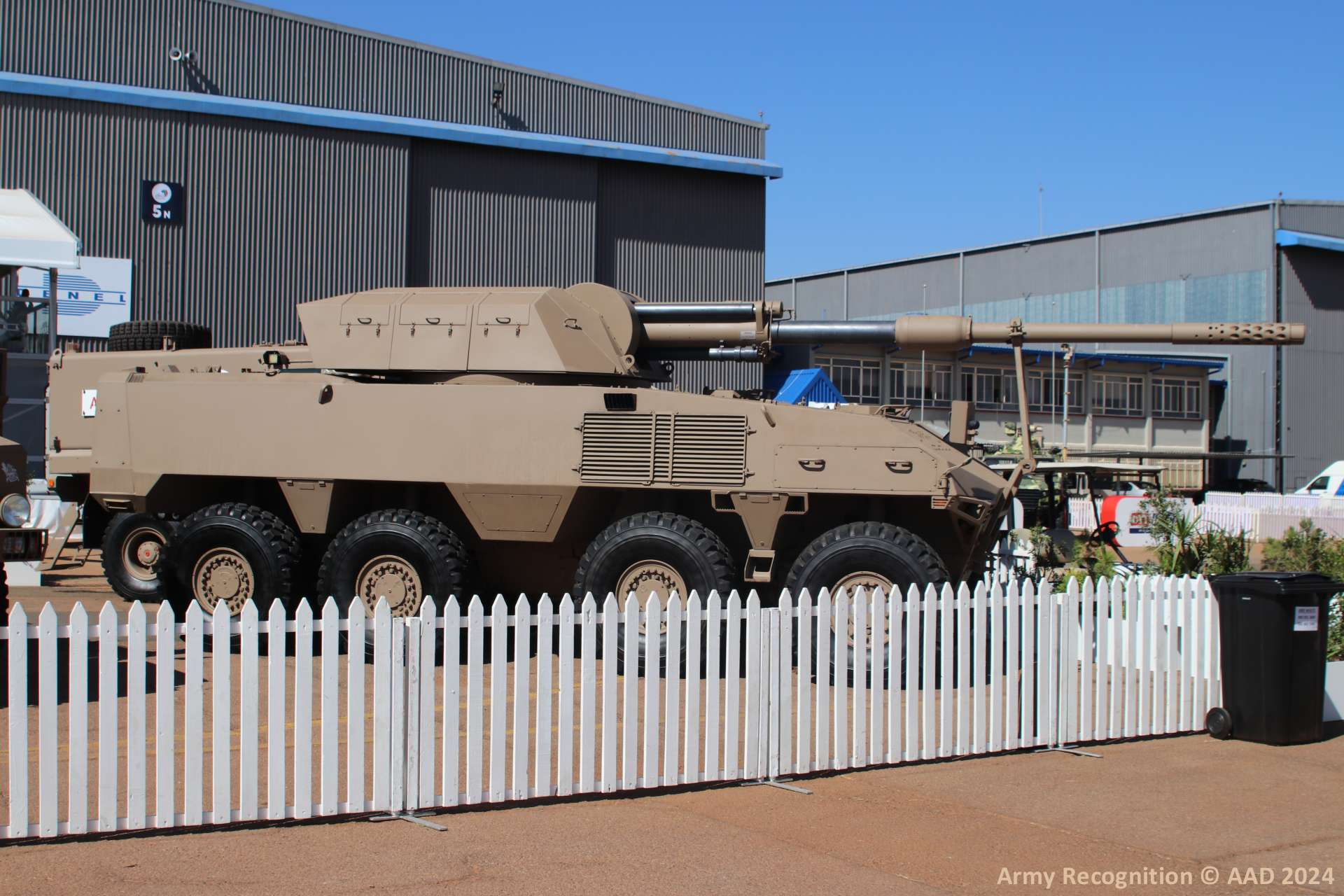
The standard projectile range for the G7 105mm gun is 24 km with a boat tail and 30 km with base bleed, while the direct fire range extends from 500 to 2,000 meters. (Picture source: Army Recognition)

- Details
- Written by: Vandenbosch
- Category: 2024
- Hits: 2769
On September 17, 2024, Thales Australia, through its subsidiary Lithgow Arms, announced a strategic collaboration with the Danish defense company Våbenfabrikken. This partnership aims to create a new light weapons production capability in Denmark, focusing on manufacturing weapons compatible with NATO standards.
Follow Army Recognition on Google News at this link
Thales Australia announced a collaboration with the Danish defense company Våbenfabrikken. (Picture source: Thales Australia)
This agreement marks a turning point, as it will be the first time since the 1960s that military assault rifles will be produced in Denmark. The initiative will enhance Denmark’s ability to produce, maintain, and support light weapons domestically, thereby strengthening the country’s defense sector capabilities.
The first phase of this collaboration involves exploring the production of a Danish version of the Australian Combat Assault Rifle (ACAR), currently being developed by Thales Australia. The ACAR is based on a proven design, widely used by allied military forces and security agencies worldwide.
The partnership aligns with Denmark’s broader defense strategy and reflects Thales’ commitment to supporting local industrial capabilities. By collaborating with the Danish industry, Thales seeks to develop a sovereign supply chain that benefits both Denmark and its defense partners.
A Memorandum of Understanding (MoU) was signed on September 17, 2024, at Våbenfabrikken’s facilities in Denmark, marking the official start of this collaboration. Under the terms of the MoU, Thales and Våbenfabrikken will work together to establish a local industrial base capable of producing, maintaining, and supporting light weapons compliant with NATO standards.
Våbenfabrikken, with decades of experience as a gunsmith and provider of weapons training, will leverage this partnership to enhance its ability to support Denmark’s national security priorities. This collaboration also aims to develop local skills and expand Våbenfabrikken’s product offerings.
"We are delighted to collaborate with Thales to bring light weapons production back to Denmark for the first time in nearly 60 years," said Kim Wiencken, President of Våbenfabrikken. "This partnership will allow Våbenfabrikken to grow and better meet Denmark’s national security needs. The Danish-Australian Combat Assault Rifle (DACAR) represents a powerful capability that could also open export opportunities for Denmark."
Matt Duquemein, Director of Integrated Weapon Systems at Thales Australia, highlighted the benefits for both countries: "This partnership is the result of a joint effort and trust between Våbenfabrikken, Thales Australia, and Thales Denmark. It will offer Australia regional manufacturing opportunities and provide Denmark with a means to produce and maintain light weapons."
Martin Soegaard, CEO of Thales Denmark, emphasized the growing momentum of the Danish defense industry: "This cooperation strengthens Thales’ longstanding commitment to supporting local defense industries. By introducing the Australian Combat Assault Rifle (ACAR) in Denmark, we are creating a sovereign light weapons capability to support the Danish Ministry of Defense. This partnership will enhance Denmark’s defense industrial footprint and contribute to national security by ensuring supply security in key areas."
This agreement represents a significant step toward establishing Denmark as a producer of modern, NATO-compliant light weapons while supporting the country’s defense and security priorities.
- Details
- Written by: Halna du Fretay
- Category: 2024
- Hits: 4013
The UK is advancing in its efforts to counter unmanned systems by developing the Radio Frequency Directed Energy Weapon (RFDEW). This system, developed in collaboration between Defence Equipment and Support (DE&S) and the Defence Science and Technology Laboratory (DSTL), is expected to enter service by 2026. Following three years of experimentation, the RFDEW is nearing the end of its development phase and is designed to neutralize a range of threats across land, air, and sea.
Follow Army Recognition on Google News at this link
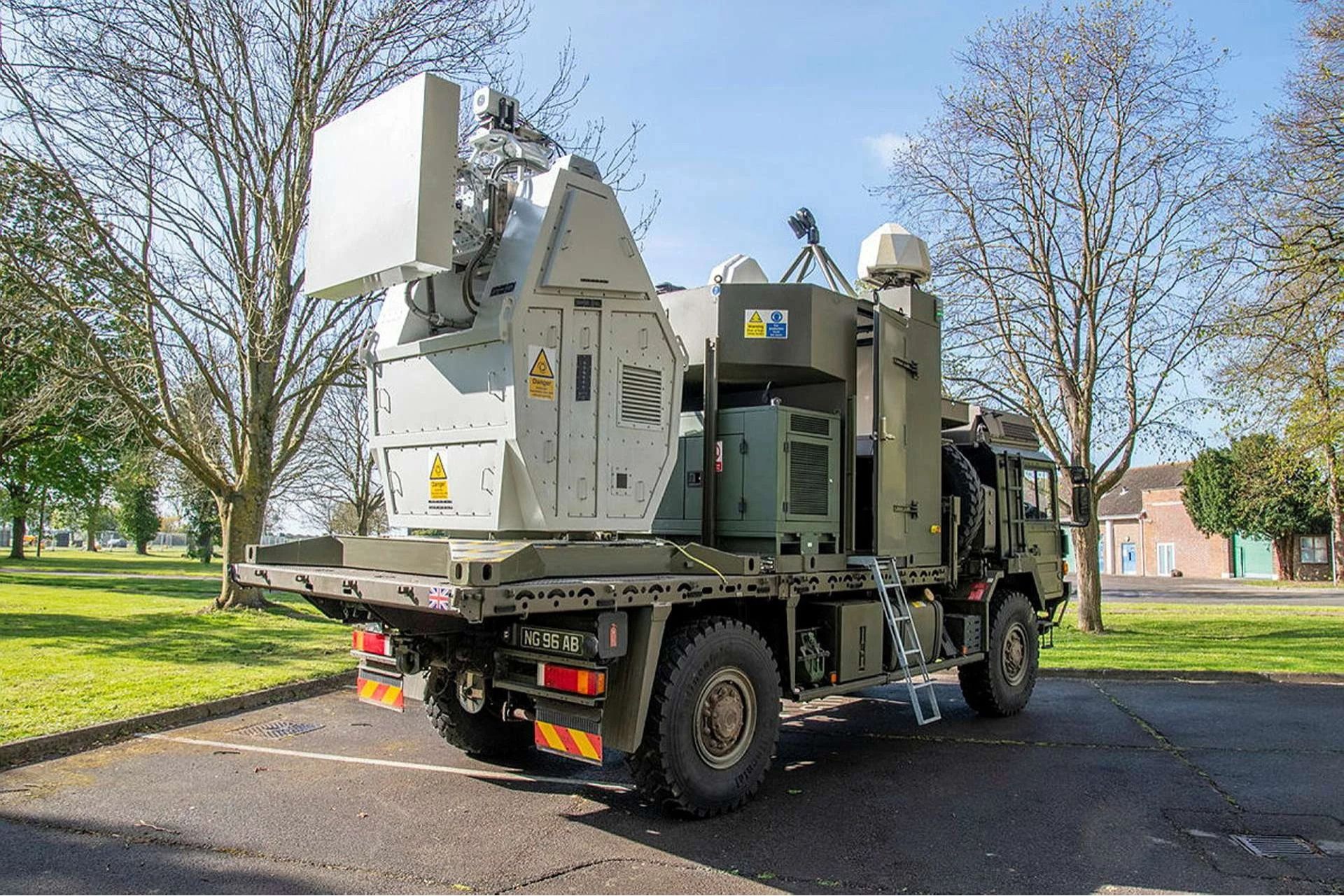
Dstl Radio Frequency Directed Energy Weapon mounted on British HX60 Military Truck (Picture source: Twitter Chanel Gabriele Molinelli)
The RFDEW uses radio waves to disrupt or damage the electronic components of enemy vehicles, causing them to stop or crash. Designed to counter unmanned aerial systems (UAS), including drones, it is an effective tool to protect the UK's military assets from these threats.
One of its key advantages is its low operational cost. Each shot costs approximately £0.10 ($0.12), making it a cost-effective alternative to traditional missile-based air defense systems. This could reduce military spending related to defending against aerial threats and provide an efficient solution against drone swarms, increasingly prevalent on modern battlefields.
With the development of this weapon, the UK Ministry of Defence is addressing the need to counter asymmetric threats posed by UAS. The system can detect, track, and engage a variety of targets and could become an essential asset for the UK's armed forces. The expected 2026 deployment marks a significant milestone in the development of non-kinetic defense technologies.
On May 16, 2024, the British government revealed significant progress with the RFDEW, which is part of Project Ealing aimed at enhancing military capabilities in an era of technological warfare.
Defense Procurement Minister James Cartlidge emphasized the importance of the RFDEW, stating that technologies like this increase the effectiveness and protection of British personnel while maintaining the UK's leadership in military innovation.
The system emits targeted radio waves that interfere with the electronic components of drones and other enemy devices. With a range of one kilometer, efforts are underway to extend its reach. Its cost-efficiency, with each activation costing only 10 pence, offers a more economical alternative to traditional missile systems.
Developed in collaboration with the Defence Science and Technology Laboratory (Dstl), Defence Equipment & Support (DE&S), and UK industry, the RFDEW is undergoing rigorous field testing. Mounted on various military vehicles, it can engage multiple targets, making it a key element in the UK's strategy against unmanned systems.
Read more: UK Plans to Introduce Its Directed Energy Weapon Against Unmanned Threats by 2026
- Details
- Written by: Halna du Fretay
- Category: 2024
- Hits: 6107
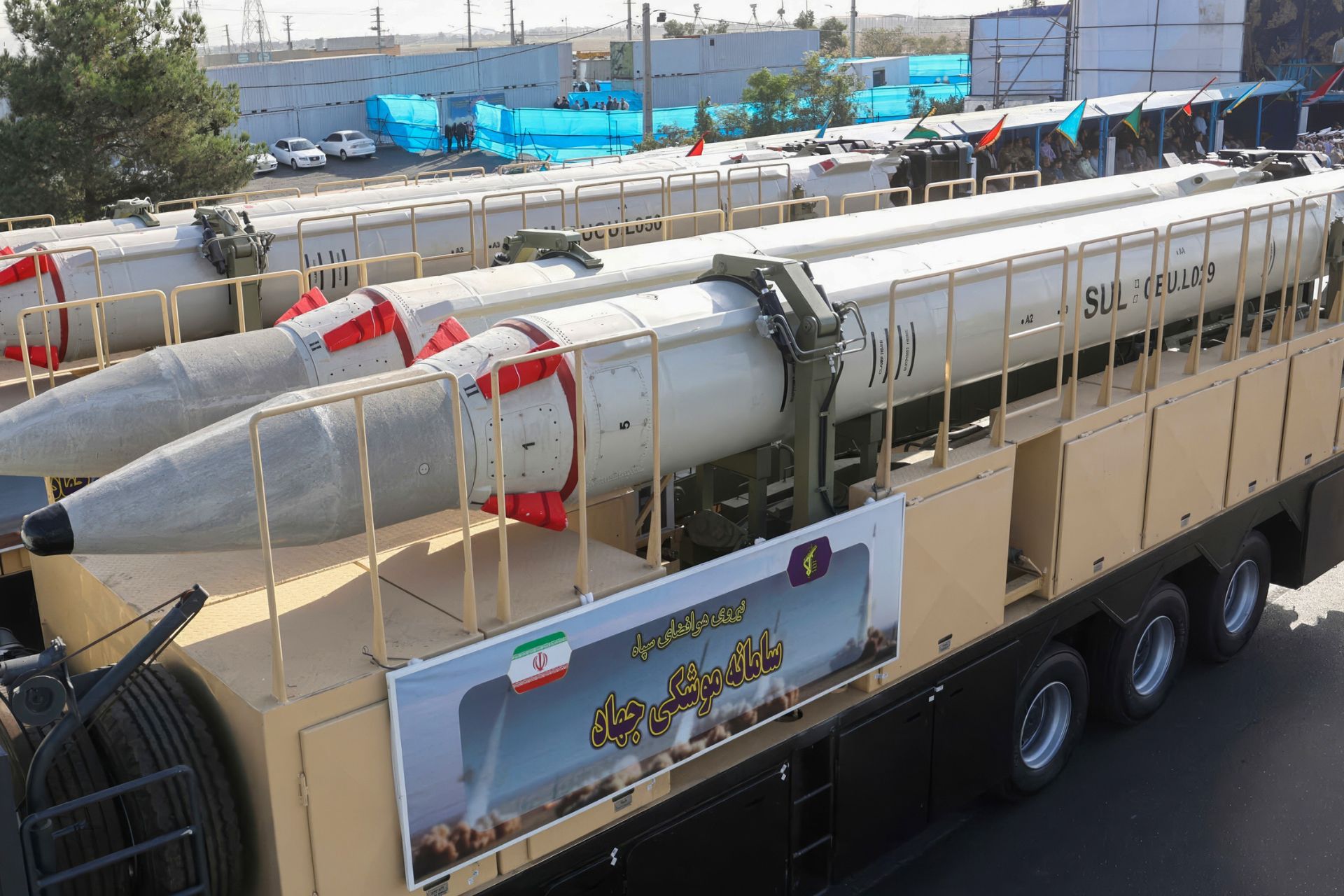
On September 21, 2024, Iran showcased its latest ballistic missile system, the "Jihad," during a military parade in Tehran. Developed by the Islamic Revolutionary Guard Corps' (IRGC) Aerospace Force, this missile represents a significant milestone in Iran's missile technology, marking the debut of a new liquid-fuel missile platform. The unveiling of the Jihad missile underscores Iran’s continued advancements in defense technology, despite growing international scrutiny and ongoing sanctions.
Follow Army Recognition on Google News at this link
Iran's missile development has raised concerns among Western nations, particularly regarding its potential destabilizing impact in the region. (Picture source: MehrNews)
According to Iranian state media and IRGC sources, the Jihad missile boasts a range of 1,000 kilometers and is launched using a dual-missile platform, a distinguishing feature compared to Iran's previous liquid-fuel missiles. It appears to be an improved version of the Qiam missile, first introduced in 2010. The Qiam was Iran’s first liquid-fuel missile without fins, with an initial range of 800 kilometers. Later modifications to the Qiam included a detachable guided warhead, enhancing its precision and range.
Tasnim, an IRGC-affiliated news outlet, reported that the Jihad missile carries a 600-kilogram warhead and can reach speeds exceeding eight times the speed of sound. It also utilizes a different launch platform capable of firing two missiles simultaneously, increasing its operational efficiency, despite the longer preparation time typically required for liquid-fuel missiles.
The missile's unveiling follows the development of other advanced Iranian missiles, including the Kheibar-Shekan and Martyr Haj Qasem. Iranian state media also highlighted new missile launch platforms, including one used for the Fattah missile, said to feature advanced navigation systems that allow for rapid missile deployment and firing.
Iran's missile development has raised concerns among Western nations, particularly regarding its potential destabilizing impact in the region. The United States and its allies have voiced concerns over Iran’s missile program, especially given its support for non-state actors and militant groups across the Middle East. As a result, international sanctions have targeted Iran’s missile production, limiting its access to key materials and technologies.
Despite these sanctions, Iran maintains that its missile development is a sovereign right and necessary for national defense. Iranian President Masoud Pezeshkian, who attended the parade, emphasized Iran’s growing deterrent capabilities and the country’s preparedness to defend against external threats. The unveiling of the Jihad missile is part of Iran's broader strategy to project its military strength amid ongoing regional conflicts and increasing tensions with Israel, especially along the border with Hezbollah, a group backed by Tehran.
During the same military parade, Iran also introduced an upgraded version of its Shahed-136 drone, now named the Shahed-136B, with an operational range exceeding 4,000 kilometers. The continued development of drones and missiles, coupled with accusations that Iran has been supplying weapons to Russia for its war in Ukraine, has further strained relations with Western nations. Iran has consistently denied these allegations, asserting that its military advancements are for defensive purposes only.
Western powers, including the United Kingdom, France, Germany, and the United States, have recently imposed new sanctions on Iran, accusing it of supplying ballistic missiles to Russia. These tensions underscore the complex geopolitical environment surrounding Iran’s missile program, as international efforts to curb its capabilities continue amid persistent regional conflicts, particularly with Israel.
Read more: Iran Unveils Jihad Ballistic Missile with 1000 km Range During Tehran Military Parade
- Dutch 13th Light Brigade to receive Boxer RCT30 infantry fighting vehicles
- Argentine Army Integrates Two Sno-Cat 1642 Tucker-Terra All-Terrain Vehicles
- Milkor strengthens its position with a full-spectrum defense portfolio at AAD 2024
- Germany Plans Major Expansion of Its Artillery Capabilities with 10 New Battalions by 2035