

- Details
- Written by: Administrator
- Category: 2024
- Hits: 14431










Ukrainian forces have uncovered the secret Russian-made Volnorez counter-drone electronic warfare system in Russia's Kursk region. The discovery, made public through a video shared on Facebook by Yuriy Butusov on August 14, 2024, reveals that the system was found in its original factory packaging, complete with a technical brochure.
Follow Army Recognition on Google News at this link
According to a video shared on Facebook, Ukrainian forces in the Kursk region captured the Russian electronic warfare system 'Volnorez,' along with its accompanying documentation. (Picture source: Facebook)
The Volnorez (Breakwater) counter-UAS jammer, first unveiled to the public at the Russian Army Expo in 2023, has now been actively deployed in the conflict in Ukraine. Reports from social media in mid-September indicate that this advanced electronic warfare system has been mounted on Russian T-80BVM main battle tanks operating in the Ukrainian battlefield. This marks a significant escalation in Russia's efforts to protect its armored units from the increasing threat of Ukrainian drones, particularly those used in kamikaze-style attacks. The deployment of Volnorez highlights Russia's commitment to integrating cutting-edge electronic warfare capabilities into its frontline units to enhance their survivability in the ongoing conflict.
The Volnorez represents the latest in Russia's counter-drone technology, designed to neutralize UAV threats. This system is considered one of the most advanced and secretive in Russia's defense arsenal. Its recent deployment on Russian tanks in Ukraine underscores its strategic importance in modern warfare, as Russia seeks to counter the increasing effectiveness of Ukrainian drones.
The Volnorez electronic warfare system is an advanced counter-drone technology developed to protect military vehicles, particularly tanks, from the threat of FPV (First Person View) kamikaze drones. This system works by emitting radio frequency interference that disrupts the control signals between the drone and its operator. When an FPV drone approaches a vehicle equipped with Volnorez, it loses connection, forcing it to either land or hover until its battery depletes. This neutralizes the drone's threat, ensuring the vehicle remains unharmed.
The Volnorez system is lightweight, weighing only 13 kg, and has compact dimensions, making it easy to install on various military platforms. It operates across a broad range of frequencies and has an output power of 30 watts, functioning effectively in extreme temperatures ranging from -40 to +60°C. The system's installation is straightforward, requiring just 10 minutes using magnetic mounts, which avoid the need for any structural modifications to the vehicle.
Volnorez has been deployed on Russian tanks, such as the T-80BVM, which come equipped with both anti-drone cages and the Volnorez system. This deployment underscores its effectiveness in modern warfare, where drone threats are increasingly prevalent. The system's ability to operate across various frequencies used by FPV drones makes it a versatile and essential tool in electronic warfare, particularly in the context of the ongoing conflict in Ukraine.
Globally, similar systems are being developed, but Volnorez represents a significant advancement in Russia's approach to counter-drone technology. The confidentiality surrounding its technical details and its successful integration into Russian military operations highlight its importance in the broader scope of electronic warfare and the ongoing technological arms race.
The discovery of Russia's Volnorez counter-drone electronic warfare system by Ukrainian troops could have significant implications for both sides in the conflict. For Russia, it represents a potential security breach, exposing one of its most advanced and secretive counter-drone technologies. For Ukraine, gaining access to this system provides valuable intelligence and potentially the ability to develop countermeasures or even repurpose the technology for their defense. This could shift the technological balance in the ongoing conflict, influencing future engagements and strategies.

The Volnorez counter-drone electronic warfare system mounted on Russian T--80BVM tank deployed in Ukraine. (Picture source: Facebook Garupan History)
- Details
- Written by: Administrator
- Category: 2024
- Hits: 8259
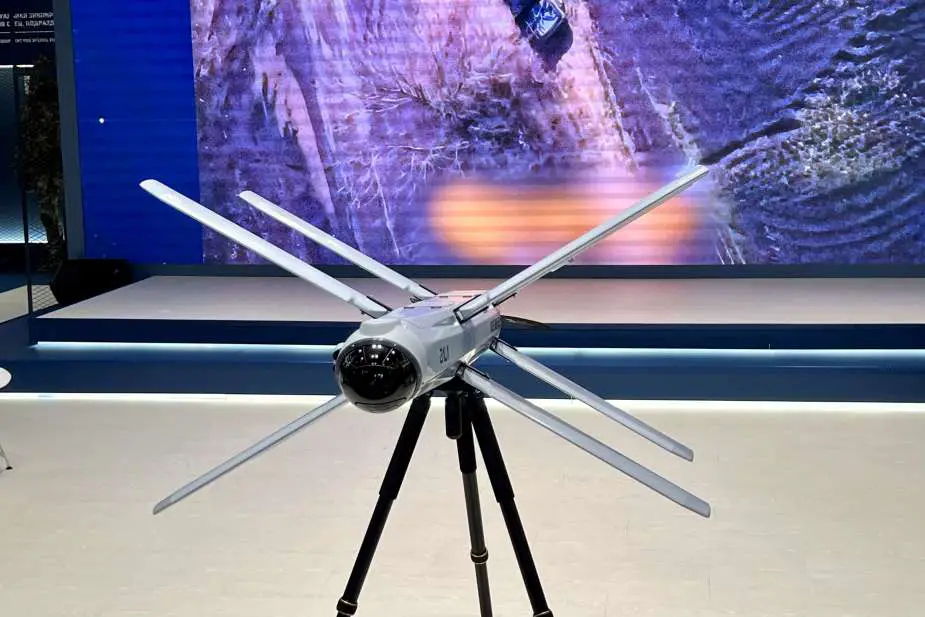
Following the success of the Lancet drone in the Ukraine War, the Russian defense industry promotes its Lancet-E loitering munition, also called a kamikaze drone, at the Army-2024 International Defense Exhibition in Russia, an enhanced version of the Lancet, targeting the international market. Russian state defense export agency Rosoboronexport underscores Russia's ambition to expand its defense exports amid increasing global demand for advanced loitering munitions
Follow Army Recognition on Google News at this link
The new Russian-made Lancet-E loitering munition was displayed for the first time at Army-2024, a defense exhibition that was held in Moscow, Russia. (Picture source: Defense Market News magazine)
The Russian-made Lancet-E loitering munition has a maximum operational range of 40 km and a maximum takeoff weight of up to 12 km. It is capable of carrying various types of warheads, including high-explosive, high-explosive fragmentation, and cumulative warheads, making it highly adaptable to a wide range of combat scenarios. One of the key features that set the Lancet-E apart is its sophisticated guidance system, which employs optoelectronic guidance combined with a TV guidance unit for terminal control. This advanced technology, alongside its integrated reconnaissance, navigation, and communication modules, enhances the drone's precision and versatility, making it a powerful tool for modern warfare capable of engaging diverse targets, including armored vehicles, fortifications, and surface threats.
The Lancet-E made its debut at the Army 2024 defense exhibition, where the Russian defense industry launched a global marketing campaign for this advanced weapon system. Alexander Mikheev, CEO of Rosoboronexport, highlighted the drone's battlefield success and its significant export potential. Mikheev stated, "The Lancet has demonstrated unparalleled success on the Ukrainian battlefield, making it an attractive option for global military buyers. We estimate the export potential of this system at over 1,000 units. Once the needs of the Russian Armed Forces are met, our production capabilities will allow us to meet international demand." Mikheev also emphasized the opportunity for technology partnerships, including license agreements and joint production ventures, which are expected to attract international buyers interested in not only acquiring the drones but also establishing local production capabilities.
The success of the Lancet drone in the ongoing conflict in Ukraine has been a crucial factor in its growing reputation. According to Zala Aero, the manufacturer of the Lancet-E, the drone was documented in 872 instances of combat use by Russian forces between February 2022 and December 29, 2023. In these instances, the Lancet successfully hit 698 enemy targets, achieving a remarkable success rate of 80%. This impressive track record on the battlefield has cemented the Lancet's status as a reliable and effective weapon, further boosting its appeal on the international market.
Although the exact specifications of the Lancet-E export version remain undisclosed, the promotional material showcased at Army 2024 highlighted its successful deployment in various combat scenarios. This visual evidence is likely to generate significant interest from international buyers seeking a proven, battle-ready technology.
As the Russian defense industry embarks on its global campaign to market the Lancet-E drone system, it is watching closely to see how this advanced kamikaze drone performs on the international stage. With its large use and strong backing from Russia's defense industry, the Lancet-E is positioned to become a key defense product in the global UAS (Unmanned Aerial System) market, offering a potent combination of precision, versatility, and demonstrated effectiveness.

- Details
- Written by: Halna du Fretay
- Category: 2024
- Hits: 4813
Poland has signed a new agreement for the acquisition of 28 light armored reconnaissance vehicles, known as Kleszcz, developed through a collaboration between AMZ Kutno, a leading Polish defense manufacturer, and various military research institutes, as reported by the Polish MoD on X. These Kleszcz vehicles are intended to enhance the operational capabilities of the Polish Armed Forces, offering advanced reconnaissance capabilities on the battlefield.
Follow Army Recognition on Google News at this link
These light armored carriers are expected to improve the mobility and protection of reconnaissance units, allowing them to operate more effectively in various environments (Picture source: Army Recognition)
This purchase is part of Poland's strategy to strengthen its defense capabilities through domestic production. The agreement highlights the country's commitment to allocate 50% of its defense procurement budget to the Polish market. By investing in locally produced military technologies, Poland not only supports its defense industry but also ensures that its armed forces are equipped with modern and reliable equipment tailored to the specific needs of national defense.
The integration of Kleszcz vehicles into the Polish military's arsenal represents a crucial step in the country's defense strategy. These light armored carriers are expected to improve the mobility and protection of reconnaissance units, allowing them to operate more effectively in various environments. As Poland continues to modernize its military, this acquisition demonstrates the government's ongoing commitment to enhancing the capabilities of its armed forces while supporting the national defense industry.
In February 2024, the Polish Ministry of Defense unveiled ambitious plans to acquire 300 4x4 LOTR Kleszcz armored vehicles, which are intended to replace the aging Soviet-era BRDM-2 4x4 armored vehicles currently in service. The framework agreement, orchestrated by the Polish Armament Agency on behalf of the State Treasury of the Republic of Poland and AMZ-Kutno SA, outlines the terms for future individual executive agreements. These agreements will govern the acquisition and delivery of nearly 300 vehicles, aimed at bolstering the operational capacity of the Polish Army between 2025 and 2035.
The LOTR Kleszcz vehicles are the result of the "Light Armored Reconnaissance Vehicle" project, co-financed by the Polish National Centre for Research and Development (NCBR) from 2013 to 2022. The project, with a total budget of PLN 36.45 million, including NCBR funding of PLN 33.42 million (€7.76 million), was led by AMZ-Kutno SA in collaboration with key military research institutes.
Developed under the Kleszcz program, the LOTR Kleszcz 4x4 armored vehicle is currently being developed by AMZ Kutno under the name Bóbr 3 armored reconnaissance vehicle. These new vehicles are designed to replace the Soviet-era BRDM-2 4x4 armored vehicles, offering improved performance and reliability to meet the modern operational needs of the Polish Army's reconnaissance units. Initial plans for these vehicles aimed to acquire over 240 units, marking a significant improvement in Poland's military reconnaissance capabilities.
Read more: Poland Signs Agreement for 28 LOTR Kleszcz Armored Reconnaissance Vehicles

- Details
- Written by: Halna du Fretay
- Category: 2024
- Hits: 4943
On August 12, 2024, the 1st Masurian Artillery Brigade, part of the 16th Mechanized Division, received the first four Homar-K multiple rocket launcher systems, marking a significant step in modernizing the Polish Armed Forces' arsenal. This delivery aligns with Poland's ongoing efforts to enhance its military capabilities by integrating advanced technologies to replace older systems.
Follow Army Recognition on Google News at this link
The Homar-K system, developed to enhance Poland's defense capabilities, is a domestic version of the HIMARS system, produced by the Polish defense industry in collaboration with international partners, including Lockheed Martin (Picture source: Polish Army)
The 16th Pomeranian Mechanized Division, named after King Kazimierz Jagiellończyk, announced via social media that four Homar-K launchers (K239 Chunmoo), mounted on Jelcz P882.57 TS T45 K-MLRS 8x8 chassis, were delivered to the 1st Masurian Artillery Brigade, named after General Józef Bem. These launchers are the third type of advanced weaponry introduced into the brigade, following the 155mm K9A1 Thunder self-propelled howitzers and the Homar-A (M142 HIMARS) multiple rocket launchers.
The Homar-K system, developed to enhance Poland's defense capabilities, is a domestic version of the HIMARS system, produced by the Polish defense industry in collaboration with international partners, including Lockheed Martin. Production began in the early 2020s, with the first units expected to be operational by 2023. The Homar-K system is designed for precise long-range fire support, capable of launching guided missiles at targets up to 300 kilometers away. It is mounted on a highly mobile platform, allowing rapid deployment across various terrains.
This modernization effort is part of a broader strategy to replace older systems, such as the WR-40 Langusta of the 3rd Rocket Artillery Group. The introduction of the Homar-K artillery systems was announced by former Minister of National Defense Mariusz Błaszczak on August 29, 2023. Prior to this, all Homar-K launchers were delivered to the 18th Artillery Regiment in Nowa Dęba, part of the 18th Mechanized Division, with 15 of 17 units deployed by December 30, 2023.
On June 11, 2024, an additional shipment of 12 Homar-K rocket launcher modules arrived from South Korea. These modules were delivered to Huta Stalowa Wola, part of the Polish Armaments Group, for integration with Jelcz chassis, Topaz combat management systems, Fonet digital communication platforms, and Radmor radio communication systems. This brings the total number of launchers delivered by South Korea to 29 units.
The integration of Homar-K systems is part of an agreement signed on October 19, 2022, between the Polish Armament Agency and Hanwha Aerospace for the acquisition of 288 K239 Chunmoo launchers. This framework agreement was followed by an executive agreement on November 4, 2022, for the delivery of 218 launcher modules, along with logistics and training packages, a stockpile of precision-guided missiles with ranges of 80 km (239 mm Chunmoo missile) and 290 km (600 mm long-range missile), and technical support from the manufacturer. The net value of this agreement is $3.55 billion.
During a visit by a Polish delegation to South Korea on April 25, 2024, a second executive agreement was signed, valued at approximately $1.6 billion (6.45 billion PLN net/7.93 billion PLN gross). This agreement provides for the delivery of 72 additional launcher modules, along with logistics and training packages, and the integration of Homar-K launchers. It also includes the delivery of several thousand precision-guided missiles with ranges of 80 km and 290 km (CTM-290), as well as technical support from the manufacturer. Deliveries are scheduled for 2026-2029, bringing the total number of launchers to 290, with two additional units likely to be delivered to the Artillery and Armament Training Center in Toruń.
These deliveries and integrations represent a crucial phase in the modernization of Polish artillery, enhancing Poland's ability to defend its territory with sophisticated, largely domestically-produced weapons systems.


Read more: First Homar-K Multiple Launch Rocket System Delivered to Polish Artillery Brigade

- Details
- Written by: V.Saint
- Category: 2024
- Hits: 4442
The Islamic Emirate of Afghanistan began celebrating the third anniversary of its takeover of Afghanistan on Wednesday with a military parade at the former US Bagram Air Base, a pointed snub to the American presence that ended in 2021. Bagram AFB had been a transit point for all coalition materials in Afghanistan during the 20 years of ISAF's existence. The parade, preceded by a speech from the Taliban government in power since 2021 advocating the responsibility to uphold Islamic rule, protect property, preserve lives, and respect the nation, included foot troops and aerial elements, showcasing a restored power.
Taliban fighters in traditional shalwar kameez on military parade on 14 August 2024 (Picture source: Taleb press Agency)
Parade of Forces between Tradition and Modernity of an Army
In the images and videos available today, we see troops traditionally outfitted, Taliban fighters without special equipment, dressed in blue shalwar kameez with black turbans, armed with light and individual weaponry well-known to Western military. This is how the Taliban insurgency was often portrayed, as the shalwar kameez is widely worn by Afghan civilians, facilitating concealment among them.
Focusing still on the more traditional troops, we can discuss the light fighters on their motorcycles, used in the fight against the coalition to move quickly through the challenging terrains typical of Afghanistan.
However, these lightly equipped and armed fighters belong to the past, with the majority of the parade highlighting equipment and fighters befitting a conventional army.
American MRAPs, M1117 transport vehicles, Humvees, as well as Russian helicopters dating back to the Soviet occupation (Mi-8), but not only, some balckhawk are visible, which were used by the Afghan government and the Afghan National Army (ANA), were featured.
Gallery


Where Did These Equipments Come From?
The war in Afghanistan was a testing ground for technological innovations for the USA and France, leading to a significant turnover of materials on the Afghan theater. The latest vehicles deployed were particularly adapted to the challenges and constraints of Afghanistan, whether in force doctrine, responding to Taliban harassment, combating IEDs, or simply dealing with the weather.
Rewinding to 2021, during the first half of the year, the Americans were rapidly evacuating personnel but not their vehicles. However, these were the vehicles used by the forces on the ground and thus suited to the terrain. When things escalated in August 2021 and Kabul fell, the priority shifted to sabotaging vehicles and evacuating the remaining soldiers, not the materials. Thus, the Taliban were able to recover, albeit sabotaged but repairable, American equipment at Kabul Airport and Bagram AFB, explaining the presence of Humvees (lightly protected transport vehicles) and MRAPs, which are considerably heavier and better protected.
The same goes for M113 and M1117 vehicles, originally purchased by Afghanistan but fallen into Taliban hands over the past three years. Additionally, modern individual equipment is noted on fighters during the parade and in the streets. One can find weaponry on the AR-15 platform, individual protections (bulletproof vests, plate carriers), heavy helmets like FAST or MICH, and even night vision optics.
Conclusion
Once traditional-clad fighters in flip-flops conducting more or less intense skirmishes in the mountains, the Taliban are now a very well-equipped armed force by the country's standards. However, knowing how to operate and actually using equipment in combat are far different. It remains to be seen how effectively this material is used in ongoing skirmishes on the Afghan borders. Currently, Pakistani forces are conducting operations near Torkham in the east of the country. The reported images do not allow for identification of the vehicles used nor demonstrate real combat effectiveness.
Video

- Details
- Written by: Jérôme Brahy
- Category: 2024
- Hits: 7708
On August 8, 2024, during a conference call with investors, Rheinmetall CEO Armin Papperger outlined the company’s expectation of generating up to €15 billion in potential revenue over the next decade from KNDS Deutschland's RCH 155 self-propelled howitzer, which is armed with Rheinmetall's L52 artillery gun. Papperger identified Germany, the Netherlands, the United Kingdom, and Ukraine as key customers or potential customers for the RCH 155. Notably, the United States has also shown interest in this system, which could significantly expand Rheinmetall’s presence in the U.S. defense market.
Follow Army Recognition on Google News at this link
Rheinmetall CEO Armin Papperger outlined the company’s expectation of generating up to €15 billion in potential revenue over the next decade from KNDS Deutschland's RCH 155 self-propelled howitzer, which is armed with Rheinmetall's L52 artillery gun. (Picture source: KNDS)
Rheinmetall's expansion in the U.S. market was further strengthened by the acquisition of Loc Performance Products, LLC, a Michigan-based vehicle specialist, finalized on August 13, 2024. Valued at $950 million, this acquisition is strategically aligned with Rheinmetall's goal to enhance its capabilities in the production and supply of military vehicles both in the U.S. and globally. This move is expected to bolster Rheinmetall’s position in major U.S. Army contracts, particularly the XM30 Infantry Fighting Vehicle program and the Common Tactical Truck (CTT) program, which together represent a potential market of over $60 billion.
The Boxer platform, developed by ARTEC, is recognized for its adaptability across various military applications. Among its variants is the RCH 155 from KNDS, a 155mm self-propelled howitzer introduced in 2014. This system integrates the Artillery Gun Module (AGM) onto the Boxer chassis, combining mobility with Rheinmetall's L52 155mm artillery gun. The system was designed as a wheeled alternative to tracked howitzers like the PzH 2000, with an emphasis on automation and reduced crew requirements, reflecting ongoing efforts to enhance the flexibility and operational range of artillery units.
The RCH 155 can fire up to nine rounds per minute with a range of up to 40 kilometers using standard ammunition, extendable to 54 kilometers with specialized projectiles such as the Vulcano and Excalibur. The system features 360-degree turret rotation, allowing it to engage targets in any direction without repositioning. A notable feature of the RCH 155 is its ability to fire while on the move, reducing vulnerability to counter-battery fire. The system's high level of automation in loading and firing operations is designed to improve operational efficiency and safety.

The U.S. Army Futures Command, led by General James Rainey, has indicated that traditional towed artillery systems, such as the M777 howitzer, may no longer meet the requirements of modern battlefield engagements. (Picture source: US DoD)
Countries including Ukraine, the United Kingdom, and Germany have expressed interest in the RCH 155. Ukraine has placed multiple orders for the system as part of its military modernization efforts. The United Kingdom has selected the RCH 155 for its Mobile Fires Platform program, aiming to replace its existing AS-90 howitzers. Germany is also evaluating the system for its future artillery needs, with potential orders under discussion. Other countries, such as the United States, Spain, and Switzerland, are considering the RCH 155 as part of their efforts to upgrade artillery capabilities.
The U.S. interest aligns with broader developments within the U.S. Army, which is actively seeking new artillery solutions to meet the evolving demands of modern warfare. The U.S. Army Futures Command, led by General James Rainey, has indicated that traditional towed artillery systems, such as the M777 howitzer, may no longer meet the requirements of modern battlefield engagements. The Army has identified limitations in towed artillery for large-scale operations against sophisticated adversaries, where mobility, survivability, and rapid deployment are crucial. General Rainey has stated that towed artillery has "reached the end of its effectiveness," underscoring the need for more mobile, indirect fire systems capable of operating in highly contested environments.
In response, the U.S. Army is exploring wheeled artillery systems as potential replacements for the M777. These systems offer enhanced mobility, allowing for rapid repositioning and reducing vulnerability to counter-battery fire. Unlike towed systems, wheeled artillery can move, fire, and relocate quickly, providing tactical advantages on the battlefield. The RCH 155, with its combination of mobility and firepower, is being considered as part of this shift.

Loc Performance’s expertise is expected to significantly enhance Rheinmetall’s ability to meet the stringent requirements of the U.S. Army, particularly for the XM30 Infantry Fighting Vehicle and Common Tactical Truck programs. (Picture source: Rheinmetall)
In the U.S. market, Rheinmetall's presence has been significantly bolstered by the acquisition of Loc Performance, providing it with expanded manufacturing capabilities, including 1.7 million square feet of modern production space. Loc Performance’s expertise in drivetrains, suspensions, track systems, and other critical vehicle components is expected to significantly enhance Rheinmetall’s ability to meet the stringent requirements of the U.S. Army, particularly for the XM30 Infantry Fighting Vehicle and Common Tactical Truck programs.
Papperger emphasized the strategic importance of the U.S. market, noting that the acquisition of Loc Performance is a decisive step in increasing Rheinmetall's market share. Matthew Warnick, CEO of American Rheinmetall Vehicles, highlighted that this acquisition equips the company with the manufacturing readiness needed to realize major U.S. military contracts, achieving 100% local value creation in the U.S. This initiative underscores Rheinmetall's commitment to supporting the U.S. Department of Defense's modernization efforts, which aim to enhance the effectiveness and mobility of U.S. soldiers on the battlefield.
Rheinmetall’s strategy is further supported by a reduction in export risk due to a high NATO order backlog. The company has experienced a steady increase in orders from NATO and related countries, with these orders comprising 89% of its revenue by FY 2023, compared to 65% in FY 2015. This trend aligns with the company's focus on meeting the needs of NATO member states and their global partners.

The U.S. Army's exploration of new self-propelled mortar systems, including the Polish M120 Rak, further demonstrates its focus on modern, mobile firepower. (Picture source: PGZ)
The U.S. Army's exploration of new self-propelled mortar systems further demonstrates its focus on modern, mobile firepower. Recent reports indicate interest in the Polish M120 Rak, a 120mm self-propelled mortar system developed by Poland's Huta Stalowa Wola (HSW). This system, which includes an automatic loader with a high rate of fire and a maximum range of up to 10 kilometers, is among the options being considered to enhance the fire support capabilities of U.S. armored brigades.
The potential procurement of the M120 Rak aligns with the Army's broader strategy to upgrade its mortar systems, complementing the introduction of the Armored Multi-Purpose Vehicle (AMPV) platform and the XM1287 Mortar Carrier Vehicle (MCV). Interest in the M120 Rak, along with other systems like the Finnish Patria Nemo, indicates a comprehensive evaluation by the U.S. Army of modern self-propelled mortar solutions that could replace legacy systems and meet future operational needs.
Read more: Could US Army replace M777 howitzers with Germany's RCH 155 self-propelled howitzer?
- Details
- Written by: Vandenbosch
- Category: 2024
- Hits: 6280
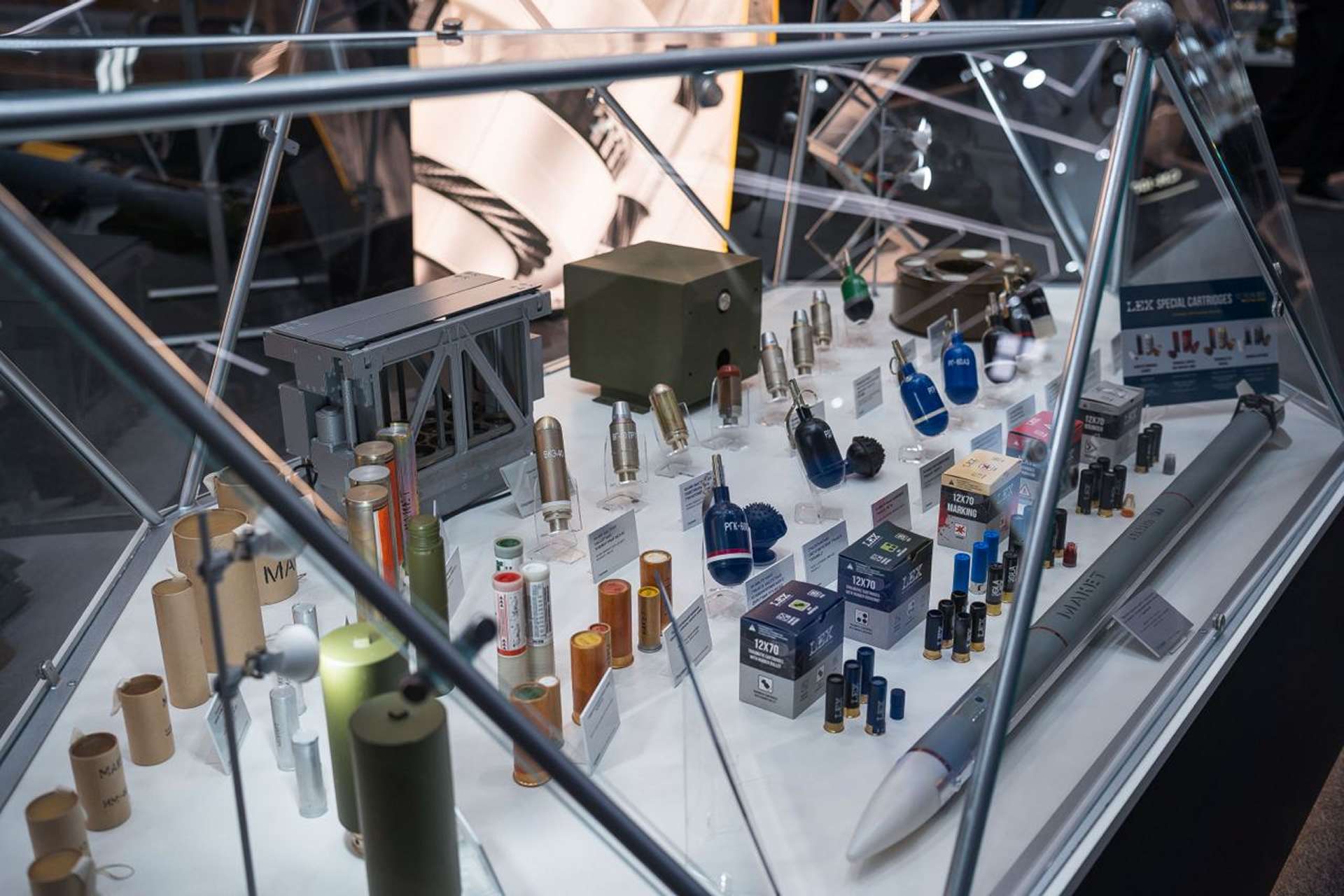
Rostec is showcasing specialized anti-drone ammunition for rifles and shotguns at the International Military-Technical Forum "Army-2024." These cartridges, developed by the Research Institute of Applied Chemistry, are designed to target and neutralize various types of mini-drones.
Follow Army Recognition on Google News at this link
Rostec is showcasing specialized anti-drone ammunition for rifles and shotguns. (Picture source: Rostec)
Two types of ammunition are being displayed to counter small drones—IGLA AnDr and IGLA Vector AnDr. Both cartridges are 12/76 caliber and are designed to hit low-flying drones using the kinetic energy of their projectiles. The IGLA AnDr is loaded with either No. 0000-5 lead shot or 6.2-8.5 mm buckshot. The IGLA Vector AnDr is equipped with a red tracer element for visual tracking, allowing shooters to adjust their aim in real time.
These cartridges differ from standard hunting and sporting ammunition by using a specific powder with enhanced characteristics and heavier, hardened shot. This design increases effectiveness against drones, which often contain durable plastic and metal components.
"Mini-drones pose a significant threat, but traditional methods, such as standard anti-aircraft missiles, are not always effective in combating them. That is why Rostec is developing alternative solutions—mini-missiles, electronic warfare systems, and specialized ammunition, including for firearms. These reinforced cartridges with improved performance are the latest addition to our arsenal," said Bekhan Ozdoev, Industrial Director of the Conventional Weapons, Ammunition, and Special Chemistry Complex at Rostec.
The specialized cartridges have a muzzle velocity of at least 435 m/s, a shot density of at least 60%, and a maximum effective range of 100 meters. The hardness of the projectiles is rated at a minimum of 16 HV. The tracer element of the IGLA Vector AnDr is visible from 20 to 100 meters.
For close-range engagements, the IGLA AnDr is available in a non-contained variant, offering a wide spread of shot up to 35 meters. For long-range targets, a contained version is available, capable of hitting targets at distances of up to 100 meters.
These cartridges are intended for use by special forces, security services, and personnel responsible for the protection of military installations and critical infrastructure. The International Military-Technical Forum "Army-2024" is being held in Kubinka, near Moscow, from August 12 to 14.
Read more: Rostec Unveils Specialized Anti-Drone Ammunition at Army-2024

- Details
- Written by: Halna du Fretay
- Category: 2024
- Hits: 3036
South Korea's national security has recently been put to the test by a series of alleged cyberattacks orchestrated by North Korea, aimed at obtaining sensitive technical information on the South's strategic military equipment. According to the ruling People Power Party (PPP) in South Korea, these attacks have enabled the North to acquire crucial data regarding the K2 Black Panther tank and the SIGINT/ELINT aircraft used by the South Korean Armed Forces. This data breach could jeopardize the surveillance, reconnaissance, and defense capabilities of the South Korean military, as confirmed in an official statement from the party.
Follow Army Recognition on Google News at this link
The PPP disclosed that "presumed North Korean forces" had accessed sensitive data on South Korea's Baekdu and Geumgang reconnaissance aircraft and the K2 Black Panther tank, compromising key military intelligence. (Picture source: Army Recognition)
The PPP revealed that "presumed North Korean forces" had accessed sensitive data related to the Baekdu and Geumgang signals intelligence and reconnaissance aircraft, which are essential for monitoring North Korean activities along the border. In addition, technical information on the K2 Black Panther, the main and most advanced battle tank of the South Korean army, was also stolen. This tank, designed by the Agency for Defense Development and manufactured by Hyundai Rotem, is at the core of South Korea's armored capabilities, with approximately 260 units in service and 150 more in the pipeline. The K2 is equipped with a 120mm autoloading main gun, advanced composite armor, and active protection systems (APS), making it a critical asset for South Korea's ground defense.
Alongside the K2 data, the cyber attackers also stole information on the Baekdu and SIGINT/ELINT Geumgang reconnaissance aircraft, which are militarized versions of the Hawker 800XP, in service since 2002. These aircraft play a fundamental role in gathering intelligence on North Korean signals, contributing to South Korea's national security. The theft of this information comes at a critical time, as South Korea is modernizing its Baekdu fleet in a project led by Korea Aerospace Industries (KAI), valued at approximately $640 million, which aims to convert four additional Dassault Falcon 2000LXS jets into advanced reconnaissance aircraft.
These data breaches represent a major test for South Korea's cybersecurity, as they involve crucial information related to communications, surveillance, reconnaissance, and terrain detection. These military capabilities are essential for national defense, and their compromise by North Korea poses a serious problem for Seoul. The PPP has expressed concern over the growing threat of North Korean cyberattacks aimed at stealing critical technologies from the national defense industry, highlighting the urgent need to strengthen cybersecurity measures.
The recent incidents of data theft, particularly concerning the K2 Black Panther and the Baekdu-Geumgang duo, are part of a recurring pattern of cybersecurity violations in South Korea. Last April, North Korean cyber agents infiltrated the networks of ten South Korean defense material manufacturers, while a civilian employee of the Defense Intelligence Command leaked a classified list of South Korean military intelligence agents to North Korea in another similar incident. These repeated incidents have raised doubts about the effectiveness of South Korea's cybersecurity and the management of sensitive defense-related information.
In response to these growing threats, the PPP and the main opposition party, the Democratic Party, have introduced bills aimed at improving the national cybersecurity structure in the previous National Assembly. However, these initiatives have not advanced, as the parties differ on which agency should oversee these efforts. In its recent statement, the PPP called for a swift revision of criminal legislation to protect national interests, stressing the urgency of legislative action to strengthen defense against cyberattacks.

- Details
- Written by: Halna du Fretay
- Category: 2024
- Hits: 3592
The MEGA-Army application, developed by the Belgian company IDDEA, marks a significant step forward in utilizing artificial intelligence (AI) for identifying and analyzing land-based military equipment. However, its potential extends beyond on-the-ground recognition. MEGA-Army could play a crucial role in future military training programs, especially when integrated into virtual reality (VR) or augmented reality (AR) modules.
Follow Army Recognition on Google News at this link
The integration of the MEGA-Army application into military training programs, particularly when paired with VR and AR technologies, presents a unique opportunity to radically transform how soldiers are trained (Picture source: IDDEA)
Military training programs are undergoing a transformation, driven by emerging technologies such as VR and AR. The integration of the MEGA-Army application into these programs could fundamentally change how soldiers are trained. By using MEGA-Army's advanced AI to identify and provide information on military equipment, both new recruits and experienced soldiers could train in simulated, realistic environments while learning to quickly recognize and assess different types of military hardware.
Virtual reality immerses users in a fully digital world, while augmented reality overlays virtual elements onto the real world. By combining MEGA-Army with these technologies, military personnel could interact with virtual replicas of military equipment in a controlled environment, avoiding the risks associated with handling real equipment.
For example, a soldier could be immersed in a battlefield simulation where they encounter virtual enemy vehicles and weaponry. Using MEGA-Army, they could instantly identify these elements, receive detailed information about their function and vulnerabilities, and thereby improve their skills in equipment recognition and tactical decision-making.
MEGA-Army's AI would not only provide information but could also serve as a virtual mentor. By analyzing soldiers' interactions with the application and identifying errors or knowledge gaps, the AI could tailor training sessions accordingly. This personalized learning approach is especially important in the military context, where mastery of skills is often critical.
Additionally, by combining MEGA-Army's analytical capabilities with tactical VR scenarios, soldiers could participate in training exercises where their decisions are evaluated in real time. The AI could then offer improvement suggestions, correct faulty strategies, and reinforce best practices, creating a continuous and highly effective learning cycle.
Beyond individual training, MEGA-Army could be utilized by commanders to plan and simulate military operations. By integrating the application into large-scale VR simulations, commanders could test different strategies, considering the variety of equipment that MEGA-Army can identify and analyze. This would allow for refining operational plans before execution, reducing risks and increasing the chances of success.
The integration of the MEGA-Army application into military training programs, particularly when paired with VR and AR technologies, presents a unique opportunity to radically transform how soldiers are trained. AI-driven training will become more immersive, interactive, personalized, and effective.
This synergy between AI, VR, AR, and MEGA-Army paves the way for a future where soldiers are not only better prepared but also capable of achieving and maintaining an unmatched level of competence in response to the growing challenges of modern battlefields. The technological advancements introduced by IDDEA through MEGA-Army could become a central element in the military training of the future.
To explore the Mega-Army application, it can be downloaded from the Apple Store and Google Play.
Read more: Relevance of AI Integration in Military Training: The Case of Mega-Army

- Details
- Written by: Vandenbosch
- Category: 2024
- Hits: 3209
Rheinmetall has announced the acquisition of Loc Performance Products, LLC, a renowned vehicle specialist based in Plymouth, Michigan. This strategic acquisition, valued at $950 million, is expected to enhance Rheinmetall's capabilities in the production and supply of military vehicles, both in the United States and globally.
Follow Army Recognition on Google News at this link
Rheinmetall aims to strengthen its position in the competition for major US Army contracts, particularly the XM30 infantry fighting vehicle program. (Picture source: RTX)
Finalized on August 13, 2024, this acquisition aligns with Rheinmetall's overall strategy to expand its footprint in North America, the world's largest defense market. By integrating Loc Performance’s operations, Rheinmetall aims to strengthen its position in the competition for major U.S. Army contracts, particularly the XM30 infantry fighting vehicle program and the Common Tactical Truck (CTT) program. These programs represent a combined potential of over $60 billion, with Rheinmetall as a key contender.
Loc Performance, with a skilled workforce of around 1,000 employees, is a well-established supplier to the U.S. government, particularly in the production of track systems for military vehicles. The company’s expertise in drivetrains, suspensions, track systems, and other critical vehicle components is expected to significantly enhance Rheinmetall’s ability to meet the stringent requirements of the U.S. Army.
This acquisition not only provides Rheinmetall with expanded manufacturing capabilities, including 1.7 million square feet of modern production space, but also strengthens its supply chain with Loc Performance's technical expertise in the maintenance and enhancement of military vehicles. This increased capacity is seen as crucial for Rheinmetall as it seeks to fulfill large-scale orders under the U.S. Army's modernization programs.
Armin Papperger, CEO of Rheinmetall AG, emphasized the strategic importance of this acquisition, stating, "The United States is a key market for our growth strategy. The acquisition of Loc Performance is a decisive step in increasing our market share, ensuring that we are well-positioned to meet the demands of upcoming major orders."
Matthew Warnick, CEO of American Rheinmetall Vehicles, highlighted the operational benefits of the acquisition, noting that it equips the company with the manufacturing readiness needed to realize major U.S. military contracts. He added, "This acquisition allows us to achieve 100% local value creation in the United States, a crucial factor in securing and executing these contracts."
Jason Atkinson, CEO of Loc Performance, expressed enthusiasm for the merger, stating, "Combining Loc Performance’s 53 years of manufacturing experience with Rheinmetall's next-generation technologies will create a powerful end-to-end solution, offering superior products to our customers and driving growth for our combined company."
Rheinmetall's acquisition of Loc Performance underscores its commitment to supporting the U.S. Department of Defense’s modernization efforts, which aim to enhance the effectiveness and mobility of U.S. soldiers on the battlefield. This initiative is expected to significantly strengthen Rheinmetall’s military vehicle business in the United States, managed by American Rheinmetall Vehicles in Sterling Heights, Michigan.
This acquisition is set to further solidify Rheinmetall’s role as a key player in the U.S. defense industry, providing it with the resources and capabilities necessary to compete for and secure large-scale contracts in the years to come.
- Details
- Written by: Halna du Fretay
- Category: 2024
- Hits: 3929
The United States Army is considering the possibility of deploying its latest missile system, known as the Typhon Mid-Range Capability (MRC), in strategic areas near China and Russia. As reported by Newsweek, this prospect emerged following a visit by Japan's Ground Self-Defense Force to a U.S. military base in Washington state, where the new missile system was prominently displayed. The visit, documented by the 62nd Airlift Wing of the U.S. Air Force, has sparked speculation about potential deployments of the Typhon system in the Indo-Pacific region, particularly on Japanese territory.
Follow Army Recognition on Google News at this link
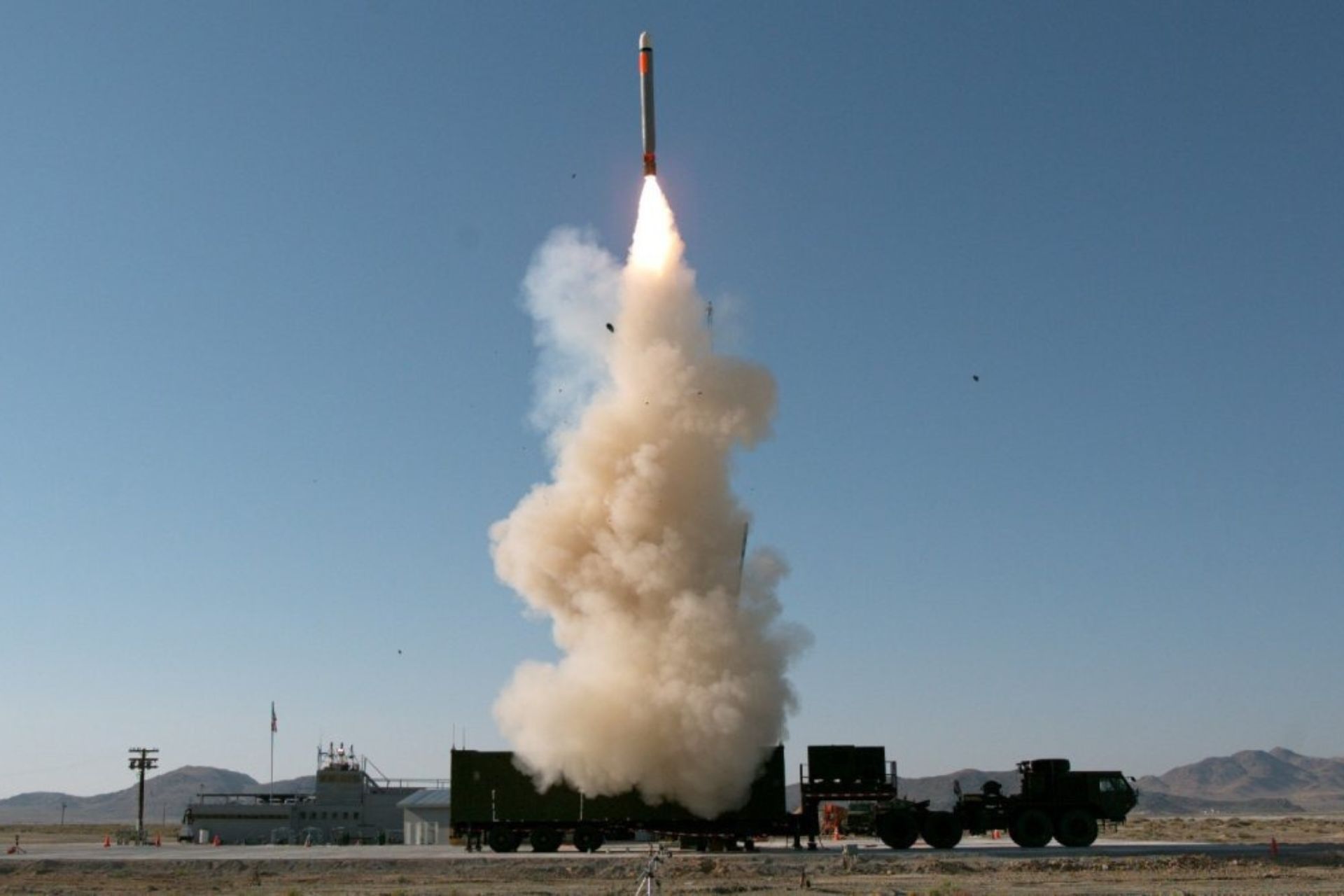
In May and June 2023, U.S. Army soldiers successfully conducted their inaugural Tomahawk Land Attack Missile launches from the Mid-Range Capability launcher at Naval Air Weapons Station China Lake, California (Picture source: US DoD)
The Typhon missile system, which incorporates the Tomahawk cruise missile and the Standard Missile 6, is part of the U.S. Army's modernization efforts aimed at enhancing long-range precision strike capabilities. The system is designed to fill the operational gap between the Army's short-range Precision Strike Missile and its long-range hypersonic weapon, both of which are still under development.
With its capability to launch missiles over distances ranging from 310 to 1,800 miles, the Typhon system is considered an essential component of the Army's future Strategic Fires Battalion, which will play a key role in the Multi-Domain Task Force.
In recent months, the Typhon system has already been deployed outside the United States, with a notable appearance in the Philippines during a joint military exercise. The temporary presence of the missile system in northern Luzon, near the contested South China Sea, drew sharp criticism from China, which accused the U.S. of exacerbating tensions in the region.
The potential for additional deployments in Japan, particularly in Okinawa, could place key military targets in China and North Korea within striking distance, further complicating the strategic landscape in the Asia-Pacific.
The U.S. Army's efforts to modernize its missile capabilities date back to 2019, following the United States' withdrawal from the Intermediate-Range Nuclear Forces Treaty, a bilateral agreement with Russia that previously restricted the deployment of ground-based missile systems with ranges between 310 and 3,420 miles.
The potential deployment of Typhon systems in Japan has raised concerns in Moscow, particularly given the ongoing territorial dispute between Russia and Japan over the Kuril Islands. Russian analysts suggest that such a deployment could prompt Russia to position similar missile systems in the Far East, potentially leading to an arms race in the region.
The United States also plans to deploy its long-range missile systems in Europe, with Tomahawk missiles, the Standard Missile 6, and hypersonic weapons expected to be stationed in Germany by 2026. This move is seen as a signal to U.S. allies, encouraging them to develop and deploy similar capabilities.
As the global landscape of missile deployment evolves, experts warn of the risks of inadvertent escalation, particularly with the introduction of dual-capable systems capable of carrying both nuclear and conventional warheads.
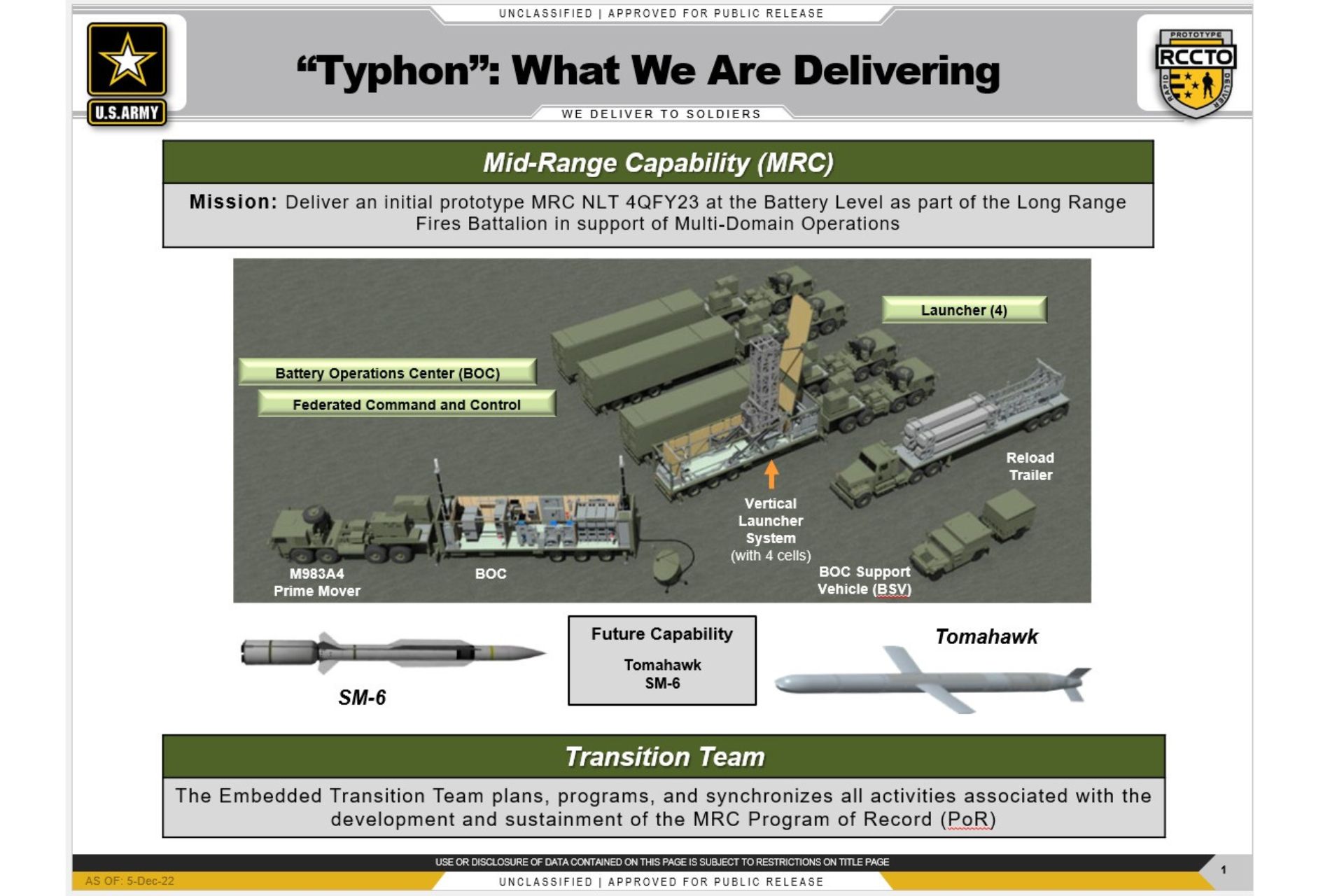
A US Army slide illustrating the components and structure of the Mid-Range Capability system. (Picture source: US Army)
Read more: Speculations Surrounding Deployment of US Typhon Missile System Near China and Russia
- Details
- Written by: Halna du Fretay
- Category: 2024
- Hits: 7973
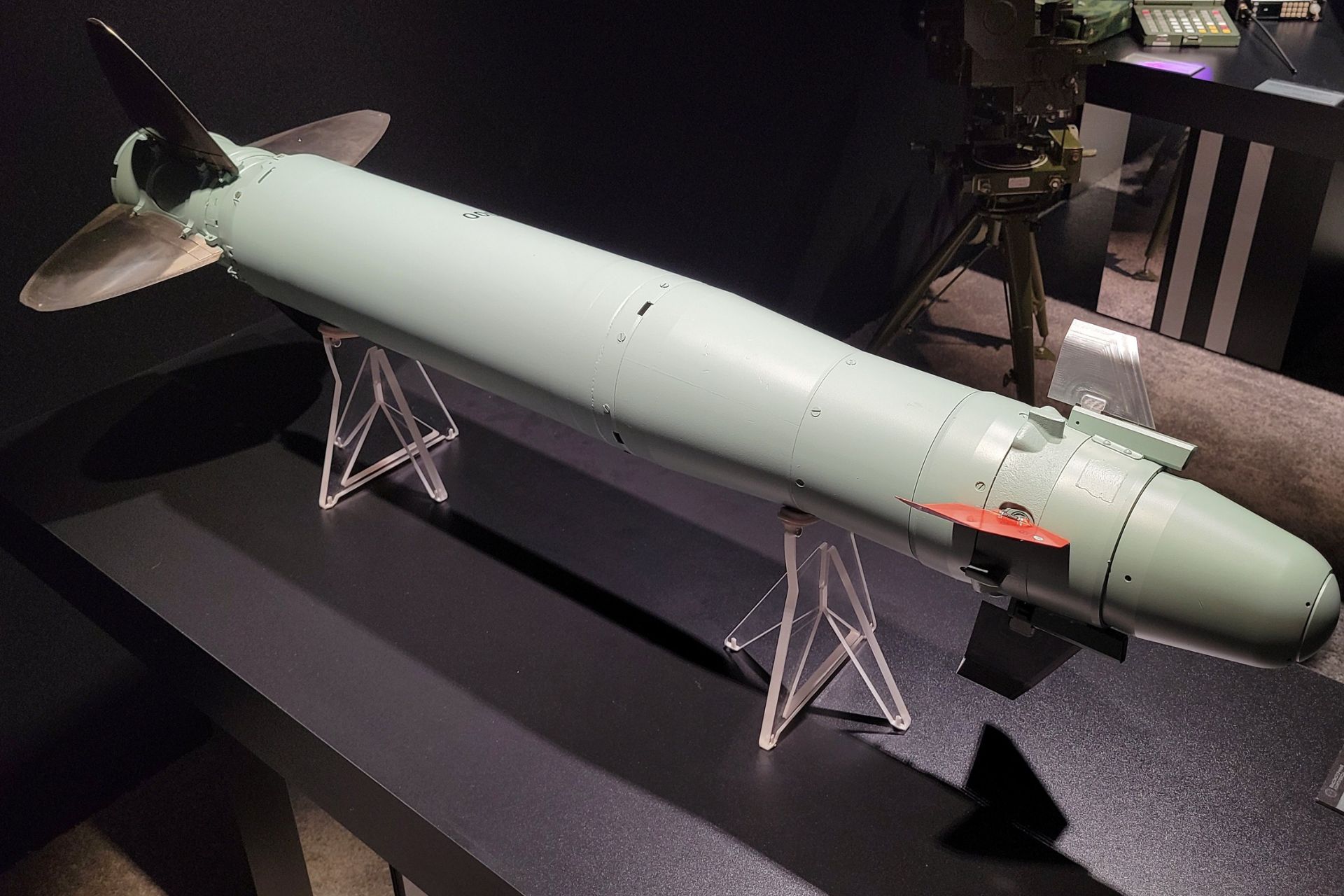
The Russian defense industry has made strides in expanding its military capabilities with the introduction of the Kh-BPLA guided missile, a new weapon designed to be deployed from unmanned aerial vehicles (UAVs) and helicopters. This missile, revealed at the Army-2024 defense technology exhibition in Moscow, represents a significant advancement in drone-launched munitions as reported on X by MuxelAero. Building on the technological foundations of the Kornet anti-tank missile system and the Krasnopol high-precision artillery shell, the Kh-BPLA is designed to effectively engage a variety of targets.
Follow Army Recognition on Google News at this link
The missile's design is based on the 9M133 Kornet-D anti-tank missile but has a heavier weight, reaching 32 kilograms compared to the Kornet-D’s 26 kilograms (Picture source: X Channel @MuxelAero)
Specifically developed for use from drones, the Kh-BPLA missile is intended to strike ground and surface targets, including concentrations of enemy personnel and lightly armored vehicles. The missile's design is based on the 9M133 Kornet-D anti-tank missile but has a heavier weight, reaching 32 kilograms compared to the Kornet-D’s 26 kilograms. Despite this increase in weight, the explosive charge remains comparable, with a high-explosive variant weighing 6 kilograms and a thermobaric warhead weighing 3.2 kilograms.
The Kh-BPLA missile is guided by a reflected laser beam, allowing it to accurately hit targets at distances of up to 8 kilometers and altitudes of up to 4,000 meters. The guidance system likely incorporates technology from the Krasnopol artillery system, ensuring precise targeting as the drone illuminates the target until impact.
The development of the Kh-BPLA missile began in 2021, when reports first emerged about an aerial version of the Kornet-D missile. Since then, the missile has been tested on various platforms, including the Orion reconnaissance and strike drone, the Forpost UAV, and the Ka-52M attack helicopter. The introduction of the Kh-BPLA is part of Russia's broader effort to enhance its military capabilities, particularly in integrating advanced guided munitions with UAV platforms.
Additionally, Russian propagandists have claimed that the Kh-BPLA missile can "deceive" active protection systems on armored vehicles by launching two missiles successively along the same laser path, complicating the defense system's ability to counter the second missile. The missile's ability to simultaneously target multiple enemies or increase the likelihood of a successful strike by launching two missiles at a single target has been highlighted as a key advantage.
The Ka-52M attack helicopter, one of the platforms for the Kh-BPLA, has reportedly been modernized and introduced into service. The Russian Ministry of Defense has released images showing the helicopter in action, demonstrating the continued advancements in Russian military technology. The Army-2024 exhibition also featured the unveiling of an unmanned self-propelled artillery system based on the D-30 howitzer, further emphasizing ongoing innovations within the Russian defense sector.
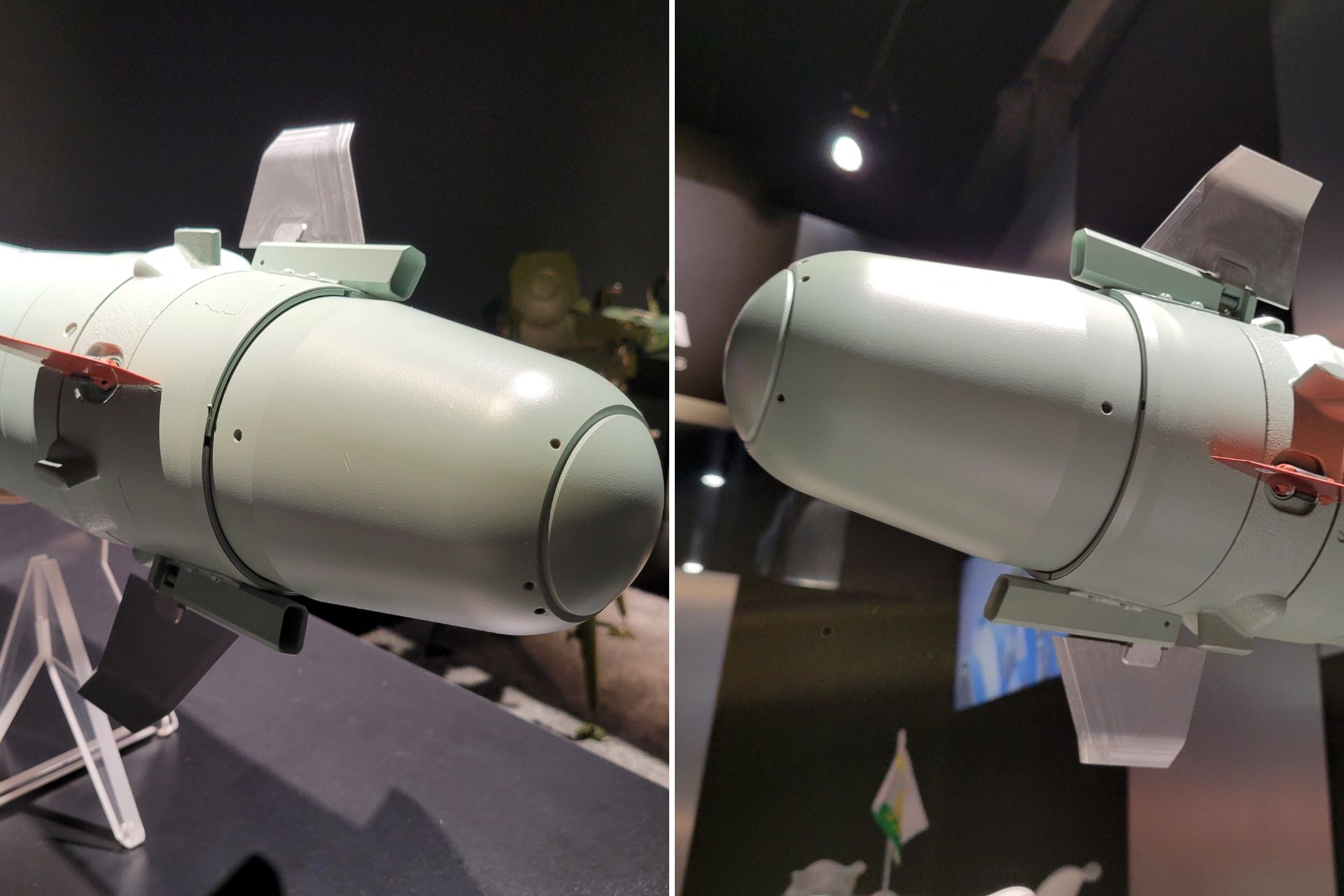
The Kh-BPLA missile is guided by a reflected laser beam, allowing it to hit targets at distances of up to 8 kilometers accurately and altitudes of up to 4,000 meters(Picture source: X Channel @MuxelAero)
Read more: Army 2024: Russia Unveils the Kh-BPLA Missile to Enhance UAV and Helicopter Capabilities
- Ukrainian Breakthrough in Russia: Current Situation Overview
- Russian Army to finally receive more T-90M Proryv-3 tanks with long-awaited Arena-M APS
- Benelli introduces A.I Drone guardian last born of iconic M4 family as solution against UAV during battle
- Lockheed Martin and General Dynamics signing of strategic partnership agreement for GMLRS rocket production