

- Details
- Written by: Jérôme Brahy
- Category: 2024
- Hits: 8230










On August 6, 2024, Ukroboronprom, now rebranded as the Ukrainian Defense Industry JSC (UDI), entered the top 50 global defense companies, ranking 49th on the 2024 Defense News Top 100 list. This marks a rise of 16 positions from the previous year, with a 72% increase in revenue to $2.2 billion in 2023, making UDI the fastest-growing company among the top 100 defense firms. This trend, set against the backdrop of the ongoing conflict with Russia, illustrates the continued expansion of the defense sector in Ukraine.
Follow Army Recognition on Google News at this link
The restructuring of Ukroboronprom involved the division of the Ukrainian company's enterprises into specialized sub-holdings focused on areas such as armored vehicles, aircraft repair, and high-precision weapons. (Picture source: Ukroboronprom)
This growth is attributed to the increased production of military equipment in response to the conflict, as Ukraine continues to strengthen its defense capabilities. The revenue increase has positioned UDI as the fastest-growing company among the top 100 defense firms. The company's revenue rose from $1.3 billion in 2022 and $755 million in 2021, indicating a steady rise in demand for military hardware, including armored vehicles, missile systems, and drones—products that have been integral to Ukraine's defense efforts.
In 2024, UDI made further advancements in production capabilities and international presence. In collaboration with Germany's Rheinmetall, the company opened a new workshop for the repair and production of armored vehicles. Additionally, UDI established its first international representative office in Washington, D.C., aimed at expanding its presence in global defense markets. This expansion aligns with Ukraine's broader objective of increasing its role in the international arms industry, with expectations that defense exports will play a significant role in the country's post-war economy.
The restructuring of Ukroboronprom into the Joint-Stock Company Ukrainian Defense Industry in 2023 was a key aspect of a broader reform initiative aimed at modernizing Ukraine's defense sector. Completed in July 2023, this reorganization was designed to improve efficiency, transparency, and corporate governance. It involved the division of the company's enterprises into specialized sub-holdings focused on areas such as armored vehicles, aircraft repair, and high-precision weapons. The reform also introduced new supervisory boards and internal audit structures to reduce corruption risks and streamline operations across the company's numerous enterprises, which employ approximately 67,000 workers.
UDI has also pursued partnerships with international firms, such as Rheinmetall, to establish joint production facilities for armored vehicles within Ukraine. The company's product lines have expanded to include advanced mines, Soviet-caliber ammunition, and various drones developed with the support of NATO member countries. These developments reflect a shift in Ukraine's defense industry, positioning UDI as a key player in both national defense and the global arms market.
This growth is part of a broader trend in global defense spending, which increased in fiscal year 2023. The total defense revenue for the top 100 companies worldwide reached $603.9 billion, a 13% increase from the previous fiscal year. This growth is largely driven by escalating geopolitical tensions, including the Russia-Ukraine war, conflicts in the Middle East, and rising tensions in the Asia-Pacific region.
The global defense market has seen fluctuating but generally increasing trends over the last five years, with revenues ranging from $524.4 billion in fiscal year 2019 to $595 billion in 2021, dipping to $533.9 billion in 2022, and then increasing to $603.9 billion in 2023. As UDI continues to expand and adapt to these evolving demands, it is positioned to play a significant role in Ukraine's defense strategy and the global arms industry.

- Details
- Written by: Administrator
- Category: 2024
- Hits: 9105
Côte d'Ivoire's (Ivory Coast) Armed Forces marked the nation's Independence Day on August 7, 2024, with a grand military parade showcasing the latest additions to their military arsenal. Among the highlights were newly acquired combat armored vehicles from China, signaling a significant enhancement in the nation's defense capabilities. The Chinese-made new combat vehicles include the VN-22B 105mm 6x6 fire support armored vehicle, the VP11 Mine-Resistant Ambush Protected (MRAP) vehicle, the CS/SS4 4x4 852 self-propelled mortar carrier vehicle, and the Dongfeng Mengshi EQ2050F 4x4 tactical vehicle. In this article, the Army Recognition editorial team provides a detailed analysis to explain the combat capabilities of each vehicle.
Follow Army Recognition on Google News at this link
The Chinese-made VN22B 105mm fire support vehicle is the most powerful combat vehicle in service with the Côte d'Ivoire Armed Forces. (Picture source: Côte d'Ivoire Government)
VN-22B 105mm 6x6 Fire Support Armored Vehicle
The VN-22B 105mm 6x6 is a fire support armored vehicle based on the NORINCO VN2 platform designed to deliver powerful direct fire support to infantry units. Its primary armament is a 105mm high-velocity cannon, which can fire a variety of ammunition types, including high-explosive (HE) rounds, high-explosive anti-tank (HEAT) rounds, and armor-piercing fin-stabilized discarding sabot (APFSDS) rounds. This diverse ammunition capability allows the VN-22B to engage a wide range of targets, from infantry and fortified positions to enemy armored vehicles.
The second armament of the VN-22B includes one coaxial 7.62mm machine gun for engaging infantry and light vehicles. This secondary weapon provides additional firepower and defensive capability, particularly useful in close-quarters combat situations. The vehicle may also feature smoke grenade launchers, enhancing its survivability by providing obscuration and enabling tactical maneuvers under fire.

VP11 Mine-Resistant Ambush Protected (MRAP) Vehicle
The VP11 is a family of mine-protected patrol vehicles produced by China North Industries (Norinco). These four-wheeled vehicles are specifically designed with a one-piece armored V-shaped hull, which effectively directs the explosive force of enemy mines outward, away from the vehicle's occupants, thereby enhancing crew survivability. One variant of the VP11 family serves as an armored personnel carrier (APC), capable of transporting seven soldiers in addition to the vehicle's driver and commander/gunner.
In some configurations, the VP11 may also be fitted with a remote weapon station (RWS), which allows the crew to operate the machine gun or other weapon systems from within the armored vehicle's safety. This RWS can be outfitted with additional weaponry, such as a 7.62mm machine gun or an automatic grenade launcher, further enhancing the vehicle's defensive capabilities against a variety of threats.

CS/SS4 4x4 82mm Self-Propelled Mortar Carrier Vehicle
The CS/SS4 4x4 82mm self-propelled mortar carrier vehicle, based on the CS/VN3 platform, is armed with an 82mm mortar system, providing mobile indirect fire support. This mortar system is capable of firing a variety of rounds, including high-explosive (HE), smoke, and illumination rounds, with a range that allows it to engage targets several kilometers away. The mortar’s high rate of fire and quick deployment capability make it ideal for suppressing enemy positions, supporting infantry assaults, and providing immediate responsive fire.
The CS/SS4 can carry a significant amount of ammunition onboard, ensuring sustained fire support during prolonged engagements. In addition to the mortar, the vehicle may also be equipped with a 7.62mm or 12.7mm machine gun mounted on the roof for self-defense and to engage close-range threats. The machine gun complements the mortar by providing a means to defend against infantry and light vehicles that might attempt to close in on the vehicle.

Dongfeng Mengshi EQ2050F 4x4 Tactical Vehicle
The Dongfeng Mengshi EQ2050F 4x4 tactical vehicle, based on the Dongfeng EQ2050 platform, is highly versatile and can be configured with a wide range of armaments depending on the mission requirements. Standard armament options include a 12.7mm heavy machine gun or a 7.62mm machine gun mounted on a rotating turret or ring mount. This setup allows the vehicle to provide suppressive fire, defend against infantry attacks, and engage light armored vehicles.
For more specialized roles, the EQ2050F can be armed with an automatic grenade launcher (AGL), which offers a high rate of fire and the ability to engage targets with explosive rounds at longer distances. In some configurations, the vehicle may also carry anti-tank guided missiles (ATGMs), significantly enhancing its capability to take on enemy armor. The Mengshi EQ2050F’s flexibility in armament options allows it to adapt to a wide variety of combat roles, from reconnaissance to direct combat engagements, making it an essential asset for tactical operations.

VN2 APC Armored Personnel Carrier vehicle
The VN2 APC (Armored Personnel Carrier) is the export variant of the Chinese WZ551 armored personnel carrier, developed by China North Industries Corporation (NORINCO). As an amphibious, 6x6 wheeled vehicle, the VN2APC is designed for versatility and mobility, capable of operating effectively in various terrains and environments. It is equipped with a turret-mounted 12.7mm heavy machine gun for engaging light armored vehicles and infantry, with options to integrate additional weaponry such as a 30mm automatic cannon or anti-tank guided missiles (ATGMs). The vehicle can carry up to 12 personnel, including the driver, gunner, and commander, providing them with protection against small arms fire, shell splinters, and landmine explosions.
The VN2 APC is based on the proven WZ551 platform, which has seen extensive use in the Chinese military and has been exported to numerous countries. The vehicle’s amphibious capability allows it to cross water obstacles without additional preparation, making it highly suitable for operations in regions with rivers and lakes. The VN2’s modular design also allows for various configurations, including command vehicles, ambulances, and reconnaissance variants, depending on the mission requirements.

Côte d'Ivoire and China have developed a strong political and defense relationship marked by increasing cooperation in various sectors. Politically, the two nations have deepened their ties through diplomatic engagements, trade agreements, and mutual support in international forums. In terms of defense, China has become a key partner for Côte d'Ivoire, providing military training, equipment, and technology. This collaboration is exemplified by Côte d'Ivoire's acquisition of advanced Chinese combat armored vehicles, reflecting China's role in helping to modernize and enhance the capabilities of the Ivorian Armed Forces. The relationship is characterized by mutual benefits, with China gaining influence in West Africa and Côte d'Ivoire strengthening its defense infrastructure.
Read more: Côte d'Ivoire Armed Forces Unveil New Chinese Armored Vehicles at Independence Day Parade

- Details
- Written by: Vandenbosch
- Category: 2024
- Hits: 2615
Rheinmetall has secured a follow-up contract to deliver eight additional Mobile Surgical Team (FST) stations to the Ukrainian armed forces. This order, valued in the tens of millions of euros, is part of the German Federal Government's "Ertüchtigungsinitiative," aimed at strengthening Ukraine's defense infrastructure.
Follow Army Recognition on Google News at this link
The contract stipulates that Rheinmetall will begin delivering advanced medical units in 2024. (Picture source: Rheinmetall)
The contract stipulates that Rheinmetall will begin delivering these advanced medical units in 2024, with all eight systems expected to be fully operational by the end of 2026. These FST stations are equipped with modern medical technologies, including an X-ray container, an operating room, and an intensive care unit, all meeting contemporary hospital standards.
To ensure mobility and rapid deployment, each FST station will be accompanied by a mobile component consisting of three heavy goods vehicles (HGVs) from Rheinmetall MAN Military Vehicles (RMMV), including trailers. This setup allows for easy transportation of the medical units to various locations as needed.
Armin Papperger, CEO of Rheinmetall AG, expressed his satisfaction with the new order: "Our medical care facilities are highly mobile, quickly deployable, and of exceptional quality. This new contract underscores the success of our previous deliveries of medical technologies to Ukraine. We are proud to support the Ukrainian forces with our advanced medical aid."
In addition to delivering the FST units, Rheinmetall plans to train Ukrainian personnel in Germany. This follows a similar initiative in September 2023, when Rheinmetall delivered a mobile field hospital (NATO-Role-2-Standard) to Ukraine, equipped with 32 patient beds, including eight intensive care units. Ten Ukrainian soldiers received two weeks of training on the assembly, disassembly, transportation, and operation of the hospital.
The new FST stations are designed for frontline use, consisting of six interconnected containers providing a comprehensive medical facility, including reception and triage areas, an X-ray shelter, surgical preparation, a surgical unit, and an intensive care unit. Additionally, a support container with a power generator and water tanks ensures that the system can operate independently for at least 48 hours.
Rheinmetall's collaboration with leading German medical technology manufacturers ensures that these systems are equipped with the latest innovations. The FSTs will play a crucial role in providing life-saving measures and stabilizing severely injured troops on the front lines, significantly enhancing Ukraine's military medical response.

- Details
- Written by: Vandenbosch
- Category: 2024
- Hits: 5993
Poland is preparing for major advancements in its defense industry as negotiations for new contracts continue. Krzysztof Trofiniak, President of the Board of PGZ S.A., confirmed that discussions are underway for the delivery of four squadrons of Krab howitzers, totaling 96 units. These new howitzers will be equipped with updates, including a new variant for the autoloader and modular propelling charges.
Follow Army Recognition on Google News at this link
The KRAB is a 155mm self-propelled howitzer designed and manufactured in Poland. (Picture source: US DoD)
In an exclusive interview with Defence24, Trofiniak discussed the current state and plans of PGZ, as well as the challenges facing Poland's defense industry in responding to growing demand, the future of the K9PL howitzers, and the expected production of Borsuk infantry fighting vehicles (IFVs).
Trofiniak began by stating that the overall condition of PGZ, as the parent company, remains strong. However, he noted that the defense group faces challenges on two fronts: meeting the increased demand for military equipment and ensuring that individual companies within the group are financially and operationally ready to expand their production capacities.
He emphasized the need for some companies within the group to transition from overhauling older equipment to producing modern military systems, which requires investments in new machinery and production capabilities. Regarding the recent PLN 3 billion investment, Trofiniak clarified that this is a state investment to strengthen Poland’s defense capabilities, particularly for companies involved in air and missile defense programs like Narew.
The PGZ President also discussed diversifying supply chains for critical components, such as engines and gearboxes, to mitigate risks associated with reliance on a single source. This approach is essential as PGZ prepares to scale up production across various platforms, including Krab howitzers and Borsuk vehicles.
The Borsuk IFV is set to play a central role in Poland’s defense strategy, with initial production expected to deliver 50 to 60 units per year, potentially increasing to 100 to 150 units annually. Trofiniak highlighted the importance of collaboration among PGZ companies and the need for continuous investment to expand production capacities to meet these goals.
Regarding the new Wheeled Armored Personnel Carrier (NKTO), Trofiniak was candid about the challenges of developing a new indigenous design within a short timeframe. He noted that while PGZ can develop such a vehicle, it would realistically take 10 to 12 years to go from concept to production. Therefore, collaboration with a foreign partner may be necessary to meet the Ministry of Defense’s delivery timeline.
The Miecznik frigate program remains a priority in the naval domain, with adjustments expected along the way. The Piorun MANPADS (man-portable air-defense system) program also continues to be a cornerstone, with ongoing R&D efforts to further improve the system’s capabilities, ensuring it remains a formidable asset for Poland’s armed forces.
Finally, Trofiniak concluded the interview by discussing significant developments to be showcased at the upcoming MSPO 2024 event in Kielce. PGZ will highlight its latest advancements across various areas, inviting stakeholders and the public to witness firsthand the products and innovations that will play a crucial role in Poland's future defense strategy. Many new contracts are expected to be signed in the second half of 2024, further strengthening the country’s defense capabilities.

The IFV Borsuk is another polish vehicle. ( Picture source: US DoD)
Read more: Almost 100 Krab Self-Propelled Howitzers for Polish Armed Forces
Hanwha Aerospace's K9 Thunder successfully tests US M982 Excalibur 155mm precision shells in Arizona
- Details
- Written by: Jérôme Brahy
- Category: 2024
- Hits: 8808
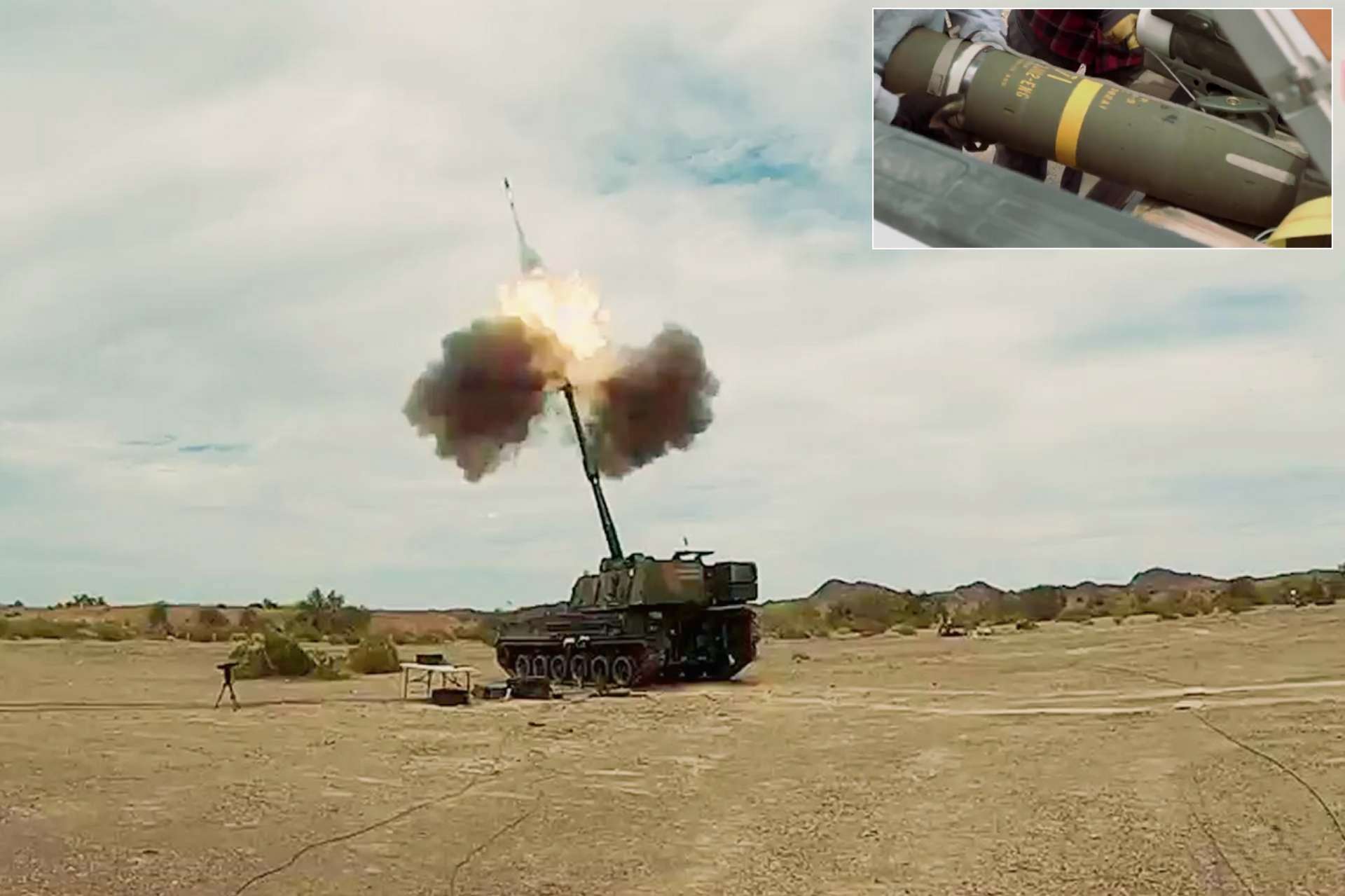
On August 6, 2024, Hanwha Aerospace announced that the K9 Thunder 155mm self-propelled howitzer had successfully demonstrated interoperability with Raytheon's M982A1 Excalibur precision-guided extended range 155mm artillery projectile. This was confirmed following a live-firing test conducted in April at the U.S. Army Yuma Proving Ground, near the Arizona-California border.
Follow Army Recognition on Google News at this link
The K9 Thunder had successfully demonstrated interoperability with Raytheon's M982A1 Excalibur precision-guided extended range 155mm artillery projectile, specifically targeting an objective nearly 50 kilometers away. (Picture source: Yuma Proving Ground)
The purpose of the test was to verify the K9's compatibility with Excalibur Ib projectiles, specifically targeting an objective nearly 50 kilometers away using various fuze function modes. The test results indicated that a projectile fired from the K9 Thunder achieved a circular error probability (CEP) of less than one meter in the Point Detonating mode, effectively hitting the target. Additionally, another projectile detonated five meters above the target in the Height of Burst mode, demonstrating its capability to engage targets with precision.
This demonstration establishes the K9 as one of the artillery systems globally verified to operate with Excalibur guided munitions, which have been deployed since 2014. The Excalibur projectile, developed through collaboration between Raytheon Missiles & Defense and BAE Systems Bofors, is designed for precision strikes, with an accuracy that confines targets within a radial miss distance of fewer than two meters. This precision extends the operational range of various artillery systems, with the .39-caliber variant reaching 40 kilometers, the .52-caliber extending to 50 kilometers, and the .58-caliber capable of striking targets at 70 kilometers. The Excalibur's efficiency allows it to replace multiple conventional munitions with a single, targeted strike.
The M982 Excalibur is a 155mm GPS-guided, extended-range artillery shell designed to deliver accurate, first-round effects in various weather conditions, with a Circular Error Probable (CEP) of about four meters. The projectile is capable of engaging targets at ranges up to 40 kilometers, making it suitable for precision strikes on high-value targets while reducing collateral damage. First deployed in 2007 during operations in Iraq, the Excalibur has also been used in other conflicts, including in Afghanistan.

The M982 Excalibur is a 155mm GPS-guided, extended-range artillery shell designed to deliver accurate, first-round effects in various weather conditions, with a Circular Error Probable (CEP) of about four meters. (Picture source: US DoD)
An enhanced version, the M982A1 Excalibur, known as Excalibur Increment Ib, entered full-rate production in 2018. This version includes improved jamming-resistant GPS technology and updated software that allows for user-defined projectile trajectories. The M982A1 also offers an extended range, reaching up to 70 kilometers when fired from advanced artillery systems such as the XM1299 Extended Range Cannon Artillery (ERCA). The combination of extended range and precision contributes to the M982A1's role in modern artillery operations.
Raytheon has continued to develop the Excalibur system, introducing variants such as the Excalibur S, which includes a semi-active laser seeker for engaging moving targets in environments where GPS is denied, and the Excalibur N5, a naval variant designed for 5-inch naval guns. These developments reflect the ongoing adaptations within the Excalibur system for both land and maritime operations.
As of early 2024, the K9 Thunder 155mm self-propelled howitzer holds over 50% of the global market share for self-propelled howitzers. Its adoption is due to its technical specifications, including a high firing rate, long-range capabilities, and mobility in various terrains. These features have made it a choice for armies looking to modernize their artillery systems. The recent export of the K9 to Romania will expand its market presence among NATO members, joining other countries such as Norway, Estonia, Turkey, Poland, and Finland, which have already procured these systems. Additionally, the K9 has been exported to Australia and Egypt.

As of early 2024, the K9 Thunder 155mm self-propelled howitzer holds over 50% of the global market share for self-propelled howitzers, due to a high firing rate, long-range capabilities, and mobility in various terrains. (Picture source: Army Recognition)
Introduced into service in 1999, the K9 Thunder offers improvements in range, firepower, and mobility compared to previous artillery systems like the K55 self-propelled howitzers. Since development began in 1989, led by the Agency for Defense Development (ADD) and involving several South Korean companies, approximately 1,800 K9 units have been produced. The K9 project was initially developed to address North Korea's extensive artillery capabilities.
The K9 Thunder is equipped with a 155mm L52-caliber main gun capable of firing various NATO-standard munitions, with a maximum firing range between 18 to 50 kilometers, depending on the ammunition type. It can deliver three rounds in 15 seconds and sustain a firing rate of six to eight rounds per minute. The howitzer is armored with MIL-12560H steel, providing protection against 155mm projectile fragments, 14.5mm armor-piercing rounds, and anti-personnel mines. Powered by a 1,000-horsepower STX-MTU MT881 Ka-500 engine, the K9 can reach speeds of 67 kilometers per hour and has an operational range of approximately 480 kilometers. Its advanced navigation and fire control systems further enhance its operational efficiency.
- Details
- Written by: Halna du Fretay
- Category: 2024
- Hits: 5068
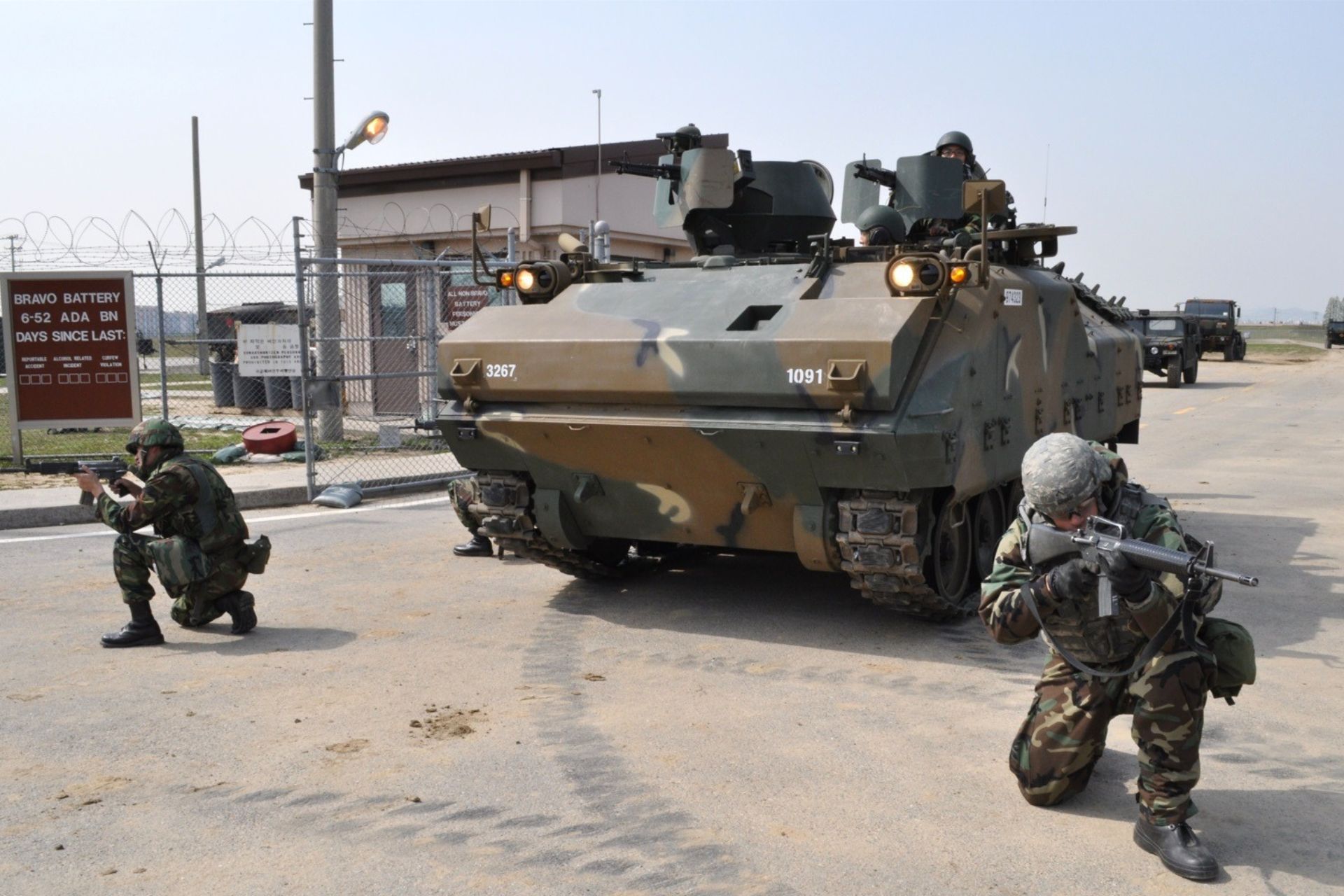
South Korea's defense giant, Hanwha Aerospace, has partnered with Malaysian special vehicle manufacturer Cendana Auto to undertake a significant modernization of the Malaysian Army's aging K200 tracked infantry fighting vehicles (IFVs). These vehicles, which have been in service for over three decades, are set to be upgraded under a new agreement signed by the two companies in early August 2024.
Follow Army Recognition on Google News at this link
The Malaysian Army acquired approximately 111 K200 IFVs from South Korea in the 1990s, with an additional batch of upgraded K200A1 vehicles delivered later (Picture source: USAG/Humphreys)
This collaboration represents a key step for Hanwha Aerospace in its efforts to strengthen its position as a global defense supplier. The company highlighted its capacity to manage a wide range of defense-related activities, including arms development, manufacturing, component supply, as well as maintenance, repair, and overhaul (MRO).
The Malaysian Army acquired approximately 111 K200 IFVs from South Korea in the 1990s, with an additional batch of upgraded K200A1 vehicles delivered later. These vehicles, designed by South Korea, offer a combination of mobility, protection, and firepower, equipped with an improved powerpack, enhanced armor, and protections against nuclear, biological, and chemical (NBC) threats in the A1 version.
The K200 is capable of transporting troops while providing fire support through its integrated weapon systems, including a 12.7mm machine gun, and potentially a remote-controlled weapon station (RCWS) in upgraded models. The vehicle's tracked design enhances its mobility across various terrains, and the Malaysian Army continues to operate these vehicles, with plans to further upgrade them to maintain their operational relevance.
Under the agreement, Hanwha Aerospace and Cendana Auto will work together to select a prototype vehicle for initial upgrades, which will then undergo rigorous testing and evaluation. Following successful verification, the modernization program will extend to all K200 vehicles currently in service with the Malaysian Army. This initiative aims to improve the operational capabilities of the K200 fleet, ensuring these IFVs remain effective on the modern battlefield.
The Malaysian Army is the only export customer of the K200, having received around 111 vehicles from South Korea in the 1990s. The army later acquired an additional batch of upgraded K200A1 IFVs, featuring an improved powerpack, reinforced armor, and NBC protection. The current modernization initiative is viewed as a continuation of efforts to keep the fleet operational.
The signing of the partnership agreement was witnessed by the Secretary General of Malaysia’s Ministry of Defence (MINDEF), Datuk Seri Isham Bin Ishak. This agreement builds on South Korea's previously expressed interest in collaborating with Malaysia to upgrade its K200 IFV fleet, a topic discussed during the Defence Services Asia exhibition in Kuala Lumpur in May 2024. During that event, South Korea's Defense Acquisition Programme Administration (DAPA) Minister, Seok Jong-gun, emphasized Seoul's desire to enhance defense logistics cooperation with Malaysia.
This initiative follows recent successes by South Korea in Malaysia, including the Royal Malaysian Air Force’s (RMAF) decision to acquire 18 FA-50 Block 20 aircraft from Korea Aerospace Industries (KAI) in a deal exceeding $800 million.
Hanwha Aerospace and Cendana Auto had previously presented a model of the proposed upgraded K200 IFV during the DSA 2024 exhibition. The planned upgrades include the integration of new day/thermal optics, a remote-controlled weapon station (RCWS), and an enhanced powerpack. While Hanwha Aerospace has not disclosed specific products to be integrated, the company confirmed that the actual work under the contract will be carried out by Cendana Auto, headquartered in Putrajaya.
Malaysia’s Ministry of Defence expressed confidence that the contract and associated technology transfers will bolster the country's armored vehicle MRO capabilities. Although Hanwha Aerospace did not disclose the financial value of the agreement, the company indicated that work would begin immediately, with a timeline to be determined following sufficient testing processes.
Read more: Hanwha Aerospace and Cendana Auto Partner to Upgrade Malaysian K200 IFV’s

- Details
- Written by: Administrator
- Category: 2024
- Hits: 7874
In a recent video published on a Russian social network, Russia announced the delivery of a new version of the T-80BVM main battle tank. This upgraded tank, now fitted with advanced anti-drone protection, will soon be deployed to Russian troops in Ukraine, signaling a significant enhancement in Russia's armored capabilities on the battlefield.
Follow Army Recognition on Google News at this link
Russian T-80BVM tank fitted with new anti-drone armor solution. (Picture source: Russian Social Network)
The T-80BVM tanks have been equipped with additional protection all around the turret and on the roof, specifically designed to counter threats from UAVs (Unmanned Aerial Vehicles), cumulative grenades, and guided missiles. This upgrade is a direct response to the evolving combat environment in Ukraine, where the threat from drones and advanced guided munitions has increased significantly
A military representative from the Russian Defense Ministry highlighted that the T-80BVM tanks not only meet but surpass the capabilities of existing Western military equipment. "In terms of characteristics, maneuverability, controllability, speed, and protection, the T-80BVM tanks are superior to their Western analogs," said a Russian engineer.
One of the standout features of the T-80BVM is its gas turbine engine, boasting a capacity of 1,250 horsepower. This powerful engine is not just about raw power; it also contributes to the tank's stealth capabilities. The Russian T-80BVM tank is renowned for being the quietest in their class. Due to the special design of the exhaust system, these tanks are practically inaudible when advancing towards enemy positions, providing a tactical advantage in surprise engagements.
The original T-80BVM is armed with a 125mm smoothbore gun capable of firing a variety of ammunition, including armor-piercing fin-stabilized discarding sabot (APFSDS) rounds, high-explosive anti-tank (HEAT) rounds, and guided missiles. The tank also features a coaxial 7.62mm machine gun and a roof-mounted 12.7mm heavy machine gun for additional firepower. It is equipped with advanced composite armor and explosive reactive armor (ERA) to enhance its survivability against modern anti-tank threats, further bolstered by an active protection system (APS) that can detect and neutralize incoming projectiles.
With its 1,250 horsepower gas turbine engine, the T-80BVM offers exceptional mobility and speed, reaching up to 70 km/h on roads and 48 km/h off-road. The tank's hydropneumatic suspension system provides excellent maneuverability and stability across varied terrains. Its onboard combat equipment includes a sophisticated fire control system, advanced optics, and night vision capabilities, ensuring high accuracy and effectiveness in diverse combat scenarios.
The introduction of anti-drone systems on the Russian T-80BVM is a crucial response to the changing threats on the Ukrainian battlefield, where drones, FPV (First-Person View) drones, and loitering munitions have become prevalent. These technologies pose significant risks to armored vehicles by providing adversaries with enhanced surveillance, targeting, and attack capabilities.

Cloe-view of anti-drone armor solution mounted on the Russian T-80BVM tank. (Picture source Russian social network)
Read more: Russia Announces New Anti-Drone Equipped T-80BVM Tanks for Deployment in Ukraine

- Details
- Written by: Halna du Fretay
- Category: 2024
- Hits: 4652
In the ever-changing landscape of military technology, staying informed about the latest advancements is crucial for defense journalists. The MEGA-Army application, developed by the Belgian company IDDEA (International Digital Defense Equipment Agency), is an essential tool for identifying and understanding military equipment using AI-powered image recognition. Leveraging a regularly updated database, this app not only enhances journalists' ability to provide accurate and timely information but also simplifies how they gather and analyze data on military hardware.
Follow Army Recognition on Google News at this link
Journalists can use the app to swiftly identify and evaluate military assets, enhancing the accuracy and depth of their reports by providing essential context and analysis on the equipment's capabilities and vulnerabilities. (Picture source: IDDEA)
The MEGA-Army app relies on AI to analyze images of military equipment. Journalists can upload or take photos of land-based military gear, and the app instantly identifies the equipment, providing detailed information about its capabilities, origin, and usage. This AI-based approach ensures that journalists can quickly verify and cross-check information, reducing the risk of errors and enhancing the credibility of their reports.
The MEGA-Army app significantly improves journalists' situational awareness. By providing instant access to detailed information on military equipment, the app enables journalists to deliver more comprehensive and insightful reports. This real-time intelligence is particularly valuable during live coverage of conflicts or military operations, where accurate information is crucial.
Journalists covering military operations can use the app to quickly identify and assess enemy or allied assets, enriching the precision of their detailed and informed articles. Additionally, in conflict zones, the app allows journalists to understand the capabilities and vulnerabilities of the equipment used, providing context and analysis that enhance their stories.
The app is continually updated with new products and information, ensuring users have access to the latest data on military equipment. This feature is particularly beneficial for journalists needing current and comprehensive information in the rapidly evolving field of military technology.
MEGA-Army offers several subscription levels, each catering to different needs for journalists.
For €10 per month or €100 per year, this level provides up to 10 AI requests per day, ideal for journalists who need to occasionally identify military equipment. It includes information on the name, producing country, user countries, main weapons, mobility features, and onboard combat equipment.
Priced at €50 per month or €500 per year, this level offers advanced recognition in challenging conditions, such as low-resolution images, partially obscured equipment, or unusual angles, with a cap of 1,000 AI requests per month. This level is perfect for field reporters facing diverse and difficult conditions with multiple requests.
The MEGA-Army app by IDDEA is a revolutionary tool that transforms how defense journalists gather, analyze, and report information on military equipment. By providing real-time and accurate intelligence through advanced AI technology, the app enhances journalists' capabilities, ensuring they are well-equipped to face the challenges of covering modern warfare. As the field of military journalism evolves, tools like MEGA-Army will become indispensable for providing the public with reliable and detailed insights into global defense developments. For journalists seeking to stay at the forefront of their reporting, the MEGA-Army app offers an unparalleled resource for identifying and understanding military combat equipment.
With its easy-to-understand and use interface, MEGA-Army allows journalists to navigate quickly and efficiently, accessing a vast database of information.
The application is available on the Apple Store and Google Play.
For more information, you can contact IDDEA by email:
Read more: MEGA-Army App Offers Real-Time Military Equipment Identification Tool for Journalists

- Details
- Written by: Administrator
- Category: 2024
- Hits: 4760
The U.S. Army’s Future Vertical Lift program has made significant progress as the Future Long Range Assault Aircraft (FLRAA) program moves into a crucial development phase. On August 2, 2024, the U.S. Army announced the approval of the FLRAA Milestone B Acquisition Decision Memorandum, marking a pivotal moment in the program's advancement.
Follow Army Recognition on Google News at this link
The Bell V-280 technology Demonstrator selected for the U.S. Army the Future Long Range Assault Aircraft (FLRAA) program. (Photo courtesy of Bell Textron Inc.)
This decision follows the successful preliminary design review of the FLRAA in April and a detailed assessment by the U.S. Army Systems Acquisition Review Council (ASARC) in June. The ASARC evaluated the program's affordability, technological viability, threat projections, security, engineering, manufacturing, sustainment, and cost risks. After a thorough review, the council confirmed that all sources of program risk had been sufficiently mitigated for this phase, allowing the program to progress.
The approval of Milestone B enables the U.S. Army to exercise contract options, advancing the FLRAA into the engineering and manufacturing development phase. This phase includes the detailed design and construction of six prototype aircraft, a key step toward the program's goal of achieving operational capability.
The FLRAA Weapon System Development contract was awarded to Bell Textron on December 5, 2022. With the Milestone B approval, the Army will exercise the first option of this contract, focusing on the comprehensive design and initial build of the prototype aircraft. The Army aims for the first FLRAA flight in 2026, followed by low-rate initial production starting in 2028 and initial fielding activity by 2030. The program schedule will continue to be refined based on ongoing assessments and the latest program developments.
Bell Textron's offering for the FLRAA program is the Bell V-280 Valor, a state-of-the-art tiltrotor aircraft designed to provide unmatched agility, speed, and range. It leverages tiltrotor technology to combine the vertical lift capability of a helicopter with the speed and range of a fixed-wing aircraft. The V-280 features a composite fuselage, fly-by-wire controls, and advanced avionics, all aimed at enhancing performance and survivability in complex operational environments.
The FLRAA is set to provide a transformative capability for ground forces and aircrews, offering enhanced speed, range, and the element of surprise to challenge adversaries. This advanced aircraft will extend the battlefield's depth, enabling air assault missions from secure locations and facilitating rapid ground force maneuverability over extended distances. Its reach and standoff capabilities are designed to ensure mission success through tactical maneuvering at both operational and strategic levels.
The FLRAA's development is part of the U.S. Army's broader modernization efforts aimed at preparing for future conflicts. As the Army evolves to meet emerging challenges, FLRAA is among several cutting-edge capabilities that will ensure readiness and superiority on the battlefield of 2030 and beyond.

- Details
- Written by: Administrator
- Category: 2024
- Hits: 19499
With the recent increase in tensions between Iran and Israel, the Army Recognition editorial team provides a comprehensive analysis of Iran's modern air defense systems and the potential threats they pose to Israeli forces and aircraft. This analysis aims to break down the capabilities of Iran's various missile systems and radar technologies, assessing the risks they present to Israeli aircraft in the event of an open conflict. From legacy systems to the latest advancements, understanding these threats is crucial for evaluating the strategic dynamics between the two nations.
Follow Army Recognition on Google News at this link
Graphic of Iranian air defense systems and radar that could be threats to aircraft of the Israeli Air Force. (Picture source: IMAMEDIA)
HQ-2 Missile System:
The HQ-2 missile system, a Chinese adaptation of the Soviet SA-2, serves as a medium- to high-altitude air defense system. Despite its older design, the HQ-2 has been modernized to improve its range and targeting accuracy. It can engage high-flying aircraft with its 190 kg fragmentation warhead and semi-active radar homing guidance. The system's range extends to approximately 34 km, with an altitude engagement capability of up to 27 km. While its age makes it vulnerable to modern electronic countermeasures and stealth technology, it remains a moderate threat to non-stealth
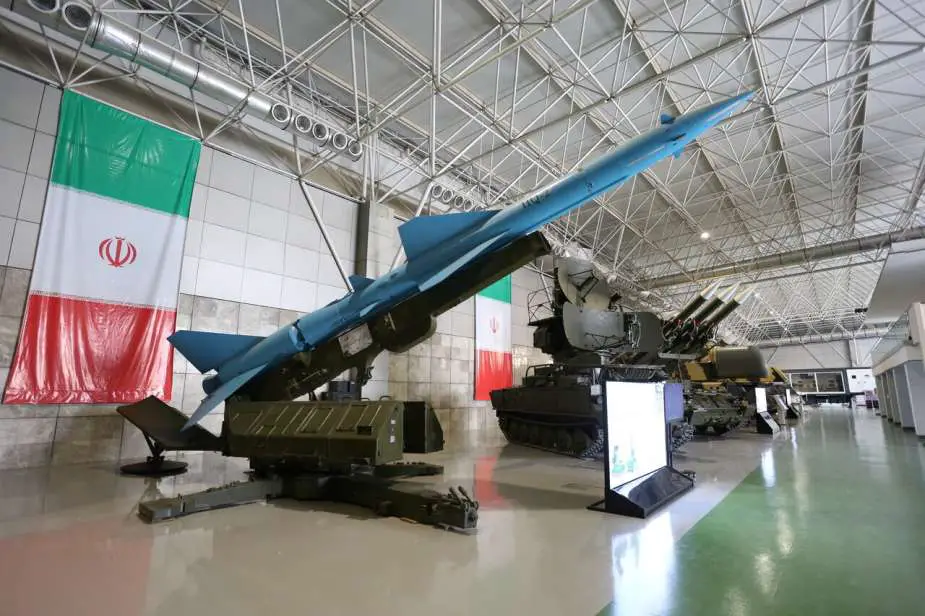
SA-6 Gainful:
The SA-6 Gainful is a Soviet-era, low- to medium-altitude surface-to-air missile system known for its mobility and effectiveness against low-flying aircraft. It uses a 59 kg fragmentation warhead and semi-active radar guidance to target fast-moving aircraft. The SA-6 can engage targets within a range of 24 km and an altitude of up to 14 km. Continuous upgrades have kept it relevant, enhancing its missile guidance and survivability. Israeli forces must account for its ability to quickly relocate and its improved targeting systems when planning air operations, as it poses a considerable threat to low-level flights.
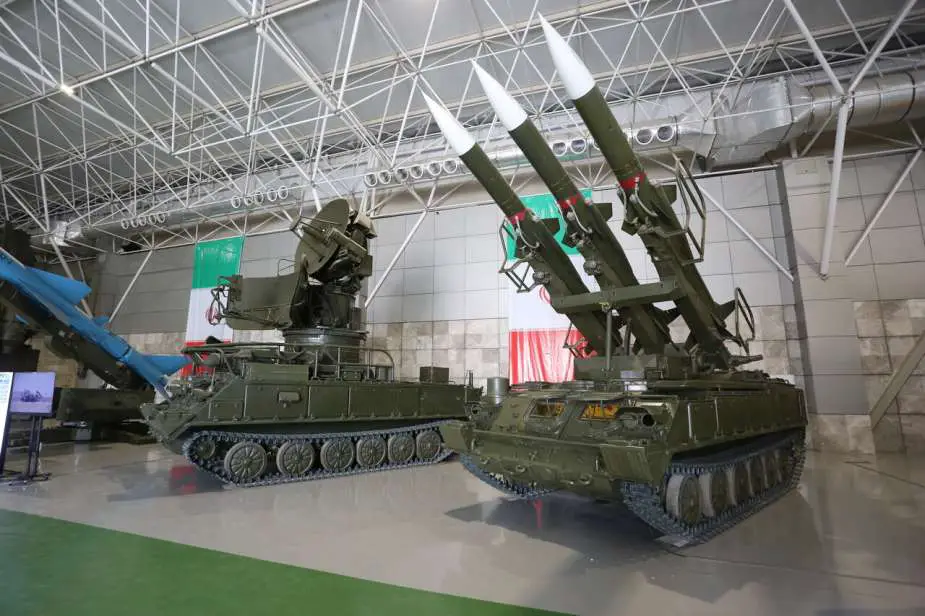
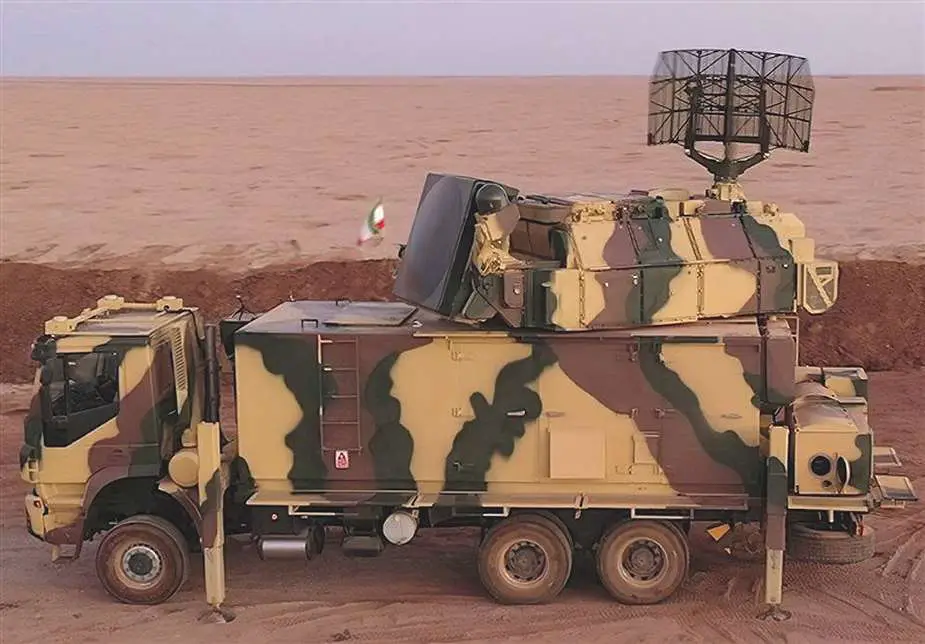
TOR-M1:
The TOR-M1 is a highly mobile, short-range air defense system designed to target aircraft, helicopters, and precision-guided munitions. Its missiles feature a 15 kg high-explosive fragmentation warhead and use command guidance with radio command links. The TOR-M1 can engage targets up to 12 km away and at altitudes ranging from 10 meters to 6 km. Its capability to operate in all weather conditions and engage multiple targets simultaneously poses a significant threat to Israeli air missions, especially in scenarios requiring quick deployment and response.
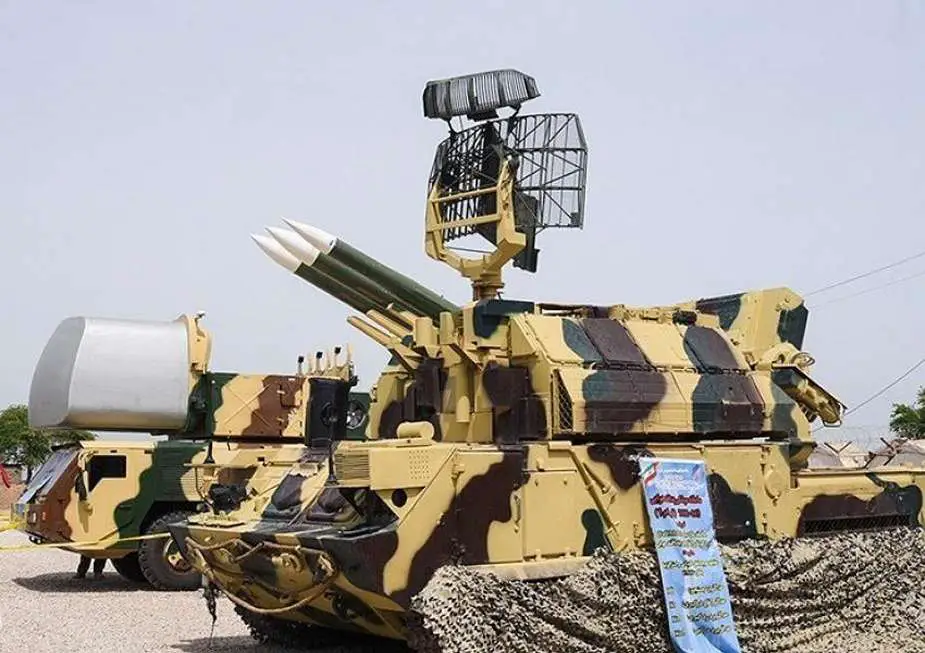
RAAD-1:
The RAAD-1 is a medium-range air defense missile system developed domestically by Iran, reflecting the country's focus on enhancing its indigenous defense capabilities. This system features a 70 kg high-explosive fragmentation warhead and uses semi-active radar homing for guidance. It has a range of up to 50 km and can engage targets at altitudes up to 25 km. The RAAD-1 is designed to intercept various aerial threats, including aircraft and missiles, making it a significant component of Iran's layered air defense network. For Israeli forces, the RAAD-1 poses a substantial threat due to its ability to cover strategic locations and its improved radar and targeting systems.
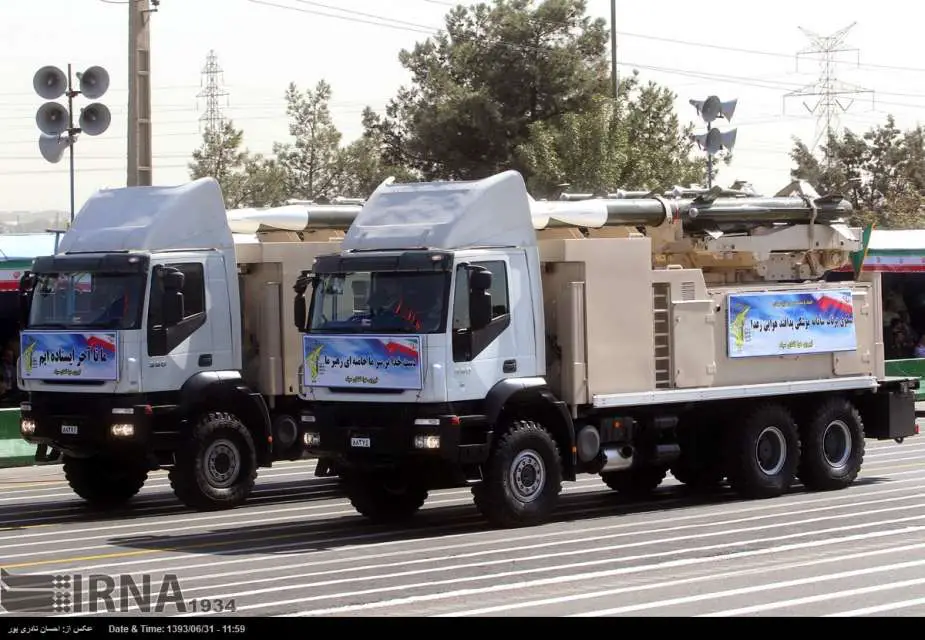
RAAD-2:
The RAAD-2 is an advanced iteration of the RAAD-1, offering extended range and enhanced capabilities. It boasts an 80 kg high-explosive fragmentation warhead and uses more sophisticated radar and guidance systems. The RAAD-2 can engage targets at distances up to 80 km and altitudes reaching 30 km. This system is designed to intercept a wider array of aerial threats with greater accuracy and reliability. The RAAD-2 represents a heightened threat to Israeli aircraft, as its extended range and improved technology allow it to provide more comprehensive air defense coverage, further complicating Israeli air operations in the region.
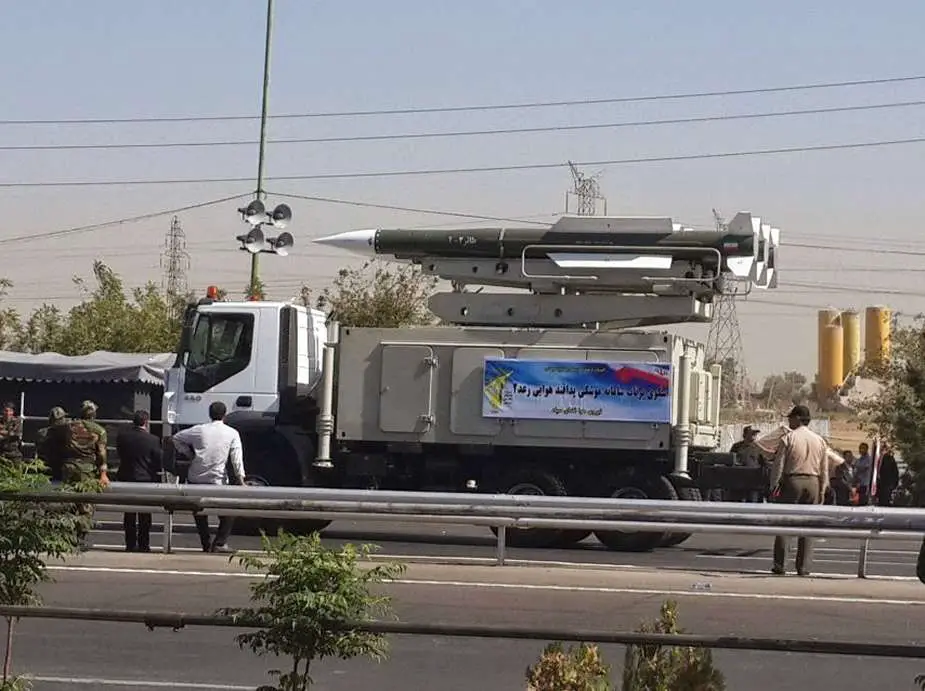
Tabas Air Defense System:
The Tabas air defense system is an indigenous Iranian medium-range system known for its capability to target various aerial threats. It uses a high-explosive fragmentation warhead and advanced radar guidance. The Tabas system can engage targets at ranges of up to 60 km and altitudes of up to 30 km. Its integration into Iran's broader air defense network enhances its effectiveness, posing a considerable threat to any aircraft entering its range. Its advanced radar and missile technology make it a key component of Iran's defensive strategy.
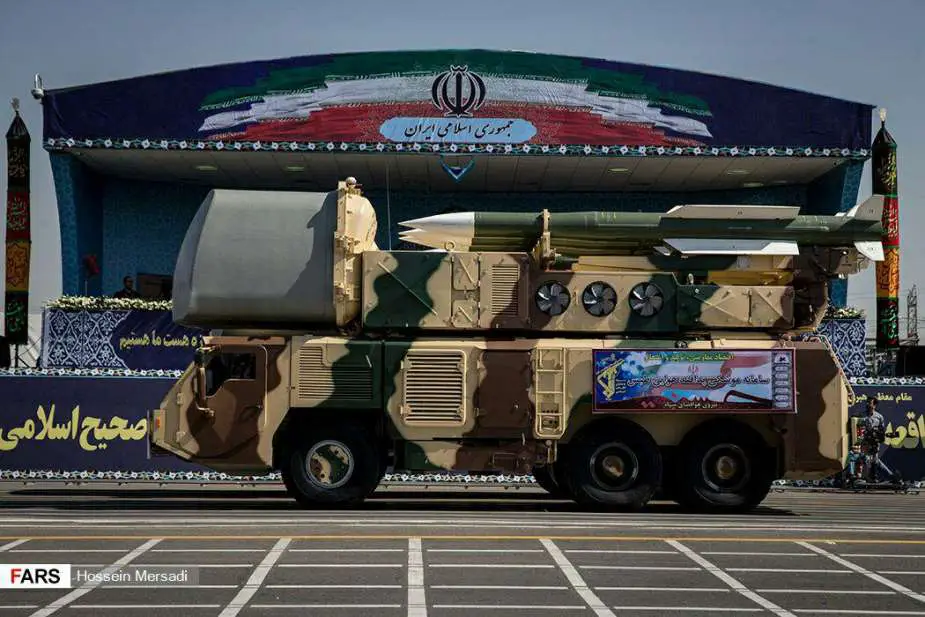
Khordad Air Defense Systems:
The Khordad systems, including Khordad-3 and Khordad-15, are advanced Iranian air defense systems capable of targeting a wide range of aerial threats, including stealth aircraft and ballistic missiles. Khordad-15, with a detection range of 150 km, can engage targets up to 85 km away at altitudes of 27 km, using a 180 kg high-explosive fragmentation warhead and active radar homing. These systems represent severe threats to Israeli aircraft due to their advanced radar, extended range, and high precision, challenging even sophisticated stealth technologies.
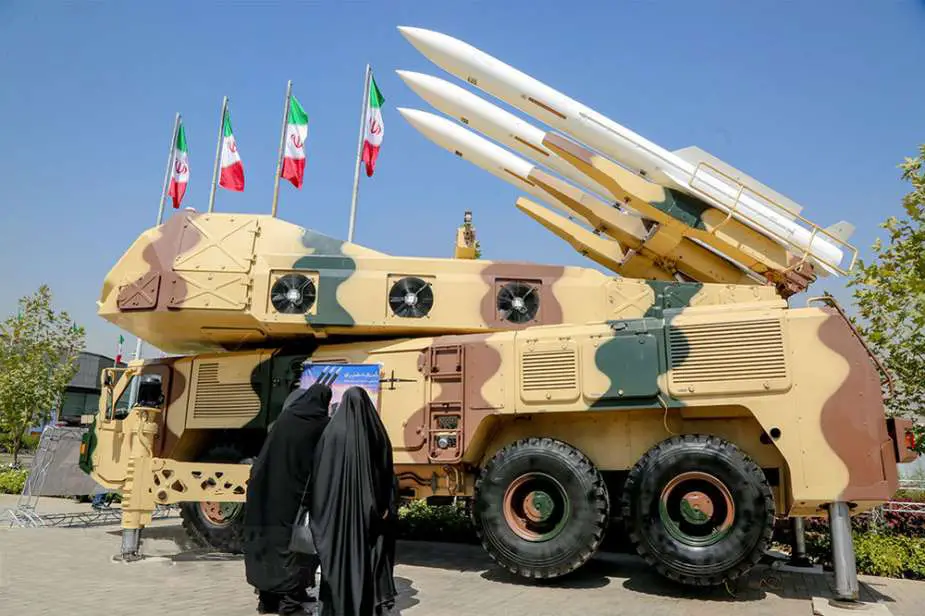
Sayyad Missile Systems:
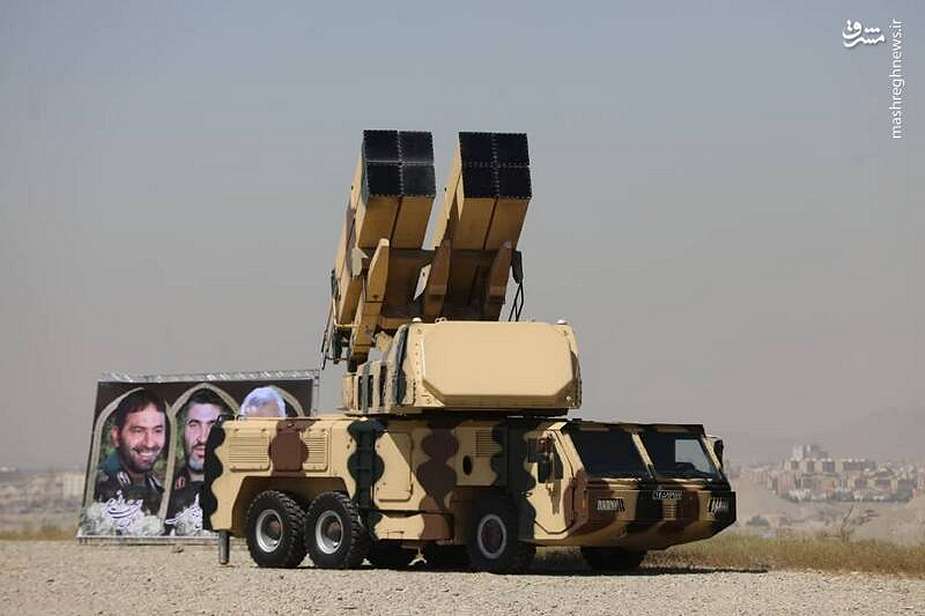
The Sayyad family of missiles, including Sayyad-2 and Sayyad-3, are designed for high-altitude, long-range engagements. Sayyad-2 features a 200 kg warhead with semi-active radar guidance, with a range of 75 km and altitude engagement of 27 km. Sayyad-3, with its enhanced guidance and propulsion systems, can engage targets at ranges up to 120 km and altitudes of 30 km. These missiles provide formidable coverage against various aerial threats and pose a high threat level to Israeli forces due to their advanced capabilities and integration with modern radar systems
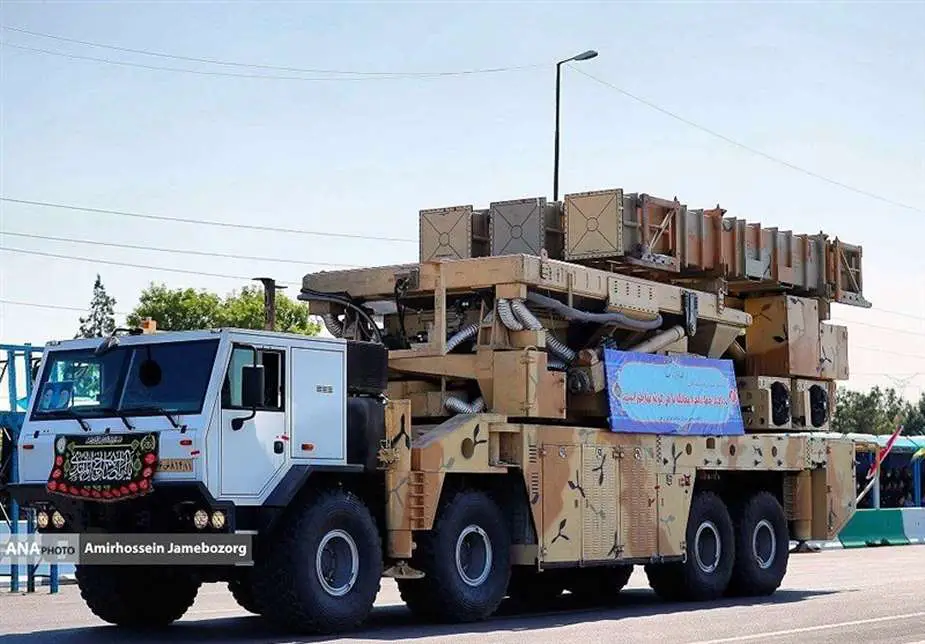
9th Dey:
The 9th Dey air defense system is a newer addition to Iran's arsenal, featuring advanced radar and missile technologies capable of engaging multiple targets simultaneously. It uses high-explosive fragmentation warheads and advanced guidance systems. The system can engage targets at ranges up to 70 km and altitudes of 25 km. Its development highlights Iran's focus on countering modern aerial threats, and its multi-target engagement capability and high precision make it a significant concern for Israeli air operations.
Dezful Radar:
The Dezful radar is a sophisticated surveillance and target acquisition system designed to provide early warning and tracking of aerial threats. It boasts a long-range detection capability of up to 300 km, significantly enhancing the effectiveness of Iran's air defense network. The radar can track multiple targets simultaneously and provide real-time data to missile batteries. For Israeli forces, the presence of the Dezful radar increases the risk of detection and engagement by Iran's air defense systems, complicating mission planning and execution.
In summary, Iran's diverse and modernized air defense systems present substantial challenges to Israeli air superiority. Each system, with its unique capabilities, contributes to a layered defense strategy that can effectively target and neutralize various aerial threats. Understanding these systems' strengths and weaknesses is crucial for Israel in formulating effective countermeasures and maintaining strategic advantage in the region.
Read more: Analyzing Iranian Air Defense Systems and Their Threats to Israeli Aircraft

- Details
- Written by: Vandenbosch
- Category: 2024
- Hits: 4782
Elbit Systems Ltd. announced on August 8, 2024, the award of a $130 million contract to supply Iron Fist Active Protection Systems (APS) to BAE Systems Hägglunds. These systems will be installed on the CV90 Infantry Fighting Vehicle (IFV) for a European country, with the contract extending over five and a half years.
Follow Army Recognition on Google News at this link
Elbit Systems to supply Iron Fist Active Protection Systems (APS) to BAE Systems Hägglunds. (Picture source: Elbit Systems)
Elbit Systems is a global defense technology company offering advanced solutions. The company develops, manufactures, integrates, and maintains a range of next-generation solutions across multiple domains. Leveraging Israel's technology ecosystem, Elbit Systems helps its clients address evolving battlefield challenges and overcome threats with agility and collaboration.
The Iron Fist APS is an advanced "Hard Kill" system designed to enhance the self-defense capabilities of armored platforms against modern battlefield threats. As the second-generation APS used by the Israeli Defense Forces, it offers high performance with reduced volume, weight, and power requirements. The system provides 360-degree protection against a wide range of anti-armor threats, including Anti-Tank Rockets (ATR), Anti-Tank Guided Missiles (ATGM), Unmanned Aerial Systems (UAS), and loitering threats, suitable for both open terrain and complex urban environments.
Yehuda (Udi) Vered, General Manager of Elbit Systems Land, stated: "Following the contracts signed in recent years, we are honored to receive this important contract from BAE Systems Hägglunds for a European country. Elbit Systems' Iron Fist Active Protection Systems have once again been selected by a leading OEM and an advanced military as an innovative solution to protect armored platforms and troops, assisting them in safely accomplishing their missions."
It is interesting to note that this contract is part of the modernization and enhancement of defense capabilities for many European countries. For example, in December 2023, BAE Systems announced a $1.37 billion contract with Slovakia for the manufacture of 152 CV90 infantry fighting vehicles equipped with Iron Fist systems and SPIKE-LR anti-tank missiles from Rafael. This modernization program is part of a broader plan approved by Slovakia in May 2017, aiming to replace the army's armored personnel carriers with a total investment of up to 1.2 billion euros by 2029.
This contract not only highlights Elbit Systems' commitment to technological innovation in defense but also the continued trust of international partners in the company's ability to provide cutting-edge solutions for the protection of armed forces in modern combat environments.
Read more: Elbit Systems Secures $130 Million Contract for Iron Fist APS with BAE Systems

- Details
- Written by: Jérôme Brahy
- Category: 2024
- Hits: 9157
On August 8, 2024, Rheinmetall announced that the first KF41 Lynx infantry fighting vehicle (IFV) would be delivered to Ukraine by the end of the year. The German company plans to provide several hundred Lynx vehicles to Ukraine, which will include training, maintenance, and repair services. This development marks a significant step in the industrial expansion and defense collaboration between Germany and Ukraine.
Follow Army Recognition on Google News at this link
The Lynx features a family of vehicles built around a common drive module with flexible mission modules in various configurations, allowing customization for roles such as infantry fighting, air defense, command, or medical vehicles. (Picture source: Rheinmetall)
In December 2023, Armin Papperger, CEO of Rheinmetall, stated to Bild newspaper that production for the Fuchs 6x6 armored vehicles and KF41 Lynx IFVs in Ukraine would begin in 2024. This announcement follows a statement Papperger made on July 10, 2023, during a CNN interview, where he revealed plans to build a production facility in Ukraine. This facility aims to help Ukraine achieve military independence by providing NATO technology and production capabilities, reducing reliance on external aid from the United States and the European Union.
Papperger highlighted improvements in military procurement procedures that have allowed Rheinmetall to secure major contracts with the German government. In 2023, the company signed contracts and framework agreements worth over 10 billion euros to equip both the Bundeswehr and Ukraine. These orders could potentially increase to 15 billion euros in 2024. He also noted an increase in the speed of production and delivery, with projects that previously took a decade now being completed in a few months. A new ammunition factory exemplifies this increased efficiency, aiming to ensure supply security.
The expected contract between Rheinmetall and Ukraine, anticipated to be finalized in 2024, represents a significant expansion of Rheinmetall's role in enhancing Ukraine's defense capabilities. Papperger mentioned that after the contract is signed, the first Fuchs vehicle should be ready in Ukraine within six to seven months, and the first KF41 Lynx within twelve to thirteen months. Production in Ukraine is projected to start by the end of summer 2024 for the Fuchs, and possibly by summer 2025 for the Lynx, competing with the Puma series.

Papperger mentioned that after the contract is signed, the first Fuchs vehicle should be ready in Ukraine within six to seven months, and the first KF41 Lynx within twelve to thirteen months. (Picture source: Army Recognition)
Rheinmetall has already begun manufacturing the first ten Lynx vehicles in Germany and Hungary, in collaboration with Ukraine. Papperger noted the potential for increased production rates in Ukraine after an initial ramp-up phase. The German federal government has indicated its readiness to grant the necessary export licenses, facilitating this project.
The collaboration between Rheinmetall and Ukraine has progressed rapidly due to their strong partnership. Rheinmetall is the largest defense industry partner for Ukraine, with orders amounting to approximately 900 million euros in 2022 and increasing to around 2.5 billion euros in 2023. Papperger expects even higher order volumes in the coming year.
Rheinmetall's involvement in Ukraine extends beyond vehicle production. The company is engaged in the maintenance of armored vehicles in Ukraine and has been training Ukrainian workers in Germany. The start of Lynx series production in Hungary further indicates Rheinmetall's expanding presence in the region.

The modular design of the Lynx vehicle aims to reduce lifecycle costs and enable adaptation to changing battlefield conditions, such as strengthening air defense when equipped with the Skyranger 30 system. (Picture source: Army Recognition)
The Lynx armored fighting vehicle is designed to meet modern military operation requirements. It features a family of vehicles built around a common drive module with flexible mission modules in various configurations, allowing customization for roles such as infantry fighting, air defense, command, or medical vehicles. This modular design aims to reduce lifecycle costs and enable adaptation to changing battlefield conditions.
Equipped with Spike LR2 anti-tank guided missiles, advanced fire control, optical guidance systems, and night vision capabilities, the Lynx's armor is highly regarded. For instance, the Hungarian army will receive seven variants of the Lynx KF41, including command post vehicles, reconnaissance vehicles, forward artillery observer vehicles, mortar tracks, field ambulances, and driver education vehicles. The vehicle can accommodate three crew members and up to eight soldiers, supporting various combat operations. Its modular architecture allows for additional mission equipment or new variants within the vehicle family.
Powered by an 850 kW Liebherr engine and Renk transmission, the Lynx KF41 is capable of navigating difficult terrains at speeds up to 70 km/h and covering distances over 500 km on 900 liters of diesel. Its Supashock-developed suspension system supports various mission kits and survivability packages. The vehicle is equipped with a LANCE 2.0 turret with a 35mm Wotan cannon for targeting. It provides protection against ballistic and mine threats with modular survivability systems that can be upgraded or replaced in the field. Active defense systems such as the ROSY smoke protection and Rheinmetall's Acoustic Shooter Localization System (ASLS) enhance its defensive capabilities.
The Lynx KF41's digital backbone and open architecture support the integration of new mission systems, maintaining adaptability to emerging technologies and battlefield challenges. Its sensor suite, including the stabilized Electro Optical Sight System (SEOSS) and laser warning sensors, aims to provide battlefield awareness and automatic target recognition for quick threat responses. Capable of autonomous operation in degraded environments, the vehicle can synchronize with other units across various domains, making it a valuable asset in modern multi-domain battle scenarios. By combining protection, mobility, and firepower with a modular platform, the Lynx KF41 is designed to meet the demands of current and future combat environments.

Powered by an 850 kW Liebherr engine and Renk transmission, all variants of the Lynx are capable of navigating difficult terrains at speeds up to 70 km/h and covering distances over 500 km. (Picture source: Army Recognition)
Read more: Ukraine to receive first KF41 Lynx IFV from Germany by December 2024
- Chilean Army conducts key artillery exercise with Israeli LAR-160 MLRS
- US Military Deploys Armed Robot Dogs in Anti-Drone Training
- Ecuadorian Army receives 51 new David 4x4 and Mbombe 6 6x6 armored vehicles
- China Supplies WMA301 105mm Assault Gun Vehicles to Equatorial Guinea Amid Unreported Deliveries