

- Details
- Written by: Administrator
- Category: 2024
- Hits: 4239










On December 28, 2024, the Greek newspaper Kathimerini reported that Greece has agreed to provide Ukraine with 24 American-made RIM-7 Sea Sparrow missiles, marking a significant step in its growing support for Ukraine in the ongoing conflict with Russia. This contribution is part of Greece’s broader commitment to enhance Ukraine's air defense capabilities. According to Ukrainian sources, the Sea Sparrow missiles will be integrated into the Soviet-era Buk air defense systems, which are currently being modernized through the FrankenSAM program. These upgraded Buk systems is capable of firing both the Sea Sparrow and AIM-9L/I-1 Sidewinder air-to-air missiles, significantly improving Ukraine’s defensive options against a range of aerial threats.
Follow Army Recognition on Google News at this link
The Sea Sparrow missile, donated by Greece to Ukraine, is a naval surface-to-air defense system that will be integrated into Ukraine's modernized Buk air defense platforms under the FrankenSAM program. (Picture source: U.S. DoD)
The Sea Sparrow missile system, developed and produced by Raytheon, an American defense company, has been a cornerstone of naval air defense for decades. Originally developed in the 1960s for use by the U.S. Navy, the Sea Sparrow has since evolved into a versatile surface-to-air missile, deployed on naval platforms worldwide. Known for its reliability and effectiveness, the Sea Sparrow has undergone continuous improvements to meet the evolving demands of modern warfare, which has made it an invaluable tool for both naval and land-based air defense systems.
The RIM-7 Sea Sparrow is a short-range, surface-to-air missile designed to intercept and destroy airborne threats, including aircraft and missiles. It uses semi-active radar homing for guidance, enabling it to lock onto and track targets effectively. With a range of up to 25 miles (40 kilometers), the Sea Sparrow is capable of engaging high-speed targets such as cruise missiles, fighter jets, and drones, making it a perfect fit for Ukraine's ongoing defense needs as Russia continues its missile and aerial strikes on Ukrainian cities and military positions. The missile’s speed and maneuverability enable it to engage fast-moving targets in contested environments, making it a critical asset in Ukraine’s fight against Russian air superiority.
These Sea Sparrow missiles will be launched from the modernized Buk systems, which have been upgraded under the FrankenSAM program. Initially designed to launch Soviet-made missiles, the modernized Buk platforms will now be able to fire both Sea Sparrow missiles and the AIM-9L/I-1 Sidewinder air-to-air missiles. This dual-capability upgrade significantly enhances the flexibility of Ukraine’s air defense systems, enabling them to address a wide variety of threats ranging from fast-moving aircraft to slower-moving guided munitions and missiles. By adding the Sea Sparrow to the Buk system, Ukraine gains a versatile air defense solution capable of engaging multiple threats at varying ranges, strengthening the multi-layered air defense grid that is critical to countering Russian missile and air assaults.
The Sea Sparrow missile’s technical features make it particularly effective in high-threat environments. Its semi-active radar homing guidance system enables it to lock onto targets effectively, and its proximity fuse ensures a high probability of intercept when engaging fast-moving or evasive targets. The missile is capable of speeds exceeding Mach 2.2 (over 2,500 km/h) and can engage threats within a range of 40 km. Its blast-fragmentation warhead is designed to destroy incoming missiles or aircraft on impact, adding an extra layer of reliability to its performance. These characteristics make the Sea Sparrow an ideal tool for neutralizing a wide array of aerial threats, from advanced fighter jets to increasingly sophisticated cruise missiles.
Greece’s provision of these Sea Sparrow missiles is the latest in a series of military support measures it has taken since the start of the war in Ukraine. Since the conflict began in February 2022, Greece has steadily ramped up its assistance to Ukraine, particularly in the area of air defense. Initially, Greece provided Ukraine with artillery shells, anti-tank missiles, and small arms.
In addition to artillery ammunition, Greece’s military support to Ukraine includes a variety of other essential equipment. Since October 2022, Greece has delivered 40 BMP-1A1 infantry fighting vehicles to Ukraine, made available through the Ringtausch program, which saw these vehicles exchanged for 40 German-made Marder IFVs. Another unknown quantity of BMP-1A1s is also expected to be delivered in the near future. In terms of anti-tank capabilities, Greece has supplied 815 RPG-18 anti-tank weapons since February 2022, a critical tool for Ukraine's forces in their efforts to counter Russian armored advances.
The support also includes 20,000 Kalashnikov rifles, which have been delivered from February 2022 onwards to bolster Ukraine's infantry capabilities. In addition, Greece has provided a significant amount of 122mm rocket artillery rounds for the BM-21 and RM-70 multiple rocket launchers (MRLs) to aid Ukraine’s artillery units. While the exact quantity remains unspecified, these munitions are crucial for Ukraine's continued defense, especially in the ongoing artillery battles with Russian forces.
Further supporting Ukraine’s small arms needs, Greece is expected to deliver additional small arms ammunition along with artillery shells, both of which are essential for sustaining Ukrainian military operations. Greece is also working through the European Defense Agency (EDA) to procure and deliver 155mm artillery ammunition to Ukraine, a key component for Ukraine’s long-range artillery capabilities. These contributions are part of Greece’s wider strategy to ensure Ukraine has the necessary resources to defend its territory and infrastructure from Russian attacks.
The delivery of Sea Sparrow missiles will further complicate Russian efforts to maintain air superiority over Ukraine. By integrating Sea Sparrow into the modernized Buk systems, Ukraine’s air defense capabilities will be significantly strengthened. The Sea Sparrow’s ability to engage a wide range of aerial threats, coupled with the Buk system’s advanced targeting and interception capabilities, will provide Ukraine with a robust defense against both high-speed aircraft and slower-moving guided missiles. This enhanced air defense will be vital as Russia continues to launch missile strikes against critical infrastructure and military targets in Ukraine.
The support from Greece underscores the growing strategic cooperation between Greece and Ukraine, and it also highlights Greece’s alignment with NATO allies in the effort to support Ukraine’s sovereignty and territorial integrity. Greece, which faces its own security challenges in the Mediterranean region, recognizes the importance of a secure European defense structure. By contributing to Ukraine’s defense efforts, Greece not only bolsters Ukraine's defense capabilities but also strengthens NATO’s collective security posture, which is aimed at deterring Russian aggression across the continent.
- Details
- Written by: Administrator
- Category: 2024
- Hits: 7519
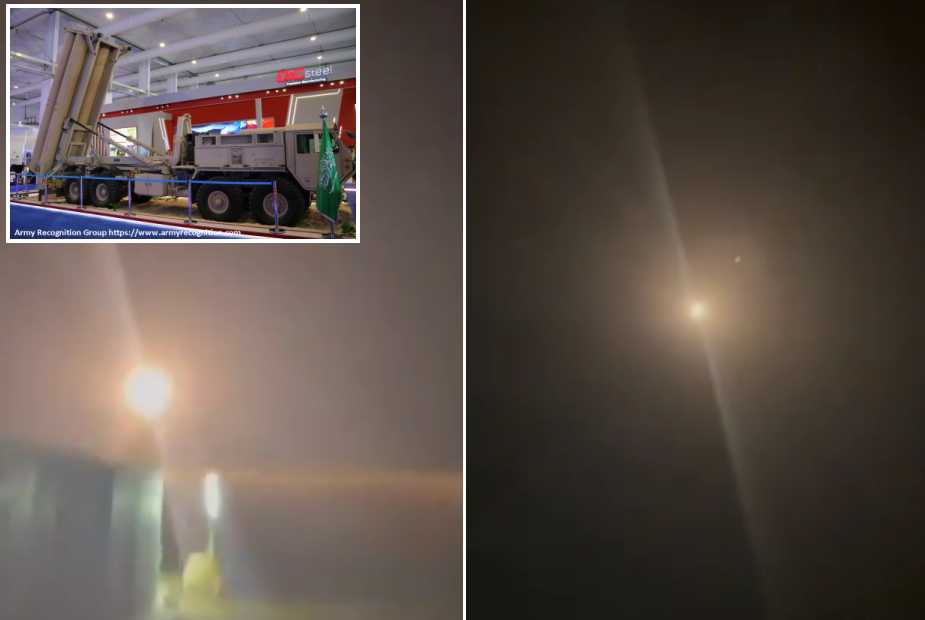
According to a video published on social media on December 27, 2024, the U.S. Army's Terminal High Altitude Area Defense (THAAD) system successfully intercepted a ballistic missile launched by Houthi forces from Yemen targeting Israel. This marks the first operational use of the THAAD system in Israeli territory, highlighting the growing collaboration between the United States and Israel in the field of missile defense.
Follow Army Recognition on Google News at this link
Footage captured from a video shows the U.S. THAAD (Terminal High Altitude Area Defense) missile system successfully intercepting a ballistic missile launched by Houthi forces from Yemen towards Israel, marking its first operational use in Israeli territory on December 27, 2024.(Picture source: X account @kann_news)
The THAAD (Terminal High Altitude Area Defense ) air defense missile system was deployed to Israel in October 2024 amid escalating tensions in the region. Authorized by U.S. Defense Secretary Lloyd Austin, the deployment aimed to strengthen Israel’s air defense capabilities in response to a series of threats from Iran and its proxies. Previous ballistic missile attacks in April and October 2024 heightened concerns about regional stability and prompted the strategic move. The deployment included a battery of THAAD launchers, advanced radar systems, and approximately 100 U.S. personnel to operate the system, emphasizing Washington’s commitment to Israel's security.
THAAD, developed by Lockheed Martin, was conceived as part of the U.S. Army’s response to the proliferation of ballistic missile technology during the late Cold War and post-Cold War eras. Development began in the late 1980s, followed by rigorous testing in the 1990s. The system reached operational maturity in the 2000s, with full deployment starting in 2008. Currently, the U.S. Army operates seven THAAD batteries, each equipped with launchers, interceptors, AN/TPY-2 radar systems, and fire control centers.
THAAD is a long-range, mobile air defense system designed to intercept and destroy ballistic missiles during their terminal phase of flight. The system employs kinetic energy to destroy incoming missiles through direct collision, minimizing collateral damage by avoiding the use of explosive warheads. It can intercept missiles at ranges of up to 200 kilometers and altitudes of up to 150 kilometers, offering a protective shield over vast areas. The interceptors travel at speeds exceeding Mach 8, enabling them to engage high-velocity targets such as intermediate-range ballistic missiles. Its AN/TPY-2 radar provides early detection and precise tracking of threats, distinguishing between actual warheads and decoys for enhanced interception success. Mounted on trucks, THAAD is easily deployable and adaptable to various terrains and operational environments. Additionally, THAAD integrates seamlessly with other missile defense systems, including the U.S. Patriot and Israel’s multi-layered defense network comprising Iron Dome, David’s Sling, and Arrow air defense systems.
The missile intercepted by THAAD was launched by Houthi forces, officially known as Ansar Allah, from Yemen. The Houthis, an Iranian-aligned group, have significantly advanced their ballistic missile capabilities in recent years. Their arsenal includes modified Soviet-era Scud missiles and domestically assembled systems with ranges exceeding 1,000 kilometers. These advancements have been facilitated by Iran, which has provided components, technology, and expertise to enhance the precision and range of Houthi weaponry.
While the Houthis' primary conflict has been within Yemen, targeting the Saudi-led coalition, their recent missile attack on Israel represents a significant escalation. This aligns with their ideological alignment with Iran and Tehran’s broader regional strategy to counter Israel and its allies. The Houthis’ anti-Israel rhetoric has become increasingly prominent, and this attack is likely a manifestation of their alignment with Iran’s opposition to the Abraham Accords and the growing normalization of relations between Israel and Arab states.
This successful interception by THAAD underscores the importance of advanced missile defense systems in countering evolving threats. The event marks a milestone in U.S.-Israel military cooperation and highlights the critical role THAAD plays in protecting against high-altitude and long-range missile threats. The Houthis’ ability to target Israel with ballistic missiles represents a significant escalation, signaling the expanding scope of Iran’s proxy operations. As the regional threat landscape grows more complex, the deployment of systems like THAAD remains crucial for ensuring the security of U.S. allies and maintaining stability in the Middle East. This interception serves as a powerful demonstration of THAAD’s operational effectiveness and its essential role in countering state and non-state actors with increasingly sophisticated ballistic missile capabilities.

- Details
- Written by: Administrator
- Category: 2024
- Hits: 4579
The United States and Japan have taken a significant step to reinforce their security alliance in the face of an increasingly severe strategic and nuclear threat environment. On December 26, 2024, the U.S. Department of Defense announced the formulation of the Guidelines for Extended Deterrence, a document aimed at enhancing the ability of both nations to prevent potential adversaries from taking aggressive actions, such as launching an attack or starting a conflict, while promoting stability in the Indo-Pacific region.
Follow Army Recognition on Google News at this link
U.S. Marines from the Headquarters Squadron, Marine Corps Air Station Iwakuni, and members of the Japan Ground Self-Defense Force’s 13th Brigade, Middle Army, provide security using a Komatsu Light Armored Vehicle at MCAS Iwakuni, Japan, on October 29, 2024, during Exercise Keen Sword. (Picture source: U.S. DoD)
This concept, known as deterrence, is a strategic approach in defense and security that seeks to dissuade adversaries from acting by convincing them that the costs or consequences of aggression would far outweigh any potential benefits. Deterrence can involve threats of retaliation (deterrence by punishment) or measures that make success for the adversary highly unlikely (deterrence by denial). Extended deterrence specifically refers to a nation’s commitment to defend its allies, leveraging a combination of military capabilities—including nuclear and conventional forces—and strategic policies.
The new guidelines are the result of extensive discussions conducted through the Extended Deterrence Dialogue (EDD), a forum that has allowed the two nations to assess evolving threats and develop coordinated responses. This framework not only strengthens existing consultation and communication protocols but also introduces measures designed to ensure a unified and credible approach to any potential crisis.
A key focus of the guidelines is the importance of strategic messaging, a tool designed to project the Alliance’s readiness and resolve to deter any aggressive actions by adversaries. This aspect underscores the critical role of perception in maintaining peace, as clear communication of the consequences of hostile actions is essential for preventing conflicts.
The document also reaffirms the United States’ commitment to its extended security guarantees, which include the provision of a nuclear umbrella, advanced conventional forces, and missile defense systems. These capabilities are further integrated with Japan’s growing defense infrastructure, ensuring a robust and comprehensive deterrent posture. Japan’s active contributions, including advancements in missile defense, surveillance technologies, and force readiness, are emphasized as key components of the Alliance’s overall strategy.
The announcement of the Guidelines for Extended Deterrence comes amid growing concerns over China’s increasingly assertive military posture in the Indo-Pacific, particularly near Japan. China has escalated its activities in the East China Sea, including frequent incursions by military aircraft and vessels into Japan’s territorial waters and airspace around the Senkaku Islands, which Japan administers but China claims as the Diaoyu Islands. Additionally, Beijing’s rapid military modernization, expansive naval operations, and construction of artificial islands in disputed areas have heightened regional tensions. These actions, coupled with China’s missile advancements and aggressive rhetoric, pose a direct challenge to Japan’s security and the broader rules-based international order in the region. The U.S. and Japan view these developments as significant threats that necessitate a unified and robust response to deter aggression and ensure regional stability.
The announcement builds on the strong defense ties between the United States and Japan, which have evolved significantly in response to regional security challenges. This partnership is characterized by close military cooperation, joint exercises, and collaborative defense initiatives aimed at enhancing mutual security and regional stability. In recent years, both nations have undertaken several key initiatives to strengthen their defense collaboration. For example, the biennial field training Exercise Keen Sword 25, conducted from October 23 to November 1, 2024, involved units from the Japan Self-Defense Forces (JSDF) and the U.S. military, operating across various locations in Japan. This exercise aimed to improve combat readiness and strengthen interoperability between the two allies.
Japan has also been enhancing its defense capabilities through increased defense budgets. Notably, Japan is set to approve a record $734 billion (¥115.5 trillion) budget for fiscal year 2025, marking a significant investment in its national defense. This comprehensive budget includes allocations for acquiring long-range cruise missiles, U.S.-made Tomahawks, and advanced missile defense systems to bolster Japan's strike-back capabilities. These investments are part of Japan’s broader strategy to address evolving security challenges in the region and to play a more prominent role within the U.S.-Japan Alliance.
Additionally, the U.S. and Japan have expanded technological collaboration, including a recent agreement to co-develop a hypersonic interceptor to bolster missile defense systems.
This initiative comes at a time of heightened regional tensions, marked by North Korea’s ongoing missile tests, China’s assertive military maneuvers, and the proliferation of advanced weapon systems across the Indo-Pacific. The guidelines aim to address these challenges by solidifying the U.S.-Japan Alliance as a bulwark against aggression and a guarantor of regional stability.
Both nations have expressed their commitment to promoting peace and stability. A U.S. defense official described the guidelines as a testament to the Alliance’s ability to adapt and strengthen in response to emerging threats. Japanese officials echoed this sentiment, highlighting the importance of a unified and proactive approach to safeguarding the rules-based international order.
Looking ahead, the guidelines are expected to pave the way for deeper collaboration between the two nations. Joint military exercises, expanded technological partnerships, and continued strategic dialogues will further enhance their ability to prevent conflicts and maintain peace in an increasingly complex security environment. This framework marks a critical evolution in the U.S.-Japan Alliance, ensuring its relevance and effectiveness in addressing the challenges of the modern world.
Read more: Focus: US and Japan Forge Powerful Defense Alliance to Counter China’s Rising Threats

- Details
- Written by: Jérôme Brahy
- Category: 2024
- Hits: 12887
As reported by Futura Sciences on December 26, 2024, the French ASN4G (Air-Sol Nucléaire de 4ème Génération) missile is scheduled to become operational by 2035 and is designed to enhance France’s ability to maintain credible deterrence in evolving geopolitical and technological environments. This hypersonic, air-launched nuclear missile, currently under development by MBDA France with support from ONERA, is intended to replace the ASMPA (Air-Sol Moyenne Portée Amélioré) missile as part of France’s nuclear deterrence strategy.
Follow Army Recognition on Google News at this link
In 2014, the French Ministry of Armed Forces confirmed the ASN4G program, with initial research focusing on two key approaches: stealth and hypervelocity. (Picture source: ONERA)
The ASN4G is expected to achieve speeds between Mach 6 and Mach 7, significantly surpassing the ASMPA's capabilities. This speed, coupled with advanced maneuverability, will enable the missile to evade radar detection and interception by sophisticated air defense systems. The range of the ASN4G will exceed 1,000 kilometers, doubling that of the ASMPA and providing greater operational flexibility. The missile will also feature stealth characteristics achieved through the use of specialized materials, reducing radar visibility while withstanding extreme aerodynamic and thermal conditions during flight.
Propulsion for the ASN4G is based on a scramjet engine, developed as part of the PROMETHEE program. This propulsion system uses mixed-combustion technology to transition between subsonic, supersonic, and hypersonic speeds, ensuring the missile’s capability to maintain high velocity over long distances. The missile’s compact design ensures compatibility with existing platforms, including the Rafale F5 fighter jet and future systems such as the Next Generation Fighter (NGF) from the Future Combat Air System (FCAS) program. It will also be deployable from French aircraft carriers.
The development of the ASN4G began in the 1990s alongside the modernization of the ASMPA. In 2014, the French Ministry of Armed Forces confirmed the program, with initial research focusing on two key approaches: stealth and hypervelocity. The choice to prioritize hypersonic speed was based on its effectiveness in penetrating increasingly advanced anti-access/area denial (A2/AD) systems.
Research under the PROMETHEE program has included the development of scramjet propulsion and other hypersonic technologies. Advanced computational tools, such as ONERA’s CEDRE simulation software, have been employed to optimize the missile's design. The project also explores quantum computing applications to enhance modeling and propulsion efficiency. The MIHYSYS program, launched in 2024, further supports the development of hypersonic propulsion technologies, including simulations of combustion chambers and improvements in propulsion performance.
The ASN4G is part of France’s broader strategy to modernize its nuclear deterrence capabilities. It will be integrated with the Rafale F5 fighter jet and compatible with future platforms. Its deployment will reinforce the airborne component of France’s nuclear deterrence, currently managed by the Strategic Air Forces (FAS) and the Naval Nuclear Air Force (FANu). The missile’s ability to perform complex maneuvers at hypersonic speeds ensures its effectiveness against advanced missile defense systems.
In parallel, related efforts include the development of the V-MAX hypersonic glide vehicle by ArianeGroup, complementing the goals of the ASN4G program. Initial tests of the V-MAX vehicle and plans for a follow-up demonstrator, V-MAX2, reflect France’s focus on advancing hypersonic technologies for defense applications.
The ASN4G is being developed to address evolving global security challenges and ensure France’s nuclear deterrent remains credible through the 2050s. It responds to advancements in air defense systems and the increasing complexity of A2/AD environments. By enhancing the range, speed, and survivability of its nuclear arsenal, France aims to maintain its strategic autonomy and adapt to emerging threats.
General Stéphane Virem, Commander of the Strategic Air Forces, has emphasized the missile’s role in ensuring the penetration of adversary defenses. Similarly, Admiral Hervé de Bonnaventure, advisor to MBDA’s CEO, highlighted the technological advancements made in the ASN4G’s design, including its compatibility with existing and future platforms. The missile’s development also aligns with France’s broader defense modernization efforts, including the introduction of stealth combat drones operated from Rafale cockpits.
The ASN4G is expected to be operational by 2035, with a service life extending beyond 2050. Its development represents a continuation of France’s commitment to maintaining an independent and credible nuclear deterrent. Through the integration of hypersonic propulsion, advanced stealth, and extended range, the missile aims to ensure the efficacy of France’s deterrence posture in an increasingly contested security environment.
Read more: France’s new ASN4G hypersonic missile is set to redefine nuclear deterrence by 2035

- Details
- Written by: Administrator
- Category: 2024
- Hits: 9945
Germany has announced the delivery of 15 additional Leopard 1A5DK Main Battle Tanks (MBTs) to the Ukrainian Armed Forces. These tanks, drawn from the Danish military's reserve stock, bring the total number of Leopard 1A5 tanks delivered to Ukraine to 103, including the latest batch. The delivery was confirmed by the German Ministry of Defense, which has been a key partner in the effort to supply Ukraine with modernized armored vehicles to aid in its defense against Russian invasion.
Follow Army Recognition on Google News at this link
Ukrainian soldiers operate a Leopard 1A5DK Main Battle Tank, recently delivered as part of Germany and Denmark's joint military aid program. (Picture source: Ukraine MoD)
The Leopard 1A5DK Main Battle Tank (MBT) is an upgraded version of the original Leopard 1A5 tank, specifically tailored for the Danish Armed Forces. This delivery, following earlier shipments, continues the trend of Western nations providing Ukraine with a wide range of military hardware, bolstering its capabilities on the battlefield. While the core of the Leopard 1A5DK is similar to the standard Leopard 1A5, it incorporates several upgrades, particularly in electronics and communications systems, to ensure compatibility with Denmark's military infrastructure.
The Leopard 1A5DK features an enhanced fire control system (FCS), which allows for improved accuracy and target engagement, particularly in complex battlefield conditions. This modernized system is one of the key upgrades that makes the Leopard 1A5DK an effective tool in both offensive and defensive engagements. Additionally, the tank is equipped with upgraded armor, offering better protection against modern anti-tank weaponry, though it still does not match the advanced protection systems of newer models like the Leopard 2.
The Leopard 1A5DK also includes improvements to its mobility, featuring an upgraded engine and transmission that enhance its operational range and speed. These upgrades provide the tank with better maneuverability on the battlefield, which is crucial in the fluid combat environment in Ukraine. Furthermore, the Leopard 1A5DK is fitted with modernized communications systems, ensuring seamless integration into joint operations with NATO forces, making it a versatile asset for Ukraine’s combined arms operations.
Although the Leopard 1A5DK is not as advanced as the Leopard 2A7 or other state-of-the-art Western tanks, its capabilities make it a valuable addition to Ukraine’s growing fleet of modern armored vehicles. The Leopard 1A5DKs are expected to provide significant support to Ukrainian forces in their ongoing counteroffensive efforts. The tanks will likely play a key role in Ukraine's strategy to break through Russian defensive lines and retake occupied territories, offering vital firepower, mobility, and protection for Ukrainian troops.
The first Leopard 1A5 tanks were delivered to Ukraine in March 2023, as part of an agreement between Germany and Denmark. These initial deliveries, which included 15 tanks from German stock, were part of a broader effort by Western nations to supply Ukraine with a range of military hardware, including artillery, air defense systems, and armored vehicles. The delivery of the Leopard 1A5 tanks marked an important milestone in NATO's support for Ukraine and set the stage for further contributions, including the more advanced Leopard 2A7 tanks, which Germany and other NATO allies also pledged.
Denmark, which has long maintained a reserve stock of Leopard 1A5DK tanks, began sending these surplus vehicles to Ukraine in July 2023. The 15 Leopard 1A5DK tanks announced in December 2023 represent an extension of Denmark's ongoing commitment to assisting Ukraine. These tanks are particularly significant because they enhance Ukraine’s armored capabilities and bolster its operational flexibility. Denmark’s contribution further highlights the country’s strong support for Ukraine and its willingness to supply critical military equipment to aid in the defense against Russian aggression.
The delivery of these 15 Leopard 1A5DK tanks is just one component of a broader NATO strategy to provide Ukraine with the tools it needs to maintain its defense capabilities and continue its fight against Russian forces. While these tanks are less advanced than some of the more modern MBTs available, they still offer a significant upgrade over the Soviet-era tanks that form the backbone of Ukraine's current armored fleet. The Leopard 1A5DK’s mobility, firepower, and protection make it an essential part of Ukraine’s counteroffensive efforts, especially in urban warfare and in engagements with entrenched Russian positions.
The Leopard 1A5DK tanks will also provide an important advantage in terms of NATO interoperability. With Ukraine's increasing reliance on NATO-supplied equipment, the inclusion of Leopard 1A5DK tanks will help to standardize Ukraine's armored forces, making it easier to integrate these tanks into joint operations with other NATO-supplied systems. As NATO’s military support to Ukraine continues to grow, the Leopard 1A5DKs will play a crucial role in ensuring that Ukraine can mount an effective defense and sustain pressure on Russian forces.
The total number of Leopard 1A5 tanks delivered to Ukraine now stands at 103, with the most recent batch arriving just before the end of 2023. This delivery is part of a sustained and growing commitment by Germany, Denmark, and other NATO countries to support Ukraine in its defense against Russian aggression. Ukraine’s military leaders have consistently emphasized the importance of continued Western support, particularly in the form of heavy armor, artillery, and air defense systems. As the war enters its second year, NATO's contributions have proven vital in helping Ukraine maintain a fighting edge against Russian forces.
Looking ahead, there is growing speculation that the continued delivery of both Leopard 1A5 and Leopard 2A4 and Leopard 2A6 tanks, as well as other advanced military systems, will be essential in the next phase of Ukraine’s counteroffensive. Western allies are also reportedly considering further support in the form of artillery, drones, and even fighter jets, to provide Ukraine with a comprehensive suite of tools needed to combat the Russian military. The Leopard 1A5DK tanks will play a key role in this effort, helping to ensure that Ukrainian forces remain well-equipped to face the challenges ahead.
In conclusion, the delivery of 15 Leopard 1A5DK tanks from Denmark’s reserve stock to Ukraine represents a significant step forward in NATO’s ongoing support for Ukraine’s defense. As the total number of Leopard 1A5 tanks delivered to Ukraine reaches 103, these armored vehicles will be integral to Ukraine’s military strategy, offering enhanced firepower, mobility, and protection on the battlefield. As Western nations continue to provide Ukraine with essential military aid, the Leopard 1A5DK tanks are poised to play a crucial role in the ongoing conflict, helping Ukraine defend its sovereignty and retake occupied territories from Russian forces.

- Details
- Written by: Jérôme Brahy
- Category: 2024
- Hits: 6471
On December 24, 2024, the Israel Ministry of Defense announced the expansion of its Arrow 3 interceptor procurement program through a multi-billion-shekel contract with Israel Aerospace Industries (IAI). The agreement, signed by Maj. Gen. (Res.) Eyal Zamir, Director General of the Ministry, aims to address increased missile threats, particularly from the Houthi movement in Yemen, by replenishing and expanding existing stockpiles of Arrow 3 systems. Recent events, such as missile launches targeting Eilat and the Dan Bloc, have underscored the system's operational use.
Follow Army Recognition on Google News at this link
The Arrow program, initiated in 1986, includes two primary interceptors: the Arrow-2, for atmospheric interception, and the Arrow 3, designed to engage threats in the exo-atmospheric phase of their trajectory. (Picture source: IAI)
The signing ceremony was conducted at the Ministry of Defense headquarters in Tel Aviv, with the participation of senior officials, including Brig. Gen. (Ret.) Dr. Daniel Gold, Head of DDR&D; Moshe Patel, Director of IMDO; Boaz Levy, CEO of IAI; and CPA Dekel Cohen, Head of the Ministry’s Finance Department. The specific value of the contract, managed by the Israel Missile Defense Organization (IMDO) under the Directorate of Defense Research and Development (DDR&D), and the number of interceptors to be delivered have not been disclosed, citing security concerns. However, each interceptor is estimated to cost approximately $4 million.
The ballistic missile threat against Israel has significantly increased, particularly from the Houthi movement in Yemen. Recent attacks involved ballistic missiles and drones targeting Israeli territories, including urban areas. These incidents have resulted in injuries and infrastructure damage. In response, Israel has launched airstrikes on Houthi positions and called for the international community to label the Houthis as a terrorist organization. Israel has also indicated potential measures to target Houthi leadership, emphasizing the connection between these attacks and broader regional dynamics involving Iranian support for allied groups.
The Arrow program, initiated by the Missile and Space Systems Division of IAI in 1986, became operational in 2000. It includes two primary interceptors: the Arrow-2, for atmospheric interception, and the Arrow 3, designed to engage threats in the exo-atmospheric phase of their trajectory. The Arrow 3 system is one component of Israel’s multi-layered defense framework, which also includes the Iron Dome and David’s Sling systems.
The Arrow 3 is engineered to intercept ballistic missiles, including intercontinental ballistic missiles, outside the Earth’s atmosphere. The system features a two-stage engine, a gimbaled seeker providing hemispheric coverage, and thrust vectoring for maneuverability. It operates with a maximum reported range of 2,400 kilometers and can engage threats at altitudes exceeding 100 kilometers. Using hit-to-kill technology, the system can intercept multiple ballistic missiles within 30 seconds. It is launched from fortified underground silos and has the capacity to be deployed into space, potentially providing anti-satellite capabilities.
Since becoming operational in 2017, the Arrow 3 system has been used in multiple scenarios. Its first operational use occurred on November 9, 2023, when it intercepted a Houthi missile near Eilat. During the 2024 Iran-Israel conflict and Red Sea crisis, the system intercepted multiple Houthi missiles, including those launched on September 14 and September 28, 2024. The system’s design allows it to handle salvos of more than five missiles within a short engagement window.
The Arrow program is funded jointly by Israel and the United States. Germany is set to acquire the system under the European Sky Shield Initiative as part of a $3.5 billion procurement approved by the Bundestag in June 2023 and the United States in August 2023. Deliveries are scheduled to enable operational capability in Germany by 2025. This acquisition marks the largest defense procurement in Israel’s history. Additionally, Azerbaijan evaluated the Arrow 3 system in 2021 as a potential purchase during a period of heightened tension with Iran.

- Details
- Written by: Jérôme Brahy
- Category: 2024
- Hits: 9102
As announced by the Israeli Ministry of Defense on December 23, 2024, Slovakia officially purchased the Barak MX air defense missile system, allowing Israel to further strengthen ties with Europe. Valued at €560 million ($583 million), this acquisition represents the largest defense export deal between Israel and Slovakia. The Barak MX, developed by Israel Aerospace Industries (IAI), is designed to counter diverse aerial threats such as ballistic missiles, UAVs, helicopters, cruise missiles, and fighter jets, marking a significant step in Slovakia’s efforts to modernize its air defense capabilities and replace its outdated 2K12 Kub air defense systems.
Follow Army Recognition on Google News at this link
The Israeli Barak MX air defense missile system offers a wide range of capabilities through its three types of interceptors, which cover ranges of 35 km, 70 km, and 150 km. (Picture source: IAI)
Under the terms of the agreement, Slovakia will receive six batteries of the Israeli Barak MX surface-to-air missile (SAM) system, with deliveries scheduled to begin by the end of 2025. The deal also includes training, technical documentation, simulators, tools, spare parts, and a two-year warranty. Furthermore, local production provisions in the agreement will enable Slovakia to manufacture certain system components domestically. This initiative involves local industries in the supply chain, particularly through the production of Barak MX missiles, and addresses the limitations of the aging 2K12 Kub systems. Introduced between 1978 and 1983, these legacy systems are no longer operationally viable due to outdated technology and a lack of spare parts.
The decision to procure the Barak MX followed a thorough evaluation process initiated in May 2023 by Slovakia’s Ministry of Defense. Competing systems included Rafael’s Spyder, Diehl Defence’s IRIS-T SLM, and MBDA’s VL MICA. The Barak MX received the highest evaluation score, achieving a 95% overall assessment based on its technical capabilities, lifecycle costs, delivery timelines, and industry involvement. Its flexibility—offering both stationary and mobile configurations—was another critical factor in its selection.
To complement the Barak MX, Slovakia has also approved the acquisition of 36 Polish Piorun MANPADS for €66 million. These portable systems, derived from the Soviet-era 9K38 Igla, feature upgrades such as a proximity fuse to enhance their effectiveness against UAVs and other aerial threats. With a range of up to 6 km and the ability to engage targets at altitudes between 10 m and 4 km, the Piorun system was selected for its affordability, compatibility with existing systems, and capacity to provide three times the number of launchers compared to competitors. Together, the Barak MX and Piorun aim to replace Slovakia’s Soviet-era 2K12 Kub systems, offering comprehensive protection for both strategic and civilian targets by addressing mid- to long-range threats and short-range aerial defense, respectively.
The Barak MX system itself offers advanced capabilities through its three types of interceptors, which cover ranges of 35 km, 70 km, and 150 km. Its dual-pulse rocket motors, active radar seekers, and modular architecture enable integration with various sensors and management systems, ensuring NATO compatibility. This adaptability supports its use in both land-based and naval deployments. Additionally, its robust data link connects launchers, capable of carrying up to eight missiles each, to the Barak Battle Management Center, enabling multi-target engagement and updates to counter evolving threats.
Slovakia’s modernization efforts extend beyond air defense. A joint procurement initiative with the Czech Republic aims to replace outdated military vehicles with 1,307 new transport trucks, slated for delivery between 2025 and 2031. Complementing this, Slovakia has approved the purchase of 5,000 US-made M4A1 rifles through the Foreign Military Financing program and continues to procure radar systems and tactical drones from Israeli manufacturers. Therefore, this new agreement with Israel underscores the strengthening defense partnership between the two nations, with recent acquisitions including an agreement to acquire 17 Israeli-made 3D air defense radar systems for approximately €148.2 million in 2021, followed by another agreement in 2022 for approximately 100 Spike LR2 anti-tank guided missiles (ATGMs).
Despite ongoing regional conflicts, Israel's defense exports have seen significant growth, reaching $13 billion in 2023—nearly double the figures from five years prior. The Defense Export Control Agency (DECA) has issued 13,497 marketing licenses and 5,677 export licenses since October 2023. While some European nations, such as France, impose restrictions on Israeli defense industry participation, agreements like Slovakia’s highlight a growing demand for Israeli systems in Europe. Recent procurements by Germany (Arrow) and Finland (David’s Sling) further reflect this trend, driven by the operational performance of Israeli systems.

- Details
- Written by: Administrator
- Category: 2024
- Hits: 8227
After months of rigorous preparation, Ukraine is set to deploy French Mirage 2000-5F fighter jets in its ongoing defense against Russia. As reported on the X Account French Aid to Ukraine on December 26, 2024, the six-month training program for Ukrainian pilots and mechanics has successfully concluded, paving the way for the delivery of these advanced multi-role aircraft. French Foreign Minister Jean-Noël Barrot, in an interview with "Dimanche en politique" from the French TV channel France 3, confirmed that the Mirages would take to Ukrainian skies within weeks, fulfilling the commitment made by French President Emmanuel Macron to President Volodymyr Zelensky in June 2024. This marks a significant milestone in Western military support for Ukraine, as these aircraft are expected to enhance its air combat and precision strike capabilities.
Follow Army Recognition on Google News at this link
France will deliver six Mirage 2000-5F fighter jets to Ukraine by mid-2025, boosting its air defense capabilities (Picture source: French MoD)
The decision to supply six Mirage 2000-5F fighter jets was first announced by French President Emmanuel Macron in June 2024, as part of France's continued support for Ukraine’s fight against Russia’s invasion. Macron’s pledge came amid increasing calls from Ukraine for more advanced military hardware, particularly to counter Russian air superiority. The Mirage 2000-5F, an upgraded variant of the Mirage 2000, was chosen for its advanced capabilities, including modern avionics, powerful radar systems, and the ability to carry a wide range of munitions, making it a versatile addition to Ukraine’s arsenal. The French commitment marked a significant shift, as it was one of the first instances of a NATO country providing a Western-made multirole combat aircraft to Ukraine, further solidifying the alliance’s backing of Ukraine's defense efforts.
The Mirage 2000-5F is an advanced multi-role combat aircraft designed for air superiority and ground attack missions. Powered by modern avionics and an advanced radar system, it offers Ukraine a significant edge in both air-to-air and air-to-ground operations. The jet’s highly capable radar and missile systems enable it to effectively engage both aerial and surface targets, making it a versatile asset in Ukraine’s defense strategy.
Among the key features of the Mirage 2000-5F are its integration with state-of-the-art weapons, which will be critical in Ukraine’s battle against Russian forces. The SCALP-EG missile, for example, provides Ukraine with the ability to strike high-value, strategic targets deep within Russian-controlled territory. With a range of over 250 kilometers, the SCALP-EG missile will allow Ukrainian forces to target Russian infrastructure, air defenses, and military installations with unprecedented precision. Similarly, the MICA missiles, an advanced air-to-air weapon, will give the Mirage 2000-5F the ability to engage enemy aircraft at medium to long ranges. This capability will significantly improve Ukraine’s air dominance and help defend Ukrainian airspace from Russian aerial incursions.
Additionally, the Mirage 2000-5F will be armed with A2SM (AASM) Hammer bombs, which are precision-guided munitions designed for air-to-ground strikes. These bombs will enable the Mirage 2000-5F to conduct highly accurate strikes against both stationary and moving targets, providing critical support to ground forces in Ukraine’s ongoing counteroffensives. The versatility of these weapons will enhance the aircraft’s operational value, making it an indispensable asset for Ukraine in both defensive and offensive operations.
The combination of these advanced weapons and the Mirage 2000-5F’s multirole capabilities makes it a vital asset for Ukraine. It will allow the Ukrainian Air Force to conduct precision strikes and gain air superiority, both of which are crucial elements in the ongoing conflict with Russia. The addition of these advanced fighter jets will greatly enhance Ukraine's ability to defend its airspace and support ground operations, providing a much-needed boost to the Ukrainian military's overall capabilities.
This delivery comes as part of France's broader commitment to aiding Ukraine in its defense against Russia’s invasion, and it follows a series of military assistance packages from Paris. French Foreign Minister Jean-Noël Barrot confirmed in a video interview with Dimanche publique that after six months of intensive training, Ukrainian pilots and technicians are now fully prepared to operate and maintain the Mirage 2000-5F fighters. The French government had initially promised these fighter jets as part of a broader package of military assistance, which also includes artillery, missiles, and air defense systems. The training program for Ukrainian personnel has been crucial to ensuring that the Mirage 2000-5F aircraft can be integrated into Ukraine’s existing fleet without delays. The six-month preparation period involved not only instruction on operating the aircraft but also maintenance and repair training, ensuring that Ukrainian technicians can keep the aircraft in peak condition amid the demanding conditions of wartime operations.
For Ukraine, the introduction of the Mirage 2000-5F fighters represents a leap forward in the sophistication of its aerial capabilities. Ukrainian President Volodymyr Zelensky has consistently emphasized the need for advanced, high-performance weapons to counter Russian aerial dominance and strengthen the country’s defensive posture. With the arrival of the Mirage 2000-5F, Ukraine is expected to significantly enhance its air defense and strike capabilities, making a critical contribution to the ongoing war effort.
The addition of French Mirage 2000-5F fighter jets to Ukraine’s arsenal will provide several strategic advantages. First, the MICA missiles, combined with the Mirage 2000-5F’s radar and avionics, will allow Ukraine to challenge Russian aircraft more effectively, potentially altering the balance of power in the air. The ability to intercept Russian jets and protect Ukrainian airspace will be a decisive factor in mitigating Russia’s aerial advantage. Second, with the SCALP-EG cruise missile and AASM Hammer bombs, the Mirage 2000-5F gives Ukraine the means to strike high-value targets deep within Russian-controlled territory. This will enhance Ukraine’s ability to degrade Russia’s military logistics, command centers, and air defenses.
Moreover, the Mirage 2000-5F’s multirole nature makes it adaptable to a wide range of missions, from air-to-air combat to ground strikes. This operational flexibility will be invaluable in supporting Ukraine’s shifting battlefronts and dynamic military strategies. Finally, the delivery of these fighters underscores the continued international support for Ukraine, particularly from Western nations like France. This support is not only militarily significant but also serves as a powerful message to Russia, highlighting the continued unity of Western allies in backing Ukraine’s sovereignty and territorial integrity.
With the French Mirage 2000-5F fightrer jets entering service, Ukraine is poised to bolster its aerial capabilities significantly. The introduction of these advanced platforms is expected to be a game-changer, particularly as Ukraine continues to defend its airspace from Russian strikes and seeks to reassert control over occupied territories. As the conflict evolves, further support from NATO allies, including additional fighter jets, air defense systems, and weapons, will likely be key in maintaining Ukraine's military momentum. The Mirage 2000-5F is expected to play a crucial role in Ukraine’s future air operations, and military analysts and defense experts worldwide will closely watch its integration into the Ukrainian Air Force.
As these aircraft take to the skies in the coming weeks, their performance will be a critical factor in the ongoing battle for air supremacy over Ukraine, further cementing the importance of international military support in Ukraine’s fight for survival and sovereignty.
- Details
- Written by: Administrator
- Category: 2024
- Hits: 17286
Japan is set to approve a record $734 billion (¥115.5 trillion) budget for fiscal 2025, surpassing the previous $727 billion (¥114.38 trillion) budget for 2023, according to a report by Kyodo News on December 25, 2024. While a significant portion will be allocated to defense and social security, Japan's growing defense spending remains much smaller than the U.S. defense budget, which exceeds $800 billion. Despite this, rising costs of defense and debt servicing continue to put pressure on Japan's public finances.
Follow Army Recognition on Google News at this link
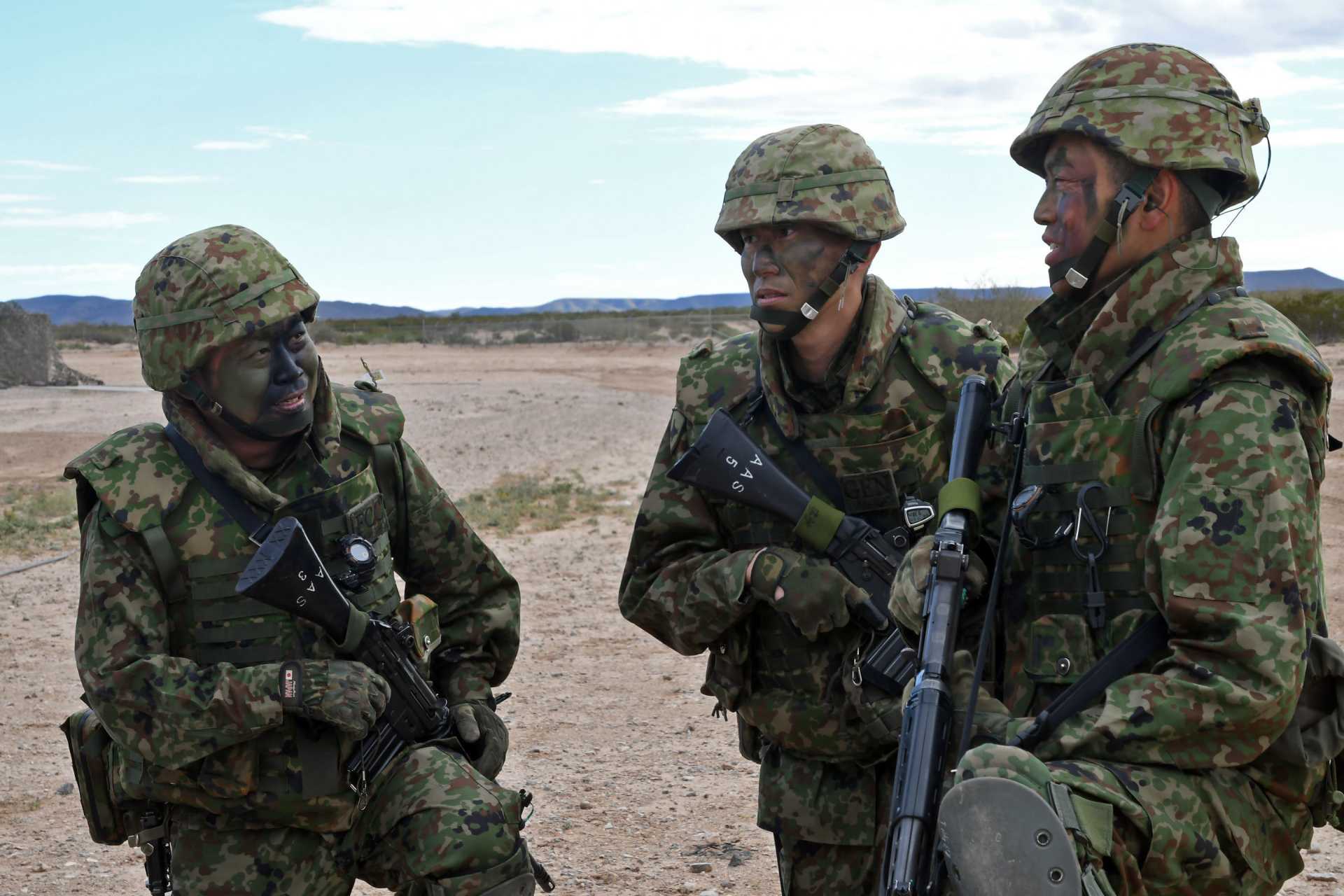
Japan's Self-Defense Forces: A highly trained and disciplined force of over 250,000 personnel focused on regional security and defense readiness. (Picture source: U.S. DoD)
Japan's record $734 billion defense budget for fiscal 2025 places it among the top global defense spenders, although it remains significantly smaller than that of the United States, which allocates over $800 billion annually for defense—more than any other country. The U.S. military budget represents a substantial portion of global defense expenditure and supports its extensive global military presence, technological superiority, and advanced defense systems. In comparison, China's defense budget, the second-largest globally, is estimated at around $290 billion, a figure that has been growing rapidly in recent years due to its expanding military capabilities.
Russia's defense spending is considerably smaller, at approximately $144 billion, reflecting its economic constraints despite military aggressions in Ukraine and broader security concerns. France, as one of the major European defense powers, spends about $70 billion annually, prioritizing both national defense and its commitments within NATO. Japan’s defense budget, while still smaller than these nations, is notably rising in response to regional security challenges, particularly from China and North Korea, and is set to reach 2% of GDP by 2027, aligning more closely with NATO standards.
The new budget reflects Japan's strategic shift toward bolstering its defense capabilities in the face of evolving regional threats and a deteriorating global security landscape. Defense spending is expected to see a substantial increase as part of the country’s broader efforts to enhance its military readiness and deterrence capabilities.
The fiscal 2025 defense budget is poised to continue a trend of sharp increases that began with Japan's defense policy overhaul in late 2022. In December 2022, Japan unveiled a new National Security Strategy that calls for the country to double its defense spending to 2% of GDP by 2027, aligning with the NATO standard for military expenditure. This move comes amid growing concerns over the security situation in East Asia, where Japan faces numerous threats from neighboring countries.
One of the most pressing concerns for Japan is the increasing military assertiveness of China. Beijing’s growing influence in the Indo-Pacific region, coupled with its rapid military modernization, has raised alarm bells in Tokyo. The Chinese military’s activities around Taiwan, its expansion in the South China Sea, and its development of advanced weaponry, including hypersonic missiles, have placed Japan on high alert. Japan's proximity to China, along with its long-standing security alliance with the United States, underscores the need for enhanced defense capabilities. Japanese policymakers are particularly concerned about China’s increasing naval presence and its growing ability to challenge U.S. forces in the Pacific, which could potentially threaten Japan’s security.
Another significant factor driving Japan's defense spending is the continued missile and nuclear threats posed by North Korea. Despite various rounds of sanctions, North Korea has consistently conducted missile tests and pursued the development of nuclear weapons, which directly threatens Japan's safety. The unpredictability of the North Korean regime, led by Kim Jong-un, remains a key challenge for regional stability. Japan has been increasingly focused on missile defense systems, such as the Aegis Ballistic Missile Defense (BMD) and the ground-based PAC-3 systems, to counter North Korea's missile threats. Moreover, Japan has been working closely with the U.S. to improve deterrence capabilities and ensure a swift response to any provocations from Pyongyang.
In the wake of Russia’s invasion of Ukraine in 2022, Japan has also raised its defense concerns about Russia's activities in the Pacific. Russia’s ongoing military exercises in the Far East, including naval deployments near Japan's exclusive economic zone, have added an additional layer of anxiety. Japan’s northern territories, which are disputed with Russia, further complicate the situation, necessitating a heightened defense posture.
While Japan has committed to strengthening its defense capabilities, the nation faces significant challenges in balancing military spending with social security needs and debt management. The Japanese population is aging rapidly, with a growing elderly demographic that places increasing pressure on the country’s pension and healthcare systems. The combination of rising social security demands, ballooning defense costs, and high debt-servicing obligations (which account for a large portion of the national budget) presents a complex fiscal challenge.
Japan’s public debt, which stands at more than 250% of GDP, is one of the highest in the world. Servicing this debt, particularly amid global interest rate hikes, will continue to take a large portion of the national budget. Tax revenues are projected to reach a record high of ¥78.4 trillion for fiscal 2025, but even this increase may not be enough to cover the surging costs of defense, social security, and debt servicing. To address these fiscal pressures, the Japanese government is expected to look for ways to streamline public spending, but with the security environment in East Asia deteriorating, defense spending will remain a priority.
The record-setting budget for fiscal 2025 is not an isolated development but part of a broader trend toward defense modernization in Japan. Key components of Japan’s long-term defense strategy include increased investment in advanced technology, such as cyber defense, space capabilities, and missile defense systems. Japan is focusing on cutting-edge technologies and plans to invest in a new fleet of fighter jets and advanced surveillance systems. Japan continues to strengthen its defense ties with the U.S. and other Indo-Pacific allies, such as Australia and India, through joint military exercises, intelligence sharing, and capacity-building initiatives.
Japan is also shifting toward a more proactive defense posture, with greater emphasis on acquiring the capability to conduct preemptive strikes if necessary. The country is pursuing the development of longer-range missiles and the enhancement of its Self-Defense Forces (SDF). This includes a focus on more advanced air, sea, and missile defense systems, with the aim of deterring potential threats before they materialize.
Japan is facing increasing domestic debate over its defense posture. While the public generally supports the country’s alliance with the U.S., there is some resistance to increased defense spending and a shift toward more offensive capabilities. However, with the regional security environment becoming more volatile, public opinion is gradually shifting in favor of stronger defense measures.
As Japan crafts its $734 billion budget for fiscal 2025, the surge in defense spending underscores the country’s urgent need to confront mounting regional threats. From China’s military rise to North Korea’s missile provocations and the unpredictable dynamics of Russia’s military activities, Japan’s strategic priorities are clear. While this budget increases the strain on Japan’s public finances, it reflects a fundamental shift toward safeguarding the country’s national security in an increasingly unstable world.
As Japan continues to modernize its military and enhance its defense capabilities, the world will be closely watching how the nation balances its security needs with the challenges of aging demographics and fiscal constraints.
Read more: Japan Plans Historic $734 Billion Defense Budget for 2025 Nearing US Spending Levels

- Details
- Written by: Administrator
- Category: 2024
- Hits: 15152
On December 18, 2024, General Valery Gerasimov, the Chief of the General Staff of the Russian Federation, announced the formation of Russia's first regiment equipped with the highly advanced S-500 'Prometheus' air defense missile system. This milestone marks a significant leap forward in Russia's air defense capabilities, with the S-500 being a next-generation system that combines air defense and anti-missile functionalities.
Follow Army Recognition on Google News at this link
The S-500 'Prometheus' air defense missile system launcher unit is on display at the Army-2020 defense exhibition in Russia, showcasing its advanced capabilities for intercepting long-range air and missile threats. (Picture source: Russian social network)
The S-500 air defense missile system is being delivered in two primary configurations: one designed for long-range air defense and the other for anti-missile defense. However, General Gerasimov did not provide specific details on how many S-500 units have been delivered so far, leaving the full scope of its deployment unclear.
The S-500 'Prometheus' is set to revolutionize Russia's defense posture. It is designed to engage a broader range of threats compared to its predecessors, the S-300 and S-400 air defense missile system. One of the most significant upgrades the S-500 brings is its ability to intercept intercontinental ballistic missiles (ICBMs), hypersonic missiles, and even low-orbit satellites, positioning it as a direct counter to emerging missile threats worldwide. While both the S-300 and S-400 are formidable systems in their own right, the S-500 is a step ahead in terms of both range and target versatility, making it a truly cutting-edge air defense solution.
The S-500 outclasses the S-300 and S-400 in several critical areas. First, its engagement range is considerably longer, with the S-500 capable of targeting threats up to 600 km (375 miles) away, compared to the S-400's 400 km (250 miles) and the S-300’s smaller range. This extended range allows the S-500 to offer a much larger protective umbrella, making it a powerful deterrent against a wide array of airborne threats. Moreover, while the S-400 is already capable of engaging both ballistic and aerodynamic targets, the S-500 enhances this with a specific focus on intercepting hypersonic missiles—an area where the S-400 struggles due to the extreme speed and maneuverability of these modern threats.
Another important advantage of the S-500 is its anti-satellite capabilities. The system is reportedly able to target low Earth orbit (LEO) satellites, which adds a new dimension to its operational scope. This makes the S-500 not only a highly capable missile defense system but also a powerful tool for denying adversaries access to crucial space-based assets, such as communications, reconnaissance, and weather satellites. In this regard, it enhances Russia's ability to disrupt the operations of adversaries, including NATO and other Western nations, that rely heavily on satellites for military and strategic purposes.
The integration of the S-500 into Russia's defense network represents a significant escalation in Russia’s ability to protect its airspace while simultaneously presenting a direct challenge to NATO and U.S. air and missile defense systems. The system’s longer range and enhanced targeting capabilities mean that it could potentially neutralize many Western missile defense assets, including those deployed in Eastern Europe. For NATO, this poses a serious concern, as the S-500 could disrupt operations and significantly limit the freedom of maneuver for NATO forces, particularly in scenarios involving high-value assets such as reconnaissance aircraft, bombers, or missile defense installations.
For the United States, the S-500 is seen as a major challenge to the global strategic balance. Its advanced features make it a direct counter to U.S. missile defense systems, such as the Patriot missile defense and the Aegis Ballistic Missile Defense System, both of which may struggle to compete with the S-500’s advanced capabilities. The ability to counter hypersonic missiles is particularly concerning, as the U.S. has increasingly focused on developing its own hypersonic weapons. Russia’s success in deploying the S-500 could force a rethinking of Western missile defense strategies, especially in regions where Russia could use this technology to counter NATO and U.S. operations.
In the context of the ongoing war in Ukraine, the S-500 could have significant implications. Russia has already deployed the S-300 and S-400 systems in the region, using them to counter Ukrainian and NATO air assets. The arrival of the S-500 further strengthens Russia’s defensive capabilities, providing a potent shield against air strikes and missile attacks. With its ability to intercept a wider variety of threats, including advanced missile systems provided by the West, the S-500 could make it even more difficult for Ukraine to conduct precision strikes on Russian positions or critical infrastructure. The system’s long-range capabilities also mean that it could potentially engage targets well beyond Ukraine’s borders, complicating any air operations conducted by NATO or Ukrainian forces.
The S-500’s introduction could also make it more challenging for NATO to supply Ukraine with advanced weaponry. For instance, long-range precision munitions such as the U.S.-supplied ATACMS or NATO’s new missile systems might find it difficult to evade the S-500’s missile interception capabilities. This could effectively undermine some of the strategic advantages that Western powers hoped to provide Ukraine in the fight against Russian forces. If successfully integrated into Russia's defense strategy in Ukraine, the S-500 would provide a formidable barrier to Western attempts to deliver military aid or support.
Overall, the deployment of the S-500 marks a new era in air defense and anti-missile technology. The system's ability to counter both conventional aerial threats and advanced missile systems, as well as its potential to target satellites, gives Russia a powerful tool that could shift the balance of power in both regional and global defense postures. Its capabilities pose significant challenges for NATO and the United States, and the system could become a pivotal asset in Russia's military strategy moving forward. As this new system is integrated into Russia’s defense network, the global security landscape—especially in Europe and Eastern Europe—will likely undergo significant changes, with far-reaching consequences for both the war in Ukraine and broader international defense strategies.
- Details
- Written by: Halna du Fretay
- Category: 2024
- Hits: 8909
On December 23, 2024, several major contracts were signed in Stalowa Wola, further strengthening the Polish Armed Forces. These agreements, totaling over €3.74 billion, include the delivery of nearly one hundred Krab self-propelled howitzers in two versions and support vehicles for modules equipped with K9A1 Thunder howitzers.
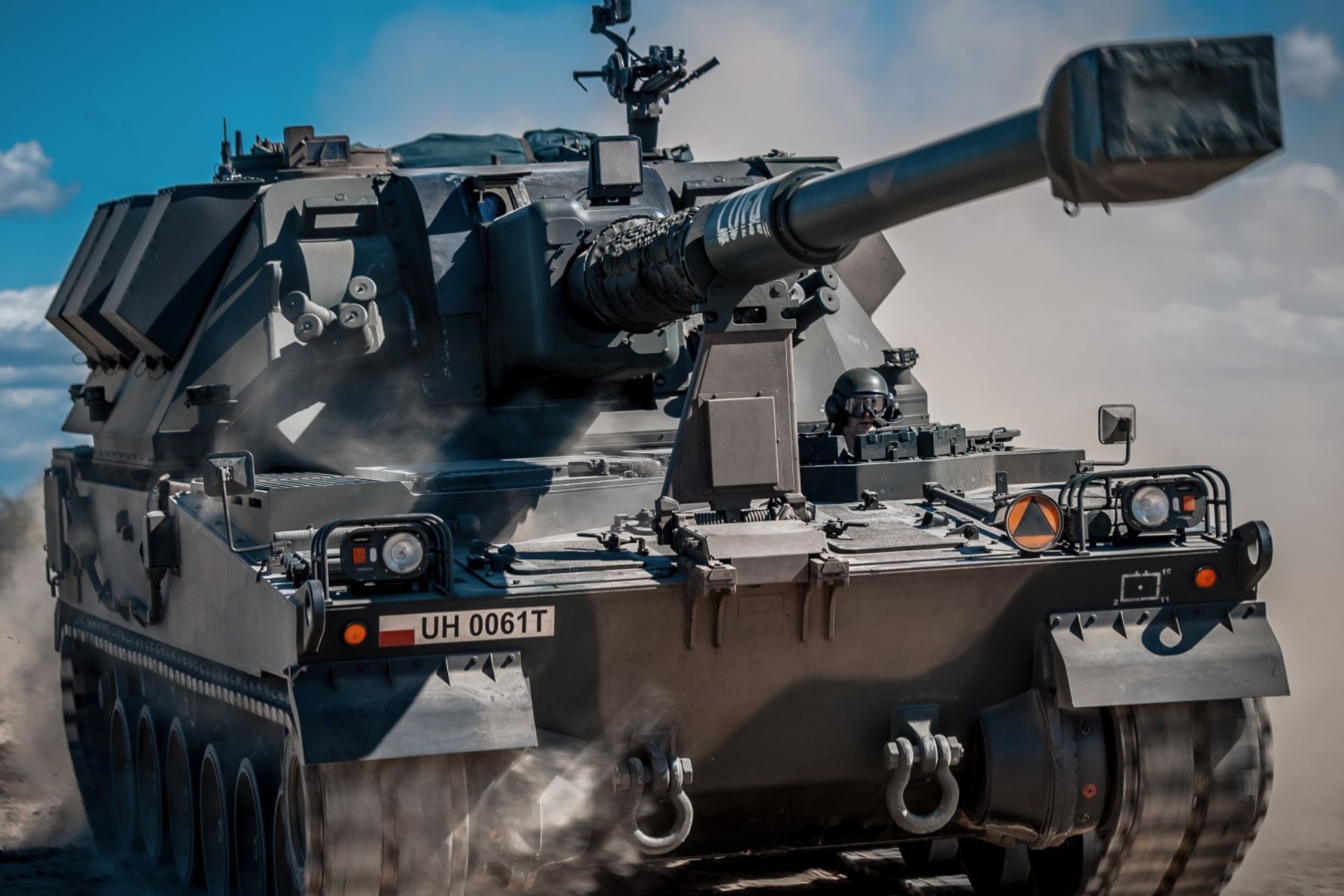
The Krab, a 155mm self-propelled howitzer, is designed and manufactured in Poland by Huta Stalowa Wola (HSW) in collaboration with BAE Systems and OBRUM (Picture source: PGZ)
The first contract involves the delivery of 96 Krab howitzers to equip four artillery modules known as Regina, each consisting of 24 howitzers. The first two modules, comprising a total of 48 units, will be delivered in their current configuration. The remaining Krabs will feature significant upgrades, including an automated ammunition and charge loading system, a C-Obra laser warning receiver, and Rheinmetall's ROSY soft-kill protection system. This new variant will also include a 360-degree observation system and a remotely operated weapon station equipped with a WKM-Bm 12.7 mm heavy machine gun.
The Krab, a 155mm self-propelled howitzer, is designed and manufactured in Poland by Huta Stalowa Wola (HSW) in collaboration with BAE Systems and OBRUM. It combines a South Korean K9 Thunder chassis with a British AS90 Braveheart turret, resulting in a modern, robust artillery platform. Weighing 52 tons, it can fire NATO-standard projectiles with a range of 4.7 to 40 kilometers. Its automated loading system allows it to fire three rounds in under ten seconds, six rounds per minute for three minutes, or two rounds per minute in sustained operations. The Krab has a total capacity of 40 shells and 48 charges, a maximum road speed of 67 km/h, and a range of up to 650 kilometers.
Constructed with welded steel armor, the Krab provides protection against small arms fire and shell fragments. It is equipped with advanced systems such as night vision for the driver, NBC (nuclear, biological, and chemical) protection, navigation systems, and the ZZKO TOPAZ fire control system. Secondary armament includes a 12.7 mm machine gun mounted on the turret for close defense and smoke grenade launchers to enhance battlefield survivability. Designed to meet modern combat demands, the Krab enhances the artillery capabilities of both Poland and Ukraine.
Complementing the howitzers, essential support vehicles will be delivered. These include command vehicles (WD), command and staff vehicles (WDSz) on a light tracked chassis, ammunition resupply vehicles (AWA), and repair workshops (AWRU) on Jelcz trucks. This contract, valued at approximately PLN 9 billion, includes deliveries scheduled until the end of 2029 and covers training and logistics packages for operational readiness.
The second contract focuses on acquiring support vehicles for modules equipped with K9A1 Thunder howitzers. Valued at nearly PLN 8 billion, this initiative aims to standardize the structure of artillery modules using Krab and K9 Thunder howitzers, differing only in the type of howitzer used. This approach ensures operational and logistical consistency within the Polish Armed Forces.
The contracts were signed on behalf of the State Treasury by Brigadier General Artur Kuptel, head of the Armaments Agency, with Krzysztof Trofiniak, president of the Polish Armaments Group (PGZ), representing the contractors. The consortium includes Huta Stalowa Wola and Rosomak S.A. The signing ceremony was attended by Defense Minister Władysław Kosiniak-Kamysz, Deputy Defense Minister Paweł Bejda, and Marcin Kulasek, Secretary of State at the Ministry of State Assets, which owns PGZ.
These agreements represent the largest contracts in Huta Stalowa Wola’s history, surpassing the previous record of PLN 4.6 billion for four Regina modules signed in 2016, which had a different configuration at the time.
Poland is significantly intensifying its military modernization efforts in response to increasing geopolitical tensions in Eastern Europe. For 2024, the country plans to allocate over 4% of its GDP to defense, approximately €32 billion, making it one of the highest defense budgets among NATO members.
This substantial budget increase focuses on enhancing the capabilities of the Polish Armed Forces through new acquisitions. Notably, Poland has signed contracts to purchase 700 heavy infantry fighting vehicles (CBWP) to support American Abrams tanks in combat. Additionally, negotiations are underway for 159 Borsuk infantry fighting vehicles to equip two mechanized infantry battalions. These initiatives align with Poland's broader strategy to strengthen national defense and improve interoperability with allied forces.
Read more: Poland Strives to Become Europe’s Largest Military Force with Krab and K9A1 Acquisitions

- Details
- Written by: Administrator
- Category: 2024
- Hits: 5293
According to a report published on December 23, 2024, by The Straits Times, Singapore Newspaper, the Philippines has confirmed plans to acquire the US-made Typhon missile system to bolster its defense capabilities and protect its maritime interests in the face of mounting tensions with China. The announcement was made during a press conference by Philippine Army Chief Lieutenant-General Roy Galido, who emphasized that the acquisition of the Typhon missile system would be crucial to the Philippines' "concept of archipelagic defense," a strategy designed to safeguard the nation's vast network of islands and maritime territory.
Follow Army Recognition on Google News at this link
US Typhon Mid-Range Capability (MRC) missile system in action, a cutting-edge, land-based platform designed to deploy the Standard Missile-6 (SM-6) for air defense, anti-ship, and precision strike missions, enhancing long-range defense capabilities. (Picture source: U.S. DoD)
This decision comes as the Philippines grapples with an increasingly assertive China in the South China Sea, a region where Beijing has been intensifying its military presence and claims to disputed waters. The Philippines, which has territorial disputes with China over parts of the South China Sea, sees the acquisition of the U.S. Typhon surface-to-surface missile system as a vital step in strengthening its defense against potential maritime threats. Lieutenant-General Galido stated, “It is planned to be acquired because we see its feasibility and its functionality in our concept of archipelagic defense implementation.”
The Philippines' move to acquire the Typhon system follows the deployment of the system in the northern Philippines earlier in 2024 for annual joint military exercises with the United States. Initially brought in for the exercises, the Typhon missile system remained stationed in the country despite criticism from Beijing, which has repeatedly accused the United States of destabilizing the region. The Typhon system's integration into the Philippine military represents a significant escalation in the country's defense posture, particularly as tensions with China continue to rise over disputed territories in the South China Sea.
The Typhon missile system, officially known as the Mid-Range Capability (MRC) system, is a state-of-the-art, land-based missile platform developed by the United States. It is designed to deploy the Standard Missile-6 (SM-6) interceptor, a weapon initially designed for naval use but now adapted for land-based operations. The SM-6 is one of the most advanced missile systems in the US arsenal, offering a range of capabilities that make it an ideal tool for defending coastal and maritime borders. The missile has an operational range exceeding 482 kilometers (300 miles) and can engage a variety of targets, including aircraft, ballistic missiles, and naval ships.
The Typhon MRC platform is mobile, allowing for rapid deployment and repositioning across the Philippines' vast archipelagic territory. This mobility is critical for defending the Philippines' extensive coastline, particularly in regions that are heavily contested by China. In addition to its primary function of air defense and anti-ship capabilities, the SM-6 missile deployed by the Typhon system also offers precision land-attack options. With a range exceeding 370 kilometers (230 miles), the missile can strike high-value targets such as enemy warships, missile platforms, and critical infrastructure, giving the Philippines a robust defense layer against external maritime threats.
Furthermore, the Typhon system is compatible with other advanced missile systems, including the SM-2, and has the potential for future upgrades. Notably, it could integrate the Precision Strike Missile (PrSM) and the Extended Range Guided Missile (ERGM), both of which are capable of striking targets at distances of up to 500 kilometers (310 miles). These upgrades would significantly extend the Typhon’s strike range and increase its effectiveness in defending the Philippines’ maritime boundaries from long-range threats.
Looking further ahead, the Typhon MRC’s modular design offers the possibility of integrating the Tomahawk cruise missile, which has a range of between 500 and 1,500 kilometers (310 to 930 miles). Such an upgrade would provide the Philippines with long-range precision strike capabilities, enabling it to target strategic assets deep within contested areas of the South China Sea. By adding the Tomahawk or similar long-range missiles, the Typhon MRC could transform into a multi-theater platform capable of deterring and engaging a broader range of threats, not only along the coast but also deep within contested regions, enhancing the Philippines' ability to secure its maritime territory against foreign encroachments.
The acquisition of the Typhon missile system also underscores the growing defense ties between the Philippines and the United States. The two countries share a long-standing military alliance, formalized through agreements such as the Enhanced Defense Cooperation Agreement (EDCA), which facilitates joint military exercises, equipment transfers, and pre-positioning of US military assets in the region. The Philippines has increasingly turned to the US for support in modernizing its defense forces, particularly as it faces growing challenges from China in the South China Sea.
The US has been a key partner in the Philippines’ military modernization efforts, and the integration of advanced systems like the Typhon missile is a reflection of the deepening security cooperation between the two nations. As part of this alliance, the United States provides critical defense technologies and training to the Philippines, helping to strengthen its ability to defend its sovereignty and maintain regional stability.
The Philippines' decision to acquire the US Typhon missile system marks a major shift in its defense strategy. It signals a stronger commitment to protecting its maritime interests and enhancing its deterrence capabilities in the face of China's growing military presence in the South China Sea. With its long-range, multi-mission capabilities, and advanced targeting systems, the Typhon system will significantly improve the Philippines' ability to defend its territorial waters and respond to potential threats.
This acquisition also highlights the strengthening military relationship between the Philippines and the United States, as both countries work together to counter regional security challenges, particularly the growing influence of China in the Indo-Pacific. As tensions continue to rise in the South China Sea, the Philippines' deployment of the Typhon system will serve as a powerful deterrent, ensuring the country’s ability to secure its maritime boundaries and maintain its sovereignty in one of the world’s most contested regions.
This strategic decision has broader implications for regional security and is expected to reshape the defense landscape in Southeast Asia, as the Philippines enhances its defensive capabilities and strengthens its ties with its key ally, the United States. The international community will be watching closely as this situation develops, as it could have far-reaching consequences for the balance of power in the Indo-Pacific region.
- Viettel Highlights Vietnamese Defense Industry's Anti-Drone Capabilities at Vietnam Defense Expo 2024
- Russia Expands Strategic Nuclear Arsenal with Avangard Hypersonic Missile Deployment
- United States Reiterates its Offer to Colombia for F-16 Multirole Fighters
- Morocco Secures Contract with US for Acquisition of Advanced Small-Diameter Bombs