

- Details
- Written by: Administrator
- Category: 2024
- Hits: 4559










Vietnam has unveiled its new locally-developed loitering munition based on the American-made Switchblade design, as revealed by photographs released on July 31 by the VietDefense Facebook account. This advancement signifies a major leap in Vietnam's military capabilities, showcasing indigenous technology and innovation in modern warfare.
Follow Army Recognition on Google News at this link
The image captures Vietnam's cutting-edge, locally-developed loitering munition, which is currently being tested in multiple variations, including single tube-launched and vehicle-based platforms. (Picture source: Facebook VietDefense)
The newly developed loitering munition, which remains unnamed, is currently undergoing rigorous testing in various configurations. The trials include both single tube-launched models and vehicle-based platforms, highlighting the weapon's versatility and adaptability across different combat scenarios. The design has participated in training exercises conducted by the recently established 12th Army Corps, where it demonstrated its ability to provide precision fire support. The incorporation of this new technology aims to enhance the operational effectiveness of Vietnam’s armed forces by allowing for strategic targeting and engagement of enemy positions with high precision.
One of the most notable features of the new loitering munition is its foldable wings, reminiscent of the design used in the American-made Switchblade loitering munition. This design choice allows for greater portability and ease of deployment in the field. The munition's foldable wings enable it to be compactly stored within its launch tube and then rapidly deployed in combat situations. This aerodynamic design not only aids in swift deployment but also enhances the munition's flight stability and range, making it an effective tool for reconnaissance and strike missions.
The introduction of this new loitering munition aligns with Vietnam's strategic objective to modernize its military forces and reduce reliance on foreign weaponry. By developing indigenous technologies, Vietnam seeks to strengthen its defense capabilities and ensure greater autonomy in its military operations. The participation of the loitering munition in exercises with the 12th Army Corps indicates Vietnam's commitment to integrating advanced weaponry into its military strategy. This newly established unit is likely to play a crucial role in deploying this technology, providing an edge in precision strikes and battlefield awareness.
While the official designation for this loitering munition has not been disclosed, its development represents a significant milestone in Vietnam’s defense technology. Further tests and refinements are expected as Vietnam continues to enhance the capabilities of this new weapon system.
Over the last decade, Vietnam has made significant strides in developing its defense industry, driven by the need to enhance national security and reduce reliance on foreign military imports. The Vietnamese government has focused on modernizing its armed forces and building a self-sufficient defense industry capable of producing advanced military equipment. This effort has been supported by increased defense spending, which rose from $4.6 billion in 2010 to around $6.2 billion in 2020, reflecting a strategic shift towards strengthening domestic defense capabilities. Key areas of focus include the production of small arms, artillery, naval vessels, and defense electronics. Additionally, Vietnam has pursued joint ventures and technology transfers with countries like Russia, Israel, and India, further bolstering its indigenous defense manufacturing capabilities.
Vietnam's defense industry development has also been characterized by a push towards technological innovation and collaboration with international partners. The country has established several defense research institutes and industrial complexes, such as the Viettel Military Industry and Telecoms Group, which has played a crucial role in developing military communication systems and cyber defense solutions. In recent years, Vietnam has also shown interest in producing more sophisticated weapons systems, such as drones and missile technology, signaling a commitment to expanding its defense production capabilities. These efforts align with Vietnam's broader defense strategy, which emphasizes maintaining regional security and protecting its maritime interests, particularly in the South China Sea. As a result, Vietnam's defense industry is gradually emerging as a significant player in the Southeast Asian region, with ambitions to become a key exporter of military equipment in the future.
Read more: Vietnam Unveils Locally-Made Loitering Munition Inspired by US Switchblade Design
- Details
- Written by: Halna du Fretay
- Category: 2024
- Hits: 9595
The Romanian Land Forces are set to enhance their armored capabilities with the delivery of 54 Abrams M1A2 SEPv3 tanks, starting in 2026. This represents a significant upgrade from the current fleet, which includes aging T-55 tanks and the more recent TR-85M1 Bizonul. Follow Army Recognition on Google News at this link
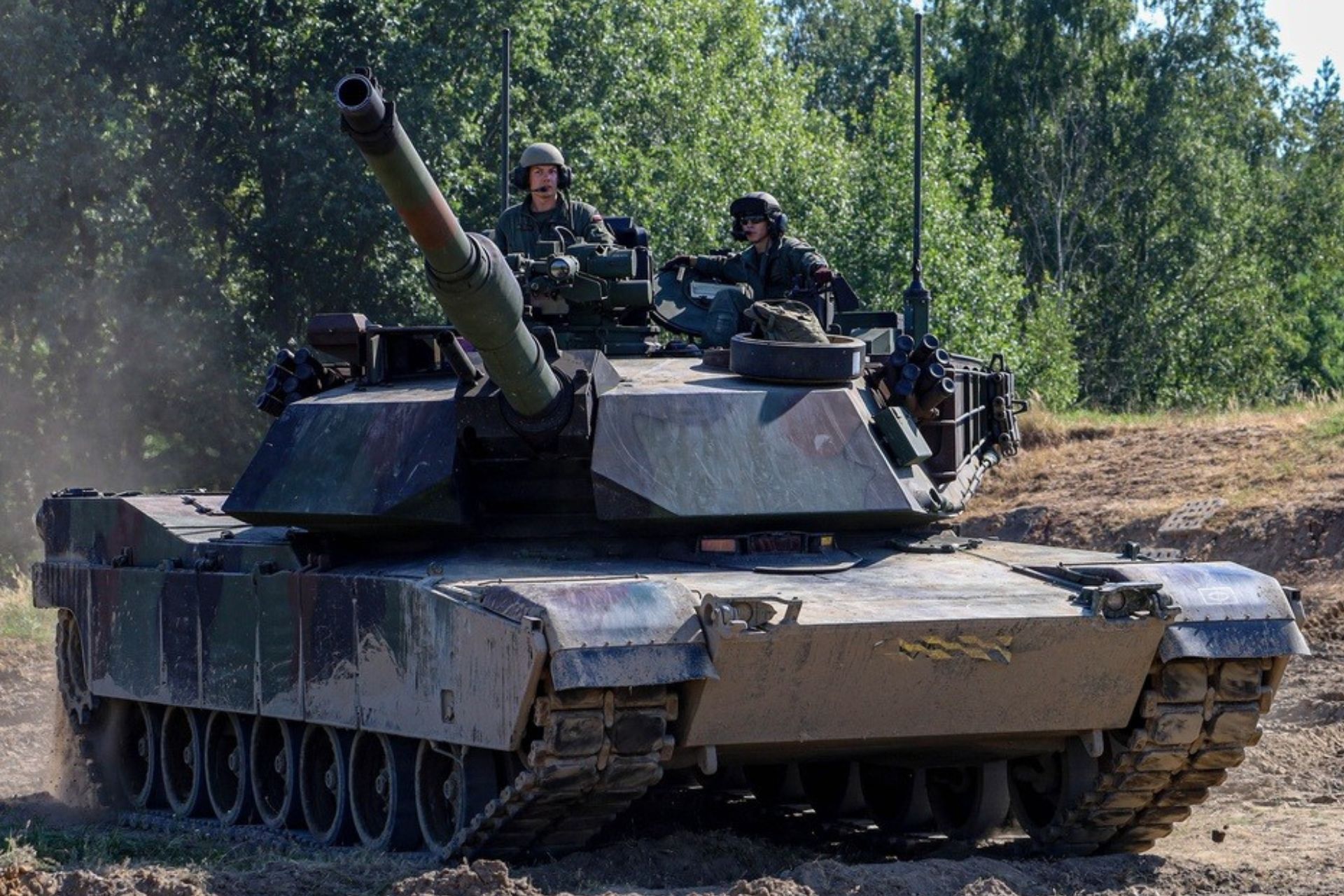
Polish Land Forces train on their newly equipped M1A2 Abrams Main Battle Tank during the M1A2 Abrams Tank Training Academy class at Biedrusko Training Area, Poland, Sept. 7, 2023 (Picture source: US DoD)
The M1A2 Abrams SEP v3, also known as M1A2C, is a modernized version of the M1A2 main battle tank, featuring significant improvements in survivability, maintainability, efficiency, and network capabilities. First presented in October 2015 at the AUSA defense exhibition in Washington, D.C., the M1A2C SEP v3 entered service with the U.S. Army in 2017. This variant includes enhancements such as the Ammunition DataLink (ADL), improved 120mm ammunition, and the Improved Forward-Looking Infrared (IFLIR) system. Its primary armament is a 120mm smoothbore cannon, supplemented by a Low Profile (LP) Common Remotely Operated Weapon System (CROWS) and several machine guns for increased combat versatility.
The M1A2C SEP v3 has been adopted by various countries, including Poland, which acquired 250 units, and Australia, which purchased 75 units. The tank's design includes a new armor package for better protection against improvised explosive devices (IEDs) and a Honeywell AGT1500 gas turbine engine for mobility. It is equipped with advanced electronic warfare capabilities and the Trophy Active Protection System (APS) to defend against anti-armor threats. Weighing approximately 73,600 kg, the M1A2C can reach speeds of up to 68 km/h with a range of 425 km. These improvements ensure that the M1A2C SEP v3 remains a formidable asset on the modern battlefield.
The first tank incorporated into the Royal Romanian Army was the French Renault FT. France played a crucial role in training Romanian tank crews, a tradition honored on this centennial anniversary. Unfortunately, despite more than a century's passage, Romania's tank arsenal is far from modern. This is not merely due to a lack of funds but largely because planners did not consider tanks to hold a primary role in modern warfare until recently. This sentiment was widespread among its allies.
The ongoing conflict in Ukraine has highlighted the importance of a hybrid approach combining heavy combat equipment with emerging technologies, prompting many nations, including Romania, to reassess their need for modern tanks.
Currently, Romania still operates T-55 tanks, maintaining three battalions of these outdated models. Retired General Virgil Bălăceanu noted that Romania's army has three T-55 battalions out of five, totaling approximately 162 operational T-55 tanks, initially acquired between 1961 and 1963 from the USSR and Czechoslovakia. However, the T-55 is outdated in every aspect, making Romania the only NATO country still operating these tanks.
Romania also relies on the TR-85 and its modernized variant, the TR-85M1 Bizonul, as the backbone of its tank forces. While a small number of T-72 tanks were imported from the Soviet Union in the early 1980s, Romania began developing its own tank, superior to both the T-55 and T-72. Production of the TR-85A and the TER-85 recovery tractor started in 1985. The TR-85M1 Bizonul, a product of a modernization program initiated in 1994 to ensure NATO interoperability, remains in service today, equipped with a 100mm semi-automatic gun with a maximum range of 14,600 meters. Despite ongoing modernization efforts for the M1R version, the need for modern tanks remains critical.
Looking to the future, Romania has signed a contract to acquire 54 Abrams M1A2 SEPv3 tanks, the most modern variant of the Abrams series currently used by the U.S. Army. These tanks will be part of a broader acquisition that includes 12 tank-based derivatives, ammunition, and training simulators, totaling approximately $1.07 billion, with deliveries starting in 2026. However, the question arises whether 54 tanks are sufficient, especially considering the need to replace three T-55 battalions.
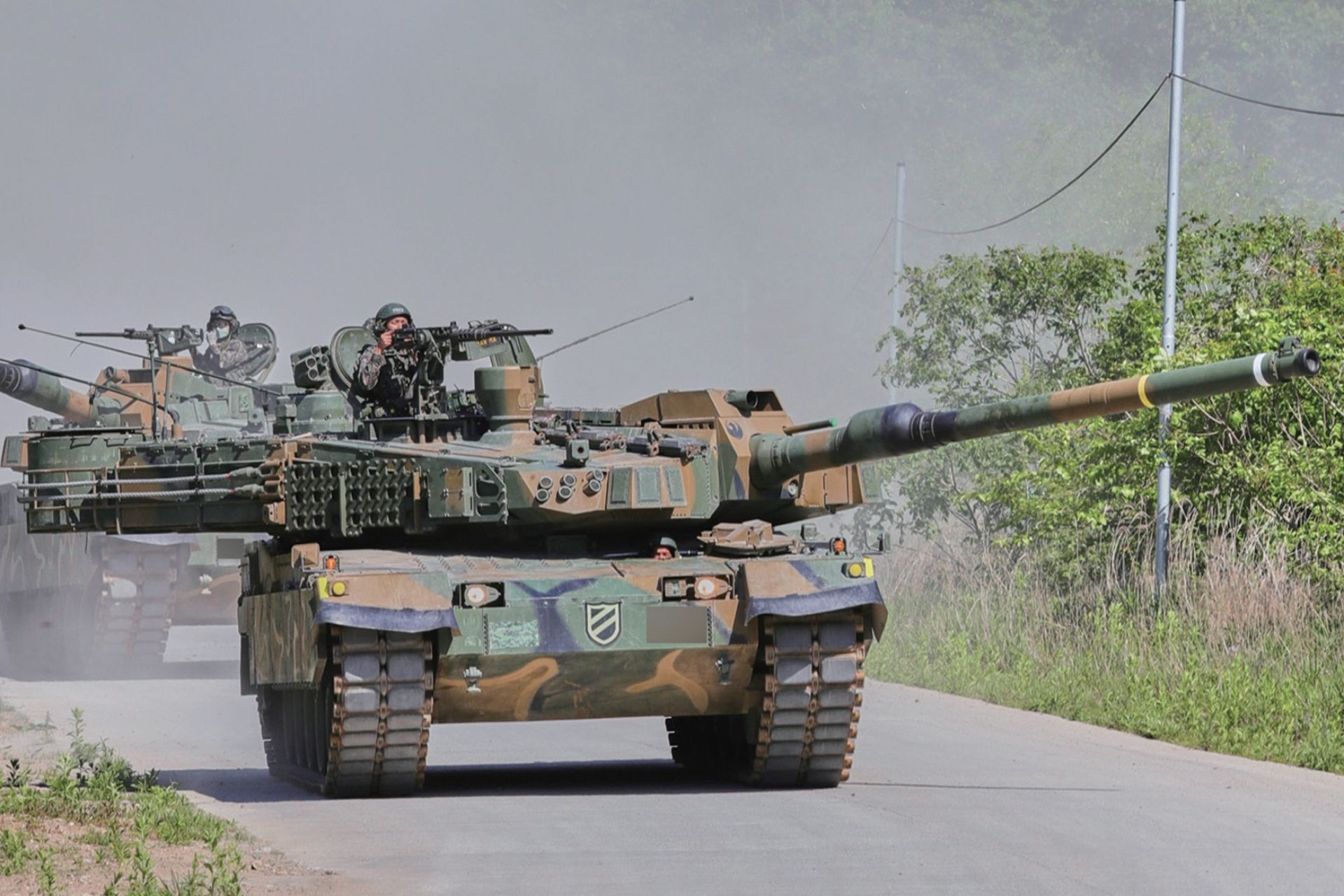
Notably, Romanian tank crews recently tested the K2 Black Panther, an advanced tank from Hyundai Rotem, with promising results. (Picture source: Wikimedia)
Romanian military officials have indicated plans to acquire around 300 tanks, though not all will necessarily be Abrams. This procurement process will be lengthy and involve potential collaboration with other tank producers. Notably, Romanian tank crews recently tested the K2 Black Panther, an advanced tank from Hyundai Rotem, with promising results.
The K2 Black Panther is a new generation main battle tank developed and manufactured by the South Korean company Hyundai Rotem. Unveiled to the public in October 2009 during the ADEX defense exhibition in Seoul, the K2 was designed to replace the aging M48 Patton tanks in service with the South Korean Army. In 2014, the South Korean government signed an $820 million contract for the acquisition of 100 K2 MBTs, which began entering service in 2015. The Republic of Korea Army (ROKA) currently operates 100 K2 tanks, with plans to expand this number to over 600. The advanced systems of this tank have also been integrated into other designs, such as Turkey's Altay.
The K2 Black Panther is equipped with a German-made Rheinmetall 120mm L55 smoothbore gun, an automatic loader, and advanced munitions capable of penetrating sophisticated armor. The tank features composite armor and Explosive Reactive Armor (ERA) blocks for enhanced protection, as well as an Active Defense System (ADS) to intercept incoming threats. Its mobility is powered by a 1,500 hp diesel engine, allowing speeds up to 70 km/h. The K2 also boasts an advanced fire control system, including thermal optics and radar, providing exceptional target acquisition and engagement capabilities. The sophisticated design and high performance of the K2 make it a formidable asset on the modern battlefield.
Read more: Modernization of Romanian Tank Forces: From Soviet T-55 to American Abrams M1A2 SEPv3
- Details
- Written by: Triffaux
- Category: 2024
- Hits: 5046
The "Zubilo" robotic vehicle, a novelty in the Russian military arsenal, is currently undergoing intensive testing by the Russian armed forces, according to information relayed by Russian media and confirmed by statements from Sergei Chemezov, the director of the state-owned company "Rostec". Initially presented at the "Army-2023" forum, this unmanned vehicle promises to enhance the logistical and offensive capabilities of the Russian army in Ukraine.
Follow Army Recognition on Google News at this link
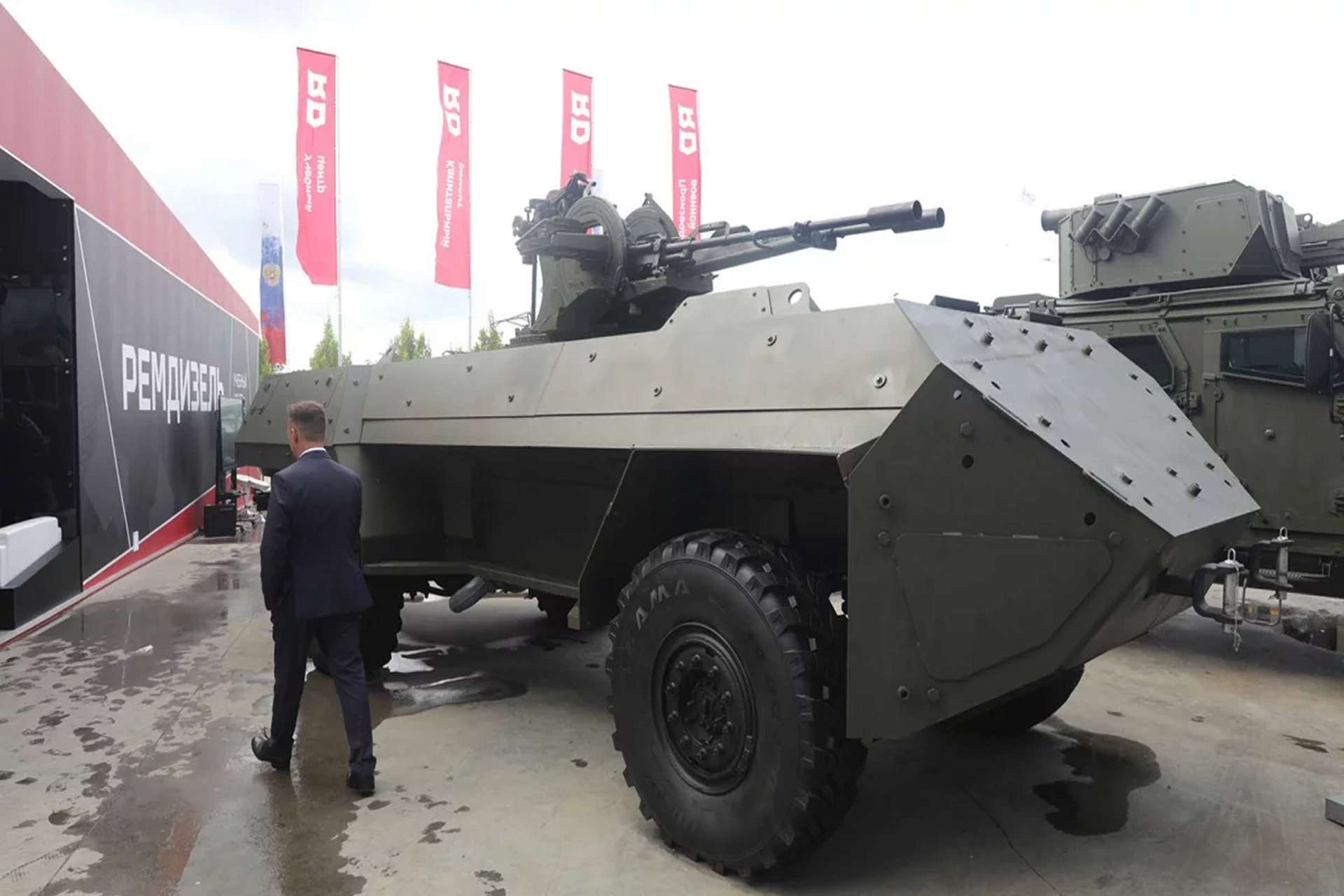
Zubilo Unmanned Ground Vehicle (Picture source: Russian media)
The "Zubilo" stands out for its multifunctionality, being capable of transporting ammunition, wounded personnel, and equipment such as quadcopters. Originally designed without cameras at its first showing, this vehicle is now equipped with a ZU-23-2 anti-aircraft cannon, although the initial model did not include a sight.
The development of "Zubilo" is the result of a collaboration between "Remdiesel" and Rostec, with specific modifications tailored to the diverse needs of the branches of the Russian military. Alexander Zakharov, CEO of "Remdiesel," emphasized that the final design of the vehicle would depend on the feedback directly from military testing.
The chassis of the "Zubilo," based on that of a KamAZ, allows the vehicle to withstand impacts from a 30 mm automatic cannon at the front. With a total weight of 16 tons, the vehicle can carry up to 2.7 tons of cargo. The basic version has a range of ten kilometers and can reach a maximum speed of 100 km/h.
Current testing, which began in July 2024, is conducted across various branches of the military, notably the engineering troops who have shown particular interest in this model. These tests are crucial for evaluating the vehicle's performance in terms of autonomy, cross-country capability, and weight.
The "Zubilo" could see its future configurations include other combat modules such as the BM-30-D, in addition to the ZU-23-2, further enhancing its versatility and combat effectiveness. These innovations represent a significant step in the ongoing modernization of Russian military equipment.

Zubilo Unmanned Ground Vehicle (Picture source: Russian media)

- Details
- Written by: Jérôme Brahy
- Category: 2024
- Hits: 9638
According to Ukrayinska Pravda on July 28, 2024, Ukraine is actively developing a towed version of the 155mm Bohdana self-propelled howitzer. This project, which could be named Bohdana-B, involves installing the artillery unit from the Ukrainian self-propelled howitzer onto a Soviet-era howitzer carriage. The specific type of howitzer serving as the prototype for this system has not been disclosed. However, suitable 152mm systems include the Msta-B, Giatsint-B, and D-20, each differing in barrel length and ammunition type.
Follow Army Recognition on Google News at this link
Towed artillery, while less mobile and lacking the armored protection of self-propelled systems, offers advantages such as lower production costs, simplicity, and higher reliability. (Picture source: Ukrainian MoD)
The Giatsint-B chassis is considered the most practical choice for the Bohdana-B, given its adaptation to the proportional energy and weight of the breech and 52-caliber barrel. Another approach involves shortening the barrel by 2,000 mm to 39 calibers, making it more compact and suitable for mounting on a lighter carriage from the Msta-B. This configuration would benefit Ukrainian brigade artillery groups with a limited range of tasks along the front. Additionally, there is an option to convert old Soviet 130mm M-46 guns to the new caliber, a method previously used by Serbian Yugoimport SDPR and the Indian Gun Carriage Factory.
The initiative to develop a trailer version of the Bohdana originated from the Ukrainian Army in 2023, which sought a simpler and less noticeable system than a full-fledged combat vehicle. The prospects for producing the Bohdana-B alongside its self-propelled variant are supported by increased production of 155-caliber artillery barrels. Currently, the Ukrainian defense industry produces more than ten self-propelled artillery systems per month on various chassis.
The project of the trailer howitzer was first reported last November, though specific details were not disclosed until recently. Brigadier General Serhii Baranov, Head of the Main Directorate of Missile Forces and Artillery, confirmed the development, citing that Ukraine produces more guns than it can mount on chassis, leading to the development of towed versions. Towed artillery, while less mobile and lacking the armored protection of self-propelled systems, offers advantages such as lower production costs, simplicity, and higher reliability. Towed howitzers are easier to repair and return to the front line after damage. The Bohdana-B is intended to replace obsolete Soviet towed guns, which have become worn out after ten years of hostilities.

Introduced in 2018 during the Kyiv Independence Day Parade, the original 2S22 Bohdana 1.0 is based on a KrAZ 63221 6×6 high-mobility truck chassis produced by Ukrainian AutoKrAZ, with a total weight of 28,000 kg. (Picture source: Sergey Pashynsky)
The cost of the towed Bohdana is projected to be around $1.5-2 million, cheaper than its self-propelled counterpart, estimated at $2.5-3 million. This reduction in cost is due to the simpler design and potential use of existing Soviet howitzer carriages. The development may involve repurposing gun carriages from decommissioned Soviet howitzers, further reducing production costs.
The Ground Forces of the Armed Forces of Ukraine, having expanded significantly, face a shortage of artillery systems, a situation worsened by wear and combat losses. Western allies are unable to meet Ukraine's artillery needs quickly, prompting the deployment of artillery production within the country. The Ukrainian industry has established the production of 2S22 Bohdana 155mm self-propelled howitzers, but the current production rate of six units per month is insufficient.
Recently, Ukraine has accelerated the production of its Bohdana 4.0 8x8 self-propelled howitzers to eight units per month, up from the six units previously announced last December by President Volodymyr Zelenskyy. This increase suggests a potential surge in domestic arms production. The Bohdana self-propelled howitzer, developed since 2018, is the first Ukrainian self-propelled gun designed for the standard 155 mm NATO caliber adopted by the Ukrainian armed forces.

The upgraded Bohdana 2.0 variant retains the 155mm cannon but introduces various improvements, including a redesigned armored cabin. (Picture source: Ukrainian MoD)
The increase in production is timely as Russia has quadrupled its weapon production. Ukraine needs to rebuild its defense industry to defend itself in the coming years and reduce its dependence on foreign countries. This development is part of a broader effort to strengthen Ukraine's military capabilities with domestic artillery systems, complementing Western tanks on the front line. Additionally, Ukraine has initiated collaboration with the Slovak defense company Konštrukta Defense to develop a new self-propelled gun based on the Slovak Zuzana, enhancing its arsenal with modern and interoperable armaments.
Ukraine's journey to produce the Bohdana has been challenging. The development process, spanning seven years, faced numerous obstacles including bureaucratic hurdles, legal battles with the Ministry of Defense, contractor bankruptcies, and the destruction of manufacturing facilities due to missile strikes. Despite these challenges, engineers relocated factories, restored equipment, and completed the development.

The base on the 3.0 variant, the Tatra 815-7 (Force), has been in production since 2008, with various configurations available, including 4×4, 6×6, 8×8, and 10×10, and additional chassis options like 10×8, 12×12, and 12×8. (Picture source: Ukrainian MoD)
Kramatorsk Heavy Machine Tool Building Plant (KZVV) is responsible for producing the howitzer barrels, while the chassis was originally provided by Kremenchuk Automobile Plant (KrAZ). However, due to KrAZ's bankruptcy in 2021, alternative chassis options have been used, including Czech Tatra T815-7 trucks. The Bohdana was first showcased during the Independence Day parade in 2018, though it was not operational at that time. Initial fire tests were delayed until January 2022.
The Bohdana saw combat use in 2022 during the battle for Snake Island, demonstrating its effectiveness alongside the French Caesar howitzer. Following its successful performance, the Ukrainian Ministry of Defense decided to place orders for these howitzers, leading to scaled-up production. The howitzer's design includes an armored cabin capable of withstanding explosions, an automated guidance system using Siemens controllers, and a semi-automatic loading system.
The 4.0 version, akin to its predecessor, features an armored cabin fully developed and produced in Ukraine by Ukrainian Armor, also recognized as Ukrarmor. A video released by Ukrainian Front on February 15, 2024, showcased the cabin's durability in withstanding explosions, including those from Russian ZALA Lancet kamikaze drones, effectively safeguarding the lives of the Ukrainian crew members within. The latest iteration of the 2S22 Bohdana has been integrated into a Czech Tatra 158 Phoenix 8x8 chassis and is equipped with a semi-automatic loader. As of now, the Ukrainian military operates four different versions of the Bohdana 155mm self-propelled howitzer, labeled as 1.0, 2.0, 3.0, and 4.0.

A video released on February 15, 2024, showcased the Bohdana 4.0's durability in withstanding explosions, including those from Russian ZALA Lancet kamikaze drones, effectively safeguarding the lives of the Ukrainian crew members within. (Picture source: Ukrainian MoD)
Read more: Ukraine develops a Bohdana-B 155mm towed howitzer to strengthen artillery capabilities
- Details
- Written by: Triffaux
- Category: 2024
- Hits: 3543
On July 25, 2024, the German Armed Forces (Bundeswehr) announced the awarding of a major contract to KNDS Deutschland for the modernization of their Fennek reconnaissance vehicles. The Federal Office of Bundeswehr Equipment, Information Technology, and In-Service Support (BAAINBw) announced the news on July 25, specifying that 70 units would be upgraded to meet the latest observation and reconnaissance standards, known as Beobachtungs- und Aufklärungsausstattung (BAA) III.
Follow Army Recognition on Google News at this link
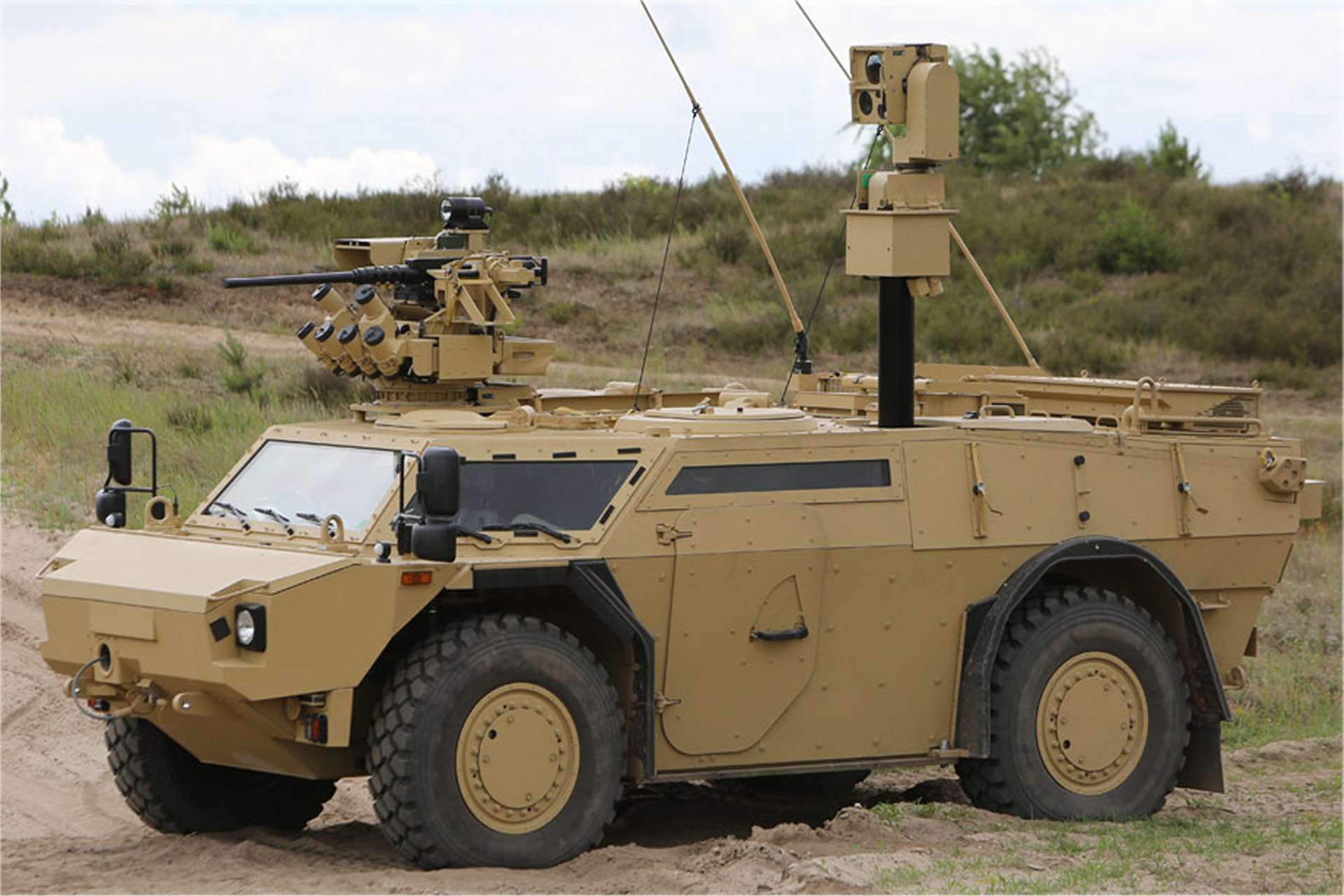
KNDS Fennek Reconnaissance Armored Vehicle (Picture source: German MoD)
The vehicles affected by this modernization include the Fennek 1A2 reconnaissance vehicles as well as the Fennek of the Joint Fire Support Team (JFST). Deliveries of the new BAA III systems, including an operational reserve, are scheduled for the period 2027-2029. Although the total cost of these upgrades has not yet been determined, this initiative represents a significant advancement for the reconnaissance capabilities of the German army.
Updating the Fennek fleet is strategic, allowing the armed forces to benefit from enhanced reconnaissance and identification capabilities, crucial for national defense and joint missions with international partners. An operational reserve of BAA III will also enhance the preparedness of the vehicles for training, exercises, and real-world operations.
The new BAA III system includes a thermal imaging device, a daytime camera, and a laser rangefinder, all mounted on a rotating and tilting platform located on an extendable mast. Additionally, a laser designator for laser-guided munitions will be integrated, thus standardizing a large part of the German army's Fennek fleet.
In service since 2003, the Fennek is a reconnaissance vehicle with a three-member crew, offering day and night observation and reconnaissance capabilities in all weather conditions. This modernization represents a crucial step in maintaining and improving the operational efficiency of the German armed forces.
With this upgrade, the Bundeswehr reaffirms its commitment to maintaining advanced defense capabilities and supporting its national and international missions with state-of-the-art equipment. KNDS Deutschland, as an industrial partner, plays a key role in this technological evolution, contributing to the security and preparedness of the German armed forces for future challenges.
Read more: German Army Awards Major Contract to KNDS for Fennek Reconnaissance Vehicle Modernization

- Details
- Written by: Vandenbosch
- Category: 2024
- Hits: 4496
Kurganmashzavod, part of the High-Precision Systems holding under the Russian state corporation Rostec, has delivered a new batch of BMD-4M airborne combat vehicles to the Russian Ministry of Defense on Airborne Forces Day, dated July 2, 2024. Additionally, a shipment of BMP-3 infantry fighting vehicles has been sent to the Russian armed forces.
Follow Army Recognition on Google News at this link
Russia delivers a new batch of BMD-4M and BMP-3. (Picture source: Vitaly V.Kuzmin)
Both the BMD-4M and BMP-3 models feature enhanced protection, equipped with standard armor kits and additional protective grids, significantly increasing their survivability in combat situations. Kurganmashzavod continues to meet its monthly delivery schedule for special-use equipment intended for the Russian army.
The additional protection is provided with the equipment and can be quickly mounted within the units, facilitating transport on standard cargo platforms.
“Rostec manufactures a diverse range of specialized weapons and equipment for airborne troops, including the 2S41 ‘Drok’ self-propelled mortars, BMD-4M combat vehicles, and parachute systems for their deployment. Today, Kurganmashzavod has completed a new batch of BMD-4M vehicles with additional protection, now sent to the troops,” stated Bekkhan Ozdoyev, a member of the Russian Union of Machine Builders and industrial director of the armament cluster at Rostec.
The BMP-3 is a modern infantry fighting vehicle designed in Russia. Armed with a 100 mm cannon, a 30 mm cannon, and three 7.62 mm machine guns, it offers impressive firepower. This vehicle is protected by welded aluminum alloy armor, capable of withstanding light weapon calibers and shell fragments, ensuring the safety of its crew and passengers.
Used by many countries, including Azerbaijan, Cyprus, Indonesia, Iraq, Kuwait, Libya, Morocco, Nicaragua, Russia, Sri Lanka, South Korea, Turkmenistan, the United Arab Emirates, and Venezuela, the BMP-3 weighs 18,700 kg. It is distinguished by its speed, reaching 70 km/h on the road and 10 km/h in water, granting it great mobility on different terrains.
The BMP-3 is equipped with several accessory systems, such as a fire control system, night vision, and an NBC (nuclear, biological, chemical) protection system, enhancing its operational capabilities in various conditions. It has a range of 600 km, allowing for long missions without frequent refueling.
The vehicle can carry a crew of three people, in addition to seven infantrymen, and measures 7.14 meters in length, 3.23 meters in width, and 2.65 meters in height, making it a versatile and robust transport and combat vehicle on the battlefield.

The BMD-4M is a modern airborne combat vehicle, designed and primarily used by Russia. (Picture source: Vitaly V.Kuzmin)
The BMD-4M is a modern airborne combat vehicle, designed and primarily used by Russia. It is armed with a 100 mm cannon, a 30 mm cannon, and a 7.62 mm PKT machine gun, offering substantial firepower for various combat situations. Its armored protection is optimized to withstand 30 mm ammunition at the front and 7.62 mm calibers as well as shell fragments on the sides of the hull, ensuring effective defense against various threats.
Weighing 13,500 kg, the BMD-4M can reach a speed of 70 km/h on the road, providing great mobility, essential for rapid operations and maneuvers in the field. This vehicle is equipped with several advanced systems, including a computerized fire control system, night vision, an NBC (nuclear, biological, chemical) protection system, as well as a fire detection and suppression system and a heating system, enhancing its ability to operate in varied and often hostile conditions.
With a range of 500 km, the BMD-4M can carry out long missions without the need for frequent refueling. It is designed to transport a crew of two people and six soldiers, thus ensuring infantry mobility. Its dimensions, with a length of 6.0 meters, a width of 3.15 meters, and a height of 2.7 meters, allow it to be both compact and spacious enough for its operational role. This vehicle combines mobility, firepower, and protection, making it a major asset for the Russian airborne forces.
"High-Precision Complexes" regularly provide the Russian Ministry of Defense with BMD-4M combat vehicles and BTR-MDM armored personnel carriers in accordance with the schedule. Additionally, the holding company is ahead of schedule for the delivery of BMD-2s to the troops after major repairs.

The BMP-3 is a modern infantry fighting vehicle designed in Russia. (Picture source: Vitaly V.Kuzmin)

- Details
- Written by: Halna du Fretay
- Category: 2024
- Hits: 3334
Poland is set to significantly enhance its air and missile defense capabilities with the acquisition of next-generation LTAMDS radars. The Pentagon has ordered these 360-degree radars, designed for the Patriot air and missile defense systems (LTAMDS). These radars will be deployed simultaneously in the US and Polish armies.
Follow Army Recognition on Google News at this link
The new LTAMDS radar has superior capabilities for detecting and simultaneously tracking multiple targets, whether aerodynamic targets such as aircraft, helicopters, cruise missiles, and drones, or ballistic targets (Picture source: Rhaytheon)
The total value of the contract signed with Raytheon Missiles and Defense amounts to $2.089 billion. At the time of signing, the contract was awarded for nearly $816 million. This contract for the low-rate initial production of the Lower Tier Air and Missile Defense Sensor (LTAMDS) radar is scheduled to be completed by November 2028.
Funding comes from two sources: the Polish Federal Migration Service and the US Army budget. This confirms that the next-generation radar developed for the Patriot system has also been ordered for Poland and will be delivered as part of low-rate production.
The LTAMDS radar is an entirely new system featuring three Gallium Nitride-based AESA antenna arrays: one large main antenna and two side antennas. This configuration provides 360-degree azimuth coverage, thus eliminating the main drawback of the current Patriot radar, which can only monitor the airspace in a single sector.
The new LTAMDS radar has superior capabilities for detecting and simultaneously tracking multiple targets, whether aerodynamic targets such as aircraft, helicopters, cruise missiles, and drones, or ballistic targets. The ability to launch Standard SM-6 missiles via the LTAMDS radar has also been recently tested. Additionally, it is designed to operate within the Integrated Battle Command System (IBCS), with Poland being the first export user.
Poland signed an FMS contract for the purchase of LTAMDS radars in September 2023. This contract is part of the second phase of the Wisła air defense program and includes deliveries from late 2026 through 2029.
The US Army currently has several LTAMDS radars built during the research and development phase, with four planned for operational use. Thus, Poland will introduce series-produced radars almost in parallel with the US Army.
The $2.1 billion contract signed by the US Army with RTX for the low-rate initial production of its LTAMDS radars is part of foreign military sales to Poland. According to the Pentagon announcement, work for this agreement will be performed in Massachusetts and is expected to be completed by 2028.
It is still unclear how many LTAMDS systems will be delivered to Warsaw. In September 2023, Poland also purchased 12 LTAMDS radars to complement its Patriot surface-to-air missile launchers.
LTAMDS is a next-generation radar providing 360-degree coverage of the threat environment. Powered by Raytheon’s Gallium Nitride technology, it can detect a wide range of threats, from manned and unmanned aircraft to cruise, ballistic, and hypersonic missiles. The system also features three antenna arrays, ensuring that no threat goes unseen in any direction for military operators.
Earlier this year, the LTAMDS successfully detected and engaged a complex target—a cruise missile surrogate flying at high altitude and speed—during a live-fire test. It also assisted an SM-6 missile in intercepting a target with high precision during another trial.
Read more: Poland to Receive US LTAMDS Radars for Air and Missile Defense

- Details
- Written by: Vandenbosch
- Category: 2024
- Hits: 2829
Rheinmetall signed a framework agreement with the Spanish Army on August 1, 2024, to supply approximately half a million modular propellant charge systems for 155mm long-range artillery ammunition. This contract, valued at 205 million euros, is scheduled for deliveries from mid-2024 to the end of 2025, with a two-year extension option, which could increase the total contract value.
Follow Army Recognition on Google News at this link
Rheinmetall signed a framework agreement with the Spanish Army. (Picture source: Rheinmetall)
This initiative is part of Spain's strategy to replenish its ammunition stocks in response to the conflict in Ukraine. The propellant charge systems pertain to 155mm caliber howitzers, notably the M109 and SIAC, essential components for modern artillery operations where projectiles and propellant charges are loaded separately to achieve different ranges.
This contract is one of several agreements made by the Spanish Army with Rheinmetall in 2024. In April, Rheinmetall received a substantial order for mortar shells, valued at several tens of millions of euros. In March, the company secured a contract worth more than 200 million euros to supply 155mm artillery ammunition by the end of 2025.
Rheinmetall, a global leader in the manufacture of large-caliber munitions and propellant charge systems, continues to assert its crucial role in enhancing the capabilities of the Spanish armed forces amid growing security concerns in Europe.
The global context of this contract is part of a series of Rheinmetall initiatives aimed at increasing its ammunition production capacity in Europe. In August 2023, Rheinmetall acquired the Spanish ammunition manufacturer Expal, which increased its production capacity to meet the growing demand for ammunition in Europe. Additionally, Rheinmetall established a partnership with a Ukrainian company to set up a competency center in Ukraine, dedicated to the local production of 155mm caliber ammunition.
In May 2024, a NATO client also placed a significant order with Rheinmetall for artillery ammunition, including tens of thousands of 155mm projectiles and several hundred thousand propellant charge modules, with a total value of nearly 300 million euros, with deliveries scheduled between 2024 and 2028.
Simultaneously, the Spanish Army launched a call for tenders in January 2024 to acquire 155mm artillery ammunition to replenish stocks for the M109A5 weapon systems and the Santa Bárbara Sistemas 155/52 howitzer. The contract includes a wide range of ammunition configurations, including explosive, smoke, and illumination variants, tailored to the operational requirements of Spanish infantry units.
With these developments, Rheinmetall strengthens its position as a supplier of high-precision artillery systems and munitions, offering optimized solutions for varied operational environments, from rugged terrains to urban areas.
Read more: Rheinmetall Wins Major Contract with Spanish Armed Forces for Propellant Charge Modules

- Details
- Written by: Halna du Fretay
- Category: 2024
- Hits: 4636
In June 2024, Norwegian company Kongsberg unveiled its new short-range mobile air defense system (M-SHORAD), the NOMADS (National Maneuver Air Defense System), at the Eurosatory 2024 exhibition in Paris. Following a 2019 contract, the Norwegian army has ordered six vehicles, three of which have already been delivered. The Netherlands has also expressed interest in acquiring 18 of these vehicles. Germany has proposed supplying this new defense system to Ukraine. Follow Army Recognition on Google News at this link
The NOMAD includes two launch canisters, each capable of holding two missiles, and a 3D AESA radar from Weibel Scientific in Denmark (Picture source: ArmyRecognition)
NOMADS is a modular system adaptable to various vehicles, paired with a Command and Control (C2) suite. Norway operates it on a German company FFG’s ACSV G5, but any vehicle meeting the dimensional and payload requirements could theoretically host it. The module includes two launch canisters, each capable of holding two missiles, and a 3D AESA radar from Weibel Scientific in Denmark. A remotely operated firing station with day/night and thermal cameras, as well as a laser rangefinder, is mounted on the superstructure.
Initially designed to fire IRIS-T missiles from Diehl Defence, NOMADS will now use Raytheon's AIM-9X-II Sidewinder missiles due to the near-exclusive production of IRIS-T for Ukraine. With Raytheon having increased the production capacity of AIM-9X-II, these missiles appear as a more viable solution for future NOMADS clients. However, the full integration of these missiles into the system will not be completed until 2026 to 2028, according to the Norwegian Defence Materiel Agency.
NOMADS is fully integrated with NASAMS and other NATO systems via Link 16. Its autonomous capabilities and networking allow multiple vehicles to operate together, thus forming a broader air defense network. The XENTA-M radar it utilizes offers 360-degree coverage and can detect aircraft, cruise missiles, and unmanned aerial systems (UAS).
Germany is considering providing this system to Ukraine to enhance its air defense, particularly to protect frontline units. However, NOMADS’ limited ammunition capacity, with only four missiles, could pose a challenge, especially in high-intensity environments like Ukraine.
The potential of this system is significant due to its modularity and ability to integrate with indigenous platforms. If the challenge of ammunition capacity can be addressed, NOMADS could attract many more clients within NATO and beyond. For the Ukrainian military, having a diverse air defense arsenal is crucial given the ongoing intensity of Russian strikes.
While Ukraine is already equipped with advanced systems such as Patriot and SAMP/T, adding the NOMADS system would be particularly relevant. Indeed, NOMADS offers a mobile and adaptable solution, capable of bolstering close defense lines and effectively protecting frontline units.
NOMADS’ ability to integrate with other existing defense systems through the Link 16 network makes it a strategic asset for addressing multiple aerial threats, including drones and cruise missiles. Thus, Ukraine could enhance its resilience and capability to respond swiftly to aerial attacks, diversifying its defense means for optimal protection of its territory and armed forces.
Read more: Germany Plans to Supply Norway's New NOMADS Air Defense System to Ukraine

- Details
- Written by: Administrator
- Category: 2024
- Hits: 3536
China issued a stern warning to the Philippine government on Wednesday, July 31, 2024, regarding the deployment of the United States' Mid-Range Capability (MRC) missile system in the Philippines. China labeled the move a potential catalyst for geopolitical confrontation and an arms race in the region. Chinese Foreign Ministry spokesman Lin Jian, during a daily news briefing, urged countries to promptly withdraw these missile systems, emphasizing the necessity for peace and prosperity rather than military escalation in the region.
Follow Army Recognition on Google News at this link
U.S. Army Mid-Range Capability (MRC) Launcher from Charlie Battery (MRC), 5th Battalion, 3rd Field Artillery Regiment (Long Range Fires Battalion), 1st Multi-Domain Task Force arrives as part of the capability’s first deployment into theater on Northern Luzon, Philippines, April 8, 2024 (Picture source: U.S. DoD)
This warning comes in the wake of a historic deployment by the US Army's 1st Multi-Domain Task Force. On April 11, 2024, the task force successfully positioned the Mid-Range Capability (MRC) missile system, known as the "Typhon" missile system, in Northern Luzon, Philippines. This deployment was part of Exercise Salaknib 24, a collaborative military exercise aimed at enhancing interoperability, readiness, and defense capabilities alongside the Armed Forces of the Philippines.
The introduction of the MRC missile system marks a significant advancement in the US Army's strategic capabilities in the Indo-Pacific region. Originally developed as the Strategic Mid-range Fires System (SMRF) and later renamed the Midrange Capabilities System (SMC), the Typhon missile system is an integral part of the Army's Long-Range Precision Fires (LRPF) modernization initiative. This system utilizes existing Raytheon-produced Standard Missile-6 (SM-6) and Tomahawk missiles, which are adapted for ground launch by Army units.
The MRC Weapon System is intended to hit targets at ranges between the Army's Precision Strike Missile (PrSM) and the developmental Long-Range Hypersonic Weapon (LRHW) system. The Precision Strike Missile (PrSM) has a maximum range of about 300 miles, equivalent to approximately 480 kilometers, allowing for precise targeting of enemy positions. Meanwhile, the Mid-Range Capability (MRC) System, or Typhon, significantly extends this range, targeting distances between the PrSM and the Long-Range Hypersonic Weapon. The MRC is equipped to strike targets up to 1,725 miles, or about 2,775 kilometers, offering formidable reach in both strategic and tactical scenarios. The Long-Range Hypersonic Weapon (LRHW), which is still in development, further expands the Army's strike capabilities with a potential range of approximately 1,725 miles, or 2,775 kilometers, emphasizing speed and accuracy.
The MRC system incorporates Raytheon-produced SM-6 missiles, which are versatile in both offensive and defensive operations. These missiles have been modified for ground launch by Army units, enhancing their adaptability across different military contexts. Additionally, the system includes Raytheon-produced Tomahawk cruise missiles, known for their long-range precision strike capabilities.
With its ability to engage targets at various ranges, the MRC system significantly enhances the US military's defensive posture. The deployment in the Philippines represents a pivotal milestone, underscoring the US commitment to bolstering defense strategies in coordination with its allies in the Indo-Pacific region. While the US and the Philippines view this deployment as a means to strengthen regional security, Beijing perceives it as a threat that could destabilize the region. The Chinese government's response highlights the delicate balance of power in the Indo-Pacific and the potential for increased tensions resulting from military advancements and alliances.

- Details
- Written by: Halna du Fretay
- Category: 2024
- Hits: 6036
A recent report has revealed that the Dutch armed forces are showing increasing interest in acquiring the NOMADS mobile short-range air defense system developed by Kongsberg Defence & Aerospace. This initiative could be part of the existing contract with Norway and expand the system's footprint among NATO allies. The Netherlands plans to purchase up to 18 NOMADS vehicles, with adjustments to increase missile capacity compared to the Norwegian configuration.
Follow Army Recognition on Google News at this link
Due to the primary allocation of Diehl Defence's IRIS-T missile production to Ukraine, Norway, and Kongsberg have chosen Raytheon's AIM-9X-II Sidewinder as the main missile for NOMADS (Picture source: Army Recognition)
The NOMADS (National Maneuver Air Defence System) was developed following a 2019 contract with the Norwegian Defence Materiel Agency to meet the mobile air defense requirements of the Norwegian Army. Initially, six vehicles were ordered, with three already delivered and successfully tested. The NOMADS module is vehicle-agnostic and can be mounted on any vehicle meeting the required dimensions and payload, such as the FFG ACSV G5 used by Norway.
Equipped with two launch canisters, each containing two missiles, and an AESA 3D radar from Weibel Scientific, NOMADS also features a remote weapon station with day/night and thermal cameras and a laser range finder. Although initial tests were conducted with Diehl Defence's IRIS-T missile, the production of this missile is primarily dedicated to Ukraine. Consequently, Norway and Kongsberg have opted to use Raytheon's AIM-9X-II Sidewinder as the primary effector.
The AIM-9X Sidewinder Block II is an advanced short-range infrared-guided missile developed by Raytheon Technologies. Entering service in 2003, it boasts significant improvements over its predecessors, including enhanced resistance to infrared countermeasures, extended range, and lock-on-after-launch capability. This makes it a suitable choice for the NOMADS system, given Raytheon's capacity to meet new orders.
Aside from the Netherlands, the German government is also considering procuring the NOMADS system for the Ukrainian Armed Forces, either through independent funding or in collaboration with other European countries. Integrating radars from countries like Sweden and Denmark is also being explored.
NOMADS is fully integrated with NASAMS and other NATO systems via Link 16, enabling autonomous and networked operations with two or more vehicles. Its VHF and UHF communication capabilities, along with Identification Friend or Foe (IFF) Mode 5, facilitate seamless integration into a broader air defense network. The integrated XENTA-M radar, with a detection range exceeding 50 km, provides 360-degree coverage and can detect aircraft, cruise missiles, and unmanned aerial systems (UAS).
By expressing interest in acquiring 18 NOMADS vehicles, the Netherlands aims to enhance its operational requirements by increasing missile capacity. This potential acquisition underscores the importance of NOMADS as an effective complement to NASAMS, offering a mobile and integrated air defense solution for NATO allies.
Traditionally, the Dutch army uses Stinger missiles, deployed from Fennek armored vehicles or carried by soldiers. With the purchase of NOMADS, the Netherlands would significantly modernize their air defense capabilities. For medium-range defense, the modernized NASAMS system will gradually replace older versions, providing enhanced protection up to 50 kilometers.
Read more: Netherlands Considering Purchase of 18 New Norwegian NOMADS Air Defense Systems

- Details
- Written by: Administrator
- Category: 2024
- Hits: 4255
In June 2024, the U.S. Army Special Operations Aviation Command (USASOAC) awarded Boeing [NYSE: BA] a $115 million contract to produce two additional MH-47G Block II Chinook helicopters. This new order, which also includes advanced procurement for future aircraft, brings the total number of MH-47G Block II helicopters ordered by the U.S. Army to 46. This contract is a significant step in modernizing the Army's aerial fleet, highlighting the importance of the Chinook helicopter in special operations missions.
Follow Army Recognition on Google News at this link
Two MH-47G Chinook helicopters assigned to the 160th Special Operations Aviation Regiment (Airborne) refuel mid-air during Arctic Edge 24 over the Arctic Ocean on March 9, 2024. (Picture source: U.S. DoD)
The U.S. Army Special Operations Aviation Command (USASOAC) is a crucial component of the U.S. Army that focuses on providing specialized aviation support to special operations forces. Established in 2011, USASOAC oversees the organization, training, and deployment of aviation units that perform critical tasks in support of special operations missions around the world. These missions often require unique capabilities, such as operating in challenging environments, conducting precision operations under cover of darkness, and providing rapid mobility and logistical support to ground forces.
USASOAC is best known for its elite aviation unit, the 160th Special Operations Aviation Regiment (Airborne), also known as the "Night Stalkers." This unit is renowned for its expertise in flying helicopters under difficult conditions and has been involved in numerous high-profile missions. The command plays a vital role in ensuring that U.S. Army Special Operations Forces have the aviation resources they need to conduct their missions effectively, whether it be reconnaissance, assault, or support operations. By maintaining and modernizing its fleet, USASOAC enhances the global reach and operational effectiveness of U.S. special operations, contributing significantly to national security.
The MH-47G Block II helicopter is a vital asset for the U.S. Army Special Operations Aviation Command (USASOAC), providing specialized capabilities that are crucial for the success of special operations missions. This heavy-lift helicopter is specifically designed to support operations in challenging environments, such as remote locations, high-altitude terrains, and adverse weather conditions. It is equipped with state-of-the-art avionics, a reinforced airframe, and redesigned fuel tanks, which enhance its range, durability, and operational efficiency. These features allow the MH-47G Block II to perform a wide range of tasks, including troop insertion and extraction, cargo transport, and aerial refueling, all while maintaining a low profile to avoid detection.
USASOAC employs the MH-47G Block II for missions that require rapid deployment and precision maneuverability, such as night operations and special reconnaissance. The helicopter's ability to fly in extreme conditions and its advanced navigation systems make it ideal for covert operations where surprise and timing are critical. Additionally, the MH-47G Block II plays a key role in providing logistical support to special operations forces, ensuring they have the necessary supplies and equipment during extended missions. By integrating this advanced helicopter into their operations, USASOAC enhances the effectiveness and global reach of U.S. Army special forces, enabling them to carry out complex missions that are vital to national security.
One of the key enhancements of the MH-47G Block II is its reinforced airframe, which significantly improves the helicopter's durability and resilience. This allows it to withstand the rigors of demanding missions, providing a reliable platform for special operations. Additionally, the helicopter is equipped with redesigned fuel tanks that enhance its fuel capacity and range, enabling extended missions without the need for frequent refueling. This is particularly advantageous for operations that require long-distance travel or extended time in the air.
The MH-47G Block II is also equipped with state-of-the-art avionics, which improve navigation, communication, and overall mission capability. These advanced systems ensure that the helicopter can operate effectively in complex and dynamic environments, providing critical support to ground forces. The avionics enhancements also contribute to the safety and efficiency of operations, allowing for precise control and coordination during missions.
The MH-47G Block II's design also allows for future affordable modernization efforts, ensuring that the iconic heavy-lift helicopter can adapt to evolving mission requirements. This adaptability is crucial in maintaining the helicopter's relevance and effectiveness in the face of changing military needs and technological advancements.
Overall, the expansion of the MH-47G Block II Chinook fleet underscores the U.S. Army's commitment to enhancing its special operations capabilities and ensuring the readiness of its forces for a wide range of missions. With its advanced features and robust design, the MH-47G Block II continues to play a pivotal role in supporting U.S. national security objectives
Read more: US Army Special Operations Orders Two More MH-47G Block II Chinook Transport Helicopters