
- Details
- Written by: Halna du Fretay
- Category: 2024
- Hits: 15597










A new type of Russian drone is being used in combat in Ukraine, known as the Gerbera, as revealed by the Telegram channel @ASTRA. This long-range multirole drone is capable of conducting both attack and surveillance missions. Believed to be of Russian production, the Gerbera is seen as a complement to the Iranian-designed Shahed/Geran one-way attack drone and contributes to overwhelming Ukrainian defenses. Follow Army Recognition on Google News at this link
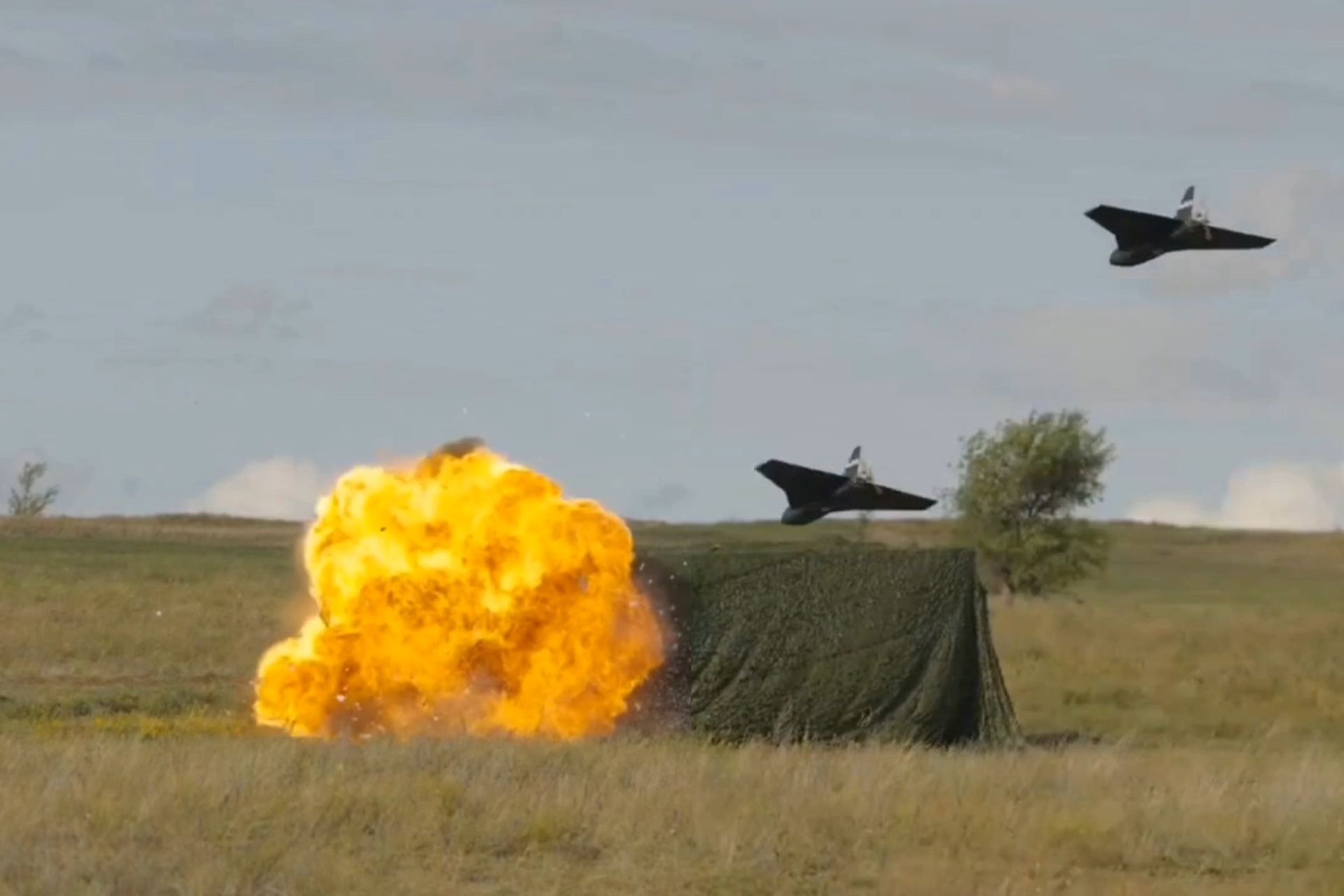
Screenshot of the video showing the Gerbera drone in action, which uses a camera similar to those installed on FPV drones for manual targeting by the operator(Picture source: Telegram Channel @ASTRA)
The first evidence of this new drone emerged during the week of July 22, 2024, when photos of an example apparently downed in the Kyiv region on July 24 were posted on Ukrainian social media. The drone in question reportedly did not have a warhead, indicating it was performing a mission other than an attack. This foam-bodied UAV has only recently been used by the Russians against Ukraine.
On July 28, the Russian unit Stalin’s Falcons released a video showing the Gerbera drone developed by the Gastello Design Bureau. According to this unit, the drone could be used for electronic reconnaissance, as a kamikaze drone, or as a decoy for air defense systems. Previously published photos show that a drone without a warhead was found in the Kyiv region on July 24, indicating it was performing a reconnaissance or other function.
According to video footage, the strike version of the Gerbera drone uses a camera similar to those installed on FPV drones for manual targeting by the operator. The targeting accuracy depends on the operator's skills, as even in the propaganda video, it is evident that the drone did not hit the target but exploded nearby.
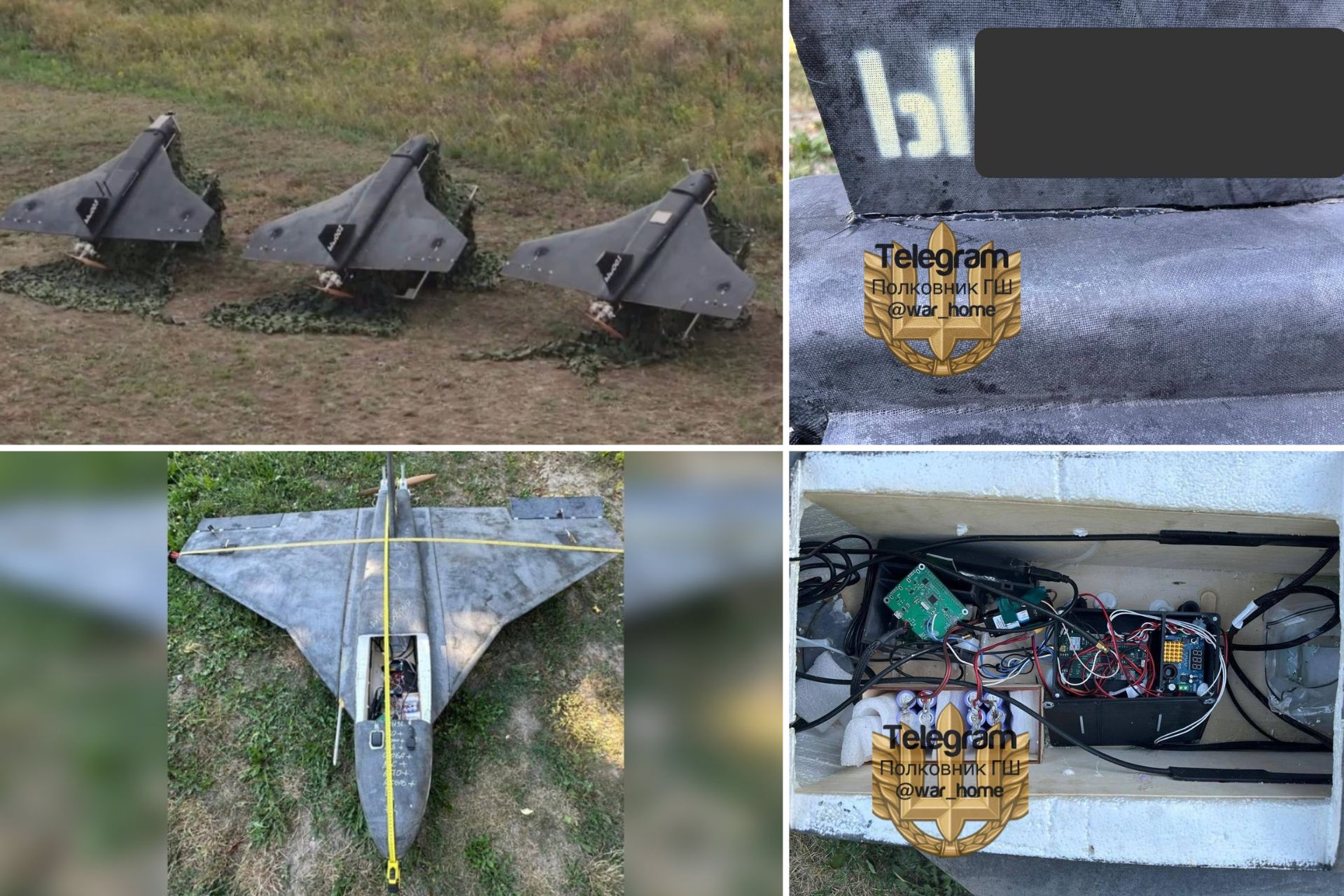
Various images of the Gerbara drone, including some captured by Ukrainian defense forces (Picture source: Telegram Channel @ASTRA)
The flight range of a drone with a warhead is likely relatively short, limited by the range of direct radio communication. However, another drone equipped with a transponder can be used to guide the Gerbera drone, a technique similar to that used by the Russians with the Lancet loitering munition. The drone downed or suppressed in the Kyiv region had two 3G/4G antennas and a modem with a SIM card inside, which can provide a more stable communication channel for transmitting video to the operator’s control panel via the Ukrainian mobile network. Alternatively, the Russians used this equipment to have the drone transmit its location when it was shot down or suppressed by electronic warfare so that other drones would bypass the area. Observers estimate that these drones should not cost more than $10,000 each and fly at an altitude of 1,000 meters, putting them out of range of machine guns and automatic rifles.
It is also likely that the drone can fly along a predetermined route without operator intervention and without a repeater, similar to the Iranian-origin Shahed kamikaze drones, called Geran in Russia. The serial numbers on the new drones also begin with the letter “И,” like the Shahed drones. Additionally, it is stated that these drones could form a swarm.
The exact range and payload capacity of the Russian Gerbera UAV are currently unknown. However, the fact that it reached the Kyiv region indicates it can travel at least several hundred kilometers.
It is presumed that Gerbera drones are manufactured at a plant in the Alabuga Special Economic Zone, near the city of Yelabuga in the Tatarstan region of Russia. The production of Shahed/Geran drones has also been established there.
The appearance of this new drone is surely a concern for Ukrainian air defense operators, who are already heavily tasked with defending Ukrainian civilian and infrastructure targets against the Shahed/Geran series, as well as the cruise missiles, ballistic missiles, and air-launched munitions that continue to bombard their country.
Read more: Gerbera: New Long-Range Russian Drone Intensifies Challenges for Ukrainian Air Defense

- Details
- Written by: Administrator
- Category: 2024
- Hits: 3617
According to a statement published on July 31, 2024, by ROSTEC, a Russian state-owned conglomerate that develops and exports high-tech industrial products for both civilian and military applications, Rostec has successfully shipped another batch of its innovative 2S43 Malva 152mm 8x8 wheeled self-propelled artillery guns to the Russian military, currently deployed in Ukraine.
Follow Army Recognition on Google News at this link
The 2S43 Malva is the latest generation of 152mm wheeled self-propelled fully designed and developed by the Russian defense industry. (Picture source: Russian Social Network)
The 2S43 Malva is a 152mm 8x8 wheeled self-propelled howitzer engineered to effectively neutralize command posts, defensive structures, artillery and missile batteries, air defense positions, armored vehicle columns, and enemy troops. Notably, it features a "simultaneous fire raid" mode, allowing multiple shells fired at varying trajectories and speeds to strike the target simultaneously.
"One of the significant advantages of the Malva self-propelled artillery gun is its enhanced maneuverability, along with rapid deployment and withdrawal capabilities, which are crucial in the context of intense counter-battery combat in the special operation zone in Ukraine. Additionally, the wheeled howitzer requires simpler maintenance compared to tracked self-propelled artillery units. The 2S43 boasts a firing rate exceeding seven rounds per minute, a range over 24 km, and an ammunition capacity of up to 30 rounds," stated Bekkhan Ozdoyev, Industrial Director of the Conventional Arms, Ammunition and Special Chemicals Complex at Rostec.
The Malva's dimensions allow for easy transportation by military aircraft, such as the Il-76, enabling swift long-distance deployment. The self-propelled gun is equipped with a high-strength steel cabin armor, providing robust protection against small arms and shrapnel.
On June 3, 2024, a Ukrainian observation drone spotted the Russian self-propelled artillery system 2S43 Malva in the Belgorod region. The Malva, which emerged from development in 2023, was created by TsNII "Burevestnik" and manufactured by Uraltransmash, a subsidiary of Uralvagonzavod, a company renowned for its armored vehicles. This modern system appears to be effective on the front, though limited data is available to date.
The development of the 2S43 Malva began in 2021, with the first firing tests conducted the same year. The state trials for the Malva were completed on May 17, 2023, and it entered service with the Russian army in 2023. The deployment of the 2S43 Malva in Ukraine underscores its strategic importance and the capabilities it brings to the battlefield. The first reported use of the Malva in combat was on June 9, 2024, where it was employed to destroy Ukrainian bridges in the Kharkiv direction, cutting off supply routes for Ukrainian troops. This latest deployment is expected to enhance the Russian military's operational flexibility and combat efficiency in the ongoing conflict.
The 2S43 Malva boasts several key technical features: it is a 152mm caliber howitzer mounted on a BAZ 8x8 wheeled chassis. It has a firing rate of over seven rounds per minute and a firing range of more than 24 km. The howitzer can carry up to 30 rounds of ammunition and is equipped with high-strength steel cabin armor for protection against small arms and shrapnel. The system also includes a "simultaneous fire raid" mode for synchronized multi-shell impact.
The 2S43 Malva self-propelled artillery system provides Russian troops in Ukraine with significant tactical advantages, including enhanced mobility and maneuverability due to its 8x8 wheeled chassis, allowing for rapid deployment and repositioning. Its longer range and high firing rate improve its effectiveness in counter-battery operations, while the "simultaneous fire raid" mode increases precision and impact on targets. Additionally, the Malva offers simpler maintenance and lower operating costs compared to tracked howitzers, along with robust protection against small arms and shrapnel, making it a versatile and resilient asset in the conflict
- Details
- Written by: Halna du Fretay
- Category: 2024
- Hits: 3889
The Latvian National Armed Forces will receive the first Patria 6×6 armored personnel carrier (APC), fully manufactured at a local plant, in early August 2024. This significant milestone marks the beginning of a new phase in Latvia’s defense capabilities, according to a report from the Latvian Ministry of Defense. Follow Army Recognition on Google News at this link
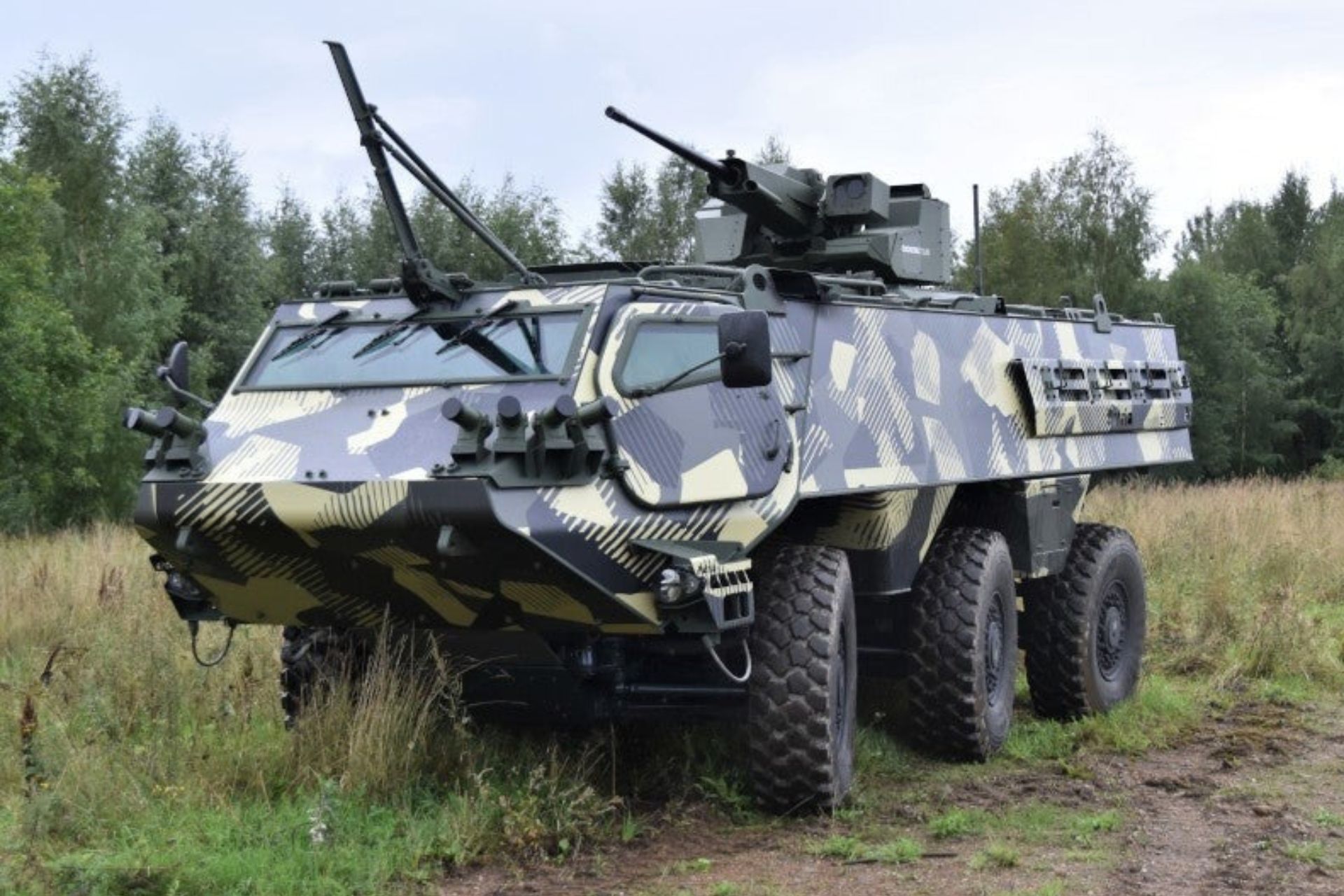
The Patria 6×6 is a wheeled, medium-range armored personnel carrier designed to transport troops safely and efficiently (Picture source: Patria)
The handover ceremony is scheduled for August 5 at the military base in Ādaži. Before this, the military and representatives from the manufacturer will conduct a series of operational tests at the Adazhi military training ground to ensure the vehicle's readiness.
The Patria 6×6 is a wheeled, medium-range armored personnel carrier designed to transport troops safely and efficiently. It features a modular design that allows for various configurations, high off-road mobility, and protection against ballistic threats and improvised explosive devices (IEDs). The vehicle can carry up to 12 people, including the driver, and is equipped with a Common-Hypersonic Glide Body (C-HGB) in a nose cone for enhanced capabilities. Its maximum speed reaches 100 km/h on roads, and it has a range of 700 km, making it a valuable asset for modern military forces.
In May, a new armored vehicle plant was opened in Valmiera, Latvia, specifically for the production of these APCs. This facility belongs to Defence Partnership Latvia, a joint venture established in 2020 between the Finnish defense company Patria and the Latvian company Unitruck, with Patria holding a majority stake. The plant aims to produce about 30 wheeled armored vehicles per year, focusing on supplying the Latvian defense forces. Additionally, Latvia has begun producing hulls for these APCs, with the local company EMJ Metāls SIA certified to manufacture them independently of Finnish specialists.
Local production and assembly of armored personnel carriers are crucial for Latvia’s national security. By shortening supply chains and reducing dependency on foreign components, Latvia aims to ensure a steady and uninterrupted supply of military equipment for its armed forces. The new facility in Valmiera completes the full production cycle, including welding and painting of APC hulls on-site.
In October 2020, the Ministries of Defense of Latvia and Finland, along with Patria, signed an agreement to initiate research and development of a new family of Patria 6×6 wheeled armored personnel carriers. This collaboration led Latvia to order more than 200 APCs as part of a joint program, with deliveries scheduled from 2021 to 2029. The first four units were delivered in October 2021.
Recently, Defence Partnership Latvia and the Latvian Ministry of Defense agreed to conduct vehicle tests at the Ādaži military training ground. This temporary solution will continue until relevant regulatory adjustments are made. The Ministry of Defense has also proposed amendments to the Road Traffic Law to facilitate long-term testing and movement of locally produced military equipment.
Despite legislative and logistical challenges, the delivery of Patria 6×6 APCs to the Latvian National Armed Forces remains on schedule. The Ministry of Defense, in collaboration with the National Armed Forces and other state institutions, continues to support the growth of Latvia’s military industry.
On August 5, the first fully locally produced Patria 6×6 armored personnel carrier will be officially handed over to the Latvian National Armed Forces, highlighting the progress in Latvia’s defense manufacturing capabilities and ongoing efforts to strengthen national security.
- Details
- Written by: Halna du Fretay
- Category: 2024
- Hits: 6933
The US Army is moving towards the full deployment of its first hypersonic missiles, with its Long-Range Hypersonic Weapon Battery participating in Exercise Resolute Hunter 24-2 at Naval Air Station Fallon, Nevada, alongside forces from the Five Eyes alliance. These missiles, capable of flying at over five times the speed of sound, are highly sought after by major and medium-sized military powers. Their ability to achieve such speeds and remain maneuverable allows them to bypass conventional air defense systems and strike targets with kinetic energy alone, eliminating the need for explosive warheads.
Follow Army Recognition on Google News at this link
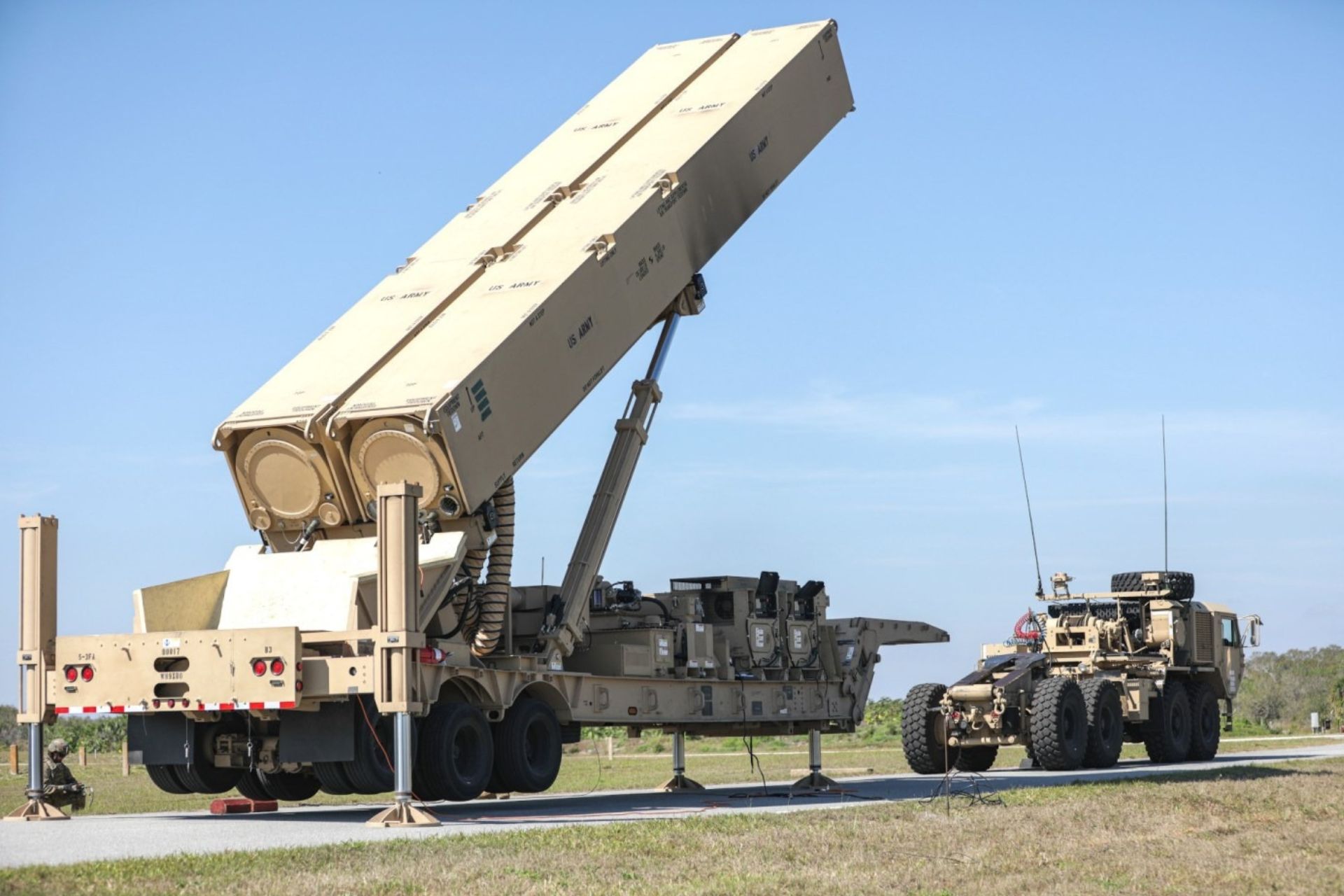
Dark Eagle is a medium-range surface-to-surface hypersonic missile developed for the US Army by Lockheed Martin and Northrop Grumman, with variants for deployment on US Navy ships and submarines (Picture source: US Army)
The US has lagged behind countries like Russia, which has already used hypersonic missiles in Ukraine. However, part of this delay is attributed to a meticulous approach in American engineering, focusing on making these missiles practical and integrating them with existing forces rather than deploying them quickly. The recent exercise, conducted from June 25 to 27, 2024, was part of the Department of Defense’s only dedicated exercise for battle management, command and control, intelligence, surveillance, and reconnaissance. Its goal was to demonstrate how Dark Eagle can integrate with joint command forces in real time.
Dark Eagle is a medium-range surface-to-surface hypersonic missile developed for the US Army by Lockheed Martin and Northrop Grumman, with variants for deployment on US Navy ships and submarines. Its primary mission is to suppress long-range enemy fire and destroy high-value targets at distances up to 3,000 km. The system includes a mobile launcher with two canisters, each containing a rocket booster and a Common-Hypersonic Glide Body (C-HGB) in a nose cone. The rocket propels the glide body to high altitude, from where it glides under control to its target, reaching a maximum speed of Mach 17.
In addition to the recent exercise, Dark Eagle has been tested in various forms since 2017, including a full test this year at the Pacific Missile Range Facility in Kauai, Hawaii. Once fully operational, the Army plans to deploy Dark Eagle in a battery of eight missiles with four M983 trucks and trailers, each with two missiles in launch canisters, along with a command vehicle.
Recent tests have taken place amidst delays and technical challenges. The Army hoped to begin deploying Dark Eagle within the next two months, about a year later than initially planned, following the cancellation of three test launches last year. In June, the Pentagon announced a successful test of a common hypersonic missile designed for both the Army’s Dark Eagle and the Navy’s Intermediate Range Conventional Prompt Strike (IRCPS) system. However, no known complete test of the missile involving a representative production launch system has been conducted.
A recent Army-Navy test took place at Cape Canaveral Space Force Station in Florida. While details remain vague, public notices for aviators and mariners suggest it occurred on July 25. This test is widely considered an evaluation of the Dark Eagle system, although it has not been officially confirmed. The Dark Eagle/LRHW program is a joint effort between the Army and the Navy, ongoing since 2019, aiming to develop a hypersonic boost-glide vehicle.
Persistent challenges and uncertainties surrounding US hypersonic weapons programs, including Dark Eagle and IRCPS, continue to raise questions about their future. The Army still hopes to deploy Dark Eagle by the end of the current fiscal year, but necessary tests and adjustments may delay this goal.
The initial Dark Eagle/LRHW unit, Battery B, 5th Battalion, 3rd Field Artillery Regiment (Long Range Fires Battalion), part of the 1st Multi-Domain Task Force, is already in place at Joint Base Lewis-McChord, Washington. This unit recently participated in Exercise Resolute Hunter 24-2, demonstrating the crucial role of land power and the indispensable contribution of the Army to joint operations.
Deployment of the IRCPS system on Zumwalt-class stealth destroyers is planned for 2025, and on Virginia-class Block V submarines in 2028. The implementation of these programs remains uncertain, but the US continues to develop hypersonic capabilities to maintain military superiority against potential adversaries.
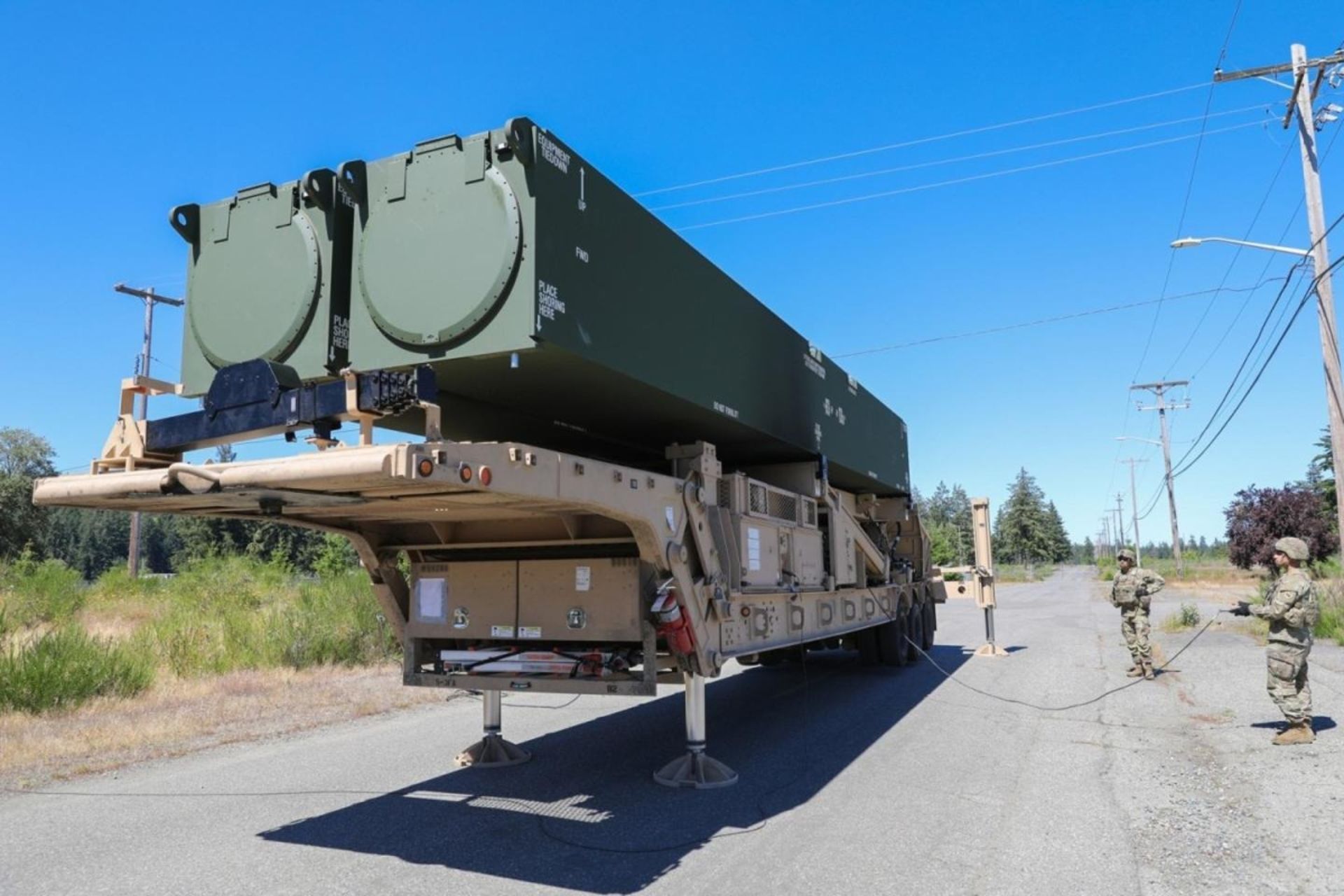
Dark Eagle canisters on transporter at Joint Base Lewis-McChord during Exercise Resolute Hunter 24-2 (Picture source: US Army)
Read more: US Army Advances Deployment of Hypersonic Missiles with Dark Eagle Tests

- Details
- Written by: Administrator
- Category: 2024
- Hits: 10221
The Italian defense company Leonardo and Germany's Rheinmetall have announced plans to deliver the first KF51 Panther Main Battle Tanks (MBTs) and KF41 Lynx tracked armored Infantry Fighting Vehicles to the Italian Army within the next three years, as reported by Defense News, on July 25, 2024.
Follow Army Recognition on Google News at this link
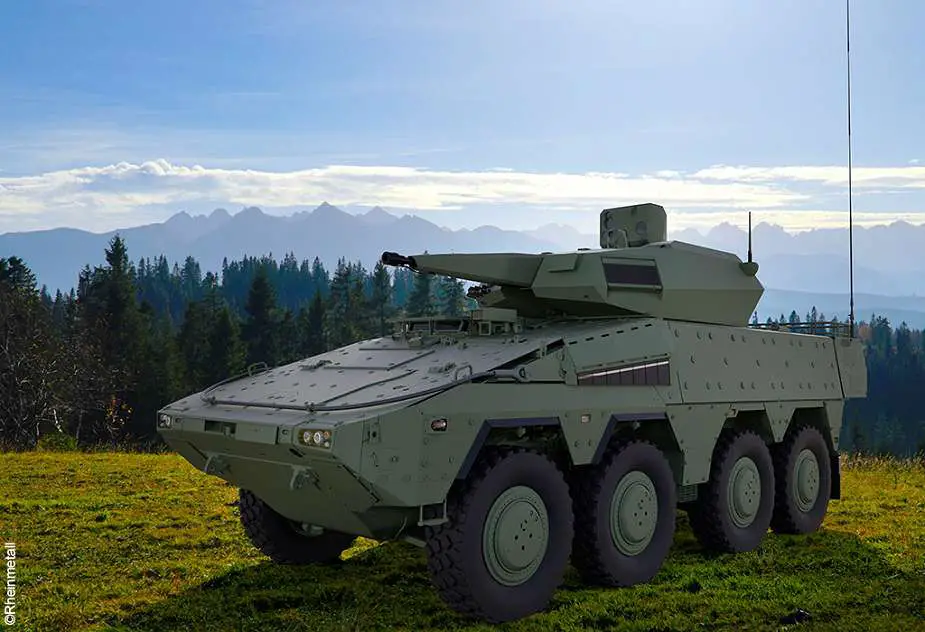
The Italian defense company Leonardo and Germany's Rheinmetall is ready to deliver the KF41 Lynx Infantry Fighting Vehicle and the KF51 Panther Main Battle Tank to the Italian army within the next three years. (Picture source: Rheinmetall & Army Recognition Group)
On July 3, 2024, both companies signed a Memorandum of Understanding (MoU) to establish a 50:50 joint venture aimed at developing a European industrial and technological approach in land defense systems. This new venture, headquartered in Italy, will focus on the industrial development and commercialization of the KF51 Panther and the KF41 Lynx armored vehicle for the Armoured Infantry Combat System (AICS), key components of the Italian Army’s ground systems programs.
As the Lead System Integrator and prime contractor, the joint venture will oversee both Italian programs and outline the roadmap for participation in the future European Main Ground Combat System (MGCS). Leonardo will be responsible for developing and producing mission systems, electronics suites, and weapons integration based on Italian military requirements. These technologies will also lay the groundwork for the future European MBT (MGCS) and international export versions.
Roberto Cingolani, CEO of Leonardo, stated that the joint venture would be operational by September, with contracts expected to be signed with the Italian Ministry of Defense by the end of the year. The first Lynx vehicles are projected to be delivered within two to three years, followed by the Panther tanks in three years. Approximately 40% of the assembly will take place in Germany, with 60% in Italy, divided between Leonardo and Rheinmetall’s Italian subsidiary.
The Italian Army has embarked on an ambitious program to modernize its fleet of main battle tanks (MBTs) and infantry fighting vehicles (IFVs). This initiative involves significant collaboration with European defense companies, particularly Rheinmetall and Leonardo.
Italy plans to acquire the KF51 Panther main battle tank, developed by Rheinmetall, as part of a joint venture with Leonardo. This venture was established after failed negotiations with the Franco-German KNDS group to produce Leopard 2A8 tanks. The joint venture aims to expedite the delivery of these tanks, with the first units expected within three years of contract signing. The Panther tank will incorporate a mix of components produced in both Germany and Italy, with final assembly and logistical support predominantly handled in Italy.
Italy is also investing in a new generation of infantry fighting vehicles. The Army's plan includes the procurement of the Lynx IFV, also developed by Rheinmetall. This vehicle is noted for its modern design, open architecture, and versatility in handling various threats, including IEDs and anti-tank missiles. The new IFVs will replace the aging fleet of Dardo vehicles, with an initial program budget of approximately €5 billion, potentially rising to €15 billion over 14 years.
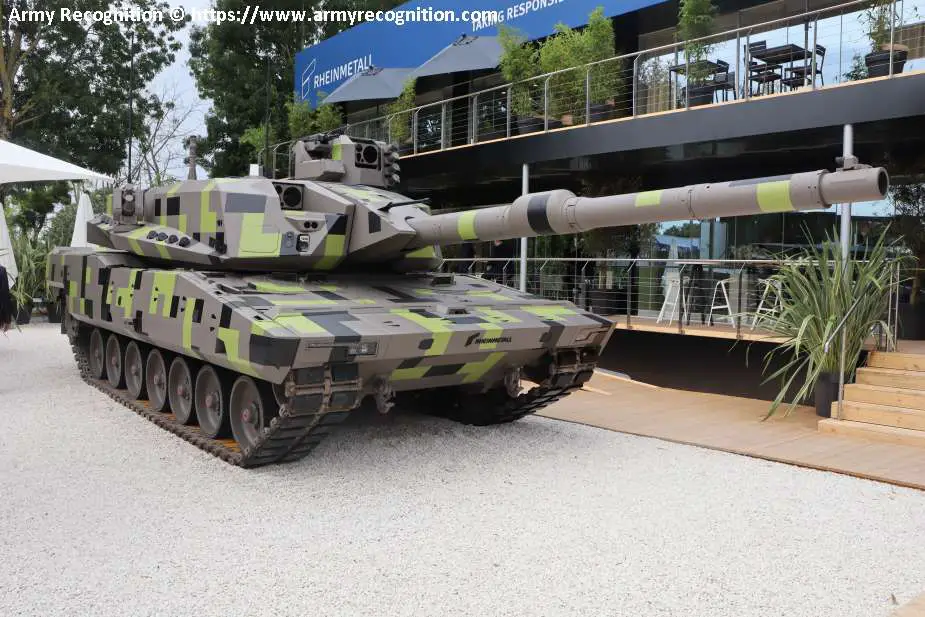
The KF51 Panther, developed by Rheinmetall, features a powerful 130mm main gun, advanced targeting systems, and superior protection measures, representing a new generation of main battle tanks designed for modern warfare. (Picture source Army Recognition Group)
The KF51 Panther is a next-generation Main Battle Tank (MBT) developed by Rheinmetall, designed to offer advanced capabilities in modern armored warfare. This tank features state-of-the-art technology, including a new 130mm main gun, which provides significantly increased firepower compared to traditional 120mm guns. The KF51 Panther is equipped with advanced targeting systems, enhanced protection measures, and improved mobility to ensure dominance on the battlefield. Its modular design allows for future upgrades and adaptability to various combat scenarios, making it a versatile and formidable asset for any military force.
In addition to its offensive capabilities, the KF51 Panther incorporates cutting-edge defensive systems, such as active protection systems (APS) to counter anti-tank threats and advanced armor for increased survivability. The tank is also designed with network-centric warfare in mind, allowing seamless integration with other military assets and command structures. This ensures effective communication and coordination in complex combat environments. Overall, the KF51 Panther represents a significant leap in tank technology, combining firepower, protection, and mobility to meet the demands of 21st-century warfare.
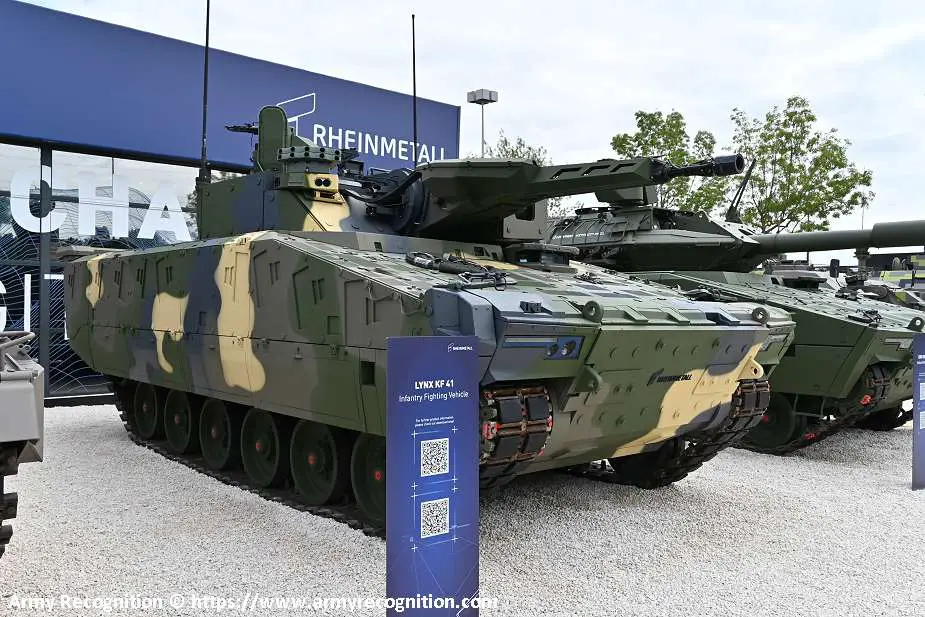
The KF41 Lynx, developed by Rheinmetall, showcases its advanced weaponry and modular design, providing unparalleled versatility and protection for modern infantry units on the battlefield. (Picture source Army Recognition Group)
The KF41 Lynx is a state-of-the-art tracked armored Infantry Fighting Vehicle (IFV) developed by Rheinmetall, designed to provide superior battlefield capabilities for infantry units. The Lynx features a modular design that allows for easy adaptation to various mission requirements, making it highly versatile. It is equipped with advanced weaponry, including a 30mm or 35mm autocannon, and can support additional armaments such as anti-tank guided missiles. The vehicle also boasts advanced targeting systems, enhanced situational awareness technologies, and superior mobility, allowing it to engage in both offensive and defensive operations effectively.
In terms of protection, the KF41 Lynx is built with advanced armor and active protection systems (APS) to defend against a wide range of threats, including improvised explosive devices (IEDs) and anti-tank missiles. The vehicle's design prioritizes crew survivability and operational effectiveness, with features such as an integrated C4ISR (Command, Control, Communications, Computers, Intelligence, Surveillance, and Reconnaissance) system for enhanced battlefield connectivity and coordination. The Lynx's emphasis on modularity, protection, and advanced technology makes it a formidable IFV for modern military forces, capable of supporting a wide range of combat and support roles.
- Details
- Written by: Administrator
- Category: 2024
- Hits: 4624
HENSOLDT, a leading German sensor specialist, is solidifying its position as a premier provider of air defence sensors. Rheinmetall Air Defence has awarded the company a contract to supply SPEXER air defence radars for the new Skyranger 30 anti-aircraft gun tank (FlakPz). This contract is valued at nearly 100 million euros.
Follow Army Recognition on Google News at this link
Rheinmetall's Skyranger 30 anti-aircraft gun tank will be equipped with the SPEXER radar from HENSOLDT. Photo: Rheinmetall
The Skyranger 30 will succeed the Gepard FlakPz in the Bundeswehr's newly established air defence force. It will be equipped with the SPEXER 2000 radar, known for its high detection performance, which enables the new FlakPz to maximize its capabilities. The radar's outstanding target classification and precise tracking abilities, even while in motion or during flight, are crucial for its effectiveness. This order is part of a framework agreement established with Rheinmetall Air Defence in 2023, with the SPEXER 2000M 3D MkIII being a key component of Rheinmetall's offerings to various clients.
The Skyranger 30 is an advanced anti-aircraft gun tank developed by Rheinmetall Air Defence, designed to provide robust and versatile air defense capabilities for modern military forces. The vehicle is equipped with a 30mm revolver cannon, known for its high rate-of-fire and precision, enabling it to effectively neutralize a wide range of aerial threats, including drones, helicopters, and low-flying aircraft.
In addition to its primary armament, the German version of the Skyranger 30 integrates the Stinger guided missile system, while the Austrian variant features the Mistral guided missile. These missile systems enhance the vehicle's ability to engage targets at longer ranges, providing a comprehensive defense solution.
A key component of the Skyranger 30 is its advanced radar system, the SPEXER 2000, which offers high detection performance and outstanding target classification. This radar allows for precise tracking of targets even while the vehicle is in motion or during flight, maximizing the effectiveness of the Skyranger 30's weapon systems. The integration of these advanced technologies makes the Skyranger 30 a critical asset in modern air defense.
The newly ordered radars will outfit the Skyranger tanks of Germany and Austria, with Denmark also announcing a similar procurement. Germany's Skyranger 30 is built on the GTK Boxer platform and includes the Stinger guided missile. Austria's system, based on the Pandur EVO, will feature the Mistral guided missile in addition to the 30mm revolver cannon.
The SPEXER radar family is renowned for its high-performance surveillance capabilities, automatically detecting and classifying ground, sea, and low-flying air targets across various ranges. The SPEXER 2000 is integral to several German programs, including the cUAS field camp (ASUL), qualified air defense, HoWiSM (high-energy laser for drone defense), and the NNbS programs.
HENSOLDT brings decades of experience in radar systems for air defense and continues to advance key technologies in this field. Its portfolio includes the TRML-4D high-performance radar, proven in Ukraine, the Twinvis passive radar, and radars for securing ship and air traffic. Both the TRML-4D and SPEXER radars are part of the Bundeswehr's NNbS air defense system for close and short-range protection, commissioned in January.
Read more: Germany's Hensoldt to Provide SPEXER Radars for Skyranger 30 Air Defense Vehicles

- Details
- Written by: Vandenbosch
- Category: 2024
- Hits: 3731
In the first half of the year, Kalashnikov Concern, part of the Rostec State Corporation, produced over 3,000 units of tools and technological equipment. This production is part of a contract aimed at establishing a licensed production line for the AK-203 assault rifle in India.
Follow Army Recognition on Google News at this link
Rostec State Corporation produced over 3,000 units of tools and technological equipment for India. (Picture source: Kalashnikov)
The company's tool and weapons production divisions successfully manufactured over a thousand different types of products, including cutting tools, dies, and equipment, ensuring timely and complete delivery. Additionally, Kalashnikov produced over 2,000 military calibers for testing automatic weapons within the troops.
"We are actively developing partnership relations with our Indian colleagues," stated Alan Lushnikov, President of JSC Kalashnikov Concern. "Timely and complete manufacturing and shipping of tools is our priority, as stipulated by the current contract."
The AK-203 is an assault rifle designed by Mikhail Kalashnikov between 2007 and 2010. It is manufactured by Kalashnikov Concern and Indo-Russia Rifles, highlighting an international collaboration for its production. The rifle, originally from Russia, is used by various armed forces worldwide.
This assault rifle weighs 3.8 kg, with a length ranging from 880 to 940 mm when the stock is extended. The barrel measures 415 mm, allowing an effective firing range adjustable between 400 and 800 meters, thanks to its adjustable iron sights. It uses a 7.62×39mm cartridge, known for its effectiveness in various combat conditions.
The AK-203 operates with a gas-operated mechanism with a rotating bolt, providing a firing rate of approximately 700 rounds per minute. The muzzle velocity is 715 meters per second, ensuring good ballistic performance. The rifle is fed by a 30-round detachable box magazine, with an option for a 50-round quad-column magazine for operations requiring greater ammunition capacity.
In terms of aiming, the AK-203 is equipped with adjustable iron sights and can be fitted with Picatinny rails for various optics, enhancing its versatility on the battlefield. Notably, last year, Kalashnikov shipped over 4,500 units of tools to support the licensed production of the AK-203 in India.
India and Russia maintain a long-standing cooperation in the defense sector, characterized by joint projects and production agreements. This collaboration includes local production and the development of advanced defense technologies, such as the licensed production of the AK-203 assault rifle in India. The two countries signed a military and technical cooperation agreement for the decade 2021-2031, underscoring their long-term commitment. Additionally, India has purchased the S-400 Triumf air defense system from Russia, a significant agreement despite international sanctions against Moscow.
Despite these initiatives, the Indo-Russian relationship faces challenges, including India's diversification of its defense import sources to countries like the United States and Israel. Russia's close ties with China also add complexity to the bilateral dynamics. Beyond defense, the two countries collaborate in the energy, space, and civil nuclear sectors, with projects like the Kudankulam nuclear power plant illustrating the breadth of their strategic partnership.
Read more: Russia Manufactures Tools for AK-203 Production in India

- Details
- Written by: Halna du Fretay
- Category: 2024
- Hits: 2515
The Czech Republic is currently evaluating the possibility of creating a "Ukrainian Legion" based on the recently initiated Polish project. This initiative, reported by Gromada.cz is being examined by the Czech Ministry of Defense from a practical and legal standpoint. The plan involves Ukrainians receiving training abroad, serving in the Ukrainian Defense Forces, and then returning to their country of residence.
Follow Army Recognition on Google News at this link
Ukrainian military during exercises in the Czech Republic, December 2022. (Picture source: Czech Army)
In the Czech Republic, as in Poland, participation in this training would be voluntary. The Czech Ministry of Defense is gathering additional information from Poland regarding the formation of the "Ukrainian Legion." Davyd Polak, the ministry's spokesperson, indicated that the collected information would help assess the Czech Republic's potential involvement in this project.
According to the latest data from the Czech Ministry of the Interior, over 100,000 Ukrainian men aged 18 to 65 reside in the Czech Republic. Interior Minister Vit Rakushan had previously ruled out the possibility of forcibly returning them to Ukraine, emphasizing that under the current temporary protection, there is no legal framework to expel these individuals to their home country.
Defense Minister Yana Tchernokhova has expressed support for the Polish approach to forming legions. She highlighted that many Ukrainian citizens wish to help their country without returning to Ukraine, where the future remains uncertain. The opportunity to serve in a military unit in the Czech Republic would offer a viable solution for these volunteers.
In July, Ukraine signed a security agreement with Poland, encouraging Ukrainians to return home to serve in their security and defense forces. In Poland, the creation of the "Ukrainian Legion" has been proposed, allowing Ukrainians to receive training in NATO countries and subsequently fight Russian forces in Ukraine.
This project, which could be adopted by the Czech Republic, aims to involve Ukrainian citizens living abroad in the defense of their homeland while addressing their security and stability needs. Facing Russia, Ukraine is in dire need of manpower, and these legions help partially fulfill those needs.
Read more: Czech Republic Considers Creating a Ukrainian Legion Inspired by Polish Model
- Details
- Written by: Vandenbosch
- Category: 2024
- Hits: 3583
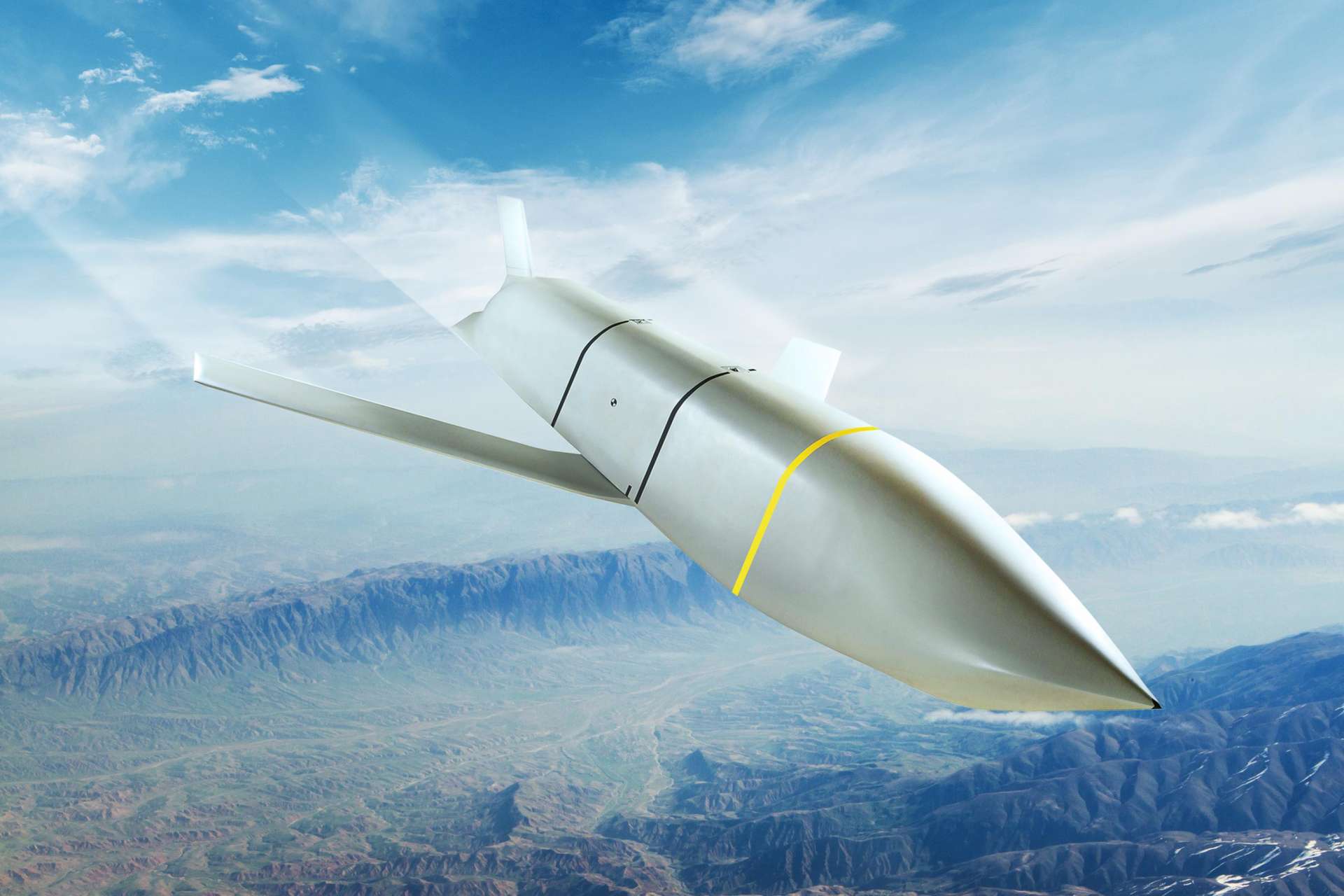
The Netherlands has signed a Letter of Offer and Acceptance (LoA) with the United States for the purchase of Lockheed Martin's Joint Air-to-Surface Standoff Missile Extended Range (JASSM-ER) on July 29, 2024. This agreement makes the Netherlands the fifth international customer of the JASSM-ER system.
Follow Army Recognition on Google News at this link
The JASSM (Joint Air-to-Surface Standoff Missile) and its extended-range version, the JASSM-ER, are air-launched ground attack cruise missiles designed for the U.S. Air Force and its international partners. (Picture source: Lockheed Martin)
Scott Redmerski, JASSM program director at Lockheed Martin Missiles and Fire Control, expressed his enthusiasm about the agreement: "We are honored to partner with the U.S. Government to provide the Netherlands Armed Forces with a combat-proven and effective weapon system to meet their ever-evolving strategic defense needs."
The JASSM (Joint Air-to-Surface Standoff Missile) and its extended-range version, the JASSM-ER, are air-launched ground attack cruise missiles designed for the U.S. Air Force and its international partners. The JASSM-ER, designated AGM-158B, was developed alongside the standard version and entered service in 2014.
These American-origin missiles are launched from aircraft and measure 4.27 meters in length with a wingspan of 2.4 meters. Their launch weight is 1,021 kg, and they carry a WDU-42/B penetrating warhead of 450 kg. A turbojet engine powers the JASSM, while the JASSM-ER uses a more efficient turbofan engine, enabling the JASSM-ER to reach a range of approximately 1,000 km, compared to 370 km for the standard version. An even further extended variant, the JASSM-XR or AGM-158D, currently under development, is expected to achieve a range of 1,800 km.
The development of the JASSM began in 1998, with operational certification by the U.S. Air Force in 2003. The JASSM-ER was first tested in 2006, with initial deliveries in 2014. Designed to destroy heavily defended, high-value targets from long distances, the JASSM features a stealthy airframe and advanced guidance systems, including an INS/GPS unit and an infrared seeker for terminal guidance. Three-dimensional target models can be stored in each missile, ensuring precision with a circular error probable (CEP) of only 3 meters.
These missiles can be equipped on various aircraft, including the B-1B Lancer, B-2 Spirit, B-52H Stratofortress, F-15E Strike Eagle, F-16C/D, F/A-18C/D, and potentially the F-35 Joint Strike Fighter. However, the latter would need to carry the missiles externally.
The U.S. Air Force has already purchased over 2,000 JASSMs and plans to acquire up to 10,000. Outside the United States, Australia, Finland, Poland, and the Netherlands have either deployed or are under contract to deploy the JASSM. These missiles were used in combat for the first time in April 2018, during a strike on a research center in Syria.
The JASSM-ER represents the latest advancements in missile technology, with improvements in both hardware and software. These enhancements provide increased capabilities and greater flexibility to address diverse and evolving mission requirements.
With over two decades of successful collaboration with the U.S. Air Force, the JASSM has consistently demonstrated its effectiveness by providing long-range, precision engagement capabilities for air-to-ground missions. The weapon system is specifically designed to neutralize high-value, heavily defended targets from a considerable standoff distance, ensuring that aircrews remain out of reach of hostile air defense systems without compromising lethality or range.
Read more: United States and Netherlands Sign Agreement for JASSM-ER Missiles

- Details
- Written by: Jérôme Brahy
- Category: 2024
- Hits: 6763
According to TASS on July 27, 2024, the Russian Tallamho Design Bureau began the serial production of the second generation of the BUH2 "Sova" acoustic reconnaissance system, which serves as an economical alternative to the 1B75 "Penicillin" artillery reconnaissance system. Additionally, the bureau has also started serial production of the updated Malik acoustic drone detector, available in both wearable and mobile versions.
Follow Army Recognition on Google News at this link
The second generation of the BUH2 "Sova" acoustic reconnaissance system will serve as an economical alternative to the 1B75 "Penicillin" artillery reconnaissance system. (Picture source: Russian social media)
The Tallamho Design Bureau, established in 2022 and based in Grozny, Chechnya, focuses on dual-use IT innovations. One of its latest products is the Malik-Milli, a compact acoustic drone detector measuring 11x8.5x3 cm, making it the smallest in the Malik series. Specific production figures have not been disclosed.
The Malik series detectors are designed to identify a variety of targets, including drones operating on different frequencies, rangefinders, anti-tank guided missile lasers, and sniper scopes. The detectors compile a library of drone sound signatures, which users can update in real time via internet connectivity, allowing the system to adapt to evolving UAV technologies. Testing has shown that the Malik system can detect rangefinder activity at distances up to 700 meters. Future tests are planned to confirm its capability to detect the dual laser beams of Stinger MANPADS. The Malik detectors are available in two versions: a basic model for protecting dugouts, trenches, and transport, and the individual Malik-mini, which can be attached to military personnel's bulletproof vests.
The BUH2 "Sova" acoustic reconnaissance system is an advancement of the first-generation BUH1, designed to detect enemy artillery and armored vehicles by analyzing acoustic waves from gunfire. The system has been deployed in the Russian operation zone in Ukraine, demonstrating effectiveness in detecting enemy artillery positions at distances up to 7 kilometers. The Tallamho engineers are working on further improvements to increase the system's detection range and accuracy.
The 1B75 "Penicillin" artillery reconnaissance system, developed by the Research Institute Vector under Ruselectronics, serves as a reference point for these new systems. Penicillin is an acoustic-thermal system designed to locate firing positions of artillery, mortars, multiple launch rocket systems (MLRS), and anti-aircraft and tactical missiles. It operates without radio waves, making it resistant to detection and jamming by electronic warfare systems. Penicillin can identify enemy firing positions within a 25-kilometer radius and adjust artillery fire over distances up to 40 kilometers, processing acoustic and thermal waves from shots and explosions to provide precise coordinates within five seconds. It also predicts the impact points of incoming enemy shells.
Mounted on an 8x8 Kamaz-6350 chassis, Penicillin includes a suite of sensors on a telescopic boom for infrared and visible spectrum detection, as well as ground-installed seismic and acoustic receivers. The system operates automatically and effectively in temperatures ranging from minus 40 to plus 50 degrees Celsius, with a radio communication range extending up to 40 kilometers.
Read more: Russia begins production of BUH2 Sova and Malik acoustic reconnaissance systems
- Details
- Written by: Halna du Fretay
- Category: 2024
- Hits: 14810
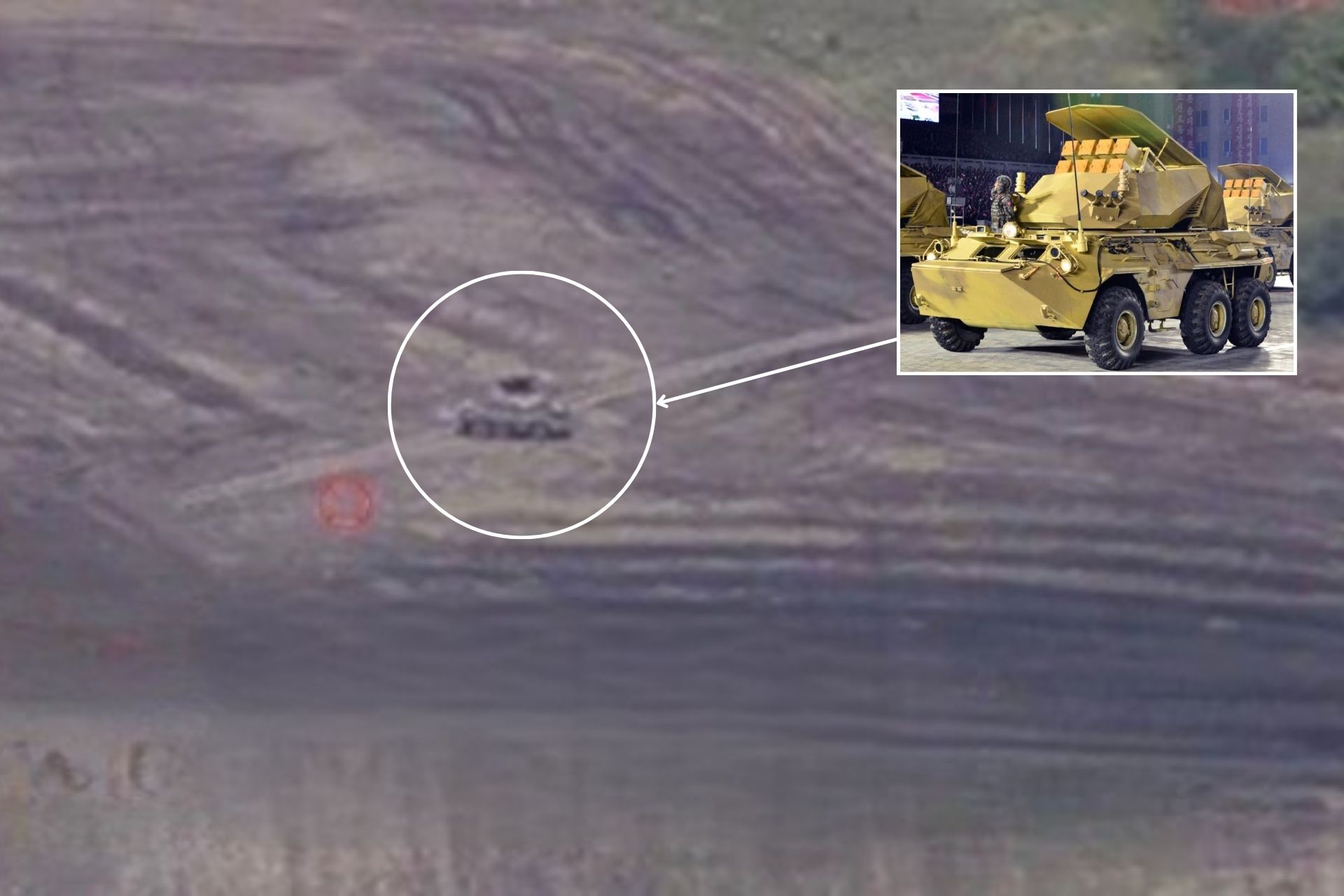
As the war in Ukraine continues, Ukrainian forces have reported the first appearance of the North Korean long-range anti-tank missile system, Bulsae-4 M-2018 NLOS ATGM, in the Kharkiv region, as reported by the Telegram channel @KUPua01. This system, classified as a Non-Line-of-Sight (NLOS) missile, allows targeting without a direct line of sight.
Follow Army Recognition on Google News at this link
The vehicle identified by Ukrainian forces is believed to be the North Korean Bulsae-4 M-2018 NLOS ATGM (Picture source: Telegram channel @KUPua01)
The Bulsae-4 M-2018 NLOS ATGM (Non-Line-of-Sight Anti-Tank Guided Missile) from North Korea is a fiber-optic guided missile system capable of engaging rotary and armored targets at extended ranges of 15 to 25 km. Production and acquisition of this missile began around 2018, although exact details remain unclear due to the secretive nature of North Korea's military program. The Bulsae-4 was publicly revealed by North Korean state television in June 2016, showing an anti-tank missile launched from a Mi-2 helicopter, confirming its entry into service in the following years. The exact number of Bulsae-4 systems in service is unknown but is presumed to be substantial to bolster North Korea's military capability.
The Bulsae-4 M-2018 is distinguished by its ability to transmit real-time video data to the operator, allowing for precise targeting adjustments during flight. It follows a non-ballistic trajectory, reducing radar detection risks and increasing crew survivability. The missile is carried on a North Korean M-2010 armored vehicle in a 6x6 configuration, equipped with eight launch containers. Compared to similar systems like the Israeli Spike-ER, the Bulsae-4 uses an electro-optical guidance head combined with fiber-optic cable guidance. This technology allows the missile to maneuver around obstacles to hit hidden targets, significantly enhancing North Korea's ability to engage distant and fortified targets.
Relations between Russia and North Korea are marked by strategic cooperation that has grown over the years, especially amid rising international tensions. Moscow and Pyongyang share common interests in foreign policy, particularly their opposition to Western sanctions and U.S. influence in the region. This alliance has strengthened as Russia seeks ways to mitigate the economic and military impacts of sanctions imposed following its intervention in Ukraine. Pyongyang, in turn, benefits from Russia's diplomatic and material support, enabling it to continue developing its military capabilities despite international isolation.
North Korea's military support for Russia's war effort in Ukraine has become increasingly visible, notably with the appearance of North Korean missiles and artillery ammunition on Ukrainian soil. This presence confirms that Russia has received significant munitions deliveries, highlighting a deep strategic partnership. The exact nature and extent of these deliveries remain difficult to quantify due to the opaque nature of military transactions between these two nations.
The identification of the first North Korean vehicle in Ukraine marks a turning point in Pyongyang's involvement in the conflict. This more direct involvement implies substantial North Korean support, raising important logistical questions regarding the transportation and distribution of these vehicles in the war zone. Transport routes, delivery methods, and the security of these supplies become crucial issues for Russia, requiring close coordination and effective management to avoid disruptions and ensure continuous military support.
For North Korea, the deployment of these vehicles in Ukraine serves as a practical test of their capabilities in real combat conditions. This deployment allows Pyongyang to gather valuable data on the performance of its military equipment, identify necessary improvements, and strengthen its reputation as an effective arms supplier. This situation, while beneficial for North Korea's military experience, also exposes Pyongyang to increased international scrutiny and potential criticism, exacerbating existing tensions with nations opposed to its arms program.

- Details
- Written by: Vandenbosch
- Category: 2024
- Hits: 5833
Japan has agreed to sell an undisclosed number of Patriot missiles to the United States for 3 billion yen ($19 million) to help replenish American stockpiles depleted by efforts to bolster Ukraine's air defenses. This transaction follows a request from the Biden administration and was formalized seven months after Japan's initial decision to assist.
Follow Army Recognition on Google News at this link
Patriot PAC-3 battery in Okinawa, Japan. (Picture source: US DoD)
An official from Japan's Acquisition, Technology & Logistics Agency (ATLA) announced the agreement on July 28, 2024, without specifying the number of missiles involved. However, a former Pentagon official familiar with the negotiations indicated that around 10 missiles would be transferred. These will be standard PAC-3 missiles, according to ATLA.
The Patriot missile, whose name means "Phased Array Tracking Radar to Intercept on Target," is renowned as the most sophisticated air defense system in the U.S. Army. It can detect and neutralize incoming missiles and is produced in the United States by RTX (formerly Raytheon Technologies) and Lockheed Martin, with radar and ground systems made by RTX and interceptor missiles by Lockheed Martin.
In Japan, Mitsubishi Heavy Industries manufactures about 30 Patriot missiles annually for the Air Self-Defense Force (ASDF), which currently has three variants: PAC-2, PAC-3, and the advanced PAC-3 MSE (Missile Segment Enhancement). The advanced PAC-3 missile is valued at approximately $4 million, with the MSE variant offering up to a 50% extended range.
The Patriot PAC-3 is a long-range, all-altitude, all-weather air defense missile system. Designed by the United States, this missile is used by many countries, including Germany, Israel, Japan, Kuwait, the Netherlands, Poland, Qatar, Romania, South Korea, Sweden, Ukraine, the United Arab Emirates, and the United States.
The PAC-3 missile measures approximately 5.2 meters (17 feet) long and weighs about 700 kg (1,540 lbs) at launch. It has an operational range of 20 to 35 km (12 to 22 miles). Unlike many other missiles, the PAC-3 uses a hit-to-kill approach for destroying its targets, not having an explosive warhead. It relies on the kinetic energy generated by the impact to destroy its targets, propelled by a solid rocket motor to a top speed of Mach 5, approximately 3,836 mph (6,173 km/h).
To ensure optimal accuracy, the PAC-3 is equipped with an active radar seeker located in the nose of the missile, allowing it to autonomously track and engage targets. This guidance system is supplemented by mid-course updates provided by a ground-based radar and the missile's onboard inertial navigation system. The radar associated with this system is the AN/MPQ-65, which plays a crucial role in target detection and tracking.
The Japanese Ministry of Defense stated that the PAC-3 missiles sold to the United States would not be provided to non-U.S. government entities and will be used to replenish U.S. stockpiles. This was confirmed during a "two plus two" meeting of foreign and defense ministers in Tokyo, where the United States and Japan also agreed to expand the coproduction of PAC-3 MSE and initiate the coproduction of the advanced medium-range air-to-air missile.
The ministers emphasized in a joint statement the "critical" demand for these weapons and the high priority of joint coproduction efforts. They also agreed to establish a new U.S. joint force headquarters to oversee security activities in and around Japan.
Read more: Japan to Supply Patriot Missiles to United States
- US Announces New $200 Million Aid Package for Ukraine Including NASAMS and Artillery Munitions
- North Korea Increases 152mm Artillery Output Potentially Supporting Russian War Efforts
- New German Military Aid for Ukraine Including Leopard 1A5 Tanks
- Nammo to Supply 800 M72 Anti-Tank Weapons to Malaysian Army