

- Details
- Written by: Jérôme Brahy
- Category: 2024
- Hits: 5965










On December 6, 2024, the Singaporean company ST Engineering entered into a strategic partnership with Kazakhstan Paramount Engineering (KPE) to establish in-country production for a new 8x8 amphibious multi-purpose armored vehicle. The vehicle will be based on the Terrex Infantry Fighting Vehicle, a design developed by ST Engineering and engineered to operate in open water conditions. The agreement marks ST Engineering’s first major land platform contract in recent years and its entry into the Central Asian defense market.
Follow Army Recognition on Google News at this link
The production of this new 8x8 armored vehicle, based on the Terrex Infantry Fighting Vehicle from ST Engineering, will begin in 2025 at KPE’s facility in Kazakhstan. (Picture source: ST Engineering)
Production of the vehicle will begin in 2025 at KPE’s facility in Kazakhstan, which has an annual production capacity of 500 armored vehicles. KPE Chairman Aibek Baryssov highlighted the company’s production capabilities and experience in localized manufacturing, as well as its ability to meet operational needs specific to Kazakhstan’s geographic conditions. Future collaborative projects between KPE and ST Engineering are also under consideration.
ST Engineering President of Land Systems, Lim Kok Ann, stated that the agreement represents a significant development for the company’s Land Systems business, facilitating entry into a new market. The partnership aligns with ST Engineering’s strategy of localization, licensing, and operational support to address customer demands for strengthening indigenous capabilities and creating resilient supply chains.
The Terrex vehicle family is designed for modularity, offering multiple configurations to meet diverse operational requirements. Key specifications include gross vehicle weights of up to 35,000 kg, payload capacities of up to 12,000 kg, and seating for two to three crew members with up to 11 passengers. The platform is configurable with a variety of weapon systems, such as remote-controlled 30mm cannons, 105mm cannons, and 120mm mortars. Mobility features include independent suspension, ride-height control, and amphibious capabilities at Sea State 3. The vehicles can reach speeds exceeding 88 km/h on land and have an operational range of more than 520 km.
The Terrex platform also incorporates protective systems designed for modular upgrades. The base armor provides protection against small arms and artillery fragments, with options for higher levels of ballistic protection. The double V-shaped hull design increases survivability against mine blasts, deflecting explosive forces and maintaining mobility after detonations. Additional features include NBC (nuclear, biological, chemical) protection and centralized battlefield management systems.
ST Engineering, headquartered in Singapore, operates across aerospace, defense, and public security sectors. The company reported revenue exceeding $10 billion in FY2023 and serves customers in over 100 countries. The Terrex platform, developed with Timoney Technology, has been adopted by several countries and marketed globally. Variants of the Terrex, including the Terrex 2 and Terrex 3, have been evaluated in programs such as the U.S. Marine Corps’ Amphibious Combat Vehicle initiative and Australia’s LAND 400 program.
KPE, which specializes in the production of armored vehicles and localization of defense manufacturing, will utilize its facilities to meet the requirements of the Kazakh Armed Forces. The production partnership focuses on enhancing local defense manufacturing capabilities while ensuring compatibility with the operational needs of Kazakhstan.
Read more: Singapore's ST Engineering to develop new 8x8 amphibious armored vehicle for Kazakhstan

- Details
- Written by: Jérôme Brahy
- Category: 2024
- Hits: 3765
On December 2, 2024, Scytalys, a Greek company specializing in interoperability systems, was awarded two contracts by Canada under the Tactical Integrated Command, Control, and Communications (TIC3) Air Project (Line of Effort 4). These contracts, collectively valued at approximately USD $9.7 million, cover the development, deployment, and integration of at least five Link-22 Tactical Data Link (TDL) systems, as well as a minimum of five years of in-service support to ensure operational readiness and compatibility with modern military requirements.
Follow Army Recognition on Google News at this link
The implementation of Scytalys' Link-22 systems is set to enhance the Canadian Armed Forces' communication infrastructure by providing secure, beyond line-of-sight (BLOS) data exchange across various platforms, including air, surface, subsurface, and ground units. (Picture source: Scytalys)
The TIC3 Air Project aims to enhance the Canadian Armed Forces’ communications capabilities by establishing a Tactical Data Link system that connects air, surface, subsurface, and ground-based platforms. The project supports the creation of a Recognized Air Picture (RAP) using secure and interoperable communications across domestic and overseas operations. Scytalys will integrate its Universal Link System (ULS) and Mission Information Management Command and Control (MIMS C2) systems to provide beyond line-of-sight (BLOS) communications, improving situational awareness, surveillance, and coordination capabilities.
As part of the contract, Scytalys will deliver training for operators and maintainers, covering deployment, setup, operation, and maintenance of the systems to ensure operational proficiency. The agreement includes regular updates, upgrades, and technical support to address potential issues over a minimum five-year period. A kick-off meeting was held on November 5-6, 2024, in Athens, Greece, with representatives from Scytalys, Public Services and Procurement Canada (PSPC), and Canada’s Department of National Defense (DND) to establish the collaboration framework for the successful implementation of the project.
The implementation of Scytalys' Link-22 systems is set to enhance the Canadian Armed Forces' communication infrastructure by providing secure, beyond line-of-sight (BLOS) data exchange across various platforms, including air, surface, subsurface, and ground units. This integration aims to improve situational awareness, surveillance, and air defense capabilities, ensuring unified and secure communications both within North America and during overseas operations.
Earlier in 2024, Scytalys completed the System Interoperability Kodal (SIK) program for the Indonesian Armed Forces, a $49 million initiative funded by Indonesia’s Ministry of Defense. This program implemented a Network-Centric Warfare (NCW) environment, including the development of a Command, Control, Communications, Computers, Intelligence, Surveillance, and Reconnaissance (C4ISR) system. The project introduced the Indonesian National Data Link Standard (INDL) and enhanced situational awareness and coordination across Indonesia’s defense branches. An Integrated Surveillance and Monitoring Station was established in the Natuna Islands to strengthen Indonesia’s presence in the strategically significant South China Sea.
Scytalys, founded in 1993, employs 110 personnel, primarily engineers, and has offices in Greece, the United States, and Singapore. The company operates in 14 countries, focusing on Tactical Data Links, C4I systems, and training solutions. These systems are deployed in multiple regions, including Southeast Asia, South Korea, and Japan, with an emphasis on interoperability and operational coordination. Its role in Canada and Indonesia reflects its continued participation in international defense programs.
- Details
- Written by: Administrator
- Category: 2024
- Hits: 6014
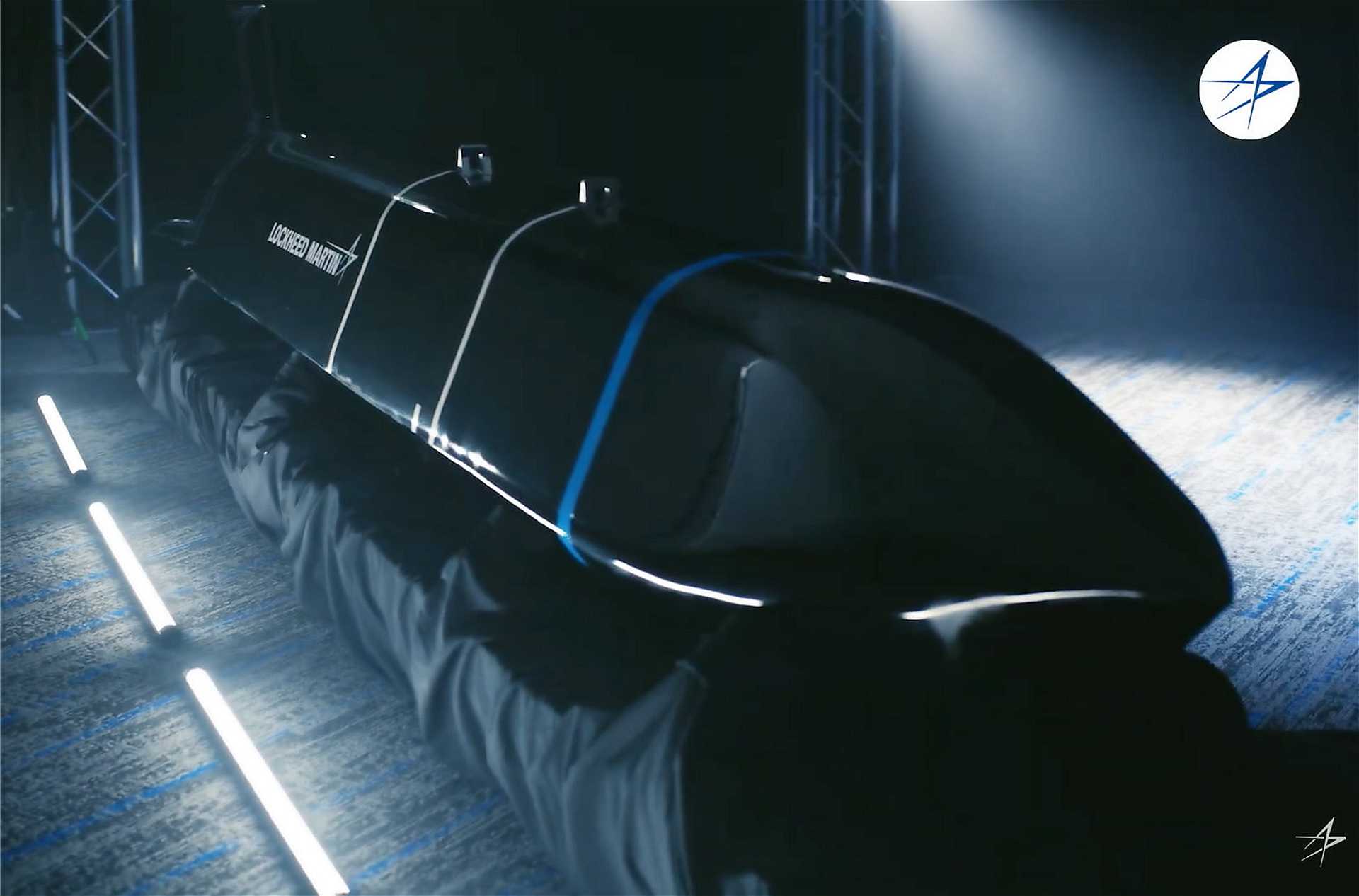
In September 2024, American Company Lockheed Martin unveiled the AGM-158 JASSM XR (eXtreme Range), a cutting-edge evolution of its Joint Air-to-Surface Standoff Missile (JASSM) family. Designed to address the growing challenges posed by advanced anti-access/area-denial (A2/AD) systems, the JASSM-XR enables U.S. forces to strike vital infrastructure, military bases, and missile launch facilities from ranges exceeding 1,850 kilometers. This unprecedented range ensures that U.S. platforms can operate from beyond the effective reach of China’s and Russia’s sophisticated defensive networks, safeguarding mission-critical assets while delivering precision-guided payloads deep into contested territory.
Follow Army Recognition on Google News at this link
New US AGM 158 JASSM XR Cruise Missile Expands Long Range Strike Capabilities Against China and Russia Air Defenses. (Picture source: Lockheed Martin)
The JASSM family of missiles has become a cornerstone of the U.S. military’s strategic arsenal since the introduction of the AGM-158A in 2003. Designed to strike high-value, heavily defended targets, these missiles utilize stealth technology, advanced guidance systems, and long-range capabilities. Subsequent variants, including the AGM-158B JASSM-ER (Extended Range) and the AGM-158C LRASM (Long Range Anti-Ship Missile), further enhanced the series with extended operational ranges and specialized functionalities. The AGM-158 XR builds on this legacy, pushing the boundaries of range, payload delivery, and platform compatibility. Lockheed Martin’s emphasis on leveraging proven technologies ensures the missile offers low developmental risk while delivering cutting-edge performance.
The AGM-158 JASSM XR stands out for its unprecedented range, estimated to exceed 1,850 km (1,150 miles). This range nearly doubles that of the JASSM-ER and is made possible by an extended airframe and additional internal fuel capacity. Such enhancements allow the missile to strike critical targets deep within enemy territory without exposing launch platforms to advanced air defenses. The missile also retains its stealth design, reducing its radar cross-section to remain undetected by sophisticated radar systems employed by adversaries like China, Russia, and Iran. Equipped with a combat-proven 1,000-pound (453.6 kg) penetrator warhead, the XR variant ensures precise strikes on hardened targets such as command bunkers, airbases, and critical infrastructure. Its advanced GPS/INS guidance and onboard sensors further enhance accuracy, enabling effective operations across a wide range of scenarios.
The AGM-158 JASSM XR’s long-range and advanced features make it particularly valuable against nations with robust A2/AD networks. China, for instance, has developed an extensive network of surface-to-air missile systems, long-range radars, and advanced fighter aircraft to protect strategic targets in the Indo-Pacific region. The JASSM-XR allows U.S. forces to target vital infrastructure, military bases, and missile launch facilities from beyond the range of China’s defenses, including its DF-21 and DF-26 anti-ship ballistic missiles.
Against Russia, the JASSM-XR provides a critical tool for neutralizing hardened and concealed targets within its extensive air defense network, such as the S-400 and S-500 air defense missile systems. The missile’s stealth and extreme range allow it to penetrate deep into Russian territory, striking critical nodes like air defense headquarters, strategic airbases, and command-and-control centers. The JASSM-XR offers a strategic edge in the Middle East against Iran’s entrenched military infrastructure and extensive missile capabilities. Iran’s reliance on underground facilities for missile production and storage makes it a challenging adversary. The XR’s ability to deliver precise strikes on such hardened targets ensures that U.S. forces can degrade Iranian capabilities while minimizing collateral damage.
Compared to its predecessors, the JASSM XR offers significant advantages, particularly its extended operational range, which enables strikes from safer stand-off distances. The missile ensures survivability even in heavily defended environments by leveraging proven stealth technology. Additionally, the use of existing platform compatibility minimizes logistical challenges, enabling rapid deployment across U.S. and allied forces.
The JASSM XR reflects the U.S. military’s focus on maintaining a strategic advantage against peer and near-peer adversaries. Its ability to strike critical targets deep within heavily defended zones enhances operational flexibility and serves as a credible deterrent. In an era where long-range precision strike capabilities are essential, the AGM-158 XR ensures the U.S. and its allies remain equipped to counter emerging threats and project power effectively across the globe.
This development underscores Lockheed Martin’s commitment to delivering cutting-edge solutions that meet the evolving demands of modern warfare while preserving the low-risk, combat-proven reliability that has defined the JASSM family. The AGM-158 JASSM XR marks a critical milestone in precision-strike technology, ensuring its relevance in future conflicts.

- Details
- Written by: Administrator
- Category: 2024
- Hits: 5550
The U.S. Army is making a bold leap forward in modernizing its infantry forces by deploying the Next Generation Squad Weapon (NGSW) system, a groundbreaking advancement in combat technology. Designed to enhance lethality, survivability, and tactical flexibility, the NGSW system is set to redefine infantry operations. Recent training conducted by the U.S. Army Marksmanship Unit (USAMU) at Schofield Barracks, Hawaii, from November 7 to 22, 2024, underscored the U.S. Army’s commitment to ensuring the effective integration of this revolutionary system into operational units.
Follow Army Recognition on Google News at this link
Staff Sgt. Chuck Riegel, a U.S. Army Marksmanship Unit instructor, guides a Soldier in fielding the Next Generation Squad Weapon (NGSW) system at Schofield Barracks, Hawaii. (Picture source: U.S. DoD)
The NGSW system, which includes the XM7 assault rifle, XM250 automatic assault rifle, and the advanced XM157 Fire Control Unit (FCU), is a transformative upgrade over the legacy M4 carbine and M249 light machine gun. Both the XM7 and XM250 are chambered for a new 6.8mm round, delivering superior ballistic performance. This new caliber offers greater range, higher velocity, and significantly improved energy on target compared to the 5.56mm ammunition used by the U.S. Army’s current weapons.
The XM7 rifle is poised to replace the M4 carbine as the U.S. Army’s standard-issue rifle. While retaining the versatility and lightweight nature of an assault rifle, the XM7 offers improved accuracy and lethality, particularly at extended ranges. These enhancements allow Soldiers to engage threats more effectively in dynamic and complex battlefield environments.
Meanwhile, the XM250 automatic rifle is set to take over from the M249 Squad Automatic Weapon (SAW). It features a lighter frame than the M249, reducing the burden on Soldiers and increasing maneuverability in the field. Despite its reduced weight, the XM250 maintains a high rate of fire and delivers greater accuracy, ensuring more effective suppression and target engagement.
Central to the NGSW system's effectiveness is the XM157 Fire Control Unit (FCU), a next-generation targeting system that integrates advanced optics and computing technology. The FCU provides real-time range data and calculates a corrected aim point, dramatically enhancing accuracy and engagement speed. While the FCU leverages cutting-edge technology, U.S. Army instructors emphasized that it is not a replacement for foundational marksmanship skills but a tool designed to augment a Soldier’s existing training and combat readiness.
The U.S. Army recognizes that advanced technology alone is not enough to ensure battlefield success; thorough and precise training is essential for Soldiers to exploit the system's capabilities fully. Staff Sgt. Jacoby Fannon, an instructor with the USAMU, highlighted the importance of aligning these new technologies with fundamental combat principles, ensuring Soldiers can seamlessly integrate the NGSW into their operational roles.
Soldiers who participated in the training expressed high praise for the program. Staff Sgt. Joseph Enloe, a Weapons Squad Leader with the 25th Infantry Division, described the experience as “phenomenal,” noting that the training is shaping how Soldiers think about and prepare for future combat scenarios.
The deployment of the NGSW system represents a decisive shift in the U.S. Army’s approach to equipping its forces. Compared to the M4 and M249, the XM7 and XM250 provide superior performance in terms of range, accuracy, and lethality, while the advanced features of the XM157 FCU ensure quicker and more precise target engagement. These advancements directly address the limitations of the U.S. Army’s current weapons, offering troops a tactical advantage in a range of combat scenarios.
By integrating the NGSW system with rigorous training programs, the U.S. Army is setting a new standard for infantry effectiveness. This initiative not only modernizes the U.S. Army’s capabilities but also ensures that Soldiers are better prepared to meet the demands of future conflicts. As the NGSW system continues to roll out across units, it is poised to revolutionize infantry warfare and solidify the U.S. Army’s position as a leader in military innovation.
Read more: US Army Marksmanship Unit Trains Soldiers with New 6.8mm NGSW Firearms for Modern Combat
- Details
- Written by: Triffaux
- Category: 2024
- Hits: 5684
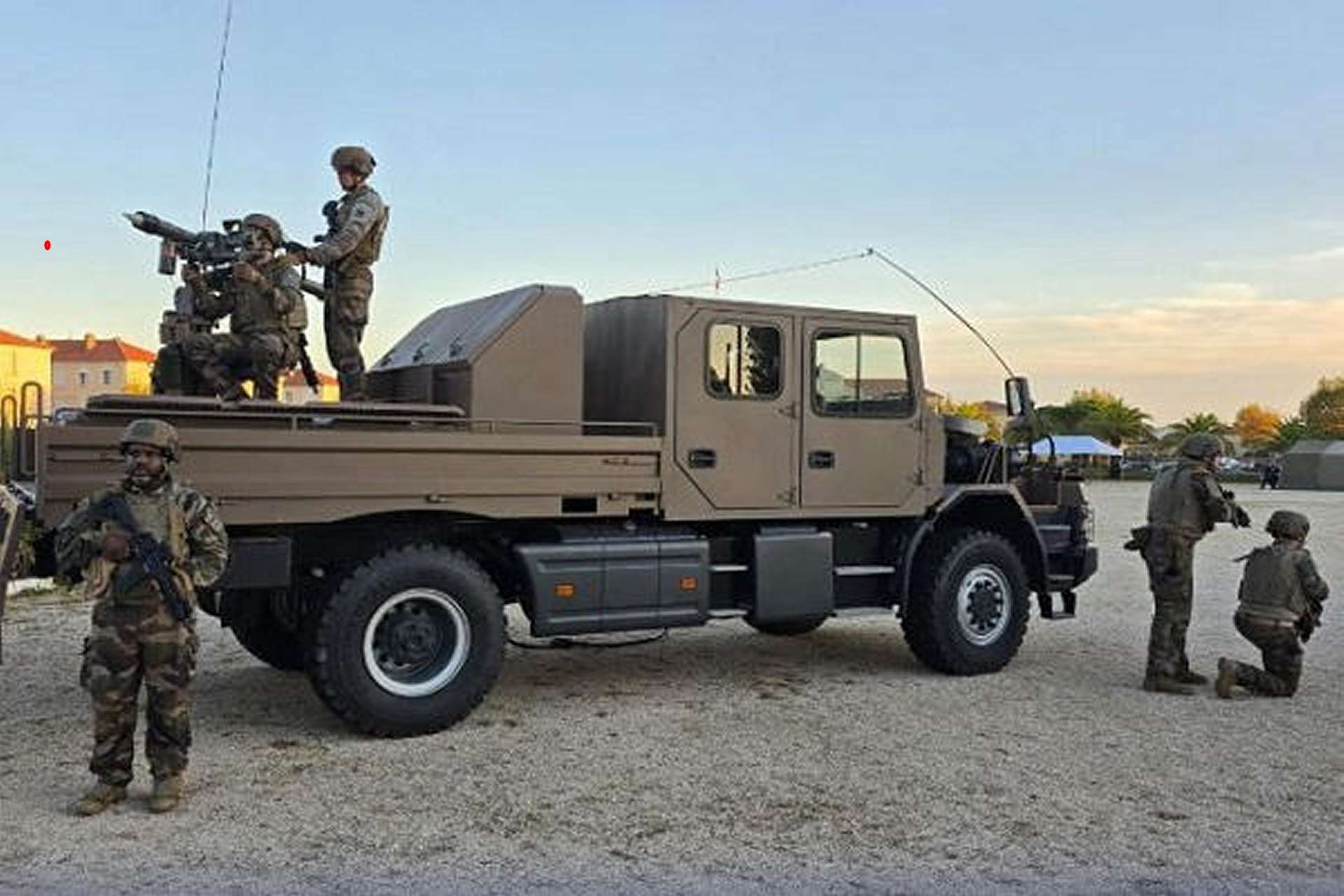
On December 3, 2024, the Integrated Structure for the Maintenance of Land Equipment (SIMMT) announced that mountain troops would soon receive the new Scania Vampire vehicles, equipped with the PAMELA platform (Lightweight, Air-Transportable Mistral-Equipped Adaptation Platform) for deploying MISTRAL 3 missiles. Unlike the heavier VBMR-L Serval "Mistral", scheduled to enter service in 2027 under the Military Programming Law (LPM) 2024-2030, the Scania Vampire is designed to meet the specific needs of mountain troops and special forces, offering greater mobility and superior adaptability on difficult terrain.
Scania 4X4 Vampire Mistral 3 Air Defense Vehicle (Picture source: French MoD)
The enhancement of mobile air defense capabilities for the French infantry is based on the introduction of VBMR-L Serval vehicles equipped with the Mistral 3 system, which are expected to be delivered from 2027. These vehicles, combining mobility, protection, and firepower, are designed to support conventional units in a wide variety of operational contexts. However, to address the specific needs of mountain troops and special forces, these units should be equipped with Scania Vampire vehicles, also fitted with the Mistral 3 system, instead of Servals, which are too heavy to operate effectively on rugged terrain and too slow to deploy. Lightweight, air-transportable, and better suited for steep environments, the Scania Vampire provides a solution that aligns more closely with the mobility and rapid deployment requirements of these forces, where maneuverability takes precedence over heavy protection.
The Scania Vampire vehicles are intended to replace the TRM 2000 trucks and VLRA vehicles equipped with the PAMELA system, modernizing the capabilities of the 54th Artillery Regiment, the primary unit responsible for ground-based air defense support. The first MISTRAL 3 missile launch from a Vampire was successfully conducted in November 2024, showcasing the effectiveness of this new platform. This program, developed in collaboration with the Directorate General of Armaments (DGA) and the Army’s Technical Section (STAT), aims to quickly meet the operational needs of the armed forces while minimizing acquisition delays.
The process began in December 2023 with a contract awarded through UGAP, marking the start of an ambitious timeline. In just eleven months, the project progressed from design and prototyping to successful validation, culminating in the first successful missile launch in November 2024. This rapid development was made possible through close collaboration between the DGA, STAT, and Scania, leveraging iterative prototyping and modeling to refine technical solutions.
The Scania Vampire, produced by the Swedish manufacturer Scania, is the result of close collaboration with French partners to meet the specific needs of the French Army, particularly in ground-based air defense. Scania provided the robust and versatile 4x4 chassis, renowned for its performance in challenging environments and its capacity for heavy payloads. However, to transform this civilian vehicle into an effective military platform, specific modifications were carried out in France. The most significant of these adaptations involved integrating the PAMELA platform, a system designed specifically for MISTRAL missile launches. These modifications were implemented through continuous dialogue between Scania engineers and French military experts, ensuring the platform perfectly aligned with air defense missions.
The Scania Vampire significantly enhances the French Army's air defense and mobility capabilities. Designed to integrate the PAMELA platform for MISTRAL 3 missile deployment, this system provides effective defense against modern aerial threats, including drones, helicopters, and low-altitude aircraft. Its advanced technology strengthens the protection of ground forces against an evolving aerial threat environment.
Equipped with a 4x4 all-terrain chassis, the Vampire is distinguished by its exceptional mobility. Its ability to operate in challenging conditions and its air-transportable design make it a strategic asset for missions requiring rapid deployment. It can support units across diverse terrains, ensuring constant and flexible air defense coverage.
Although the exact model of the Scania Vampire remains confidential, its features are reportedly similar to those of the Deep Replenishment Vehicle (VRP), currently used by the 4th Special Forces Helicopter Regiment. This air-transportable vehicle, equipped with a 460-horsepower engine and capable of carrying a maximum load of 14.5 tons, is designed to operate in difficult environments while ensuring high mobility and modern air defense capabilities.
The SIMMT emphasized that this project is the result of an innovative collaborative approach involving industry, engineers, and end-users. By introducing the Scania Vampire, the French Army takes a significant step forward in strengthening its ground-based air defense, combining technological modernization with strategic adaptation to contemporary aerial threats.

- Details
- Written by: Jérôme Brahy
- Category: 2024
- Hits: 8958
As reported by Tendar on December 4, 2024, Syrian opposition forces have captured several T-90 and T-90A tanks, among the most modern combat vehicles supplied by Russia to the Syrian Army. These tanks, equipped with sophisticated firepower, protection systems, and mobility features, could significantly enhance the rebels’ combat capabilities. Their acquisition occurs amid an escalating conflict, where the Syrian Army is increasingly abandoning intact, modern Russian-supplied equipment during retreats, particularly following the rebel seizure of Aleppo, Syria's second-largest city.
Follow Army Recognition on Google News at this link
Of the 30 T-90 and T-90A main battle tanks delivered to Syria by Russia in 2015, approximately 10 have now been abandoned by the Syrian Army and captured by opposition forces. (Picture source: Twitter/Tendar and T-90K)
During a recent offensive in Syria, opposition forces, including Hayat Tahrir al-Sham (HTS), captured significant quantities of Russian military equipment left behind by retreating Syrian government forces. To date, this included between six and eight T-90 and T-90A tanks, a Russian-made 48Ya6-K1 Podlet-K1 low-altitude surveillance radar system, a Buk-M2 air defense system, and one of two ZSU-23-4M "Mahmia" vehicles equipped with Sarab-2 countermeasures. A Pantsir-S1 air defense system was also seized. Additionally, older systems such as T-72M and T-55 tanks, BMP-1 infantry fighting vehicles, a BM-21 Grad multiple rocket launcher, two BREM recovery vehicles (BREM-1 or BREM-2), and a 2S1 Gvozdika self-propelled howitzer were captured. At Neyrab Air Base near Aleppo, opposition forces seized eight L-39 Albatros light jets and three MiG-23 fighter aircraft. The range of equipment captured highlights the extent of material losses suffered by the Syrian Army.
Among the captured equipment, the T-90 and T-90A tanks are particularly significant. Of the 30 T-90 tanks delivered to Syria by Russia in 2015, approximately 10 have now been captured during this new offensive. Earlier incidents also reveal a consistent pattern of equipment loss. In 2016, a T-90A was captured by Hayat Tahrir al-Sham during clashes near Aleppo, marking the first documented instance of this tank falling into opposition hands. That unit has since been observed in various operations. Another T-90 was captured in 2020 during a government retreat. These incidents underscore vulnerabilities in securing advanced equipment during Syrian Army withdrawals.
The latest captures occurred amid an offensive following the rebel seizure of Aleppo, Syria's second-largest city. This marked the first time opposition forces had taken control of Aleppo since 2016. The offensive, led by HTS, progressed into Hama province after capturing key installations such as the 87th Brigade base and a tank school. Despite breaching Hama’s defenses, opposition forces were eventually pushed back by counterattacks from Syrian government troops, supported by Russian airstrikes and Iranian militias.
The captured T-90A tank provides Syrian rebels with notable combat capabilities due to its modern design and equipment. It is armed with a 125mm 2A46M-5 smoothbore gun, capable of engaging targets at distances up to 5 kilometers with precision, including while the tank is in motion. The tank supports the use of guided missiles and various ammunition types, including armor-piercing and high-explosive shells. Its fire control system, equipped with ESSA TPV thermal imaging and night vision devices, enhances target detection and engagement in low-visibility conditions, offering operational utility in nighttime or urban environments.
The T-90A's armor includes Kontakt-5 explosive reactive armor, which is designed to reduce the effectiveness of anti-tank projectiles and missiles. The Shtora-1 active protection system is integrated to counter guided missile threats. Its 1,000-horsepower V-92S2 diesel engine supports mobility and maneuverability across diverse terrains. The compact design facilitates repositioning during combat. These features collectively enhance the tank's functional value for the rebels in scenarios where older or less capable armor is commonly encountered.
The Syrian Army continues to face challenges in safeguarding its equipment during strategic retreats. The rapid advance of HTS and allied forces, combined with logistical constraints, has resulted in the abandonment of high-value assets. The Syrian military’s reliance on Russian-supplied systems, which are not fully integrated into its operational framework, further complicates its ability to manage withdrawals. Additionally, Russia’s focus on its own military commitments, including operations in Ukraine, has limited its capacity to provide immediate support to Syrian forces. These factors have contributed to repeated equipment losses, significantly impacting the Syrian Army’s overall operational capability.
On the other hand, Syrian opposition forces have shown mixed capacities in effectively using captured tanks, including advanced models like the T-90A, against the Syrian Army. These capabilities are influenced by various factors, such as technical expertise, availability of spare parts, and tactical integration. Groups such as Hayat Tahrir al-Sham (HTS) and the Free Syrian Army (FSA) have historically captured tanks during engagements, including T-55, T-72, and more advanced T-90A models. The T-90A, equipped with advanced thermal imaging, Kontakt-5 explosive reactive armor, and a powerful 125mm smoothbore gun, poses significant challenges for opposition forces to maintain and operate due to its sophisticated systems. Nevertheless, there have been instances where such tanks were employed effectively, including a confirmed case in 2017 where HTS militants used a captured T-90A against government forces.
Recent offensives, particularly in northwestern Syria, have also resulted in the capture of additional tanks abandoned by retreating Syrian Army units near Aleppo and Idlib. However, opposition forces often struggle with sustaining these platforms due to limited access to skilled operators, logistical challenges, and an inability to repair complex damage. The integration of captured equipment is further hampered by fragmentation among opposition groups, varying levels of military training, and reliance on external support for anti-armor operations. Despite these limitations, the use of captured tanks provides a significant psychological and tactical boost, enabling rebels to counter Syrian Army advances when deployed strategically.
Read more: Syrian Rebels capture Syrian Army's most modern T-90A tanks in major offensive

- Details
- Written by: Vandenbosch
- Category: 2024
- Hits: 2465
Raytheon, a division of RTX, has completed the Delta Design Review (DDR) for its Advanced Electronic Warfare (ADVEW) prototype. This system is designed to be integrated into the U.S. Navy's F/A-18E/F Super Hornet, to improve the survivability and sustainability of these aircraft in increasingly complex operational environments.
The DDR is designed to be integrated into the U.S. Navy's F/A-18E/F Super Hornet. (Picture source: Raytheon)
The ADVEW prototype, intended to replace existing electronic warfare systems on the Super Hornet, represents a significant advancement in electronic attack and support capabilities. This development reflects Raytheon's commitment to delivering cutting-edge solutions to counter ever-evolving global threats.
Completed ahead of schedule, the Delta Design Review validated the functionality and integration of the Weapons Replaceable Assemblies (WRAs), confirming their ability to meet operational specifications. The success of this review demonstrates that the ADVEW system is well-positioned to provide advanced electronic warfare capabilities critical to the U.S. Navy's operational needs.
Bryan Rosselli, President of the Advanced Products & Solutions division at Raytheon, emphasized the importance of this milestone:
"This achievement reflects our innovative multi-functional approach, integrating electronic support and electronic attack to transform modern electronic warfare systems. Our solution is designed to address the challenges posed by today’s most sophisticated adversaries, ensuring mission success now and into the future."
Raytheon’s development of ADVEW incorporates state-of-the-art digital and model-based engineering tools. This approach streamlines system integration, reduces risks, and accelerates deployment while focusing on cost efficiency and supply chain resilience. The system leverages a common material base and standardized manufacturing processes to ensure scalability and reliability.
Last year, Raytheon secured an $80 million contract to prototype the ADVEW system for the U.S. Navy. With the successful completion of the DDR, the program now moves to the next phase, which includes rigorous testing in government laboratories. These evaluations will validate compliance with Open Mission Systems standards and demonstrate the system’s advanced attributes.
Raytheon, a business unit of RTX, has over a century of experience delivering innovative defense technologies. Its portfolio includes integrated air and missile defense systems, advanced sensors, radars, space systems, and hypersonic technologies. Raytheon continues to play a critical role in equipping the United States and its allies with tools to ensure national sovereignty and security.
Headquartered in Arlington, Virginia, RTX employs over 185,000 people worldwide and reported $69 billion in revenue in 2023. With leading divisions, including Collins Aerospace, Pratt & Whitney, and Raytheon, the company develops defense systems, aerospace solutions, and next-generation technologies to address the world’s most critical challenges.
This key milestone in the ADVEW program highlights Raytheon’s continued innovation and dedication to supporting the defense needs of the U.S. Navy and allied forces around the globe.

- Details
- Written by: Halna du Fretay
- Category: 2024
- Hits: 5806
According to Taiwanese media citing an anonymous source, the first batch of M1A2T Abrams tanks is expected to arrive in Taiwan by mid-December, although logistical issues may cause slight delays. This delivery awaited for several years, comes amid heightened tensions and China’s threats of “resolute countermeasures” against U.S. arms sales to Taipei. These tanks, specifically adapted to meet the requirements of Taiwan’s military, arrive as the security situation in the Taiwan Strait remains unstable.
An M1A2 Abrams assigned to the 1st Armored Division, fires during a live-fire exercise at Rodriguez Live-Fire Complex, South Korea, Aug. 5, 2024 (Picture source: US DoD)
The M1A2T tanks feature a jungle green camouflage tailored to the island's environmental conditions, differing from the desert camouflage of Abrams tanks used by the United States and other nations. Dozens of Taiwanese instructors who recently returned from training in the U.S. are preparing the military to integrate these tanks. A second phase of hands-on training, scheduled for February 2025 after the Lunar New Year, will include live-fire exercises targeting both stationary and moving objectives.
The tanks will be deployed gradually, with 38 units expected by the end of 2024, followed by 42 in 2025 and an additional 28 in 2026. Approved by the United States in 2019, this acquisition aims to modernize Taiwan’s military capabilities, particularly to strengthen coastal defenses in the north of the island and counter potential threats from the People’s Liberation Army (PLA).
The M1A2T is a modified version of the M1A2 SEP V2 and includes specific upgrades for Taiwan. Armed with a 120mm M256 smoothbore cannon, these tanks can penetrate 850mm of armor while resisting projectiles from most enemy main battle tanks. They provide improved firepower and protection compared to older models like the M60A3 Patton and CM-11 Brave Tiger still in service. These enhanced capabilities are considered critical for countering a possible ground invasion, especially given their ability to fire from elevated positions.
The tanks’ arrival coincides with growing regional tensions. China has increased its military activities near Taiwan, conducting exercises such as "Joint Sword-2024A" in May and "Joint Sword-2024B" in October, simulating the encirclement and invasion of the island. Additional drills are anticipated, further raising concerns. Concurrently, Beijing has strongly criticized a recent U.S. military aid package for Taiwan worth $385 million, which includes spare parts for F-16 aircraft and advanced radars. China views these sales as a violation of its sovereignty and the "One China" principle, accusing Washington of turning Taiwan into a potential flashpoint for conflict.
As the first M1A2T Abrams tanks prepare to join Taiwan's military, their delivery underscores the United States' commitment to supporting the island's defense. While the modernization of Taiwan's military is a strategic step forward, it also intensifies regional tensions, presenting increasingly complex geopolitical challenges.
Read more: Taiwan Prepares to Receive First M1A2T Abrams Tanks Amid Rising Tensions with China
- Details
- Written by: Triffaux
- Category: 2024
- Hits: 5596
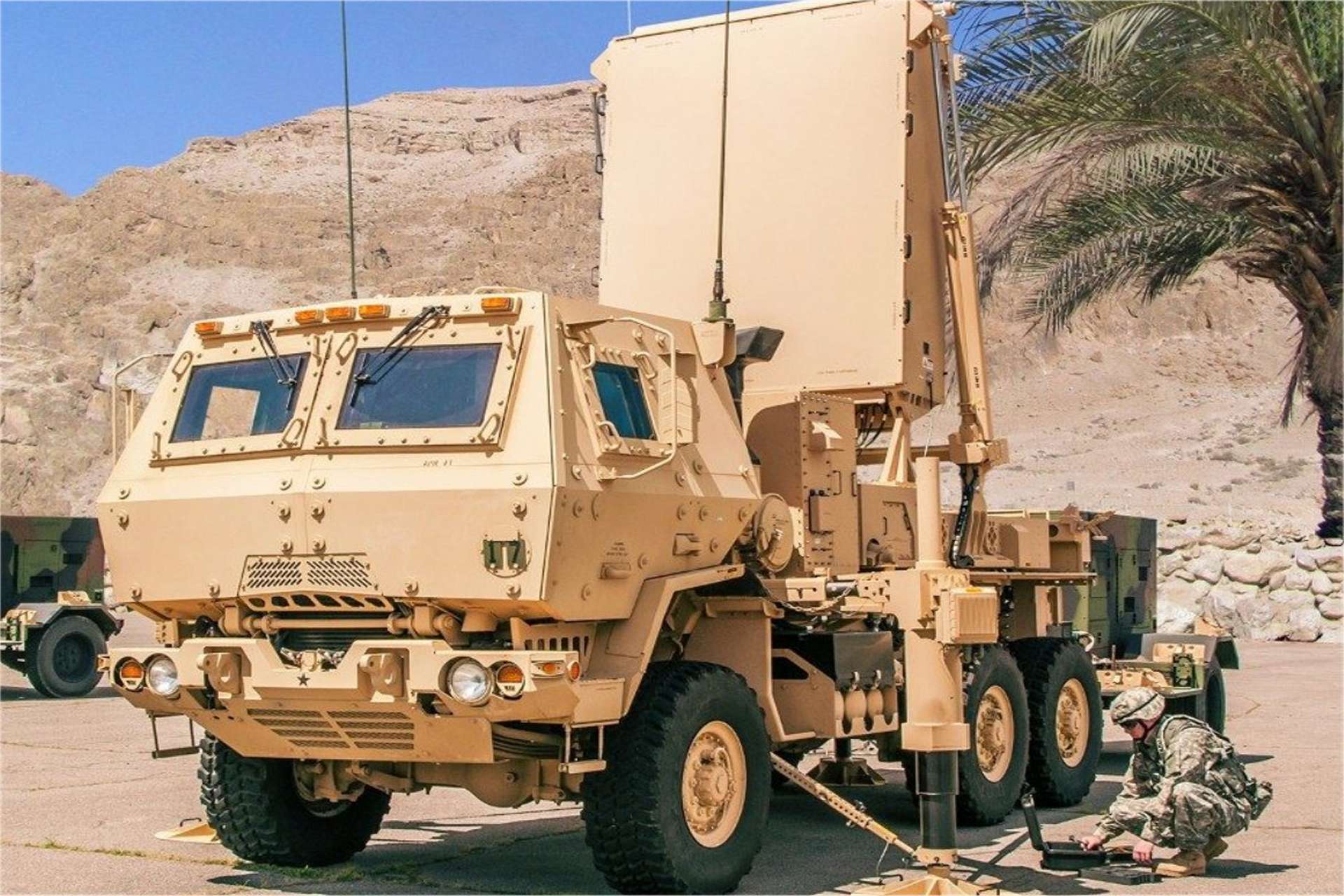
On November 13, 2024, Lockheed Martin, in partnership with Anduril Industries, demonstrated advanced capabilities in drone detection and tracking through the successful integration of the Q-53 Multi-Mission Radar (MMR) with Anduril’s Lattice Command and Control (C2) platform. This breakthrough occurred during the Desert Guardian exercise, organized by U.S. Central Command (CENTCOM) at Fort Drum, a key test for counter-drone technologies designed to address emerging threats.
Lockheed Martin, in partnership with Anduril Industries, integrated the Q-53 Multi-Mission Radar (MMR) with Anduril's Lattice Command and Control (C2) platform, demonstrating advanced drone detection and tracking capabilities. (Picture source: Lockheed Martin)
The Q-53 radar, renowned for its multi-mission capabilities, seamlessly integrated with Anduril’s Lattice C2 system during the exercise, creating a unified aerial picture that enhances situational awareness and decision-making. “The successful integration of the Q-53 MMR and Lattice illustrates Lockheed Martin’s valuable partnership with the U.S. government and our industry partners, enabling us to deliver tailored solutions for our customers,” said David Kenneweg, Director of Multi-Mission Air Defense Radars at Lockheed Martin. The synergy between the radar and the C2 network not only improves detection and tracking capabilities but also allows operators to respond more quickly and effectively to drone threats.
The Desert Guardian exercise demonstrated the system’s ability to streamline data sharing and integrate multiple sensors into a unified operational framework, a crucial element in addressing modern battlefield challenges. The success of this collaboration highlights Lockheed Martin and Anduril’s commitment to innovating counter-drone solutions to meet CENTCOM’s urgent operational needs. “We are adapting to our customers’ missions and developing capabilities that will benefit operators,” Kenneweg added, emphasizing the importance of rapid deployment and real-time operational utility.
Lockheed Martin’s Q-53 Multi-Mission Radar was developed to meet the growing need for detecting and tracking aerial threats, including drones, artillery shells, and rockets. First introduced in 2010, the system has evolved to incorporate multi-domain capabilities and advanced algorithms, enabling rapid detection and 360-degree coverage in complex environments. Meanwhile, Anduril’s Lattice C2 system, launched in 2017, is an AI-driven command-and-control platform designed to provide a unified operational picture in real-time. Its open-architecture design allows for rapid integration with various sensors and systems, a key advantage for modern defense missions.
The Q-53 radar can detect, track, and classify up to 1,000 targets simultaneously within a 60 km radius and 360-degree coverage. Designed for deployment in under five minutes, it delivers agile and precise scanning capabilities essential for intercepting fast-moving threats such as drones, rockets, or artillery shells. On the other hand, Anduril’s modular Lattice C2 platform can handle data streams from hundreds of sensors and systems simultaneously, with a processing latency of less than one second. Powered by advanced AI algorithms, it generates a real-time operational picture, enabling operators to make critical decisions with increased efficiency in dynamic environments. This robust integration optimizes detection, tracking, and response capabilities to address complex threats.
Looking ahead, Lockheed Martin will participate in a new exercise organized by CENTCOM at a base in the Middle East to continue refining this integrated solution. This effort aims to provide operators with enhanced situational awareness in high-risk environments, ensuring comprehensive counter-drone capabilities tailored to modern threats.
Read more: Lockheed Martin Integrates Q-53 Radar with Anduril’s Lattice C2 to Counter Drones
- Details
- Written by: Administrator
- Category: 2024
- Hits: 5401
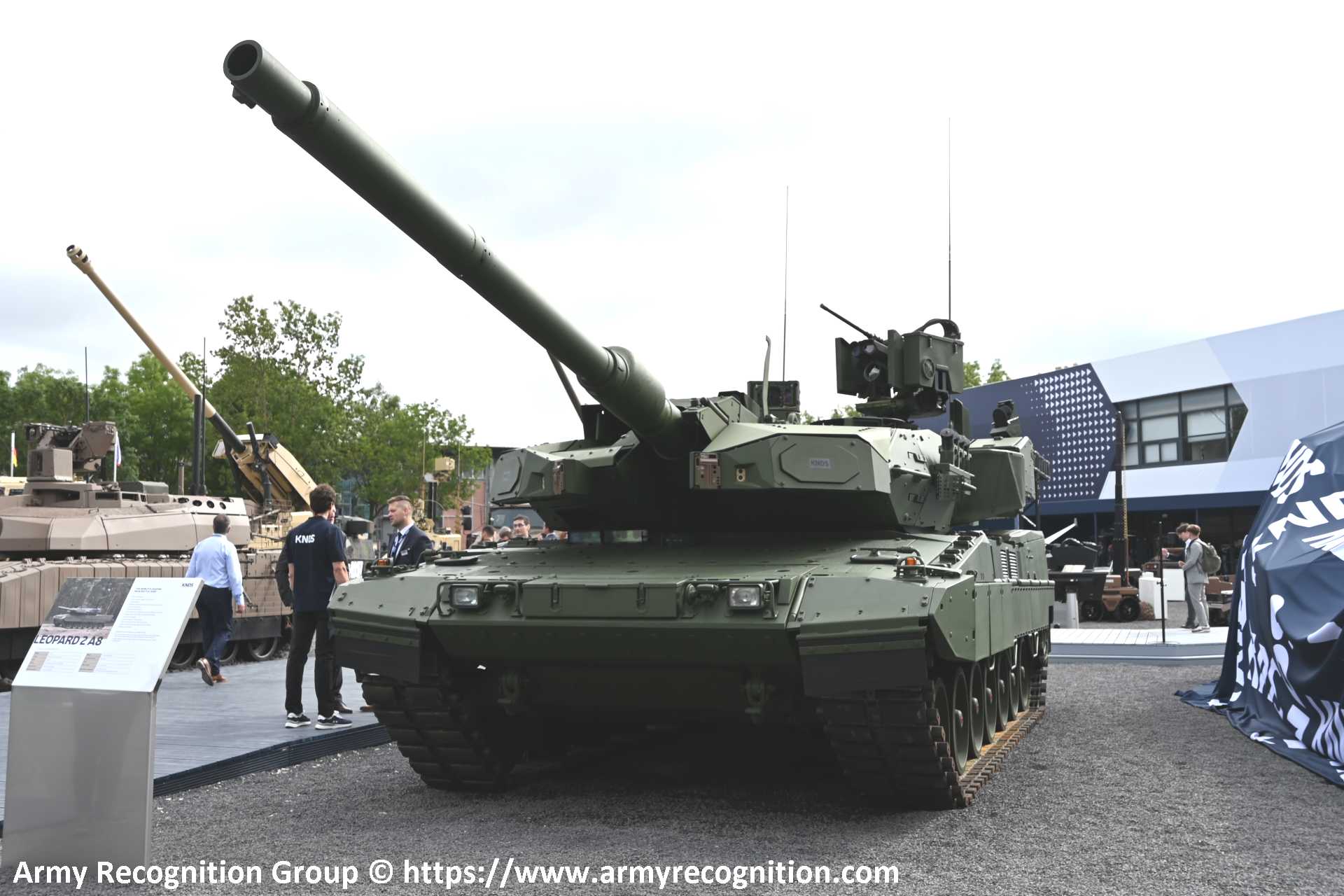
EuroTrophy, a leading European provider of active protection systems (APS), has secured a landmark contract with the Defense Company KNDS Germany to deliver 123 Israeli-made Trophy APS units. These will be integrated into the German Army’s next-generation fleet of Leopard 2A8 Main Battle Tanks (MBTs). The contract, which was officially announced today, also includes the provision of initial spare parts packages and technical services to ensure the successful integration of the Trophy system into the Army’s existing technical, operational, and logistical infrastructure.
Follow Army Recognition on Google News at this link
A German KNDS Leopard 2A8 tank equipped with the Trophy Active Protection System (APS) on display at Eurosatory 2024 in Paris, France. (Picture source: Army Recognition Group)
This contract marks a significant step in the evolution of the Trophy APS (Active Protection System), as it becomes an integral component of the Leopard 2A8 MBT’s (Main Battle Tanks) standard configuration, further cementing its status as a key asset in modern armored warfare. The Trophy system, which has already seen combat success, provides real-time vehicle protection by intercepting incoming threats, such as anti-tank guided missiles and rocket-propelled grenades.
The award to EuroTrophy is not only a crucial win for the company but also highlights the growing recognition of Trophy as the leading APS within Europe and NATO. This marks the second major contract award for EuroTrophy in the last 12 months, following the Norwegian Army’s selection of Trophy for its Leopard 2A8 fleet. The Norwegian decision underscored Trophy’s proven performance and operational readiness, further strengthening its position as the APS of choice for European armed forces.
Dan Kalfus, Managing Director of EuroTrophy, expressed his pride in securing the German Army's trust, stating, “We are honored and grateful for this award, as it demonstrates our customer KNDS's high confidence in our combat-proven Active Protection System. With this step, Trophy has become an integral part of the Leopard 2A8 standard configuration.” Kalfus emphasized that integrating Trophy with Germany’s advanced Leopard 2A8 tanks would significantly enhance their survivability in future combat scenarios.
Dr. Thomas Kauffmann, Chairman of the Supervisory Board of EuroTrophy, added that this contract represents a milestone for EuroTrophy and the entire European defense community. “This contract award marks a major milestone and achievement in our joint effort to supply world-class technology to our European customers. We are convinced that Trophy will be the first choice for many other NATO and European users, which want to equip their MBT and IFV fleets with a Europe-made active protection system,” said Kauffmann.
EuroTrophy is a joint venture formed by three major defense entities: Rafael, KNDS, and GDELS. The company is the sole provider of a combat-tested, NATO-deployed, and European-made APS, making it a critical player in the European defense industry. With a focus on providing cutting-edge, life-saving technologies, EuroTrophy is poised to continue its growth in the global market by meeting the growing demand for effective, advanced protection systems for modern military vehicles.
The Trophy Active Protection System (APS) is an advanced defensive technology designed to protect armored vehicles from a variety of incoming threats, such as anti-tank guided missiles (ATGMs), rocket-propelled grenades (RPGs), and other projectile threats. Developed by Rafael Advanced Defense Systems and now integrated into various military platforms, Trophy uses sophisticated radar and electro-optical sensors to detect and track threats in real time. Once a threat is identified, the system rapidly calculates its trajectory and deploys countermeasures, such as shotgun-like projectiles, to intercept and neutralize the threat mid-air, before it can impact the vehicle. The trophy is renowned for its effectiveness in combat, having been successfully deployed in Israel and proven in operational environments. As a result, it has become a key component of many modern military platforms, significantly enhancing the survivability of main battle tanks (MBTs) and infantry fighting vehicles (IFVs) in high-threat scenarios.
The Trophy APS has already proven its worth in several combat theaters, most notably in Israel, where it has been deployed on various platforms, including the Merkava Mk4 and the Namer IFV. Designed to detect and neutralize incoming threats before they can impact the vehicle, Trophy uses advanced radar and electro-optical sensors to provide 360-degree protection. Once a threat is identified, the system fires countermeasures to neutralize it mid-flight, preventing damage to the vehicle.
By integrating Trophy with the Leopard 2A8, Germany is ensuring that its MBT fleet remains one of the most technologically advanced and protected in the world. The Leopard 2A8, one of the most modern iterations of the Leopard 2 series, already boasts advanced armor, firepower, and mobility. The addition of Trophy further elevates the tank’s survivability, allowing it to operate with increased confidence in contested environments where asymmetric threats such as guided missiles and RPGs are prevalent.
EuroTrophy’s involvement in developing and deploying the Trophy APS is part of a broader effort to support the European defense industry and reduce reliance on non-European defense systems. As NATO member states increasingly seek to integrate European-made technologies into their military capabilities, EuroTrophy’s role as a life-saving, state-of-the-art defense system supplier positions it as a key player in the continent’s future defense strategy.
With this latest contract, EuroTrophy is well-positioned to continue its momentum in the European defense sector. As nations modernize their fleets and address new and evolving threats, the demand for advanced protection systems such as Trophy is expected to rise. EuroTrophy’s success in securing the German and Norwegian contracts demonstrates the trust placed in its products and the future potential for the company to expand its footprint across NATO and beyond.
As the only European provider of a combat-proven, NATO-deployed APS, EuroTrophy’s impact on the defense landscape is poised to grow significantly. It will provide European forces with unmatched protection on the modern battlefield.
- Details
- Written by: Administrator
- Category: 2024
- Hits: 18276
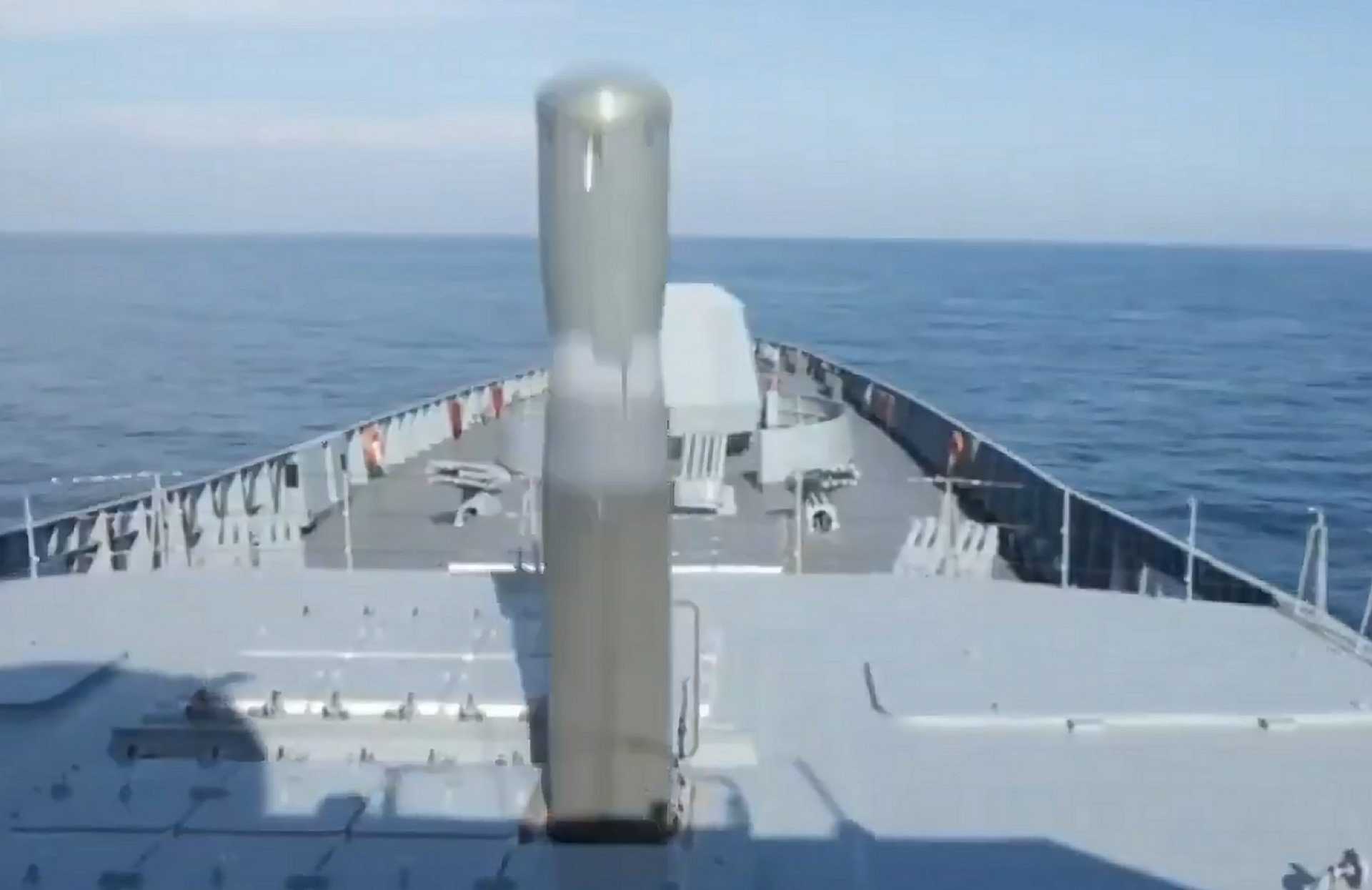
The Russian Ministry of Defense has unveiled the true design of its highly anticipated 3M22 "Zircon" hypersonic missile for the first time, releasing a video showcasing its launch from a Russian combat ship. This marks a significant moment in the arms race and highlights Russia's growing capabilities in hypersonic warfare.
Follow Army Recognition on Google News at this link
A screenshot from a Russian Ministry of Defense video shows the 3M22 "Zircon" hypersonic missile launched from a Russian combat ship during a test firing. (Picture source: Russian MoD)
Initially introduced as part of a broader suite of advanced weapons systems by Russian President Vladimir Putin in 2018, the 3M22 Zircon entered rigorous testing in late 2020. Since then, the missile has reached several key milestones, with successful launches from both surface ships and the Severodvinsk submarine in 2021. The missile has since been widely regarded as a cutting-edge weapon capable of changing the dynamics of modern warfare.
The Zircon’s first combat deployment occurred in January 2023, marking a significant step in Russia's operational deployment of hypersonic technology. By March 2024, President Putin confirmed the missile’s use in active combat, with its deployment against targets in Ukraine underscoring its potential as a game-changer in global military strategies.
The 3M22 Zircon, NATO code-named SS-N-33, is a maneuvering anti-ship missile that operates at hypersonic speeds of up to Mach 9 (approximately 11,000 km/h). This unprecedented speed allows it to cover vast distances in mere minutes, providing enemy forces with very little time to react. The missile has an operational range of up to 1,000 km, depending on its flight trajectory. When flying at low altitudes, it covers around 500 km, while employing a semi-ballistic trajectory can extend its reach. The Zircon’s two-stage propulsion system—combining a solid-fuel booster for initial acceleration and a scramjet engine for sustained hypersonic flight—ensures it maintains its extraordinary speed and maneuverability.
One of the Zircon's most concerning features is its flexibility. It offers significant strategic advantages by being capable of carrying both conventional and nuclear warheads. The missile can be launched from various platforms, including surface ships, submarines, and land-based coastal launchers, providing Russia with diverse deployment options across different combat scenarios.
The implications of the 3M22 Zircon hypersonic missile on global military dynamics are profound, especially for the United States and European countries. Its high speed, unpredictability, and ability to evade existing missile defense systems pose a significant challenge to current defense capabilities. No known technology has been proven to consistently counter hypersonic threats, meaning adversaries could not intercept the Zircon in real-time, mainly when launched from long distances.
Moreover, the missile’s dual capability—both conventional and nuclear—adds another layer of complexity to global security concerns. This versatility complicates strategic calculations, as countries must now account for the possibility of hypersonic nuclear strikes, further destabilizing existing deterrence frameworks.
For the United States and NATO, the Zircon represents a new generation of missile technology that could shift the balance of power, particularly in naval operations. The missile’s extreme speed and the variety of launch platforms it can be deployed from increase its threat to naval assets such as aircraft carriers and destroyers. The ability to strike quickly at long ranges could severely limit Western forces' operational reach in contested maritime regions.
Russia’s public demonstration of the 3M22 Zircon hypersonic missile marks a significant milestone not only in Russia’s technological advancements but also in the growing threats posed by hypersonic weapons. With its remarkable speed, range, and flexibility in payload, the Zircon has the potential to disrupt the balance of power, presenting serious implications for U.S. and European defense strategies. As the missile enters operational service, its disruptive capabilities highlight the urgent need for new defense systems capable of countering this emerging hypersonic threat.
Read more: Breaking News: Russian Reveals 3M22 Zircon Hypersonic Missile Design for the First Time

- Details
- Written by: Triffaux
- Category: 2024
- Hits: 3851
The U.S. Army announced on December 4, 2024, that it will integrate the Skydio and GhostX drone systems into its military operations. These drones are designed to enhance battlefield capabilities by improving commanders' situational awareness and reducing risks to soldiers. This move reflects the Army's focus on adopting advanced technology to address the demands of modern combat and maintain operational effectiveness in challenging environments.
US Army Skydio surveillance drone improves commanders' situational awareness. (Picture source: Skydio)
Sweeny, a spokesperson for the U.S. Army, highlighted the significance of these systems by stating that they will enhance mission capabilities and protect soldiers from harm. He emphasized their technical proficiency and focus on safety, describing them as vital tools for modern combat operations. The Skydio and GhostX systems are equipped with advanced features such as high-resolution imaging, real-time data transmission, and autonomous navigation, making them invaluable for complex reconnaissance and threat assessment missions. These drones are specifically designed to operate in challenging conditions, offering solutions that ensure soldiers are better prepared and informed in critical situations.
The Skydio system is particularly noted for its compact design and ease of deployment, making it ideal for tactical scenarios where agility and rapid response are crucial. Its advanced autonomous flight capabilities enable it to navigate complex environments without operator input, providing reliable and efficient reconnaissance in high-stakes situations. Meanwhile, the GhostX drone, with its extended range and endurance, excels in prolonged surveillance missions and versatile operational scenarios. It is equipped with dual-camera technology for day and night operations, modular payload options for enhanced functionality, and a rugged design that ensures reliability in diverse and extreme environments. Together, these technologies provide the U.S. Army with a strategic and versatile toolkit, enabling soldiers to make critical decisions with minimal risk to their safety.
The Skydio project began in the 2010s, following the company’s founding in 2014, and initially focused on civilian applications such as intelligent drones for surveillance and image capture. By 2019, the U.S. Department of Defense recognized its potential for military use and collaborated with the company to adapt its systems to meet tactical needs. Contracts secured through the Defense Innovation Unit in 2020 allowed for the testing of military-grade versions by 2021. By 2023, the Skydio drone was optimized for ground forces, featuring advanced autonomy and navigation technologies tailored to meet the demands of modern warfare.
The development of the GhostX system, on the other hand, began in 2017, with funding directed toward creating durable drones for long-duration military missions. The initial prototypes were tested in 2019 in simulated conditions to assess their performance in GPS-denied zones and under electronic warfare. Following extensive trials in 2022 under extreme conditions, the final version was validated for operational use. By 2024, the GhostX was officially adopted into the U.S. Armed Forces, marking its deployment in active military scenarios. These systems represent the culmination of years of technological innovation aimed at enhancing operational efficiency and soldier safety while addressing the evolving demands of modern battlefields.
The integration of Skydio and GhostX drones into U.S. Army operations reflects lessons learned from modern conflicts, particularly the war in Ukraine. This conflict has demonstrated the critical importance of unmanned aerial systems (UAS) for intelligence, surveillance, and reconnaissance (ISR) missions, as well as their role in enhancing situational awareness and reducing risks to personnel. In Ukraine, drones have proven indispensable for tracking enemy movements, targeting precision strikes, and navigating complex battlefields. The U.S. Army’s adoption of advanced systems like Skydio and GhostX ensures that its forces remain equipped to adapt to the evolving nature of warfare, where real-time data, autonomous capabilities, and versatile tools are essential for maintaining an operational edge and safeguarding soldiers in increasingly contested environments.

Anduril GhostX Surveillance Drone (Picture source: Anduril)
- India Reduces Reliance on Russian Arms in Favor of American Suppliers
- Cyprus modernizes air defense capabilities with new Israeli Barak MX surface-to-air missile system
- Breaking News: What are the Three US Land Mine Systems ADAM MOPMS and Volcano for Ukraine?
- Israel MOD Secures Contracts with Elbit Systems for ISR Drones and Autonomous Systems