

- Details
- Written by: Jérôme Brahy
- Category: 2024
- Hits: 2652










On November 24, 2024, Sergiy Boyev, Ukraine's Deputy Minister of Defence for European Integration, met with Niels Hilmer, the State Secretary of the German Ministry of Defence, on the sidelines of the 16th International Security Forum in Halifax, Canada. The meeting focused on plans for 2025, air defense systems, and armored vehicles. Boyev acknowledged Germany's role in providing the Patriot and IRIS-T air defense systems, which are actively used to address missile attacks on Ukrainian infrastructure. Discussions also explored the potential for Germany to supply additional heavy armored vehicles and enhance cooperation between German and Ukrainian defense companies, particularly in air defense and vehicle production.
Follow Army Recognition on Google News at this link
Germany’s contribution to Ukraine’s defense includes Rheinmetall’s upcoming delivery and production of hundreds of KF41 Lynx infantry fighting vehicles. (Picture source: Rheinmetall)
Germany’s contribution to Ukraine’s defense includes Rheinmetall’s upcoming delivery of KF41 Lynx infantry fighting vehicles (IFVs). Announced in August 2024, the first units are expected to arrive in Ukraine by the end of the year. This delivery is part of a larger agreement involving several hundred Lynx vehicles, which include training, maintenance, and repair services. The Lynx design utilizes a modular approach, allowing customization for various roles, including infantry fighting, air defense, and medical support.
Rheinmetall has expanded its involvement by establishing four production plants in Ukraine. The first facility, already operational, produces Lynx IFVs and provides maintenance services. The remaining three factories are in advanced stages of construction. One will focus on gunpowder production, another on NATO-standard 155mm artillery shells, and the fourth on air defense systems. These facilities aim to modernize Ukraine’s production capabilities and reduce dependence on external supply chains. Rheinmetall holds a 51% stake in the joint venture, with plans to increase local production rates after the initial setup.
The company has also invested in training Ukrainian personnel in Germany and expects that production within Ukraine will become more self-sustained. Rheinmetall has noted its ongoing involvement in the repair of armored vehicles, with Ukrainian-based workshops supporting faster turnaround for battlefield equipment. In addition to Lynx vehicles, these workshops address maintenance for systems such as the IRIS-T air defense platform and other equipment previously supplied by Germany.
Beyond Rheinmetall, other international defense contractors have expanded operations in Ukraine. The Franco-German group KNDS has launched a subsidiary to support maintenance and production of Leopard tanks, Caesar self-propelled howitzers, and other systems. KNDS plans to start local production of 155mm artillery shells and related spare parts in 2025. South Africa’s Paramount Group has collaborated with Ukraine on the Mbombe 6 infantry combat vehicle, which has been observed in service with Ukraine’s forces. While full-scale production agreements are not yet confirmed, discussions continue.
Ukraine has pursued further partnerships to localize production. This includes agreements with the Czech Republic for CZ BREN 2 rifle production under the Sich brand and ammunition manufacturing with Sellier & Bellot. Indigenous manufacturing of vehicles based on U.S. designs has also been established, resulting in locally produced versions of the Humvee, M113 APC, and MaxxPro MRAP, named Sikach, Kharakternyk, and Lys respectively. These projects aim to reduce Ukraine’s reliance on external suppliers.
International efforts have also focused on increasing the availability of artillery and ammunition. Rheinmetall’s upcoming production of NATO-standard munitions complements broader plans involving other European countries, such as France and Sweden, which have announced expansions in ammunition production. This includes additional facilities in Ukraine supported by various multinational agreements.
The collaboration between Ukraine and its international partners is further illustrated by Sweden, the Netherlands, and Denmark’s commitment to supplying CV90 infantry fighting vehicles. Denmark has committed $264 million to this effort, while Sweden is managing the production and delivery of these vehicles. Further agreements involve potential local production and servicing of CV90s in Ukraine.
Overall, Ukraine’s defense partnerships are focused on increasing local production capabilities for vehicles, air defense systems, and ammunition. These efforts include training personnel, establishing facilities for maintenance and repair, and transitioning to NATO standards. As these initiatives progress, Ukraine aims to modernize its military capabilities and enhance its defense industry’s self-reliance amid ongoing challenges.
- Details
- Written by: Vandenbosch
- Category: 2024
- Hits: 10701
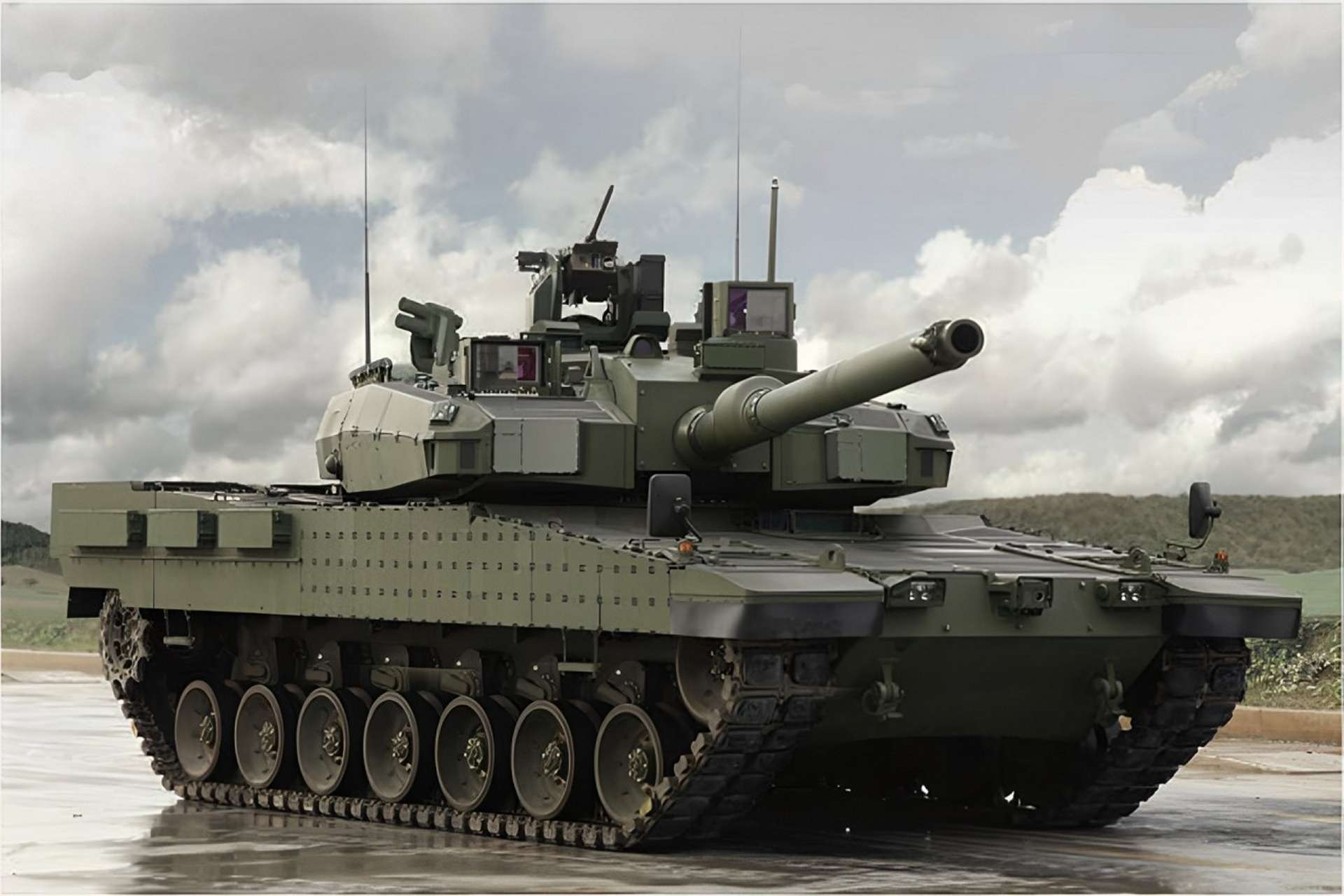
Türkiye's Minister of National Defense, Yaşar Güler, recently confirmed that the Turkish Armed Forces will begin receiving the first serially-produced Altay main battle tanks by the end of 2025. This announcement marks a milestone in Türkiye's ambitions to strengthen its national defense industry and equip its army with modern and autonomous systems.
The Altay represents a new generation of Main Battle Tank. (Picture source: Turkish MoD)
Currently, Türkiye's tank inventory exceeds 3,000 units, according to the minister, emphasizing the importance of integrating the Altay into this fleet. Developed as the first main battle tank entirely designed and manufactured in Türkiye, the Altay is undergoing advanced testing to validate its operational capabilities before entering serial production.
The Altay represents an advancement compared to the older tanks in the Turkish Army, both technologically and operationally. Equipped with next-generation composite armor, it provides superior protection against modern threats such as guided anti-tank missiles and improvised explosive devices, which are increasingly prevalent on contemporary battlefields. Unlike older tanks, often limited in digital capabilities and system integration, the Altay features a suite of advanced technologies, including the AKKOR active protection system, which detects and neutralizes incoming projectiles, ensuring 360-degree defense. Additionally, its main gun and modernized targeting system enable more precise long-range strikes, enhancing combat effectiveness. With a locally developed engine underway, the Altay also offers increased strategic autonomy, reducing reliance on foreign technologies, a major limitation of older tanks. Finally, its improved ergonomics and onboard systems facilitate better crew coordination and responsiveness, making it more suited to the demands of modern conflicts.
However, the Altay project has faced delays. Initially scheduled to enter service after 2018, the program was slowed down due to an embargo on power units imposed by Germany. To overcome this challenge, two prototypes were equipped with South Korean power units and subjected to extensive testing. Simultaneously, Turkey initiated the development of a domestic solution for the tank’s engine, with production set to take place in a new facility located in the HAB region of Ankara, replacing the originally planned site in Sakarya. The construction of this facility is nearly complete, signaling a crucial step toward production readiness.
Weighing 65 tons, the Altay represents a new generation of heavy armored vehicles. It features advanced composite armor that enhances its survivability on the battlefield. Its main gun has an effective range of up to 8 kilometers, while the four-person crew benefits from optimized ergonomics and modern technologies for improved coordination.
In terms of weaponry, the Altay is equipped with a 12.7 mm heavy machine gun and the advanced stabilized remote-controlled weapon platform (SARP), developed by Aselsan, a leading player in Turkey's defense electronics industry. For protection, the tank incorporates the AKKOR active protection system, a domestically developed technology providing 360-degree defense against anti-tank threats. This system employs sophisticated radars and specialized munitions to intercept and neutralize incoming missiles before they reach their target.
With the planned integration of the Altay into the Turkish Armed Forces, Turkey is reinforcing its position among nations capable of developing and producing advanced defense systems while reducing reliance on foreign technologies. This project also represents a critical milestone for Türkiye’s defense industry, showcasing its growing capabilities to meet national security needs and enhance strategic autonomy.
Read more: In 2025 Turkish Army to Receive Altay One of the World's Most Advanced Tanks

- Details
- Written by: Administrator
- Category: 2024
- Hits: 5139
According to information published by the German defense website Hartpunkt on November 27, 2024, the German Ministry of Defense has officially launched a procurement process for the PULS (Precise and Universal Launching System) as part of the Bundeswehr's (German army) Future Long-Range Indirect Fire System program.
Follow Army Recognition on Google News at this link
The PULS Rocket Artillery System, selected by both the Dutch and German armies, provides advanced long-range precision firepower, capable of launching rockets up to 300 km. (Picture source: Defensie Fotografie Martin Bos)
This acquisition aims to replace the five MARS II Multiple Launch Rocket System (MLRS) platforms that were recently donated to Ukraine as part of Germany's military aid package. The PULS system, developed by Israeli defense contractor Elbit Systems, promises to enhance Germany's missile artillery capabilities with a new generation of rocket launchers capable of delivering a wide range of precision-guided munitions.
The decision to acquire PULS is a strategic move to replace the older MARS II system, which has been in service with the Bundeswehr for decades. The MARS II, a European version of the American M270 MLRS, is being phased out as part of a broader modernization effort within Germany’s armed forces. The Euro-PULS, a variant of the original Israeli system, will be tailored specifically to meet the needs of the German Army. The system promises to provide flexible and precise fire support over extended ranges, addressing the growing demand for more advanced, multi-role artillery systems. In particular, the new Euro-PULS system will be integrated into the German military’s broader defense infrastructure in collaboration with Krauss-Maffei Wegmann (KMW), a German defense manufacturer known for its expertise in armored vehicles and artillery.
The PULS system stands out for its versatility and precision. It can launch various rockets, including the Accular 122mm and 160mm rockets, with ranges of up to 35 km and 40 km, respectively. Additionally, it can fire the EXTRA rocket, which has a range of 150 km, and the Predator Hawk rocket, which can strike targets up to 300 km away. This wide range of munitions ensures that the system can be used for various mission types, from close support to long-range precision strikes against high-value targets. The PULS system also features a fully automated loading and firing system, reducing crew requirements and increasing the speed at which the system can operate in dynamic battlefield environments. Mounted on a robust 8x8 wheeled chassis, the PULS is highly mobile, ensuring that it can be deployed quickly across different terrains and in challenging operational conditions.
The procurement of the Euro-PULS is part of a broader effort to replace the MARS II systems that were sent to Ukraine in 2023 as part of Germany’s support for Ukraine's defense against Russian aggression. The handover of these five MARS II units created a gap in Germany’s own artillery capabilities, which the new PULS systems will now address. The procurement process is expected to unfold over several years, with the first deliveries anticipated after a period of testing and integration. The system will be built in close collaboration with Krauss-Maffei Wegmann and Elbit Systems, with the German Army’s operational requirements taken into account throughout the development process. As Germany continues to modernize its artillery fleet, the PULS will form an essential part of its future long-range fire support capabilities, aligning with similar procurement efforts by other NATO allies, including the Netherlands, Norway, and Spain, all of which are investing in the system to bolster their own defense postures.
Germany’s investment in the PULS system also reflects a broader shift in European defense strategy, where nations are increasingly seeking to modernize and enhance their military capabilities in response to regional security threats. The ability of the PULS to deliver precision strikes over extended distances makes it an important tool for deterrence and rapid-response operations. The procurement process highlights Germany’s commitment to strengthening NATO’s defense capabilities and enhancing its own readiness in a rapidly evolving security environment. The acquisition of PULS is a direct response to both the ongoing conflict in Ukraine and the increasing threat posed by Russia, ensuring that Germany remains a key player in maintaining peace and stability in Europe.
As the procurement process moves forward, the collaboration between Krauss-Maffei Wegmann and Elbit Systems will be critical in adapting the Euro-PULS to meet Germany’s specific needs. The integration of this advanced artillery system will enhance the Bundeswehr’s ability to conduct long-range precision strikes, providing the German Army with a powerful, flexible, and highly capable tool for modern warfare. The replacement of the MARS II units with the PULS system marks a significant step in Germany’s defense modernization efforts, aligning with broader European initiatives to improve interoperability and response capabilities within NATO and the EU. This development is expected to reinforce Germany's strategic position in European defense and contribute to the overall security architecture of the region.

- Details
- Written by: Vandenbosch
- Category: 2024
- Hits: 2716
From November 20 to 29, 2024, the Horse Hunters Battalion is organizing a large-scale tactical exercise in Neufchâteau and Elsenborn. Named "Yellow Guardian," this event aims to enhance operational skills and international cooperation in reconnaissance operations.
The "Yellow Guardian" scenario spans a 90-kilometer corridor connecting Neufchâteau to Elsenborn. (Picture source: Belgian MoD)
On Wednesday, November 20, the maneuvers begin at the Elsenborn camp, which hosts nearly 180 vehicles and around 600 Belgian, French, Dutch, and Luxembourg soldiers. Under the direction of the Horse Hunters Battalion, this international exercise is a first in the Belgian military landscape, focusing exclusively on reconnaissance missions.
The "Yellow Guardian" scenario spans a 90-kilometer corridor connecting Neufchâteau to Elsenborn. After two days of preparation and adaptation, operational orders are relayed through the chain of command and translated into concrete directives for the troops.
On Sunday evening, the Blue Force is deployed in Neufchâteau and begins its advance toward Elsenborn. Their missions include route reconnaissance, threat detection, enemy intelligence gathering, and terrain analysis. These operations are supported by drones, radars, and specialized vehicles, allowing the units to move discreetly while alternating between phases of movement and surveillance. Opposing them, a Red Force simulates an enemy, creating a realistic environment for the maneuvers. The ultimate goal is to provide the command with the necessary information to understand the enemy's intentions.
The "Yellow Guardian" exercise goes beyond refining tactical procedures and logistical capabilities. It also emphasizes knowledge-sharing with international partners.
For this 2024 edition, several foreign units are joining the Horse Hunters Battalion, including the "Delta" Reconnaissance Company from Luxembourg, the reconnaissance squadron of the Netherlands' 42nd Brigade, and multiple French regiments: the 1st Spahis Regiment, the 2nd Hussar Regiment, the 54th Transmission Regiment, and the 61st Artillery Regiment. On the Belgian side, support units such as the 23rd Medical Battalion, the 18th Logistic Battalion, the 11th Engineer Battalion, the 10th CIS Group, and the Artillery Battalion are also participating in the operation.
"We do not have the same methods of working, communication, or logistical procedures," explains Lieutenant Colonel SBH Jean-François Verheust, commander of the Horse Hunters Battalion. "These differences present challenges that push us to improve." This approach aims not only to increase operational efficiency but also to strengthen cohesion among allied units.
By bringing together troops from different countries, "Yellow Guardian" enhances international cooperation and interoperability. Participating units share their expertise and improve their responsiveness in multilateral missions.
"Bringing together so many units specialized in reconnaissance and intelligence gathering from four countries is a first for Belgium," notes Major Didier Brach, deputy commander of the Battalion. "It’s a true international reconnaissance community that is forming at 'Yellow Guardian'."
This exercise represents an important step in developing reconnaissance and collaborative capabilities within European armed forces, while also solidifying ties between allies in a demanding operational context.

- Details
- Written by: Halna du Fretay
- Category: 2024
- Hits: 3403
On November 27, 2024, Turkish land systems manufacturer Otokar signed a contract with Romtehnica, representing the Romanian Ministry of Defense, to supply 1,059 COBRA II 4x4 light tactical armored vehicles. This multi-year contract, valued at approximately €857 million, marks a significant milestone in Romania’s military modernization efforts. The agreement also includes substantial local production in Romania, strengthening industrial ties between the two countries.
The Cobra II’s welded steel armor protects against 7.62mm rounds, artillery fragments, and IEDs, with optional add-on armor available (Picture source: Otokar)
This contract follows a rigorous bidding process initiated by C.N. Romtehnica S.A. on behalf of the Romanian Ministry of Defense. Otokar, having submitted its bid on March 20, 2024, successfully completed technical evaluations, field tests, and financial assessments. On October 4, 2024, Otokar was officially selected as the winner, paving the way for this strategic partnership.
Unveiled in 2013, the Cobra II is a 4x4 light tactical armored vehicle designed to perform a variety of military and security missions. As the successor to the Cobra I, it offers enhanced modularity, improved technical performance, greater mobility, and reinforced protection against ballistic threats, mines, and improvised explosive devices (IEDs). Capable of transporting up to 11 personnel, including the driver and commander, the Cobra II features a spacious interior and can be adapted for roles such as troop transport, reconnaissance, command and control, and medical evacuation.
The Cobra II’s welded steel armor provides protection against 7.62mm rounds, artillery fragments, and IEDs, with optional add-on armor available. Its armament options include a remotely operated weapon station armed with a 7.62mm or 12.7mm machine gun or a 25mm automatic cannon, along with smoke grenade launchers. Powered by a 360-horsepower turbo diesel engine, the vehicle can reach a maximum speed of 110 km/h with a range of 700 km. It also features a central tire inflation system, run-flat inserts, and advanced electronics, including the ARMATRONICS management system, making it customizable for diverse operational requirements.
Under the contract, the first 278 vehicles will be manufactured in Türkiye, while the remainder will be produced locally in Romania. Deliveries are expected to begin in the last quarter of 2025 and extend over five years. The agreement also includes integrated logistics support to ensure optimal operational readiness of the vehicles.
The COBRA II, one of Otokar’s flagship products, is already in active service with over 20 operators across 13 countries. Available in more than 30 variants, it is known for its modularity, allowing it to meet diverse operational needs. The vehicle offers enhanced protection against ballistic, mine, and IED threats, combined with high mobility, a strong power-to-weight ratio, and integration capabilities for various weapon systems and mission equipment.
With nearly 40 years of experience in the defense industry, Otokar has built a global reputation for providing robust and innovative solutions. Founded in 1963 as part of Türkiye’s industrialization efforts, the company operates a 552,000-square-meter facility in Arifiye, Sakarya, employing over 3,500 personnel. Otokar’s portfolio includes wheeled armored vehicles (4x4, 6x6, 8x8), tracked armored vehicles, unmanned vehicles, and turret systems, which are in service across more than 40 allied and partner countries, including NATO and UN members. The company has a global fleet of over 33,000 military vehicles.
The defense partnership between Turkey and Romania reflects growing strategic cooperation, strengthened by mutual industrial and military initiatives. Both countries, as NATO members, share common security objectives, particularly in the context of the Black Sea and emerging challenges in Eastern Europe. This partnership is built on technology transfers, co-production programs, and expertise exchanges, fostering the development of Romania's defense capabilities while solidifying Turkey's position as a key player in the defense industry. The recent agreement for the local production of Cobra II armored vehicles in Romania exemplifies this collaboration, combining military modernization, industrial development, and the strengthening of bilateral ties within the transatlantic alliance.
- Details
- Written by: Administrator
- Category: 2024
- Hits: 4520
The 64N6 "Tombstone" radar, a critical element of Russia's S-300 and S-400 air defense missile systems, was recently destroyed by Ukrainian forces in a precision strike using U.S.-supplied ATACMS missiles. This radar is a surveillance tool and a cornerstone of Russia’s air defense network, designed to detect, track, and manage aerial threats across vast distances. Its destruction marks a significant blow to the Russian military, as it directly undermines the effectiveness of one of its most formidable surface-to-air missile systems.
Follow Army Recognition on Google News at this link
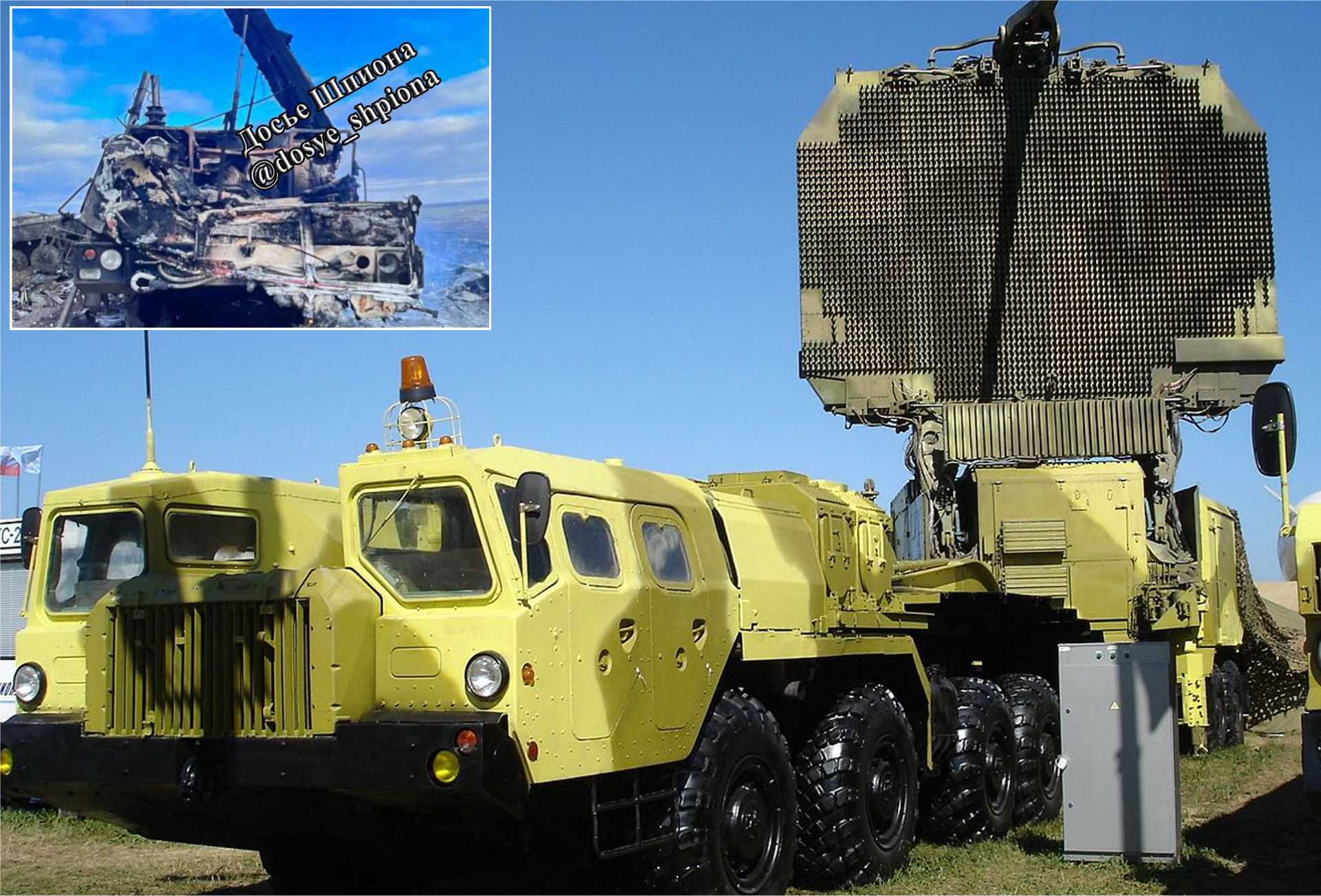
The 64N6 'Tombstone' Radar, a pivotal component of Russia's S-300 air defense system, known for its long-range surveillance and threat management capabilities. Overlayed is an image vignette of the radar's aftermath, destroyed by a precision Ukrainian ATACMS missile strike, highlighting the impact of modern warfare on critical defense infrastructure. (Picture source: Mix Army Recognition Group/Telegram)
The 64N6, NATO designation Tombstone is a long-range, three-dimensional phased-array radar operating in the S-band frequency, making it highly effective in detecting aerodynamic and ballistic targets. With a maximum detection range of approximately 300 kilometers, the radar can monitor and identify threats well beyond the immediate engagement zone of the S-300 PM air defense missile systems family. It can simultaneously track up to 100 targets, including fast-moving fighter aircraft, low-flying cruise missiles, and high-speed ballistic projectiles. This multitasking capability ensures that the S-300 PM system can respond to multiple threats in a highly dynamic combat environment.
A key feature of the 64N6 radar is its phased-array antenna, which allows for rapid and precise scanning of airspace. This technology enables the radar to continuously track targets accurately while resisting electronic countermeasures, such as jamming. Mounted on a semi-trailer, the radar is mobile and can be deployed quickly, ensuring that it remains operational despite shifting battlefield dynamics.
The 64N6 radar is important because it acts as the "eyes" of the S-300PM/PMU-1 system. It acts as the primary sensor for target acquisition and feeds real-time data to the command post, which coordinates the engagement of threats using the system’s missiles. Without the 64N6, the S-300 system is effectively blind, unable to detect or engage incoming threats with the same level of precision. This makes the radar a high-value target in any conflict where disrupting enemy air defenses is a priority.
For Ukraine, destroying the 64N6 radar represents a major tactical victory. By neutralizing this critical component, Ukrainian forces have significantly degraded Russia's regional air defense capabilities. This creates opportunities for Ukrainian drones, missiles, and aircraft to operate with reduced risk, enabling more effective strikes against other strategic targets. The use of ATACMS missiles for this operation highlights the strategic importance of such targets. With their extended range and precision, ATACMS missiles are ideally suited for striking high-value assets like the 64N6 from well behind the front lines.
The loss of the 64N6 radar also creates long-term challenges for Russia. Replacing such a sophisticated and expensive system requires significant time, resources, and logistical coordination. This delays Russia's ability to restore full air defense coverage in the area, leaving critical infrastructure and military assets vulnerable to future attacks.
From a broader perspective, the destruction of the 64N6 radar underscores the evolving nature of modern warfare, where targeting critical nodes in an enemy’s air defense network can shift the operational balance. For Ukraine, this successful strike demonstrates not only its growing capability to counter advanced Russian technology but also the strategic value of leveraging Western-supplied precision-guided munitions to achieve high-impact results. As the conflict continues, operations like this will likely play a pivotal role in shaping the battlefield dynamics and weakening Russia's overall defensive posture.

- Details
- Written by: Halna du Fretay
- Category: 2024
- Hits: 4975
In modern military operations, where quick and accurate information is essential, the identification of military equipment is a critical capability. Developed by the Belgian company IDDEA (International Digital Defense Equipment Agency), the MEGA-Army App leverages advanced artificial intelligence (AI) algorithms to transform battlefield reconnaissance. This mobile application enables real-time identification, analysis, and detailed reporting of ground-based military equipment. Defense professionals are invited to explore its capabilities through a tailored demonstration.
A demo of the MEGA-Army App offers defense professionals an opportunity to understand its full potential (Picture source: IDDEA)
Consider a reconnaissance unit operating in a hostile environment. With the MEGA-Army App, they can identify an enemy armored vehicle within seconds, relay critical data to command, and adjust their strategy in real time. This operational efficiency is achievable with the MEGA-Army App.
Advanced Technology for Immediate Results
The MEGA-Army App leverages cutting-edge artificial intelligence to analyze complex images with remarkable speed and precision, even in challenging conditions. Within seconds, it can identify a wide range of military equipment, including armored vehicles, artillery systems, drones, and missiles, providing critical insights essential for decision-making in the field.
Beyond identification, the app delivers comprehensive data about each piece of equipment, such as its type, model, and origin, as well as detailed technical specifications and onboard weapon systems. It also highlights potential tactical applications, allowing users to adapt their strategies effectively across diverse scenarios.
These features make the app a valuable tool for improving decision-making in reconnaissance missions and active engagements.
Versatile Applications
The MEGA-Army App is designed to meet the needs of armed forces and defense professionals in various contexts:
- In the field: Enables quick identification of friendly or adversary equipment, improving situational awareness and responsiveness.
- During reconnaissance missions: Provides real-time access to critical data to better plan tactical actions.
- In training and education: Serves as a learning tool to study technical characteristics and operational uses of military equipment.
Why Request a Demo?
A demo of the MEGA-Army App offers defense professionals an opportunity to understand its full potential. Whether you are a military decision-maker, intelligence analyst, trainer, or defense industry professional, the presentation is designed to meet your specific requirements.
Participants will have the opportunity to explore the app’s intuitive interface, gaining a clear understanding of its strategic advantages in various operational contexts. They will also review real-world use cases tailored to their specific areas of expertise and assess potential collaboration and integration opportunities to enhance training conditions and boost operational effectiveness.
Demo Options
Two demonstration formats are available:
- In-person: An immersive presentation with our experts, ideal for testing the app in the field.
- Online: An interactive session accessible from any location.
Each demonstration can be customized to align with your operational needs, technology integration plans, or educational objectives.
Contact Us to Schedule Your Personalized Demo
Discover how the MEGA-Army App can optimize your military operations. Combining an intuitive interface, comprehensive databases, and advanced AI analysis capabilities, the app sets new benchmarks in military equipment identification.
Contact us today to schedule your demo session and enhance your strategic edge on the battlefield.
- Email:
- Phone: +32 (0) 85 76 06 22
Read more: Request Your MEGA-Army App Demo to Enhance Battlefield Reconnaissance

- Details
- Written by: Halna du Fretay
- Category: 2024
- Hits: 2443
On November 25, 2024, the United States Department of Defense announced the deployment of a new artificial intelligence-based air surveillance system designed to address potential aerial threats in the National Capital Region (NCR). This advanced system, intended to safeguard strategic sites such as the White House, the Capitol, and the Supreme Court, represents a significant step in strengthening air security. It is part of a broader effort to prevent events similar to those of September 11, 2001, when hijacked planes targeted high-value symbolic and strategic locations, including the Pentagon.
ERSA cameras are equipped with both electro-optical and infrared imaging, high-definition resolution, and features such as infrared colorization that enhance target detection through heat signatures(Picture source: US DoD)
The new system, known as Enhanced Regional Situational Awareness (ERSA), integrates advanced visual recognition cameras and lasers. Gradually being implemented across the NCR, it incorporates AI-driven identification and tracking capabilities, offering significant improvements over legacy systems. Manufactured by the technology firm Teleidoscope, this system replaces equipment installed in 2002, which was itself a replacement for earlier post-9/11 technology.
ERSA cameras are equipped with both electro-optical and infrared imaging, high-definition resolution, and features such as infrared colorization that enhance target detection through heat signatures. These capabilities are further supported by a laser rangefinder that accurately measures the distance and altitude of objects. According to Air Force Master Sgt. Kendrick Wilburn, who oversees operations at the Joint Air Defense Operations Center (JADOC), the system can automatically lock onto and track moving targets through machine learning algorithms. The more the system is utilized, the more precise it becomes, improving its overall effectiveness.
The system also includes a visual warning device using a red-green laser to alert non-compliant aircraft to immediately exit the Special Flight Rules Area (SFRA). These eye-safe lasers help avoid the need for costly military aircraft deployments to investigate potential violations. Wilburn explains that these visual signals, referred to by operators as "sparkles," often prompt pilots to adjust their course and contact the Federal Aviation Administration (FAA) as required.
This advanced defense system was developed to address the complex challenges of urban airspace protection. Testing conducted in 2022 compared several camera prototypes, with Teleidoscope emerging as the preferred choice due to its significant software enhancements. Currently, two cameras are operational, and in upcoming phases, plans are to deploy an additional seven cameras each year.
The ERSA system could, in the future, benefit from advancements achieved with the MEGA-Army application developed by Belgian company IDDEA. Originally designed for identifying land-based military equipment through advanced image recognition, the application could be adapted for aircraft identification. Such an adaptation would not only enable recognition of aircraft but also provide detailed information on their capabilities, armaments, radar systems, and defensive measures. This integration could enhance ERSA’s ability to deliver critical real-time data for identifying and validating aerial threats. These developments highlight the potential of combining aerial surveillance technologies with advanced recognition tools, further modernizing defense strategies.
Improvements brought by the ERSA system have already transformed how aerial threats are detected and managed. Wilburn notes that the cameras are capable of detecting and tracking small targets, such as birds in flight—capabilities unattainable with previous systems. Additionally, partial automation of the system allows operators to focus on more complex analytical tasks, such as evaluating the intent of suspicious aircraft.
This modernization reflects a proactive approach to preventing incidents akin to those of September 11, 2001. By integrating advanced technology, artificial intelligence, and human expertise, the ERSA system provides a robust and adaptable response to contemporary aerial threats. The Department of Defense, in collaboration with the Air Force and the Accelerate the Procurement and Fielding of Innovative Technologies program, has facilitated the rapid implementation of this project, underscoring the United States' commitment to protecting its critical infrastructure.
Read more: AI-Enhanced Cameras Deployed to Prevent Aerial Attacks on Washington's Strategic Sites

- Details
- Written by: Jérôme Brahy
- Category: 2024
- Hits: 4269
On November 21, 2024, the New Zealand Defence Force (NZDF) signed a contract with the Spanish company UROVESA to replace part of its utility vehicle fleet. This marks the first significant procurement from Spain in the land domain by the NZDF. From 2027, 60 VAMTAC vehicles (40 CK3 medium variants and 20 ST5 light variants) will be delivered to the New Zealand Army, Ngāti Tūmatauenga, under the first tranche of the Protected Mobility Capability Project (PMCP).
Follow Army Recognition on Google News at this link
The 60 Vamtac utility vehicles are intended to enhance the New Zealand Defence Force (NZDF)’s capacity to perform various roles, including combat, disaster relief, and training. (Picture source: New Zealand MoD)
The agreement, signed at Defence House on November 21, 2024, was overseen by Secretary of Defence Brook Barrington, with Major General Rose King, Chief of the New Zealand Army, as an official witness. Tranche one, supported by NZ$100 million from Budget 2024, includes the vehicles, spare parts, computing and communications equipment, support equipment, project costs, and introduction into service costs. The new fleet will replace approximately 25% of the Army’s current Unimog and Pinzgauer fleet, which has been in service for close to 40 years.
The operational utility vehicles are intended to enhance the New Zealand Defence Force (NZDF)’s capacity to perform various roles, including combat, disaster relief, and training. These vehicles will be equipped with Network Enabled Army-compliant communication systems to ensure interoperability with international partners. Sarah Minson, Deputy Secretary of Defence for Capability Delivery, described the utility fleet as essential for transporting personnel and equipment in stability operations, humanitarian assistance, and disaster relief missions. She also noted that the VAMTAC vehicles are currently used by over 20 countries, including NATO members and Singapore, highlighting their operational reliability.
The VAMTAC CK3 medium vehicle has a maximum authorized gross vehicle weight of 9,950 kg and a payload capacity of 4,000 kg. It can carry up to ten personnel and wade through water up to 1.5 meters deep. The VAMTAC ST5 light vehicle has a maximum authorized gross vehicle weight of 6,000 kg and a payload capacity of 1,700 kg, with a wading depth of 750 mm. Both variants are equipped with features such as rollover protection and an internally operated tire inflation system to adjust to varying terrain conditions. These capabilities are designed to meet operational demands in New Zealand’s terrain and international deployment environments.
According to Lieutenant Colonel Brendon Jones, PMCP Capability Integration Lead, the vehicles are expected to provide a more reliable and modern alternative to the existing fleet. Their specifications, such as carrying capacity and off-road performance, align with the Army’s requirements for domestic and regional civil emergency responses. The first tranche of vehicles will replace current Pinzgauers and Unimogs assigned to specific operational units.
The Protected Mobility Capability Project (PMCP) aligns with the Ministry of Defence’s long-term plans to modernize the NZDF’s fleet. In November 2022, a Request for Proposals (RFP) was issued for right-hand-drive Utility Vehicles–Medium (UV-M) and Utility Vehicles–Light (UV-L). This sought replacements for 321 Pinzgauer 6x6 vehicles acquired in 2004 and 82 Mercedes-Benz Unimogs. Together, the UV-M and UV-L weight classes will replace the Unimog and Pinzgauer fleets across the NZDF. The procurement plan covers between 143 and 334 vehicles.
The Pinzgauer and Unimog vehicles have been used extensively for operational and disaster relief tasks, including deployments during the 2021 Canterbury Floods, Cyclone Gabrielle, and the Solomon Islands Assistance Force. Their retirement is planned as part of the broader modernization of NZDF transportation capabilities, with the VAMTAC CK3 and ST5 vehicles representing the first step in this process.
Read more: New Zealand modernizes Army wheeled tactical vehicles fleet with 60 Spanish-made VAMTAC

- Details
- Written by: Jérôme Brahy
- Category: 2024
- Hits: 8431
According to Challenges on November 27, 2024, France is exploring the development of a new land-based ballistic missile with a range exceeding 1,000 kilometers, the first such initiative since 1997. This development reflects a growing global reliance on ballistic missiles, which have proven effective in various conflicts. The proposed missile aims to fill a gap in France’s capabilities, as its current ballistic missile systems are exclusively submarine-based and designed for nuclear deterrence.
Follow Army Recognition on Google News at this link
The Pluton land-based ballistic missile, developed in the 1960s, served as a key component of France's tactical nuclear deterrence during the Cold War, with a range of 7 to 120 km and a 25-kiloton warhead. (Picture source: Facebook/Les Historateurs)
France currently lacks land-based ballistic missile capabilities. Its only ballistic missile, the submarine-launched M51, serves as a nuclear deterrent. Discussions between the French armed forces and the Directorate General of Armaments (DGA) have centered on creating a land-based missile system operable from mobile platforms, such as trucks. Early design concepts suggest the missile may feature terminal-phase maneuverability similar to other advanced systems, making it more difficult for enemy defenses to intercept. The effectiveness of such ballistic missiles has been evident in recent conflicts. For example, Ukraine’s interception rate of Russia’s Iskander-M missiles stands at just 4.3%, while Iranian strikes on Israel revealed the limitations of advanced systems like Iron Dome and David’s Sling against large-scale attacks.
Historically, France has developed several ground-launched ballistic missiles since World War II. Between 1946 and 1947, German engineers in France worked on the Super V2, an intermediate-range ballistic missile project with planned variants capable of ranges up to 3,600 kilometers and warheads weighing up to 1,000 kilograms. However, the project was discontinued in 1948. The S2 missile, operational from 1971, was a two-stage, solid-propellant intermediate-range ballistic missile equipped with a 1.2-megaton thermonuclear warhead. It was succeeded in 1980 by the S3 missile, which shared similar specifications and remained in service until 1996. In 1974, France introduced the Pluton missile, a short-range tactical ballistic missile with a range of up to 120 kilometers, designed for nuclear or conventional warheads. The Pluton was replaced in 1991 by the Hadès missile, which had a range of approximately 480 kilometers. Intended as a pre-strategic nuclear deterrent, the Hadès missile was decommissioned by 1997.
This new program is distinct from France's Long-Range Land Strike (FLP-T) initiative, which focuses on developing rocket artillery replacements with ranges up to 150 kilometers. In contrast, the proposed ballistic missile would exceed 1,000 kilometers, offering additional strategic options for deep strikes in conflicts. However, funding remains a significant challenge, as France’s military budget is already allocated to high-priority projects such as M51 missile upgrades and the development of the ASN4G air-launched nuclear missile. This potential project could also align with the European Long-Range Strike Approach (ELSA), a collaborative initiative involving Germany, Italy, Poland, the United Kingdom, and Sweden. If developed, the missile would complement France’s existing capabilities, such as Rafale jets and cruise missiles, enhancing its capacity for strategic strikes.
Ballistic missiles are designed to deliver warheads over long distances via a high-arcing trajectory. They are powered during the initial phase of flight, after which they follow a ballistic path influenced by gravity and air resistance. This design enables them to strike targets at ranges varying from short to intercontinental distances. Their high speed and altitude make interception challenging. Some ballistic missiles are equipped with multiple independently targetable reentry vehicles (MIRVs), allowing a single missile to deploy multiple warheads to different targets.
These features underline the strategic importance of ballistic missiles, as demonstrated by their effectiveness in recent conflicts and their potential to address gaps in capabilities like those identified in France’s current arsenal. On October 1, 2024, Iran launched 180 ballistic missiles at Israel, with several penetrating Israel's multi-layered missile defense systems and striking key military bases. In response, Israel conducted airstrikes using Blue Sparrow ballistic missiles carried by F-15 fighters. Analysts regard these exchanges as part of the first "ballistic battle," following similar events in April 2024.
Russia has employed nearly 200 ballistic missiles since its invasion of Ukraine began, including the Iskander and Kinzhal systems, as well as North Korean-manufactured KN-23 missiles. Russia has also developed new missiles like the Oreshnik and Iskander-1000, which reportedly doubles the range of its predecessor. On October 22, 2024, Yehor Cherniev, head of Ukraine's NATO delegation, indicated forthcoming "concrete results" from the use of domestically produced ballistic missiles, likely referring to the Hrim-2. The United States, meanwhile, has progressed with its Precision Strike Missile (PrSM) program, delivering the first units in December 2023. Non-state actors such as the Houthis in Yemen and Hezbollah in Lebanon have also demonstrated the increasing proliferation of ballistic missile technology.
China has heavily invested in ballistic missile programs, with systems like the DF-21D and DF-26 capable of targeting installations across the Western Pacific. Additionally, the range of its DF-100 supersonic missile has been extended to 4,000 kilometers. South Korea’s Hyunmoo-V missile, capable of carrying an eight-ton warhead over 3,000 kilometers, targets underground facilities and strategic sites in North Korea. North Korea has also tested an intercontinental ballistic missile, potentially solid-fueled, with the capability to reach the United States. These developments underscore the increasing importance of land-based, long-range strike capabilities in modern defense strategies.
- Details
- Written by: Triffaux
- Category: 2024
- Hits: 7142
On November 6, 2024, the German company Avilus announced its collaboration with the Bundeswehr to test the Grille drone system. The trials, conducted in a simulated environment, focused on evaluating the system's capabilities to improve operational efficiency and adaptability in military contexts.
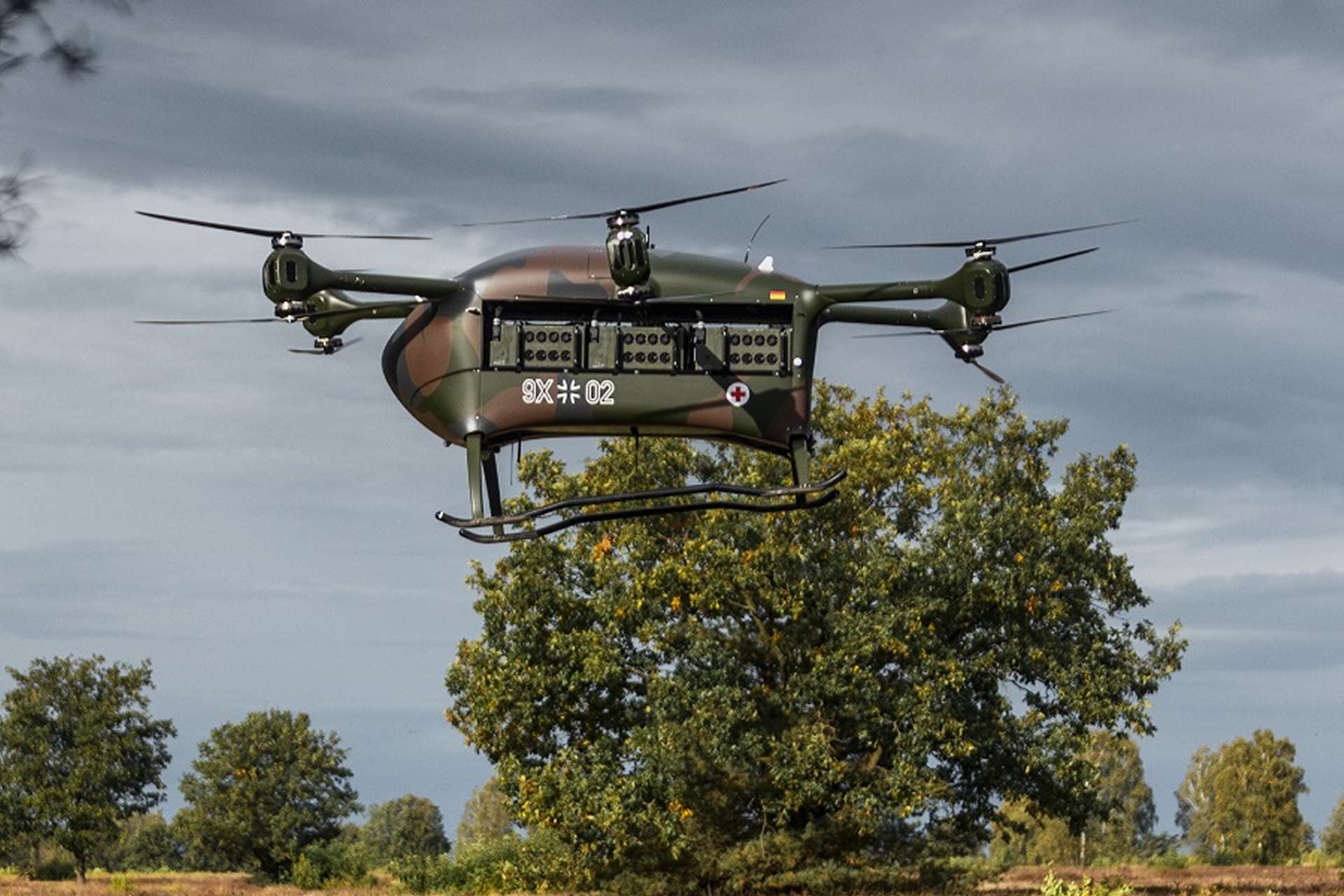
Avilus' Grille logistics drone (Picture source: AVILUS)
The demonstration focused on improving communication, interoperability, and process automation, three essential elements for modernizing military operations. The tests highlighted Grille's potential to meet the demands of modern conflicts, particularly in scenarios involving electronic threats and complex terrain conditions.
A logistics mission conducted with KNDS demonstrated the coordination between autonomous aerial and ground transport. The Grille drone transported cargo over several kilometers, including an intermediate reloading operation, while maintaining high performance levels. During the mission, the German Army’s electronic warfare unit EloKa tested the system’s resistance to electronic jamming, confirming its robustness in contested environments.
Mission control was also showcased through the integration of Avilus' ground control segment (GCS) with the BOXER armored vehicle. This configuration allows remote mission supervision directly from the field, offering a mobile and secure platform for managing robotic and autonomous systems. This feature proved particularly valuable in high-risk operations, such as medical evacuation (RASEVAC), where remote coordination enhances both safety and efficiency.
The development of the Grille drone by Avilus spanned several years and was based on collaboration among industry, academia, and the armed forces. The initiative began in 2020 when Ernst Rittinghaus, founder of Avilus, proposed the idea of a "flying stretcher" to doctoral students at the Institute of Flight System Dynamics at the Technical University of Munich. Within weeks, a preliminary technical concept was developed, quickly evolving into the drone evacuation system, named DRONEVAC.
Between 2020 and 2021, the team used advanced simulation tools, such as Simulink, to model and optimize the aircraft's behavior, resolving potential issues before building a physical prototype. In 2021, a functional prototype was tested to validate its performance, including autonomy, payload capacity, and robustness. By 2022, Avilus partnered with the German Army, particularly the Bundeswehr Medical Academy and the Medical Squadron Bischofswiesen, to test the drone in real military exercises. These trials were supplemented by logistics missions and medical evacuation scenarios conducted in collaboration with KNDS to demonstrate the coordination between autonomous aerial and ground transport systems. In 2023, the drone was officially presented as a modular and operational solution, also integrating a ground control segment (GCS) linked to the BOXER armored vehicle, enabling mobile and secure mission management. This gradual development reflects Avilus' commitment to meeting modern operational needs by combining technological innovation, digital simulation, and strategic partnerships.
The Grille drone stands out for its advanced technical capabilities. Designed as a vertical take-off and landing (VTOL) aerial vehicle, it can carry a maximum payload of 135 kg with a total take-off weight of 695 kg. Powered by a 240 kW electric system, it reaches a cruising speed of 86 km/h, with a range of 51 km and a maximum altitude of 2,100 meters. Its modular cabin allows it to adapt quickly to various missions, including logistics, reconnaissance, or medical evacuation. Additionally, its compact design enables transport in a standard ISO container, enhancing its operational mobility.
In the context of the war in Ukraine, technologies like the Grille drone could provide crucial solutions. Its speed and flexibility would ensure effective resupply in hard-to-reach areas or under constant threat. Its ability to operate in extreme weather conditions and resist electronic jamming makes it well-suited to the demands of modern conflicts, where mobility and autonomy have become essential elements in ensuring the resilience of armed forces.
Read more: Germany to Modernize Combat Support Networks with Avilus' Grille Logistics Drone
- Details
- Written by: Administrator
- Category: 2024
- Hits: 33729
Due to the new threats posed by hypersonic ballistic missiles, particularly those that Russia could deploy to target Ukraine and potentially Europe, the urgency of developing effective countermeasures has become critical. With their extreme speed and unpredictable flight paths, these weapons remain unstoppable by today’s air defense systems. No existing system can reliably intercept and destroy hypersonic ballistic missiles, leaving nations vulnerable to a new class of advanced weaponry. As the global arms race intensifies, countries like the United States and key European nations focus on detecting and countering this emerging threat.
Follow Army Recognition on Google News at this link
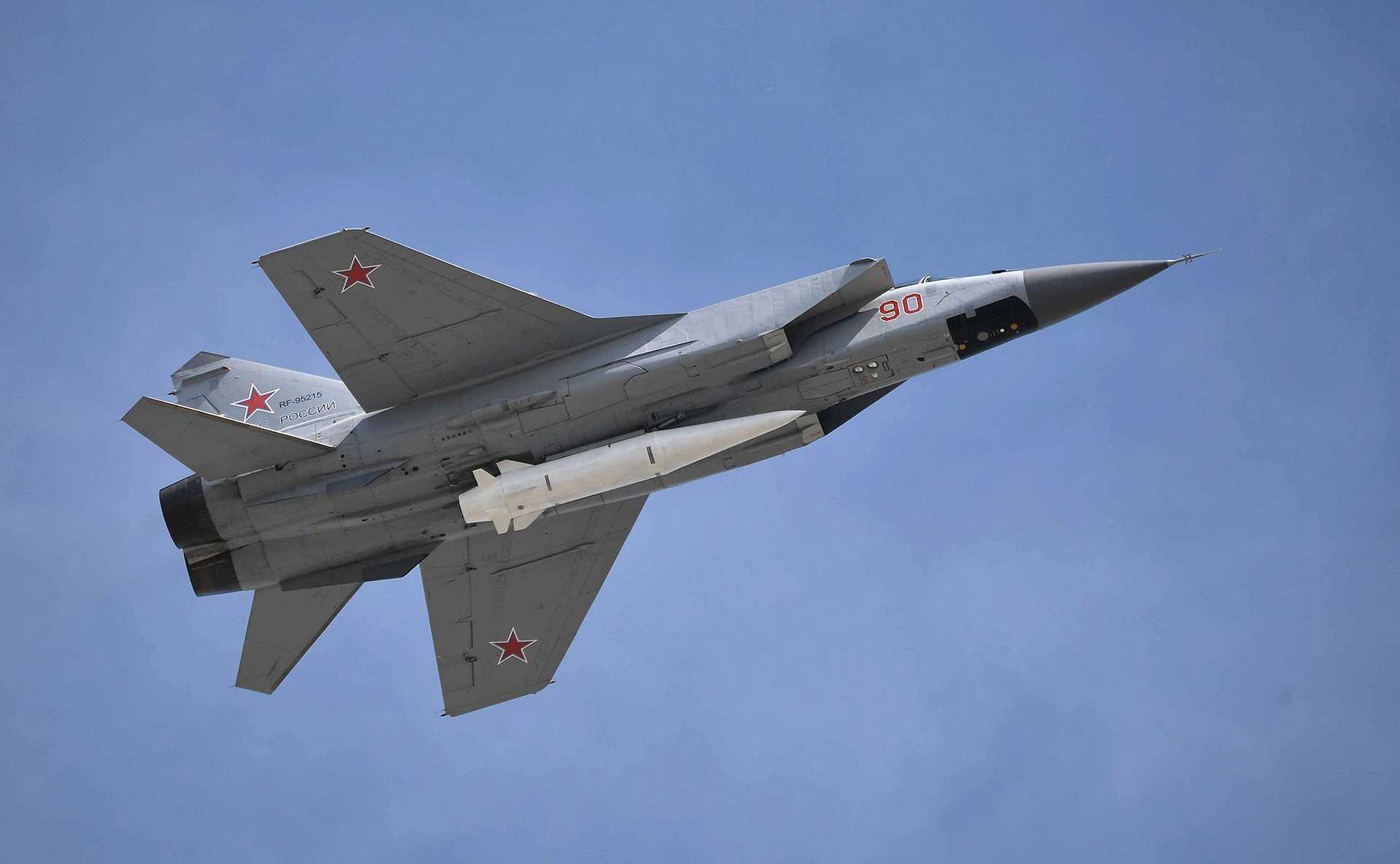
A Russian Air Force Mikoyan MiG-31K fighter jet carrying the Kh-47M2 Kinzhal hypersonic missile. (Picture source: Wikimedia)
Hypersonic ballistic missiles, capable of traveling at speeds greater than Mach 5 and maneuvering unpredictably, expose critical gaps in missile defense systems. While advanced radar systems have proven effective at detecting and tracking these high-speed threats, no current air defense system can intercept or destroy them. Modern radars, such as the U.S. AN/TPY-2 and SPY-6, are specifically designed to detect and track hypersonic targets from long ranges. The AN/TPY-2, a key component of the Terminal High Altitude Area Defense (THAAD) system, is capable of tracking both ballistic missiles and hypersonic glide vehicles.
Similarly, the SPY-6 radar, integrated with the Aegis Weapon System, enhances multi-target tracking capabilities, offering a significant upgrade for naval defenses. Space-based systems, including the U.S. Space-Based Infrared System (SBIRS) and the emerging Hypersonic and Ballistic Tracking Space Sensors (HBTSS), complement these ground-based capabilities by providing persistent, global surveillance and early warning of missile threats. However, detection alone is insufficient without the development of interceptors capable of neutralizing these advanced weapons.
In Europe, systems like Israel's Green Pine radar—adopted as part of Germany's Arrow 3 missile defense acquisition—are being leveraged for early warning and tracking of high-speed threats. Additionally, Sweden’s Saab-developed Giraffe 4A radar highlights how European nations are investing in versatile detection systems. These capabilities, however, only address one part of the problem. Detecting a hypersonic missile is not the same as intercepting it.
The inability to intercept hypersonic ballistic missiles is exacerbated by the rapid development of these weapons by nations such as Russia, China, North Korea, and Iran. Russia has already deployed hypersonic systems like the Avangard glide vehicle and the Kinzhal missile, which have been touted as capable of evading all known missile defense systems. These weapons have been integrated into its military arsenal, with the Kinzhal reportedly used during the conflict in Ukraine.
China is developing its own hypersonic arsenal, including the DF-ZF glide vehicle and other advanced systems aimed at bypassing U.S. and allied defenses. North Korea has recently tested hypersonic missiles, signaling its ambitions to incorporate such technologies into its strategic weapons program. Meanwhile, Iran has unveiled prototypes of hypersonic missiles, further raising concerns about regional stability and global proliferation.
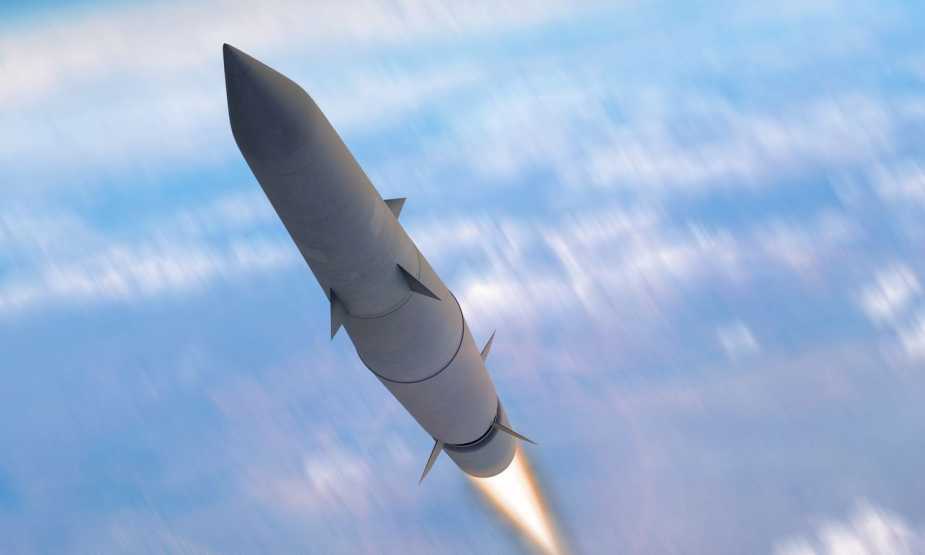
Northrop Grumman is set to produce the Glide Phase Interceptor (GPI), a groundbreaking defensive system designed to counter hypersonic missile threats. (Picture source: Northrop Grumman)
The United States has taken a leading role in developing advanced interception technologies to address the hypersonic missile challenge. One of the most promising programs is the Glide Phase Interceptor (GPI), specifically designed to neutralize hypersonic glide vehicles during their glide phase—the most vulnerable segment of their flight. This phase occurs after the missile has re-entered the atmosphere but before it reaches its terminal trajectory, providing a critical window for interception. The GPI is being developed to integrate seamlessly with the Aegis Ballistic Missile Defense system, leveraging its advanced radar and fire-control systems for deployment from naval platforms.
The GPI represents a significant technological leap in hypersonic defense, utilizing advanced propulsion, guidance, and sensor technologies to engage maneuvering hypersonic targets that conventional missile defenses cannot counter. Initial development has progressed steadily, but operational capability is not expected until the latter half of the decade, reflecting the complexity of the challenges involved.
In parallel, the U.S. is also advancing directed energy solutions, such as high-energy lasers and microwave systems, aimed at disabling hypersonic weapons during their boost phase, where they are still accelerating and most vulnerable. While these technologies remain experimental in 2024, they offer a promising complementary layer of defense that could significantly enhance U.S. capabilities against hypersonic threats in the future.
In Europe, collaborative efforts to address the hypersonic missile threat are gaining momentum, with the TWISTER (Timely Warning and Interception with Space-based Theater Surveillance) program standing out as a flagship initiative. Supported by the European Defence Fund, TWISTER is part of the Permanent Structured Cooperation (PESCO) framework and aims to develop a next-generation missile defense system capable of addressing a broad spectrum of advanced threats, including hypersonic glide vehicles, maneuvering reentry vehicles, and other advanced ballistic threats.
The TWISTER program emphasizes a multi-layered defense approach that integrates space-based and ground-based components. One of its core objectives is to develop a state-of-the-art interceptor capable of engaging hypersonic threats in both endo-atmospheric (within the Earth's atmosphere) and exo-atmospheric (outside the atmosphere) flight phases. This new interceptor, tentatively referred to as the "Endo-Exo Interceptor," will feature advanced propulsion and guidance systems to address the speed and maneuverability of hypersonic missiles.
Key to the TWISTER program is its reliance on space-based theater surveillance. The program envisions deploying a network of advanced sensors in orbit to provide persistent tracking and early warning of missile threats. These sensors will complement existing terrestrial radar systems, significantly enhancing Europe's ability to detect and monitor hypersonic weapons during all phases of flight.
France leads the TWISTER program, with participation from Germany, Italy, Finland, Spain, and the Netherlands, reflecting the EU’s commitment to pooling resources and expertise for collective security. The program’s development phase is well underway to achieve operational capability in the 2030s.
Complementing TWISTER is the HYDEF (Hypersonic Defence Interceptor) program, which focuses specifically on developing an endo-atmospheric interceptor for terminal-phase interception of hypersonic threats. Together, these programs represent Europe’s proactive response to the growing capabilities of nations like Russia and China in the hypersonic domain. They also underscore the EU's determination to develop indigenous technologies that reduce reliance on external defense systems and enhance regional security.
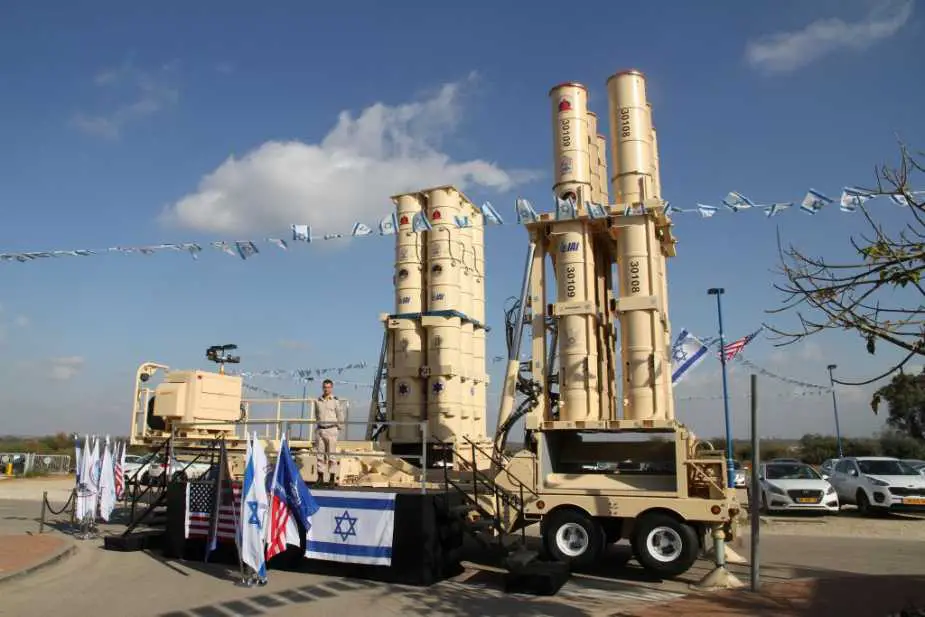
Germany will receive the Arrow 3 missile defense system, while the next-generation Arrow 4 will feature capabilities to intercept hypersonic missiles. (Picture source Is Israeli MoD)
Germany’s acquisition of the Arrow 3 air defense missile system from Israel adds an important, albeit interim, layer of defense for Europe. The system, designed for exo-atmospheric interception of ballistic missiles, provides Germany with advanced capabilities to defend against high-altitude threats. While Arrow 3 offers limited potential to counter some hypersonic missiles, it remains fundamentally a ballistic missile defense system. This highlights the pressing need for Europe to accelerate the development of dedicated hypersonic countermeasures to address emerging threats fully.
Israel and the United States have already embarked on developing the Arrow 4, an advanced upgrade to the Arrow family of missile defense systems. Arrow 4 aims to bridge the gap by offering enhanced capabilities to intercept next-generation threats, including hypersonic glide vehicles. Designed to replace the older Arrow 2 system and work alongside Arrow 3, the Arrow 4 is being engineered with more sophisticated propulsion, maneuverability, and advanced targeting technologies. Its ability to engage hypersonic missiles during the glide phase or high-speed terminal phase represents a significant step forward in missile defense.
Although Arrow 4 remains under development, its planned capabilities align with Germany’s long-term defense strategy, suggesting that it could eventually become a cornerstone of Europe’s hypersonic missile defense architecture. By adopting and potentially co-developing such cutting-edge systems, Germany and its European allies are positioning themselves to address the growing missile threat from state actors such as Russia, China, and North Korea. Arrow 4’s anticipated deployment later in the decade further underscores the ongoing efforts to enhance collective security and technological independence within NATO and the European Union.
Despite these advancements, hypersonic missiles' unpredictable trajectories and extreme speeds leave defense planners with little margin for error. Tracking systems provide early warning, but the response time for interception remains critically short. Integrating artificial intelligence into missile defense systems is being explored to enhance real-time tracking and response capabilities. Additionally, reliance on space-based detection is expected to grow, as nations expand satellite networks to provide persistent global surveillance of missile activities.
While detection capabilities have seen significant progress, the absence of proven hypersonic interception technologies underscores the urgency of continued innovation. As hypersonic weapons proliferate, international collaboration and sustained investment in advanced technologies will be essential to safeguarding global security against this unprecedented threat.
- Greece and Türkiye Draw Inspiration from Israel's Iron Dome to Develop Their Own Air Defense Systems
- Greece to transfer S-300 and Tor-M1 air defense systems to Armenia instead of Ukraine in strategic shift
- Israel to purchase hundreds of JLTV armored vehicles in major modernization effort
- Breaking News: North Korea develops new Bulsae-5 as an upgraded version of its 6x6 anti-tank missile system