

Greece and Türkiye Draw Inspiration from Israel's Iron Dome to Develop Their Own Air Defense Systems
- Details
- Written by: Halna du Fretay
- Category: 2024
- Hits: 5523










Amid ongoing strategic competition, Greece and Türkiye, despite being NATO allies, are intensifying efforts to develop advanced air defense systems, as reported by Forbes. While their approaches differ significantly, both nations share a key similarity: they draw substantial inspiration from Israel’s battle-tested defense technologies. Greece seeks to collaborate with Israel to either acquire or co-develop systems modeled after the Iron Dome, while Türkiye is pursuing an autonomous approach with its "Steel Dome" project, emphasizing self-reliance against perceived threats.
While Israeli systems serve as a model, Greece's collaboration with Israel reflects its broader strategy to diversify alliances with the US and EU, while Türkiye pursues independent defense development (Picture source: Raphael)
In November 2024, Greece expressed its interest in partnering with Israel to enhance its air defense capabilities. Athens is exploring two main options: co-developing a customized system with Tel Aviv or procuring established Israeli technologies like the Iron Dome or David’s Sling. According to Reuters, this collaboration could involve an estimated €2 billion investment, reflecting Greece’s commitment to modernizing its military. The move aligns with recent acquisitions by other European nations, such as Germany and Finland, of similar Israeli systems.
Israeli defense systems have become a global benchmark. The Iron Dome, designed to intercept short-range rockets and artillery, has proven highly effective in high-density attacks. Complementing it, the David’s Sling intercepts medium-range ballistic threats, while the Arrow 3 targets high-altitude projectiles in the exo-atmosphere. These multi-layered capabilities are particularly appealing to Greece, whose existing military infrastructure could benefit from enhanced protection against evolving threats.
Greece already maintains strong defense ties with Israel. In 2022, it deployed an anti-drone network based on Israeli technology, adapted to its specific needs. This system protects strategic sites, including islands in the Aegean Sea, an area frequently subject to Turkish military overflights. Expanding this cooperation could provide Greece with capabilities similar to the Iron Dome while bolstering its defense posture amid regional tensions.
Türkiye, by contrast, is pursuing a different strategy. It is developing air defense systems independently, as its relations with Israel remain strained due to political tensions, including the ongoing conflict in Gaza. Despite this, Turkish President Recep Tayyip Erdogan has announced plans to create a system equivalent to the Iron Dome, branded as the "Steel Dome." This ambition reflects Türkiye’s effort to demonstrate its technological capacity without external assistance.
Ankara is leveraging its domestic defense industry to build a multi-layered air defense system. Its low-altitude Korkut and Sungur systems are replacing U.S.-made Stinger missiles, while the Hisar O provides medium-altitude coverage. At the top of this network is the Siper, which can reportedly intercept threats at a range of up to 100 km. However, Türkiye’s acquisition of Russian S-400 systems in 2019 remains unresolved due to sanctions and NATO compatibility concerns, leaving them unintegrated into its broader defense network.
The longstanding rivalry between Greece and Türkiye, rooted in historical disputes over the Aegean Sea, the Eastern Mediterranean, and Cyprus, continues to fuel their respective military ambitions. These tensions, frequently marked by displays of force, justify both nations’ heavy investments in advanced defensive systems.
Israel’s role as a global leader in air defense extends beyond this regional dynamic. European countries are increasingly adopting Israeli technologies to bolster their own capabilities. Germany recently acquired the Arrow 3 system, while Finland, a new NATO member, opted for the David’s Sling. Central European nations, including Hungary and Slovakia, have also integrated components of the Iron Dome into their arsenals. This trend underscores Europe’s growing focus on reliable defense solutions to address contemporary threats, both state and non-state in origin.
The strategic implications of these developments are significant. Greece’s partnership with Israel strengthens its alignment with Western allies and enhances its deterrence against Türkiye’s military activities, particularly around contested Aegean islands. Meanwhile, Türkiye’s "Steel Dome" project aims to address its perceived threats while projecting regional autonomy. These advancements also impact NATO, which must balance the conflicting interests of these two member states. Additionally, such initiatives may prompt other regional actors, like Cyprus or Egypt, to invest in their own defense capabilities, further militarizing an already volatile area.
Although Israeli systems serve as a model, their influence on Greek and Turkish strategies is not absolute. Greece’s collaboration with Israel is part of a broader effort to diversify its alliances, which include closer ties with the United States and the European Union. These relationships play a significant role in shaping its military procurement decisions. Similarly, Türkiye’s "Steel Dome" reflects a pursuit of technological sovereignty, even if the concept draws from Israel’s success. Furthermore, strained Israeli-Turkish relations have driven Ankara to rely on domestic industries and alternative partners like Russia and China, diluting Israel’s direct impact on its strategic developments.
The contrasting approaches of Greece and Türkiye illustrate their enduring rivalry and mutual recognition of the need for advanced air defense systems. Greece’s collaborative efforts with Israel align with its broader strategic partnerships, while Türkiye’s focus on self-reliance underscores its ambition to achieve autonomy. These divergent paths reflect not only political choices but also distinct strategies for addressing contemporary security challenges. Against the backdrop of rising global tensions, these developments highlight how historical rivalries continue to shape military priorities in the region.

- Details
- Written by: Jérôme Brahy
- Category: 2024
- Hits: 9645
According to Enikos.gr on November 25, 2024, Greece is proceeding with the transfer of several Russian-made air defense systems, including the S-300 PMU-1, Tor-M1, and Osa-AK, to Armenia instead of Ukraine as part of its broader strategy to replace aging equipment with Western and Israeli technologies. This decision aligns with the Greek Armed Forces' plan to de-Russify its arsenal and address challenges related to maintaining Russian systems, which have been exacerbated by sanctions on Russia and associated supply chain disruptions.
Follow Army Recognition on Google News at this link
As NATO and the EU now prioritize providing Ukraine with Western-standard systems, Greece has therefore opted to redirect its Russian-origin systems to Armenia, where they can be more effectively integrated and maintained. (Picture source: CyprusMail)
According to information from the Greek General Staff of National Defense (GEETHA), the transfer of these systems to Armenia is part of a cooperative effort involving France, which will also provide Armenia with additional weapons. This initiative reflects strategic considerations, including Greece’s historical ties with Armenia, shared religious affiliations, and mutual interests in countering Turkish support for Azerbaijan. The proximity of the Nagorno-Karabakh conflict and its implications for regional stability also factored into this decision.
The systems being transferred include Greece's S-300 PMU1 system, acquired following the Cyprus Missile Crisis and stationed in Crete. The system comprises one regiment with four systems, eight fire units, 32 launchers, and 175 missiles. The S-300, with a range of 200 kilometers and the ability to track up to 100 targets, was first used operationally in Greece during the 2013 White Eagle exercise, 15 years after its acquisition. Despite prior discussions about sending the S-300 to Ukraine in exchange for a PAC-3 Patriot missile system, concerns over potential gaps in Greek air defense led to the cancellation of those plans.
Armenia, which has experience operating Russian-made systems, is considered well-equipped to integrate the S-300 and other transferred systems into its existing defenses. The country’s prior collaboration with Russia included training for the operation of S-300 systems, and Armenian forces have used these systems as part of a joint air defense framework under the Collective Security Treaty Organization (CSTO). Spare parts and maintenance for these systems, previously sourced from Armenia by Greece, have played a critical role in this transfer decision.
To replace the outgoing Russian systems, Greece is investing in new Israeli air defense systems, including David’s Sling, Barak MX, and Spyder. These systems offer coverage ranges from 20 to 300 kilometers and are part of a larger project to establish an “Iron Dome” over the Aegean islands. This initiative, costing approximately €2 billion, is expected to be operational by the end of 2026, providing a timeline for when the transferred systems might leave Greek service.

Armenia, which has experience operating Russian-made systems, is considered well-equipped to integrate the Soviet-era Osa-AK and other transferred air defense systems into its existing defenses. (Picture source: Army Recognition)
The cooperation with Armenia extends beyond equipment transfers. The number of Armenian students in Greek military academies has doubled, and joint exercises have become more frequent. A recent exercise, "Olympic Cooperation 24," conducted at the Petrohori range in Xanthi, involved live-fire scenarios with Greek tanks, French armored vehicles, and simulated drone operations. Such collaborations are intended to enhance Armenia's military preparedness, particularly in light of Azerbaijan's use of drones in previous conflicts.
Greece has experience replacing military assets following international transfers. An earlier initiative involved sending 40 BMP-1 infantry fighting vehicles to Ukraine in exchange for 40 German Marder vehicles. While initial plans included 120 replacements, domestic political concerns reduced the scope. Greece is also in advanced negotiations with the United States for the acquisition of 164 Bradley armored vehicles, with a projected cost of €4 million per vehicle after reconstruction.
The decision to transfer these systems to Armenia rather than Ukraine reflects changing dynamics in military supply preferences. NATO and the EU now prioritize providing Ukraine with Western-standard systems that align with existing supply chains. Greece has therefore opted to redirect its Russian-origin systems to Armenia, where they can be more effectively integrated and maintained.
This transfer is part of Greece's broader effort to modernize its defense capabilities while aligning more closely with NATO and EU standards. The collaboration with France and Armenia aims to strengthen regional partnerships and address shifting security challenges in the Eastern Mediterranean and South Caucasus. By replacing Russian systems with Israeli technology and reinforcing Armenia's defenses, Greece seeks to maintain a strategic balance in a region marked by competing interests and ongoing tensions.

- Details
- Written by: Jérôme Brahy
- Category: 2024
- Hits: 6306
On November 24, 2024, the Israeli Ministry of Defense announced that the ministerial committee for equipping and power building approved several procurement and modernization projects for the Israel Defense Forces (IDF). These projects include replacing the Nirit (Saar 4.5) fleet and acquiring hundreds of Joint Light Tactical Vehicles (JLTVs), designated locally as "Para."
Follow Army Recognition on Google News at this link
The JLTV program was developed to replace the High Mobility Multipurpose Wheeled Vehicle (HMMWV or Humvee) and provide improved survivability and mobility. (Picture source: Oshkosh Defense)
The JLTVs, manufactured by Oshkosh Defense in the United States, are intended to replace the IDF’s aging fleets of Humvees and M113 armored personnel carriers. This acquisition aims to modernize the IDF’s vehicle inventory with more advanced systems. The initial order of 75 JLTVs was made in December 2023 through the U.S. Foreign Military Sales (FMS) mechanism. Additional units were acquired via Direct Commercial Sales (DCS). By November 2024, some JLTVs were observed in IDF operations, indicating their active deployment.
The initial JLTV procurement is part of a broader U.S. military aid package announced in March 2024, valued at approximately $30 million. With a unit cost of $400,000, the package also includes laser-guided missiles, artillery shells, night-vision devices, and bunker-buster munitions. The JLTVs feature armored components produced by Plasan, an Israeli company, through its U.S.-based subsidiary Plasan North America. The use of a "kitted hull" concept allows for pre-assembled armored cabins to be efficiently manufactured and delivered.
The JLTV program was developed to replace the High Mobility Multipurpose Wheeled Vehicle (HMMWV or Humvee). The vehicles are designed to provide improved survivability and mobility. Key features include a V-shaped hull for blast protection, scalable armor, and an independent suspension system for off-road performance. The JLTV is powered by a 6.6-liter diesel engine and a six-speed automatic transmission, offering a range of up to 480 kilometers and a maximum speed of 110 kilometers per hour. It can be equipped with a variety of weapons, including machine guns, automatic grenade launchers, and anti-tank guided missiles.
The IDF plans to deploy JLTVs within motorized brigades, including the Paratrooper and Kfir Brigades, to replace older M113 armored personnel carriers. These vehicles are adapted for use in urban and off-road environments. The acquisition aligns with international trends, as other countries such as Belgium, Brazil, Lithuania, and Romania have also adopted the JLTV program. By mid-2023, Oshkosh Defense reported the production of over 20,000 units.
Variants of the JLTV program include the hybrid-electric eJLTV and unmanned platforms for specialized roles. These developments reflect the program’s adaptation to evolving operational requirements. Alongside the planned introduction of JLTVs, the approval to replace the Nirit fleet represents broader efforts to upgrade the IDF’s equipment while integrating domestic production capabilities. These initiatives address operational needs and align with regional security considerations.
Read more: Israel to purchase hundreds of JLTV armored vehicles in major modernization effort

- Details
- Written by: Jérôme Brahy
- Category: 2024
- Hits: 9559
At the North Korean Arms Equipment Exhibition 2024, officially named "Defense Development-2024," a new variant of the Bulsae-4 anti-tank guided missile (ATGM) system was displayed, according to images released by the KCNA news agency. Following the naming convention used for modifications to the Popkung-Ho tank, we have decided to refer to this variant as the Bulsae-5. This version appears to use an 8x8 chassis, potentially an extended version of the 6x6 chassis used by the Bulsae-4.
Follow Army Recognition on Google News at this link
A closer look at the official photos from the exhibition shows that North Korea took the opportunity to discretely unveil a new 8x8 version of the Bulsae-4 6x6 anti-tank missile carrier. (Picture source: KCNA)
In November 2024, North Korea held the "National Defense Development-2024" exhibition in Pyongyang, displaying its latest military hardware. The event featured solid-fuel intercontinental ballistic missiles (ICBMs) such as the Hwasong-19 and Hwasong-18, hypersonic missiles, and various drones, including the Saetbyol-9, which resembles the U.S. MQ-9 Reaper. Leader Kim Jong Un emphasized the importance of mass-producing unmanned aerial vehicles, citing their cost-effectiveness and strategic value. The exhibition also showcased 240mm multiple rocket launchers, which South Korean intelligence suggests have been supplied to Russia. This indicates increased military cooperation between Pyongyang and Moscow. During the event, Kim stated that previous negotiations with the United States confirmed an unchanging hostile policy, underscoring North Korea's focus on enhancing its defense capabilities.
Over the past year, North Korea has introduced several new military assets. In March 2024, it unveiled the Cheonma-2 main battle tank, an advancement from the earlier M2020 model, incorporating technologies from the U.S. M1A2 Abrams and Russia's T-14 Armata. In August, the country showcased kamikaze drones with designs resembling Russian models and announced plans for their mass production. Additionally, satellite imagery from November 2024 indicates the expansion of the February 11 plant in Hamhung, a key facility for producing Hwasong-11 solid-fuel ballistic missiles. This suggests an increase in missile production capacity.
A closer look at the official photos from the exhibition shows that North Korea took the opportunity to discretely unveil a new version of the Bulsae-4 6x6 anti-tank missile carrier. In line with the naming pattern applied to modifications of the Popkung-Ho tank, we are referring to this variant as the Bulsae-5. This new version uses an 8x8 chassis, which could offer increased mobility or other operational advantages. Although specific details of this variant are limited, it appears to build on the design of the M-2010 platform. This suggests an effort to increase capacity or improve performance.
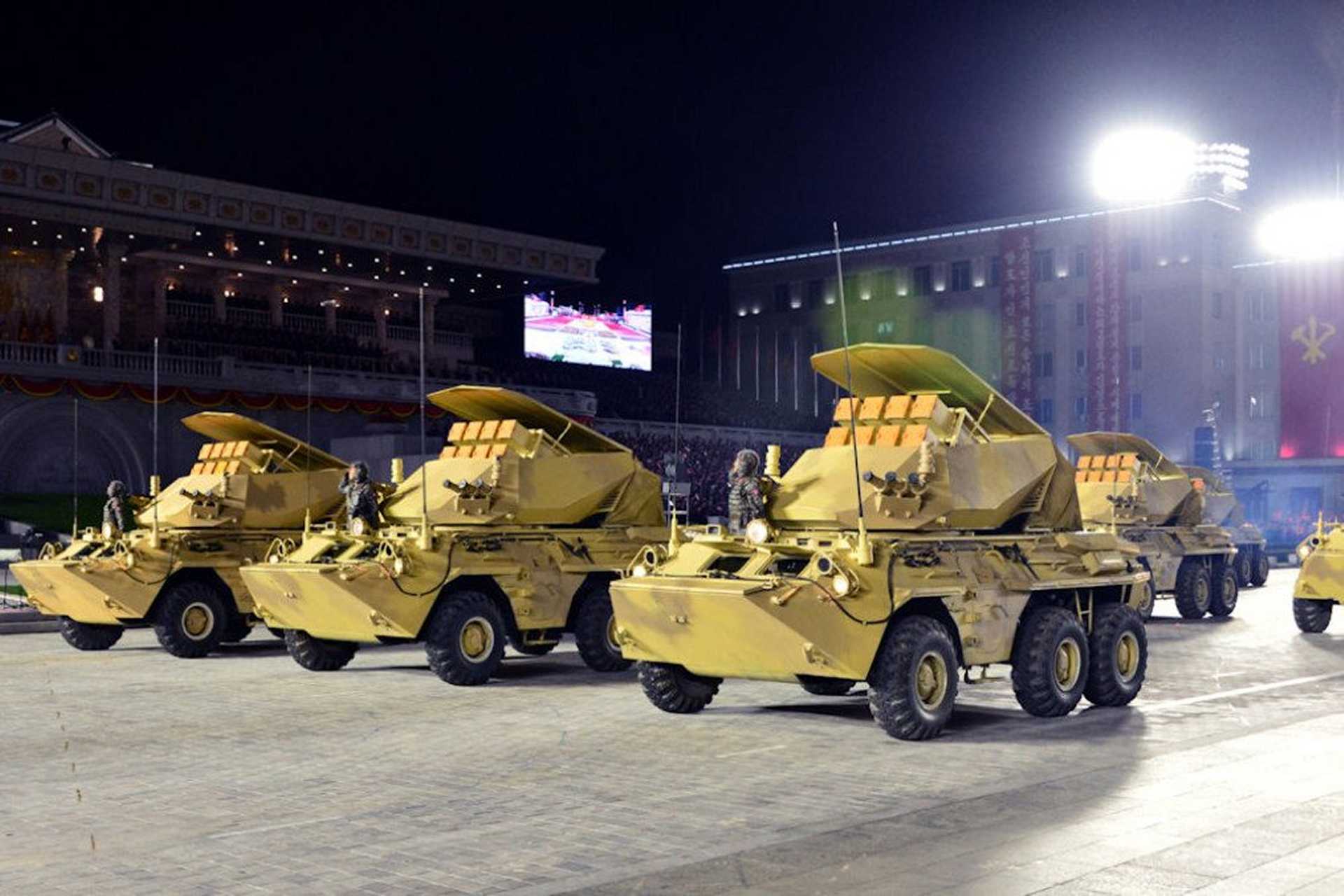
The Bulsae-4 missile system, based on the M-2010 6x6 armored personnel carrier (APC), uses a rotary launcher mounted on the roof, capable of carrying up to eight missiles. (Picture source: KCNA)
The Bulsae-4, introduced in the late 2010s, is mounted on the North Korean-made M-2010 6x6 armored personnel carrier (APC). The M-2010 is a wheeled vehicle inspired by Russian BTR-60PB and BTR-80 designs, as well as the Chinese WZ551. It features a welded body and armaments that include two 14.5mm machine guns, one 7.62mm machine gun, and man-portable surface-to-air missiles such as the SA-7/16. It also includes nuclear, biological, and chemical (NBC) protection measures and has amphibious capabilities. The vehicle is powered by a diesel engine, allowing a road speed of up to 90 km/h and an operational range of approximately 500 kilometers. The M-2010 can transport a crew of three and six infantry passengers.
The Bulsae-4 missile system, based on this platform, uses a rotary launcher mounted on the roof, capable of carrying up to eight missiles. These missiles are guided using an electro-optical seeker in combination with command guidance via fiber-optic cables. The missiles are designed for top-attack trajectories to target vulnerable areas of armored vehicles and have an estimated effective range of 10 to 25 kilometers. The system includes additional protection features such as smoke grenade dischargers and Laser Warning Receivers (LWRs).
The Bulsae-4 has been identified outside North Korea in the context of international conflicts. In July 2024, Ukrainian forces reported spotting a Bulsae-4 system in the Kharkiv region, marking the first confirmed deployment of a North Korean armored missile system in the war in Ukraine. Reports suggest that this deployment occurred as part of broader military cooperation between North Korea and Russia. North Korea has reportedly provided artillery shells, missiles, and other military equipment to Russia in recent years. This collaboration allows North Korea to gather operational data on its systems while supplying Russia with additional resources for its military operations.
- Details
- Written by: Halna du Fretay
- Category: 2024
- Hits: 4403
The Republic of Cyprus, under the leadership of President Nikos Christodoulidis, is advancing a plan for gradual integration into the North Atlantic Treaty Organization (NATO). This initiative, developed both politically and strategically, was recently formalized during a meeting with U.S. President Joe Biden, as reported by Kathimerini. The Cypriot plan, received positively in Washington, signals a shift in the island's geopolitical positioning and an effort to deepen its engagement within the Euro-Atlantic framework. However, this ambition presents both strategic opportunities and significant political challenges.
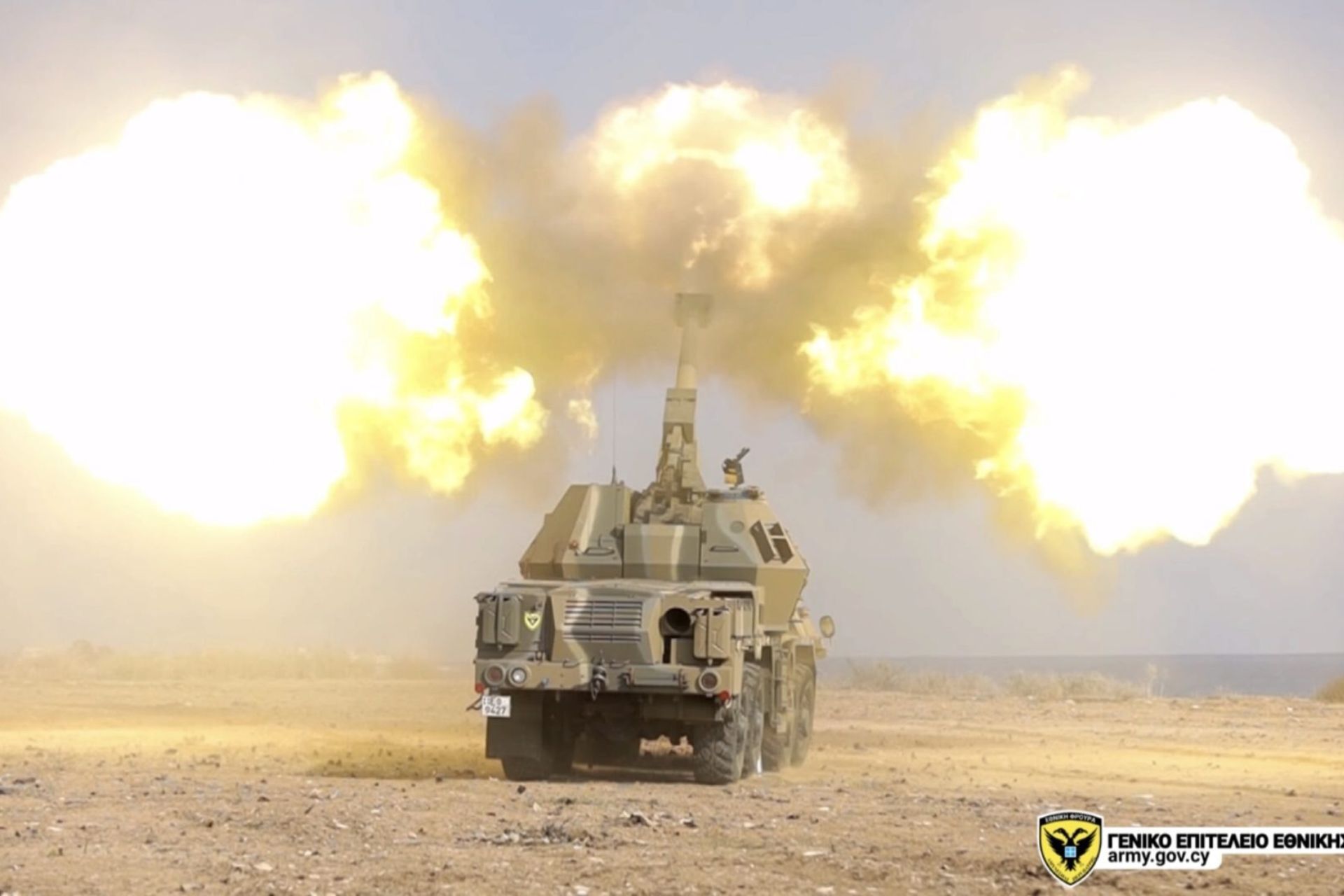
From November 12 to 14, 2024, operational artillery fire on maritime targets was conducted by the artillery units of the Cyprus National Guard at the Kiti firing range (Picture source: Cyprus MoD)
The plan outlined by President Christodoulidis focuses on three key priorities: establishing institutionalized relations with NATO, gaining access to U.S. defense equipment, and modernizing Cyprus’ military capabilities to meet NATO standards. Achieving these goals will require substantial political progress, including resolving the longstanding Cyprus issue and improving EU-Turkey relations. These steps are essential to overcoming structural barriers currently hindering Cyprus' path to full NATO membership.
Cyprus aims to enhance its security through NATO’s collective defense mechanism under Article 5 of the North Atlantic Treaty, which ensures mutual defense in the event of an attack. Access to advanced military equipment and training programs would allow Cyprus to upgrade its armed forces and improve interoperability with NATO allies, strengthening its overall defense posture.
Regionally, NATO membership would elevate Cyprus’ geopolitical significance in the Eastern Mediterranean, reinforcing its role in regional stability. This integration could also promote broader cooperation with neighboring countries while further embedding Cyprus in Euro-Atlantic institutions. The plan aligns with existing strategic partnerships involving Israel and Greece, supported by the United States, to address multifaceted challenges in the region.
Despite its potential benefits, the proposal faces numerous challenges. The unresolved Cyprus conflict, dividing the island between the Republic of Cyprus and the Turkish Republic of Northern Cyprus since 1974, poses a major obstacle. Turkey, a key NATO member, has historically blocked Cypriot participation in Euro-Atlantic institutions, and any move toward NATO membership could heighten tensions.
Additionally, Cyprus must address internal resistance stemming from its historical policy of neutrality. Since gaining independence in 1960, Cyprus has pursued a non-aligned stance, including participation in the Non-Aligned Movement. Joining NATO would require a significant political shift and consensus within the country, alongside a redefinition of its strategic priorities.
The prospect of increased foreign military presence also raises questions about national sovereignty. With two British military bases already operating on the island, further expansion of allied forces could provoke domestic opposition, particularly among segments of the Cypriot population.
Nonetheless, the Cypriot plan represents a pivotal step in the country’s strategic realignment and its aspirations to play a more active role in regional and international security. By pursuing closer institutional ties with NATO and deepening collaboration with the United States, Cyprus seeks to address pressing geopolitical challenges in the Eastern Mediterranean while solidifying its position within the broader Euro-Atlantic security architecture.
Though complex and long-term in nature, this initiative underscores Cyprus’ vision for the future: becoming a vital player in the evolving strategic dynamics of its region through robust partnerships and shared commitments to stability and security.
Read more: Cyprus Presents a Plan in Collaboration with US for NATO Membership

- Details
- Written by: Administrator
- Category: 2024
- Hits: 7220
In November 2024, Denmark's newly acquired Leopard 2A7 Main Battle Tanks (MBTs) demonstrated their cutting-edge capabilities during Exercise RESOLUTE WARRIOR at the Ādaži Training Area in Latvia. This advanced platform, recently integrated into Denmark's armored fleet, played a pivotal role in the exercise held from November 1 to 14, 2024. With over 3,500 allied troops participating, the event marked a key milestone for the newly formed NATO Multinational Brigade Latvia, showcasing the strength and readiness of Denmark’s modernized armored forces.
Follow Army Recognition on Google News at this link
Danish Army Leopard 2A7 Main Battle Tank maneuvers through the Ādaži Training Area in Latvia during NATO’s RESOLUTE WARRIOR 2024 exercise, showcasing advanced firepower and mobility. (Picture source: Canada MoD)
Danish forces demonstrated the Leopard 2A7's enhanced mobility and firepower during this NATO exercise by executing strategic maneuvers and repositioning to different tactical locations. These operations underscored the tank's advanced features, including improved protection, a more effective 120mm L55A1 cannon, upgraded communication systems, and enhanced air conditioning.
The Leopard 2A7, compared to its predecessor, the Leopard 2A5DK, incorporates several significant technical advancements that enhance its battlefield effectiveness. It features upgraded protection with modular armor designed to defend against both kinetic energy penetrators and shaped-charge munitions, as well as improved mine resistance and protection against IED threats. The main armament, a 120mm L55A1 smoothbore gun, delivers higher muzzle energy and is optimized to use next-generation ammunition, significantly increasing its capability to neutralize modern armored threats. The tank is also equipped with state-of-the-art optics and targeting systems, including third-generation thermal imaging, which enhances situational awareness and precision targeting in all weather conditions and during night operations.
The Leopard 2A7 also benefits from improved power management systems and enhanced mobility, making it more capable in diverse terrains. Advanced onboard systems improve crew comfort and efficiency, with features such as better air conditioning for operations in extreme climates and upgraded communication systems to ensure seamless integration into modern network-centric warfare environments.
Denmark's journey with the Leopard 2A7 began with the acquisition of surplus German Leopard 2A4 tanks in 1998. These tanks were initially upgraded to the 2A5DK standard between 2004 and 2006. In 2019, Denmark commenced a comprehensive modernization program to elevate 44 of its Leopard 2A5DK tanks to the 2A7 standard. The first upgraded units were delivered by Krauss-Maffei Wegmann (KMW) in 2019, with the final tank received on September 21, 2023, completing the modernization process.
The deployment of Danish Leopard 2A7 tanks to Latvia signifies Denmark's commitment to NATO's collective defense initiatives. Exercise RESOLUTE WARRIOR 2024 provided an opportunity to test the operational readiness and interoperability of these advanced MBTs within a multinational framework. The exercise emphasized the brigade's proficiency in force projection, command and control, and communication, ensuring seamless integration among subordinate, enabling, and supporting units.
The participation of Danish Leopard 2A7 tanks in Exercise RESOLUTE WARRIOR 2024 highlights Denmark's dedication to enhancing its military capabilities and contributing to NATO's defense posture in the Baltic region. The successful modernization and deployment of these MBTs demonstrate Denmark's strategic commitment to maintaining a robust and modern armored force capable of operating effectively within multinational alliances.
Read more: Denmark's Cutting-Edge Leopard 2A7 Tanks Shine in NATO's RESOLUTE WARRIOR Exercise

- Details
- Written by: Jérôme Brahy
- Category: 2024
- Hits: 9661
During the IDEAS 2024 defense exhibition in Pakistan, Türkiye’s defense company Repkon and Pakistan’s Wah Industries Limited (WIL) signed an agreement to establish a facility in Pakistan for producing 155mm artillery shell bodies. The facility will have an annual production capacity of 120,000 units and include an explosive filling line to support both domestic military needs and international exports. The production line will also locally manufacture explosives and laser guidance kits.
Follow Army Recognition on Google News at this link
Repkon’s international projects include a contract signed in October 2024 with the US Department of Defense to establish 155mm artillery shell production lines in Texas. (Picture source: US DoD)
Wah Industries Limited (WIL), established on November 7, 1958, operates as the commercial entity of Pakistan Ordnance Factories (POF) and manufactures weapons and ammunition for the Pakistani Armed Forces. It functions as a public limited company and serves as the sole selling agent for POF's civil products, including arms, ammunition, engineering products, and chemical items. Its operations also encompass the production of cartridges, military and commercial garments, and high-rise construction projects. Additionally, WIL holds a stake in the Wah Nobel Group, a multinational organization producing commercial explosives, industrial chemicals, and acetates.
Repkon, founded in 1978 and based in Istanbul, Türkiye, designs and manufactures metal forming machines and provides turnkey production plants. Its technologies include flow forming, shear forming, and hot spinning, enabling the production of components for defense, aerospace, automotive, oil and gas, and mining sectors. Repkon's products include artillery shell production lines, turbine and motor parts, vehicle wheels, and precision tubes.
Repkon’s international projects include a contract signed in October 2024 with the US Department of Defense to establish 155mm artillery shell production lines in Texas. The Texas facility, located in Mesquite, is designed to produce 30,000 shells per month and is expected to supply 30% of US-manufactured shells by 2025. Additionally, Repkon secured a $435 million contract to design and construct a TNT production facility in Kentucky, the first domestic production plant for TNT in the United States since 1986. Repkon has also partnered with France’s Bowas Group, which specializes in designing and constructing facilities for civil explosives, military powders, and ammunition disposal. This partnership is part of a broader effort to meet rising global demand for artillery munitions.
As of November 2024, Türkiye and Pakistan continue to strengthen their military and strategic relations through various initiatives. In February 2023, both nations conducted joint military exercises in Pakistan's Khyber Pakhtunkhwa province, focusing on enhancing interoperability and defense readiness. In April 2024, top military commanders from both countries met to discuss further defense and strategic cooperation, emphasizing military training and defense production. Additionally, in September 2024, Türkiye and Pakistan participated in the multinational naval exercise "Mavi Balina" in the Eastern Mediterranean, aiming to improve anti-submarine warfare capabilities and maritime security.
The agreement between Türkiye and Pakistan also aligns with the increasing global demand for 155mm artillery shells, driven partly by the ongoing Russia-Ukraine war, where artillery systems are heavily relied upon. The United States plans to triple its monthly output of 155mm shells to 100,000 by 2025, while the European Union aims to produce 1 million shells annually by the end of 2024. Both sides in the conflict have expended millions of shells, prompting countries to ramp up production capabilities.
Amid rising global conflicts, world military spending reached $2,443 billion in 2023, representing a 6.8% increase from the previous year. This increase has driven countries to enhance domestic production capabilities to reduce reliance on foreign suppliers, particularly for essential munitions like artillery shells. For instance, Poland has signed agreements with local companies to reestablish its ability to manufacture explosives. In Europe, Germany's Rheinmetall has secured a €9 billion contract to produce 155mm artillery ammunition, reflecting global efforts to increase self-reliance in defense production.
- Details
- Written by: Halna du Fretay
- Category: 2024
- Hits: 5492
In a report from October 2024, the Japanese government outlined a comprehensive strategy aimed at strengthening its national defense industry and promoting exports on the international stage. This initiative is part of broader efforts to enhance the country's defense capabilities while improving the competitiveness of domestic companies in a global market facing strategic and technological challenges.
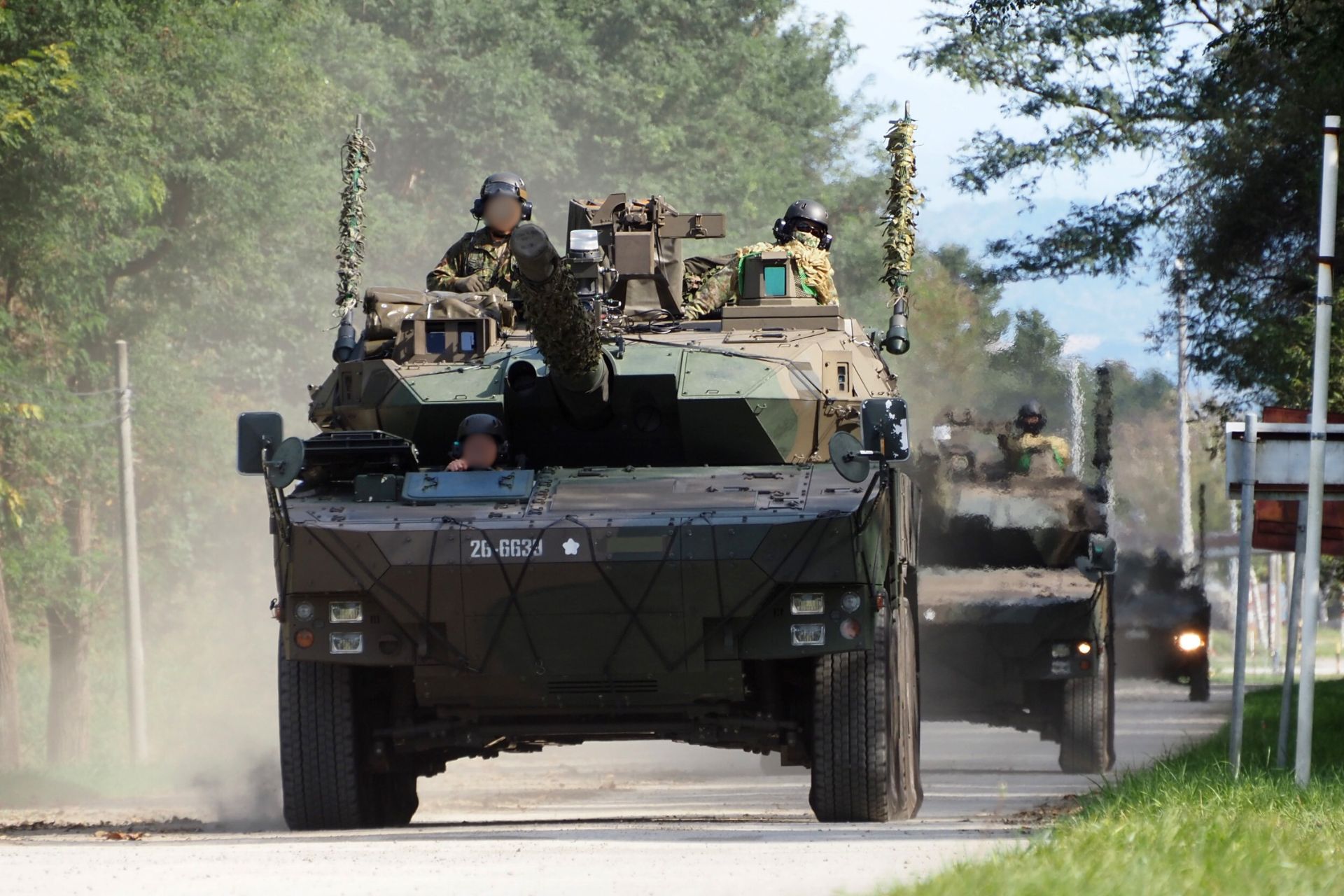
Japan is focused on incorporating innovation and fostering collaboration with allies to sustain a competitive and adaptable industry (Picture source: Japan MoD)
According to the Ministry of Economy, Trade, and Industry, competitiveness is key to success in the defense sector. By enabling companies to improve specific weapon systems and compete for military contracts, Japan seeks to bolster its defense industry and address growing security needs.
Japan’s defense sector relies on a complex supply chain that includes a significant number of companies operating in both civilian and military markets. To expand this industrial base, the government plans to encourage more companies, including small enterprises, to enter the defense market. Supporting these emerging players is seen as essential for building a resilient industry capable of meeting future challenges.
The defense industry is characterized by the integration of large corporations and SMEs, with significant overlap between civilian and military technologies. These boundaries are rapidly diminishing due to technological advancements. In response, Japan is focused on incorporating innovation and fostering collaboration with allies to sustain a competitive and adaptable industry.
In addition to domestic consolidation, Japan views export promotion as a key strategic priority. Although the country already produces a wide range of exportable defense equipment, such as armored vehicles, missile technologies, naval vessels, transport and patrol aircraft, light arms, and anti-tank weapons, it seeks to further capitalize on this potential.
Opening new markets for defense exports is expected to provide financial support for the industry while fostering strategic international partnerships. Currently, Japan’s defense collaborations are primarily focused on the United States and the United Kingdom.
Cooperation with the United States includes joint development of critical projects such as SM-3 missile systems, AN/SPY-1 and AN/SPY-7 radars, upgrades to F-15 fighter jets, and licensed production of helicopters.
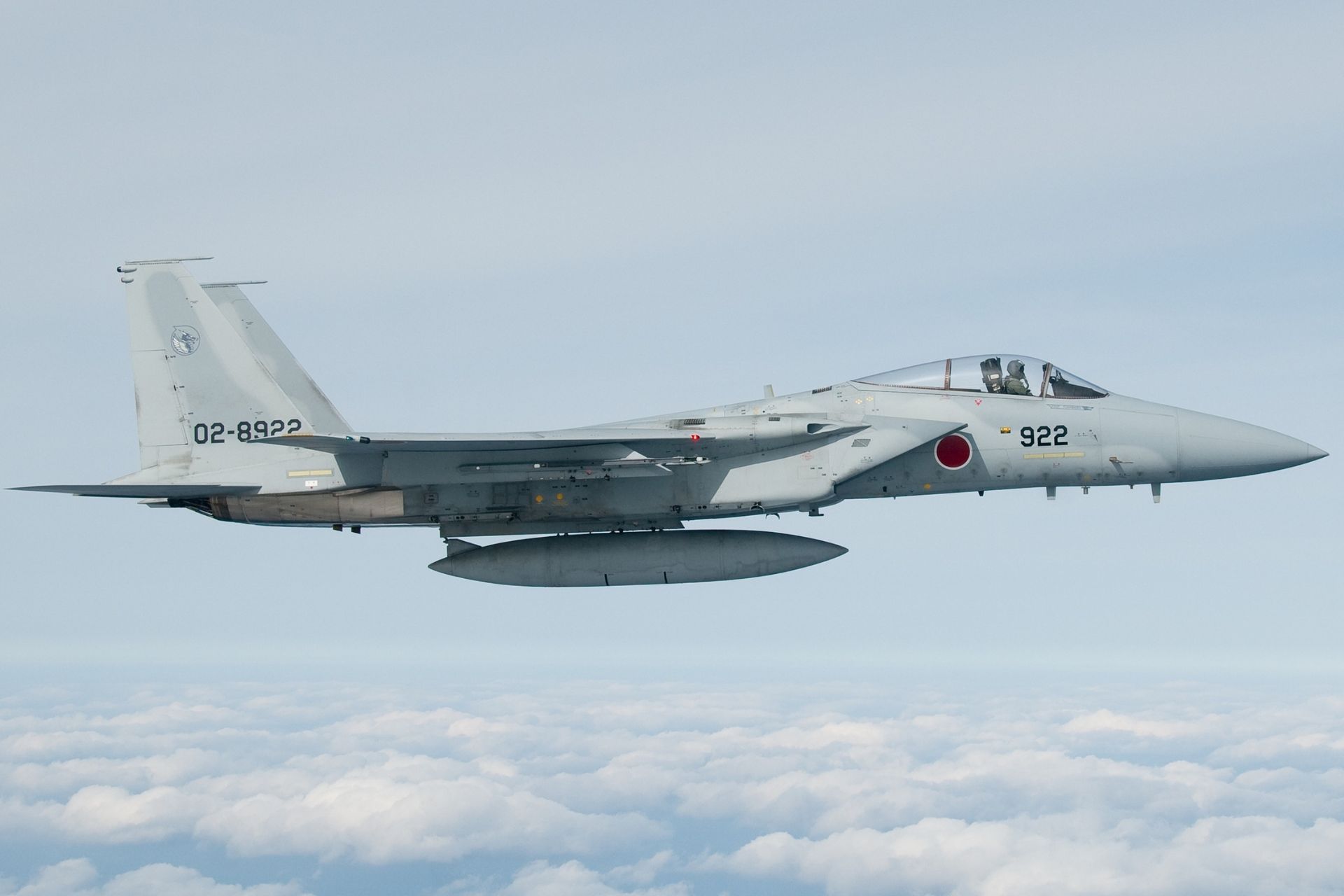
Cooperation with the United States includes joint development of critical projects such as SM-3 missile systems, AN/SPY-1 and AN/SPY-7 radars, upgrades to F-15 fighter jets, and licensed production of helicopters. (Picture source: Japan Air Self-Defense Force)
Collaboration with the United Kingdom remains in its early stages but is centered on the development of a next-generation aircraft under the Global Combat Air Program (GCAP). Known in Japan as the F-X, this aircraft is intended to replace the Mitsubishi F-2 within the Japan Air Self-Defense Force.
In this context, Japan has made significant progress in exporting equipment for the GCAP program. These components could be integrated not only in the UK and Italy but also offered to potential buyers such as Saudi Arabia.
To meet strategic needs, Japan has also identified "critical materials," including semiconductors, batteries, and aircraft components, as essential for defense. These materials are supported by private investment to ensure a stable supply amidst uncertain international conditions.
Additionally, the Acquisition, Technology & Logistics Agency (ATLA) has announced collaborations with European companies, notably in France and Germany, to develop advanced technologies like electromagnetic railguns. These partnerships highlight Japan’s commitment to technological innovation in defense.
Japan also promotes initiatives like J-Startup to foster collaborations with innovative startups in areas such as drones, artificial intelligence, and advanced materials. This collaborative ecosystem integrates startups, large corporations, and academic institutions to align technological advancements with defense needs.
Japan's strategy for global growth in its defense industry aims to combine domestic competitiveness with international engagement. By investing in new enterprises, diversifying partnerships, and building a robust industrial base, Japan seeks to strengthen its security while establishing itself as a significant player in the global defense market. This approach reflects a pragmatic and forward-looking vision tailored to the challenges of a rapidly evolving world.
Read more: Japan Government Outlines Comprehensive Plan for Expanding Its Defense Industry Globally

- Details
- Written by: Vandenbosch
- Category: 2024
- Hits: 6090
The Portuguese Armed Forces are exploring plans to modernize their Pandur II 8x8 armored vehicles fleet, aiming to enhance their operational capabilities as Infantry Fighting Vehicles (IFVs). This strategic initiative was highlighted during the Future Armored Vehicles Survivability (FAVS) forum, held in London by SMG Conferences, a division of SAE Media Group specializing in defense and aerospace events.
The Pandur II 8x8 is an armored personnel carrier (APC) designed to meet the modern requirements of military operations and peacekeeping missions. (Picture source: NATO)
Lieutenant Colonel Marco Cordeiro, commander of the reconnaissance squadron of the 6th Cavalry Regiment of the Portuguese Army, presented the various options being considered to modernize the fleet. These include either a comprehensive upgrade of the current armored vehicles or their complete replacement with vehicles specifically optimized for infantry combat roles.
The Portuguese mechanized brigade currently operates two main variants of the Pandur II, produced by General Dynamics European Land Systems (GDELS). One serves as an armored personnel carrier, while the other functions as an infantry combat vehicle. According to the information shared at the forum, one modernization strategy involves transforming the existing infantry combat vehicles into fully capable IFVs equipped with advanced weaponry and systems to meet the challenges of modern battlefields.
GDELS has proposed a mid-life upgrade program for the Pandur II fleet, including replacing the 12.7 mm machine gun with a Medium Caliber Weapon System (MCWS) fitted with a 30 mm Mk44 automatic cannon. This upgrade would enhance the vehicles’ ability to counter unmanned aerial systems and concealed infantry through the use of programmable airburst munitions. Additionally, the upgraded vehicles could be equipped with anti-tank guided missiles (ATGMs) such as the Javelin, Spike, or MMP (Akeron), significantly increasing their versatility and lethality.
The Pandur II, an advanced version of the original Pandur designed by Austrian manufacturer Steyr-Daimler-Puch, remains a critical asset in Portugal's defense strategy. Following General Dynamics' acquisition of Steyr-Daimler-Puch in 2003, the Pandur series has continued to evolve.
The Pandur II 8x8 is an armored personnel carrier (APC) designed to meet the modern requirements of military operations and peacekeeping missions. Developed from the Pandur I 6x6 model by Steyr-Daimler-Puch, this vehicle offers enhanced mobility and protection thanks to its eight-wheel-drive configuration, allowing it to adapt to a variety of terrains and missions.
The Pandur II has been adopted by several armies worldwide, particularly in Central and Eastern Europe and Asia, with licensed production carried out by the Czech Czechoslovak Group. Weighing 14.5 tons unladen, it can accommodate a crew of two and twelve passengers in its troop transport configuration. Measuring 7.35 meters in length, 2.67 meters in width, and 2.08 meters in height, it features a compact profile and an 8.5-ton payload capacity, enabling the integration of various equipment and weaponry.
The Pandur II is available with a modular range of armaments tailored to mission and operational needs. Its standard version can be equipped with a 30 mm Bushmaster II cannon or, for direct support missions, a 105 mm high-pressure Cockerill cannon. Secondary armament options include a 7.62 mm FN MAG machine gun, a 12.7 mm M2 Browning heavy machine gun, or anti-tank missiles such as the Spike LR or TOW, further enhancing its versatility against diverse threats. This modularity in weaponry allows the Pandur II to adapt to both transport and combat roles.
Its six-cylinder turbocharged diesel engine, liquid-cooled, delivers 449 horsepower, enabling a top speed of 105 km/h on roads and an operational range of approximately 700 kilometers. Additionally, the Pandur II is amphibious, with a top speed of 11 km/h in water, bolstering its ability to operate in complex and diverse environments.
Designed to combine protection, firepower, and mobility, the Pandur II is a cornerstone of modern mechanized forces, effectively meeting the demands of current conflicts and humanitarian missions.
Portugal’s decision to modernize its Pandur II fleet aligns with a broader trend among NATO allies striving to maintain technological parity and adapt to the increasing complexity of hybrid warfare. This initiative would bolster the Portuguese Army’s mechanized brigade if implemented, ensuring it remains a robust and adaptable force within the European defense landscape.
Read more: Portugal Strengthens Infantry Combat Capabilities by Modernizing its Pandur II 8x8 APCs
- Details
- Written by: Halna du Fretay
- Category: 2024
- Hits: 8173
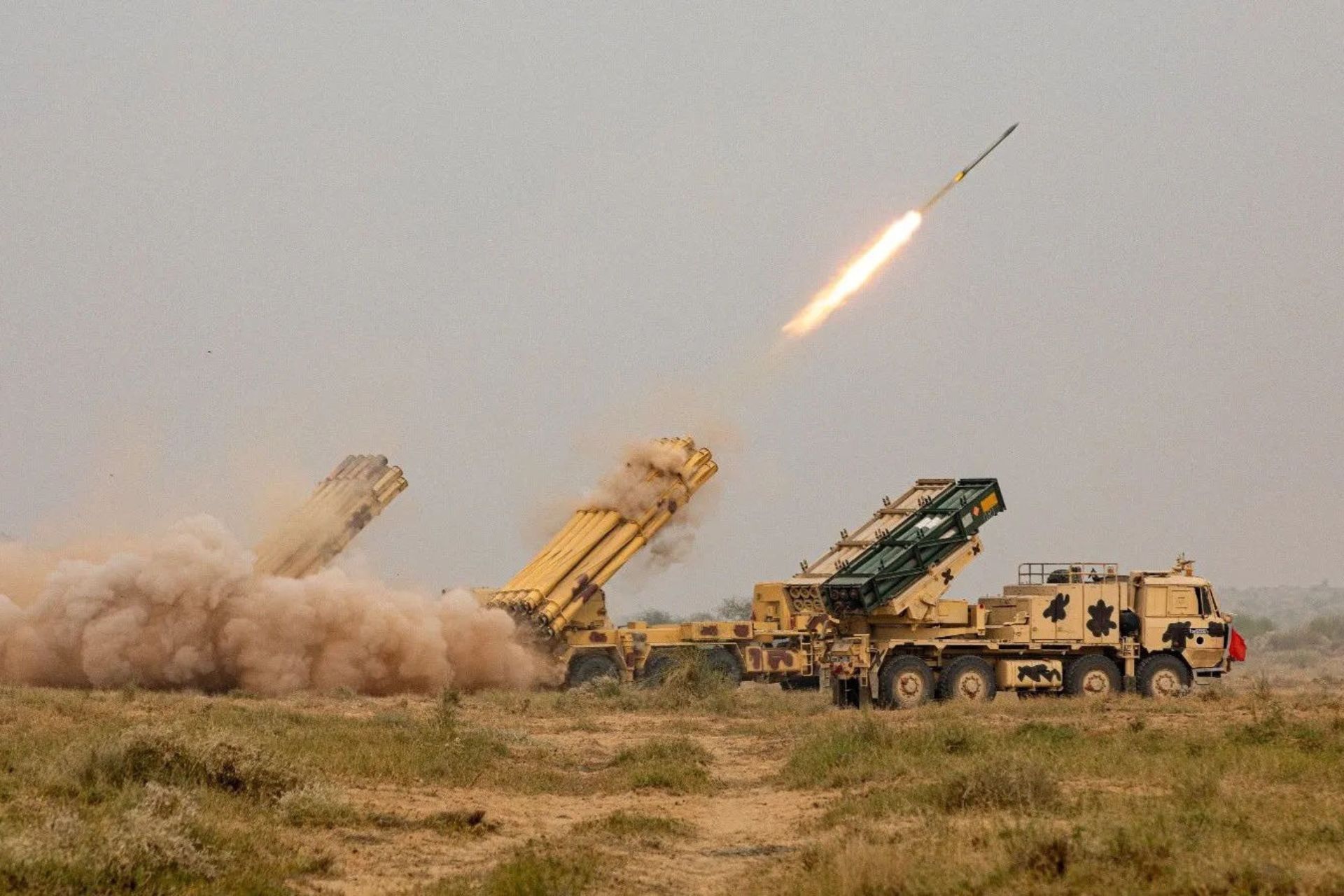
In November 2024, India initiated exporting its domestically developed Pinaka multi-barrel rocket launcher (MBRL) systems to Armenia, marking a key moment in its defense export efforts, as reported by IDRW. This delivery, part of a contract finalized after two years of negotiations, highlights the strengthening defense partnership between the two nations and India's increasing prominence in the global arms market.
Interest in the Pinaka system has extended beyond Armenia, with countries in Europe and Southeast Asia expressing enthusiasm for its variants (Picture source: Indian Army)
The Pinaka MBRL, developed by the Defence Research and Development Organisation (DRDO) in collaboration with private companies and public sector firms like Bharat Earth Movers Limited (BEML), is a mobile and versatile artillery system designed for rapid deployment and effective firepower. Primarily employed for bombardment, it targets enemy positions, infrastructure, and troop concentrations with precision and range. Since its induction, Pinaka has undergone significant advancements, resulting in variants that enhance range, accuracy, and payload options to meet modern battlefield demands.
The Pinaka Mk-I, the system’s initial version, has a range of up to 40 kilometers and supports multiple warheads. It delivers high-explosive (HE) munitions for impactful blast and fragmentation effects, effective against personnel and lightly fortified targets. Additionally, it can deploy anti-tank mines to create defensive perimeters and incendiary warheads capable of igniting fuel or other flammable materials. With each rocket carrying approximately 100 kilograms of explosives, the Mk-I delivers concentrated firepower for various operational scenarios.
The Pinaka Mk-II extends the system’s range to 60-75 kilometers and retains the warhead versatility of the Mk-I while incorporating precision-guided capabilities. Equipped with GPS and inertial navigation systems (INS), it delivers payloads with improved accuracy, ensuring effective strikes while minimizing collateral damage. This enhancement makes the Mk-II suitable for scenarios requiring targeted, controlled engagement.
The guided Pinaka variant further builds on these capabilities, offering advanced guidance technologies for pinpoint accuracy. With a maximum range of 75 kilometers, this variant is ideal for high-value targets such as fortified structures and command centers. Its precision and effectiveness make it a valuable asset for operations that demand exact targeting.
Another specialized version, the Pinaka Area Denial Munition (ADM), is designed for area denial missions, restricting enemy movement across designated zones. Using cluster munitions, it disperses submunitions over a wide area to neutralize personnel and light vehicles. Additionally, mine-laying rockets create temporary defensive fields, making the ADM variant an essential tool for halting enemy advances.
The upcoming Extended Range Guided Pinaka (ER-Pinaka) is under development and aims to push the system's range to 90 kilometers. This variant is expected to combine long-range capabilities with the same high level of precision, further increasing its operational flexibility.
Pinaka’s modularity and adaptability make it highly effective on the battlefield. Mounted on high-mobility vehicles, it can fire a salvo of 12 rockets in 44 seconds and relocate swiftly to avoid counterattacks. This combination of mobility, firepower, and versatility has positioned it as a preferred artillery solution for the Indian Army and an attractive option for international defense collaborations.
The contract with Armenia reflects the latter’s intent to diversify and modernize its military capabilities in response to evolving security challenges. The addition of Pinaka systems strengthens Armenia’s defense strategy by enabling effective targeting of enemy positions and safeguarding logistical networks. This agreement follows the recent acquisition of Akash air defense missile systems by Armenia, further demonstrating its reliance on Indian defense technology.
India’s export of Pinaka aligns with the "Make in India" and "Atmanirbhar Bharat" initiatives, which aim to enhance domestic production and innovation in the defense sector. Since 2014, these policies have facilitated significant international partnerships, solidifying India's position as a key player in the global arms industry. Armenia now ranks among India’s top three defense importers, alongside the United States and France.
Interest in the Pinaka system has extended beyond Armenia, with countries in Europe and Southeast Asia expressing enthusiasm for its variants. France, for instance, highlighted its interest during the visit of India’s Chief of Defence Staff, General Anil Chauhan, earlier in 2024. This growing global interest underlines Pinaka's potential as a reliable and advanced artillery solution in an increasingly competitive market.
The delivery of Pinaka systems to Armenia represents more than a commercial transaction; it underscores India's growing role in global defense and its ability to forge meaningful partnerships. As India continues to expand its defense exports, agreements like this could pave the way for future collaborations, enhancing its position as a significant contributor to regional and international security.
Read more: First Delivery of Pinaka MLRS to Armenia Showcases India’s Rising Defense Exports
- Details
- Written by: Administrator
- Category: 2024
- Hits: 9228
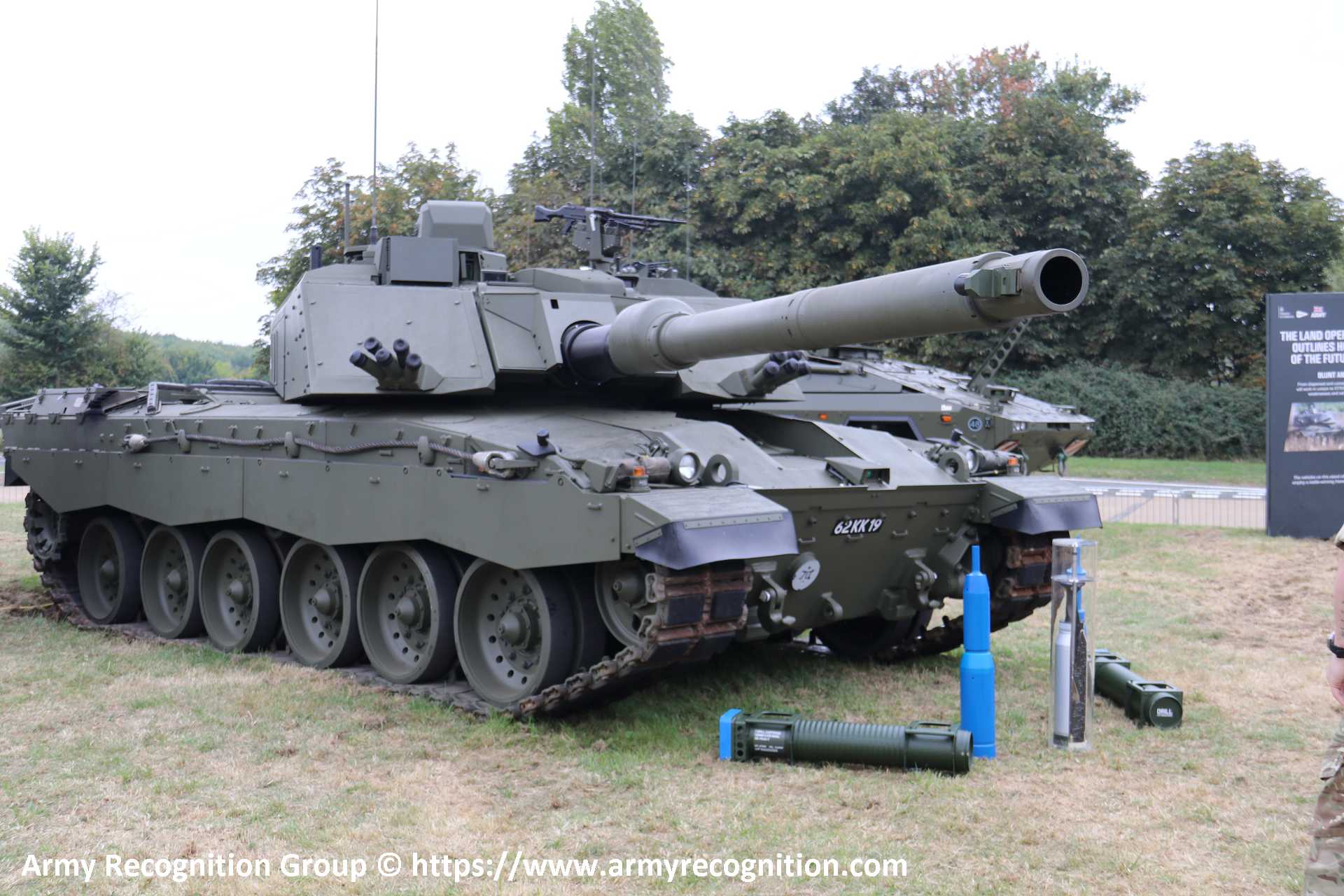
The new British Army’s Challenger 3 program is set to redefine the U.K.’s armored capabilities, equipping its armed forces with a main battle tank (MBT) designed to outmatch Russia’s modernized tanks, including the T-90M, T-80BVM, and T-72B3M. With significant upgrades in armament, protection, and mobility, the Challenger 3 represents a transformative leap over its predecessor, the Challenger 2, which has seen action in Ukraine and demonstrated the need for modernization in contemporary armored warfare.
Follow Army Recognition on Google News at this link
The British Army unveils the Challenger 3 Main Battle Tank prototype at the DVD 2024 event in Millbrook, showcasing its advanced armament, enhanced protection systems, and upgraded mobility designed to counter modern battlefield threats. (Picture source: Army Recognition Group)
One of the most significant advancements in the Challenger 3 Main Battle Tank (MBT) is its armament. The new tank will feature the Rheinmetall L55A1 120mm smoothbore gun, replacing the Challenger 2’s rifled cannon. This upgrade aligns the tank with NATO standards, enabling it to fire various advanced munitions, including kinetic energy penetrators and programmable High-Explosive Airburst (HEAB) rounds. These shells provide the Challenger 3 with superior firepower capable of penetrating Russian tanks' advanced composite and reactive armor like the T-90M and T-80BVM.
The maximum effective firing range of the Challenger 3’s gun, with advanced kinetic rounds, is expected to exceed 4 kilometers, providing a significant advantage over the T-72B3M and T-80BVM, which are effective at ranges of 3-3.5 kilometers. The T-90M, equipped with a more advanced fire control system and 125mm cannon, can also engage targets at approximately 4 kilometers, but the Challenger 3’s use of programmable ammunition gives it a tactical edge in varied combat scenarios. In comparison, the Challenger 2’s rifled gun and limited ammunition options restricted its engagement flexibility in Ukraine, an issue fully resolved in the Challenger 3.
In terms of protection, the Challenger 3 is being fitted with state-of-the-art modular composite armor and an advanced Active Protection System (APS). The APS is designed to detect, track, and intercept incoming anti-tank missiles and rocket-propelled grenades, significantly enhancing survivability against threats like Russia’s 9M119 Refleks guided missiles used by the T-90M. The Challenger 3’s upgraded passive armor also provides robust protection against kinetic energy rounds and high-explosive anti-tank (HEAT) projectiles. In contrast, the Challenger 2 relies solely on passive armor, which has shown vulnerabilities against modern anti-tank weapons in Ukraine, including drones and top-attack missiles.
Mobility has also been a focal point in the Challenger 3 tank upgrade. It will feature a reinforced drivetrain, improved suspension, and a more efficient cooling system, enabling it to operate in diverse terrains and extreme climates. The Challenger 3’s top forward speed is estimated to be 60 km/h (37 mph), comparable to Russia’s T-90M and faster than the T-72B3, which tops out at 50 km/h (31 mph). The Challenger 3 also boasts a reverse speed of 25 km/h (16 mph), a vast improvement over the Challenger 2’s sluggish reverse speed of just 10 km/h (6 mph), and significantly faster than the T-72B3’s 4-5 km/h (3 mph) reverse capability. This enhanced mobility ensures that the Challenger 3 can maneuver quickly and efficiently on the battlefield, providing a tactical advantage during engagements.
The Challenger 3’s digitized turret and AI-powered fire control system represent a technological leap forward, allowing faster target acquisition and improved situational awareness. These capabilities enable the Challenger 3 to detect and engage threats more effectively, even in contested environments with multiple targets. Compared to the advanced sensor suites of Russia’s T-90M, which incorporates a thermal imaging system and panoramic sights, the Challenger 3 has comparable or superior tracking and targeting precision.
The lessons learned from the Challenger 2’s deployment in Ukraine have underscored the need for modernization. While the Challenger 2 has demonstrated its resilience, it lacks the advanced capabilities required to effectively counter Russia’s upgraded MBT fleet. Tanks like the T-80BVM, with its powerful gas turbine engine, and the T-90M, with its advanced armor and fire control systems, have shown the importance of continuous innovation in tank design. The Challenger 3 directly addresses these gaps by providing superior firepower, protection, and mobility.
The Challenger 3 program has achieved significant milestones ahead of schedule. The first pre-production Challenger 3 vehicles entered trials in early 2024, with further testing planned for 2025. The British Army plans to upgrade a total of 148 Challenger 2 tanks to the Challenger 3 standard. While this number represents a reduction from the Cold War era fleet, the enhanced capabilities of the Challenger 3, including advanced armament, protection systems, and mobility, are designed to meet current and future operational requirements. These technological advancements, combined with NATO's collective strength, position the Challenger 3 as a critical asset in countering modern armored threats.
With its new armament, enhanced survivability, and superior maneuverability, the Challenger 3 MBT positions the U.K.’s armored forces to face the challenges of modern warfare and ensures Britain’s relevance on the battlefield for decades to come.

- Details
- Written by: Administrator
- Category: 2024
- Hits: 5357
The United States has confirmed the delivery of anti-personnel mines to Ukraine as part of a $275 million military aid package announced on November 20, 2024. While the package did not explicitly mention anti-personnel mines, it included an unspecified quantity of 155mm artillery shells. Based on previous deliveries, this has led to speculation that the package could include Area Denial-Artillery-Munitions (ADAMs), a type of 155mm shell designed to scatter anti-personnel mines across targeted areas. ADAMs are used to impede enemy troop movements and bolster defensive capabilities, adding a strategic layer to Ukraine’s resistance against Russian forces.
Follow Army Recognition on Google News at this link
PowerPoint slide showcasing ADAM Area Denial-Artillery-Munitions technology from a US Army ARDEC presentation. (Picture source: US Army RDECOM)
The U.S. has also been supplying Ukraine with Remote Anti-Armor Mine System (RAAM) projectiles, the anti-tank counterpart to ADAMs. RAAMs (Area Denial-Artillery-Munitions) are designed to disperse nine anti-tank mines upon firing, which can self-destruct after a set time period, effectively creating temporary minefields to slow or block advancing armored units. Pentagon statistics indicate that, alongside over three million conventional 155mm artillery rounds, more than 70,000 RAAM projectiles have already been sent to Ukraine.
The M692 and M731 are two variants of the 155mm Area Denial-Artillery-Munitions (ADAMs), designed to disperse 36 anti-personnel mines over targeted areas. These munitions use a timed release mechanism, ejecting their payload from the rear of the shell mid-flight, enabling precise placement of temporary minefields. The mines are equipped with anti-disturbance triggers, deterring attempts to clear them, and feature a programmed self-destruct mechanism, ensuring they deactivate after a specific period to reduce post-conflict hazards.
The key difference between the M692 and M731 lies in their active durations. The M692 is designed for short-term engagements, with mines that deactivate within 4 to 48 hours, making it ideal for rapidly shifting battlefield conditions. The M731, in contrast, deploys mines that remain active for up to 15 days, making it suitable for prolonged defensive operations or to hinder enemy reinforcements over extended periods. Both variants deploy M74 anti-personnel mines, ensuring high effectiveness against enemy infantry while reducing risks to civilians through their self-deactivation feature.
Tactically, ADAMs provide commanders with a flexible tool for battlefield control, allowing for the creation of barriers or chokepoints without direct troop involvement. These munitions are effective for delaying enemy advances, securing flanks, or covering retreats. When used alongside anti-tank systems like the Remote Anti-Armor Mine System (RAAMS), ADAMs contribute to a layered defense strategy that targets both infantry and armored units, forcing adversaries into predictable movement patterns that can be exploited by friendly forces.
The potential inclusion of ADAMs follows a pattern in U.S. military support for Ukraine. The U.S. has already supplied Remote Anti-Armor Mine System (RAAM) projectiles, the anti-tank counterpart to ADAMs, which disperse anti-tank mines in a similar manner. According to the Pentagon, more than 70,000 RAAM projectiles have been delivered to Ukraine alongside over three million conventional 155mm artillery rounds. The addition of ADAMs would represent a further evolution in Ukraine’s capability to employ artillery-delivered munitions in both defensive and offensive operations.
Defense analysts have noted that the unspecified 155mm artillery shells listed in the aid package are consistent with the U.S.'s history of providing advanced munitions tailored to Ukraine’s battlefield needs. The ongoing shift in Russian tactics, including concentrated ground assaults and infantry advances, makes systems like ADAMs highly relevant. These munitions can be deployed to block or channel enemy troops, buying time for Ukrainian forces to regroup or counterattack.
While ADAMs provide significant strategic benefits, their use also carries potential humanitarian implications. The U.S. has emphasized that any mines provided to Ukraine are to be used strictly within its territory and away from civilian areas. Additionally, the self-deactivating nature of ADAM mines is intended to mitigate risks to non-combatants, addressing some concerns raised by international human rights organizations.
Although not officially confirmed, the possibility of ADAMs being part of the latest aid package underlines the U.S.'s commitment to equipping Ukraine with the tools necessary to defend its sovereignty. As the situation on the ground evolves, the focus remains on leveraging advanced munitions to counter the persistent threat posed by Russian forces.
- France Confirms Full Commitment to Support Ukraine Including Use of SCALP Missiles Against Russia
- Analysis Hypersonic Missile Race: Russia, China, and the US in the Battle for Speed
- Breaking News: North Korea Secretly Unveils Tianma-2 New Locally Made Main Battle Tank
- Exclusive: Ukraine Deploys Spanish-Made Alakran Mortar Systems in First-Ever Combat Use