

- Details
- Written by: Administrator
- Category: 2024
- Hits: 5580










BAE Systems has announced plans to establish a new state-of-the-art artillery development and production facility in Sheffield, UK. The facility will focus on the manufacturing of the renowned M777 155mm lightweight towed howitzer. This significant investment, revealed on November 15, 2024, underscores the company’s commitment to sustaining and revitalizing critical British industrial capabilities while creating opportunities for exports.
Follow Army Recognition on Google News at this link
BAE Systems' new state-of-the-art artillery development and production facility in Sheffield, UK, will be dedicated to manufacturing the renowned 155mm M777 lightweight howitzer, marking a significant investment in British defense capabilities. (Picture source: BAE Systems, U.S. DoD)
The facility covers 94,000 square feet and is part of BAE Systems’ broader strategy to support the UK government’s efforts to bolster its defense infrastructure. John Borton, Managing Director of BAE Systems’ Weapon Systems UK business, highlighted the importance of this initiative, stating: “We aim to deliver long-term artillery capabilities for the UK, which will safeguard, sustain, and grow a critical, specialized British industrial capability as well as provide important opportunities for exports.” Beyond manufacturing, the Sheffield facility will focus on advancing artillery technology to meet evolving defense challenges, with the M777 howitzer as a cornerstone of this effort.
The M777 155mm lightweight towed howitzer is a versatile and highly mobile artillery system developed by BAE Systems to replace the aging M198 howitzer. Development began in the late 1990s with the intention of creating a lightweight, air-transportable weapon system capable of delivering precise and powerful artillery support. The base model, featuring a manual Optical Fire Control sighting system, entered service with the United States Marine Corps in 2005 and has since been adopted by numerous nations, including Canada, Australia, and India, for its battlefield agility and effectiveness.
Technically, the M777 features a 39-caliber barrel capable of firing 155mm shells. Its maximum range is 24 km with standard ammunition and 40 km when using precision-guided rounds like the M982 Excalibur. The howitzer has a sustained rate of fire of 2 rounds per minute and can achieve a burst rate of up to 5 rounds per minute. Its lightweight construction and advanced firepower make it highly adaptable to modern combat scenarios.
Over the years, the M777 has evolved into more advanced variants. The M777A1 introduced Digital Fire Control upgrades, integrating an onboard computer, satellite GPS, inertial navigation, radio systems, and digital displays for greater accuracy and operational efficiency. The M777A2 further enhanced the platform with a Block 1A software upgrade and an Enhanced Portable Inductive Artillery Fuze Setter (EPIAFS), enabling compatibility with Excalibur and other precision-guided munitions. These updates have ensured the M777 remains a leading choice for modern militaries.
The M777 has demonstrated its effectiveness in numerous conflicts worldwide. In Afghanistan and Iraq, it provided coalition forces with long-range fire support and high accuracy against fortified enemy positions, with its lightweight design enabling deployment in challenging terrain. Recently, the M777 has been instrumental in Ukraine, where it has become a key component of Western military aid to counter Russian aggression.
Supplied by nations such as the United States and Canada, the M777 has allowed Ukrainian forces to engage Russian artillery, disrupt supply lines, and strike high-value targets such as command centers with precision-guided munitions like the Excalibur. Its lightweight design and mobility enable rapid repositioning, reducing vulnerability to counter-battery fire. The M777’s deployment in Ukraine has underscored its relevance in high-intensity, modern warfare, where precision and adaptability are critical to tactical success.
The Sheffield facility is also poised to play a crucial role in workforce development. By fostering a highly skilled and adaptable labor force, the facility aligns with the UK’s focus on strengthening its defense sector and building expertise in key military technologies. John Borton emphasized the broader impact of this investment, noting: “As we continue to grow our business to meet our customers’ evolving requirements, this significant investment will help us develop a highly-skilled and adaptable workforce as an important part of the national defense infrastructure.”
This initiative reinforces the UK’s defense industrial base and positions the country as a key player in the global defense market. BAE Systems aims to enhance the UK’s artillery capabilities with the Sheffield facility while contributing to economic growth through export opportunities and job creation. The new plant will be vital in advancing the UK’s defense objectives, ensuring its relevance on both domestic and international fronts.
Read more: BAE Systems to Build UK Facility for M777 Howitzer Production to Meet Global Demand

Breaking News: Germany to Deliver the Sixth IRIS-T Air Defense Missile System to Ukraine by Year-End
- Details
- Written by: Administrator
- Category: 2024
- Hits: 4004
On November 13, 2024, Ukrainian President Volodymyr Zelenskyy announced via his X account that Germany would deliver the sixth IRIS-T air defense system to Ukraine by the end of this year. The announcement followed a conversation with German Chancellor Olaf Scholz, during which the two leaders discussed Germany’s extensive defense support and ongoing coordination to bolster Ukraine amid its continued defense against Russian aggression.
Follow Army Recognition on Google News at this link
A German IRIS-T SLM air defense battery featuring advanced radar, command units, and missile launchers designed to intercept a wide range of aerial threats with precision.(Picture source: German Army)
President Zelenskyy expressed gratitude to German Chancellor Scholz for Germany’s significant contributions to Ukraine's defense capabilities and its leadership in uniting international partners in support of Ukraine. The IRIS-T air defense missile system, renowned for its cutting-edge missile interception capabilities, plays a pivotal role in enhancing Ukraine’s ability to defend its airspace against Russian missile, drone, and aircraft attacks.
The IRIS-T (InfraRed Imaging System - Tail/Thrust Vector Controlled) air defense system is one of the most advanced surface-to-air systems globally, designed and produced by Germany's Diehl Defence. Each battery includes radar and fire control units, launchers, and interceptors equipped with state-of-the-art seeker technology. The system employs an advanced infrared seeker for exceptional target acquisition and engagement accuracy, even against low-signature threats like drones and cruise missiles. It can neutralize threats at ranges of up to 40 kilometers and altitudes of up to 20 kilometers, making it highly effective against various aerial threats. IRIS-T can track and engage multiple targets simultaneously, providing robust protection against saturation attacks. Furthermore, its mobility allows for rapid deployment and redeployment to protect key infrastructure, military assets, or civilian areas.
To date, Germany has delivered five IRIS-T systems to Ukraine. Each battery has proven crucial in intercepting Russian missile and drone attacks, which frequently target critical energy infrastructure, logistics hubs, and civilian areas. These systems complement Ukraine’s existing air defense network, which includes other Western-supplied air defense missile systems like the NASAMS and Patriot.
The IRIS-T's advanced capabilities provide Ukraine with a layered air defense structure, excelling in intercepting modern threats such as Shahed-136 kamikaze drones, Kalibr cruise missiles, and even high-performance aircraft that Russian forces employ. Its precision minimizes collateral damage, a crucial factor in urban defense scenarios.
The imminent delivery of the sixth IRIS-T air defense missile system reflects Germany’s unwavering commitment to supporting Ukraine’s defense. Chancellor Scholz and President Zelenskyy also discussed plans for further air defense deliveries in 2025, signaling sustained cooperation between Berlin and Kyiv. The IRIS-T offers Ukraine a critical tool to address the intensifying aerial threats posed by Russia, which increasingly relies on missile barrages and drone swarms to pressure Ukrainian defenses.
Both leaders reaffirmed the importance of the "Ramstein" format—a vital coordination platform bringing together Ukraine's allies to streamline military aid. As agreed upon during their discussions, the next meeting will further refine defense strategies and prioritize the delivery of critical systems to Ukraine.
Germany has positioned itself as a key ally in Ukraine’s resistance, supplying a range of advanced military systems, including Leopard 2 tanks, MARS II rocket launchers, and Gepard self-propelled anti-aircraft systems. The addition of the sixth IRIS-T battery will enhance Ukraine’s ability to protect its sovereignty, preserve critical infrastructure, and safeguard civilian lives.
As the war in Ukraine evolves, the deployment of IRIS-T air defense systems not only strengthens Ukraine's current defensive posture but also provides a strategic advantage in countering aerial threats, securing a critical edge in the ongoing conflict.
- Details
- Written by: Vandenbosch
- Category: 2024
- Hits: 2680
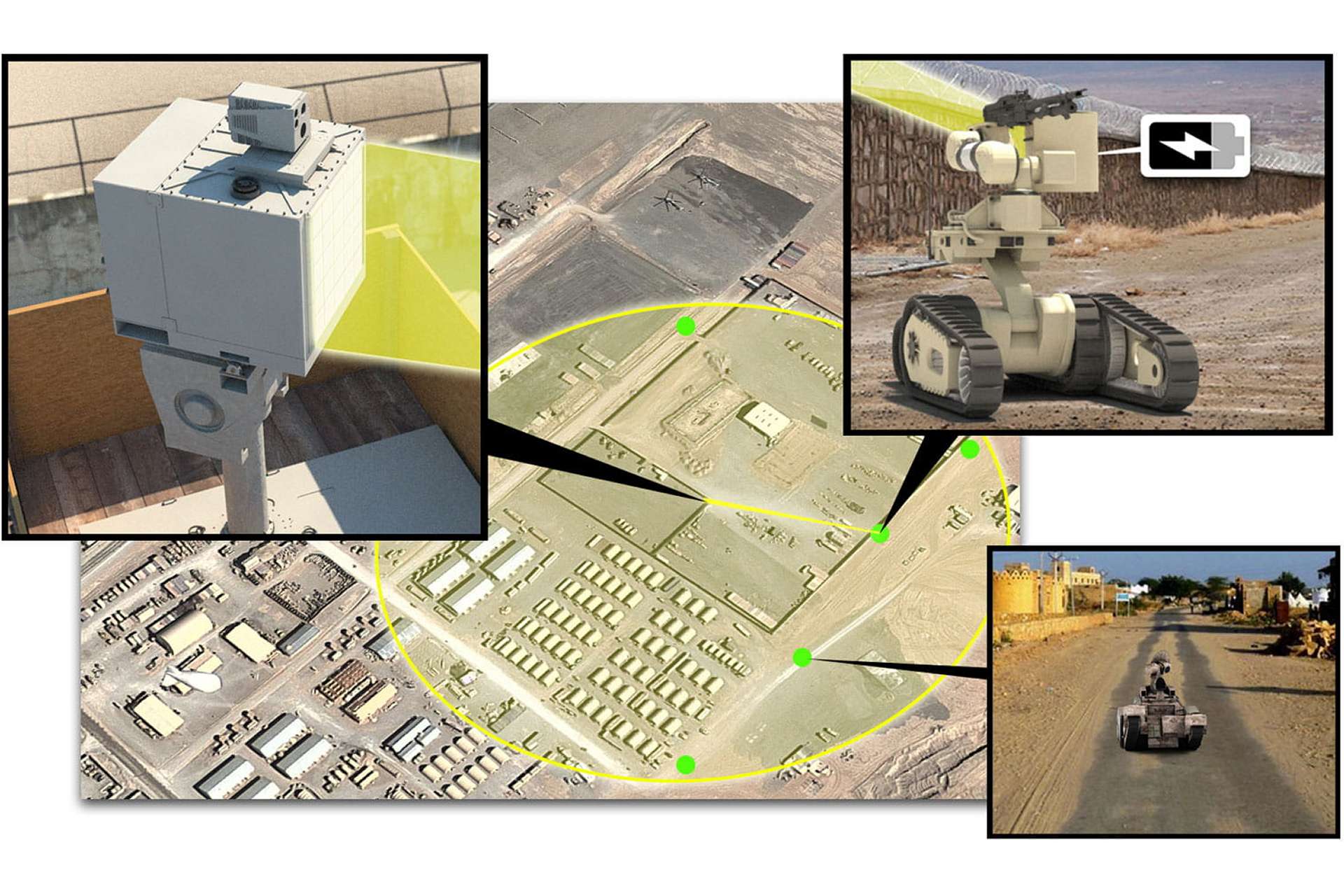
Raytheon, a division of RTX, has secured a major contract from the U.S. Army to develop wireless power transmission technology using directed energy. This project aims to transform battlefield logistics by providing a reliable method for energy distribution, thereby reducing dependence on traditional fuel supplies and improving troop safety in contested environments.
Wireless power transmission technology using directed energy. (Picture source: Raytheon)
The contract is part of the Department of Defense's Operational Energy Strategy, which seeks innovative solutions to optimize energy usage and support military operations. Raytheon’s Advanced Technology division will lead the development of advanced wireless power transmitters and receivers, aiming for long-range capabilities tailored to the Army's growing needs for both manned and unmanned systems.
Colin Whelan, President of Raytheon’s Advanced Technology division, emphasized the significance of the project: “Wireless energy and data will enhance operational capabilities in collaboration between manned and unmanned systems. This innovation is particularly crucial in high-risk environments where traditional logistics are challenging.”
Wireless power transmission technology offers numerous advantages for military operations. It reduces the need to transport heavy batteries or fuel, simplifying logistics and extending mission duration. Additionally, it eliminates reliance on fuel depots, which are often vulnerable, by providing a more secure energy infrastructure. This technology also enables energy uniformity across the battlefield, facilitating seamless energy capture and distribution to sensor systems without requiring physical connections.
Raytheon’s expertise in wireless power transmission dates back to the 1960s, when the company set a record for energy transfer efficiency and range. Building on this legacy, Raytheon is now developing cutting-edge solutions to enable long-range wireless energy transmission, with plans to integrate them into future defense systems.
As a leader in defense innovation, Raytheon continues to deliver state-of-the-art solutions for national security. Its extensive portfolio includes integrated air and missile defense, hypersonic weapons, advanced radars, and space-based systems. This new contract further strengthens the company’s contribution to the U.S. Army’s operational readiness and technological advantage.
RTX, Raytheon’s parent company, employs more than 185,000 people worldwide and reported $69 billion in revenue in 2023. Based in Arlington, Virginia, RTX remains a key player in developing defense technologies, aerospace engineering, and integrated systems for clients globally.
This collaboration with the U.S. Army represents another step in Raytheon’s mission to redefine how energy is harnessed and utilized in modern conflicts, paving the way for more agile and sustainable military operations.
Read more: US Army Partners with Raytheon to Enhance Battlefield Logistics with Directed Energy
- Details
- Written by: Halna du Fretay
- Category: 2024
- Hits: 3855
Germany has reached a milestone in its defense acquisitions, setting a new record with 59 funding proposals exceeding 25 million euros each, approved by the Bundestag this year. This unprecedented figure reflects the Ministry of Defense's commitment to enhancing the Bundeswehr’s capabilities in response to current security and defense challenges. The approved projects highlight Germany's intensified efforts to modernize its military equipment and reinforce its commitments within NATO, particularly on the alliance’s eastern flank.
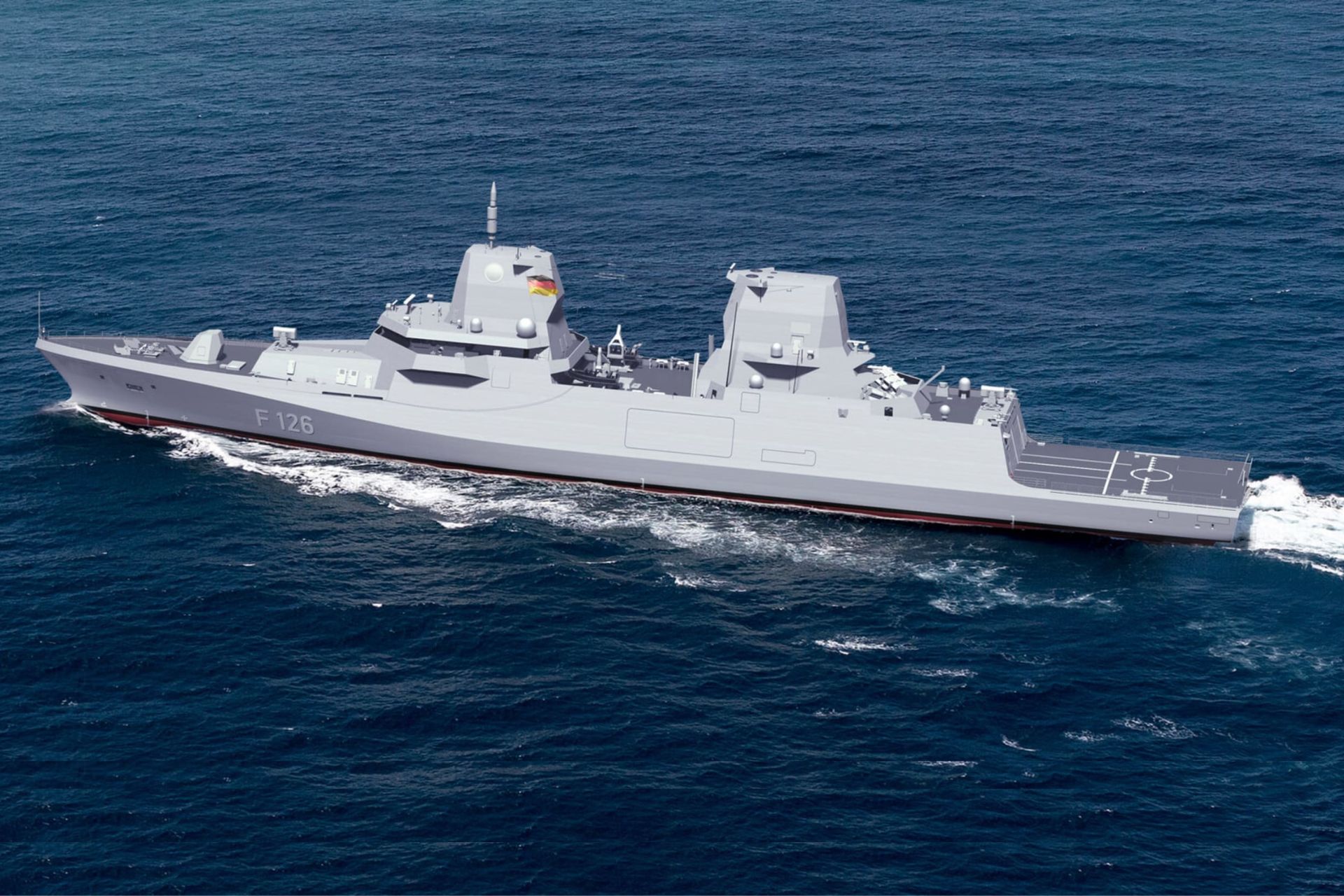
The F126 frigates initially referred to as the "Mehrzweckkampfschiff 180" (Multi-Role Combat Ship 180), are multi-role vessels designed for the German Navy with a focus on anti-submarine warfare (Picture source: Damen)
Among the key projects, Germany plans to enhance both its naval and ground forces with substantial additions. The Bundeswehr is set to receive six new F126 frigates by 2034. The initial contract, signed in June 2020, covered the construction of the first four units, with an option exercised in June 2024 to procure two additional units, bringing the total to six. The two additional frigates are estimated to cost 3.1 billion euros, including 2.8 billion for construction and 300 million for associated services and equipment. These versatile warships will play a crucial role in maritime protection and coastal security, while also providing essential power projection capabilities for NATO’s collective defense.
The F126 frigates, initially referred to as the "Mehrzweckkampfschiff 180" (Multi-Role Combat Ship 180), are multi-role vessels designed for the German Navy with a focus on anti-submarine warfare. With a displacement of 10,550 tons, a length of 166 meters, and a beam of 21.7 meters, they are built for extensive high-seas operations. These frigates can host up to 198 crew members, offering operational flexibility for diverse military missions. Equipped with hybrid propulsion combining diesel and electric engines, they enable discreet and efficient maneuvering tailored to tactical needs.
In terms of armament, the F126 frigates are outfitted with anti-air and anti-ship missile systems, as well as close-in defense systems, making them well-suited for protection against various threats, including ballistic missiles and submarines. Advanced detection systems enable surveillance and target identification in complex marine environments. The ships are built by Damen as the main contractor, with German yards Blohm & Voss, GNYK, and NVL participating as subcontractors, ensuring high-quality integration of advanced technologies to bolster German maritime defense.
On land, the Ministry of Defense has also approved the acquisition of 105 Leopard 2A8 main battle tanks, specifically to reinforce the German brigade deployed in Lithuania. This decision is aimed at strengthening Germany's military presence on NATO's eastern flank, a critical measure to deter potential threats in this geopolitically sensitive area. The Leopard 2A8, the latest iteration of Germany’s renowned battle tank, brings significant improvements in protection, mobility, and firepower, making it a valuable asset for the Bundeswehr and its allies.
The Leopard 2A8 is the newest, upgraded model in the Leopard 2 tank series, produced by German companies KMW and Rheinmetall. Designed for modern battlefield requirements, it features advanced multi-layered armor combining steel, tungsten, ceramics, and composite materials, providing enhanced protection against ballistic and explosive threats. The Leopard 2A8 is also equipped with the Trophy Active Protection System, known as EuroTrophy, which detects and neutralizes incoming threats, further ensuring crew safety. Armed with a 120 mm L55 smoothbore cannon capable of firing various types of munitions, including programmable DM11 rounds, and a 7.62 mm coaxial machine gun, the tank’s advanced fire control system and third-generation thermal optics enable accurate targeting even on the move or in low-visibility conditions.
Powered by a 1,600-horsepower engine, the Leopard 2A8 reaches a top road speed of 70 km/h and has a range of around 450 km. Its robust torsion bar suspension and high obstacle-crossing capabilities allow it to maneuver on rough terrain, ascend slopes of 60%, cross trenches up to 3 meters wide, and ford water up to 4 meters deep with preparation. For crew comfort, the tank includes an NBC protection system, air conditioning, and an Auxiliary Power Unit (APU) to power onboard systems without running the main engine. With its advanced protection, exceptional mobility, and cutting-edge equipment, the Leopard 2A8 is positioned as a strategic asset for modern armed forces.
Other projects include the acquisition of Patriot air defense systems. In July 2024, the budget committee approved the procurement of four Patriot systems as part of a broader investment exceeding 6 billion euros across various defense acquisitions. Additionally, in June 2024, Defense Minister Boris Pistorius proposed an agreement to purchase up to 2.35 million artillery shells, with a budget of up to 15 billion euros, aimed at replenishing the Bundeswehr's stockpiles.
The “25 million-euro proposal” procedure, required for each project exceeding this financial threshold, includes comprehensive details for each planned acquisition. Each proposal is then reviewed and approved by the Bundestag’s budget committee, ensuring transparency and accountability in public fund usage. This rigorous process guarantees that each investment meets the highest standards of relevance and effectiveness for German defense needs.
The Bundestag’s approval of these 59 proposals in 2024 represents not only a historic record but also a strong commitment by Germany to invest in a modern and capable military. This acquisition momentum reflects an increased awareness of current security challenges and Germany’s international responsibilities within NATO.
In recent years, Germany has significantly increased its military spending, particularly in response to Russia’s invasion of Ukraine in February 2022. This situation led Chancellor Olaf Scholz to announce a special fund of 100 billion euros to modernize the Bundeswehr and commit to dedicating more than 2% of GDP to defense spending.
In 2024, the defense budget reached 90.6 billion euros, marking a 55.4% increase compared to 2023. These increases are aimed at strengthening Germany’s military capabilities to address growing security threats in Eastern Europe and meet NATO’s defense spending expectations.

- Details
- Written by: Jérôme Brahy
- Category: 2024
- Hits: 6270
On November 15, 2024, Sweden signed a contract with the NATO Support and Procurement Agency (NSPA) for the joint procurement of Patriot GEM-T (Guidance Enhanced Missiles-Tactical) missiles. The agreement involves a coalition of five European countries, including Germany, the Netherlands, Romania, Spain, and Sweden, with a total order of up to 1,000 missiles. The GEM-T missiles are a critical component of the Patriot air defense system, designed to defend against cruise missiles, tactical ballistic missiles, and enemy aircraft.
Follow Army Recognition on Google News at this link
The GEM-T is a modernized variant of the MIM-104 Patriot missile system’s PAC-2 missile, and features upgraded proximity fuze and low-noise components to improve performance against threats with low radar cross-sections. (Picture source: Raytheon)
The contract includes provisions beyond missile procurement, such as the qualification of updated components, the addition of new suppliers, and the acquisition of test equipment and spare parts. These measures aim to support future maintenance and ensure a long-term supply solution for the Patriot system. According to FMV, Sweden’s Defense Materiel Administration, this agreement bolsters Sweden’s air defense capabilities while contributing to NATO’s collective air defense efforts in Europe.
Sweden’s investment in the joint initiative exceeds 5 billion SEK (approximately $455 million). The decision to participate followed a 2023 request from the NATO Support and Procurement Agency (NSPA) for joint procurement to address increasing global demand and expand European industrial capacity for the GEM-T. The consolidated approach offers economies of scale and supports the development of local production capabilities. Without Sweden’s involvement, the opportunity would have been extended to other interested nations. FMV, the Swedish Armed Forces, NSPA, and the Ministry of Defense collaborated closely to finalize the agreement within a constrained timeline.
Since January 2024, NSPA has maintained an industrial agreement with COMLOG, a joint venture between Raytheon and MBDA, to expand production capacity for GEM-T missiles in Europe. This partnership is expected to improve procurement efficiency and delivery times while enhancing security of supply. FMV highlights the role of its representative at NSPA as a key factor in achieving timely coordination and gaining insights into NSPA’s operational methods.
The increasing adoption of the Patriot missile defense system is driven by its ability to counter a range of aerial threats, including aircraft, cruise missiles, and tactical ballistic missiles. The system has been deployed in various conflicts, such as the Gulf War and the conflict in Ukraine, where it demonstrated operational effectiveness. Its modular design allows for upgrades, such as the PAC-3 variant, which enhances its precision and expands its capabilities. The system's mobility and ability to engage multiple targets simultaneously contribute to its operational flexibility. Recent joint procurement agreements, like NATO’s acquisition of up to 1,000 Patriot missiles, aim to achieve economies of scale and improve interoperability among allied countries.
The GEM-T missile incorporates several technical advancements to enhance performance. These include a modernized digital fuze for improved sensitivity against high-speed tactical ballistic missiles, a low-noise oscillator to increase tracking capabilities, and a redesigned nose section for better effectiveness against high-speed, low-altitude threats. Complementing the PAC-3 variant, the GEM-T offers additional capabilities for engaging a variety of airborne threats. In 2018, the system was further updated with gallium nitride (GaN) transmitters to improve reliability and operational performance. The GEM-T remains in production to meet both domestic and international demand.
Read more: Sweden joins four European countries to procure up to 1,000 US Patriot GEM-T missiles
- Details
- Written by: Triffaux
- Category: 2024
- Hits: 8216
On May 31, 2024, Luxembourg approved a historic €2.6 billion investment to modernize its armed forces, an ambitious program that demonstrates its commitment to NATO and the European Union. Passed by a significant majority in Parliament, this plan includes the acquisition of new combat vehicles to enhance the country’s operational capabilities and support military cooperation with Belgium.
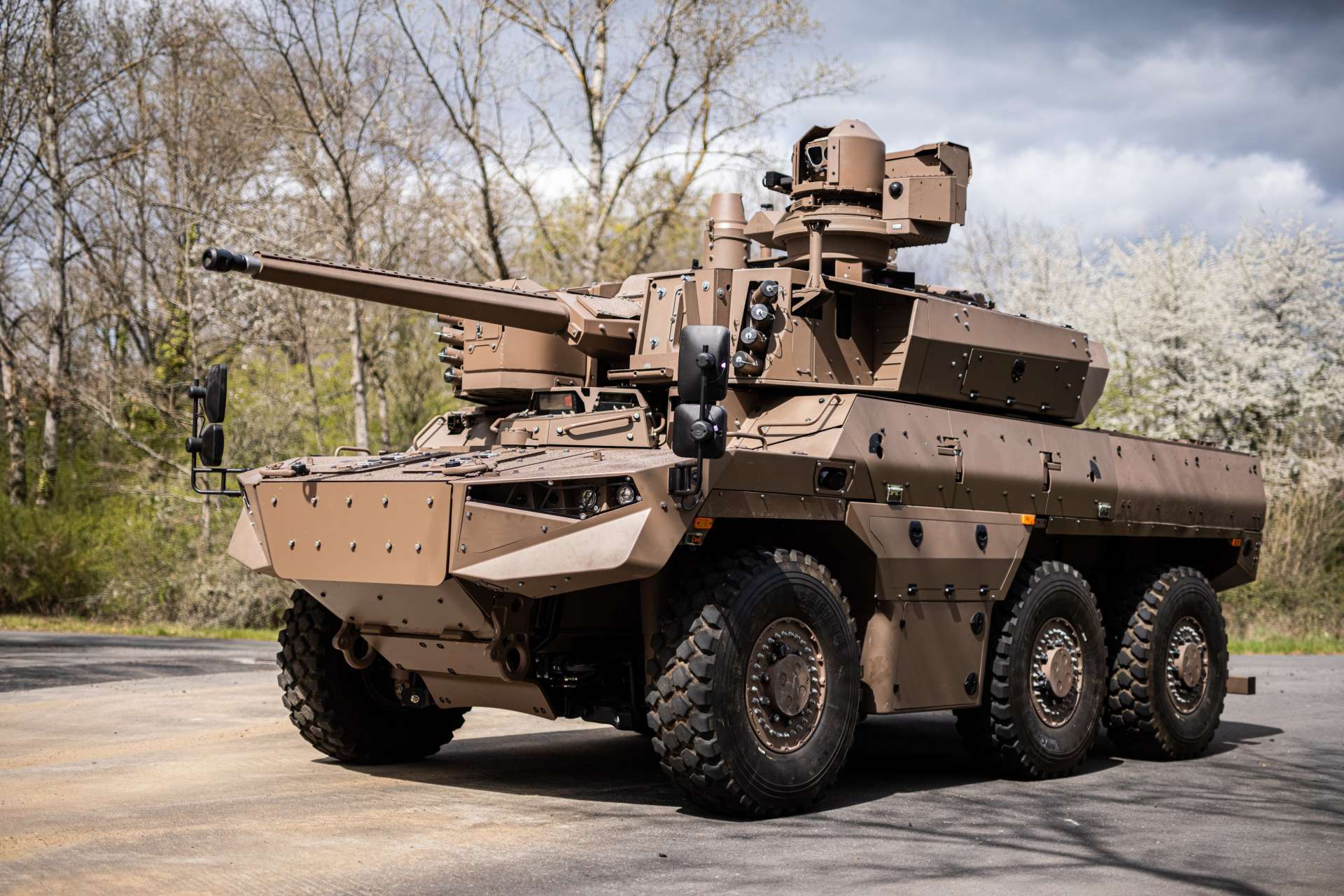
The vehicles to be procured include 16 Griffon multi-role armored vehicles, 38 Jaguar armored reconnaissance vehicles, and 5 Serval armored reconnaissance vehicles, in addition to the recently delivered Command Liaison and Reconnaissance Vehicles (CLRV). These vehicles will gradually replace the currently operational Dingo and Hummer vehicles, marking a significant leap in capabilities for the Luxembourg Army. This fleet will enhance the army's operational readiness and ensure interoperability with NATO and European Union forces, particularly with those of Belgium and France.
This upgrade not only aims to strengthen Luxembourg's military capacity but also to align with its existing assets, such as the CLRV vehicles acquired in 2022. Full integration of the new vehicles with the army’s existing systems is expected by 2025, aligning with the French Scorpion program to ensure enhanced operational synergy.
This investment also facilitates the creation of the binational Belgian-Luxembourg combat reconnaissance battalion, a key initiative aimed at reinforcing military cooperation between the two countries. Integrated into the French SCORPION program, the battalion will be headquartered in Arlon, Belgium, with detachments in Diekirch, Luxembourg, and Marche-en-Famenne, Belgium. This collaboration, as part of a broader European integration strategy, underscores the commitment of both nations to address regional security challenges jointly while fulfilling NATO obligations. The project also enhances interoperability between Luxembourg and Belgian armed forces, enabling joint deployments and supporting multinational missions.
The Luxembourg Army, comprising approximately 900 soldiers, operates with a focus on flexibility and interoperability within international frameworks. Its maneuver capabilities are centered on reconnaissance forces, which include two reconnaissance companies. One company is integrated into the Eurocorps and a Belgian division, while the other is part of NATO's pool of deployable forces, underscoring Luxembourg's active participation in multinational defense collaborations.
Luxembourg, despite its small size, boasts a dynamic economy with a gross domestic product (GDP) estimated at $85.76 billion in 2023, according to World Bank data. This remarkable economic performance places the country among the world's most prosperous on a per capita basis. However, Luxembourg has historically allocated a modest share of its GDP to defense, with only 0.58% spent in 2022, making it one of the lowest spenders within NATO in military terms. This budgetary approach is now undergoing significant change, as the government has announced ambitious plans to gradually increase defense spending to 1% of GDP by 2028, with a potential goal of reaching 2% of gross national income (GNI) by 2030. This shift reflects a direct response to rising geopolitical tensions.
Luxembourg's current arsenal includes 48 Dingo 2 4x4 armored vehicles, demonstrating its capacity for protected mobility and reconnaissance missions. The army’s anti-tank capabilities are bolstered by MANPATS NLAW and TOW missile systems, providing robust anti-armor and anti-infrastructure capabilities. Additionally, Luxembourg maintains an artillery component with six 81mm mortars, supporting indirect fire missions.
With the addition of these new vehicles, the Luxembourg Army’s operational capabilities will be significantly enhanced. These advanced systems will modernize tactical mobility, troop protection, and firepower while improving connectivity on the battlefield with cutting-edge communication technologies. The vehicles will provide greater versatility for a wide range of missions, from reconnaissance to urban or hostile environment operations, ensuring optimal safety for soldiers.
This modernization aligns with Luxembourg’s strategic objective to increase its contribution to collective defense within NATO and the European Union. Defense Minister Yuriko Backes emphasized that this investment reflects the country’s commitment to equipping its armed forces with the necessary resources to meet current and future challenges. Through this program, Luxembourg positions itself as a reliable and cooperative partner while laying the foundation for a modern army ready to address the security challenges of the 21st century.
Read more: Luxembourg Strengthens NATO Role with €2.6 Billion Modern Armored Vehicles Program
- Details
- Written by: Administrator
- Category: 2024
- Hits: 6408
Thales and MBDA, two of France’s leading defense manufacturers, are working through their joint venture EUROSAM to persuade Greece to adopt the SAMP/T air defense missile system. This effort comes as Greece seeks to establish an advanced protective shield similar to Israel’s Iron Dome amid ongoing tensions with Turkey. However, the competition with Israel’s defense offerings, particularly the SPYDER system, is shaping up to be fierce.
Follow Army Recognition on Google News at this link
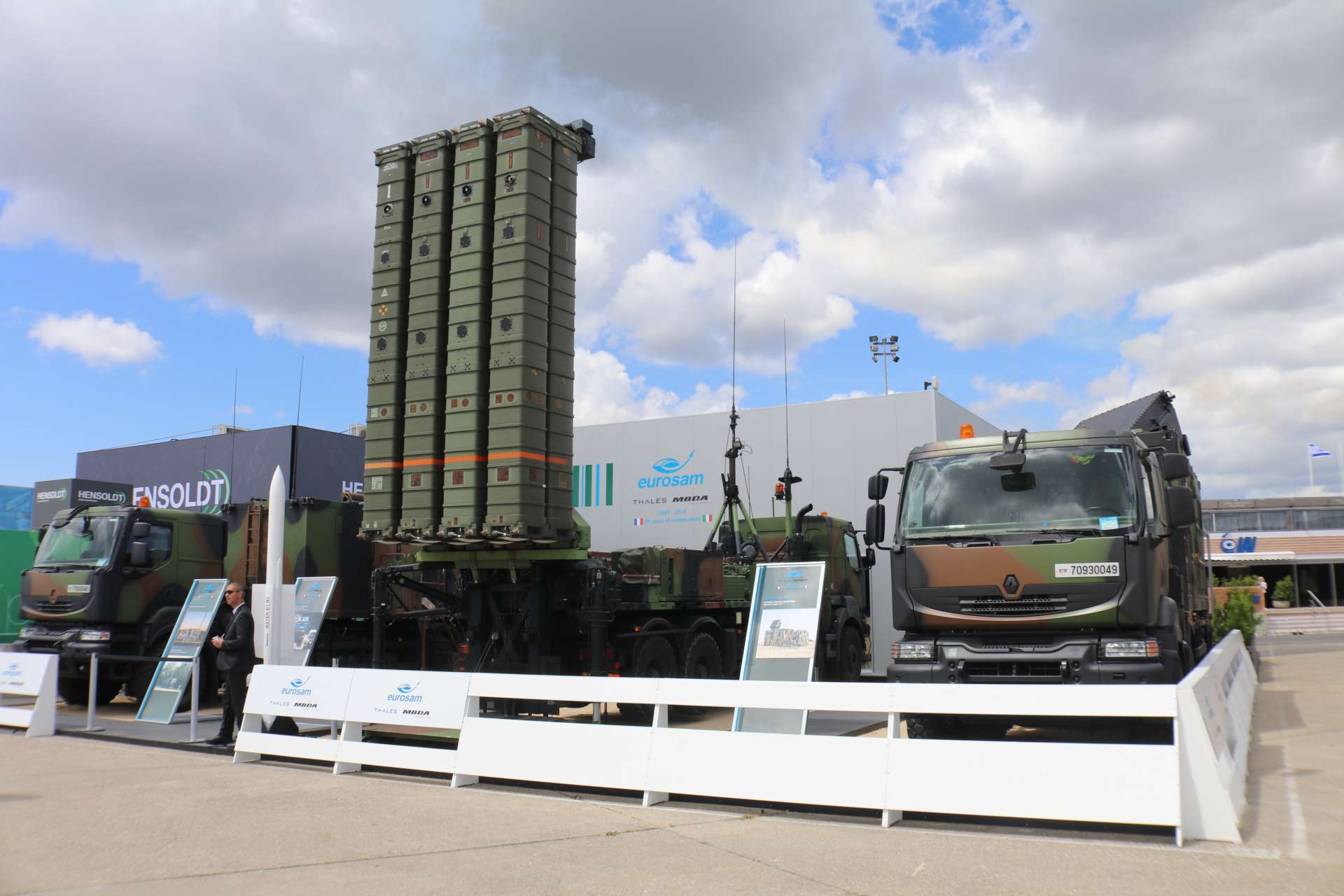
A SAMP/T air defense system displayed by EUROSAM at Le Bourget showcases its advanced capabilities in countering aerial threats, including aircraft, missiles, and drones.(Picture source: Army Recognition Group)
EUROSAM is a European defense consortium established in 1989 as a collaboration between Thales and MBDA (a joint venture of Airbus, BAE Systems, and Leonardo). Specializing in air and missile defense systems, Eurosam is known for developing the SAMP/T (Surface-to-Air Missile Platform/Terrain) system, which utilizes the Aster missile family to counter a wide spectrum of threats, including aircraft, ballistic missiles, cruise missiles, and drones. Headquartered in France, Eurosam plays a crucial role in enhancing NATO’s integrated air defense capabilities and has supplied systems to several European nations. The consortium exemplifies European defense cooperation, offering state-of-the-art technology designed to address modern security challenges.
The SAMP/T (Surface-to-Air Missile Platform/Terrain) system is one of the most advanced air defense solutions available, designed to protect against various aerial threats, including aircraft, cruise missiles, and drones. The system employs the Aster missile family and offers medium to long-range defense capabilities and features high precision with minimal collateral damage. Its modular design allows for seamless integration with NATO-standard systems, making it a compelling option for Greece, which already operates a mix of NATO and non-NATO systems. Eurosam is positioning the SAMP/T as a solution that can provide a multi-role, comprehensive defense to safeguard key national infrastructure and urban areas.
At the same time, Israel is aggressively promoting its SPYDER air defense system, developed by Rafael Advanced Defense Systems. SPYDER specializes in rapid-reaction, low to medium-altitude defense and is particularly effective against drones and short-range missile threats. Greece is reportedly in talks with Israel for a €2 billion defense architecture inspired by the Iron Dome, which could further enhance the country’s air defense layers.
Currently, Greece operates a diverse range of air defense systems that reflect its strategic priorities and historical procurement practices. Among these are the U.S.-made Patriot missile systems, which provide medium to long-range protection, and the Russian-made S-300 systems, which are also capable of engaging long-range targets. Greece relies on the French Crotale NG systems for shorter ranges and the Russian SA-15 Tor-M1 and SA-8 Osa-AK systems, designed to counter low-altitude threats such as cruise missiles and aircraft. This eclectic mix of systems underscores Greece’s efforts to maintain a layered air defense network that addresses multiple threat vectors.
Greece's decision will carry significant geopolitical implications beyond the technical specifications of the systems under consideration. Opting for the SAMP/T would deepen ties with France, a key ally in countering Turkish aggression in the Eastern Mediterranean. On the other hand, selecting Israel’s SPYDER or Iron Dome systems would solidify Greece’s growing defense cooperation with Israel, a country with extensive experience in combating asymmetrical threats.
As Greece weighs its options, the decision will hinge on cost, operational compatibility with existing systems, and the long-term strategic benefits of the procurement. The outcome will enhance Greece’s air defense capabilities and reshape its defense alliances in a region marked by heightened geopolitical rivalries.
Several critical factors drive Greece's pursuit of an advanced air defense system. Foremost among these is the need to modernize its military capabilities in response to evolving regional security dynamics, particularly concerning Turkey's expanding defense initiatives. Despite some improvement in relations, tensions persist over sea boundaries, energy resources, and airspace in the eastern Mediterranean.
Additionally, the proliferation of unmanned aerial vehicles (UAVs) and missile technologies in the region has heightened the necessity for a robust, multi-layered defense architecture capable of countering various aerial threats. Greece's commitment to safeguarding its sovereignty and maintaining a credible deterrent posture within the complex geopolitical landscape of the Eastern Mediterranean further underscores this strategic imperative.
- Details
- Written by: Jérôme Brahy
- Category: 2024
- Hits: 6563
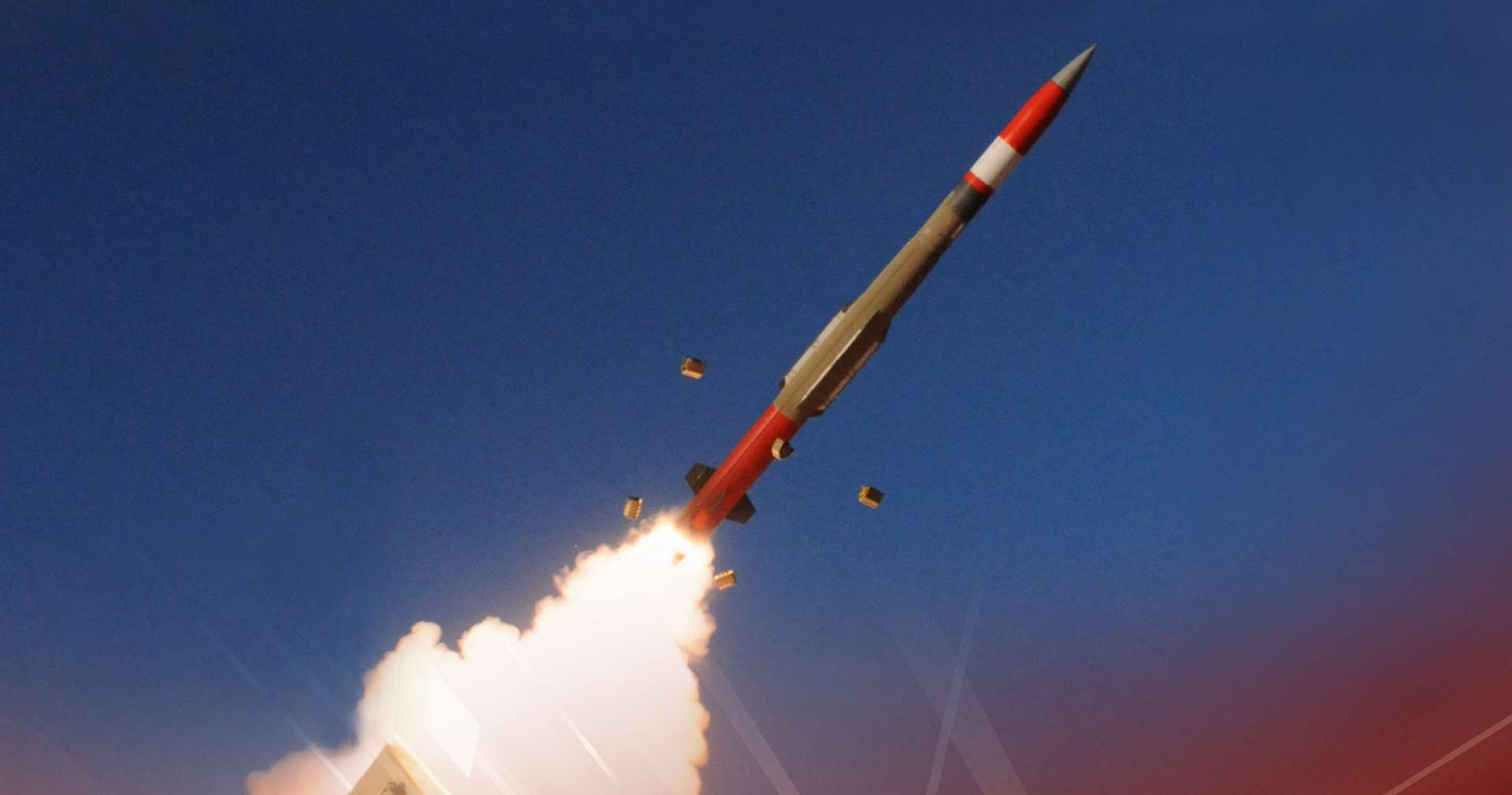
On November 14, 2024, Lockheed Martin announced that the U.S. Army had awarded the company a $752 million contract to increase the production capacity of Patriot Advanced Capability-3 (PAC-3) Missile Segment Enhancement (MSE) missiles from 500 to 650 units annually by mid-2027. This production ramp-up is part of broader efforts to address increasing global demand. Lockheed Martin had previously invested its own funds to expand production capacity, aiming to meet this target ahead of schedule.
Follow Army Recognition on Google News at this link
The PAC-3 MSE requires minimal modifications to existing Patriot launchers and can enable the air defense system to counter a range of threats, including tactical ballistic missiles, cruise missiles, hypersonic missiles, and aircraft. (Picture source: French MoD)
According to Lockheed Martin, PAC-3 MSE production in 2024 increased by more than 30%, with an additional 20% growth expected in 2025. If these projections are realized, production rates could reach 600 missiles annually by the end of 2025, exceeding the first contractual milestone of 550 units by mid-2025. Lockheed Martin has stated that it is on track to exceed projected production capacities for several years.
The production of PAC-3 MSE missiles has increased in response to rising global demand for advanced missile defense systems, driven by ongoing conflicts, such as those in Ukraine and the Middle East. These conflicts have highlighted the need for strengthened air defense capabilities. Lockheed Martin has expanded its production facilities, including an 85,000-square-foot site in Camden, Arkansas, designed to support higher output. The company currently produces approximately 500 PAC-3 MSE missiles per year and is contractually obligated to increase this to 550 annually by mid-2025, with further expansion to 650 by mid-2027.
This production increase is supported by strategic measures aimed at improving deterrence and defense capabilities, particularly in Europe and Asia. In June 2024, the U.S. Army awarded Lockheed Martin a $4.5 billion contract for 870 PAC-3 MSE missiles and related equipment. Additionally, the U.S. Navy is exploring the deployment of PAC-3 MSE interceptors aboard its ships to counter advanced threats, including hypersonic weapons developed by China. These developments collectively reflect the expanded role of PAC-3 MSE missiles in global defense strategies, driving the need for higher production levels.
Dr. William A. LaPlante, the Under Secretary of Defense for Acquisition and Sustainment, previously highlighted the importance of doubling PAC-3 MSE production, acknowledging the significant costs involved. The U.S. Army’s recent contract formalizes this objective while supporting Lockheed Martin's ongoing efforts. The company has implemented lean manufacturing processes and made supply chain investments to meet these targets.
The PAC-3 MSE is an upgraded interceptor within the Patriot Air Defense System. It features a dual-pulse rocket motor, larger fins, upgraded actuators, and enhanced thermal batteries, which provide increased range and altitude capabilities. These design improvements enable the missile to counter a range of threats, including tactical ballistic missiles, cruise missiles, hypersonic missiles, and aircraft. The PAC-3 MSE requires minimal modifications to existing PATRIOT launchers and can be loaded in flexible configurations to suit operational needs.
In addition to ramping up production, Lockheed Martin has achieved significant milestones in the PAC-3 MSE program. The company recently completed its 2,000th PAC-3 MSE missile and conducted a live-fire test at White Sands Missile Range, New Mexico. During this test, the missile intercepted a cruise missile target in flight, using the Virtualized Aegis Weapon System and an MK-70 containerized launch platform. This was the first test of the PAC-3 MSE in this configuration, demonstrating integration capabilities with other defense systems.
- Details
- Written by: Triffaux
- Category: 2024
- Hits: 7600
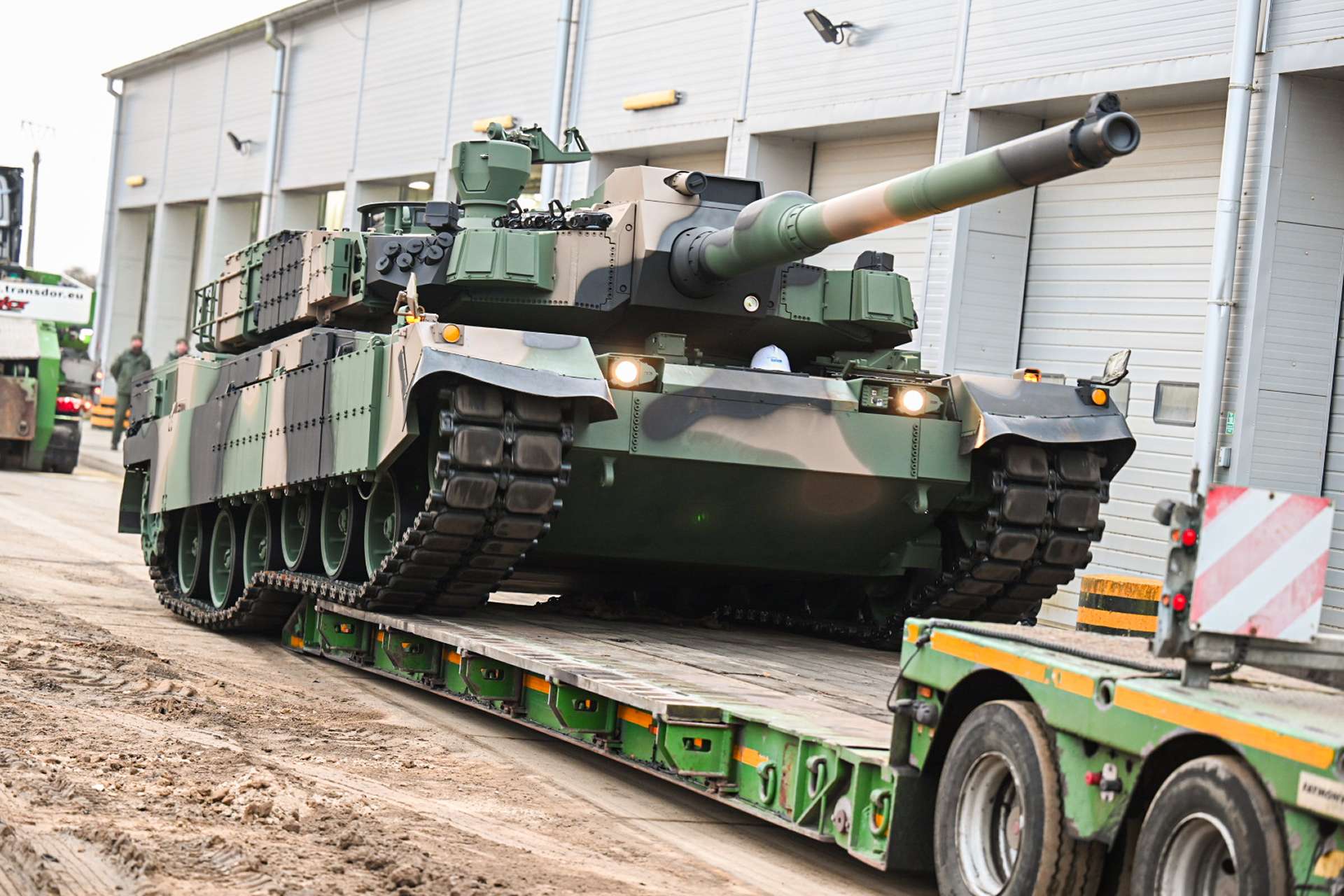
On November 14, 2024, Poland deployed K2 Black Panther tanks, manufactured by Hyundai Rotem in South Korea, near the Russian enclave of Kaliningrad. This decision, confirmed by Major Magdalena Kosińska, spokesperson for the 16th Pomeranian Mechanized Division, underscores Poland's commitment to strengthening its defensive capabilities amid heightened regional tensions.
Seven K2 tanks were delivered to the 9th Polish Armored Brigade. (Picture source: Polish MoD)
An initial batch of seven K2 tanks was delivered to the 9th Brigade, stationed in the city of Braniewo, using specialized transporters. Formal acceptance procedures for these tanks are being finalized in collaboration with South Korean representatives. Once officially integrated, the tanks will be equipped with systems used by the Polish army, including advanced communication equipment, to fully align them with the national operational framework. Until now, the Braniewo armored cavalry brigade had operated PT-91 tanks.
The K2 Black Panther tanks represent cutting-edge technology, tailored to the demands of modern warfare. Equipped with an active protection system, these tanks are highly effective against missiles and anti-tank weapons. Their exceptional mobility allows them to perform rapid maneuvers over difficult terrains such as marshes and sands, a critical capability for operations in Poland’s northern regions. Additionally, the K2 features advanced fire control and targeting systems, ensuring precision and reliability under diverse combat conditions.
Poland currently has eight trained crews, prepared by instructors from the 20th Mechanized Brigade, ensuring immediate operational readiness. A second batch of tanks is expected by the end of the year, further enhancing the combat capabilities of the brigade.
This deployment is part of a broader agreement signed in August 2022 between Poland and South Korea. The $3.4 billion contract covers the acquisition of 180 K2 tanks, marking a significant investment in Poland’s defense modernization. Deliveries from South Korea began shortly after the agreement's signing, although the involvement of the Polish industry remains limited to the provision of communication systems.
Despite these advancements, Poland's ambitions to co-produce the K2 tanks domestically in collaboration with South Korea face obstacles. Reports from August 2023 highlighted challenges in establishing a smooth production partnership, potentially delaying plans for local manufacturing of the K2 tanks.
The K2 is a main battle tank designed and manufactured in South Korea, currently serving in the armed forces of South Korea and Poland. This tank stands out for its powerful armament and advanced protection. It is equipped with a 120mm main gun capable of firing various ammunition types to engage long-distance targets. In addition to its main armament, the K2 features a 7.62mm coaxial machine gun and a 12.7mm heavy machine gun, providing defensive capabilities against ground troops and low-flying aerial threats.
In terms of protection, the K2 benefits from advanced composite armor, reinforced with Explosive Reactive Armor (ERA) blocks that enhance its ability to withstand projectile impacts and explosions. Weighing 55 tons, the tank combines mobility and protection, capable of reaching a maximum speed of 70 km/h, enabling rapid battlefield movement.
The K2's technical features include a range of advanced systems that underscore its status as one of the most technologically advanced combat tanks. It is equipped with an advanced fire control system for precise and quick target acquisition, an active protection system to detect and neutralize incoming threats before impact, and NBC (nuclear, biological, chemical) protection. Additional features include night and thermal vision systems for all lighting conditions, an automatic fire suppression system, and a snorkel for limited amphibious operations.
With a range of 450 km, the K2 Main Battle Tank can conduct extended operations without immediate refueling. It accommodates a crew of three, with dimensions of 10.7 meters in length, 3.6 meters in width, and 2.4 meters in height.
The deployment of K2 tanks near Kaliningrad reflects Poland's proactive approach to regional security, particularly in response to perceived threats from Russia. Kaliningrad Oblast, located between Poland and Lithuania, serves as a strategic point for NATO’s Eastern European defense. By positioning advanced equipment such as the K2 Black Panther tanks in this sensitive region, Poland aims to deter potential aggression and reinforce its role as a key NATO member on the eastern flank.
The K2 tanks play a central role in a defense-in-depth strategy. This concept involves several successive defense lines designed to slow an enemy advance while inflicting significant losses. Deployed in the second line, the K2 tanks are used for targeted counterattacks, striking at enemy weaknesses, such as supply convoys and command vehicles. Their integration with Polish artillery systems, including HIMARS and K9 Thunder, optimizes their battlefield effectiveness.
With the acquisition of 180 K2 Black Panther tanks, the Polish army has the capacity to form up to three armored brigades. Each armored brigade, based on Polish standards, requires between 60 and 90 tanks to be fully operational. This provides significant strategic flexibility, enabling Poland to deploy either two heavily equipped brigades, with 90 tanks each, or three lighter brigades, each with approximately 60 tanks.
Thanks to their exceptional mobility, the K2 tanks are particularly well-suited for maneuver warfare. Their ability to operate in challenging terrains, such as marshes and sands, facilitates flanking tactics to disrupt enemy supply and communication lines. Additionally, their tactical versatility makes them essential for protecting strategic infrastructure, such as bridges, roads, or urban centers during close-quarters combat.
Poland is also leveraging coordination with its NATO allies. The K2 tanks, designed to be compatible with NATO communication systems, integrate seamlessly into multinational operations. This ensures an effective collective response in the event of military escalation on Europe’s eastern flank.
In terms of capabilities, the K2 is equipped with advanced technologies, including an active protection system to counter missiles and anti-tank weapons. Its 120mm main gun, combined with precision targeting systems, provides superior battlefield effectiveness even in challenging conditions. Its state-of-the-art armor ensures optimal crew protection against modern threats.
Read more: Poland Deploys First South Korean K2 Black Panther Main Battle Tanks Near Russian Border

- Details
- Written by: Jérôme Brahy
- Category: 2024
- Hits: 6822
On November 14, 2024, Rheinmetall was awarded a contract by the Canadian government to support the Enhanced Recovery Capability (ERC) project for the Canadian Armed Forces (CAF). Valued at $325 million CAD ($230 million USD), the contract spans five years and includes the delivery of 85 HX 8x8 tactical trucks equipped with heavy towing and recovery modules. An additional in-service support contract worth $28.9 million CAD ($20.5 million USD) is also part of the agreement. The first vehicles are scheduled for delivery in 2027.
Follow Army Recognition on Google News at this link
The HX 8x8 heavy recovery vehicle is equipped with a capstan winch with a pulling force of 250 kN, a boom extension of 10 meters capable of lifting 13 tons, and an underlift with a hook load capacity of 15 tons. (Picture source: Army Recognition)
The HX 8x8 trucks are designed to replace the Canadian Armed Forces (CAF)'s current fleet of heavy recovery vehicles, providing advanced capabilities to recover and tow newer and heavier armored and logistical vehicles. These vehicles come equipped with recovery modules, integrated rotary cranes for container handling, and additional crane systems to address a variety of recovery and logistical needs. They are engineered for operational reliability in demanding conditions.
The HX platform, manufactured by Rheinmetall MAN Military Vehicles, is currently in service with 20 nations, including NATO members, Commonwealth countries, Singapore, and Japan. The trucks are utilized in both military and non-military scenarios, such as domestic disaster relief, humanitarian support, and combat operations. The platform's widespread adoption promotes interoperability and logistical advantages among its operators.
The ERC project focuses on replacing the CAF’s Heavy Logistic Vehicle Wheeled (HLVW) Wrecker/Recovery configuration. Its goal is to modernize the recovery capability to handle the challenges posed by newer and heavier armored fighting and logistics vehicles. The project aims to update, rationalize, and replace in-service recovery systems and equipment to meet the operational needs of the CAF’s Regular, Reserve, and Joint units. The upgraded system will enable diverse recovery operations, including extracting and winching mired wheeled vehicles, righting overturned vehicles in a controlled manner, lifting vehicles and logistics containers, and providing suspended towing for damaged or unserviceable vehicles.
The project’s funding is estimated at $250 million to $499 million CAD ($177 million to $354 million USD). The options analysis phase has been completed, and the definition phase is underway. Implementation is scheduled to begin in the 2024/2025 fiscal year, with initial deliveries expected in 2026/2027 and final deliveries in 2027/2028. The ERC project involves collaboration among multiple companies. Rheinmetall Canada serves as the prime contractor, Rheinmetall MAN Military Vehicles provides the HX trucks, Miller Industries Towing Equipment (based in the United States) supplies the towing and recovery systems, and Rotzler Holding (with operations in Germany and Canada) delivers hydraulic winches and winch systems..
The HX 8x8 heavy recovery vehicles measure 10.9 meters in length, 2.5 meters in width, 3.5 meters in height, with a gross vehicle mass of 38,000 kg for unarmored configurations and 41,000 kg for armored configurations. The trucks are powered by a MAN D26 engine producing 540 horsepower, coupled with a ZF Ecolife 7 automatic transmission, and meet Euro 5 emissions standards. Recovery equipment features a capstan winch with a pulling force of 250 kN, a boom extension of 10 meters capable of lifting 13 tons, and an underlift with a hook load capacity of 15 tons. The vehicles adhere to European safety standards, with safety systems reviewed by an independent third party.
Rheinmetall Canada, a subsidiary of Rheinmetall AG, has operated in Canada for over 35 years, specializing in system integration, real-time command and control, communication solutions, and other defense technologies. Its involvement in the ERC project is expected to deliver industrial and regional benefits, fostering employment and investment opportunities. Rheinmetall Canada has previously contributed over $1.5 billion CAD in Industrial Technological Benefits (ITB) and Industrial and Regional Benefits (IRB).
Read more: Canada orders 85 new HX 8x8 heavy recovery trucks from Rheinmetall
- Details
- Written by: Halna du Fretay
- Category: 2024
- Hits: 3402
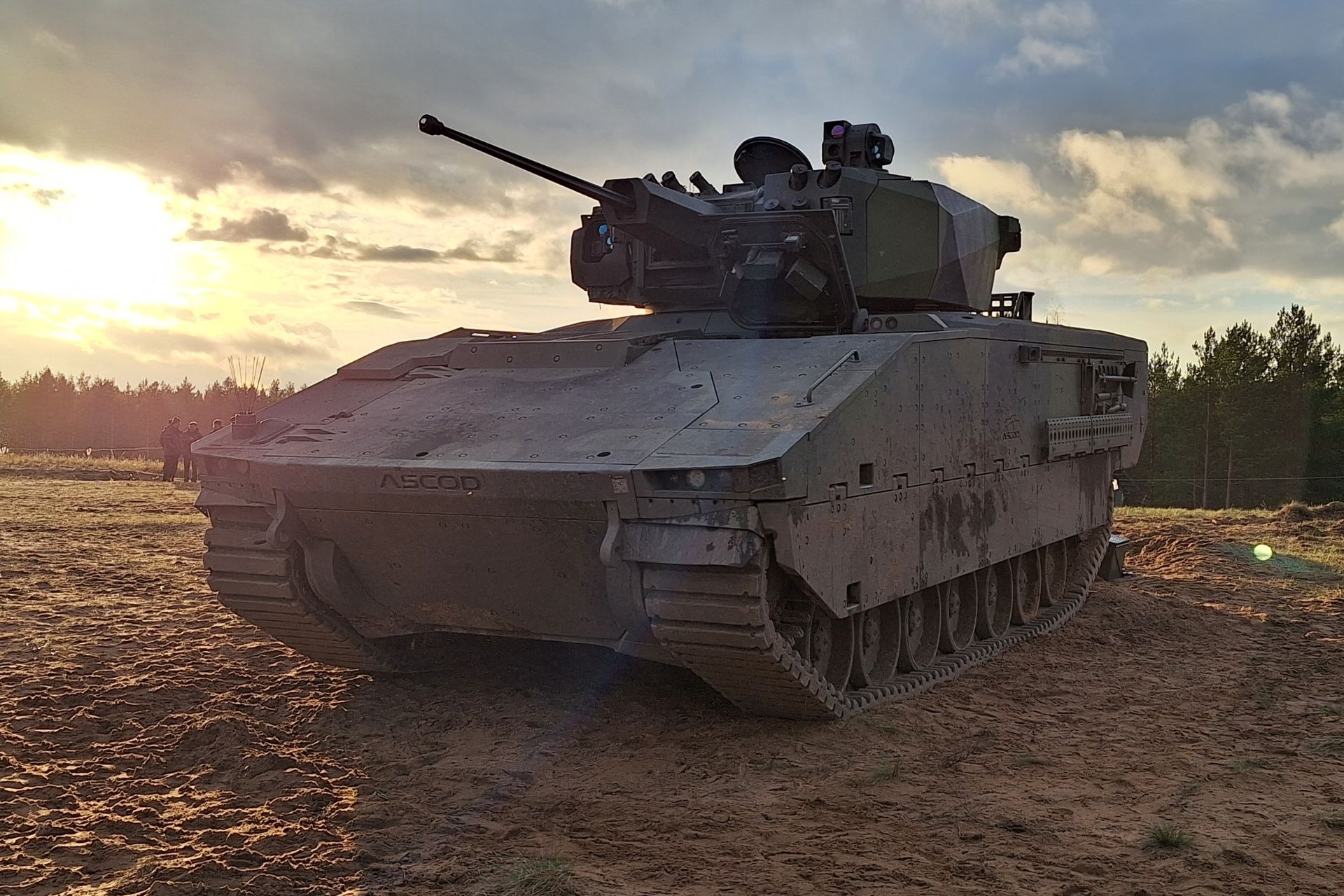
On November 15, 2024, General Dynamics European Land Systems (GDELS) officially announced Latvia’s decision to select the ASCOD tracked infantry fighting vehicle for its armed forces. This confirmation follows an earlier statement on November 11, 2024, from the Latvian Ministry of Defense about ongoing negotiations with GDELS. The selection of the ASCOD comes after a rigorous international competition and functional testing process, marking a significant milestone in Latvia’s efforts to enhance the mobility, firepower, and protection of its armed forces.
The ASCOD stands out for its ability to meet the complex demands of current missions, thanks to its modular design and proven performance (Picture source: GDELS)
The ASCOD is a next-generation tracked armored vehicle developed collaboratively by Santa Bárbara Sistemas in Spain and Steyr in Austria, both now part of GDELS. Designed to meet the demands of modern missions, it features a modular structure adaptable to various roles, including an Armored Personnel Carrier (APC) and an Infantry Fighting Vehicle (IFV). Built for challenging terrains, it achieves a top speed of 70 km/h and a range of 500 km, powered by either a 600 kW MTU V-8 engine or an 810 kW SCANIA V-8 engine, coupled with a Renk automatic transmission. Its torsion bar suspension system and dual rubber wheels ensure optimal maneuverability and stability.
The ASCOD offers flexible armament configurations. The APC variant is equipped with a remotely operated weapon station featuring a 12.7 mm machine gun, while the IFV version includes a turret with either a 30 or 40 mm cannon and anti-tank missile launchers. For protection, the ASCOD uses modular steel armor capable of achieving STANAG 4569 Level 6, making it resistant to mine explosions and rocket-propelled grenade attacks. It also incorporates active and passive protection systems, 360° situational awareness technologies, and nuclear, radiological, biological, and chemical (NRBC) defense systems to safeguard its crew in diverse operational environments.
The ASCOD is already in service in several countries, including Spain, Austria, the United Kingdom, the United States, and the Philippines. Originally developed in the 1990s, it entered service in 2002 and includes models such as the PIZARRO for Spain, the ULAN for Austria, and the AJAX for the UK. Its modular design offers flexibility and scalability, enabling it to meet current and future operational requirements effectively.
As highlighted by Alejandro Page, Vice President of Programs at GDELS, this choice reflects the company's expertise in the field of modern tracked vehicles. The ASCOD stands out for its ability to meet the complex demands of current missions, thanks to its modular design and proven performance. According to Dr. Thomas Kauffmann, Vice President of Global Sales at GDELS, this partnership goes beyond the delivery of vehicles and extends to significant collaboration with the Latvian defense industry, ensuring knowledge transfer and substantial local involvement.
The Latvian acquisition process began in early 2023 with a feasibility study that identified potential suppliers. In the fall of 2023, functional tests were conducted to evaluate the operational capabilities of competing platforms. This detailed review helped Latvia’s armed forces assess the results based on operational needs and local industry requirements. While the exact number of vehicles and the costs remain undisclosed, this acquisition aligns with Latvia’s commitment to meeting NATO capability objectives.
The ASCOD’s architecture allows interoperability with NATO systems and integration of subsystems from multiple manufacturers. These features make it a relevant solution for addressing contemporary military challenges. By incorporating the ASCOD, Latvia aims to strengthen its defense capabilities and contribute to NATO’s collective security goals, with infantry fighting vehicles being a key priority for the alliance.
In 2021, GDELS-Santa Bárbara Sistemas secured a contract to deliver the M3 amphibious bridge and ferry system to Latvia through a partnership with the United States. This existing collaboration may facilitate timely deliveries and help meet Latvia’s specific defense requirements under the current negotiations for the ASCOD vehicles.
- Details
- Written by: Halna du Fretay
- Category: 2024
- Hits: 9678
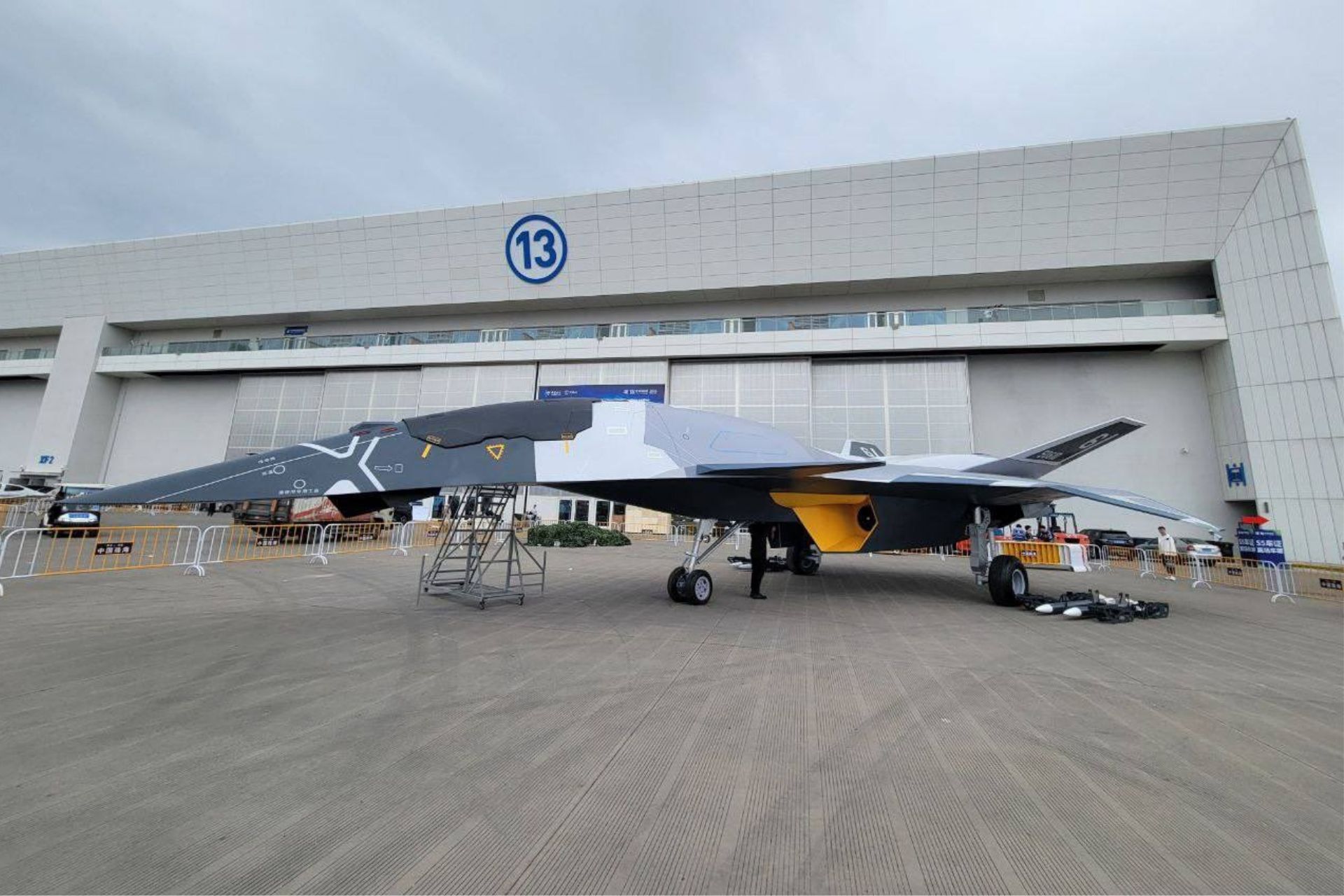
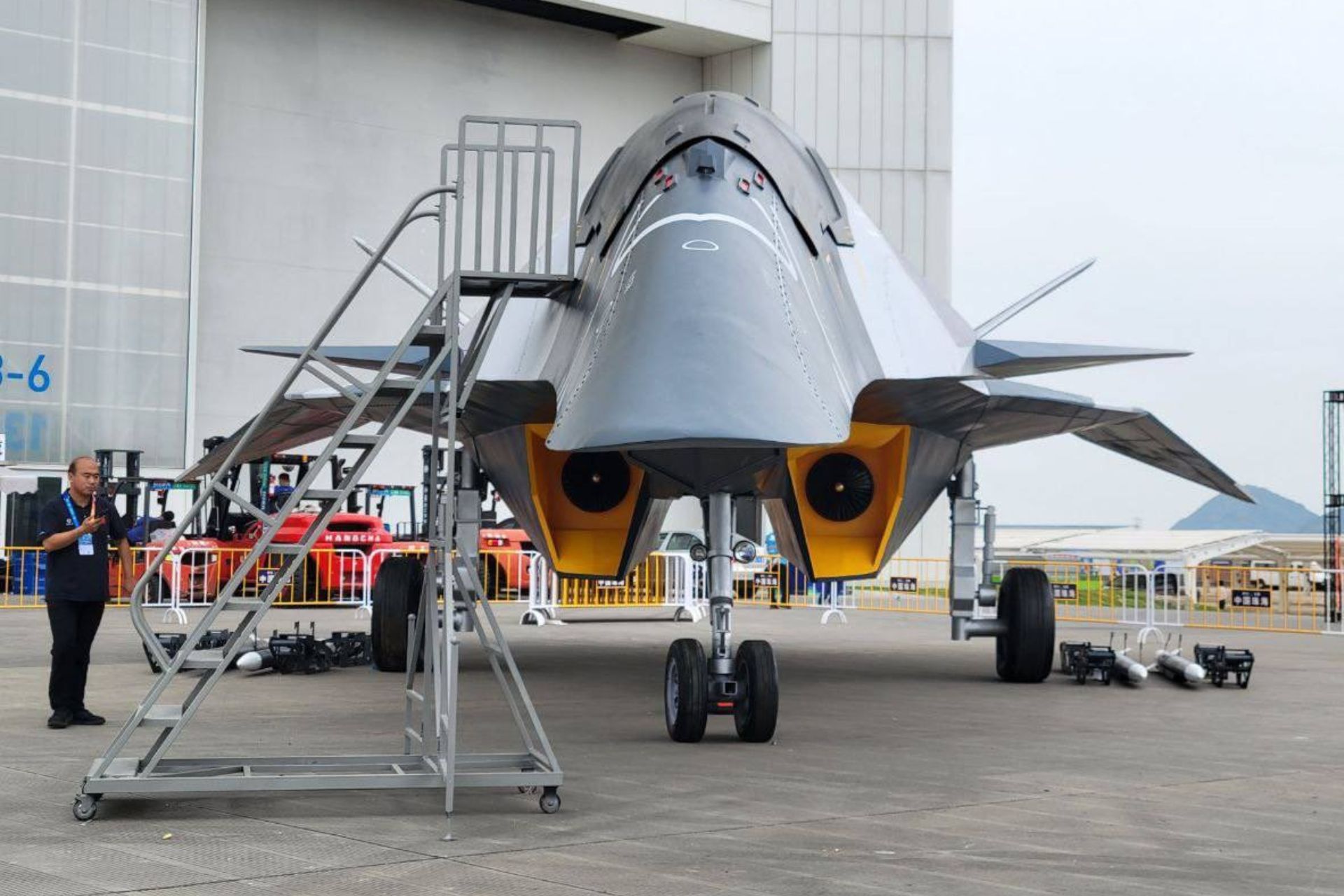
At the 15th edition of the Zhuhai International Aviation and Aerospace Exhibition, which opened on November 12, 2024, the Aviation Industry Corporation of China (AVIC) revealed a full-scale model of its new 6th-generation fighter concept, named "Baidi" or "White Emperor." Inspired by a deity from the Shang dynasty, this futuristic aircraft embodies China's ambitions in advanced aeronautical technologies, though it remains a conceptual model with no operational capabilities.
The "Baidi," designed to reach the Kármán line at 100 kilometers, is an ambitious 6th-generation concept but not a functional aircraft. (Picture source: Weibo)
The "Baidi" is part of the "Nantianmen" project, a national research and development program focused on future technologies. This initiative aims to push the limits of aerospace by exploring the integration of atmospheric and space missions. Designed to operate near the edge of space, the "Baidi" is theoretically capable of reaching the Kármán line, approximately 100 kilometers above Earth, marking an ambitious leap for a 6th-generation fighter. However, it remains a technological vision rather than a functional aircraft.
Among its notable features, the "Baidi" includes an enlarged internal weapons bay, allowing it to carry heavy air-to-ground munitions. This design choice enhances stealth by concealing weaponry within the fuselage, reducing the aircraft’s radar signature while preserving offensive capabilities. This configuration, suited for high-intensity missions, highlights China’s aim to combine power and discretion in its military technology.
The "Baidi" also features a complete avionics upgrade with systems designed to optimize human-machine interaction. With an ergonomic design and dark, multi-faceted canopy, the cockpit reduces radar reflections and shields the pilot from infrared and laser targeting. These adjustments theoretically improve the aircraft’s effectiveness in stealth missions.
The fighter’s angular, streamlined design maximizes stealth and maneuverability. Its pointed nose facilitates atmospheric penetration, while its delta-shaped wings with sharp edges evoke the aerodynamic characteristics of predators, allowing the "Baidi" to maneuver agilely and reach supersonic speeds. Although these features are visually striking, it is essential to note that they are still conceptual and do not represent a design ready for real-world operations.
The appearance of the "Baidi" at the Zhuhai airshow, shortly after the 75th anniversary of the People’s Liberation Army Air Force (PLAAF), underscores its symbolic importance in China's military modernization agenda. Its innovative design reflects China's aspirations to build a multi-domain air force capable of asserting itself on the global stage. However, military analysts remain cautious, noting that the "Baidi" is primarily a demonstration model, and its actual capabilities and future as a combat-ready aircraft remain uncertain.
The "Baidi" features a complete avionics upgrade, including an ergonomically designed cockpit with a dark, multi-faceted canopy that enhances human-machine interaction, reduces radar reflections, and shields the pilot from infrared and laser targeting. (Picture source: Weibo)
The "Baidi" is part of the "Nantianmen" project, a national research and development program focused on future technologies. This initiative aims to push the limits of aerospace by exploring the integration of atmospheric and space missions. Designed to operate near the edge of space, the "Baidi" is theoretically capable of reaching the Kármán line, approximately 100 kilometers above Earth, marking an ambitious leap for a 6th-generation fighter. However, it remains a technological vision rather than a functional aircraft.
Among its notable features, the "Baidi" includes an enlarged internal weapons bay, allowing it to carry heavy air-to-ground munitions. This design choice enhances stealth by concealing weaponry within the fuselage, reducing the aircraft’s radar signature while preserving offensive capabilities. This configuration, suited for high-intensity missions, highlights China’s aim to combine power and discretion in its military technology.
The "Baidi" also features a complete avionics upgrade with systems designed to optimize human-machine interaction. With an ergonomic design and dark, multi-faceted canopy, the cockpit reduces radar reflections and shields the pilot from infrared and laser targeting. These adjustments theoretically improve the aircraft’s effectiveness in stealth missions.
The fighter’s angular, streamlined design maximizes stealth and maneuverability. Its pointed nose facilitates atmospheric penetration, while its delta-shaped wings with sharp edges evoke the aerodynamic characteristics of predators, allowing the "Baidi" to maneuver agilely and reach supersonic speeds. Although these features are visually striking, it is essential to note that they are still conceptual and do not represent a design ready for real-world operations.
The appearance of the "Baidi" at the Zhuhai airshow, shortly after the 75th anniversary of the People’s Liberation Army Air Force (PLAAF), underscores its symbolic importance in China's military modernization agenda. Its innovative design reflects China's aspirations to build a multi-domain air force capable of asserting itself on the global stage. However, military analysts remain cautious, noting that the "Baidi" is primarily a demonstration model, and its actual capabilities and future as a combat-ready aircraft remain uncertain.
- AKM Group CZ gains exclusive access to US company ZRODelta's full annual production for Europe
- New Soframe HE441 Tactical Vehicle with HELMA-P Anti-Drone Laser Unveiled
- Exclusive: China Debuts CM-98 Stealth Cruise Missile to Challenge US JASSM and European Storm Shadow
- Patria Strengthens Latvia's Defense Capabilities with Delivery of 56 Additional Armored Command Vehicles