
- Details
- Written by: Vandenbosch
- Category: 2024
- Hits: 5550










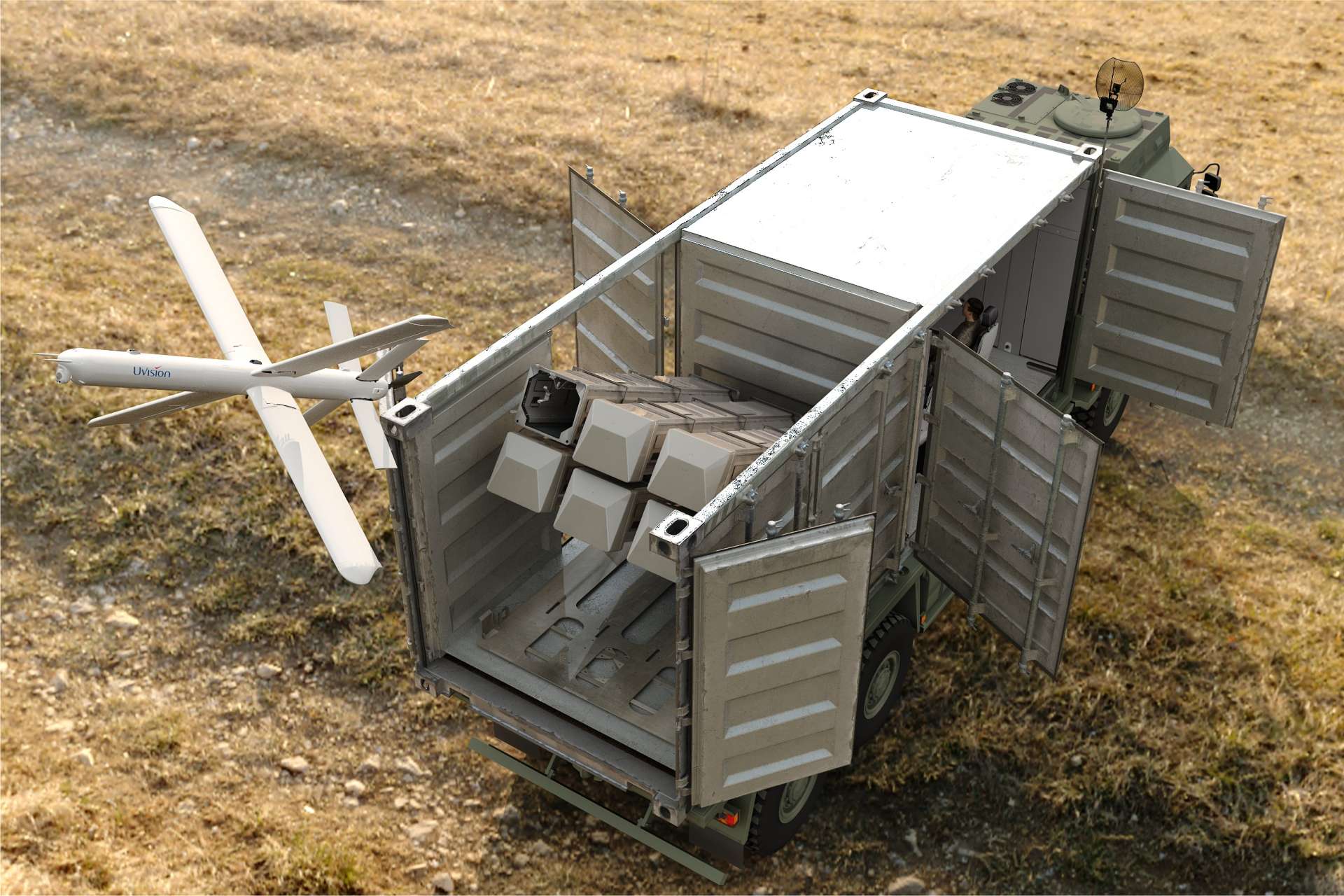
At AUSA 2024, held from October 14-16 in Washington, UVisionUSA presented its latest innovation in loitering munition technology: the autonomous multi-launch system. This revolutionary technological solution marks a significant advancement, evolving from single launch to a sophisticated system capable of deploying and managing multiple HERO 120 munitions simultaneously. Equipped with advanced mission planning capabilities, this new system offers enhanced operational flexibility and strengthened battlefield dominance.
The autonomous multi-launch system developed by UvisionUSA (Picture source: Uvision)
The autonomous multi-launch system enables armed forces to conduct missions autonomously, covering all stages from target acquisition to neutralization. It seamlessly integrates with various intelligence and reconnaissance assets, such as tactical drones, UAS systems, and command and control networks. Using real-time artificial intelligence for automatic target recognition, the system ensures quick and accurate responses to pre-identified targets and emerging threats. With its multi-launch capability, operators can deploy several HERO 120 munitions simultaneously, constantly processing intelligence from various sources for optimal mission efficiency.
Designed to saturate and dominate extended operational areas, the system allows for munitions to be launched in waves, giving operators complete control while overwhelming enemy defenses. Operators can also adjust or cancel a mission mid-flight, providing crucial tactical flexibility in dynamic operational environments. The containerized configuration of the HERO-120 system enables rapid deployment across various platforms without requiring mechanical or electrical modifications, ensuring easy integration on land vehicles, naval vessels, and other mobile platforms.
Another advantage of this system is its modular design, which allows it to integrate with existing or third-party command and control systems, maximizing its adaptability to diverse mission contexts.

The containerized configuration of the HERO-120 system enables rapid deployment across various platforms. (Picture source: Uvision)
Dr. Ran Gozali, Chairman of UVision USA’s Board of Directors and CEO of UVision Air, highlighted the strategic impact of this technology: “Our new holistic solution transforms mission planning and execution. By enabling operators to autonomously manage multiple loitering munitions and select engagements with precision, we are enhancing lethality and firepower efficiency, all while operating from a stand-off position, optimizing mission effectiveness.”
The HERO-120 is an anti-tank loitering munition system designed to give frontline forces autonomous capabilities to operate independently, without relying on fire support or intelligence from higher command units. Weighing a total of 14.5 kg with a 4.5 kg warhead, the HERO-120 is notable for its range and endurance, capable of traveling over 60 km and remaining operational in flight for 60 minutes. This makes it an effective solution for neutralizing armored targets across vast areas.
Its portability and vehicle-mounted capability make it highly versatile in operational environments. Easily transportable to the heart of the combat zone, it can be launched from a protected, low-profile position, ensuring minimal acoustic and visual detection. This low-profile launch capability enhances the safety and flexibility of the launch team.
Designed to provide a tactical advantage to field-deployed units, the HERO-120 is particularly well-suited for small independent units, special forces, and unsupported troops. With a unique Intelligence, Surveillance, and Reconnaissance (ISR) capability combined with extended Beyond Line of Sight (BLOS) firepower, this system enables operators to detect, analyze, and engage targets with surgical precision.
The HERO-120’s pneumatic launch is acoustically and visually discrete, offering high stealth. Once airborne, the operator can autonomously locate targets and observe them with a gimbaled electro-optic and infrared camera. The operator can choose the direction, angle, and timing of the attack. If conditions change, the operator can abort the attack mid-air, return to loitering mode, select a new target, or terminate the mission.
Control of the HERO-120 is maintained by the operator through a data link and a Fire Control Unit (FCU/OCU), ensuring human intervention at each stage of the process. Additionally, the system offers the option to transfer control to an advanced unit, which can then fully utilize the munition’s capabilities for its missions, enhancing interoperability and operational effectiveness on the ground.
UVision USA is globally recognized for its unmanned loitering munition systems (ALM), providing precise and cost-effective strike capabilities for a wide range of military applications. The ‘HERO’ series, supported by cutting-edge technology and extensive operational experience, ensures unmatched precision and reliability. Each HERO system features a unique aerodynamic design tailored to ensure exceptional effectiveness and precision, even in challenging operational conditions.

With its multi-launch capability, operators can deploy several HERO 120 munitions simultaneously. (Picture source: Uvision)

- Details
- Written by: Halna du Fretay
- Category: 2024
- Hits: 4739
At the AUSA 2024 exhibition in Washington D.C., General Dynamics, in collaboration with Elbit Systems, unveils its Iron Fist (IF) active protection system. This presentation in the United States coincides with the signing on September 26, 2024, by the U.S. Department of Defense for the acquisition of Iron Fist systems intended to equip Bradley Infantry Fighting Vehicles (IFVs). In August of the same year, BAE Systems Hägglunds secured the system to equip the CV90 vehicles.
Iron Fist is designed to be added to a wide range of armored platforms, from light 4x4 vehicles to medium and heavy armored fighting vehicles (Picture source: Army Recognition)
Iron Fist is designed to be added to a wide range of armored platforms, from light 4x4 vehicles to medium and heavy armored fighting vehicles. Its "hard-kill" concept involves intercepting threats by launching a small warhead that is detonated at a safe distance from the protected vehicle at a precisely calculated moment, thereby neutralizing the threat through a shock-wave effect.
The system provides 360-degree protection for short-range scenarios in both open terrain and urban environments. Utilizing two detection techniques—a search-and-track radar and a fixed infrared sensor—it delivers unique situational awareness with robust and reliable threat detection, accurate trajectory prediction, and short reaction times in all environments.
The design of Iron Fist minimizes the system's dimensions while maintaining operational effectiveness. This scalability allows for rapid integration across the entire range of combat vehicles and opens new possibilities for modernizing existing platforms where size, weight, and power constraints are challenges.
In addition to this presentation, several recent developments underscore the increasing international adoption of Iron Fist. On September 26, 2024, the U.S. Department of Defense signed a contract to acquire Iron Fist systems for equipping Bradley Infantry Fighting Vehicles. This contract, awarded to General Dynamics Ordnance and Tactical Systems, is valued at $191.2 million and covers an unspecified number of systems to be installed over three years, with a completion date set for July 31, 2027.

Elbit Systems’ Iron Fist APS installed on a CV90 IFV (Picture source: BAE Systems)
Notably, the funding for this acquisition comes from the budget allocated for assistance to Ukraine. As part of this initiative, the U.S. Army will receive modernized Bradley vehicles equipped with the Iron Fist system, replacing older M2A2 Bradley models in its inventory. The upgraded Bradleys will also feature onboard radar systems capable of detecting incoming missiles, working in conjunction with a combined warning system that includes sensors for detecting laser radiation and an additional module for space monitoring.
Furthermore, on August 8, 2024, Elbit Systems announced it had secured a contract worth approximately $130 million to supply Iron Fist systems to BAE Systems Hägglunds for installation on a European client's CV90 infantry fighting vehicles. Currently, eight European countries operate the CV90: Denmark, Estonia, Finland, the Netherlands, Norway, Sweden, Switzerland, and Ukraine, while the Czech Republic and Slovakia have also ordered this type of vehicle. This contract may be related to ongoing modernization programs, such as the one in the Netherlands, where 90 of the 122 CV90s are being upgraded with Iron Fist.
Developed in the early 2000s, Iron Fist is the second-generation active protection system of the Israeli Defense Forces. It is characterized by high performance and low requirements in terms of volume, weight, and power. The system offers 360-degree protection against a wide variety of anti-armor threats, including anti-tank rockets, anti-tank guided missiles, tactical unmanned aerial vehicles, and loitering munitions. Tests are underway to enable it to intercept armor-piercing discarding sabot projectiles, thereby increasing its versatility on the battlefield.
The development and commercialization of Iron Fist by General Dynamics and Elbit Systems demonstrate their expertise in designing advanced protection systems for armored vehicles. The recent adoption of this system by U.S. and European armed forces enhances its proliferation and growing significance in the modernization of defense capabilities worldwide.
Read more: Elbit Systems Iron Fist System Wins Over US and Europe at AUSA 2024
- Details
- Written by: Triffaux
- Category: 2024
- Hits: 5060
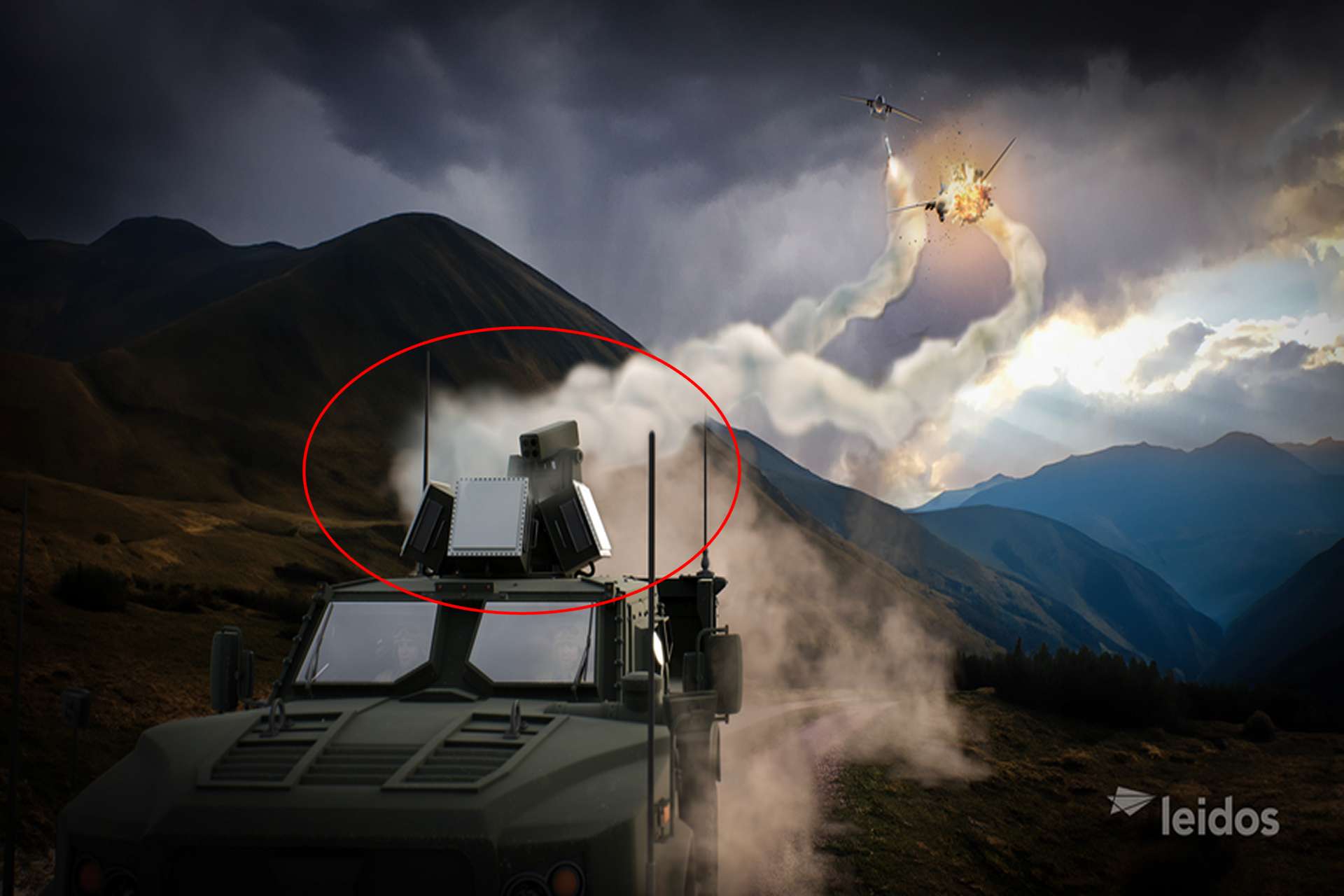
On October 14, 2024, Leidos, one of the leading defense innovators listed in the Fortune 500, announced the launch of its counter-unmanned aerial system (C-UAS), now named AirShield™, incorporating cutting-edge technological advancements. Designed to address the growing threats posed by unmanned aerial vehicles (UAVs), AirShield stands out for its advanced capabilities and versatility. This system integrates both kinetic and non-kinetic effectors, providing robust and mobile air defense. Leidos emphasizes that successful testing and the unique performance of AirShield position it as an essential solution in the market, particularly in demanding and dynamic operational environments.
Follow Army Recognition on Google News at this link
Leidos AirShield Counter-Unmanned Aerial System (Picture source: Leidos)
The architecture of AirShield is based on a multi-layered structure capable of operating in both fixed and mobile positions, covering all critical defense stages: detection, tracking, classification, identification, prioritization, and neutralization of threats. This comprehensive kill chain allows for seamless integration into existing air defense systems. “The threat posed by drones is evolving rapidly,” said Derrick Birdsell, AirShield program manager at Leidos. “AirShield is designed to adapt to current systems and keep pace with technological advancements while allowing for the addition of effectors for various types of customers.”
Once identified, the system prioritizes the threat and activates the appropriate effectors, which can include kinetic weapons like missiles or non-kinetic effectors such as lasers or electronic jamming systems. This rapid and tailored response not only neutralizes the UAV but also incorporates cybersecurity strategies to counter any attempts to disrupt AirShield’s systems, ensuring comprehensive protection against emerging threats.
AirShield notably features the CUGAR (Co-axial Unmanned Guided Autonomous Rotorcraft) effector, showcased during last year's MFIX demonstration. Leidos plans to enhance this effector by integrating the APKWS missile system, thereby increasing its effectiveness against threats. AirShield is also designed to easily accommodate high-energy lasers, turret-mounted guns, and high-powered microwave systems, offering unprecedented flexibility against a wide variety of threats.
As part of its advancements in artificial intelligence (AI), Leidos is integrating innovative technologies to optimally pair weapons with threats, a task previously managed by rule-based algorithms. The company is also exploring new applications of AI and machine learning to further enhance AirShield’s capabilities while ensuring resilience against cyber threats through integrated offensive and defensive cybersecurity strategies.
This project continues Leidos' work on C-UAS systems, initiated with the Defense Advanced Research Projects Agency (DARPA) Mobile Force Protection (MFP) program. Following a successful demonstration, the program was transferred to the U.S. Army Combat Capabilities Development Command (DEVCOM) Aviation and Missile Center. Leidos plans to launch AirShield production in 2025, with an initial deployment anticipated for the U.S. Southern Command, marking a significant advancement for this innovative technology.
The development of the AirShield system by Leidos is crucial due to the rapidly evolving threats posed by unmanned aerial systems (UAVs). As the use of drones for military operations and hostile acts increases, the need for an effective and adaptable defense response becomes essential. AirShield not only protects military and civilian installations against potential drone incursions but also provides an integrated solution capable of adapting to new technologies and adversarial tactics. This positions Leidos as a leader in a growing market where air security is a top priority.
Furthermore, with the intensification of geopolitical conflicts and the rise of asymmetric threats, nations are seeking ways to safeguard their critical infrastructure and armed forces. AirShield, as a versatile air defense system, offers real-time detection, tracking, and neutralization capabilities against threats, which is vital for maintaining operational superiority. By integrating advanced technologies, such as artificial intelligence and various effectors, Leidos positions its system as an essential response to a complex security environment, thereby contributing to the protection of its clients' strategic interests.
Several armed forces have expressed interest in the AirShield system due to its advanced capabilities in countering unmanned aerial threats. The U.S. Southern Command is set to be among the first to deploy the system, reflecting a strong commitment to enhancing air defense against UAVs. Additionally, other branches of the U.S. military may also consider integrating AirShield into their operations, given the increasing recognition of drone threats across various combat scenarios. Internationally, allied nations with emerging UAV concerns, particularly those involved in coalition operations, have shown interest in acquiring such advanced C-UAS systems to bolster their air defense capabilities. However, specific details about other interested foreign military forces may not be publicly available at this time.
Read more: US Company Leidos Launches AirShield Most Advanced Counter-Unmanned Aerial System

- Details
- Written by: Jérôme Brahy
- Category: 2024
- Hits: 2882
At the Association of the United States Army (AUSA) 2024 exposition, Israel Aerospace Industries (IAI), through its ELTA Systems Group, presented the Ariel ELA-6992 Robotic Combat Task Force. This system is designed to operate networked autonomous platforms, including both ground vehicles and light aerial units, in coordination with conventional combat forces. The Ariel ELA-6992 system is intended to carry out complex, high-risk operations that can extend to battalion and brigade-level engagements.
Follow Army Recognition on Google News at this link
Through the Ariel's graphical interface, field commanders and operators can define and adjust mission parameters and rules of engagement. (Picture source: Army Recognition)
The central component of Ariel is the Automission system, which handles mission planning and execution management. Through a graphical interface, field commanders and operators can define and adjust mission parameters and rules of engagement. Automission monitors the operational environment, analyzes data, and coordinates task execution by the autonomous platforms, with oversight from human operators. In cases where ground conditions shift, the system can replan missions and, upon approval, update tasks across the network, redistributing roles if a platform becomes non-operational.
The Ariel system operates within an integrated Battle Management System, providing real-time threat alerts, command updates, and intelligence-sharing capabilities with other battlefield commanders. It continuously monitors personnel and operational surroundings, aiming to enhance situational awareness and minimize the risk of friendly fire. The system supports a variety of mission types, including situational awareness, Intelligence, Surveillance, Target Acquisition, and Reconnaissance (ISTAR) tasks, and countermeasures against drones, mines, and improvised explosive devices (IEDs). Ariel also includes a human-in-the-loop feature for remote lethal actions, where operators can authorize engagements.

Automission monitors the operational environment, analyzes data, and coordinates task execution by the autonomous platforms, with oversight from human operators. (Picture source: IAI)
At the company level, Ariel is structured around four primary components. The Automission system is responsible for planning, data analysis, and activating effectors on platforms using AI and machine learning. The Task Command Operation System oversees operational events, communicates with Automission, and provides operators with mission control and visibility. The autonomous platforms themselves—equipped with effectors, sensors, and secure communications—perform maneuvers, operate sensors, and execute tasks according to manned-unmanned teaming (MUM/T) guidelines. Finally, a high-bandwidth, cybersecure Communication Network facilitates data transfer across all components.
The Ariel's design enables it to define and adapt missions in real-time based on ground events. It collects and fuses sensor data to produce intelligence relevant to its missions, issues alerts on potential threats, and tracks friendly forces' movements to avoid friendly fire incidents. Additionally, the system can respond to threats automatically and efficiently close the sensor-to-shooter loop, streamlining the response process.

- Details
- Written by: Vandenbosch
- Category: 2024
- Hits: 7827
On October 14, 2024, the Dutch Defense Ministry announced the acquisition of 46 Leopard-2A8 main battle tanks, restoring the army’s independent armored capabilities. This decision is part of a collaboration with the German government and aligns with NATO’s objectives to strengthen combat power for ground operations. Secretary of State Gijs Tuinman outlined this purchase in a letter to the House of Representatives, emphasizing the importance of reintroducing these powerful combat tanks, with deliveries scheduled between 2027 and 2030.
The Leopard 2A8 is a modern main battle tank developed in Germany. (Picture source: German MoD)
The choice of the Leopard-2A8, a modern German-made combat system, is both strategic and practical. These tanks meet all operational requirements and are rapidly available thanks to Germany’s pooled demand initiative, which provides interoperability advantages within NATO. Moreover, this acquisition fits within the budget of €1 to €2.5 billion, as defined in the 2024 Defense Memorandum.
Strategic Strengthening of the Armed Forces
Secretary of State Tuinman highlighted the crucial role of tanks in the military’s combat strength. With their heavy weaponry and protection against enemy fire, they enhance striking power on the battlefield. The reintroduction of tanks is a response to NATO's request for the Netherlands to bolster its ground capabilities, thereby strengthening the Dutch contribution to collective defense.
The establishment of a new tank battalion will create positions for around 500 military personnel. The Dutch Defense Ministry and the German military are examining the possibility of stationing this battalion at Bergen-Hohne, Germany. This training center offers extensive exercise and firing ranges that Dutch barracks cannot provide, creating a realistic environment for battalion training.

The Dutch Defense Ministry announced the acquisition of 46 Leopard-2A8 main battle tanks. (Picture source: KNDS)
The Future of Unmanned Combat Systems
Alongside crewed tanks, the Defense Ministry is exploring options for unmanned systems to complement combat capabilities in land, air, and maritime operations. This has reduced the initial need for crewed tanks from 52 to 46. However, the current contract includes an option for six additional tanks. By 2027, a decision will be made on whether to exercise this option, depending on the availability of operational unmanned systems and their technological development.
In addition to the tanks, the project includes the provision of spare parts, maintenance contracts, special tools, equipment, factory training, and comprehensive documentation. These measures support the operationality and durability of the new tank capacity.

The Leopard 2A8 was presented at Eurosatory 2024 in Paris. (Picture source: Army Recognition)
Leopard 2A8
The Leopard 2A8 is a modern main battle tank developed in Germany, designed to provide superior firepower, advanced protection, and enhanced maneuverability on the battlefield. Armed with a 120 mm L55 smoothbore cannon, it delivers formidable striking power, capable of neutralizing various types of targets with high precision and extended range. Complementing this, it is equipped with a 7.62 mm coaxial machine gun, adding a defensive capability against light threats. To enhance its survival in the most hostile environments, the Leopard 2A8 also incorporates the Trophy APS active protection system, a device capable of intercepting anti-tank missiles and rockets before they reach the tank.
The Leopard 2A8 is distinguished by its new-generation armor, combining active and passive protection systems that enable it to effectively withstand current threats, including Anti-Tank Guided Missiles (ATGMs) and Rocket-Propelled Grenades (RPGs). This all-around armor provides maximum protection for the tank’s four crew members, who benefit from a secure cabin equipped for long-term missions. Weighing between 65 and 67 tons, the Leopard 2A8 remains agile, capable of reaching a speed of 70 km/h on the road and covering distances of up to 450 km without refueling.
To reinforce its operational autonomy and survivability in extreme conditions, the Leopard 2A8 is equipped with a suite of advanced combat devices. It includes a collective NBC (nuclear, radiological, biological, and chemical) protection system to shield the crew from unconventional threats, a preheating system for the engine block, a heating and cooling system in the crew compartment, and electric bilge pumps to remove any water infiltration. An auxiliary power unit also allows it to continue powering critical systems when the main engine is off. Additionally, its advanced thermal imaging system and panoramic sight offer the commander a complete view of the battlefield, enhancing situational awareness.
Measuring 7.7 meters in length, 4 meters in width, and 3 meters in height, the Leopard 2A8 is an imposing yet agile tank designed to operate in various tactical environments. Used primarily by Germany and the Czech Republic, this tank is an essential pillar for modern armies, combining firepower, protection, and mobility to meet the demands of contemporary combat.

The Dutch Ministry of Defence has announced the restoration of the army's independent armored capabilities. (Picture source: Israeli MoD)
Restoring Independent Capacity
This new purchase marks a significant step in restoring the tank capacity of the Dutch armed forces, which had to abandon their tanks in 2011 due to budget cuts. Despite this loss of independent capability, the Netherlands remained active in tank operations thanks to the German-Dutch military cooperation via the 414th Tank Battalion, preserving experience and knowledge related to tank operations. With the reintroduction of an independent tank battalion, the Netherlands will once again have a truly autonomous armored force.
Through this investment in the Leopard-2A8, the Netherlands is preparing for future combat challenges and actively contributing to NATO’s strengthening efforts.
Read more: Netherlands Confirms Purchase of 46 Leopard-2A8 Most Modern Tanks from Germany

- Details
- Written by: Triffaux
- Category: 2024
- Hits: 4369
The Greek company Spirit Aeronautical Systems is currently showcasing the SARISA SRS-1A at AUSA 2024, a multirotor drone designed to provide close air support (CAS) to ground units. With its modular configuration, the SARISA SRS-1A allows for the adaptation of various weapon systems to meet the specific tactical needs of the field. Primarily designed for military missions, this model represents an advancement in close air support capabilities, offering a robust and flexible solution for on-the-ground operations.
Follow Army Recognition on Google News at this link
Spirit Aeronautical SARISA SRS-1A Combat Drone (Picture source: Army Recognition)
The SARISA SRS-1A stands out for its ability to carry a significant offensive payload while remaining easily deployable in various tactical environments. With a maximum payload capacity of 25 kg and a takeoff weight exceeding 60 kg, the drone is designed to integrate diverse weapon systems and provide direct fire support to ground units.
The key feature of the SRS-1A lies in its modularity: it is equipped with a single or dual rocket launcher compatible with munitions such as the well-known 2.75-inch HYDRA 70. Commonly used by NATO forces and mounted on attack helicopters such as the Apache AH-64, the HYDRA 70 represents a valuable strategic asset for close support missions. The SARISA SRS-1A thus enables this weapon capability to be mounted on light ground vehicles, offering units a flexible, rapid-engagement option where traditional air support may be less accessible or responsive.
Compact and optimized for tactical deployments, the SARISA SRS-1A combines a reduced footprint with high operational efficiency, with dimensions of 165 cm in length, 218 cm in width, and 45 cm in height. It offers continuous flight autonomy of up to 20 minutes under maximum payload, making it ideal for quick strikes or resupply missions in hostile environments, thus meeting the demands of short-range missions that require reactivity and precision.
The versatility of the SARISA SRS-1A extends beyond its air support function. Thanks to its modular rack system, the drone can be re-equipped for varied missions beyond attack operations. With minimal adjustments, the SARISA can be configured for tactical transport missions, allowing resupply of essential equipment or ammunition to ground units, which proves crucial in isolated or hard-to-access environments.
This quick reconfiguration capability and modular design provide the SRS-1A with a vital role on the modern battlefield. Integrating both offensive support and logistical functions, it meets the varied needs of armed forces and contributes to operational logistics optimization on the ground.
Spirit Aeronautical Systems S.A., a member of the Spirit World Group of Companies, demonstrates, with the SARISA SRS-1A, its ability to meet the evolving needs of modern armies. Based in Greece, the company benefits from technical and engineering facilities in Glyka Nera, enabling it to develop UAV solutions tailored to the new requirements of contemporary battlefields.
SAS Technology collaborated with the Hellenic Aerospace Industry (EAS) on the Sarisa UAV program, with support from Thales Belgium, a division of the Thales Group, which provided test ammunition and certified the use of 70 mm rockets for the SRS-1A model. During testing, the drone demonstrated its launcher angle adjustment system, precise targeting capabilities even in challenging wind conditions, and reduced rocket exhaust effects through aerodynamic and mechanical improvements. Following these successful results, SAS Technology is now preparing for operational tests with production models of the SARISA UAV.

- Details
- Written by: Jérôme Brahy
- Category: 2024
- Hits: 16173
At the Association of the United States Army (AUSA) 2024 exhibition, Hanwha Defense USA, a subsidiary of South Korea's Hanwha Group, introduced the K9A2 155mm self-propelled howitzer, marking its debut in the U.S. defense market. The K9A2 is an improved version of the widely used K9 Thunder self-propelled howitzer, which recently fired the U.S.-made M982A1 Excalibur precision-guided 155mm artillery projectile at ranges up to 50 kilometers. These features, along with increased crew efficiency and extended range, position the K9A2 as a potential option for the U.S. Army’s future self-propelled howitzer systems.
Follow Army Recognition on Google News at this link
All 48 rounds are located in the K9A2's turret and are accessible with the autoloader, increasing sustained fire capability from two to three rounds per minute to four to six rounds per minute. (Picture source: Army Recognition)
In August 2024, Hanwha Aerospace announced that the K9 Thunder had successfully demonstrated interoperability with Raytheon's M982A1 Excalibur precision-guided, extended-range 155mm artillery projectile. The live-firing test was conducted at the U.S. Army Yuma Proving Ground in Arizona.
The K9 Thunder achieved a circular error probable (CEP) of less than one meter in Point Detonating mode, effectively hitting a target nearly 50 kilometers away. Another projectile detonated five meters above the target in Height of Burst mode, demonstrating precision engagement capabilities. This successful integration establishes the K9 as one of the few artillery systems globally verified to operate with Excalibur guided munitions.
The M982 Excalibur is a 155mm GPS-guided, extended-range artillery shell designed to deliver accurate, first-round effects in various weather conditions, with a CEP of about four meters. Capable of engaging targets at ranges up to 40 kilometers, it is suitable for precision strikes on high-value targets while reducing collateral damage. An enhanced version, the M982A1 Excalibur Increment Ib, includes improved jamming-resistant GPS technology and updated software, allowing for user-defined projectile trajectories.
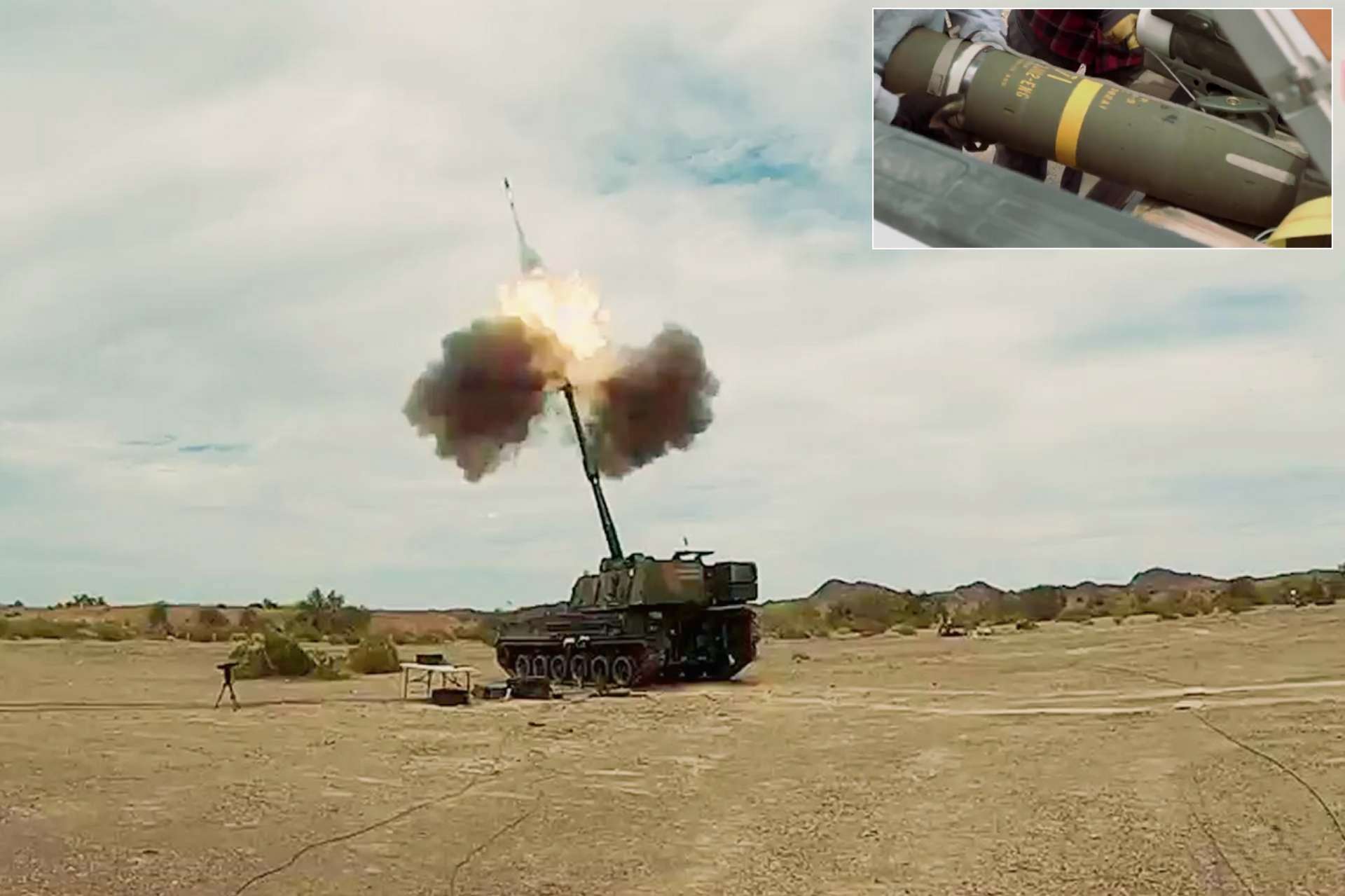
With American-made M982 Excalibur artillery shells, the K9 Thunder achieved a circular error probable (CEP) of less than one meter in Point Detonating mode, effectively hitting a target nearly 50 kilometers away. (Picture source: Yuma Proving Ground)
At AUSA 2024, Hanwha Aerospace also presented a concept model of a wheeled self-propelled howitzer for the U.S. Army. This vehicle mounts a K9A2 automatic turret on a Mack Truck body, aligning with the U.S. Army's consideration of introducing wheeled self-propelled howitzers and self-propelled mortars.
The U.S. Army is currently reviewing the introduction of new self-propelled howitzer systems, and the K9A2 is considered among the candidate equipment. Mike Smith, CEO of Hanwha Aerospace USA, stated, "The K9 is the world's most proven self-propelled howitzer solution. It not only delivers long-range firepower but also can be used in manned and unmanned combined operations, making it ideal for meeting the U.S. Army's performance requirements."
In addition to artillery systems, Hanwha Aerospace presented the new multipurpose unmanned vehicle, Grunt UGV, an upgraded version of the existing Arion-SMET. The Grunt has an increased range of 290 kilometers, approximately three times that of its predecessor, and a payload capacity expected to reach 900 kilograms, more than 1.5 times greater. These enhancements aim to improve performance aspects such as range and payload, contributing to its multipurpose capabilities. Another subsidiary of Hanwha, Hanwha Systems, is exhibiting the Integrated Warfare System (IVS) and real-time Maintenance, Repair, and Overhaul (MRO) platform to conduct various marketing activities aimed at entering the U.S. defense market.

As of early 2024, the K9 Thunder holds over 50% of the global market share for self-propelled howitzers, with approximately 2,000 K9 vehicles, including localized variants, in production or service across ten nations. (Picture source: Army Recognition)
The K9 series is the most widely used self-propelled howitzer in the world due to its firepower, high mobility, and survivability. It can engage targets at a range of 40 kilometers with conventional ammunition and has demonstrated ranges exceeding 50 kilometers with various extended projectiles. Approximately 2,000 K9 vehicles, including localized variants, are in production or service with ten nations, including Poland, Norway, Finland, Estonia, Australia, Egypt, and Romania. As of early 2024, the K9 Thunder holds over 50% of the global market share for self-propelled howitzers, attributed to its technical specifications, including a high firing rate, long-range capabilities, and mobility in various terrains.
Hanwha Aerospace unveiled the K9A2 self-propelled howitzer prototype at the British Defense and Security Equipment International (DSEI) 2023 exhibition. The K9A2, intended to replace the legacy K9 and K9A1 variants, includes several improvements aimed at enhancing its operational capabilities. In terms of firepower, the K9A2 features a fully automatic handling system and an automatic turret, increasing its rate of fire to up to 10 rounds per minute at the push of a button, compared to the K9A1's rate of six to eight rounds per minute. All 48 rounds are located in the turret and are accessible with the autoloader, increasing sustained fire capability from two to three rounds per minute to four to six rounds per minute.
The enhanced 155mm/52-caliber main gun, with new rifling and chrome plating, increases barrel life from 1,000 to 1,500 rounds, allowing for a longer range and faster firing rate. These enhancements are made possible by a high-response artillery automation system developed by the South Korean Agency for Defense Development (ADD) and Hanwha Defense, completed in August 2021. The automation reduces the crew requirement from five to three personnel through turret automation, and in emergencies, it can operate with just two crew members.

The K9A2 features a fully automatic handling system and an automatic turret, increasing its rate of fire to up to 10 rounds per minute at the push of a button, compared to the K9A1's rate of six to eight rounds per minute. (Picture source: Hanwha)
Additional features include a modular charge system providing crew protection from secondary explosions by adapting insensitive charges, required for the automatic loading process. Enhanced armor provides anti-tank mine protection, and the turret driving system has been updated from an electrohydraulic to an electric system. The K9A2 also incorporates an automatic fire suppression system for crew protection, a new air conditioning system, and a remote-controlled weapon station, enabling the use of secondary weapons without exposing crew members.
The Composite Rubber Track (CRT) system, created by the Canadian company Soucy Defense, replaces the existing iron tracks, significantly reducing vibration and noise. The use of composite rubber tracks also contributes to weight reduction, decreasing the vehicle's weight by more than two tons, which can be utilized for additional armor or subsystems. This change improves crew comfort by reducing vibration and noise and lowers maintenance requirements.
Development of the K9A2 is dynamic, with the Republic of Korea Armed Forces planning to confirm the Required Operational Capability (ROC) for the K9A2 Block-I upgrade. The K9A2 is expected to be operational by 2027, with plans to upgrade basic K9 units to the K9A2 standard and achieve full operational capability by 2034. This includes improving the performance of the K10 ammunition transport armored vehicle, which supplies ammunition to the K9. The K10 will be enhanced to automatically separate and transport ammunition from an external conveyor device when supplying ammunition to the K9A2. It will also be equipped with a cooling device to improve combat efficiency by preventing heatstroke damage to the crew in hot summers and thermal imaging cameras to improve night-time maneuverability.

Built to support Manned-Unmanned Teaming (MUM-T) missions, the K9A3 includes a 58-caliber barrel and accommodates specialized munitions, broadening the platform’s capabilities for strategic artillery use. (Picture source: Army Recognition)
Hanwha is already designing the K9A3, which was presented at the South Korean KADEX 2024. This is an unmanned variant of the K9 Thunder 155mm self-propelled howitzer, intended for long-range precision strikes with a firing range surpassing 80 kilometers. Built to support Manned-Unmanned Teaming (MUM-T) missions, the K9A3 includes a 58-caliber barrel and accommodates specialized munitions, broadening the platform’s capabilities for strategic artillery use.
The system is also equipped for autonomous driving and remote operation, allowing control from a dedicated vehicle that can manage up to three howitzers simultaneously, reducing the need for direct troop involvement in hazardous environments. The K9A3 is expected to be of interest to countries currently operating earlier K9 versions.
The K11A1 Fire Direction Control Vehicle, also introduced by Hanwha Aerospace at KADEX 2024, is designed to remotely operate K9A3 howitzers for both movement and firing. Based on the K9A3 chassis, it incorporates features such as a Remote Controlled Weapon Station (RCWS) and reinforced armor for improved protection. With six control stations, the K11A1 can coordinate up to three K9A3s autonomously, supporting operational efficiency while minimizing risks to personnel. Built for network-centric warfare, the K11A1 is intended to provide enhanced control and coordination for modern artillery systems.
Read more: South Korea’s K9A2 emerges among top choices as US Army’s future self-propelled howitzer
- Details
- Written by: Halna du Fretay
- Category: 2024
- Hits: 2999
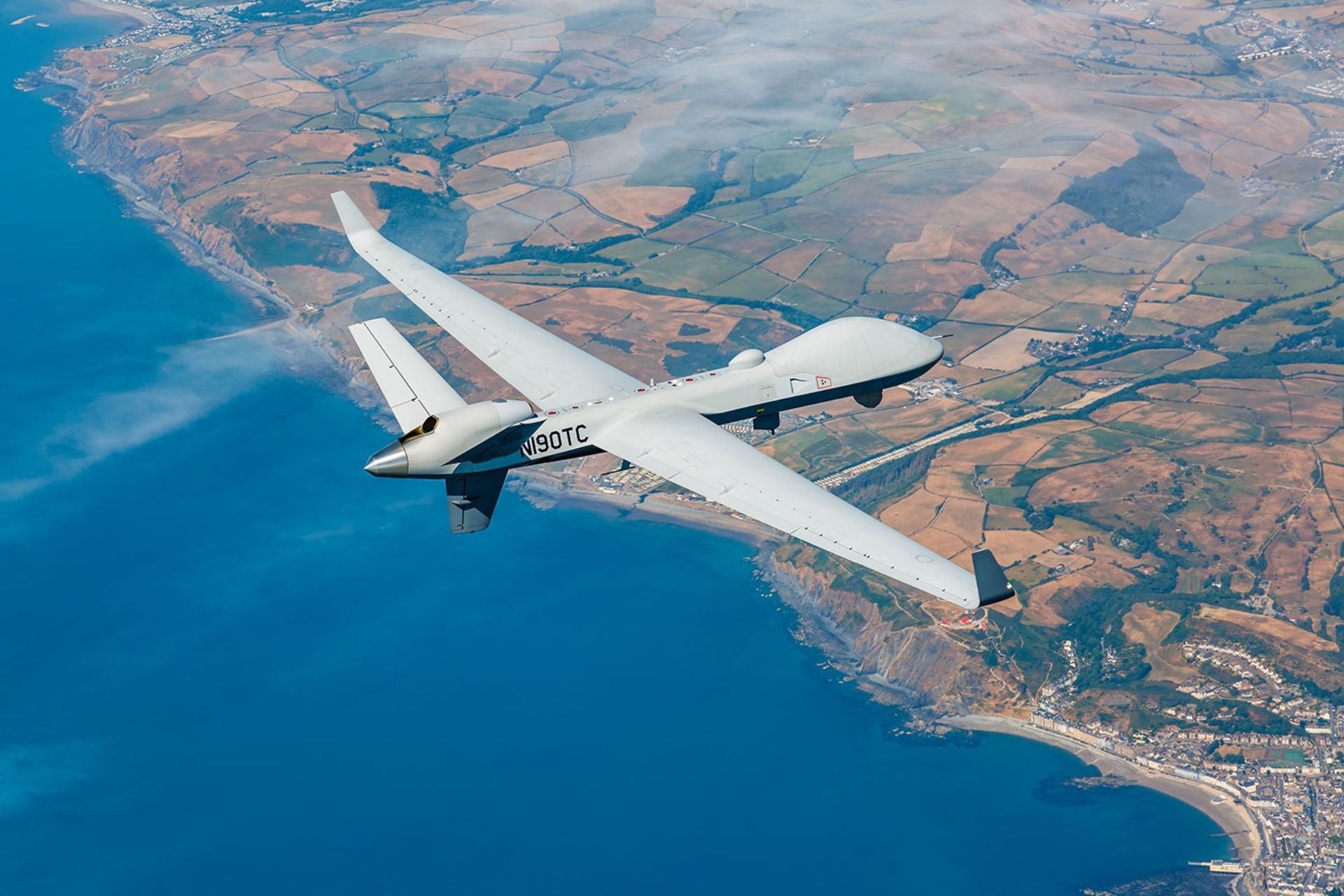
On September 30, 2024, General Atomics Aeronautical Systems, Inc. (GA-ASI) announced the completion of a full-scale fatigue test on the MQ-9B. This test, simulating a "second lifetime" for the drone, equates to 80,000 operational hours, confirming the robustness of its structure and design. In line with NATO’s STANAG 4671 standard, this test aims at securing certification for the aircraft, crucial for its deployment within the armed forces of several nations. By simulating the operational stress the drone would endure over its lifespan, GA-ASI seeks to validate the MQ-9B’s design, assuring customers regarding its durability.
The MQ-9B SkyGuardian, part of GA-ASI's latest generation of drones, is designed for intelligence, surveillance, and reconnaissance (ISR) missions of extended duration (Picture source: GA-ASI)
The MQ-9B SkyGuardian, part of GA-ASI's latest generation of drones, is designed for intelligence, surveillance, and reconnaissance (ISR) missions of extended duration. With an endurance of over 40 hours, a maximum altitude of 12,200 meters (40,000 feet), and a range exceeding 6,000 nautical miles, it delivers consistent surveillance and is capable of operating under varied weather conditions. Featuring a wingspan of 24 meters, it is equipped with the Lynx multi-mode radar, a high-definition electro-optical/infrared (EO/IR) sensor, and automatic takeoff and landing capability. Its design meets NATO’s STANAG 4671 standards, ensuring its safe integration into civil airspace.
The MQ-9B also includes nine external mounting points, enabling a payload capacity of up to 2,155 kg for various mission types. It is equipped with a detect-and-avoid system and offers modular mission options, including anti-submarine warfare (ASW), 360° maritime surface radar, and Link-16 tactical communication relay. Its damage- and fatigue-tolerant frame is designed for a 40,000-hour service life, providing a robust and versatile solution for multi-domain operations.
The MQ-9B represents GA-ASI’s most advanced drone model, including specific variants such as the SkyGuardian, SeaGuardian, and Protector RG Mk1, currently being delivered to the UK’s Royal Air Force. Completing this fatigue test is essential to demonstrate that these models meet rigorous design requirements and are ready for operational deployment. This test success provides solid assurances to operators, confirming that the MQ-9B can withstand the demands of current and future missions, with a lifespan suited to modern operational needs.
The fatigue tests, conducted at Wichita State University’s National Institute for Aviation Research, involved repeated structural loading on the assembled airframe to replicate operational stress. The goal is to identify potential structural weaknesses, facilitating the establishment of inspection and maintenance schedules. Additionally, these tests included a phase where intentional damage was inflicted on critical components to test the drone’s resistance to potential field incidents. By validating these scenarios, GA-ASI ensures that the MQ-9B has sufficient resilience against extended operational damage and stress.
GA-ASI has already secured contracts for the MQ-9B with Belgium, Canada, Japan, Taiwan, and the United States, particularly for Special Operations Command. The Japan Coast Guard already employs the SeaGuardian for maritime surveillance missions, while the Japan Maritime Self-Defense Force (JMSDF) selected it for its Medium-Altitude Long-Endurance (MALE) drone project. These partnerships underscore the confidence many governments place in the drone’s capabilities, particularly for critical surveillance and reconnaissance missions.
GA-ASI, a subsidiary of General Atomics, specializes in the design of proven RPA systems, including the Predator series and the Lynx multi-mode radar. With more than eight million flight hours, the company is recognized for providing durable aircraft capable of fulfilling complex missions. Equipped with integrated sensors and data link systems, GA-ASI drones offer continuous surveillance capabilities suited to global military needs. In addition to drone systems, the company develops image analysis and sensor control software and provides pilot training services, further establishing its position in advanced surveillance technologies.
Read more: General Atomics' MQ-9B Ready for a New Operational Era with Completion of Fatigue Testing

- Details
- Written by: Halna du Fretay
- Category: 2024
- Hits: 6119
At AUSA 2024 in Washington, D.C., Hanwha Aerospace introduced its new unmanned ground vehicle, the GRUNT, equipped with a remote-controlled weapon system (RCWS). Formerly known as the Arion-SMET, this vehicle, developed under the acronym Autonomous and Robotic Systems for Intelligence Off-road Navigation – SMET, represents an advanced solution for infantry support operations. Integrating Hanwha Aerospace's HAEMOS solutions for robotic and autonomous systems, the GRUNT is a hybrid electric 6×6 model designed to meet the demands of intense military operations, including ammunition transport, medical evacuation, reconnaissance, and close-combat support.
The GRUNT is equipped with an advanced remote-controlled weapon system (RCWS) that enables enemy shot localization and automatic target tracking (Picture source: Army Recognition)
The GRUNT features a payload capacity exceeding 900 kg and an operational range of 290 km on a single charge, approximately triple the range and 1.5 times the payload capacity of its predecessor, the Arion-SMET. This vehicle marks a significant step forward in autonomous ground transport technology, enhancing operational capabilities for a wide range of military applications. It can reach speeds of 43 km/h on paved roads and 22 km/h on rough terrain, bolstering maneuverability and support capabilities in challenging environments.
Additionally, the GRUNT is equipped with an advanced remote-controlled weapon system (RCWS) that enables enemy shot localization and automatic target tracking. The RCWS supports weapon calibers ranging from 5.56 mm to 7.62 mm, expanding the vehicle's defensive and offensive capabilities.
Now rebranded as the GRUNT, the former Arion-SMET also offers multiple operational modes, maximizing flexibility in mission settings. It can be remotely controlled, navigate autonomously off-road, conduct exploratory maneuvers, or operate in "tether-following" mode. Furthermore, its technology allows it to follow soldiers or allied vehicles, delivering direct and rapid support to infantry units.
Hanwha Aerospace, a leading developer in military robotics solutions, has designed the GRUNT to meet the evolving demands of modern battlefields with advanced and effective support systems. The deployment of vehicles like the GRUNT across global armed forces highlights a growing interest in autonomous transport solutions that bolster operational efficiency while reducing troop exposure to hazardous situations. By developing and unveiling the GRUNT, Hanwha Aerospace sets new standards for logistical and strategic support, advancing the evolution of autonomous ground vehicles for military applications.
Read more: Hanwha Unveils Hybrid GRUNT UGV with RCWS at AUSA 2024 for Infantry Support Operations

- Details
- Written by: Vandenbosch
- Category: 2024
- Hits: 3416
The Association of the United States Army (AUSA) conference, currently being held in Washington, D.C., brings together major companies and key players in the defense sector annually to showcase innovations for the armed forces. This year, Teledyne FLIR Defense, a subsidiary of Teledyne Technologies, is exhibiting its Cerberus XL C-UAS air surveillance and defense system against drones for the first time. This multi-sensor surveillance and anti-drone defense system is designed to address modern threats, particularly drone swarms, and forms part of the latest UAS countermeasure solutions.
The Cerberus XL C-UAS is a rugged platform that integrates sophisticated long-range sensors with advanced technology for combating unmanned aerial systems. (Picture source: Army Recognition)
The Cerberus XL C-UAS is a rugged platform that integrates sophisticated long-range sensors with advanced technology for combating unmanned aerial systems (C-UAS). This solution combines thermal and visual detection systems with long-range 3D radars and RF detection devices. With this advanced sensor combination, Cerberus XL can effectively locate and track aerial targets, while integrating non-kinetic countermeasures capable of neutralizing drones at a distance of up to three kilometers. This detection and counter-drone system adapts to the most demanding environments, offering valuable rapid deployment capabilities in the field.
Cerberus XL C-UAS stands out for its ability to modulate and configure defense for air, ground, and maritime threats, thus providing a multi-domain security solution. It meets the need for continuous surveillance and protection of sensitive sites such as military bases, airports, ports, and critical infrastructure. Equipped with cutting-edge technology, it can detect up to 500 simultaneous targets—a crucial advantage in defending against drone swarms, a growing threat in current conflicts. Used in the Ukrainian conflict, this system has proven its effectiveness in real-world conditions, further enhancing its reputation as a reliable defense solution.
Designed to easily integrate with kinetic neutralization solutions, the Cerberus XL is equipped with advanced AI-powered sensors, increasing target identification accuracy. It follows a complete non-kinetic kill chain, including detection, tracking, identification, and neutralization, making it a comprehensive solution against drone threats. Additionally, the system features the Teledyne Cameleon™ C2 client interface, allowing sensor integration with track display, camera control, mission recording, and system status monitoring, thus reducing operator workload. The trailer-mounted platform is ready to deploy in a matter of minutes, optimizing response time in critical situations.
Modularity is another key advantage of the Cerberus XL C-UAS, supporting a variety of sensors and payloads according to mission requirements. This flexibility is especially valuable in diverse security situations, particularly for military and civilian users facing complex air defense challenges. This system is now available for international distribution in both its land and air variants.
By integrating the latest advances in radar, RF, and EO/IR imaging technology, Cerberus XL C-UAS meets the growing need for air defense solutions while delivering enhanced efficiency in the most challenging environments.
Read more: Premiere of Teledyne's Cerberus XL C-UAS FLIR Defense Unveiled at AUSA in United States
- Details
- Written by: Triffaux
- Category: 2024
- Hits: 7570
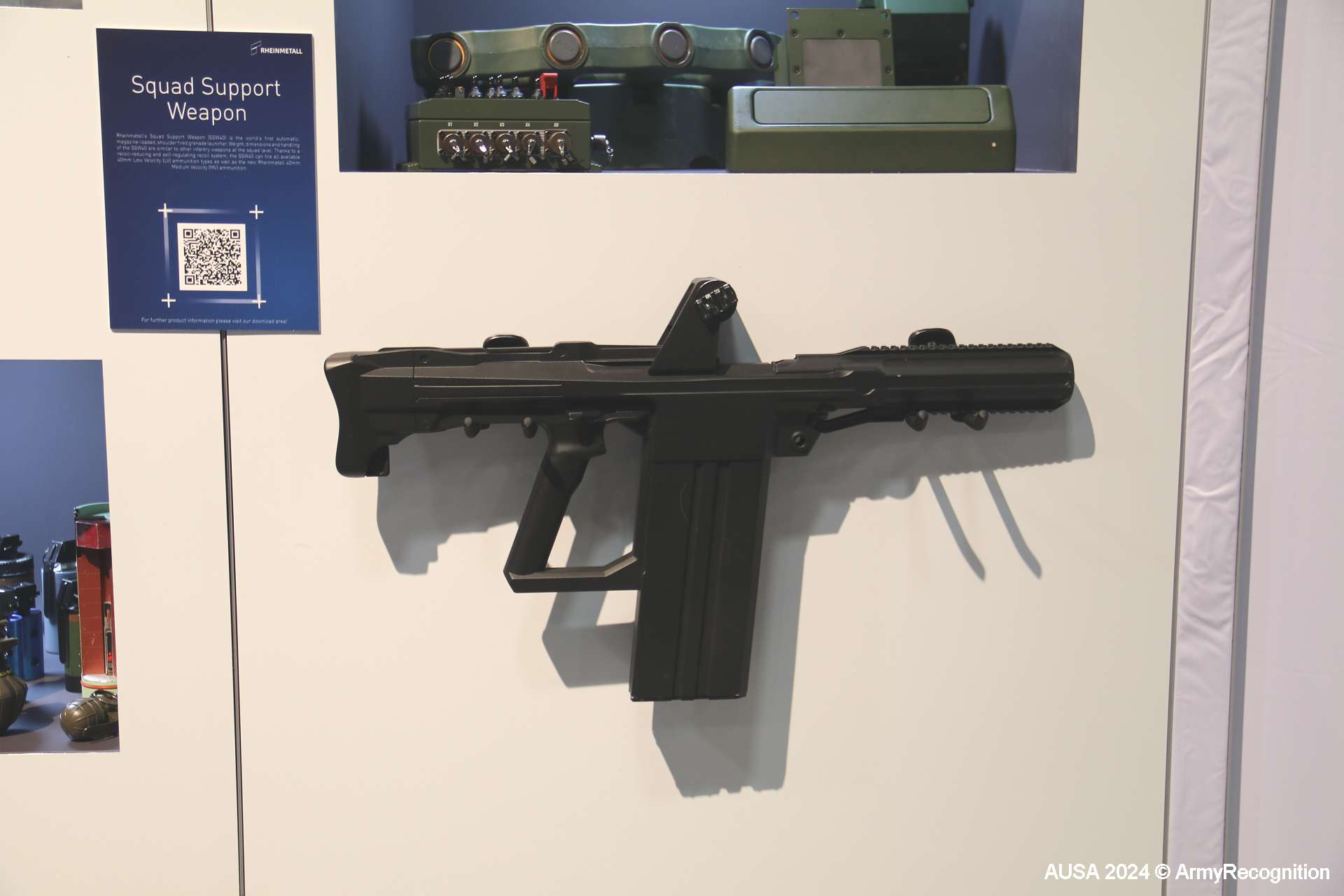
Presented at the AUSA 2024 exhibition, held from October 9 to 11, the SSW40 is a 40 mm automatic squad support weapon developed by Rheinmetall to deliver maximum firepower while preserving troop mobility. This portable, magazine-fed, shoulder-fired grenade launcher stands out with its advanced ergonomics and ballistic capabilities, optimized for medium-range engagements. Its dimensions and weight, comparable to an assault rifle, facilitate handling by soldiers, providing a versatile and comfortable fire support solution.
Follow Army Recognition on Google News at this link
Rheinmetall Shoulder-Fired SSW40 40mm Automatic Grenade Launcher (Picture source: Army Recognition)
One of the notable features of the SSW40 is its self-regulating recoil system, which allows it to fire both low-velocity (LV) rounds and Rheinmetall’s new generation of medium-velocity (MV) rounds. This recoil-regulating system significantly reduces user fatigue, thereby enhancing precision and responsiveness in prolonged combat scenarios. The MV ammunition, with its increased speed and flat trajectory, extends the SSW40's effective range up to 900 meters. The development of this ammunition marks a major advancement in Rheinmetall’s arsenal, integrating a range of munitions suited for multiple target types.
In terms of armament, the SSW40 offers options such as high-explosive fragmentation (HEFRAG), anti-tank (HEDP), door-breaching (HEBE), airburst (HEAB), as well as training rounds (TPM, TPM-T), illumination and smoke, and riot control (CS) ammunition. These options broaden the weapon’s usage scope, from conventional combat operations to urban interventions, against light armored vehicles and in asymmetric conflict scenarios.
To enhance its effectiveness on the field, the SSW40 is compatible with a range of advanced accessories, including laser sight modules, fire control units, infrared programmers for airburst munitions, and mounting systems. The integration of the FCS-TacRay Ballistic fire control system, equipped with a laser rangefinder and ballistic computer, provides the SSW40 with airburst capability, enhancing area effects and increasing the likelihood of neutralizing targets with the first shot.
This development was influenced by the introduction of the Turret-Independent Secondary Weapon System (TSWA) for the Puma infantry fighting vehicle, which uses the new 40 mm MV ammunition family to engage targets in close proximity to the vehicle, with both lethal and non-lethal options. This close compatibility between the SSW40 and the TSWA enables seamless integration of 40 mm weapon systems in mechanized infantry operations.
The first firing tests of the SSW40, successfully conducted in early 2024, confirmed the reliability and power of this automatic grenade launcher. Rheinmetall plans to launch serial production in 2025. This innovative weapon is touted as the world’s first magazine-fed, shoulder-fired, fully automatic 40 mm grenade launcher, a strategic asset for modern infantry forces.
With its compact design and intuitive use reminiscent of an assault rifle, the SSW40 is set to meet infantry units' needs for rapid and powerful fire support, while adapting to current and future combat conditions. This technological advancement highlights Rheinmetall’s ability to meet operational requirements on modern battlefields, where rapid and precise support fire is essential to ensure the superiority of engaged forces.
The SSW40 offers armed forces a powerful and versatile support weapon, combining high firepower with ease of use. Its 40 mm caliber, compact size, and design similar to an assault rifle make it highly portable and manageable, ideal for infantry needing reliable fire support in varied terrains. Its ability to fire both low and medium-velocity rounds, including airburst munitions, extends its effective range up to 900 meters, providing tactical flexibility for engaging multiple target types, from armored vehicles to personnel. This system enhances the infantry's capacity for rapid, precise, and adaptable response in complex combat scenarios.
Several armed forces globally are developing or have adopted similar automatic grenade launcher systems to enhance squad-level fire support. The U.S. military, for instance, has deployed the Mk 47 Striker, which is capable of firing programmable airburst rounds, providing improved lethality and range over earlier models like the Mk 19. Russia's AGS-30 and AGS-40 grenade launchers offer lightweight, high-rate-of-fire solutions with extended ranges suited to mobile operations. China has developed the QLU-11, a semi-automatic 35 mm grenade launcher with precision targeting capabilities, emphasizing range and accuracy. These systems reflect a broader trend toward portable, high-impact fire support solutions designed for modern, asymmetric warfare environments.
Compared to other systems such as the American Mk 47 Striker, the Russian AGS-40, and the Chinese QLU-11, Rheinmetall's SSW40 offers distinctive advantages in terms of maneuverability, ammunition versatility, and accuracy. Unlike models such as the Mk 47 or AGS-40, which are often tripod-mounted, the SSW40 is designed to be shoulder-fired, providing greater mobility and allowing use on the move, similar to an assault rifle. Its ability to fire both low- and medium-velocity 40 mm rounds, with a range of up to 900 meters, gives it an advantage in terms of reach and a variety of lethal and non-lethal effects. The integrated FCS-TacRay Ballistic fire control system also provides superior accuracy with the airburst function, surpassing competitor systems in effectiveness against targets in cover. Lastly, with its self-regulating recoil system, the SSW40 reduces recoil and user fatigue, an area where it outperforms the QLU-11, particularly in extended engagements.

- Details
- Written by: Vandenbosch
- Category: 2024
- Hits: 4125
The unmanned aerial system (UAS) SKAT 350M, developed by Izhevsk Aviation Plant LLC (IAZ)—a subsidiary of the Kalashnikov Group—has been officially entered into the register of products manufactured in the Russian Federation. This major step, achieved under Government Resolution No. 719 of July 17, 2015, allows the SKAT 350M to participate in public tenders and execute government orders, marking progress for Russia's domestic drone industry.
The SKAT 350M is designed for a variety of missions, including surveillance, reconnaissance, and potentially electronic warfare support. (Picture source: Kalashnikov)
The expert report confirming the system's compliance with the requirements to be recognized as a product manufactured in Russia was issued by the Chamber of Commerce and Industry of the Udmurt Republic.
The SKAT 350M is designed for a variety of missions, including surveillance, reconnaissance, and potentially electronic warfare support. It is believed to be equipped with advanced avionics, sophisticated communication systems, and offers payload versatility to meet various operational requirements. The drone likely has an extended operational range, allowing it to cover vast distances for intelligence-gathering missions.
The inclusion of the SKAT 350M in the official register has several strategic implications. For the Russian military, it is an opportunity to integrate a high-performance domestic drone, enhancing situational awareness and operational effectiveness on the ground. For the Izhevsk Aviation Plant and the Kalashnikov Group, it paves the way for increased revenues through government contracts and greater investment in research and development. This approach also supports Russia's objective of strengthening its technological independence by reducing reliance on foreign technologies and promoting domestic innovation in critical defense sectors.
The Izhevsk Aviation Plant has a long history in aircraft manufacturing and has recently focused on developing unmanned systems. As an integral part of the Kalashnikov Group—the largest Russian producer of automatic weapons and precision munitions—the plant benefits from extensive expertise and substantial resources in defense technology development.
The adoption of drones such as the SKAT 350M reflects a global trend toward the use of unmanned systems in military applications. Drones offer several advantages, including reducing risks to human pilots in hostile environments, increased economic efficiency over their operational life cycle compared to manned aircraft, and great versatility due to the ability to equip different sensors and payloads suited to various missions.
Government Resolution No. 719, issued on July 17, 2015, establishes the criteria for classifying products as manufactured in the Russian Federation. Compliance with this resolution is essential for manufacturers wishing to participate in government procurement processes. The inclusion of the SKAT 350M under this resolution attests to its adherence to national production standards.
The entry of the SKAT 350M into the Russian register of domestically manufactured products is an important step. It demonstrates Russia's commitment to improving its military capabilities through indigenous technologies. Of course, this drone will very likely be sent to Ukraine, where massive use will allow us to determine its quality and real impact on the battlefield; it also remains to be seen whether Russia will be able to produce this drone in substantial numbers.
Read more: Russia is Ready to Start Production of SKAT 350M an Advanced Unmanned Aerial Vehicle
- Croatian Army Modernization Advances with Successful First Tests of M2A2ODS Bradleys
- AM General Presents JLTV A2 US Army’s New Light Tactical Vehicle at AUSA 2024
- Israel Aerospace Industries Teaser Missile Presented at AUSA Exhibition in United States
- Hensoldt's GEW unit delivered over 130 electronic warfare systems to Middle East since 2007