

- Details
- Written by: Halna du Fretay
- Category: 2024
- Hits: 2682










At the DVD 2024 exhibition in Millbrook, Rheinmetall introduced the Ermine Quad, a vehicle from its range of lightweight tactical vehicles designed to meet the diverse needs of modern armed forces. This unveiling comes at a time when military organizations are focusing on enhancing their mobility and autonomy in land transport, particularly in conflict zones where discretion and adaptability are crucial. The Ermine Quad, which has already been tested in the Netherlands following the delivery of prototypes to the Dutch Army, offers features and performance tailored to current military operational requirements.
Follow Army Recognition on Google News at this link
Designed for easy tactical use, the Ermine Quad operates silently in electric mode, a crucial advantage for discreet maneuvers in conflict zones (Picture source: Army Recognition)
The Ermine Quad is a 4x4 vehicle equipped with a diesel-electric hybrid drivetrain. This technological choice aligns with the growing demand for flexible and environmentally friendly solutions in the military sector. With an empty mass of 875 kg, the quad can carry a payload of 500 kg, making it suitable for a range of operational needs. It is powered by a 30 kW motor on each axle, supported by a 16 kWh lithium ferrophosphate (LFP) battery. This battery can be recharged by an onboard diesel engine that uses F34 fuel, a standard fuel type in NATO forces.
One of the key features of the Ermine Quad is its range. While the initial all-electric version had a limited range of 100 km, the new hybrid model unveiled this year boasts an impressive range of 1,000 km thanks to its range extender. This makes the vehicle particularly well-suited for long missions and operations in remote areas. Additionally, the quad has towing capabilities, allowing it to transport trailers weighing more than 750 kg. Its ability to be airlifted by a CH-47 Chinook helicopter further emphasizes its strategic flexibility and rapid deployment potential across various operational theaters.
Designed for easy tactical use, the Ermine Quad operates silently in electric mode, a crucial advantage for discreet maneuvers in conflict zones. When not used for mobility, it can serve as a mobile energy source, meeting operational needs while reducing the military's carbon footprint. Its local energy storage capacity is in line with current environmental standards, providing a sustainable and autonomous solution for armed forces. The vehicle's height is reduced to 1,100 mm due to the absence of a roll bar, making it suitable for dense and low-clearance terrain.
The development of the Ermine Quad is part of a close collaboration between Rheinmetall and REEQ, a Dutch start-up integrated into Rheinmetall Defence Nederland B.V. in March 2024. This partnership combines technological innovation with industrial production capacity, offering a vehicle tailored to European defense markets. In a context where the demand for versatile and highly mobile tactical vehicles is on the rise, the Ermine Quad addresses the growing needs of modern armies. Ongoing tests and preparations for mass production suggest that this vehicle could soon be adopted by armed forces seeking advanced mobility solutions.
With a focus on sustainability, modularity, and adaptability, Rheinmetall's Ermine Quad presents itself as a potential asset for future military operations. Its ability to function as both a mobility platform and a mobile energy source reflects the evolving tactical requirements of modern conflicts and the increasing role of versatile vehicles on the battlefield.
- Details
- Written by: Triffaux
- Category: 2024
- Hits: 5120
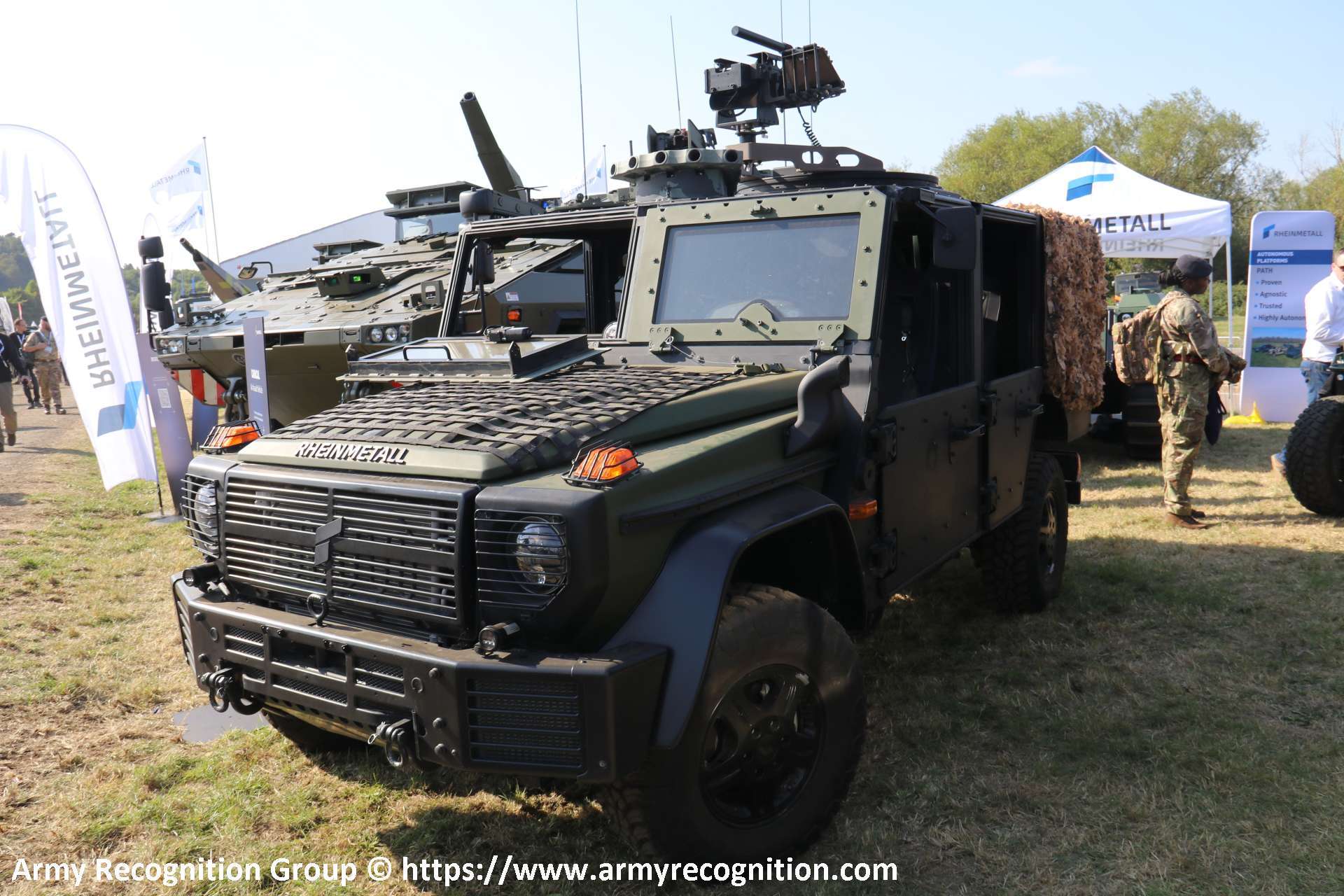
The German manufacturer Rheinmetall is currently presenting its 4x4 Caracal Air Assault Vehicle at the Defence Vehicle Dynamics (DVD) 2024 event in Millbrook. Designed to meet the increasing needs of airborne forces in Germany, the Netherlands, and other countries, the CARACAL offers an innovative solution with a wide range of operational capabilities. Built on the militarized and tested chassis of the G-Class series, this versatile vehicle is distinguished by its mobility, lightweight structure, and modular ballistic protection options.
Follow Army Recognition on Google News at this link
Rheinmetall 4x4 Caracal Air Assault Vehicle (Picture source: Army Recognition)
This compact all-terrain vehicle was specifically designed for airborne operations and special forces, enabling operators to be agile and effective in hostile environments. Thanks to its speed, discreet profile, and adaptable protection, the CARACAL is a crucial ally for critical missions. Its design allows for air transport, either internally loaded or slung beneath, notably with the latest helicopter models such as the CH-47F Chinook and CH-53K King Stallion.
The CARACAL is based on the robust and versatile G-Class chassis, known for its all-terrain performance and reliability. This chassis serves as the foundation for numerous military and civilian vehicles, thanks to its durability and adaptability to various configurations and specific modifications. Its use in the CARACAL provides great flexibility, with applications ranging from troop transport to logistical missions, including reconnaissance operations and medical services.
The vehicle features an open design that can accommodate up to five people, with two seats in the front and three in the back, including a circular mount that can be equipped with a 12.7 mm heavy machine gun. The vehicle’s superstructure, manufactured by ACS (Armored Car Systems), is designed to be easily detachable thanks to a bolted attachment system, facilitating its adaptation to various operational needs. Additionally, the circular mount is foldable, which allows the structure to pivot when the vehicle is loaded into a helicopter.
From a technical standpoint, the CARACAL measures 4,350 mm in length, 1,810 mm in width, and 1,850 mm in height, with a total weight of 4,900 kg. Its payload capacity reaches 1,500 kg, and its total weight for air transport is reduced to 4,400 kg. Performance-wise, the vehicle can reach a maximum road speed of 140 km/h, climb slopes of 60%, and endure a lateral tilt of 30%. With a fording depth of 700 mm and an obstacle clearance capacity of 330 mm, it demonstrates a definite aptitude for the most challenging environments.
The CARACAL's engine is a 6-cylinder turbo-diesel, compliant with Euro 3 standards, developed by Mercedes-Benz. This 3-liter engine delivers 183 kW (249 hp) and a torque of 600 Nm, paired with a Mercedes-Benz 9G-Tronic transmission. This powertrain allows it to achieve high speeds while offering excellent crossing capabilities.
For air transport, the CARACAL is particularly optimized: it can be loaded aboard CH-47F and CH-53K HTH helicopters, up to two vehicles at a time, or transported via sling load. Its modularity allows it to be configured in several variants, including transport, reconnaissance, ambulance, command post, and combat engineer group versions. Ballistic protection kits and anti-mine options are available to enhance its field resilience.
The Rheinmetall CARACAL Air Assault Vehicle can also be equipped with a variety of armaments, thus providing operational flexibility. It can be configured with heavy machine guns, SPIKE anti-tank systems, and other standard infantry weapons.
The CARACAL is equipped with Rheinmetall's ROSY rapid optical jamming system, giving it significant self-protection capability. This system allows for the deployment of a multispectral smoke screen to break contact, escape the enemy, and mask its position. Whether in motion or stationary, ROSY provides effective coverage in both visual and infrared spectrums, with integrated jamming and decoy effects. This effectively counters not only conventional weapons but also those equipped with optical devices and laser rangefinding systems.
In addition to Germany and the Netherlands, which plan to acquire more than 1,000 and 504 vehicles respectively, the Rheinmetall CARACAL has already garnered interest from other countries. Ukraine placed an initial order of five vehicles and recently confirmed an additional order of 20 units. These purchases were funded by the German government as part of its military assistance initiative to Ukraine. The first deliveries were scheduled for late 2023 and early 2024.
Read more: Rheinmetall Designs CARACAL 4x4 Light Assault Vehicle for Special and Airborne Forces

- Details
- Written by: Halna du Fretay
- Category: 2024
- Hits: 4802
The Colombian Army has deployed its 8x8 LAV III armored combat vehicles (VCBR) for the first time in Valle del Cauca, a region facing security challenges due to insurgency and organized crime. This marks a strategic shift, as these vehicles were previously used in low-risk areas like La Guajira. The current deployment includes 10 LAV III units equipped with Israeli-made Rafael turrets to support military operations in rural areas with illegal group activity.
Follow Army Recognition on Google News at this link
The LAV III units in Valle del Cauca, which feature STANAG 4569 Level III protection against NATO-standard 7.62x51mm rounds, have been criticized for their vulnerability in high-intensity conflicts, such as those in Afghanistan, Iraq, and Ukraine. (Picture source: Colombian Army)
Known for its improved survivability, especially against mines and improvised explosive devices (IEDs), the LAV III DVH features a Double-V Hull design that enhances crew safety in conflict zones. Powered by a 350-horsepower diesel engine, the vehicle reaches a maximum speed of 100 km/h. Its modular design allows it to accommodate various types of armament, including the standard 25mm M242 Bushmaster cannon and a 7.62mm coaxial machine gun.
In 2023, Colombia decided to enhance its fleet by equipping the new LAV IIIs with the Samson Dual Remote Weapons Station (RWS) from Rafael Advanced Defense Systems. This upgrade includes a 30x113mm Orbital ATK cannon and a 12.7x99mm Browning M2A2 QCB machine gun. The choice of the Samson RWS aims to standardize the Colombian Army’s remote weapon systems, as the current fleet already uses the Samson Mini. This addition also improves the LAV III’s firepower, incorporating the Spike-ER anti-tank system.
Additionally, Colombia has a history of developing its own armored vehicles. The ISBI, a locally manufactured vehicle, was deployed in the Chocó department to enhance road security. Despite initial resistance from military leadership, the ISBI has proven effective in protecting key routes like Quibdó-Medellín and Quibdó-Pereira. The Colombian Army has been criticized for not refurbishing the older EE-11 Urutu vehicles, which could still contribute to security in remote areas due to their armor and the troops' familiarity with them.

In 2023, Colombia decided to enhance its fleet by equipping the new LAV IIIs with the Samson Dual Remote Weapons Station (RWS) from Rafael Advanced Defense Systems (Picture source: Colombian Army)
Known for its improved survivability, especially against mines and improvised explosive devices (IEDs), the LAV III DVH features a Double-V Hull design that enhances crew safety in conflict zones. Powered by a 350-horsepower diesel engine, the vehicle reaches a maximum speed of 100 km/h. Its modular design allows it to accommodate various types of armament, including the standard 25mm M242 Bushmaster cannon and a 7.62mm coaxial machine gun.
In 2023, Colombia decided to enhance its fleet by equipping the new LAV IIIs with the Samson Dual Remote Weapons Station (RWS) from Rafael Advanced Defense Systems. This upgrade includes a 30x113mm Orbital ATK cannon and a 12.7x99mm Browning M2A2 QCB machine gun. The choice of the Samson RWS aims to standardize the Colombian Army’s remote weapon systems, as the current fleet already uses the Samson Mini. This addition also improves the LAV III’s firepower, incorporating the Spike-ER anti-tank system.
Additionally, Colombia has a history of developing its own armored vehicles. The ISBI, a locally manufactured vehicle, was deployed in the Chocó department to enhance road security. Despite initial resistance from military leadership, the ISBI has proven effective in protecting key routes like Quibdó-Medellín and Quibdó-Pereira. The Colombian Army has been criticized for not refurbishing the older EE-11 Urutu vehicles, which could still contribute to security in remote areas due to their armor and the troops' familiarity with them.
Read more: Colombian Army Deploys LAV III Vehicles for Counter-Insurgency in Valle del Cauca

- Details
- Written by: Halna du Fretay
- Category: 2024
- Hits: 2812
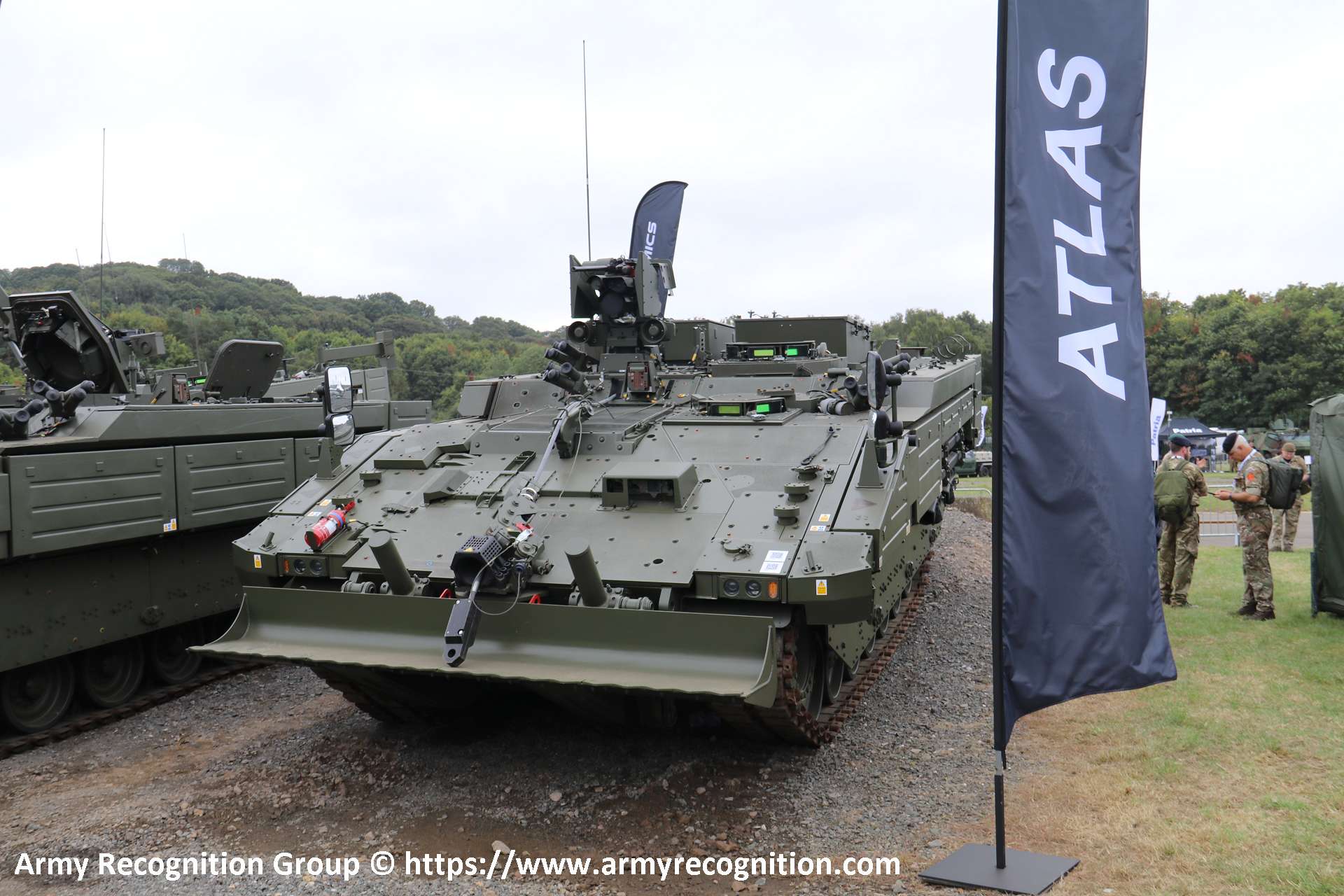
KNDS unveils its Boxer bridge-layer system at DVD 2024 in Millbrook, marking a significant development in the company’s range of mobile military bridges. This bridge-layer is the result of a collaboration between KNDS and its subsidiary, WFEL.
Follow Army Recognition on Google News at this link
The Boxer bridge-layer presented at DVD 2024 in Millbrook (Picture source: ArmyRecognition)
KNDS’s bridging systems are increasingly used in emergency situations, especially during natural disasters. In July 2021, following severe floods in Europe, KNDS's rapidly deployable bridges were employed to provide temporary infrastructure. This capability to deliver essential support in critical situations underscores the importance of mobile bridges in emergency relief operations.
The new Boxer bridge layer is designed to deploy two types of bridges: the 22-meter TEJU, classified as MLC 50 for supporting medium forces, and the 14-meter LEGUAN, classified as MLC 80 or MLC 100 for heavy forces. This modularity offers significant operational flexibility, both in military contexts and civil relief missions. The system also provides logistical advantages, sharing common components with the Boxer family of vehicles.
Equipped with an MTU V8 199TE20/21 engine with a power output of up to 600 kW, the Boxer bridge layer has a total weight of 39.5 tons and a length that can vary between 11 and 14 meters, depending on the bridge configuration. Its ability to deploy a 22-meter bridge in under six minutes, or a 14-meter bridge in three minutes, makes it particularly effective for emergency deployments. To facilitate operations, the Boxer bridge layer features a fully automated launching system that functions day and night. A remote-controlled driving and launching kit is also available, enhancing operator safety.
Key technical features include an NBC (Nuclear, Biological, Chemical) protection and ventilation system, modular protection equipment against ballistic threats, improvised explosive devices (IEDs), and mines. The vehicle also comes with air conditioning, camera systems, and function monitoring equipment for improved operational oversight.
The bridges themselves, whether 14 meters (MLC 80/100) or 22 meters (MLC 50), are designed to span obstacles measuring up to 13 and 21 meters, respectively. The 14-meter bridge weighs 5.1 tons, with a width of 4 meters and a height of 0.83 meters. The 22-meter bridge weighs 7.1 tons, has a width of 3.5 meters, and a height of 0.80 meters.
Read more: Boxer Bridge-Layer An Essential Solution for Emergency Situations at DVD 2024
- Details
- Written by: Administrator
- Category: 2024
- Hits: 4739
The British Army has unveiled the Ajax family of new reconnaissance tracked armored vehicles at DVD 2024 in Millbrook, UK, with Army Recognition covering the event in detail. This family includes several variants designed to fulfill different roles on the battlefield: the Ajax reconnaissance vehicle equipped with advanced sensors and a 40 mm cannon; the Ares armored personnel carrier for troop transport; the Apollo repair vehicle for field maintenance; the Argus engineering reconnaissance vehicle for terrain analysis; the Athena command and control variant for coordinating operations; and notably, the Atlas recovery vehicle. This first report focuses on the Atlas Recovery Damaged Vehicle, highlighting its critical role in enhancing the British Army's battlefield support capabilities.
Follow Army Recognition on Google News at this link
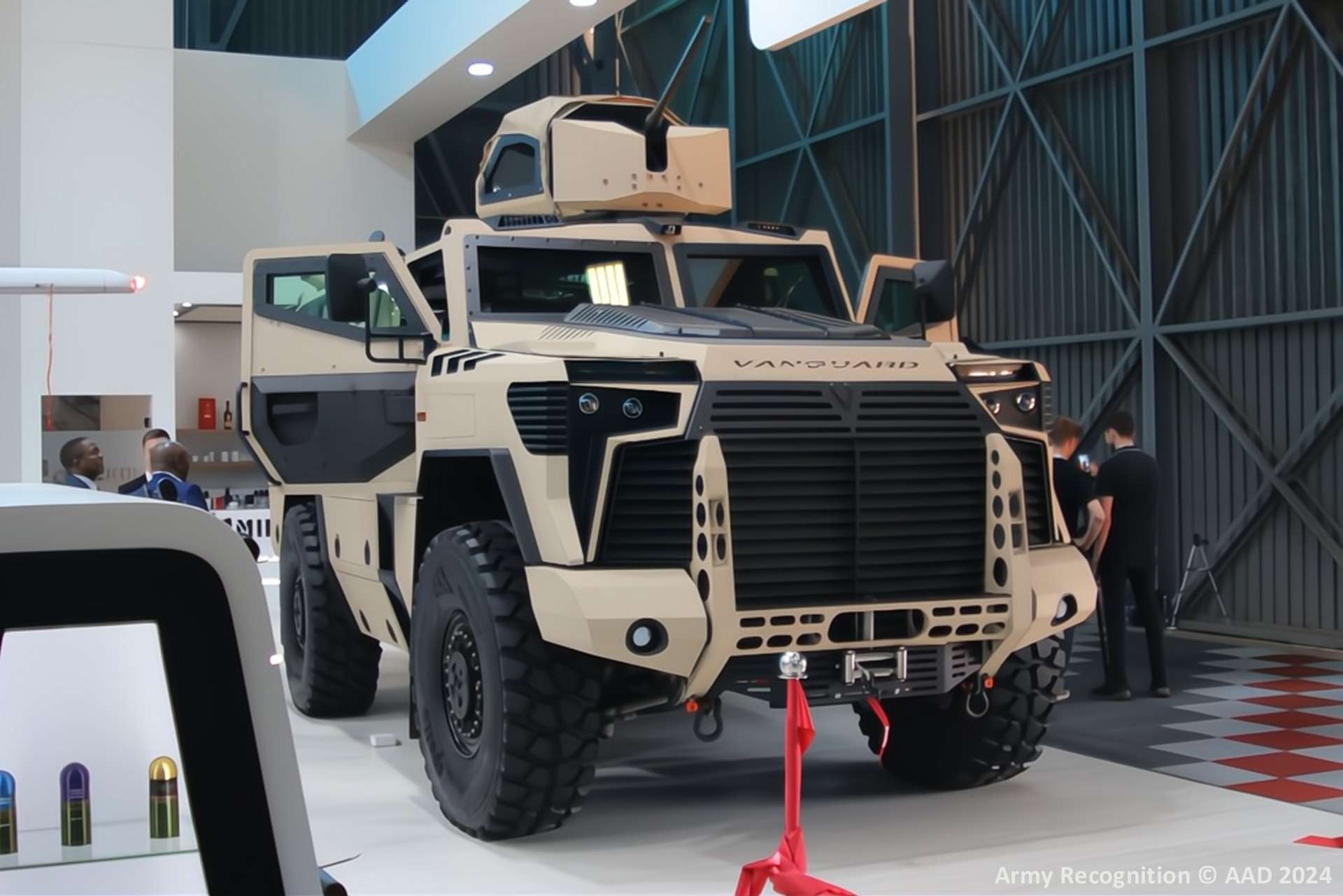
The Atlas is the recovery variant in the Ajax family of new reconnaissance armored tracked vehicles for the British army. (Picture source: Army Recognition Group)
The Atlas provides an effective means of recovering damaged or immobilized vehicles in challenging combat environments. It is equipped with an earth anchor for stabilization during recovery operations, a powerful 300 kN main winch capable of pulling heavy armored vehicles, and an 8 kN auxiliary winch for handling lighter loads and self-recovery tasks. For self-protection, the Atlas features a remotely operated weapon system mounted on the roof, armed with a 12.7 mm heavy machine gun. This allows the crew to engage threats while remaining safely inside the armored vehicle.
The British Army plans to integrate 38 Atlas vehicles into its fleet, significantly enhancing its battlefield support capabilities by ensuring that damaged vehicles can be retrieved quickly and safely, minimizing downtime, and maintaining operational momentum.
In addition to the specific features of the Atlas variant, the Ajax family as a whole represents a significant advancement in armored vehicle technology for the British Army, particularly in terms of protection and mobility. The vehicles are built with a modular armor system that can be adapted based on the threat environment, providing enhanced protection against ballistic threats, improvised explosive devices (IEDs), and mine blasts. The hull design incorporates advanced materials and engineering techniques to maximize crew survivability, including reinforced underbellies to mitigate the effects of explosions from below.
Mobility is another key strength of the Ajax family. All variants are powered by the robust MTU V8 engine generating 800 horsepower, enabling them to reach a road speed of up to 70 km/h. The advanced suspension system and tracked design allow for excellent cross-country mobility, ensuring that the vehicles can navigate challenging terrains such as mud, sand, and snow. This high level of mobility enables the Ajax family to keep pace with other fast-moving units, providing critical support and reconnaissance capabilities wherever they are needed on the battlefield.
The vehicles are also equipped with advanced situational awareness systems, including state-of-the-art sensors, communication equipment, and battlefield management systems. These technologies enhance the crew's ability to quickly detect and respond to threats, improving operational effectiveness and coordination with other units. The open architecture design of the Ajax family allows for easy integration of new technologies and upgrades, ensuring that the vehicles remain adaptable to evolving operational requirements.
By introducing the Atlas and its sister variants, the British Army demonstrates a commitment to maintaining a modern, agile, and responsive military force ready to meet the challenges of contemporary warfare. As these new platforms transition into service, comprehensive personnel training and doctrine development will be essential to leverage the capabilities of these advanced systems fully.
Read more: Ajax Family Series Report 1: British Army Atlas Recovery Armored Vehicle at DVD 2024
- Details
- Written by: Jérôme Brahy
- Category: 2024
- Hits: 6499
At the Africa Aerospace and Defence (AAD) 2024 exhibition, the South African company Milkor introduced its latest vehicle, the Vanguard Armoured Personnel Carrier (APC). This new Mine-Resistant Ambush Protected (MRAP) vehicle is designed for a range of military and tactical roles, including infantry fighting, border patrol, medical support, and command operations. Like a Swiss Army knife, the Vanguard promises to keep troops safe while being adaptable and effective, regardless of the mission.
Follow Army Recognition on Google News at this link
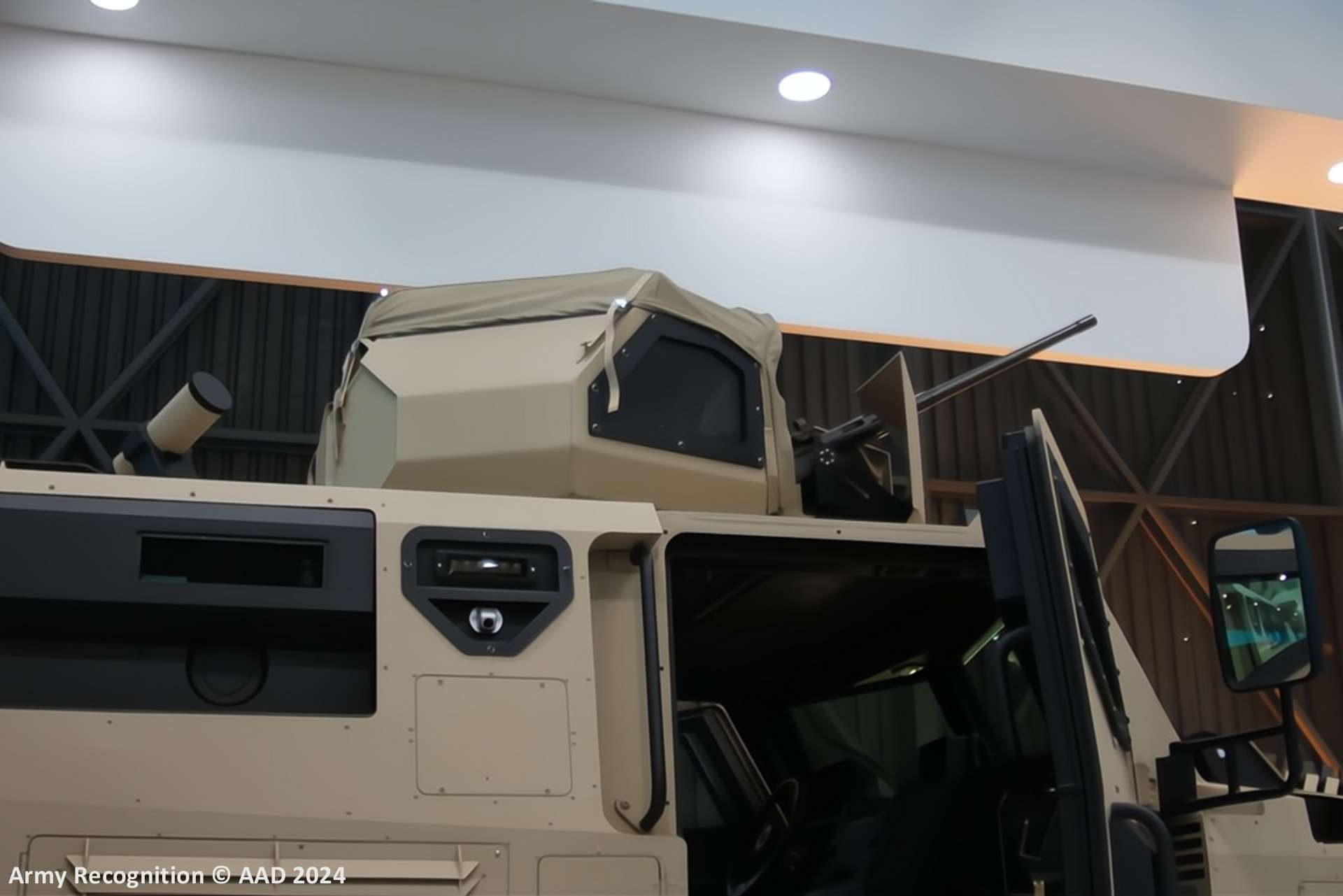
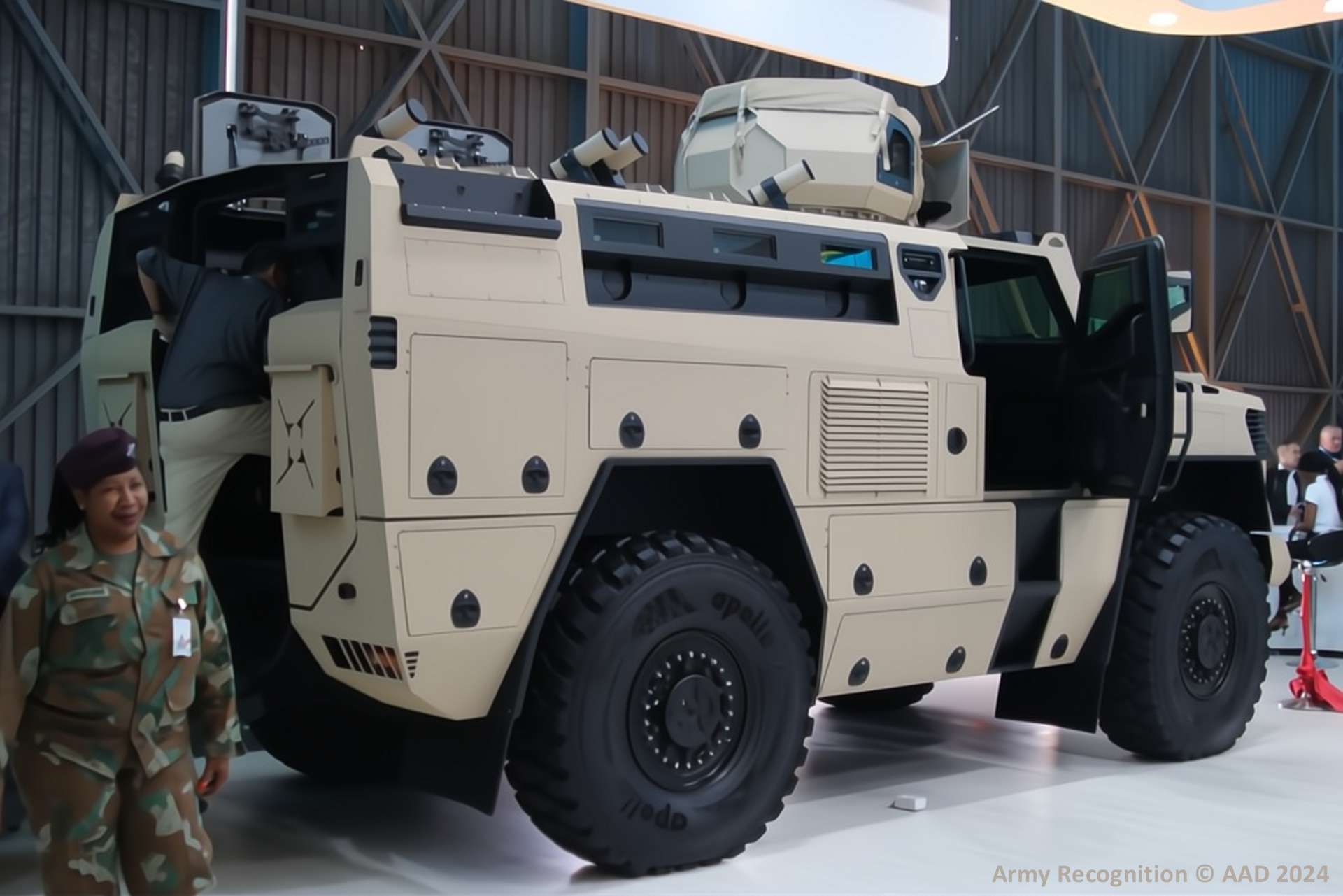
Milkor's new Mine-Resistant Ambush Protected (MRAP) vehicle, the Vanguard, is designed for a range of military and tactical roles, including infantry fighting, border patrol, medical support, and command operations. (Picture source: Army Recognition)
In terms of protection, the Vanguard meets NATO standards with STANAG 4A and 4B blast protection. Level 4A enables it to survive a 10 kg anti-tank mine detonating under any of its wheels or tracks, while Level 4B protects the crew even if the mine explodes under the vehicle itself. To put this into perspective, this level of protection is comparable to the International MaxxPro, which has been praised by the Ukrainian Armed Forces.
While other MRAPs, like the Cougar and the RG-31 Nyala, are excellent at deflecting blasts with their V-shaped hulls, they do not offer as many configurations as the Vanguard. Compared to the Russian Typhoon-K, which can withstand blasts of up to 8 kg of TNT under the hull, the Vanguard provides slightly better protection, making it potentially more effective against larger IEDs.
Regarding ballistic protection, the Vanguard is equipped with STANAG Level 3 armor, which protects against 7.62 x 51 mm armor-piercing rounds fired from 30 meters at velocities of up to 930 meters per second. This is similar to vehicles like the RG-31 Nyala and the Dingo, both recognized for their survivability in hostile environments. However, the Dingo, while known for its performance in battlefields such as Afghanistan, has a higher center of gravity, making it more prone to rollovers during sharp maneuvers.
Milkor has also integrated a range of systems to enhance the Vanguard's adaptability, including manned turrets, remote stations, and smoke launchers. (Picture source: Army Recognition)
Inside, the Vanguard offers enough space for two crew members and eight passengers. Unlike the International M1224 MaxxPro, which is primarily designed for troop transport, the Vanguard can function as an infantry fighting vehicle, armored personnel carrier, border patrol vehicle, military field ambulance, or command vehicle. This versatility allows it to adapt to various mission requirements while maintaining high standards of protection and performance.
Milkor has also integrated a range of systems to enhance the Vanguard's adaptability. Its weapon systems include manned turrets, remote stations, and smoke launchers, similar to Russian MRAPs like the Typhoon-U and Typhoon-K. Additionally, in its medical support configuration, the vehicle can be outfitted with systems for providing care during evacuations. However, the Vanguard features additional electronic warfare capabilities, such as jammers and signal intelligence (SIGINT) systems, which are not standard on Russian vehicles. These features may give it an operational advantage by disrupting enemy communications.
The Vanguard requires one fewer crew member than the International MaxxPro and accommodates one additional passenger in the back. (Picture source: Army Recognition)
Under the hood, the Vanguard is powered by a 336 kW (450 hp) engine, allowing it to ford water up to 500 mm deep and navigate gradients up to 60%, as well as side slopes up to 35%. It also features an approach angle of 31 degrees and a departure angle of 45 degrees, enhancing its off-road maneuverability. The vehicle has a gross vehicle mass of 19,500 kg and a tare mass of 15,500 kg, giving it a power-to-weight ratio of 22 kW (29 hp) per ton. The Vanguard can reach a top speed of 100 km/h, cross trenches up to 1 meter wide, and has an operational range of 900 km, making it suitable for extended missions or emergency situations.
While the Vanguard’s range is slightly shorter than the Russian Typhoon-K, which has a range of up to 1,200 km, its approach and departure angles, combined with its power-to-weight ratio, give it an advantage in rough terrain, where heavier vehicles like the Typhoon-K may face more limitations.
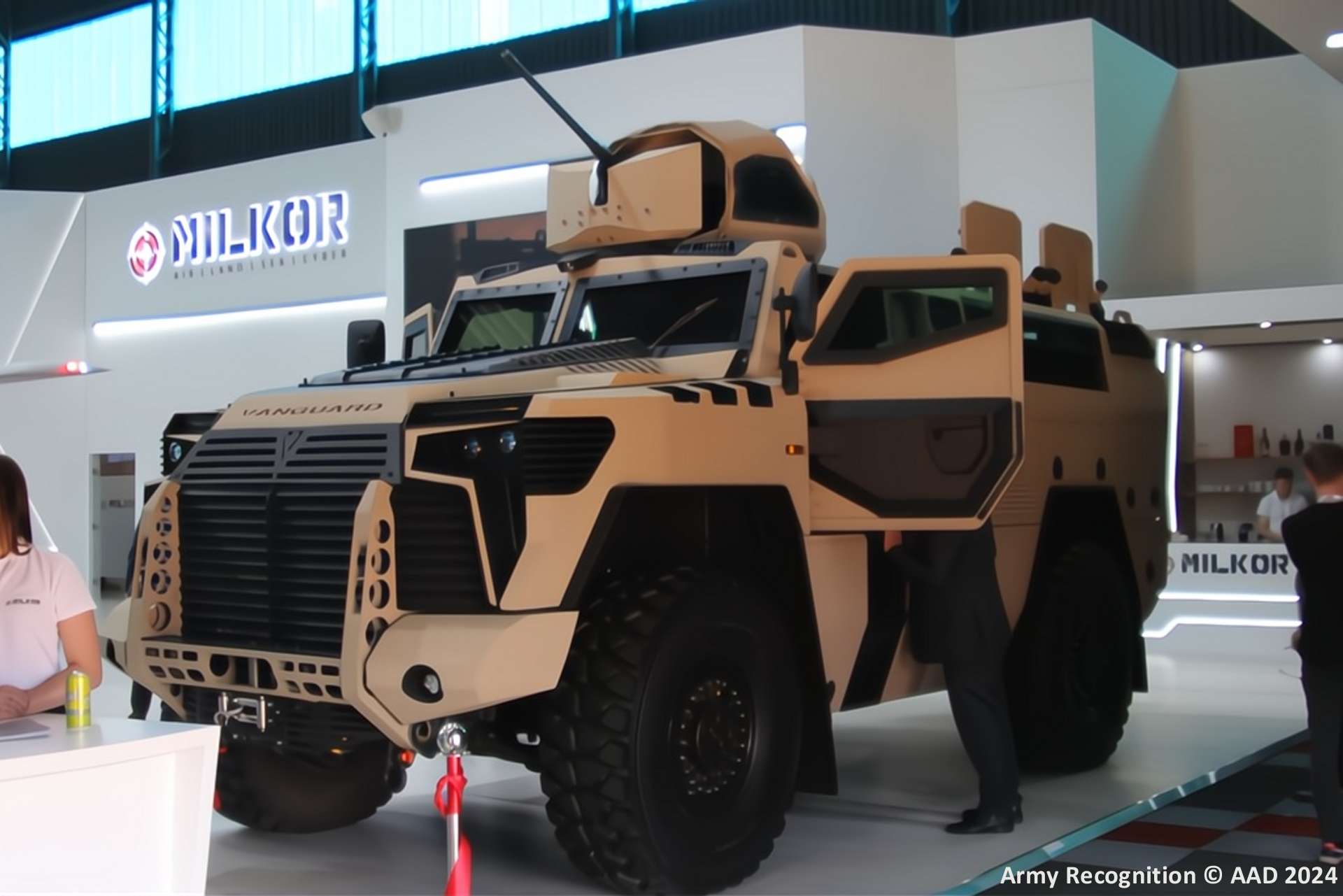
Milkor's Vanguard can reach a top speed of 100 km/h, cross trenches up to 1 meter wide, and has an operational range of 900 km, making it suitable for extended missions or emergency situations. (Picture source: Army Recognition)

- Details
- Written by: Administrator
- Category: 2024
- Hits: 7021
The British Army, in collaboration with Rheinmetall BAE Systems Land (RBSL), displays the new Challenger 3, regarded as one of the most advanced Main Battle Tanks (MBT), at the Defence Vehicle Dynamics (DVD) 2024 event in Millbrook. This marks the first public display of the Challenger 3, which is being hailed as the most lethal tank ever operated by the British Armed Forces.
Follow Army Recognition on Google News at this link
The new British Army Challenger 3 Main Battle Tank at DVD 2024 defense exhibition in Millbrook, UK. (Picture source: Army Recognition Group)
The Challenger 3 MBT (Main Battle Tank) is manufactured at RBSL's Telford facility in the United Kingdom and exemplifies cutting-edge military vehicle production. Designed with advanced technologies and user-focused features, the tank ensures operational effectiveness and the safety and comfort of its crew. Its development has been a collaborative effort, with RBSL engineers working closely with British Army personnel to fine-tune its design.
A total of 148 Challenger 3 tanks will be upgraded, with two prototypes already produced at the Telford factory and six more prototypes scheduled for delivery soon. Testing is currently underway to validate performance before full-scale production begins for the remaining 140 units.
RBSL Managing Director Will Gibby expressed pride in showcasing the Challenger 3 at DVD 2024, noting that the tank represents the pinnacle of MBT design in NATO. The project, under an £800 million contract, has created hundreds of skilled jobs across the UK and attracted significant investment in RBSL's Telford facility.
The Challenger 3 introduces a host of technical advancements over its predecessor, the Challenger 2, focusing on improving firepower, protection, mobility, and overall combat performance.
One of the most notable upgrades is the change in armament. The Challenger 2 is equipped with a 120mm L30A1 rifled gun, which was effective for precision firing but limited in compatibility with modern NATO smoothbore ammunition. In contrast, the Challenger 3 is fitted with a 120mm L55A1 smoothbore gun, which not only offers greater compatibility with NATO-standard ammunition but also benefits from advancements in firepower. The new smoothbore gun enables the Challenger 3 to use modern kinetic energy rounds and programmable ammunition, significantly enhancing its lethality on the battlefield. This makes it more versatile and efficient in engaging both armored and soft targets.
Regarding survivability and protection, the Challenger 2 relied on its highly regarded Chobham armor, which provided excellent defense against anti-tank munitions. However, the Challenger 3 takes survivability to a new level by introducing a next-generation modular armor system. Developed by the Defence Science and Technology Laboratory (DSTL) and RBSL, the new armor incorporates cutting-edge materials and modular components that allow for quicker repairs and upgrades. This system offers enhanced protection against modern threats such as armor-piercing fin-stabilized discarding sabot (APFSDS) rounds and improvised explosive devices (IEDs), giving it a significant edge over the Challenger 2 in battlefield survivability.
Another major improvement lies in the Challenger 3’s situational awareness and target acquisition capabilities. While the Challenger 2 had advanced sighting systems for its time, the Challenger 3 features a fully digital architecture, with a network-enabled system allowing for real-time data sharing and integration with other battlefield assets. This digital backbone supports advanced surveillance systems, including 360-degree vision and thermal imaging, making the Challenger 3 far more effective in target detection, identification, and engagement than the Challenger 2.
The Challenger 3 also benefits from a more powerful engine and upgraded suspension system. While the Challenger 2's powertrain allowed it to handle rough terrains, the new Challenger 3 is equipped with a more robust engine, providing increased mobility and acceleration. This improvement in mobility is crucial for modern battlefield dynamics, where speed and maneuverability are key to both offensive and defensive operations.
The Challenger 3 tank builds on the solid foundation of the Challenger 2 MBT but offers superior firepower with a new smoothbore gun, greater protection with its advanced modular armor, improved situational awareness through its digital systems, and enhanced mobility due to its upgraded powertrain. These features make the Challenger 3 one of the most advanced Main Battle Tanks (MBTs) positioning it to meet the demands of future warfare.
- Details
- Written by: Vandenbosch
- Category: 2024
- Hits: 4869
The DragonFire system, developed by MBDA in partnership with Leonardo and QinetiQ, represents a breakthrough in the field of directed energy weapons. Presented at DVD 2024, this high-power laser is designed to provide effective and flexible aerial defense, enhancing the armed forces' capabilities against a wide range of threats, from drones to missiles. This article details DragonFire's technical characteristics, its development, and its strategic importance for the future of defense.
Follow Army Recognition on Google News at this link
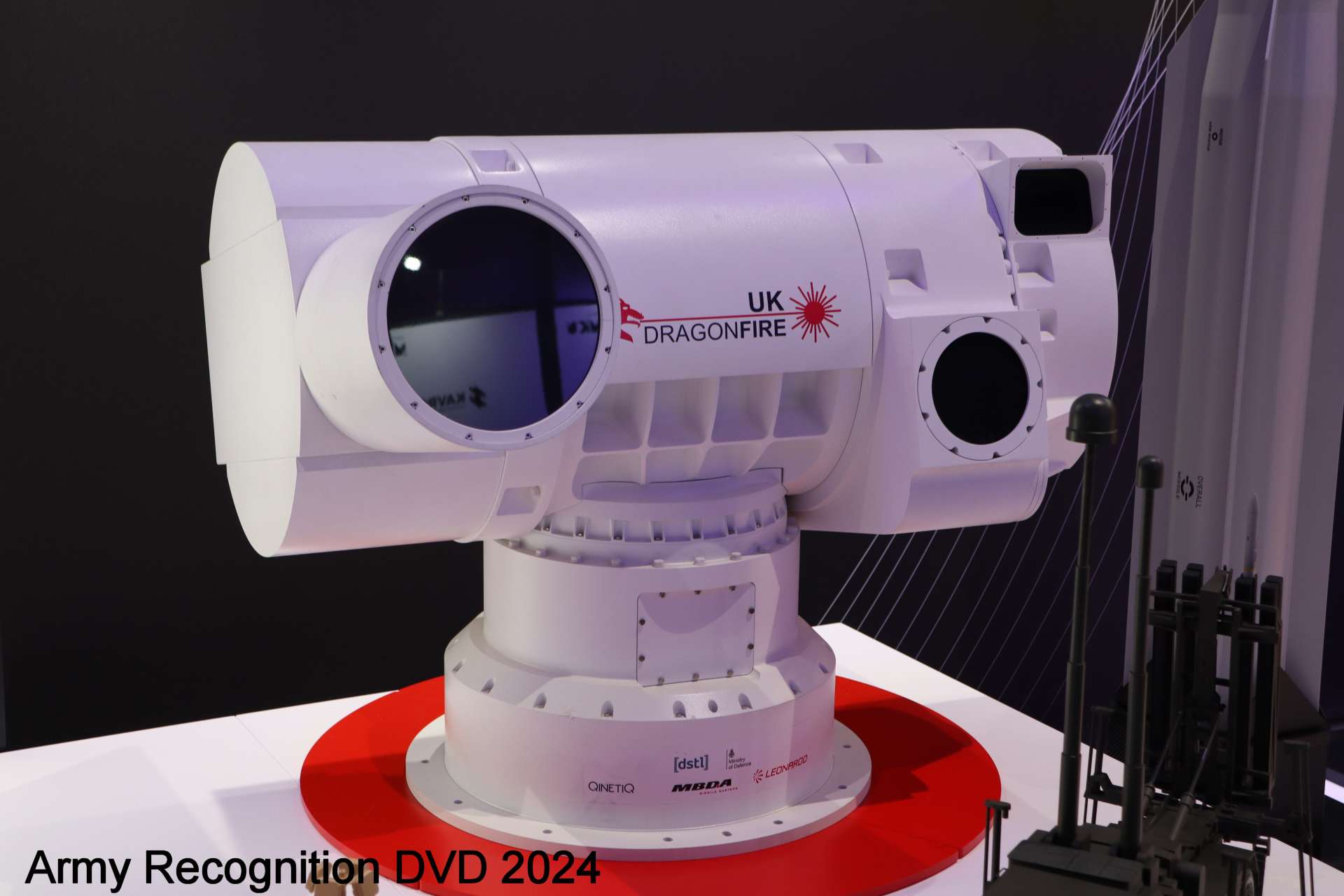
The DragonFire is a Laser Directed Energy Weapon system. (Picture source: Army Recognition)
DragonFire is a Laser Directed Energy Weapon (LDEW) system that uses high-power laser beams to intercept and neutralize aerial targets at long range. One of DragonFire's key features lies in its ability to deliver extremely precise firing power, allowing it to effectively target fast-moving threats, such as drones, missiles, or other flying objects.
The system integrates several advanced technologies. MBDA is responsible for the command and control system, as well as target tracking. Leonardo provides the advanced beam director and optics technologies, ensuring ultra-precise aiming and stability even over long distances. QinetiQ, for its part, provides the precision laser source, ensuring consistent and scalable firepower.
In recent trials conducted by MBDA, Leonardo, and QinetiQ under the supervision of the Defence Science and Technology Laboratory (Dstl), DragonFire demonstrated its effectiveness by executing high-power firings against aerial targets. It also proved its capability to track moving targets, both aerial and maritime, with unparalleled accuracy. This combination of technologies allows DragonFire to function as an agile defensive weapon, capable of quickly responding to threats while minimizing the risk of collateral damage.
The development of DragonFire is part of a strategic collaboration between the UK’s leading defense companies and the UK Ministry of Defence. Launched as a £100 million project, the program aimed to strengthen the country's air defense capabilities through the integration of a directed energy weapon system capable of countering evolving battlefield threats.
From the outset, the main objective of the DragonFire project was to develop a high-power laser weapon that could offer an alternative to conventional defense systems, which often rely on costly ammunition. Through directed energy technology, DragonFire provides a means to neutralize threats with surgical precision while avoiding the costs and risks associated with traditional munitions.
The development program underwent several key phases, including static high-power laser firing tests and dynamic target tracking trials. Each stage demonstrated the system's robustness and its ability to meet the requirements of both land and maritime operations. The integration of cutting-edge technology in sensors, command systems, and high-power lasers was critical to achieving DragonFire's exceptional performance.
During recent trials conducted at the MOD Hebrides range, DragonFire accomplished a first in the use of high-power laser weaponry against aerial targets. This success marks a significant milestone in the development of LDEW systems, showcasing the UK's capability to develop and implement advanced defense technologies.
Read more: DragonFire Next Generation of Directed Energy Weapons at DVD 2024 in UK

- Details
- Written by: Vandenbosch
- Category: 2024
- Hits: 2349
During the DVD 2024 event, one of the key attractions was the live demonstration of the Ares armored vehicle, a vital element in the British Army's fleet. Developed by General Dynamics UK, the Ares is part of the Ajax family, designed to meet modern battlefield requirements. Its presentation at this year’s event provided attendees with an opportunity to see this high-tech vehicle in action, emphasizing its operational importance in reconnaissance missions.
Follow Army Recognition on Google News at this link
The Ares armored vehicle is a vital element in the British Army's fleet. (Picture source: Army Recognition)
The Ares was designed to provide both mobility and protection for troops. Weighing around 38 tonnes, it boasts a tracked chassis, enabling it to traverse various terrains with ease. Despite its substantial weight, the vehicle is powered by a 600-horsepower MTU V8 diesel engine, granting it a top speed of 70 km/h on roads and an operational range of 500 kilometers. This range is particularly beneficial for reconnaissance units that operate over extensive areas, requiring sustained mobility without frequent refueling.
Inside, the Ares accommodates a three-person crew – the driver, the gunner, and the commander – and has space for additional soldiers, making it a versatile troop transport. Its modular armor provides enhanced protection against ballistic threats, mines, and improvised explosive devices (IEDs), a vital feature given the nature of modern warfare. This armor can be adapted to different threat environments, increasing the vehicle's survivability. The Ares is also equipped with a remote-controlled 7.62 mm machine gun, offering a defensive capability against various ground and air threats. In addition, it incorporates advanced sensor and communication systems, ensuring that the crew can effectively gather intelligence and coordinate with other units in real time.
The Ares' development is rooted in the British Ministry of Defence's FRES SV (Future Rapid Effect System - Specialist Vehicle) program. Launched in the 2000s, this program aimed to modernize the British Army’s aging fleet of armored vehicles. General Dynamics UK was selected in 2010 to lead the project, resulting in the Ajax family, of which the Ares is a specialized variant. Although the development faced numerous challenges, including integrating advanced communication systems and optimizing protective measures, the Ares emerged as a modern and reliable reconnaissance vehicle now in service with the British Army.
The outdoor demonstration at DVD 2024 allowed military professionals and defense experts to witness the Ares' capabilities firsthand. Its performance on various terrain types, including rugged tracks and muddy surfaces, highlighted its agility and robustness. The demonstration emphasized the Ares' critical role in reconnaissance and support operations, where mobility, protection, and real-time communication are key factors for mission success.
By showcasing the Ares, the British Army and General Dynamics UK underscored their commitment to enhancing operational capabilities through cutting-edge technology. The vehicle's presence at DVD 2024 reflects its growing significance within the British military arsenal and points to its potential application in future conflicts.
Read more: British Ares Vehicle Showcased During Outdoor Demonstration in United Kingdom

- Details
- Written by: Vandenbosch
- Category: 2024
- Hits: 3227
Defence Vehicle Dynamics (DVD) 2024 is one of the most prestigious events in the field of defense in the United Kingdom. Organized annually, this exhibition brings together the main actors of the military industry, including representatives of the armed forces, vehicle manufacturers, and providers of innovative technologies. The main objective of DVD is to showcase the latest advancements in land vehicles and facilitate exchanges between the different stakeholders in the sector. Live demonstrations and outdoor exhibitions offer visitors a unique opportunity to observe equipment under realistic conditions, which promotes a better understanding of the operational capabilities of new systems; within this framework, we can observe the AJAX.
Follow Army Recognition on Google News at this link
The Ajax Armored Fighting Vehicle at DVD 2024. (Picture source: Army Recognition)
At the heart of the 2024 edition of DVD is the presentation of the armored vehicle AJAX, a centerpiece in the modernization of the British Army. Developed by General Dynamics UK, the AJAX is a survey and combat vehicle that embodies a new generation of military technologies. It is designed to offer an optimal combination of firepower, mobility, and protection, thus meeting the demands of contemporary conflicts.
Technically, the AJAX is equipped with a 40 mm main cannon developed by CTA International, capable of firing various munitions suited to different tactical situations. This advanced weapon system allows the vehicle to engage long-range targets effectively with great precision. The vehicle is powered by an 800-horsepower MTU diesel engine, granting it a maximum speed of 70 km/h on road and remarkable agility on rough terrains. The increased mobility of the AJAX allows it to keep pace with modern operations, where rapid deployment is essential.
Crew protection is ensured by cutting-edge modular armor designed to withstand ballistic threats, mines, and improvised explosive devices. The AJAX also integrates sophisticated technological systems, such as optical and infrared sensors, radars, and advanced communication systems. These tools enhance the crew's situational awareness and allow effective coordination with other units on the battlefield. Integrated combat management systems facilitate real-time decision-making, which is crucial in modern combat environments.
The history of the AJAX's development is closely linked to the Future Rapid Effect System (FRES) program launched by the British Ministry of Defence in the 2000s. This ambitious program aims to renew the army's fleet of armored vehicles to face the challenges of asymmetric wars and emerging threats. After a series of competitions and rigorous evaluations, General Dynamics UK is chosen to develop the new vehicle, marking a significant step in the transformation of the United Kingdom's land capabilities.
However, the journey of the AJAX is not without obstacles. The program encounters several challenges, including delays in the delivery schedule and cost overruns. Technical problems are identified during testing phases, particularly concerning excessive vibrations and internal noise that affect crew comfort and safety. These difficulties raise criticisms and concerns about the viability of the program. Nevertheless, concerted efforts are made to resolve these issues. Engineers work intensively to implement technical improvements, such as adjusting the suspensions and enhancing acoustic insulation, to ensure that the AJAX meets the strict operational standards required by the army.
The presentation of the AJAX at DVD 2024 is therefore a highly anticipated event. Visitors to the exhibition have the opportunity to attend live demonstrations of the vehicle, observing closely its performance in the field. These demonstrations highlight the vehicle's mobility, firepower, and the integration of its advanced technological systems. Participants can also interact with experts and crew members, obtaining in-depth information on the technical characteristics and operational advantages of the AJAX.
DVD 2024 represents an exceptional opportunity to discover the AJAX and understand its impact on the modernization of the British armed forces. The vehicle, the result of many years of research and development, embodies the United Kingdom's aspirations to maintain an agile, effective, and technologically advanced army. Do not miss this unique opportunity to see the AJAX in action during the outdoor demonstrations at the exhibition, where it is possible to fully appreciate the innovations it brings to the field of land defense.
Read more: British AJAX Vehicle Is Presented During an Outdoor Demonstration at DVD 2024
- Details
- Written by: Halna du Fretay
- Category: 2024
- Hits: 9028
The Romanian Ministry of Defense (MApN) recently submitted a request to Parliament for the acquisition of AAV-7 amphibious vehicles from the U.S. Marine Corps inventory. According to official documents reviewed by DefenseRomania, the request is for 44 vehicles, doubling the initial plan.
Follow Army Recognition on Google News at this link
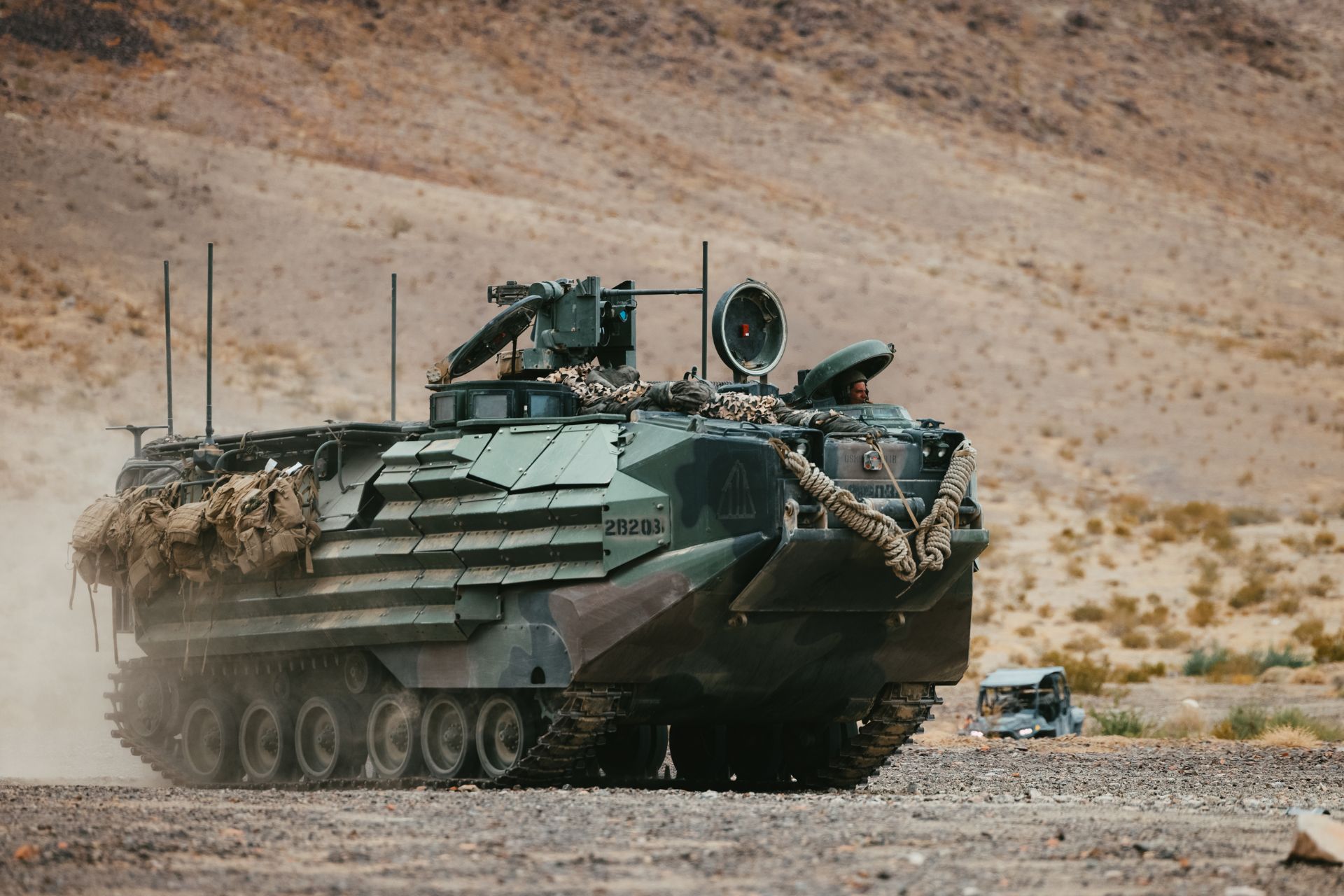
The order involves 44 AAV-7 vehicles, sourced from the U.S. Marine Corps' inventory, with an estimated value of $210 million (Picture source: US DoD)
This acquisition is part of Romania's efforts to modernize and strengthen its armed forces. The document emphasizes the importance of equipping the military with modern means to ensure flexibility, survival on the battlefield, better mobility, enhanced situational awareness, and increased firepower. This initiative is part of the program to transform the Romanian military by 2040.
The order involves 44 AAV-7 vehicles, sourced from the U.S. Marine Corps' inventory, with an estimated value of $210 million, excluding VAT. Romania intends to finalize this purchase through the U.S. Foreign Military Sales (FMS) program. The AAV-7 is a tracked armored amphibious vehicle designed to transport Marines and equipment from ship to shore and across hostile territories.
It can carry up to 25 Marines in addition to its three-member crew and is powered by a Detroit Diesel 8V-53T (P-7) or Cummins VT 400 903 (P-7A1) engine, with a range of 300 miles on land and 20 nautical miles in the water. The vehicle's maximum speed reaches 72 km/h on roads, 32 km/h off-road, and 13 km/h in water, making it versatile for various environments.
In terms of armament, the AAV-7 is equipped with a Mk 19 40mm grenade launcher or an M242 Bushmaster 25mm gun, as well as an M2HB .50-caliber machine gun. This allows it to provide direct fire support to Marines during assault operations. Its amphibious capabilities enable the AAV-7 to attack any coastline directly from the decks of Navy assault ships, making it a vital asset for Marine Corps expeditionary missions.
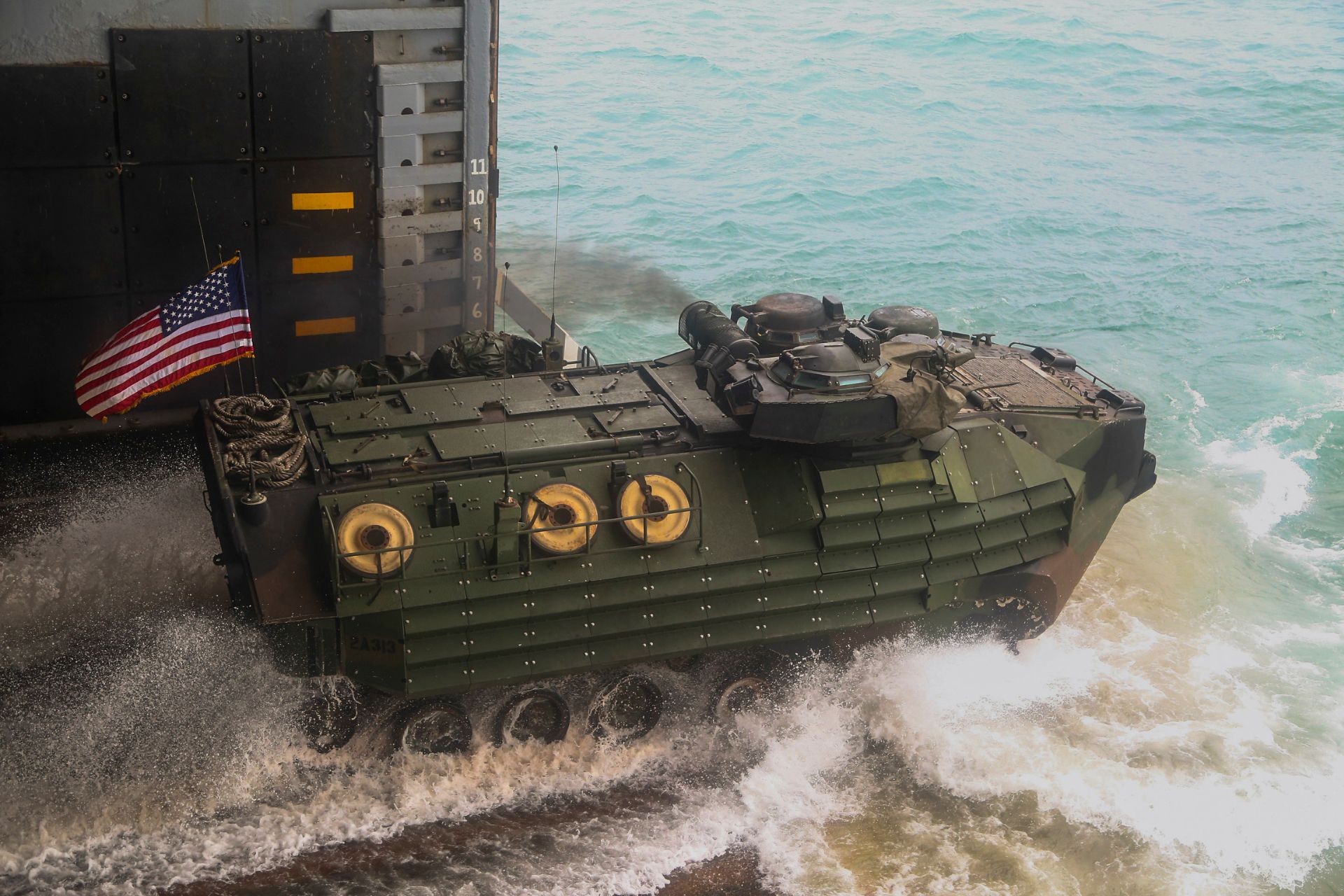
In terms of armament, the AAV-7 is equipped with a Mk 19 40mm grenade launcher or an M242 Bushmaster 25mm gun, as well as an M2HB .50-caliber machine gun (Picture source: US DoD)
The AAV-7 has evolved over time, taking inspiration from earlier amphibious vehicle models such as Roebling's "Alligator" and "Crocodile" used during World War II. The latest variant, the AAVP7A1, features improved armor and is capable of operating in rough waters. This evolution has turned the AAV-7 into not only a key logistical support vehicle but also an armored platform capable of navigating surf zones and hostile environments to deliver troops and equipment to inland objectives.
Last year, the U.S. State Department approved the sale of AAV vehicles to Romania, initially covering 21 units. These included three variants: 16 AAVP-7A1 tracked armored vehicles for troop transport and landing, three AAVC-7A1 command vehicles, and two AAVR-7A1 recovery vehicles. Eventually, Romania opted to more than double the number of these vehicles.The AAV7A1 vehicles, in service with the U.S. Marine Corps since 1972, are also used by other armed forces worldwide.
This decision is significant for Romania, as the country currently lacks suitable amphibious vehicles to meet its defense needs despite its geographical characteristics. The completion of this contract will enhance Romania's military capabilities, especially for troop transport and landing operations, which could be essential for a broader defense strategy aligned with the country's geographic obligations.
Read more: Romania Doubles Purchase of American Amphibious Vehicles AAV-7

- Details
- Written by: Halna du Fretay
- Category: 2024
- Hits: 6425
On September 17, 2024, during the European Air and Missile Defense Conference in Rome, French Minister of the Armed Forces, Sébastien Lecornu, announced that France has ordered seven additional next-generation SAMP/T air defense systems. Developed and designed by Eurosam, a joint venture between MBDA and Thales, the contract was signed in July between the manufacturers and the French procurement agency, the Direction Générale de l’Armement (DGA).
Follow Army Recognition on Google News at this link
The SAMP/T (Surface-to-Air Missile Platform/Terrain), known as MAMBA in the French military, is a long-range surface-to-air missile system. (Picture source: French MoD)
With this new order, France has now commissioned a total of eight modernized SAMP/T systems, the first of which will be integrated into the armed forces by 2026. The contract for the seven systems is estimated to be worth around 500 million euros. These new batteries will eventually be able to incorporate VL-Mica missiles, new Aster 30 B1 missiles, and two AESA radars (Thales GF300 and Leonardo's Kronos GM HP). France aims to have 12 operational systems by 2035, with additional orders planned under the Military Programming Law (LPM) for four more systems by 2027. This announcement builds on a previous conference held in June 2023 at the Paris Air Show.
The SAMP/T (Surface-to-Air Missile Platform/Terrain), known as MAMBA in the French military, is a long-range surface-to-air missile system designed to protect battlefields and key tactical sites against a wide range of airborne threats, including aircraft, cruise missiles, and tactical ballistic missiles.
Equipped with Aster 30 missiles, the SAMP/T can intercept targets at altitudes ranging from 50 meters to 20 kilometers, with a maximum range of 100 kilometers against aircraft flying above 3 kilometers. It offers 360-degree detection and engagement coverage using its rotating radar antenna and vertical launch system. The SAMP/T can track up to 100 targets and simultaneously engage up to 10, providing robust air defense capabilities. It is also designed to be highly mobile, capable of rapid deployment and withdrawal, which allows it to operate efficiently within a larger defense network.
France has stated that it can deliver an operational system within two years of a contract's commencement. A missile testing campaign set for October marks a critical step toward the system's deployment. This rapid development and delivery schedule reflect the confidence in MBDA and Thales' ability to accelerate production rates for both the SAMP/T systems and the Aster 15 and 30 missiles. The French Air Force is expected to receive the first batch of Aster missiles ordered in early 2023 within the current year, with several dozen more planned for delivery in 2024.
During the conference in Rome, Sébastien Lecornu highlighted that "the SAMP/T is now an off-the-shelf product," emphasizing its availability for acquisition. He also noted that the SAMP/T is the only fully European system capable of intercepting short- and medium-range ballistic missiles, including hypersonic ones, while offering strategic autonomy compared to competing systems like the American Patriot.
Read more: France Orders Seven Additional Next-Generation SAMP/T Air Defense Systems
- French Army Deploys Serval Armored Vehicle on External Theater for First Time near Russian Border
- UK Awards NP Aerospace Major Contract for Maintenance of British Army Light Tactical Vehicles
- Canada Entrusts KNDS with Major Leopard 2 Tank Maintenance Contract under Arctic Defense Policy
- Alcon reinforces Ineos Grenadier’s braking for armored and performance builds