

- Details
- Written by: Administrator
- Category: 2024
- Hits: 6534










Iranian defense armed forces are developing the locally made AD-40 air defense missile system to boost their medium-range air defense capabilities. This new system promises to enhance Iran’s ability to address a variety of aerial threats, from aircraft and drones to precision-guided munitions. As detailed in the technical data, the AD-40 is engineered to offer advanced detection, targeting, and interception capabilities, positioning Iran as a key player in regional air defense technology.
Follow Army Recognition on Google News at this link
Iran's new AD-40 air defense missile system undergoes a successful firing test, showcasing its medium-range air defense capabilities. (Picture source: Iranian MoD)
The AD-40 missile, integral to Iran's AD-40 air defense system, features radar-homing guidance, ensuring precise tracking and interception of airborne threats. Equipped with a 74 kg warhead and a proximity fuze, the missile is engineered to detonate effectively when close to its target. The missile boasts a maximum operational range of 40 km and an altitude ceiling of up to 18 km, making it capable of engaging various aerial targets.
Equipped with state-of-the-art radar and tracking systems, the AD-40 can simultaneously engage multiple targets, a feature increasingly vital in complex modern battlefields. The system’s tracking and guidance technology detects and targets low-signature drones, stealthy aircraft, and high-speed missiles. This multi-threat engagement capability represents a substantial leap in Iran’s domestic air defense technology, which has traditionally focused on defending against singular, large-scale threats.
The AD-40 leverages an advanced missile with a quick response time, designed for high-speed interceptions. These missiles are reportedly capable of reaching Mach speeds, enhancing the probability of a successful intercept even against evasive or high-speed threats. Its precision targeting system is also equipped with electronic counter-countermeasures (ECCM) to resist enemy jamming and ensure accurate targeting, even in heavily contested airspace.
Iran’s defense strategy has been largely based on creating a layered defense network. The AD-40 is expected to integrate seamlessly with other air defense assets, from short-range systems to radars and command centers. This integration allows the system to operate within a coordinated defense network, maximizing coverage and minimizing national vulnerability.
The development of the AD-40 underscores Iran's continued commitment to advancing its indigenous defense capabilities amidst ongoing regional tensions. While exact production and deployment timelines remain unconfirmed, unveiling the AD-40 signals a strategic shift, offering Iran greater control over its aerial defense without relying on foreign-sourced technology. As Iran advances its missile technology, the AD-40 also raises the stakes for air superiority and defense capabilities within the Middle East, impacting neighboring countries and potentially altering the regional balance.
The AD-40 air defense missile system represents a crucial upgrade to Iran’s defense infrastructure, with features that align it with modern air defense standards. With its extended range, multi-target capabilities, and strategic integration potential, the AD-40 could significantly enhance Iran’s capacity to address and deter a wide range of airborne threats.
Readers interested in more in-depth technical specifications can consult our technical data page on the AD-40 for comprehensive details on its development and capabilities.
Read more: Iran Enhances Medium-Range Air Defense with New Locally-Made AD-40 Missile System

- Details
- Written by: Vandenbosch
- Category: 2024
- Hits: 5854
Bharat Forge has been selected as the lowest bidder in the Indian Army's tender to acquire 307 Advanced Towed Artillery Gun Systems (ATAGS). This contract, valued at over 60 billion rupees (approximately 700 million euros), marks a major step forward in India’s artillery modernization efforts.
The Advanced Towed Artillery Gun System (ATAGS) was developed in India. (Picture source: Indian Gov)
Under the terms of the contract, Bharat Forge will produce 60% of the 307 howitzers, while Tata Advanced Systems Limited will manufacture the remaining 40%. This division of production reflects the collaboration between the two companies in the development of the ATAGS.
The ATAGS has undergone rigorous testing, including trials in diverse geographic and climatic conditions such as deserts and high-altitude regions like Sikkim. These tests have confirmed the system’s reliability and performance, making it ready for operational deployment.
Beyond meeting domestic needs, the ATAGS has attracted international interest. Armenia has already ordered 84 units, with six delivered, underscoring the ATAGS's competitiveness in the global artillery market.
This contract aligns with the “Make in India” initiative, which aims to promote indigenous production of defense systems and reduce reliance on imports. Integrating the ATAGS will bolster the Indian Army’s artillery capabilities, providing a robust and reliable system suited to the demands of modern conflicts.
The Advanced Towed Artillery Gun System (ATAGS), developed in India, represents an advancement in Indian artillery due to its powerful 155mm caliber and 52-caliber barrel length. Originally designed between 2013 and 2017 by organizations such as the Armament Research and Development Establishment, Tata Power SED, and Bharat Forge, it has been produced by Kalyani Strategic Systems and Tata Advanced Systems since 2019, with six units in circulation. Weighing approximately 18 tons, it is a robust system that can be deployed quickly with an operating crew of six to eight personnel.
The ATAGS is equipped with an auto-alignment and positioning system, managed by a servo interface for elevation and rotation. It can achieve an elevation range from -3° to +75° and rotate within a 25-meter diameter at ±25°. Its advanced recoil system, based on electro-rheological or magneto-rheological fluid, ensures effective shock absorption during firing.
The firing capacity of the ATAGS is remarkable. In burst mode, it can fire five shells in just 60 seconds. In intense mode, it reaches ten rounds in two and a half minutes, and it can sustain 60 rounds per hour. This system has an effective range of 48.074 km with base bleed explosive shells, and with ongoing innovations, it could reach a maximum range of 78 km with ramjet-propelled shells.
Its automatic loading system, which includes a crane, facilitates the transport and deployment of ammunition, enhancing efficiency and reducing preparation time. Additionally, the ATAGS is equipped with a thermal sight for the operator, enabling precise targeting even in low-visibility conditions. In terms of mobility, it can achieve a speed of 80 km/h when towed by a vehicle and features a 95 kW autonomous propulsion system, allowing it to travel at 12 km/h in self-propelled mode.
The completion of this acquisition process is highly anticipated, as it will contribute to the advancement of India's defense industry and improve national security.
Read more: India Reinforces Its Firepower Capabilities With 307 New ATAGS Locally Made Howitzers

- Details
- Written by: Halna du Fretay
- Category: 2024
- Hits: 4171
In today’s military landscape, mobile technology and smart applications have become crucial assets for the armed forces. The introduction of smartphones in operational theaters not only changes communication and information management methods but also opens the door to innovations that enhance soldier efficiency on the ground. Ukraine, with the Army+ application, exemplifies this shift towards a connected military. Similarly, the MEGA-ARMY app developed by IDDEA, specializing in military equipment recognition, provides essential tactical support to soldiers. In the context of the ongoing conflict in Ukraine, this tool could enable precise identification of a wide range of Russian military equipment and foreign-sourced gear. Together, these applications highlight the growing significance of mobile technology as an indispensable tool in modern warfare.
By uploading an image of military equipment, users instantly receive detailed information, such as the vehicle's name, weaponry, propulsion system, protection, and onboard electronic systems (Picture source: Mega Army)
The Army+ Application: Digitalizing the Ukrainian Military
Army+ was developed as part of Ukraine’s digital transformation strategy, following the success of the civilian application Diia. Army+ allows Ukrainian soldiers to move away from traditional, often lengthy administrative processes by digitalizing key aspects of their military duties. Soldiers can complete and submit legally valid reports in just ten minutes, reducing bureaucracy and streamlining procedures. The app also offers innovative features such as access to pay statements, training courses, and medical records. Secured by reliable communication systems, Army+ improves internal organization while minimizing the risk of data leaks. This advancement serves as a booster for the Ukrainian military, facilitating soldiers’ daily tasks while offering transparency and responsiveness.
MEGA-ARMY: Advanced Military Recognition in Service of Soldiers
In parallel, the MEGA-ARMY app further leverages mobile technology to allow soldiers to rapidly recognize and identify enemy military equipment. Using artificial intelligence, MEGA-ARMY can analyze over 1,500 types of ground vehicles in real-time; soldiers simply need to take a photo with their smartphone to instantly receive detailed information on characteristics, protection systems, weaponry, and propulsion.
MEGA-ARMY is built on twenty years of data collection and expertise in military equipment. This history guarantees a high level of reliability in vehicle identification, with information drawn from validated and credible sources. This meticulous data management provides soldiers with the confidence to make quick, informed decisions. IDDEA’s analyst team can also update the app in real time, adding new equipment, including modified vehicles observed in Ukraine, to maintain relevance to the ongoing conflict.
Beyond real-time identification, MEGA-ARMY offers soldiers a unique opportunity to train in military equipment recognition. This capability is particularly valuable in situations where speed and accuracy in identification can directly impact tactical decisions. With an intuitive, mobile-friendly interface, soldiers can practice regularly, reinforcing their skills for real-life operations, enhancing their responsiveness, and improving effectiveness in combat.
A Connected Future: Perspectives for Military Applications on Smartphones
Applications like Army+ and MEGA-ARMY demonstrate how smartphones are evolving into strategic and operational tools in modern conflicts. These applications not only facilitate administrative tasks and military identification but also provide critical support for decision-making and tactical analysis on the ground. With plans for regular updates and functional expansions, IDDEA and Ukrainian authorities are showing that the future of modern warfare increasingly relies on integrating mobile technology into defense operations.
MEGA-ARMY, with its capacity to recognize varied military equipment, and Army+, as an administrative solution for soldiers, marks a new era where digital technology plays a pivotal role in the strategy and effectiveness of armed forces. These tools present a future vision where artificial intelligence and mobile connectivity will be essential components of the battlefield.
For more information regarding the MEGA-ARMY application, you can contact the company by email at:
The app is available on the Apple Store and Google Play Store. Download the app now and enjoy a 24-hour free trial with no subscription required!

British Army Tests Ground Drone Fitted with Explosives to Neutralize Tanks on the Modern Battlefield
- Details
- Written by: Administrator
- Category: 2024
- Hits: 4598
The British Army recently tested a cutting-edge unmanned ground vehicle (UGV)-based Improvised Explosive Device (IED) designed to target and destroy Main Battle Tanks (MBTs) in high-stakes combat scenarios. This new mobile IED was showcased in a live demonstration, where it was remotely guided toward an enemy tank, highlighting the increasing role of UGVs in modern combat. This trial, which took place at Imber Village in the Salisbury Plain Training Area, was part of the British Army’s Experimentation and Trials Group (ETG) "recce-strike" live fire event. The exercise involved soldiers from Alma Company, 2nd Battalion of The Royal Yorkshire Regiment.
Follow Army Recognition on Google News at this link
A British Army unmanned ground vehicle (UGV) fitted with explosive charges is remotely maneuvered toward a main battle tank during a live demonstration at the Salisbury Plain Training Area. (Picture source: British MoD)
This UGV-based (Unmanned Ground Vehicle) IED (Improvised Explosive Device) is part of the British Army’s broader Next Generation Combat Team (NGCT) concept, which addresses the evolving demands of modern warfare, shaped by recent conflicts in Ukraine and Gaza. The NGCT initiative emphasizes the integration of uncrewed aerial systems (UAS) and drones at various levels of military organization, from battlegroup down to platoon, in order to meet the unique challenges of a three-dimensional battlefield. The concept aims to create a fully connected and autonomous force capable of rapid, data-driven decision-making that leverages both UGVs and UAS to maximize operational effectiveness.
The UGV-based IED tested at Salisbury Plain was developed to demonstrate the feasibility of using remote-controlled explosive devices against heavily armored MBTs (Main Battle Tanks). Traditionally, MBTs have been a formidable force on the battlefield, requiring sophisticated anti-tank weaponry to counter. This experiment with UGVs as IED carriers provides a potential solution to the challenge of neutralizing MBTs in complex and contested terrain. UGVs offer a low-cost, remote solution that minimizes the risk to personnel while maintaining high lethality against armored targets.
In this demonstration, soldiers remotely guided the UGV-based IED through difficult terrain toward a simulated enemy tank. Once in proximity, the device could theoretically deliver a powerful charge, capable of compromising a tank’s armor. This tactic, which capitalizes on remote control and autonomous navigation, aligns with the NGCT’s focus on enhancing soldier interconnectivity and autonomy through advanced technology.
The use of UGV-based mobile IEDs has significant implications for future British Army tactics and the broader landscape of armored warfare. In today’s multifaceted battlespace, where traditional lines of engagement are becoming less defined, UGV-based IEDs offer commanders a flexible and responsive tool to neutralize high-value targets like tanks without relying on manned anti-tank teams. If widely implemented, this technology could transform tank engagement protocols, enabling faster, safer, and potentially more cost-effective anti-armor operations.
This trial underscores the importance of networked, interoperable equipment at all levels of engagement, from individual soldiers to platoon and company levels. Soldiers engaged in the trials were equipped with counter-UAS tools such as combat shotguns and DroneShields, further underscoring the army’s commitment to defending against UAS threats that are likely to emerge alongside UGV and drone usage.
The Experimentation and Trials Group event also provided an opportunity to explore how the British Army can better train and equip soldiers to handle an integrated, multi-domain battlefield. Key to the NGCT’s approach is a marked increase in kit and equipment at the company and platoon levels, enabling small units to be outfitted with UAS and counter-UAS capabilities tailored to the operational challenges of modern warfare.
The lessons learned from these trials are expected to inform future British Army acquisition strategies and training programs, emphasizing integrating autonomous and uncrewed systems across all echelons. As the army continues to adapt to the demands of three-dimensional warfare, the NGCT concept represents a critical step toward a more agile, technologically advanced, and responsive fighting force capable of dominating future battlefields.
The British Army’s experiment with UGV-based mobile IEDs to neutralize main battle tanks marks a pivotal development in anti-armor tactics and autonomous vehicle warfare. As the military continues to leverage lessons from current conflicts, such as those in Ukraine and Gaza, integrating UGV and UAS technologies will be crucial for enhancing battlefield adaptability and operational lethality. With the NGCT initiative, the British Army is positioning itself at the forefront of modern warfare, poised to effectively use autonomous and interconnected combat systems for years to come.

- Details
- Written by: Triffaux
- Category: 2024
- Hits: 6355
On November 8, 2024, according to a report published by Finnish media outlet Yle, Finland proposed to host a base for NATO's large reconnaissance drones on its territory. This initiative highlights the possibility for NATO to establish new surveillance infrastructure near Finland's eastern border, offering an advanced base for reconnaissance operations in an increasingly sensitive region.
US MQ-9 Reaper Surveillance Drone (Picture source: US DoD)
Finland currently has four air bases managed by its Air Force, with Pirkkala emerging as the preferred choice to host this future surveillance center. The location of this base, combined with its existing infrastructure, makes it an ideal site for hosting NATO’s large-scale reconnaissance drones. These aircraft could potentially conduct continuous surveillance operations along Finland's eastern border, where military activities and geopolitical tensions have escalated in recent years.
In Finland, NATO could potentially deploy various types of advanced reconnaissance drones suited for surveillance missions in Nordic environments and for monitoring military activities along the Russian border. Among these systems, the U.S. Air Force's RQ-4 Global Hawk is a probable candidate, already used for long-endurance missions in Finnish airspace. This strategic drone is designed for extended high-altitude flights, offering vast and continuous coverage, ideal for gathering intelligence on military movements. Other drones, such as the MQ-9 Reaper, could also be deployed for their multi-role surveillance capabilities and operational flexibility, suitable for both reconnaissance and potential armed support missions. Finally, lighter drones like the ScanEagle or RQ-21 Blackjack, specialized for close-range surveillance, could complement the setup for tactical reconnaissance missions, providing finer coverage of sensitive areas. The integration of these drones would enhance NATO’s detection and monitoring capabilities in this strategic region.
Currently, NATO reconnaissance drones based in Italy regularly conduct missions in Finnish airspace. In August, a U.S. Air Force RQ-4 Global Hawk conducted a surveillance operation in Finnish airspace, flying over the border region and carrying out observation missions toward Murmansk, Russia. This strategic drone performed several loops over the area as part of a significant observation mission.
Shortly after this operation, the United States reinforced this surveillance by deploying a manned reconnaissance aircraft, the RC-135U Combat Sent. This aircraft, specially designed for advanced reconnaissance missions, also maneuvered in the region, providing additional intelligence on military movements along the border.
Finland’s proposal aligns with NATO’s broader objective to enhance its presence and surveillance capabilities in Northern Europe. Finland’s proximity to Russia makes it a strategic location for the Alliance, which needs a fixed site for its reconnaissance drones to conduct long-duration missions and address growing security concerns in the area.
Discussions on establishing a drone base in Finland are still in their preliminary stages. However, this proposal shows Finland’s willingness to collaborate more closely with NATO in monitoring its eastern border, an area that has drawn increasing attention from the Alliance due to heightened tensions with Russia.
The project’s timeline indicates that a final decision could be made next year. If the base is established in Finland, it would significantly enhance NATO's intelligence-gathering capabilities in Northern Europe, enabling increased monitoring of military movements along the Finnish-Russian border.
Alongside this drone base proposal, NATO recently announced that the headquarters for its Northern European ground forces would be located in the Finnish city of Mikkeli. This decision, formalized on September 27, is justified by the presence of the Finnish Armed Forces' headquarters in this city, which will facilitate coordination between Finnish forces and NATO.
The decision to establish NATO's Northern European headquarters in Mikkeli reflects Finland’s growing engagement in NATO operations since its official membership. This increased collaboration strengthens collective defense capabilities in a strategic region where Russian military influence remains a significant concern for NATO member states.
This series of decisions marks a new phase in Finland’s integration into NATO’s defense structures. The presence of a reconnaissance drone base and a regional headquarters in Finland could transform the country into a strategic hub for intelligence collection and military coordination in Northern Europe. By establishing these infrastructures in Finland, NATO positions itself for enhanced surveillance in this sensitive region, allowing the Alliance to better respond to security challenges posed by Russia in the Baltic region and beyond.
Next year, with the final decision on the drone base’s location and the launch of the headquarters in Mikkeli, Finland is expected to play a central role in NATO’s defense and intelligence strategy in Eastern Europe. These initiatives represent a major shift in the region's geopolitics, with long-lasting implications for security and military cooperation between Finland, NATO, and its European allies.
Read more: Finland to Welcome NATO MQ-9 Drone Base near Russian Border

- Details
- Written by: Triffaux
- Category: 2024
- Hits: 2806
On November 7, 2024, L3Harris Technologies announced a major advancement in electronic warfare (EW) systems with the completion of the Safety of Flight (SOF) qualification for its all-digital Viper Shield system, designed for F-16 fighter jets. This advanced capability aims to enhance the F-16 fleets of six international partners, marking a critical step in the global modernization of air defense.
L3Harris Viper Shield Electronic Warfare Mounted on an F-16 Fighter Jet (Picture source: L3Harris)
The Viper Shield system, designed to improve survivability and operational effectiveness in complex electromagnetic environments, successfully underwent a rigorous series of environmental and electrical tests. These assessments evaluated the system’s structural integrity, thermal resilience, electrical safety, and aerodynamic compatibility. By successfully passing this testing program, the Viper Shield demonstrated its reliability and resilience under normal and extreme flight conditions, confirming its ability to withstand the operational stresses of modern combat.
Ed Zoiss, President of Space and Airborne Systems at L3Harris, highlighted the significance of this milestone, stating: “Completing this comprehensive Safety of Flight evaluation is a major milestone for Viper Shield and our growing list of international customers. This critical electronic warfare system will begin flight testing soon, with initial deliveries expected in late 2025.”
The Viper Shield suite provides advanced EW capabilities designed to enhance situational awareness, enabling aircrews and commanders to effectively identify, locate, and neutralize threats. With its digital configuration and cutting-edge components, the system offers superior threat detection, location, and countermeasures, significantly increasing the survivability and lethality of F-16 aircraft in high-risk environments. Employing advanced signal processing and data analysis, Viper Shield allows aircrews to operate in highly contested electronic environments and ensures mission success.
A unique feature of the Viper Shield is its adaptive design, which allows for future upgrades to adjust to the rapidly evolving electromagnetic environment. As threats become more sophisticated, the modularity of the Viper Shield enables the integration of new capabilities, ensuring its effectiveness against emerging threats over time. This adaptability positions Viper Shield as the only funded and actively produced advanced EW solution for international F-16 partners.
With this qualification step achieved, L3Harris will now initiate flight testing of the Viper Shield system, with initial deliveries scheduled for late 2025. The introduction of this system will enhance the effectiveness of the air forces of six partner nations, improving their F-16 fleets' capabilities and compliance with current EW standards. This collaboration also underscores L3Harris’s commitment to providing reliable, cutting-edge defense technologies to global allies, strengthening international defense networks.
As a key player in the defense sector, L3Harris Technologies, known as the "Trusted Disruptor," provides comprehensive technology solutions spanning the space, air, land, sea, and cyber domains. L3Harris is committed to addressing critical mission needs by ensuring national security through technological innovation.
The development of the Viper Shield electronic warfare system by L3Harris has been marked by several key stages aimed at enhancing the defensive capabilities of F-16s against modern threats. The project began in 2021 with an advanced design phase, where L3Harris engineers focused on creating an adaptable digital architecture tailored to the specific needs of international partners. In 2022, preliminary tests were conducted to evaluate the Viper Shield's performance in simulated environments, assessing its detection, location, and countermeasure capabilities. In 2023, L3Harris initiated a series of rigorous environmental and electrical tests to verify the system’s resilience under extreme conditions, including structural integrity and aerodynamic compatibility. These tests culminated in 2024 with the Safety of Flight (SOF) validation, confirming that Viper Shield met operational requirements and was ready for flight testing. The first deliveries of this system are scheduled for late 2025, marking a significant advancement for the F-16 fleets of six allied nations, which will benefit from a modernized and scalable electronic warfare capability.
Read more: L3Harris Successfully Tests Viper Shield Boosting F-16 Fighter Electronic Warfare Defense
- Details
- Written by: Vandenbosch
- Category: 2024
- Hits: 2847
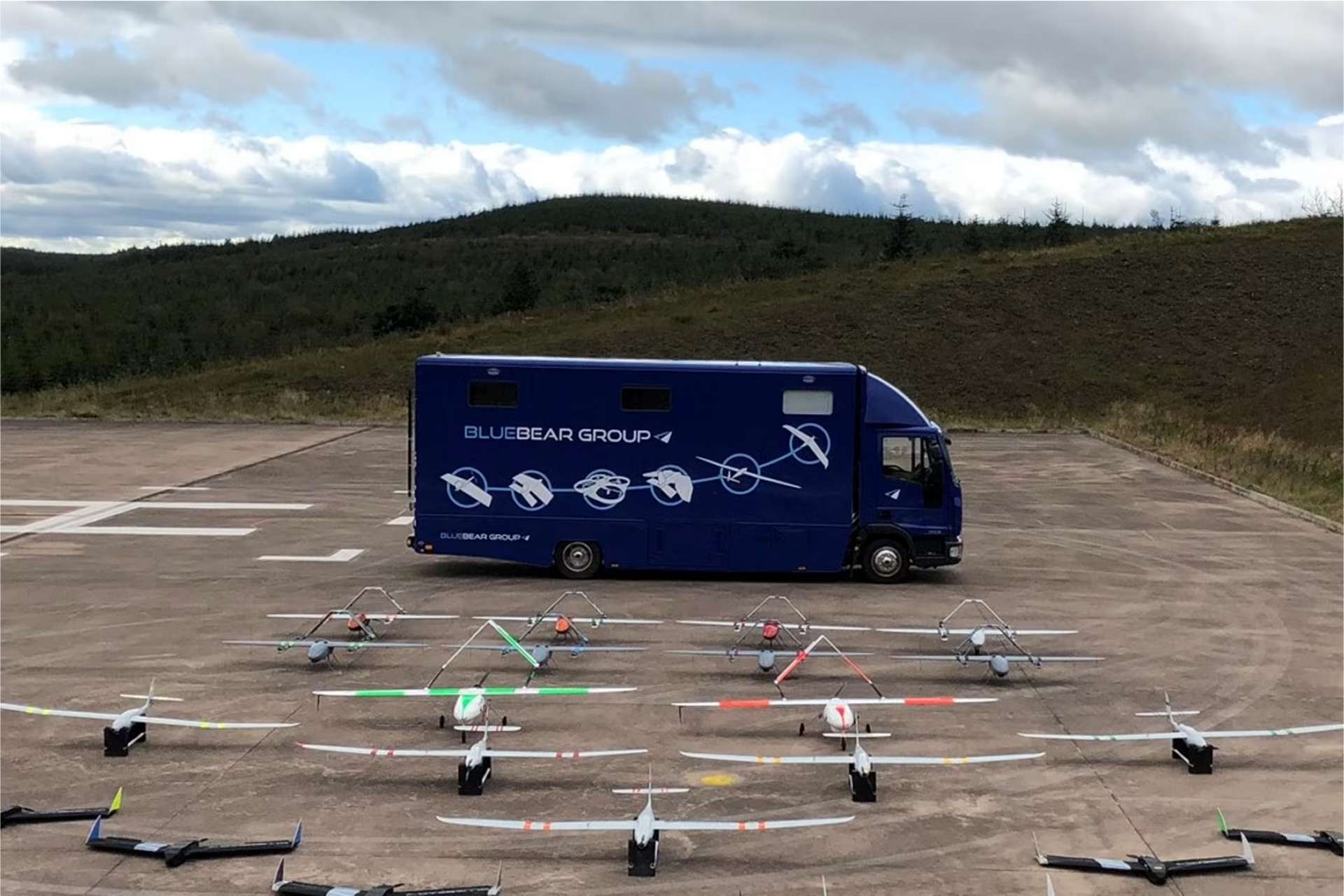
Saab’s Autonomous Swarm technology played a central role in the AUKUS-led Project Convergence 2024 trials, held over a month in the United States. These trials involved a team of 40 specialists from BlueBear, a Saab subsidiary, along with the UK’s Defence Science and Technology Laboratory (Dstl), demonstrating advanced interoperability by deploying Artificial Intelligence (AI) within swarms of Uncrewed Aircraft Systems (UAS).
Saab’s Autonomous Swarm technology played a central role in the AUKUS-led Project Convergence 2024 trials. (Picture source: Saab)
AUKUS is a strategic security alliance formed in 2021 between Australia, the United Kingdom, and the United States. Focused on enhancing defense and security cooperation, particularly in the Indo-Pacific region, AUKUS aims to strengthen each member nation's military capabilities through collaborative projects and technology sharing. One of its most notable initiatives involves supporting Australia in developing and deploying nuclear-powered submarines, but AUKUS also emphasizes advanced research and development in areas like artificial intelligence, cyber capabilities, and autonomous systems. This alliance reflects the countries' shared commitment to stability, security, and technological advancement in response to evolving global challenges.
The trilateral AUKUS partnership—comprising Australia, the United Kingdom, and the United States—places particular emphasis on developing networked, collaborative swarm technologies. During these trials, BlueBear’s Centurion mission system demonstrated its capacity to allow a single operator to control and manage a broad array of autonomous UAS in complex multi-domain environments. This highlights the growing value of BlueBear’s AI-enabled autonomy for critical operations.
At the core of BlueBear’s technological advancement is the flexibility of “hot-swapping” AI modules from various suppliers within an autonomous systems framework. This capability greatly enhances the adaptability of networked sensors and effectors, marking a transformative step for integrated battlefield operations. In practice, the AUKUS trials showcased the use of BlueBear’s RedKite and Ghost UAS, operating alongside the Centurion system. This combination enabled the AUKUS team to reconfigure and deploy AI algorithms rapidly, optimizing UAS payloads and capabilities according to real-time operational needs.
“The AUKUS trials represent a substantial advance in our capacity to achieve seamless interoperability with allied forces, both in mission execution and core technology,” said Andy Fraser, Group Managing Director of Saab UK. “The joint investment from the UK government and Saab’s BlueBear has facilitated the rapid development and testing of high-value, strategically essential technologies for modern warfare.”
The success of the AUKUS trials reflects decades of dedicated research and development under the Dstl’s Autonomy and Open Architecture program, consistently funded over the past 20 years. This sustained support has enabled BlueBear and its partners to reach new milestones in operational capabilities for autonomous swarm technology.
Saab’s acquisition of BlueBear in August 2023 has bolstered its technology portfolio, accelerating the development of innovative solutions and integrating them into Saab’s broader strategic capabilities.
Read more: Saab Reinvents Drone Swarm Coordination for US UK And Australian Alliance

- Details
- Written by: Vandenbosch
- Category: 2024
- Hits: 3547
Smith & Wesson, the renowned firearms manufacturer, has announced the launch of a new model in its M&P range: the M&P FPC carbine chambered in 40 S&W. Designed for sport shooting and defense enthusiasts, this model stands out for its compactness and foldable capability, enabling easy transport and storage without compromising on performance.
The M&P FPC 40 S&W features a unique folding design. (Picture source: Smith & Wesson)
Smith & Wesson has introduced the latest addition to its M&P line: the M&P FPC carbine in 40 S&W. Tailored for sport shooting and defense, this model is notable for its compact, foldable design, allowing for easy transport and storage.
The M&P FPC 40 S&W features a unique folding design, reaching a length of 30.4 inches when unfolded and reducing to 16.4 inches once folded. This compact carbine, with a width of 2.5 inches and a height of 8 inches, is equipped with a horizontal folding mechanism secured by a latch system, ensuring optimal safety during transport while providing rapid accessibility. Weighing in at 80.42 ounces, it remains manageable and suitable for various uses.
Built to meet the current needs of users, the M&P FPC is “optic-ready,” allowing the installation of optical devices, while its handguard with M-LOK® slots offers increased versatility for adding accessories. Its flat-face trigger provides a clean and controlled pull, enhancing shooting precision.
Inspired by the M&P pistol line, the FPC carbine has a familiar grip and trigger for users of this series. It is compatible with double-stack magazines from M&P pistols and comes with one 15-round magazine and two 20-round magazines, all storable in the stock thanks to an integrated storage system and quick-release mechanism. This in-stock storage enables fast and efficient reloading, providing extra ammunition capacity for extended scenarios.
The FPC is equipped with a 16.25-inch barrel made of 4140 CM steel, featuring a 9/16-24 thread, complemented by a thread protector for the potential addition of noise reduction devices or other compatible accessories. The aluminum frame ensures optimal durability and lightness, while an integrated buffer system reduces recoil, providing superior shooting comfort. The charging handle also acts as a locking latch when folded, ensuring secure transportation.
With the launch of this carbine, Smith & Wesson continues to innovate within the M&P range, offering users a compact, versatile, and high-performance model designed to meet the demands of defense and sport shooting. While the design alone may not be the sole deciding factor for acquisition, its compactness could indeed prove practical for everyday use. We look forward to seeing the public’s feedback on this new addition.
Read more: Smith & Wesson Introduces With New M&P FPC 40 S&W a Practical and Foldable Carbine
- Details
- Written by: Halna du Fretay
- Category: 2024
- Hits: 6803
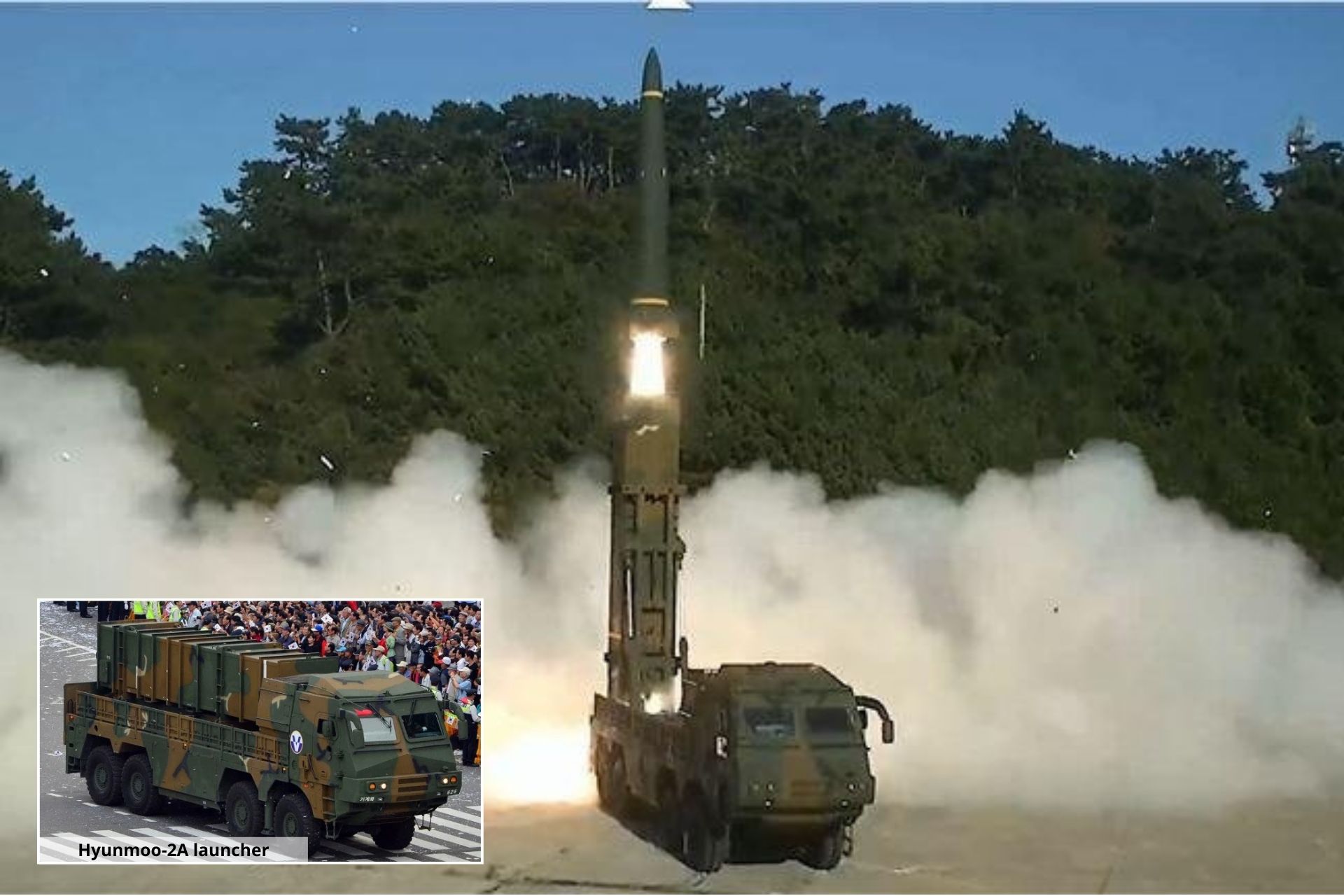
In response to North Korea’s recent missile launches, South Korea fired a Hyunmoo-II ballistic missile toward the Yellow Sea, the Joint Chiefs of Staff (JCS) announced on November 8, 2024. This live-fire exercise took place the previous day in the coastal region of Taean, 108 kilometers southwest of Seoul, following a series of North Korean short-range ballistic missile launches on Tuesday and a recent intercontinental ballistic missile (ICBM) test of the Hwasong-18 last week.
Launch of the Hyunmoo-II missile in South Korea on November 7, 2024 (Picture source: JCS)
The exercise simulated a scenario in which North Korea launched a ballistic missile, prompting a South Korean missile unit to respond by firing a Hyunmoo-II short-range ballistic missile at a sea target designed to represent the origin of the North Korean missile launch. The Hyunmoo-2A is a South Korean short-range ballistic missile powered by solid fuel and developed to counter North Korean threats. Integrated into South Korea’s "Kill Chain" preemptive strike and "Korea Massive Punishment and Retaliation" (KMPR) retaliatory strategies, it is capable of precisely targeting strategic sites within North Korean territory. Measuring over 12 meters and weighing 5,400 kg, the Hyunmoo-2A has a maximum range of 300 km and can carry a payload of nearly one ton.
The two-stage solid propulsion gives the Hyunmoo-2A high stability and swift responsiveness. Developed by South Korea’s Agency for Defense Development (ADD), the missile shares some design features with the Russian Iskander-M, though this is likely due to similar capability requirements rather than a direct technological exchange. With a circular error probable (CEP) of 30 meters, it provides effective precision for targeted strikes, bolstering South Korea’s deterrence against potential threats from North Korea.
Operational since 2008, the Hyunmoo-2A has been deployed in military exercises responding to North Korean missile tests, such as in 2017 when it simulated strikes on strategic sites in North Korea. Although the exact number of Hyunmoo-2A missiles South Korea possesses is classified, the missile and its variants play a crucial role in national defense strategy, enabling precise retaliatory strikes and forming a core component of South Korea's counter-provocation measures in response to escalating military actions from the North.
This exercise aimed to demonstrate South Korea's ability to respond accurately and assert its resolve to counter any provocation from Pyongyang. The JCS noted that this was a clear display of the South Korean military's capacity to conduct precise strikes on strategic targets.
In cooperation with the United States, South Korea continues to closely monitor North Korea’s military activities, maintaining a state of readiness for an “overwhelming” response to any new provocation. Last Tuesday, North Korea launched a salvo of short-range missiles into the East Sea, mere hours before the U.S. presidential election. These launches appeared to involve North Korea's 600 mm multiple rocket launcher system, known as the KN-25 by allied forces, a system that Pyongyang has claimed can be equipped with tactical nuclear warheads since October 2022.
This round of short-range missile launches followed a test of the Hwasong-19, a new-generation solid-fuel ICBM that North Korean leader Kim Jong Un touted as having “unmatched strategic nuclear strike capability.” In response, the United States, South Korea, and Japan conducted a joint air drill, mobilizing a U.S. B-1B bomber and fighter jets from all three nations over waters east of South Korea's Jeju Island. Kim Yo Jong, Kim Jong Un’s influential sister, later condemned this drill in North Korean state media, describing it as “indisputable proof of the need and urgency to strengthen nuclear forces.”
South Korea continues to expand its ballistic arsenal, recently unveiling the Hyunmoo-5, a “bunker buster” ballistic missile capable of carrying an eight-ton warhead. This missile forms part of Seoul’s “three-axis strategy,” which includes preemptive strikes under the "Kill Chain" system, air and missile defense systems, and measures to incapacitate North Korea’s leadership in the event of an imminent attack.
At a recent air show in Sacheon, South Korea also presented a supersonic air-to-ground missile, designed for deployment on the FA-50 light attack fighter as well as the next-generation KF-21 aircraft. Intended for both export and strengthen South Korea’s air capabilities, this missile underscores Seoul’s growing military posture in response to the increasing threat from its northern neighbor.
- Details
- Written by: Halna du Fretay
- Category: 2024
- Hits: 3906
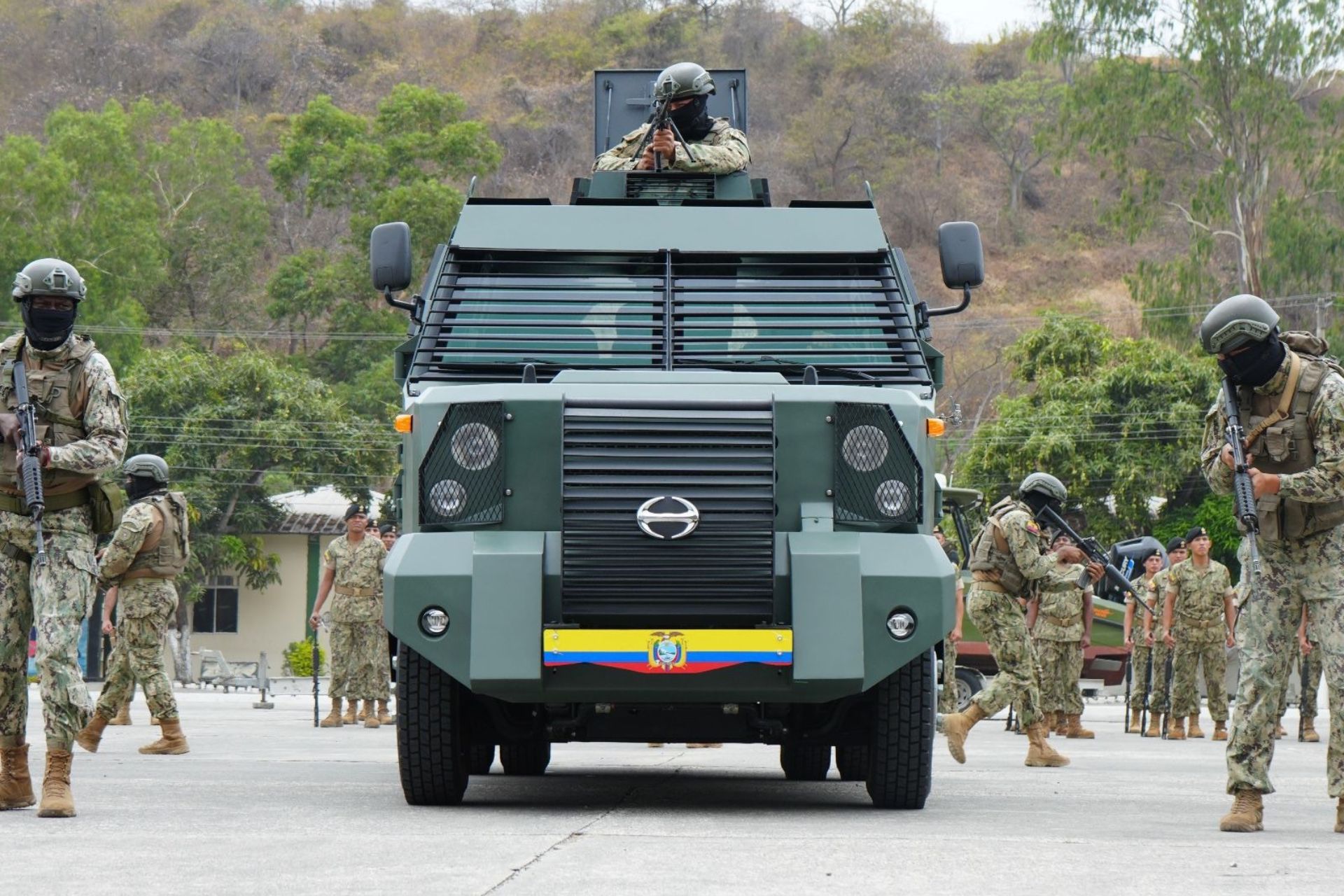
Ecuador has introduced its first Mine-Resistant Ambush Protected (MRAP) vehicle, specifically designed to meet the operational needs of its Naval Infantry. This armored vehicle, named Blindex Armorings C.A-Hino Dutro 716, was officially deployed by the Ecuadorian Naval Infantry on October 27, 2024. This addition to Ecuador’s tactical fleet reflects the nation’s commitment to strengthening its defense industry and meeting its security requirements independently.
Designed and assembled in Ecuador with local engineering expertise, the vehicle strengthens military protection during anti-terrorism and counter-narcotics missions (Picture source: Armada del Ecuador)
The Blindex Armorings C.A-Hino Dutro 716 is built with a monocoque body in ballistic steel at NIJ Level III, providing protection against 7.62 x 51 mm NATO rounds. The vehicle’s interior is divided into two main sections: one for the driver and the other for troop transport, with a capacity of up to ten occupants, including the driver and a gunner. Its diagonal structural design maximizes impact resistance and enhances projectile deflection. Although acquisition costs have not been disclosed, the vehicle’s innovative design and local production underscore Ecuador’s efforts to meet its security needs.
The panoramic and side windows are made from NIJ Level III ballistic glass, effectively shielding against 7.62 x 51 mm NATO rounds and equipped with additional protective features. The vehicle includes various systems aimed at enhancing operational efficiency and passenger safety, such as air conditioning, a temperature deflector, thermal insulation, front and rear security cameras, a dual intercommunication system, a fire suppression system, and a control panel. Additionally, the vehicle has a hydraulic front shovel and a 180W LED light bar for increased nighttime visibility.
The vehicle's hood and front mudguards are reinforced with NIJ Level IIIA armor, while the front and rear bumpers are bolstered with ballistic steel. The floor is armored to NIJ Level IIIA, and a top hatch is available for weapon station installation. This level of protection allows the Blindex Armorings to withstand conventional threats and adverse conditions frequently encountered in anti-terrorism and counter-narcotics missions.
An official handover ceremony for this multipurpose armored vehicle was held within the Ecuadorian Naval Infantry, attended by National Defense Minister Gian Carlo Loffredo, Admiral Jaime Vela Erazo, Chief of the Joint Command of the Armed Forces, and Admiral Miguel Córdova Chehab, General Commander of the Navy. Michele Sensi Contugi Ycaza, Director of the State Strategic Intelligence Center, formally presented the vehicle to the Ministry of Defense, underscoring Ecuador’s growing emphasis on producing defense equipment domestically to support military operations and ensure personnel safety.
The vehicle marks a significant step toward Ecuador's technological independence and fulfills the specific needs of troops operating in high-risk environments. Designed and assembled in Ecuador with local engineering expertise, the vehicle strengthens military protection during anti-terrorism and counter-narcotics missions. With NIJ Level III armor to protect against 7.62 x 51 mm NATO rounds, the Blindex Armorings C.A-Hino Dutro 716 enables troops to operate more securely, even in high-threat areas.
As a symbol of Ecuador’s expanding defense industry, the vehicle also represents a strategic asset for the country’s Naval Infantry, which has already begun using it in sensitive operations. This initial deployment will serve to evaluate the vehicle’s field performance and assess potential future acquisitions to enhance Ecuador’s response capacity to internal threats. According to military officials, this tactical vehicle is the first in a series of projects aimed at safeguarding the well-being of Ecuadorian soldiers. “This is just the beginning of many future projects to protect our troops,” stated the Chief of the Joint Command, adding that this equipment will equip Ecuador to address the country’s security challenges.
Deploying this vehicle enhances rapid response capabilities in crisis situations, optimizing military operations in sensitive zones and potentially providing Ecuador with a strategic advantage in countering internal and external threats.
- Details
- Written by: Triffaux
- Category: 2024
- Hits: 4313
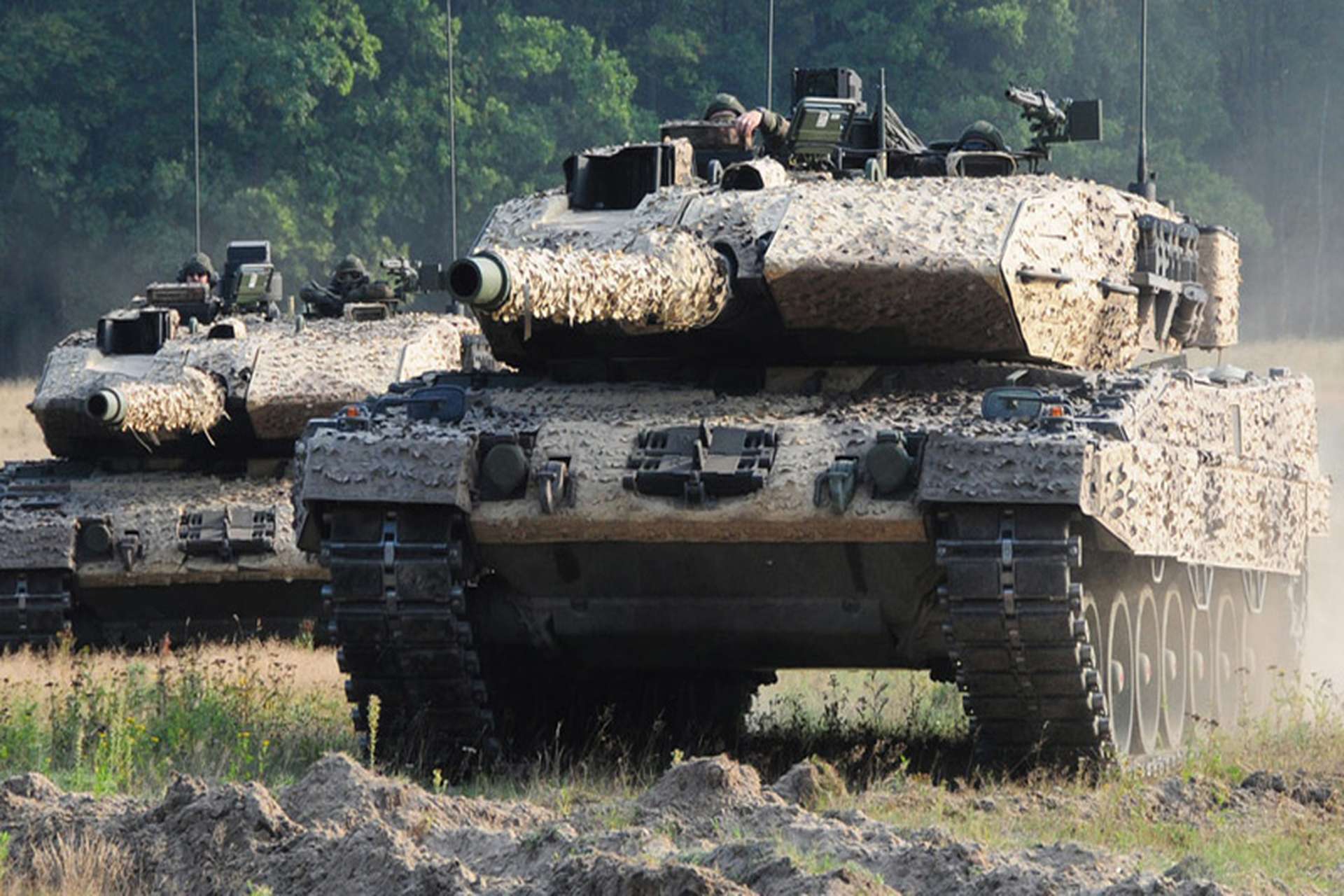
In early November 2024, the Czech Ministry of Defense announced the formation of four companies (one battalion) equipped with Leopard 2A8 tanks, as part of a contract for 77 units approved in June for €2.1 billion. Expected to be finalized by the end of the year, this contract will significantly enhance the operational capabilities of the Czech armed forces with one of the most advanced tanks in Europe, addressing security concerns in Central Europe in the context of the war in Ukraine.
KMW Leopard 2 Main Battle Tank (Picture source: Krauss-Maffei Wegmann)
In the Czech Republic, tank units are part of the 7th Mechanized Brigade, also known as the "Duke of Bohemia Brigade." This brigade includes the 73rd Tank Battalion, which is the main unit operating combat tanks. Tank companies within this battalion are designated by numbers, such as the 1st Tank Company, 2nd Tank Company, and so on. These numerical designations are commonly used to identify the various companies within the battalion.
For years, contemporary doctrines have favored mobility and asymmetric operations, gradually moving away from the use of heavy tanks. However, Russia’s invasion of Ukraine has underscored the importance of heavy armor to support breakthroughs and hold defensive lines, restoring their central role in high-intensity conflicts. In this context, the Czech Republic has, by drawing on the lessons learned in Ukraine, structured a modern fleet of armored vehicles to enhance its security.
Since 2023, the Czech government has intensified its efforts to modernize its armored fleet by turning to Germany and its Leopard 2 tanks. As early as May 2023, the Czech Republic expressed its intention to acquire approximately 70 Leopard 2A8 tanks. This commitment materialized in June 2024 with the approval of a contract for 77 Leopard 2A8s, with an estimated value of €2.1 billion. This contract, set to be finalized by the end of 2024, will allow the Czech armed forces to field one of the most advanced tank models in Europe, integrating the latest technological advancements in protection, mobility, and firepower, significantly boosting their operational capabilities.
In parallel with the acquisition of these Leopard 2A8s, the Czech Republic has also enhanced its reserve capabilities with Leopard 2A4s. As part of Germany’s “Ringtausch” initiative, aimed at supporting European partners in exchange for their military assistance to Ukraine, the Czech Republic received 14 Leopard 2A4s in 2022, replacing T-72s that were sent to the Ukrainian army. A new agreement in August 2024 brought the total to 28 Leopard 2A4 units. Although older, these tanks will play a strategic role for the Czech Republic by providing a solid foundation for the active reserve company, “Czechoslovak Legions,” which can mobilize them if necessary.
To maximize the effectiveness of this fleet of Leopards, Czech forces have structured their armored organization to address various security scenarios. The Leopard 2A8s will be distributed across three to four frontline companies, with the exact number depending on available funding and the potential to create an additional professional company if the budget permits. These units will represent the main striking force and be ready for rapid deployment. The Leopard 2A4s, in turn, will act as reinforcements for the active reserve company. The Ministry of Defense also plans to store the excess Leopard 2A4s, as well as the remaining T-72M4CZ tanks, for emergency situations, providing strategic flexibility and additional capacity in the event of prolonged mobilization.
The war in Ukraine has highlighted the importance of heavy tanks in modern conflicts. Recent European doctrines had progressively moved away from these vehicles in favor of lighter, more mobile units. However, the experience of the Ukrainian conflict has demonstrated the resilience and strategic impact of heavy tanks, such as the Leopard 2, which are capable of holding positions and breaking through enemy lines thanks to their reinforced armor and superior firepower. Given the technological advancements of modern anti-tank munitions, the Leopard 2A8, with its advanced protection and efficient detection systems, offers crucial survivability and effectiveness on the battlefield. The conflict in Ukraine has also shown that even the most modern tanks remain vulnerable to new threats, such as drones and loitering munitions. These observations encourage armies to equip their tanks with active protection systems capable of neutralizing threats before impact, and the Czech Republic could follow this path to optimize its Leopard 2A8s in an increasingly saturated threat environment.
Operational experience from the Ukrainian theater has also underscored the importance of a robust and adaptable logistical support system. The Leopard 2, widely popular in Europe, benefits from a readily accessible logistical network, facilitating parts supply and reducing maintenance downtime. This interoperability, especially within the NATO framework, helps maintain high operational availability for the Czech forces, ensuring rapid mobilization when needed. Finally, the war in Ukraine has emphasized the importance of combining tank operations with other units, such as infantry, artillery, and drones, to maximize their impact while reducing their vulnerability. By structuring its armored units within a combined arms framework, the Czech Republic optimizes its potential for action, integrating tanks into overarching strategies that combine firepower and versatility.
By investing in a fleet of Leopard 2A8s and optimizing the use of Leopard 2A4s as reserve forces, the Czech Republic equips itself with a resilient armored defense adapted to modern battlefield requirements. The return of heavy tanks to the center of military doctrines, driven by lessons from the war in Ukraine, marks a strategic shift for European armies, where firepower, advanced protection, and the capacity to withstand emerging threats become priorities. For the Czech Republic, this modernization represents a balance between the need for deterrence and cost control, with a strategy that combines next-generation combat tanks for active forces and proven models for the reserve. By proactively strengthening its armored forces, the Czech Republic ensures essential operational flexibility to effectively address Central Europe’s security challenges and guarantees increased security in an unstable regional context.
From a technical standpoint, the Leopard 2A8 is an advanced version of the Leopard 2 series, incorporating significant improvements in protection, mobility, and firepower. It features composite armor and active protection systems, providing enhanced resistance against anti-tank projectiles and modern threats such as drones and loitering munitions. The tank is armed with a 120 mm Rheinmetall L55A1 smoothbore gun, offering increased range and improved penetration compared to previous versions. The Leopard 2A8 is powered by an MTU MB 873 Ka-501 diesel engine producing 1,500 horsepower, enabling it to reach a top speed of 70 km/h on roads and a range of 450 km. In terms of technology, the 2A8 includes advanced detection sensors, a stabilized aiming system for optimal accuracy while moving, and digital communication capabilities that make it interoperable with other NATO units.
The Leopard 2A4, though an older version, remains a capable tank for support and reserve missions. It is also armed with a Rheinmetall 120 mm smoothbore gun, but in the L44 version, offering slightly lower firepower than the L55A1 on newer models. The Leopard 2A4 has high-strength composite armor, though it is less sophisticated than that of later models. Powered by the same MTU MB 873 Ka-501 1,500-horsepower engine, it can reach similar speeds as the Leopard 2A8 but with less protection and detection capacity. Nevertheless, it remains a robust and reliable platform, well-suited to the needs of a reserve force, capable of effectively supporting frontline units and providing additional armored strength in the event of emergency mobilization.
Read more: Czech Republic to Strengthen Armored Power with Modern Leopard 2A8 Tanks

- Details
- Written by: Jérôme Brahy
- Category: 2024
- Hits: 7161
At the Zhuhai Airshow 2024, Norinco will present the VT4A1 main battle tank, a key modernization step for the VT-4. This model integrates several upgrades, including a remote weapon station (RWS), an active protection system (APS), and a vertical take-off and landing drone. Designed for export, this version serves as an intermediate development phase between the earlier VT-4 model and the upcoming VT-4B version, addressing evolving tactical environments and current battlefield needs.
Follow Army Recognition on Google News at this link
The VT4A1, also referred to as VT4A1, was first unveiled at the Zhuhai Airshow 2022 alongside various other land combat vehicles, such as the VT5-U light tank, VN20 heavy infantry fighting vehicle, and other unmanned combat systems. (Picture source: Twitter/ArmaduraXXI)
The VT4A1 includes a GL5 hard-kill active protection system (APS) with four millimeter-wave radars that detect and intercept incoming top-attack missiles. This radar-guided system directs high-speed turret interceptors to neutralize identified threats, countering the increased danger from precision-guided anti-tank weapons on modern battlefields. Its fire control system, featuring advanced navigation and positioning, supports indirect firing calculations, enhancing accuracy in long-range engagements. This system resembles that used in China’s Type 15 light tank, also capable of indirect firing.
Additionally, the VT4A1 incorporates a remote weapon station (RWS) equipped with a 12.7 mm machine gun, a laser warning system, a drone jammer, and a vehicle-mounted, vertical take-off and landing drone. This drone, resembling the Czech Pholos, has a coaxial dual-rotor design with foldable rotors for compact storage in a turret-mounted compartment.
When deployed, the drone enhances situational awareness for the crew, hovering between 100 and 1,000 meters and expanding the tank's observation range. Operating up to 10 kilometers from the tank, it is equipped with a high-definition optoelectronic pod that offers white light, infrared night vision, and laser ranging. Comparable to the onboard drones of other tanks, such as Germany’s Rheinmetall KF51 Panther with its four-rotor reconnaissance UAV, the VT4A1’s drone enhances real-time battlefield awareness.
This integration enables the VT4A1 to perform real-time reconnaissance across a 13-15 kilometer radius, combining the drone’s flight range with its optoelectronic observation capabilities. The drone provides the crew with continuous aerial surveillance, allowing for terrain assessment, enemy location identification, and ambush detection. This capability also expands the VT4A1's indirect engagement range, enabling target acquisition up to 10 kilometers beyond direct line of sight.
The VT4A1’s drone support aligns with a broader battlefield trend, such as in the ongoing conflict in Ukraine, where both Russian and Ukrainian tank crews have employed commercial drones for real-time targeting. These tactical shifts illustrate the value of drones in reconnaissance and indirect firing, influencing the design of new-generation tanks. Reports indicate that drones are also used to guide indirect fire for greater accuracy, with some tanks, like the Type 96A, equipped with indirect fire calculators. The VT4A1’s integrated drone capabilities respond to these evolving requirements, establishing aerial reconnaissance as a standard feature.
- Slovakia to Test Three Versions of VTV 4x4 Tactical Vehicles
- Hensoldt South Africa expands border security with new Bushbaby 200 long-range surveillance system
- Euronaval 2024: Lockheed Martin Presents New Mid-Range Surface-to-Surface Missile System with 1,500 km Range
- Euronaval 2024: Aster 30 B1NT Air Defense Missile on Track to Become Europe’s Patriot Against US PAC-3