
- Details
- Written by: V.Saint
- Category: 2024
- Hits: 3548










Starting in the fall of 2024, Sweden may deploy personnel in Ukraine to support defense procurement, maintain donated equipment, and gather information on its performance on the battlefield. This aligns with recent announcements by the United States and France to train personnel and gather real-time field feedback. France, for instance, has announced plans to train and equip brigades. The Swedish government has tasked the Defense Materiel Administration (FMV) with exploring the possibility of establishing a presence in Ukraine from the fall of 2024. This decision could lead to several Swedish officials being stationed in Ukraine to provide on-site support for defense procurement, as announced by Swedish Defense Minister Pål Jonson on August 15, according to Försvarssektorn Nyheter (FSN).
Follow Army Recognition on Google News at this link
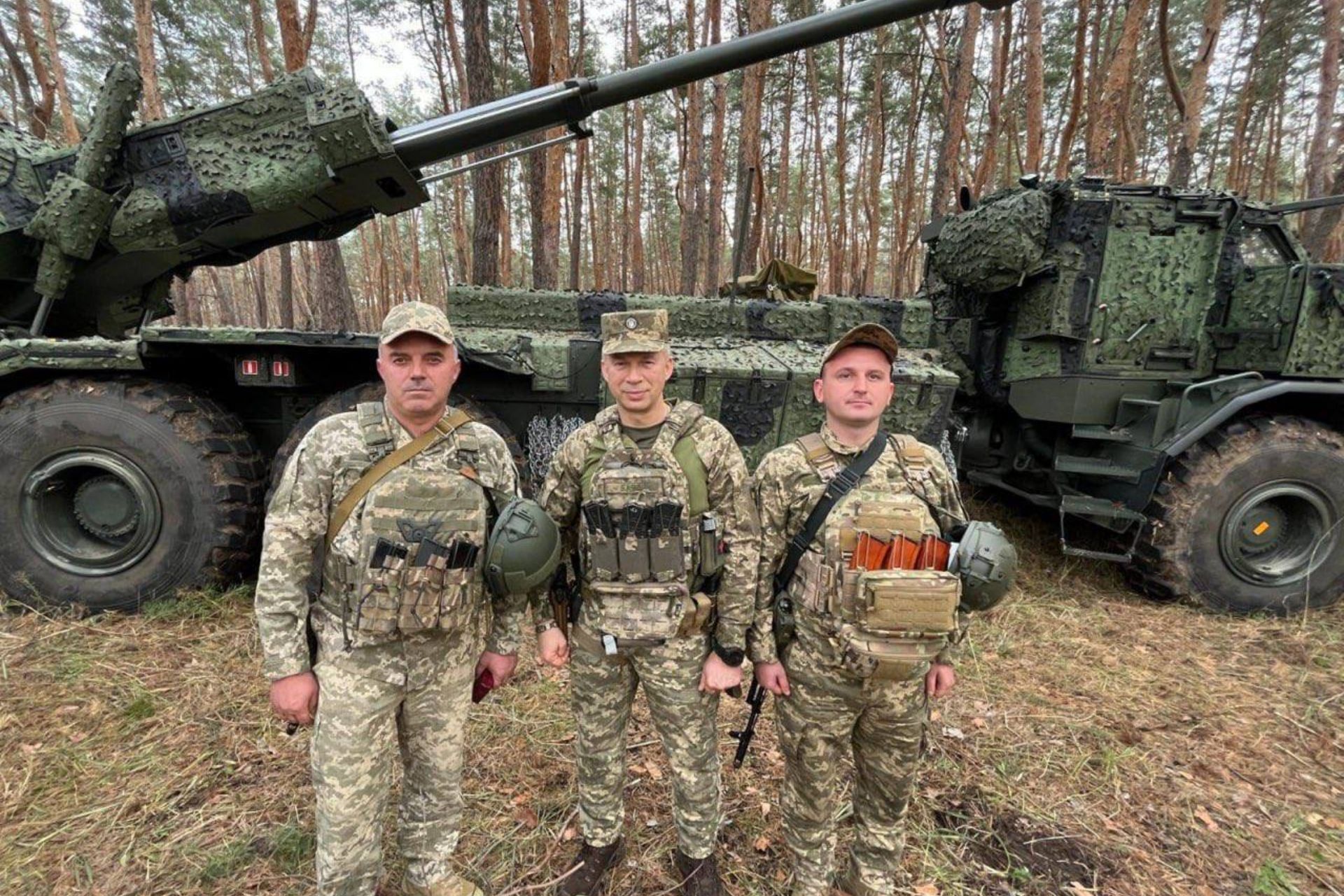
Ukrainian soldiers standing next to the Swedish 155 mm Archer self-propelled howitzer. November 2023. (Picture source: Ukraine’s 45th Artillery Brigade)
While Ukraine receives military support in terms of equipment and training, most of its allies, including the United States and Germany, have been hesitant to deploy soldiers on field, primarily due to fears of escalating the conflict and triggering a direct confrontation with Russia.
According to a swedish govermnement statement in local media, the strengthening of FMV's role is part of the government's efforts to intensify its support for Ukraine. Swedish officials, who are expected to work from the Swedish Embassy in Kyiv, will focus on maintenance, spare parts, and logistics for the military aid already provided by Sweden.
Sweden's military aid to Ukraine so far includes 16 aid programs totaling approximately $4.166 billion. The donated equipment includes the Stridsfordon 90 (Combat Vehicle 90), the Stridsvagn 122 (Leopard 2 tank), Archer artillery systems, and various types of anti-tank missiles and advanced munitions. The new FMV mission will involve analyzing and learning from the performance of this equipment in combat. To summarize, Sweden has provided significant aid to Ukraine through several military packages. The delivered items include air defense systems, ammunition, winter equipment for soldiers, as well as anti-tank weapons. In 2024, Sweden announced its largest support package yet, amounting to 13.3 billion Swedish kronor (approximately 1.16 billion euros), which includes advanced military equipment, armored vehicles, and artillery systems.
The role of FMV is also tied to the fact that Sweden's defense material resources are becoming limited. The Defense Materiel Administration has emphasized that Sweden must now shift from donating surplus equipment to producing new equipment specifically intended for Ukraine, which undoubtedly introduces a new dynamic in support. Not only will new equipment be delivered, but personnel will also be deployed to maintain and secure these supplies.
The desire to gather intelligence on the nature of the conflict is linked to a significant problem today. The war in Ukraine and combat actions are highly publicized through videos broadcast to the general public; however, these videos are not necessarily exploitable because many elements necessary for technological monitoring and doctrinal anticipation are missing, such as the notion of duration, the concept of force employment doctrine, and the idea of installation and rotations. Only on-site military intelligence can address these issues. Moreover, these videos pass through the cognitive filters of those who shoot, broadcast, and share them, making it difficult to find their original sources. In this regard, the advantage of communication is proving less useful than expected. Therefore, the Swedes are considering assigning the mission of technologically informing the administrations about the results of the equipment donated to Ukraine to develop solutions to potential technical problems.

- Details
- Written by: Halna du Fretay
- Category: 2024
- Hits: 2818
In August 2024, Australian and Republic of Korea soldiers participated in a familiarization course in South Korea to prepare for the operation of the K9 howitzer and the K10 armored ammunition resupply vehicle. This training is a crucial step in the modernization of Australian artillery, as the country plans to incorporate these advanced systems into its arsenal.
Follow Army Recognition on Google News at this link
Australia's acquisition of K9 Thunder self-propelled howitzers began in September 2020 when the government confirmed the purchase of 30 K9 howitzers and 15 K10 vehicles from South Korea's Hanwha Defense (Picture source: Australian MoD)
Australia's acquisition of K9 Thunder self-propelled howitzers began in September 2020 when the government confirmed the purchase of 30 K9 howitzers and 15 K10 vehicles from South Korea's Hanwha Defense. These vehicles, known as AS9 Huntsman and AS10 in Australia, are expected to enter service by 2028, primarily with the 4th Regiment, Royal Australian Artillery.
The K9 Thunder, a 155mm/52 caliber self-propelled howitzer, has a maximum firing range of 40 km with rocket-assisted projectiles and can fire up to 6 rounds per minute. Equipped with an automatic fire-control system, it can fire three rounds in 15 seconds on different trajectories. This enables rapid deployment and fire, taking just 30 seconds when stationary or 60 seconds on the move, which reduces the risk of counter-battery fire.
During the training, Lance Bombardier Lachlan Kirk, one of nine Australian gunners involved, fired the K9 for the first time and noted that the recoil was less intense compared to the M777 howitzer. The Australian gunners are being trained to become future instructors on the system, requiring a deep understanding of its capabilities and operation.
In this training, each gunner had the opportunity to fire 155mm rounds from the K9. The automatic aiming system simplifies the firing process, where the gunner reviews the fire control data, positions the gun, and presses a button to fire. The K9 also offers manual and semi-automatic modes for adjustments or direct fire. The training included maintenance tasks such as removing the muzzle and tracks for repairs.
Lance Bombardier Kirk highlighted the ease of reloading the K9 using the K10, which eliminates the need for manual ammunition handling. The K10, carrying 104 rounds, connects to the rear of the K9, and a conveyor belt feeds the ammunition into the K9, reloading the vehicle in 20 minutes.
Sergeant Jake Brown, an experienced instructor on the M777, pointed out the main difference with the K9 is its ability to fire and move quickly. The K9 can stop and fire within 60 seconds when moving, or 30 seconds when stationary, allowing it to fire and relocate to avoid counter-battery fire. Brown also noted that the driver training for the 50-ton armored vehicle was a valuable part of the course, as maneuvering tracked vehicles is new for gunners used to the M777.
By the end of next year, a more advanced train-the-trainer course will be conducted to prepare instructors who will teach recruits from the 4th Regiment, Royal Australian Artillery at Puckapunyal. The Australian versions, the AS9 Huntsman and AS10, will feature enhancements such as increased internal height, modernized fire control systems, additional storage, and air conditioning.
By 2028, the Australian Army expects to have 30 AS9s and 15 AS10s in service, primarily operated by the 4th Regiment in Townsville.
Read more: Australian Gunners Train in South Korea Ahead of K9 Howitzer Integration

- Details
- Written by: Vandenbosch
- Category: 2024
- Hits: 5097
The Chinese People's Armed Police (PAP) are intensifying their use of advanced technologies, particularly First-Person View (FPV) drones, to enhance their operational effectiveness. Recently, a mobile detachment of the Yunnan PAP Corps organized an intensive training camp for drone operators focused on complex maneuvers, explosive charge drops, and one-way (kamikaze) drone attacks. This training highlights China's growing emphasis on integrating drone technology into its internal security forces.
Follow Army Recognition on Google News at this link
The intensive training of the PAP in Yunnan, focused on the use of FPV drones. (Picture source: Chinese MoD)
Training Focused on Complex Scenarios
The training, held in the mountainous province of Yunnan, emphasized the development of crucial skills for drone operators. The complex maneuvers included exercises in navigating difficult terrains, using drones for precision strikes, and the ability to carry out explosive charge drops in hostile environments. These drones, often equipped with onboard cameras and piloted using VR goggles for complete immersion, allow operators to control their devices with remarkable precision, even in challenging conditions.
The use of FPV drones also enables the execution of reconnaissance and attack missions in a single pass, reducing reaction time and increasing overall operational efficiency. This capability is particularly useful in counter-insurgency or law enforcement scenarios, where speed and precision are essential to minimize collateral damage while effectively neutralizing threats.

The training, held in the mountainous province of Yunnan, emphasized the development of crucial skills for drone operators. (Picture source: Chinese MoD)
Technology Inspired by International Conflicts
The PAP's approach to FPV drone training is reminiscent of tactics observed in recent conflicts, notably in Ukraine. The use of FPV drones in this conflict has demonstrated their effectiveness as low-cost strike weapons, capable of bypassing traditional defense systems and causing significant damage. These drones have become indispensable tools for modern armed forces, serving as both reconnaissance and attack platforms.
However, the PAP had already begun experimenting with these technologies even before their widespread use was publicized during the Ukraine conflict. The emphasis on these exercises in Yunnan shows that China is drawing lessons from these experiences to strengthen its own drone warfare capabilities.
The Growing Importance of Drones in Security Forces
FPV drones offer unparalleled operational flexibility to the PAP. Unlike more traditional weapon systems, these drones can be deployed quickly and discreetly, which is essential in urban and mountainous environments where threats can be hidden and difficult to reach with conventional means.
Moreover, the ability of these drones to conduct precision strikes against specific targets, such as armored vehicles or fortified positions, reduces the need to engage larger forces. This allows for the preservation of these resources for larger strategic missions while ensuring that tactical threats are neutralized quickly and efficiently.

The Chinese People's Armed Police (PAP) are intensifying their use of advanced technologies, particularly First-Person View (FPV) drones. (Picture source: Chinese MoD)
Technological Integration at the Heart of China's Strategy
China, with its immense industrial and technological capacity, is well-positioned to produce these drones in large quantities while continuing to innovate based on feedback from troops in the field. The speed at which these new technologies can be developed and deployed underscores China's commitment to remaining at the forefront of military technology and internal security.
The intensive training of the PAP in Yunnan, focused on the use of FPV drones, marks a step in the modernization of China's security forces. By drawing lessons from international conflicts and leveraging their own technological expertise, the PAP are strengthening their ability to respond to modern threats with speed and precision. This evolution highlights not only the growing importance of drones in security operations but also China's determination to integrate cutting-edge technologies into all facets of its national defense and law enforcement.
Read more: Chinese Armed Forces Intensify FPV Drone Training

- Details
- Written by: Jérôme Brahy
- Category: 2024
- Hits: 8245
As reported by Kontakt6 on August 17, 2024, Russia presented a T-14 Armata tank equipped with the Nakidka thermal camouflage system at the Army-2024 event. The Nakidka system, a radar-absorbent material (RAM) camouflage, is intended to reduce the visibility of Russian military assets to various reconnaissance and targeting systems. Developed by the Scientific Research Institute of Steel (NII Stali), this system is designed to decrease the infrared, thermal, and radar signatures of objects.
Follow Army Recognition on Google News at this link
The complete Nakidka camouflage system weighs approximately 125 kg and can be installed within 0.4 to 1.0 man-hours per square meter. (Picture source: Twitter/Kontakt6)
The Nakikda's application extends beyond armored fighting vehicles to include field fortifications, command posts, vehicle sheds, and ammunition and fuel depots. The system does not require specialized equipment for deployment. The Nakidka system is reported to reduce the likelihood of detection significantly, as NII Stali claims that it decreases detection by day/night viewers, TV systems, and seekers by 30 percent. Detection by infrared seekers is reduced by two to three times, and radar detection by six times, with the thermal-radar signature reduced to near-background levels.
The system is effective in the optical, infrared, and radar wavelength bands up to 12 centimeters and lowers the radar cross section by 10 decibels. The Nakidka system is relatively lightweight, with the material itself weighing 2 kilograms per square meter. The complete camouflage system weighs approximately 125 kg and can be installed within 0.4 to 1.0 man-hours per square meter. It is designed to endure combat conditions, including small arms fire and napalm attacks. The system is secured to vehicles using brackets, belts, and buckles, which can be adjusted with standard tools from a tank's toolkit.
However, the presentation of the Nakidka system on the T-14 Armata tank at the Army-2024 event has prompted discussions regarding its practicality. The Nakidka appeared to cover critical turret sensors, radars, and the optics used by the gunner and commander, potentially impairing the tank's active protection system (APS) and laser warning receivers (LWR), according to Kontakt6.

The Nakidka system is secured to vehicles using brackets, belts, and buckles, which can be adjusted with standard tools from a tank's toolkit. (Picture source: Vitaly Kuzmin)
The T-14 Armata, which is Russia's latest main battle tank, includes features such as a remote-controlled 125 mm cannon, advanced sensors, and an active protection system. The tank is powered by a 1,500 horsepower engine, allowing it to reach speeds of up to 90 km/h (56 mph) on roads and traverse rough terrain. The T-14's design includes an armored capsule for its three-man crew, providing safety by enabling remote operation of the cannon. The development of the T-14 has encountered delays, technical challenges, and cost overruns. The tank's estimated cost of $5 million to $9 million per unit is significantly higher than that of Russia's T-72, T-80, and T-90 tanks. This high cost has limited its deployment and raised questions about its utility, particularly in the ongoing conflict in Ukraine.
Reports suggest that the T-14 has undergone testing and is in the final stages of troop trials, but its deployment in Ukraine has been limited. Russian state media reports that the T-14 has been used to fire on Ukrainian positions, but it has not been engaged in direct combat. Analysts have noted potential concerns about the tank's reliability and the logistical challenges it presents in a conflict zone.
On the other hand, the Nakidka system, which entered serial production in June 2023, has already seen combat use. A T-90M tank equipped with Nakidka was captured by Ukrainian forces in Kharkiv Oblast, Ukraine, on September 18, 2022. However, the effectiveness of the Nakidka in real combat conditions has been questioned. In early 2023, a Russian T-90M tank equipped with Nakidka was targeted and disabled by a Javelin missile, demonstrating the system's limitations in actual combat scenarios.

The T-14 Armata, while a symbol of Russian military ambition, has struggled to transition from its prototype form to a widely deployed combat vehicle. (Picture source: Russian social media)
Read more: Russia displays T-14 Armata tank featuring Nakidka radar-absorbent camouflage

- Details
- Written by: Halna du Fretay
- Category: 2024
- Hits: 10138
On August 9, 2024, Thailand's Defence Technology Institute (DTI) delivering the prototype of the D11A Multi-Purpose Multiple Rocket Launcher Vehicle to the 711th Artillery Battalion, 71st Artillery Regiment, Artillery Division of the Royal Thai Army (RTA). The D11A is a Thai adaptation of the Israeli PULS (Precise & Universal Launching System), developed by Elbit Systems. The delivery ceremony, held at the Artillery Center, Fort Bhumibol in Lopburi Province, was presided over by Thai Minister of Defense, Sutin Khlangsaeng. This event is crucial for the project, as it is now subject to evaluation by the Royal Thai Army’s Evaluation Test Committee, which will decide its production future.
Follow Army Recognition on Google News at this link
This modular launcher system supports a wide range of rockets, including unguided 122mm rockets such as the Russian GRAD, the Thai-developed DTI-2, and Chinese SHE-30 and SHE-40 rockets (Picture source: Thailand's Defence Technology Institute)
The D11A system is mounted on a 10-ton Tatra 6×6 truck chassis from the Czech Republic. This modular launcher system supports a wide range of rockets, including unguided 122mm rockets such as the Russian GRAD, the Thai-developed DTI-2, and Chinese SHE-30 and SHE-40 rockets. The system is designed for rapid pod changes—within 10 minutes—and offers performance similar to the GRAD in terms of speed and range. It is capable of firing both individual rounds and volleys, covering up to 3 hectares in a single volley of 40 rockets with high explosive fragmentation shells.
Additionally, the D11A can accommodate guided 122mm AccuLAR missiles, which are set to undergo live-fire testing later in 2024 at the Khao Phulon Artillery Range. The AccuLAR missiles, developed by Elbit Systems, offer an effective range of 40 kilometers with high accuracy, featuring a Circular Error Probable (CEP) of 10 meters.
The D11A project began in 2019 with a development contract worth USD 2.2 million awarded to Elbit Systems and was initially unveiled at the Defense & Security 2022 show in Bangkok. Despite delays caused by the COVID-19 pandemic, development resumed in early 2022. The system is designed to meet Thailand’s coastal artillery requirements and was developed in collaboration with the Royal Thai Navy’s Naval Research and Development Office.

The D11A project began in 2019 with a development contract worth USD 2.2 million awarded to Elbit Systems and was initially unveiled at the Defense & Security 2022 show in Bangkok (Picture source: Thailand's Defence Technology Institute)
In addition to its basic capabilities, the D11A is designed to launch various advanced munitions. Elbit Systems has also offered Thailand the EXTRA 306mm guided missiles, which have a maximum range of 150 kilometers and are equipped with a 120kg unitary warhead. The Predator Hawk 370mm tactical ballistic missiles, with a range of up to 300 kilometers and a 140kg warhead, are also compatible with the system. Furthermore, the SkyStriker autonomous loitering munitions add a new dimension to the D11A’s tactical flexibility by offering extended operational range and the capability to engage moving targets.
The development of the D11A reflects a broader trend in expanding the capabilities of the PULS system internationally. Elbit Systems’ PULS has been adopted by various countries and integrated into different platforms. After Elbit Systems acquired Israel Military Industries in 2018, the PULS (formerly known as Lynx MRL) was modernized and introduced into the Israeli Defense Forces under the name Lahav, mounted on a HEMTT truck chassis.
The system was used operationally during the Israel–Hamas War in 2024. Additionally, European interest in the system has grown, with Denmark negotiating the acquisition of eight PULS systems and the Netherlands acquiring 20 systems for the Royal Netherlands Army, expected to be delivered by the end of 2023. In Spain, a locally manufactured version of the PULS system was ordered for the SILAM program in October 2023.
As the DTI continues to refine the D11A system through ongoing trials and evaluations, Thailand remains committed to enhancing its military capabilities and self-reliance, with potential production of the D11A system on the horizon.

D11A Multi-purpose Multiple Rocket Launcher Vehicle (Picture source: Thailand's Defence Technology Institute)
Read more: Thailand's D11A MLRS Based on Israeli PULS Approaches Production

- Details
- Written by: Triffaux
- Category: 2024
- Hits: 3730
In a new video, Ramzan Kadyrov, the controversial Chechen leader and close ally of Russian President Vladimir Putin, unveiled a Tesla Cybertruck equipped with a Russian 12.7mm heavy machine gun. The video, published on YouTube and Telegram on August 17, 2024, shows Kadyrov driving the modified electric vehicle around his palace, standing on the truck's platform, holding the massive weapon and surrounded by belted ammunition.
Follow Army Recognition on Google News at this link
Tesla Cybertruck Fitted With Russian 12.7mm Heavy Machine Gun (Picture source: ChenChen MoD)
Kadyrov, known for his flamboyant public displays, claimed that the Cybertruck was a personal gift from Elon Musk, the CEO of Tesla. "I literally fell in love with this car. Elon, thank you!" Kadyrov wrote on Telegram, adding that Musk is the "greatest genius of our time." He also invited Musk to visit Chechnya as his "dearest guest."
Neither Tesla nor Musk's spokespersons have confirmed Kadyrov's claims about this gift, raising questions about the authenticity of the Chechen leader's statements.
In the video, Kadyrov praised the Tesla Cybertruck, calling it a "cyber-beast" and promising to send the vehicle to Russian forces fighting in Ukraine. "I am sure this beast will bring many benefits to our troops," he said, echoing the term used by Russian President Vladimir Putin to describe the war in Ukraine as a "special military operation."
Kadyrov's extravagant display comes amid continued criticism of Tesla's claims regarding the Cybertruck's durability, particularly its supposed "bulletproof" capabilities. During the Cybertruck's 2019 unveiling, Musk claimed that the vehicle was "literally bulletproof against a 9mm handgun." However, subsequent evaluations and tests have cast doubt on these claims.
Elon Musk, CEO of Tesla, has described the electric pickup as an "armored personnel carrier of the future." A recent test of a prototype Cybertruck involved firing a Thompson submachine gun, chambered in .45 ACP, at the vehicle. Although the larger caliber bullet has different characteristics from the 9mm Parabellum mentioned by Musk, it raised questions about the overall protection level of the Cybertruck. Critics argue that the vehicle's supposed bullet resistance might not meet the high-security standards expected of professional armored vehicles, especially when compared to vehicles like the U.S. Presidential limousine, "The Beast."
Furthermore, concerns have been raised about the implications of the vehicle's bullet resistance for safety. A 2003 study showed that when a bullet penetrates metal, it can carry metal fragments with it, potentially increasing the severity of injuries. This issue underscores the risks of relying on the Cybertruck for genuine protection in conflict zones.
The idea of bringing an electric vehicle, such as the Tesla Cybertruck, to Ukraine raises several questions about its relevance in a conflict context. On one hand, electric vehicles offer potential advantages, such as reducing the need for fossil fuels, which can be difficult to obtain on the front lines. Their silent operation could also be a strategic asset for discreet missions. However, the reliance on charging infrastructure, often nonexistent or damaged in war zones, poses a major challenge. Additionally, the advanced electronics and batteries of these vehicles may be vulnerable to damage from explosions or electromagnetic interference. Therefore, while the idea may seem innovative, it requires a thorough assessment of logistics and conditions on the ground.
Tesla's history of ambitious promises has also fueled skepticism. The company has faced criticism for exaggerated claims about its products, ranging from autonomous driving capabilities to vehicle range, leading to fines and public distrust.
While the Tesla Cybertruck has attracted attention for its innovative design and features, including its stainless steel body and futuristic appearance, its real bulletproof capabilities remain in question. For those seeking real protection in high-risk environments, a professionally armored vehicle might be a more reliable choice.
Read more: Chechen Leader to Deploy Tesla Cybertruck Fitted with 12.7mm Heavy Machine Gun to Ukraine

- Details
- Written by: Jérôme Brahy
- Category: 2024
- Hits: 7476
As Yuri Lyamin noted on August 17, 2024, Iran has recently begun advertising its Paveh cruise missile for export at the Russian Army-2024 exhibition. Developed and produced by Iran's Revolutionary Guards, the Paveh missile is a long-range surface-to-surface strategic cruise missile. It is the latest in a series of developments within the Soumar cruise missile family, which has seen incremental improvements in range and capabilities since the first model was introduced in 2015.
Follow Army Recognition on Google News at this link
Publicly unveiled on February 2, 2023, and now proposed for export at Russia's Army-2024, the Paveh missile represents a further advancement in Iran’s missile technology, having a range of 1,650 kilometers (approximately 1,030 miles). (Picture source: Tasmin and Michael Jerdev)
Publicly unveiled on February 2, 2023, the Paveh missile represents a further advancement in Iran’s missile technology. It has a range of 1,650 kilometers (approximately 1,030 miles), enabling it to reach distant targets. The missile is equipped with a turbojet engine mounted externally on the upper part of its body, a design feature that differentiates it from other models in the Soumar family. Additionally, the missile features retractable wings, designed to improve its aerodynamic efficiency and stability during flight.
A notable capability of the Paveh missile is its ability to take alternative paths to its target, which may complicate efforts to intercept it. This maneuverability allows the missile to adjust its trajectory during flight, potentially evading defensive measures and approaching the target from unexpected directions. The Paveh is also designed to operate in coordinated groups, with the ability to communicate with other missiles in flight. Within such formations, one missile can assume a leadership role, guiding others and potentially sacrificing itself to ensure the mission's success.
The Paveh missile is part of a broader initiative by Iran to enhance its long-range strike capabilities. This effort began with the introduction of the Soumar cruise missile, which initially had a range of 700 kilometers. Subsequent advancements led to the unveiling of the Hoveyzah missile in 2019, which extended the range to over 1,350 kilometers. The Paveh missile now extends this range further, capable of targeting locations as far away as Israel, a point that has been noted by Iranian media.

The Paveh missile now extends Iran's missile ranges further, capable of targeting locations as far away as Israel, a point that has been noted by Iranian media. (Picture source: Fars News)
The introduction of the Paveh missile to the international arms market occurs amid rising tensions in the Middle East. In April 2024, Israeli fighter jets conducted an airstrike on the Iranian consulate in Damascus, resulting in the destruction of the building and the deaths of several Iranian military advisors. In response, Iran launched missile and drone strikes against Israel on April 13, 2024, targeting a military base believed to have been the source of the Israeli attack. The Paveh missile was reportedly used in this operation, demonstrating its operational capabilities in a combat scenario.
The export of the Paveh missile is part of Iran's efforts to establish itself as a participant in the global arms market, particularly in the area of missile technology. By showcasing the Paveh at the Russian Army-2024 exhibition, Iran is indicating its intention to expand its influence and build relationships with countries interested in improving their strategic capabilities, particularly in regions experiencing ongoing conflicts, such as Russia.
Iran's defense exports to Russia have seen significant growth, especially since the start of the conflict in Ukraine. This relationship has moved from a transactional partnership to a more strategic collaboration. At the Russian Army-2024 exhibition, Iran not only displayed the Paveh cruise missile but also other military technologies, signaling the deepening military ties between the two nations. The participation of a prominent Iranian delegation at the event underscores the importance of this cooperation, with both countries aiming to enhance their defense collaboration amidst ongoing Western sanctions.

The Paveh cruise missile was also used by Iranian proxies in Iraq, although at least one of them failed to launch it. (Picture source; US Central Command)
Iran’s defense exports to Russia have included advanced drones, such as the Shahed series, which have been used by Russian forces in Ukraine. In exchange, Iran is reportedly seeking Russian air defense systems, such as the S-400, to strengthen its defenses against potential threats from Israel and the United States. Additionally, there are indications that Russia might assist Iran in improving its long-range strike capabilities and asymmetric warfare strategies, including the development of more advanced missiles and naval technologies.
This growing defense cooperation between Russia and Iran is viewed as a strategy by both countries to navigate Western sanctions and reinforce their military capabilities in the face of international challenges, which also included the delivery by Russia of the Murmansk-BN electronic warfare system to counter Israeli F-35I stealth fighters.
Read more: Is Iran ready to export Paveh long-range cruise missiles to Russia?
- Details
- Written by: Vandenbosch
- Category: 2024
- Hits: 6398
Germany is set to deliver its latest advanced artillery system, the RCH 155 (Remote Controlled Howitzer 155 mm), to Ukraine by the end of this year. This announcement marks a significant milestone, as Ukraine will be the first country to operationally deploy this state-of-the-art weapon system, which has not yet been used by any army in the world.
Follow Army Recognition on Google News at this link
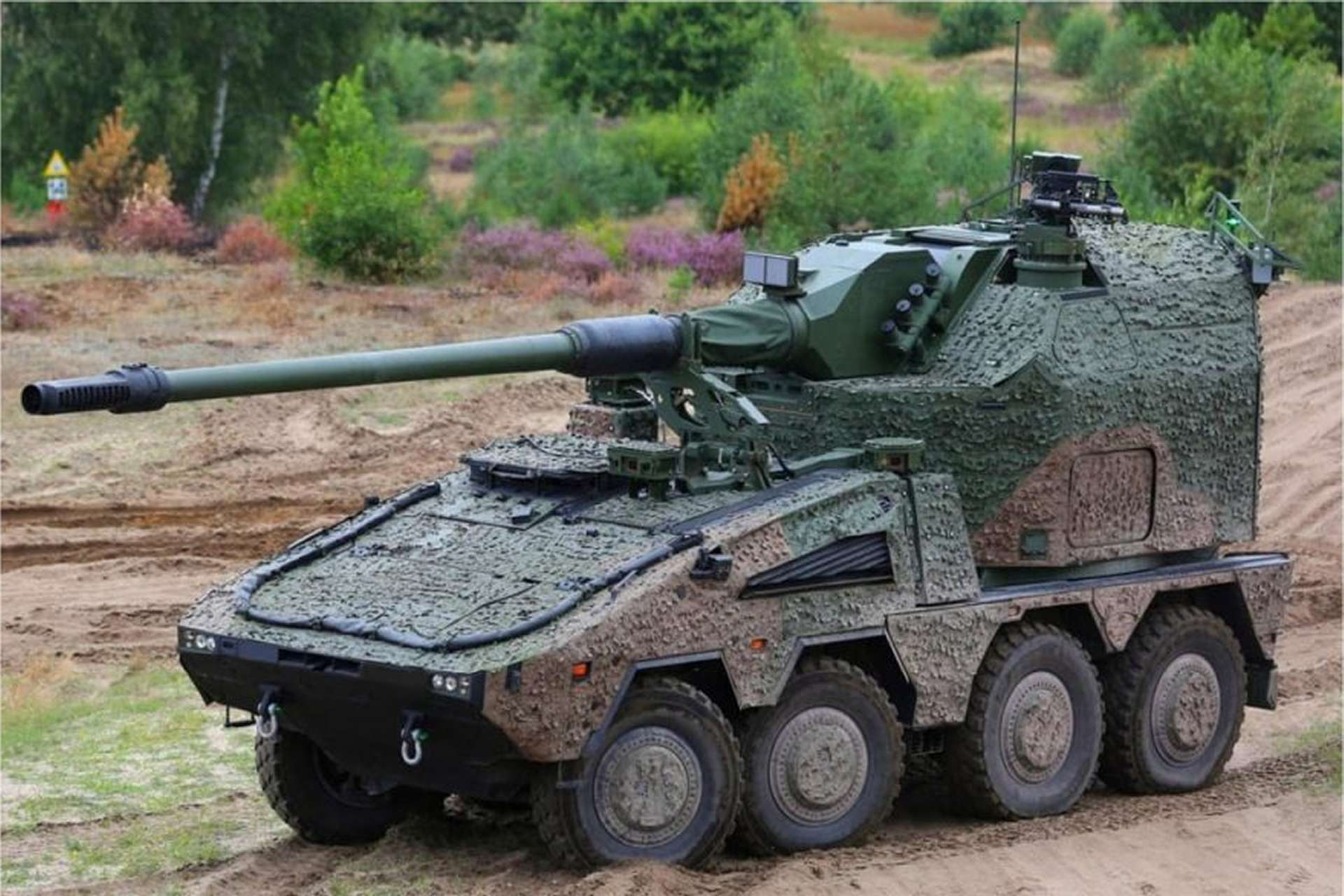
The RCH 155 is a German 155 mm self-propelled artillery system. (Picture source: KNDS)
The German Ministry of Defense, through Major General Dr. Christian Freuding from the special staff for Ukraine, confirmed the delivery in a video published on the official YouTube channel of the German Army (Bundeswehr) on August 15. This confirmation highlights the strategic importance of this delivery, as it will strengthen Ukraine’s artillery capabilities amid the ongoing conflict. The RCH 155 system, developed by the German defense giant Krauss-Maffei Wegmann (now known as KNDS Deutschland), represents a leap forward in modern artillery technology.
The RCH 155 is a 155 mm self-propelled artillery system that represents a technological advancement in modern weapons systems. Designed in Germany, this vehicle combines mobility, firepower, and protection to provide an effective and responsive artillery capability on the battlefield. The main armament of the RCH 155 is a 155 mm L52 caliber cannon, capable of striking long-range targets with great precision.
Designed to operate in complex environments, the RCH 155 is equipped with an automatic gun-laying system, coupled with a computerized fire control system, allowing the two-person crew to efficiently manage firing operations. Additionally, the radio data transmission system enables coordination with other units, further enhancing artillery effectiveness on the ground.
In terms of protection, the RCH 155 is built to survive in hostile environments. The vehicle's hull is protected according to STANAG 4569 Level 4 standards, providing resistance against small arms fire and artillery shell fragments. The turret is also armored to protect the crew from ballistic threats and shrapnel. To deal with chemical, biological, and nuclear threats, the vehicle is equipped with an NBC protection system and air conditioning to ensure crew comfort in challenging conditions. A fire suppression system in the engine compartment adds an extra layer of safety in case of danger.
Despite its weight of 39 tons, the RCH 155 remains highly mobile thanks to its powerful engine, allowing it to reach a maximum speed of 100 km/h. It can cover a distance of up to 700 km on a full tank of fuel, providing significant autonomy for extended operations. Measuring 10.5 meters in length, 2.99 meters in width, and 3.6 meters in height, the vehicle combines imposing size with mobility, making it suitable for various terrains and missions.
With its current users, including Germany, Ukraine, and the United Kingdom, the RCH 155 embodies a new generation of artillery systems designed to meet the demands of modern conflicts. Powered by an MTU V8 199 TE21 engine delivering 815 horsepower, the RCH 155 can reach speeds of up to 100 km/h and has an operational range of about 700 kilometers on a full tank of fuel. This combination of speed, range, and firepower ensures that the RCH 155 can quickly deploy, strike, and relocate, making it difficult for adversaries to counter.
The delivery of the RCH 155 to Ukraine marks a significant development in the ongoing conflict, as the Ukrainian Armed Forces will be the first to test this highly automated system in combat conditions. The performance of the RCH 155 in Ukraine will likely be closely monitored by other nations, many of which have already expressed interest in acquiring the system for their armies.
Germany had previously committed to providing Ukraine with a total of 36 RCH 155 units, and this delivery marks the first batch of what could become a decisive asset in Ukraine’s defense arsenal. The introduction of this advanced artillery system is expected to bolster Ukraine’s capabilities, offering a strategic advantage in its efforts to defend against ongoing threats.

The German Ministry of Defense confirmed the delivery in a video published on the official YouTube channel of the Bundeswehr on August 15. (Picture source: KNDS)
Read more: Ukraine to Receive RCH 155 Self-propelled Artillery from Germany by Year's End

- Details
- Written by: Jérôme Brahy
- Category: 2024
- Hits: 7398
At the Iranian pavilion of the Army-2024 International Military-Technical Forum in Kubinka, Moscow Region, Iran's Ministry of Defence presented new developments in unmanned aerial vehicles (UAVs). Among the new products were the H5 reconnaissance drone and the B1 Suicide UAV, also known as a kamikaze drone.
Follow Army Recognition on Google News at this link
Among the new products presented were the H5 reconnaissance drone (right) and the B1 suicide drone (left), also known as a kamikaze drone. (Picture source: Mikhail Zherdev)
The B1 Suicide UAV is designed for dual functionality, capable of performing both surveillance and kamikaze missions. The UAV has a maximum take-off weight of 7 kilograms and can carry a fragmentation or penetrating warhead, each with a maximum weight of 2 kilograms. This design allows the UAV to be used in various mission profiles, targeting different types of objectives.
The drone's operational specifications include a flight endurance of 25 minutes when fully loaded with the 2-kilogram warhead, extending to 35 minutes when the warhead is not carried. This range of endurance offers flexibility depending on the mission's requirements, whether it involves a short, targeted strike or an extended period of surveillance.
In terms of range, the B1 UAV can operate within a 15-kilometer radius for surveillance tasks and has a 12-kilometer range when deployed in kamikaze mode. It is equipped with a 3-axis seeker gimbal and a seeker sensor with 10x zoom and full HD resolution, providing the capability to capture detailed imagery and ensure accurate targeting.
The B1 UAV operates at a cruise speed of 80 kilometers per hour and is capable of engaging both moving and stationary targets. The UAV also includes an interception aborting feature, which allows for the mission to be discontinued if necessary.
Read more: Iran reveals B1 Kamikaze Drone with 12 km strike range and 2 kg payload at Army-2024

- Details
- Written by: Halna du Fretay
- Category: 2024
- Hits: 5070
According to @CiroNappi on X, the Italian Army has reportedly decided to integrate the Rheinmetall Skynex 35 system into its short-range air defense program (VSHORAD), known as GRIFO. This strategic decision aims to strengthen the country’s air defense capabilities against modern threats. The Skynex 35 system, locally produced by Rheinmetall Italia at its plant near Rome, will play a crucial role in the very short-range air defense (V-SHORAD) segment of the program.
Follow Army Recognition on Google News at this link
The Skynex air defense system offers a range of advanced capabilities, making it particularly effective against contemporary aerial threats (Picture source: Rheinmetall)
The Skynex air defense system offers a range of advanced capabilities, making it particularly effective against contemporary aerial threats. At the core of its firepower is the Oerlikon Revolver Gun Mk3, a 35mm automatic cannon that uses programmable airburst ammunition (AHEAD) for precise strikes. The cannon can fire up to 1,000 rounds per minute, effectively countering fast-moving targets such as drones, missiles, and aircraft.
It has a range of approximately 4,000 meters and can engage targets at altitudes up to 3,500 meters. The system can also integrate the SkyKnight missile, designed to counter saturation attacks, capable of engaging multiple incoming threats simultaneously, and neutralizing targets up to 10 kilometers away and at altitudes up to 6,000 meters.
In addition to its cannon-based defenses, Skynex includes advanced radar capabilities, such as the Oerlikon X-TAR3D radar, which provides 360-degree surveillance and target tracking with a range of up to 50 kilometers. Its modular and networked design allows for the integration of next-generation technologies, including high-energy laser systems for precise targeting.
The system's network architecture facilitates real-time data exchange between components, improving situational awareness and enabling faster, more coordinated responses to threats. Additionally, Skynex is highly mobile, deployable on high-mobility trucks, and can be transported by aircraft, making it adaptable to various combat scenarios and environments.

Details of the Skynex system mounted on a Rheinmetall HX chassis (Picture source: Rheinmetall)
By integrating this system into the GRIFO program, the Italian Army aims to enhance its ability to counter low-altitude and short-range threats. This integration also reflects Italy’s focus on collaboration with its domestic defense industry, ensuring the armed forces benefit from advanced defense technologies while supporting the local economy.
In May 2024, MBDA announced that the GRIFO air defense system had been tested and qualified with the CAMM-ER (Common Anti-air Modular Missile Extended Range) missile. It was the first time that GRIFO’s Command Post and Engagement Module (PCMI) was tested in integration with the missile launcher and CAMM-ER. The test, conducted against a target drone simulating an enemy aircraft attack, confirmed the system’s defense capabilities and integrated performance.
The PCMI detected the drone, identified and classified the threat, and then launched the CAMM-ER to neutralize it. The test also verified the proper functioning of the two-way datalink between the missile and the ground system. The GRIFO system, developed by MBDA, is part of the EMADS family and will be used by the Italian Army for short-range air defense, with extended range provided by the CAMM-ER’s Avio motor.
The CAMM-ER missile is part of the CAMM family, offering 360-degree air defense coverage. The success of this qualification resulted from the collaborative work of MBDA’s Italian and UK teams, with the support of the Italian customer.

By integrating this system into the GRIFO program, the Italian Army aims to enhance its ability to counter low-altitude and short-range threats (Picture source: MBDA)
The decision to adopt the Skynex 35 system can also be seen as Italy's commitment to strengthening its defense sovereignty by relying on domestic capabilities. The choice of this system highlights the importance of protecting against emerging threats, such as drones, which require a rapid and effective response.
In April 2024, Rheinmetall Italia announced it would produce more Skynex air defense systems for Ukraine. Following a €182 million contract from the German government last year to supply two Skynex systems to Kyiv by the end of 2023, with some already delivered, the company is now working on three more systems, bringing the total order value to around €500 million.
On March 1, Rheinmetall announced a new contract for the supply of Skynex systems to an unspecified "European customer," with deliveries scheduled for 2025. This new agreement also includes the associated HX trucks produced by Rheinmetall.
The deployment of the Skynex system in Ukraine has increased the product's profile, leading to new orders worldwide. According to Rheinmetall Italia's CEO, a Skynex battery built in Italy was operational in Ukraine as of December 31. To meet urgent demand, Rheinmetall Italia invested €100 million in 2023 to modernize its Rome plant, with an additional €20 million planned for 2024. This production ramp-up reduced delivery times from 24 to 12 months. The conflict in Ukraine, which began in February 2022, has fundamentally altered the defense industry’s landscape, forcing Rheinmetall to adapt quickly.
The Rome plant has also expanded its production responsibilities, becoming a global leader in the radar segment and acquiring patents for the manufacture of cannons previously produced in Zurich, Switzerland. These efforts contributed to Rheinmetall’s record financial performance in 2023, with the company expecting increased sales and profitability in 2024, driven by rising defense budgets in NATO countries.
Read more: Italian Army Could Choose Rheinmetall Skynex 35mm to Complement GRIFO SHORAD System

- Details
- Written by: Jérôme Brahy
- Category: 2024
- Hits: 3769
Ford Motor Company is furthering its exploration into the integration of unmanned aerial vehicles (UAVs) with its vehicles, as demonstrated by recent patent filings and ongoing collaborative efforts. A new development reported by Ford Authority on August 9, 2024, involves a patent for a resilient UAV landing platform, which could be implemented in future Ford pickups. This patent, filed on February 8, 2023, and published on August 8, 2024, under serial number 0262546, is part of Ford’s ongoing work in drone-to-vehicle technology.
Follow Army Recognition on Google News at this link
Ford's involvement in UAV technology dates back to the DJI Developer Challenge, announced at the 2016 Consumer Electronics Show (CES), which focused on developing software for real-time communication between Ford vehicles and drones, with the goal of creating a deployable surveying system for emergency services. (Picture source: Ford)
This patent is among several related to UAVs that Ford has filed in recent years, indicating the company’s interest in UAV technology in automotive applications. Previous patents have included a moonroof docking system, a vehicle-mounted aerial drone container, and a collaborative system that allows interaction between a UAV and a car. These filings suggest that Ford is investigating various potential uses for UAVs in vehicles, including cargo management and aerial photography, as well as military-related reconnaissance.
One of the earlier patents, filed on October 28, 2019, and published on January 10, 2023, describes a moonroof docking system for UAVs. This system involves storing and deploying drones from a recessed compartment within the vehicle's moonroof. The system includes mechanisms for charging and cooling the UAV, keeping it ready for deployment when needed. This concept is an example of Ford’s work on integrating UAV storage directly into vehicles.
Another patent, filed on February 14, 2018, and published on May 23, 2023, details a UAV landing platform designed for vehicles. This platform includes a rotating plate with multiple pins to secure the UAV during landing, which could be important for ensuring safe drone operation, especially when the vehicle is moving or when the UAV is experiencing turbulence.

The Drone Support Vehicle from Heliguy and Venari, based on a Ford Ranger pickup, features a 'ready-to-fly drone mechanism' that allows various drone models, such as the DJI M30 Series or M300 RTK, to be safely transported while fully assembled and prepared for rapid deployment. (Picture source: OHVC)
The newly published patent for a resilient UAV landing platform addresses the challenges of rugged landings and difficult environmental conditions. The design includes "protuberances" on a base plate to cushion the UAV during hard landings, reducing the potential for damage. This design is particularly relevant for off-road situations where UAVs might need to land on uneven or unstable surfaces. The platform could be mounted on the roof or in the bed of a pickup, providing flexibility in UAV operations with the vehicle.
Ford's involvement in UAV technology extends back to the DJI Developer Challenge, announced at the Consumer Electronics Show (CES) in 2016. This challenge focused on developing software for real-time communication between Ford vehicles and drones, aiming to create a deployable surveying system for emergency services. Ford partnered with DJI, a drone manufacturer, to develop a system allowing first responders to deploy drones from the cab of an F-150 truck in disaster zones. The system was designed to map and survey areas that were otherwise inaccessible, using Ford’s SYNC® AppLink and OpenXC platforms. Potential applications included emergency response, as well as defense, agriculture, forestry, and construction.
Ford's work in integrating UAVs with its vehicles is part of its broader strategy, Ford Smart Mobility, which focuses on advancing the company's capabilities in connectivity, mobility, autonomous vehicles, and data analytics. The integration of UAVs with Ford vehicles aligns with this strategy and reflects the company’s approach to addressing the growing role of drones in both commercial and defense sectors.

Based on a Ford Transit Trail, the British Drone Command Unit, equipped with integrated real-time monitoring, satellite connectivity, and drone-in-a-box technology, is designed for mission-critical UAS operations. (Picture source: OHVC)
Read more: Will Ford's future pickup trucks feature UAV landing platforms?
- Details
- Written by: Triffaux
- Category: 2024
- Hits: 5573
According to an article published on August 19, 2024, by the Spanish newspaper Infodefensa, the Spanish Army is set to take an important step forward in enhancing its surveillance and reconnaissance capabilities. After several delays, the second phase of the VERT (Vehículo de Reconocimiento Terrestre) program is expected to launch this year. This new version of the VERT will be equipped with high-tech technologies, including the integration of Mini and Micro drones, designed to extend the operational range of cavalry units.
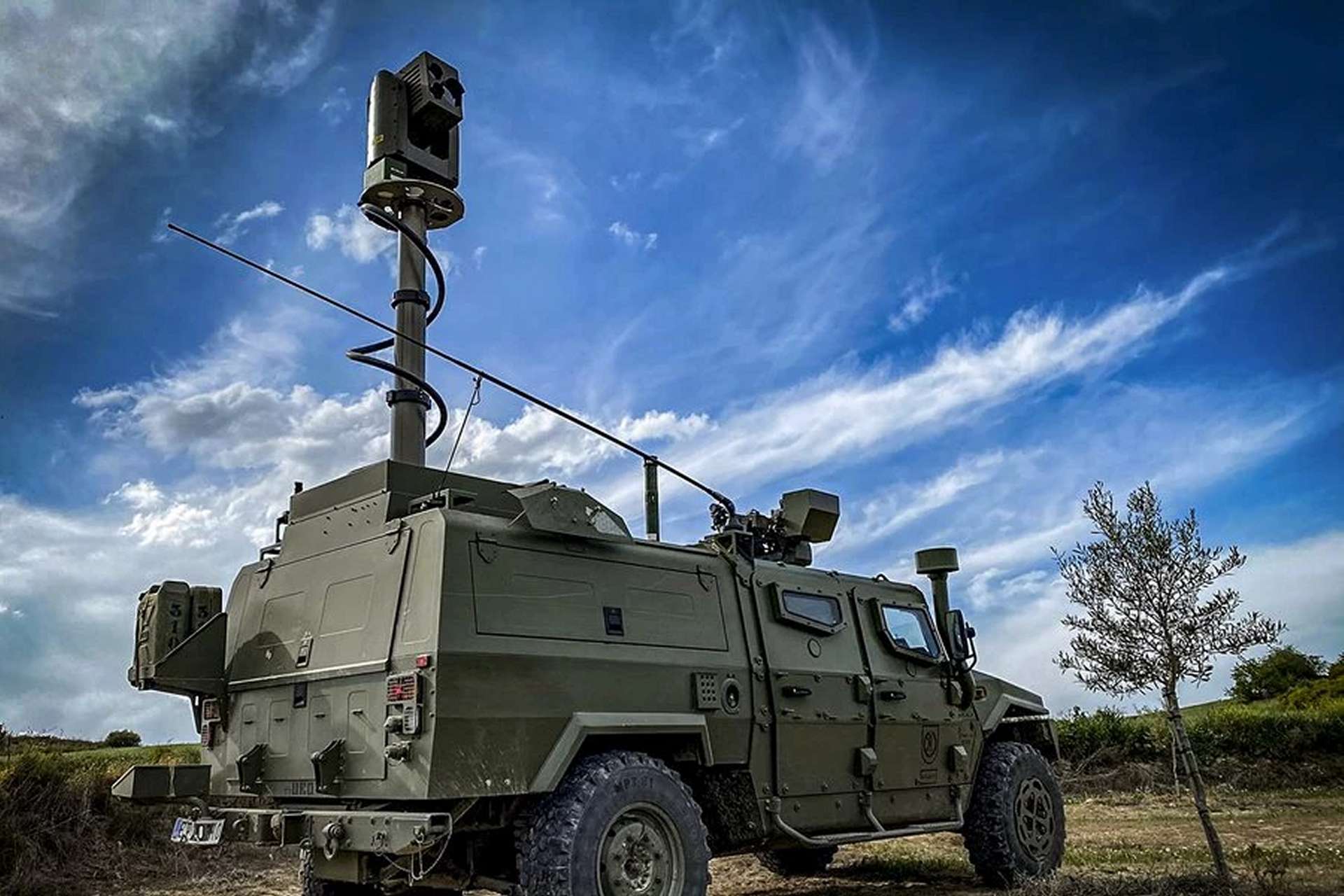
Urovesa Vamtac ST5 Reconnaissance Vehicle (Picture source: Spanish MoD)
The project, part of the Army's Force 35 program, addresses the need to improve the reconnaissance and intelligence-gathering capabilities of ground forces. Mini drones, capable of covering distances of up to 25 km, and Micro drones, with a range of 3 to 5 km, will be directly connected to the VERT 2.0. This configuration will overcome the height limitations of the current sensor systems mounted on the vehicle, providing a broader and more detailed view of the terrain.
The first phase of this program has already equipped the Army with 17 VERT vehicles, currently in service with prestigious units such as the Cavalry Regiment Spain No. 11 and the Legion Brigade. This initial batch of vehicles was developed in collaboration with Navantia Sistemas, which integrated various systems, including cameras, sensors, and image visualization systems, into the Urovesa Vamtac ST5, the vehicle model chosen for this program.
The VERT concept emerged from needs identified during international missions, where the Army learned the importance of increased tactical mobility and protection against modern threats, such as improvised explosive devices (IEDs). The early versions of VERT, based on the Uro Vamtac ST5 vehicle, were deployed in key cavalry units to meet these requirements.
With the VERT program's Phase II, scheduled for 2024, the focus is on integrating Mini and Micro drones to overcome the current limitations of the vehicle-mounted sensor systems. This evolution is crucial for enhancing long-range surveillance capabilities, a necessity in modern military operations. The program is also a response to technological challenges identified within the Force 35 framework, a strategic project aimed at ensuring the Spanish Army's technological superiority by 2035. These technological advancements will enable cavalry units to conduct more effective surveillance and reconnaissance operations, leveraging cutting-edge equipment suited to contemporary challenges.
The Ministry of Defense has already allocated budgetary resources for this project in its 2024 Annual Contract Plan (Pacdef). The tender for acquiring these new platforms is expected to be launched in the coming months, reaffirming Spain's commitment to modernizing its armed forces.
This new development in the VERT program is part of the Army's ongoing efforts to strengthen its ability to project and operate in conflict zones, while ensuring better protection and efficiency for its units on the ground. The integration of drones represents a significant advancement in optimizing surveillance operations, paving the way for a new era of tactical capabilities for the Spanish ground forces.