

- Details
- Written by: Jérôme Brahy
- Category: 2024
- Hits: 16593










On June 28, 2024, Russian President Vladimir Putin stated that Russia might begin the production and deployment of medium- and shorter-range missiles in response to similar US deployments outside their territory. These missiles could potentially include the Iskander-1000, first revealed in May 2024 through a video commemorating the 78th anniversary of the Kapustin Yar missile test site. According to Russian sources, these missiles could be deployed in Kaliningrad or the Smolensk region, allowing Russia to potentially target almost half of the European countries, as well as naval assets in the Baltic Sea.
Follow Army Recognition on Google News at this link
One of these missiles could be the unofficially designated Iskander-1000 medium-range ballistic missile, currently under development by Russia’s Machine-Building Design Bureau (Kolomna). (Picture source: Russian social media)
On June 28, 2024, Russian President Vladimir Putin stated that Russia might begin the production and deployment of medium- and shorter-range missiles in response to similar US deployments outside their territory. This followed a statement from the Commander-in-Chief of the Strategic Missile Forces on December 17, 2023, indicating that the Russian military-industrial complex could quickly start production and supply these missile systems if needed. The Russian Foreign Ministry confirmed the start of production on May 6, 2024.
One of these missiles could be the unofficially designated Iskander-1000 medium-range ballistic missile, currently under development by Russia’s Machine-Building Design Bureau (Kolomna). This missile is based on the 9K720 Iskander-M ballistic missile system, featuring a range of up to 1,000 kilometers, twice the current range of the Iskander-M. This new missile was first revealed in May 2024 through a video commemorating the 78th anniversary of the Kapustin Yar missile test site.
The development of the Iskander-1000 follows reports suggesting enhancements to both the Iskander and Kinzhal missiles for greater range, more powerful warheads, and improved capabilities to evade air defenses. These developments align with Russia’s response to the US and its allies, particularly after the US announced plans in July 2024 to deploy long-range missiles to Germany. President Putin indicated that Russia would take reciprocal measures based on the actions of the US and its allies. The potential deployment of Iskander-1000 missiles in regions like Smolensk could also pose a significant threat to the newly arrived Ukrainian F-16 fighter jets.

Reports suggest that the Iskander-1000 will retain the classic layout of the 9M723-1/K5 missiles but with a 10-15% increase in the solid-fuel charge volume, as well as an updated engine, enhanced control system, and revised warhead. (Picture source: Russian social media)
Reports suggest that the Iskander-1000 will retain the classic layout of the 9M723-1/K5 missiles but with a 10-15% increase in the solid-fuel charge volume, as well as an updated engine, enhanced control system, and revised warhead. This new Russian ballistic missile will likely feature an autonomous inertial guidance system, likely with satellite navigation correction and possibly radar guidance based on a terrain map of the target area during the final flight stage. The missile’s deviation from the target is estimated to be within 5 meters.
To facilitate its deployment, the Iskander-1000 missile is expected to be launched using the standard Iskander launchers, sharing structural similarities with the 9M723 ballistic missile of the Iskander tactical missile system. The propulsion system is anticipated to be a solid propellant rocket engine similar to the 9M723 missile but potentially larger. It might utilize a new type of higher-pulse rocket fuel, possibly based on octogen, with a specific impulse of up to 480 units.
According to available information, this new fuel can propel the missile to speeds of 2,700 to 3,100 m/s, delivering high-explosive fragmentation (HE-Frag) or cluster warheads weighing up to 350 kg over distances of 900 to 1,000 km, or lighter warheads up to 1,250-1,300 km. The missile will feature gas-dynamic control and aerodynamic rudders for maneuvering, with overload capacities up to 25-30 units. It will also include an INS and a Comet-P8 GLONASS/GPS correction module or an X/J/Ka-band electronic warfare system.

The advantage of this new modification of the Iskander missile over other systems like the MiG-31K carrying Kh-47M2 Kinzhal air-launched ballistic missiles is its ability to significantly minimize detection and response times. (Picture source: Russian MoD)
The Iskander-1000’s development has potential implications for NATO and Ukrainian forces. The advantage of this new modification of the Iskander missile over other systems like the MiG-31K carrying Kh-47M2 Kinzhal air-launched ballistic missiles is its ability to significantly minimize detection and response times. The MiG-31K is detected almost immediately after takeoff by air defense radars and optical-electronic reconnaissance satellites, which can track the aircraft both day and night. This early detection gives personnel at strategically important facilities in Ukraine a 15-20 minute warning before a strike.
In contrast, the Iskander-1000’s solid-fuel rocket engines generate heat-contrast flares that are only visible during the active flight phases, providing a shorter warning time of 2 to 7 minutes, depending on the target's distance, complicating interception efforts by air defense systems such as the Patriot, the SAMP-T, or the Iris-T SLM.
Vladimir Putin recently stated that Russia might begin the deployment of medium-range missiles in response to similar US deployments in Germany. Therefore, Russian military experts believe several regions could host these medium-range missiles: the Smolensk region, along with the Voronezh and Moscow regions, could offer strategic depth without being close to borders, and the Kaliningrad region could provide a strategic advantage, as the potential flight time from the Kaliningrad Region to US missile bases in Germany could be under eight minutes.

To facilitate its deployment, the Iskander-1000 missile is expected to be launched using the standard Iskander launchers, sharing structural similarities with the 9M723 ballistic missile of the Iskander tactical missile system. (Picture source: Vitaly Kuzmin)
If Russia deploys a 1,000 km range ballistic missile in Kaliningrad or the Smolensk region, several countries would be within its range due to their proximity. From Kaliningrad, situated on the Baltic Sea and bordered by Poland to the south and Lithuania to the north and east, a 1,000 km range missile could cover a substantial part of Europe, including Poland, Lithuania, Latvia, Estonia, Germany, Denmark, Sweden, the Czech Republic, Slovakia, and Belarus. This area also potentially includes parts of Finland, Ukraine, and Norway, depending on the exact locations targeted within these countries.
From the Smolensk region, located further east within Russia and closer to the country's western border, a 1,000 km range missile could include Belarus, Ukraine, Poland, Lithuania, Latvia, Estonia, Moldova, and parts of Romania. This deployment would also cover parts of the Baltic Sea, potentially impacting maritime routes and naval operations in the region.
The strategic locations of Kaliningrad and Smolensk allow Russia to potentially target numerous NATO and EU member countries, raising significant security concerns within the region. The deployment of Iskander-1000 missiles in these areas would extend Russia's reach and enhance its capability to threaten Europe's critical assets, but also prompt further defensive measures from Ukraine, which could further limit its use of the newly-arrived F-16s.

On July 31, 2024, the Ukrainian publication Dumskaya released what is believed to be the first photograph of an F-16 aircraft flying over Ukraine. Interestingly, the aircraft lacked identifying marks, including the flight number on its keel. (Picture source: Telegram/Dumskaya)
The recent arrival of F-16 fighter jets in Ukraine from NATO allies, including six aircraft from the Netherlands, marks a significant step in enhancing Ukraine's defense capabilities. On July 31, 2024, a photograph released by the Ukrainian publication Dumskaya showed an F-16 aircraft flying over Ukraine, confirming the delivery. This development is part of Ukraine’s ongoing efforts to counter Russian aerial threats.
However, the arrival of these jets also highlights potential targets for the Iskander-1000. Russian President Vladimir Putin has warned that any Western air base hosting F-16s destined for Ukraine would be considered a legitimate target for Russian forces, including airfields in NATO countries such as Poland and Romania. The Iskander-1000’s capability to strike targets with high precision and minimal warning time increases the vulnerability of these airbases and shelters.
Ukraine has been preparing for the arrival of the F-16s by training its pilots abroad and enhancing its air defense systems. Despite these efforts, the potential deployment of Iskander-1000 missiles in regions like Smolensk could pose a significant threat to the operational effectiveness of the F-16s. The missile’s extended range and ability to evade interception make it a new Russian tool for targeting key Ukrainian airbases and shelters, potentially impacting the deployment and effectiveness of Ukraine’s new fighter jets.
Read more: Russian new Iskander-1000 ballistic missile threatens Ukrainian F-16s and half of Europe

- Details
- Written by: Halna du Fretay
- Category: 2024
- Hits: 2187
A recent report by the Commission on the National Defense Strategy, published on July 16, 2024, revealed significant gaps in the Pentagon's current defense capabilities, deeming them inadequate to face the growing threats posed by China and Russia. The report highlights that the existing national defense strategy is outdated and that the military structure and industrial base of the United States are not sufficiently prepared for a potential global conflict.
Follow Army Recognition on Google News at this link
Marines from the 31st Marine Expeditionary Unit recently participated in an exercise in the Philippine Sea, which is under the operational area of the U.S. 7th Fleet in the Indo-Pacific (Picture source: US DoD)
The Commission, created by the National Defense Authorization Act for Fiscal Year 2022 and chaired by former Representative Jane Harman, conducted a comprehensive review of the national defense strategy. The conclusions call for a major overhaul of defense planning and investment. The report underscores the need for a new "Multiple Theater Force Construct" to replace the current model, which it labels as "outdated."
The report emphasizes the public's lack of awareness regarding the financial and other costs necessary to adequately prepare for a global conflict, calling for a bipartisan effort to address these challenges. Harman stated that the Department of Defense's strategy was formulated before recent geopolitical developments, including the wars in Ukraine and the Middle East, and does not account for the growing partnership between China and Russia.
Among the Commission's recommendations is a global and prioritized force planning approach. The report opposes focusing on a single adversary or region, suggesting that such a strategy is fundamentally flawed given the global nature of threats posed by China and Russia. The proposed approach aims to effectively allocate limited resources, addressing threats of varying magnitudes while ensuring that the U.S. instruments of national power are tailored to specific strategic objectives.
The report also calls for significant changes within the military services. For the Navy, it recommends an increase in ships and shipbuilding infrastructure. For the Space Force, it suggests a greater dispersion of satellites. The Air Force is encouraged to continue its Next-Generation Air Dominance fighter project. In the Indo-Pacific theater, the report advocates for more undersea resources, particularly Virginia-class submarines and large unmanned underwater vessels, as well as additional long-range bombers and fires.
Regarding Europe, the report criticizes the national defense strategy's classification of Russia as an "acute threat," arguing that this underestimates Moscow's ongoing and persistent threat. To effectively counter Russia, the Commission recommends increasing the scale, capability, and freedom of materials provided to Ukraine and strengthening the U.S. forward presence in Eastern Europe with more robust military infrastructure.
The report also highlights the deficiencies in the U.S. defense industrial base, describing it as too small in personnel, companies, financial support, and production capacity. It calls for easing legal and bureaucratic barriers that hinder cooperation with allies, such as "Buy American" initiatives and International Traffic in Arms Regulations (ITAR) obstacles. The Commission urges lawmakers to facilitate greater allied participation in the defense market and the Pentagon to engage more aggressively with international partners.
To address the industrial base's shortcomings, the report advises increasing the production of existing munitions, investing in new munitions and weapons, recapitalizing arsenals, and improving advanced manufacturing capabilities. The Pentagon is also encouraged to simplify its research and development and acquisition processes to keep pace with technological advancements and warfighter needs.
Commission Vice Chair Ambassador Eric Edelman emphasized that the United States cannot face significant threats with the current size of its military, defense spending, and industrial base capabilities. He stressed the importance of demonstrating the ability to mobilize at wartime speed to deter adversaries from launching a catastrophic war.
In conclusion, the Commission's report delivers a critical message: the current U.S. defense strategy and industrial base are insufficient to counter the coordinated threats from China and Russia. Immediate and sustained efforts are necessary to strengthen the country's defense capabilities, integrate new technologies, and enhance global alliances to maintain U.S. influence and security in an increasingly complex and dangerous world.
Read more: Pentagon Deemed Insufficient Against Threats from China and Russia

- Details
- Written by: Administrator
- Category: 2024
- Hits: 7637
Iran has made a significant advancement in its military capabilities with the development of the Azarakhsh (Thunderbolt), a state-of-the-art short-range, low-altitude air defense missile system. This development was officially announced by the Iranian Ministry of Defense in February 2024, drawing considerable attention due to its high mobility and advanced combat capabilities. The announcement coincides with the publication of a detailed technical analysis by Army Recognition, highlighting the system's potential impact on regional security dynamics.
Follow Army Recognition on Google News at this link
In February 2024, Iran presented its new locally-made Azarakhsh (Thunderbolt), a state-of-the-art short-range, low-altitude air defense missile system, for the first time. (Picture source: IRNA)
The Azarakhsh air defense missile system is built on a 4x4 light truck platform, providing the system with exceptional mobility and versatility. This design enables rapid deployment and repositioning across various terrains, ranging from urban areas to more challenging landscapes. The vehicle's advanced suspension system and off-road capabilities ensure that the Azarakhsh can maneuver effectively, making it a highly adaptable solution for defending against a range of aerial threats.
Designed to engage and neutralize threats at low altitudes, the Azarakhsh is capable of countering drones, helicopters, and low-flying aircraft. Its sophisticated radar and missile guidance systems allow it to detect and track multiple targets simultaneously, offering comprehensive coverage for sensitive areas. The system's quick reaction time and precision targeting capabilities make it a formidable addition to Iran's air defense arsenal.
According to Army Recognition's detailed analysis, the Azarakhsh features several key technical specifications. It utilizes advanced missiles designed to engage targets at short ranges with high precision, capable of operating effectively even in electronic warfare environments. The missiles boast resistance to jamming and other countermeasures, ensuring reliability in combat scenarios.
The radar system is equipped with state-of-the-art technology that enables the detection and tracking of multiple targets across a wide range of frequencies. This adaptability ensures robust performance, even under challenging conditions. Mounted on a 4x4 light truck, the system's mobility allows for quick repositioning and deployment in various terrains, enhancing the system's survivability and operational flexibility.
Optimized for low-altitude engagements, the Azarakhsh is particularly effective against threats operating close to the ground. Its short-range capabilities complement Iran's existing air defense network, filling a critical gap in coverage and providing an additional layer of protection.
The introduction of the Azarakhsh air defense system represents a strategic move by Iran to bolster its military defenses in an increasingly volatile region. Its mobility and effectiveness against modern aerial threats make it a valuable asset for protecting key infrastructure and strategic sites. Analysts suggest that the Azarakhsh could play a crucial role in deterring potential aggressors and enhancing Iran's overall defense posture.
As Iran continues to develop and deploy advanced military technologies, the Azarakhsh represents a significant milestone in its defense strategy. With its combination of mobility, precision, and versatility, the Azarakhsh is poised to become a cornerstone of Iran's air defense capabilities.
For a detailed analysis of Azarakhsh's technical specifications and capabilities, visit this link: Azarakhsh Air Defense Missile System.
Read more: Iran Launches its New Locally-Made Azarakhsh Mobile Air Defense Missile System

- Details
- Written by: Vandenbosch
- Category: 2024
- Hits: 2828
On August 1, 2024, the Dutch Ministry of Defense announced that a new radar system in Nieuw Milligen is now monitoring Dutch airspace. The GM400 Alpha (GM400α), manufactured by Thales, will assume this role until the new SMART-L radar station in Herwijnen becomes operational.
Follow Army Recognition on Google News at this link
The Dutch Ministry of Defense announced that a new radar system is now monitoring Dutch airspace, The GM400 Alpha, manufactured by Thales. (Picture source: Dutch MoD)
Similar to the mobile NATO radar used over the past four months, the Groundmaster400a serves as an interim solution for the Medium Power Radar. The previous radar, after 52 years of service, was permanently decommissioned at the end of March.
The SMART-L is a modern radar designed for military use and has been operational in Wier, Friesland, since 2021. Although the Groundmaster400a is technically comparable to the SMART-L, it is more compact and transportable, although its imaging capabilities are slightly less precise.
Both radar systems are used by the Dutch Ministry of Defense to monitor the Dutch sector of NATO airspace and to support military air operations. Additionally, they provide support to civilian organizations, including the police and other law enforcement agencies.
The GM400α offers five times the processing power of its predecessor, a 10% extended range of up to 515 kilometers, and advanced artificial intelligence capabilities. It takes long-range air surveillance to a new level, addressing the increased need for national airspace protection in the face of great power competition.
In response to new threats like drones (UAVs) that can evade traditional radar detection capabilities, the GM400α allows command and control centers to maintain constant vigilance and superior situational awareness. This software-defined 3D radar offers elevation coverage up to 40° and updates every 6 seconds, simultaneously detecting all types of targets at high, medium, and low altitudes. The rapid classification of targets as friend or foe is facilitated by the fused interrogation mode of the GM400α, ensuring optimal response and complete peace of mind for command centers.
The GM400α is notable for its deployability and survivability. It can be installed in a compact 20-foot container, mounted on a truck, and redeployed in less than an hour. Decoys can be used to maximize its survival potential. In a fixed version, it guarantees constant surveillance of national airspace in specific geographic areas.
An innovative feature of the GM400α is its wind turbine effect mitigation algorithm, facilitating the deployment of wind farms. It requires minimal maintenance (30 hours per year) and maintains high levels of functionality thanks to regular software updates, addressing new threats, electronic warfare, and cyber-attacks.
The GM400α uses digital stacked beam technology to detect targets ranging from fast jets and missiles to helicopters and tactical UAVs, even those flying close to the ground. With total coverage every 6 seconds and an operational availability of over 98.5%, it is delivered in a 20-foot ISO container weighing 10 tons, ensuring optimal availability and durability for mission success.
Read more: Netherlands Deploys New Groundmaster Alpha Radar Temporarily
- Details
- Written by: Triffaux
- Category: 2024
- Hits: 13221
According to an article published by the Indian newspaper DNA on June 13, 2024, Prime Minister Narendra Modi and the Indian Ministry of Defense have announced a major advancement in their ambitious plan to modernize the armed forces. Reliable sources report that a crucial contract for the acquisition of an additional 100 K9 Vajra-T artillery guns is about to be concluded with the Indian defense industry giant, Larsen & Toubro (L&T). This initiative marks a significant step in strengthening India's offensive capabilities.
Follow Army Recognition on Google News at this link
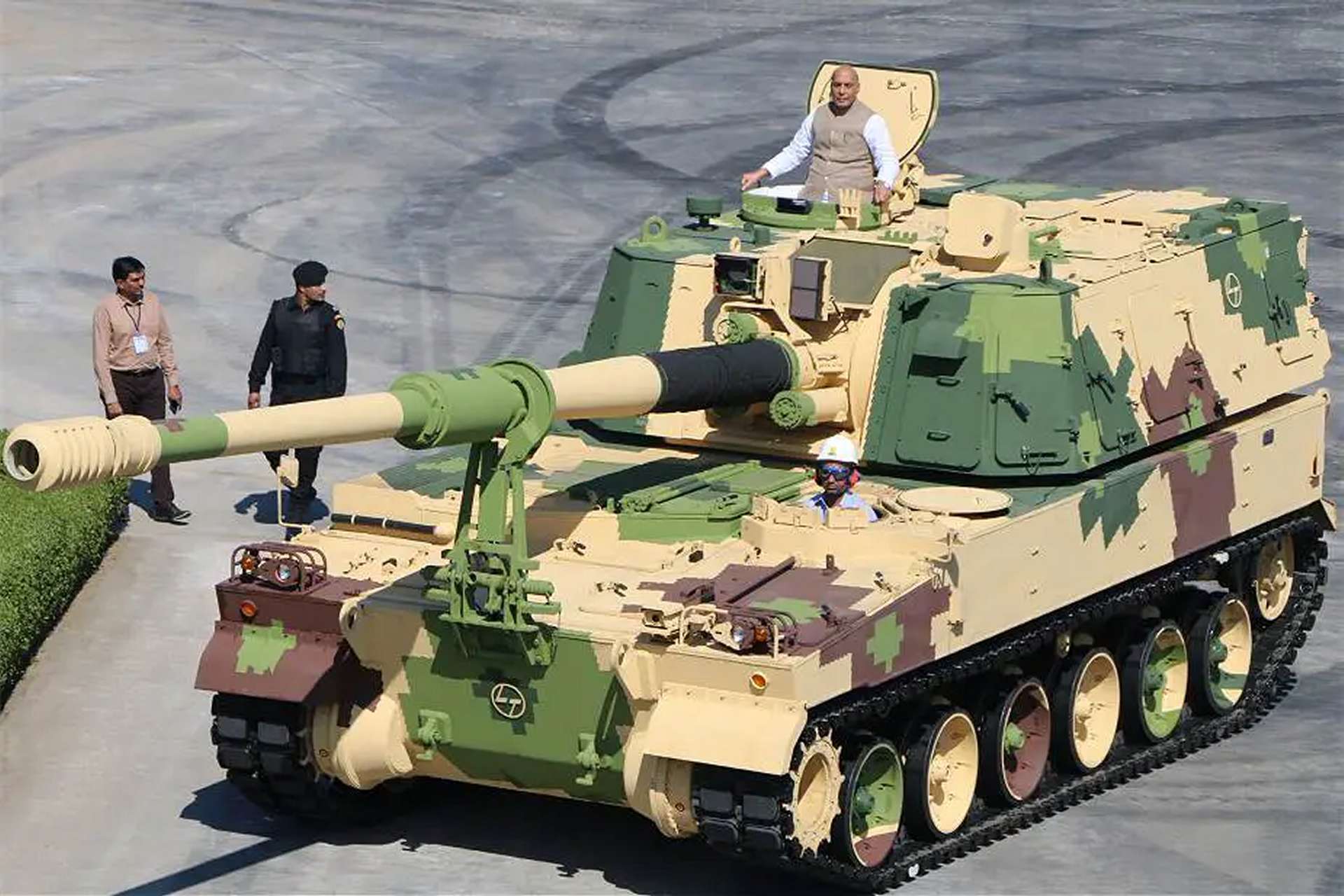
K9 Vajra-T Self-Propelled Howitzer (Picture source: Wikimedia)
These new units of the K9 Vajra-T, self-propelled howitzers already tested and approved by the Indian Army, represent a major asset for military operations, especially at high altitudes. The acquisition follows the successful use of the first 100 K9s, which have been deployed in desert areas and recently adapted for mountainous terrains near the Actual Control Line (ACL), where tensions with China have spurred a review of In
dia’s tactical and logistical requirements.
The K-9 Vajra is an Indian version of the South Korean K9 Thunder 155mm self-propelled howitzer produced under license in India by the company Larsen & Toubro. The Indian version is fitted with indigenous components including a fire control system, direct fire system, and ammunition handling systems developed and manufactured by the company L&T.
The K9 Vajra-T guns are designed to operate in extreme conditions, equipped with winterization kits to withstand temperatures as low as -20°C. These kits include essential elements such as special batteries and lubricants suitable for the freezing cold of mountainous regions.
The indigenous aspect of the K9 project is particularly notable. L&T has emphasized that over 80% of the work on the Vajra-T systems has been localized, with more than half of the value of the parts coming from Indian manufacturing. This project has mobilized a supply chain of about 1,000 industrial partners, highlighting the importance of small and medium enterprises in national defense.
Operationally, the K9 Vajra-T excels with a 155mm cannon capable of firing at ranges up to 38 kilometers. Its rapid firing capabilities, semi-automatic loading system, and robustness against ballistic threats and anti-personnel mines position it as a pillar in the arsenal of the Indian Army.
In addition to its firepower, the K9 Vajra is equipped with state-of-the-art digital fire control systems and can operate in complex modes such as Multiple Round Simultaneous Impact (MRSI), thus increasing its effectiveness on the battlefield.
The K-9 Vajra is armed with a 155mm/52 caliber gun which has a firing of three rounds per 15 seconds and a maximum rate of fire of 6 to 8 rounds a minute for 3 minutes. With HE (High Explosive) projectiles, it has a maximum firing range of 30 km but it can also fire K307 Base Bleed HE ammunition to reach a maximum firing range of 40 km.
The turret and the hull of the K-9 Vajra are made of welded steel construction providing ballistic protection against 14.5mm armor-piercing ammunition and 155mm artillery shell splinters. The vehicle has a crew of five including a driver, commander, gunner, and two loaders.
The K-9 Vajra is motorized with an MTU MT 881 Ka-500 8-cylinder water-cooled diesel engine developing 1,000 hp coupled to the Allison ATDX1100-5A3 transmission. It can reach a maximum road speed of 67 km/h with a maximum cruising range of 360 km.
With this new acquisition, India continues to strengthen its strategic positioning in the region while promoting innovation and self-reliance in its defense industry. This development reaffirms the Modi government's commitment to modernizing its army and maintaining a high level of readiness in the face of contemporary security challenges.
As a reminder, in September 2015, the Indian Ministry of Defense selected Hanwha Techwin and Larsen & Toubro (L&T) as preferred bidders to supply 100 K9 Vajra-T SPHs to the Indian Army. On July 6, 2016, India agreed to purchase 100 K9 Vajra-Ts for $750 million. On March 29, 2017, the Indian government approved a budget of $646 million for purchasing 100 K9 Vajra-T SPHs. A formal contract of $310 million was signed between Hanwha Techwin and Larsen & Toubro at New Delhi on April 21. Hanwha Techwin would supply the first 10 K9 Vajra-Ts, and 90 would be license-produced in India by Larsen & Toubro.
Read more: Indian Army to Receive Additional 100 South Korean K9 Vajra Self-Propelled Howitzers

- Details
- Written by: Halna du Fretay
- Category: 2024
- Hits: 3852
On July 20, 2024, the People's Liberation Army Ground Force (PLAGF) conducted a live-firing drill involving a Short-Range Air Defense (SHORAD) battery from a combined arms brigade. The exercise, held at an altitude of nearly 5,000 meters, involved at least three Type 625 Self-Propelled Anti-Aircraft Gun (SPAAG) vehicles, identified by the numbers 7302, 7305, and 7306. The SHORAD battery typically comprises four vehicles, though the exact unit participating in this exercise remains unidentified.
Follow Army Recognition on Google News at this link
The Type 625 SPAAG is equipped with a twin 25mm autocannon and advanced radar and electro-optical targeting systems, allowing it to detect, track, and engage low-flying aircraft, helicopters, and unmanned aerial vehicles (UAVs). (Picture source: CCTV 7)
During the live-firing drill, the Type 625 SPAAG vehicles were observed operating with at least two radar systems, enhancing their ability to detect and engage aerial targets. The vehicles are equipped with advanced radar and targeting systems, enabling effective anti-aircraft operations. Trucks were also seen in the background, indicating the logistical support provided during the exercise.
The Type 625 SPAAG is a crucial component of the PLAGF's air defense strategy, particularly in high-altitude regions where the thin atmosphere can affect the performance of aircraft and missiles. The Type 625 Self-Propelled Anti-Aircraft Gun (SPAAG) is a Chinese-made air defense vehicle designed to provide mobile protection against aerial threats. Production and acquisition of the Type 625 began in the early 2010s, with its entry into service around 2014.
The Type 625 SPAAG is equipped with a twin 25mm autocannon and advanced radar and electro-optical targeting systems, allowing it to detect, track, and engage low-flying aircraft, helicopters, and unmanned aerial vehicles (UAVs). The system's radar can simultaneously track multiple targets, providing a high level of situational awareness and responsiveness.
The vehicle is also designed to be highly mobile, capable of keeping up with mechanized and armored units, and can operate in various terrains, including high-altitude regions. The inclusion of anti-drone exercises highlights the increasing importance of counter-unmanned aerial systems (C-UAS) capabilities within the PLAGF. As drones become more prevalent on the modern battlefield, the ability to detect and neutralize these threats is critical for maintaining air superiority and protecting ground forces.
China trains for high-altitude combat for several strategic reasons. Firstly, these mountainous regions require sophisticated logistics and specific military preparation to ensure mobility, survival, and effectiveness of the troops in hostile environments. Troops must be acclimatized to hypoxia and rigorous climatic conditions to maintain their performance. Secondly, mastering operations at high altitudes provides a crucial tactical advantage in potential conflicts with India, as these areas are strategic points for surveillance and territorial control.
Tensions between China and its neighbors, particularly India, largely stem from unresolved territorial disputes and geopolitical rivalries. The 3,488-kilometer Sino-Indian border is marked by several disputed areas, including Aksai Chin and Arunachal Pradesh. These regions often serve as flashpoints between the two nuclear powers. One of the most severe incidents in recent years occurred in June 2020 in the Galwan Valley, where violent clashes between Chinese and Indian soldiers resulted in casualties on both sides. These border conflicts primarily occur at high altitudes, often above 4,000 meters, in extreme conditions requiring specific capabilities and preparations.
High-altitude combat, especially at levels approaching 5,000 meters, presents numerous complex challenges, particularly for operations involving armored vehicles. At these altitudes, the thin air affects the performance of internal combustion engines, reducing their power and efficiency, which can limit the mobility and maneuverability of armored vehicles. Additionally, extreme climatic conditions, such as very low temperatures and sudden weather changes, test the reliability of electronic and mechanical equipment.
Cooling and heating systems must be specially designed to function in these harsh environments. Soldiers must also cope with hypoxia, a decrease in available oxygen, which can affect their alertness, endurance, and ability to make quick decisions. Logistics also becomes a major challenge, as transporting supplies, fuel, and spare parts to such altitudes requires meticulous planning and additional resources. In sum, high-altitude combat necessitates thorough preparation, adapted equipment, and specially trained troops to operate effectively in conditions where every aspect of military engagement is exacerbated by the hostile environment.
-

China Prepares For High Altitude Conflict With Live Firing Drill Of Type 625 SPAAG Vehicles 02
-

China Prepares For High Altitude Conflict With Live Firing Drill Of Type 625 SPAAG Vehicles 03

- Details
- Written by: Jérôme Brahy
- Category: 2024
- Hits: 5008
On July 31, 2024, the Czech Republic announced that it will receive additional Leopard 2A4 tanks from Germany. The Ministry of Defense will acquire 14 more Leopard 2A4 battle tanks and one Büffel 3 armored recovery vehicle. This delivery represents the second compensation package for the Czech Republic's military equipment supplies to Ukraine amid the ongoing Russian invasion.
Follow Army Recognition on Google News at this link
The Leopard 2A4 tanks, received from Germany, will provide a substantial increase in combat capabilities over the Soviet-era T-72 tanks. (Picture source: Czech MoD)
The first tank from this delivery is expected to arrive by the end of this year, with the remaining tanks by next April, and the Büffel 3 by early 2026. Preliminary discussions about purchasing more Leopard 2A4 tanks have also begun, indicating a continued effort to modernize the Czech tank fleet.
The final agreement was signed by Major General Robert Bieleny, Director of the Logistics Section of the Ministry of Defense, and representatives from Rheinmetall, Stefan Ives, and Alexandra Cristea-Schmid. Defense Minister Jana Černochová stated that the modernization effort will replace outdated Soviet equipment and enhance the capabilities of the Czech tank units. She also acknowledged Germany's recognition of the Czech Republic's support to Ukraine.
This acquisition follows previous deliveries in 2022 and 2023, when the Czech Republic received 14 Leopard 2A4 tanks and one Büffel 3 armored recovery vehicle, based on the Leopard 2A4 tank. These additions bring the total number of Leopard 2A4 tanks in the Czech Army to 28, along with two recovery vehicles. The Czech Republic is also exploring the possibility of purchasing 14 more Leopard 2A4 tanks and is in negotiations for acquiring the latest Leopard 2A8 tanks. Successful negotiations could lead to the purchase of 61 Leopard 2A8 tanks, with the option to acquire an additional 16 in the future.
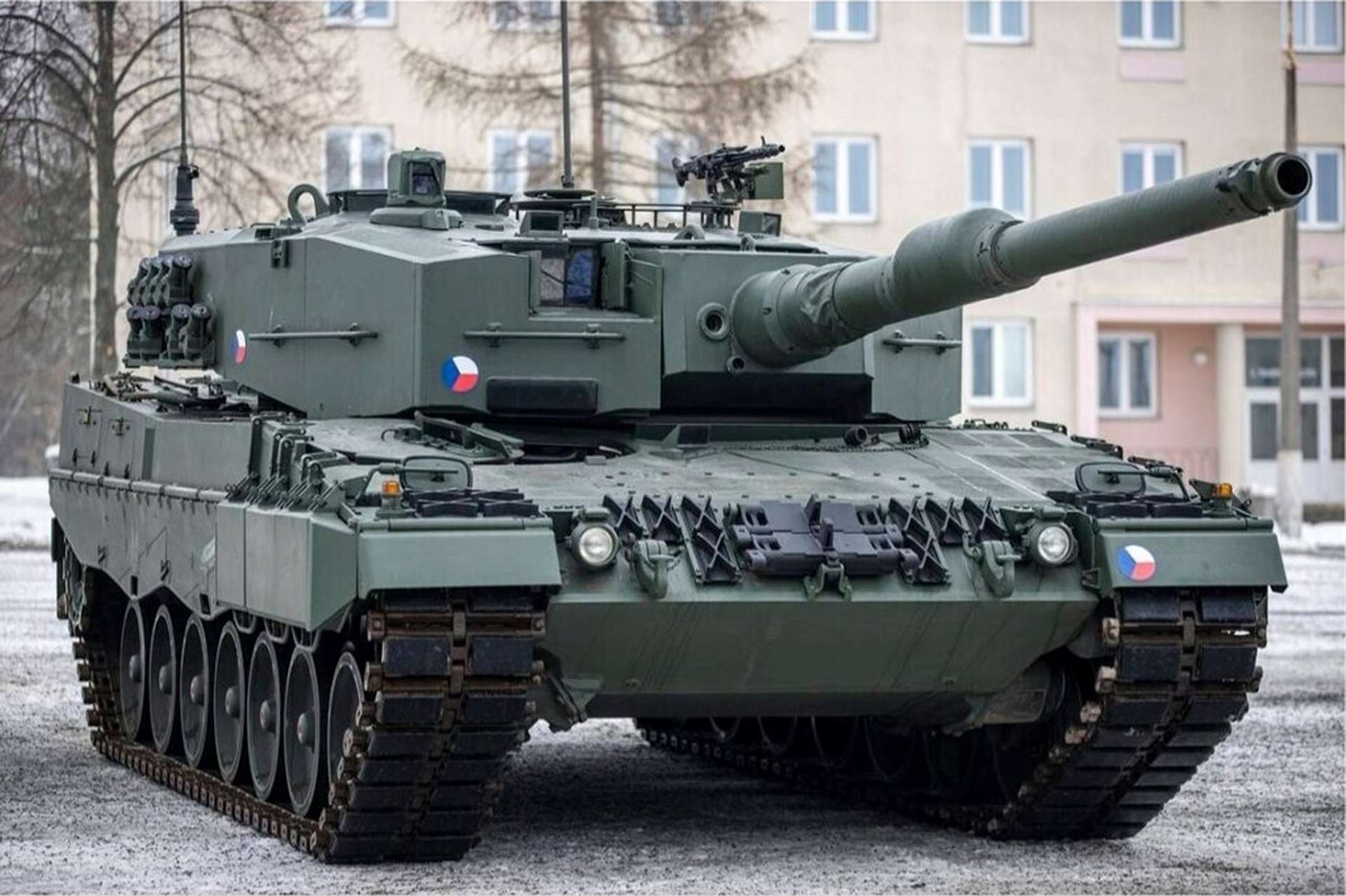
These new tanks bring the total number of Leopard 2A4 tanks in the Czech Army to 28, along with two recovery vehicles. (Picture source: Czech MoD)
Major General Bieleny emphasized the significance of this step for the Czech Republic's commitment to NATO's collective defense. The shift from Soviet technology to the more advanced Leopard platform addresses past issues with spare parts and modifications, offering a more reliable system.
The Ministry of Defense has outlined a detailed plan for this acquisition. The Leopard 2A8 tanks will replace the existing T-72 series, enhancing the Czech Army's capabilities. The Ministry plans to sign an industrial cooperation contract with the tank manufacturer KNDS by the end of the year, ensuring the involvement of Czech companies in the development, production, and lifecycle management of these tanks. This cooperation aims to bolster the Czech defense industry's capacity and ensure supply security in times of crisis.
KNDS, which engaged with potential Czech partners during an industrial day in 2023, is interested in collaborating with Czech companies for Leopard 2A8 supplies and other military projects. This collaboration is crucial given the increasing production demands and the capabilities of the Czech ground technology sector.
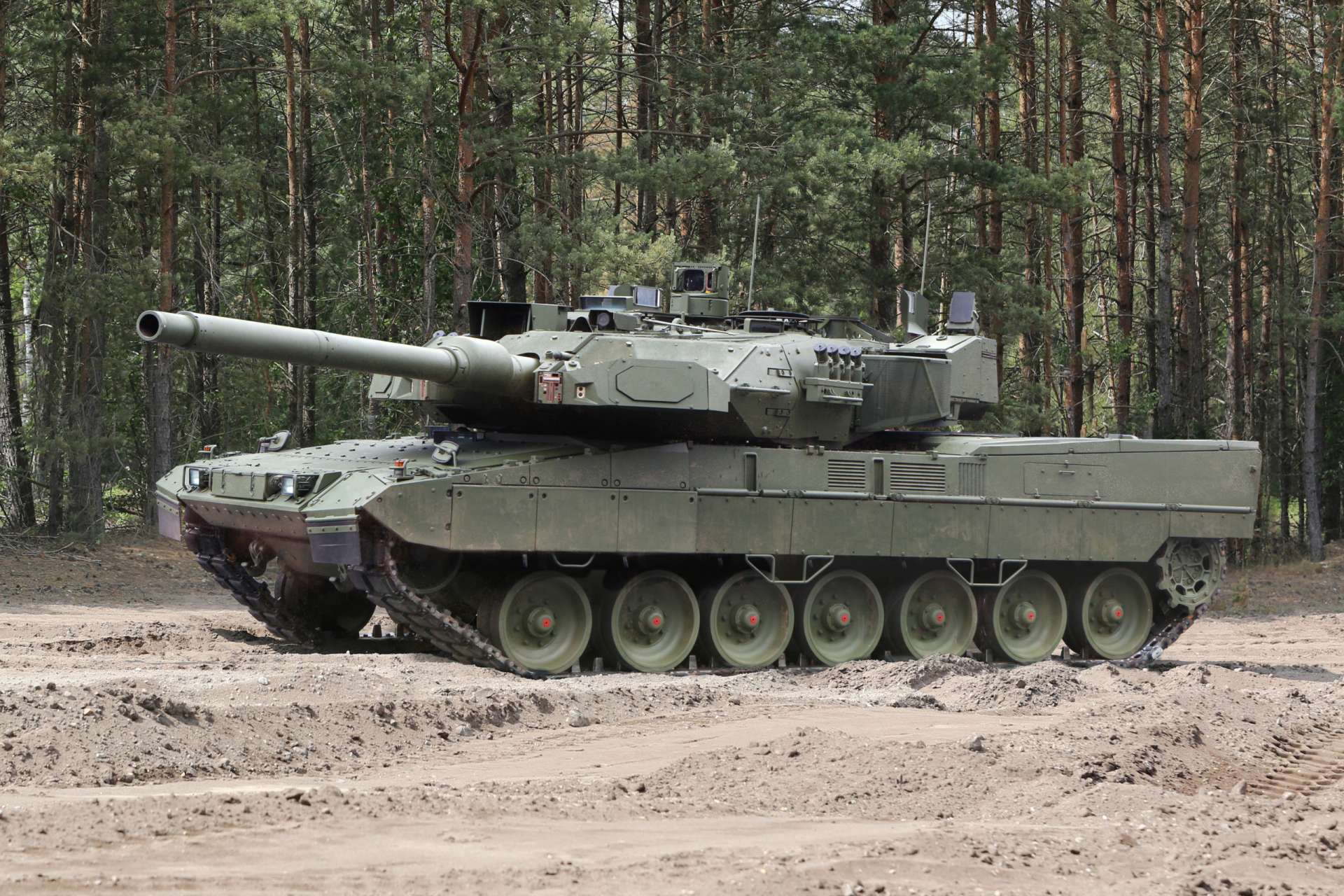
The Czech Republic is also exploring the possibility of purchasing 14 more Leopard 2A4 tanks and is in negotiations for acquiring the latest Leopard 2A8 tanks. (Picture source: Army Recognition)
The Ministry of Defense has initiated steps to secure a framework agreement for the joint procurement of Leopard 2A8 tanks through the CPA - Cooperative Procurement Agreement. This agreement involves multiple countries and aims to streamline the acquisition process, offering discounts through bulk purchasing and minimizing differences between national versions. The Czech Republic's accession to this framework agreement is expected by the end of the year, conditional on the successful conclusion of an industrial cooperation contract.
The Leopard 2A8 tanks will significantly upgrade the Czech Army's arsenal. The older Leopard 2A4 tanks, received from Germany, will complement this upgrade, providing a substantial increase in combat capabilities over the T-72 tanks. By 2030, the Czech Army could have over 120 Leopard 2 tanks, including various special vehicles, in active service or reserves.
The transition to a NATO-standard structure, with four tanks per platoon, necessitates this increase in tank numbers. The acquisition will equip the 73rd Tank Battalion in Přáslavice, and some tanks will be allocated for training purposes and the 153rd Engineer Battalion. The standardized NATO caliber and modern communication systems will enhance the Czech tank army's interoperability with alliance units, boosting the operational capabilities of the ground forces.

The Czech Army will also receive one Büffel 3, an armored recovery vehicle based on the Leopard 2A4 chassis. (Picture source: Wikimedia)
The introduction of Leopard 2A8 tanks into service is planned for 2027, with full delivery expected by 2030. The tanks' lifespan is estimated at 30 years, ensuring their presence in the Czech Army until at least 2060. This strategic acquisition addresses the limitations of the outdated T-72 tanks, which are no longer viable for modernization and face issues with spare parts.
The new main battle tanks will provide improved capabilities for the Czech Army in conducting high-intensity combat operations, offering enhanced firepower, mobility, and crew protection compared to the older T-72 models. The transition to the Leopard 2 platform represents a critical step in modernizing the Czech Republic's defense capabilities and fulfilling its obligations within NATO.
Read more: Czech Republic to receive new Leopard 2A4 tanks from Germany
- Details
- Written by: Vandenbosch
- Category: 2024
- Hits: 2700
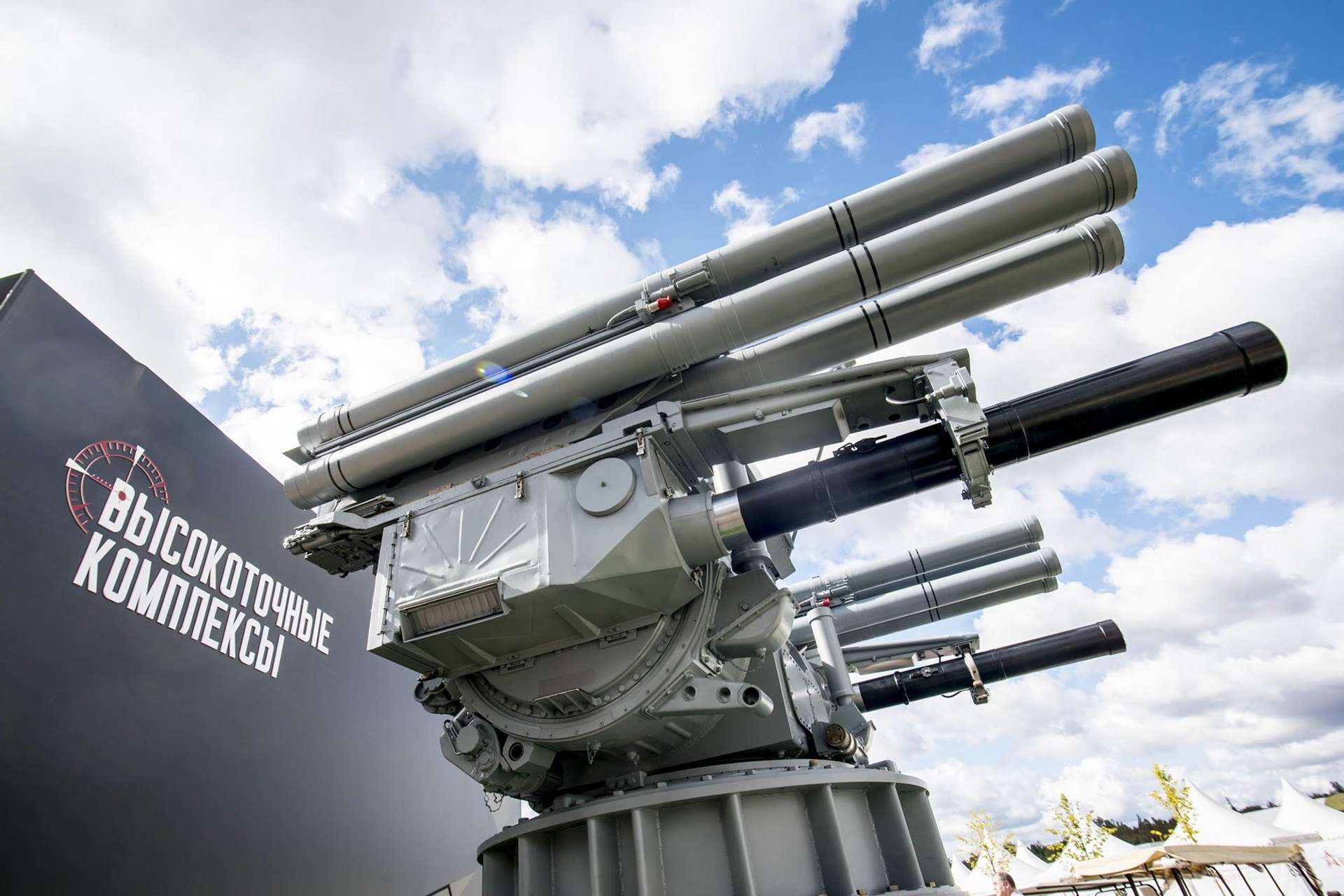
Rostec displayed a range of defense products at the International Maritime Defence Show in Kronstadt, held from June 19 to 23. A key highlight was a new miniature missile for the Pantsyr surface-to-air and anti-tank missile system, developed by the High-Precision Systems holding. This missile is designed to target drones and other small aerial threats.
Follow Army Recognition on Google News at this link
Rostec displayed a new miniature missile for the Pantsyr surface-to-air and anti-tank missile system. (Picture source: Rostec)
Additionally, Rostec's joint exhibit featured the Pantsyr-ME naval surface-to-air and anti-tank missile system, which has demonstrated excellent performance in real combat scenarios, similar to its land-based version. Another important element was an airspace control system capable of detecting and tracking UAVs up to a distance of 30 km.
"We will present our latest naval solutions at the Kronstadt exhibition, including naval aircraft, shipboard electronic equipment, air defense systems, ammunition, and more. Notably, we will unveil an export version of the naval Pantsyr, which has proven effective against modern Western missiles such as the Storm Shadow during recent military operations," stated Bekhan Ozdoev, Industrial Director of Rostec's Conventional Weapons, Ammunition, and Special Chemicals Cluster.
The Pantsyr is a mobile air defense system designed by Russia, combining surface-to-air missiles and automatic cannons to engage various aerial targets. This system is mounted on a truck carrier, typically a Ural-53234 8x8, a Kamaz-6560 8x8, or a MAN SX45, providing high mobility with a range of 800 km.
The Pantsyr is equipped with twelve 57E6 or 57E6-E surface-to-air missile launchers, capable of hitting targets from 1 to 12 km. In addition to the missiles, the system features two dual 2A38M 30 mm automatic cannons, with a range of 0.2 to 4,000 meters. For target acquisition and tracking, the Pantsyr uses autonomous radars and radio commands with infrared or radio direction finding systems.
This system is used by several countries worldwide, including Algeria, Armenia, Ethiopia, Equatorial Guinea, Iran, Iraq, Jordan, Myanmar, Oman, Russia, Serbia, Syria, the United Arab Emirates, and Vietnam. The Pantsyr requires a crew of three for operation and measures 8.15 meters in length and 2.47 meters in width.
Visitors could also explore naval aircraft such as the Su-30SM, frequently involved in monitoring NATO aircraft over the Baltic.
The exhibition also showcased special-purpose weapons and armored vehicles, including the PP-2000 submachine gun, the ADS amphibious assault rifle for combat divers, the BT-3F armored personnel carrier, and other advanced solutions.
Read more: Russia Showcases New Miniature Missiles for Pantsyr at Fleet-2024 Exhibition

- Details
- Written by: Administrator
- Category: 2024
- Hits: 3787
According to information published on July 31, 2024, by the Russian media outlet "Top War," the US strategic reconnaissance drone RQ-4 Global Hawk, identified by the call sign FORTE 13, has been detected once again in the airspace near Russia's Kaliningrad region. The drone is reportedly being used to gather and relay intelligence to the Ukrainian armed forces.
Follow Army Recognition on Google News at this link
U.S. RQ-4 Global Hawk Unmanned Aerial System, assigned to and operated by the 452nd Flight Test Squadron, at Edwards Air Force Base, California. (Picture source: U.S. DoD)
Citing Russian sources, the report noted that shortly after a U.S. RQ-4 Global Hawk was observed off the coast of Crimea, the Ukrainian Armed Forces launched a missile strike targeting Russian facilities.
The United States has been using drones to provide crucial military information to the Ukrainian armed forces as part of its ongoing support against Russian aggression. These efforts are aimed at enhancing Ukraine's surveillance and reconnaissance capabilities, enabling more effective and informed decision-making on the battlefield.
The use of drones for intelligence gathering has been a key component of this support. Drones such as the Black Hornet are utilized for their advanced surveillance capabilities, providing real-time data and situational awareness. This technology allows Ukrainian forces to monitor enemy movements, plan strategic operations, and respond swiftly to threats.
The RQ-4 Global Hawk is an advanced unmanned aerial vehicle (UAV) developed by Northrop Grumman, designed for high-altitude, long-endurance intelligence, surveillance, and reconnaissance (ISR) missions. This UAV is a crucial asset in modern military operations, providing persistent and comprehensive battlefield awareness.
The Global Hawk can operate at altitudes up to 60,000 feet (approximately 18,288 meters), significantly higher than commercial air traffic and most weather disturbances. This high operational altitude allows it to conduct extensive surveillance missions with minimal risk of detection or interception by ground-based threats. The UAV has an operational range of approximately 12,300 nautical miles (about 22,780 kilometers), enabling it to cover vast areas and provide real-time intelligence over long distances.
One of the standout features of the RQ-4 is its impressive endurance, capable of flying for over 30 hours continuously. This extended flight capability ensures sustained surveillance operations without the need for frequent returns to base for refueling, making it invaluable for persistent monitoring and intelligence gathering.
The RQ-4 Global Hawk is equipped with advanced sensor suites that include synthetic aperture radar (SAR), electro-optical/infrared (EO/IR) sensors, and signals intelligence (SIGINT) payloads. These sensors enable the UAV to capture high-resolution imagery, detect and track moving targets, and gather electronic signals intelligence. The data collected can include detailed visual images, thermal images, radar data, and intercepted communications, all of which are crucial for strategic planning and operational decision-making.
Additionally, the Global Hawk's autonomous flight capabilities allow it to execute pre-programmed missions with minimal human intervention, further increasing its operational efficiency and reducing the workload on human operators. The ability to transmit this intelligence data back to command centers in near real-time enhances the effectiveness of military operations by providing commanders with timely and accurate information.
Open sources confirm that the United States has been deploying RQ-4 Global Hawk drones to provide essential intelligence to the Ukrainian armed forces amidst the ongoing conflict with Russia. These high-altitude, long-endurance unmanned aerial vehicles (UAVs) are crucial for collecting and transmitting detailed intelligence data.

- Details
- Written by: Halna du Fretay
- Category: 2024
- Hits: 3479
In the fast-paced and ever-evolving landscape of modern warfare, the need for real-time intelligence and rapid decision-making has never been more critical. Recognizing this imperative, the innovative Belgian company IDDEA has developed a groundbreaking solution that promises to transform the way military forces gather and utilize battlefield information. Introducing the MEGA-Army App, a cutting-edge mobile application that leverages advanced artificial intelligence (AI) technology to identify and recognize military combat equipment with unprecedented speed and accuracy.
Follow Army Recognition on Google News at this link
MEGA-Army allows soldiers to identify enemy assets during reconnaissance missions, enables strategic decisions with real-time intelligence in combat, and serves as a training tool for familiarizing soldiers with enemy equipment.(Picture source: US ARMY/IDDEA)
Designed to attract US soldiers seeking to enhance their training and intelligence capabilities, the MEGA-Army App offers a revolutionary alternative to traditional methods. No more relying on outdated identification cards or playing cards featuring images of Russian tanks, Chinese missiles, and Iranian weapons. With the MEGA-Army App, soldiers can instantly access detailed information about enemy equipment directly from their mobile phones, ensuring they are always one step ahead on the battlefield.
The MEGA-Army App is poised to replace traditional methods of identifying enemy equipment, such as the US Army’s playing cards featuring images of Russian tanks, Chinese missiles, and Iranian weapons. This new tool, designed for use on the battlefield, allows soldiers to take pictures of combat equipment using their mobile phones. Within seconds, the app analyzes the image and provides detailed information about the equipment's combat capabilities, armor, weapons, ammunition, and mobility.
The core of the MEGA-Army App's functionality is its sophisticated AI algorithms, which have been trained on vast datasets of military equipment images and specifications. When a soldier captures an image of a vehicle, weapon, or other combat-related object, the app processes the image through its AI engine. The engine then compares the captured image with its extensive database, identifying the equipment and retrieving all relevant details.
The information provided by the MEGA-Army App includes:
- Combat Capabilities: Insights into the offensive and defensive capabilities of the identified equipment, including weapon types, firepower, and range.
- Armor Specifications: Detailed information on the type and thickness of armor, highlighting vulnerabilities and strengths.
- Weapons and Ammunition: A comprehensive list of the equipment's weapon systems and compatible ammunition, including caliber, types, and quantities.
- Mobility: Data on the equipment's mobility, such as speed, range, and maneuverability, crucial for tactical planning and operations.
The introduction of the MEGA-Army App represents a significant advancement in military technology. By providing instant, accurate intelligence on enemy equipment, the app enhances situational awareness and enables faster, more informed decision-making. This capability is especially valuable in the following scenarios:
Reconnaissance Missions: Soldiers can quickly identify and assess enemy assets without exposing themselves to unnecessary risk.
Combat Engagements: Commanders can make strategic decisions based on real-time intelligence about enemy capabilities and vulnerabilities.
Training and Simulation: The app serves as a valuable tool for training soldiers, familiarizing them with various types of enemy equipment they may encounter on the battlefield.
The MEGA-Army App is built on an open architecture, making it highly adaptable and versatile. This design allows the app to be easily integrated into a wide range of systems, including drones, combat management systems, weapon stations, and more. This flexibility ensures that the MEGA-Army App can be utilized across various platforms and devices, providing comprehensive and cohesive intelligence support wherever it's needed most.
The MEGA-Army App is a testament to the ingenuity and technological prowess of IDDEA, a Belgian company known for its innovative solutions in the defense sector. By harnessing the power of AI, IDDEA has created a tool that not only meets the current needs of military forces but also anticipates the challenges of future conflicts.
As modern warfare continues to evolve, so too must the tools and technologies that support our military forces. The MEGA-Army App by IDDEA is a revolutionary development that leverages AI technology to provide real-time, actionable intelligence on the battlefield. By replacing traditional methods with a more efficient and accurate solution, the MEGA-Army App enhances the capabilities of soldiers and commanders, ensuring they are better equipped to face the challenges of today and tomorrow.
In a world where information is power, the MEGA-Army App stands as a beacon of innovation, offering a unique and invaluable resource for military operations worldwide. Experience the future of battlefield intelligence with the MEGA-Army App – the ultimate tool for identifying and understanding military combat equipment in real-time.
For more information or to download the MEGA-Army app, please follow this link: https://militaryequipmentguide.com/
Contact us at
Read more: Belgium AI App MEGA-Army Could Transform US Army Soldiers' Training and Intelligence

- Details
- Written by: Halna du Fretay
- Category: 2024
- Hits: 3210
Ukrainian tank crews are receiving essential training on the Leopard 2A4 main battle tank at a military training facility in Poland. Instructors from Poland and Norway are leading this training to enhance the capabilities of the Ukrainian Army in its defense against Russia. This effort is part of the European Union Military Assistance Mission in support of Ukraine (EUMAM UA). The objective is to make Ukrainian forces more self-sufficient in their military training.
Follow Army Recognition on Google News at this link
The Leopard 2A4 is an upgraded version of the original Leopard 2, featuring a fully digital fire control system, improved turret armor, and the ability to fire advanced kinetic energy and high-explosive anti-tank rounds(Picture source: Ukrainian 33RD Mechanized Brigade)
Since the beginning of Leopard 2A4 tank deliveries by NATO countries to Ukraine, the country has received several batches of these powerful tanks. Germany and the Netherlands have provided Ukraine with an additional 14 Leopard 2A4s, in addition to the 40 tanks already in service with Ukraine's 33rd Mechanized Brigade. Furthermore, Spain has authorized the transfer of 20 ex-Spanish army Leopard 2A4s, with 10 already shipped to Ukraine and 10 more to follow after repairs. At the end of July 2024, Denmark and the Netherlands announced the delivery of 14 Leopard 2A4s before the end of summer 2024. In total, this brings the number of Leopard 2A4s that Ukraine has received from its NATO allies to 88, enhancing its military capabilities against Russian forces.
WO Marcin Chrabąszcz of the Polish Army emphasized the importance of this support, noting the close ties between Poland and Ukraine and the strategic significance of Ukraine's victory for regional stability. A Norwegian Army instructor explained that the goal is to enable Ukrainians to train other soldiers independently.
The Leopard 2A4 is a main battle tank initially produced by Krauss-Maffei in Germany. It was introduced into service in the mid-1980s, with production starting in 1985. The Leopard 2A4 is an upgraded version of the original Leopard 2, featuring a fully digital fire control system, improved turret armor, and the ability to fire advanced kinetic energy and high-explosive anti-tank (HEAT) rounds. Its primary armament is a 120mm smoothbore gun, complemented by two 7.62mm machine guns. The tank is powered by a 1,500 horsepower MTU MB 873 Ka-501 diesel engine, providing excellent mobility with a top speed of 68 km/h on roads and an operational range of around 500 km.
In terms of capabilities, the Leopard 2A4 is renowned for its firepower, protection, and mobility. It has been widely exported and remains in service with several countries. The tank’s advanced targeting and fire control systems allow it to engage targets accurately while on the move, and its modular armor can be upgraded to enhance protection against modern threats. Recent updates indicate that countries such as Poland, Spain, and Norway have supplied Leopard 2A4 tanks to Ukraine to bolster its defense capabilities against ongoing conflicts.
This initiative is part of NATO's broader support for Ukraine, reinforced by a recent pledge of 40 billion euros in military aid over the next year, announced at the Washington Summit. The comprehensive training includes both operational use and maintenance of the Leopard 2A4 tanks, ensuring that Ukrainian forces can sustain their equipment independently. The Leopard 2A4, known for its firepower, protection, and mobility, will significantly boost the combat effectiveness of Ukrainian tank crews.
The training mission also strengthens the bonds between NATO members and Ukraine, promoting greater cooperation and mutual support in addressing shared security challenges. By equipping Ukrainian forces with advanced skills and knowledge, NATO plays a crucial role in enhancing the resilience and readiness of Ukraine’s military.
Read more: NATO Allies Train Ukrainian Troops on Leopard 2A4 Tanks in Poland

- Details
- Written by: Jérôme Brahy
- Category: 2024
- Hits: 2984
On July 30, 2024, U.S. Secretary of Defense Lloyd J. Austin III and Secretary of State Antony Blinken met with their Philippine counterparts in Manila for the fourth Philippines-United States 2+2 Ministerial Dialogue. The meeting aimed to enhance cooperation in various sectors and address rising tensions in the South China Sea. U.S. officials highlighted efforts to secure $500 million in foreign military financing to support the modernization of the Philippine military.
Follow Army Recognition on Google News at this link
Under President Ferdinand Marcos Jr., the Philippines has increased the tempo of high-level interactions and military engagements with the U.S. (Picture source: Wikimedia)
Secretary of Defense Lloyd J. Austin III reaffirmed the United States' commitment to strengthening ties with key allies in the Indo-Pacific during high-level discussions in Manila, Philippines, on July 30, 2024. Accompanied by Secretary of State Antony Blinken, Austin met with Philippine Foreign Affairs Secretary Enrique A. Manalo and Secretary of National Defense Gilberto C. Teodoro for the fourth Philippines-United States 2+2 Ministerial Dialogue. The discussions focused on cooperation in technology, cybersecurity, renewable energy, agriculture, and food security.
The U.S. officials emphasized efforts to secure $500 million in foreign military financing through the 2024 Indo-Pacific Security Supplemental Appropriations Act and $125 million for Philippine infrastructure under the Enhanced Defense Cooperation Agreement (EDCA). This funding aims to bolster the U.S.-Philippine Mutual Defense Treaty and foster collaboration with allies like Australia and Japan.
Since President Ferdinand Marcos Jr. took office in June 2022, the relationship between the Philippines and the United States has seen significant changes. Under Marcos, the Philippines has increased the tempo of high-level interactions and military engagements with the U.S. The annual Balikatan exercise, held in April 2023, was the largest ever, involving 5,400 Filipino and 12,200 U.S. personnel, alongside participants from Australia, Japan, and South Korea.
The Enhanced Defense Cooperation Agreement (EDCA) has seen renewed focus, with the number of U.S. access points in the Philippines increased from five to nine. These include strategic locations such as Palawan Island and sites near the Taiwan Strait. The U.S. has allocated $100 million to upgrade military infrastructure at these bases.
Economic relations have also strengthened, with over $1 billion in U.S. investments announced for sectors like electric vehicles, solar energy, and digitization as part of the Indo-Pacific Economic Framework. High-profile visits, including multiple trips by Marcos to the U.S. and a visit by Vice President Kamala Harris to the Philippines in November 2022, have reinforced the bilateral relationship.
Recent incidents in the South China Sea have heightened tensions between China and the Philippines. A clash on June 17 resulted in injuries to eight Filipino personnel, part of a series of confrontations at the Second Thomas Shoal. Chinese Coast Guard vessels have repeatedly obstructed Philippine resupply missions to the BRP Sierra Madre, a warship grounded on the shoal to assert Philippine claims.
Despite a pledge to de-escalate tensions, confrontations continue. China and the Philippines have agreed to improve communication mechanisms to manage conflicts, but disagreements persist over the Philippines' rights to resupply and navigate within its exclusive economic zone (EEZ). The U.S. has reiterated its commitment to the Philippines under the Mutual Defense Treaty, stating that any armed attack on Philippine forces or vessels in the South China Sea could trigger a U.S. military response.
- Gerbera: New Long-Range Russian Drone Intensifies Challenges for Ukrainian Air Defense
- Breaking News: Russia Reinforces Military in Ukraine with New Batch of 2S43 152mm Malva Howitzers
- Latvia to Receive First Locally Produced Patria 6X6 Armored Personnel Carrier in Early August
- US Army Advances Deployment of Hypersonic Missiles with Dark Eagle Tests