

Dassault Aviation Submits Preliminary Offer to Peru for Acquisition of 24 Rafale Multi-Role Aircraft
- Details
- Written by: Vandenbosch
- Category: 2024
- Hits: 5129










As part of its air fleet modernization efforts, Peru recently initiated a selection process to replace its aging Mirage 2000 and MiG-29 fighter jets, which were retired due to difficulties in obtaining spare parts. The Peruvian government, with approval from the Ministry of Defense led by Walter Enrique Astudillo Chávez, confirmed an acquisition plan for 24 new aircraft. This project, estimated at around $2 billion and financed by a loan requested from the Banco de la Nación, aims to first acquire an initial batch of 12 jets.
The Rafale F4 represents the most advanced evolution of this versatile French combat aircraft, designed to meet the demands of modern missions and remain competitive in complex operational environments. (Picture source: French MoD)
Dassault Aviation has formally submitted a preliminary offer for its Rafale combat aircraft, joining Swedish Saab with the Gripen E/F and American Lockheed-Martin with the F-16V in the Peruvian competition. Although the selection process has not been formally launched, the three candidates have already submitted their initial proposals. The Chief of Staff of the Peruvian Air Force (Fuerza Aérea del Perú - FAP), General Carlos Enrique Chávez Cateriano, explained that eleven models were initially considered before the options were narrowed to the final three, taking into account costs, after-sales technical support, and the geopolitical origin of the equipment.
The FAP has set several requirements, including a maintenance program covering the first seven years of operation for the aircraft and direct and indirect industrial offsets aimed at supporting the national industry. Candidates will also need to ensure delivery of the initial aircraft approximately three years after contract signing. This timeline requirement could pose a challenge for Saab, which to date has delivered only 9 out of 36 Gripen jets ordered by the Brazilian Air Force in 2014, raising questions about its production capacity.
The Rafale F4 represents the most advanced evolution of this versatile French combat aircraft, designed to meet the demands of modern missions and remain competitive in complex operational environments. With remarkable adaptability enabled by its open architecture, the Rafale has evolved over the years. While the F1 standard offered only air-to-air capabilities, subsequent versions like F2 and F3 introduced air-to-ground capabilities, new sensor technologies, and even nuclear deterrence capability. Today, with the F4 standard, the Rafale enters a new era focused on network connectivity and enhanced strike power, designed to dominate in increasingly contested environments.
The F4.1 standard, in particular, marks a significant milestone with the integration of the Scorpion helmet-mounted display. This innovative system directly transmits essential tactical information to the pilot's field of view, offering a form of augmented reality that improves responsiveness and engagement accuracy. This system allows the pilot to quickly synchronize cockpit data with the external situation, thus facilitating the acquisition and engagement of enemy targets with unmatched effectiveness.
The Rafale F4 is equipped with an RBE2 active electronically scanned array (AESA) radar, which greatly enhances the detection and interception of air and ground targets. With front-sector optronics and the Talios pod, providing real-time, detailed terrain views even in challenging weather conditions, the F4 ensures enhanced tactical surveillance. Alongside these detection capabilities, the Rafale F4’s armament is optimized for modern operations, including AASM-GBU bombs, the SCALP cruise missile, and the long-range Meteor air-to-air missile. The addition of a one-ton AASM bomb enhances its attack capability, allowing it to hit highly protected targets at a safe distance with formidable effectiveness.
The SPECTRA protection system, which serves as the aircraft's electronic shield, has also been improved to offer the Rafale F4 increased operational freedom, enabling safe penetration beyond enemy lines while deterring adversary defense systems. The aircraft is thus designed not only as a versatile fighter but also as a formidable asset in electronic warfare and reconnaissance.
From a technical standpoint, the Rafale F4 measures 15.3 meters in length, with a wingspan of 10.8 meters and a height of 5.3 meters. Powered by two M88 engines, it can reach a maximum speed of Mach 1.8 and climb to an operational ceiling of 50,000 feet. Its 9.5-ton payload capacity, distributed across 14 hardpoints, provides flexibility for tailoring its armament to specific mission requirements.
In a context marked by several Latin American countries’ interest in modernizing their air forces, Peru's decision will be closely watched, especially as Colombia is conducting a similar process to replace its Kfir fighters.

- Details
- Written by: Halna du Fretay
- Category: 2024
- Hits: 3043
On November 11, 2024, Iveco Defence Vehicles (IDV), a division of the Iveco Group specializing in defense and civil protection equipment, signed a preliminary agreement with Leonardo, a leading aerospace, defense, and security entity. This agreement aligns with the Leonardo Rheinmetall Military Vehicles (LRMV) joint venture, recently established between Leonardo and Rheinmetall. Headquartered in Rome with operations in La Spezia, LRMV aims to become a key European player in the production of next-generation military vehicles, focusing on developing a new main battle tank and the Armoured Infantry Combat System (AICS) for the Italian Army, both central to Italy’s land forces modernization program.
The new Panther Evo Upgrade combines the chassis of the Leopard 2A4 with the turret of the KF51 Panther, which includes a 130mm gun (Picture source: Army Recognition)
This comprehensive Italian military modernization project, approved on October 29, 2024, by the parliamentary committee, has a budget of €8.2 billion, set to be allocated from 2025 to 2038. The initiative is led by Prime Minister Giorgia Meloni’s government to enhance national defense capabilities amid increasing regional tensions in Europe, aligning with NATO and EU security priorities. With €5.4 billion dedicated to the initial phase, Italy signals a strong commitment to bolstering national capacities, with an additional €2.7 billion in financing planned for later stages.
The project centers on developing a new main battle tank to replace the aging Ariete tanks, in service since the 1990s, of which around 200 are operational but only 50 fully functional. The Rheinmetall Panther KF51 is expected to serve as the base for this next-generation platform, offering advanced features that meet modern requirements for mobility, firepower, and protection. The Italian Ministry of Defense has proposed a plan to Parliament for replacing Leopard 2 tanks with Panthers, initially ordering 132 tanks and 140 support platforms. Part of the production will take place in Germany and Hungary, while final assembly will occur in La Spezia, ensuring a significant domestic production footprint in Italy.
IDV’s participation in the joint venture will represent approximately 12 to 15% of LRMV’s overall activities. Leveraging its specialized expertise in propulsion, transmission systems, and advanced vehicle protection technologies, IDV will ensure that critical components are manufactured in Italy, supporting the local defense industry and workforce. With a 2023 order portfolio exceeding €4 billion, IDV is well-positioned to strengthen its role in Italy's defense sector. IDV’s involvement in developing these vehicles will also help maintain local production capabilities for future joint venture projects, contributing to European defense autonomy.
Beyond national defense, this German-Italian alliance could also benefit other European nations looking to modernize their combat systems. Responding to the continent's growing demand for defense solutions, this collaboration offers export prospects for next-generation platforms. LRMV’s modular design approach enables multiple vehicle configurations, including anti-aircraft, reconnaissance, and anti-tank versions, meeting the diverse operational needs of the Italian Army and potential international clients. This partnership with Rheinmetall and Leonardo opens new avenues for a more integrated and autonomous European defense sector, addressing increasingly complex security challenges facing Europe.
This joint venture between IDV, Leonardo, and Rheinmetall marks a strategic advancement for both the Italian and European defense industries, enhancing Italy’s capacity to produce and assemble critical components for advanced defense platforms. Through this ambitious program, Italy establishes itself as a key contributor to European defense, ensuring an effective response to current and future security challenges.

- Details
- Written by: Administrator
- Category: 2024
- Hits: 3544
The United States is set to deliver an additional batch of 500 PATRIOT and AMRAAM missiles to Ukraine in the coming weeks. A senior U.S. administration official disclosed this information to The Wall Street Journal on November 9, 2024, and subsequently relayed it via Colby Badhwar's defense-focused X account.
Follow Army Recognition on Google News at this link
The U.S. PATRIOT missile system, one of the world’s most advanced air defense systems, provides powerful protection against ballistic missiles, aircraft, and drones. (Picture source: U.S. DoD)
Designed to intercept and destroy incoming ballistic missiles, aircraft, and cruise missiles, the PATRIOT system can engage targets at ranges of up to 160 kilometers, depending on the specific missile variant. Its radar and engagement capabilities allow it to detect and track multiple threats simultaneously, making it a critical asset for protecting key military and civilian infrastructure. With Ukraine facing a sophisticated array of aerial threats from Russia, the PATRIOT system provides a robust defense against high-speed and complex missiles that challenge traditional air defenses.
Also included in the future package are AMRAAM (Advanced Medium-Range Air-to-Air Missile) missiles, which are typically launched from aircraft but have been adapted for use in ground-based systems like the NASAMS (Norwegian Advanced Surface-to-Air Missile System), already deployed in Ukraine. These missiles are highly effective in intercepting fast-moving, high-altitude aerial threats with a range of up to 30 kilometers, complementing the PATRIOT’s more extended reach. With their speed, precision, and range combination, the AMRAAMs will enhance Ukraine’s layered air defense, allowing it to intercept threats at multiple altitudes and distances.
This new delivery of PATRIOT and AMRAAM missiles adds to previous U.S. shipments of advanced air defense equipment to Ukraine. To date, the United States has already delivered an estimated 200 AMRAAM missiles and approximately 100 PATRIOT missiles to Ukraine as part of ongoing military aid packages. These systems have been instrumental in enhancing Ukraine’s ability to protect itself from Russian missile and drone attacks, significantly increasing Ukraine’s defensive resilience.
The delivery addresses the rising aerial threat posed by Russia, which has increased its use of ballistic and cruise missiles as well as Iranian-made drones, such as the Shahed series, to target Ukrainian infrastructure and civilian areas. This latest U.S. support reflects Washington’s commitment to equipping Ukraine with the necessary tools to defend against evolving threats and sustain its air defense capabilities over the long term.
The decision to send an additional 500 missiles underscores the United States' intent to bolster Ukraine's defenses, providing a much-needed stockpile to sustain operational readiness over an extended period, particularly as winter conditions impact both ground and aerial operations. By reinforcing Ukraine’s air defense with this substantial shipment of PATRIOT and AMRAAM missiles, the U.S. is not only enhancing Ukraine’s immediate defensive posture but also providing a deterrent capability to dissuade further escalations in aerial aggression by Russian forces.
This action highlights the strategic depth of U.S.-Ukraine relations and sends a clear message of continued Western support as Ukraine defends its sovereignty against Russian aggression. The anticipated arrival of these advanced missiles may mark a pivotal moment in Ukraine’s air defense strategy, potentially shifting the balance in its ongoing efforts to protect critical infrastructure and civilian areas against intensified aerial threats.

- Details
- Written by: Administrator
- Category: 2024
- Hits: 4994
France is set to deliver additional Mistral air-defense missiles and SCALP long-range missiles to Ukraine, confirmed Defense Minister Sébastien Lecornu in an interview published on November 9, 2024, by “Le Journal du Dimanche.” This announcement underscores France’s deepening commitment to supporting Ukraine’s defense capabilities, particularly in areas where the conflict with Russia remains intense and for operations to counter enemy advances. Lecornu’s confirmation highlights France’s strategic objectives to reinforce Ukrainian defense both in contested zones and in broader, sustained counteroffensive actions.
Follow Army Recognition on Google News at this link
France pledges continued support to Ukraine in its defense against Russia with additional deliveries of Mistral air-defense and Scalp long-range missiles.
Since the start of the conflict in February 2022, France has been a critical supplier of advanced defense systems to Ukraine. Lecornu stated that the latest shipment will include Mistral missiles to bolster protection in combat areas. "We will again supply Mistral missiles, particularly to protect combat zones," he said. He also noted that to support Ukraine’s ability to strike critical locations behind Russian lines, France will transfer around ten more Scalp missiles. France has already provided Ukraine with roughly 100 Mistral and 50 SCALP missiles in previous shipments, which have proven instrumental in strengthening Ukraine’s layered air defenses and precision strike capabilities.
The Mistral missile system, a short-range, man-portable air-defense system (MANPADS), has been essential on the battlefield for neutralizing low-altitude threats such as helicopters, drones, and low-flying fixed-wing aircraft. Operated by a single soldier, the shoulder-fired missile uses an infrared seeker to acquire targets, making it highly effective even against evasive, high-speed threats. With a range of about 6 kilometers (3.7 miles) and a high-explosive warhead equipped with a proximity fuse, the Mistral can eliminate small aircraft and drones with remarkable speed and precision.
In the Ukrainian context, these systems have proven especially valuable for protecting troops and critical infrastructure from low-level aerial incursions, especially as the conflict sees an increased use of UAVs. Due to its lightweight, portable nature, the Mistral can be easily deployed in remote areas, providing flexible and responsive defense against aerial attacks.
The SCALP missile, known as the Storm Shadow in British service, is an air-launched, long-range cruise missile designed to conduct precision strikes on high-value, heavily defended targets far behind enemy lines. With a range exceeding 250 kilometers (155 miles), the Scalp allows Ukrainian forces to target essential Russian infrastructure, command centers, and ammunition depots, delivering strategic impacts with minimal exposure to enemy defenses.
The SCALP missile’s dual-charge BROACH (Bomb Royal Ordnance Augmented Charge) warhead is built to penetrate hardened targets, achieving significant destruction upon detonation. Additionally, the missile’s low-flying profile and stealth characteristics make it hard to detect by radar, enabling it to evade advanced air-defense systems. Since Ukraine’s first deployment of the Scalp, it has played a vital role in enhancing long-range strike capabilities, a critical asset for disrupting Russian supply lines and command networks.
France’s support to Ukraine has been consistent since the war’s outset, with deliveries that include Caesar self-propelled howitzers, AMX-10 RC armored vehicles, and several thousand rounds of artillery and ammunition. Lecornu highlighted that this commitment will extend beyond the cessation of active hostilities, underscoring France’s strategic dedication to building a resilient and capable Ukrainian defense force.
By continuing to equip Ukraine with Mistral air-defense systems and Scalp missiles, France affirms its support for Ukraine’s sovereignty and its ongoing resilience in the face of current and future challenges. These systems are not only vital to Ukraine’s immediate defensive needs but also integral to its long-term security and deterrence capabilities.
Read more: France Confirms Future Deliveries of Mistral and SCALP Missiles to Ukraine
- Details
- Written by: Administrator
- Category: 2024
- Hits: 5356
The Philippines is reportedly exploring options to acquire a ground-to-ground missile system, with particular interest in the U.S.-manufactured Typhon Mid-Range Capability (MRC) missile system. Known for its versatility and operational range, the Typhon system, developed by Lockheed Martin, represents a critical step in bolstering the Philippines’ defense capabilities amid growing regional tensions in the Indo-Pacific. As the Philippine military seeks to modernize its forces, the potential acquisition of the Typhon system aligns with strategic priorities to counterbalance threats in contested maritime zones.
Follow Army Recognition on Google News at this link
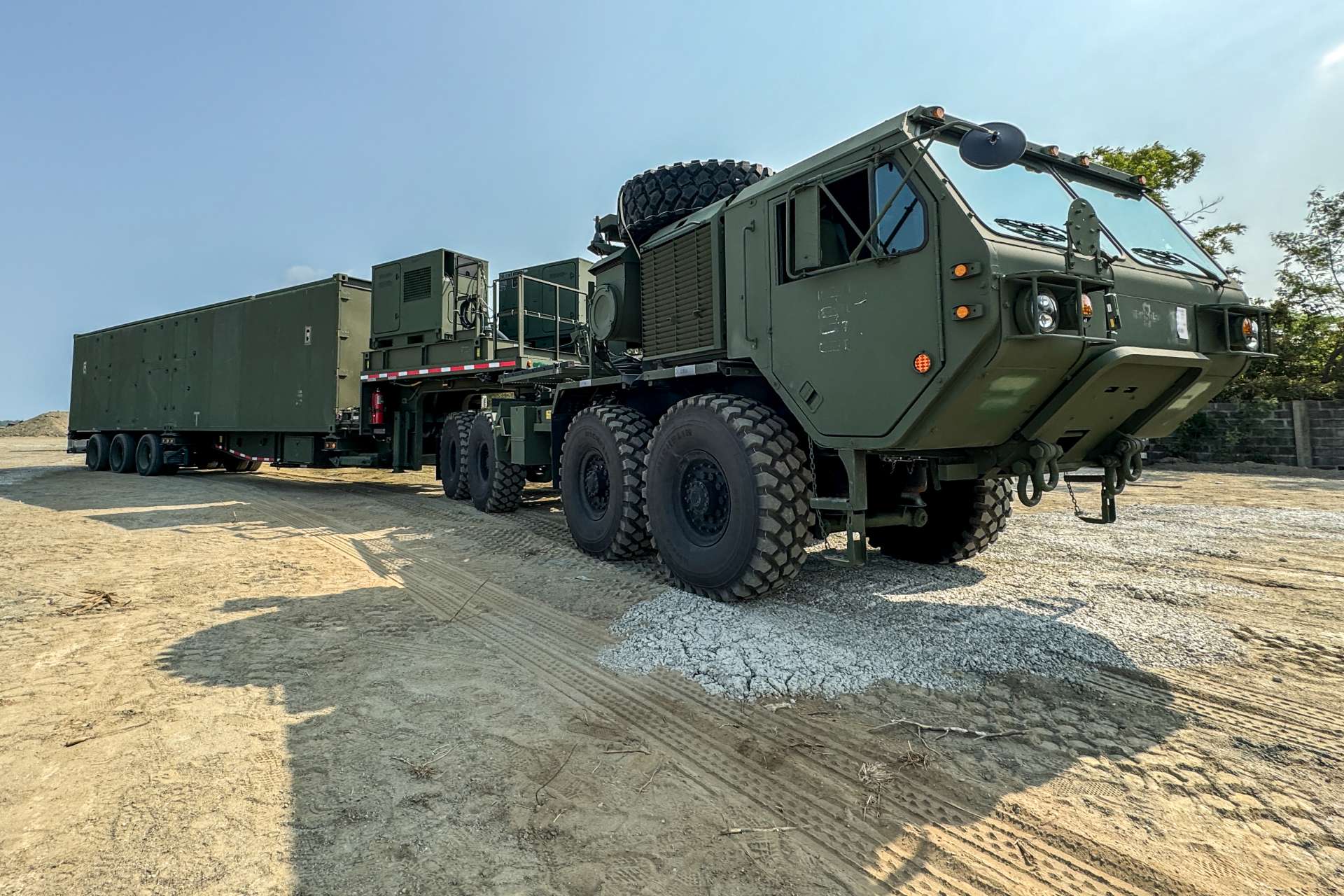
A Mid-Range Capability (MRC) Launcher from Charlie Battery, 5th Battalion, 3rd Field Artillery Regiment (Long Range Fires Battalion), 1st Multi-Domain Task Force arrives in Northern Luzon, Philippines, marking the system’s first deployment in the region on April 8, 2024. (Picture source: U.S. DoD)
The Typhon, also called the Mid-Range Capability system, is a cutting-edge, land-based, ground-launched missile platform capable of deploying the Standard Missile-6 (SM-6) interceptor. Initially designed for naval use, the SM-6 provides a range exceeding 482 km (300 miles) and can engage a variety of threats, including aircraft, missiles, and even ships at sea. The Typhon MRC platform’s capability to launch these missiles from a ground-based mobile unit significantly advances adaptable, long-range land-attack capabilities for partner nations.
The Typhon MRC’s SM-6 missile is known for its extended-range, multi-mission capabilities, including air defense, anti-ship, and precision land-attack options, with an operational range exceeding 370 kilometers (230 miles). This missile can intercept aircraft, ballistic missiles, and naval threats, providing a solid defensive layer against China's People’s Liberation Army (PLA) Navy. The Typhon system is also compatible with the SM-2 missile and, in the future, could integrate even more advanced munitions such as the Extended Range Guided Missile (ERGM) or the Precision Strike Missile (PrSM), which offers up to 500 kilometers (310 miles) of strike range, ideal for targeting high-value assets and enhancing the Philippines’ ability to secure its maritime boundaries.
Looking further ahead, the Typhon system’s modular design may allow it to accommodate the Tomahawk cruise missile, extending its range to between 500 and 1,500 kilometers (310 to 930 miles). This capability would offer the Philippines a powerful long-range strike option, enabling precision attacks on strategic targets deep within contested areas of the South China Sea. By adding Tomahawk or similar long-range missiles, the Typhon MRC would transform into a robust, multi-theater platform, strengthening the Philippines' deterrence and giving it unprecedented reach in regional security.
The Philippines’ interest in the Typhon system comes amid increasing assertiveness from regional actors in the South China Sea. The Typhon MRC, with its significant operational range, offers an enhanced ability to deter hostile incursions and provide a protective “bubble” over contested maritime areas. This capability would represent a notable enhancement over the Philippines' current missile and artillery arsenal, aligning with the country’s goal to strengthen territorial defense.
In a recent development to strengthen U.S.-Philippine defense cooperation, the U.S. deployed the Typhon Mid-Range Capability system in the Philippines in October 2023 as part of joint military exercises. This deployment marked the first operational use of the Typhon MRC on Philippine soil and strategically demonstrated the system’s rapid deployment capabilities in real-world conditions. These units in critical locations enhanced the Philippines' ability to protect its maritime interests and provided a tangible deterrent presence in disputed areas. This temporary deployment also allowed the Armed Forces of the Philippines to train alongside U.S. forces, gaining hands-on experience in operating the Typhon system and maximizing the interoperability of the two nations' armed forces.
In September 2024, Reuters published a report that the United States has no immediate plans to withdraw the Typhon MRC from the Philippines, despite Chinese demands for its removal. According to sources familiar with the matter, the U.S. is actively assessing the system's feasibility in a potential regional conflict, reflecting Washington’s interest in establishing a stable, long-term defense presence in the region. Despite diplomatic pressures, this extended deployment underscores the U.S. commitment to supporting allied nations like the Philippines and bolstering collective security in the face of escalating threats in the South China Sea.
The Philippines’ acquisition of the Typhon MRC would represent a deepening of defense ties with the United States, building on the Enhanced Defense Cooperation Agreement (EDCA) that allows for greater rotational U.S. troop presence in the Philippines. With Washington’s Indo-Pacific strategy emphasizing strong alliances and defense partnerships, deploying Typhon systems within the Philippines could be a pivotal asset in the broader U.S. security posture in the region.
The Philippine government has yet to confirm the final decision on the acquisition. Still, the potential deployment of Typhon units would mark a new chapter in the country’s defense modernization efforts. If acquired, the system is expected to be strategically deployed to maximize coverage over the country’s critical maritime and territorial interests. Additionally, training initiatives and logistical support for the Typhon MRC would likely be provided through U.S.-Philippine defense cooperation channels, fostering high operational readiness.
As the Philippines eyes the Typhon Mid-Range Capability system, the nation stands poised to make a transformative addition to its defense infrastructure. By acquiring the Typhon MRC, the Philippines could strengthen its sovereignty in contested regions and enhance its capability to safeguard maritime domains against emerging threats. The move underscores the Philippines' commitment to regional stability, with defense modernization as a cornerstone of its national security policy.

- Details
- Written by: Administrator
- Category: 2024
- Hits: 6029
According to information published by Asian News International (ANI), an Indian news agency, on November 9, 2024, the French Army is actively evaluating India’s Pinaka multi-barrel rocket launcher (MBRL) system for potential integration into its arsenal. A senior French Army officer noted that the Pinaka system, developed by India’s Defence Research and Development Organisation (DRDO), could meet specific tactical needs for France, especially in terms of mobility and rapid-strike capabilities.
Follow Army Recognition on Google News at this link
The Indian-made Pinaka Multi-Barrel Rocket Launcher System was showcased at Rajpath during the 72nd Republic Day celebrations in New Delhi on January 26, 2021.(Picture source: India MoD)
Brigadier General Stephane Richou of the French Army confirmed to ANI (Asian News International) that France is considering the Pinaka MBRL as part of a broader assessment involving top global rocket artillery systems. "We are evaluating the Pinaka multi-barrel rocket launcher system because we need a system like that," Brigadier General Richou stated. "We are evaluating the system among the other systems offered by the highest countries offering such systems. India is among the countries producing the highest weapons." His comments underscore France's strategic interest in Pinaka’s performance, adaptability, and cost-effectiveness, which are key features that have garnered significant recognition in international defense circles.
The Pinaka Multi-Barrel Rocket Launcher (MBRL), developed by India’s Defence Research and Development Organisation (DRDO), is a highly versatile, mobile artillery system designed to deliver rapid and robust fire support. It serves primarily in bombardment roles, targeting enemy positions, infrastructure, and personnel concentrations with impressive accuracy and range. Since its introduction, the Pinaka has evolved significantly, with variants that enhance its range, accuracy, and payload capabilities, making it an effective tool in modern warfare.
The initial variant, the Pinaka Mk-I, has a range of up to 40 kilometers and is equipped with various warheads. It can deliver high-explosive (HE) rounds for widespread blast effects and fragmentation, effective against personnel and lightly fortified structures. The Mk-I also supports anti-tank mine-laying rounds, creating defensive perimeters and obstructing enemy armored vehicles. Additionally, it can launch incendiary warheads designed to ignite fuel or other flammable targets, making it versatile in both offensive and defensive missions. Each Mk-I rocket carries approximately 100 kilograms of explosives, allowing for concentrated firepower in targeted areas.
To meet the demand for greater reach, the Pinaka Mk-II variant extends the system’s operational range to between 60 and 75 kilometers. The Mk-II retains the variety of warheads used in the Mk-I but adds precision-guided capabilities, enhancing its accuracy and making it highly effective in scenarios where controlled, directed strikes are needed. Incorporating GPS and Inertial Navigation System (INS) guidance, the Mk-II can deliver payloads with increased precision, ensuring greater effectiveness and reducing collateral damage on the battlefield.
The Guided Pinaka Rocket variant represents a further leap in the Pinaka’s capabilities, incorporating advanced guidance systems that make it highly suitable for precision engagements. With a range of up to 75 kilometers, it uses a combination of INS and GPS to strike critical high-value targets with minimal error. This variant is especially effective for engaging fortified structures, command centers, and other strategic assets, making it a valuable tool for targeting operations that require pinpoint accuracy.
The Pinaka Area Denial Munition (ADM) rockets are tailored to prevent enemy movement across designated zones for area denial missions. Equipped with cluster munitions, these rockets disperse numerous submunitions over a wide area, effectively neutralizing personnel and light vehicles. Additionally, anti-tank and anti-personnel mine-laying rockets create temporary minefields that act as deterrents, making the ADM variant essential in scenarios where halting enemy advancement is crucial.
To further extend Pinaka’s capabilities, the Extended Range Guided Pinaka (ER-Pinaka) is currently under development, with a projected range of up to 90 kilometers. This upcoming variant aims to deliver the same high precision over longer distances, enhancing the platform’s flexibility and making it one of the most adaptable artillery systems in the Indian Army’s arsenal.
The Pinaka’s ability to switch between these various rocket types offers exceptional adaptability on the battlefield. Mounted on a high-mobility vehicle, it can fire a full salvo of 12 rockets within 44 seconds and relocate immediately to avoid counter-attacks. This mobility, combined with its powerful array of rocket options, has made the Pinaka a preferred artillery choice for the Indian Army and a strong candidate for international defense collaborations.
India and France have a longstanding and robust defense partnership marked by high-level cooperation, technology transfer, and joint military exercises. This partnership has strengthened significantly in recent years, with key acquisitions such as India procuring 36 Rafale fighter jets from France’s Dassault Aviation and increasing collaboration on advanced defense technologies. The two countries conduct regular joint military exercises, including the Garuda and Varuna exercises, enhancing interoperability between their armed forces.
France’s interest in the Pinaka MBRL further reflects the broadening scope of this relationship. Historically, France has sourced its artillery systems from European suppliers; however, evaluating Pinaka signifies a potential shift towards a more diversified defense procurement strategy. This acquisition would mark another milestone in Indo-French defense ties, promoting deeper industrial collaboration and potential co-production initiatives. This alignment not only bolsters the defense industries of both countries but also strengthens their strategic cooperation on regional and global security.
This potential acquisition marks a pivotal shift, as France has traditionally sourced artillery systems from European or NATO-aligned manufacturers. Exploring India’s Pinaka could open doors to expanded Indo-French defense collaboration, potentially establishing pathways for technology transfer, co-production, and joint military initiatives. If finalized, this move could signify a significant strengthening in defense ties between India and France.

- Details
- Written by: Administrator
- Category: 2024
- Hits: 15918
The U.S. Army's airborne intelligence fleet has been significantly modernized with the introduction of the Airborne Reconnaissance and Targeting Exploitation Multi-Mission Intelligence System (ARTEMIS). This state-of-the-art aerial intelligence, surveillance, and reconnaissance (A-ISR) demonstrator utilizes a modified Bombardier Challenger 650 aircraft managed by defense contractor Leidos. Since entering service in 2020, ARTEMIS has logged over 10,000 flight hours across its two operational aircraft, showcasing its reliability and its critical role in supporting the evolving demands of multi-domain operations for the U.S. Army and its joint military partners worldwide.
Follow Army Recognition on Google News at this link
The U.S. Army's ARTEMIS, an advanced airborne intelligence system, operates from a modified Bombardier Challenger 650 aircraft. Managed by Leidos, this high-tech ISR platform has surpassed 10,000 flight hours since its 2020 deployment, providing critical intelligence support across global theaters. (Picture source: U.S. DoD)
With these extensive flight hours, ARTEMIS has proven both its endurance and precision in ISR missions, consistently demonstrating its versatility in supporting U.S. and allied forces. Operating as a rapid-deployment ISR asset, ARTEMIS is highly adaptable to various complex mission requirements and gathers advanced intelligence across large, contested regions. Its performance emphasizes the importance of agile, high-tech ISR capabilities in maintaining operational awareness and strategic advantage.
The U.S. Army’s ARTEMIS (Airborne Reconnaissance and Targeting Exploitation Multi-Mission Intelligence System) is an advanced airborne intelligence platform developed to meet the growing demands for high-speed, long-range intelligence, surveillance, and reconnaissance (ISR) capabilities. ARTEMIS is produced and managed by Leidos, a leading defense contractor known for its ISR and electronic warfare systems expertise. Built on the Bombardier Challenger 650 jet, ARTEMIS underwent extensive modifications to transform civilian aircraft into a military asset capable of collecting and analyzing various electronic signals and data in complex operational environments.
After initial testing and system integration, ARTEMIS entered service in 2020 and has since become a critical component of the U.S. Army’s modern ISR fleet, providing real-time intelligence support to global military operations and enhancing situational awareness in both European and Indo-Pacific theaters.
For decades, the U.S. Army's intelligence community has depended on a diverse fleet of ISR aircraft for gathering essential intelligence, with a central mission to provide commanders with timely, relevant, and accurate information at tactical, operational, and strategic levels. Early efforts in airborne intelligence collection began with simple techniques, including balloons and even birds, but today’s A-ISR operations demand sophisticated technologies and advanced data-gathering capabilities. However, much of the U.S. Army’s ISR fleet, over 60 aircraft, still reflects Cold War-era technology, making the modern ISR platform represented by ARTEMIS especially valuable.
ARTEMIS represents the future of airborne intelligence. Unlike legacy ISR aircraft, ARTEMIS offers advanced sensor packages, an extended range, and high-altitude endurance. Based on the Challenger 650 jet and extensively modified for ISR missions, ARTEMIS integrates advanced signals intelligence (SIGINT) capabilities that allow it to intercept, analyze, and exploit enemy communications and radar emissions swiftly and with great precision. This ability to rapidly gather intelligence is crucial in dynamic combat environments, where commanders depend on real-time data to respond to evolving threats.
ARTEMIS is a versatile, multi-mission platform capable of adapting to a wide range of intelligence needs. Its rapid deployment capability allows it to reach mission areas quickly, providing critical support in locations like Eastern Europe, where it has proven invaluable in joint NATO exercises. In the Indo-Pacific, ARTEMIS conducts crucial surveillance in contested areas where adversaries like China are increasingly active.
With over 10,000 flight hours logged since its entry into service in 2020, ARTEMIS has demonstrated both resilience and reliability, securing its place as a vital asset in the U.S. Army’s modern ISR portfolio. As the Army continues operating in contested environments, ARTEMIS enables high-value intelligence collection across multiple domains, directly supporting the Army’s shift to multi-domain operations (MDO) and enhancing situational awareness and superiority on the battlefield.
ARTEMIS’s success underscores the critical role of public-private partnerships in military technological advancement. Defense contractor Leidos, responsible for ARTEMIS’s management and system integration, has transformed the Challenger 650 into a robust ISR platform, capable of gathering and processing vast amounts of data quickly and efficiently. By integrating advanced technology, ARTEMIS processes and disseminates intelligence faster than legacy systems, ensuring commanders receive actionable, real-time data.
As global tensions continue to rise, ARTEMIS will remain essential in the U.S. Army and joint operations. This platform represents a new generation of ISR assets designed for adaptability, rapid deployment, and advanced signal intelligence capabilities—a significant step forward for modern military intelligence.

- Details
- Written by: Administrator
- Category: 2024
- Hits: 6606
According to a recent report by The Wall Street Journal and highlighted by OSINTtechnical on November 9, 2024, the United States has begun supplying Ukraine with AGM-88E Advanced Anti-Radiation Guided Missiles (AARGM). This move strengthens Ukraine's capability to neutralize Russian air defense systems amid an ongoing conflict characterized by electronic warfare and advanced missile deployments.
Follow Army Recognition on Google News at this link
U.S. Navy Airman assigned to Electronic Attack Squadron 140 at Naval Air Station Whidbey Island, Washington, loaded an AGM-88E Advanced Anti-Radiation Guided Missile on an EA-18G Growler fighter aircraft.(Picture source: U.S. DoD)
The delivery of AGM-88E AARGMs follows the initial supply of AGM-88 High-Speed Anti-Radiation Missiles (HARMs) to Ukraine in mid-2022. This initial transfer was kept confidential until early August 2022, when Russian forces displayed footage showing a tail fin from one of these missiles, confirming their use in Ukraine’s defense. Following this reveal, U.S. Under Secretary of Defense for Policy Colin Kahl confirmed that recent aid packages had indeed included anti-radiation missiles adapted for use by Ukrainian aircraft. Now, Ukraine has received an advanced version of the AGM-88E AARGM, providing a more sophisticated tool for the Suppression of Enemy Air Defenses (SEAD) operations.
The AGM-88E AARGM is a highly advanced air-to-surface missile known for its precision and speed. It is designed to allow pilots to locate, track, and destroy enemy radar installations and surface-to-air missile (SAM) sites effectively. While the AGM-88 HARM uses a passive radar seeker to detect and home in on radar signals, the AGM-88E AARGM includes a multi-mode seeker that combines an advanced passive radar detection system with a millimeter-wave radar for terminal guidance. This feature allows the AGM-88E to track targets more accurately, even if enemy radar systems are deactivated mid-flight, giving it a significant edge over its predecessor. This advancement enhances the missile’s ability to locate and neutralize high-value air defense systems, further improving its impact in SEAD missions.
For Ukraine, which has integrated Western weaponry with its Soviet-era aircraft, the AGM-88E AARGM offers a substantial tactical advantage. Ukrainian pilots have previously adapted AGM-88 HARMs for use on their MiG-29 and Su-27 fighter jets, employing creative solutions like iPads to overcome compatibility challenges. These missiles have enabled Ukraine to conduct “Wild Weasel” missions—operations designed to provoke, locate, and eliminate enemy air defenses. With the AGM-88E, Ukrainian forces gain a higher level of precision and reliability, better equipping them to counter Russian SAM (Surface-to-Air) systems, including advanced S-300 and S-400 air defense missile systems.
By targeting and neutralizing radar-guided air defenses, the AGM-88E enhances Ukraine’s SEAD capabilities, providing safer operating conditions for Ukrainian pilots. This may enable Ukrainian forces to penetrate deeper into contested airspace with reduced risk of engagement from Russian SAMs, potentially allowing for more effective close-air support missions and improved freedom of movement over strategically critical areas. At a broader level, deploying the AGM-88E could shift the air superiority balance in contested zones, diminishing Russia’s defensive advantages and bolstering Ukraine’s overall defense and counter-offensive capabilities.
The introduction of AGM-88E missiles is a powerful testament to the ongoing U.S. and allied support for Ukraine. It underscores a commitment to providing advanced military technology to counteract evolving threats, helping Ukraine address complex air defense challenges that Russian forces pose more effectively. As Ukraine continues integrating sophisticated Western systems, these capabilities are expected to make a tangible impact on the battlefield, reinforcing Ukraine’s resilience and operational effectiveness in the face of sustained conflict.

- Details
- Written by: Administrator
- Category: 2024
- Hits: 21355
During the 70th Anniversary Review Ceremony of the South Korean Ministry of Defense and Self-Defense Forces on November 9, 2024, Japan's Ground Self-Defense Force (JGSDF) presented a groundbreaking piece of technology—the 10kW-class high-power laser electronic warfare (EW) combat truck. Developed by Japan’s Defense Acquisition Agency, this state-of-the-art laser system marks a significant advancement in Japan’s directed-energy weapon (DEW) capabilities, which are increasingly critical in countering modern threats on the battlefield.
Follow Army Recognition on Google News at this link
Japan's new 10kW-class high-power laser electronic warfare (EW) vehicle, recently entered into service, displayed at the South Korean Ministry of Defense's 70th Anniversary Review Ceremony. (Picture source: Japan MoD)
The 10kW-class high-power laser EW vehicle is a formidable innovation designed to counter aerial and missile threats, including hostile unmanned aerial vehicles (UAVs) and low-altitude missile systems. Japan’s Defense Acquisition Agency, a key institution within the Ministry of Defense that spearheads defense technology development, has pushed the boundaries in both electromagnetic and laser-based technologies. This system is part of Japan's broader defense modernization effort, aiming to bolster capabilities that traditional missile-defense systems struggle to address effectively, especially against the backdrop of rapidly advancing drone warfare and complex aerial threats.
Equipped with a high-power laser system mounted on an 8x8 truck chassis, the vehicle offers both flexibility and rapid deployment potential across diverse terrains. The laser’s 10kW output enables it to neutralize targets within short to medium range, targeting and disrupting the electronic or physical components of drones and missiles. By integrating this capability into a mobile electronic warfare vehicle, Japan gains a tactical advantage with a reusable, high-precision tool that minimizes collateral damage and costs associated with traditional munitions. The JGSDF’s system development underscores the country’s shift towards innovative, cost-effective, and adaptive defense solutions to meet evolving battlefield demands.
This unveiling of Japan's high-power laser EW vehicle signals a significant commitment to enhancing national and regional security amid increasing security challenges in the Indo-Pacific. Given the regional escalation in drone and missile capabilities, Japan’s advancement in directed-energy weapons provides a strategic countermeasure that could support allied forces in the region, contributing to stability and defense. As the need for advanced counter-drone and anti-missile systems grows, Japan’s latest development in directed-energy technology could prompt future collaborations with partner nations seeking similar defensive capabilities.
During South Korea's defense review, Japan’s display of the 10kW-class high-power laser EW vehicle reflects a promising leap forward in the nation’s defense objectives. Combining mobility, precision, and adaptability, this new technology enhances Japan’s strategic readiness and positions it as a leader in directed energy and electronic warfare, essential in maintaining security across the Asia-Pacific region. This achievement highlights Japan’s proactive approach to defense innovation, strengthening its role as a formidable force in countering emerging security threats.
The global advancement of laser weapon technology underscores a pivotal shift in defense strategies as nations increasingly recognize the critical need to counter new and complex aerial threats. With the proliferation of unmanned aerial vehicles (UAVs), advanced missiles, and hypersonic systems, traditional defense mechanisms alone are often insufficient to protect military assets and infrastructure. Directed-energy weapons, particularly high-power lasers, offer a promising solution by providing highly accurate, scalable, and cost-effective means to neutralize or disable incoming threats at the speed of light.
Countries like the United States, China, Russia, Israel, and Japan are at the forefront of laser weapon development, exploring applications for short- to long-range engagements in air and missile defense. These systems provide several operational advantages: they can be deployed with minimal logistical footprint, can neutralize a broad spectrum of threats, and can often operate continuously with only an energy source, unlike expendable traditional munitions. The rapid progress in laser technology demonstrates a collective drive within the defense community to achieve a reliable, high-performance layer of defense capable of addressing emerging and increasingly sophisticated threats.
As international defense priorities shift to counter these new aerial dangers, directed-energy weapons are expected to become a core component of next-generation defense systems. Laser weapon development is not only reshaping the capabilities of modern armed forces but also reinforcing the importance of technological superiority in maintaining national security and regional stability. With continued investments and innovations, laser weaponry will likely play a fundamental role in safeguarding against future aerial threats, marking a new era in defense strategy worldwide.
- Details
- Written by: Administrator
- Category: 2024
- Hits: 5052
On November 9, 2024, Taiwan received its first shipment of the U.S.-made Army Tactical Missile System (ATACMS), a significant boost to the nation’s long-range strike capabilities amid escalating regional tensions. Confirmed by Taiwan’s Ministry of Defense and reported by the Taiwanese Central News Agency, this delivery marks a pivotal advancement in Taiwan’s defense readiness, particularly in countering potential threats from China.
Follow Army Recognition on Google News at this link
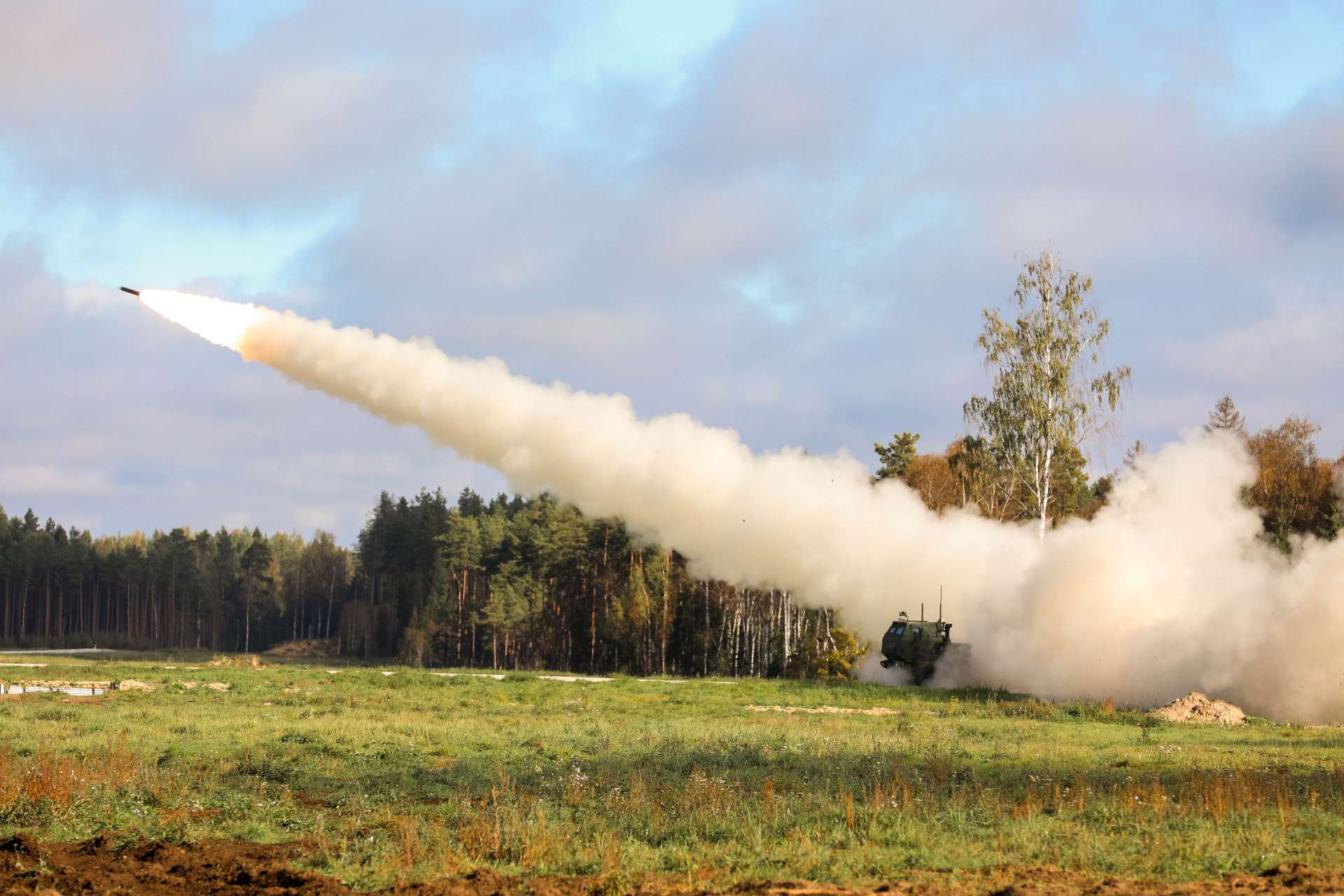
Taiwan Set to Deploy HIMARS Systems Capable of Launching ATACMS Missiles with 300 km Range, Strengthening Defense Against Potential Threats from China. (Picture source: U.S. DoD)
The ATACMS ballistic missile, a tactical ballistic system with a range of 300 km, offers precise strike capabilities that can reach deep into mainland China. Launched from the versatile and mobile HIMARS (High Mobility Artillery Rocket System) M142 vehicle, ATACMS enables Taiwan to target crucial military assets such as airbases, command posts, and logistical hubs. This capability is expected to play a crucial role in deterring or responding to potential aggression, as it enhances Taiwan’s preparedness for a high-stakes conflict scenario.
Originally approved by the United States on October 21, 2020, Taiwan’s acquisition deal included 64 ATACMS missiles and 11 M142 HIMARS launchers. However, recognizing the strategic importance of these systems, Taiwan later expanded its order by 20 more ATACMS units and an additional 18 HIMARS launchers, bringing the total to 84 missiles and 29 launchers. This expanded arsenal will allow Taiwan to conduct multiple, coordinated strikes across different regions, providing more flexibility and operational coverage.
The pairing of ATACMS with HIMARS is central to Taiwan’s broader defense strategy, which relies on swift, precise, and mobile assets. The mobility of the HIMARS launcher complicates detection and targeting by adversaries, ensuring that Taiwan’s defensive capabilities remain effective even in contested environments. With the range and mobility of these systems, Taiwan’s asymmetric warfare strategy is strengthened, creating a robust deterrent by making critical assets and regions challenging for any potential aggressor to neutralize.
This delivery also highlights the significance of U.S. support for Taiwan’s defense readiness, signaling a strategic partnership focused on maintaining stability in the Taiwan Strait. The ATACMS and HIMARS rocket/missile launcher systems, which align with the mandates of the U.S. Taiwan Relations Act, reflect the United States’ commitment to bolstering Taiwan’s self-defense capabilities, equipping it to respond effectively to any regional threats.
For Taiwan, this initial batch of ATACMS missiles is part of a larger effort to modernize and diversify its defensive arsenal, which has recently expanded to include advanced fighter jets, air defense systems, and naval assets. The acquisition of ATACMS and HIMARS strengthens Taiwan’s multi-domain defense network, ensuring it remains a formidable force against aggression. As Taiwan enhances its military capabilities, it sends a clear message of resilience and preparedness that reinforces its sovereignty and the security of the region.
As Taiwan fortifies its defenses, the backdrop of rising threats from China has added urgency to these military upgrades. In recent years, China has intensified its military maneuvers near Taiwan, including regular incursions into Taiwan’s air defense identification zone (ADIZ) and large-scale naval exercises in surrounding waters. Chinese officials have repeatedly emphasized their commitment to unification, even suggesting the use of force if necessary, raising concerns about a possible conflict.
In response, the United States has reiterated its support for Taiwan through strategic arms sales and defense agreements, maintaining that a well-armed Taiwan is crucial for regional stability. By providing Taiwan with sophisticated systems like ATACMS and HIMARS, the U.S. not only strengthens Taiwan’s defensive capabilities but also sends a message to China about its commitment to upholding Taiwan’s self-defense rights and safeguarding the balance of power in the Indo-Pacific region.

- Details
- Written by: Administrator
- Category: 2024
- Hits: 11910
The U.S. Department of Defense (DoD) has unveiled a new image of the Army’s ATHENA platform, a cutting-edge intelligence, surveillance, and reconnaissance (ISR) aircraft that aligns closely with the capabilities of a modern spy plane. The photo, released by DoD media, features a modified Bombardier Global 6500 jet equipped with advanced sensors and communication systems, highlighting the Army’s transition to high-altitude, jet-powered ISR technology.
Follow Army Recognition on Google News at this link
The U.S. Army Theater-Level High-Altitude Expeditionary Next-Generation A-ISR aircraft (ATHENA) in a flight demonstration showcasing its advanced capabilities (Picture source: U.S. DoD)
The U.S. Army ATHENA spy A-ISR plane is designed to perform discreet, multi-domain intelligence missions across vast operational areas, reinforcing the Army’s strategic and tactical edge through real-time data collection and enhanced situational awareness.
A-ISR stands for Aerial Intelligence, Surveillance, and Reconnaissance. This term refers to military operations and technology that use aircraft—such as drones, helicopters, or fixed-wing planes—to collect information on enemy movements, terrain, and other operational data from the air.
The ATHENA aircraft is equipped with state-of-the-art technology designed for both tactical and strategic missions, providing the Army with a critical intelligence advantage. Among its expansive mission capabilities, ATHENA excels in high-resolution imaging, using advanced optical and infrared cameras to capture detailed images from high altitudes. This capability is essential for monitoring large areas, identifying enemy formations, and tracking movement across complex terrain.
In addition to imaging, ATHENA boasts powerful signal intelligence (SIGINT) capabilities. Its sensors can intercept and analyze electronic communications and signals emitted by potential adversaries, enabling it to locate, identify, and characterize these signals for threat assessment and support in electronic warfare.
The ATHENA platform also includes sophisticated electronic warfare (EW) systems, which allow it to disrupt, deceive, or turn off enemy communications and radar systems, thus providing tactical support to U.S. forces on the ground and in the air.
Furthermore, ATHENA's high-altitude capabilities facilitate wide-area surveillance across vast operational zones in a single mission. With enhanced endurance and range, the aircraft can remain airborne for extended periods, making it highly effective for missions requiring continuous observation.
The primary goal of ATHENA is to replace aging, propeller-driven ISR aircraft with faster, more efficient jet platforms capable of rapid deployment worldwide within 24 hours. With improved speed, range, and altitude, ATHENA can operate above enemy air defenses, enhancing survivability while providing persistent intelligence coverage.
The ATHENA jet is shown in flight against a clear sky in this latest photo, highlighting the modified aerodynamic features and sensor arrays specific to ISR missions. The program bridges the Army's future HADES (High Accuracy Detection and Exploitation System) fleet, a planned ISR platform anticipated to enter service by 2035. Data collected by ATHENA will play a vital role in the HADES program, ensuring that the next generation of ISR aircraft meets the operational demands of modern, multi-domain conflicts.
The ATHENA program has already made significant progress this year, with contract awards to defense firms such as MAG Aerospace, L3Harris, and Sierra Nevada Corporation. Each contractor works on specialized versions of ATHENA aircraft, ranging from operational platforms to research-focused variants designed to validate sensor performance and mission adaptability.
As the U.S. Army modernizes its ISR capabilities, the ATHENA aircraft offers a sophisticated solution to meet evolving intelligence requirements. With rapid deployment capabilities, advanced sensing technology, and high-altitude operational advantages, ATHENA stands ready to secure information dominance for the Army in current and future operation theaters.
Read more: US Army Reveals High-Tech “Spy Plane” in Stunning New Image of ATHENA ISR Jet
- Details
- Written by: Administrator
- Category: 2024
- Hits: 5696
At Euronaval 2024, a naval defense exhibition that was held in Paris, France, MBDA, in collaboration with French defense company Fly-R, unveiled the RD-120 Raijin loitering munition, an advanced "kamikaze" drone designed for high-precision, autonomous strikes on critical targets. This new addition to MBDA's arsenal represents a strategic entry into the loitering munition market, an area of growing international demand fueled by recent conflicts, including the ongoing war in Ukraine. The RD-120 Raijin combines Fly-R's innovative engineering with MBDA's operational expertise, offering militaries an agile, potent solution for engaging enemy forces in dynamic battlefield conditions.
Follow Army Recognition on Google News at this link
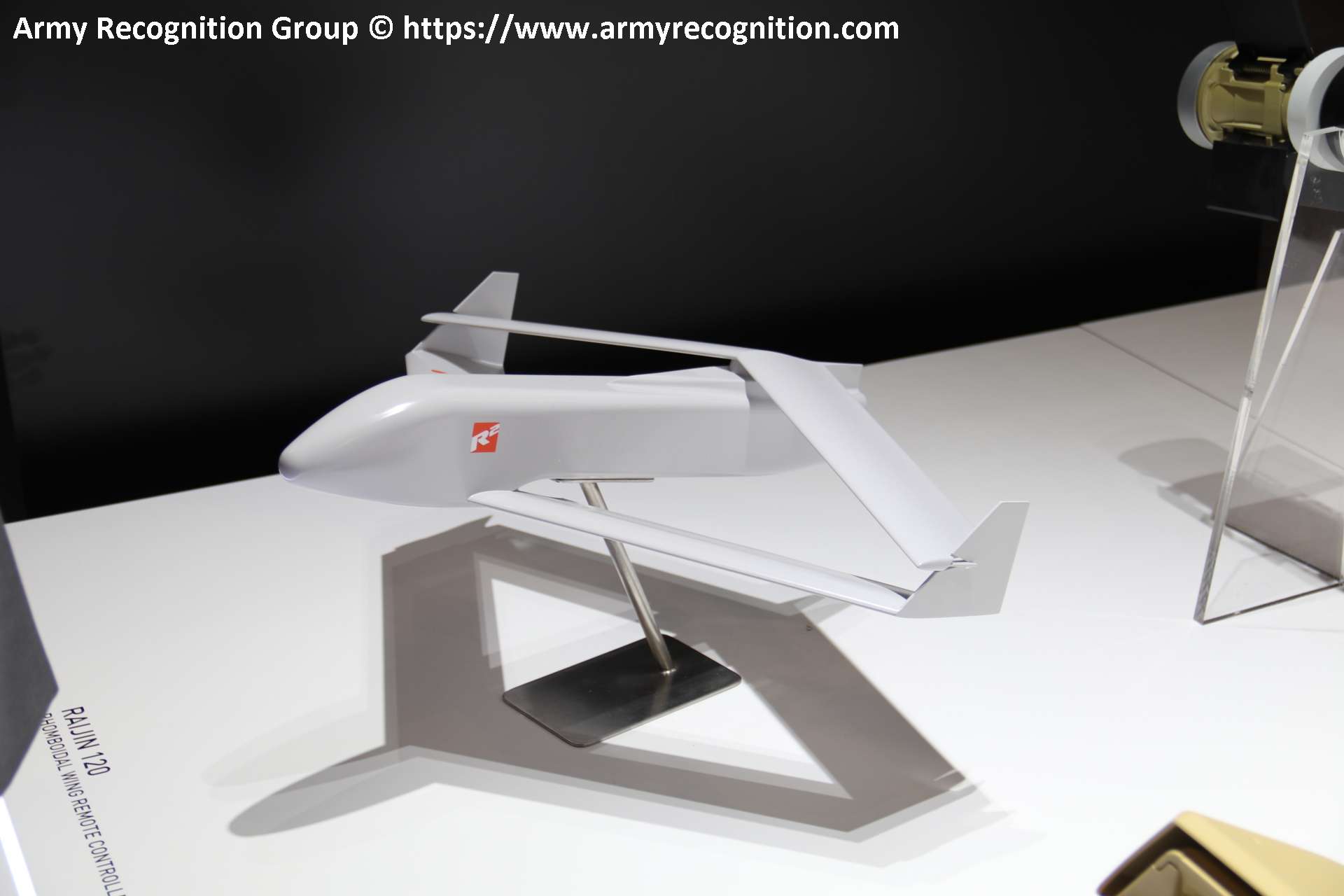
A scale model of the Fly-R RD-120 Raijin loitering munition was displayed at the MBDA booth during Euronaval 2024, showcasing the latest in precision strike technology from the French defense industry. (Picture source: Army Recognition Group)
The RD-120 Raijin loitering munition is designed with a strong focus on flexibility, power, and precision. Equipped with a high-performance day/night camera, it can detect, identify, and engage targets in diverse lighting conditions. The munition includes a customizable pyrotechnic charge, allowing for adaptability to the armor levels of various targets, from light vehicles to heavily armored assets, maximizing mission effectiveness.
In its folded state, the RD-120 Raijin measures 250 mm in width, 255 mm in height, and 1,195 mm in length, allowing for compact storage and transport. When deployed, its wings automatically expand to reach unfolded dimensions of 1,215 mm in width, 225 mm in height, and 1,070 mm in length. Weighing 5 kg at maximum takeoff weight (MTOW) and with a mission and military payload capacity of up to 1.5 kg, the Raijin is compact yet powerful.
This loitering munition’s propulsion is driven by an electric motor, enabling a versatile operational speed range between 95 km/h and 200 km/h, depending on mission requirements. The RD-120 Raijin launches from a portable tube launcher, reaching an initial speed of 95 km/h, which it can quickly increase to its cruise speed of 110 km/h. Upon entering its attack phase, the Raijin accelerates to an impressive dive speed of 270 km/h, ensuring a swift and forceful strike on the target. Its range extends up to 50 km, with an endurance of 45 minutes at its cruising speed, making it well-suited for prolonged missions and extensive battlefield coverage. The Raijin is capable of operating at altitudes up to 3,000 meters, giving it an advantage in varied and challenging terrains.
One of the RD-120 Raijin's defining characteristics is its rhomboid wing configuration. This unique design enhances maneuverability and reduces its wingspan and overall mass by approximately a third, allowing for a higher lift-to-drag ratio and greater stability during flight. This structure allows the Raijin to perform rapid, precise maneuvers, maintaining flight stability even at high speeds, and to approach targets from steep angles, ideal for surprise and precision strikes.
Designed for rapid deployment, the RD-120 Raijin can be launched directly from its reusable transport container. Its autonomous flight mode can be overridden by a ground operator, who verifies target identification and gives the final engagement order. Fly-R’s advanced guidance algorithms ensure precise targeting, providing exceptional accuracy on both stationary and moving targets. In the attack phase, the rhomboid wing design further enhances the drone’s visual, acoustic, and thermal stealth, making it difficult for adversaries to detect or intercept.
With a takeoff weight of 5 kg, including a 1.5 kg payload, the RD-120 Raijin offers a potent blend of power and efficiency. Its adaptability and versatile attack options allow it to meet the operational needs of various combat scenarios, from precision strikes on high-value assets to swarm operations alongside other drones. The Raijin’s performance, maneuverability, and tactical flexibility make it an appealing choice for countries aiming to expand their capabilities with advanced loitering munitions.
The RD-120 Raijin loitering munition enters a defense landscape where demand has surged, partly due to the conflict in Ukraine, where loitering munitions have been deployed extensively. Both Ukrainian and Russian forces have relied on these munitions to strike targets in contested zones, including infrastructure, armored vehicles, and command centers. The effectiveness of loitering munitions in this conflict has underscored their strategic value, leading to an increased interest among military forces worldwide. By launching the RD-120 Raijin, MBDA and Fly-R seek to capitalize on this growing demand, positioning the Raijin as a critical asset for militaries looking to enhance their precision strike capabilities.
- Iran Enhances Medium-Range Air Defense with New Locally-Made AD-40 Missile System
- India Reinforces Its Firepower Capabilities With 307 New ATAGS Locally Made Howitzers
- Revolutionizing Battlefield Intelligence: How MEGA-ARMY Could Aid Ukrainian Troops in Russian Vehicle Recognition
- British Army Tests Ground Drone Fitted with Explosives to Neutralize Tanks on the Modern Battlefield