

- Details
- Written by: Jérôme Brahy
- Category: 2024
- Hits: 4780










On September 26, 2024, Indra signed a framework agreement with the Spanish Ministry of Defence to upgrade the Spanish Army's Ground-Based Air Defence System (GBADS). This contract involves equipping the system with Identification Friend or Foe (IFF) technologies with enhanced encryption in Mode 5, which will contribute to Spain's air defense capabilities.
Follow Army Recognition on Google News at this link
The Spanish Army is enhancing the NASAMS system to launch AIM-9X Sidewinder and AMRAAM-ER missiles, with the NASAMS 3 upgrade adding mobile, air-liftable launchers and ensuring interoperability with systems like the Patriot. (Picture source: Spanish Army)
The Spanish Army's GBADS mainly comprises the NASAMS (Norwegian Advanced Surface-to-Air Missile System), which Spain has been operating for over 20 years, making it the first international user of this system. Spain has maintained four active NASAMS units since 2003, and is upgrading its capabilities through a €410 million ($444 million) contract with Kongsberg announced in May 2024. The Spanish Army is enhancing the NASAMS system to launch AIM-9X Sidewinder and AMRAAM-ER missiles, with the NASAMS 3 upgrade adding mobile, air-liftable launchers and ensuring interoperability with systems like the Patriot. Spanish NASAMS units are currently deployed in the Baltics as part of NATO's Air Shielding Mission, providing air defense support in Estonia and Latvia in response to Russia's invasion of Ukraine.
The IFF system is crucial for Spain's GBADS, functioning as a secondary radar that interrogates aircraft to distinguish friendly forces from potential threats. It sends encrypted signals decoded and responded to only by platforms with the correct codes, ensuring accurate identification and situational awareness. This technology is vital for preventing friendly fire and ensuring coordination during operations.
Indra won the contract following an open bidding process in June that included leading industry suppliers. The agreement entails implementing Mode 5/S IFF radar systems, offering enhanced identification of friendly aircraft. Mode 5, the NATO and allied standard, replaces the outdated Mode 4 and includes advanced security features, making it more resistant to interception. The cryptographic equipment integrated into the interrogator frequently changes codes for added security.

The agreement entails implementing Mode 5/S IFF radar systems, offering enhanced identification of friendly aircraft. Mode 5, the NATO and allied standard, replaces the outdated Mode 4 and includes advanced security features, making it more resistant to interception. (Picture source: Indra)
Mode 5 provides additional data such as the aircraft's position, identification number, and callsign, gathered through selective interrogations that reduce unnecessary radio emissions, allowing for stealthier operations.
For high-mobility ground-based air defense systems needing rapid deployment, Indra will supply the next-generation I50D Interrogator model, designed to be lightweight and compact for various operational environments.
Under the contract, Indra will integrate the new IFF systems into the firing direction centers of existing light and medium-sized anti-aircraft artillery operations centers through their respective short and medium-range radars. Indra will also upgrade the intelligent terminals associated with the MISTRAL short-range missile launching positions and incorporate the new IFF systems into the Skydor firing directions and the medium-range HAWK batteries, including their operations center.

Mode 5 provides additional data such as the aircraft's position, identification number, and callsign, gathered through selective interrogations that reduce unnecessary radio emissions, allowing for stealthier operations. (Picture source: Indra)
IFF radar systems are a crucial element of Indra's air defense ground system portfolio. These systems play a role in Indra's "Leading the Future" strategic plan. With significant experience implementing IFF systems for air, land, and naval platforms for military forces globally, Indra has established itself as a key provider of air defense technology.
Indra Sistemas is a Spanish multinational specializing in defense, air traffic, transport, and space sectors. It is part of the Indra Group, consisting of two main brands: Indra, focusing on defense, air traffic, and space, and Minsait, specializing in digital transformation and information technologies across Spain and Latin America. Recently, Indra signed a $284 million radar system deal with Poland and announced a partnership with Lithuanian Railways to develop a digital signaling interlocking system to improve railway safety and connectivity. The company reported revenues of €4.343 billion in 2023 and operates in over 140 countries, with more than 57,000 employees worldwide.
Read more: Indra to modernize Spain’s air defense systems with new IFF technology

- Details
- Written by: Vandenbosch
- Category: 2024
- Hits: 3113
NP Aerospace, a global vehicle integrator and armor manufacturer, has secured a contract from the Belgian Ministry of Defence (BeMOD) to deliver the remaining 87 Light Tactical Transport Vehicles (LTTV) as part of an ongoing program. The contract, announced today, finalizes the initial plan to supply 199 LTTVs, based on the Mercedes-Benz UNIMOG, to BeMOD, following NP Aerospace's acquisition of the assets of Jankel Armouring Limited earlier this year.
Follow Army Recognition on Google News at this link
The LTTV is designed as a highly modular and adaptable tactical support vehicle. (Picture source: NP Aerospace)
This contract is not limited to vehicle production but includes a long-term in-service support agreement for the LTTV fleet. NP Aerospace will utilize its well-established Vehicle Systems, Services, and Spare Parts division to ensure the continued operational readiness of the LTTVs. Additionally, the company has secured a separate in-service support contract for Belgium's Rapid Reaction Vehicles (RRV), a product now owned by NP Aerospace after acquiring Jankel’s intellectual property.
Production of the remaining LTTVs will take place at NP Aerospace’s facilities in Coventry, United Kingdom. The company is committed to adhering to strict quality standards and tight delivery schedules, working closely with BeMOD to ensure the smooth progression of the program. NP Aerospace plans to leverage its well-established UK-based supply chain and best practices to meet and exceed customer expectations while bringing the delayed delivery schedule back on track.
The LTTV is designed as a highly modular and adaptable tactical support vehicle, featuring removable mission modules allowing quick reconfiguration to meet various operational needs. With a payload capacity exceeding three tonnes, depending on final specifications, the LTTV is available in three main variants designed to support special operations, including an ambulance version. The vehicle also features a full suite of integrated military subsystems, including a removable ballistic protection kit, a Roll-Over Protection System (ROPS), weapon mounts, and communication systems, making it a versatile asset for various military operations.
Lieutenant Colonel Jean-François Gennotte from BeMOD expressed his satisfaction with NP Aerospace’s acquisition of Jankel’s assets, which ensured the continuation of critical contracts. “We are very pleased with this acquisition, which allowed us to novate our existing contracts and maintain support for our fleet. NP Aerospace’s extensive experience in this sector is promising, and we look forward to a fruitful and lasting collaboration,” he stated.
James Kempston, CEO of NP Aerospace, shared this optimism, stating: “We are delighted to announce this major contract, which follows our recent acquisition of the assets of Jankel Armouring Limited. We are now focused on getting the LTTV program back on track and delivering vehicles in line with the customer’s expectations.” Kempston also highlighted the broader impact of the project, noting, “This is excellent news for NP Aerospace, for our UK supply chain, and for the Coventry region, as we continue to create and sustain high-skilled jobs across our supplier partnerships.”
The completion of the LTTV program marks a significant milestone for NP Aerospace as it continues to expand its presence in the defense sector, both in the UK and internationally.
Read more: Belgium Selects NP Aerospace to Complete Light Tactical Transport Vehicle Program

- Details
- Written by: Jérôme Brahy
- Category: 2024
- Hits: 5699
As reported by Liberty Times on September 22, 2024, Taiwan's Ministry of National Defense has announced an updated schedule for the delivery of 14 M-136 Volcano mine-laying systems from the United States. Initially, seven of these systems were set to be delivered before the end of this year, with the remaining units expected in 2026. However, due to operational delays on the U.S. side and various other factors, all 14 systems are now scheduled for delivery in 2026. Military officials confirmed they will keep close communication with their U.S. counterparts regarding any potential further adjustments to the timeline.
Follow Army Recognition on Google News at this link
Taiwan has previously outlined that the Volcano mine-laying system is intended for wartime use, particularly in obstructing beach areas, and is classified as an anti-tank measure against enemy armored vehicles. (Picture source: US DoD)
The Taiwanese ministry's public budget for the 2025 fiscal year indicates that the total project cost, including the purchase and related domestic logistic facilities, exceeds 4.89 billion New Taiwan dollars (approximately $153.265.118,40), spanning the period from 2022 to 2025. Upon arrival, the Volcano systems will be allocated to the engineer groups of the Army's three corps in the northern, central, and southern regions of Taiwan.
To prepare for deployment, the military has formed "Mobile Obstruction Teams" by integrating engineer groups from each corps with personnel from mechanized infantry battalions within combined arms brigades. These teams are designed to execute emergency mine-laying and establish mobile obstruction facilities swiftly in strategic areas such as roads and bridges during combat emergencies. The inclusion of the Volcano systems is intended to enhance the operational flexibility of the engineer groups.
In response to concerns about the potential for Taiwan to become a "mine island," an army general emphasized that the Volcano system includes an intelligent timed self-destruction feature and is not designed for long-term, wide-area mine-laying. The deployment focuses on precision along potential enemy landing routes. Additionally, these anti-tank mines are placed on the surface rather than buried, making them easier to identify and reducing the risk of accidental injury to personnel.
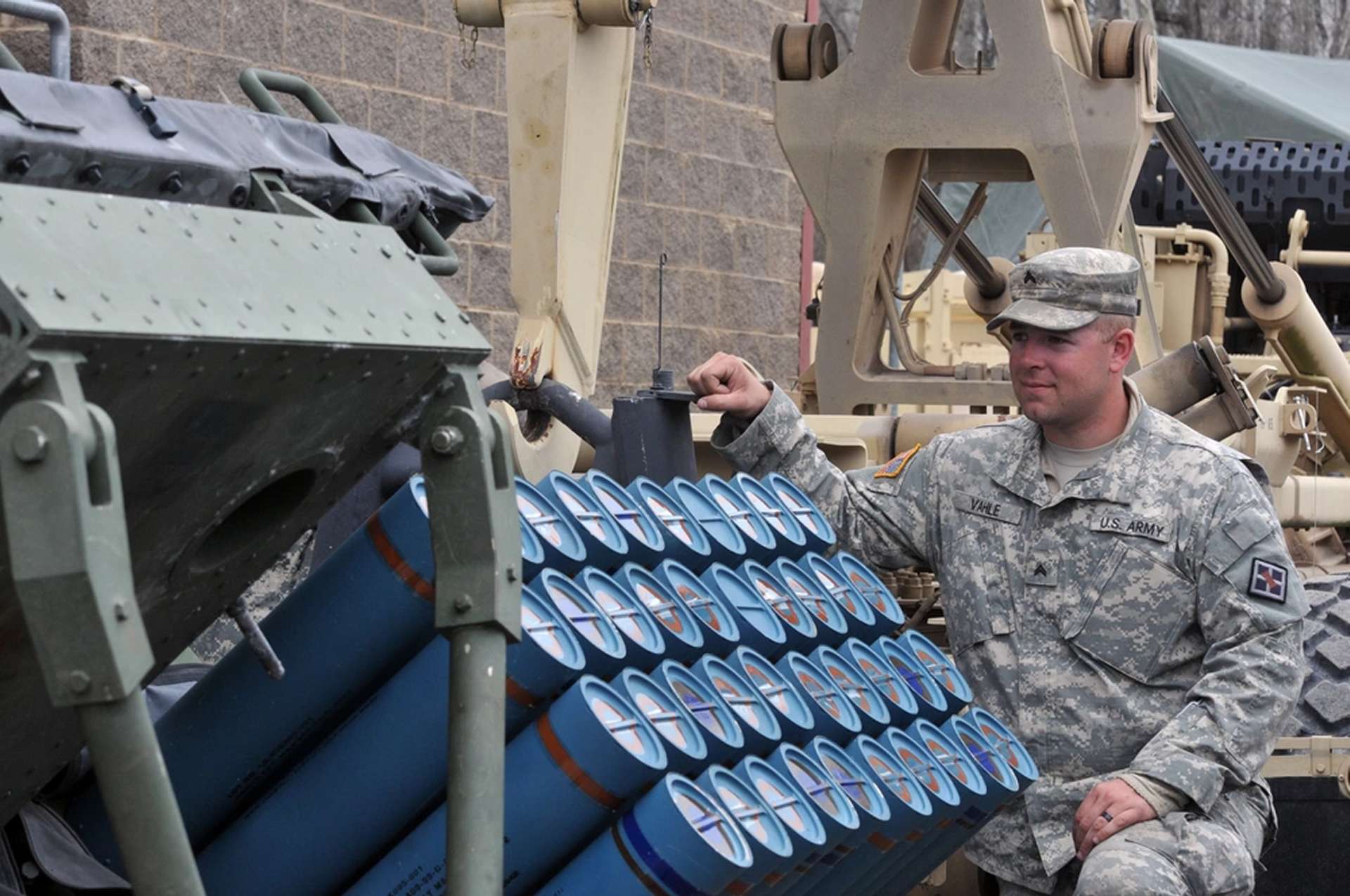
Each M87A1 canister holds six anti-tank mines and one anti-personnel mine. The anti-tank mines feature magnetically induced fuses, making them highly sensitive to movement once armed. (Picture source: US DoD)
The Army Command has previously outlined that the mine-laying system is intended for wartime use, particularly in obstructing beach areas, and is classified as an anti-tank measure against enemy armored vehicles. The system offers rapid mobility, short operation time, armored protection, timed self-destruction, magnetic induction, and easy identification and clearance, ensuring the mines are not deployed over a wide front or for extended periods, thereby minimizing accidental activation risks for friendly forces or civilians.
The procurement aligns with relevant domestic and international regulations. The Army Command asserts that once operational, the system will balance humanitarian considerations with strategic needs, serving as an effective deterrent against enemy invasions.
This development follows a $146 million agreement signed between Taiwan and the United States on June 21, 2023, for acquiring the 14 Volcano systems. The deal was part of a larger arms package valued at $180 million, approved by the U.S. State Department, which included vehicle-launched Volcano systems and M977A4 HEMTT cargo trucks. While the reasons for discrepancies between the proposed package and the final agreement remain unspecified, this procurement represents an enhancement in Taiwan's defense capabilities.
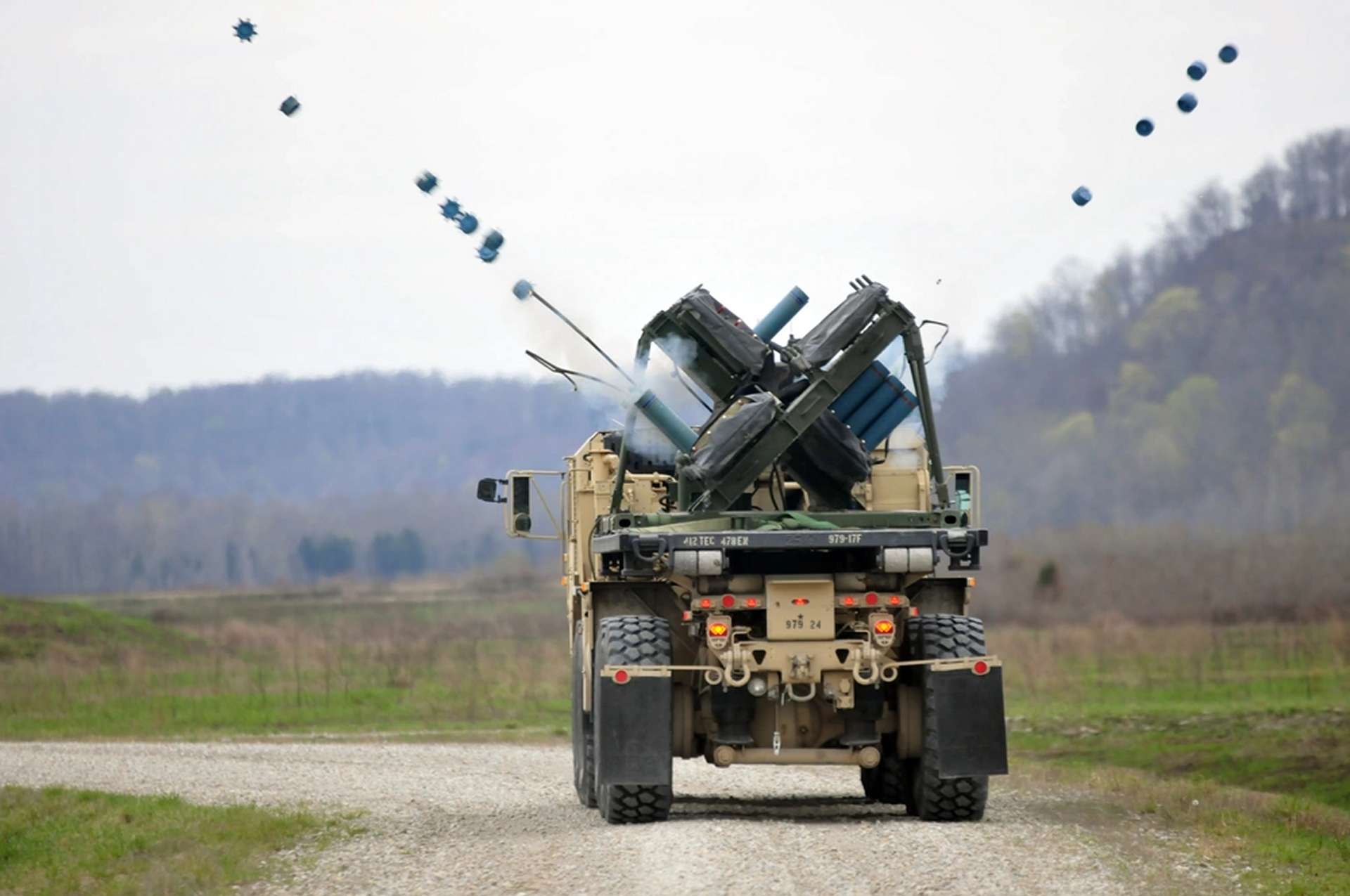
The M136 Volcano is an automated mine delivery system that can quickly create extensive minefields using prepackaged canisters containing anti-personnel and anti-tank mines. (Picture source: US DoD)
The Volcano anti-tank munition-laying systems are capable of rapidly deploying anti-tank mines over large areas, serving as a deterrent against potential amphibious landings. The M136 Volcano is an automated mine delivery system that can quickly create extensive minefields using prepackaged canisters containing anti-personnel and anti-tank mines. This system is employed by armed forces globally and can be mounted on aircraft or ground vehicles.
The Ground Volcano is specifically designed for deep and tactical minefields, using the M139 Dispenser and an easy-to-use dispensing control unit. It employs modified GATOR mines available in live or inert canisters. The system includes three main components: M87A1 anti-tank munitions, M88 canister training munitions, and M89 training munitions.
Each M87A1 canister holds six anti-tank mines and one anti-personnel mine. The anti-tank mines feature magnetically induced fuses, making them highly sensitive to movement once armed. The anti-personnel mines have an electrical fusing circuit triggered by a trip wire, deploying eight trip wires up to 12 meters upon ground impact. These mines measure 12 cm in diameter, 6 cm in height, and contain approximately 605 grams of explosives.
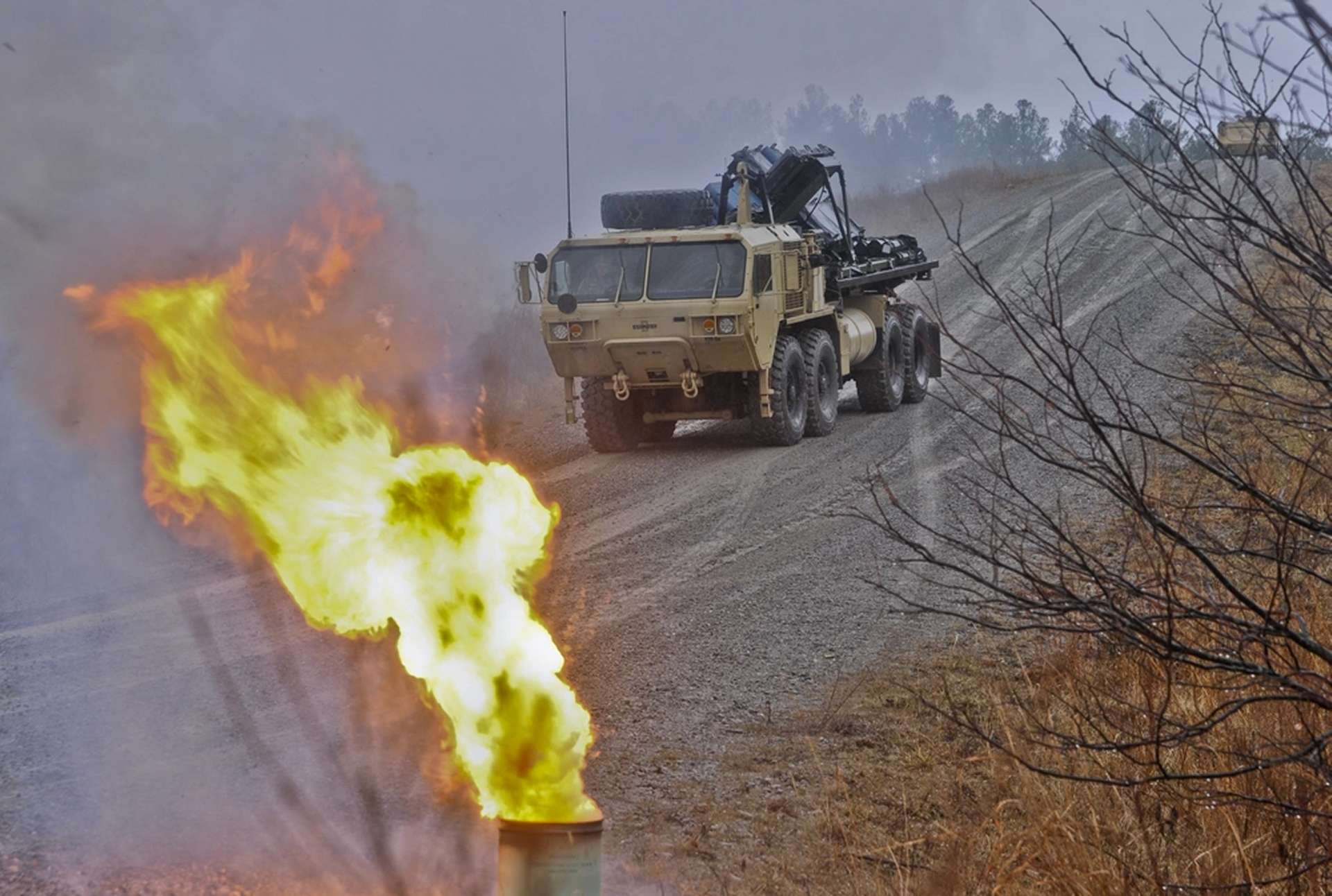
Mounted on the Oshkosh Defense HEMTT A4 M977A4 truck, each Volcano dispenser can carry 960 anti-tank and anti-personnel mines, deploying a minefield up to 1,100 meters long and 120 meters wide within 4 to 12 minutes. (Picture source: US DoD)
Mounted on the Oshkosh Defense HEMTT A4 M977A4 truck, each Volcano dispenser can carry 960 anti-tank and anti-personnel mines, deploying a minefield up to 1,100 meters long and 120 meters wide within 4 to 12 minutes. The mines feature a timed self-destruct mechanism, ensuring unexploded ordnance does not pose a long-term risk.
The M977A4 truck has an onboard crane with a 4,500-pound load capacity, an anti-lock braking system, traction control, and air-ride suspension. Powered by a diesel Caterpillar C15 engine generating 500 horsepower, the truck has a payload capacity of 9,780 kg and can ford water up to 1.2 meters deep, making it air-transportable.
Read more: Taiwan to receive all 14 M-136 Volcano mine-laying systems from US in 2026

- Details
- Written by: Jérôme Brahy
- Category: 2024
- Hits: 15088
At the Africa Aerospace and Defence (AAD) 2024 exhibition, the Chinese company Centaur Defense Systems LLC showcased the DFX-50, a small loitering munition inspired by the Iranian Shahed-136 drone. This is not the only drone from the company inspired by the Shahed-136 design, as it also offers the larger DFX-100, also known as the GHQ-100.
Follow Army Recognition on Google News at this link
Showcased at the AAD 2024 exhibition, the Chinese DFX-50 loitering munition has a maximum takeoff weight of 16.5 kilograms and can carry a payload of up to 5 kilograms. (Picture source: Army Recognition)
The DFX-50's structure incorporates composite materials and parts made from Expanded Polyolefin (EPO), aiming to make the fuselage less expensive and quicker to manufacture. According to the company, this design facilitates deployment in various operational settings. The control system has been adapted for different application scenarios, focusing on control precision and minimizing interference. It can automatically target fixed points by setting target coordinates and is equipped with an electro-optical seeker, allowing it to identify, track, and engage both stationary and moving targets within a designated area.
The unmanned aerial vehicle (UAV) has a wingspan of 1.8 meters, a length of 1.6 meters, and a height of 0.3 meters. It has a maximum takeoff weight of 16.5 kilograms and can carry a payload of up to 5 kilograms. The DFX-50 is launched using an air ejection method. It cruises at a speed of 26 meters per second, has an endurance of over 120 minutes, and operates within a range exceeding 100 kilometers. It functions at a cruise altitude below 3,000 meters and can achieve a strike speed of up to 250 meters per second. These specifications indicate its suitability for missions requiring long endurance and the capability to engage various types of targets.
Centaur Defense Systems also offers a larger loitering munition inspired by the Shahed-136, known as the DFX-100 or GHQ-100. The DFX-100 is presented as a conventional remote precision-guided missile designed for cost-effective military operations. Its primary function is to conduct strikes on known targets by launching the missile early in an engagement and performing attacks at appropriate times through its long-term hover capability over mission areas. The DFX-100 can be used in both single and multiple low-cost remote launch configurations, enhancing effectiveness for strikes on targets while maintaining cost efficiency.
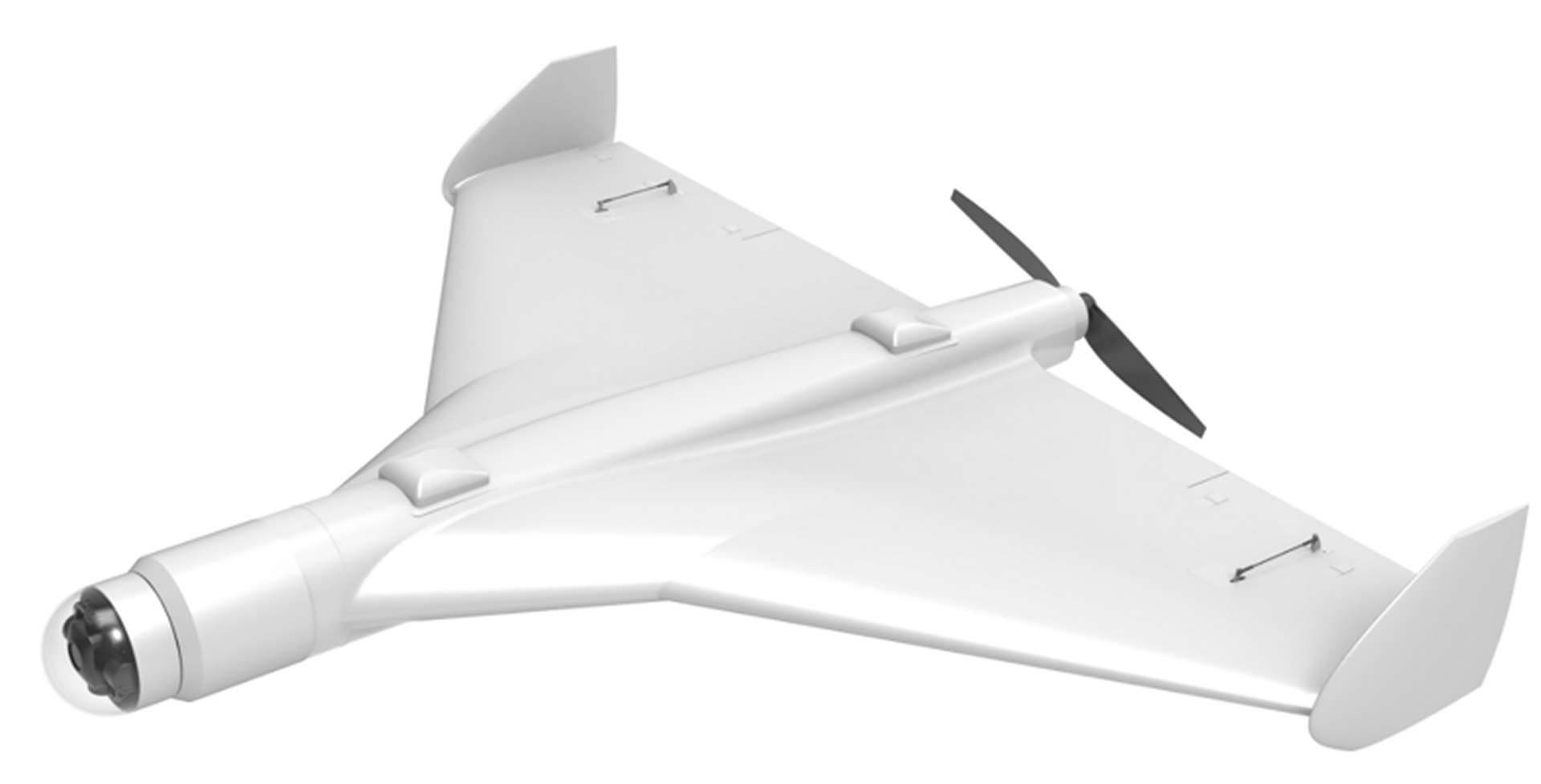
Inspired by the Shahed-136's design, the DFX-50 is much smaller, with a wingspan of 1.8 meters, a length of 1.6 meters, and a height of 0.3 meters. (Picture source: Centaur Defense Systems)
The DFX-100 has a wingspan of 2.9 meters and a fuselage length of 3.3 meters. It possesses a takeoff weight of 110 kilograms and can reach a flight ceiling of 3,000 meters. The system offers a cruising range of up to 1,000 kilometers, a cruising speed of 150 kilometers per hour, and can remain airborne for up to eight hours. It carries a warhead weighing 50 kilograms, with a damage range between 150 and 300 meters. The system can be prepared for deployment within 30 minutes, indicating a rapid response capability.
In military applications, the DFX-100 is said to be capable of hovering over mission areas for extended periods and is equipped with targeting systems that allow for operations beyond visual range, enabling precise strikes on predetermined stationary ground targets. It includes navigation and terminal guidance functions to ensure accurate targeting.
The DFX-100 offers multiple characteristics, such as the ability to be launched from a single UAV launcher, providing flexibility in deployment. Once the warhead is installed, it can target and engage large stationary ground targets. The system includes wireless monitoring capabilities, allowing operators to track the munition's status during missions. It is claimed to surpass the Iranian Shahed-136 in terms of performance while offering enhanced capabilities at a lower price.
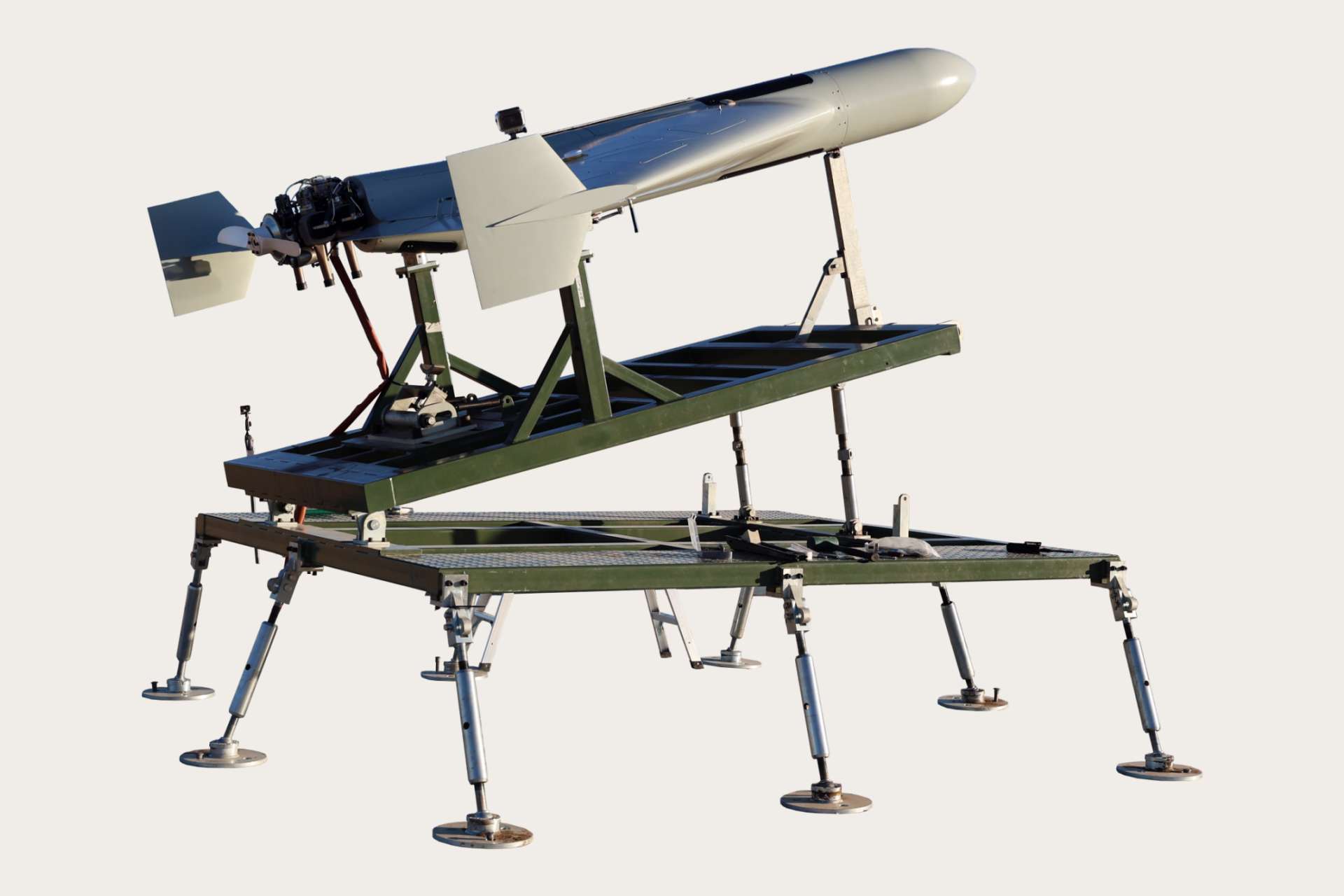
Centaur Defense Systems also offers a larger loitering munition inspired by the Shahed-136, known as the DFX-100 or GHQ-100, which is presented as a conventional remote precision-guided missile. (Picture source: Centaur Defense Systems)
The Shahed-136, also known by its Russian designation Geran-2, is an Iranian-designed loitering munition that has influenced several UAV developments worldwide. In Russian service, the Geran-2 has been manufactured domestically with modifications, including the integration of Russian-made components like a GLONASS satellite navigation system. Russia and Iran agreed to manufacture these drones in the Alabuga Special Economic Zone in Tatarstan, aiming to build around 6,000 units by 2025.
The Geran-2 has a range of up to 2,500 kilometers with a 90 kg warhead, and recent upgrades have included different warhead weights and a hardened structure. Its design allows for cost-effective mass production, with each unit estimated to cost between $20,000 and $60,000, making it accessible for widespread use.
A smaller variant, the Shahed-131 or Geran-1 in Russian service, features a range of 900 kilometers and is powered by a Wankel engine, a copy of the Beijing Micropilot UAV Control System Ltd MDR-208. Carrying a 15 kg warhead, it has vertical stabilizers that extend only upwards, differing from the larger Shahed-136.
Belarus has also entered the arena of loitering munitions by starting local manufacturing of the Iranian Shahed-136 under the name "Nomad." On July 3, 2024, the Belarusian army showcased the Nomad drone during the Independence Parade in Minsk, marking its debut as part of Belarus's military arsenal. The drones were introduced as a "new domestic development," suggesting localized production potentially in collaboration with Iranian or Russian specialists.
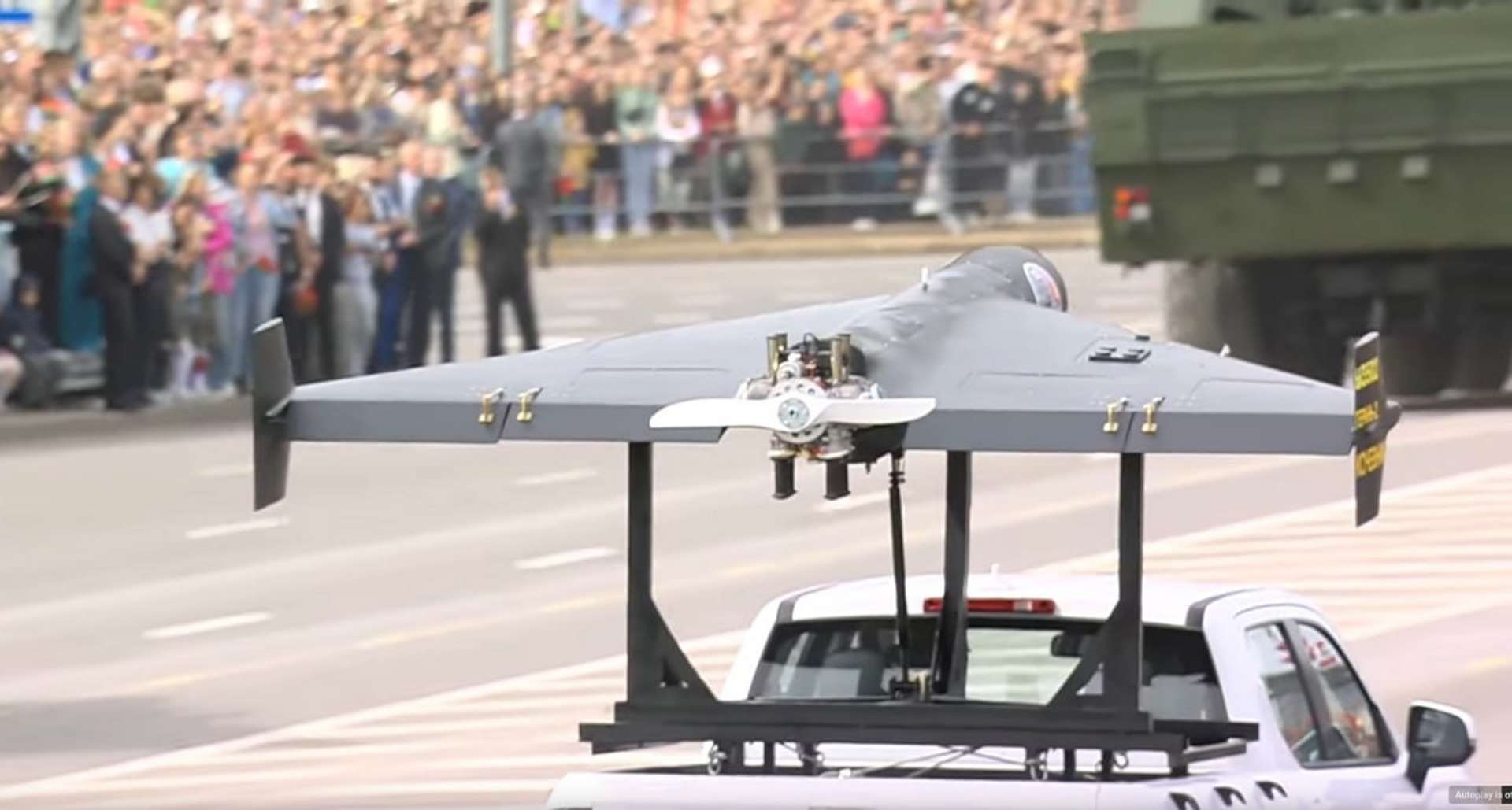
The Belarusian army unveiled the Nomad drone during the Independence Parade in Minsk, marking its debut as part of Belarus's military arsenal. (Picture source: Russian social media)
The proliferation of drones like the Shahed-136 and its variants has prompted various countries to develop similar technologies, either through domestic production or by creating replicas for training and defense purposes. For instance, Turkish drone manufacturer Robit Technology has developed the Azab T150 and T200, considered replicas of the Shahed-131 and Shahed-136 drones. The Azab T150 and T200 have maximum ranges of 200 kilometers and 500 kilometers, respectively, which is less than the original Shahed-136’s range. These drones can be equipped with various warheads and operate using GPS coordinates or be guided by military personnel using high-performance cameras. They have completed flight tests and are expected to undergo ammunition trials later this year.
Israeli company Smart Drones also unveiled a detailed replica of the Iranian Shahed-136 UAV, named Delta-wing RS2. This UAV replica is being produced primarily for use by the Israeli Air Force and defense companies as part of their training operations within a "Red Squadron," which simulates enemy tactics and capabilities during training exercises to enhance pilot training realism. The Delta-wing RS2, along with other UAVs like the Predator and RS-1 developed by Smart Drones, is used to test and improve air defense systems.
In Ukraine, a copy of the Shahed drone called Hupalo is being used for training air defense units. The target drone is utilized at the WeTrueGun school to train military personnel in realistic conditions, allowing them to develop their skills in detecting and engaging such targets. It is not specified whether the Hupalo replicates the exact characteristics of the Shahed-136. Training with realistic air targets enables mobile air defense groups to assess their capabilities and identify areas for improvement.

The Israeli Delta-wing RS2 is being produced primarily for use by the Israeli Air Force and defense companies as part of their training operations within a "Red Squadron." (Picture source: RC Team)
Read more: China launches DFX-50 loitering munition modeled on Iran's Shahed-136

- Details
- Written by: Halna du Fretay
- Category: 2024
- Hits: 3659
On Wednesday, September 25, 2024, Romania and the United States signed a $920 million direct loan agreement to support Romania's defense modernization program. This agreement is part of Romania’s efforts to strengthen its defense capabilities in response to regional instability exacerbated by Russia's invasion of Ukraine.
Follow Army Recognition on Google News at this link
Recently, Romania announced the purchase of more AAV-7 amphibious vehicles from the U.S. Marine Corps (Picture source: US DoD)
A NATO and European Union member, Romania plans to allocate 2.5% of its GDP to defense spending, highlighting its strategic importance on NATO's eastern flank. The country’s geographical proximity to Ukraine, with a shared 650-kilometer border, has exposed it to direct impacts from the conflict, including fragments of Russian drones that have repeatedly entered Romanian territory over the past year.
The loan agreement allows the Romanian Ministry of Defense to access $700 million directly, while up to $220 million will go to ROMARM, a state-owned company overseeing 15 firms specializing in the production of weapons and ammunition, ranging from gunpowder to guided missiles. The loan, provided through the U.S. Foreign Military Sales (FMS) mechanism, comes with a 12-year repayment plan. This financing follows an authorization granted by the Romanian government in August, allowing the country to raise a total of $4 billion through direct loans via FMS, as well as up to $8 billion from financial markets, backed by U.S. government guarantees.
This loan also benefits from a $60 million U.S. subsidy to reduce its cost and reflects the strategic relationship between the two countries. According to U.S. Ambassador to Romania Kathleen Kavalec, this agreement comes at a time when Europe is undergoing major strategic shifts. She noted Romania's role in the alliance, recognizing its contributions to regional security.
Michael Miller, Director of the U.S. Defense Security Cooperation Agency (DSCA), emphasized the importance of the agreement, stating that direct loans are reserved for key security cooperation partners. He affirmed that Romania remains a top priority for the DSCA, adding that the loan would further strengthen bilateral cooperation on future military and modernization programs.

Romania also plans to acquire additional military equipment as part of its modernization strategy, including next-generation F-35A fighter jets, which will eventually replace its aging fleet of F-16s purchased from Norway (Picture source: Army Recognition)
Romanian Prime Minister Marcel Ciolacu described the agreement as a pivotal moment in the evolution of the strategic partnership between Romania and the United States. He highlighted Romania’s plans to develop new military production capacities, create jobs, and re-establish itself as a key player in regional arms manufacturing.
The loan will enhance Romania’s defense capabilities and accelerate its military modernization efforts. These include acquiring U.S. defense systems, such as Abrams main battle tanks, and co-producing ammunition. Part of the funds will be used to establish a center of excellence for the production of large-caliber ammunition (120-155 mm), positioning Romania as the sole producer of ammunition for Abrams tanks in Europe, with potential for exports across the continent and beyond.
Romania also plans to acquire additional military equipment as part of its modernization strategy, including next-generation F-35A fighter jets, which will eventually replace its aging fleet of F-16s purchased from Norway. This acquisition will include training services, aircraft maintenance, infrastructure, and updates to electronic warfare databases. Additionally, Romania has announced the purchase of more AAV-7 amphibious vehicles from the U.S. Marine Corps.
This agreement, along with other recent modernization initiatives, marks a significant step in Romania’s efforts to bolster its defense capabilities. The funding will not only improve national defense but also enhance Romania’s contributions to NATO's collective security in the years to come.
In conclusion, the $920 million direct loan agreement between Romania and the United States represents a significant development in the modernization of Romania’s armed forces. It underscores the strategic relationship between the two nations and highlights Romania’s key role in European security.
Read more: US and Romania Sign a $920 Million Loan Agreement for Defense Modernization
- Details
- Written by: Vandenbosch
- Category: 2024
- Hits: 2698
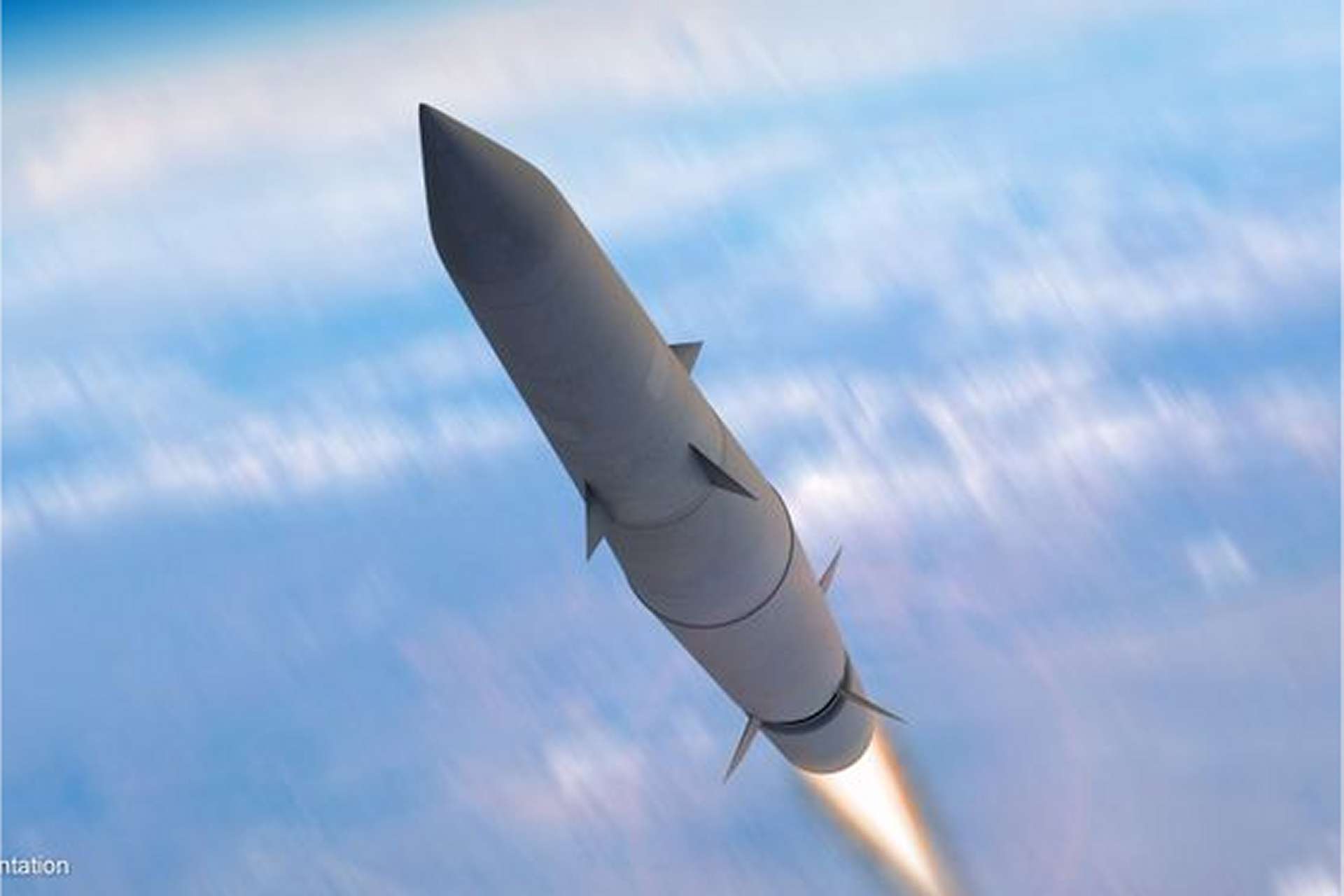
The U.S. Missile Defense Agency (MDA) has chosen Northrop Grumman Corporation to advance the Hypersonic Phase Interceptor (GPI) program, marking a major milestone in countering the growing threat of hypersonic missiles. This innovative defense system is the first of its kind, specifically designed to neutralize hypersonic threats, which are increasingly central to modern conflicts. The company made this announcement on September 25, 2024.
Follow Army Recognition on Google News at this link
Northrop Grumman will produce the Glide Phase Interceptor (GPI) program. (Picture source: Northrop Grumman)
In close collaboration with the MDA, the three-year development phase led by Northrop Grumman resulted in a custom solution aimed at countering current and emerging hypersonic missile capabilities. The GPI represents a significant technological leap in missile defense, with substantial potential to play a key role in future conflict scenarios.
As the program enters its next development phase, Northrop Grumman will focus on several critical aspects. First, the company will continue to refine the preliminary design of the GPI to ensure its deployment from the U.S. Navy's Aegis ballistic missile defense destroyers, as well as the Aegis Ashore land-based system, using the standard vertical launch system. Next, Northrop Grumman will emphasize demonstrating the interceptor's performance in hypersonic environments before proceeding to the preliminary design review. Additionally, the company plans to conduct flight tests ahead of schedule, relying on its proven flight technologies. Lastly, the use of advanced digital engineering methods will streamline the design process and accelerate the development of the interceptor's capabilities.
Wendy Williams, Vice President and General Manager of Northrop Grumman's Launch and Missile Defense Systems division, highlighted the strategic importance of the GPI program. "The GPI provides critical stand-off capabilities to combatants in scenarios where distance offers a tactical advantage. Our solution is highly adaptable to meet a variety of operational needs and is designed to excel in an ever-evolving threat landscape," said Williams.
The GPI's design incorporates advanced technologies, such as a seeker for precise threat tracking and a hit-to-kill capability. It is also equipped with a re-ignitable upper stage for better threat control and a dual engagement mode, allowing it to target threats at different altitudes.
In addition to its collaboration with the MDA, Northrop Grumman will work closely with Japan's Ministry of Defense as part of the cooperative GPI development program. This partnership aims to provide interceptors that enhance both nations' defense capabilities against hypersonic threats.
Northrop Grumman, a global leader in aerospace and defense technologies, is recognized for its cutting-edge solutions that protect and connect the world. Its innovative systems push the boundaries of technology and human exploration, with a clear mission: to solve the most complex challenges facing its clients.
This project promises to be a breakthrough in missile defense, offering a robust response to the growing sophistication of hypersonic missile threats.
Read more: Northrop Grumman Selected to Develop United States Defense Against Missile Threat

- Details
- Written by: Administrator
- Category: 2024
- Hits: 6934
According to a statement from the German Army published on September 25, 2024, the German army will receive 19 new Skyranger 30 mobile air defense systems by 2028, with the first vehicle expected to be delivered by the end of this year. The innovative anti-aircraft platform was recently showcased by arms manufacturer Rheinmetall during a live demonstration in Zurich, marking the first public appearance of this advanced air defense system.
Follow Army Recognition on Google News at this link
Skyranger 30 air defense system mounted on the Boxer 8x8 armored vehicle. (Picture source: Germany Army)
The Skyranger 30 is a cutting-edge air defense system integrated into a turret that can be mounted on various vehicle types, including the highly mobile Boxer wheeled armored vehicle used by the German Army. This modular system is designed to detect, track, and neutralize aerial threats such as drones, helicopters, and aircraft, primarily focusing on defending against smaller unmanned aerial vehicles (UAVs).
The development of this system comes in response to the growing prominence of drones in modern warfare, as demonstrated by the ongoing conflict in Ukraine. After the retirement of the Gepard anti-aircraft tank, the German military identified a capability gap in its air defense, and the introduction of the Skyranger 30 seeks to address this shortfall.
"The Skyranger 30 provides a critical defense mechanism for our troops in the field, ensuring that they are protected from the evolving threats posed by aerial attacks," a spokesperson from the Bundeswehr said. "This system represents a significant step forward in our air defense capabilities."
At the core of the Skyranger 30 is its powerful 30mm revolver cannon, an adapted version of the cannon used in Sweden’s Viggen fighter jets. With a firing rate of approximately 1,250 rounds per minute, this formidable weapon can fire air-burst ammunition, designed to detonate mid-air for maximum effectiveness against drones and other aerial targets. The system carries 300 rounds of ammunition, providing sustained firepower during combat operations.
The Skyranger 30 air defense system has an effective range of up to 3 km and can engage aerial targets at altitudes of up to approximately 3,000 m. This makes it highly suitable for short to medium-range defense against threats such as drones, helicopters, and low-flying aircraft.
In addition to the revolver cannon, the Skyranger is equipped with a Stinger anti-aircraft missile launcher, offering a dual-layered defense system. The combination of cannon and missile ensures that threats can be engaged at ranges up to three kilometers, making the system effective against both close-range and medium-range aerial targets.
The Skyranger 30 also boasts advanced protective measures, including the ROSY Rapid Obscuring System, which allows the vehicle to deploy smoke quickly to obscure itself from enemy detection. Additionally, the system is integrated with the Spexer 2000M radar, capable of simultaneously tracking over 300 moving targets, providing comprehensive situational awareness for operators.
The procurement of the Skyranger 30 reflects a broader effort by Germany to accelerate the modernization of its armed forces. The development of the system began in 2018, with the Bundestag approving its procurement in February 2024. The Bundeswehr subsequently signed a framework agreement with Rheinmetall to deliver up to 49 Skyranger systems. The initial order of 19 vehicles, valued at €650 million, includes eight additional reloading vehicles, maintenance equipment, and onboard simulators for training purposes.
The accelerated timeline for the Skyranger’s delivery—taking just under six years from initial development to first delivery—marks a significant improvement over previous defense procurement projects, which often faced lengthy delays. The expedited process is credited to a law passed in July 2022 aimed at streamlining procurement for the German military.
The introduction of the Skyranger 30 is viewed as a strategic response to the evolving nature of warfare, particularly the increasing use of drones on the battlefield. The war in Ukraine has underscored the importance of UAVs in modern conflicts, where they have been deployed for reconnaissance, surveillance, and targeted strikes. With the Skyranger, the German Army will now be equipped with a system specifically designed to counter the threat posed by drones and other airborne threats.
As the first Skyranger 30 is set to arrive by the end of 2024, Germany is positioning itself to enhance its air defense capabilities in the coming years, ensuring that its forces are better prepared for the challenges of future warfare.

- Details
- Written by: Halna du Fretay
- Category: 2024
- Hits: 3771
Swedish defense company Saab has announced the upcoming opening of a new munitions production facility in Grayling, Michigan, marking a significant step in its efforts to expand domestic production capacity in the United States. With support from the state of Michigan and the local community, Saab aims to strengthen U.S. national defense while creating jobs and investing in the regional economy. The facility will focus on the final assembly and integration of shoulder-fired munitions and precision fire systems, addressing the growing demand for advanced weaponry amid current global security challenges.
Follow Army Recognition on Google News at this link
As operations expand, Smith indicated that the plant would produce components for the Ground-Launched Small Diameter Bomb (GLSDB) system and close combat weapons (Picture source: Saab)
The groundbreaking for the facility is scheduled for the fourth quarter of 2024, with production expected to begin in early 2026. Erik Smith, President and CEO of Saab in the U.S., emphasized the company’s long-term commitment to both the U.S. defense industrial base and the local Grayling community. According to Smith, this initiative is part of Saab’s broader strategy to play a positive role in the communities where it operates, creating quality jobs and supporting local economies. He also noted that the Grayling site was selected from six potential locations due to its proximity to the largest U.S. Army National Guard training base and the availability of a skilled workforce.
The Grayling facility will become Saab’s tenth site in the U.S., adding to a growing network of advanced manufacturing and research centers across the country. These sites include facilities in West Lafayette, Indiana, for aerospace manufacturing, Syracuse, New York, for radar and sensor systems, as well as locations in Rhode Island and Massachusetts focused on autonomous and undersea systems. This new facility is part of Saab’s global expansion effort, which aims to quadruple its overall production capacity for ground combat weapons in response to increased demand.
Michigan Governor Gretchen Whitmer welcomed Saab’s decision to establish the new facility in Grayling, noting that the project would initially create 70 jobs, with the potential for future expansion. Whitmer highlighted Michigan’s historical role as a leader in defense manufacturing, recalling the state’s legacy as the "arsenal of democracy" during World War II. She also emphasized the importance of this investment for Michigan’s economic development and its continued reputation as a hub for advanced manufacturing.
The Grayling facility will not only produce existing shoulder-fired munitions systems but will also serve as an innovation center for the development of new products. As operations expand, Smith indicated that the plant would produce components for the Ground-Launched Small Diameter Bomb (GLSDB) system and close combat weapons. The site, which spans 388 acres, will allow for future expansion and the potential inclusion of engineering capabilities as the business evolves.
Saab’s approach at Grayling follows the model used at its West Lafayette facility, where initial production began in Sweden before transitioning to the U.S. plant. This strategy enabled Saab to establish a high-tech manufacturing site with low-rate initial production, allowing it to quickly meet market demands. In Michigan, Saab plans to replicate this success by leveraging advanced manufacturing technologies to increase U.S. munitions production capacity while supporting critical defense needs.
By increasing its presence in the U.S., Saab aligns with broader goals of strengthening the domestic defense industrial base and enhancing national security. The Grayling facility represents a key component of Saab’s long-term strategy to position itself as a reliable partner to the U.S. military, with the capability to provide advanced munitions systems while contributing to local economies.
As Saab prepares to break ground in Michigan, the company’s announcement underscores the growing importance of domestic production capacity in the global defense landscape. With ever-evolving security challenges, partnerships like those between Saab and the state of Michigan will play a crucial role in preparing and strengthening the national defense infrastructure.
Read more: Saab Announces New Munitions Facility in Michigan to Strengthen US Defense Production
- Details
- Written by: Halna du Fretay
- Category: 2024
- Hits: 3196
The 5th Anniversary Azerbaijan International Defence Exhibition (ADEX) and the 14th International Exhibition for Internal Security, Safety, and Rescue Equipment (Securex Caspian) officially kicked off today at the Baku Expo Center, marking a significant event for the global defense and security industries. The opening ceremony was presided over by Vugar Mustafayev, Minister of Defence Industry of the Republic of Azerbaijan, and followed by a VIP tour for the participants and guests, setting the tone for the event's high-level engagements and international collaboration.
Follow Army Recognition on Google News at this link
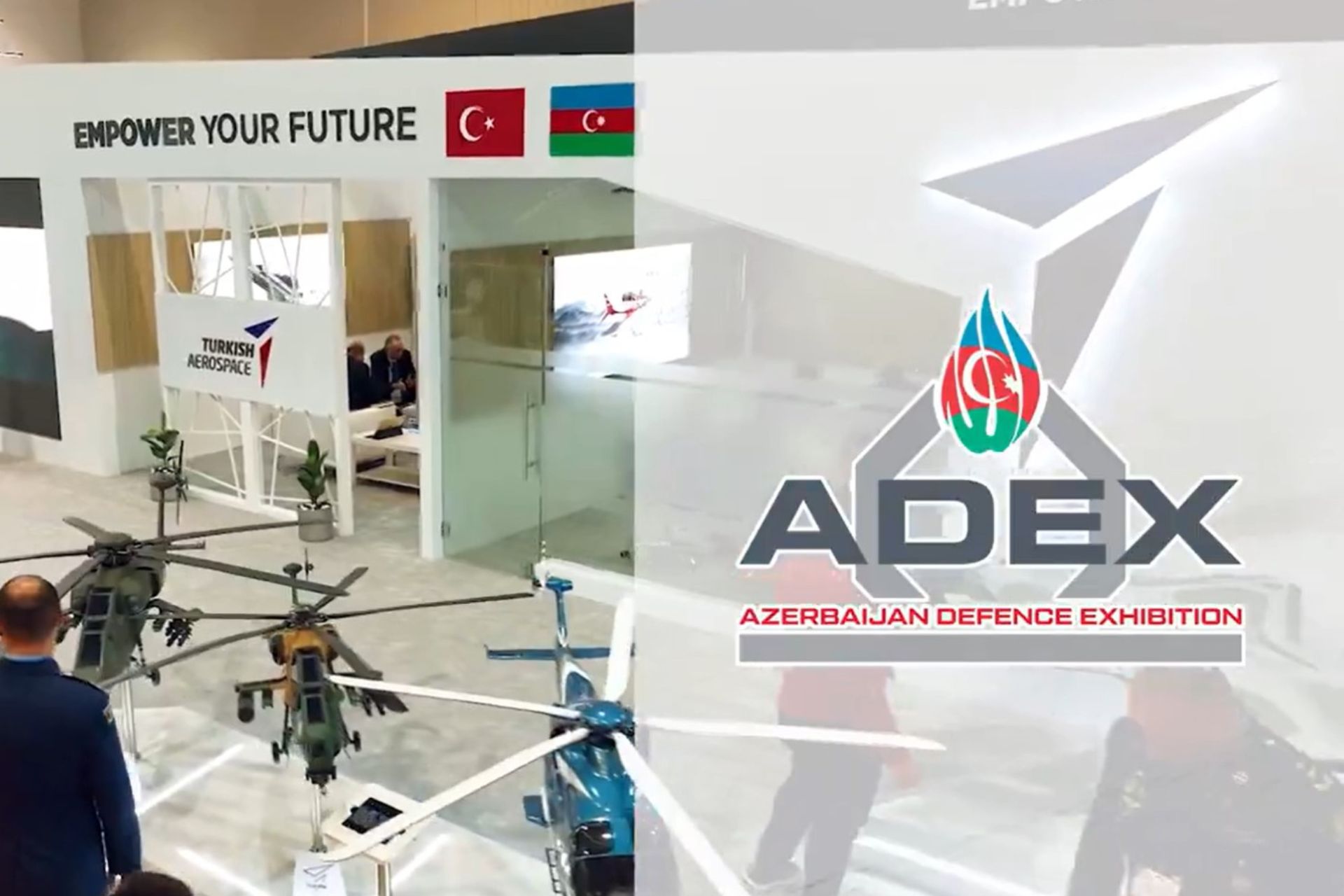
Taking place from September 24 to 26, 2024, ADEX has grown to become the largest defense exhibition in the region, showcasing the latest advancements and innovations in defense technology (Picture source: ADEX)
Taking place from September 24 to 26, 2024, ADEX has grown to become the largest defense exhibition in the region, showcasing the latest advancements and innovations in defense technology. Simultaneously, the Securex Caspian exhibition, which focuses on internal security, safety, and rescue equipment, is being held at the same venue, further highlighting Azerbaijan's commitment to enhancing regional and international security cooperation. This year's events have attracted nearly 270 participants from 40 countries, including major global defense players such as the USA, UK, Israel, Turkey, Russia, and Italy, alongside regional participants from Azerbaijan and other emerging defense markets.
The diversity of the participating nations is reflected in the presence of several new entrants, including Hungary, Qatar, Singapore, and Slovakia. This year's exhibition features a 34% increase in new companies compared to the last edition, illustrating the dynamic growth of interest in defense and security solutions across the globe. National pavilions from 14 countries, including Azerbaijan, China, Italy, Israel, Pakistan, and Turkey, demonstrate the broad international collaboration fostered by this event. Notably, the number of participants has increased by 32% since the previous edition in 2022, underscoring the growing importance of ADEX as a premier event on the defense industry calendar.
ADEX traditionally attracts high-level delegations from around the world, and this year is no exception. Fifty-three official delegations from 27 countries are attending, including representatives from Azerbaijan, Israel, Kuwait, Malaysia, Morocco, Saudi Arabia, and Vietnam. In total, over 300 representatives will be present at the exhibition, engaging in discussions on defense technologies, procurement strategies, and international partnerships. These engagements will play a key role in shaping future defense collaborations and fostering regional security stability.
The organization of ADEX is supported by the Ministry of Defence Industry and the Ministry of Defense of Azerbaijan, further emphasizing the event's strategic importance for the country. Caspian Event Organisers, in partnership with Caspian Event Management, have ensured the seamless execution of the exhibition, which has quickly become a must-attend event for defense and security professionals. Major defense companies have also lent their support, with Baykar and Israel Aerospace Industries serving as the gold sponsors, while Barzan Holdings has taken the role of bronze sponsor.
Running alongside ADEX, the Securex Caspian exhibition focuses on internal security and emergency response. It provides a platform for displaying the latest equipment and technologies for law enforcement, border security, rescue operations, firefighting, and specialized services. Securex Caspian has attracted participation from key Azerbaijani institutions, including the Ministry of Internal Affairs, the Ministry of Emergency Situations, and the State Security Service. For the first time, the Special State Protection Service is also participating, alongside the State Service of Special Communication and Information Security, which will feature its own stand at the exhibition.
ADEX and Securex Caspian 2024 are supported by a range of corporate partners, including AzExpoMontage LLC, Caspian Freight Services, Ateshgah Insurance, and international hotel chains such as Hyatt Regency Baku, Radisson Hotel Baku, and Ibis Baku City. These partnerships ensure that the event is well-supported logistically, providing a high level of comfort and organization for participants and visitors alike.
As global defense and security needs continue to evolve, ADEX and Securex Caspian serve as vital platforms for governments, defense companies, and security agencies to exchange knowledge, showcase innovations, and forge new partnerships. The broad international representation and high level of participation at this year's exhibition underscore its role as a critical meeting point for the defense industry, where emerging trends and future strategies are discussed and shaped.
The exhibition's official websites and social media platforms will continue to provide updates throughout the event, offering attendees and observers around the world a comprehensive look at the future of defense and security technologies. ADEX 2024 represents not just a celebration of Azerbaijan's defense industry but a reflection of the global industry's commitment to innovation, security, and cooperation.
Read more: ADEX 2024 Opens in Baku, Bringing Together International Defense and Security Leaders

- Details
- Written by: Jérôme Brahy
- Category: 2024
- Hits: 3979
On September 24, 2024, Roman Shimonov, CEO of the Canadian company Roshel, announced that the Bosnian Ministry of Internal Affairs of Sarajevo Canton publicly presented three newly acquired Roshel Senator Mine Resistant Ambush Protected (MRAP) vehicles. The presentation took place at the Square of the First Police Brigade in Stari Grad, opposite the historic Vijećnica building.
Follow Army Recognition on Google News at this link
Sarajevo's Minister of Internal Affairs, Admir Katica, mentioned that the contract for these vehicles was finalized last year and that plans are underway to acquire two more units to further expand the police fleet. (Picture source: Reddit/RoshelArmor)
These MRAP vehicles are intended for patrol and reconnaissance missions, command tasks, transportation, and support for special operations units within the Sarajevo Canton police force. The procurement aligns with the strategic initiative to strengthen law enforcement capabilities in the region, representing an investment valued at 2.7 million BAM (approximately €1.379.315,03).
Sarajevo's Minister of Internal Affairs, Admir Katica, mentioned that the contract for these vehicles was finalized last year and that plans are underway to acquire two more units to further expand the police fleet. Roman Shimonov commented on the deployment, stating, "Roshel continues to expand its footprint across Europe, supporting law enforcement agencies with advanced armored vehicle solutions." He highlighted the company's focus on providing reliable, mission-ready platforms tailored to modern policing needs across the continent.
The Roshel Senator MRAP is designed with a V-shaped hull to reduce the impact of mine blasts by deflecting explosive forces away from the cabin. This V-shaped body disperses blast waves and shrapnel to the sides, reducing the impact on occupants and absorbing explosive energy to enhance blast resistance. The vehicle includes a 360-degree ballistic capsule and underbelly blast protection, meeting STANAG 4569 Level 2 standards. Key mechanical components are armored, and the design features military-grade door hinges, run-flat devices, and reinforced braking and suspension systems, along with an escape hatch for added safety.

These Senator MRAPs are intended for patrol and reconnaissance missions, command tasks, transportation, and support for special operations units within the Sarajevo Canton police force. (Picture source: Reddit/RoshelArmor)
Standard equipment includes multi-layer bullet-resistant glass with no spall, gunports, external view cameras providing a 360-degree field of view, a heavy-duty winch, and an exhaust system. The interior is equipped with military-grade mine-protected seats with four-point seatbelts, fire extinguishers, a first aid kit, a mask light, a heavy-duty jack, storage for ammunition, and an air conditioning system for the rear compartment.
Optional advanced security features can be added to enhance the vehicle's capabilities, such as a remote control weapon system, mechanical or electric turret, gunner seat, video surveillance with CCTV cameras, PTZ camera, and a remote-controlled searchlight. Additional features include a fire suppression system, fire source detection system, central tire inflation system, smoke screen system, and removable wire mesh glass protection. Communication and observation enhancements, such as a siren/PA system, emergency lights package, night vision system, laser range finder, satellite communication integration, a CBRN system, and observation and surveillance systems, can also be integrated.
The vehicle's tires and wheels are 335/80 R20, military-grade with run-flat devices, and include a spare. The approach and departure angles are 35 and 30 degrees, respectively. The Senator MRAP has a curb weight of 8,958 kg and a payload capacity ranging from 1,200 to 2,000 kg, depending on the protection level and installed equipment. It is transportable by rail, sea, and air, providing versatility for various operational needs.

Optional features of the Senator MRAP include a remote control weapon system, mechanical or electric turret, gunner seat, video surveillance with CCTV cameras, PTZ camera, and a remote-controlled searchlight. (Picture source: Reddit/RoshelArmor)
Read more: Bosnian Sarajevo Police receives three Roshel Senator MRAPs for strategic operations

- Details
- Written by: Halna du Fretay
- Category: 2024
- Hits: 4196
At the international defense exhibition ADEX-2024 in Baku, Azerbaijani designers showcased their first laser-based air defense system, named Fireforce. This development marks a significant step in Azerbaijan’s efforts to enhance its counter-unmanned aerial systems (C-UAS) capabilities at a time when drones are playing an increasingly prominent role in modern military conflicts.
Follow Army Recognition on Google News at this link
The Fireforce system is equipped with a 30-kilowatt laser, specifically designed to intercept and neutralize unmanned aerial vehicles (UAVs) (Picture source: Ria Novosti)
The Fireforce system is equipped with a 30-kilowatt laser, specifically designed to intercept and neutralize unmanned aerial vehicles (UAVs). According to the developers, the system is particularly effective against small, lightweight drones, with an operational range of approximately 1,000 meters. Weighing 900 kilograms, the Fireforce is mounted on the chassis of an armored Toyota Hilux SUV, offering both mobility and protection in operational environments.
In parallel, the developers also revealed that a more powerful laser system is currently in development. This new system, with a capacity of 50 kilowatts, is expected to offer enhanced interception capabilities and a broader operational range, further strengthening Azerbaijan’s air defense options.
The presentation of the Fireforce system highlights the growing role of laser technology in modern air defense. To better understand the potential of these systems, comparisons can be made with similar technologies, such as the British DragonFire laser weapon. Developed by MBDA UK, Leonardo UK, and QinetiQ Group, the DragonFire system has demonstrated its ability to destroy drones and detonate artillery shells in less than five seconds during tests. It achieves this by concentrating laser energy on the target, effectively neutralizing it in flight.
The success of the DragonFire system not only emphasizes the effectiveness of laser weapons but also their cost-efficiency. According to the British Ministry of Defense, the cost of firing the DragonFire laser is estimated at only GBP 10 per shot, demonstrating the economic benefits of using laser-based systems compared to traditional munitions.
As laser technology continues to evolve, several nations are adopting these systems to enhance their defense capabilities. Recently, South Korea signed an agreement to deploy Block-I laser air defense systems to protect the country from drone threats, particularly from North Korea.
The dimensions of these powerful 50-kilowatt systems are comparable to those of shipping containers, making them easier to deploy and integrate into existing defense infrastructures. As Azerbaijan continues to develop and improve its Fireforce laser system, it is expected to become a key component of the country’s air defense strategy, contributing to regional security efforts in a world where drone threats are becoming increasingly frequent.
Read more: Azerbaijan Unveils Its First Fireforce C-UAS Laser System at ADEX-2024

- Details
- Written by: Vandenbosch
- Category: 2024
- Hits: 2701
The German technology group Rheinmetall, based in Düsseldorf, announced on September 25, 2024, that it has won a major order from an international NATO client for the production of mortar ammunition intended for this partner's armed forces. The value of this order, recorded at the beginning of the third quarter of 2024, amounts to several tens of millions of euros, further strengthening Rheinmetall's position as one of Europe's leading suppliers of military equipment.
Follow Army Recognition on Google News at this link
The new mortar ammunition order reinforces Rheinmetall's position as one of NATO's main suppliers of military equipment. (Picture source: US DoD)
In total, hundreds of thousands of mortar shells of different types will be manufactured by Rheinmetall Expal Munitions S.A.U., the group's Spanish subsidiary specialized in the production of munitions and explosives. This order also includes various additional services related to the product launch, demonstrating the client's confidence in Rheinmetall's technical and logistical expertise.
Delivery of the ammunition is scheduled to begin in the summer of 2025 and is expected to be completed by the summer of 2026. This new order comes in a complex geopolitical context, where NATO member countries are seeking to strengthen their defense capabilities in the face of various threats. International tensions and regional conflicts have led to an increase in military budgets, notably for the acquisition of modern and effective weapons systems. The war in Ukraine, for example, has reminded European nations of the importance of maintaining a robust and well-equipped military force.
Mortar ammunition is essential for ground forces, offering indirect firepower capable of supporting troops on the ground. They allow for the neutralization of targets not visible in direct fire, thanks to their curved trajectory. In modern conflicts, where mobility and speed of action are crucial, possessing high-performance mortar ammunition is a major asset for military operations.
In addition to its activities in Europe, Rheinmetall is expanding its global presence through strategic partnerships and subsidiaries in several countries. This global approach allows the group to meet the specific needs of each client and adapt to different international regulations regarding armaments.
The new order will also have a positive impact on the local economy in Spain, where Rheinmetall Expal Munitions is located. The large-scale production of these munitions is expected to generate new jobs and stimulate industrial activity in the region. This demonstrates the importance of defense industries not only for national security but also for economic development.
This order could pave the way for future collaborations with other NATO countries as the need for military equipment continues to grow. Rheinmetall is well-positioned to take advantage of this trend, thanks to its technical expertise and capacity for innovation. The group could also explore new technologies, such as autonomous weapon systems or artificial intelligence applied to defense.
The new mortar ammunition order reinforces Rheinmetall's position as one of NATO's main suppliers of military equipment. It also underscores the strategic importance of having robust industrial capabilities to support defense efforts in an uncertain geopolitical environment. As nations seek to modernize their armed forces, companies like Rheinmetall will play a key role in providing the technologies and equipment necessary to meet current and future security challenges.
Read more: Rheinmetall Secures Important Mortar Ammunition Order from NATO Client
- Turkish Company ASELSAN Strengthens Military Cooperation with Azerbaijan at ADEX 2024
- Egypt Sends Military Aid to Somalia as Territorial Tensions with Ethiopia Persist
- Exclusive: Russia develops AI-powered unmanned T-72 Shturm tanks for deployment in Ukraine
- Breaking News: Lebanese Hezbollah launches Qader 1 missile targeting Israeli intelligence headquarters