
- Details
- Written by: Triffaux
- Category: 2024
- Hits: 8159










On July 11, 2024, NATO, the United States, and Germany released a joint statement announcing the commencement of episodic deployments of long-range strike capabilities in Germany starting in 2026. These deployments will likely include the use of the U.S. Army's Typhon launch system, which facilitates the launch of missiles such as the SM-6 and Tomahawk. These actions are expected to ensure a sustained and enhanced presence of these capabilities on German soil in the coming years.
Follow Army Recognition on Google News at this link
Typhon Medium Range Capability (MRC) Missile System Firing Standard Missile 6 (SM-6) Multirole Naval Missile and Tomahawk Cruise Missile (Picture source: US DoD)
The U.S. Army's adoption and integration of the Typhon missile system, which includes the capacity to launch SM-6 and Tomahawk missiles from ground-based platforms, marks a significant expansion in its operational range and versatility. This development is part of the Army's Long Range Precision Fires (LRPF) modernization effort, which is one of its top priorities. The Typhon system is designed to fill the gap between the Army's existing Precision Strike Missile (PrSM) and future Long-Range Hypersonic Weapons (LRHW), providing a mid-range capability that can engage targets at distances greater than the PrSM and shorter than the LRHW.
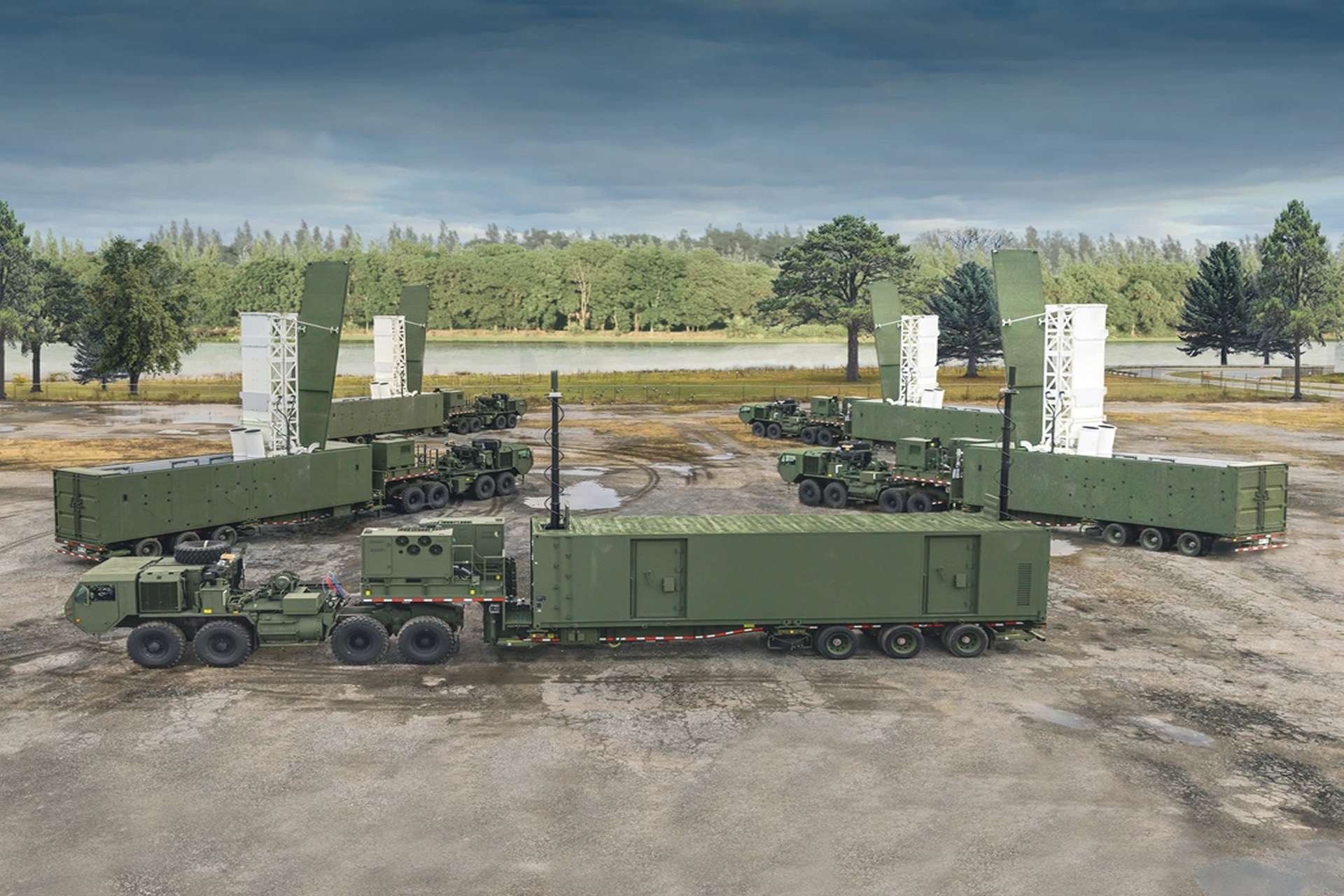
The Typhon Medium Range Capability (MRC) system is a key innovation of the U.S. Army, designed to significantly extend its long-range strike capabilities. Developed to transport and launch missiles such as the Standard SM-6 and Tomahawk cruise missiles, the Typhon acts as a transportable erecting launcher. This flexibility allows it to be deployed quickly and effectively in various operational environments.
The Mk 70 Mod 1 Payload Delivery System, designed by Lockheed Martin, is an important component of the Typhon. It is a containerized system that integrates four Mk 41 vertical launch cells, all mounted within the footprint of a 40-foot ISO container. This configuration enhances integration and mobility, thus facilitating the rapid deployment of missiles. In addition to its terrestrial use, the Mk 70 Mod 1 has also been tested at sea aboard the USS Savannah (LCS-28), demonstrating its versatility and adaptability to mixed maritime and terrestrial launch scenarios.
The MK 70 Mod 1 Payload Delivery System (PDS) is an innovative adaptation of the well-established MK 41 Vertical Launching System (VLS) technology, commonly utilized by the US Navy. This system expands the military's capabilities by enabling mid-range precision fires from both naval and ground platforms.
Specifically, the MK 70 system transforms the naval MK 41 VLS—used on Ticonderoga-class cruisers and Arleigh Burke-class destroyers—into a versatile ground-based system. It features a containerized launcher within a 40-foot container equipped with four VLS strike-length missile cells. This setup allows for rapid deployment and repositioning of offensive capabilities to non-traditional and strategic locations, enhancing military responsiveness and adaptability.
The design of the MK 70 incorporates over $500 million of investment in the MK 41 system, leveraging nearly 13,000 VLS cells that have been implemented across 15 international navies. By utilizing key electronics and components developed over 40 years, the MK 70 maintains the proven capabilities of the MK 41 system while optimizing structural design and materials for reduced production and lifecycle costs.
Lockheed Martin, the developer of the MK 70, has also incorporated unique gas management technologies that permit increased weapon firings before maintenance is required on the launcher. The system's modular design allows for scalability in increments of four cells, and its dynamic alignment features between missiles and combat systems enhance its deployability and survivability, contributing to strategic uncertainty for potential adversaries.

Raytheon Technologies SM-6 (Standard Missile 6) multi-role naval missile (Picture source: US DoD)
The purpose of these exercises and deployments is to demonstrate the United States' steadfast commitment to NATO and their contribution to European integrated deterrence. By integrating these advanced technologies, the United States aims to strengthen the defensive posture of the Alliance in Europe amid emerging threats and increasing geopolitical tensions. This strategic development occurs in a context of reassessing arms control agreements and bolstering military capabilities across the continent. The announcement also comes at a critical time when relations between NATO powers and other global actors, particularly Russia, remain tense. Germany, by hosting these capabilities, plays a crucial role in the collective defense schema of NATO, reaffirming its commitment to European security while navigating the complexities of contemporary international relations.
Recent tests and deployments of the Typhon system have been conducted to ensure its effectiveness and reliability. For example, the system was recently deployed in the Indo-Pacific region as part of a strategic initiative to enhance the U.S. Army's presence and readiness in key global areas. This move underlines the strategic shift towards providing the Army with a robust set of options to conduct long-range precision strikes, which are critical for modern warfare where distance and precision are pivotal.
The operational deployment of the Typhon system includes the integration of complex technologies such as the Mk 70 Mod 1 Payload Delivery System, which uses a containerized launcher system adaptable for various missile types, including the SM-6 and Tomahawk missiles. This flexibility allows the Army to deploy these advanced missile systems quickly and effectively across different theaters of operation, enhancing the U.S. military's global strike capabilities and deterrence posture.
This initiative not only demonstrates the U.S. Army's commitment to maintaining high-tech military technology but also its adaptability in integrating naval missile technologies for land-based operations, significantly expanding its tactical and operational scope
As a reminder, the SM-6 (Standard Missile 6) is a highly adaptable and multi-role naval missile developed by Raytheon Technologies, designed to offer comprehensive fleet air defense against a wide array of threats including fixed- and rotary-wing aircraft, unmanned aerial vehicles, cruise missiles, and even against terminal phase ballistic missiles in its advanced configurations. It exhibits formidable anti-air warfare (AAW), anti-surface warfare (ASuW), and terminal ballistic missile defense (TBMD) capabilities. The missile incorporates both active and semi-active guidance systems, enabling it to prosecute targets beyond the radar horizon with the aid of the Aegis Combat System.
The SM-6 missile stands out for its extended engagement range, capable of reaching targets up to 450 km (240 nautical miles), facilitated by its advanced propulsion mechanism, high-tech radar detection, and signal processing capabilities. Its network-enabled approach allows for seamless integration with other assets for coordinated fire control, significantly elevating its combat efficacy and making it a pivotal element in contemporary naval defense strategies.

Raytheon Technologies Tomahawk Cruise Missile (Picture source: Wikimedia)
The Tomahawk cruise missile is a highly sophisticated, long-range precision-guided munition used by the United States Navy and Royal Navy. Designed for land-attack warfare, the Tomahawk is capable of striking high-value or heavily defended land targets from extended distances. Its versatility allows for launch from a variety of platforms, including surface ships, submarines, and ground-based launchers, enhancing its strategic utility across multiple domains. With a range of approximately 1,000 miles (about 1,609 kilometers), the Tomahawk can navigate to its target autonomously, using advanced guidance systems such as TERCOM (Terrain Contour Matching) and DSMAC (Digital Scene Matching Area Correlator) to maintain low altitude and reduce detection.
The Tomahawk missile can be equipped with conventional or nuclear warheads, making it a flexible tool in both strategic deterrence and conventional strike operations. The missile's ability to be reprogrammed in-flight for precision targeting and its proven combat effectiveness have made the Tomahawk a cornerstone of U.S. and allied cruise missile capabilities since its introduction in the 1980s.

Lockheed Martin Typhon Medium Range Capability (MRC) is a US Army transporter erector launcher for Standard SM-6 and Tomahawk missiles. (Picture source: Lockheed Martin)
Read more: US Announces Long-Range Fires Deployment Capabilities in Germany
- Details
- Written by: Jérôme Brahy
- Category: 2024
- Hits: 8035
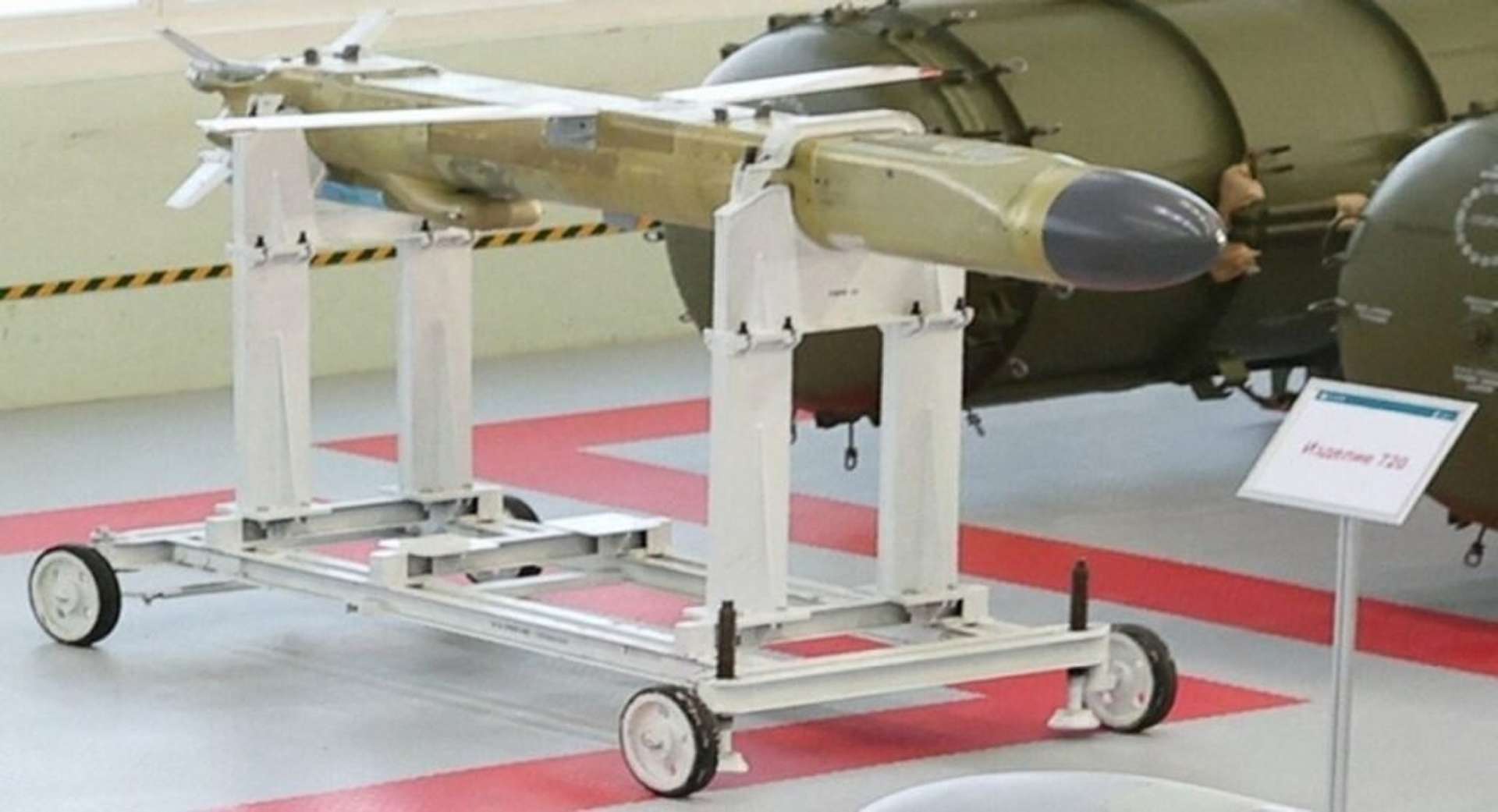
On July 10, 2024, JSC GosMKB Raduga, a Russian design bureau specializing in cruise missiles, announced the forthcoming introduction of its latest cruise missile, the Izdelie 720. Known for its various missiles used by the Russian Army in Ukraine, such as the Kh-69, Kh-59, Kh-58, and Kh-50, Raduga's new missile is expected to share similarities with these earlier models and reduce interception rates by systems such as the Patriot missiles supplied to Ukraine.
Follow Army Recognition on Google News at this link
According to Bogatikov, the Izdelie 720 missile will incorporate modern design achievements, combining proven technical solutions from previous long-range cruise missiles such as the Kh-69, Kh-59, Kh-58, and Kh-50, with new developments based on combat experiences from the Russian invasion of Ukraine. (Picture source: Russian MoD)
In an interview with Russian media, Sergey Bogatikov, the general director of Raduga, discussed the company's increased production capabilities since the Russian invasion of Ukraine. He highlighted that the foundational design principles established by Alexander Yakovlevich Bereznyak facilitate the effective development and modernization of missile systems. Raduga's portfolio includes a range of cruise and anti-radiation missiles. The Kh-69 is a long-range cruise missile noted for its precision and low radar visibility. The Kh-59 family, initially designed as anti-ship missiles, has been adapted for ground targets. The Kh-58 family targets radar systems and other electronic installations, demonstrating combat effectiveness.
A previous project from Raduga, the Kh-50, or Izdelie 715, is a medium-range air-launched cruise missile comparable to the AGM-158 JASSM missile. This missile has been in development since the early 1990s, undergoing several testing stages and contracts for integration with the Tu-22M3M aircraft. The Kh-50 features a combined inertial navigation system with GPS/GLONASS corrections and an advanced guidance system for the final trajectory phase. It is powered by a small turbojet engine and can carry both high-explosive and cluster warheads.
According to Bogatikov, the Izdelie 720 missile will incorporate modern design achievements, combining proven technical solutions from previous long-range cruise missiles with new developments based on combat experiences from the Russian invasion of Ukraine. While the specific technical and tactical characteristics of this missile remain classified, Bogatikov mentioned new approaches to missile design, including the use of new calculation systems and combat feedback aimed at reducing interception rates by systems such as the Patriot missiles supplied to Ukraine. He also noted the use of new-generation materials like metal composites to improve the mass-to-strength ratio and the implementation of additive technologies for structural weight optimization.

The Kh-69 is a Russian air-launched, subsonic cruise missile designed to engage stationary high-value targets with precision, featuring stealth technology and a range of up to 400 kilometers. (Picture source: Russian social media)
The Izdelie 720 is expected to share design principles and components with its predecessors, the Kh-69, Kh-59, Kh-58, and Kh-50 missiles. Russia has extensively employed Kh-69, Kh-59, and Kh-58 missiles in its operations in Ukraine. The Kh-69 cruise missile has been used for precision strikes on various strategic targets. The Kh-59 missile, particularly its variants like the Kh-59MK2, which feature advanced guidance systems, has targeted military installations and infrastructure. The Kh-58, designed to destroy radar and air defense systems, has been deployed to impair Ukraine's defensive capabilities. Ukrainian forces have reported intercepting several of these missiles using their air defense systems, although the overall impact on infrastructure and military assets has been significant. Therefore, we can assume that the future Izdelie 720 cruise missile will be optimized to enable the Russians to achieve more of their objectives in Ukraine, leveraging combat experience as well as Russian advancements in guidance and targeting systems.
Another common point between Raduga's Kh-69, Kh-59, Kh-58, and Kh-50 missiles is the use of modern guidance and navigation systems. For example, the Kh-59 uses a combination of inertial navigation and satellite-based GPS/GLONASS systems, a feature likely shared with the Kh-69 and Kh-50. The Kh-58, primarily an anti-radiation missile, incorporates advanced seekers for targeting electronic emissions, improving precision in striking radar systems.
The missiles are also designed with modular capabilities, allowing for various warhead types and mission profiles. The Kh-59 has multiple variants, including the Kh-59MK2 designed for land-attack missions with a correlation-optical seeker. The Kh-58 has different modifications for engaging radar systems, and the Kh-50 can carry different types of warheads, such as high-explosive and cluster munitions. Finally, these missiles are also compatible with a range of Russian aircraft, including the Su-24M, Su-30, and Tu-22M3 bombers. This flexibility allows for deployment across different platforms, enhancing their operational utility.

The Kh-59 variants, such as the Kh-59M and Kh-59MK2, have ranges of up to 285 kilometers and are utilized extensively by the Russian Air Forces in the ongoing war in Ukraine. (Picture source: Vitaly Kuzmin)

- Details
- Written by: Halna du Fretay
- Category: 2024
- Hits: 4067
As the 75th NATO summit continues, strategic military support for Ukraine progresses with several countries announcing new aid packages. U.S. Secretary of State Antony Blinken confirmed on Wednesday that the Netherlands and Denmark would be providing F-16 fighter jets to Ukraine this summer. Although not specifically designed for Ukraine's war against Russia, the anticipation for F-16s has been high, with previous false rumors about their arrival.
Follow Army Recognition on Google News at this link
A F-16 is flow by Alec "Bulldog" Spencer during a mission at Eglin Air Force Base, Florida, Feb. 14, 2019 (Picture source: US Dod)
In his speech at the NATO Public Forum, Blinken highlighted the multinational effort to strengthen Ukraine's air defenses. The U.S., Germany, Romania, the Netherlands, and Italy are among the nations contributing to this initiative, with Italy donating a SAMP-T system. This announcement is accompanied by the deployment of new Patriot air defense systems and tactical defenses to protect Ukrainian cities and infrastructure, stressed by Blinken due to the increase in missile and drone attacks by Russia, including a recent tragic attack on a children's hospital in Kyiv.
The transfer includes about 85 F-16 jets, part of a "substantial support package" described by NATO Secretary General Jens Stoltenberg. This package not only includes the jets but also four Patriot air defense systems and extensive NATO-led training for Ukrainian troops. Stoltenberg emphasized that Ukraine's path to NATO membership is now considered "irreversible," signaling a deep commitment to Ukraine's defense and sovereignty.
The F-16 Fighting Falcon is a multirole fighter aircraft initially developed by General Dynamics for the U.S. Air Force. Designed as an air superiority day fighter, it has evolved into a successful all-weather multirole aircraft. More than 4,600 units have been produced since production was approved in 1976, and they entered service in 1978. The F-16 is highly maneuverable and has proven itself in air-to-air combat and air-to-ground attacks. It can withstand higher g-forces than its predecessors and can deploy a variety of weapons, including air-to-air missiles, air-to-ground missiles, and various types of bombs.
The F-16 features an internal M61 Vulcan cannon and 11 locations for mounting weapons and other mission equipment. The aircraft's notable versatility is supported by advanced radar and avionics systems that enable precision targeting. Its design includes a bubble canopy for better visibility and an ejection seat inclined at 30 degrees to reduce g-force effects on the pilot. The F-16 has been adopted by 25 nations worldwide, making it one of the most widely used fighter aircraft globally due to its proven capabilities and reliability in numerous military conflicts.
The arrival of the F-16s will not be a game-changer for Ukraine, and it remains to be seen how Ukraine will deploy these jets, particularly concerning potential operations over Russian territory or airspace, which has been a point of contention and caution due to fears of escalating the conflict.
The arrival of the F-16s marks the end of a lengthy wait for Ukrainian President Volodymyr Zelenskiy, who has lobbied for at least 18 months for Western jets to strengthen his outdated Soviet-standard air force, no match for Russia’s. Zelenskiy expressed his gratitude towards Denmark, the Netherlands, and the U.S. for practical steps of assistance – and indicated he hopes for more contributions to reach a target fleet of 130 jets to robustly defend against Russian aggression.
Furthermore, Norway and Belgium have also committed to supplying F-16s in the future, enhancing what Zelenskiy anticipates as a growing air force capability coalition. This collective effort underscores NATO's strategic approach to not only bolster Ukraine's immediate defense capabilities but also to prepare it for long-term security challenges.
Secretary of State Antony Blinken reinforced ongoing support, stating that the delivery of F-16 jets should refocus Russian President Vladimir Putin's strategies, highlighting the sustained resilience and support Ukraine will receive from its allies.
While immediate NATO membership for Ukraine is not anticipated until the conclusion of its conflict with Russia, the alliance's support remains unwavering. The strategic military enhancements, including the F-16s, are part of a historically significant aid package that aims to prepare Ukraine for a future where it stands robustly on its own in the European security landscape.
Read more: Blinken: F-16 Fighter Jets on Their Way to Ukraine

- Details
- Written by: Administrator
- Category: 2024
- Hits: 19107
Former Japanese Defense Minister Onodera Itsunori confirmed that the Philippines has formally requested the sale or transfer of Japanese-made air defense missile systems. The announcement was made public through the X account of Max Montero on July 10, 2024, highlighting the ongoing defense collaboration between the two countries.
Follow Army Recognition on Google News at this link
The Type 81 could be one of the Japanese air defense systems that Japan could deliver to the Philippines. (Picture source: Wikimedia)
The defense relationship between Japan and the Philippines has significantly strengthened in recent years, driven by shared concerns over regional security and China's assertiveness in the South China Sea. Both nations have enhanced their strategic cooperation through various agreements, joint military exercises, and defense equipment transfers. Japan has provided the Philippines with patrol vessels to bolster its maritime capabilities, while both countries have conducted joint naval exercises to improve interoperability and readiness. This growing partnership reflects a mutual commitment to maintaining stability and security in the Indo-Pacific region.
In an exclusive interview, Onodera revealed that the Japan Self-Defense Forces (JSDF) are poised to retire several missile systems, creating an opportunity for their transfer to allied nations. Among the systems slated for retirement are the Type 81 and the Improved HAWK surface-to-air missile systems. Additionally, the JSDF's newer Type 11 and Type 03 missile systems have also been identified as potential candidates for sale.
The Type 81 Surface-to-Air Missile (SAM) system, a mainstay in Japan’s air defense arsenal since the early 1980s, is designed to counter aircraft and cruise missiles. The Improved HAWK, a more advanced version of the original HAWK missile system, has been a critical component of Japan’s mid-range air defense strategy.
The Type 11 and Type 03 missile systems represent more recent advancements in Japan’s air defense capabilities. The Type 11 is known for its enhanced mobility and rapid deployment capabilities, while the Type 03 offers improved accuracy and range, making it a formidable option for protecting key installations and urban areas.
This move comes amid increasing geopolitical tensions in the Asia-Pacific region, with both Japan and the Philippines seeking to bolster their defense postures. The Philippines has been actively modernizing its military, seeking advanced technologies and systems to enhance its defensive capabilities in response to growing regional threats.
The potential transfer of these missile systems underscores the deepening defense cooperation between Japan and the Philippines. It also reflects Japan’s broader strategy of contributing to regional stability through the provision of defense equipment and technology to its partners.
The Philippines has significantly ramped up its defense equipment acquisition in response to rising tensions with China, particularly over territorial disputes in the South China Sea. President Ferdinand Marcos Jr. recently approved a comprehensive military modernization plan, dubbed "Re-Horizon 3," which involves a substantial budget of $35 billion over the next decade. This ambitious plan aims to enhance the Philippines' naval and air defense capabilities to better secure its territorial waters and exclusive economic zone.
Several notable acquisitions under this plan include BrahMos cruise missiles from India, worth $375 million, which will enhance the country's coastal defense capabilities. Additionally, the Philippines has contracted with South Korea's Hyundai Heavy Industries for multiple warships, including Jose Rizal-class frigates, offshore patrol vessels, and missile corvettes. These acquisitions are part of a broader strategy to modernize the Philippine Navy and ensure its readiness to counter external threats.
Furthermore, the Philippines has been actively participating in joint military exercises with allies such as the United States. The recent Balikatan exercises involved over 16,000 personnel from multiple countries and included the deployment of advanced missile systems like the Spyder and Typhon, which are designed to bolster air and missile defense.
This military build-up is driven by the need to counter increasing aggression from China, which has been harassing Philippine vessels and engaging in dangerous maneuvers in contested areas. The modernization efforts also reflect a shift in the Philippines' defense strategy from focusing on internal security to enhancing external defense capabilities.
Read more: Philippines Requests Acquisition of Phased-Out Japanese Air Defense Missile Systems

- Details
- Written by: Triffaux
- Category: 2024
- Hits: 7050
On July 8, 2024, two C17 Globemaster cargo planes from the US Air Force delivered several MaxxPro armored vehicles, along with two Humvees and several trailers to Toussaint Louverture International Airport, marking a new phase of international support for Haiti under a multinational mission led by Kenya. This initiative comes as the United Nations has called for resolute action against the criminal gangs destabilizing the country.
Follow Army Recognition on Google News at this link
US delivers MaxxPro Armored Vehicles to Toussaint Louverture International Airport (Picture source: Info a La Seconde)
The Biden administration has decided to send over $60 million in military aid to Haiti, including 80 Humvees, 35 MaxxPro vehicles, sniper rifles, and drones. A portion of this equipment has already arrived as part of the deployment of the multinational force aimed at stabilizing the country.
To recall, Haiti, the poorest country in the Western Hemisphere, is experiencing a prolonged security and political crisis, exacerbated by the 2010 earthquake, the assassination of its president Jovenel Moïse in 2021, and repeated natural disasters. Gang violence has reached unprecedented levels, controlling vast swathes of the capital, Port-au-Prince, and beyond, paralyzing normal economic activities and hindering governance and administrative efforts. The gangs fight for power and resources, causing massive population displacements and disruptions in access to basic services, plunging many regions into chaos and desolation.
In response to this situation, the international community, under the auspices of the United Nations, has taken steps to stabilize the country. Responding to the Haitian government's call for international assistance, Kenya has proposed to lead a multinational support mission with UN approval. This mission, which includes troops from several Caribbean nations, aims to restore public order, secure areas under gang control, and create the conditions necessary for free and fair elections. Although the United States has chosen not to send troops, they have pledged significant financial aid of over $300 million, as well as military equipment valued at up to $60 million.
The Kenyan support mission, initially composed of 400 troops, arrived in Haiti last month. In total, Kenya plans to send about 1,000 soldiers to work alongside military personnel from other Caribbean nations such as the Bahamas, Antigua and Barbuda, Barbados, Belize, and Jamaica. Although the United States has chosen not to deploy troops, they have pledged substantial financial assistance of more than $300 million, as well as military equipment valued at up to $60 million.
The commander of the Kenyan mission, Godfrey Otunge, emphasized his team's commitment to restoring order and laying the groundwork for free and fair elections in Haiti. "We intend to achieve this by working closely with Haitian authorities and local and international partners dedicated to a new Haiti," he said during a press conference where he took no questions.
Normil Rameau, head of the Haitian National Police, also stressed the importance of this international mission, indicating that it focuses on reclaiming areas controlled by gangs and supporting Haitian citizens displaced by violence to return home.
Furthermore, the leader of the gang coalition "G9 and Allies Family," Jimmy Cherisier, known as Barbecue, made a surprising statement in a video, announcing his group's willingness to lay down arms and start a dialogue for peace. "We are ready to appoint a credible Haitian citizen from the diaspora to facilitate this dialogue and end the mafia war that is crippling our country," he stated.
These developments come in a context of increased violence in Haiti, with more than 2,500 people killed or injured in the first three months of the year, according to the United Nations. The country, long plagued by instability, is now seeking to navigate towards a safer future with the help of the international community.

US delivers Humvees with Trailers to Toussaint Louverture International Airport (Picture source: Info a La Seconde)
The MaxxPro, also known as M1224 in the U.S. Army, is a 4x4 wheeled combat vehicle in the category of MRAP (Mine Resistant Ambush Protected). It was designed and manufactured by the American company Navistar International to respond to an urgent request for protected vehicles for the U.S. Army during the wars in Iraq and Afghanistan. The MaxxPro is designed to offer high protection against mine and IEDs (Improvised Explosive Devices) blast effects using a crew capsule with a V-shaped hull, mounted on an International 7000 chassis. The MaxxPro in APC (Armored Personnel Carrier) variant has a crew of two, including a commander and driver, and can accommodate up to six military personnel. The vehicle has a combat weight of 18,650 kg and is powered by the MaxxForce D family engine model D8.7L16, Turbo inter-cooled, direct electronic injection, and four-stroke. It can run at a maximum speed of 105 km/h with a maximum cruising range of 600 km.
MaxxPro vehicles, developed to provide exceptional protection, will play a crucial role in security operations in Haiti, where armed gangs pose a constant challenge. Specifically designed to resist attacks from improvised explosive devices (IEDs) and ambushes, these armored vehicles ensure the safety of troops engaged in the fight against criminal factions. Their ability to navigate complex urban terrains is particularly useful in the dense environments of Port-au-Prince, where narrow alleys and obstacles can impede operations. Additionally, the imposing presence of the MaxxPro serves as a powerful deterrent, discouraging gangs from engaging in direct confrontations, thus helping to reduce violent confrontations and risks to civilians.
In addition to their direct role in combat, MaxxPro vehicles also facilitate rapid interventions and the secure transport of troops and equipment to critical areas, enabling a dynamic response to security incidents. This rapid action is essential for controlling and stabilizing hotspots of violence. Moreover, these vehicles perform vital logistical functions, such as transporting medical and food resources necessary to support field operations. The versatility of the MaxxPro makes it an indispensable asset for security forces in Haiti, significantly contributing to their efforts to restore peace and order in regions affected by gang activities.

US delivers MaxxPro Armored Vehicles to Toussaint Louverture International Airport (Picture source: Info a La Seconde)
Read more: US Deploys Military Equipment to Restore Order in Haiti

- Details
- Written by: Halna du Fretay
- Category: 2024
- Hits: 2164
The Philippines has announced an increase in defense spending and is seeking support from the private sector to strengthen its territorial claims in the South China Sea amidst ongoing tensions with China. This move includes a historic deployment of the country's Air Force to northern Australia, marking its first overseas deployment in sixty years, where it joined U.S. and Australian troops for combat exercises.
Follow Army Recognition on Google News at this link
BRP Miguel Malvar, Philippine Navy's newest corvette, launched in Korea on June 18, 2024(Picture source: DND Philippines)
Defense Secretary Gilberto Teodoro has unveiled plans to boost the defense budget to more than 1% of the nation’s GDP, excluding military pensions. The defense budget for fiscal year 2024 has been set at 278.1 billion pesos ($4.8 billion). Teodoro emphasized the need for modernizing the country's military capabilities to match those of its neighbors, especially as the Philippines' military assets have faced challenges due to frequent confrontations with Chinese forces in the South China Sea.
Moreover, the Defense Secretary is exploring innovative financial strategies, including the sale of debt instruments, to engage investors optimistic about the potential upgrade of the country’s credit rating and other opportunities within the defense industry. "It's up to them to see what the market's appetite is at any given time," Teodoro stated at a business forum.
In a significant move to bolster its military readiness, the Philippines Air Force participated in the Pitch Black war games in Australia's Northern Territory. This exercise involved four Philippine FA-50 fighter jets and 162 personnel. This deployment, the first time Philippine combat aircraft have been stationed overseas since 1963, involved 20 countries and 140 aircraft. The vast airspace of the Northern Territory was used for a range of combat practices, from dogfighting to advanced radar and missile operations.
Royal Australian Air Force Air Commodore Pete Robinson highlighted the strategic importance of this exercise, noting that combining forces with U.S. F-22 stealth fighters and Australia's F-35A and F-18s would lead to significant operational improvements. "Bringing that package together will provide an impressive outcome that is stronger than its parts," Robinson explained.
Acknowledging the need to modernize its fleet, the Philippines is considering acquiring long-range, multi-role fighters, though no specific aircraft has been decided upon yet. The aim is to upgrade aging equipment, which includes relics from World War II and helicopters from the Vietnam War era.
Recent military cooperation with Australia and Japan, which includes agreements allowing military movements through each other's territories and joint naval exercises in the South China Sea, shows the Philippines' intent to strengthen regional defense ties. These partnerships are designed to build interoperability and maximize the combined strengths of the allied forces to maintain peace and stability in the region, according to Air Commodore Robinson.
Read more: Philippines Ramps Up Defense Efforts Amid South China Sea Tensions

- Details
- Written by: Vandenbosch
- Category: 2024
- Hits: 2716
Japan and the Philippines signed a major defense pact on Monday, July 8, 2024, allowing the deployment of Japanese forces for joint military exercises in the Philippines. This Southeast Asian nation, once occupied by Japan during World War II, is now strengthening its alliance with Tokyo in response to an increasingly assertive China. Japan can now deploy its forces to the Philippines under the Reciprocal Access Agreement.
Follow Army Recognition on Google News at this link
Japan can now deploy its forces to the Philippines under the Reciprocal Access Agreement. (Picture source: US DoD)
The Reciprocal Access Agreement, which also permits Filipino forces to enter Japan for joint combat training, was signed by Philippine Defense Secretary Gilberto Teodoro and Japanese Foreign Minister Yoko Kamikawa during a ceremony in Manila attended by President Ferdinand Marcos Jr. The pact will take effect after ratification by the legislatures of both countries, according to Philippine and Japanese officials.
This defense agreement with the Philippines, which includes live-fire drills, is Japan's first of its kind signed in Asia. Japan previously signed similar agreements with Australia in 2022 and the United Kingdom in 2023.
Under the leadership of Prime Minister Fumio Kishida, Japan has strengthened its security and defense capabilities, including developing a counterstrike capability, marking a departure from the country's postwar policy of focusing solely on self-defense. Japan is doubling its defense budget over five years ending in 2027, aiming to become the world's third-largest military spender after the United States and China.
Kishida's initiatives align with President Marcos' efforts to create security alliances that bolster the limited capacity of the Philippine military to defend its territorial claims in the South China Sea.
The United States has also strengthened a network of military alliances in the Indo-Pacific region to counter China and reassure its Asian allies, particularly in the context of a potential future conflict over Taiwan. Japan and the Philippines are both treaty allies of the U.S., and their leaders participated in trilateral talks at the White House in April. During these discussions, President Joe Biden reaffirmed Washington's "ironclad" commitment to defend Japan and the Philippines.
Japan has a longstanding territorial dispute with China over islands in the East China Sea. Meanwhile, Chinese and Philippine coast guard and navy vessels have been involved in several tense encounters in the South China Sea over the past year.
Japan and the United States were among the first to express concerns about China's actions, calling Beijing to adhere to international laws. The U.S. is obligated to defend the Philippines, its oldest treaty ally in Asia, if Filipino forces, ships, or aircraft are attacked, including in the South China Sea.
Read more: Japan and Philippines Sign a Historic Defense Pact

- Details
- Written by: Administrator
- Category: 2024
- Hits: 8142
According to the Institute for the Study of War, Iran is ramping up its domestic drone and missile production capabilities, potentially enhancing its military support to Russia amid the ongoing conflict in Ukraine.
Follow Army Recognition on Google News at this link
Iran has already delivered to Russia an undisclosed number of Fatteh-100 solid-fueled surface-to-surface ballistic missile, which has a maximum firing range of 300 km. (Picture source: Wikimedia)
In related news, Reuters reported on July 7, 2024, that commercially available satellite imagery reveals significant expansion at two defense industrial sites near Tehran. The imagery shows over 30 new buildings constructed at these sites, aimed at bolstering the production of ballistic missiles and drones. The expansion reportedly began at the Khojir missile production complex in August 2023 and at the Shahid Modarres base in October 2023, according to a Western analyst cited by Reuters.
Iran's military support for Russia has intensified as the Ukraine conflict continues, with Tehran supplying drones and potentially missiles to aid Russian forces.
Iran has delivered large numbers of drones to Russia, including the Shahed-131 and Shahed-136 models, which are often referred to as "kamikaze drones" due to their single-use, explosive payload design. Russia has reportedly ordered between 2,000 and 2,400 drones from Iran. These drones have been instrumental for Russia, enabling sustained strikes on Ukrainian targets at a relatively low cost.
Iran has reportedly supplied Russia with a significant number of ballistic missiles to support its war efforts in Ukraine. These deliveries include short-range ballistic missiles such as the Fateh-110 and Zolfaghar, which are capable of striking targets up to 300 to 700 kilometers away. Multiple shipments have been confirmed, with some transported by ship via the Caspian Sea and others by plane.
Iran’s involvement has allowed Russia to maintain a higher operational tempo in its missile strikes against Ukrainian targets. This support has not only provided Russia with critical military supplies but also given Iran a valuable testing ground for its missile technology in a high-intensity conflict setting, potentially leading to improvements in their own military capabilities
Iran's involvement in Ukraine serves its own strategic interests by enhancing its military technology and capabilities. The conflict offers Iran a real-world testing ground for its drones, allowing it to refine their effectiveness in high-intensity warfare scenarios. This military collaboration also strengthens Iran's geopolitical ties with Russia, potentially providing Iran with advanced military technologies and economic benefits in return.
This partnership has drawn international condemnation and has led to new sanctions against Iran by the European Union and the United States, aimed at curbing its military support to Russia and its destabilizing activities in the region.
Since the onset of the war in Ukraine in February 2022, Iran and Russia have significantly deepened their strategic partnership, driven by mutual interests and shared opposition to Western influence and sanctions.
Both countries have expanded their economic ties, focusing on bypassing Western sanctions. This includes increasing bilateral trade, utilizing Iran as a transit route for Russian goods to other regions, and adopting financial systems that do not rely on the US dollar. These measures are aimed at reducing the impact of sanctions and fostering economic resilience
Iran has politically supported Russia's invasion of Ukraine, framing it as a legitimate response to NATO's expansion. This alignment has strengthened as both nations face isolation from the West. Iran views its partnership with Russia as a strategic counterbalance to Western pressures and a means to bolster its own regional influence and military capabilities (Atlantic Council) (IISS).

- Details
- Written by: Halna du Fretay
- Category: 2024
- Hits: 6879
Morocco has finalized an agreement with the United States for the purchase of ATACMS missiles, as announced by the U.S. Department of Defense. The contract, valued at $227 million, involves the production of these missiles by Lockheed Martin, a major American defense and aerospace manufacturer. This deal is part of the U.S. Foreign Military Sales (FMS) program for the fiscal year 2024 and is expected to be completed by 2028. Follow Army Recognition on Google News at this link
The ATACMS (Army Tactical Missile System) manufactured by Lockheed Martin is a short-range tactical ballistic missile known for its impressive precision, with an error margin of less than 10 meters (Picture source: Lockheed Martin)
According to U.S. Defense officials, the agreement involves not only Morocco but also other countries, highlighting the significance of this transaction in the context of international military relations.
The ATACMS (Army Tactical Missile System) manufactured by Lockheed Martin is a short-range tactical ballistic missile known for its impressive precision, with an error margin of less than 10 meters. Capable of being launched from MLRS family systems, including M142 HIMARS and M270, the missile weighs between 1,600 and 2,300 kg depending on the variant and can reach speeds of about Mach 3 (3,700 km/h).
Measuring 5.75 meters in length, 2.49 meters in width, and 2.4 meters in height, the ATACMS is equipped with a 230 kg high-explosive fragmentation warhead and utilizes an advanced guidance system combining GPS and inertial navigation (INS), enabling it to hit targets at distances ranging from 160 to 300 km. Its appearance, similar to standard MLRS payloads, helps to conceal its capabilities from adversaries.
The military collaboration between Washington and Rabat has grown stronger over the years through numerous agreements and memorandums of understanding. In addition, both countries have regularly participated in the African Lion military exercises with other international forces.
On the occasion of U.S. Independence Day, King Mohammed VI of Morocco sent a message to President Joe Biden, expressing the kingdom's desire to continue working together to advance the consolidation of bilateral relations and elevate the strategic partnership to higher levels.
Besides ATACMS, the United States has supplied various other military equipment to Morocco. In 2019, Morocco ordered 25 new F-16V fighters, the most advanced version of the F-16, in a deal valued at $3.8 billion. This contract also included the modernization of the 23 F-16s already in service with the Royal Moroccan Air Force to the F-16V standard.
Furthermore, the U.S. Department of Defense authorized Lockheed Martin to begin production of the "Fiber Shield" electronic warfare system for the modern F-16 Block 70/72 fighters of the Royal Air Force, to provide advanced support against evolving threats.
In 2015, Morocco began receiving M1A1 Abrams tanks under an agreement with the United States valued at over $1 billion. Morocco acquired 222 upgraded Abrams tanks. In 2019, Morocco acquired Patriot air defense systems, aimed at enhancing its aerial defense capabilities against advanced threats, including aircraft and missiles.
That same year, Morocco signed an agreement to purchase 24 Apache AH-64E helicopters, valued at $1.2 billion. The Apache helicopters are among the most advanced in terms of ground attack and close air support capabilities.
In 2020, Morocco also finalized the purchase of MQ-9 Reaper drones, long-endurance combat and surveillance drones. While negotiations had been stalled for several years, particularly around the issue of Western Sahara, the normalization with Israel and the arrival of Trump's administration facilitated the finalization of the deal. Valued at approximately $123 million, the contract is part of a Foreign Military Sales agreement between Morocco and the United States.
- Details
- Written by: Vandenbosch
- Category: 2024
- Hits: 3036
The Kalashnikov Concern has started delivering its specialized "Stena" vehicles. The first "Stena" vehicle was manufactured in the special machinery division of the Izhevsk plant and handed over to the client. According to the contract signed in December 2023, these vehicles will be delivered in batches throughout 2024 and 2025.
Follow Army Recognition on Google News at this link
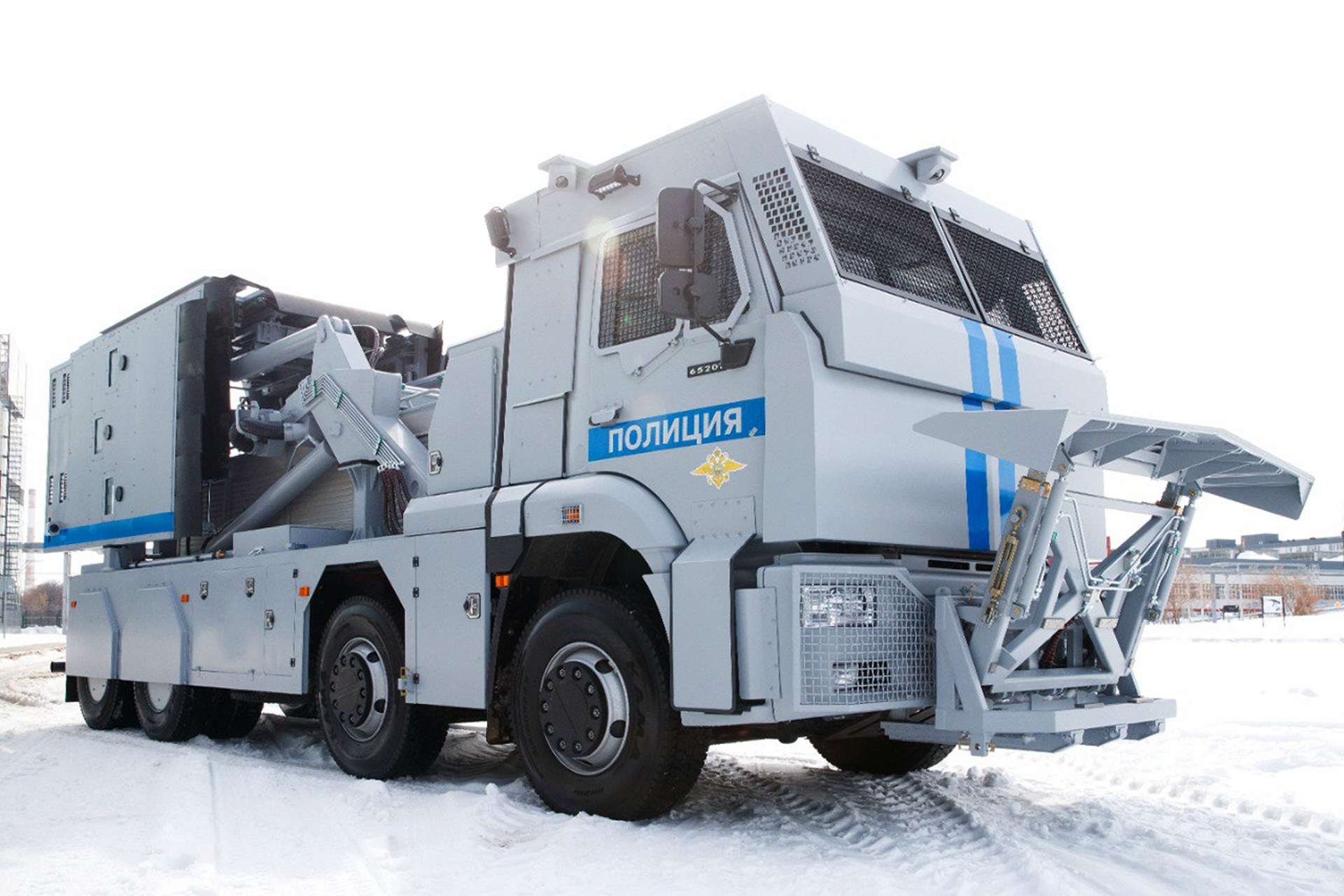
The "Stena" complex was designed by Kalashnikov engineers for the Russian National Guard and the Ministry of Internal Affairs (MVD). (Picture source: Rostec)
The "Stena" complex was designed by Kalashnikov engineers for the Russian National Guard and the Ministry of Internal Affairs (MVD). It is intended to block the movements of violators and protect law enforcement personnel during the suppression of mass riots. The system includes a basic chassis and equipment for a mobile protection complex, consisting of barriers, fire suppression systems, video surveillance and recording systems, as well as sound and light devices.
"The special 'Stena' vehicle, with its unique equipment, is an effective tool for the specialized tasks of the MVD and the National Guard," commented Andrey Baryshnikov, General Director of JSC Kalashnikov Concern. "The complex, created in Izhevsk, has repeatedly received positive feedback from clients. Foreign partners are also showing interest in this product. In the future, Kalashnikov plans to increase production of the 'Stena' both for Russian agencies and international exporters. The division's design center is exploring the use of automotive chassis, including those produced in potential customer countries, to create the complex according to their technical requirements."
The "Stena" vehicle is a key innovation for managing civil unrest and protecting law enforcement. It integrates advanced technologies to ensure safety and efficiency in crisis situations. In addition to surveillance and fire management capabilities, the "Stena" is equipped to withstand harsh environments and provide a rapid and adaptable response to changing situations on the ground.
The Kalashnikov Concern is known for its contributions to military and civilian technology, with a diverse portfolio that includes small arms, armored vehicles, and drone systems. The ongoing development of products like the "Stena" demonstrates Kalashnikov's commitment to meeting the ever-evolving needs of national and international security forces.
With production and deliveries planned for the next two years, Kalashnikov positions itself as a key player in the field of specialized security vehicles in Russia. Continuous improvements and adaptations to client demands promise to further expand the reach and impact of these vehicles in law enforcement and crisis management operations worldwide.

The Russian "Stena" complex. (Picture source: Kalashnikov)
Read more: Russia Begins Deliveries of Specialized Stena Vehicles

- Details
- Written by: Triffaux
- Category: 2024
- Hits: 4641
Elbit System Land has won a contract to supply 120mm precision-guided mortar shells to the Philippine Army. According to MaxDefense Philippines, this contract was announced in June 2024 through a Notice of Award. It is expected that the supplied mortars will be Elbit's Iron Sting precision-guided shells. These mortars can be fired from the M125A2 PA armored mortar carrier equipped with the Elbit Soltam Cardom 120mm mortar system. This type of Iron Sting mortar has been popularized by the Israel Defense Forces (IDF) and used in their conflict with Hamas in the Gaza Strip.
Follow Army Recognition on Google News at this link
Philippine Army's M125A2 Mortar Carriers equipped with Cardom 120mm mortar systems (Picture source: Philippines MoD)
The new Armored Mortar Carriers (AMCs) are part of the Philippine Army's Armored Division (Pambato) modernization project aimed at strengthening the country's land forces' credible defense posture against various threats, both local and international. The shootings aimed to test the effectiveness and adaptability of the new weapon system to actual deployments. This also served as a refresher training for the trained crews. As part of the deliverables for the Revised AFP Modernization Program under Horizon 2, 15 units of M125A2 Armored Mortar Carriers (AMC) with 120mm Mounted Mortar Systems (MMS) were delivered by Elbit Systems on December 29, 2021. The fleet of armored vehicles with improved weaponry under the Philippine Army's Mounted Mortar Acquisition Project is part of the firepower upgrade for the Mechanized Infantry Battalions and the soon-to-be-reactivated Tank Battalion of the Philippine Army's Armor Division. The Armor "Pambato" Division is one of the primary units of the Philippine Army stationed at Camp O'Donnell, Brgy. Sta. Lucia, Capas, Tarlac, Philippines. The Armor (Pambato) Division is a combined arms organization composed of armored (tank), cavalry, and mechanized infantry units.
The 120mm precision-guided mortar shell, Iron Sting, offers robust capabilities in all battlefield scenarios with three operating modes: GPS/IMU, SAL+GPS/IMU, and SAL+IMU. The laser and GPS-guided mortar shell has a range of 1 to 12 km, depending on the mortar tube. The Iron Sting is equipped with a laser seeker capable of operating with standard pulse (NATO STANAG 3722) and an encoded CW laser diode. The warhead can penetrate double reinforced concrete with blast and fragmentation effects. The Iron Sting features a multi-mode fuze with Point Detonation (PD), Point Detonation Delay (PDD), and Proximity Sensor (PRX) operating modes. Key benefits of this system include high lethality and precision, lightweight design, cost-effectiveness, and no requirement for meteorological data. Its key features include GMS/IMU+SAL guidance, a laser seeker sensor, a range of 1 to 12 km, a fragmentation/penetration warhead, and a mission loading time of 15 seconds.

Elbit Soltam Cardom 120mm mortar system firing 120mm precision-guided mortar shells (Picture source: Elbit Systems)
The CARDOM is an autonomous, computerized 120mm recoiling mortar system suitable for various tracked and wheeled armored carriers. It provides accurate, effective, and immediate fire support for rapid deployment units, special forces, as well as infantry and artillery units. This system is lightweight, low-profile, NATO-qualified, and allows for rapid deployment with reduced lifecycle costs. It features precise firepower with a rate of 16 rounds per minute, shoot-and-scoot capability, an automatic laying system, integrated INS, and a fire control system.
The CARDOM, combat-proven, is in active service in modern armies like the U.S. Army within the Stryker 8×8 brigades, the Israel Defense Forces, and other leading armies. Its unique design allows ground operation of its 120mm barrel and the adaptation of an 81mm barrel to reduce training costs and decrease collateral damage in urban areas. The advanced embedded Fire Control System (FCS) combines an Inertial Navigation System (INS), electrical drives for automatic laying, and an onboard ballistic computer. It easily integrates with an in-service Battle Management System (BMS), providing a direct digital link to modern target acquisition sensors like UAS, radars, and other detection systems.
With its lightweight and low-profile design, the CARDOM maintains vehicle transportability without compromising the armor needed for modern airborne expeditionary missions. The CARDOM has a proven shoot-and-scoot capability allowing the "first round on target" within 30 to 60 seconds and massive firepower with a rate of up to 16 rounds per minute. Elbit Systems offers a complete "sensor to shooter to target" solution tailored to all customer requirements, including full vehicle integration, ammunition, scalable command and control capabilities, and varied target acquisition platforms, all digitally connected. Easy and safe to operate, the CARDOM integrates smoothly with in-service battle management systems.

Israeli M125A2 Mortar Carriers equipped with Cardom 120mm mortar systems (Picture source: Elbit Systems)

- Details
- Written by: Halna du Fretay
- Category: 2024
- Hits: 2265
According to Defence 24, Poland has announced a major overhaul of its border military operations. Starting August 1, the "Bezpieczne Podlasie" operation will replace the ongoing "Gryf" and "Rengaw" operations. This deployment will significantly increase the number of troops, from 6,000 to 17,000 soldiers. However, this increase does not mean that all these soldiers will be permanently stationed at the border with Belarus; 8,000 will be deployed there while the remaining 9,000 will stay in reserve, ready to respond within 48 hours if needed. Follow Army Recognition on Google News at this link
Poland has indicated the upcoming acquisition of 150 new armored vehicles, scheduled for 2025, which will be specifically used for border patrol. (Picture source: Polish Army)
This strategy allows for troop rotation without disrupting training processes and the family well-being of soldiers, while laying the groundwork for the accelerated creation of the Border Protection Component (KOP), whose establishment has been moved up by four years, aiming for full operationalization by 2028.
As part of this operation, particular emphasis is placed on upgrading the equipment of the forces stationed at the border. State Secretaries of the National Defense Ministry, Cezary Tomczyk and Paweł Bejda, have indicated the upcoming acquisition of 150 new armored vehicles, scheduled for 2025, which will be specifically used for border patrol.
In addition to these vehicles, significant investments are being made in equipment such as 7,200 bulletproof vests and the enhancement of reconnaissance capabilities, including through satellites and drones.
Alongside the "Bezpieczne Podlasie" operation, a major defensive infrastructure project, titled "Tarcza Wschód" (Shield of the East), is being launched. This project, estimated to cost at least 10 billion PLN, plans the construction of fortifications and other defensive infrastructures along the border.
The design of these structures is inspired by the best global practices, notably Finnish and South Korean, and aims to be rapidly deployable in the event of an imminent threat. The proximity of Polish companies to the border is seen as a strategic advantage, with these companies being favored in the awarding of construction contracts.
This initiative to modernize Poland's border defenses represents a robust strategic response to potential threats, particularly at the border with Belarus, integrating rapid response capabilities and technological enhancements to ensure the long-term security of the country's eastern border.
Read more: Poland Announces Major Overhaul of Belarus Border Military Operations
- Canada Set to Announce Plan to Meet NATO Defense Spending Target
- Will the United States adopt Ukraine's FrankenSAMs for its national air defense?
- Russian Engineers Unlock Secrets of Cutting-Edge Storm Shadow Scalp Missile
- Northrop Grumman Begins Construction of Revolutionary XRQ-73 Hybrid Electric Aerial Drone