
- Details
- Written by: Triffaux
- Category: 2024
- Hits: 4110










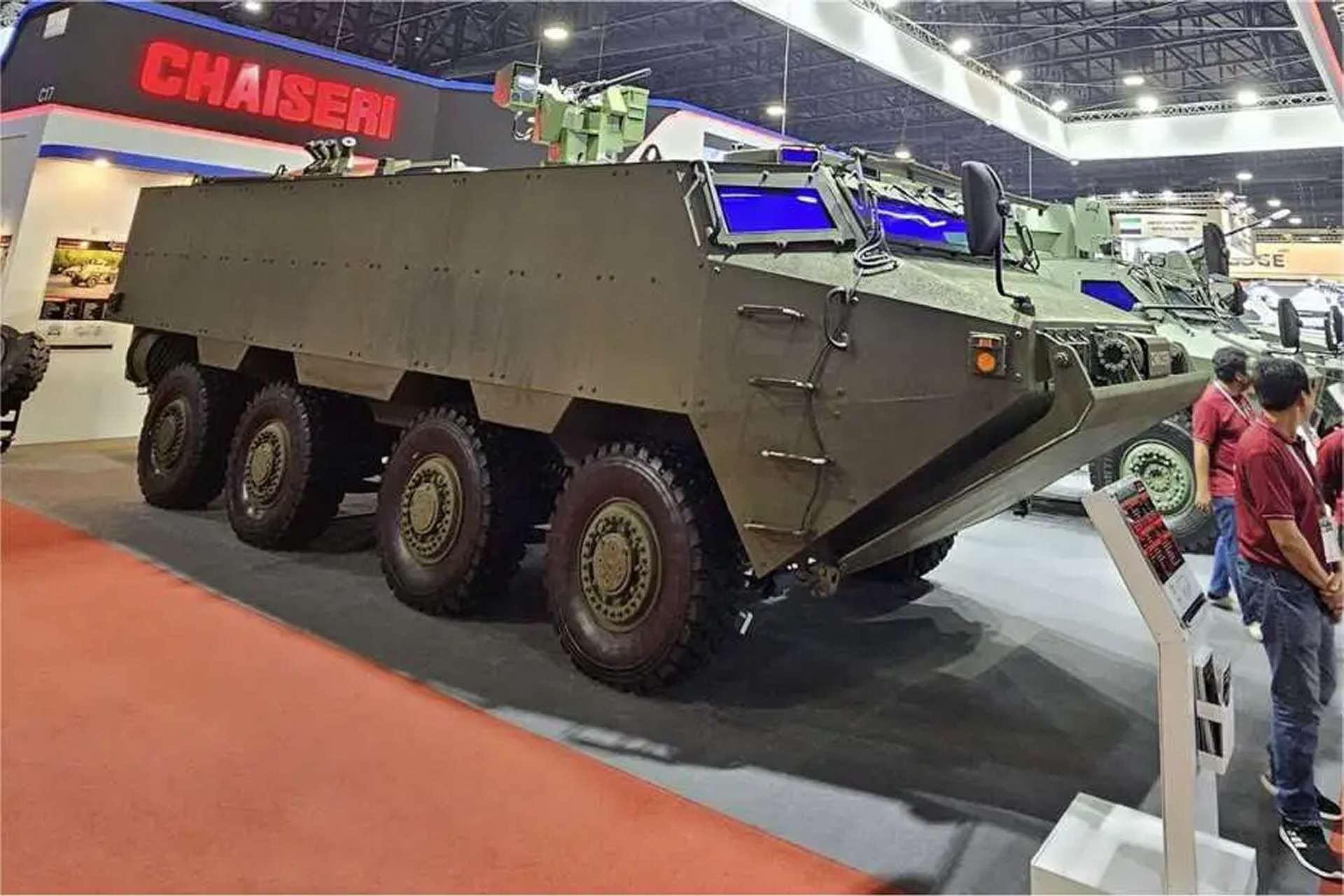
On July 31, 2024, the Royal Thai Navy Auditorium in Bangkok Yai was the venue for the Navy Research 2024 exhibition, a major event organized by the Naval Research and Development Office (NRDO) of the Royal Thai Navy (RTN). During this event, Chaiseri Metal & Rubber Co. Ltd. showcased its new 8x8 Armoured Wheeled Amphibious Vehicle (AWAV), specially designed for the Royal Thai Marine Corps (RTMC). This model is scheduled for delivery to the Thai Navy in August 2024.
Follow Army Recognition on Google News at this link
Chaiseri 8X8 Armoured Amphibious Vehicle (Picture source: Army Recognition)
The presentation highlighted the technological advances of this vehicle, which has undergone a series of modifications since its first unveiling at the Defence & Security 2023 exhibition. Tested in various environments, including open sea maneuvers in the Sattahip district, Chonburi province, the AWAV demonstrated its robustness, remaining fully operational even during a storm in the Gulf of Thailand.
Technically, the AWAV stands out with its imposing dimensions—9.2 meters long, 3.1 meters wide, and 3 meters high—and a weight of 23.2 tons. It is powered by a 711 horsepower diesel engine, allowing for a maximum speed of 105 km/h on land and 10 km/h in water, with a combat range of 600 kilometers. Its transport capacity is also noteworthy, able to accommodate 11 soldiers plus 3 crew members (gunner, commander, and driver).
The vehicle's armament system includes a Guardian 1.5 remote weapon station from Escribano Mechanical and Engineering (EM&E) of Spain, equipped with a 12.7 mm heavy machine gun, and a 76 mm smoke grenade launcher.
The funding for this ambitious project amounts to 448 million baht (approximately $12.9 million), with a unit cost per vehicle of 64 million baht (approximately $1.8 million). This acquisition reflects Thailand's ongoing commitment to developing and supporting its domestic defense industry, following previous projects such as those from Panus Assembly Co., Ltd. and Cho Thavee Public Company Limited, which have also supplied armored vehicles to the Thai Navy.
With this new addition to its fleet, the Royal Thai Marine Corps hopes to enhance its operational capabilities, particularly for amphibious operations, complementing other vehicles such as the AAV7A1 and the VN16 on the HTMS Angthong and HTMS Chang landing ships. This initiative is part of a broader strategy to modernize and strengthen the Thai armed forces in the region.
Read more: Chaiseri Showcases 8x8 Armored Amphibious Vehicle for Thai Marines at Navy Research 2024

- Details
- Written by: Halna du Fretay
- Category: 2024
- Hits: 7000
Bulgaria aims to strengthen its air defense capabilities by acquiring IRIS-T missile systems from Germany. A bill proposed by the government to the Bulgarian parliament includes the purchase of one IRIS-T SLM battery with an option to acquire up to five additional batteries, as well as one IRIS-T SLX battery.
Follow Army Recognition on Google News at this link
The IRIS-T SLM missile is equipped with a high-resolution infrared seeker, advanced image processing system, and thrust vector control for exceptional maneuverability (Picture source: Diehl Defense)
The IRIS-T SLM is the medium-range version of the IRIS-T SL air defense missile system, designed and produced by the German company Diehl Defense. Initially developed in 2007 and tested in January 2014, the system completed its qualification in January 2015. It provides comprehensive 360° protection against aircraft, helicopters, cruise missiles, and guided weapons, enabling simultaneous engagement of multiple targets from very short to medium-range with extremely brief reaction times. Various multifunction radar systems can be integrated into the IRIS-T SLM, making it suitable for both mobile and stationary deployments.
The missile system uses the IRIS-T air-to-air guided missile, which entered service with the German Air Force in December 2005. The IRIS-T SLM missile is equipped with a high-resolution infrared seeker, advanced image processing system, and thrust vector control for exceptional maneuverability. It has a maximum firing range of 40 km and an altitude range of up to 20 km. The missile can intercept a wide range of targets, including aircraft, helicopters, cruise missiles, air-to-surface missiles, and drones. The system's components, including the launcher, radar, and command post vehicle, are mounted on a MAN truck chassis, ensuring high mobility and compatibility with various terrains.
The IRIS-T SLX is a long-range version of the IRIS-T air defense missile system, also designed and produced by Diehl Defense. It offers protection against aerial threats at even greater distances than the IRIS-T SLM. The IRIS-T SLX integrates advanced technologies to extend its engagement capabilities, designed to intercept targets at ranges of up to 80 kilometers and higher altitudes, providing extensive coverage against aircraft, helicopters, cruise missiles, and other sophisticated aerial threats. Like the IRIS-T SLM, the SLX can be integrated with various multifunction radar systems and remotely controlled by sophisticated command centers.
Bulgaria has announced its intention to purchase one IRIS-T SLM system at a total cost of 182,114,311 euros. Additionally, the acquisition of up to five more IRIS-T SLM systems and one IRIS-T SLX long-range system is being considered, with pricing details planned through 2032.
From July 22-24, 2024, workshops were held at the Ministry of Defense, bringing together representatives from Germany's Federal Ministry of Defense and the German company Diehl Defense. These meetings focused on the acquisition of ground-based IRIS-T air defense systems within the framework of the European Sky Shield Initiative (ESSI). The aim was to finalize the draft program agreement between the Bulgarian and German defense ministries and to discuss a draft supplement to the existing supply contract with Diehl Defense for these systems. The planned signing of a program agreement between Bulgaria's Ministry of Defense and Germany's Federal Ministry of Defense aims to allow Bulgaria to benefit from the terms of Germany's existing supply contract with Diehl Defence. This agreement is part of the investment expenditure project titled "Acquisition of Anti-Aircraft Missile Systems."
Bulgaria needs modern air defense systems to meet current challenges, particularly due to ongoing conflicts nearby—in Ukraine and the Middle East. The acquisition of new multichannel air defense systems will significantly increase Bulgaria's capabilities to deter and respond to enemy air and missile attacks. It will also reduce Bulgaria's dependence on importing spare parts for its outdated air defense systems from Russia. Currently, Bulgaria's most advanced air defense system is the Soviet S-300, dating back to the dissolution of the Warsaw Pact in 1990-1991. While these systems are proven, they are quite old and their operation is very complex, especially since the start of Russia's war in Ukraine in February 2022.
In response to new threats, Bulgaria has joined the "European Sky Shield" initiative. In addition to Bulgaria, this initiative includes Belgium, the Czech Republic, Denmark, Estonia, Germany, Hungary, Latvia, Lithuania, the Netherlands, Norway, and Slovenia.
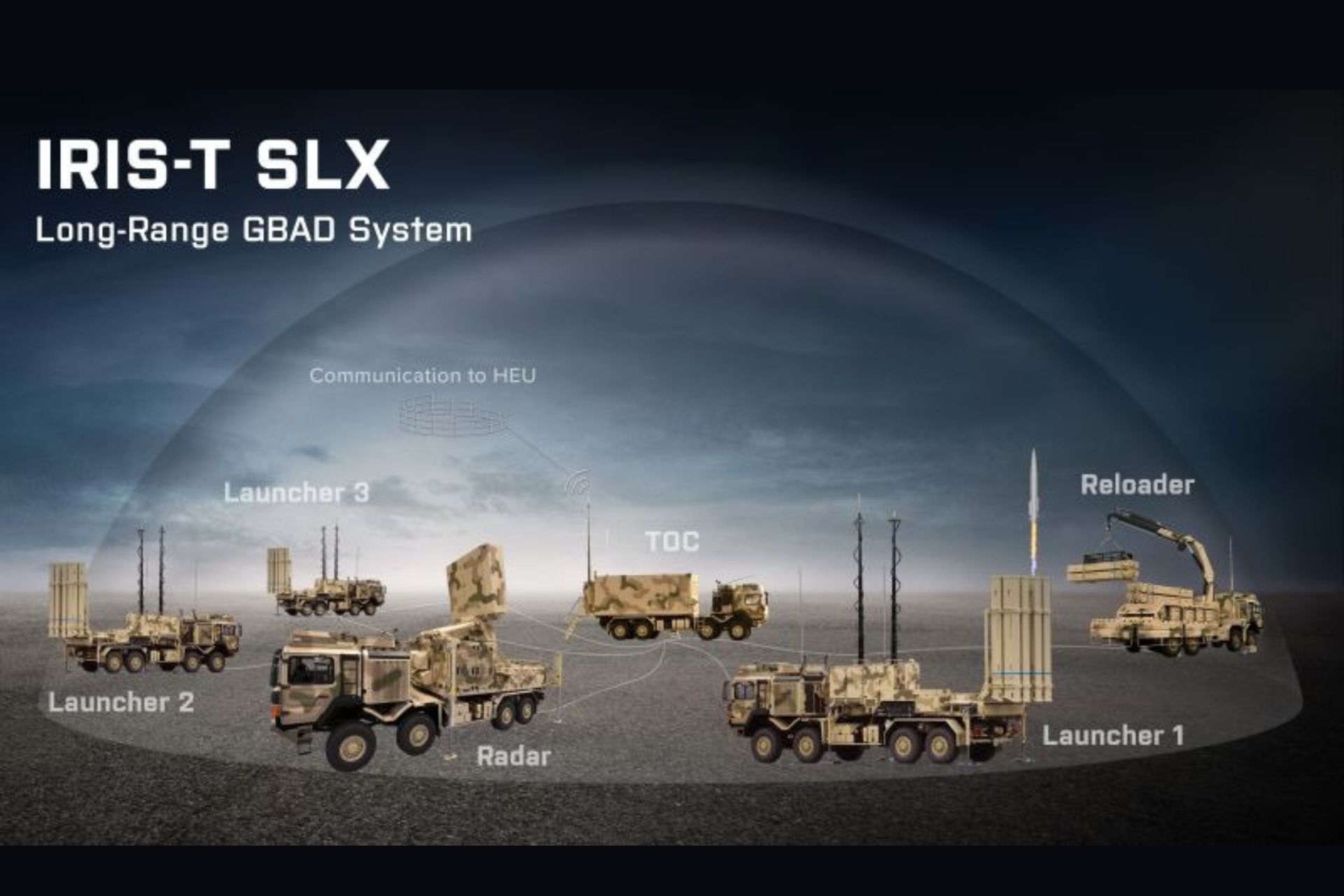
The IRIS-T SLX integrates advanced technologies to extend its engagement capabilities, designed to intercept targets at ranges of up to 80 kilometers and higher altitudes, providing extensive coverage against aircraft, helicopters, cruise missiles, and other sophisticated aerial threats (Picture source: Diehl Defense)
Read more: Bulgaria Seeks to Acquire IRIS-T Missile Systems from Germany

- Details
- Written by: Jérôme Brahy
- Category: 2024
- Hits: 5355
On August 4, 2024, North Korea announced the deployment of 250 Hwasong-11D ballistic missile launchers to its southern border, marking the first time the country has publicly disclosed such a large-scale transfer of arms to its border units. Each launcher is designed to hold four short-range ballistic missiles capable of carrying 4.5-ton warheads at a range of up to 180 km, for a total of 1,000 missiles. This unveiling comes amid deteriorating relations with both South Korea and the United States, while North Korea's relationships with Russia and Hamas have grown closer, with multiple confirmed arms deliveries.
Follow Army Recognition on Google News at this link
North Korea announced the deployment of 250 Hwasong-11D ballistic missile launchers to its southern border, marking the first time the country has publicly disclosed such a large-scale transfer of arms to its border units. (Picture source: KCNA)
This deployment marks the first time North Korea has publicly disclosed such a large-scale transfer of arms to its border units. According to Han Kwon-hee of the Korea Association of Defence Industry Studies, each launcher is designed to hold four missiles. Han speculated that North Korea's arms supply to Moscow might have impacted its ability to produce a total of 1,000 missiles.
Kim's speech at the ceremony addressed the shifting global strategic landscape, emphasizing the need for North Korea to bolster its war deterrence in response to the transformation of US-led alliances into nuclear-based military blocs. Photos released by KCNA depicted rows of missile launchers with banners proclaiming, "Let’s open the golden age of defense industry development under the leadership of the great comrade Kim!" Hong Min, a senior analyst at the Korea Institute for National Unification, noted that the production and display of such a large number of missile launchers indicate the event had been planned months in advance. The scale of the production required considerable manpower and resources, suggesting a well-coordinated effort.
Among the attendees at the ceremony was Kim's teenage daughter, Ju Ae, who has been reported by Seoul's spy agency as being groomed as Kim's heir. She was seen clapping behind her father in one of the photos. Kim claimed the new weapon systems were designed under his guidance, though experts believe they likely involved modified foreign technology.

Since January 2024, North Korea has introduced several new weapon systems, such as a new 240mm multiple rocket launcher system in February and the Cheonma-2 main battle tank, an upgraded version of the M2020 model, in March. (Picture source: KCNA)
The relationship between North Korea and South Korea has sharply deteriorated since the start of this year, and is currently at a historic low. Kim Jong Un has increased weapons testing and has been sending balloons filled with trash across the border. In response, South Korea has resumed propaganda broadcasts, suspended a military agreement aimed at reducing tensions, and restarted live-fire drills near the border.
For instance, Pyongyang has labeled South Korea as its “principal enemy,” disbanded agencies dedicated to reunification and outreach, and threatened war over even minimal territorial infringements, which led to aggressive military drills, including the launch of approximately 200 artillery shells into disputed waters, which South Korea responded to with a larger artillery barrage. Additionally, since January 2024, North Korea has introduced several new weapon systems, such as a new 240mm multiple rocket launcher system in February and the Cheonma-2 main battle tank, an upgraded version of the M2020 model, in March. Finally, North Korea's termination of the 2018 Comprehensive Military Agreement has further exacerbated the situation, nullifying longstanding security frameworks and pushing the peninsula closer to the brink of conflict.
As of August 2024, the relationship between North Korea and the United States remains highly adversarial, characterized by mutual distrust and military posturing. Kim Jong Un has been vocal about preparing for potential conflict with the U.S., citing perceived threats from the U.S. military presence in South Korea and broader regional strategies. Despite past diplomatic efforts, recent years have seen a return to a more confrontational stance from Pyongyang, including increased missile tests, anti-American rallies, and public declarations of readiness to use nuclear weapons if necessary. In response, the United States continues to emphasize a policy of deterrence and defense, maintaining strong military alliances with South Korea and Japan will several joint military exercises aimed at deterring North Korean threats.
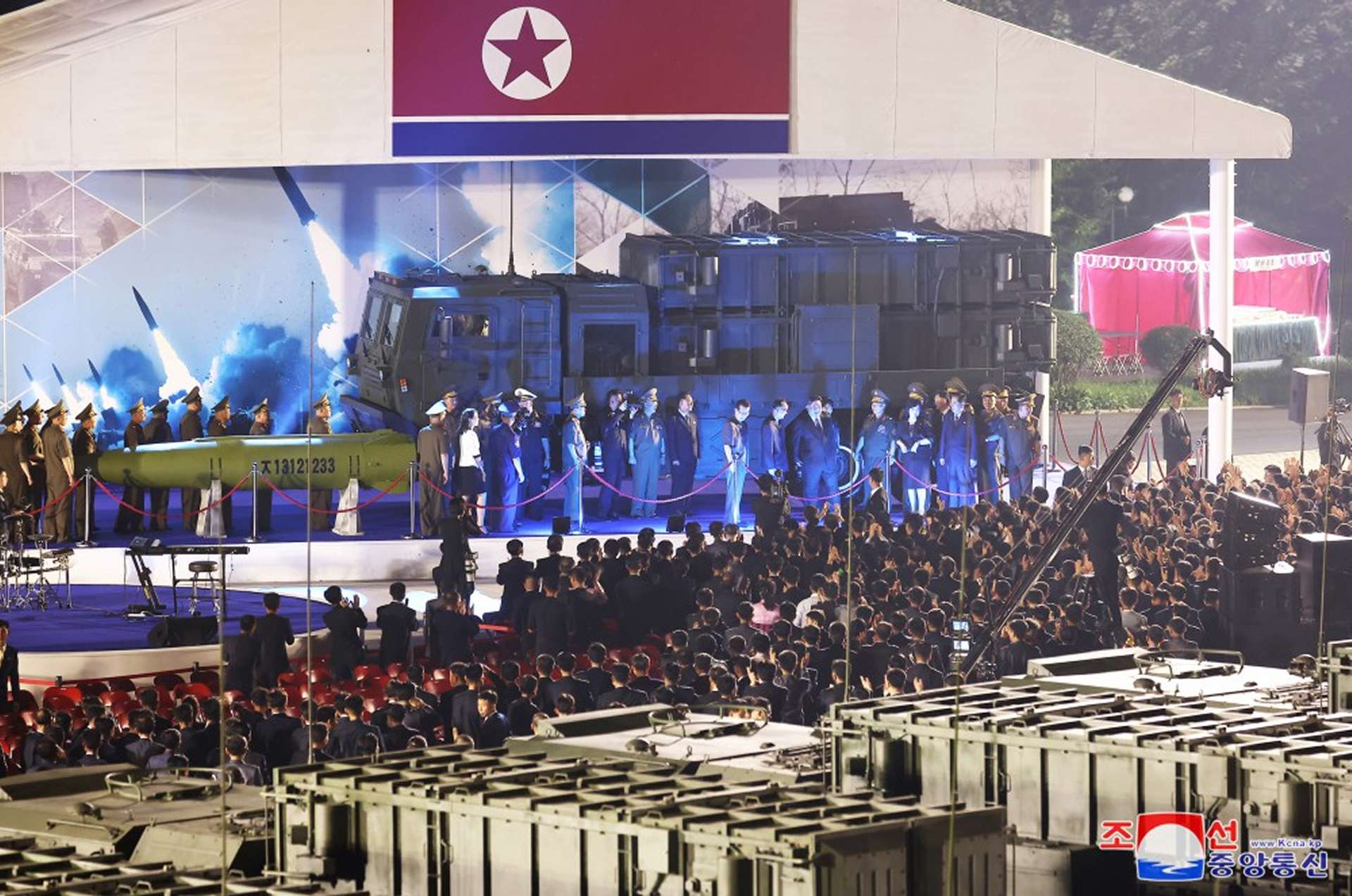
The Hwasong-11D, first tested publicly in May 2024 under Kim Jong Un's supervision, is an upgraded version of the KN-23, which had multiple successful tests since its debut in 2018. This missile has an operational range between 100 and 180 kilometers and can carry a substantial 4.5-ton warhead, making it capable of high-impact strikes against fortified positions or critical infrastructure. (Picture source: KCNA)
North Korea's relationship with Russia has grown closer, particularly in light of shared strategic interests and opposition to U.S. influence in the region. This relationship has been strengthened through the recent signing of a comprehensive strategic partnership, which includes a mutual defense treaty that commits both nations to support each other if attacked by a third party. This development comes in the context of North Korea supplying munitions to Russia for its war in Ukraine, with Russia reciprocating by providing economic and military aid to North Korea.
The partnership also includes cooperation in advanced military technologies, potentially aiding North Korea's nuclear and missile programs, as well as the potential conversion of a Russian aircraft into an Airborne Early Warning and Control (AEW&C). This alliance has raised concerns among Western countries, particularly South Korea, the United States, and Japan, about the increased military capabilities of both nations and the potential for escalated conflicts in the region.
North Korea's relations with non-state actors like Hamas, while less publicized, have also been a point of international concern. Reports indicate that North Korea has provided various forms of support to Hamas, including arms transfers and military training. This support aligns with North Korea's broader strategy of engaging with groups and states that oppose U.S. and Israeli policies. Such relationships complicate the international security landscape and underscore North Korea's role in global arms proliferation. Overall, North Korea's geopolitical maneuvers reflect its strategic objectives of enhancing military capabilities and leveraging alliances to counterbalance Western influence.
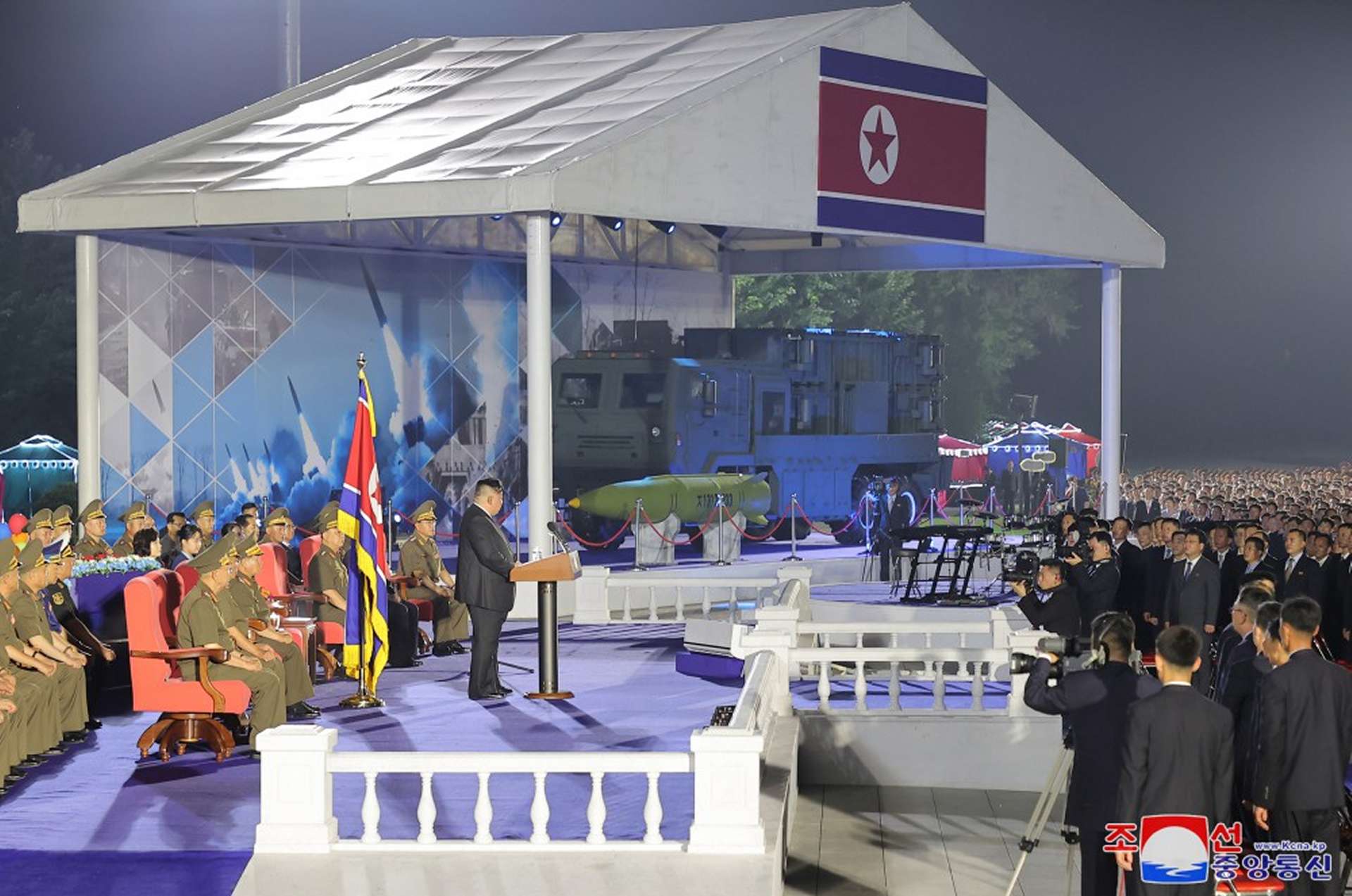
Kim has emphasized the need for a continuous expansion of North Korea's nuclear program to counter perceived South Korean and US threats, authorizing preemptive nuclear strikes if the leadership feels threatened. (Picture source: KCNA)
Therefore, the 250 Hwasong-11D missile launchers delivered to frontline units are described by North Korea as nuclear-capable. Kim has emphasized the need for a continuous expansion of North Korea's nuclear program to counter perceived South Korean and US threats, authorizing preemptive nuclear strikes if the leadership feels threatened. The KN-24 Hwasongpo-11 systems have a range of about 210 km, sufficient to reach Seoul, despite being cheaper and having a shorter range than the KN-23 missiles. Jo Chun Ryong, Secretary of the Central Committee of the Workers' Party of Korea, reported that the special order for new ballistic missile production had been completed. Kim Jong Un expressed gratitude to the military industry workers, calling the upgrade and replenishment of the missile arsenal a historic event crucial for national defense.
The Hwasong-11D, first tested publicly in May 2024 under Kim Jong Un's supervision, is an upgraded version of the KN-23, which had multiple successful tests since its debut in 2018. This missile has an operational range between 100 and 180 kilometers and can carry a substantial 4.5-ton warhead, making it capable of high-impact strikes against fortified positions or critical infrastructure. The Hwasong-11D features an autonomous navigation system that enhances its precision by allowing mid-flight adjustments, making it harder to intercept. Its quasi-ballistic trajectory further complicates interception efforts. Designed for mobile launch platforms, the Hwasong-11D increases its survivability and deployment flexibility, capable of being launched from various platforms, including modified railcars and road-mobile launchers.
Kim's speech during this delivery highlighted significant strategic and structural changes in the military security environment surrounding North Korea, driven by the US-led alliances' shift to nuclear capabilities. He reiterated that true peace is secured by a strong force, and North Korea's defensive capabilities must continue to evolve. He criticized the US and its allies for escalating military tensions and stated that North Korea's military expansion is essential for ensuring its sovereignty and security. Satellite imagery confirmed the setup of hundreds of missile launchers at the Mirim military parade training complex between August 3 and 4. Kim stated that the new weapon systems would enhance North Korea's ability to respond to any threats and serve as a powerful deterrent. He declared that the ongoing development of military capabilities is vital for the nation's security and prosperity.
Read more: North Korea deploys 1,000 Hwasong-11D ballistic missiles against South Korea
- Details
- Written by: Triffaux
- Category: 2024
- Hits: 4760
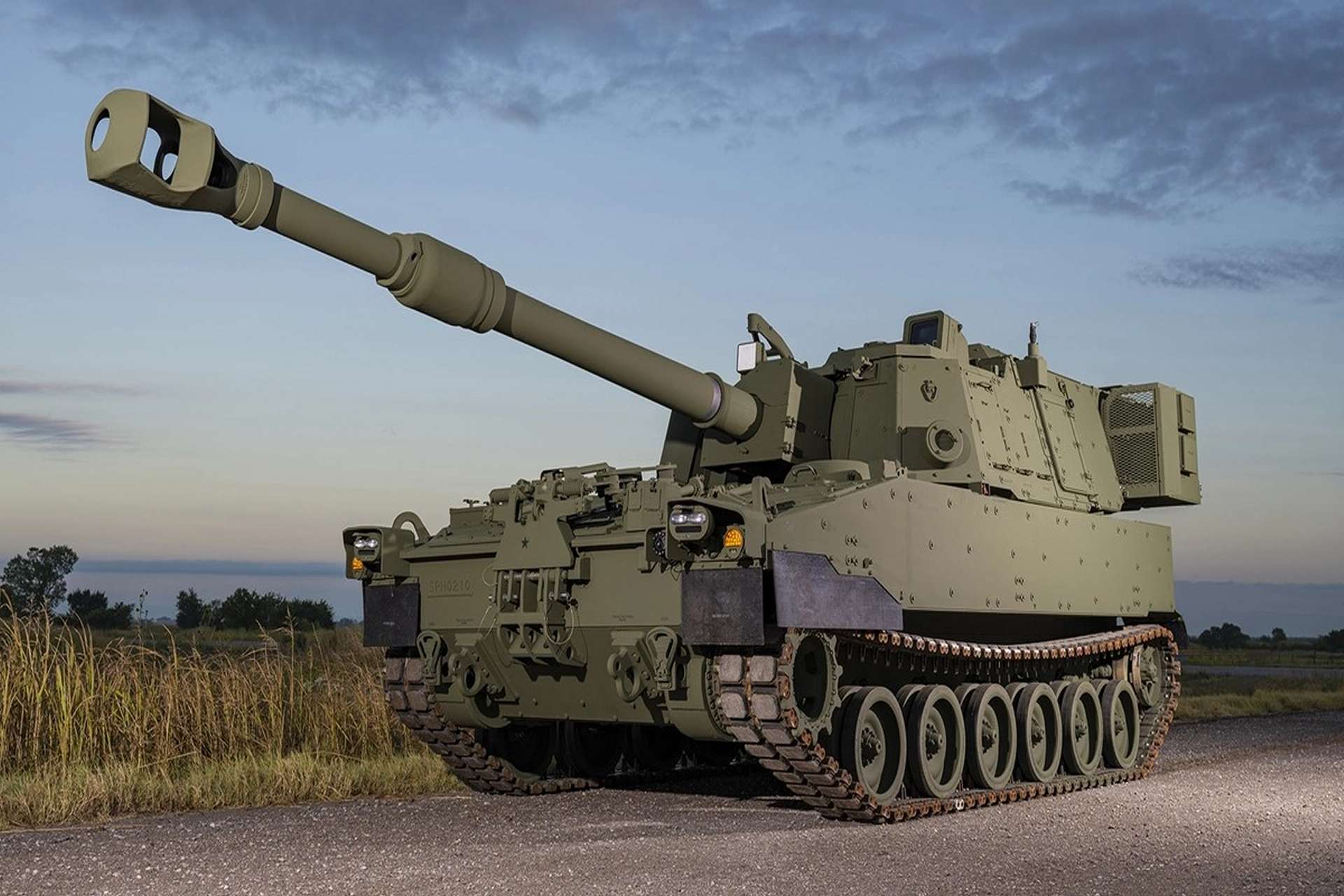
BAE Systems secured a USD 493 million (EUR 452 million) contract to continue the production of M109A7 self-propelled howitzers and M992A3 ammunition carriers for the US Army, the company announced on August 2, 2024. This contract covers the production and delivery of these equipment between August 2025 and July 2026.
Follow Army Recognition on Google News at this link
BAE Systems M109A7 Self-Propelled Howitzers (Picture source: BAE Systems)
It is worth noting that on July 3, 2024, BAE Systems was awarded a USD 579 million contract for the production of M109A7 self-propelled howitzers and M992A3 resupply vehicles. This contract follows a USD 58 million contract awarded on May 17, 2024, for additional production of these models. These contracts align with the US Army's proposed improvements for the M109 Family of Vehicles (FOV).
The first program includes several modifications aimed at improving the M109 Family of Vehicles, specifically the M109A6 and M109A7 self-propelled howitzers and the M992A2 and M992A3 field artillery ammunition supply vehicles. These changes align with the US Army’s Long-Range Precision Fires modernization priorities. The modifications include engineering design, testing, hardware procurement, and application to resolve field-identified issues, aiming to maintain operational readiness rates, enhance safety, and integrate new equipment.
Program management will extend across various units and facilities, including 16 Active Duty Army and National Guard Battalions, 10 Army Fires Brigades, three rotational unit sets, four Army Prepositioned Stock sets, two Institutional Training Sites, two Combat Training Centers, and other associated facilities. Planned improvements include the Interior Blast Mitigation Retrofit for the M109A7, which involves installing improved floor mats and ammunition restraints to prevent secondary projectiles during underbody blasts. The Chief of Section Protection modification introduces ballistic risers and transparent armor to enhance situational awareness and personnel survivability. Additionally, the Ventilation System Dust Cover modification incorporates a pre-filtration design to prevent system clogs, and the SPH Crew Compartment Automated Fire Extinguishing System Retrofit extends fire suppression coverage to the entire crew compartment.
Other modifications involve redesigning the driver’s seatbelt and hatch to improve restraint reliability and reduce leaks, enhancing vehicle safety and usability. The Universal Mounting Bracket hardware modification supports current and future inertial navigation units, and the AFES Control Electronics Panel modification updates software and firmware for enhanced compatibility. Funding will also support hardware procurement necessary for executing these Modification Work Orders and ensuring equipment readiness, with program management overseeing configuration management, field data analysis, and developing strategies to address supply base shrinkage.
These modifications to the M109 FOV are part of the US Army’s broader effort to modernize its fleet of self-propelled howitzers and associated resupply vehicles. The Paladin Integrated Management (PIM) program, designated as an Acquisition Category IC Major Defense Acquisition Program, aims to ensure the M109 FOV remains integral to armored and fires brigades. The PIM program involves replacing the current M109 Family of Vehicles, specifically the M109A6 and M992A2, with the newer M109A7 and M992A3 models.
The PIM system includes two vehicles: the M109A7 SPH, which incorporates new system characteristics, and the M992A3 CAT, which shares components with the M109A7 but excludes those directly related to the cannon system. These vehicles will replace the existing M109 FOV on a one-for-one basis within cannon fire battalions in the Armored Brigade Combat Team formations and in Echelons Above Brigade. Fielding will continue until the Army Acquisition Objective of 689 sets is achieved.
The PIM program addresses capability gaps left by the termination of the Non-Line of Sight Cannon program in June 2009. It resolves obsolescence and issues related to size, weight, and power in the current M109 FOV fleet. The vehicles under the PIM program integrate the suspension and drivetrain of the Bradley Fighting Vehicle, electric gun drive systems from the Future Combat Systems program, and current armament systems into a new chassis. This integration provides improvements in force protection, survivability, and mobility over the M109A6 and M992A2 models.

- Details
- Written by: Vandenbosch
- Category: 2024
- Hits: 14889
Thailand has decided to import QBZ-195T assault rifles made in China for its Special Operations (SpOps) units, as reported by several Chinese media. This decision makes Thailand the first known export customer of the QBZ-195 rifle family, specifically adapted to meet their operational needs.
Follow Army Recognition on Google News at this link
The QBZ-195T, a variant of the QBZ-191 series, is chambered in the widely used 5.56x45 mm NATO caliber, aligning with existing ammunition standards in Thailand. (Picture source: Chinese media)
The QBZ-195T, a variant of the QBZ-191 series, is chambered in the widely used 5.56x45 mm NATO caliber, aligning with existing ammunition standards in Thailand. This new rifle variant is designed to offer superior performance compared to the currently used M16A4 and M4 rifles, particularly in accuracy and modularity.
The QBZ-191 series, introduced by China’s NORINCO, has been praised for its ergonomic improvements, modularity, and customization options. The rifle features a 4-position adjustable buttstock, ambidextrous fire selector, and a redesigned polymer magazine with a transparent ammunition-checking window. These enhancements are expected to improve the operational efficiency of Thai special forces in diverse combat scenarios.
Thailand’s decision to diversify its small arms inventory, which already includes weapons from the United States and Israel, reflects its strategic approach to not relying on a single supplier. This strategy ensures that the Thai military maintains a versatile and reliable arsenal.
The deployment of the QBZ-195T is anticipated to strengthen Thailand’s military capabilities, offering advanced features that meet modern combat requirements. The rifle’s compatibility with various accessories, such as optics, lasers, and grenade launchers, further enhances its adaptability and effectiveness in special operations.
Thai media have recently reported that the Thai Army Special Forces will soon adopt the QBZ-195T rifle. This model is a modified version of the Type 191 automatic rifle, customized for the Thai market. Although the design of the QBZ-195T is consistent with the original 191 rifle, it uses the 5.56x45 mm NATO caliber, different from the 5.8 mm ammunition commonly used in China.
The Thai special forces have a very high opinion of the QBZ-195T, believing it to be more reliable than the M16A4 and more accurate than the M4 rifle, fully meeting their needs for the next decade. This adoption marks a significant shift for Thailand, which has long used American-made rifles.
The interest of the Thai Army in the Type 191 rifle dates back to the "Assault-2023" and "Blue Assault-2023" joint exercises between China and Thailand, as well as the "Cobra Gold-2024" live-fire joint exercise. These intensive exercises allowed both sides to exchange weapons and equipment, with Thai soldiers showing a marked interest in advanced Chinese armaments.
With the introduction of the QBZ-195T automatic rifle, Thai special forces may also adopt other exported Chinese light weapons, such as the 201 machine gun and the 20 series sniper rifles. This adoption could encourage other Southeast Asian countries to shift from American weapon systems to Chinese rifles, marking a new era of dissemination and publicity for Chinese weapons due to their exceptional performance.

Thailand has decided to import QBZ-195T assault rifles made in China for its Special Operations (SpOps) units. ( Picture source: Chinese media)
Read more: Thailand to Import QBZ-195T Chinese Assault Rifles for Special Operations
- Details
- Written by: Halna du Fretay
- Category: 2024
- Hits: 3988
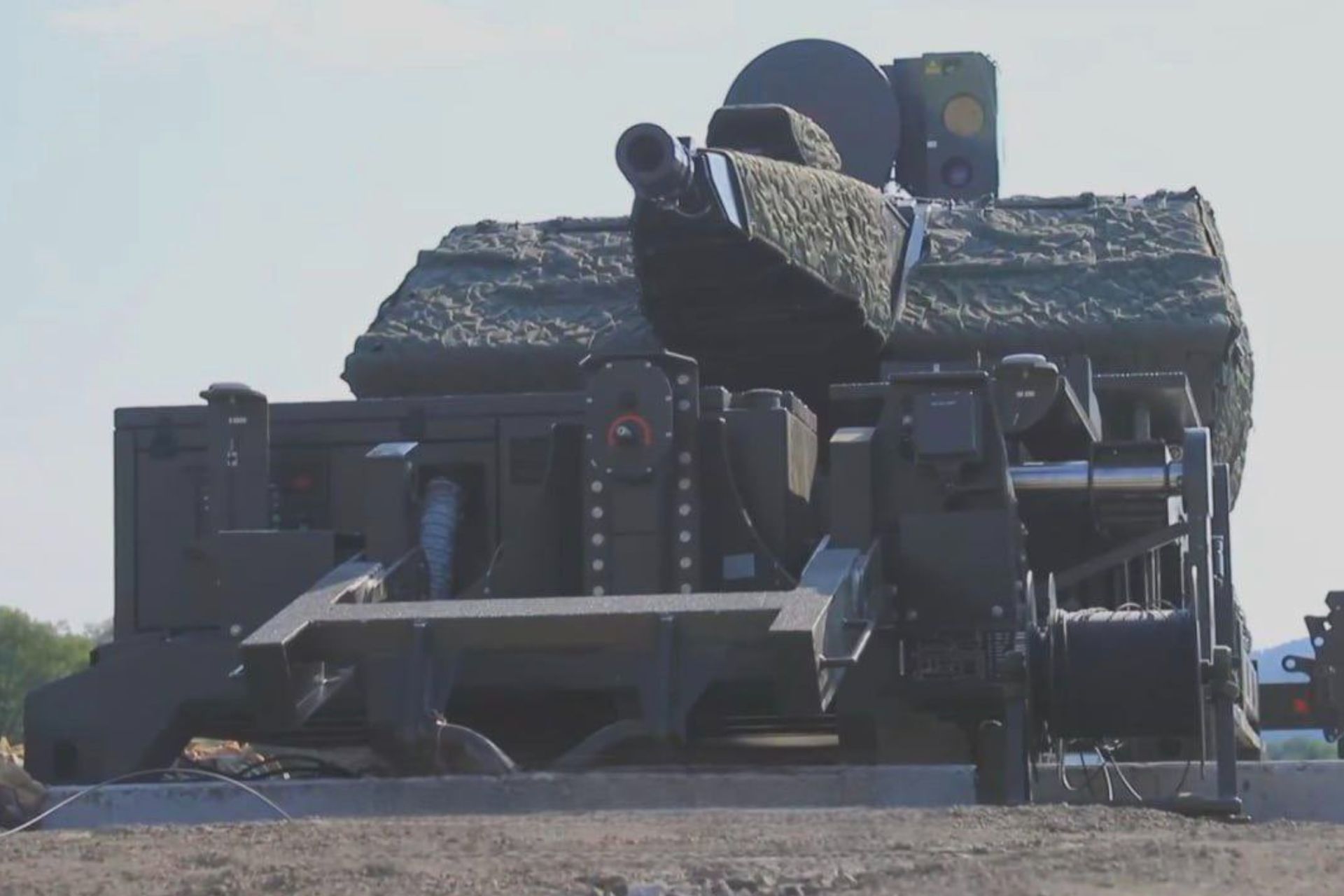
For the first time, the Western Air Command has released images of a camouflaged and dismounted Oerlikon Revolver Gun Mk3, part of the two Skynex air defense systems supplied by Germany to Ukraine. These new images are part of the celebrations of the 20th anniversary of the Ukrainian Air Force, highlighting the German-supplied air defense systems such as the IRIS-T SLM and Gepard SPAAG.
Follow Army Recognition on Google News at this link
Integrated into the Skynex systems, the Oerlikon Revolver Gun MK3 is renowned for its precision and rapid firing, posing a formidable threat to enemy aircraft. (Picture source: Ukrainian Defense Forces)
The Oerlikon Revolver Gun Mk3 is a 35 mm remote-controlled high-precision air defense gun equipped with an integrated tracking radar and an electro-optical sensor unit. Designed for various autonomous missions, it can receive and process target data from 3D or 2D search radars or higher-order control systems.
Its rapid-fire capability, combined with Oerlikon Ahead air burst ammunition, makes it highly effective against conventional and emerging air threats, including drones, rockets, artillery, and missiles. The system is mounted on an ISO 1D compatible platform with retractable hydraulic feet for easy transport and deployment.
The gun has an effective combat range of up to 4,000 meters and can fire up to 1,000 rounds per minute. It is equipped with an X-band or Ku-band tracking radar and a modular electro-optical sensor unit that enables visual target identification. Engagement management is conducted by the command center or via a remote gun console that can handle up to eight guns. The weapon and its ammunition are fully qualified and in service on land and sea platforms.
Germany has supplied four IRIS-T SLM fire units, 52 Gepard SPAAGs, and an unspecified number of Cheetah SPAAGs (15 pledged) to Ukraine. However, the Cheetah SPAAGs could theoretically also be supplied by the United States.
These deliveries are part of ongoing efforts to strengthen Ukraine's air defense capabilities in response to increasing threats. The IRIS-T SLM systems, known for their ability to intercept medium-range aerial targets, represent a significant enhancement of Ukraine's air defense. The Gepard SPAAGs, equipped with automatic cannons capable of neutralizing low-altitude aircraft and helicopters, provide an additional layer of protection.
The images of the Oerlikon Revolver Gun Mk3 demonstrate a crucial component of Ukraine's defensive capabilities. Integrated into the Skynex systems, this gun is renowned for its precision and rapid firing, posing a formidable threat to enemy aircraft.
Germany's support for Ukraine also includes the delivery of Cheetah SPAAGs, although their exact origin remains to be confirmed. These mobile defense systems play an essential role in providing close-range protection against aerial attacks.
These contributions are part of a broader initiative by Germany and its allies to support Ukraine in modernizing its defense capabilities. By enhancing air defense systems, Ukraine can better prepare to respond to threats and ensure the security of its airspace.
Read more: First Photo of Ukrainian Skynex Air Defense System Supplied by Germany

- Details
- Written by: Administrator
- Category: 2024
- Hits: 14782
Iran has developed a new, latest-generation anti-ballistic missile system known as Arman. According to technical specifications released by the Iranian defense industry, Arman is capable of detecting and intercepting a wide array of aerial threats, including modern Israeli and U.S. weapon systems and fighter aircraft. These threats also include short-range ballistic missiles, anti-radiation missiles, cruise missiles, guided aerial bombs, helicopters, and drones.
Follow Army Recognition on Google News at this link
Arman is a medium-range air defense system that offers high-altitude protection against missiles, drones, and aircraft with swift response times and 360-degree coverage. (Picture source: IRNA)
The Arman air defense missile system was first introduced on February 17, 2024, during a ceremony attended by Iranian Defense Minister Brigadier General Mohammad Reza Ashtiani. The Arman air defense system is a medium-range, high-altitude missile defense system engineered to safeguard sensitive areas against various aerial threats, including short-range ballistic missiles, anti-radiation missiles, cruise missiles, guided aerial bombs, helicopters, and drones. This advanced system is equipped with a rapid response mechanism, boasting a reaction time of less than 20 seconds. Additionally, it is designed for quick deployment, achieving full operational readiness within just three minutes.
The Iranian-made Arman air defense missile system boasts a maximum engagement range of 120 kilometers and can simultaneously target up to six different threats. It utilizes advanced radar technology to provide 360-degree detection coverage, ensuring comprehensive protection against incoming aerial attacks. This development represents a significant advancement in Iran's defensive capabilities, highlighting its commitment to enhancing its military technology.
According to technical specifications released by the Iranian defense industry, the Iranian-made Arman air defense missile system is designed to intercept and destroy modern aerial threats with remarkable precision and efficiency. Developed by the Iranian Ministry of Defense, the Arman system is a significant advancement in Iran's defense technology, specifically engineered to counter sophisticated airborne threats, including ballistic missiles, drones, and fighter jets from regional adversaries such as Israel and the United States. The system's development underscores Iran's commitment to enhancing its military capabilities through indigenous innovation, aiming to strengthen its national defense infrastructure against increasingly complex and modern aerial attacks.
One of the standout features of the Arman system is its 360-degree operational coverage, which ensures comprehensive protection without any blind spots. The system can engage up to six targets simultaneously, demonstrating its capability to handle multiple threats in complex combat scenarios. This makes it highly effective against coordinated aerial attacks, where multiple projectiles or aircraft might be deployed simultaneously.
The Arman system's detection capabilities are facilitated by sophisticated radar technology, which can identify up to 24 targets within a range of 180 to 200 kilometers. The system can intercept threats at a range of 160 kilometers and engage them at a range of 120 kilometers. It also boasts a maximum engagement altitude of 27 kilometers, allowing it to counter threats at various altitudes effectively.
The missiles employed by the Arman system are part of the Sayyad family, known for their tactical capabilities and effectiveness in neutralizing various aerial threats. The Arman system is designed to address specific challenges posed by adversaries' advanced missile systems, enhancing Iran's ability to defend against modern guided munitions and other sophisticated airborne attacks.
The Arman uses the Sayyad-3F missiles, a vertically launched variant of the Sayyad-3 missile. Each missile measures 6.1 meters in length, with a diameter of 40 centimeters, and weighs approximately 1000 kilograms. These missiles offer a range of 120 kilometers and can reach a maximum engagement altitude of 27 kilometers, making them highly effective against a broad spectrum of aerial threats.
In terms of launcher configuration, the Arman system uses a triple missile launcher setup, enabling a versatile and rapid response to incoming threats. This configuration enhances the system's ability to maintain sustained defensive operations against multiple targets, thereby providing a formidable shield over critical areas. Overall, the Arman air defense system represents a significant advancement in Iran's military capabilities, combining rapid response, comprehensive coverage, and advanced missile technology to counter modern aerial threats effectively.
In addition to its technical capabilities, the Arman air defense system reflects Iran's strategic focus on self-reliance and technological independence in the face of international sanctions and geopolitical tensions. By developing such an advanced system domestically, Iran aims to demonstrate its ability to independently produce critical defense technologies, reducing reliance on foreign military equipment and fortifying its defense posture in a volatile region.

- Details
- Written by: Jérôme Brahy
- Category: 2024
- Hits: 5282
Iveco Defence Vehicles S.p.A., headquartered in Italy, has entered into a cooperation agreement with RENK Group AG. This agreement, signed on August 2, 2024, aims to explore the integration of RENK and IDV drive technologies for future combat platforms. The partnership seeks to enhance tracked vehicle programs, strengthen the European supply chain, and increase production capacity.
Follow Army Recognition on Google News at this link
IDV’s product lineup includes the Superav 8x8, an amphibious armored vehicle, and the Centauro family of wheeled armored vehicles, noted for their versatility and protection features. (Picture source: Army Recognition)
Iveco Defense Vehicles (IDV), a division of Iveco Group, is a manufacturer of military and civil protection vehicles based in Bolzano, Italy. The company produces a wide range of vehicles including logistic, multirole, and armored models, which are adaptations of Iveco’s commercial range. These vehicles are designed for enhanced mobility and protection to meet the requirements of military forces globally. IDV’s product lineup includes the Superav 8x8, an amphibious armored vehicle, and the Centauro family of wheeled armored vehicles, noted for their versatility and protection features. Iveco's vehicles are deployed in over 100 countries.
The modular design of IDV’s vehicles allows for specific user requirements to be met without extensive re-engineering. The Light Multirole Vehicle (LMV) is used in various military operations for its flexibility and protection, while the Medium Protected Vehicle (MPV), developed with KMW, offers significant ballistic and mine protection. IDV also produces military trucks that can be fitted with advanced armor kits for operations in hostile environments. Continuous development and innovation are key aspects of IDV’s strategy, ensuring their vehicles are suited for modern defense needs.
Renk is a manufacturer of high-performance components for defense, commercial, and industrial applications, headquartered in Augsburg, Germany. Established in 1873, Renk supplies transmissions, gears, and couplings, notably for tanks, armored vehicles, and naval vessels. Their products are essential for the operation of various military vehicles, providing reliability and performance in extreme conditions. Renk develops high-torque and high-speed transmission solutions for national and international defense forces.
The company also develops hybrid and fully electric drive systems, highlighting its focus on advancing technology and sustainability in defense applications. Renk’s product portfolio includes the HSWL 295 transmission, used in Germany's Leopard 2 tank, and the RK 325 for naval vessels. Renk invests in research and development to remain at the forefront of technological advancements, supporting the operational capabilities and efficiency of military and industrial equipment globally.
Read more: Iveco Defence and RENK sign agreement for future combat platforms
- Details
- Written by: Halna du Fretay
- Category: 2024
- Hits: 12990
Romania, following the example of other European countries, plans to develop armaments in collaboration with Ukraine, specifically focusing on the R-360 Neptune anti-ship missiles. The importance of cooperation between Bucharest and Kyiv in the defense sector, as well as in energy, was highlighted by Igor Prokopchuk after his visit to Romania. In April 2023, it was revealed that the Ukrainian defense industry was working on modernizing the R-360, although the final results of these efforts remain uncertain.
Follow Army Recognition on Google News at this link
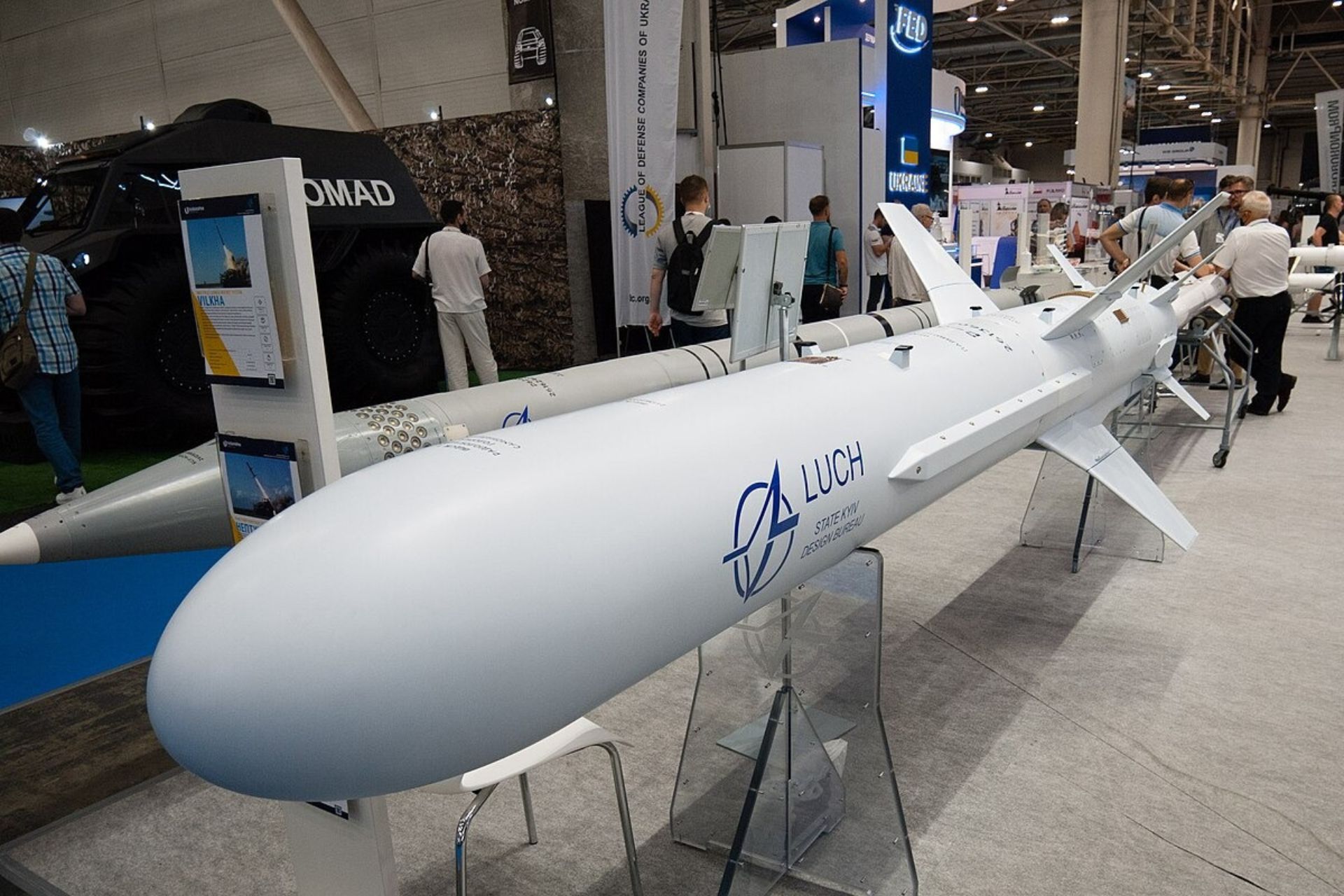
The Neptune missile was first presented at the 2015 Arms and Security International Exhibition in Kyiv and entered service with the Ukrainian Navy in 2021 (Picture source: Wikimedia)
Romania aims to have Ukraine as an ally to control the Black Sea waters from its territory. The Romanian-Ukrainian military-industrial partnership plans are envisioned for the post-war period, despite the fact that neither Kyiv nor NATO is fully confident in Ukraine's ability to withstand the current conflict.
Unlike the French SCALP-EG missiles, which are launched from the air, the Neptune missiles are launched from the ground and can target both land and sea objectives with a range of up to 400 kilometers. This capability gives them a strategic role in the conflict. These missiles have been used since the beginning of the conflict, notably to take down the Russian cruiser Moskva in 2022. They could potentially rival the American ATACMS, the only other weapons with a similar range used by Kyiv.
With the advancement of Russian forces on the front lines, Kyiv's chances of maintaining sovereignty diminish daily. However, Bucharest hopes that at least part of the Black Sea coastline will remain under Kyiv's control. The R-360 Neptune is a subsonic cruise missile developed by the Ukrainian company Luch Design Bureau.
It was first presented at the 2015 Arms and Security International Exhibition in Kyiv and entered service with the Ukrainian Navy in 2021. The Neptune missile, weighing 870 kg and measuring 5.05 meters in length, is designed to target naval vessels with a displacement of up to 9,000 tons. It has an operational range of over 200 kilometers and can strike sea and land targets in its land-attack variant. The missile is equipped with a Motor Sich MS400 turbofan engine and improved targeting and electronic systems compared to its Soviet predecessor, the Kh-35.
The Neptune missile system includes mobile launchers, transport/reload vehicles, command and control vehicles, and special transport trucks. The system is designed to operate up to 25 kilometers inland from the coast. In operational tests and combat scenarios, the Neptune has demonstrated its effectiveness, notably in the attack on the Russian cruiser Moskva in 2022. Ukraine is currently working on extending the missile's range to 1,000 kilometers and increasing production.
Read more: Romania Plans to Jointly Develop R-360 Neptune Missiles with Ukraine

- Details
- Written by: Vandenbosch
- Category: 2024
- Hits: 17818
The Indian Army has taken delivery of the first batch of upgraded T-90 Bhishma Mk-3 main battle tanks (MBTs). This initial delivery, comprising 10 T-90MS tanks, marks the beginning of a phased series of deliveries that will add a total of 464 units to the Army's arsenal over the next five years.
Follow Army Recognition on Google News at this link
The production of the T-90 Bhishma Mk-3 is part of a contract signed in 2019 to deliver 464 tanks, with the first delivery of 10 units. (Picture source: Indian press)
The production of the T-90 Bhishma Mk-3 is part of a contract signed in 2019 to deliver 464 tanks, with the first delivery of 10 units. The remaining tanks will be delivered in phases over five years, and the existing T-90S tanks of the Indian Army will be upgraded to T-90MS standards, ensuring a modernized and uniform fleet.
The T-90 Bhishma Mk-3, known for its impressive firepower and advanced armor protection, represents a notable enhancement of the Indian Army's combat capabilities. The Mk-3 version integrates state-of-the-art upgrades, including advanced targeting systems, improved survivability features, and enhanced mobility.
A significant feature of the T-90 Bhishma Mk-3 is its high degree of indigenization. The tank boasts an indigenous content of 83%, with a 100% indigenous production for its engine. This high level of indigenization reflects India's commitment to reducing dependency on foreign defense imports and strengthening self-reliance in military technology.
The T-90 Bhishma Mk-3 is powered by a V12 diesel engine developing 1,130 horsepower, allowing it to reach a maximum speed of 60 km/h and a range of 550 km. Weighing 50.7 tons, the tank is designed to be both robust and fast on the battlefield.
The armament of the T-90 Bhishma Mk-3 includes a 125 mm 2A46M-5 main gun with an automatic loader, a coaxial 7.62 mm machine gun, and an optional remotely controlled 7.62 mm anti-aircraft machine gun. It can carry 42 rounds of 125 mm ammunition and 3,000 rounds of 7.62 mm ammunition, with 12 smoke grenade launchers on the turret for concealment maneuvers.
The tank is equipped with a thermal sighting system developed by DRDO and Bharat Electronics Limited, capable of detecting targets up to 8 km away, day or night, along with a laser rangefinder with a range of up to 5 km. The fire control system integrates a digital ballistic computer, improving accuracy by accounting for various environmental conditions. An automatic target tracking system allows for quicker and more precise target acquisition and tracking.
The T-90 Bhishma Mk-3 uses Kontakt-5 explosive reactive armor (ERA) for protection and survivability, providing enhanced protection against projectiles and anti-tank missiles. It is also equipped with Saab's LEDS-150 active protection system (APS), increasing survivability against modern threats. Additionally, it has protections against chemical, biological, radiological, and nuclear (CBRN) threats.
The integration of the T-90 Bhishma Mk-3 significantly enhances the Indian Army's capabilities, offering better mobility, superior firepower, and increased protection. These improvements will enable the Army to better respond to modern threats and maintain a strong defensive posture in the region.
The Heavy Vehicles Factory (HVF) in Avadi is responsible for the assembly and modernization of these tanks. Alongside the delivery of new tanks, HVF is also tasked with upgrading the existing T-90S fleet to T-90MS standards, ensuring the Indian armored corps remains at the cutting edge of military technology.
The arrival of the first 10 T-90MS tanks reflects India's ongoing efforts to modernize its military forces and strengthen its defense manufacturing capabilities. As the rest of the order is fulfilled and the existing fleet is upgraded, the T-90 Bhishma Mk-3 will play a central role in bolstering national defense preparedness.
The induction of the T-90 Bhishma Mk-3 marks a new chapter in India's defense journey, showcasing the nation's progress towards self-reliance and technological superiority in its military assets.
Read more: India Receives First Batch of Upgraded T-90 Bhishma Mk-3 Tanks

- Details
- Written by: Administrator
- Category: 2024
- Hits: 6794
On July 31, 2024, General Dynamics UK announced on its Facebook account the introduction of a new variant to its Foxhound family of vehicles: the Foxhound Command Variant. This development marks a significant advancement in the British Army's military capabilities, as the command variant is specifically designed to enhance communication and coordination on the battlefield.
Follow Army Recognition on Google News at this link
General Dynamics UK, command post variant of the Foxhound LPV Light Patrol Vehicle. (Picture source: General Dynamics UK)
The Foxhound Command Variant builds on the success of the original Foxhound light protected patrol vehicle, which is renowned for its exceptional protection and agility. This new variant takes these qualities a step further by incorporating a sophisticated communications suite, which has been designed and manufactured in-house at General Dynamics UK's facility in Merthyr Tydfil, South Wales. This advanced communication system is tailored to meet the complex operational demands of modern warfare, ensuring that military units can maintain seamless connectivity and coordination in challenging environments.
One of the standout features of the Foxhound Command Variant is the speed of its development. The project emphasizes rapid innovation and delivery, with the first vehicle rolling off the production line just six months after the contract was awarded. This quick turnaround highlights General Dynamics UK's ability to meet urgent defense needs with cutting-edge solutions, reinforcing its position as a leader in military vehicle technology.
The Foxhound Command Variant is the second vehicle in the Foxhound family to enter active service, following the initial patrol version. It provides a significant capability uplift for the British Army, offering enhanced command and control functions that are crucial for successful military operations. With its advanced communication systems, the vehicle allows for real-time information sharing and strategic planning, empowering commanders with the tools needed to make informed decisions in fast-paced, dynamic situations.
The development of the Foxhound Command Variant is part of a broader strategy to modernize the British Army's fleet and improve its operational effectiveness. As global threats continue to evolve, the need for robust, adaptable, and technologically advanced military vehicles becomes increasingly important. The Foxhound Command Variant addresses these challenges by offering superior protection, mobility, and communication capabilities.
General Dynamics UK has a long-standing reputation for delivering high-quality defense solutions tailored to the needs of the British Army and its allies. The company's facility in Merthyr Tydfil plays a crucial role in this mission, leveraging local expertise and state-of-the-art manufacturing processes to produce world-class military vehicles. The Foxhound Command Variant is a testament to the company's commitment to innovation and excellence, setting a new standard for command vehicles worldwide.
With the successful introduction of the Foxhound Command Variant, General Dynamics UK is poised to continue its contributions to the British Army's modernization efforts. By focusing on rapid delivery and cutting-edge technology, the company ensures that it remains at the forefront of defense innovation, providing the armed forces with the tools they need to protect national interests and maintain global security.
Read more: General Dynamics UK Unveils New Foxhound Variant 4x4 Command Vehicle for British Army

- Details
- Written by: Triffaux
- Category: 2024
- Hits: 17344
The Chinese military is once again pushing the boundaries of technological innovation by incorporating bird-shaped reconnaissance drones. Recent images circulated on the Internet show these drones in use by one of the units of the Marine Corps of the People’s Liberation Army (PLA).
Follow Army Recognition on Google News at this link
Chinese Military Bird-Shaped Reconnaissance Drone (Picture source: Chinese Media)
These drones, indistinguishable from living birds at a distance, flap their wings and fly in a natural manner. Technical details and specific characteristics of these drones remain confidential, but their deployment within the PLA forces has been confirmed.
China is not new to the field of ornithopters. As early as 2018, a government program named “Pigeon” was launched, aimed at developing mimetic drones for urban operations. These drones, with their characteristics still undisclosed, were designed to blend into the urban environment without arousing suspicion.
In 2022, Chinese engineers unveiled an impressive mechanical flying bird weighing 1,600 grams and featuring a wingspan of two meters. Powered by a lithium battery, this drone could remain airborne for an hour and a half, demonstrating China’s advancements in the field of biomimetic drones.
Although many countries are also working on bird-like drones, most are limited to fixed-wing models propelled by propellers. For instance, the Dutch surveillance drone Evolution Eagle, disguised as a large eagle, can only deceive the human eye from a great distance. In contrast, the Chinese flapping-wing drones offer a much more effective and realistic camouflage.
This technological advancement reflects the Chinese military’s desire to remain at the forefront of military innovation by developing equipment capable of perfectly blending into their environment for discreet and effective reconnaissance missions.
The adoption of these ornithopter drones by the PLA could mark a turning point in surveillance and military intelligence strategies, offering a significant tactical advantage due to their ability to operate without raising suspicion. It remains to be seen how this technology will be exploited in the coming years and what impact it will have on military doctrines worldwide.

Chinese Military Bird-Shaped Reconnaissance Drone (Picture source: Chinese Media)
Read more: China Develops Bird-Shaped Reconnaissance Drones as Part of Pigeon Program
- Vietnam Unveils Locally-Made Loitering Munition Inspired by US Switchblade Design
- Modernization of Romanian Tank Forces: From Soviet T-55 to American Abrams M1A2 SEPv3
- Russia Could Launch Full-Scale Production of Zubilo Unmanned Vehicle After Successful Trials in Ukraine
- Ukraine develops a Bohdana-B 155mm towed howitzer to strengthen artillery capabilities