
- Details
- Written by: Halna du Fretay
- Category: 2024
- Hits: 3354










Poland is assessing a proposal from Ukraine that would allow Polish forces to intercept Russian missiles over Ukrainian territory before they could potentially enter Polish airspace. This initiative was discussed during President Volodymyr Zelensky's recent visit to Warsaw, where a joint defense agreement was signed between the two nations.
Follow Army Recognition on Google News at this link
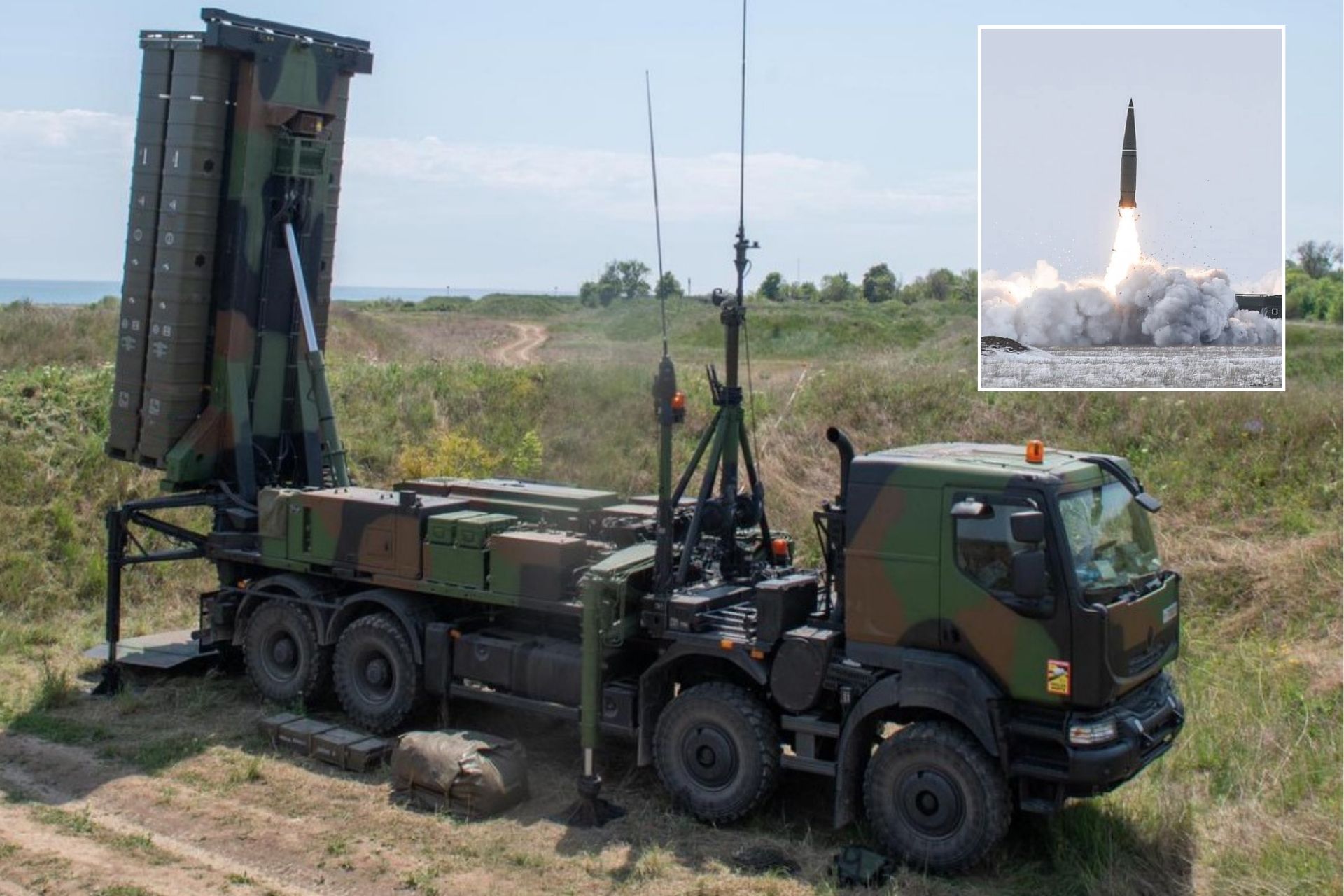
The SAMP/T system offered by France and Italy to Ukraine (left) and the Russian Iskander ballistic missile (right) (Picture source: French MoD/ Russian MoD)
Polish Foreign Minister Radoslaw Sikorski elaborated on the proposal during a conference at the American Enterprise Institute in Washington, describing it as an initial idea under review. He emphasized the geographical challenges posed by Russian missiles launched from the St. Petersburg region towards targets near Lviv in Ukraine, which briefly traverse Polish airspace. Due to the short duration—approximately 40 seconds—that these missiles spend in Polish skies, Poland has limited response time, thus necessitating preemptive measures in Ukrainian airspace.
Since the onset of the conflict between Russia and Ukraine in February 2022, Russian forces have conducted numerous missile strikes on Ukrainian territory. Primarily using cruise and ballistic missiles such as the Kalibr, Kh-101, and Iskander, these attacks target critical infrastructure, residential areas, and military facilities, causing massive destruction and civilian casualties. The primarily targeted areas include major cities like Kyiv, Kharkiv, and Mariupol. Russia possesses a substantial arsenal and the production capacity to sustain this pace of attacks, raising concerns about the sustainability of the offensive over the long term.
Ukraine, despite growing international support, faces significant challenges in defending its airspace against these relentless assaults. Modern air defense systems such as the Patriot anti-missile systems provided by the United States and the SAMP/T system offered by France and Italy have been deployed, yet they remain insufficient against the volume and sophistication of Russian missiles.
Ukrainian air defense systems, although enhanced, are often overwhelmed by the Russian forces' saturation capabilities, which employ salvo launch tactics to exhaust Ukrainian defenses. Mr. Sikorski also referenced an incident in December 2022, where an unarmed Russian missile landed near his home in Bydgoszcz, 500 kilometers from the Belarusian border, fortunately without causing injuries. This incident underscored the potential dangers of missile debris, a concern amplified by a previous event where two Polish citizens were killed by debris from a missile that Ukraine downed near their border.
Polish Defense Minister Wladyslaw Kosiniak-Kamysz, speaking at a NATO summit in Washington DC, stated that any decision to engage missiles over Ukraine would require extensive consultations with NATO allies and would not be made unilaterally by Poland alone. He emphasized the importance of aligning with the United States, which has expressed reservations about the strategy.
Defense analyst Marek Swierczynski from Polityka Insight warned that without substantial allied support, this strategy could expose Poland to significant risks, including potential Russian retaliation. Poland has been a steadfast supporter of Ukraine since the beginning of the Russian invasion in February 2022, providing substantial military aid, including tanks, fighter jets, helicopters, artillery, and air defense systems valued at over 4 billion euros. The country plans to continue its support with additional military assistance this year.
This situation not only exposes weaknesses in Ukraine's air defense but also underscores the urgent need for further reinforcements in this area. The international community, aware of these challenges, continues to discuss increasing military aid, particularly in terms of more advanced defense systems and electronic warfare technologies to counter Russian missile guidance capabilities. The effectiveness of the international response will be crucial for enabling Ukraine to better protect its citizens and vital infrastructure against future strikes.
Read more: Poland Considers Intercepting Russian Missiles Over Ukrainian Airspace
- Details
- Written by: Administrator
- Category: 2024
- Hits: 17092
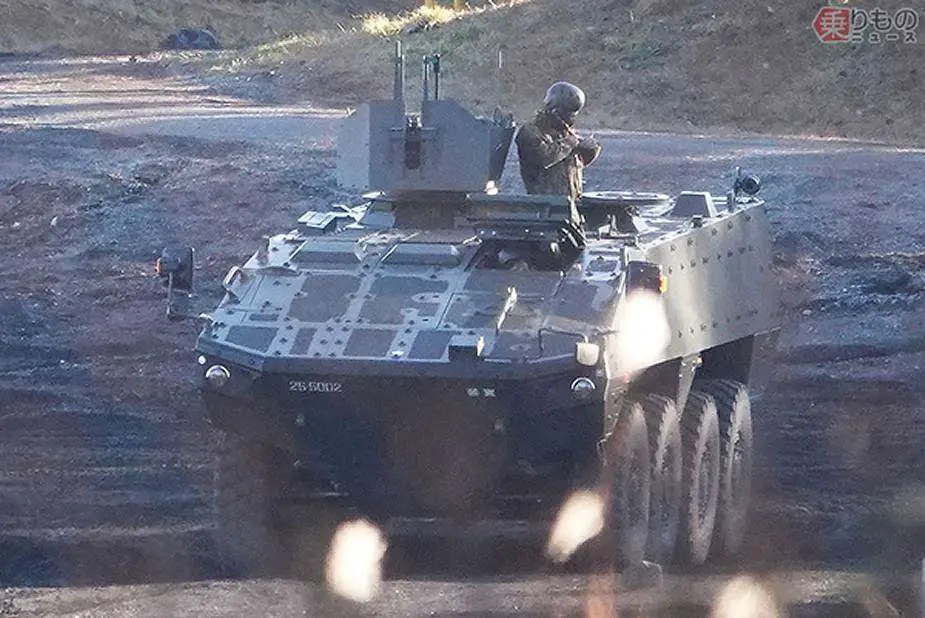
The Japanese army (Japan Ground Self-Defense Force JGSDF) has chosen the Patria AMV XP 8x8, developed by the Finnish defense company Patria Group, to replace the aging Type 96 8x8 armored personnel carrier currently in service.
Follow Army Recognition on Google News at this link
Patria AMX XP 8x8 armored vehicle spotted during the trial test in Japan. (Picture source: X Account TheDeathDistrict)
Patria Japan Ltd, strategically located next to the bustling Tokyo Station, serves as the company's operational hub in the Japanese defense market. This milestone marks Patria's initial success in establishing a permanent presence in Japan. The selection of the Patria AMV XP 8x8 by the Japan Ground Self-Defense Force (JGSDF) signifies a major achievement.
Tomoko Nishigami, Project Engineer at Patria, emphasized the importance of the project, stating, "Our primary goal is the successful completion of the AMV XP project. Although the JGSDF mainly procures domestic products, we aim to introduce more Patria products into their arsenal in the future."
The new vehicles will be manufactured under license by Japan Steel Works, a company with extensive experience in defense equipment production. Nishigami highlighted that preparations for the start of production in Japan are progressing as planned.
The exact number of vehicles to be produced has not been disclosed. However, the decision to opt for Patria's vehicle over a domestic competitor has generated significant interest in the Japanese defense sector. Kazunori Yoneshima, Sales Manager for Patria in Japan, pointed out that this procurement opens up long-term partnership opportunities.
"Japan is set to increase its defense budget substantially over the next five years, and the country's conservative defense market is evolving. The selection of a Finnish vehicle over a domestic one exemplifies this change," Yoneshima noted.
The Patria AMV XP's success in the tender competition, where it competed against a well-known domestic manufacturer, underscores its superior performance in meeting the stringent criteria and tests set by the JGSDF.
The Patria AMV XP (Armored Modular Vehicle, Extra Protection) is an advanced version of the Patria AMV, developed in the early 2010s. Building on the experience from earlier versions, it was officially unveiled in 2013 and quickly adopted by various armed forces, entering service shortly thereafter.
This vehicle boasts a modular armor system, allowing its protection levels to be adapted based on mission requirements. It provides all-around ballistic protection up to STANAG 4569 Level 4, with potential upgrades to higher levels. Designed to withstand mine blasts and improvised explosive devices (IEDs), the AMV XP ensures crew safety in high-threat environments.
Powered by a high-performance diesel engine, typically offering around 450 to 600 horsepower depending on the configuration, the AMV XP delivers excellent power-to-weight ratio and mobility. Its advanced independent suspension system enhances off-road mobility and provides a smooth ride over rough terrain. Certain variants are amphibious, enabling them to traverse water obstacles without preparation. The vehicle typically has an operational range of around 800 kilometers on a full tank, making it suitable for extended missions.
In terms of armament, the Patria AMV XP can be equipped with various weapon systems, including remote-controlled weapon stations (RCWS) with heavy machine guns, automatic grenade launchers, or medium-caliber cannons up to 30mm. It can also be fitted with secondary armament options such as smoke grenade launchers for self-defense and concealment.
The AMV XP incorporates advanced electronics, including state-of-the-art communication systems, battlefield management systems, and sensor suites. It is designed with crew comfort in mind, featuring ergonomic seating, climate control, and reduced noise and vibration levels. A key feature of the AMV XP is its modularity, allowing for customization based on specific operational needs.
Read more: Japanese Army Selects Finnish Patria AMV XP 8x8 as New Armored Vehicle

- Details
- Written by: Halna du Fretay
- Category: 2024
- Hits: 7003
In response to increasing regional tensions with Russia and Belarus, Poland has announced a significant increase in its military expenditures, planning to allocate 5% of its GDP to defense by 2025. This announcement was made by the Polish Foreign Minister on July 13, 2024. This strategic decision positions Poland as the leading contributor to defense spending in Europe, with NATO statistics projecting the country's military budget to exceed 32 billion euros next year.
Follow Army Recognition on Google News at this link
December 28, 2021, the head of the Ministry of National Defense participated in handing over the Krab self-propelled gun howitzers to the soldiers of the 18th Mechanized Division (Picture source: Polish MoD)
Since 2022, Poland has significantly boosted its defense budget, largely through the establishment of a support fund for the armed forces managed by Bank Gospodarstwa Krajowego, valued at nearly 40 billion zlotys (about 10 billion euros). This increased funding has enabled substantial military acquisitions including Abrams and K2 tanks, F-35A fighter jets, F/A-50 light combat aircraft, HIMARS and K-9 Thunder artillery systems, Apache and AW-149 helicopters, and Arrowhead 140 frigates.
However, recent controversy arose from a leak of documents from the Polish Ministry of Defense, suggesting potential budget cuts amounting to 57 billion zlotys (13.4 billion euros) for the period 2025-28. These documents, disclosed by TV Republika and claimed to be confidential, hinted at reductions in military spending. The Polish government quickly condemned these reports as "false information" and threatened legal action to protect the ministry’s reputation and counter the spread of misinformation. Speculations also exist about foreign, particularly Russian, influences behind these leaks.
Despite these claims, TV Republika and other media outlets have stood by their reporting, confirming the authenticity of the documents. However, they clarified that these were merely "working documents" intended for potential budget adjustments, as noted by Konkret 24, a Polish site dedicated to debunking false information.
Adding to the national defense narrative, Radoslaw Sikorski, the Polish Foreign Minister, recently reaffirmed the country's commitment to increasing military spending in an interview with Bloomberg Television at a NATO summit in Washington. He emphasized that Poland's investment in defense not only surpasses that of the United States in proportional terms but is also a necessary adjustment in a world where post-Cold War peace can no longer be taken for granted.
General Wieslaw Kukula, Chief of Staff of the Polish Armed Forces, also highlighted the necessity of preparing for large-scale conflict rather than asymmetric warfare. This strategic shift is part of Poland's broader initiative to strengthen its eastern border with a new investment of 10 billion zlotys aimed at establishing an "eastern shield" along its borders with Belarus and the Russian exclave of Kaliningrad. This initiative will increase the number of military and law enforcement personnel in the area to 8,000, up from the current 6,000, with an additional reserve of 9,000 troops ready to be deployed within 48 hours.
Read more: Preparing for War: Poland to Increase Military Spending to 5% of GDP

- Details
- Written by: Vandenbosch
- Category: 2024
- Hits: 3113
The Ministry of Defense of the Republic of Moldova has announced an acquisition for the National Army: a delivery of military equipment from the United States. This donation includes 20 HMMWVs (High Mobility Multipurpose Wheeled Vehicles), which will be integrated into the Moldovan armed forces to enhance their operational capabilities during national and international training exercises.
Follow Army Recognition on Google News at this link
The High Mobility Multipurpose Wheeled Vehicle is a versatile military vehicle designed by the United States and used by many countries worldwide. (Picture source: US DoD)
This initiative is part of the military cooperation memorandum signed on December 4, 1995, between the Ministry of Defense of the Republic of Moldova and the United States Department of Defense. Since the first delivery in 2014, when 43 HMMWV vehicles were offered, this new donation demonstrates the ongoing commitment of the United States to support the modernization of the Moldovan armed forces.
Given the current high temperatures, the Ministry of Defense has decided to transport these vehicles at night when temperatures are lower and traffic is lighter. This strategic decision aims to avoid logistical complications and ensure the secure delivery of the equipment.
The receipt of these vehicles is part of a series of efforts to modernize and improve the operational capabilities of the National Army of Moldova. These HMMWVs are designed to be robust and versatile, capable of meeting the varied needs of modern missions. Their integration into the Moldovan army is intended to strengthen the mobility and rapid response capabilities of the armed forces nationally and internationally.
This cooperation between the Republic of Moldova and the United States is part of a broader framework of international collaboration in defense and security. It reflects ongoing efforts to strengthen alliances and strategic partnerships, essential for maintaining the region's peace and stability. By investing in the modernization of the Moldovan armed forces, the United States contributes not only to Moldova's national security but also to regional stability.
Military equipment delivery to Moldova also occurs within a complex geopolitical context. With the current tensions in Eastern Europe, particularly due to Russia's military aggression against Ukraine, strengthening the military capabilities of neighboring countries is crucial. Moldova, although a small state, plays a strategic role in Eastern Europe. American military support helps ensure that this country can effectively respond to any potential threat and actively participate in peacekeeping operations.
The HMMWV, or High Mobility Multipurpose Wheeled Vehicle, is a versatile military vehicle designed by the United States and used by many countries worldwide. This vehicle is equipped with various armaments, including a 7.62 mm or 12.7 mm machine gun, a 40 mm automatic grenade launcher, or a TOW anti-tank guided missile launcher, allowing it to adapt to different battlefield missions.
The HMMWV is designed to transport a crew of four, consisting of a driver and three passengers. Although it is not equipped with armor in its standard configuration, it can be fitted with add-on armor for better protection against ballistic threats.
In terms of performance, the HMMWV has a maximum speed of 105 km/h and a range of 560 km, making it a fast vehicle capable of covering long distances without frequent refueling. It has a curb weight of 3,075 kg and a gross weight of 4,672 kg, demonstrating its ability to transport heavy loads while maintaining good mobility.
The dimensions of the HMMWV are also suitable for versatile use: it is 4.84 meters long, 1.82 meters wide, and 1.93 meters high. These compact dimensions allow it to navigate effectively in various environments, from urban roads to more rugged terrains, while providing a stable platform for its various armament configurations.
The recent donation of HMMWV vehicles by the United States to the Moldovan National Army is an example of international defense cooperation. It underscores the importance of military modernization for national and regional security. By continuing to strengthen its capabilities, Moldova is preparing not only to defend its own interests but also to contribute to international stability and security.

- Details
- Written by: Jérôme Brahy
- Category: 2024
- Hits: 9658
On July 15, 2024, following the US leaks, two significant series of leaks occurred, revealing several documents related to critical Russian military systems and infrastructure, including the organization and personnel details of Moscow's air defense. After a thorough analysis of these documents, the Army Recognition editorial team confirmed that they include detailed manuals for the Tor-M1 air defense system, as well as the T-80BVM, T-90S, and T-90M main battle tanks. These vehicles are key components of Russia's military capabilities and are actively used in operations in Ukraine.
Follow Army Recognition on Google News at this link
After a thorough analysis of these documents, the Army Recognition editorial team confirmed that they include detailed manuals for the Tor-M1 air defense system, as well as the T-80BVM, T-90S, and T-90M main battle tanks. (Picture source: Vitaly Kuzmin)
The Tor-M1 (NATO reporting name: SA-15 Gauntlet) is a mobile, short-range air defense system designed to protect against aircraft, helicopters, unmanned aerial vehicles (UAVs), and precision-guided munitions. It is used to defend critical military and civilian infrastructure from aerial threats. The system features advanced radar capable of tracking multiple targets simultaneously and guiding its missiles accurately. Enhanced variants, such as the Tor-M2, include improvements allowing engagement of targets while in motion.
The T-80BVM is an upgraded version of the T-80BV, featuring advanced fire control systems, a new autoloader, and improved armor protection. It is designed for high-speed operations and performs well in various terrains, including cold environments. These upgrades enhance its survivability and combat effectiveness.
The T-90S is the export variant of the T-90, combining advanced armor protection, a powerful 125mm smoothbore gun, and state-of-the-art fire control systems. The T-90M is an advanced variant with enhancements like the new Relikt explosive reactive armor, an upgraded engine, and a more advanced fire control system. These upgrades improve its performance in firepower, protection, and mobility.
These four vehicles are significant for the Russian military's operations in Ukraine. The T-90M, for example, has been deployed with enhanced anti-drone protections to counter threats from FPV drones and loitering munitions used by Ukrainian forces. Despite these upgrades, Ukrainian forces have successfully targeted and destroyed several T-90M tanks using advanced drone tactics and modern anti-tank weaponry.
The Tor-M1 systems are used to protect Russian ground forces and installations from aerial attacks, including UAVs and precision-guided munitions, which have become more prevalent in the conflict. The T-80BVM tanks, with their mobility and firepower, support rapid offensive and defensive maneuvers in the diverse terrain of Ukraine, providing strategic advantages in high-speed operations.
The exposure of these manuals could give adversaries insights into the operational capabilities and potential vulnerabilities of these systems. This information could be used to develop countermeasures or exploit weaknesses in the design and deployment of these vehicles and systems. The Russian military may need to reassess security protocols around their critical systems to prevent further leaks and mitigate the potential impact of this breach.
For defense journalists, these leaks are important as they provide detailed insights into the specifications and operational details of advanced military hardware. This information enables journalists to offer more informed and precise analysis, contributing to a better understanding of these vehicles, based on the most authentic information available. By following Army Recognition, readers can expect to receive detailed and realistic data directly sourced from the leaked Russian manuals used incrementally in future articles.
- Details
- Written by: Vandenbosch
- Category: 2024
- Hits: 8603
According to executives at SIG Sauer, the company responsible for designing and manufacturing the new 6.8x51mm hybrid ammunition for the U.S. Army, several Nordic countries have shown strong interest in acquiring this ammunition and the weapons chambered for it. This initiative marks a significant shift in the armament and defense strategies of the involved countries, addressing growing needs for national security and military efficiency.
Follow Army Recognition on Google News at this link
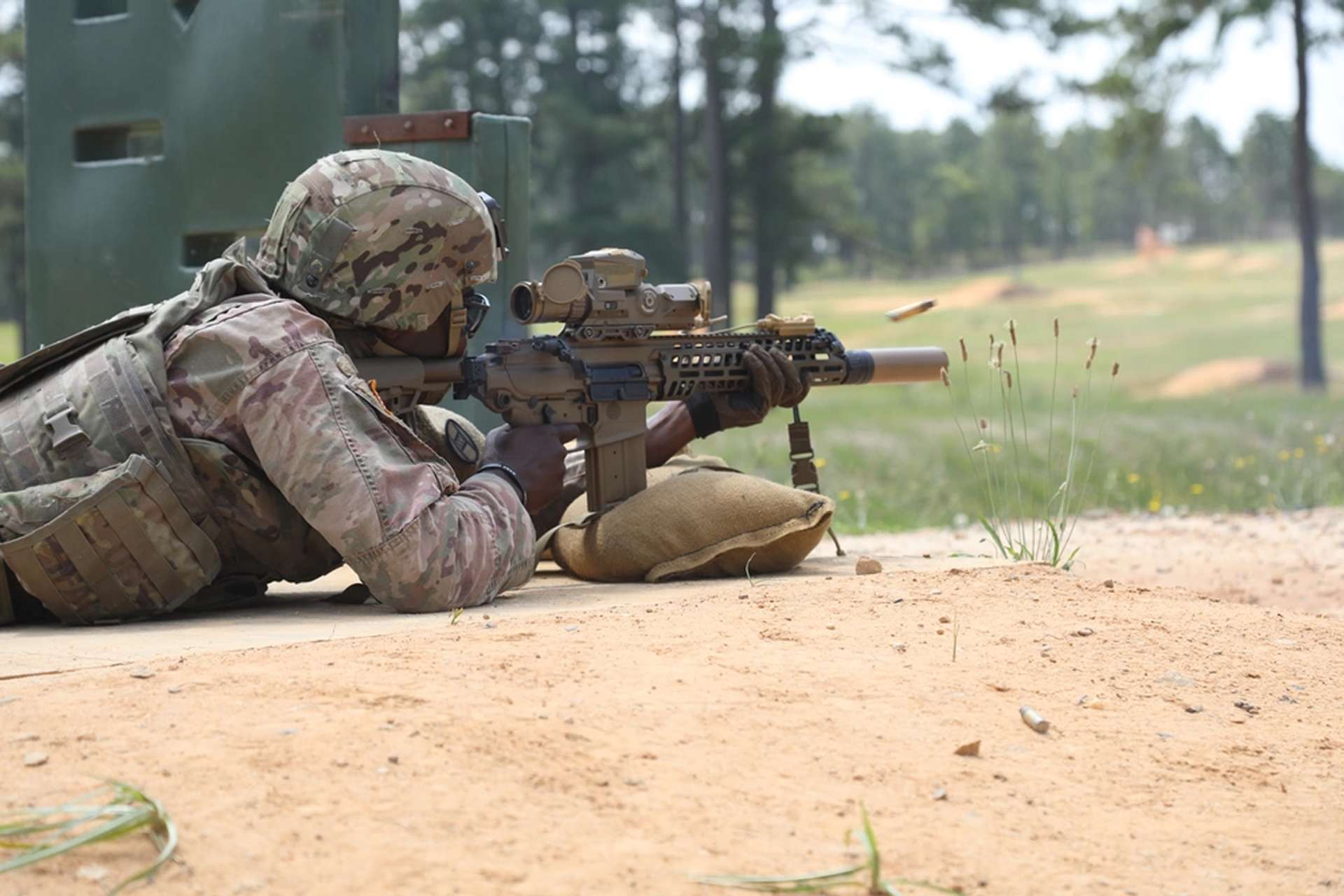
The XM7 assault rifle, previously known as the XM5 is the United States Army variant of the SIG MCX Spear. (Picture source: US DoD)
To address this interest, a series of official presentations is scheduled for the end of the summer. American officials leading the hybrid ammunition technology and the associated weaponry will visit several Northern European nations. These presentations aim to showcase the advanced capabilities of this new ammunition, as well as its strategic and tactical advantages.
Nordic armies seek to increase their soldiers' lethality in the current crisis with Russia. The tense geopolitical situation in Eastern Europe, exacerbated by the military actions and verbal threats of Russia under President Vladimir Putin, has prompted NATO countries, including those in the Nordic region, to reassess their defense needs. The adoption of new military technologies, such as the 6.8x51mm hybrid ammunition, is part of these efforts to modernize and enhance combat capabilities.
The 6.8x51mm ammunition developed by SIG Sauer represents a radical change from NATO-standard cartridges of 5.56x45mm and 7.62x51mm. Featuring a case with a steel base and brass body, this ammunition is designed to withstand much higher pressures, propelling a 113-grain projectile at high velocity. This capability allows it to penetrate modern ceramic plates, which have become widespread due to China's low-cost production.
The hybrid ammunition offers excellent range, high lethality—its projectiles are not hindered by current bulletproof vests—and exceptional accuracy. However, it requires specific firearms like the XM7 rifle selected by the U.S. Army. We should also mention the XM250, which is also chambered in 6.8x51mm. There are some limitations, particularly with a specific projectile designed for U.S. needs, but SIG Sauer is already working on another variant with nearly identical performance, intended for export to allies.
The adoption of the 6.8x51mm hybrid ammunition offers several strategic and tactical advantages. By increasing soldiers' lethality and efficiency, armies can improve their ability to quickly and effectively neutralize enemy threats. Additionally, the ammunition's ability to penetrate modern ballistic protections ensures a significant advantage in combat engagements, where speed and firepower are crucial.
In the medium term, Nordic countries could lead a broader transition within NATO to adopt rifles and machine guns compatible with the 6.8x51mm, thus enhancing combat efficiency. These weapons and hybrid ammunition are intended for widespread use in combat brigades, not just special operations units, ensuring robust shock capability. Initially, they will likely coexist with the standardized cartridges that have decades of use behind them.
The transition to the 6.8x51mm hybrid ammunition is part of a broader vision of modernizing the armed forces of Nordic countries. This initiative could inspire other NATO member nations to follow the same path, thereby strengthening the cohesion and power of the military alliance. Collaboration with innovative defense companies like SIG Sauer also demonstrates these countries' commitment to investing in advanced technologies to ensure their national and regional security.
The interest of Nordic armies in hybrid 6.8x51mm weapons and ammunition represents an important step towards modernizing their military capabilities. In the face of current geopolitical challenges, this initiative offers a strategic response to the need to improve the efficiency and lethality of armed forces. The presentations scheduled for the end of the summer will further clarify the advantages of this technology and plan the next steps for its adoption. Continued support for innovation and adaptation of defense technologies will remain crucial to maintaining strategic superiority in a constantly evolving global security environment.

According to executives at SIG Sauer, several Nordic countries have shown strong interest in acquiring the 6.8x51mm ammunition and the weapons chambered for it. (Picture source: US DoD)
Read more: Nordic Armies Consider Adopting 6.8x51mm Hybrid Weapons and Ammunition

- Details
- Written by: Halna du Fretay
- Category: 2024
- Hits: 14068
The United States Army has embarked on a step toward modernizing its anti-aircraft capabilities with the announcement of a new project to develop a 155mm hypersonic artillery system. Announced on July 8 through a government website, the Rapid Capabilities and Critical Technologies Office (RCCTO) outlined its plans to procure prototypes of the Multi-Domain Artillery Cannon (MDAC), envisioned as a highly mobile, self-propelled, wheeled artillery system designed to counter aerial and missile threats. Follow Army Recognition on Google News at this link
US Army Multi-Domain Artillery Cannon Program (Picture source: US Army)
The initiative, known as the Multi-Domain Artillery Cannon (MDAC), is managed by the RCCTO, which has recently published a request for information from potential contractors capable of delivering such a system. The Army plans to award a contract for the production of eight prototypes in the third quarter of fiscal year 2025, with delivery expected in fall 2027, followed by extensive field testing.
The MDAC program aims to provide an effective and cost-efficient alternative to traditional anti-aircraft missile systems. By integrating the new artillery system into the Army’s existing defense networks, including the Integrated Battle Command System (IBCS) and the Integrated Air and Missile Defense (IAMD) network, the MDAC will benefit from external targeting capabilities, enhancing its operational effectiveness.
A key feature of the MDAC is its use of a hypersonic projectile, expected to be the Hyper Velocity Projectile (HVP) developed by BAE Systems. Initially part of a railgun development program since 2013, the HVP was later adapted for use in 127-mm naval guns and 155-mm land artillery systems. This projectile, capable of reaching speeds of Mach 5 and covering distances up to 80 kilometers, can be configured as purely kinetic or equipped with up to 900 grams of explosives.
During a demonstration in September 2020, an experimental HVP successfully engaged a BQM-167 Skeeter aerial target using the M109A6 Paladin self-propelled howitzer, demonstrating its precision and effectiveness. Despite its advanced capabilities, the cost of the HVP, recorded at $86,000 in 2018, remains significantly lower than traditional missiles used in man-portable air defense systems.
The MDAC project not only aims to bolster the U.S. Army’s defensive capabilities but also to ensure the integration of cutting-edge technology into traditional artillery platforms, thus maintaining operational superiority and flexibility across multi-domain battlefields.
Read more: US Army Initiates Development of 155mm Anti-Aircraft Artillery System

- Details
- Written by: Halna du Fretay
- Category: 2024
- Hits: 3864
According to a report published on 12 July 2024 by Spiegel magazine, the German military is in negotiations to acquire approximately 100 Boxer armored vehicles from the German-French defense contractor KNDS for use in Ukraine. This report, which did not disclose its sources, comes shortly after Germany ordered 105 Leopard 2 A8 tanks from KNDS for a total of 2.9 billion euros, a transaction confirmed by the Defense Ministry on 10 July 2024. Follow Army Recognition on Google News at this link
The Boxer 8x8 armored vehicle, developed by the ARTEC consortium (Rheinmetall and Krauss-Maffei Wegmann), originated from a 1990s initiative to create a next-generation multi-role vehicle for European armies (Picture source: KNDS)
A spokesperson from KNDS stated that no contract has been signed yet and declined to comment further. However, the Defense Ministry mentioned that it has issued a request for proposals to KNDS for the Boxer and RCH155 models, without providing further details on the potential deal.
The initial batch of this potential order, including 80 wheeled RCH155 self-propelled howitzers, could amount to over 2 billion euros (approximately $2.2 billion). This amount would be financed from a special 100 billion euro fund created by the German military following Russia's invasion of Ukraine in February 2022.
The German Parliament is expected to vote on this transaction in the last quarter of the year. The eight-wheeled Boxer vehicles are known for their superior agility compared to tracked tanks.
This deal between the Defense Ministry and KNDS could also pave the way for a framework order of more than 300 Boxers, which the United Kingdom and other NATO members could later request, Spiegel added.
The Boxer 8x8 armored vehicle, developed by the ARTEC consortium (Rheinmetall and Krauss-Maffei Wegmann), originated from a 1990s initiative to create a next-generation multi-role vehicle for European armies. Introduced in the 2010s, it features a standardized drive module and various mission-specific modules that can be swapped out quickly. This design accommodates roles such as infantry transport, medical evacuation, command and control, and combat engineering. Notable features include high mobility, comprehensive protection systems, and advanced capabilities such as 360-degree threat detection and NBC protection. The modular approach allows for rapid reconfiguration and minimizes downtime, enhancing operational flexibility and reducing logistical demands.
The Boxer has therefore garnered significant interest and has been developed in various defense programs worldwide. For instance, the UK Ministry of Defense plans to expand its Boxer fleet by acquiring 523 vehicles in four main variants: Armored Personnel Carriers, Equipment Support vehicles, Command and Control (C4I) vehicles, and ambulances.
Future variants may include the Armored Mortar Vehicle, Armored Vehicle Launched Bridge, and specialized anti-tank configurations such as the Mounted Close Combat Overwatch (MCCO) vehicle equipped with Brimstone missiles. These enhancements aim to replace older vehicles like the Warrior Infantry Fighting Vehicle, boosting the UK's mechanized infantry capabilities, with 100 new units purchased in April 2022.
Germany has also developed unique variants of the Boxer GTK platform to meet specific defense needs. The German Army, a principal developer of the Boxer, has deployed several variants, including the Armored Personnel Carrier, Command Post, Heavy Armored Ambulance, and Cargo variants. Germany has also incorporated advanced weaponry and technology into the Boxer, such as the RCH 155 self-propelled artillery system, enhancing its artillery capabilities, and air defense systems like the Oerlikon Skyranger 35 to engage aerial threats.
Three new significant variants include the Boxer RCT30, equipped with the turret from the SPz Puma IFV; the sWaTrgInf, or Schwerer Waffenträger Infanterie, an Australian-made heavy weapon carrier focused on deploying heavy weaponry; and the FlaRakPz (Flugabwehrraketenpanzer), which mounts four IRIS-T surface-to-air missiles along with advanced radar systems. This flexibility and modularity have established the Boxer as a key component of Germany's mechanized infantry units, providing support in various operational roles.
Read more: Germany Considers Purchasing 100 Boxer Armored Vehicles from KNDS for Ukraine

- Details
- Written by: Vandenbosch
- Category: 2024
- Hits: 3697
Thales Australia has announced the production of 15 additional Bushmaster Protected Mobility Vehicles (PMVs) under a 45 million Australian dollar contract with the Department of Defence. These new vehicles will be specially configured as command and control (C2) vehicles for the long-range artillery regiment of the High Mobility Artillery Rocket System (HIMARS) of the Australian Army.
Follow Army Recognition on Google News at this link
Australian Army Bushmaster Protected Mobility Vehicles. (Picture source: US DoD)
This new order is part of a series of developments aimed at enhancing the operational capabilities of the Australian Army. Since 2021, approximately 149 Bushmasters have been withdrawn from the Australian Defence Force (ADF) service and exported to partner countries, including Ukraine, Fiji, and Indonesia. These exports demonstrate international confidence in the robustness and effectiveness of the Australian Bushmasters.
To date, the government has only ordered 93 vehicles to replace those exported, including this latest batch. This situation highlights a potential deficit that could impact the ADF’s protected mobility capabilities in the short term.
Bushmasters are renowned for their ability to protect their occupants from mines and improvised explosive devices (IEDs). Equipped with a V-shaped hull, these vehicles are designed to deflect the energy of an explosion away from the cabin, thereby increasing passenger survival. Additionally, Bushmasters are equipped with advanced communication systems, mounted weaponry, and can carry up to 10 fully equipped soldiers.
The C2 versions of the Bushmasters will be equipped with advanced technologies for command and control, including secure communication systems and real-time battle management capabilities. These upgrades will enable the Australian Army to effectively coordinate HIMARS operations, thereby enhancing their precision and effectiveness on the battlefield.
The decision to bolster the Bushmaster fleet comes amid heightened geopolitical tensions and the need for Australia to modernize its defense capabilities.
Ukraine, in particular, greatly benefits from these vehicles in its defense against Russian aggression. The Bushmasters have been widely praised for their performance in the field, providing vital protection to Ukrainian troops and improving their mobility in areas of intense conflict.
For Thales Australia, this new order represents continued validation of their expertise in military vehicles and their ability to meet the changing needs of the Australian Army. The company has invested heavily in research and development to ensure that Bushmasters remain at the forefront of protection and mobility technology.
The production of the 15 new C2 vehicles will also bolster the local economy, creating jobs and stimulating related industries. Thales Australia has emphasized its commitment to using local components and technologies wherever possible, thereby strengthening the Australian defense industry.

A Bushmaster bound for Ukraine waits to be loaded onto a C-17A Globemaster at RAAF Base Amberley. ( Picture Source: US DoD)

- Details
- Written by: Administrator
- Category: 2024
- Hits: 13708
A recent video published by the Chinese Ministry of Defense showcases the Chinese armed forces conducting amphibious operations using ZBD-05 and ZTD-05 amphibious vehicles. These vehicles are essential components of China's amphibious capabilities, designed to facilitate rapid beach landings and support the initial stages of an invasion.
Follow Army Recognition on Google News at this link
Recent reports suggest China is escalating its amphibious operations in preparation for a potential invasion of Taiwan. (Picture source: China MoD)
Recent reports indicate that China is intensifying its amphibious operations in preparation for a potential invasion of Taiwan. The Chinese People's Liberation Army Navy (PLAN) has been conducting large-scale amphibious drills, now including the use of civilian ferries to augment their military capabilities. This approach involves repurposing roll-on/roll-off (RoRo) ferries to transport a significant number of troops and vehicles, enhancing China's sealift capacity. These ferries have been observed practicing the launch of amphibious assault vehicles directly into the water, a new tactic compared to the previous requirement to secure ports first.
The naval capabilities of the Chinese armed forces, particularly the People's Liberation Army Navy (PLAN), have been significantly enhanced to support large-scale amphibious operations.
China's naval force includes advanced amphibious assault ships, such as the Type 075 and the forthcoming Type 076. The Type 075 is one of the largest and most sophisticated amphibious assault ships in China's fleet, capable of carrying helicopters, troops, and landing craft, which are essential for executing large-scale amphibious assaults. The Type 076 is expected to further enhance these capabilities by supporting drone operations, providing additional tactical advantages.
China's fleet of landing platform docks (LPDs), particularly the Type 071 class (Yuzhao-class), plays a crucial role in deploying forces quickly and efficiently. These versatile ships can carry troops, vehicles, and landing craft, and are essential for rapid and effective amphibious operations. The PLAN also utilizes Type 726 hovercraft to transport troops and equipment directly to shore, adding to the flexibility and speed of their amphibious capabilities.
The People's Liberation Army Navy Marine Corps (PLANMC) is a key component of China's amphibious force. The PLANMC has expanded significantly, currently consisting of multiple brigades, each equipped with a variety of armored vehicles, including the ZTD-05 amphibious assault gun and the ZBD-05 amphibious infantry fighting vehicle. These units are organized into combined arms battalions, which include heavy, medium, and light battalions, as well as specialized units for air assault, artillery, air defense, reconnaissance, and combat support (Wikipedia).
The Chinese Ministry of Defense has showcased these capabilities in videos demonstrating amphibious operations using the ZBD-05 and ZTD-05 vehicles, which are designed for rapid beach landings and supporting initial invasion phases. These demonstrations highlight the PLANMC's growing proficiency in amphibious warfare.
Despite these advancements, there are still challenges to China's amphibious assault capabilities. Analysts point out that the number of shipborne helicopters is currently insufficient, and the hovercraft may face limitations in crossing the Taiwan Strait under combat conditions. Nevertheless, the innovative use of civilian ferries to augment military operations has significantly increased China's sealift capacity, allowing for the rapid transport of troops and equipment.
In response to these developments, Taiwan has been bolstering its defenses, focusing on asymmetric warfare strategies to counteract the PLA's numerical superiority. Taiwan's military preparations include the deployment of advanced anti-ship and air defense systems, posing significant risks to any invading forces.

The ZBD-05 is a Chinese amphibious infantry fighting vehicle designed for rapid beach landings and supporting marine infantry during amphibious operations. (Picture source China MoD)
The ZBD-05 is an advanced amphibious infantry fighting vehicle (IFV) developed by China North Industries Corporation (Norinco) for the People's Liberation Army Navy Marine Corps (PLANMC). This vehicle is specifically designed for rapid deployment from sea to land, providing both firepower and mobility to marine infantry units.
One of the key features of the ZBD-05 is its exceptional amphibious capability. Equipped with high-speed water jets, it can travel at speeds up to 28 km/h on water, making it highly effective for beach landings and river crossings. This allows marine forces to swiftly transition from naval operations to ground combat.
The ZBD-05 is armed with a 30mm autocannon as its main weapon, capable of engaging a variety of targets with precision and power. In addition to the autocannon, it has a 7.62mm coaxial machine gun for secondary firepower and an HJ-73C anti-tank guided missile launcher, which enhances its ability to counter armored threats.
Protection is another critical aspect of the ZBD-05. The vehicle features composite armor, which provides a robust defense against small arms fire and shell splinters. To ensure survivability in various combat environments, it is also equipped with a nuclear, biological, and chemical (NBC) protection system.
On land, the ZBD-05 is powered by a diesel engine, which offers high mobility and speed, allowing it to keep pace with other armored units and respond rapidly to battlefield conditions. The vehicle has a crew of three, consisting of a commander, driver, and gunner, and can carry up to eight fully equipped infantry soldiers.

The ZTD-05 is a Chinese amphibious assault vehicle equipped with a 105mm gun, designed to support marine forces during beach landings and amphibious assaults. (Picture China MoD)
The ZTD-05 is a Chinese amphibious assault vehicle that serves as an amphibious tank or assault gun within the family of the ZBD-05 series, designed by China North Industries Corporation (Norinco) for the People's Liberation Army Navy Marine Corps (PLANMC). This vehicle is specifically tailored for amphibious operations, providing strong firepower and mobility to support marine forces during beach landings and other amphibious assaults.
One of the defining characteristics of the ZTD-05 is its armament. The vehicle is equipped with a 105mm rifled gun, which is capable of firing a variety of ammunition types, including high-explosive anti-tank (HEAT) rounds, high-explosive (HE) shells, and armor-piercing fin-stabilized discarding sabot (APFSDS) rounds. This main gun gives the ZTD-05 the capability to engage a wide range of targets, including armored vehicles, fortifications, and personnel.
In addition to the 105mm main gun, the ZTD-05 also features a coaxial 7.62mm machine gun and a 12.7mm anti-aircraft machine gun mounted on the turret. These secondary weapons enhance the vehicle's ability to defend itself and engage enemy infantry and light vehicles.
The ZTD-05 shares the same amphibious capabilities as its IFV counterpart, the ZBD-05. It is equipped with powerful water jets that enable it to travel at speeds of up to 28 km/h on water, allowing for rapid transitions from sea to land. This makes the ZTD-05 highly effective in amphibious assault scenarios, where speed and versatility are crucial.
Protection for the ZTD-05 includes composite armor, which offers defense against small arms fire and shell splinters. The vehicle also incorporates an NBC (nuclear, biological, chemical) protection system, ensuring the crew's survivability in contaminated environments.
Powered by a diesel engine, the ZTD-05 boasts high mobility on land, enabling it to keep up with other mechanized units and respond swiftly to changing battlefield conditions. The vehicle typically has a crew of four: a commander, driver, gunner, and loader.
The ZTD-05 is a key component of China's amphibious assault capabilities, providing robust firepower, mobility, and protection to marine forces during amphibious operations. Its design and armament make it a formidable asset for the PLANMC in conducting rapid and effective assaults from sea to shore.

- Details
- Written by: Jérôme Brahy
- Category: 2024
- Hits: 2709
At the recent World Defense Show 2024, General Tom Middendorf, Chairman of the International Military Council on Climate and Security, delivered an address on the imperative of climate-proofing defense organizations and capabilities, as both the effects of climate change and the global tensions it drives directly affect the defense and security industry.
Follow Army Recognition on Google News at this link
General Tom Middendorf advocated for innovation in resource efficiency and circularity to prevent future conflicts arising from resource scarcity. (Picture source: World Defense Show)
Sustainability measures have become part of every industry in terms of production, but climate change presents far greater challenges to the defense industry and requires more wide-ranging solutions, with its inherent threats to global security. General Tom Middendorf, Chairman of the International Military Council on Climate and Security, spoke to a select audience at the recent World Defense Show 2024 about the pressing need to understand and mitigate the devastating effects of climate change, outlining four key reasons why environmental sustainability is crucial for the defense sector: global trends and resource scarcity; climate change as a risk multiplier; resilience against severe weather events; and changing policies and legislation.
Middendorf began by highlighting four competing global trends that are creating an increasing gap between demand and supply. He pointed out that the world’s population has nearly doubled this century, significantly increasing the demand for water, food, and resources. At the same time, the availability of these resources is decreasing. He explained that climate change exacerbates this issue by causing sea level rise, desertification, and increased flooding vulnerability, which reduce habitable and arable land. Additionally, the geopolitical shift from globalization to a more fragmented world complicates the search for global solutions to these problems.
Current patterns of resource consumption are unsustainable, and Middendorf advocated for innovation in resource efficiency and circularity to prevent future conflicts arising from resource scarcity. He emphasized that producing more resources in the same manner is not viable and highlighted the need to reduce resource dependency through innovative approaches. Without addressing these issues, the world risks depleting resources more rapidly, leading to severe supply chain disruptions and increased global competition, potentially resulting in conflicts.

In the United States, Mack Defense has begun testing its Common Tactical Truck (CTT) prototypes with the U.S. Army, which feature improved fuel efficiency and possible autonomous capabilities. (Picture source: Mack Defense)
On a regional level, Middendorf described climate change as a risk multiplier that exacerbates existing tensions and drives instability. Drawing from his experiences in over 20 crisis areas worldwide, he explained how water scarcity and droughts have fueled tensions and been exploited by extremists in regions like Afghanistan, Iraq, Somalia, Sudan, and Mali. He stressed that while climate change may not directly cause conflicts, it acts as a significant driver of local and regional instability.
Middendorf highlighted the critical need to address water stress, drought-induced migration particularly in Africa, and vulnerability to flooding in densely populated regions like Southeast Asia. He described Southeast Asia, home to nearly two billion people and a vital global supply chain hub, as a region at risk due to its susceptibility to rising sea levels and intensifying rain periods.
The increasing frequency and severity of natural disasters pose another significant challenge. Middendorf stressed the importance of protecting assets and infrastructure, noting that the costs and impacts of natural disasters are escalating. Last year alone, there were 66 natural disasters each causing over $1 billion in damage, with a total global damage of $350 billion and 95,000 victims. He emphasized that only one-third of these costs were covered by insurance, making it increasingly difficult to insure such risks. Protecting critical infrastructure, hubs, and supply chains is essential, alongside the growing demand for humanitarian assistance and disaster relief operations.

In Slovakia, the company STRiX recently presented both variants of its stealth electric motorbikes to the Slovenian special forces. (Picture source: STRiX)
Middendorf acknowledged the global push towards net-zero emissions and the integration of climate considerations into defense policymaking. He highlighted the defense sector's responsibility to reduce its carbon footprint while maintaining operational effectiveness. Achieving sustainability without compromising effectiveness involves developing self-sufficiency in operational units. Generating their own energy, water, and spare parts, using remote diagnostics, and reducing logistical supply chains are vital steps towards this goal.
To tackle these global challenges, Middendorf proposed a three-pronged approach to the defense energy transition. The first involves adapting peacetime facilities by implementing civil best practices and technologies in non-operational settings, such as harbors, airports, and barracks. The second level focuses on integrating civil technologies into light and medium operational capabilities, creating living labs for experimentation and fielding new concepts. The final area targets high-end capabilities, such as naval vessels and air fighters, where technology needs further advancement. Investment in research and development for energy-efficient platforms and equipment with built-in self-sufficiency is crucial.
Middendorf provided examples of potential innovations, including 3D printing for on-the-spot spare parts production, robotics for logistical functions, remote diagnostics and augmented reality for maintenance systems, and remote surgery capabilities. These technologies offer new options but require open-mindedness and public-private cooperation to advance energy transition efforts.
In his address to an elite audience of government and industry leaders at the World Defense Show, Middendorf called for the defense sector to embrace sustainability and climate resilience as essential components for safeguarding global security. The defense industry must adapt to build climate resilience and ensure a sustainable future for military forces and businesses.

The electric Light Reconnaissance Vehicle (eLRV) project, which includes the eMCV from GM Defense, must offer several enhancements when compared to the current High Mobility Multipurpose Wheeled Vehicle (HMMWV) platform (Picture source: GM Defense)
Recent advancements in the defense sector showcase the integration of sustainability and innovation. For example, Mack Defense has begun testing its Common Tactical Truck (CTT) prototypes with the U.S. Army. These vehicles, based on the Mack Granite model, include an on-road tractor, off-road tractor, and a load-handling system truck. They feature advanced safety technologies, increased off-road mobility, advanced cybersecurity, open systems architecture, and improved fuel efficiency. The prototypes also incorporate future autonomous vehicle capabilities and electrification technologies, aiming to modernize and replace the Army's fleet of heavy tactical trucks while ensuring they remain fuel-efficient and capable of handling various terrains and conditions.
Additionally, the U.S. Army has approved the acquisition of Electric Light Reconnaissance Vehicle (eLRV) prototypes. These vehicles, which include both hybrid and fully electric models, represent the Army's effort to field environmentally sustainable vehicles. The eLRVs are designed to be integrated with the latest technological advancements, offering capabilities such as enhanced powertrains and idle-free systems that reduce energy demand. These prototypes will be evaluated for their performance and durability in various operational scenarios, including soldier feedback on their drivability and ergonomics.
These examples illustrate the defense sector's efforts to integrate sustainability into their operations, demonstrating that the transition to more environmentally friendly and efficient technologies is both feasible and underway.
Read more: General Tom Middendorf urges defense sector to address climate challenges

- Details
- Written by: Administrator
- Category: 2024
- Hits: 5386
The Spanish Ministry of Defense announced on July 15, 2024, the commencement of a new transfer of military equipment to Ukraine. This latest shipment includes 10 Leopard 2A4 tanks, various backhoes, and a significant number of anti-tank rockets.
Follow Army Recognition on Google News at this link
Spain to deliver 10 additional Leopard 2A4 tanks to Ukraine. (Picture source: Spanish MoD)
The Leopard 2A4 tanks underwent extensive repairs and fine-tuning at the Santa Bárbara Sistemas factory in Alcalá de Guadaira, Seville, ensuring their full operational readiness. The comprehensive process included rigorous testing to verify the tanks' operability.
The transport of the 10 'Leopard' 2A4 tanks began with a land journey from Seville to Ferrol last week. The tanks were then loaded onto a Ro-Ro vessel, which departed from Ferrol on Saturday, July 13. The ship is expected to arrive at a Polish port before the weekend, after which the tanks will be transported by land to Ukraine. The Ukrainian Armed Forces will oversee the final phase of the journey, ensuring the tanks reach their operational units safely.
Security measures are in place at every stage of the transportation process to ensure the safe delivery of these critical assets.
With this shipment, Spain has now donated a total of 20 'Leopard' 2A4 tanks to Ukraine. Further donations are planned for the second half of 2024, highlighting Spain's continued support for Ukraine in its ongoing conflict.
General Dynamics Santa Bárbara Sistemas, a subsidiary of General Dynamics European Land Systems (GDELS), is responsible for refurbishing Leopard 2A4 tanks in Spain. This effort is part of Spain's commitment to support Ukraine by donating military equipment. The refurbishing process takes place at the Santa Bárbara Sistemas facility in Alcalá de Guadaira, Seville.
The refurbishment involves a comprehensive overhaul including disassembly, inspection, and replacement of defective parts to ensure the tanks are fully operational. This initiative aims to enhance Ukraine's defense capabilities against ongoing aggression. Spain has already completed the refurbishment of the first batch of Leopard 2A4 tanks, with more expected to be ready by September 2024.
According to military open-source information, before the war in Ukraine, the Spanish army possessed a total of 219 Leopard 2E (A6) Main Battle Tanks and 108 Leopard 2A4 Main Battle Tanks, with an additional 54 tanks held in reserve.
The Leopard 2A4 is a main battle tank developed by the German company Krauss-Maffei Wegmann. It is part of the Leopard 2 family, which has been in service since the late 1970s. The 2A4 variant, introduced in the 1980s, features improved armor, a digital fire control system, and a 120mm smoothbore gun. Known for its mobility, firepower, and protection, the Leopard 2A4 is widely used by numerous countries' armed forces around the world.
Read more: Spain Begins New Transfer of 10 Leopard 2A4 Tanks to Ukraine
- Subscribe to MEGA-Army App: Revolutionizing Military Equipment Identification with Cutting-Edge AI Picture Recognition
- South Korea Could Export 300 to 500 K2 Tanks to Romania
- Colombian Veterans Strengthen Ukrainian Armed Forces in Its War Against Russia
- Classified US Military Documents on F-35, F-15 Fighter Jets and MQ Reaper Drones Leaked on Social Media