Army - Armies in the world
-
UK Army 1st Battalion Royal Regiment of First Fusiliers Begins Training on New Boxer Infantry Carrier
 {loadposition bannertop}{loadposition sidebarpub}
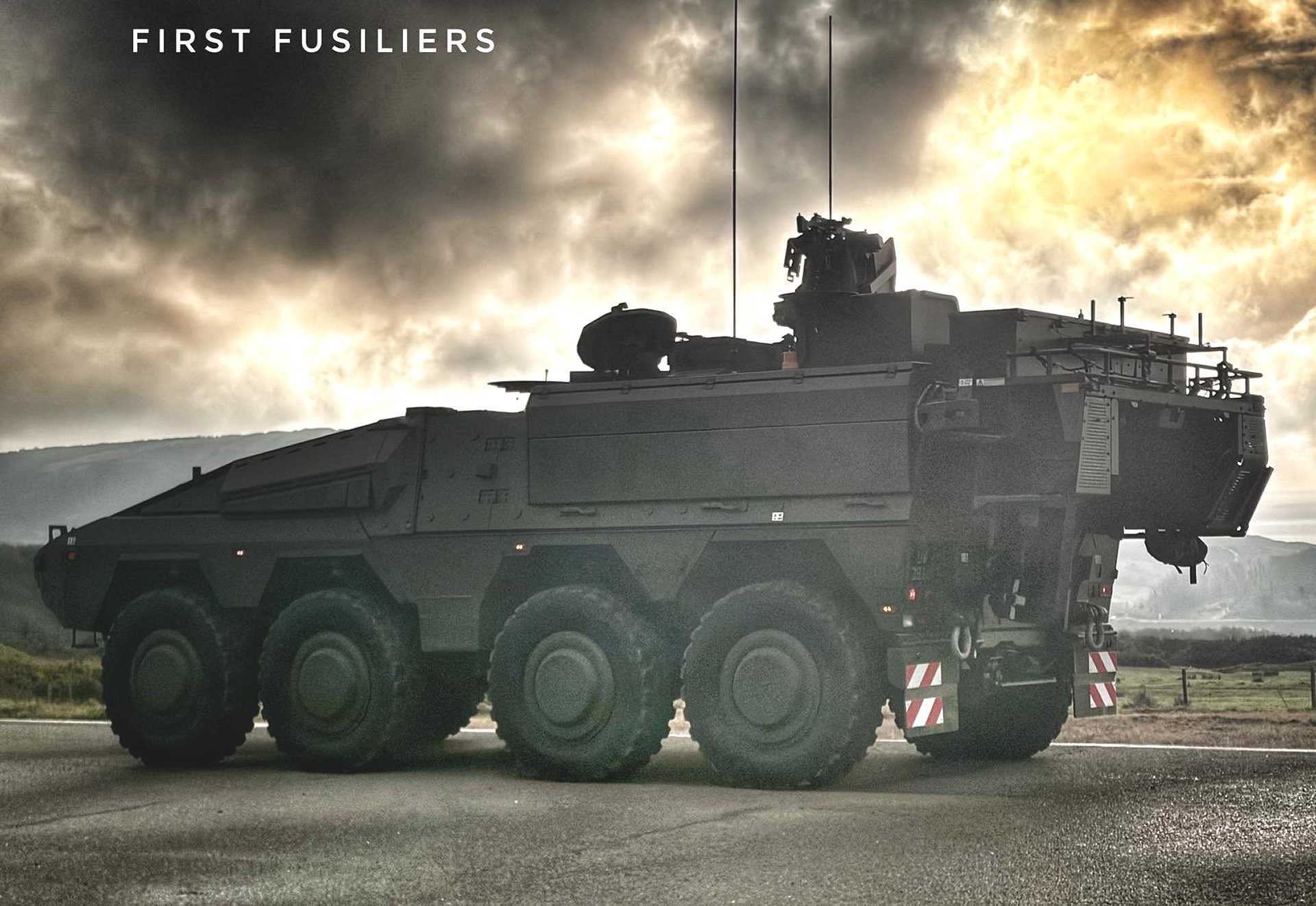
British Soldiers from the 1st Battalion, Royal Regiment of First Fusiliers are training on the British Army’s Boxer Infantry Carrier Vehicle as the unit reshapes its armoured infantry role. The move signals a significant shift in how the battalion will fight, deploy, and integrate protected mobility on future operations.
According to information shared on February 3, 2026, by the First Fusiliers X account, soldiers from the British army 1 RRF (First Fusiliers) are undertaking focused training on the British Army’s new Boxer 8x8 infantry carrier armored vehicle as part of a broader battalion transformation. The training effort focuses on the Boxer Infantry Carrier Vehicle variant equipped with the Kongsberg Protector RS4 Remote Weapon System, with soldiers qualifying as drivers, learning vehicle command responsibilities, and conducting live-fire training with the remotely operated weapon station.
Follow Army Recognition on Google News at this linkBritish Army soldiers from the 1st Battalion, Royal Regiment of First Fusiliers conduct live firing with a Boxer Infantry Carrier Vehicle equipped with a Protector RS4 Remote Weapon System during range training as part of the unit’s transition from Warrior to Boxer. (Picture source: First Fusiliers X account)
During the latest training activity, new British Army Boxer wheeled Infantry Carrier Vehicles (ICV) were taken onto live ranges, where Fusilier crews executed firing serials designed to build confidence, gunnery accuracy, and disciplined crew drills on the new platform.
The Boxer vehicles delivered to the British Army First Fusiliers (1 RRF) are Infantry Carrier Vehicles equipped with the Protector RS4, the latest generation of remote weapon stations selected by the British Army for its mechanised infantry force. In British Army service, the RS4 is typically armed with a 12.7 mm heavy machine gun and incorporates fully stabilized day and thermal sights, laser range-finding, and digital fire control. This configuration enables crews to accurately detect and engage threats while remaining fully armoured. Live firing of the RS4 is a critical milestone, as it validates the integration of crew procedures, sensors, and fire control systems on a vehicle that represents a clear departure from previous British Army armoured infantry platforms.
Boxer is a multi-role, 8x8 wheeled armored vehicle developed under a European cooperative program led initially by Germany and the Netherlands, with the United Kingdom later joining as a key participant to equip its future British Army mechanised infantry force. The platform is built on a modular architecture that separates the drive module from mission-specific payload modules, enabling rapid adaptation to roles such as infantry carrier, command post, ambulance, and specialist support variants. In British Army service, Boxer weighs more than 38 tonnes and combines high levels of ballistic, mine, and improvised explosive device protection with long operational range and strong strategic mobility. This design allows British Army units to deploy rapidly by road or sea while reducing sustainment demands compared to tracked platforms, making Boxer a central pillar of the service’s future force structure.
The 1st Battalion, Royal Regiment of Fusiliers is a regular armoured infantry battalion of the British Army based at Tidworth Camp in Wiltshire. The battalion remains part of the British Army’s 3rd Division and is held at high readiness within the British Army’s armoured war-fighting reserve. Currently, 1 RRF is equipped with the Warrior Infantry Fighting Vehicle, a tracked combat vehicle that has been the backbone of British Army armoured infantry units for more than three decades. Warrior was designed to operate in close cooperation with main battle tanks, offering tracked mobility, a manned turret armed with the 30 mm Rarden cannon, and the ability to fight alongside armoured formations in high-intensity conflict.
Warrior’s tracked configuration provides strong cross-country mobility and shock absorption in close terrain, but it also entails a high maintenance burden and limited strategic mobility. As the British Army modernises its force structure, Warrior-equipped battalions are gradually transitioning away from tracked infantry fighting vehicles toward wheeled protected mobility platforms such as Boxer. This shift reflects evolving operational priorities within the British Army, including the need for rapid deployment, extended operational reach, and improved survivability against mines and improvised explosive devices rather than close-range turret-to-turret combat.
For the British Army First Fusiliers, the introduction of Boxer does not immediately replace Warrior across the battalion but signals the beginning of a phased transformation directed by the British Army. Soldiers are now required to adapt from operating a tracked IFV with a manned turret to a wheeled armored vehicle reliant on advanced sensors and a remotely operated weapon system. Commanders must adjust to digital situational awareness and networked command systems, while gunners transition from direct optical engagement to stabilized, sensor-driven fire control. Drivers, meanwhile, are learning to leverage Boxer’s wheeled mobility, which emphasizes endurance, road speed, and reduced logistical strain rather than pure off-road shock-and-maneuver capability.
The Boxer Infantry Carrier Vehicle offers a high level of protection against mines, improvised explosive devices, and battlefield fragmentation, enabling the safe transport of an entire infantry section. Its modular design also provides long-term flexibility, allowing the British Army to introduce new mission modules without replacing the entire vehicle fleet. When paired with the Protector RS4 remote weapon system, Boxer delivers a blend of protection, precision firepower, and mobility suited to contemporary and future British Army operational environments.
For the British Army 1 RRF, the message articulated through this training activity is focused and realistic. The battalion is deliberately concentrating on mastering the fundamentals of Boxer operation and remote weapon employment while Warrior remains in British Army service. This dual-platform period reflects the broader transition underway within the British Army, as legacy tracked systems continue to provide armoured punch. At the same time, new wheeled platforms are introduced to shape the future force. By building competence on Boxer now, the First Fusiliers are positioning themselves to adapt effectively as the British Army’s armoured infantry structure evolves.
Written by Alain Servaes – Chief Editor, Army Recognition Group
Alain Servaes is a former infantry non-commissioned officer and the founder of Army Recognition. With over 20 years in defense journalism, he provides expert analysis on military equipment, NATO operations, and the global defense industry.
-
UK Deploys Chinook Helicopters Inside Arctic Circle in Major NATO Winter Operation
 {loadposition bannertop}{loadposition sidebarpub}
British Army soldiers and Royal Air Force Chinook helicopters were deployed to Bardufoss, Northern Norway, in January 2026 as part of Operation Clockwork, operating deep inside the Arctic Circle. The mission underscores the UK’s ability to sustain heavy lift aviation and joint forces in extreme cold while reinforcing NATO’s northern flank.
British Army personnel supported by Royal Air Force Chinook heavy lift helicopters were deployed to Bardufoss in Northern Norway in January 2026 under Operation Clockwork, one of the United Kingdom’s most demanding winter aviation missions in recent years. Directed by Joint Aviation Command, the deployment placed British rotary wing forces more than 200 nautical miles, roughly 370 km, inside the Arctic Circle, demonstrating the UK’s capacity to operate in some of Europe’s harshest environmental conditions while supporting NATO deterrence in the High North.
Follow Army Recognition on Google News at this linkA British Air Force CH-47 Chinook heavy-lift helicopter operates in sub-zero Arctic conditions near Bardufoss in Northern Norway during Operation Clockwork, demonstrating the aircraft’s ability to conduct heavy-lift and underslung-load missions in extreme cold alongside NATO allies. (Picture source: UK MoD)
Bardufoss sits at the heart of northern Scandinavia, a region of growing strategic importance for European and transatlantic security due to its proximity to the Norwegian Sea, Arctic approaches, and key reinforcement routes linking North America and Europe. The location offers an unforgiving training environment defined by persistent sub-zero temperatures, deep snowpack, frequent high winds, and severely limited daylight during winter months. British Army Chinook aircrews and ground engineers are operating side by side with Royal Norwegian Air Force personnel, integrating NATO-standard procedures while adapting to terrain and weather conditions that routinely push aircraft and human performance to their limits.
Several UK pilots involved in the deployment described northern Norway as a “full systems stress test,” where even routine lift missions demand meticulous planning. Ice accretion on rotor blades, sudden whiteout conditions, rapidly shifting winds in mountainous terrain, and extreme cold affecting aircraft systems all require constant reassessment before and during flight. In this environment, margins for error are virtually non-existent, making the region one of the most challenging rotary wing operating areas in Europe.
Training conducted under Operation Clockwork focuses on mountain flying in confined valleys, precision underslung load operations, and sustained aircraft engineering activity in temperatures that frequently fall below- 20 degrees Celsius. Snow depths can exceed one meter, and daylight may be limited to only a few hours, placing additional strain on flight crews and maintenance personnel. These skills are essential for supporting NATO land forces across northern Europe, where winter conditions can render roads impassable, leaving helicopters as the primary means of moving heavy equipment, ammunition, fuel, and troops.
A critical enabler of these operations is the Joint Helicopter Support Squadron. The JHSS is a specialist unit drawn from across the British armed forces that provides expert helicopter load handling capabilities, particularly for underslung loads carried beneath aircraft. Its personnel are trained to rig vehicles, artillery systems, engineering stores, and logistical pallets to exacting safety standards. In Arctic conditions, their role becomes even more vital, as frozen equipment, snow-covered surfaces, reduced visibility, and limited daylight significantly increase the risk during loading and unloading operations. The squadron’s expertise ensures that Chinook helicopter missions can be conducted safely and efficiently despite the severe environmental constraints.
At the center of Operation Clockwork is the Boeing CH-47 Chinook, the British Army’s primary heavy-lift helicopter and a critical enabler of UK land and joint operations. Easily identifiable by its tandem rotor configuration and twin-engine powerplant, the Chinook is capable of carrying more than 10 tonnes of cargo internally or externally, or transporting up to 55 fully equipped troops in a single lift. Within the British armed forces, the Chinook fulfills a wide range of missions, including battlefield resupply, air assault, troop insertion, casualty evacuation, humanitarian assistance, disaster relief, and support to special operations forces.
The aircraft’s ability to operate from austere landing zones, lift heavy payloads, and sustain high sortie rates makes it particularly valuable in harsh environments such as mountains, deserts, and the Arctic. Engineers supporting the deployment are required to maintain the Chinook fleet in extreme cold, where hydraulic systems, avionics, and structural components behave differently than in temperate climates. Joint Aviation Command considers this hands-on experience essential to maintaining real-world warfighting readiness rather than relying solely on simulated training.
Operation Clockwork ensures that Joint Aviation Command force elements held at high readiness remain capable of deploying rapidly across Europe in support of NATO operations. For alliance planners, Arctic aviation proficiency is no longer a niche capability but a core requirement as military activity and strategic competition in the High North continue to intensify. The regular presence of British Army aviation assets in Northern Norway also enhances interoperability with European allies that routinely operate in cold-weather environments.
Beyond its immediate training value, the deployment carries a clear strategic message. By sustaining a winter aviation presence deep within the Arctic Circle, the United Kingdom demonstrates it can project and sustain heavy-lift helicopter capability in one of Europe’s most demanding operational theaters. As attention increasingly shifts northward, Operation Clockwork continues to ensure that British Army Chinook forces remain a credible, deployable asset, ready to support allied operations where geography, climate, and strategic necessity converge.
Written by Alain Servaes – Chief Editor, Army Recognition Group
Alain Servaes is a former infantry non-commissioned officer and the founder of Army Recognition. With over 20 years in defense journalism, he provides expert analysis on military equipment, NATO operations, and the global defense industry.
-
U.S. Marines Train with Army Infantry Squad Vehicle to Boost Southern Border Security
 {loadposition bannertop}{loadposition sidebarpub}
U.S. Marines with Joint Task Force–Southern Border completed advanced driver training on the Army’s Infantry Squad Vehicle at Fort Bliss, Texas, on October 29, 2025. The exercise enhances mobility and coordination with U.S. Customs and Border Protection along the southern border.
U.S. Marines assigned to Joint Task Force–Southern Border (JTF-SB) trained on the U.S. Army’s Infantry Squad Vehicle (ISV) at Fort Bliss, Texas, as part of a readiness exercise on October 29, 2025. Defense officials said the training focused on tactical driving, rapid maneuvering, and cross-branch coordination to improve the task force’s ability to support U.S. Customs and Border Protection operations. The ISV, built on a modified Chevrolet Colorado ZR2 platform, allows small units to move quickly across rugged terrain, a capability seen as vital for mobility along remote stretches of the border.
Follow Army Recognition on Google News at this linkU.S. Marines with Joint Task Force–Southern Border maneuver through off-road terrain during Infantry Squad Vehicle operator training at Fort Bliss, Texas, October 29, 2025. (Picture source: U.S. Department of War)
The ISV (Infantry Squad Vehicle) Operator Training Course challenged Marines to navigate off-road courses, execute vehicle recovery procedures, and operate under simulated mission conditions that reflect the rugged terrain of the U.S.–Mexico border. By completing this certification, Marines are now qualified to employ the Army’s light tactical ISV platform during real-world patrol and reconnaissance operations.
Joint Task Force–Southern Border, established to strengthen homeland security, brings together multiple U.S. military branches to support interagency efforts protecting American sovereignty. The integration of the Army’s Infantry Squad Vehicle into Marine Corps operations demonstrates how joint mobility solutions can improve rapid response and operational flexibility.
The Infantry Squad Vehicle, produced by GM Defense and based on the Chevrolet Colorado ZR2 platform, was designed to provide light infantry and special operations units with a fast, deployable mobility option. The vehicle can carry up to nine Marines and their equipment while traversing rugged terrain at high speed. Weighing less than 2,268 kg (5,000 pounds), it can be transported internally by a CH-47 Chinook or externally by a UH-60 Black Hawk helicopters, enabling rapid deployment to remote or austere locations.
For Marine forces, the ISV fills a critical gap between light tactical vehicles and heavier armored transports. Its combination of agility, endurance, and ease of maintenance allows small units to operate independently across extended patrol zones, supporting missions that require both speed and adaptability.
U.S military officials highlighted that this training initiative enhances joint interoperability between the U.S. Army and the U.S. Marine Corps, an essential element of the Pentagon’s modernization strategy. By adapting expeditionary mobility platforms for domestic operations, the U.S. military is improving its ability to respond to border security challenges, natural disasters, and multi-domain threats on U.S. soil.
The introduction of the ISV into JTF-SB (Joint Task Force–Southern Border )operations underscores the Defense Department’s commitment to ensuring homeland defense through advanced technology and agile mobility. As the U.S. military continues to strengthen its partnerships with CBP and other federal agencies, such initiatives reflect a unified approach to national security, emphasizing readiness, deterrence, and rapid response.
The U.S. southern border remains a complex operational environment that demands flexibility and integration across multiple services. Training events like the one at Fort Bliss ensure that U.S. Marines remain prepared to operate modern mobility platforms effectively, supporting joint missions that safeguard America’s territorial integrity.
Written by Alain Servaes – Chief Editor, Army Recognition Group
Alain Servaes is a former infantry non-commissioned officer and the founder of Army Recognition. With over 20 years in defense journalism, he provides expert analysis on military equipment, NATO operations, and the global defense industry.
-
How British Army soldiers are reshaping the battlefield with Artificial Intelligence and drones
 {loadposition bannertop}{loadposition sidebarpub}
British army soldiers from 3 SCOTS (The Royal Regiment of Scotland) are deploying advanced artificial intelligence and drone systems during Exercise Tarassis 2025 in Latvia. The trials mark a defining step in the UK’s Future Soldier modernization program and strengthen NATO’s defense readiness along its eastern flank.
London, UK, October 17, 2025 - British Army soldiers are accelerating the integration of artificial intelligence and autonomous systems during Exercise Tarassis 2025, a multinational field operation in Latvia designed to test future warfare concepts in real time. Operating under 11 Brigade Headquarters, the 3rd Battalion, The Royal Regiment of Scotland (3 SCOTS) is leading trials of AI-assisted reconnaissance tools and uncrewed aerial systems, bringing next-generation digital warfare technologies out of the research phase and into live allied operations. Defense officials say the deployment underscores Britain’s commitment to NATO’s evolving strategy for high-tech deterrence across Europe.
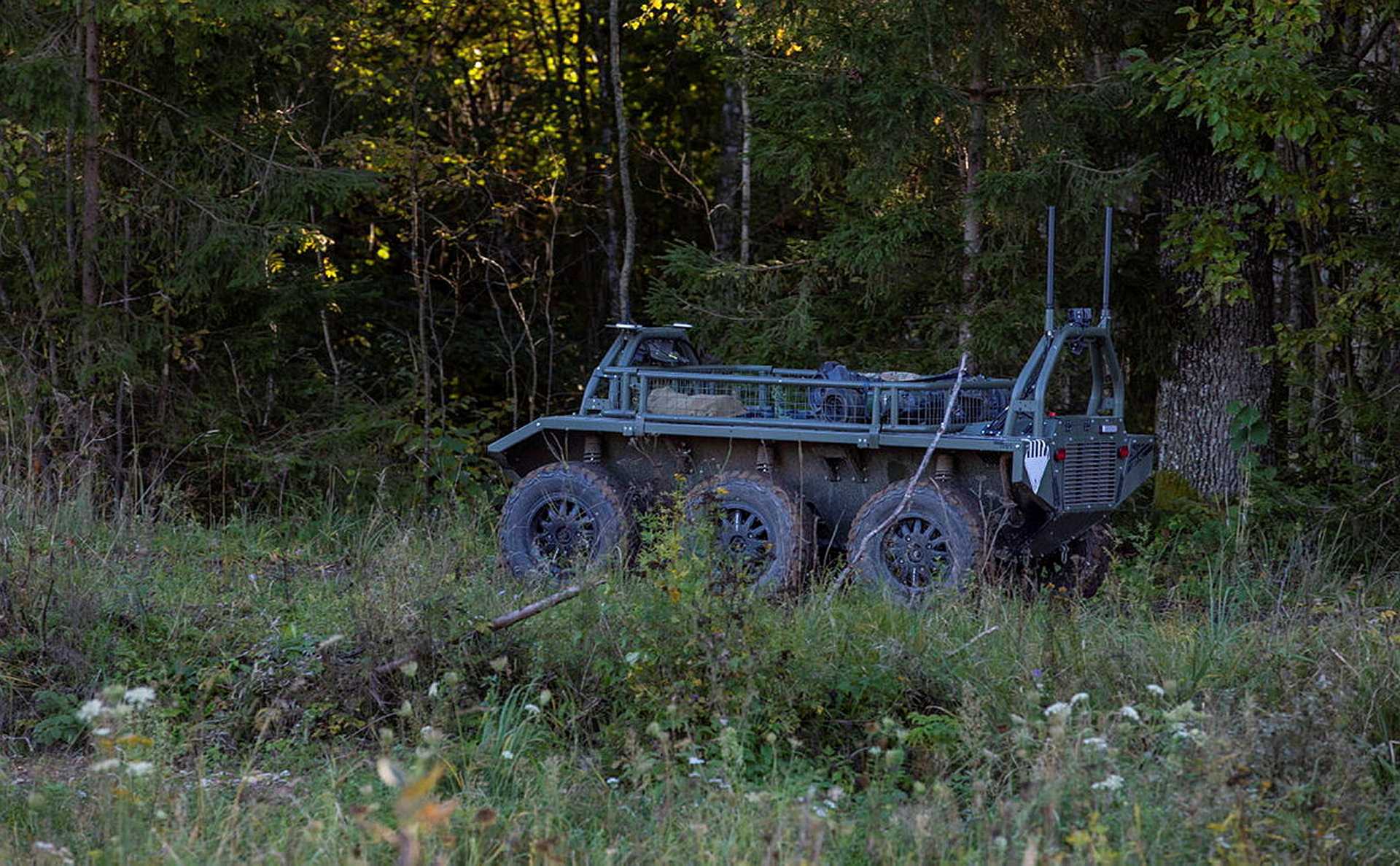
Follow Army Recognition on Google News at this linkThe Black Watch, 3rd Bn The Royal Regiment of Scotland, is demonstrating their capabilities as an infantry battalion of the British Army; here, a Viking unmanned resupply vehicle is being used. (Picture source: UK MoD)
Exercise Tarassis 2025, which began in early September and is set to continue until the end of October 2025, is the largest exercise ever conducted by the Joint Expeditionary Force (JEF). Designed to simulate a multidomain response to an emerging crisis in Northern Europe, it tests rapid interoperability, mobility, and combat readiness across a coalition of Northern European nations. Within this framework, 3 SCOTS participated in Exercise Forest Guardian, a ground-centric component that evaluated how British infantry units can adapt to and exploit emerging technologies under battlefield conditions. The deployment also marked the first operational milestone in the transformation of 11 Brigade under the British Army’s Future Soldier strategy, reinforcing the UK's commitment to NATO and the JEF’s rapid-response framework.
Soldiers were pushed beyond conventional maneuver warfare, transitioning into agile, tech-enabled formations capable of fighting in the "near surface" – the zone where physical terrain intersects with digital, aerial, and electromagnetic domains. The objective was clear: not only to maneuver faster, but to dominate the information environment and compress the decision-action cycle through automation, real-time intelligence, and networked operations.
To enable this transformation, two leading defense industry partners embedded technical specialists directly within the battlegroup. These teams delivered live instruction on the operational deployment of several advanced systems, including Cobalt, ARX, Viking, DSA, Menace-T, and Ghost X. These platforms were not conceptual demonstrations or trial units confined to test ranges, but integrated into the exercise as active warfighting tools across reconnaissance, logistics, targeting, and battlefield communication roles.
The Ghost X tactical drone, developed by U.S.-based Anduril Industries, played a prominent role. Operating with high autonomy, the system conducted persistent ISR (intelligence, surveillance, reconnaissance) missions, delivering live imagery and target data directly into the battalion’s digital command mesh. Its modular design allowed rapid reconfiguration to meet mission-specific requirements while maintaining aerial endurance and low visual signature – critical for contested environments.
Supporting operations on the ground was the Viking uncrewed ground vehicle (UGV), a British-developed robotic platform designed for autonomous resupply, casualty evacuation, and reconnaissance support. During the exercise, Viking executed logistics runs with minimal operator input, dynamically rerouting around obstacles and threats while maintaining convoy speed. Troops described it as a reliable and intelligent teammate capable of keeping pace with maneuvering units even under stress.
While less technical detail is publicly available on the systems Cobalt, ARX, DSA, and Menace-T, their use was officially confirmed by the British Army in published material. These systems formed part of the broader capability suite introduced during Exercise Tarassis. Cobalt is believed to serve as a sensor-fusion or data-integration engine to accelerate kill chain processing. ARX may represent a modular robotic system supporting surveillance or strike applications. Menace-T appears to function as a mobile tactical node for decentralized command and control with AI decision support, while DSA is understood to be a digital situational awareness tool enhancing unit-level perception in complex terrain.
The inclusion of these technologies in a live, multinational exercise reflects a deliberate shift in British Army procurement and experimentation philosophy – moving from lab testing toward operational validation under real-world conditions. This aligns directly with the UK Ministry of Defence’s Defence Drone Strategy, announced earlier in 2025, which pledges 4.5 billion pounds over the next decade to field scalable, modular, and autonomous systems across land, sea, and air.
In parallel, programs such as Project TIQUILA continue to evolve, aiming to equip artillery units and light forces with packable drones capable of performing ISTAR (intelligence, surveillance, target acquisition, reconnaissance) missions under contested conditions. TIQUILA is scheduled to reach initial operational capability in 2025 and is intended to integrate seamlessly into the British Army’s evolving sensor-to-shooter framework.
Exercise Tarassis 2025 is more than a large-scale maneuver rehearsal. It is a strategic benchmark for the UK’s commitment to fielding a data-driven, AI-assisted, and modular combat force that can fight and adapt in complex threat environments. From high-autonomy drone sorties to autonomous ground logistics, from soldier-system teaming to AI-supported decision loops, 3 SCOTS operated on the leading edge of the Army’s transformation efforts.
Lessons from Latvia will now flow into capability development roadmaps, tactical doctrine updates, and future procurement cycles. They will also inform how AI, robotics, and soldier-led innovation are incorporated into brigade-level formations preparing for peer and near-peer competition.
What is clear is that the British Army is no longer viewing emerging technologies as supplementary enhancements. They are becoming core components of the modern battlefield. And in Tarassis 2025, British troops have demonstrated that they are not only capable of operating these technologies, but of leveraging them to create operational overmatch.
-
Allied forces test new capability with helicopter to deck assault in NATO amphibious combat operation
 {loadposition bannertop}{loadposition sidebarpub}
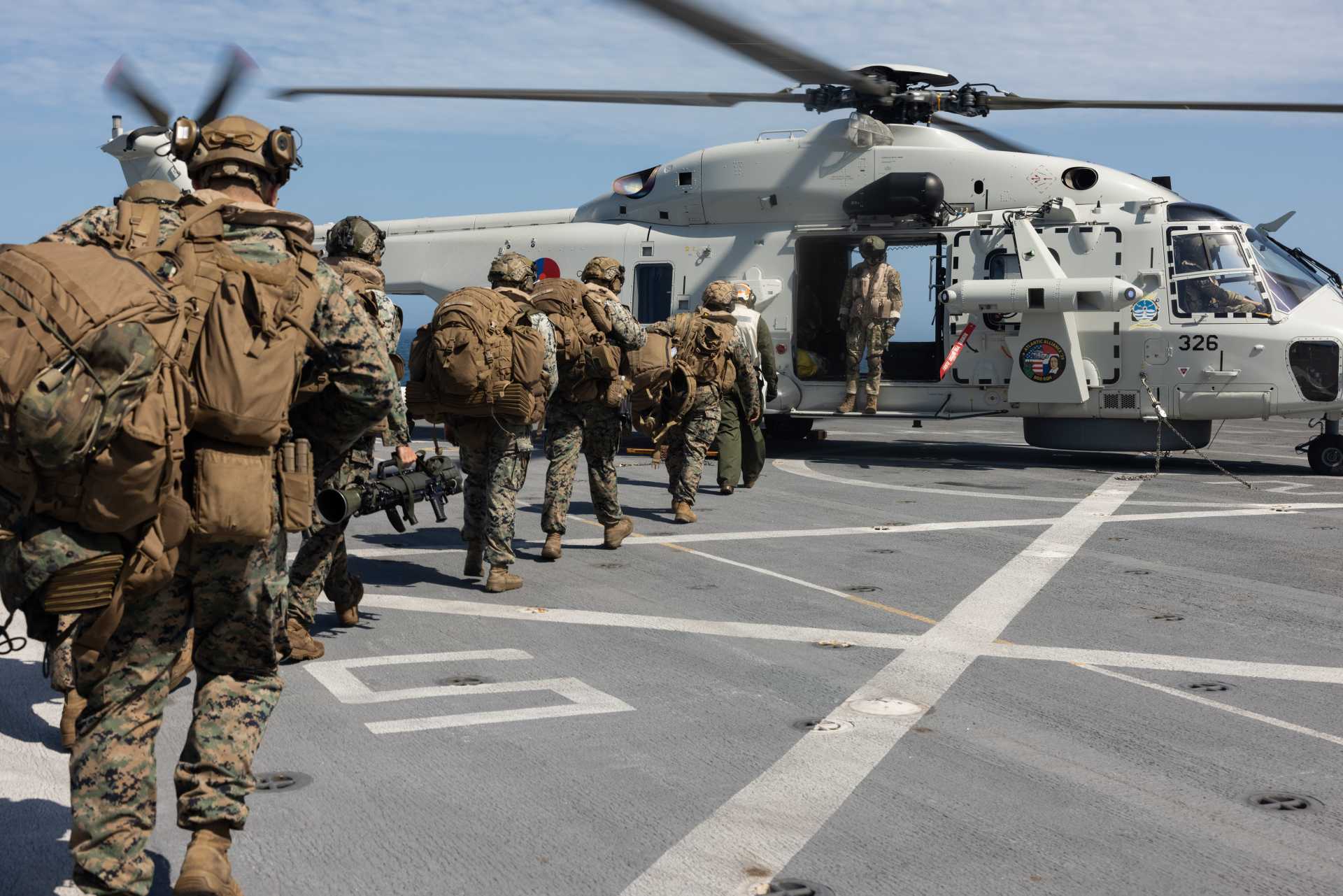
U.S. Marines from Fox Company, 2nd Battalion, 6th Marine Regiment executed a coordinated helicopter boarding operation on July 6, 2025, as part of Atlantic Alliance 2025, a large-scale multinational naval and amphibious exercise taking place along the Eastern Seaboard of the United States. The operation involved a Royal Netherlands Navy NH90 helicopter launched from the Dutch amphibious platform HNLMS Johan de Witt (L 801), delivering Marines to the flight deck of the USS New York (LPD 21), a San Antonio-class amphibious transport dock. This air assault evolution demonstrated the high level of interoperability between allied forces and served as a practical validation of NATO’s capacity to conduct integrated sea-based force projection.
Follow Army Recognition on Google News at this linkU.S. Marines with Fox Company, 2d Battalion, 6th Marine Regiment, 2d Marine Division, board a Royal Netherlands Navy NH90 helicopter from the Rotterdam-class landing platform dock HNLMS Johan de Witt (L 801), during exercise Atlantic Alliance 2025 (AA25) aboard the San Antonio-class amphibious transport dock ship USS New York (LPD 21), July 6, 2025. (Picture source: U.S. DoD)
The HNLMS Johan de Witt is a Rotterdam-class landing platform dock (LPD) designed to support expeditionary amphibious operations by embarking, transporting, and landing marine units along with their vehicles and equipment. It features a well deck for landing craft, a large flight deck capable of operating multiple helicopters, and a robust command-and-control suite for joint task force operations. The platform is optimized for international missions involving rapid deployment, disaster response, and maritime security. In NATO exercises such as Atlantic Alliance 2025, Johan de Witt acts as a command hub and launch point for air and sea-based amphibious maneuvers, enabling Dutch and allied forces to operate as an integrated task group.
USS New York (LPD 21), a San Antonio-class amphibious transport dock of the U.S. Navy, serves a complementary role by projecting Marine forces ashore using landing craft, amphibious vehicles, and helicopters. It is equipped with advanced communications systems, aviation facilities, and a well deck designed to deploy both traditional and high-speed surface connectors. The vessel plays a vital role in the U.S. Navy–Marine Corps amphibious ready group, providing flexible sea-based support for a range of missions including forced entry, non-combatant evacuation operations, and crisis response. During AA25, USS New York operated as a key platform for joint rotary-wing and amphibious operations, facilitating seamless coordination with allied assets such as the NH90 helicopter.
Atlantic Alliance 2025 unites over 25 maritime and ground units from the United States, the Netherlands, and the United Kingdom in a high-readiness framework designed to reinforce joint operational capacity. The exercise spans operations from North Carolina to Maine, focusing on critical scenarios such as amphibious landings, bilateral reconnaissance, naval strait transits, and large-scale war-at-sea simulations. Each event is tailored to enhance joint decision-making, maneuver synchronization, and tactical responsiveness across NATO maritime and littoral forces.
Amphibious operations represent a core capability for projecting power in regions where port infrastructure is denied or contested. In potential conflict zones, such as the Baltic Sea, Eastern Mediterranean, or Indo-Pacific, amphibious forces are uniquely positioned to establish beachheads, conduct rapid humanitarian interventions, or support special operations in austere environments. By maintaining a flexible combination of sea-based logistics, rotary-wing mobility, and infantry maneuverability, amphibious units serve as a strategic bridge between naval supremacy and land-based power projection.
International exercises like Atlantic Alliance 2025 are essential for building and validating these capabilities under joint command. They provide a realistic operational laboratory to test emerging technologies, refine allied command-and-control frameworks, and strengthen force interoperability. With peer and near-peer competitors enhancing their own anti-access/area-denial (A2/AD) strategies, NATO's ability to deliver rapid, scalable amphibious responses remains a critical deterrent and crisis-response option. Whether in the face of sudden regional instability, contested island territories, or hybrid threats in littoral zones, amphibious forces offer unmatched strategic flexibility for alliance operations worldwide.
The helicopter boarding evolution conducted during AA25 is more than a training maneuver—it reflects the future of multinational military cooperation. By rehearsing integrated operations across air, sea, and land components, participating forces are actively preparing for the complex operational challenges of tomorrow. As global security dynamics continue to shift, exercises like Atlantic Alliance 2025 underscore NATO’s commitment to collective defense, rapid deployment capability, and sustained maritime dominance.
The ability of allied forces to train together in complex amphibious operations is not only essential but strategically decisive in today’s evolving security environment. Exercises like Atlantic Alliance 2025 serve as a proving ground for harmonizing tactics, communication protocols, and logistical coordination between nations with different doctrines, equipment, and command structures. Amphibious warfare, by nature, demands precise synchronization between naval and ground forces, and when multiple nations are involved, that complexity multiplies.
Regular multinational training ensures that these forces can rapidly integrate during real-world contingencies, whether responding to a regional conflict, executing a large-scale intervention, or delivering humanitarian assistance in denied or austere coastal environments. The success of such operations hinges on trust, shared procedures, and familiarity—outcomes that can only be achieved through consistent, high-fidelity joint training. Atlantic Alliance 2025 is a clear demonstration that NATO’s amphibious forces are not only interoperable, but capable of delivering a unified and effective response anywhere in the world.
-
Exclusive: British Army Integrates Tactical Drones into Mechanized Armoured Reconnaissance Roles
 {loadposition bannertop}{loadposition sidebarpub}
According to information published on July 18, 2025, by the X account of the British Army Royal Armoured Corps, armored mechanized units of the British Army are undergoing a tactical evolution by integrating Small Unmanned Aircraft Systems (SUAS) into reconnaissance operations. This shift reflects a broader modernization effort within NATO-aligned forces aimed at improving battlefield awareness, decision-making speed, and survivability through advanced drone-based intelligence gathering.
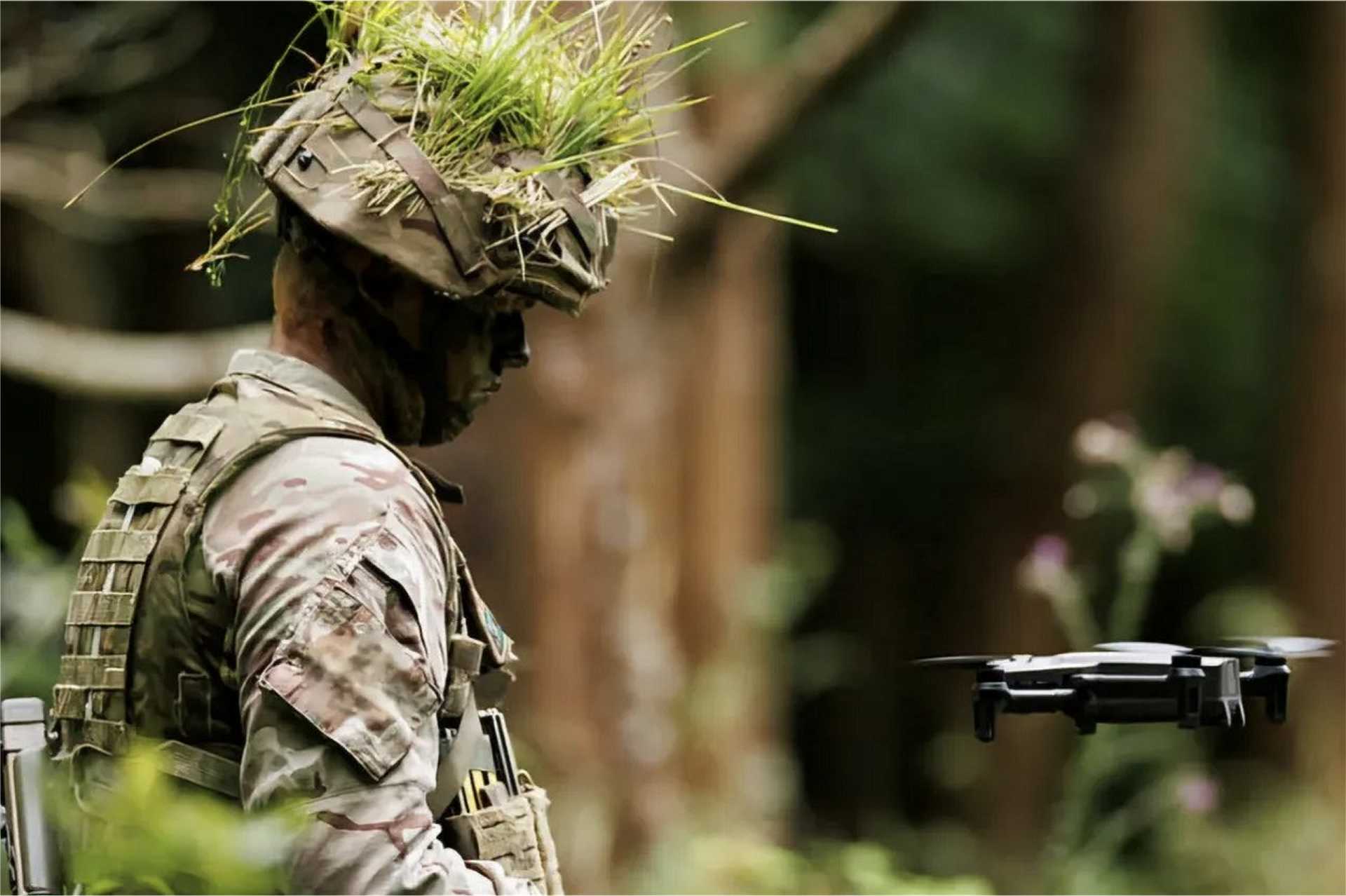
Follow Army Recognition on Google News at this linkBritish Army soldiers from the Royal Armoured Corps operate a tactical drone during a reconnaissance exercise, enhancing battlefield awareness and force protection through real-time aerial surveillance. (Picture source: British Army Royal Armoured Corps)
The use of drones by ground combat units has accelerated sharply since the outbreak of the war in Ukraine in 2022. The conflict revealed the transformational impact of commercial and military-grade drones on tactical operations, particularly for reconnaissance, artillery spotting, and battlefield surveillance. Ukrainian and Russian forces demonstrated how inexpensive, rapidly deployable drones could locate enemy units, correct indirect fire, and provide persistent intelligence in real time. These lessons have directly influenced NATO armies, including the British Army, in reshaping how armored and mechanized units conduct reconnaissance and force protection.
In response, the British Army's Royal Armoured Corps (RAC) has moved swiftly to integrate SUAS (Small Unmanned Aircraft Systems) across its armored and reconnaissance regiments. These include both heavy armored regiments such as the King’s Royal Hussars and the Queen’s Royal Hussars, equipped with Challenger 2 main battle tanks, and reconnaissance regiments like The Light Dragoons and The Royal Lancers, which operate CVRT Scimitar and soon, new Ajax tracked armored reconnaissance vehicles and Jackalpatrol vehicles. By incorporating drones at the squadron and platoon levels, these units now possess a new layer of tactical awareness previously limited to higher echelons or reliant on manned aviation.
SUAS platforms such as the Black Hornet 3 nano-drone, the PD-100 personal recon drone, and larger systems like the Puma LE or RQ-20 offer a range of critical capabilities. For the RAC, these drones serve as force extenders, enabling crews to conduct close and deep reconnaissance without breaking concealment or exposing vehicles to enemy fire. Drones can rapidly survey ridge lines, tree lines, and urban corridors, identify armor ambush positions, and even detect thermal signatures hidden from view. Their real-time video feeds, often integrated with digital command-and-control systems like Bowman or Morpheus, provide armored commanders with an accurate picture of enemy disposition and terrain.
Furthermore, drone reconnaissance is particularly valuable in shaping combined arms maneuver. By deploying SUAS ahead of an advancing armored force, British units can detect obstacles, minefields, and enemy observation posts, allowing engineers and support units to react more effectively. In defensive operations, drones can monitor dead ground and approach routes for early warning. Their ability to operate in contested environments, with minimal signature and fast redeployment times, also makes them ideal for counter-reconnaissance and screening roles.
The Royal Armoured Corps’ increasing reliance on drone integration reflects a fundamental change in doctrine. Where once reconnaissance was limited to line-of-sight or vehicle-mounted optics, the new paradigm emphasizes distributed sensing, stealth, and rapid information flow. With continued investment under the Army’s Land Industrial Strategy and Future Soldier program, the RAC is expected to further expand drone capabilities, including potential use of loitering munitions and AI-supported target recognition systems. This evolution ensures that British armored forces remain competitive in high-threat environments and can operate with superior tactical awareness against peer adversaries.
Mechanized armored units remain a decisive factor on the modern battlefield, providing unmatched mobility, firepower, and protection for ground forces operating in high-intensity conflict environments. As warfare evolves with the increasing prevalence of unmanned systems, electronic warfare, and decentralized engagements, the ability of armored formations to rapidly adapt and integrate emerging technologies like sUAS has become critical. For the British Army’s Royal Armoured Corps, the fusion of armored mobility with persistent drone-enabled reconnaissance ensures that these units can operate with superior situational awareness, reduce risk to personnel, and maintain tactical dominance across a wide range of combat scenarios. In the face of peer threats and evolving operational challenges, mechanized armored units, empowered by aerial surveillance assets, continue to serve as the backbone of modern land warfare and a key pillar of the United Kingdom’s deterrence and defense posture.
-
U.S. Air Force and Marines enhance air surveillance in Indo Pacific with joint training
 {loadposition bannertop}{loadposition sidebarpub}
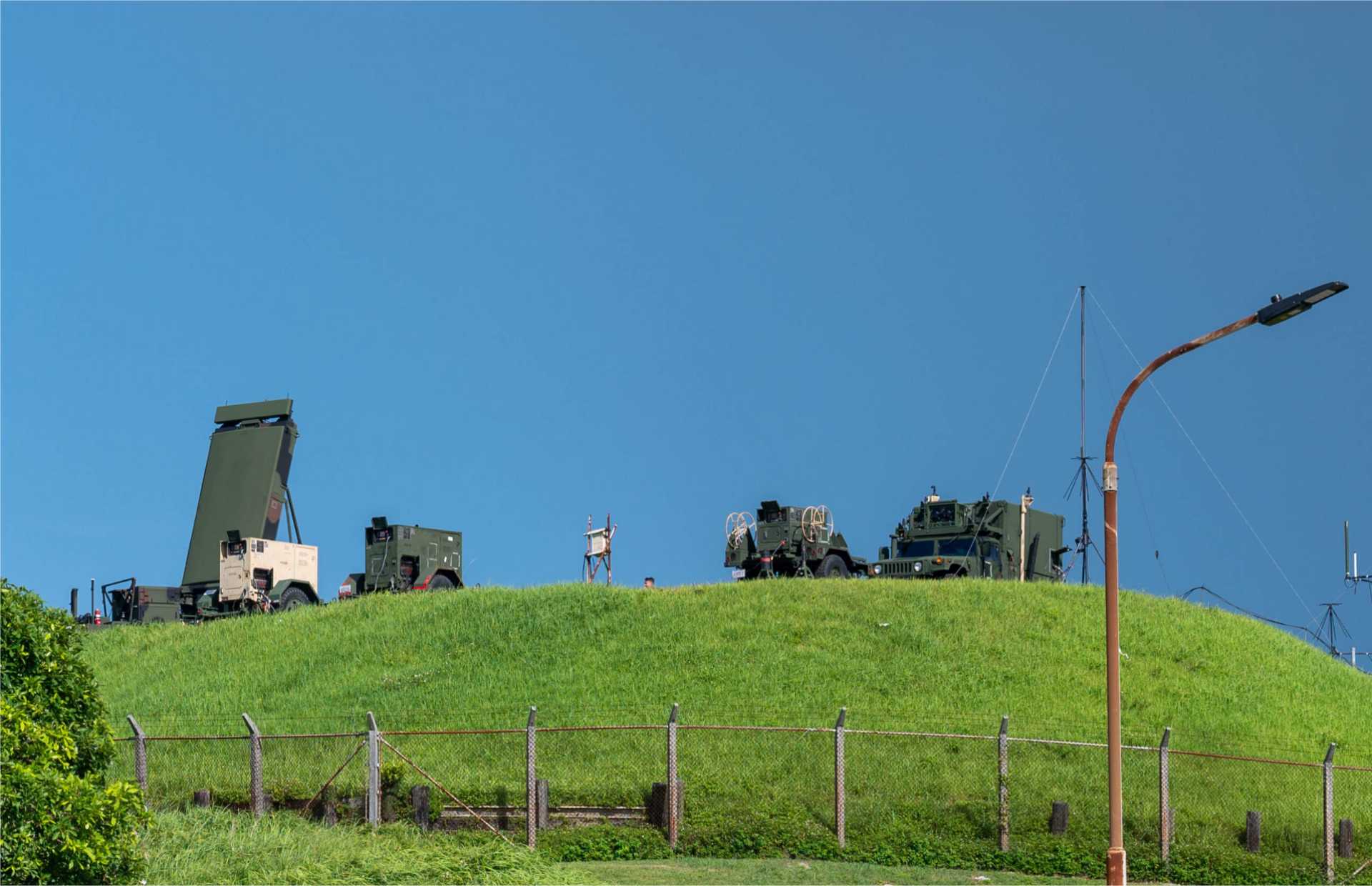
According to information published by the U.S. Department of Defense at the end of June 2025, U.S. Air Force Airmen assigned to the 623rd Air Control Squadron and U.S. Marines from the 12th Littoral Anti-Air Battalion conducted a joint air surveillance and systems integration training exercise atKadena Air Base, Okinawa, Japan, from June 22 to 30, 2025. The initiative focused on enhancing joint interoperability by linking two advanced command and control assets: the AN/TPS-80 Ground/Air Task Oriented Radar (G/ATOR) and the Tactical Operations Center-Light (TOC-L).
Follow Army Recognition on Google News at this linkU.S. Marines from the 12th Littoral Anti-Air Battalion deploy their AN/TPS-80 Ground/Air Task Oriented Radar system atKadena Air Base, Japan, on June 26, 2025, as part of a joint integration exercise to enhance air surveillance capabilities in the Indo-Pacific region. (Picture source: U.S. DoD)
The deployment of the G/ATOR system by U.S. Marines toKadena highlights its strategic relevance to the evolving security demands in the Indo-Pacific. Developed by Northrop Grumman for the U.S. Marine Corps, the AN/TPS-80 G/ATOR is a next-generation, mobile multi-mission radar platform that consolidates five legacy systems into one highly adaptable solution. It leverages active electronically scanned array radar with gallium nitride components to provide comprehensive surveillance and threat tracking capabilities. The system offers 360-degree coverage with a detection range of up to 278 kilometers, and can identify a wide array of aerial threats including manned aircraft, unmanned aerial systems, low-observable cruise missiles, rockets, artillery, and mortars.
The radar's deployment toKadena was driven by specific terrain requirements necessary for optimal performance, which the 623rd ACS could uniquely accommodate. Recognizing the potential for enhanced operational synergy, the squadron initiated a collaborative effort to integrate G/ATOR with its TOC-L system. The TOC-L consolidates real-time sensor data from multiple platforms into a unified operational picture, dramatically improving situational awareness and enabling rapid, agile decision-making during joint-force operations.
This joint integration marks a significant advancement in U.S. defense capabilities in the Indo-Pacific. By fusing G/ATOR’s extended detection and tracking capacity with the data-processing power of the TOC-L, the two services demonstrated a robust and adaptive air surveillance network tailored to contemporary multi-domain threats. The successful link-up enhances the U.S. ability to conduct precision airspace management and early threat response in scenarios ranging from contested air environments to integrated missile defense operations.
The strategic value of this exercise is further underscored by the broader importance of U.S. military presence in Japan. Positioned at the gateway of the Western Pacific, Japan and particularly Okinawa serves as a vital hub for regional power projection. It enables rapid U.S. access to critical sea lanes and air routes while bolstering forward-based deterrence against peer competitors. The permanent stationing of advanced capabilities such as G/ATOR enhances not only national security but also the collective defense posture under the U.S.-Japan alliance and broader Indo-Pacific partnerships.
As geopolitical tensions rise and regional actors expand their anti-access and area-denial capabilities, integration exercises like the one conducted atKadena signal the U.S. commitment to maintaining technological superiority, operational flexibility, and joint readiness. The successful combination of the G/ATOR and TOC-L systems represents a forward leap in U.S. efforts to secure air dominance and maintain a stable, rules-based order across the Indo-Pacific.
-
Poland Leads Europe into the Drone Era with Launch of Unmanned Weapons Systems Forces
 {loadposition bannertop}{loadposition sidebarpub}
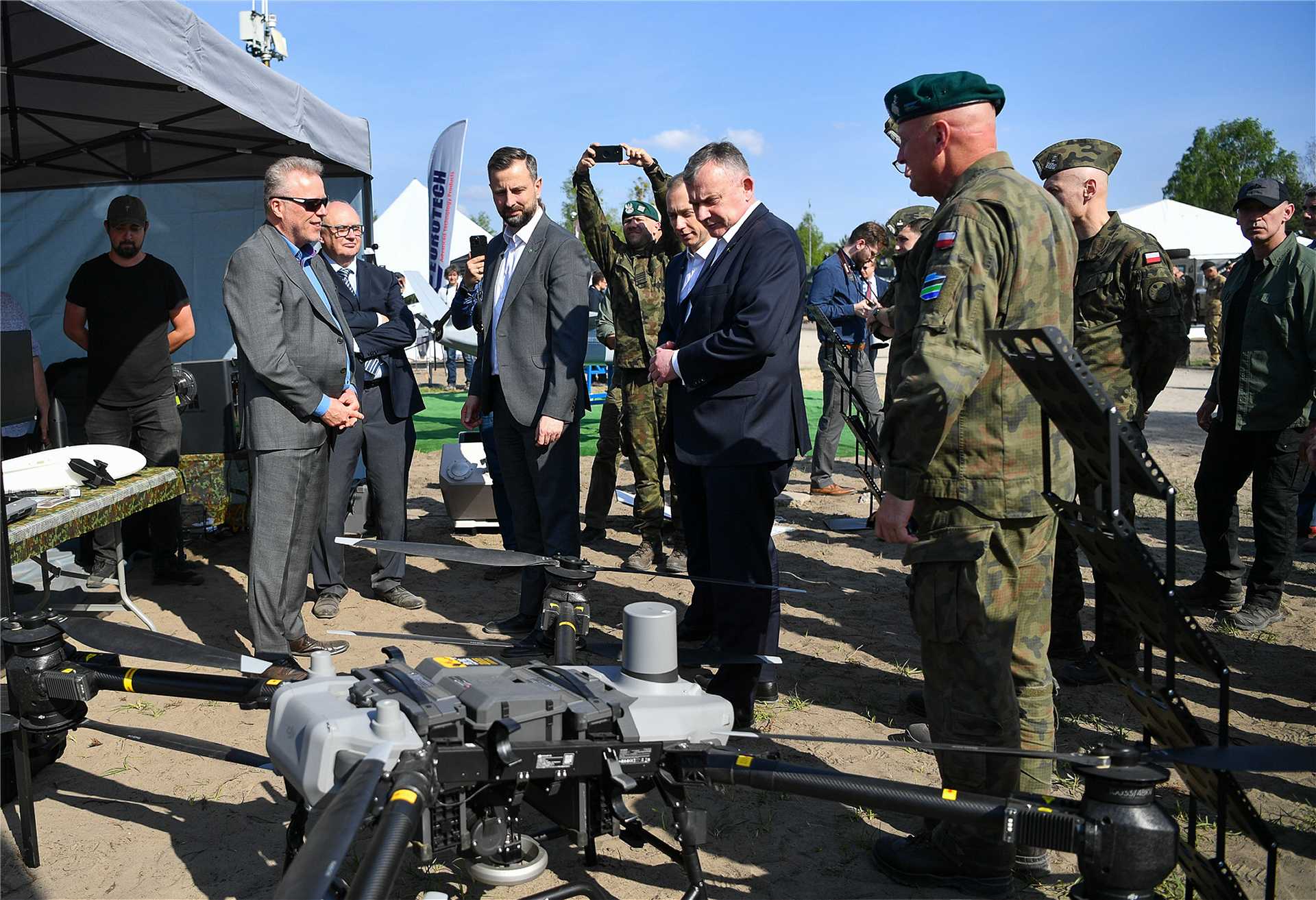
The Polish Ministry of National Defense has taken a historic step in transforming its military capabilities by officially launching the Unmanned Weapons Systems Component (BSU), which began operating on January 1, 2025. This groundbreaking development is the result of extensive planning and preparation that started in early 2024, underscoring the government’s firm commitment to embracing the future of warfare through drone technologies. The creation of this new component within the Polish Armed Forces is not just a structural change—it marks a fundamental shift in how the Polish military plans to defend its territory and contribute to regional stability.
Follow Army Recognition on Google News at this linkPolish Deputy Prime Minister and Minister of National Defense, Władysław Kosiniak-Kamysz, meets with national defense industry leaders on April 24, 2025, to advance Poland’s drone warfare capabilities as part of the newly launched Unmanned Weapons Systems Component. (Picture source: Polish MoD)
Polish Deputy Prime Minister and Minister of National Defense Władysław Kosiniak-Kamysz emphasized the critical role of drones during a recent visit to the 1st Warsaw Armored Brigade. He stressed that the formation of a drone force is among the most important decisions in the recent history of the Polish Army. “There will be no safe Poland without an army of drones—those that fly, those that move on water, under water, and land. In all domains, in all units, every soldier of the Polish Army will have contact with drones. This is our ambition. This is our goal,” he stated, making it clear that drones will become a core element of every operational unit in the Polish military structure.
This strategic vision has been significantly influenced by the ongoing war in Ukraine, which has provided a stark lesson in the changing nature of modern warfare. The Russian-Ukrainian conflict has demonstrated how the widespread use of unmanned aerial vehicles (UAVs) and counter-drone systems has transformed the battlefield. From reconnaissance and artillery targeting to precision strikes and electronic warfare, drones have played a decisive role in shaping combat outcomes. Polish Minister Kosiniak-Kamysz acknowledged this evolution, stating, “We see what is happening in Ukraine. We see how Ukraine has absorbed—how one could say, devoured—the topic of arming with drones and anti-drone systems.” These observations have reinforced the urgency for Poland to invest heavily in unmanned systems to ensure technological parity and operational readiness.
Poland’s move to institutionalize drone forces is also a strategic response to the broader trends in military innovation among NATO allies and adversaries alike. By establishing the BSU, Poland positions itself as a leader in integrating unmanned systems across all branches of the armed forces. This includes aerial drones for surveillance and strike missions, ground robots for reconnaissance and logistics, unmanned surface vessels for naval operations, and underwater drones for mine countermeasures and maritime patrols. The overarching goal is to create a military environment where the use of drones becomes second nature to all soldiers, thereby increasing the effectiveness, survivability, and versatility of Polish forces.
An equally critical dimension of this transformation is the role of the Polish defense industry in supporting the development and deployment of these advanced systems. Poland has been steadily building its domestic capabilities in unmanned technologies, driven by both strategic necessity and industrial ambition. Several Polish defense companies, including WB Electronics, PIT-RADWAR, and Mesko, are already producing a range of drone platforms and related systems. For instance, the FlyEye tactical reconnaissance drone, developed by WB Group, has seen successful deployment in Ukraine, providing real-time battlefield intelligence. Additionally, ongoing investments in research and development are enabling Polish manufacturers to innovate across domains, including the creation of loitering munitions, autonomous ground vehicles, and anti-drone technologies.
This industrial momentum strengthens national defense and boosts Poland’s position as a potential exporter of drone technologies within the NATO ecosystem and to allied nations worldwide. Poland aims to cultivate a self-reliant and technologically advanced defense posture by fostering synergies between the military and the defense industry.
The establishment of the Unmanned Weapons Systems Component signifies a new era for the Polish Armed Forces. It reflects a deep understanding of contemporary warfare, the importance of technological adaptation, and the critical lessons learned from neighboring conflict zones. Through this initiative, Poland is modernizing its military and reinforcing its strategic autonomy and national security in an increasingly volatile geopolitical landscape.
-
British Armed Forces Integrate Drones into Modern Tactics Amid Lessons from Ukraine
 {loadposition bannertop}{loadposition sidebarpub}
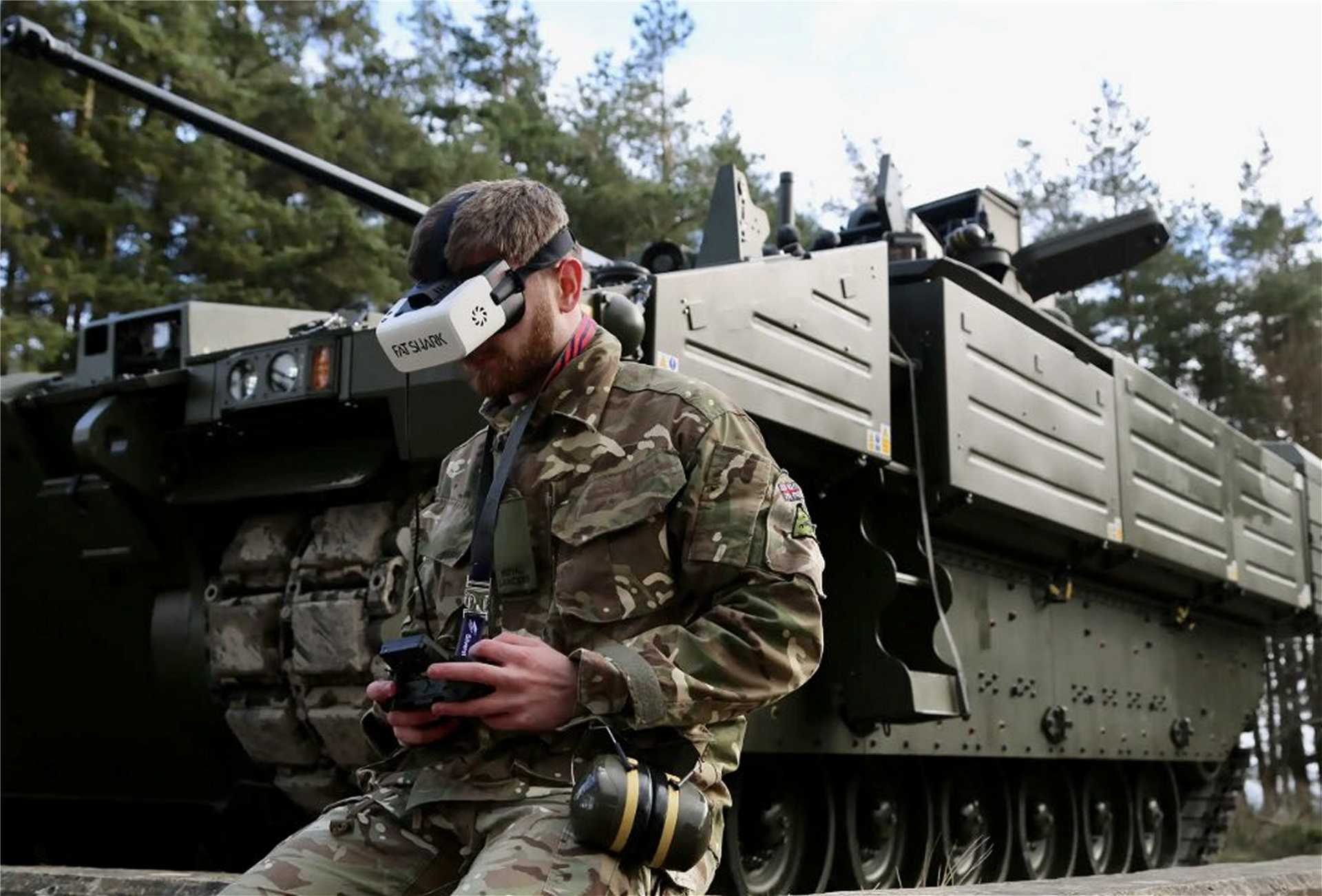
On April 18, 2025, the Royal Armoured Corps released a compelling image on its official X account depicting a British soldier from The Royal Lancers operating a Small Uncrewed Aerial System (sUAS) alongside an Ajax armored reconnaissance vehicle. More than just a training snapshot, the image captures a clear direction in British military strategy—embracing uncrewed aerial systems as a central component of modern land warfare. As conflicts like the war in Ukraine have demonstrated, the battlefield of the 21st century is increasingly shaped not just by firepower and maneuver, but by information dominance and drone-enabled precision.
Follow Army Recognition on Google News at this linkA British soldier from The Royal Lancers armored cavalry regiment operates a small uncrewed aerial system (sUAS) alongside an Ajax reconnaissance vehicle, highlighting the integration of drone technology into frontline operations. (Picture source: British army Royal armoured Corps X account )
The Royal Lancers, part of the 1st Deep Reconnaissance Strike Brigade Combat Team of the British army, exemplify the evolution of cavalry roles in the digital age. Traditionally tasked with probing enemy lines and gathering intelligence ahead of main forces, the Lancers now extend their vision and reach with an array of drones. These range from pocket-sized FPV (First Person View) drones used for close-range building reconnaissance in urban environments, to more robust fixed-wing systems capable of persistent surveillance over several kilometers. This multiscale UAV capability provides layered intelligence, allowing commanders to make decisions faster, with greater accuracy, and with fewer risks to personnel.
For those unfamiliar with the term, FPV—First Person View—refers to a drone that is piloted using a live video feed transmitted from the drone’s onboard camera. The operator wears a headset or uses a screen to see exactly what the drone sees in real time, as though they are "inside" the aircraft. This immersive control allows for precise maneuvering in complex environments such as urban streets, forested areas, or even inside buildings. In military applications, FPV drones are not only used for surveillance but are increasingly being employed as loitering munitions or “kamikaze” drones, carrying small explosive charges to strike targets with high accuracy.
The war experience in Ukraine has profoundly influenced the British Army’s approach. That conflict revealed how FPV drones, once the domain of hobbyists, have been repurposed with devastating effect. Small, fast, and difficult to detect, FPV drones have become the “poor man’s precision strike” system, capable of neutralizing high-value targets such as tanks, artillery positions, and command posts. Their low cost and widespread availability make them a potent asymmetric threat, and their psychological impact on troops—who may be watched or attacked at any moment—is not to be underestimated.
Recognizing this, the British Army has moved swiftly to not only defend against hostile drones, but to integrate similar tactics within its own doctrine. Units like The Royal Lancers are now training not just to use UAVs for surveillance, but also to conduct precision strikes with FPV drones against soft targets, static positions, and enemy drone teams. These platforms are particularly effective in reconnaissance-strike complexes, where drones identify targets and cue precision fires from artillery or guided munitions, creating a seamless sensor-to-shooter chain.
The Ajax reconnaissance vehicle, operating in tandem with UAVs, becomes a mobile intelligence hub. Equipped with advanced electro-optical systems and secure communications, Ajax can collect, process, and distribute data gathered by sUAS in real time. This allows reconnaissance elements to observe, engage, or bypass enemy forces without direct contact, reshaping how forward elements operate in contested environments. Drones essentially act as forward extensions of the vehicle’s sensor suite, penetrating deeper into enemy territory without exposing soldiers to danger.
Importantly, the use of drones and FPVs is also redefining battlefield tempo. Information that once took minutes or hours to collect through patrols or static surveillance now arrives in seconds via a live drone feed. This accelerates the observe–orient–decide–act (OODA) loop, a foundational military concept for decision-making in combat. In modern warfare, whoever completes the OODA loop faster gains a decisive edge—and drone-enabled reconnaissance is proving to be a key enabler in this regard.
As the British Army continues to invest in unmanned technologies, including anti-drone electronic warfare capabilities, autonomous navigation, and swarming tactics, it is positioning itself to confront both peer and hybrid threats. The role of regiments like The Royal Lancers, operating alongside Ajax vehicles and equipped with a family of UAVs, is pivotal in this transformation. The image shared on April 18 is not just a visual update; it represents a doctrinal shift—where drones are no longer just tools of support, but essential elements of the British Army’s maneuver and strike capabilities.
In this new era of warfare, drones offer more than reconnaissance—they offer survivability, lethality, and control of the battlespace. With flexible deployment, low cost, and strategic impact, FPV and sUAS platforms are transforming how armed forces fight and win in the digital battlespace.
-
Poland Begins Live Fire with U.S. M1A2 SEPv3 Abrams Tanks Strengthening European Tank Dominance
 {loadposition bannertop}{loadposition sidebarpub}
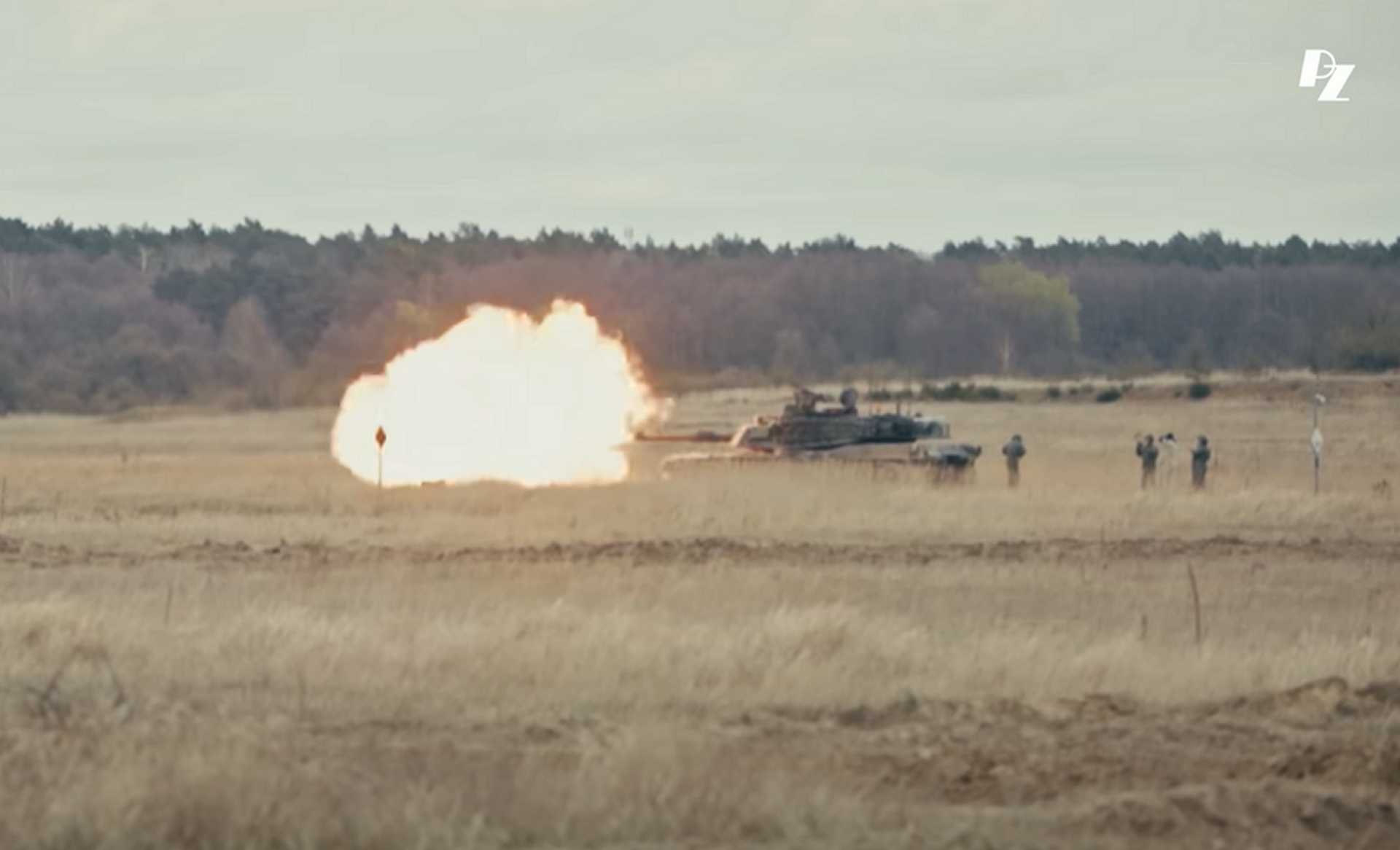
According to recent information published by Polska Zbrojna, a Polish monthly magazine from the Polish Military Publishing Institute, the Polish Army has conducted its first live-fire exercises with the American-made M1A2 SEPv3 Abrams Main Battle Tanks (MBTs). This milestone marks a significant step in Poland’s broader military modernization strategy and its commitment to fielding a modern and capable armored force.
Follow Army Recognition on Google News at this linkPolish Army conducts live firing with U.S. M1A2 SEPv3 Abrams tanks for the first time. (Picture source: Polska Zbrojna)
Poland signed a $4.75 billion contract with the United States on April 5, 2022, to acquire 250 M1A2 SEPv3 Abrams tanks. This agreement is one of the largest defense procurement programs in Polish history and includes a comprehensive package featuring 26 M88A2 Hercules armored recovery vehicles, 17 M1110 Joint Assault Bridges, a significant quantity of ammunition, logistics support, and a full training program for Polish crews and technicians. The first delivery took place on January 17, 2025, when a batch of 28 tanks arrived at the port of Gdynia. These vehicles were subsequently transferred to the Military Automotive Works in Poznań for deprocessing and final technical inspections before entering operational service.
The M1A2 SEPv3 tanks are being deployed with the Polish Land Forces, specifically within the 1st Tank Battalion of the 1st Warsaw Armored Brigade stationed in Wesoła. These new tanks are replacing aging Soviet-designed T-72 and PT-91 tanks, which have long been considered obsolete in modern battlefield conditions. The arrival of the Abrams marks a transformative phase for Poland’s armored forces, reinforcing their capabilities with one of the most advanced tank platforms currently in service globally.
The M1A2 SEPv3, also designated as the M1A2C, is the latest and most advanced configuration of the renowned Abrams tank. It features a suite of improvements over previous models, including enhanced survivability through the Next Generation Armor Package and the integration capacity for the Trophy Active Protection System. Although Poland has not yet procured the Trophy system, the tanks are configured to accept this upgrade if needed. Firepower enhancements include the 120mm M256 smoothbore gun capable of firing cutting-edge munitions such as the M829A4 armor-piercing round and the multi-role M1147 Advanced Multi-Purpose (AMP) round. Additional upgrades include a modernized fire control system, high-resolution Forward-Looking Infrared (FLIR) sensors, improved battlefield networking, and an Auxiliary Power Unit (APU) to reduce fuel usage during stationary operations.
Poland's investment in the M1A2 SEPv3 Abrams is part of a broader strategy to replace its fleet of legacy Soviet-era tanks with a multi-platform, high-performance armored force. In addition to the Abrams, Poland has already fielded German-made Leopard 2A5 and Leopard 2PL tanks from Germany and is actively deploying South Korean-made K2 Black Panther tanks, both in their standard configuration and an upcoming Polish-Korean hybrid variant, the K2PL. This layered approach aims to make the Polish Armed Forces the strongest and most modern tank force in Europe, strategically positioned on NATO’s eastern flank.
With the combined operational power of German, Korean, and American-made tanks, Poland is rapidly emerging as a leader in European armored warfare capability. This modernization not only strengthens Poland’s national defense but also enhances NATO’s collective deterrence posture amid rising tensions in Eastern Europe.
-
Drones Take Center Stage in NATO Training Amid Lessons from Ukraine Conflict
{loadposition bannertop}{loadposition sidebarpub}
In a clear reflection of evolving battlefield dynamics, U.S. and German forces have intensified their focus on drone warfare during recent training exercises at the Grafenwoehr Training Area in Bavaria. The exercises, conducted on April 12, 2025, saw soldiers from the U.S. Army's 173rd Airborne Brigade and the German Armed Forces collaborate on operating short and medium-range reconnaissance drones, enhancing their readiness against near-peer adversaries.
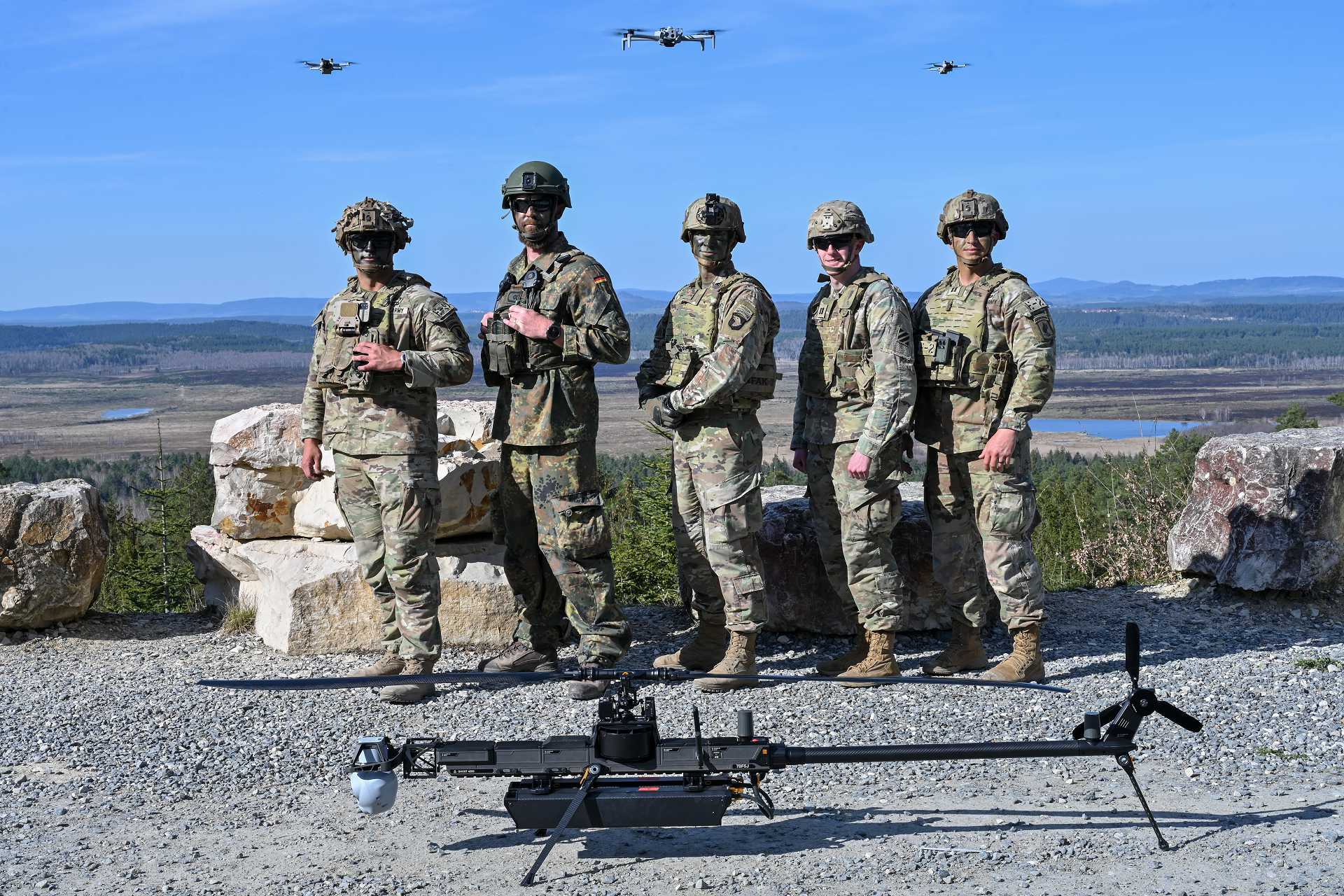
Follow Army Recognition on Google News at this linkU.S. Soldiers from multiple brigades, alongside a German Armed Forces service member, pose for a group photo following joint training with short and medium-range reconnaissance drones at the Grafenwoehr Training Area, Germany, on April 12, 2025. (Picture source: U.S. DoD)
The 173rd Airborne Brigade, recognized as the U.S. Army's Contingency Response Force in Europe, showcased its capability to deploy rapidly across various theaters, including Europe, Africa, and Central Command areas. The joint training emphasized the strategic integration of unmanned aerial systems (UAS) into modern combat scenarios, a necessity underscored by recent global conflicts.
This initiative aligns with broader U.S. military efforts to modernize and adapt to contemporary warfare challenges. Notably, in February 2025, the U.S. Army conducted "Project Shiv," its first live-fire exercise using first-person view (FPV) drones equipped with munitions at the same training facility. This project involved assembling drones at Balli Airfield and integrating them with developmental munitions, marking a significant advancement in drone warfare capabilities .
The emphasis on drone technology in training exercises reflects lessons learned from the ongoing Russia-Ukraine conflict, where innovative drone usage has significantly influenced combat strategies. The U.S. military's commitment to incorporating such technologies aims to ensure preparedness and superiority in future engagements .
As NATO allies continue to adapt to the changing nature of warfare, the integration of advanced drone systems into training regimens signifies a pivotal shift towards embracing technological advancements to maintain a strategic edge on the battlefield.
The U.S. Army is actively expanding its drone capabilities across various units, incorporating uncrewed systems into reconnaissance, targeting, and strike missions. At the U.S. Army Special Operations Command’s Capabilities Exercise (CAPEX) at Fort Bragg, a wide range of uncrewed systems—such as quadcopters, ground vehicles, loitering munitions, and robot dogs—were showcased. These technologies are deployed for reconnaissance, intelligence gathering, and tactical strikes, especially in urban and subterranean environments. Special operators are actively training to master these systems, many of which are adaptable, scalable, and capable of integrating with other technologies .
NATO countries are also rapidly integrating drones into their military operations. For instance, Ukraine has pioneered the use of both military and commercial off-the-shelf UAS to perform tactical reconnaissance and surveillance, collect real-time intelligence, adjust artillery fire, provide communication relay, conduct short to long range strike and battle damage assessment (BDA), and drop repurposed munitions against enemy equipment and personnel.
Drones are increasingly utilized at the tactical level for various combat capabilities. They are employed to locate targets for artillery fire and to observe the fall of those rounds, make the required adjustments, and to conduct battle damage assessments . Surveillance drones relay live footage, allowing artillery units to refine targeting and minimize wasted ammunition. UAVs lock onto enemy convoys, ensuring that artillery strikes land with greater precision. Drones identify bunkers, defensive emplacements, and concealed outposts, guiding artillery to maximize damage.
The integration of drones into combat units enhances their reconnaissance capabilities, allowing for real-time intelligence gathering and improved situational awareness. This technological advancement ensures that units can engage effectively, adapt swiftly to changing battlefield conditions, and maintain a strategic advantage over adversaries.
-
US EOD Technicians Prepare for Next Gen Warfare Neutralizing Explosives Delivered by Drones
 {loadposition bannertop}{loadposition sidebarpub}
U.S. Army and U.S. Air Force Explosive Ordnance Disposal (EOD) technicians recently completed a joint training exercise at Fort Johnson, Louisiana, aimed at countering the growing threat of explosive drones. Army EOD technicians carried out the training from the 705th Ordnance Company (EOD) based at Fort Johnson, and EOD Airmen from the 2nd Civil Engineering Squadron, EOD Flight, stationed at Barksdale Air Force Base. The primary objective of the exercise was to equip these experts with the necessary skills to detect, disarm, and neutralize explosive drones, which have become an increasingly lethal tool in modern warfare.
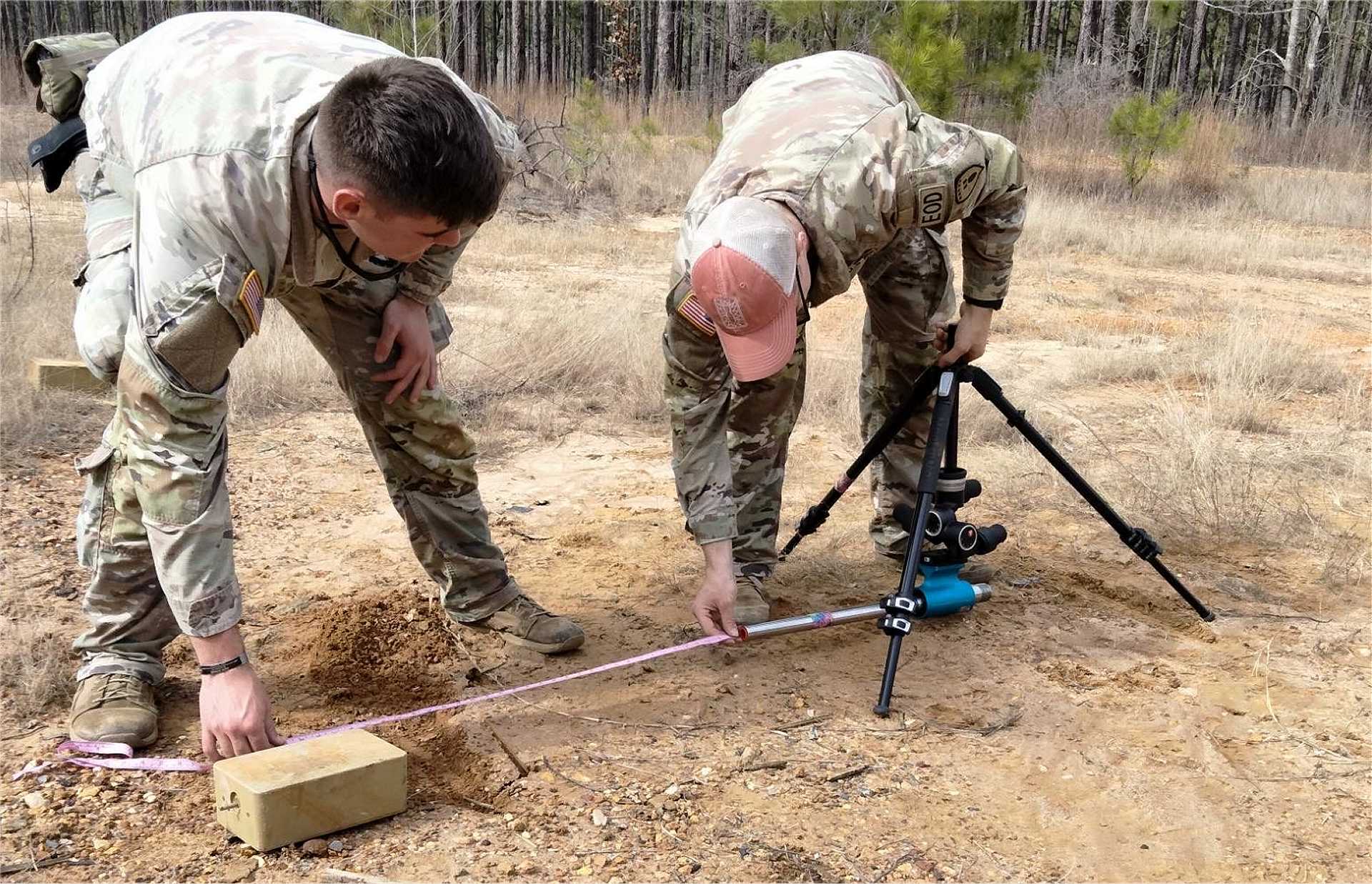
Follow Army Recognition on Google News at this linkU.S. Army and Air Force Explosive Ordnance Disposal technicians recently conducted joint training to counter and neutralize explosive drones. (Picture source: U.S. DoD)
The use of drones in military operations has grown exponentially in recent years. Initially used for reconnaissance and surveillance, unmanned aerial systems (UAS) are now frequently employed to carry explosive payloads, ranging from grenades to mortar rounds and improvised explosive devices (IEDs). These drones, due to their small size, speed, and ability to fly under radar detection, present unique challenges to traditional defense systems. Armed drones have become a formidable weapon for both state and non-state actors, capable of targeting military personnel, civilian infrastructure, and critical assets.
Recent conflicts, particularly in Ukraine and Israel, have highlighted the escalating threat posed by armed drones. In Ukraine, both Russian and Ukrainian forces have utilized drones equipped with explosives to conduct targeted strikes, further complicating the battlefield and increasing the risks to both soldiers and civilians. These devices have been used to attack a wide range of targets, from military installations to supply lines and infrastructure. The frequency and success of these attacks have raised alarms about the potential for drones to dominate future conflicts, especially in urban and asymmetric warfare scenarios.
Similarly, Israel has faced a growing threat from armed drones, particularly in the context of ongoing regional tensions. The Israeli Defense Forces (IDF) have had to develop advanced countermeasures to detect and neutralize drones, yet the continued use of drones as a weapon demonstrates the need for ground-based experts capable of handling these devices once they are deployed. The experience of both Ukraine and Israel underscores the need for specialized personnel trained to deal with explosive drones in a rapidly evolving tactical environment.
This is where Explosive Ordnance Disposal (EOD) teams come into play. EOD technicians are highly trained specialists responsible for identifying, disarming, and safely disposing of explosive ordnance, including those delivered via drones. These experts are well-versed in the nuances of handling various types of explosives, from conventional bombs to complex IEDs, and their expertise is now crucial for neutralizing drone-based threats. The training conducted at Fort Johnson was designed to refine their skills in this specific area, ensuring that EOD teams are prepared to deal with the unique characteristics of drone-mounted explosives.
The task of neutralizing explosive drones is not without its challenges. These drones can carry a wide range of explosive payloads, each with its own set of risks. The devices may be equipped with sophisticated triggering mechanisms, such as remote detonators or sensors, making them even more difficult to disarm. As drone technology advances, so too must the techniques used to counteract them. The joint training at Fort Johnson provided EOD technicians with the opportunity to practice locating and neutralizing a variety of explosive devices, including drones carrying grenades, mortar ammunition, and land mines. Using specialized equipment such as robotic systems, sensors, and manual disarming techniques, EOD teams worked to develop effective strategies for safely handling these devices.
The importance of EOD teams in the modern battlefield cannot be overstated. Their role extends beyond simply disarming explosive devices; they are integral to ensuring the safety of military personnel and civilians alike. In the case of drones, the EOD's responsibilities include not only identifying and disarming explosive devices but also ensuring the safety of the surrounding area, minimizing further risks, and providing critical intelligence for counter-drone operations. As drone attacks become more sophisticated, the skills of EOD teams must evolve accordingly to keep pace with the growing threat.
The experiences of Ukraine and Israel have been instrumental in shaping the strategies of modern EOD teams. In Ukraine, both sides have relied heavily on drone technology, with drones increasingly being used as a delivery mechanism for explosive devices. The conflict has shown how drones can bypass traditional defenses, such as ground-based anti-aircraft systems, and deliver explosives with precision and ease. Similarly, Israel's response to drone threats has involved a combination of high-tech detection systems and ground-based disarmament teams. These lessons have been crucial in shaping U.S. military strategies, emphasizing the need for integrated, cross-service cooperation and advanced training techniques for countering explosive drones.
The training at Fort Johnson was a direct response to these evolving challenges. It provided an opportunity for Army and Air Force EOD technicians to collaborate and refine their ability to counter drone-based explosive threats. Joint training exercises like these ensure that EOD teams from different military branches are able to operate cohesively and effectively when confronted with these modern threats. Given the increasing reliance on drones in both conventional and asymmetric warfare, this type of training is becoming indispensable for maintaining operational readiness.
Looking ahead, the role of EOD teams in countering explosive drones will continue to grow in importance. As drone technology evolves, so too will the tactics and tools required to neutralize them. The U.S. military, through exercises such as the one conducted at Fort Johnson, is ensuring that its EOD teams remain at the forefront of this crucial aspect of battlefield safety. Their ability to adapt to new threats and effectively counteract the dangers posed by explosive drones is essential for maintaining the security of military operations and protecting civilians in increasingly complex conflict environments. With drones becoming an increasingly dominant weapon, the importance of EOD teams cannot be underestimated in ensuring the future safety and success of military operations across the globe.
-
Report: US Special Operations Forces leading the charge against China and Russia in global power competition
 {loadposition bannertop}{loadposition sidebarpub}
U.S. Special Operations Forces (SOFs) have long been recognized for their vital role in counterterrorism operations, but their evolving significance in addressing challenges posed by great power competition with China and Russia is increasingly evident. According to a report by the U.S. Department of Defense on December 19, 2024, Chris Maier, the Assistant Secretary of Defense for Special Operations and Low-Intensity Conflict, emphasized this expanded role during a recent event at the Center for a New American Security, highlighting the critical contributions of SOFs in this broader strategic context.
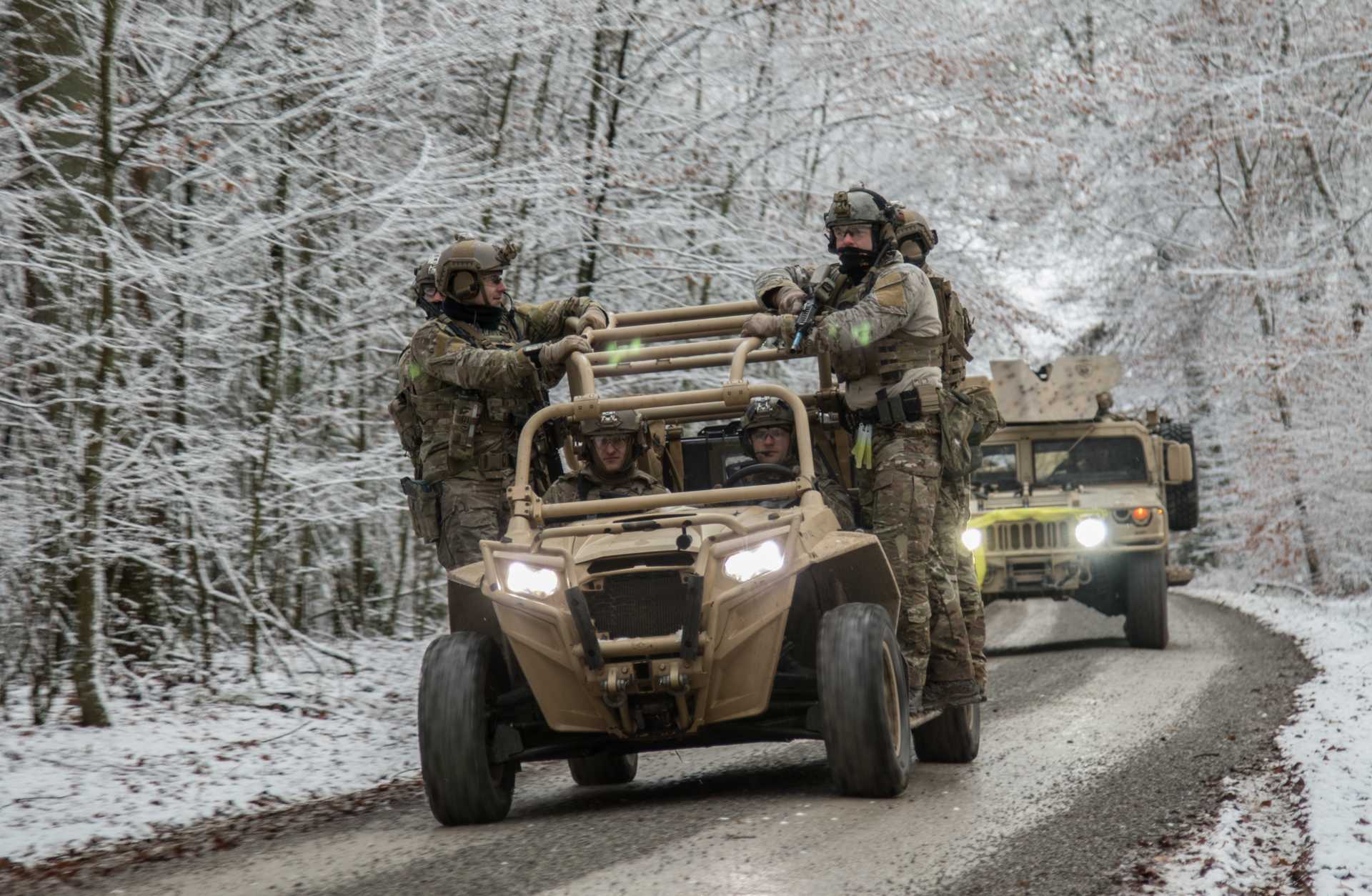
Follow Army Recognition on Google News at this linkU.S. Special Forces Soldiers conduct vehicle movement during a Panzer Kaserne, Germany training event. (Picture source: U.S. DoD)
Maier underscored how U.S. SOFs (Special Operations Forces) operate within a whole-of-government framework, enabling them to play a pivotal role in fostering alliances, strengthening partnerships, and providing early warnings of emerging threats. He noted the global reach of special operations, saying, “Our special operations enterprise is in many different places. This gives special operators a chance to reassure allies and partners and also a chance to give a heads-up when they see things going amiss.” The agility and innovative culture of SOFs make them uniquely suited for the complex dynamics of great power competition, where nonconventional and hybrid threats abound.
The evolution of SOFs' mission reflects broader changes in U.S. defense strategy. While they were once predominantly focused on counterterrorism, their role in irregular warfare has gained prominence. Maier noted that in the 2018 National Defense Strategy, irregular warfare was relegated to an annex, but the 2022 iteration fully integrated it into the core strategy. This change highlights the recognition of asymmetric operations as a key component of modern defense. "Asymmetric and nonconventional operations are now side by side with conventional aspects of the strategy," Maier said, pointing to the growing alignment between SOF capabilities and broader military objectives. He acknowledged the complex terminology used to describe unconventional warfare—terms such as irregular, hybrid, gray zone, and asymmetric—all of which signify the nuanced challenges of differentiating these operations from traditional warfare.
A significant aspect of U.S. SOF operations in the current era is their role in countering China's multifaceted strategies. Maier identified China as the primary pacing challenge, citing its use of both conventional and unconventional tools. The Belt and Road Initiative, a cornerstone of China’s diplomatic and security strategy, exemplifies its hybrid approach. Similarly, China's actions in the South and West China Seas, including the deployment of maritime militias, are indicative of its irregular warfare tactics. These militias, though not conventional military forces, exert significant coercive influence. Maier emphasized the importance of partnerships with regional allies, particularly the Philippines, in countering these tactics. "At the end of the day, a lot of this type of activity is dissuaded with the ability to put it in the open," he said, underscoring the importance of transparency and exposure in disrupting coercive operations.
Taiwan remains a critical flashpoint in U.S.-China relations, and Maier stressed the importance of deterrence in maintaining stability in the region. The U.S. commitment to the Taiwan Relations Act and other agreements aims to prevent any unilateral changes to the status quo through force. “We’re carefully calibrating what we’re doing to establish deterrence and dissuade a military operation into Taiwan,” Maier said. The South China Sea is another area of tension, with China's excessive territorial claims and assertive actions posing challenges to regional stability.
While China dominates much of the strategic discourse, Russia's activities also remain a significant concern. U.S. SOFs contribute to NATO's resilience efforts in Europe, countering Russian hybrid tactics, disinformation campaigns, and proxy operations. These efforts are integral to bolstering allied defenses and maintaining stability in Eastern Europe.
Special operations forces within the United States military are organized across several branches, each with distinct missions and capabilities. The U.S. Army Special Forces, commonly known as the Green Berets, specialize in unconventional warfare, foreign internal defense, and counterinsurgency. They are highly skilled in working with partner forces to build capacity and conduct operations in contested environments. The Navy SEALs, part of the Naval Special Warfare Command, are experts in maritime operations, counterterrorism, and direct action missions, often operating in hostile and politically sensitive regions. The Air Force’s Special Tactics units provide critical support in combat search and rescue, precision airstrikes, and battlefield control. The Marine Corps Forces Special Operations Command (MARSOC), also known as Raiders, focuses on direct action, special reconnaissance, and building relationships with foreign militaries. The U.S. Army’s 75th Ranger Regiment is a highly trained light infantry unit specializing in direct action and airfield seizure, while the Delta Force and SEAL Team Six, both Tier 1 units, conduct high-risk counterterrorism and hostage rescue missions.
The adaptability of these forces ensures they remain at the forefront of addressing emerging threats, including those posed by great power competitors. Maier noted the ongoing evolution of the U.S. defense strategy, with integrated deterrence as its cornerstone. This approach spans all domains—land, sea, air, space, and cyberspace—and leverages both conventional and unconventional capabilities to address the full spectrum of challenges. "This is about deterrence,” Maier said, adding that the strategy increasingly emphasizes competition and crisis management as integral to warfighting.
With their unique blend of agility, innovation, and expertise, U.S. Special operations forces have transitioned from being solely the vanguard of counterterrorism to a central element in the U.S. approach to maintaining global stability and countering aggression from major powers like China and Russia. Their role in modern warfare is indispensable as the global security environment continues to evolve.
-
Focus: US Navy SEALs Unmatched Expertise in Amphibious Operations Setting Standard for Special Forces Worldwide
 {loadposition bannertop}{loadposition sidebarpub}
The United States Navy SEALs (Navy Sea, Air, and Land Teams) are globally recognized for their unparalleled expertise in amphibious operations, a capability that makes them indispensable in modern warfare. Their ability to conduct complex missions across sea, air, and land ensures their role as a versatile and highly effective force. Amphibious warfare remains one of their most defining proficiencies, enabling them to execute covert, high-stakes missions where water and land converge. Their unmatched skills in this domain set a global standard, inspiring the evolution of special operations forces in other nations.
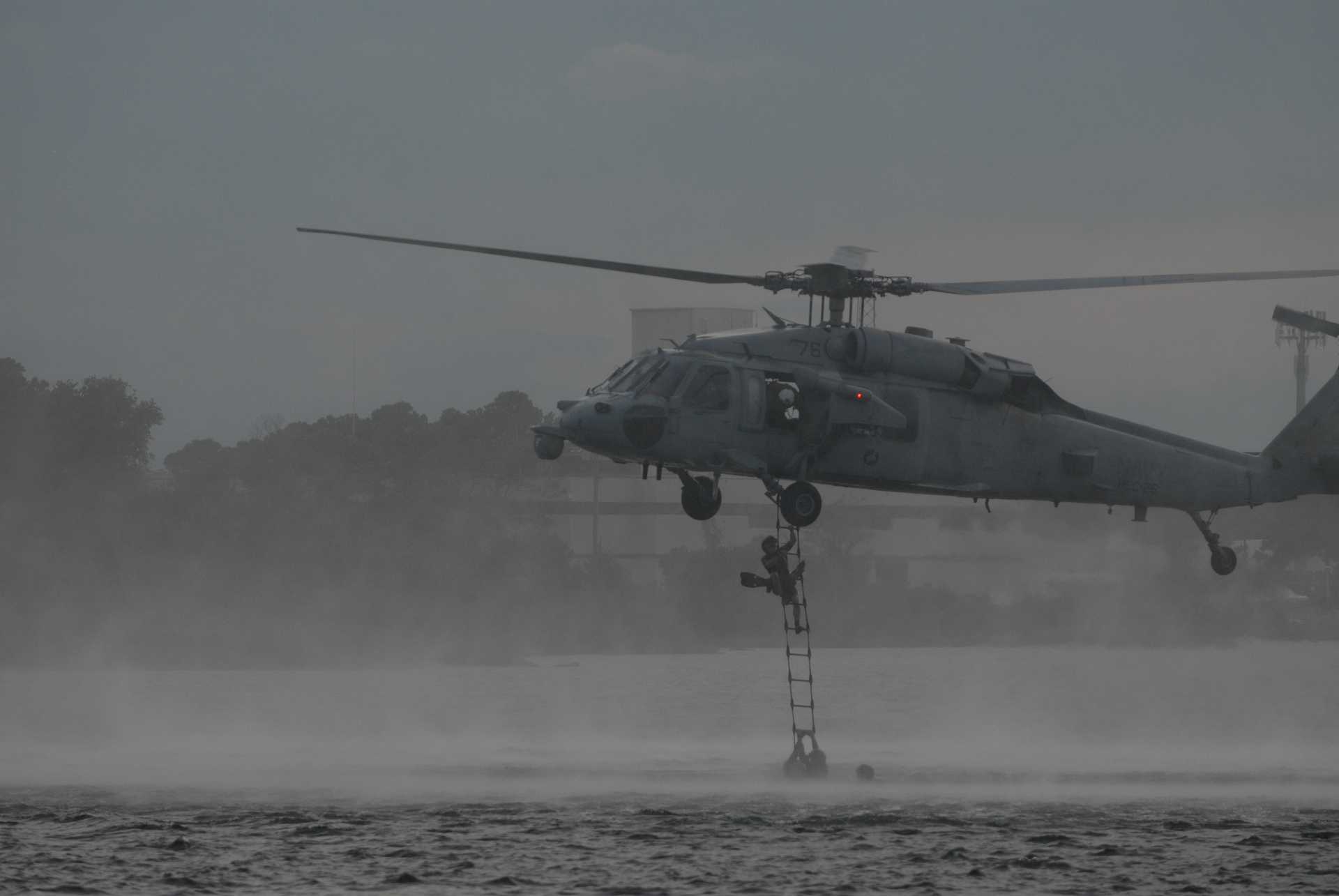
Follow Army Recognition on Google News at this linkEast Coast-based U.S. Navy SEALs ascend a Jacob’s Ladder during "Helocast and Recovery" training at Joint Expeditionary Base Little Creek-Fort Story, Virginia. (Picture source: U.S. DoD)
Historically, the SEALs’ (Navy Sea, Air, and Land Teams) amphibious expertise stems from their World War II predecessors, the Underwater Demolition Teams (UDTs), whose members specialized in clearing obstacles and conducting reconnaissance during pivotal amphibious assaults. The SEALs inherited and expanded upon these capabilities, transforming into a modern force capable of carrying out direct action, counter-terrorism, and unconventional warfare missions in maritime and coastal environments.
One of the Navy SEALs' most notable strengths lies in their ability to infiltrate and exfiltrate hostile areas through maritime environments. Combat swimmer operations are a hallmark of their amphibious capability, allowing SEALs to navigate underwater using advanced closed-circuit rebreathers, which prevent the release of tell-tale surface bubbles. This stealth technique enables SEALs to approach enemy coastlines undetected, often under the cover of darkness. Submarine deployment is another significant advantage; SEALs use Dry Deck Shelters (DDS) attached to submarines, enabling them to launch and recover covertly in deep waters far from enemy detection. This capability has become increasingly vital in operations that require the element of surprise.
In addition to underwater operations, the SEALs utilize Combat Rubber Raiding Craft (CRRC)—small, low-profile inflatable boats that allow rapid insertion and extraction during coastal missions. These crafts are indispensable for missions requiring mobility, speed, and stealth in littoral zones, where traditional naval vessels may struggle to navigate. The SEALs' expertise extends beyond infiltration; they are also skilled in littoral reconnaissance, using advanced hydrographic survey equipment to map underwater terrain and assess beach conditions, a critical task for ensuring the success of larger-scale amphibious landings.
Demolition and sabotage in maritime environments further highlight their amphibious capabilities. Drawing from their UDT lineage, SEALs are adept at using underwater demolitions to clear mines, destroy enemy vessels, or disable critical coastal infrastructure. These operations not only disrupt enemy supply lines but also create openings for broader military actions.

U.S. Navy SEALs demonstrate their amphibious capabilities by executing a ship control operation during a training exercise, showcasing their expertise in maritime infiltration, vessel boarding, and operational dominance in coastal and open-water environments. (Picture source U.S. DoD)
Hostage rescue and counter-terrorism operations in maritime settings are another area where the SEALs excel. For example, their 2009 rescue of Captain Richard Phillips during the Maersk Alabama hijacking demonstrated their precision and adaptability in a maritime hostage situation. This operation, conducted from a Navy destroyer in open water, highlighted their ability to integrate amphibious expertise with counter-terrorism strategies.
The SEALs’ training ensures they remain prepared for operations in diverse and extreme conditions. Cold-weather amphibious training prepares them for Arctic missions, while jungle and coastal survival exercises equip them for operations in tropical and swampy environments. This rigorous training ensures that SEALs are capable of executing missions in any maritime or coastal setting, from icy waters to dense mangroves.
The SEALs' unique skills have been showcased in several high-profile missions in recent years. During the 2020 hostage rescue in Nigeria, SEAL Team Six executed a flawless nighttime assault to free an American citizen held by militants. This operation involved a strategic insertion and rapid withdrawal, demonstrating the SEALs’ capacity to apply their amphibious skills even in inland operations.
Their Arctic training missions, such as the “Polar Dagger” exercises, exemplify the SEALs’ ability to adapt to new challenges posed by geopolitical shifts and climate change. With the Arctic emerging as a strategic hotspot due to receding ice and increasing resource competition, the SEALs' readiness for extreme cold-weather operations ensures the United States maintains a tactical advantage in this vital region.
The Navy SEALs’ proficiency in amphibious warfare remains unmatched, cementing their reputation as one of the world’s premier special operations forces. Their ability to seamlessly integrate advanced technology, rigorous training, and operational versatility enables them to execute missions with precision and effectiveness in maritime and coastal environments. By mastering the art of amphibious operations, the SEALs not only protect U.S. interests but also set a global standard for excellence that continues to inspire special forces worldwide.
-
Focus: Why the US Green Berets are the World’s Most Unique Special Forces Unit
{loadposition bannertop}{loadposition sidebarpub}
The United States Army Special Forces, better known as the Green Berets, are one of the world's most formidable and distinctive special operations forces. While they share elite training and combat skills with their international counterparts, such as the British SAS, Russian Spetsnaz, and French Commandos Marine, the Green Berets are set apart by their mastery of unconventional warfare, emphasis on cultural adaptability, and their ability to act as "force multipliers." These qualities make them a crucial tool in modern conflict where direct military engagement is often less effective than strategic influence.
Follow Army Recognition on Google News at this linkU.S. Green Berets from the 5th Special Forces Group secure the area during a training exercise on March 27, 2024, at Fort Campbell, Kentucky. U.S. Special Operations Forces engage in realistic training to sustain readiness for potential real-world missions. (Picture source: U.S. DoD)
From their inception, the Green Berets were envisioned as elite soldiers and operators capable of altering the tide of conflict through non-traditional methods. While many special forces focus heavily on combat operations, the Green Berets prioritize building alliances, training local forces, and executing long-term missions that destabilize adversaries from within. This ability to win wars without fighting large-scale battles makes them unique among special forces.
The missions undertaken by the Green Berets reflect their adaptability and wide range of capabilities. Their expertise in unconventional warfare means they often operate behind enemy lines, training and equipping local resistance groups to wage insurgencies against hostile regimes. For example, during the Vietnam War, Green Berets worked extensively with the Montagnards, a minority group in South Vietnam, to resist the Viet Cong. More recently, they trained and led Afghan forces in the fight against the Taliban and assisted Kurdish forces in combating ISIS. This emphasis on training and empowering local allies is unparalleled in the global special forces community.
Another defining feature of the Green Berets is their extensive cultural and linguistic training. Operators are expected to gain fluency in at least one foreign language, an ability that allows them to build trust and operate effectively within local communities. This cultural awareness is not just an asset but often a necessity, as Green Berets must embed themselves in diverse regions—from the jungles of Southeast Asia to the deserts of the Middle East and the highlands of Latin America.
Compared to other elite forces, the Green Berets stand out because of their specialized focus. The British SAS, for example, is renowned for its counterterrorism and direct action operations. While the SAS excels in surgical strikes and hostage rescues, its missions are often shorter-term and less focused on embedding with local populations. The Green Berets, by contrast, engage in long-term operations that build enduring relationships and strengthen allied nations. This distinction reflects the Green Berets’ strategic emphasis on achieving stability and influence through partnership rather than force alone.
Similarly, the French Commandos Marine specializes in maritime operations and direct combat. While they are highly skilled in amphibious warfare, their operational focus is narrower than the Green Berets, who must be equally adept in deserts, jungles, mountains, and urban environments. Their versatility allows them to respond to a wider array of missions, often in regions where traditional military operations are untenable.
Russian Spetsnaz forces represent another contrast. Known for their brutal training and emphasis on high-intensity combat and sabotage, Spetsnaz units are often used for rapid, aggressive operations that achieve immediate tactical goals. However, their approach lacks the Green Berets’ strategic depth. Where the Spetsnaz might eliminate a high-value target, the Green Berets would focus on creating conditions to prevent the target's rise in the first place, often by strengthening local governance and security forces.
U.S. Green Berets assigned to 10th Special Forces Group (Airborne), along with a Swedish special operations forces soldier, use fallen tree trunks to cross a creek during a foot march through dense forest following a military free fall (MFF) jump while participating in a cyber infiltration operation as part of Swift Response 24 near Skillingaryd, Sweden, May 1, 2024. (Picture source: U.S. doD)
Special forces in China, such as the People’s Liberation Army’s Snow Leopard and Falcon units, increasingly focus on counterterrorism and urban warfare as China seeks to expand its global influence. However, their operations are heavily centralized and lack the autonomy afforded to Green Berets. While Chinese units emphasize precision and rapid deployment, they do not operate with the same cultural integration or unconventional warfare expertise that defines the Green Berets.
The Green Berets’ uniqueness also lies in their operational structure. Organized into small teams called Operational Detachment Alphas (ODAs), each consisting of 12 members, the Green Berets can deploy independently and achieve outsized results. Each team member has a specific role, such as weapons expert, medic, or engineer, but all are cross-trained to ensure maximum flexibility. This structure allows ODAs to operate autonomously in austere and politically sensitive environments, making them highly effective even in regions where traditional military forces cannot function.
Over the years, the Green Berets have participated in some of the most significant and challenging missions in modern military history. In Afghanistan, they spearheaded Operation Enduring Freedom, where they worked with the Northern Alliance to overthrow the Taliban within weeks. In Iraq, they played a pivotal role in training and advising local forces to counter insurgencies. In Africa, Green Berets have been quietly involved in combating terrorism, training local troops, and stabilizing fragile governments.
Their ability to blend military expertise with diplomatic finesse is unmatched. This duality makes them indispensable tools in gray-zone conflicts—situations that fall between war and peace, where influence and persuasion are as important as firepower. As the nature of global conflict evolves, with state and non-state actors competing for influence, the Green Berets’ ability to shape environments rather than merely react to them ensures their continued relevance.
In a world where brute force often creates more problems than it solves, the Green Berets’ unique approach to warfare makes them a model for modern conflict resolution. By empowering allies, building trust, and focusing on long-term stability, they accomplish missions that no other special forces unit could achieve. This combination of adaptability, cultural intelligence, and strategic impact cements the Green Berets as one of the world's most unique and effective special forces units.
-
US Army 1st Cavalry Division re-activates Division Cavalry DIV CAV Squadron
The 1-7 CAV was selected to serve as the Division Cavalry Squadron for the division as part of modernizing and reorganizing U.S. Army forces in support of large scale combat operations. 1-7 CAV stands for 1st Battalion, 7th Cavalry Regiment, which is a unit in the United States Army. The unit is currently based at Fort Hood, Texas, and is part of the 1st Armored Brigade Combat Team, 1st Cavalry Division.