RQ-170 Sentinel
| a | ||||||||||||||||||||||
|
RQ-170 Sentinel High-Altitude Long-Endurance HALE Unmanned Aerial System
|
||||||||||||||||||||||
|
|
||||||||||||||||||||||
 |
||||||||||||||||||||||
|
|
||||||||||||||||||||||
|
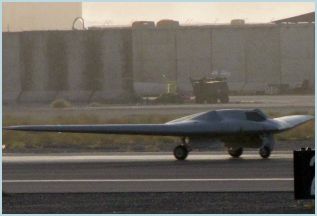
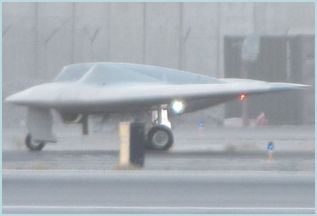
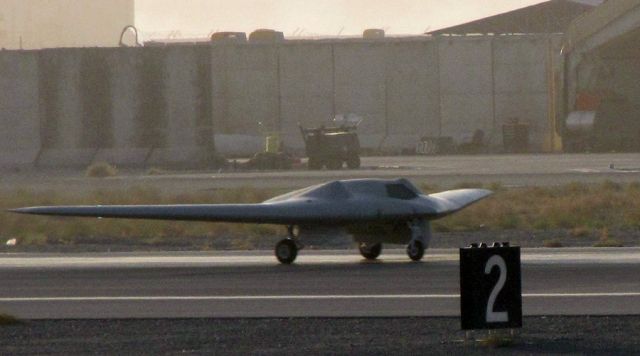
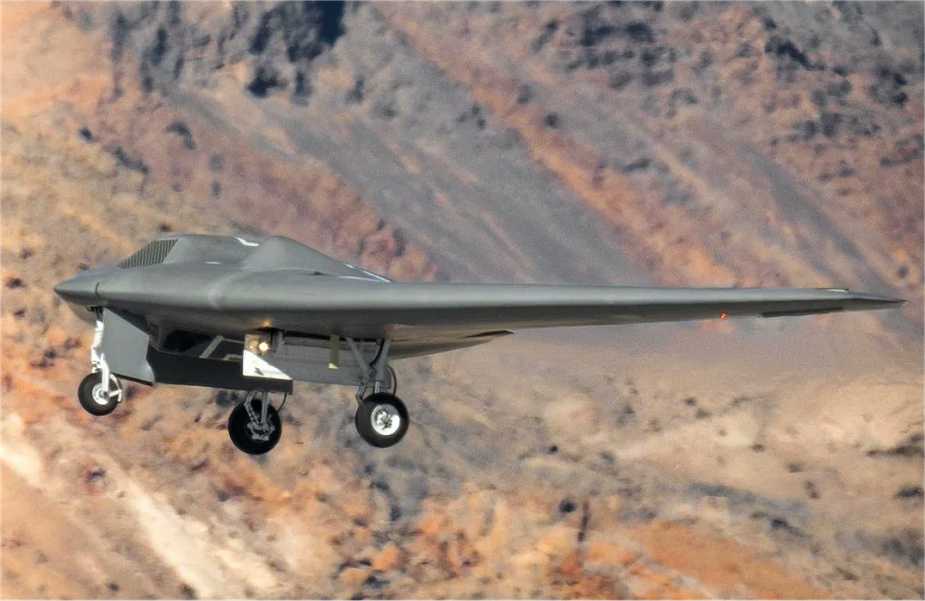
The RQ-170 Sentinel is a highly classified American high-altitude, long-endurance unmanned aerial system (UAS) developed and manufactured by Lockheed Martin’s Skunk Works, the company’s Advanced Development Programs division. Designed as a low-observable intelligence, surveillance, and reconnaissance platform, the RQ-170 was conceived to operate deep inside contested airspace, supporting combatant commanders with strategic ISR capabilities against high-value targets. The program leveraged advanced stealth shaping, composite materials, and reduced infrared and radar signatures to ensure survivability in denied environments. The RQ-170 entered production in 2007 and conducted its first flight that same year from Kandahar Air Force Base in Afghanistan under strict secrecy. The U.S. Air Force officially acknowledged the existence and operational use of the aircraft in December 2009, following the circulation of imagery showing the stealth drone operating over Afghanistan. From the outset, the Sentinel played a critical role in combat operations, providing persistent ISR support to U.S. and coalition forces during counter-terrorism missions. It was notably used in Afghanistan and Pakistan, where it supported intelligence collection for high-value target tracking and strike planning. The platform later gained international attention in 2011 after one air vehicle was lost during a covert mission over Iran, highlighting both its strategic importance and its penetration capability into heavily defended airspace. Operationally, the RQ-170 is flown by units under Air Combat Command, notably the 432nd Wing at Creech Air Force Base, Nevada, with associated elements operating from highly restricted facilities such as the Tonopah Test Range. While the U.S. Air Force has never disclosed precise fleet numbers, open-source assessments estimate that approximately 20 to 30 air vehicles were produced. The Sentinel is believed to be equipped with advanced electro-optical, infrared, and signals intelligence payloads, enabling it to support combat missions ranging from target acquisition to battle damage assessment. In January 2026, open-source reporting indicated that the RQ-170 was employed during a U.S. military operation in Venezuela on 3 January 2026. According to multiple non-official sources, the aircraft was reportedly used to provide strategic ISR support during the operation, which involved air and special operations components. Imagery and tracking data circulating in open-source intelligence communities suggested that an RQ-170 operated from U.S. territory in the Caribbean region, likely supporting mission planning, target confirmation, and situational awareness. While the U.S. Department of Defense has not officially confirmed the deployment, the reported use of the Sentinel aligns with its established role in politically sensitive, high-risk missions that require discretion, persistence, and stealth. Despite its continued operational relevance, the RQ-170 Sentinel remains one of the least publicly documented unmanned systems in U.S. service, reflecting its ongoing role in strategic reconnaissance and covert combat support missions worldwide. |
||||||||||||||||||||||
| Variants | ||||||||||||||||||||||
|
-
|
||||||||||||||||||||||
| Technical Data | ||||||||||||||||||||||
 Back menu Back menu |
||||||||||||||||||||||
| Design | ||||||||||||||||||||||
|
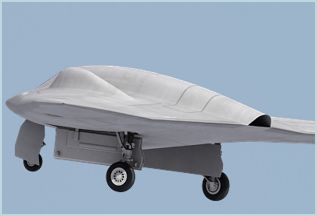
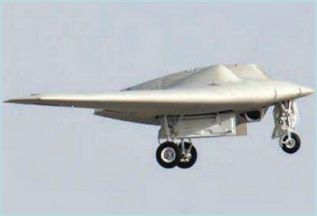
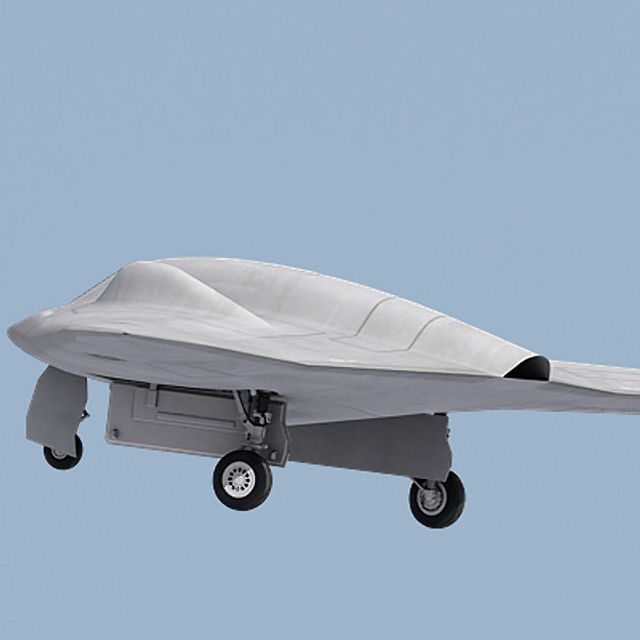
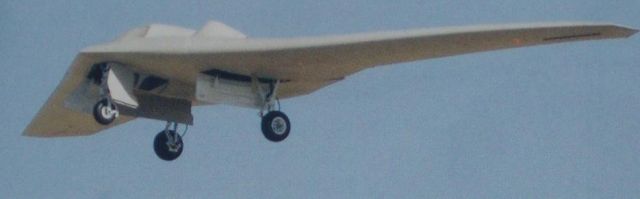
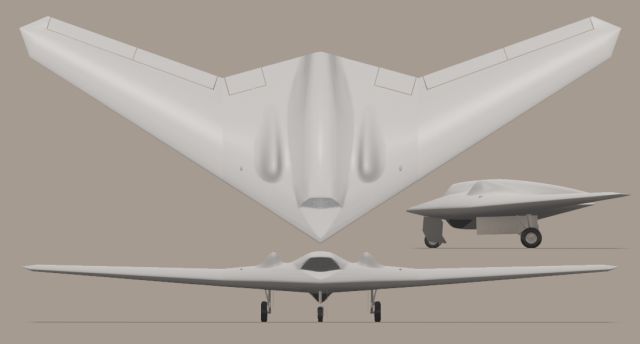
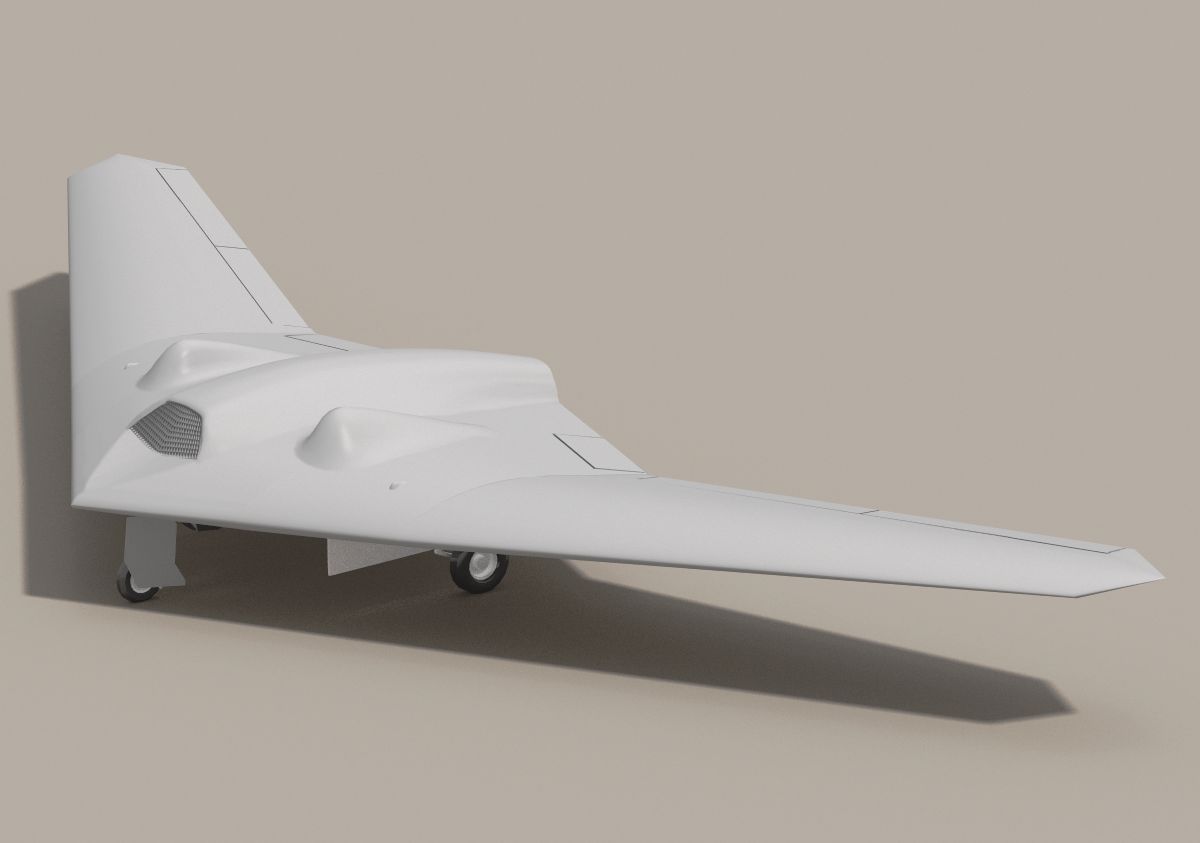
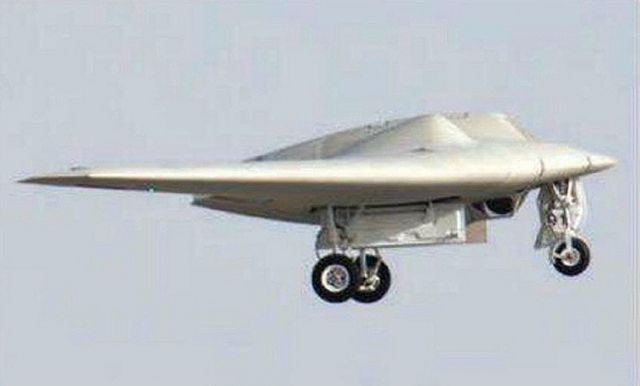
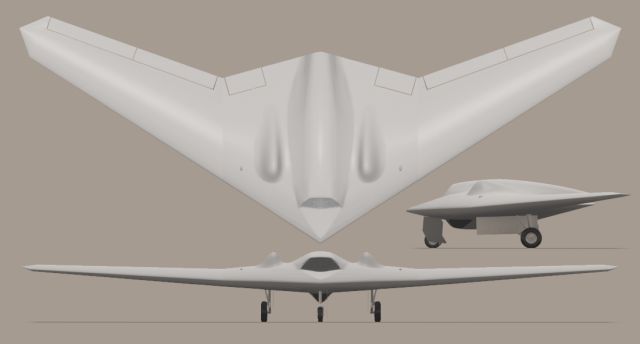
With its "flying-wing" design, the RQ-170 Sentinel looks pretty similar to a small version of the Northrop Grumman B-2 Spirit "Stealth Bomber". Its design is also very close to those of the Lockheed Martin's RQ-3 DarkStar and P-175 Polecat. Featuring low observable profile and stealth technology, the RQ-170 is likely to be a stealth aircraft fitted with reconnaissance equipment. The Sentinel's precise dimensions remain secret but analysts estimated them to 4.5m length, 1.84m and a wingspan between 20-26m. The RQ-170 features a tricycle type landing gear. About 90% of the aircraft could be made up of composite materials to decrease its overall weight.
|
||||||||||||||||||||||
|
Mobility
|
||||||||||||||||||||||
|
The RQ-170 is a stealthy jet-powered UAV. The fuselage contains a single power-plant. The engine is thought to be either a General Electric TF34 or a Honeywell TFE731. The postulated weight and ceiling parameters suggests the possible choice of a General Electric TF34 engine. The TF34 is a twin-shaft, bypass turbofan engine, which produces 9,275lbs of thrust. It generates high thrust to weight ratio, consumes less fuel and minimises operational cost. The TF34 boasts dual stage high pressure turbine, four stage low pressure turbines, annular combustor and 14 stage high pressure axial flow compressors.
|
||||||||||||||||||||||
|
Payload equipment
|
||||||||||||||||||||||
|
Defense analysts assessed that the RQ-170 Sentinel could be fitted with an active electronically scanned array (AESA) radar, synthetic aperture radar and signal intelligence. Several specialists have also speculated that the two undercarriage fairings over the UAV's wings may house datalinks and that the belly fairing could be designed for modular payloads, allowing the UAV to be used for strike missions and/or electronic warfare. It has also been reported that the RQ-170 is "almost certainly" equipped with communications intercept equipment as well as highly sensitive sensors capable of detecting very small amounts of radioactive isotopes and chemicals which may indicate the existence of nuclear weapons facilities.
|
||||||||||||||||||||||
| Combat use | ||||||||||||||||||||||
|
The RQ-170 Sentinel was certainly designed to execute intelligence, surveillance, target acquisition and reconnaissance (ISTAR) and electronic warfare missions over a target area. The RQ (R stands for reconnaissance) designation indicates that the aircraft is unarmed, unlike the “MQ” designation used for armed drones like MQ-1 Predator and MQ-9 Reapere, which are equipped with missiles and precision-guided bombs.
|
||||||||||||||||||||||
| Specifications | ||||||||||||||||||||||
|
||||||||||||||||||||||
 |
||||||||||||||||||||||
|
||||||||||||||||||||||
| Back menu |
||||||||||||||||||||||
|
|
||||||||||||||||||||||