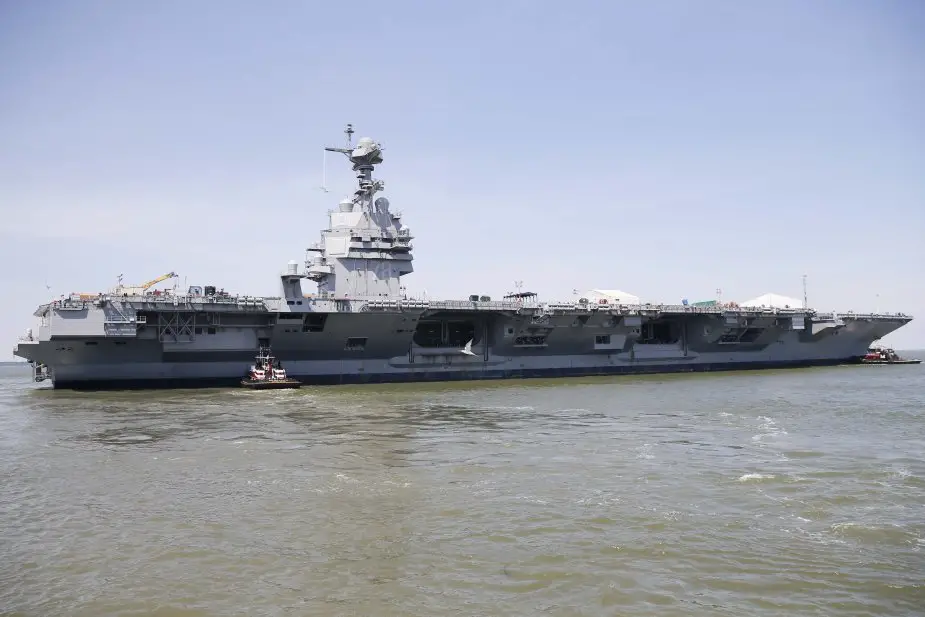
Gerald R. Ford class Aircraft Carrier
| a | |||||||||||||||||||||||||||||||||||
|
Gerald R. Ford Class (CVN-78) Aircraft Carrier
also known as CVNX & CVN-21 carrier program |
|||||||||||||||||||||||||||||||||||
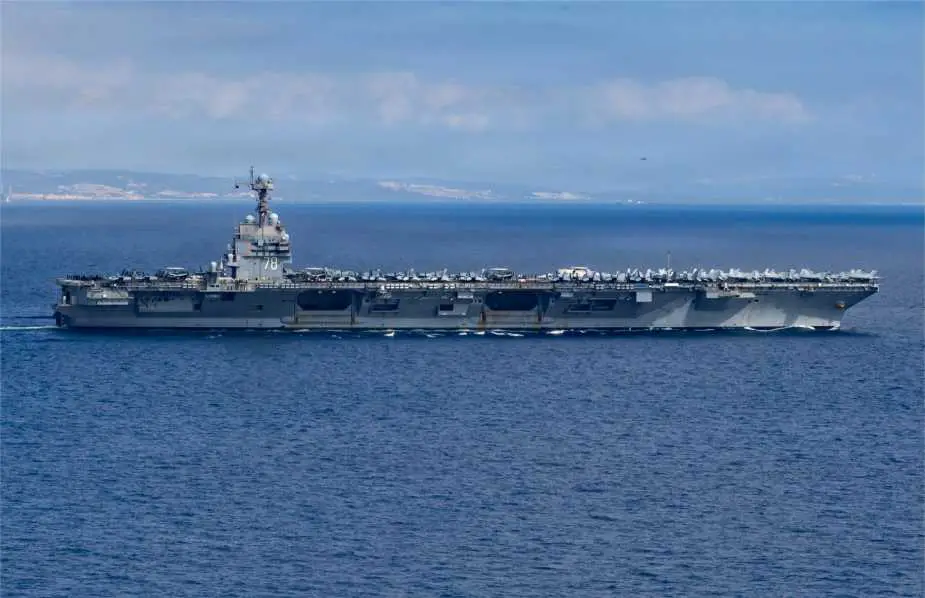 |
|||||||||||||||||||||||||||||||||||
|
|
|||||||||||||||||||||||||||||||||||
|
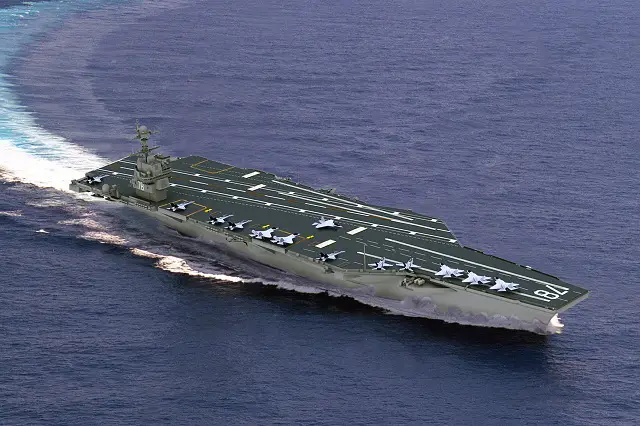
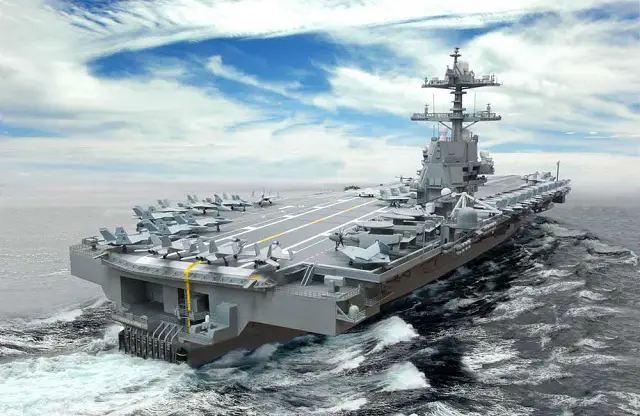
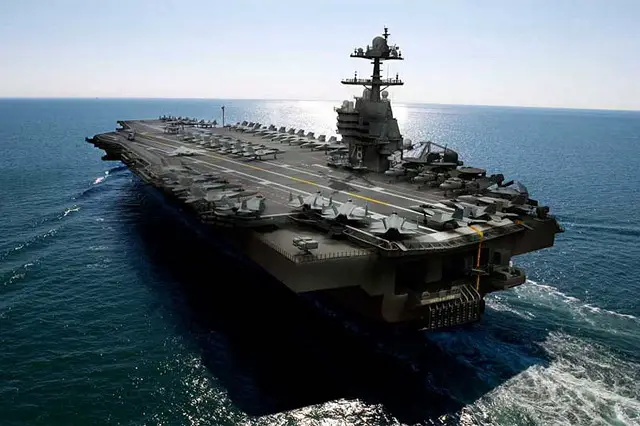
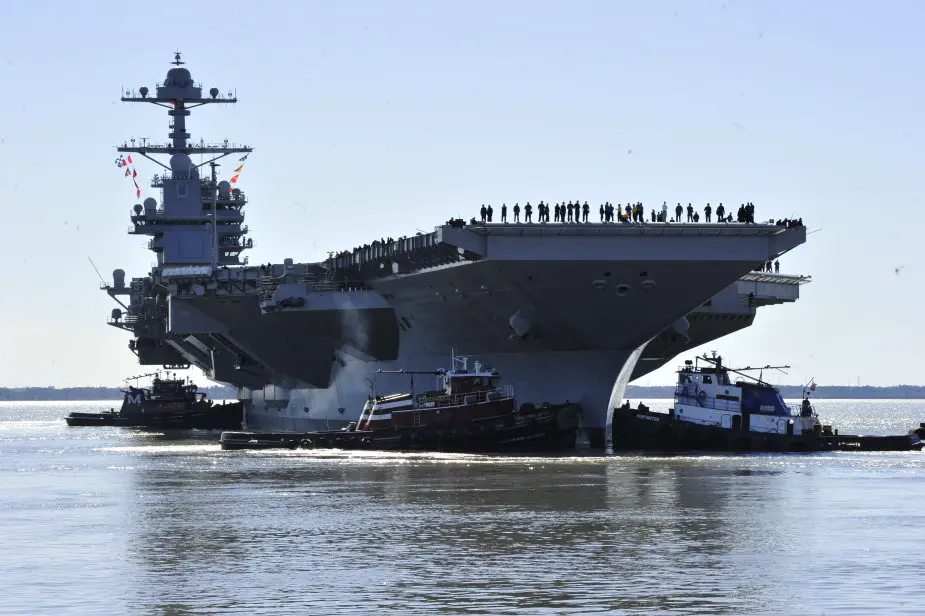
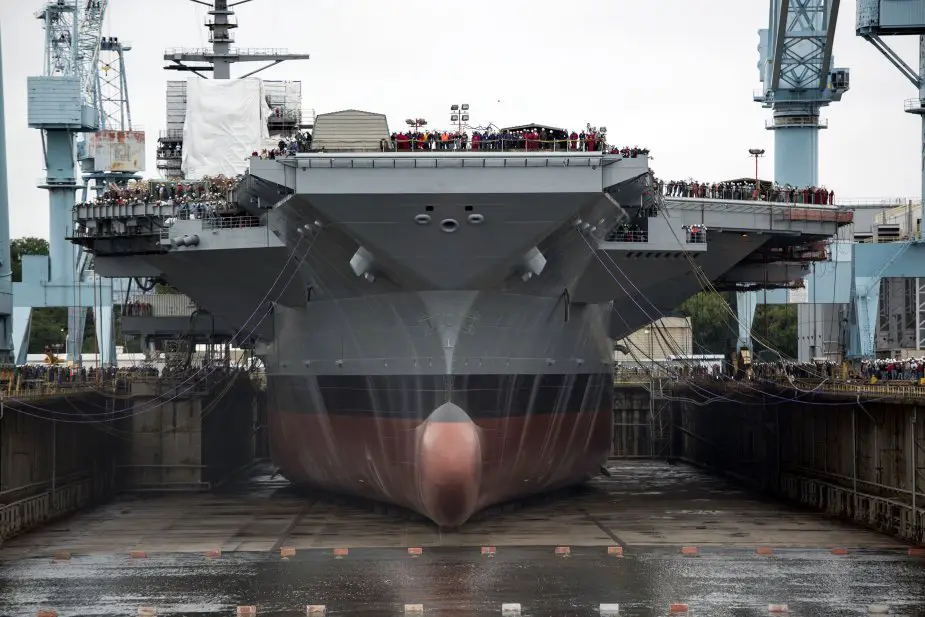
The Gerald R. Ford-class (CVN-78 class) represents the most advanced generation of nuclear-powered aircraft carriers developed for the United States Navy, serving as the designated successor to the CVN-65 USS Enterprise and the Nimitz-class (CVN-68 to CVN-77). Engineered to maximize sortie rates, reduce manpower requirements, and accommodate next-generation systems, the Ford-class embodies a transformational evolution in naval air power and strike group integration. The lead ship, USS Gerald R. Ford (CVN-78), was ordered in September 2008, laid down in 2009, launched in 2013, and officially commissioned in July 2017. After reaching Initial Operational Capability (IOC) in December 2021, Ford conducted its first major combat operation in January 2026, when aircraft from Carrier Strike Group 12, operating in the Caribbean Sea, executed precision missions as part of Operation Absolute Resolve, the U.S. military operation that successfully captured Venezuelan President Nicolás Maduro and First Lady Cilia Flores. The strike group had been deployed to the region since October 2025 as part of a large-scale force posture shift under the directive of the U.S. Department of War. Follow-on ships in the class, including USS John F. Kennedy (CVN-79), USS Enterprise (CVN-80), and USS Doris Miller (CVN-81), are in various stages of construction at Newport News Shipbuilding, the only U.S. facility authorized to build nuclear-powered carriers. Incorporating more than 23 advanced systems, including EMALS, AAG, and the AN/SPY-3 Dual Band Radar, the Ford-class increases daily sortie generation by over 30 percent, while reducing crew size by approximately 25 percent compared to Nimitz-class carriers. The platform is optimized for emerging unmanned systems, directed-energy weapons, and adaptive electronic warfare payloads, solidifying its role as the strategic centerpiece of U.S. naval power projection through the mid-21st century and beyond. American shipyard Huntington Ingalls Industries announced in February 2026 that USS John F. Kennedy (CVN 79) had completed its first builder’s sea trials and returned to Newport News. The milestone moves the U.S. Navy’s second Ford-class carrier closer to delivery, testing critical systems that underpin future carrier operations. As of August 2026, the Gerald R. Ford-class aircraft carrier program reached a new milestone when John F. Kennedy (CVN 79), the second ship of the class, completed acceptance sea trials at HII’s Newport News Shipbuilding. The class is designed to deliver higher sortie-generation rates, greater electrical power, electromagnetic aircraft launch through EMALS, Advanced Arresting Gear, improved weapons handling and reduced crew requirements compared with the Nimitz class, while providing additional growth margin for future sensors, weapons and unmanned aircraft. |
|||||||||||||||||||||||||||||||||||
| Shiplist | |||||||||||||||||||||||||||||||||||
|
|||||||||||||||||||||||||||||||||||
|
Variants
|
|||||||||||||||||||||||||||||||||||
|
- None at this time
|
|||||||||||||||||||||||||||||||||||
| Technical Data | |||||||||||||||||||||||||||||||||||
 Back to top Back to top |
|||||||||||||||||||||||||||||||||||
| Design | |||||||||||||||||||||||||||||||||||
|
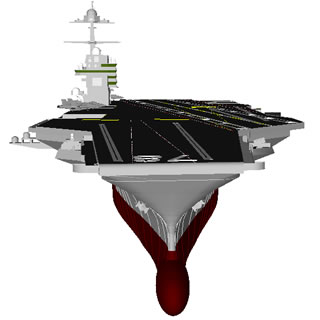
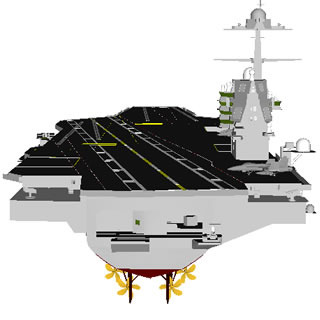
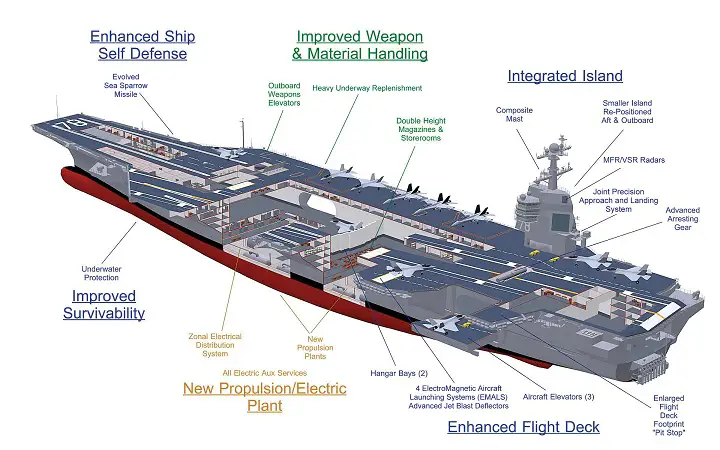
Gerald R. Ford (CVN 78) is the first new US aircraft carrier design in 40 years, replacing the Nimitz class of carriers. The new design brings many performance improvements, including:
» 25 percent increase in sortie generation rate » 2.5 times electrical generation capacity over the Nimitz-class » Manpower reduction of 500 billets The new carrier class was redesigned from the keel to the mast of the island house. Among the improvements: » New reactor and propulsion plants » Electromagnetic Aircraft Launch System (EMALS), an improvement over steam catapult system » New island » All electric ship » Major space rearrangement » Flight deck extensions » Advanced arresting gear Gerald R. Ford (CVN 78) is the U.S. Navy's first aircraft carrier to be completely designed using a 3-dimensional product model. |
|||||||||||||||||||||||||||||||||||
| New Technologies | |||||||||||||||||||||||||||||||||||
|
Among the new technologies in the Ford-class are:
» Dual Band Radar: Enables a smaller island structure on the deck of the carrier, facilitating the ship’s increased sortie generation rate » Multifunction radar and volume search radar: integrates two radars operating on different frequency bands » EMALS: Replaces steam catapult. Uses electrically generated, moving magnetic field to propel aircraft to launch speed. |
|||||||||||||||||||||||||||||||||||
| Flight deck changes | |||||||||||||||||||||||||||||||||||
|
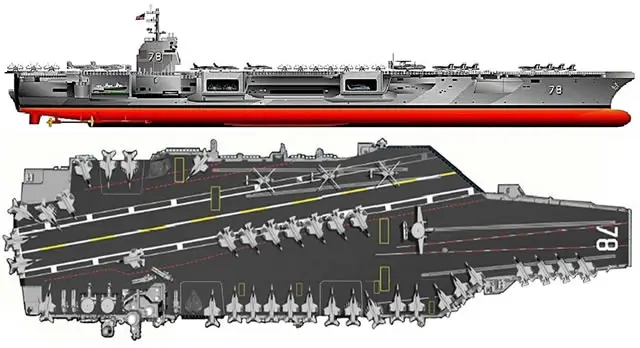
» Flight deck: The island is smaller and moved farther aft than on Nimitz class so there is more area for airplane maintenance and flight deck operations will be faster and safer due to better space utilization
» Weapons Elevator: Elevators use moving electromagnetic fields instead of cabling, which allows elevator shaft to use horizontal doors to close off magazines. This reduces manning and maintenance costs. » Flexible Infrastructure: Flexible infrastructure architecture that allows spaces to be adaptable to rapid changes without the use of “hot work.” It eases compartment reconfiguration to support changing missions, maximizes time for technology development prior to equipment installation, and eliminates cost and schedule impacts associated with the traditional conflicts from re-work. » Advanced Arresting Gear: Recovers current and future aircraft, is lighter than the legacy system, software controls, reduce manning. |
|||||||||||||||||||||||||||||||||||
| Weapons | |||||||||||||||||||||||||||||||||||
|
|||||||||||||||||||||||||||||||||||
| Sensors, Electronics and Decoys | |||||||||||||||||||||||||||||||||||
|
|||||||||||||||||||||||||||||||||||
| Power Generation/Propulsion | |||||||||||||||||||||||||||||||||||
| Two A1B nuclear reactors Four Shafts |
|||||||||||||||||||||||||||||||||||
| Specifications | |||||||||||||||||||||||||||||||||||
|
|||||||||||||||||||||||||||||||||||
 |
|||||||||||||||||||||||||||||||||||
|
|||||||||||||||||||||||||||||||||||
| Back to top |
|||||||||||||||||||||||||||||||||||
|
|