
- Details
- Written by: Vandenbosch
- Category: Defence & Security Industry Technology
- Hits: 4178










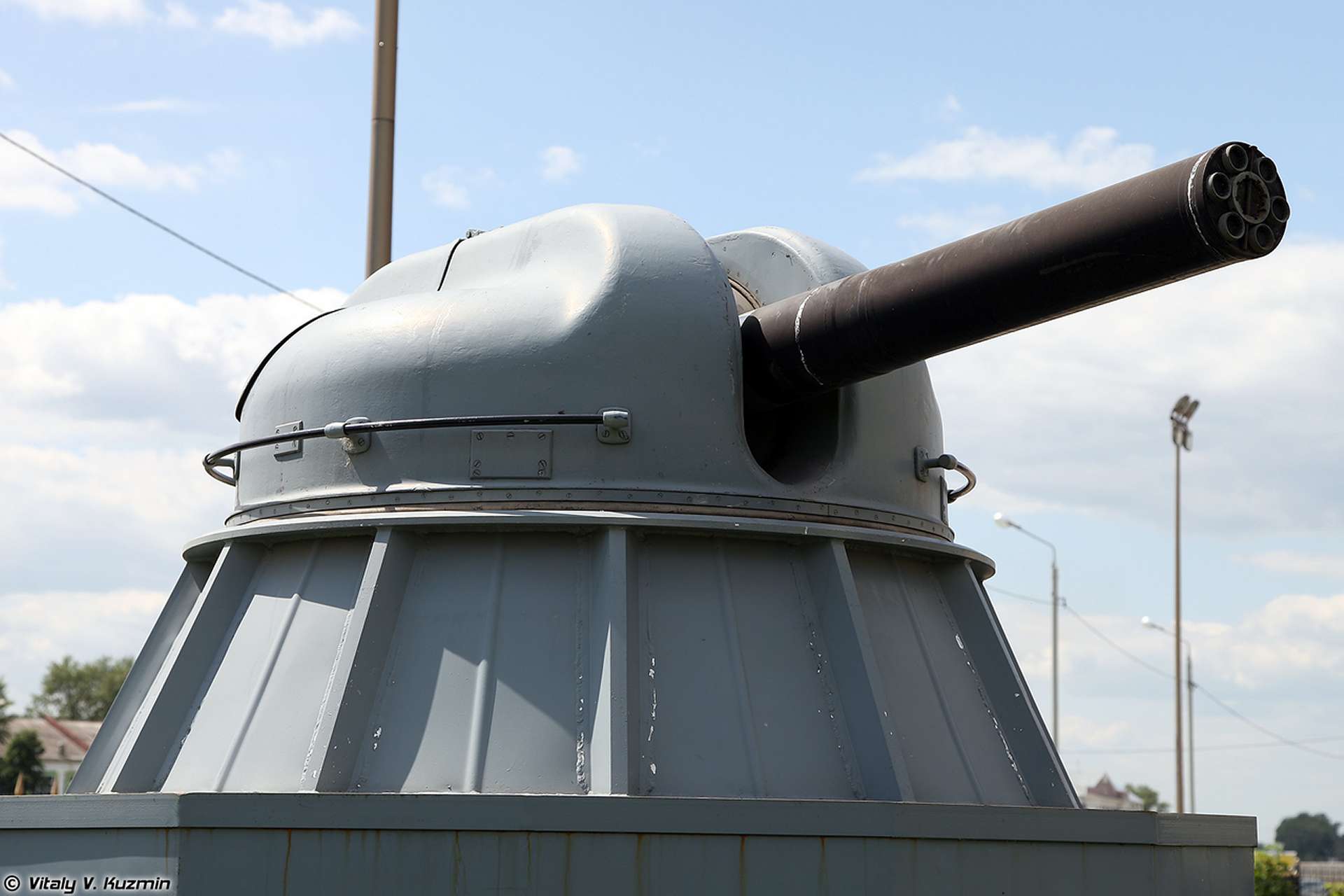
The Russian military has adapted the naval 30mm rapid-fire six-barrel AK-306 installation for the interception of enemy aerial targets, particularly drones of various types. A photograph circulating on social media reveals the AK-306 mounted on a KamAZ-5350 (6x6) all-terrain chassis, showcasing its potential as a mobile air defense solution.
The Russian military has adapted the naval AK-306 30mm six-barrel rapid-fire system to intercept enemy aerial targets. (Picture source: Vitaly Kuzmin)
The Russian military has adapted the naval AK-306 30mm six-barrel rapid-fire system to intercept enemy aerial targets, especially drones. A photo shared on social media shows the AK-306 mounted on a KamAZ-5350 (6x6) all-terrain chassis, highlighting its potential as a mobile air defense solution.
The AK-306, originally designed for maritime applications, has been modified for land operations, offering high tactical and technical characteristics. The system features an impressive rate of fire, reaching up to 1,000 rounds per minute, enabling it to engage fast-moving targets effectively. The projectile’s initial velocity can reach up to 880 meters per second, allowing for precise targeting and increased lethality against aerial threats.
This adaptation of a naval weapon system to land-based platforms highlights the increasing use of all-terrain vehicles in modern air defense systems, offering both mobility and firepower in countering the growing threat of unmanned aerial vehicles (UAVs). The choice of the KamAZ-5350 chassis, known for its ruggedness and off-road capabilities, enhances the operational flexibility of the system, enabling deployment in various combat environments, including difficult terrain.
The development of such systems marks a significant step in enhancing Russia’s air defense capabilities, particularly in light of the rising use of drones in contemporary warfare. The AK-306's integration onto a mobile chassis also reflects the growing need for versatile, rapid-response air defense solutions that can quickly adapt to changing battlefield dynamics.
As military operations continue to evolve, systems like the AK-306 mounted on the KamAZ chassis are expected to play a critical role in defending against the increasingly sophisticated threats posed by aerial systems. The system's high rate of fire, combined with its speed and mobility, makes it a formidable tool for countering both reconnaissance drones and more aggressive UAV-based attack platforms.
Read more: Russia Develops Six-Barrel AK-306 Anti-Drone System Mounted on KamAZ Vehicle

- Details
- Written by: Vandenbosch
- Category: Defence & Security Industry Technology
- Hits: 3824
Caracal, a prominent name in high-performance small arms within EDGE, and VentureOne, specializing in commercializing cutting-edge technologies from the Technology Innovation Institute (TII), have jointly introduced Centurion, a next-generation body armor system. The debut of this advanced body armor will take place at IDEX 2025, the region's largest defense exhibition, with plans for it to be deployed by UAE troops initially, before expanding to defense and civil security forces worldwide.
Centurion is a next-generation body armor system. (Picture source: Caracal)
Centurion, developed by TII experts, aims to set new benchmarks in soldier protection by integrating advanced materials designed to improve mobility, comfort, and safety, even under extreme operational conditions. The system’s introduction marks a major leap forward from traditional body armor, which is often heavy, restrictive, and prone to overheating.
Hamad Al Ameri, CEO of Caracal, highlighted the importance of collaboration with VentureOne and TII in meeting the challenges faced by modern infantry units. “We understand the critical need for lighter weight, enhanced maneuverability, and maximum survivability in body armor,” Al Ameri said. “The Centurion armor system represents the culmination of our research and development efforts, aimed at providing superior anti-ballistic protection for modern forces.”
Reda Nidhakou, Acting CEO of VentureOne, emphasized the strategic importance of the Centurion system, saying, “National security and the safety of those who defend it require the most innovative technologies. Centurion will play a pivotal role in equipping and protecting soldiers, not only in the UAE but globally. Our efforts are redefining battlefield protection, ensuring soldiers are equipped with the latest advancements in defensive technology.”
The Centurion body armor offers rifle-grade protection, with the Level III++ variant capable of withstanding six rounds from 7.62x51mm NATO FMJ (M80), 7.62x39mm MSC Ball, and 5.56x45mm (SS109/M855) ammunition. Additionally, the armor minimizes impact trauma and exceeds international ballistic standards, including those set by the National Institute of Justice (NIJ).
In addition to its protective capabilities, Centurion is lightweight, cost-effective, and ergonomically designed for enhanced mobility. The modular and customizable plate system allows users to adjust the shape and coating of their armor, making it adaptable for various mission types, including covert, tactical, and maritime operations. With positive buoyancy, it is also ideal for marine and diver operations.
Centurion’s innovative design incorporates advanced materials that combine multiple substances with distinct properties to offer superior protection while reducing weight and thickness. Prof. Vincenzo Giannini, Chief Researcher of the Advanced Materials Research Center at TII, explained the significance of these materials: “The integration of cutting-edge materials and patented processing technologies has enabled us to create a body armor that is lighter, more efficient, and safer. This allows soldiers to move faster and operate longer, without sacrificing protection.”
Looking ahead, VentureOne and Caracal will establish production lines in the UAE to manufacture Centurion, scaling the solution for both local and global markets. This collaboration will continue to benefit from TII's ongoing research and development efforts, ensuring the Centurion system remains at the forefront of body armor innovation.
Read more: Caracal and VentureOne Unveil Centurion Next-Generation Body Armor System

- Details
- Written by: Vandenbosch
- Category: Defence & Security Industry Technology
- Hits: 4703
On February 12, 2025, the High-Precision Systems holding of the state-owned Rostec Corporation announced the delivery of a new batch of TM-140 all-terrain vehicles to the Russian Ministry of Emergencies. These advanced vehicles, known for their exceptional ability to traverse difficult terrains, are designed to operate in the harshest environmental conditions, including freezing temperatures and challenging landscapes.
The TM-140 features a universal cargo platform that allows for the installation of various modules and specialized equipment, making it adaptable to a wide range of missions. (Picture source: Rostec)
Manufactured by Kurganmashzavod, the TM-140 vehicles are equipped with a tracked chassis and weigh approximately 11 tons. Despite their heavy construction, these vehicles have an average ground pressure of only 0.22 kgf/cm². This allows them to navigate difficult environments such as virgin snow, swamps, and other rugged terrains with relative ease. Additionally, the TM-140 is amphibious, capable of floating and moving at speeds of up to 4 km/h, which further extends its operational range and versatility.
The TM-140 features a universal cargo platform that allows for the installation of various modules and specialized equipment, making it adaptable to a wide range of missions. Furthermore, the vehicle is equipped with a heated and sound-insulated cabin, designed to ensure comfort and reduce crew fatigue during extended operations in extreme temperatures.
These vehicles have already been deployed in the Sakha Republic (Yakutia), a region known for its harsh climatic conditions, where they will support the Russian Ministry of Emergencies in its disaster relief and response operations.
Rostec emphasized the reliability and durability of the TM-140, citing its successful performance during the Safe Arctic 2025 experimental research exercises. During these exercises, participants used the vehicles to cover over 2,500 kilometers, simulating the resolution of 20 emergency scenarios in extreme conditions. The proven performance of the TM-140 in such rigorous environments underscores its reliability for real-world operations.
In addition to the TM-140, Rostec’s High-Precision Systems holding also manufactures a variety of other specialized machines, including robotic systems for humanitarian demining, firefighting robots like the ANT 1000PM, and other advanced technological solutions designed to support a wide range of emergency and military operations.
The delivery of the TM-140 to the Russian Ministry of Emergencies highlights the growing interest in high-performance all-terrain vehicles, particularly in regions with extreme climatic conditions. As Russia continues to modernize its emergency response capabilities, the TM-140 is expected to play a crucial role in supporting disaster relief efforts and national security across the country.
Read more: Rostec Delivers New Batch of TM-140 All-Terrain Vehicles to Russia
- Details
- Written by: Vandenbosch
- Category: Defence & Security Industry Technology
- Hits: 6441
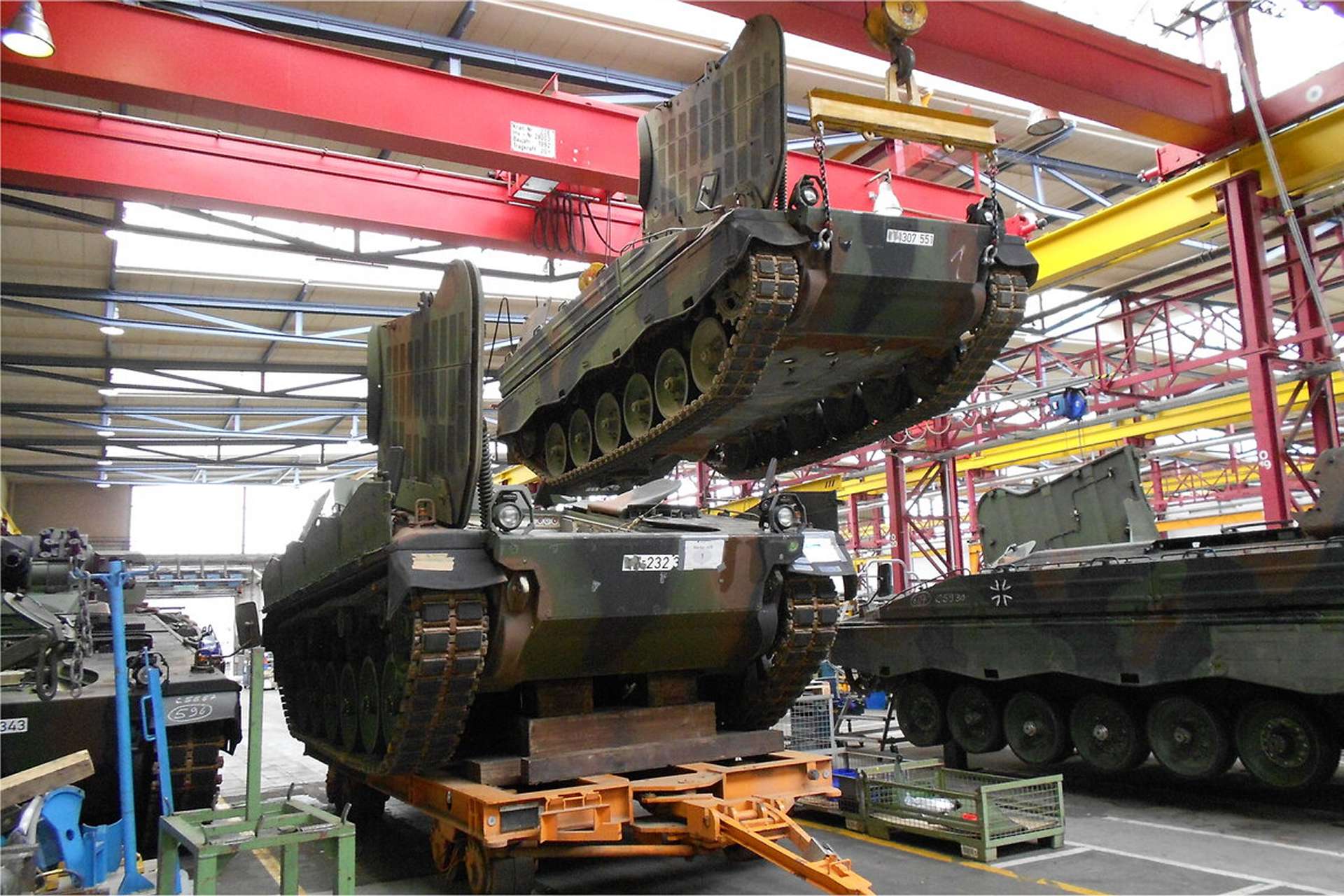
In response to rising defense spending, the German company Rheinmetall is considering shifting the production of two of its automotive factories in Germany to military manufacturing. This reorganization comes amid a slowdown in the automotive industry, with the company seeking to capitalize on the increased demand for military equipment, particularly due to the ongoing war in Ukraine.
Rheinmetall is considering shifting the production of two of its automotive factories in Germany to military manufacturing. (Picture source: Rheinmetall)
The Rheinmetall facilities in Berlin and Neuss have faced challenges due to the global downturn in the automotive sector. However, the company plans to integrate these factories into its Weapons and Ammunition division, while maintaining some automotive production capacity. According to Rheinmetall, this shift will allow the plants to benefit from the industrial strength of the Rheinmetall Group, a major supplier of military equipment, and to meet the growing demand both in Germany and internationally.
Earlier this month, Rheinmetall won a €26 million contract with an Asian automotive manufacturer for the supply of its high-voltage coolant pump. This pump is intended for use in 800V hydrogen fuel cell architectures for small vans, trucks, and stationary power plants. Production of this product will begin in 2027 at Rheinmetall’s Hartha plant and continue until 2031.
Rheinmetall is also active in the defense sector and expanding its influence internationally. In October 2023, the company established the joint venture Rheinmetall Ukrainian Defence Industry with a state-owned Ukrainian company. This collaboration led to the opening of a maintenance center in western Ukraine in June 2024, supporting the continued shipment of Marder and Lynx infantry fighting vehicles to Ukraine.
In the United States, Rheinmetall is also restructuring its automotive division, consolidating its operations under the name American Rheinmetall. Through this reorganization, American Rheinmetall Vehicles is merging with Loc Performance to streamline its work in System Prime, Tier 1 components, and commercial projects under a unified name.
Rheinmetall Electronics UK, which has been part of the Rheinmetall Group since 2009, continues to play a key role in major modernization programs for the British Army, including the Boxer vehicle and Challenger 3 tank programs.
This strategic shift marks a significant turning point for Rheinmetall as it adapts its production capabilities to meet the growing demand for defense equipment, in line with the current geopolitical situation and the increase in military investments.
- Details
- Written by: Vandenbosch
- Category: Defence & Security Industry Technology
- Hits: 3972
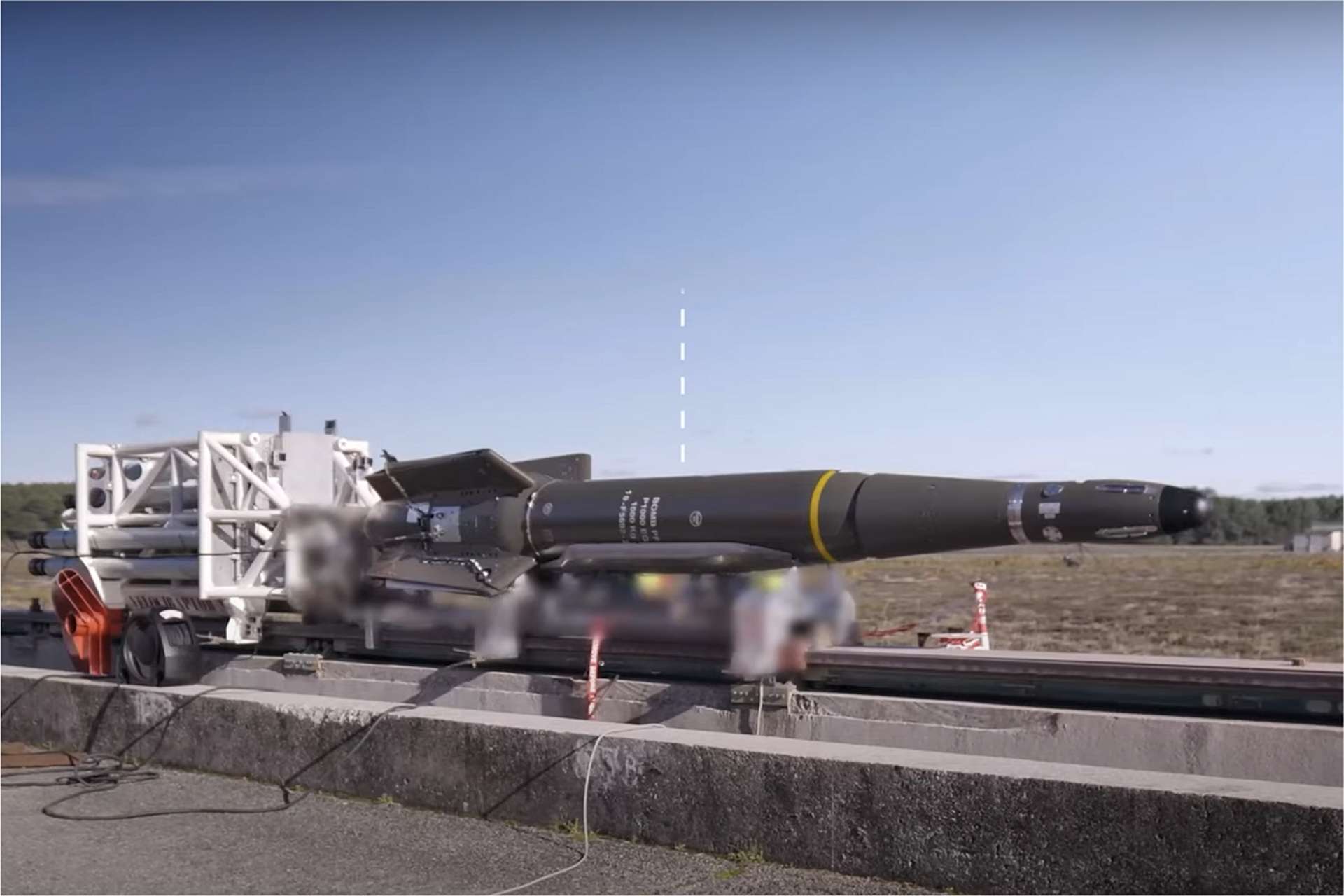
At the beginning of February 2025, the French Directorate General of Armaments (DGA) unveiled rare footage of a spectacular test conducted in Biscarrosse, at the DGA's Missile Test and Expertise Center. This test, part of a unique testing campaign, involved a 1000 kg bomb being propelled along a 2-kilometer rail. This test aimed to simulate the conditions under which such a weapon would be released by a combat aircraft in operation.
This test involved a 1000 kg bomb being propelled along a 2-kilometer rail. (Picture source: French MoD)
The highly technical test involved propelling the bomb across a 2-kilometer distance, replicating the speed and acceleration it would experience during its release at high altitude. The purpose of the test was to replicate the real operational conditions of the bomb, allowing for the measurement of its performance and the analysis of the forces acting on the weapon at various stages of its launch.
The Biscarrosse site, particularly well-suited for such tests due to its specialized facilities and secure environment, provides an ideal setting for conducting these experiments. The 2-kilometer rail on which the bomb was propelled allowed for the precise simulation of the dynamics of weapons during their release in flight. Such experiments are crucial for ensuring the reliability and safety of weapon systems, especially for heavy munitions, which can have major consequences when used in combat.
Although relatively rare, this type of test is a key element of the validation process for new military technologies. It enables DGA engineers to gather crucial data on the behavior of high-speed munitions and adjust their design parameters to meet the needs of the armed forces.
The weapon tested during this experiment could be used in strategic strike missions. Based on the results of these tests, the DGA will be able to determine the optimal conditions for integrating these weapons into aerial platforms and adjust the performance of the guidance systems to maximize the effectiveness of strikes.
The tests conducted at Biscarrosse mark an important step in the implementation of these new war technologies. They also demonstrate how the DGA continues to push the limits of the capabilities of the French armed forces, particularly in the areas of precision and strike power. With this testing campaign, the DGA proves its commitment to developing ever more efficient and effective weapon systems.
This test takes place within the strategic context of modernizing the French armed forces, in line with the technological innovation projects of the Ministry of Armed Forces. It also highlights the need to maintain advanced testing capabilities to simulate real combat conditions as closely as possible, thereby ensuring better preparation and effectiveness in the field.
The test of this 1000 kg bomb on a rail represents a crucial milestone in military testing in France and underscores the importance of ground simulations to improve the precision and reliability of modern weapons. This experience is expected to provide essential insights for future defense missions and the evolution of France’s military strategies.

- Details
- Written by: Vandenbosch
- Category: Defence & Security Industry Technology
- Hits: 5075
At the IDEX 2025 exhibition in Abu Dhabi, Tata Advanced Systems Ltd (TASL) presented its indigenously developed Light Armoured Multi-role Vehicle (LAMV), marking a significant advancement in the country’s defence manufacturing capabilities. Designed to meet the stringent NATO standards, the TASL 4x4 LAMV is set to make a strong impression on the global armoured vehicle market.
During IDEX 2025 in Abu Dhabi, Tata Advanced Systems Ltd (TASL) unveiled its indigenously developed Light Armoured Multi-role Vehicle. (Picture source: Army Recognition)
During IDEX 2025 in Abu Dhabi, Tata Advanced Systems Ltd (TASL) unveiled its indigenously developed Light Armoured Multi-role Vehicle, marking a major milestone in India's defence manufacturing. Engineered to meet strict NATO standards, the TASL 4x4 LAMV is designed to significantly impact the global armoured vehicle market.
Sukaran Singh, CEO and Managing Director of TASL, emphasized that the global launch of the 4x4 LAMV represents a crucial step in demonstrating the strength of Indian defence manufacturing. This new platform, born from cutting-edge engineering and robust design, perfectly meets both operational and export requirements. With its modular design, the LAMV can be customized to address the specific defence needs of different countries, making it a versatile asset for a wide range of military operations.
Built to operate in demanding environments ranging from arid deserts to high-altitude terrains, the LAMV combines mobility with durability. The vehicle is capable of reaching a maximum speed of 100 km/h, ensuring rapid deployment over diverse terrains. Moreover, it features state-of-the-art ballistic protection compliant with Stanag 3 standards, capable of withstanding impacts from firearms such as machine guns and sniper rifles, including 7.62 mm steel-core ammunition. An integrated condition and usage monitoring system enables predictive maintenance, ensuring continuous operational availability throughout its lifecycle.
TASL’s entry into the land mobility sector comes as the global armoured vehicle market is projected to grow from $22.28 billion in 2023 to $37.85 billion by 2035, with an average annual growth rate of 6%. Leveraging its experience in the aerospace sector through a partnership with Airbus for manufacturing the C-295 medium transporter and supplying essential components to international aircraft manufacturers, TASL now aims to strengthen its presence in the global market for land mobility systems. The targeted export markets for the LAMV include the United Kingdom, West Asia, North Africa, and Latin America.
The introduction of this versatile vehicle not only demonstrates India’s commitment to self-reliant defence production but also its ability to meet the complex demands of modern military operations. With the LAMV, TASL is poised to redefine mobility and protection on the battlefield, offering armed forces a reliable, adaptable, and future-ready solution to operational challenges.

- Details
- Written by: Vandenbosch
- Category: Defence & Security Industry Technology
- Hits: 4164
Guardiaris has captured the attention of the defense community at Enforce Tac 2025 in Nuremberg, Germany, where the company demonstrated its latest innovation—the Small Arms Mobile Trainer (SAMT). The trade fair, held from February 24 to 26, 2025, brought together leading experts in internal and external security, providing a prime platform for showcasing cutting-edge military training technology.
At Enforce Tac 2025 in Nuremberg, Guardiaris drew significant attention by unveiling its innovative Small Arms Mobile Trainer. (Picture source: Guardiaris)
At Enforce Tac 2025 in Nuremberg, Guardiaris drew significant attention by unveiling its innovative Small Arms Mobile Trainer (SAMT). The fair, held from February 24–26, brought together top experts in security, offering an ideal venue to showcase this cutting-edge military training technology.
Developed to address the challenges of modern warfare, the SAMT is designed to equip military and law enforcement operatives with the critical skills needed to react decisively under pressure. In today’s rapidly evolving threat environment, training that simulates real-life scenarios is essential; a split-second decision can mean the difference between success and failure on the battlefield.
At Booth 10.0-353 in Hall 10, visitors experienced a live demonstration of the SAMT in action. The simulator offers an immersive training environment complete with a sound floor, dynamic cover devices, and weapon replicas outfitted with a patented SAS module compatible with Picatinny rails. Complemented by a large LED screen displaying realistic scenarios rendered by the proprietary GUARDTM Engine, the setup provides a comprehensive proving ground for operatives to refine both tactical and marksmanship skills.
A highlight of the demonstration was the close-quarters battle (CQB) scenario—a high-stakes, building-clearing exercise that challenged participants to quickly adapt to evolving threats. This simulation not only showcased the SAMT’s technical capabilities but also emphasized the importance of effective communication and tactical acumen in complex operational settings.
Guardiaris’ presence at Enforce Tac 2025 underscores a broader commitment to advancing military training technology, ensuring that armed forces are better prepared for the unpredictable challenges of modern combat. For more information or to arrange a private demonstration, interested parties can visit the company’s website or contact their sales team directly.
Read more: Guardiaris Showcases Advanced Mobile Training Solution at Enforce Tac 2025

- Details
- Written by: Vandenbosch
- Category: Defence & Security Industry Technology
- Hits: 4089
At IDEX 2025, South Korean defense manufacturer Dasan introduced the XR-17, a 5.56x45mm NATO light machine gun designed to meet the growing demands of modern military operations. With its combination of advanced features, such as gas piston operation, an ambidextrous charging handle, and customizable options, the XR-17 promises to be a valuable addition to any military force seeking a reliable, adaptable, and efficient weapon for diverse combat scenarios.
Dasan introduced the XR-17, a 5.56x45mm NATO light machine gun designed to meet the growing demands of modern military operations. (Picture source: Army Recognition)
The XR-17 is powered by a gas piston system, offering superior reliability and reduced heat build-up compared to traditional direct impingement systems. This makes the machine gun more resilient in harsh conditions, including extreme temperatures and continuous use. The gas piston design ensures smooth cycling of rounds while minimizing fouling, which is essential for maintaining performance during prolonged firefights.
A standout feature of the XR-17 is its ambidextrous charging handle and selector, allowing for seamless operation by both left- and right-handed users. This flexibility is critical for enhancing user ergonomics, particularly in combat situations requiring rapid adaptability. Additionally, the machine gun is equipped with a quad Picatinny rail, offering users a wide range of options to attach accessories such as optics, flashlights, or foregrips. This modular design gives operators the ability to tailor the XR-17 to their specific mission requirements, enhancing its overall versatility.
The weapon’s 18-inch barrel optimizes maneuverability and accuracy, providing a practical range while maintaining a compact profile. With a weight of just 5.7kg or less, the XR-17 offers ease of transport without sacrificing firepower. Its belt-fed ammunition system allows for extended fire capabilities, with a left-side feed design that supports a continuous supply of rounds during sustained engagements. This system is ideal for military units that require a machine gun capable of delivering high volumes of fire while remaining lightweight and adaptable.
In addition to its functional features, the XR-17 boasts a 6-position extendable buttstock, enabling shooters to adjust the weapon for their preferred stance and comfort. This feature ensures better control and reduces fatigue during extended use. Furthermore, the machine gun’s 1.7" barrel twist rate is designed to maximize precision, ensuring each round hits its intended target with accuracy and consistency, even at longer ranges.
The XR-17's design reflects Dasan’s commitment to meeting the evolving needs of modern armed forces. Its combination of adaptability, ease of use, and advanced technology positions it as a capable light machine gun for a variety of military applications, from close-quarters combat to more extended, sustained fire missions. Whether deployed as a primary weapon in a fire team or mounted on a vehicle, the XR-17 offers exceptional performance that can be relied upon in both offensive and defensive operations.
Dasan’s presentation at IDEX 2025 demonstrates the company’s continuous innovation in the field of firearms and military equipment. With the XR-17, Dasan is pushing the boundaries of light machine gun design to deliver a weapon that is not only effective in combat but also adaptable to the ever-changing nature of modern warfare. This weapon is poised to become a key asset in the arsenals of defense forces worldwide.
Read more: South Korean Manufacturer Dasan Introduces XR-17 Light Machine Gun at IDEX 2025
- Details
- Written by: Vandenbosch
- Category: Defence & Security Industry Technology
- Hits: 6422
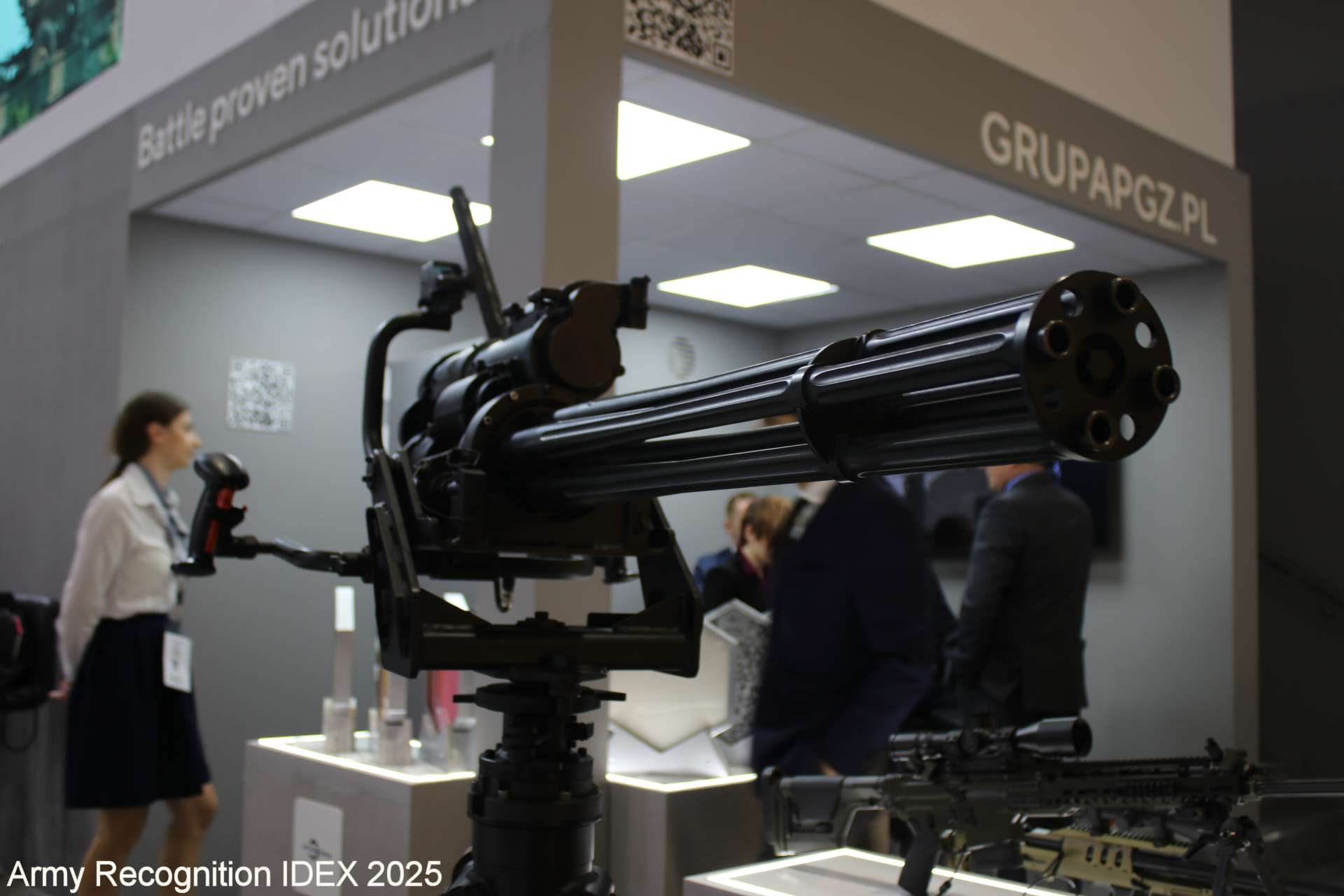
At IDEX 2025, Poland’s PGZ has made a notable appearance by presenting the WLKM, a versatile and efficient counter-Unmanned Aerial System (C-UAS) solution. This multi-barrel, heavy machine gun has garnered attention for its combination of firepower, mobility, and cost-effectiveness, making it a key player in modern defense strategies.
At IDEX 2025, Poland's PGZ showcased the WLKM, a versatile and cost-effective counter-UAS solution. (Picture source: Army Recognition)
Since the beginning of the conflict in Ukraine, the use of drones—whether for reconnaissance, surveillance, or attack—has significantly transformed battlefield dynamics. These devices, due to their low cost and high ability to operate stealthily and accurately, have enabled both regular and irregular forces to conduct targeted strikes while minimizing risks to their operators. However, their proliferation has led to an urgent need for effective and cost-efficient countermeasures. Anti-drone systems have become essential to protect critical infrastructure, ground troops, and sensitive equipment. Finding suitable solutions that combine effectiveness, rapid deployment, and controlled costs has become imperative for armed forces, especially given the variety of drones in use, ranging from small modified commercial devices to more sophisticated systems.
At IDEX 2025, Poland's PGZ showcased the WLKM, a versatile and cost-effective counter-UAS solution. This multi-barrel heavy machine gun stands out for its impressive firepower and mobility, positioning it as a valuable asset in modern defense strategies.
The WLKM, originally, is a 12.7mm x 99 NATO (.50 BMG) multi-barrel Gatling-style machine gun, powered by an externally driven electric system. With a rate of fire reaching up to 3,600 rounds per minute, the WLKM delivers powerful and rapid suppression capabilities, ideal for neutralizing aerial threats such as drones. The machine gun’s practical range extends to 2,200 meters, enabling effective engagement of both airborne and ground targets.
A key feature of the WLKM system is its flexibility. While PGZ has integrated the system with various effectors, these are not yet fully integrated into the WLKM setup. However, the main advantage of the system lies in its mobility and cost efficiency, making it an attractive solution for units requiring rapid deployment and adaptable defense capabilities. The system is designed for use on a variety of platforms, including ground vehicles, boats, and even aerial platforms such as the W-3PL Głuszec helicopter.
Despite its impressive rate of fire and operational versatility, the WLKM stands out in its affordability compared to other systems with similar capabilities. This makes it an attractive option for armed forces seeking effective counter-UAS technology that doesn’t come with a prohibitive price tag.
PGZ’s presence at IDEX 2025 highlights its commitment to providing cutting-edge solutions for modern defense challenges, with the WLKM representing a significant leap in counter-UAS technology. With its exceptional mobility, rapid fire rate, and cost-effective nature, the WLKM is poised to play an important role in future defense strategies.
Read more: PGZ Repurposes WLKM Multi-Barrel Heavy Machine Gun As A New Solution Against UAVs
- Details
- Written by: Vandenbosch
- Category: Defence & Security Industry Technology
- Hits: 9711
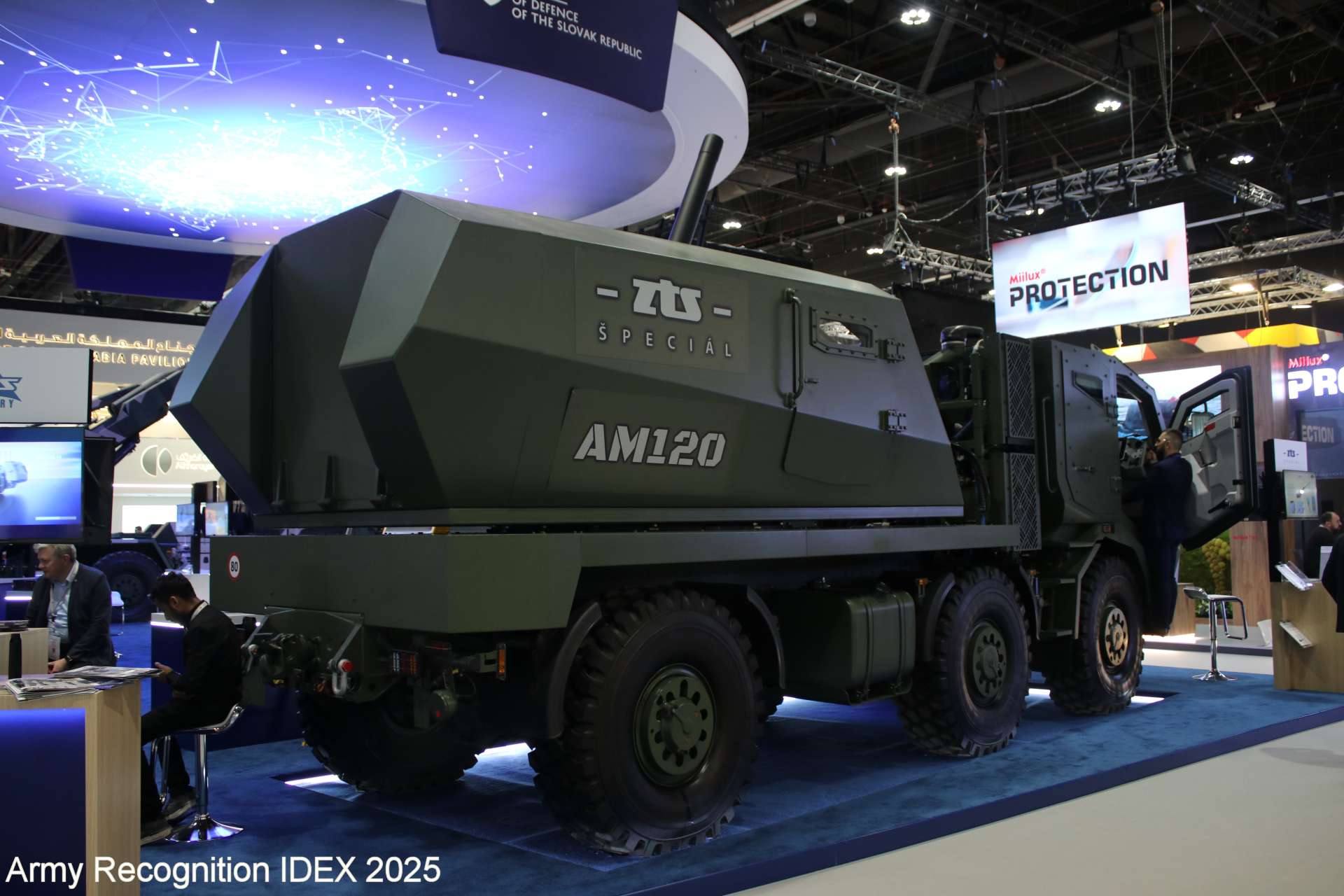
At the IDEX 2025 defense exhibition in Abu Dhabi, the Slovak defense industry is showcasing its innovative AM120 self-propelled mortar, a cutting-edge platform that combines advanced automation, firepower, and mobility. Developed by ZTS Špecial in collaboration with key regional partners, the AM120 represents a significant step forward in modern indirect fire support systems.
Mounted on a Tatra 815-7 6×6 chassis, the AM120 is designed for rapid deployment in demanding operational environments. (Picture source: Army Recognition)
Mounted on a Tatra 815-7 6×6 chassis, the AM120 is designed for rapid deployment in demanding operational environments. Its robust design features a Puma L2 Long armored cabin that provides enhanced crew protection, ensuring safety in combat scenarios. The self-propelled mortar system integrates an automated turret that allows remote operation from within the vehicle's cab, with a backup operator station incorporated into the turret for redundancy. This feature allows for efficient fire control without requiring the crew to leave the safety of the vehicle, even in hostile conditions.
The AM120’s firepower is another notable aspect of its design. Armed with a 120mm mortar, the system can fire at targets with a minimum effective range of 504 meters, extending to a maximum range of 8,600 meters. The system’s automated loading mechanism allows for an impressive firing rate of 18 to 20 rounds per minute, ensuring sustained fire support during combat operations. With an onboard carousel that can carry up to 60 rounds, the AM120 is capable of maintaining operational readiness without requiring frequent resupply.
Flexibility and precision are key to the AM120’s capabilities. Its mortar offers an elevation range of 40° to 80°, with a full 360° traverse capability, enabling the system to adapt to diverse targeting scenarios. The integration of a fire control system from Slovak company Kerametal ensures accurate targeting and operational reliability, making the AM120 a formidable asset for modern forces.
The development of the AM120 is the result of collaboration among several prominent defense firms. Czechoslovak Group (CSG) contributed to the design by supplying the chassis and armored cab, while initially considering the integration of the system onto the Pandur 8×8 wheeled armored vehicle. However, the Tatra 6×6 platform was ultimately chosen, offering a superior balance of mobility and payload capacity, essential for modern battlefield operations.
The AM120 is expected to attract interest from international defense buyers looking for a versatile, mobile, and cost-effective indirect fire solution. Priced between $1.5 million and $2 million per unit, it offers a competitive blend of performance, automation, and affordability, making it an attractive option for forces seeking to enhance their fire support capabilities.
As military operations evolve, platforms like the AM120 are set to play an increasingly vital role in delivering mobile, precise, and sustained indirect fire, reinforcing the importance of modern self-propelled mortars in contemporary defense strategies.
Read more: Slovak AM120 Self-Propelled Mortar Debuts at IDEX 2025
- Details
- Written by: Vandenbosch
- Category: Defence & Security Industry Technology
- Hits: 6737
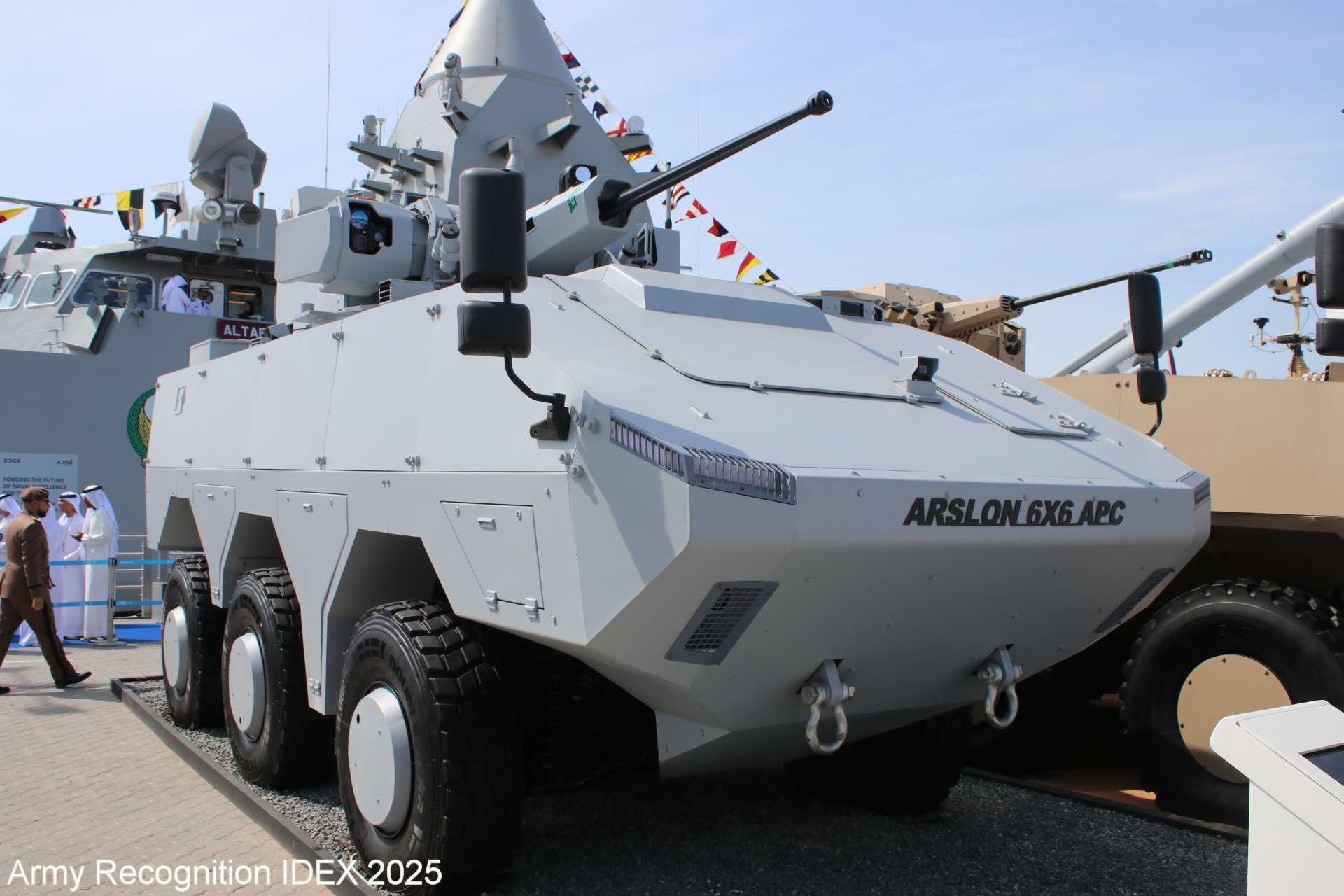
At the IDEX-2025 exhibition in Abu Dhabi, Uzbekistan showcased its commitment to modernizing its defense capabilities with the unveiling of three NATO-standard military vehicles. Among them was the Arslon 6x6 armored personnel carrier (APC), which promises to enhance the country's defense posture with its advanced features and compact design, tailored for urban combat and challenging terrains.
The Arslon 6x6 represents a more agile version of its larger sibling, the Arslon 8x8, and is built to meet NATO standards. (Picture source: Army Recognition)
The Arslon 6x6 represents a more agile version of its larger sibling, the Arslon 8x8, and is built to meet NATO standards with an emphasis on durability and protection. Weighing 22 tons, it is lighter than the Arslon 8x8, which comes in at 32 tons, but it does not compromise on the protection of its crew and passengers. The APC is equipped with composite armor that meets NATO STANAG VI standards, providing robust defense against small arms fire and explosives.
Powered by a 450-horsepower engine, the Arslon 6x6 can reach a top speed of 110 km/h, which offers an advantage in terms of mobility and maneuverability. This makes it particularly suited for urban combat, where agility is critical, and for navigating narrow spaces that larger vehicles may struggle to access.
The vehicle features a 30mm automatic cannon and a secondary 12.7mm machine gun, both of which are mounted on a Remote Weapon Station (RWS). This system provides automated enemy tracking and 360° situational awareness, allowing the crew to engage targets with precision. The electro-optical targeting system further enhances the vehicle's effectiveness in combat scenarios, making the Arslon 6x6 a formidable presence on the battlefield.
One of the key highlights of the Arslon 6x6 is its flexibility and design. Unlike older Soviet-era APCs that were primarily designed for mass production rather than combat efficiency, the Arslon 6x6 reflects Uzbekistan’s shift towards NATO-standard technology. This transition to more modern and capable systems ensures that the country's defense forces are better equipped to handle contemporary threats.
Uzbekistan's move to develop NATO-compatible military systems like the Arslon 6x6 APC signals a new chapter in its defense strategy, moving away from reliance on outdated Soviet-era technology. As the country continues to expand its defense industry and reduce its dependence on foreign suppliers, the Arslon 6x6 is a step toward greater self-sufficiency and security.
The IDEX-2025 exhibition in Abu Dhabi served as a platform to showcase Uzbekistan's growing defense capabilities, with the Arslon 6x6 standing out as an example of how the country is advancing its military technology. The Arslon series, with its combination of robust protection, advanced weaponry, and improved mobility, marks a significant milestone in Uzbekistan’s efforts to modernize its military and align with NATO standards.
With these new armored vehicles, Uzbekistan not only enhances its own defense but also positions itself as a regional leader in military innovation.
Read more: Uzbekistan Presents Arslon 6x6 Armored Personnel Carriers at IDEX-2025
- Details
- Written by: Vandenbosch
- Category: Defence & Security Industry Technology
- Hits: 4854
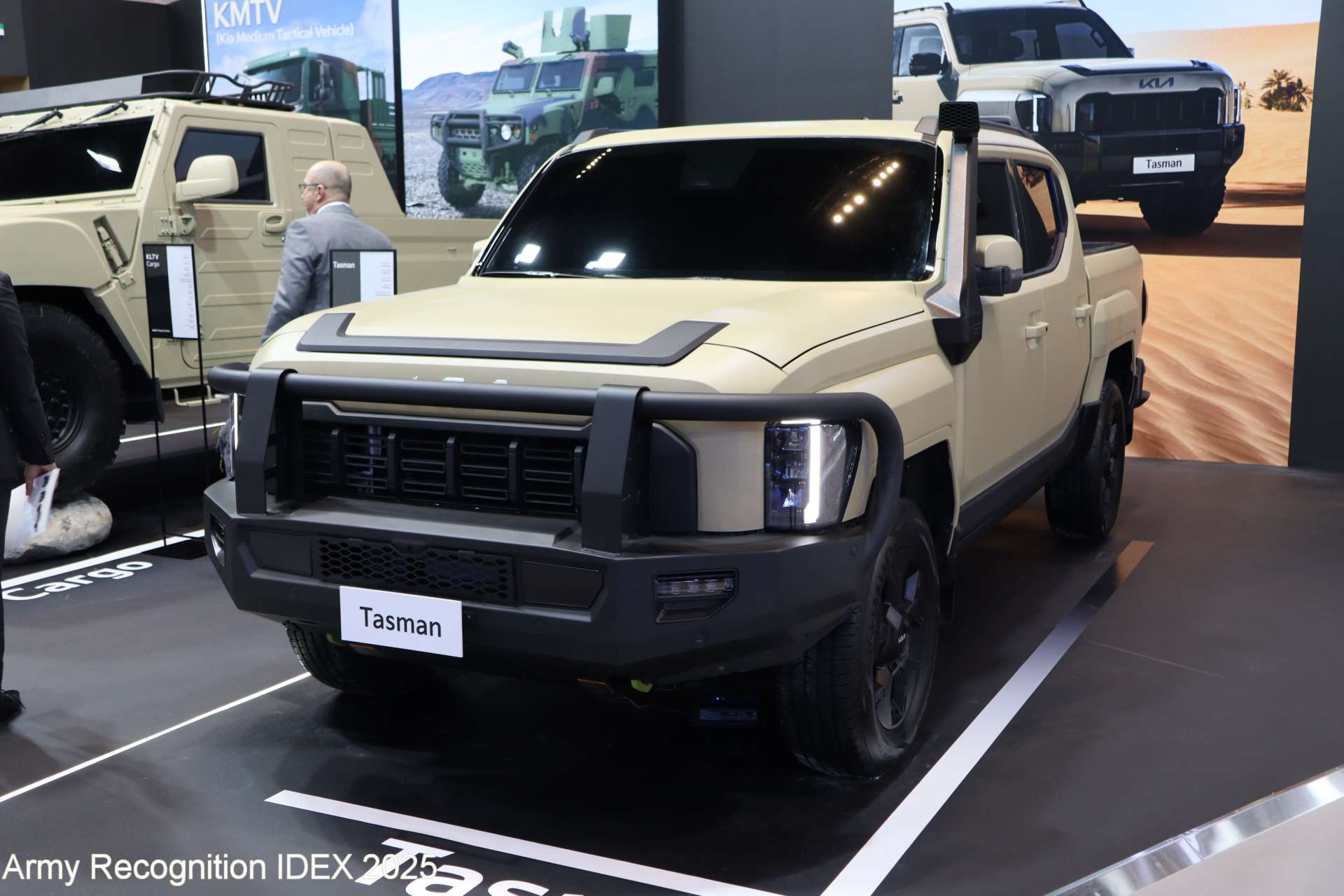
At IDEX 2025, held in Abu Dhabi from February 17 to 21, Kia Motors unveiled its ruggedized, military-spec Tasman 4x4 pickup, designed to meet the specific needs of armed forces. Developed by Kia's Special Vehicle Division, the Tasman is a modified version of the Tasman SUV, adapted for military operations.
The version displayed at IDEX 2025 is a double-cab pickup model, capable of carrying up to five soldiers. (Picture source: Army Recognition)
The vehicle, measuring 5.41 meters long, 1.93 meters wide, and 1.87 meters high, is designed to deliver exceptional performance while being easy to transport and maneuver in challenging environments. With a gross vehicle weight of 3.25 tons, the Tasman can carry a payload of up to 1.1 tons and tow a trailer weighing up to 3.5 tons. Additionally, thanks to its snorkel, it is capable of crossing waters up to 800 mm deep, a significant advantage for missions in rough terrain or flooded areas.
The military version of the Tasman is powered by a 2.2-liter diesel engine producing 210 horsepower, coupled with an eight-speed automatic transmission. While the civilian Tasman is available with various engine options, including a hybrid powertrain, the military version will be exclusively available with a diesel engine, suited to the operational needs of armed forces.
The version displayed at IDEX 2025 is a double-cab pickup model, capable of carrying up to five soldiers. However, the Tasman will also be available in several other configurations: with a cargo bed, a van body (which could serve as an ambulance or repair shop, for example), a flatbed (with a single cab instead of the double cab in other versions), and even as a bare chassis for other manufacturers to add their own custom bodies.
Charles Jang, from Kia’s Special Vehicles Planning Team, stated that the development of the military Tasman is nearly complete, and the vehicle will be offered to the South Korean military as well as international clients. This debut at IDEX 2025 marks a key step in Kia’s strategy to expand its presence in the military vehicle sector, particularly in Asia and the Middle East.
In addition to the Tasman, Kia also showcased its KLTV (Kia Light Tactical Vehicle) and next-generation 2.5-tonne truck chassis at IDEX 2025, which was first presented internationally at the VIDEX 2024 exhibition in Hanoi last December. The KLTV is in mass production for the South Korean military, while the chassis has been widely sold in the Middle East, where manufacturers such as Streit Group use it as the base for their own armored vehicles.
With the introduction of the militarized Tasman and these other models, Kia affirms its commitment to becoming a key player in providing tactical and support vehicles to armed forces worldwide.
Read more: Kia Presents Militarized Tasman Pickup for Tactical Operations at IDEX 2025

- Details
- Written by: Vandenbosch
- Category: Defence & Security Industry Technology
- Hits: 4599
At IDEX 2025, Yugoimport showcases its ALAS (Advanced Light Attack System) missile, a versatile medium-range guided missile designed to meet the needs of highly accurate strikes against a wide range of targets. This system represents a new generation of missiles intended for precise operations targeting armored vehicles, fortifications, command posts, coastal ships, industrial facilities, and critical infrastructure such as bridges.
The ALAS system relies on advanced guidance technology, combining video and infrared for accurate target acquisition and tracking. (Picture source: Army Recognition)
The ALAS system relies on advanced guidance technology, combining video and infrared (IR) for accurate target acquisition and tracking. The missile can be launched from a variety of platforms, including armored vehicles, small ships, or even helicopters. One of its key features is the connection between the launcher and the missile, which can be established via an optical fiber cable or a radio link, offering flexibility depending on the mission and terrain.
The ALAS is powered by a TMM-040/RC turbojet engine, allowing it to fly at low altitudes while maintaining a small radar and thermal signature, making it difficult to detect by opposing systems. This turbojet engine generates a maximum net thrust of 400 N, enabling the missile to reach a cruising speed between 120 and 150 m/s. Additionally, thanks to its solid propellant booster engine, ALAS boasts a maximum range of 25 kilometers, with a minimum effective range of 4 kilometers, making it a valuable option for long-range strikes while minimizing exposure risks.
One of the key innovations of the ALAS system is its two-phase guidance: an inertial navigation system (INS) combined with a satellite positioning system (GNSS) during the cruise phase, followed by terminal guidance using TV CCD or IR sensors. This process allows the missile to track targets, even those in motion accurately. A contrast/correlation tracking algorithm further enhances its ability to lock onto and follow targets with increased reliability.
The propulsion system consists of two subsystems: the turbojet engine that maintains cruising speed and the booster engine that provides the necessary thrust during missile launch. The turbojet engine, with a specific fuel consumption of 1.40 kg/daNh and a total engine life of 10 hours, ensures the missile maintains a constant speed, optimizing its effectiveness during medium-range strikes. The booster engine, using solid propellant, delivers a total impulse of 10720 Ns, allowing the missile to be rapidly launched from its container.
Another significant feature of the ALAS is its communication capability with the ground control station through a bidirectional radio link in addition to the optical fiber cable. This communication occurs in the C-band and includes the transmission of video signals, telemetry, and missile status data. The data transfer rate reaches up to 100 kbps, ensuring quick and accurate information exchange throughout the mission.
The ALAS missile is equipped with a tandem HEAT (High Explosive Anti-Tank) warhead, featuring a safety arming mechanism and a proximity fuse, optimizing its ability to penetrate reinforced armor while delivering devastating fragmentation effects around the target. The tandem warhead is particularly effective against modern armored vehicles and defense systems.
The ALAS missile system, presented by Yugoimport at IDEX 2025, is an advanced and versatile solution for modern armed forces. Its combination of high precision, extended range, and ability to be launched from multiple platforms makes it a valuable asset for targeted strikes against critical infrastructure and protected targets. Its advanced guidance technology, low radar and infrared profile, and real-time communication capabilities make it a strategic asset for the armed forces of tomorrow.
Read more: Yugoimport Redefines Precision Strikes With Its ALAS Missile System At IDEX 2025

- Details
- Written by: Vandenbosch
- Category: Defence & Security Industry Technology
- Hits: 3515
Nurol Makina, a prominent name in the global defense sector, is showcasing its latest innovation, the Ejder Yalçın Extended Wheelbase (EWB), at IDEX 2025 in Abu Dhabi, set against the backdrop of the largest defense exhibition in the Middle East. With its cutting-edge features, this new configuration of the renowned Ejder Yalçın armored vehicle promises to further strengthen the capabilities of armed forces worldwide.
The Ejder Yalçın EWB is an advanced version of the Ejder Yalçın, known for its versatile design and operational efficiency. (Picture source: Army Recognition)
The Ejder Yalçın EWB is an advanced version of the Ejder Yalçın, known for its versatile design and operational efficiency. The EWB variant extends the vehicle’s wheelbase, providing increased internal space, enabling it to carry up to 12 personnel. This makes it a highly effective solution for troop transport in high-risk environments.
Equipped with Aselsan’s Nefer 30mm Remote Control Weapon Station (RCWS), the Ejder Yalçın EWB enhances the vehicle’s combat capabilities, allowing for precise targeting and engagement of threats from a safe distance. The integration of this sophisticated weapon system positions the Ejder Yalçın EWB as an ideal platform for both defensive and offensive operations.
The Ejder Yalçın EWB is designed to meet the demanding operational requirements of various military forces and security organizations. Its superior payload capacity, combined with its robust protection against landmines, IEDs, and small arms fire, ensures it remains reliable under the harshest conditions. The vehicle's extended wheelbase also improves its mobility on difficult terrains, making it a valuable asset for operations in urban and rugged environments.
Since its inception, the Ejder Yalçın series has gained international recognition, being incorporated into the inventories of over 10 countries including members of NATO, the United Nations, and various European nations. Its proven versatility and durability in multiple configurations have made it the armored vehicle of choice for many forces worldwide. The Ejder Yalçın EWB continues this legacy, with Nurol Makina striving to provide high-performance platforms for peacekeeping and military missions alike.
The Ejder Yalçın EWB is not only an example of advanced engineering but also represents Nurol Makina's commitment to enhancing the operational capabilities of armed forces across the globe. The vehicle’s adaptability and high-performance standards make it a standout exhibit at IDEX 2025.
Nurol Makina invites all defense sector professionals to visit their stand in Hall 12, No: D36 during IDEX 2025 to explore the Ejder Yalçın EWB and experience firsthand the company’s innovative solutions. As a company with a history of excellence, dating back to 1976, and a strong presence in the defense sector since 1992, Nurol Makina continues to push the boundaries of technology, delivering advanced 4x4 tactical armored vehicles with unmatched performance.
The Ejder Yalçın EWB is a testament to Nurol Makina’s legacy of innovation and its drive to meet the evolving needs of military forces worldwide. This new vehicle variant is a key component of the company’s broader portfolio of defense solutions, which includes a wide range of 4x4 armored vehicles, designed for demanding operational environments.
As IDEX 2025 unfolds, the Ejder Yalçın EWB will undoubtedly be one of the most talked-about innovations, solidifying Nurol Makina’s position as a leader in the global defense industry.
Read more: Ejder Yalçın EWB A New Standard in Armored Vehicles at IDEX 2025

- Details
- Written by: Vandenbosch
- Category: Defence & Security Industry Technology
- Hits: 5856
At the IDEX 2025 exhibition, Kalashnikov Concern presented its latest development in the realm of light machine guns, the RPL-20. An innovation in the Russian military’s pursuit of enhanced squad firepower, the RPL-20 is a prototype that aims to address the limitations of previous models by offering a belt-fed, open-bolt, fully automatic system. Unveiled initially at Army-2020, this weapon is now showcased at IDEX, signaling its potential role in modernizing Russian infantry operations.
The RPL-20, designed by Kalashnikov Concern, stands out with its lightweight construction, weighing in at just 5.2 to 5.5 kilograms (Picture source: Army Recognition)
The RPL-20, designed by Kalashnikov Concern, stands out with its lightweight construction, weighing in at just 5.2 to 5.5 kilograms. This is comparable to the RPK-74, which is a standard light machine gun used by Russian forces. However, the RPL-20 distinguishes itself by using a non-disintegrating belt feed, an open-bolt mechanism, and a rotating bolt, all of which are aimed at enhancing sustained fire capabilities.
The weapon’s design addresses a longstanding gap in Russian infantry equipment. Historically, the Soviet Union retired the RPD, the last belt-fed, intermediate-caliber machine gun, in the early 1960s. Since then, the RPK-74 has been the primary weapon for squad-level suppressive fire. While lighter and easier to operate, the RPK-74's magazine-fed system and fixed barrel limit its ability to provide sustained fire, especially in prolonged engagements. The RPL-20 offers a solution by maintaining a belt-feed system, allowing for continuous suppression without the need to reload frequently, thus overcoming some of the limitations of its predecessors.
Equipped with a barrel length of 590mm, the RPL-20 fires the 5.45×39mm cartridge, a standard issue in Russian light machine guns and rifles. It is designed for a rate of fire of around 600 rounds per minute, making it suitable for both offensive and defensive actions in squad-based combat. Moreover, its quick-change barrel feature ensures that the weapon can maintain high rates of fire during extended engagements without overheating.
Kalashnikov Concern has confirmed that the weapon is still in development, with plans for further testing and state trials in 2024. Despite its prototype status, footage of the RPL-20 in action has already been released, demonstrating the functionality of the belt-fed system and open-bolt operation. This prototype is expected to supplement the more traditional PK machine guns used by Russian forces, providing a more versatile and efficient option for infantry units.
One of the key aspects of the RPL-20’s design is the focus on reducing complexity while retaining high performance. The belt-fed design was chosen over a more complicated dual-feed system, which would have allowed the use of both magazines and belts. Kalashnikov's decision to keep the weapon belt-fed reflects their commitment to simplifying the weapon’s operation, making it easier to maintain and more reliable in the field. This decision also contributes to the weapon’s lighter weight compared to other models that use dual-feed systems.
As the Russian military continues to modernize its ground forces, the RPL-20 could play a pivotal role in enhancing the firepower of squad-level units. By offering the sustained firepower typical of a belt-fed machine gun, combined with the portability and ease of use of a lighter weapon, the RPL-20 is poised to fill an important niche in the Russian arsenal.
With its unveiling at IDEX 2025, Kalashnikov Concern has demonstrated its continued innovation in small arms and infantry support weapons. As the RPL-20 progresses through testing and development, it could become a vital tool in the Russian military’s arsenal, contributing to enhanced fire support for infantry units in the years to come.
Read more: Russia and Kalashnikov Highlits RPL-20 Light Machine Gun at IDEX 2025
- Details
- Written by: Vandenbosch
- Category: Defence & Security Industry Technology
- Hits: 5148
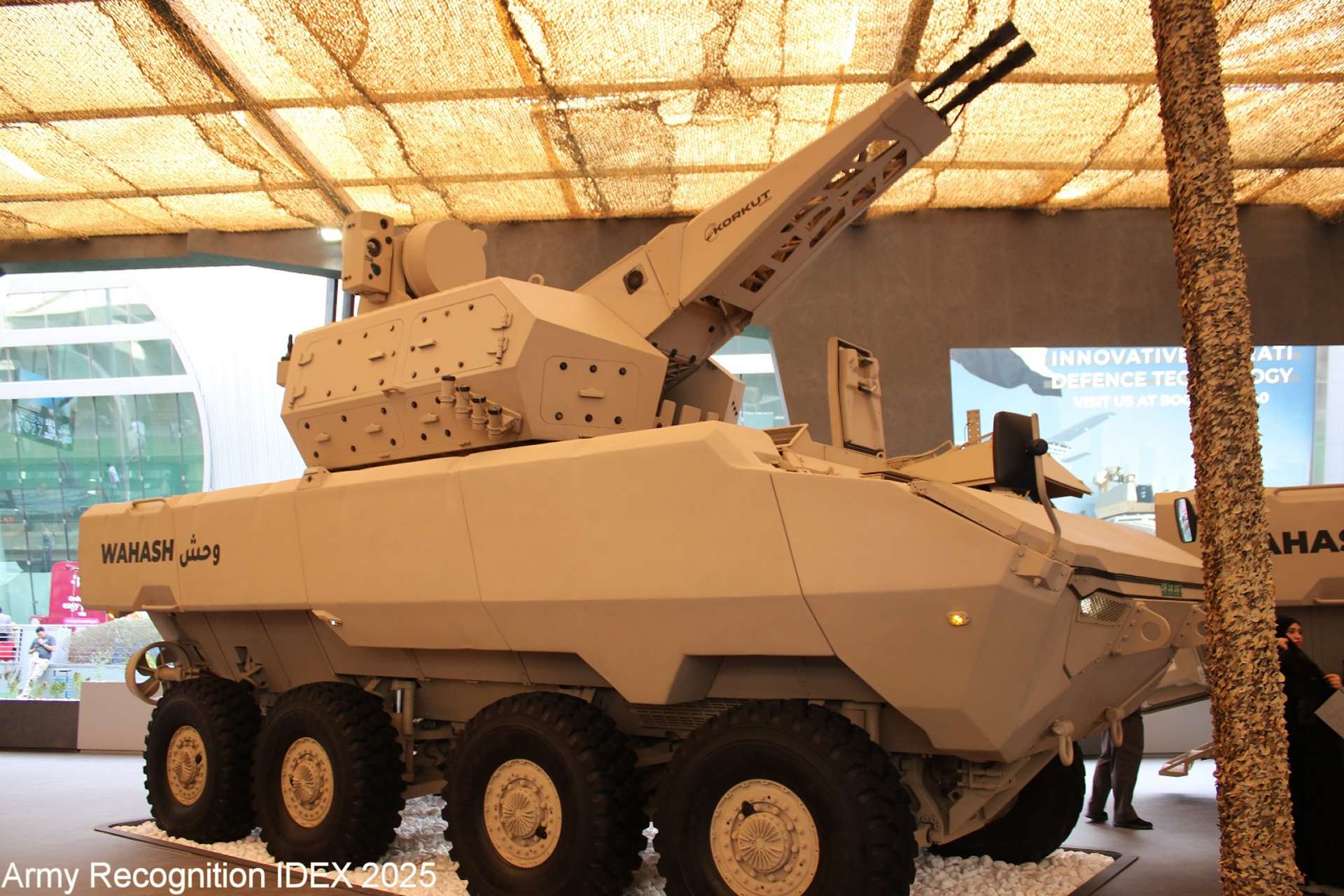
At IDEX 2025, a leading international defense exhibition, one of the standout vehicles is the Wahash 8x8 armored vehicle, now enhanced by the powerful Korkut turret. This combination of mobility, protection, and firepower marks a significant technological leap in modern military vehicles. The turret is manufactured in Turkey, and the chassis in the UAE. This is the first time a customer for the Korkut turret has been seen outside of Turkey.
The Wahash 8x8 armored vehicle is now enhanced by the powerful Korkut turret. (Picture source: Army Recognition)
The Wahash, developed by the Emirati company Calidus in collaboration with ADG Mobility from South Africa, made a strong impression during its presentation at the World Defense Show (WDS) 2024 in Saudi Arabia. With its versatile design, the Wahash is capable of fulfilling a wide range of missions, from infantry to surveillance and counter-insurgency operations. The addition of the Korkut turret at IDEX 2025 amplifies its capabilities, pushing the limits of what this vehicle can achieve.
The Wahash’s monocoque steel hull is designed to withstand the rigors of modern combat while providing superior payload capacity and protection. Configurable as an Infantry Fighting Vehicle (IFV) or an Armored Personnel Carrier (APC), the Wahash can be tailored to meet the needs of any mission. Its generic digital architecture allows for seamless integration with various C4ISR (Command, Control, Communications, Computers, Intelligence, Surveillance, and Reconnaissance) systems, providing advanced operational capabilities in any conflict theater.
Equipped with various advanced features, such as the Kaller ride height adjustment system, TEK seats, an Ametek air conditioning system, and an Ortana camera system, the Wahash is designed to provide comfort and operational efficiency in the most challenging environments. The vehicle can be fitted with different weapon configurations, including the BM-3 combat module, remotely operated weapon stations, or, as presented at IDEX 2025, the Korkut turret.
The Korkut turret, mounted on the Wahash, brings formidable firepower to the vehicle. Armed with a 35mm dual-barrel self-propelled cannon capable of firing up to 1,100 rounds per minute, the Korkut offers exceptional versatility. The turret features 360-degree rotation and can engage targets at a maximum range of 4 km. With 400 rounds of ammunition, it is perfectly equipped to provide both aerial and ground defense capabilities, thus enhancing the combat potential of the Wahash.
In terms of protection, the Wahash is designed to meet the strict requirements of modern warfare. It offers resistance to STANAG 4569 level 4 against bullets and mines, ensuring the safety of the crew in high-risk environments. The vehicle’s armor is also resistant to IEDs, 155mm artillery shell fragments, and mine explosions beneath the wheels and center of the vehicle.
The Wahash is powered by a 724-horsepower Scania DC 13 engine, allowing it to reach a top speed of 130 km/h and a range of 750 km. Its amphibious capabilities, with rear-mounted propellers, allow it to traverse water at speeds of up to 10 km/h, further enhancing its operational versatility across diverse terrains and conditions.
The presentation of the Wahash at IDEX 2025, equipped with the Korkut turret, marks a significant milestone in the evolution of armored vehicle technology. Its combination of firepower, protection, and mobility, paired with the Korkut system, makes it a force multiplier on the battlefield. As armed forces around the world continue to seek solutions to meet the challenges of modern warfare, the Wahash with its Korkut turret is set to play a key role in the future of military vehicle technology.
Read more: Emirati Wahash Armored Vehicle Equipped with Turkish Korkut Turret at IDEX 2025

- Details
- Written by: Vandenbosch
- Category: Defence & Security Industry Technology
- Hits: 3475
At the IDEX 2025 exhibition, Hensoldt unveiled its new optical solution, the Spotter 60, a spotting scope designed to meet the demands of reconnaissance troops and modern snipers. Engineered for missions in extreme environmental conditions, the Spotter 60 stands out for its exceptional performance, ergonomic design, and robustness, providing invaluable support for field operations.
The Spotter 60 is an evolution of the Spotter 45 model. (Picture source: Army Recognition)
The Spotter 60, an evolution of the Spotter 45 model, is a high-precision device that allows for the observation and recognition of targets at long distances, often beyond enemy lines. Its ability to detect, identify, and allocate targets is enhanced by a very high image resolution, ensuring hours of observation under challenging conditions.
The Spotter 60 boasts a magnification range of 20 to 60x, making it particularly suited for long-range observation. With an objective lens diameter of 72 mm and a field of view ranging from 19 to 49 meters at 1000 meters, it enables observers to spot even the smallest details in various environments. Additionally, a co-magnifying and illuminated reticle ensures optimal visibility, even in low-light conditions.
The Spotter 60 also stands out for its compact and ergonomic design. Its folded optical path allows for discreet observation from sheltered positions, an essential feature for reconnaissance missions in hostile terrain. Moreover, the spotting scope is equipped with an adaptable rail system, offering the ability to add extra equipment according to operational needs.
The rubberized metal housing of the Spotter 60 ensures its durability, while rigorous environmental testing according to MIL STD 810H guarantees its reliability even in the most extreme conditions.
The Spotter 60 is designed for use in a range of ISTAR (intelligence, surveillance, reconnaissance, and target acquisition) scenarios. It is compatible with tripod systems thanks to 1/8" and 3/4" tripod mounting threads, providing maximum flexibility for operators. The brightness adjustment of the image, done progressively, allows for quick adaptation to changing light conditions on the field, while an optional integrated laser filter enhances performance in high-light situations.
The Hensoldt Spotter 60 represents a significant advancement in the field of portable spotting scopes, combining high image resolution, robustness, and ergonomics to meet the challenges of modern reconnaissance missions. Presented at IDEX 2025, this device solidifies its place as an indispensable tool for defense forces seeking high-tech solutions for terrain surveillance and reconnaissance.

- Details
- Written by: Vandenbosch
- Category: Defence & Security Industry Technology
- Hits: 5382
At IDEX 2025, one of the most notable pieces of equipment at the defense technology stand is the Goliath-RU, an Unmanned Aerial System (UAS) designed to perform real-time aerial reconnaissance missions. This system, which stands out for its compactness and advanced operational capabilities, is part of a broader trend where reconnaissance drones are becoming increasingly essential for modern armed forces.
The Goliath-RU is equipped with a mini-UAV capable of conducting surveillance missions at a maximum distance of 4000 meters. (Picture source: Army Recognition)
The Goliath-RU is equipped with a mini-UAV capable of conducting surveillance missions at a maximum distance of 4000 meters, at an altitude of 250 meters. Thanks to its day and night camera system, it can capture and track targets in real time with great precision. This allows operators to obtain critical visual information on the ground, even in low-light conditions, enhancing the effectiveness of ground surveillance.
The Goliath-RU has specifications that make it a versatile tool for the armed forces. It weighs a total of 1200 g, with a payload capacity of 500 g, allowing it to carry high-definition cameras while remaining lightweight and easily transportable. The drone is launched vertically from a ground-based platform and can reach a maximum speed of 35 km/h. It offers a flight endurance of 40 minutes, making it suitable for extended reconnaissance missions.
The system is also designed for ease of deployment, with the UAV stored in a transport container. This container comes equipped with two cameras, one for daytime and one for nighttime use, providing full reconnaissance capability in various lighting conditions. A remote terminal allows the operator to control the drone, while the set also includes operational documentation and a spare parts kit to ensure system maintenance in the field.
One of the main advantages of the Goliath-RU is its ability to offer flexible and responsive reconnaissance. It can be used to monitor large areas or conduct targeted missions on ground objects, particularly during intelligence, surveillance, and reconnaissance (ISR) operations. With a range of 4000 meters, it can provide aerial coverage for land or maritime units, offering greater security and improved tactical decision-making.
The Goliath-RU is particularly well-suited for operations where discretion and rapid intervention are critical. Its low-altitude flight capabilities and night camera make it an ideal solution for missions in urban environments or areas with reduced visibility, such as forests or mountainous regions.
The presentation of the Goliath-RU at IDEX 2025 highlights the evolution of reconnaissance drone systems, particularly those that combine light weight, efficiency, and flexibility. This mini-UAV, with its advanced technical features and ease of deployment, represents a significant advancement in the field of aerial surveillance. Armed forces will be able to leverage its versatility and ability to provide real-time critical information, seamlessly integrating it into larger-scale operations.
- Details
- Written by: Vandenbosch
- Category: Defence & Security Industry Technology
- Hits: 9138
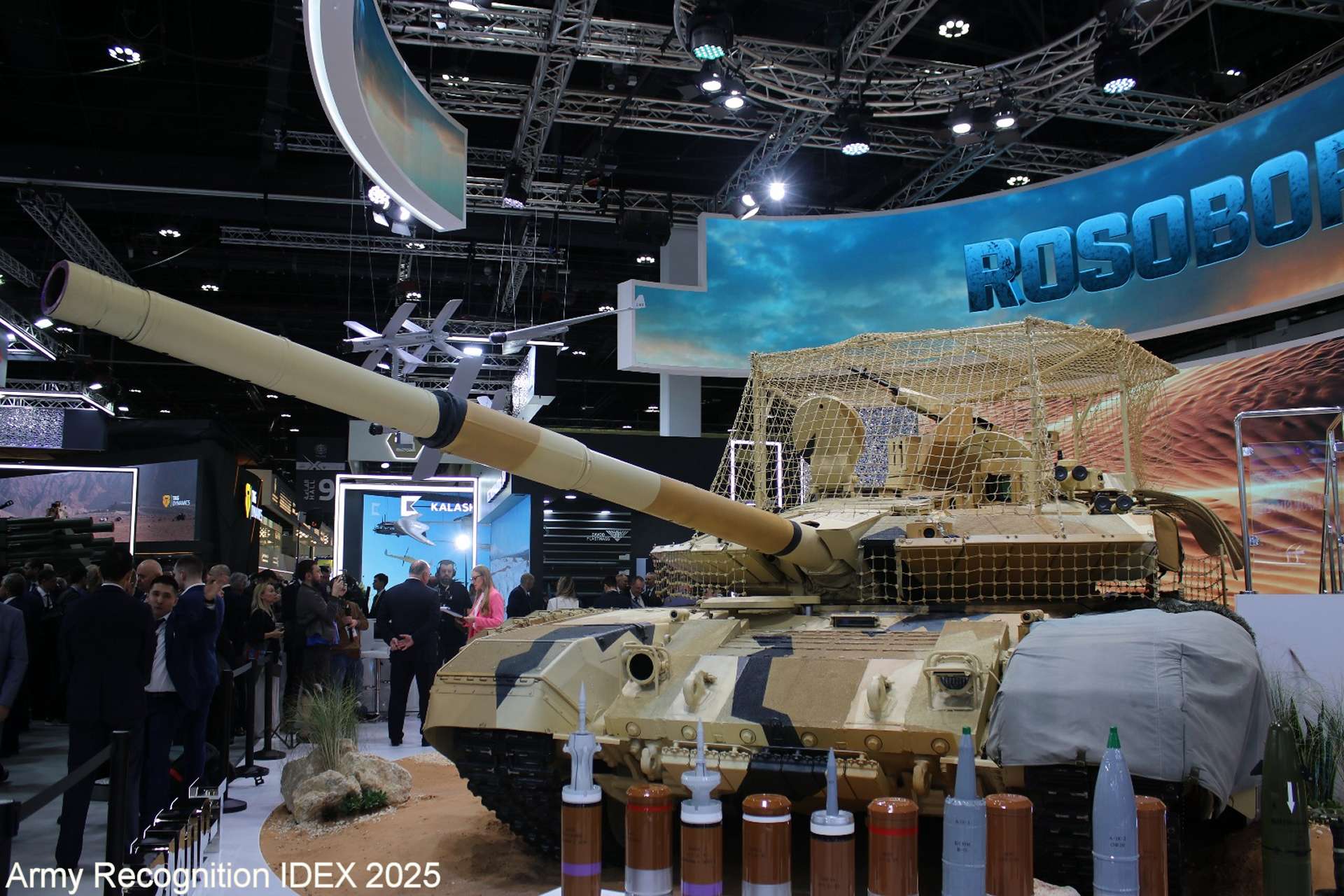
At IDEX 2025 in Abu Dhabi, the T-90MS, a modernized main battle tank from the Russian company Uralvagonzavod, makes a notable debut on the Rosoboronexport stand. This enhanced version of the T-90 boasts a range of features that improve its operational capabilities, making it an attractive option for the Russian Armed Forces as well as potential export customers.
The T-90MS is a modernized main battle tank from Russia. (Picture source: Army Recognition)
The T-90MS, initially unveiled at the Expo Arms in 2011, is part of the ongoing improvements to the T-90 series. Weighing in at 48,000 kg, the tank is designed to offer superior protection, enhanced mobility, and greater firepower compared to its predecessors.
The T-90MS incorporates several upgrades over previous models, particularly in the areas of protection, suspension, mobility, and armament. Its ability to operate effectively across a variety of terrains is reinforced by a 1,130 hp V-92S2F diesel engine, paired with an automatic transmission offering seven forward gears and one reverse gear. This enables the tank to reach a maximum speed of 60 km/h and a range of 550 km. Additionally, it is capable of fording water obstacles up to 1.8 meters deep without preparation and can navigate through up to 5 meters of water with USCE overpressure equipment.
The T-90MS is also fitted with torsion bar suspension and six hydraulic shock absorbers, ensuring stable and effective operation under the toughest combat conditions. The tank's design allows for unmatched mobility, even in the most rugged terrains.
The main armament of the T-90MS is a 125 mm 2A46M-5 gun, capable of firing a variety of ammunition types, including armor-piercing, high-explosive, and shaped-charge shells. The tank can carry up to 40 rounds of 125 mm ammunition and is also equipped with a 7.62 mm anti-aircraft machine gun mounted on a remotely operated turret, capable of targeting both moving and stationary targets.
In terms of protection, the T-90MS features modular explosive reactive armor (ERA) panels, which protect the sides and rear from threats such as projectiles and missiles. The turret and hull front are reinforced with RELIKT ERA armor, which is particularly effective against anti-tank missiles. For enhanced protection against nuclear, biological, and chemical (NBC) threats, the tank is equipped with the PKUZ-1A system.
The T-90MS also stands out for its high-tech fire control system. It is equipped with the Kalina system, which includes a combined panoramic sight for the commander with thermal and optical channels, as well as a laser rangefinder to measure distances with extreme accuracy. The dual-axis weapon stabilizer and the "hunter-killer" mode ensure optimal shooting accuracy, even while moving.
The tank also integrates a digital ballistic computer that automatically adjusts the parameters based on weather and topographical conditions, allowing for precise targeting at distances of up to 5,000 meters during the day and 3,500 meters under night-time conditions.
With the T-90MS, Uralvagonzavod has created a main battle tank that combines modernization with tradition, offering enhanced capabilities in an increasingly complex and dynamic environment. The presentation at IDEX 2025 not only demonstrates the continuous evolution of the T-90, but also highlights Russia's commitment to meeting the demands of modern armies in terms of protection, mobility, and firepower. This model could significantly enhance the Russian Armed Forces' capabilities while attracting new potential export clients.
Read more: Impressive Presentation of Russian T-90MS Main Battle Tank at IDEX 2025 in UAE

- Details
- Written by: Administrator
- Category: Defence & Security Industry Technology
- Hits: 6670
The modern battlefield is evolving rapidly, with new threats emerging that challenge even the most advanced main battle tanks (MBTs). The British Army’s upcoming Challenger 3 MBT, a heavily upgraded version of the Challenger 2 tank, is designed to ensure battlefield dominance through enhanced firepower, mobility, and protection. However, recent conflicts, particularly the war in Ukraine, have demonstrated the increasing effectiveness of aerial threats, including drones and loitering munitions. These developments call for a reassessment of MBT protection strategies to ensure survivability in future conflicts.
Follow Army Recognition on Google News at this link
New British Army Challenger 3 advanced technology demonstrator showcased at RBSL’s (Rheinmetall BAE Systems Land) facility in Telford, England. The upgraded design features cutting-edge enhancements in firepower, protection, situational awareness, and target acquisition capabilities. (Picture source: British MoD)
The proliferation of cheap but highly effective aerial drone warfare and precision-guided loitering munitions has shifted the balance of armored warfare. In Ukraine, both Russian and Ukrainian forces have extensively used drones for reconnaissance, target acquisition, and direct attacks against armored vehicles. First-person view (FPV) drones equipped with explosive payloads and advanced loitering munitions like the Lancet-3 have proven capable of destroying or disabling tanks, even those with reactive armor. Additionally, advancements in top-attack munitions, such as the Javelin ATGM or the Switchblade loitering munition, highlight the vulnerabilities of traditional tank armor, which primarily focuses on frontal and side protection. The Challenger 3 MBT (Main Battle Tank), while featuring enhanced modular armor and active protection systems (APS), may still need additional countermeasures to mitigate these evolving threats.
The Challenger 3 represents a significant upgrade over its predecessor, incorporating enhanced modular armor that utilizes next-generation technology for improved kinetic and explosive resistance. It includes an active protection system (APS) with hard-kill and soft-kill capabilities designed to intercept incoming anti-tank guided missiles (ATGMs).
The British Army has also considered integrating the Trophy APS from Rafael, which has already demonstrated its effectiveness in combat environments. Improved electronic warfare (EW) capabilities provide additional defenses against radar-guided threats, while the new Rheinmetall L55A1 120mm gun enhances lethality against both armored and non-armored targets. However, despite these upgrades, the increasing prevalence of drone warfare and top-attack weapons necessitates additional protection measures to ensure the tank's survivability in high-intensity conflict zones.
To address these emerging threats, the Challenger 3 tank must integrate next-generation active protection systems that can counter aerial threats, particularly drones and loitering munitions. While existing APS like Trophy are effective against ATGMs, they may not be optimized for intercepting fast-moving, low-altitude drones or precision-guided munitions. Future APS solutions should feature 360-degree radar and electro-optical sensors capable of detecting aerial threats in real time.
Directed-energy weapons (DEW), such as laser-based drone countermeasures, are already being developed in countries like the U.S. and Israel and could offer an effective means of neutralizing drone swarms before they reach their targets. Soft-kill electronic jamming systems should also be incorporated to disrupt drone control signals, effectively blinding and disabling enemy reconnaissance and attack drones before they can engage.
Given the increasing prevalence of top-attack threats, Challenger 3 tankshould also be equipped with roof-mounted counter-unmanned aerial system (C-UAS) weapons. Remote-controlled weapon stations (RCWS) with anti-drone capabilities, such as 30mm autocannons or AI-assisted machine guns, would provide an additional layer of defense. Integrating small, rapid-firing interceptors, such as the Israeli Iron Fist Light APS, optimized for drone threats, could further improve survivability. Another critical upgrade would be the incorporation of roof-mounted explosive reactive armor (ERA). Unlike traditional ERA, which is primarily used on the front and sides of the tank, roof-mounted ERA could provide additional protection against top-down strikes from drones, loitering munitions, and anti-tank guided missiles.
In addition to physical defenses, multi-layered soft-kill countermeasures could further enhance Challenger 3’s survivability. Deployable infrared and radar decoys, such as smoke grenades and radar-reflective materials, could help confuse guided munitions and drones. Strengthening the tank’s electronic warfare (EW) suite with an advanced counter-drone jamming system would be essential to disrupting communication signals between drones and their operators.
The integration of artificial intelligence (AI) and battlefield networking is another key factor in modern armored warfare. AI-powered early warning systems can identify drone threats in real-time, allowing Challenger 3 crews to respond more quickly and coordinate with other armored units or air defense assets to neutralize threats before impact. Additionally, connecting the tank to wider battlefield air defense systems, such as the Sky Shield or laser-based counter-UAS solutions, would provide an extra layer of protection.
The Challenger 3 is undoubtedly one of the most advanced MBTs being developed today, but the rapid evolution of aerial threats necessitates continuous adaptation. Lessons from Ukraine demonstrate that modern MBTs must not only defend against traditional anti-tank weapons but also swarms of drones and precision loitering munitions.
The Challenger 3 should incorporate advanced APS, modular roof armor, counter-UAS weapon systems, and enhanced electronic warfare capabilities to maintain its battlefield superiority. A combination of hard-kill and soft-kill solutions, along with AI-driven battlefield awareness, will be crucial for ensuring the Challenger 3 remains a formidable force on the battlefield.
The modernization of MBTs must go beyond traditional armor and firepower. As warfare evolves, tanks must adapt to counter new-generation asymmetric threats. Investing in these technologies now will ensure that the Challenger 3 tank remains relevant and survivable for decades to come, maintaining its position as a key asset in the British Army’s future combat operations.

- Details
- Written by: Vandenbosch
- Category: Defence & Security Industry Technology
- Hits: 6033
On February 13, 2025, Finnish Minister of Defence Antti Häkkänen and Slovenian Minister of Defence Borut Sajovic officially signed a Letter of Intent (LOI) in Brussels, marking the commitment of both nations to support Slovenia’s acquisition of 8x8 Modular Armored Vehicles (AMV) from Patria, a leading defense and technology company. The letter was jointly prepared by the ministries of defense of Slovenia and Finland, highlighting the intention of both countries to enhance their defense cooperation.
The AMV XP is an upgraded version of the modular armored vehicle AMV, designed by Patria, offering superior protection and combat capability. (Picture source: Patria)
This agreement represents a collaborative approach to defense acquisitions, with Finland offering its support to Slovenia for the purchase of Patria’s 8x8 vehicles. Known for their modularity, mobility, and robust protection, Patria’s AMV XP 8x8 vehicles are among the best in the global market. They provide superior firepower, protection, and agility, making them ideal for a variety of operational environments.
The Patria AMV XP 8x8 has already gained popularity, having been selected for ongoing vehicle projects in Slovakia and Japan, further solidifying its reputation as a state-of-the-art solution. Slovenia’s decision to acquire these vehicles reflects a growing trend among nations to seek enhanced armored vehicle capabilities for their armed forces.
The AMV XP (Armoured Modular Vehicle eXtra Protection) is an upgraded version of the modular armored vehicle AMV, designed by Patria, offering superior protection and combat capability. Primarily used by countries such as Bulgaria, Finland, and Slovakia, the AMV XP stands out with its advanced features tailored to the modern needs of armed forces.
The armament of the AMV XP is highly versatile, featuring a Trackfire weapon system that includes a 25mm cannon and a 7.62mm coaxial machine gun, offering significant firepower for medium-range engagements. The vehicle can also be equipped with a weapon up to a 120mm cannon, providing considerable flexibility depending on mission requirements. In terms of protection, the AMV XP boasts modular ballistic armor, along with mine and IED (improvised explosive device) protection systems, ensuring the safety of the crew against modern battlefield threats.
The vehicle has a maximum combat weight of 30,000 kg, allowing it to maintain a robust armor combination while still preserving high mobility. With a top speed of 100 km/h on roads, the AMV XP is capable of moving swiftly and efficiently across various terrains, while offering an operational range of 600 to 1,000 km, depending on usage conditions and operational needs.
The AMV XP can carry a crew of 2, while being capable of accommodating up to 10 additional soldiers, making it an ideal armored transport vehicle for rapid deployment and combat operations. The vehicle is equipped with several accessories that enhance its operational capabilities, such as an NBC (nuclear, biological, chemical) protection system, LED lighting technology, air conditioning, a central tire inflation system, as well as radios, intercoms, and night vision equipment, ensuring maximum effectiveness in various combat conditions.
With dimensions of 8.4 meters in length, 2.8 meters in width, and 2.5 meters in height, the AMV XP maintains an imposing size while offering excellent maneuverability on the battlefield. Thus, this vehicle combines strong protection, adaptable firepower, and high mobility, making it particularly suited for modern combat environments.
Patria, with over 100 years of experience in the defense and technology sectors, will play a key role in supporting Slovenia’s defense modernization efforts. The Finnish company offers a range of advanced products and services, including protected mobility and defense systems, which will contribute to the operational reliability of Slovenia’s armed forces.
This initiative also highlights the growing defense cooperation between Finland and Slovenia, with both nations seeking to enhance their military capabilities and share expertise in defense acquisitions. This partnership offers mutual benefits, strengthening the readiness and operational availability of their armed forces.

- Details
- Written by: Vandenbosch
- Category: Defence & Security Industry Technology
- Hits: 4680
India is set to finalize a major defense contract with the Philippines, valued at over $200 million, for the sale of its short-range Akash missile system. Sources close to the matter indicate that the deal is expected to be finalized in the fiscal year beginning in April 2025. This information was provided by Reuters. This would mark the second major defense export contract between India and Manila, highlighting the growing defense cooperation between the two nations in the context of escalating tensions with China.
The Akash missile system, developed by India's Defense Research and Development Organization (DRDO), is a surface-to-air missile with a range of up to 25 kilometers. (Picture source: Indian MoD)
The Akash missile system, developed by India's Defense Research and Development Organization (DRDO), is a surface-to-air missile with a range of up to 25 kilometers. It has already attracted international interest, including a contract with Armenia in 2024 valued at $230 million. The acquisition by the Philippines is expected to exceed this contract, although the exact number of missiles and associated systems, such as radars, has not been disclosed.
Bharat Dynamics Ltd (BDL) of India, the manufacturer of the Akash missiles, participated in the Asian Defense and Security Exhibition in Manila in 2024, further strengthening its presence in the region. However, neither the company nor the Indian Ministry of Defense has yet commented officially on the contract.
Although the Philippine Secretary of Defense, Arsenio Andolong, refrained from commenting on the specifics of the acquisition, he acknowledged that the country’s armed forces had expressed the need for advanced missile capabilities. This sale follows India’s 2022 sale of BrahMos supersonic cruise missiles to the Philippines for $375 million, further strengthening defense ties between the two countries.
The Philippines is actively modernizing its armed forces to strengthen its defensive posture, particularly due to the growing tensions with China over disputed territories in the South China Sea. Overlapping territorial claims in the region have led to several confrontations between the two nations, prompting the Philippines to enhance its military capabilities.
This potential sale is part of a broader strategy by India to increase its defense exports and reduce its reliance on foreign arms imports, a shift that has accelerated since the border conflict with China in 2020. Since then, India has ramped up its domestic defense production, with defense exports increasing by nearly 150% since 2020, reaching over $2.4 billion for the fiscal year ending in March 2024.
Despite this growth, India's arms trade remains lower than that of countries like South Korea and Australia, and far behind China, the world’s fourth-largest arms exporter.
The Philippines' military modernization efforts are also expected to include additional BrahMos systems and potential submarines. General Romeo Brawner, chief of the Philippine Armed Forces, confirmed that the country is seeking to enhance its arsenal in the coming years, although he did not mention the Akash missile system in his statements.
As geopolitical tensions in the region intensify, the Philippines' defense acquisitions from India signal a strengthening of strategic ties between the two nations, both seeking to improve their military capabilities in the face of growing security challenges posed by China.
Read more: Philippines Set to Finalize Missile Deal with India Amid Growing Tensions with China

- Details
- Written by: Vandenbosch
- Category: Defence & Security Industry Technology
- Hits: 7717
On February 12, 2025, Hanwha Aerospace announced the successful completion of acceptance tests for its new 1,000-horsepower diesel engine, designed for the K9 Self-Propelled Howitzer (SPH). This development marks a significant step forward for the K9 platform, further enhancing its appeal in the global market for self-propelled artillery systems.
The K9 is a 155 mm self-propelled howitzer developed by South Korea to provide rapid and precise long-range fire support. (Picture source: Hanwha)
Over the past year, this new powertrain has undergone rigorous testing in South Korea, Egypt, and other countries, covering more than 10,000 kilometers in diverse conditions, including desert environments. These tests confirmed both the reliability of the engine and its capacity to operate in demanding settings.
In 2022, Hanwha Aerospace signed a USD 1.7 billion contract with the Egyptian Armed Forces for the supply of a fleet that includes K9A1EGY self-propelled howitzers, K10 ammunition resupply vehicles, and K11 fire control vehicles. Under this contract, the first batch of K9A1EGYs equipped with the indigenous engine is expected to be delivered by the first quarter of 2026 at the latest.
According to Kim Dong-hyun, Head of the Land Systems Business Group at Hanwha Aerospace: “Thanks to the successful completion of the tests on our domestically built engine, we can now offer a specialized engine to any potential K9 customers, which should expand its global presence. This achievement is a key element of our ongoing efforts to diversify our portfolio and meet the evolving needs of our international clients.”
Adopted by ten countries worldwide—including six NATO members—the K9 is among the most popular artillery systems on the international market. Known for its “Shoot and Scoot” capability, it can swiftly deliver accurate fire beyond 40 kilometers and then reposition to avoid counter-battery fire.
The K9 is a 155 mm self-propelled howitzer developed by South Korea to provide rapid and precise long-range fire support. It features considerable firepower with its 155 mm main gun, complemented by a roof-mounted 12.7 mm heavy machine gun. Designed to withstand direct battlefield threats, its armor protects the crew from 14.5 mm armor-piercing rounds and fragments from 152 mm artillery shells, while maintaining high mobility thanks to its approximately 46,300 kg weight and a top speed of up to 67 km/h. The vehicle is equipped with a CBRN protection system, a heating unit, internal and external communications, manual fire suppression systems, and an automated fire control system. It can travel up to 360 km without refueling, preserving solid autonomy in the field.
Its dimensions—7.44 m in length, 3.4 m in width, and 2.73 m in height at the turret roof—provide enough interior space to accommodate a crew of five. The K9 is already in active service or being adopted in several countries, including South Korea, Australia, Egypt, Estonia, India, Finland, Norway, Poland (for the chassis), and Turkey (where it is known as the Firtina). Its success lies both in its long-range firing capabilities and its operational versatility, making it a top-choice artillery system for various theaters of operation.
Hanwha Aerospace is a global aerospace and defense company offering a wide range of products and services. Its portfolio includes land combat vehicles such as the renowned K9 self-propelled howitzer family, the Redback Infantry Fighting Vehicle, and the Chunmoo multiple rocket launch system, as well as precision-guided munitions and aircraft engines.
As South Korea’s leading aerospace and defense company, Hanwha Aerospace invests heavily in the research, development, and manufacture of advanced technologies. It plays a key role in national space programs, such as the Korea Space Launch Vehicle (KSLV). For more information, visit the company’s official website.

- Details
- Written by: Vandenbosch
- Category: Defence & Security Industry Technology
- Hits: 3066
Airbus presented its advanced team intelligence software, highlighting the significant potential of AI in managing unmanned aerial vehicles (UAVs) for defense applications. The recent test flight campaign, conducted in partnership with Czech drone manufacturer Primoco, marked a key milestone in the autonomous management of UAVs.
The innovative software allows for real-time dynamic control of multiple UAVs. (Picture source: Airbus)
The innovative software allows for real-time dynamic control of multiple UAVs, enabling operators on the ground or pilots in crewed aircraft to oversee and manage several UAVs simultaneously. This capability significantly reduces the burden of time-consuming tasks, such as surveillance and inspection over vast areas, allowing personnel to focus on more critical mission objectives. The AI-powered software automates various UAV functions, including surveillance, target recognition, and threat detection, thus freeing human operators to concentrate on strategic decision-making.
During the test campaign, Airbus demonstrated two distinct operational scenarios, highlighting the versatility and effectiveness of its AI-based automatic target recognition (ATR) software. The system could detect potential threats, monitor designated areas, and promptly alert ground stations, emphasizing the system’s reliability in real-world environments.
In addition to the software's core functions, Airbus also tested the integration of third-party applications. This step demonstrated the scalability of the team intelligence software, proving its ability to integrate with UAVs from different manufacturers. The integration of third-party software showcases the flexibility and extensibility of the technology, allowing it to adapt to a wide range of unmanned aircraft systems (UAS), regardless of their manufacturer.
The demonstration underscored Airbus’ commitment to advancing the development of its team intelligence software, to refine the system into a fully deployable product. The objective is to make this technology compatible with a broad range of aircraft, whether fixed-wing, rotary-wing, crewed, or uncrewed. Airbus is also focusing on the ongoing integration of third-party software components, ensuring that the software remains adaptable to the ever-evolving needs of modern defense operations.
As Airbus continues to enhance its UAV capabilities, the integration of AI technologies into unmanned systems promises to revolutionize the way military and defense missions are conducted, offering increased efficiency, scalability, and operational flexibility.
Read more: Airbus Advances UAV Operations by Integrating Artificial Intelligence
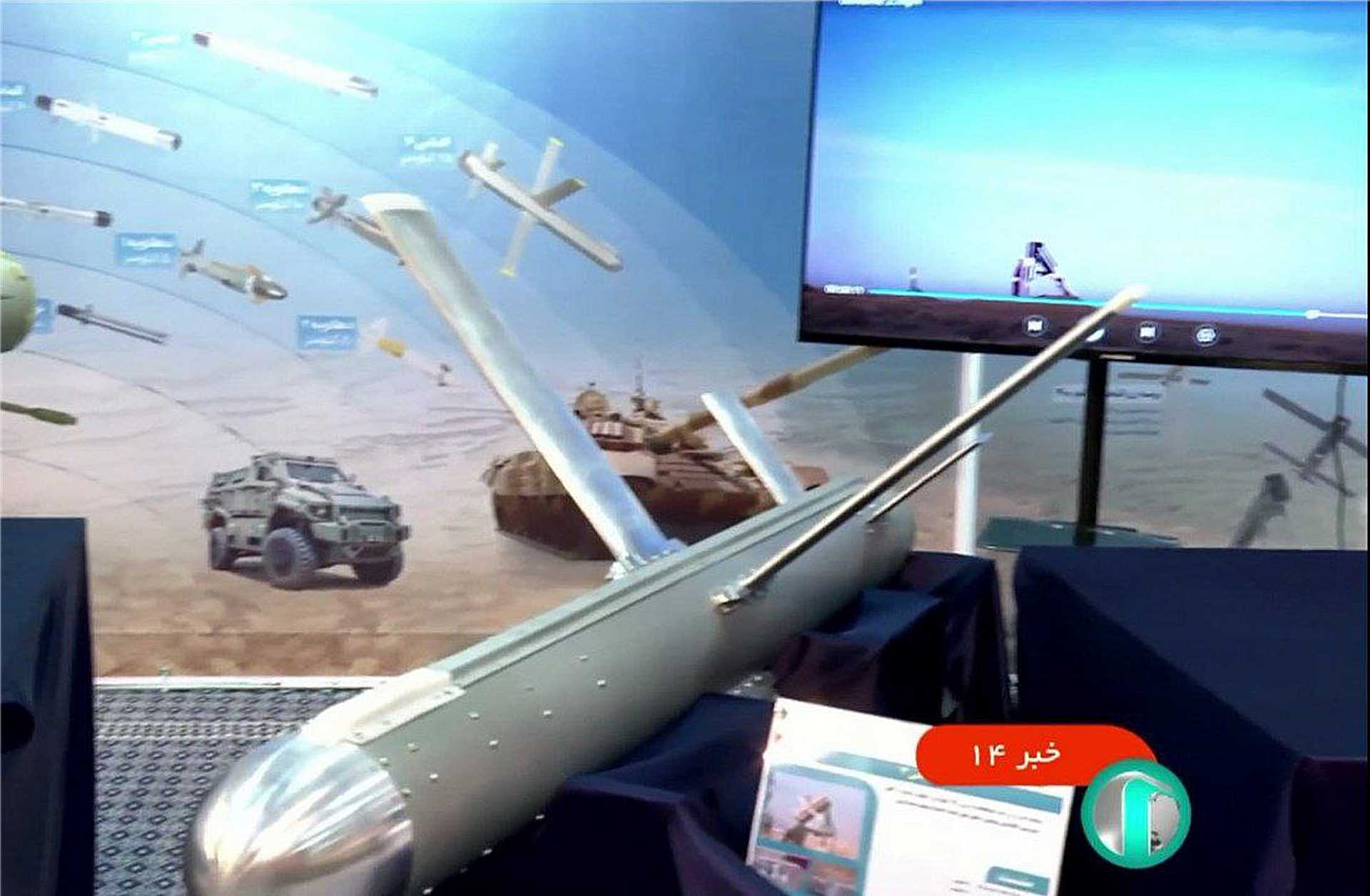
- Details
- Written by: Administrator
- Category: Defence & Security Industry Technology
- Hits: 7745
Several recent images published on social media have revealed Iran's latest advancement in anti-tank missile technology: the Almas-4 NLOS (Non-Line of Sight) missile. This new system represents the most extended-range version of Iran's domestically produced Almas missile family, which has been developed as an alternative to the Israeli Spike series of missiles.
Follow Army Recognition on Google News at this link
The newly revealed Iranian Almas-4 NLOS anti-tank missile is designed for long-range precision strikes beyond the line of sight. (Picture source: X Social Network)
Iran has long pursued a strategy of reverse engineering and indigenous production to counter international sanctions and military isolation. The Almas series, which includes the earlier Almas-1, Almas-2, and Almas-3, was developed by cloning Israeli Spike Anti-Tank Guided Missiles (ATGMs). Alongside these, Iran has also produced the Badr missile, another Spike-inspired system. The unveiling of the Almas-4 suggests that Iran has now replicated the capabilities of the Spike NLOS (Non-Line of Sight) variant—a long-range, multi-platform missile system designed for striking targets beyond visual range.
What sets the Almas-4 apart from its predecessors is its extended operational range and advanced targeting capabilities. Unlike conventional line-of-sight anti-tank missiles, NLOS systems enable operators to engage targets that are beyond their direct visual field. This feature significantly enhances battlefield flexibility, particularly in environments where targets are concealed by obstacles such as buildings, forests, or terrain features.
For comparison, the Israeli Spike NLOS—developed by Rafael Advanced Defense Systems—boasts a range of 50 km when launched from helicopters and 32 km from ground platforms. Although Iran has not officially disclosed the range of Almas-4, reports indicate that it may reach 25–35 km, positioning it as a serious threat to armored units and high-value military assets.
The Almas-4 significantly enhances Iran’s anti-armor capability, allowing strikes on distant enemy positions without direct line-of-sight engagement. Like modern ATGMs, the Almas series employs a top-attack flight profile, targeting the weaker upper armor of enemy tanks and armored vehicles for maximum penetration. While details remain scarce, the Almas-4 may be designed for vehicle-mounted or aerial deployment, similar to its Israeli counterpart. However, no dedicated man-portable ground platform has been demonstrated. The missile likely utilizes electro-optical and infrared seekers to track and engage targets autonomously or via operator guidance.
The development of the Almas-4 NLOS missile underscores Iran’s increasing self-reliance in precision-strike weaponry. Given the rising tensions in the Middle East, the Almas-4 could play a significant role in Iran’s defensive and offensive military doctrine, allowing it to target high-value enemy assets from safe distances. Furthermore, Iran may seek to export the Almas-4 to allied groups or partner nations, similar to how it has supplied previous missile systems to regional proxy forces. This could alter the military balance in asymmetric conflicts, as non-state actors gain access to advanced stand-off strike capabilities.
The unveiling of Almas-4 NLOS marks a significant milestone in Iran’s defense industry. By successfully replicating and enhancing the Spike NLOS concept, Iran has reinforced its ability to produce long-range, precision-guided munitions despite economic sanctions. While it remains unclear whether the Almas-4 matches the full capability of its Israeli counterpart, its existence alone represents a growing challenge for armored warfare in the region.
Read more: Focus: New Iranian Almas-4 Marks a New Era in Long-Range Anti-Tank Missile Technology
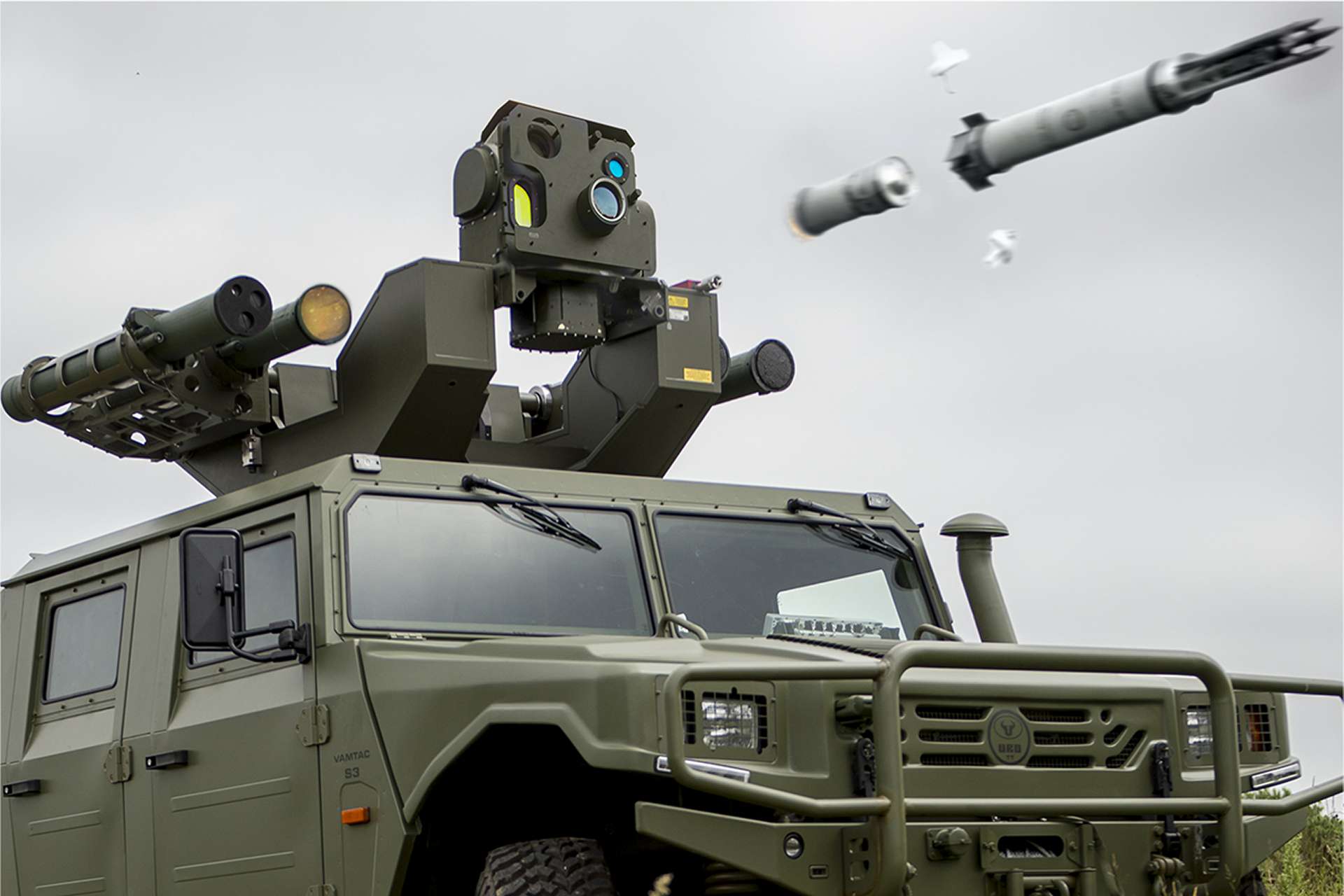
- Details
- Written by: Vandenbosch
- Category: Defence & Security Industry Technology
- Hits: 5103
Thales and Bharat Dynamics Limited (BDL) announce the official signing of an initial supply contract for laser-guided Man Portable Air Defence systems, the High Velocity (HVM) STARStreak missiles, in response to a significant requirement from the Indian government to enhance India’s air defence capabilities. The announcement was made on February 10, 2025.
As part of this agreement, India will receive STARStreak missiles and their associated launchers later this year. (Picture source: Thales)
As part of this agreement, India will receive STARStreak missiles and their associated launchers later this year—marking the first time the country has acquired Thales’s latest Very Short Range Air Defence (VSHORAD) system. This milestone also lays the groundwork for a long-term collaboration and production partnership between Thales and BDL, supporting the government’s “Make in India” initiative and ensuring that future needs of the Indian Ministry of Defence are met through local production and technology transfer.
Thales and BDL reaffirm their commitment to transferring (ToT) proven combat capabilities to bolster India’s defence industry. This contract is a pivotal step since the inception of the United Kingdom’s “Defence Partnership-India” program. By removing trade barriers and offering government-to-government contracting where appropriate, this framework further solidifies the strong defence and security ties between the UK and India.
The agreement also strengthens Thales’s longstanding partnership of over 70 years with India and confirms increased investment in the Thales facility in Belfast, where the STARStreak LBRM system is designed. The production partnership in India will stimulate UK production as well, ensuring ongoing collaboration and enhanced manufacturing capacity.
Lord Vernon Coaker, the UK’s Minister of State for Defence, believes this collaboration exemplifies how the UK and India are reinforcing their relationship and partnership in defence. While supporting India’s air defence capabilities and global security, he also views the agreement as demonstrating that defence can serve as an engine for growth, aligning with the UK government’s “Plan for Change.”
Pascale Sourisse, President & CEO of Thales International, considers this stage a defining moment for all stakeholders involved in developing LBRM air defence solutions. She notes that the agreement signifies the start of an exciting chapter in collaboration with BDL, contributes to the Aatmanirbhar Bharat vision, and strengthens the strategic partnership between the UK and India.
Cmde A Madhavarao, Chairman and Managing Director of Bharat Dynamics Limited, highlights that the agreement marks an important new step, bolstering BDL’s role in the defence ecosystem and its capacity to support current and future customers in LBRM air defence. He emphasizes that this initiative fully aligns with the Indian government’s “Make in India,” “ease of doing business,” and “Aatmanirbhar Bharat” programs, while boosting local industry through partnerships with international groups such as Thales.
Phil Siveter, CEO of Thales in the UK, states that signing this contract with BDL is a major advancement in supporting India’s air defence capability and further consolidates the partnership between the two nations. He expresses pride in Thales’s air defence expertise, which will deliver combat-proven capabilities to India.
Designed to counter a wide range of airborne threats, STARStreak is a high-velocity missile that uses laser beam guidance. With its speed and precision, it is perfectly suited to protect against fast-moving targets, significantly reinforcing the short-range air defence capabilities of armed forces.
This supply contract opens a new chapter in Thales’s long-standing presence in India and supports the nation’s strategic priorities in local production, self-reliance, and industrial growth.
Read more: Thales UK and India Sign Agreement for STARStreak Man Portable Air Defence Systems

- Details
- Written by: Administrator
- Category: Defence & Security Industry Technology
- Hits: 4407
In January 2025, the British Army Defence Science and Technology Laboratory (DSTL) conducted extensive trials showcasing advanced robotic systems designed for threat detection, bomb disposal, and tactical operations. The trials, part of the UK Government’s Plan for Change, aim to safeguard national security while accelerating the adoption of next-generation defense technologies.
Follow Army Recognition on Google News at this link
Boston Dynamics' Spot robotic dog neutralizing an improvised explosive device using an in-service disruptor, demonstrating its advanced bomb disposal capabilities. (Picture source: UK MoD)
British Army Dstl (Defence Science and Technology Laboratory) collaborated with leading British and international defense industry partners, including L3Harris, Marlborough Communications Ltd, and AeroVironment (Tomahawk Robotics), to evaluate various Unmanned Ground Vehicles (UGVs), AI-powered drones, and robotic systems. These autonomous and semi-autonomous platforms demonstrated their capabilities in threat classification, bomb disposal, and complex environmental navigation.
The trials featured UGVs equipped with advanced sensors capable of remotely classifying and identifying threats. These robotic platforms utilize sensor fusion technology, AI-based image recognition, and real-time data processing to assess hazardous environments, reducing the need for human personnel in high-risk zones. The ability of these robots to detect and analyze threats autonomously represents a significant step forward in military automation, as they provide a critical advantage in situations where rapid decision-making and remote threat mitigation are essential.
A major highlight of the trials was the use of Boston Dynamics’ "Spot" robotic dog, integrated with a carbon fire disruptor—a specialized tool designed to neutralize explosive threats at a safe distance. The disruptor operates by launching a high-energy projectile or fluid jet to disable explosive devices before detonation. By mounting the disruptor onto the agile Spot robotic platform, the system transforms into a highly mobile bomb disposal unit, capable of approaching, assessing, and neutralizing explosive threats without direct human intervention. This advancement significantly enhances Explosive Ordnance Disposal (EOD) operations, improving safety for military personnel and first responders. Robots like these are set to revolutionize the field of bomb disposal by minimizing human exposure to explosive hazards while maximizing precision and effectiveness in neutralizing threats.
Dstl also tested AI-enhanced drones capable of detecting potential threats and human presence in complex environments. These drones, integrated with autonomous navigation and advanced computer vision algorithms, can independently identify hostile actors, suspicious objects, and hazardous areas. The incorporation of machine learning-based threat recognition enables real-time situational awareness, enhancing military and law enforcement reconnaissance missions. These systems are expected to play a crucial role in urban warfare, perimeter security, and counter-terrorism operations. AI-driven drones not only enhance the speed and accuracy of target identification but also allow for more efficient resource allocation by reducing the burden on human operators.
Another key aspect of the trial was the evaluation of robots performing complex operational tasks, such as opening doors and climbing stairs. These robotic platforms, designed for urban and confined-space missions, showcased their ability to navigate challenging environments, mimicking human-like mobility. Such advancements will be essential for special forces operations, disaster response missions, and hazardous material handling, providing military and security teams with safer and more efficient operational solutions. The ability of these robots to operate in difficult and unpredictable environments highlights the increasing role of automation in modern combat and crisis response scenarios.
The integration of robotic technology into military operations is becoming increasingly crucial for enhancing operational effectiveness, force protection, and strategic superiority. The use of unmanned systems, such as UGVs, AI-powered drones, and robotic dogs, reduces the exposure of military personnel to life-threatening situations. By deploying autonomous or remotely operated robots, armed forces can conduct reconnaissance, identify threats, and neutralize dangers without risking human lives. This shift towards robotic warfare is not only revolutionizing battlefield tactics but also ensuring greater safety for soldiers engaged in high-risk missions.
One of the most significant advantages of robotic technology is its ability to perform tasks that would otherwise be too dangerous, time-consuming, or physically demanding for human soldiers. Robots equipped with advanced sensors and AI-driven decision-making capabilities can operate in hazardous environments such as urban combat zones, contaminated areas, or active war zones where human access is limited. Their ability to traverse difficult terrain, open doors, climb stairs, and detect threats autonomously allows for greater tactical flexibility and rapid response in dynamic combat situations.
Bomb disposal operations, in particular, benefit immensely from robotic intervention. The use of robotic platforms like Boston Dynamics’ Spot, equipped with specialized disruptors, enables safe and precise neutralization of explosive threats. This reduces the number of casualties among Explosive Ordnance Disposal (EOD) teams and enhances the efficiency of counter-IED (Improvised Explosive Device) operations. By removing human technicians from direct exposure to explosive threats, militaries can significantly lower the risk of injury and loss of life in conflict zones.
Furthermore, AI-powered drones and robotic systems provide a substantial intelligence-gathering advantage on the battlefield. Equipped with high-resolution cameras, thermal imaging, and AI-powered analytics, these systems can autonomously identify enemy movements, detect hidden threats, and provide real-time situational awareness to command centers. This level of intelligence not only improves decision-making but also allows for more precise targeting, reducing collateral damage and increasing mission success rates.
The adoption of robotic technology is also reshaping the future of asymmetric warfare and counter-terrorism operations. In an era where non-traditional threats such as cyber warfare, insurgency, and urban combat are becoming more prevalent, autonomous systems offer new capabilities to counter evolving threats. Whether used for reconnaissance, perimeter security, logistics, or direct combat support, robotic technology is poised to become a key force multiplier in modern military operations.
As military conflicts continue to evolve, nations investing in robotic and AI-driven defense technologies will gain a strategic edge over adversaries. The successful implementation of unmanned systems ensures that modern armed forces remain adaptable, resilient, and technologically superior in an increasingly unpredictable global security landscape. By integrating these cutting-edge technologies, the UK and other leading military powers are shaping the future of warfare, where robots and AI-driven platforms will work alongside human soldiers to achieve mission success with greater efficiency and reduced risk.
This live demonstration marks a turning point for the future of robotic warfare, reinforcing the UK’s position as a global leader in defense technology innovation. The trials conducted by Dstl demonstrate that robotic systems are not only viable but essential for the modern battlefield, where speed, accuracy, and operational safety are paramount. As research and development in this field continue to advance, the role of AI-driven and autonomous technologies in military operations will only expand, further enhancing the capabilities of modern armed forces.

- Details
- Written by: Vandenbosch
- Category: Defence & Security Industry Technology
- Hits: 16911
The German Ministry of Defense has recently confirmed the initiation of the first contracts for the development of the future Leopard 3 tank, a crucial step in modernizing the Bundeswehr's armored capabilities. These developments are part of Germany’s ongoing efforts to maintain a strong military fleet, with a focus on the transition until the Main Ground Combat System (MGCS) is operational in 2045, a program being developed in close cooperation with France.
Franco-German technology demonstrator Leopard 2 A-RC 3.0 - illustrative image. (Picture source: KNDS)
In contrast to the French Ministry of Armed Forces' decision not to fund an "interim" solution while waiting for the MGCS, Germany has deemed a transitional solution necessary. This approach is part of Germany's strategy to advance its armored vehicle technologies in the short term while focusing on long-term developments.
The future Leopard 3, a significantly upgraded version of the current Leopard 2, will not rely on the existing Leopard 2A8 but will feature numerous technological and operational improvements. The German Ministry has awarded several contracts to support the development of this next-generation tank, which is expected to be equipped with Rheinmetall’s 130mm smoothbore gun. This choice aligns with Rheinmetall’s ongoing work to create a new ammunition suite, with contracts awarded for the development of at least three distinct 130mm shell models.
Further solidifying Rheinmetall's role in the design of the Leopard 3, the German Ministry has tasked Hensoldt and KNDS Deutschland with studies related to the tank’s fire control system. Hensoldt will focus on developing a system for automatic field adjustment, adaptable to all variants of the Leopard 2, thus ensuring compatibility across the entire vehicle family, while KNDS Deutschland will work on compensating for thermal effects on the gun, which can impact its accuracy.
KNDS Deutschland will also be responsible for designing a new propulsion system for the Leopard 3, known as OLYMP. The engine, which will be manufactured by Liebherr, is expected to utilize components from existing systems to enhance the agility of the drive chain while integrating new technologies, including an alternative combustion engine.
These studies are scheduled to be completed by November 2026, with the Leopard 3 expected to enter service in the early 2030s. This timeline is consistent with previous projections and aligns with Germany’s strategic plans to maintain its leading position in armored warfare capabilities. With the Leopard 3, Germany is taking significant steps to ensure that its military forces remain equipped with state-of-the-art technologies, awaiting the arrival of the MGCS, which promises to transform the European defense landscape.
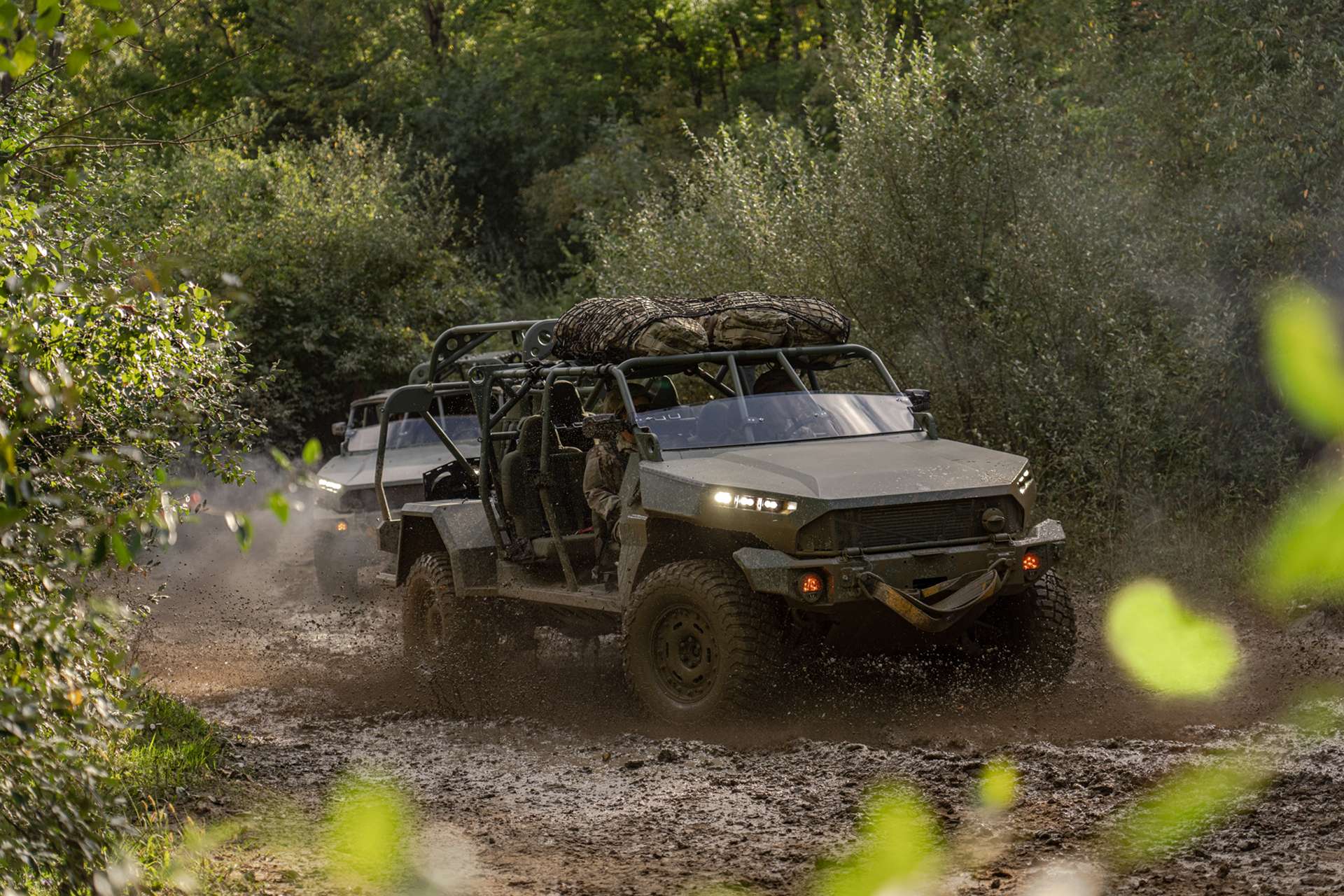
- Details
- Written by: Vandenbosch
- Category: Defence & Security Industry Technology
- Hits: 5115
GM Defense LLC, General Motors' defense subsidiary, has recently won a $44,884,510 contract to provide the U.S. Army with Infantry Squad Vehicles (ISV). The firm-fixed-price contract was awarded by the U.S. Army through the Army Contracting Command at Detroit Arsenal, Michigan. Work locations and funding will be determined with each order, and the estimated completion date is December 31, 2025.
The ISV is designed to meet the U.S. Army's tactical mobility requirements. (Picture source: GM Defense)
The Infantry Squad Vehicle (ISV) is designed to meet the U.S. Army's tactical mobility requirements. This ultra-light vehicle, based on the Chevrolet Colorado ZR2 platform, is intended to enhance the mobility of troops during military operations on difficult terrains. With a capacity to transport nine passengers, it stands out for its robustness and exceptional off-road capabilities, allowing it to move efficiently across a wide range of operational conditions.
The ISV is easily maintainable thanks to its integration of 90% Commercial-Off-The-Shelf (COTS) components, including parts from Chevrolet Performance, which enhance its off-road performance. Its unique design makes it perfectly suited to rapid deployment requirements, enabling its insertion onto the battlefield by various aerial means, such as C-17, C-130, and A-400M aircraft, as well as internal loading in helicopters like the CH/MH-47 Chinook and CH-53E/K Super Stallion. The vehicle can also be transported as a sling-load under a UH-60 Blackhawk.
The ISV is a modular vehicle, with kits available to customize its capabilities for specific missions. These kits, developed to meet the diverse needs of general-purpose and special operations forces, offer exceptional flexibility in terms of adaptability. Among the available kits are equipment for Casualty Evacuation (CASEVAC), mounts for heavy weapons such as the M240 or M2, and brackets for installing infrared lighting systems.
With its 2.8L Duramax turbo diesel engine and six-speed automatic transmission, the ISV guarantees high performance and reliability. Its front and rear electronic locking differentials ensure better traction on varied surfaces, enabling the vehicle to traverse complex terrains while protecting its occupants with a rollover protection system. In summary, the ISV is a flexible vehicle, ready for rapid deployment and adapted to a variety of tactical missions.
In June 2020, GM Defense won an initial contract worth $214.3 million to develop and produce 649 ISVs, intended to be deployed within 11 infantry combat brigades. In April 2023, the U.S. Army approved full-rate production of the ISV, increasing the acquisition goal to 2,593 vehicles.
This new $44,884,510 contract is part of the ongoing acquisition of these vehicles, aimed at strengthening the mobility and efficiency of U.S. infantry units. The ISV offers rapid and flexible transport capability for an infantry squad of nine soldiers and their equipment, thus improving the responsiveness and operational capability of ground forces.
Read more: US Army Selects GM Defense to Provide Infantry Squad Vehicles for Tactical Operations

- Details
- Written by: Vandenbosch
- Category: Defence & Security Industry Technology
- Hits: 4711
Hungary recently announced the acquisition of 56 Gidrán 4x4 tactical vehicles to strengthen the ongoing modernization of its Defense Forces (HDF). This purchase was confirmed by the Hungarian Minister of Defense, Kristóf Szalay-Bobrovniczky, during his visit to the Nurol Makina production facility in Turkey on February 4, 2023.
The Gidrán 4x4 is an armored combat vehicle designed to provide high levels of protection and mobility. (Picture source: Nurol Makina)
The minister emphasized the importance of cooperation between Hungary and Turkey, viewing the Gidrán program as a cornerstone of this partnership. Through this collaboration, the HDF continues to meet NATO capability requirements while consolidating its overall defense posture.
The Gidrán 4x4 is an armored combat vehicle designed to provide high levels of protection and mobility, meeting the operational needs of military units and security forces in all areas of deployment, whether urban or rural. Its chassis is distinguished by a unique design and substantial payload capacity, enabling the integration of various payloads and customization of the vehicle for a wide range of missions. Thanks to its powerful diesel engine delivering high torque and its fully independent suspension, it offers excellent off-road performance and high reliability during operations.
Throughout its development, special attention was paid not only to robust protection but also to the operational and ergonomic requirements of the crew, so the Gidrán 4x4 can comfortably accommodate up to twelve personnel. This design, focused on both comfort and efficiency, includes the possibility of integrating a remote-controlled or manual weapon station, side gun ports, run-flat tires, and features that facilitate troop embarkation and disembarkation. The vehicle is also equipped with fans for expelling smoke from interior gunfire, integrated radio infrastructure, hydraulically assisted power steering adapted to the vehicle, and an onboard rectifier.
In terms of protection, the Gidrán 4x4 meets MRAP (Mine Resistant Ambush Protected) standards, providing high levels of defense against mines, improvised explosive devices (IEDs), and lateral blasts. Its ballistic armor and reinforced architecture offer soldiers a safer operational environment, while its maintenance remains fast, straightforward, and cost-effective. Thus, the Gidrán 4x4 offers an optimal balance between protection, versatility, and ease of maintenance, making it a reliable platform to ensure the safety of deployed personnel.
While Nurol Makina produces the base vehicles, Hungary then integrates additional electronic, communication, radar, and armament systems. This approach guarantees maximum operational flexibility for the HDF and demonstrates the country’s commitment to developing its defense industrial capabilities.
Finally, Minister Szalay-Bobrovniczky highlighted the positive outcomes of this collaboration, announcing that Hungary intends to broaden its partnerships with other Turkish defense companies. The goal is to further encourage joint innovation and strengthen the technological and industrial capabilities of both countries.
Read more: Hungary Orders 56 Additional Gidrán 4x4 Tactical Vehicles from Nurol Makina
- Breaking News: Rheinmetall Delivers First Skyranger 30 Air Defence System to German Army
- Exclusive: US Army Shifts Abrams Tank Modernization to M1E3 Engineering Change Proposal Phasing Out SEP V4
- Russia and Kalashnikov Group to Present New AK-15K and AK-15SK Assault Rifles
- Hungary Receives 45 Lynx IFVs as Part of Modernization of Its Ground Forces